Abstract
While environmental threats affect all nations globally, different countries develop their unique ways of approaching the problem. In addition to the legal framework protecting its natural resources, Europe developed a model of addressing environmental concerns by everyday actions, incorporating sustainable practices into individual lifestyle choices and business practices. This photo essay documents examples of how such solutions are infused into everyday lives of citizens to a great cumulative impact on the region. This gives an inspiration to other nations to work on reducing their environmental footprint and balancing their economic goals with the mindful stewardship of nature.
I remember my first visit to the Vienna Airport—wandering around a maze of trash bins with peculiarly precise instructions, none of which fit the description of an item in hand—an empty water bottle from the last flight. That was my first exposure to recycling European style. I live in the United States and I do recycle what I can based on the locally available programs. I reuse most things and try to do my part in protecting the environment, but nothing prepared me for this radical, absolutist approach to recycling, when glass is separated by color, plastics by type, paper, aluminum and such, each acquiring their own slot in a waste management system that requires complex categorization, judgment, and focus.
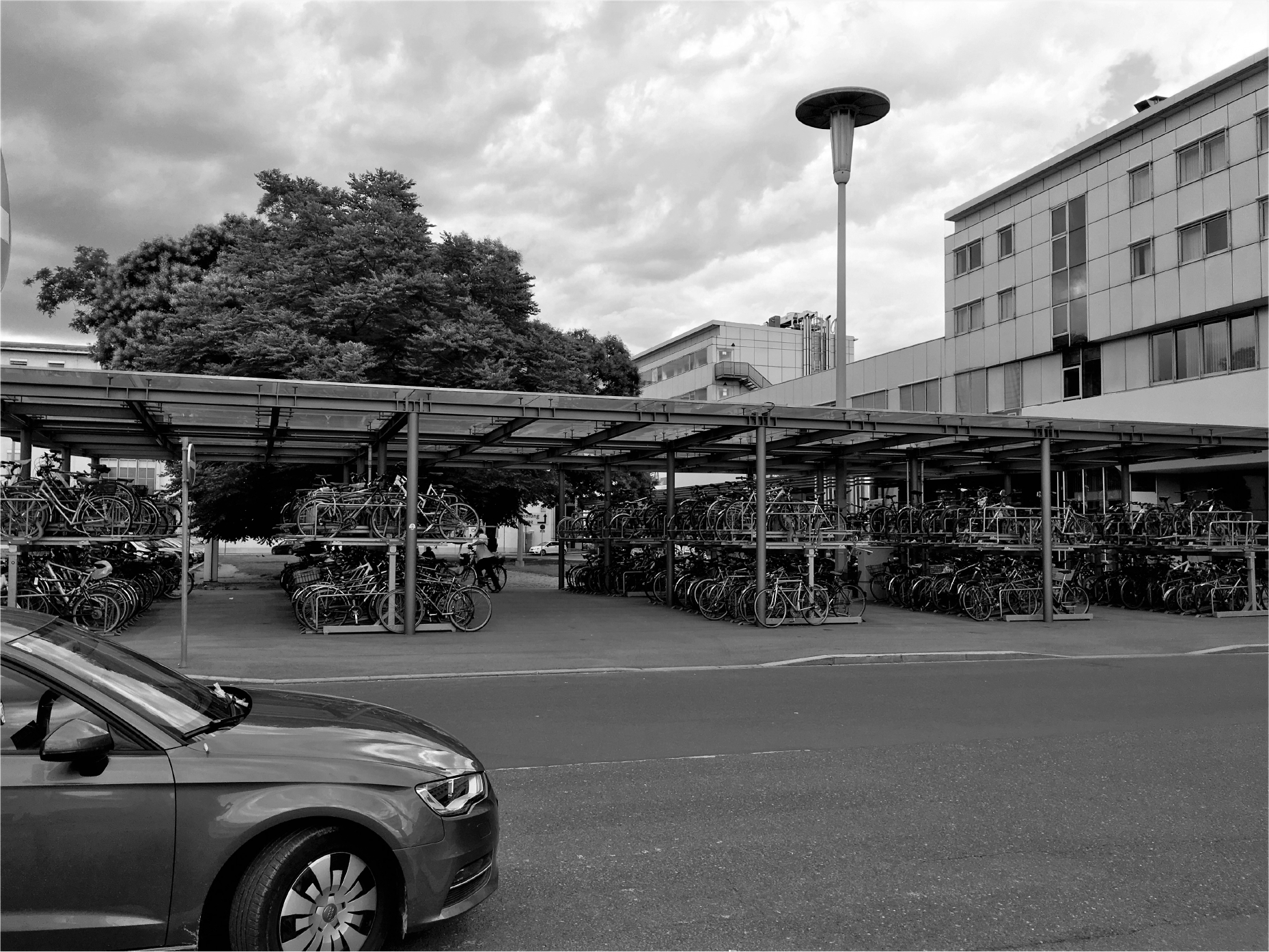
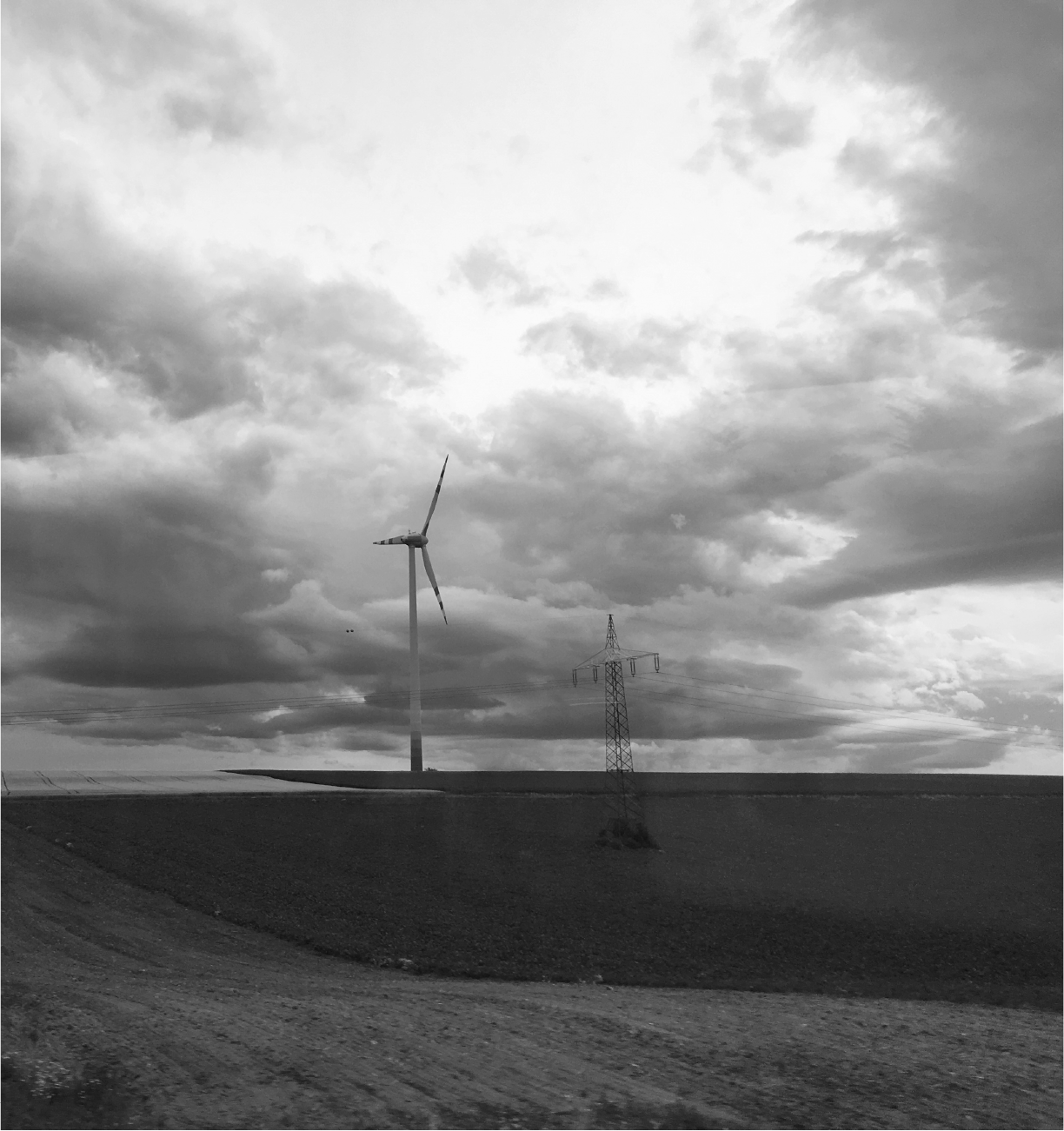
Right from the start I was impressed not only by the effort behind this elaborate system, but by the shared environmentalist values such organization would require from the population. The packed “parking lot” for bicycles at the Austrian train station attests to that most visibly. Many different people had to invest physical energy and expose themselves to the elements by biking instead of driving to fill that lot. This is not an individual effort; the whole country is involved in it. Even before the plane lands at the neat, compact airport, the environmental attitude of the nation presents itself by the numerous windmills, these ambassadors of clean energy. The airport further greets you with a breakfast served mostly on porcelain with metal cutlery.
Austria is by no means an exception on the European continent. Many travels across different countries allow the pattern to emerge. Enjoying the geothermal energy options, the well-functioning network of public transportation, most often electric, the clean water fountains on the streets to refill water bottles, the trains that bring you quickly and efficiently to your destination—without a car—allow the citizens to live in harmony with their own goals and the stewardship of nature. The infrastructure is important to facilitate the spread of Earth-minded practices across this wide region. The laws provide the legal underpinnings of emission control, and allow better habits to take root by rewarding environmentally friendly choices. However, it is not just the legislature that counts in enacting environmental regulations, but the commitment to take time and do things less conveniently to preserve the quality of life and good health that clean environment can provide. Too often, damage to nature is done when people choose ease and efficiency rather than long-term sustainability of the planet and our life on it.
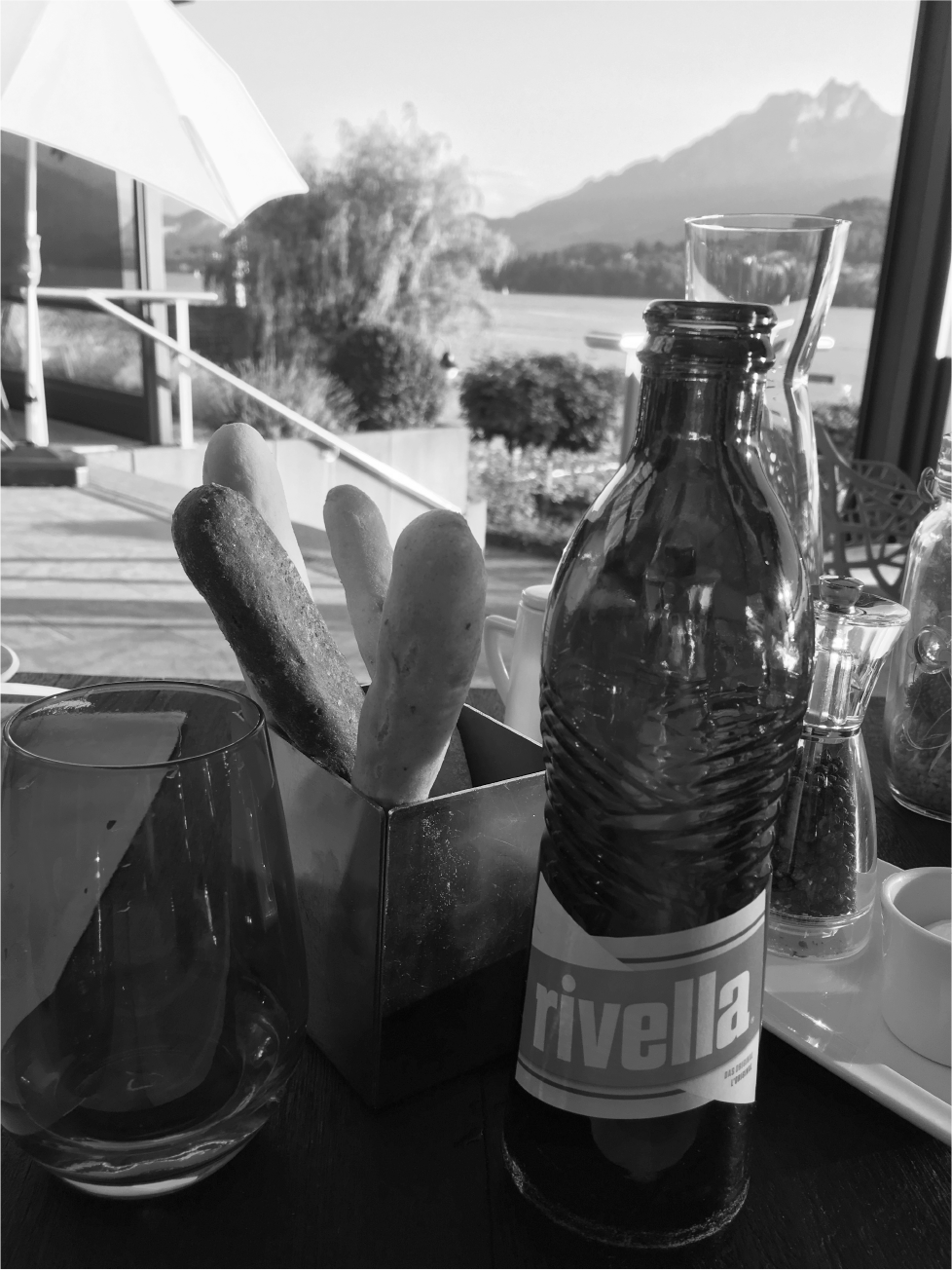
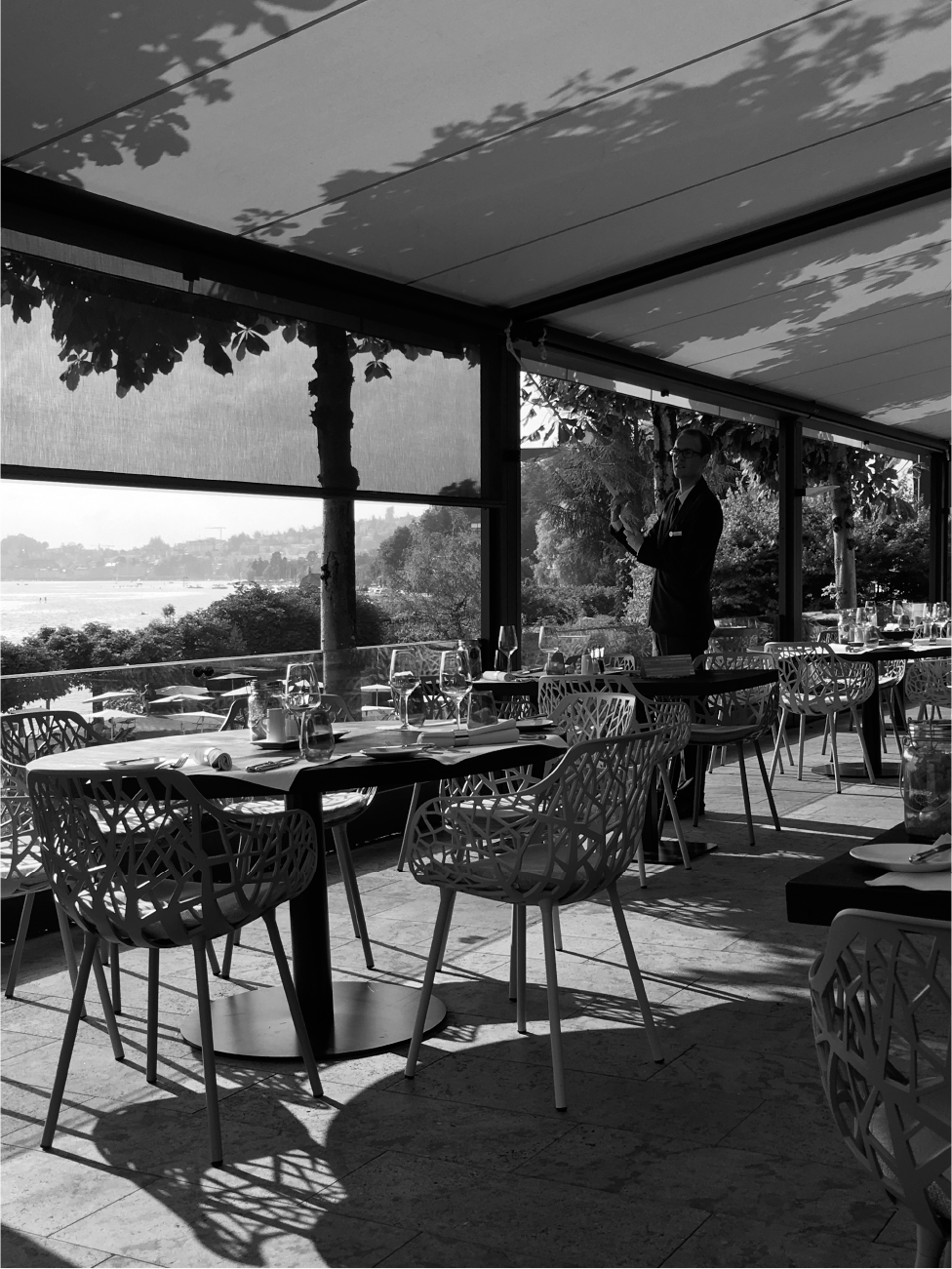
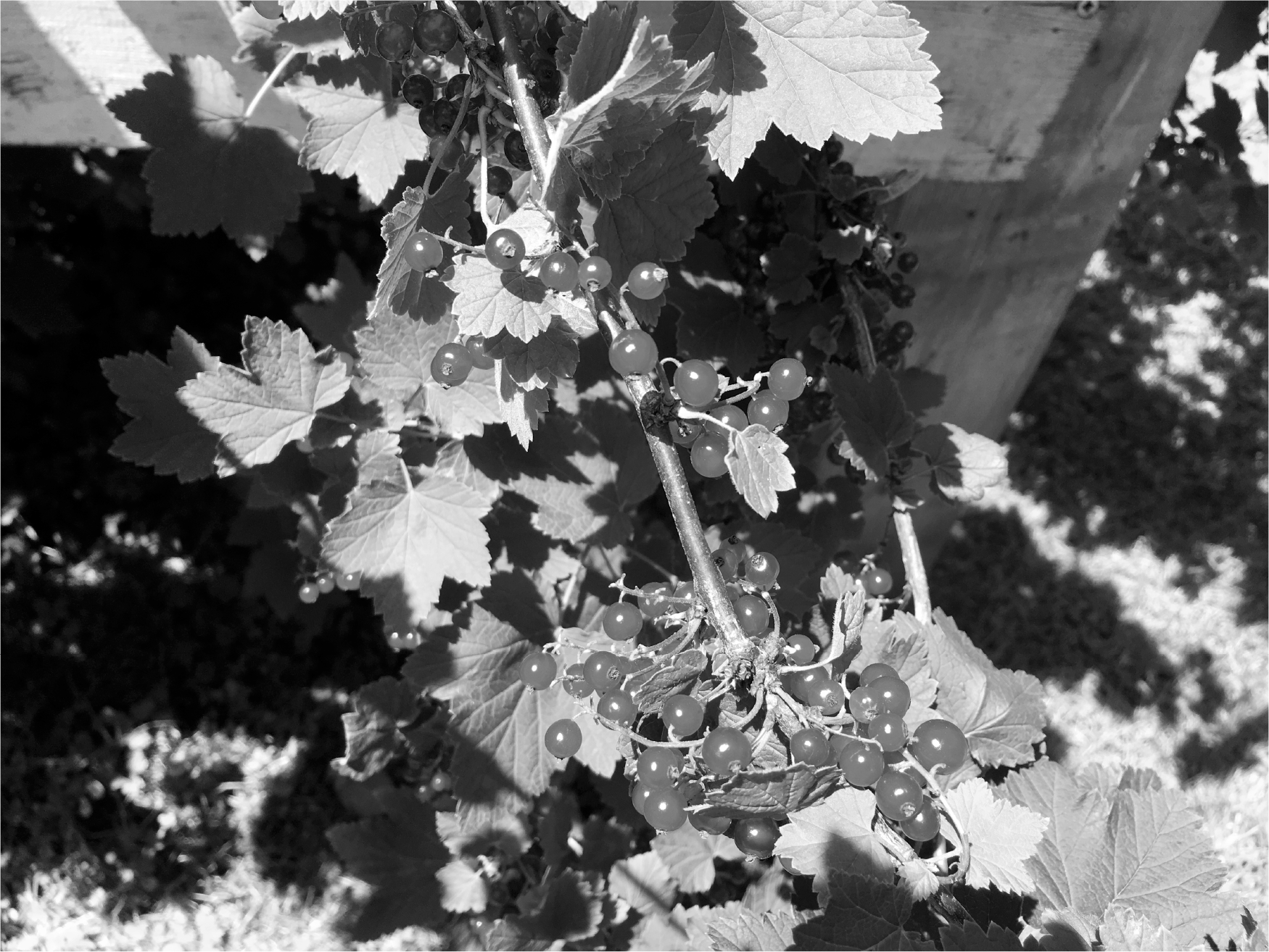
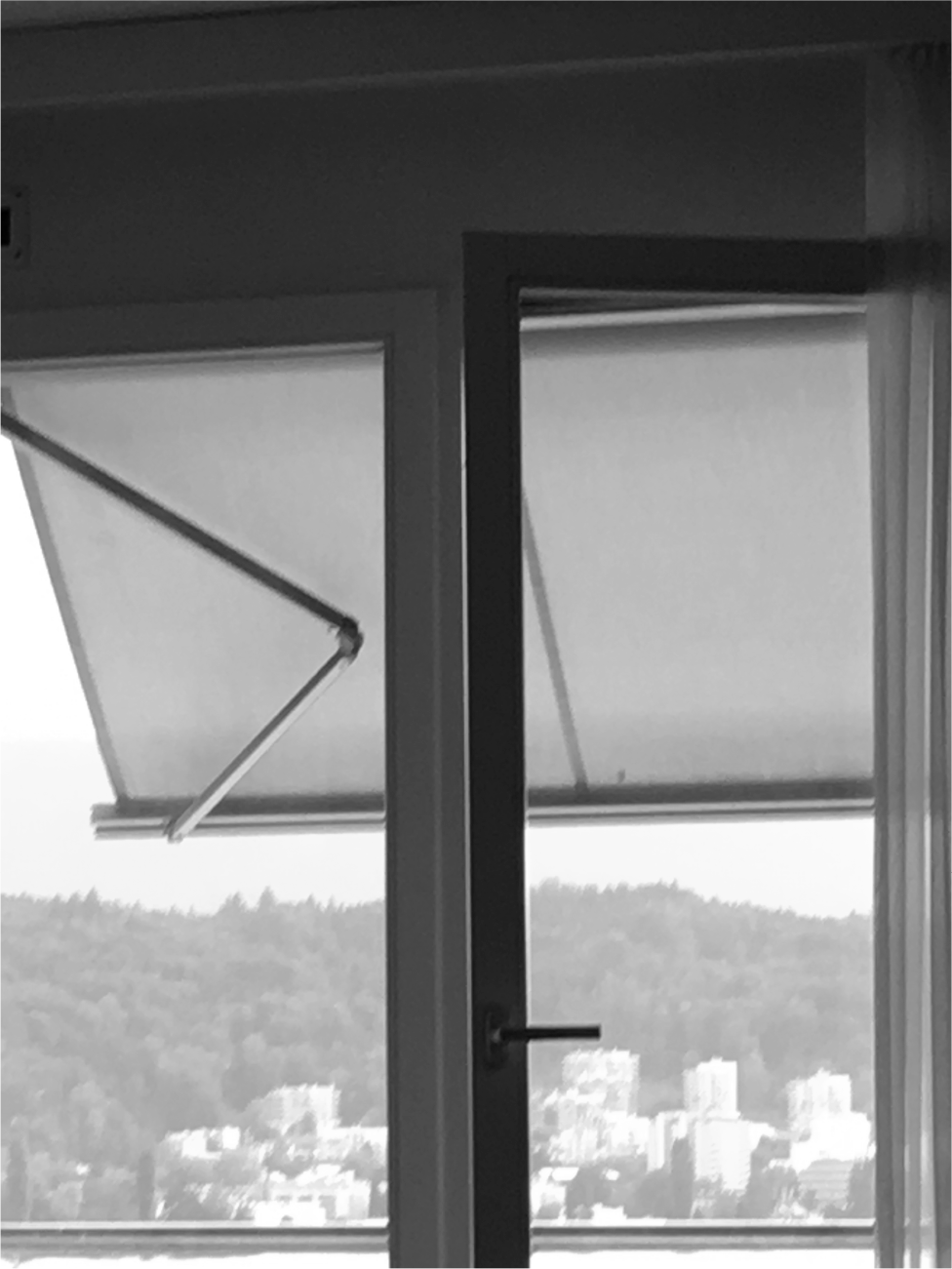
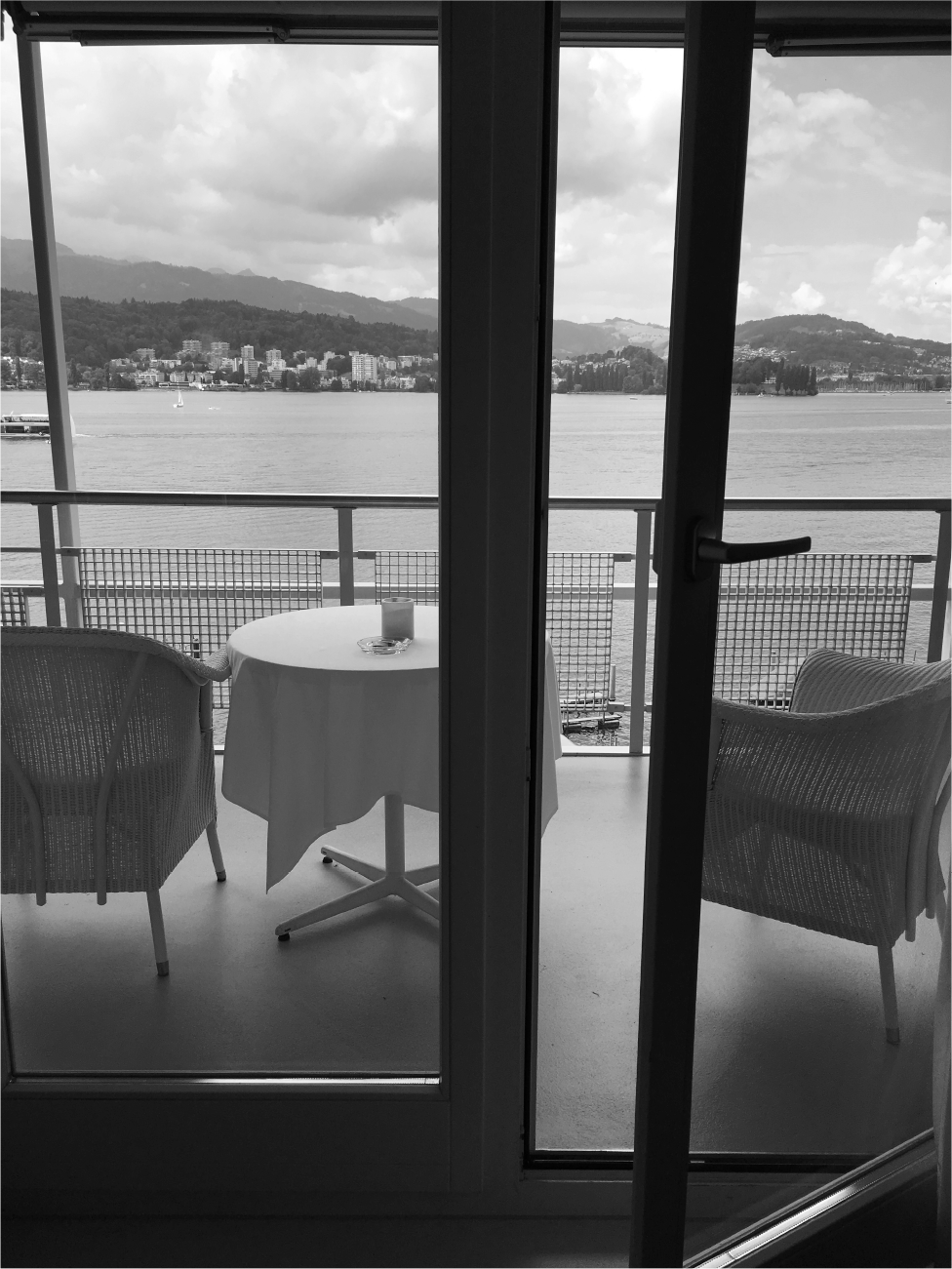
It is the small steps people take when choosing porcelain over plastic, growing berries in their yard or managing sun with an elaborate system of awnings and shades, and opening windows to forego air conditioning. The restaurants that serve drinks exclusively in glass, hotels that make their own preserves, grow herb gardens, bring yogurt from the nearby farms, and reuse vintage metal room keys are all parts of this puzzle. The grocery stores that sell forest-picked mushrooms and charge for bags to motivate customers to bring reusable ones also contribute to the culture of sustainability. What is remarkable is that even large American hotel chains engage in those practices in Europe. The importance of this fact and the whole symphony of interrelated practices underscores the possibility of having a free-market economy and still control the pollution, protect air and water quality, and prosper economically. After all, if old European cities managed to incorporate electric transportation into their narrow streets, surely the dynamic American economy could innovate its way into the solution.
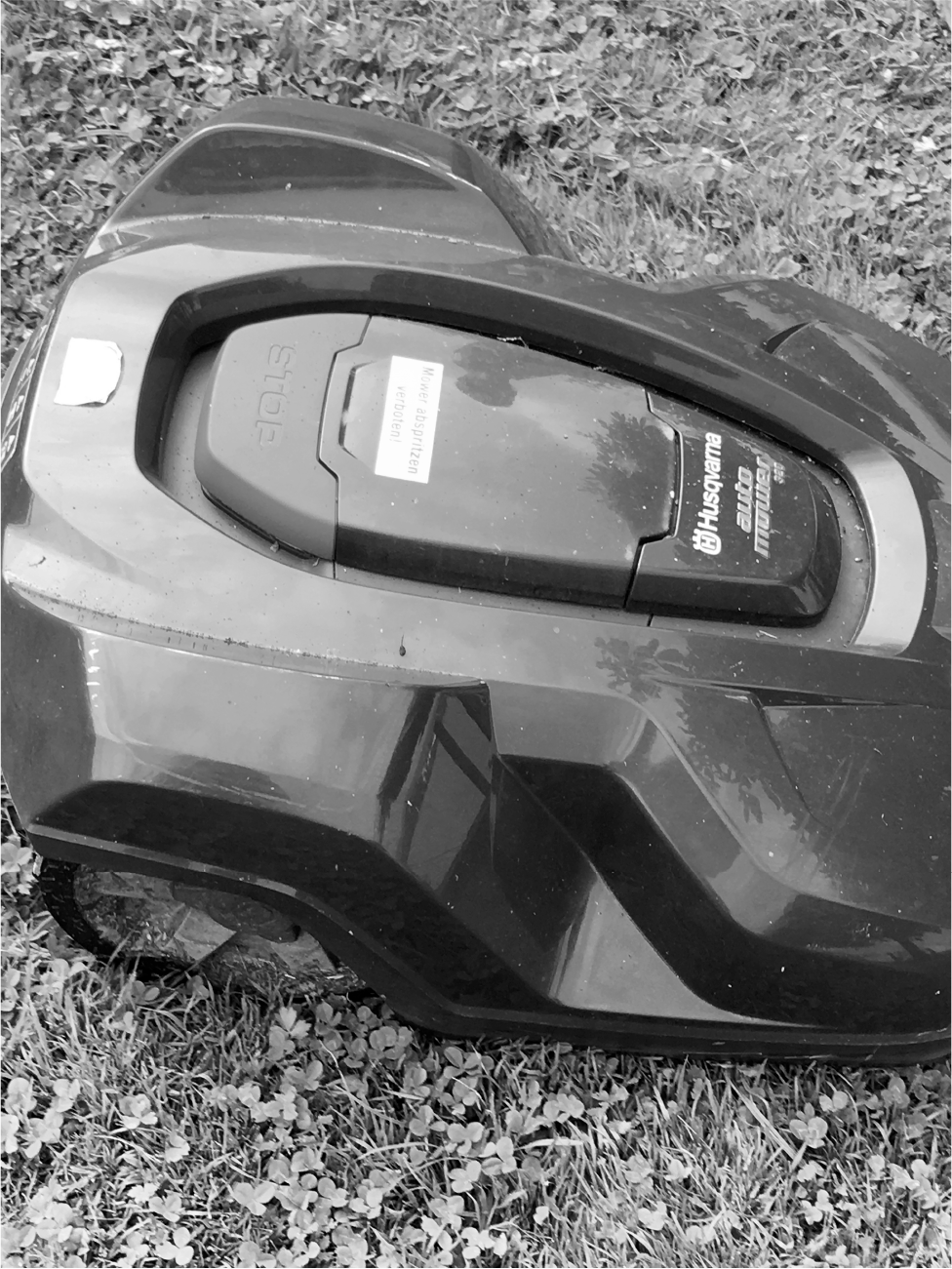
It boils down to a commitment to choose the cleaner version of the products, resist genetically modifying natural crops, and go the extra mile in finding solutions for everyday tasks. The cute electric mower running around autonomously on a grassy field in Switzerland provides a vivid example.
All photographs in the essay are taken by the author © Nana Tuntiya in Austria and Switzerland.
A passing car looks outnumbered against the backdrop of numerous parked bicycles at an Austrian train station, 2017
It is comforting to know that a different way is possible. The solutions are practiced consistently across a wide swath of European countries. As environmental awareness grows on this side of the Atlantic, it makes sense to look globally for the best approaches to tackling climate change and the environmental damage human activities generate. Global problems require global solutions, and we should cooperate with other nations to find a better way of living on this planet. It all starts with small steps each of us can take—providing electronic submission for assignments to save paper (and trees), choosing multi-use items instead of disposable ones, glass over plastic, fewer chemicals in our food, cosmetics, house cleaning products, and lawn care—every area of our lives can use improvement.
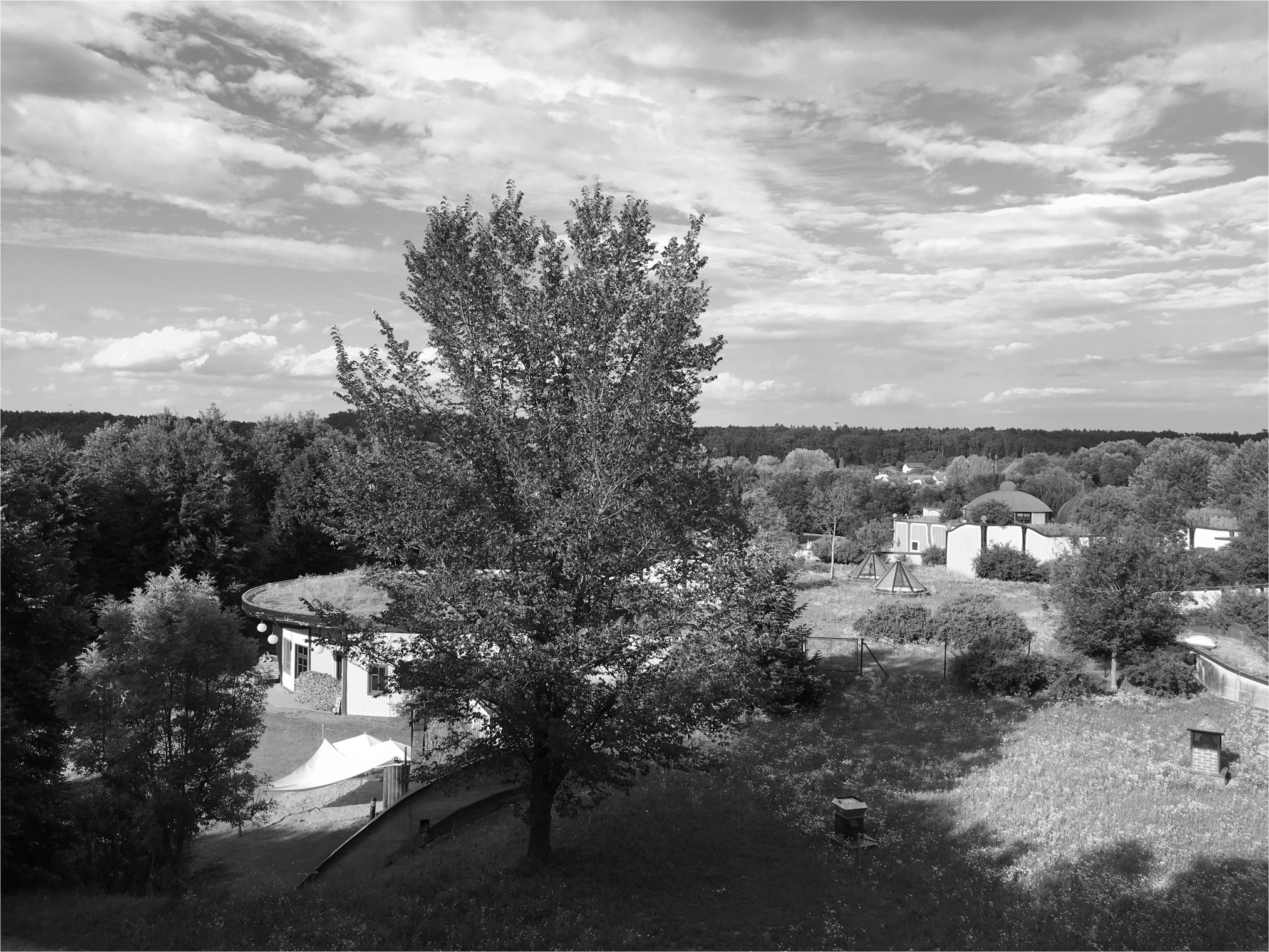
The last image is of an inviting garden one can visit—albeit its rather unusual location on the roof of a busy hotel. Friedensreich Hundertwasser, the architect who built it, was an environmentalist before the movement became trendy. His buildings feature trees growing out of windows, rooftop gardens, sustainable practices, and numerous ways to invite the outside in. There is also something they don't have—straight lines—because the architect dared to defy the professional axioms that right angles and straight lines are the only appropriate way of construction. The dancing colors and curvy lines of his buildings, where no two windows are alike, prove to the world that anything is possible if we choose to live in agreement with our values. Sometimes we need to look outside the box to see the whole picture. While our society is vigorously debating whether to use disposable, reusable, or metal straws, we might ask instead if we need straws in the first place.
This would require an actual, not token, commitment to preserving our planet. Hundertwasser's vision remains an example of how to live in harmony with our Earthly home as he always reminded us that we are nature's guests and must act as such.
Austrian windmill, 2017
Breakfast at the airport: (almost) no compromise, 2017

Glass rules, no plastic in sight, 2018
Managing the sun, 2018
Delicious backyard offerings, 2017
Retractable awnings are a low tech approach to curbing the heat, 2018
Hotel rooms are commonly cooled by airing out instead of using air conditioning, 2018
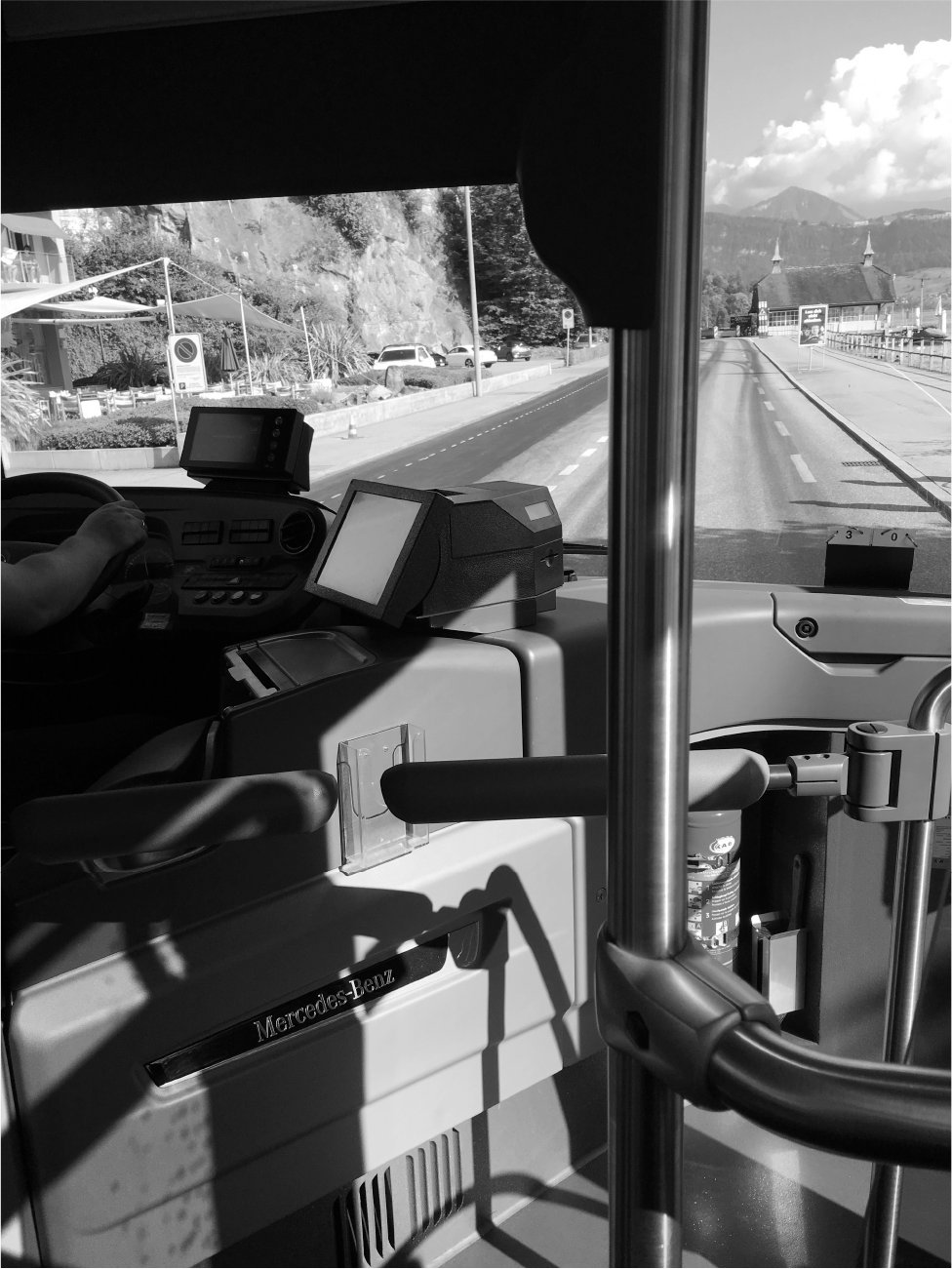
Electric public transport doesn’t pollute the environment, 2018
Gasoline is not necessary for mowing lawns, 2018
In harmony with nature: Hundertwasser's rooftop garden, 2017