



Abstract
How filters on social media play into a Eurocentric definition of beauty.
Digital photography, virtually unlimited storage, and the ubiquitous use of Instagram, Snapchat, and other photo filters mean that there are no excuses for a “bad” photo. Like museum curators carefully choosing the art that best represents a theme or the artist’s oeuvre, today, people have all of the tools necessary to “curate” their online image. The perfect photo likely uses one of the dozens of apps on the market that allow you to smooth over blemishes, slim down your face…or lighten your skin.
So, what’s the problem? The issue is that almost all of the so-called “beauty filters” completely change people’s faces, making them look more white or Anglo. From narrowing your nose to lightening your skin, filters are no longer just adding rainbow tongues and puppy ears. The design of these filters plays into their creators’ Eurocentric and Anglo definition of beauty: lighter is better.
The glorification of white, Anglo features has a long history, tracing its way through colonial projects. Sociologists such as Maxine Leeds Craig and Sabrina Strings, for example, analyze how American society has consistently framed black Americans’ features and bodies as problematic and inferior. However, with the rise of technology, body modification is increasingly more common, reinforcing these “old” ideas in new ways.
How should we understand the racial identity of a body with technologically altered racial features? Is our racial identity as malleable as our eyelids? Do the people of color who pay for these procedures want to be “white”? To better understand the motivations and implications of these issues, I’ve studied skin bleaching and racial cosmetic surgery using medical industry reports, cosmetic industry data, and an analysis of advertisements.
My content analysis of the media coverage around “ethnic cosmetic surgery” indicates that people of color who are changing their features to become more Anglo do not necessarily want to change their racial identity. It appears that they are more interested in the boost in status that comes with a body that appears more Anglo. These interventions highlight the fact that our bodies possess capital that can increase access to jobs, a spouse, and generalized social status. Racial identity does not necessarily shift when the racialized body, or digital representations of it, is altered. Is it possible to separate the desires around racial identity from the desires for racial capital? My work suggests it is.
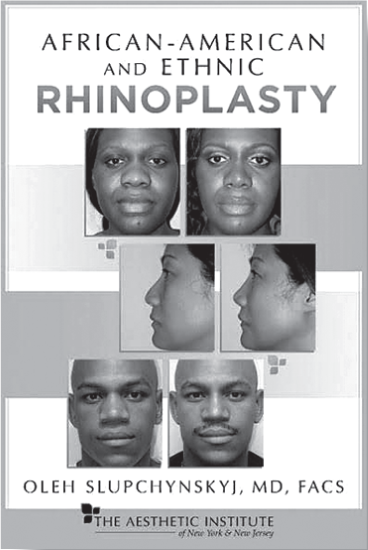
African-American and Ethnic Rhinoplasty Book cover.
Dr. Oleh Slupchynskyj
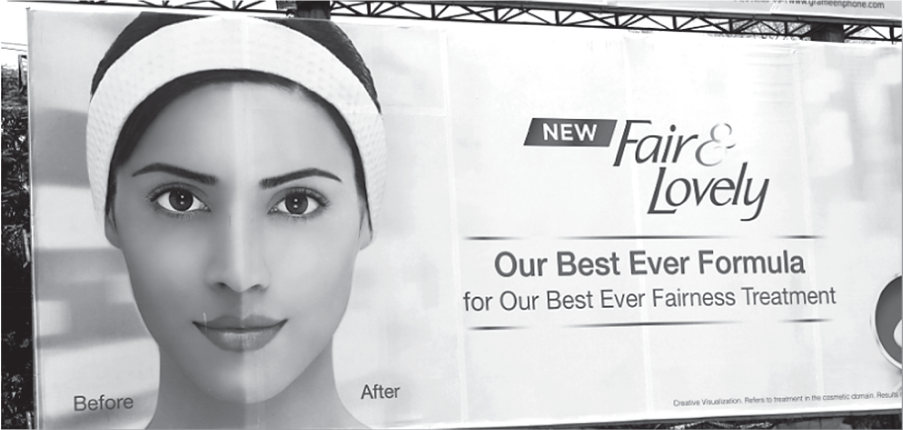
Fair & Lovely Skin Bleaching Ad
Understanding Racial Capitals
Racial identity aside, there are real economic benefits associated with having light skin and Anglo features. In fact, lighter-skinned African Americans continue to earn higher wages than their darker-skinned counterparts, even when their levels of education and training are the same. Snapchat filters, skin bleaching creams, and cosmetic surgeries are all tools used to build racial capital and enhance access to white or light-skin privilege. Racial capital is a resource drawn from the body that may include skin tone, facial features, body shape, or hair texture. For racial capital to provide status, others’ perceptions of your appearance must matter more than your own. The “halo effect”
happens when society begins to believe that lighter skin means that an individual is not only more physically attractive, but is also perceived as smart, kind, generous, or other positive attributes. Light skin operates as the halo that makes all other traits seem more positive.
Consequently, skin lightening products and digital tools that alter social media images of the body are particularly sought after today. Consumers seek to gain racial capital virtually, through digital filters that lighten their appearance in images online, as well as in real life through skin bleaching and cosmetic surgery. Racial capital is actual capital: a resource that can be used for economic advantage in a market-based system.
Me, But “Better”? Marketing Cosmetic Surgery and Maintaining Racial Identity
The emphasis on Anglo features goes well beyond the superficial; those with the money can skip the filter altogether and change the real thing. Cosmetic surgeries designed to alter racial features are on the rise, and this is especially true among people of color. From nose jobs to eyelid surgeries, an increasing number of people of color undergo elective cosmetic surgery every year to alter racialized aspects of their bodies. Nearly 2 million Latinx, 1.5 million African American, and 1.1 million Asian American patients underwent elective cosmetic surgery in 2017 alone. The most common procedures for people of color include alterations to highly racialized features: nose jobs, eyelid surgeries, and liposuction. Cosmetic procedures are no longer reserved for white movie stars but are now common practice among upper-middle-class professionals of all races looking for an edge in the job market or marriage market.
People of color who are changing their features to become more Anglo do not necessarily want to change their racial identity. It appears that they are more interested in the boost in status that comes with a body that appears more Anglo.
Research on the trends in advertising for skin bleaching creams and cosmetic surgery reveals a complicated picture of changing bodies and the shifting meaning of race. For example, The American Society of Plastic Surgeons recently published Plastic Surgery for Ethnic Patients where they suggest, “the majority of patients want to maintain their ethnic identity.” They do not want to lose important facial features that exhibit racial character. For instance, the typical Asian patient who has eyelid surgery desires a wider, fuller eye that is natural looking to the Asian face and maintains an almond shape. An African American patient interested in nose reshaping may want to reduce the size of their nose to achieve a harmonious balance with other facial features but is not seeking a nose that is more European.
In analyzing the media coverage of ethnic cosmetic surgery, the authenticity of racial identity is clearly enforced, while also rationalizing the racial alteration of the body toward a white/Anglo aesthetic. In fact, doctors’ statements in mainstream and industry publications typically reassure the public that patients do not want to change their racial identity. A surgeon on the medical school faculty at Northwestern University said, “Most are realizing that plastic surgery can be done without feeling like you’re trying to change your ethnicity… and it can really be done as a procedure that enhances your ethnicity without taking away from it.” Medical professionals in cosmetic surgery have a vested interest in carefully crafting a message that welcomes people of color and assures them that, despite getting wider eyes and narrower noses, they are not “trying to be white.” While elective cosmetic surgery is on the rise, risks such as infection, pulmonary embolism, nerve damage, and perforation of the internal organs remain.
Dying for Status? The Health Dangers of Whiteness
Consumers of these anglicizing products are often caught in a lose-lose situation. On the one hand, these products and interventions can be toxic and deadly. On the other hand, public health campaigns tend to characterize these consumers as vain or uninformed rather than as rational actors in a discriminatory system.
Orignal Photo
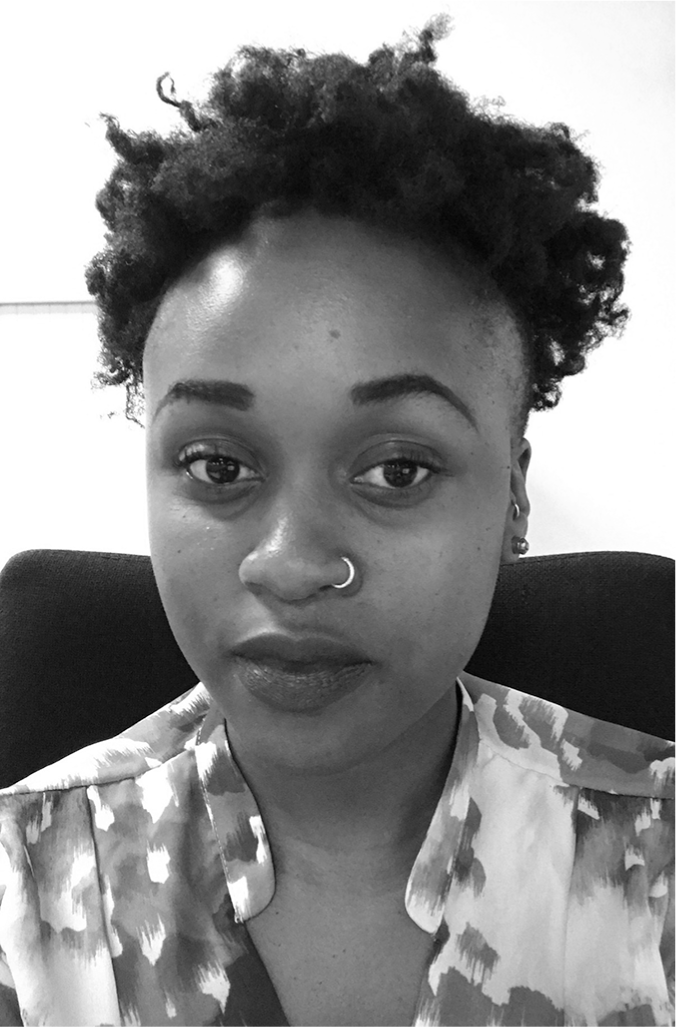
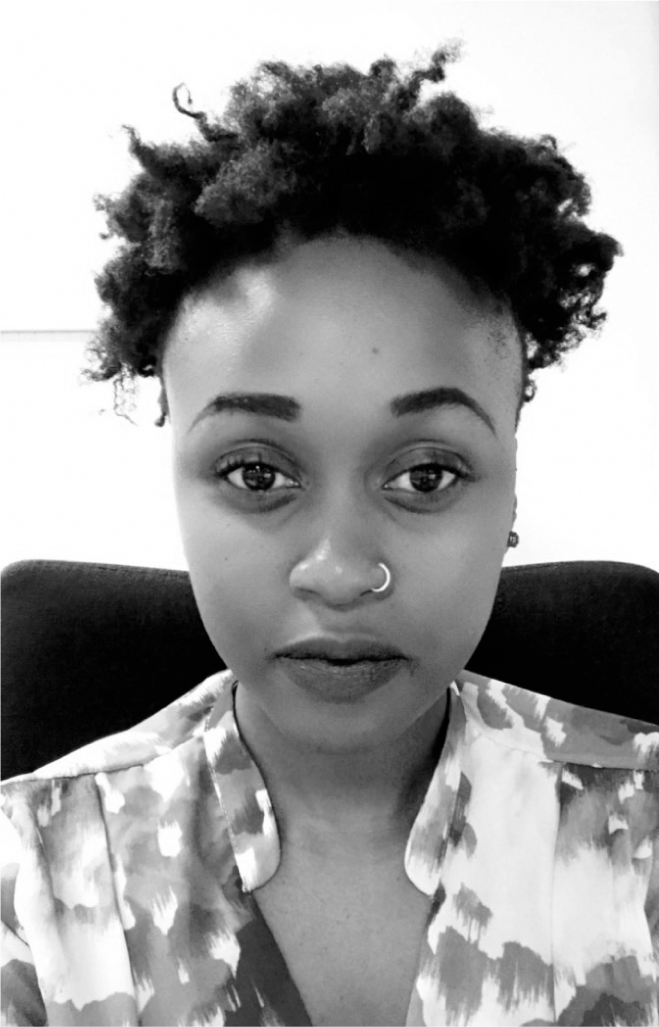
Eyeglasses Filter

Sepia Filter
Shandu Mulaudzi
The marketing of skin-lightening products typically obscures the fact that this practice is a dangerous business. My research indicates that there are thousands of skin lightening products for sale at any price point: from Genuine Black & White Bleaching Cream for $7 at Wal-Mart to Whitenicious Diamond Infused Brightening Serum for $200. While the Food and Drug Administration regulates or bans the use of these substances in the United States, researchers recently found that many skin lightening products sold globally contain mercury, and others contained illegally high doses of hydroquinone. In fact, most cosmetics that promise to lighten dark skin use harsh active ingredients, including hydroquinone, cortico-steroids, and mercury.
My research on skin bleaching practices revealed that there is a pattern of pregnant women using bleaching creams and tablets in hopes that they can lighten the babies they are carrying. While medical professionals may shame these mothers for putting their babies at risk, using these products can be correlated to the strong desire for a parent to provide better opportunities for one’s children. This is especially true in a society where inequality based on skin tone is a very real issue.
To combat this phenomenon, several governments have launched public service announcements and public health campaigns to educate the public on the risks of using these products. In 2016, public health officials in Durban, South Africa, began a second round of public education about the dangers of bleaching. One South African doctor said, “But the encouragement to those who were interested in this [skin bleaching] should be to get more comfortable in their own skin.” A well-known journalist remarked, “What most dark-skinned women did not understand was that they were found to be beautiful precisely because of their colour.” Don’t be vain. It’s all in your head. You don’t realize that you are already beautiful.
My research reveals that this set of common responses implies that the problem lies with the woman and her self-esteem, and not in the pattern of color-based discrimination, or what some scholars have described as, “a pigmentocracy.” Public health campaigns have struggled to acknowledge the real social and political benefits of light skin.
Flower Crown Filter

Pink Flower Crown Filter
Shandu Mulaudzi

Understanding Racial Capital in Complex World
In our media-saturated environment where people see thousands of messages each day reinforcing the desirability of whiteness, our relationship to our bodies has changed. We imagine increased malleability and plasticity, and for people of color, the option to acquire racial capital that we do not already possess. Rather than interpreting people’s choices to undergo cosmetic surgery or skin bleaching solely as an act of self-hate or internalized racism, we chould instead view these procedures as rational acts in a discriminatory system—where light skin and Anglo bodies are rewarded with real material gains.
However, there are ramifications to these actions. Even if cosmetic surgery allows individuals to acquire racial capital, it simultaneously reinforces the desirability of whiteness and Anglo features. To this point, Sabrina Strings argues in her book, Fearing the Black Body: The Racial Origins of Fat Phobia, that the anti-obesity movement is in fact, also an anti-Black movement based in “race-science” from the nineteenth century. The desire for thinness is a racialized desire and an act of Black rejection. Consistent with that assertion, liposuction remains one of the top five cosmetic procedures for African American and Latinx women, arguably another way to acquire whiteness and, therefore, devalue Blackness.
Most people will not undergo cosmetic surgery, but many will use these so-called “beauty filters” to lighten their skin tone and change the racial contours of their faces in digital photos. With over 100 million users of the most popular body-editing app, slimmer or rounder figures are only a few clicks away. The next time that you “like” a photo on Instagram or start to alter your own digital image, think about the messages you are communicating about race, beauty, and identity. Say cheese, click!