Abstract
Jade Olivo/Puppies Puppies creates deeply biographical work, rooted in hard-earned experience, to mark her movements through space, health, and identity.
Immigration is hard. If you’re thinking of immigrating to a new country, going to a place where people don’t know you and you don’t know the people, then you’re probably poor, or you might be in danger, or you’re just sick and tired of it all. Something needs to change—and soon. Immigration helps, but it isn’t perfect. There may be jobs out there and a better life, but people don’t always welcome you with open arms. You might see yourself as a go-getter, ready to make the best of a tough situation, yet some will see you as an enemy, a foreign body, an intrusion that must be resisted. An invader and a barbarian.
Nevertheless, you persist. You make the jump. If you’re lucky, you can afford thousands of dollars in legal fees and the ten years or so it will take for a visa to come through. If you’re not lucky, you may try a more dangerous, even deadly route. You save up your precious dollars. You stuff a few of your favorite items into a duffel bag, and you get on board. You make the trip anyway. You make it.
It’s a process that will change your life and your children’s lives. Even a modest job in a wealthier country can pull you out of poverty. You don’t have to worry about a bullet ending your life or finding out that your child was killed by a gang. But the mark of the immigrant is its own burden. To many, you will be an outsider for the rest of your days. Your children will be taunted at school for their “funny” names. They may succeed on paper, but something will always be slightly off. An image that’s out of focus.
Jade Olivo is a puzzle to the art world, but not to me. In the world of white-cube galleries and million-dollar museums, Jade is known as the inventor of the “Puppies Puppies” persona. Her art elicits confusion because she appropriates everyday items, like soap dispensers and mops, and presents them as art. Her performance pieces involve pop-culture characters who dance around or lie lifeless on the floor. People may see irony or amusement. I don’t see that. Her work is not art school sleight of hand. Rather, it is deeply biographical, rooted in hard-earned experience. These mundane objects she has chosen are tied to the trials and tribulations of her life. They are emissaries of her journey. They mark her transformations.
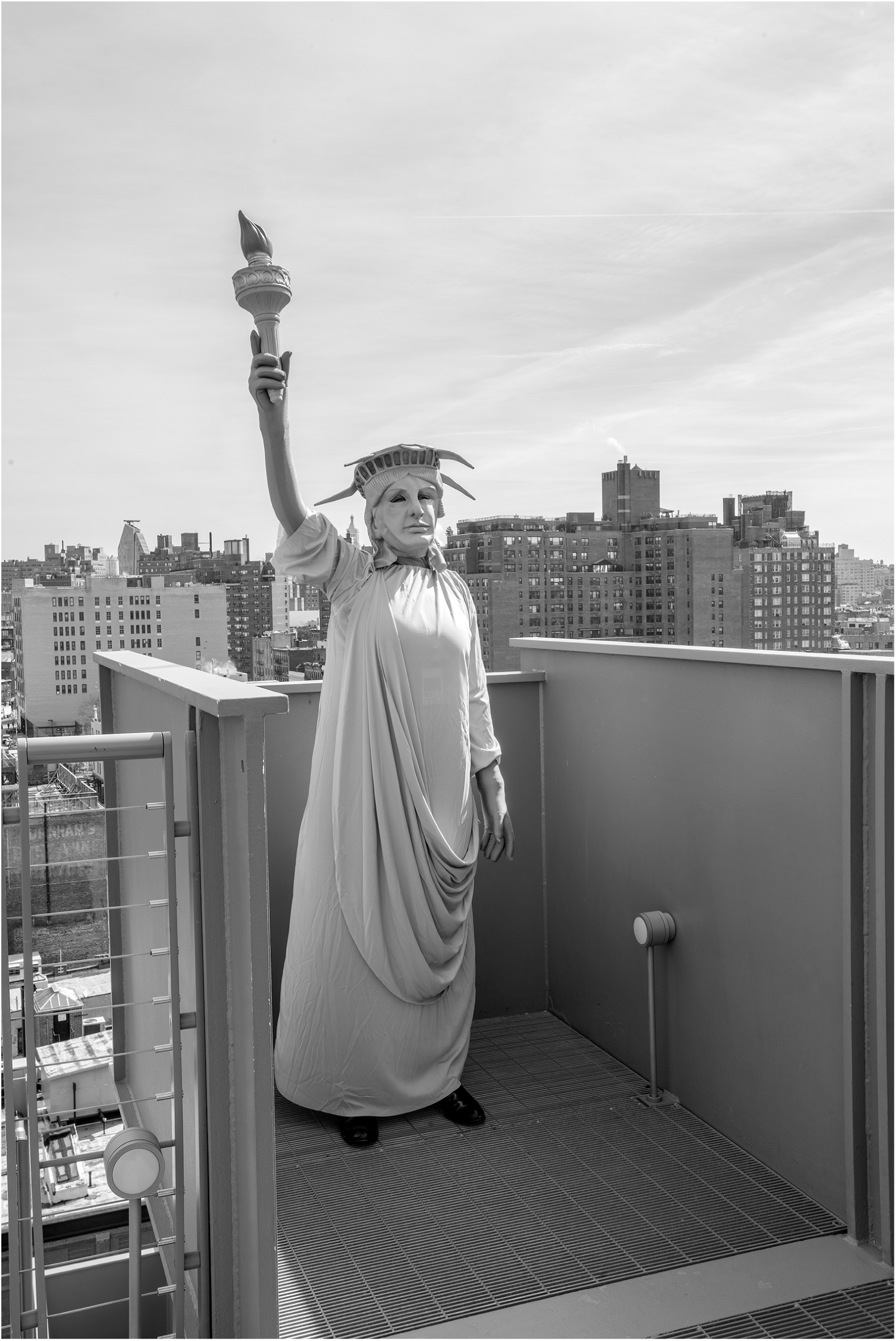
The images presented here focus on Jade’s personal journey as a second-generation immigrant, the child of a Puerto Rican father and Japanese mother. The first is a photograph of a performance called Liberty (Liberté). Jade wears a bargain store Statue of Liberty costume. The image reflects the fundamental dynamic in her work. A trite, everyday item is presented to the public. It’s cheap, but it also reminds of a bigger truth. America has a massive statue, in the harbor of its wealthiest city, welcoming the tired and unwashed masses. It’s a promise that America made, but no longer wants to keep. This artist remains true to the call, while others flee.
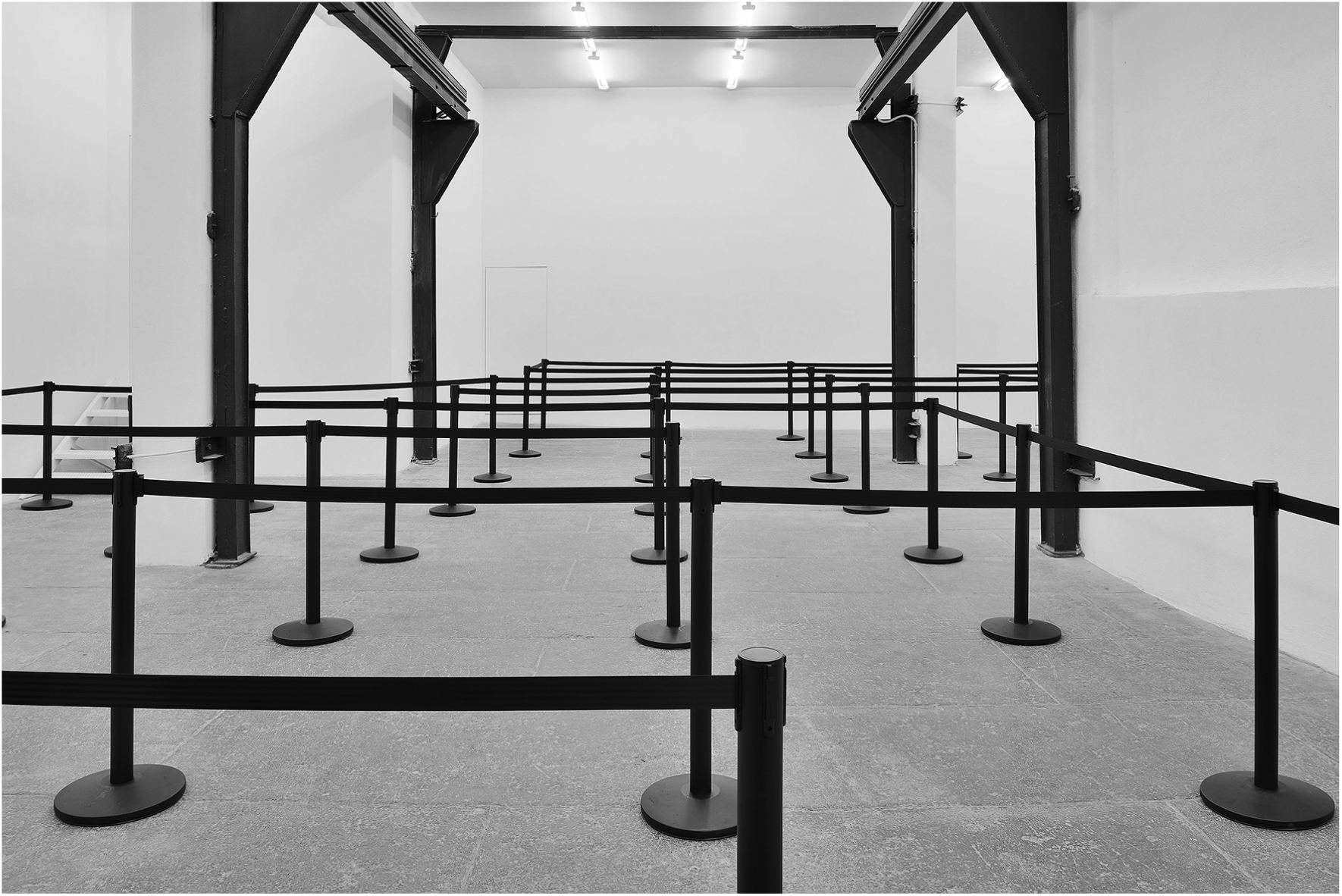
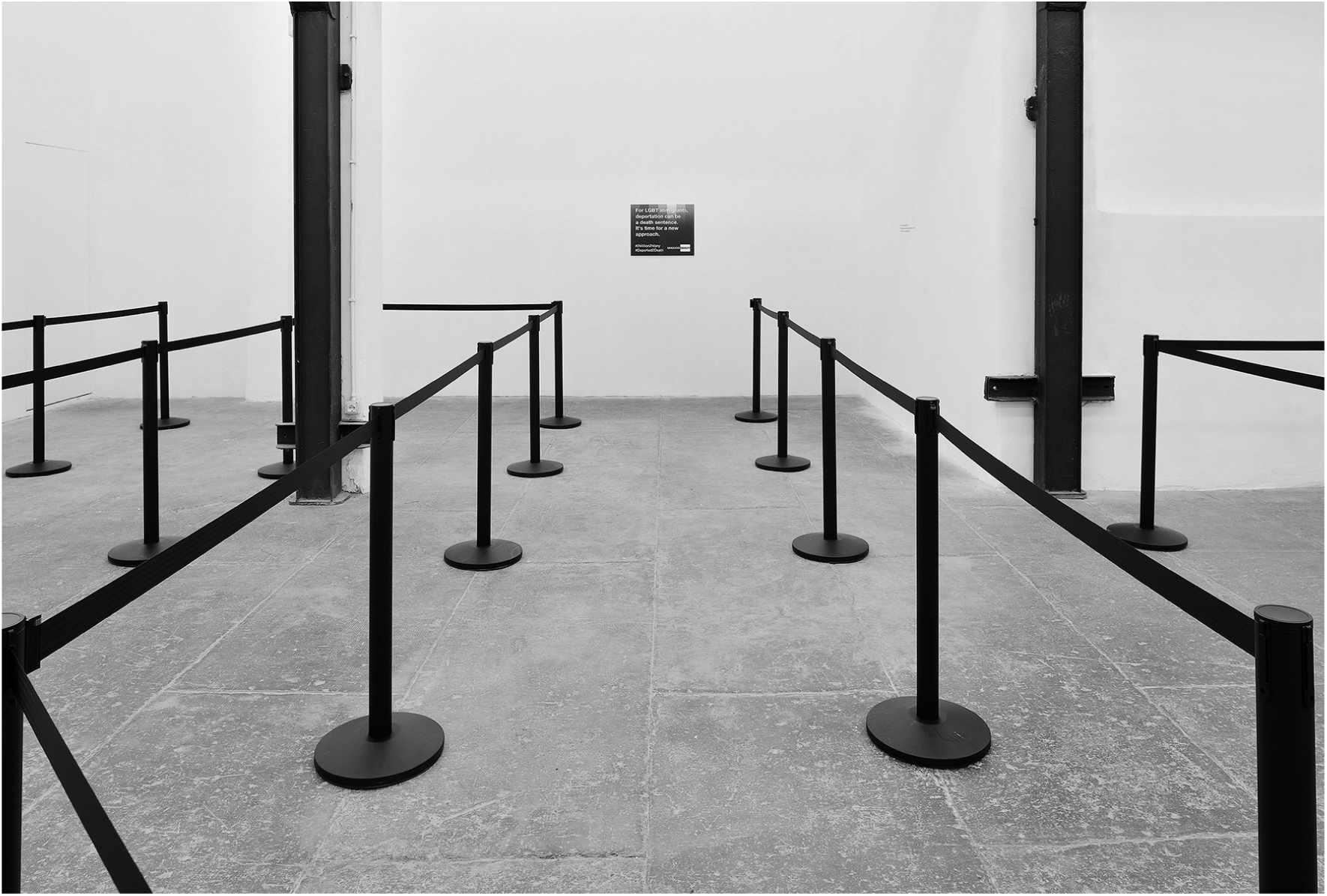
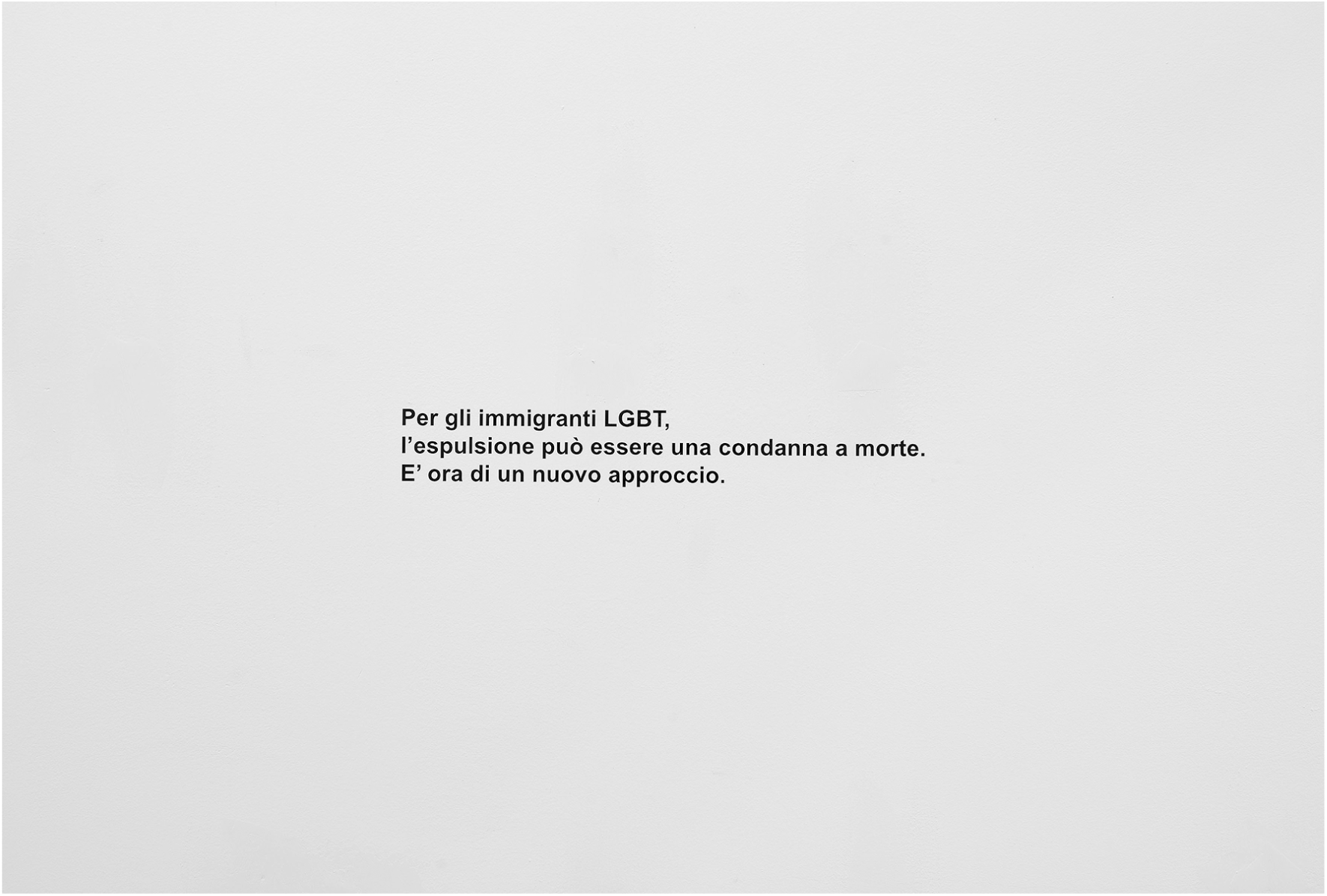
The next four images are from an exhibition at the art space T293 in Rome. The exhibition is spare. The gallery space is taken up by a series of rope lines, the sort you see at airports. The rope line is long and twisty. As you walk through, you pass by some other pieces. Here, I’ve selected two. One in English, and its twin in French, these posters read, “For LBGT immigrants, deportation can be a death sentence. It’s time for a new approach.” They differ not just in language, but also in presentation.
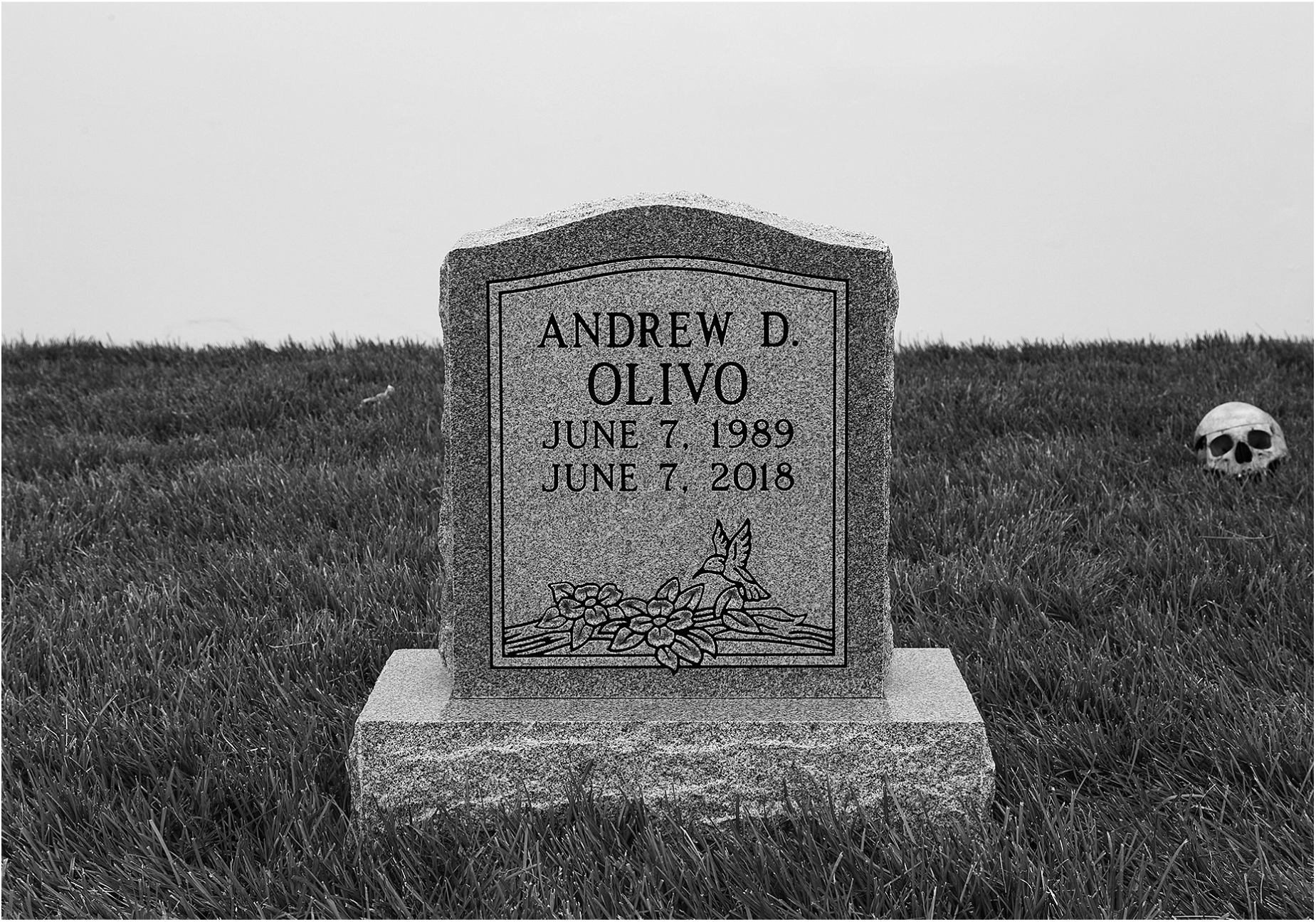
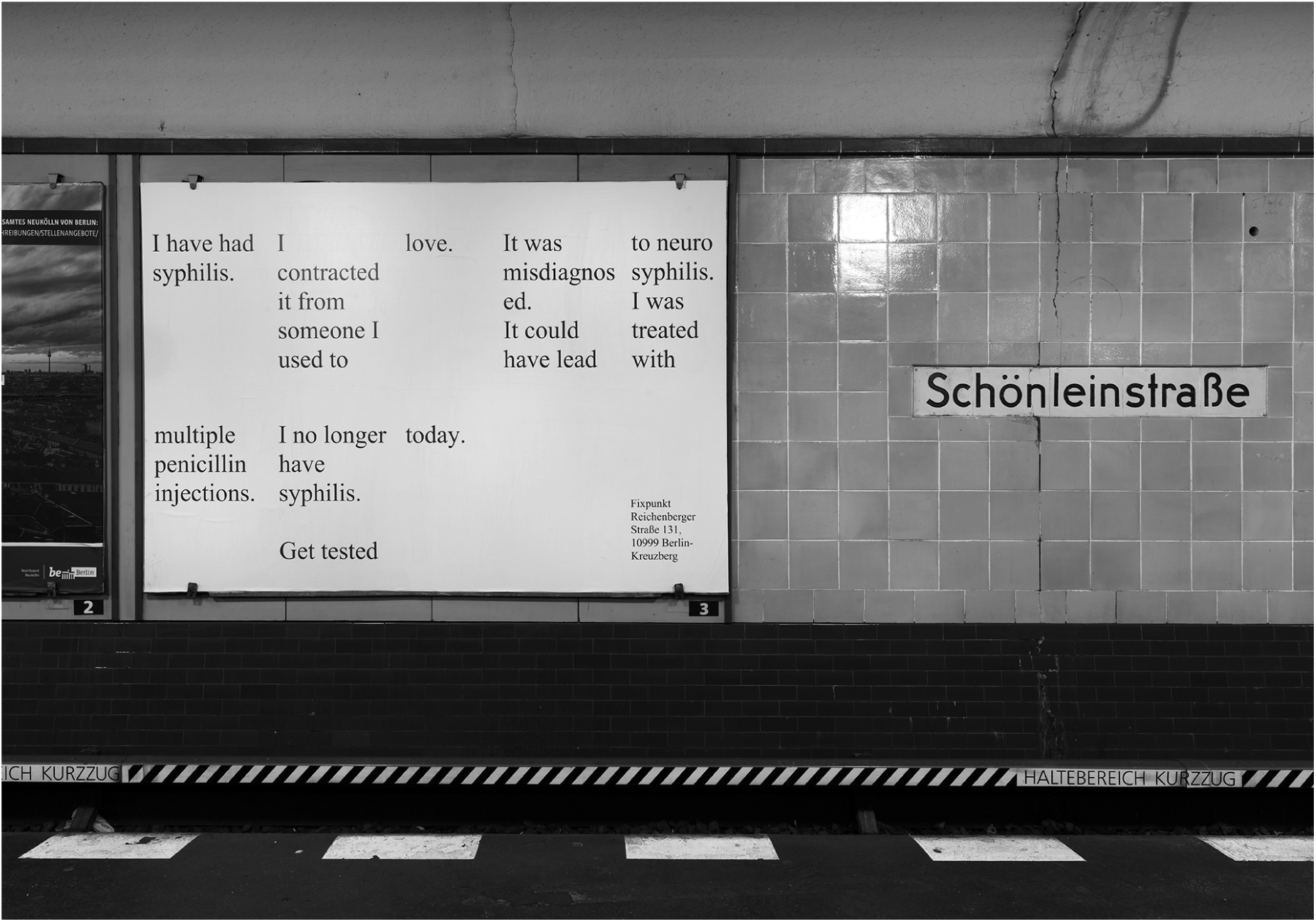
The final two images touch on non-physical movements in Jade’s life. A larger poster in Berlin’s subway brings an important message about well-being and monitoring sexual health. The other comes from an exhibition in a space called What Pipeline in Detroit, where Jade memorialized another type of migration—a gender transition.
As a series, these images tell a story of movement in all its forms—through space, health, or identity. It’s something very human and very precious.
Liberty is a promise that America made, but no longer wants to keep. Puppies Puppies, Liberty (Liberté), 2017 (installation view, 2017 Biennial, Whitney Museum of American Art, New York, performance on March 13, 2017). Whitney Museum of American Art, New York; purchased with funds from Brooke Garber Neidich and Daniel Miller Neidich in honor of Scott Rothkopf and Jonathan Burnham 2018.12.
© Puppies Puppies, courtesy Galerie Balice Hertling, Paris.
Puppies Puppies, “Barriers (Stanchions).”
© Puppies Puppies
Puppies Puppies, “Barriers (Stanchions).”
In this installation, viewers are queued so as to evoke travel and transition, then cued to consider how mundane transit can be deadly for many.
© Puppies Puppies
Puppies Puppies, “Barriers (Stanchions).”
© Puppies Puppies
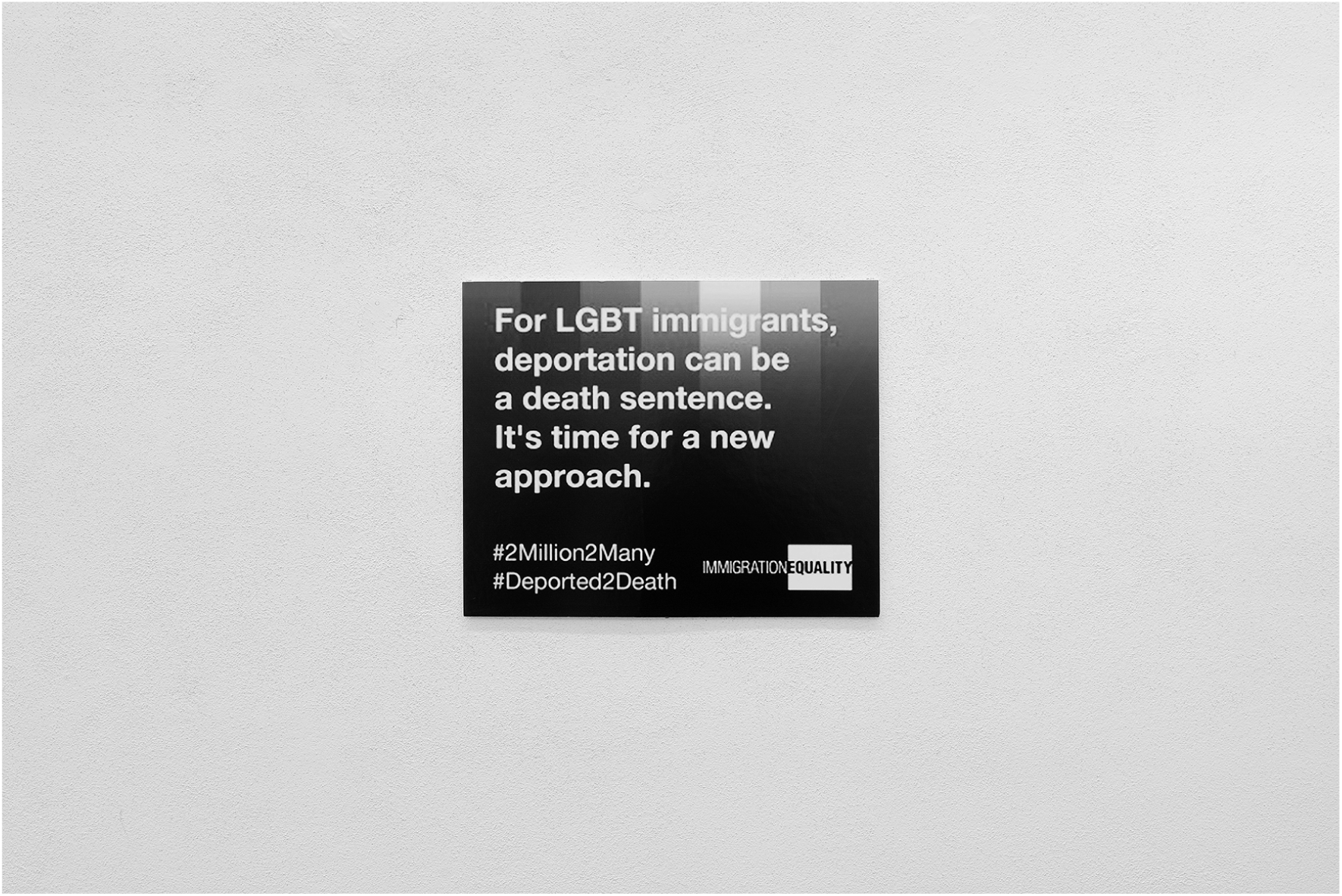
Puppies Puppies, “Barriers (Stanchions).”
© Puppies Puppies
This piece, constructed as a PSA, comments on health transitions in a literal place of transit: the Berlin subway. Puppies Puppies, “Get Tested Today (Lass Dich huete testen).”
© Puppies Puppies
Marking a migration, a homecoming of gender and identity, Puppies Puppies claims space, personhood, and self-determination. Puppies Puppies, “Tombstone (Andrew D. Olivo 6.7.89-6.7.18),” 2018. Etched granite tombstone, 23 x 22 x 10 inches (58 x 56 x 25 cm).
Courtesy Jade Olivo and What Pipeline.