



Abstract
Hypothesizing the end of functional society by reading Durkheim and watching “The Walking Dead,” three scholars consider how low social integration and low moral regulation shape suicide risk at the group level.
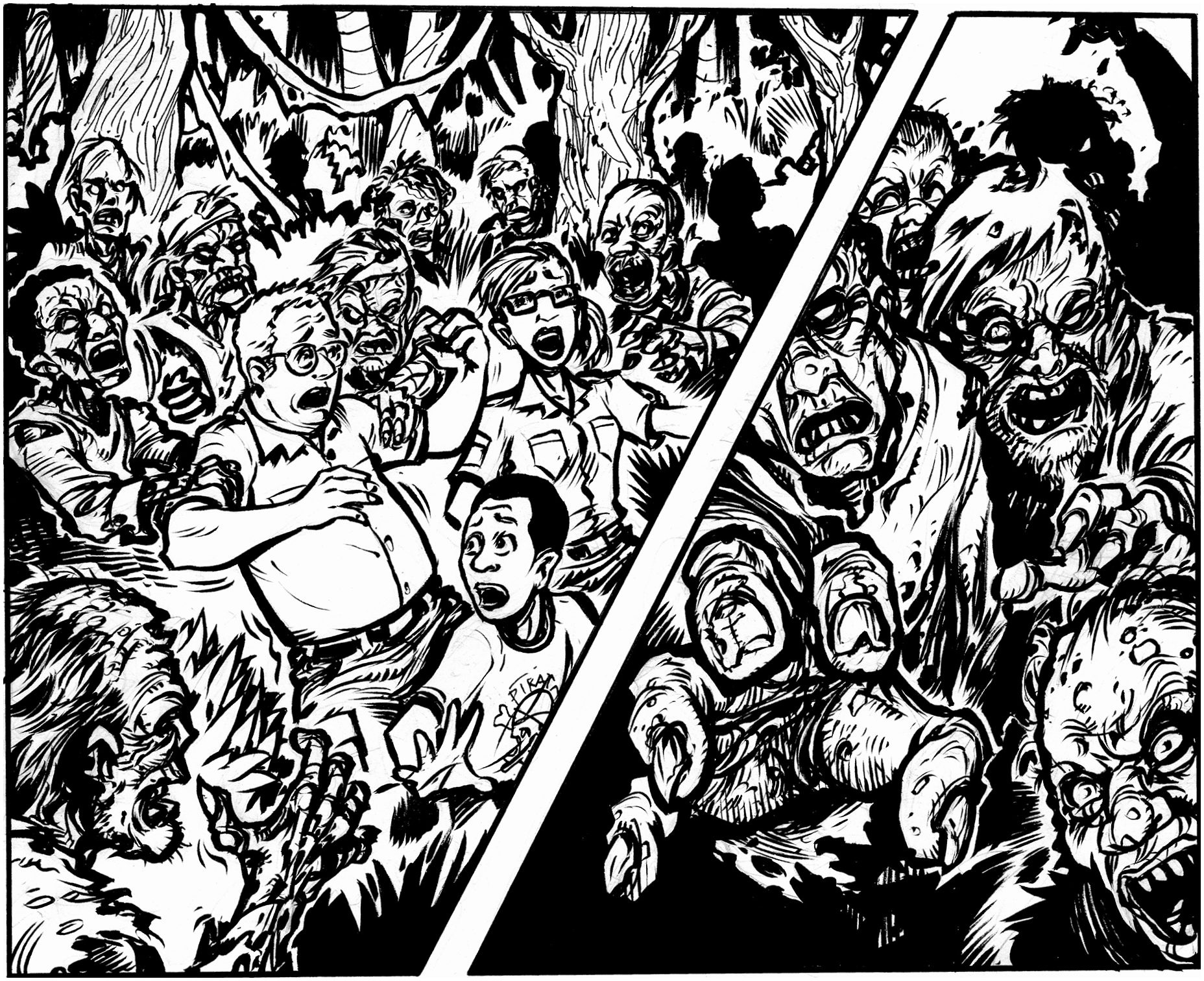
All images © David Witt, DWITT.com
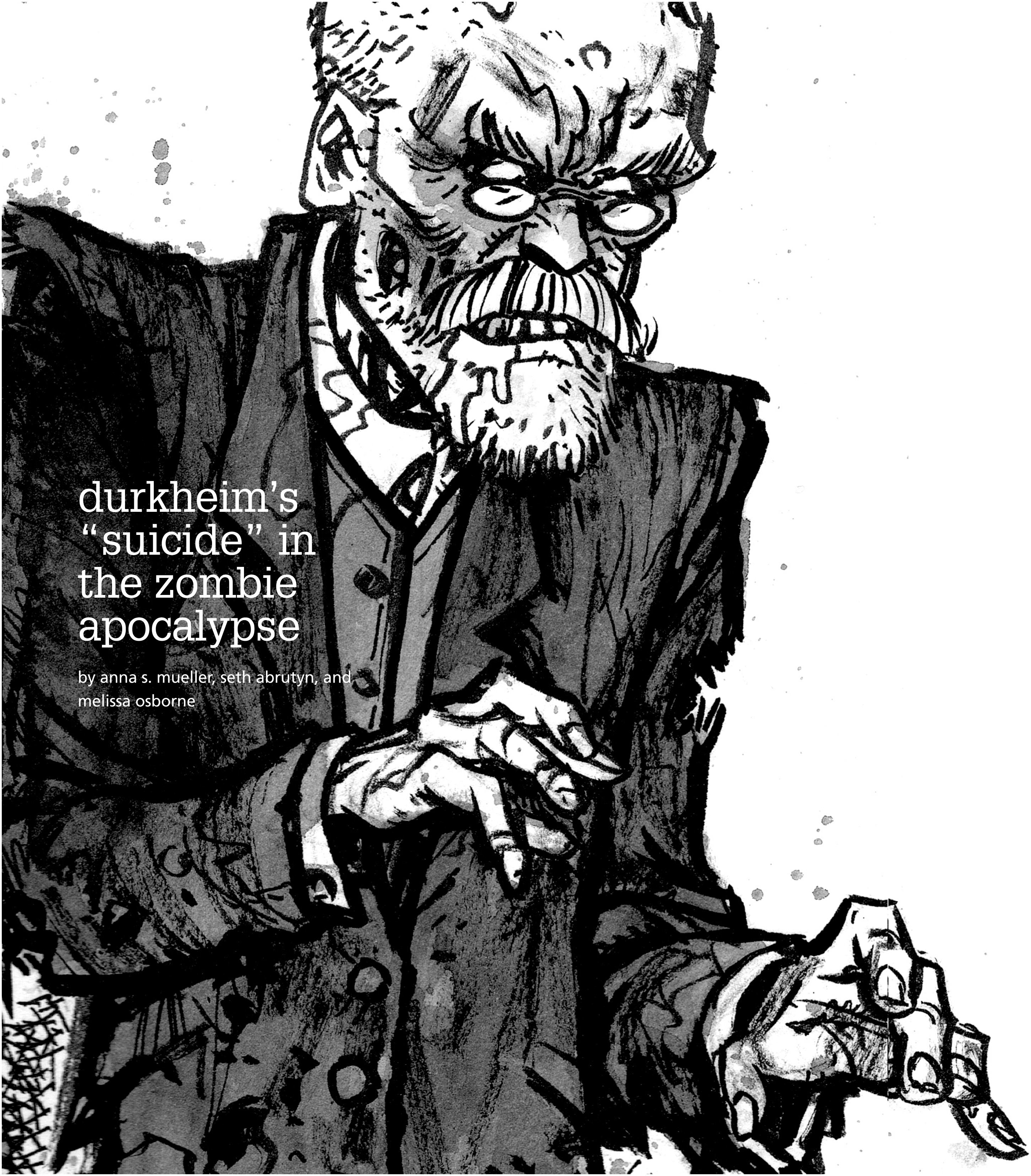
There is little doubt that massive upheavals within societies can be profoundly disturbing. And when it comes to upheaval, a zombie apocalypse is a pretty damned disturbing prospect. With the rise of shows like “The Walking Dead,” many of us have had ample time to consider how we would respond to the fall of humanity. Perhaps we hope to be among the resilient, who skillfully adapt to our changing circumstances and form alliances with other reasonable humans. But not everyone can cope with the demise of society. Indeed, suicide is a recurrent theme in apocalyptic entertainment. The first season of “The Walking Dead” concludes with a double suicide at the Centers for Disease Control and Prevention when the last remaining scientist rigs the building to explode and tries to compel his companions to join him in a group suicide. One character, Andrea, gets it, sobbing, “You know it’s over. There’s nothing left… there’s nothing left.”
This idea—that when there is nothing left of a formal society, suicide becomes a more salient option—is prominent in many imaginations of the apocalypse or other profound social upheavals. Following the election of Donald Trump, for instance, the media was awash with stories about increased calls to suicide hotlines. Indeed, the demise of society provides a unique opportunity to examine why a functional society matters to our sense of security and wellbeing.
A Classic Explained
Sociology’s beloved Émile Durkheim, in his foundational classic Suicide, provides impressive guidance toward understanding why the end of the world goes hand-in-hand with suicidal despair. Durkheim argued that “[people] cling to life more resolutely when [they belong] to a group they love [which] prevents their feeling personal troubles so deeply” (p. 209-210). Like most contemporary sociologists, Durkheim saw human life as inseparable from the social web in which we live and felt that to dissolve that web would be akin to destroying the self. Of course, not in a physical or biological sense, but in a more terrifying way—akin to leaving the physical, biological self floating through outer space, isolated, directionless, profoundly lost. Durkheim saw this insight so clearly because the landscape in which he wrote Suicide shared many characteristics with apocalyptic worlds. Modernization, urbanization, and democratization seemed to be irreversibly altering the traditional, small, close-knit version of society that provided most humans, from birth to death, with strong social bonds and clear moral codes. Instead of zombies, the anonymity of densely populated cities, their endless sources of pleasure (and pain), and extreme cultural diversity represented the terrifying opposite of bucolic life. Durkheim—and, doubtless, others—wondered where humans would find social support and a sense of purpose.
When it comes to upheaval, a zombie apocalypse is a pretty damned disturbing prospect. Not everyone can cope with the demise of society.
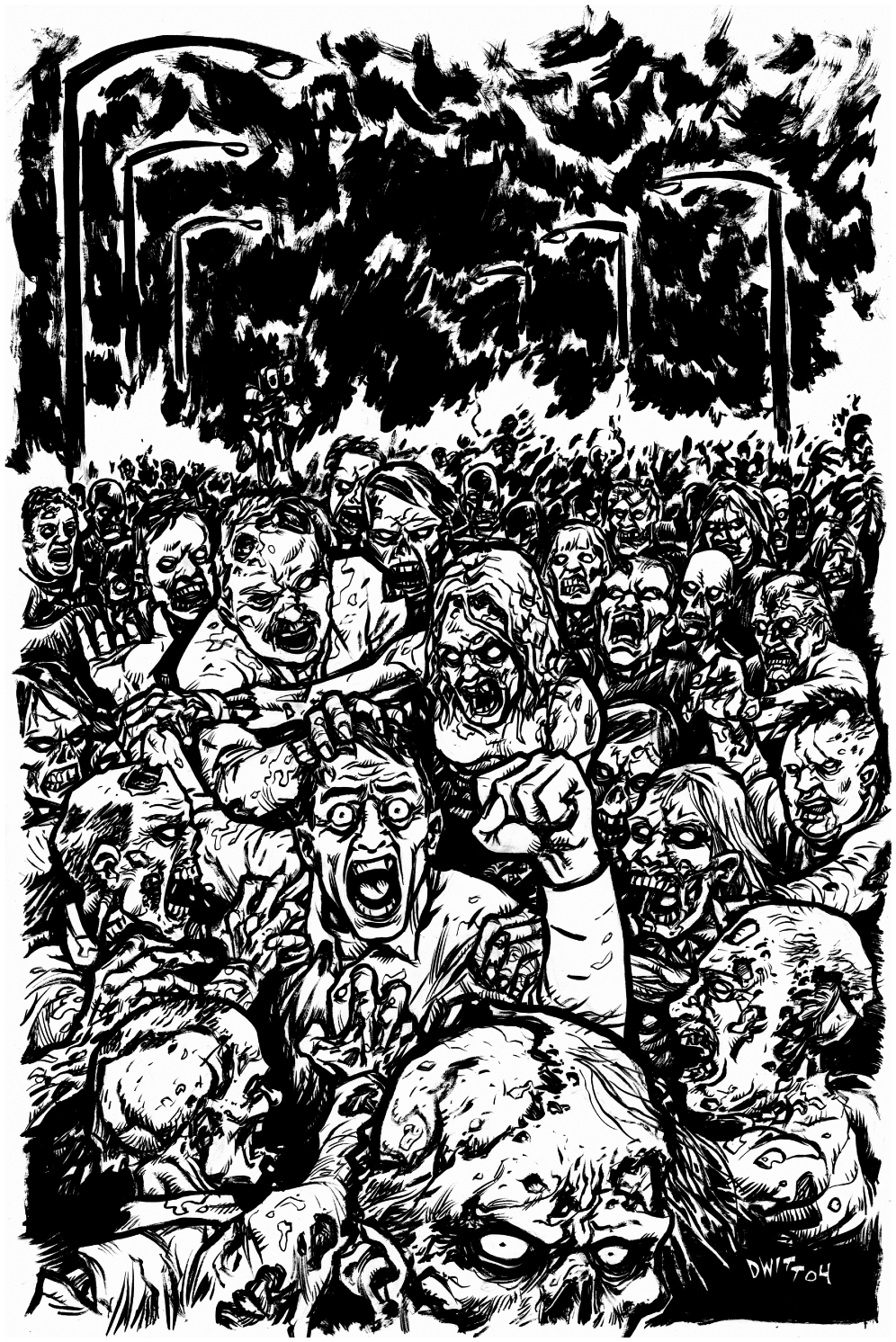
Durkheim leveraged two concepts to describe the changes he observed in society: social integration and moral regulation. Durkheim conceptualized social integration as the structure of social relationships surrounding an individual in their social groups or society at large. Social integration matters, as it provides social support for individuals. Moral regulation captures the guidance that a group or society’s culture provides individuals through shared values, norms, etc. regarding what they should do and who they should be. Durkheim theorized that modern societies could, in turn, generate two ideal-types of suicides: egoistic and anomic. Egoistic suicide, he posited, occurs when societies provide insufficient levels of integration, while anomic suicides occur when societies lack moral regulation.
Sociology’s beloved Émile Durkheim, in his foundational classic Suicide, provides impressive guidance toward understanding why the end of the world goes hand-in-hand with suicidal despair.
Many of Durkheim’s early insights into egoistic and anomic suicide have held up to empirical verification. Research has shown that social relationships serve as important sources of biological, psychological, and social support, and reciprocal obligations that anchor individuals to something greater than themselves, thereby promoting mental health. Social groups also serve as the very well from which we develop and maintain a sense of who we are, how we feel about who we are, and who we see ourselves becoming—all things that matter to wellbeing.
Durkheim’s Limitations
Despite the novelty of Durkheim’s insights, there are some limitations to his approach to suicide that warrant attention. First, Durkheim provided little guidance regarding how group-level phenomena (integration and regulation) trickle down to affect individuals’ suicide risk. Second, he largely neglected how membership in multiple, sometimes embedded, social groups can shape people’s vulnerability to suicide (a limitation Bernice Pescosolido has pointed out in her research). Third, Durkheim emphasized his typology of suicides (as egoistic and anomic) in a way we believe distracts from the main point—that society matters. We should focus on characterizing social groups as lacking integration or regulation, rather than characterizing an individual’s suicide as egoistic or anomic. Labeling a suicide as egoistic or anomic over-simplifies motives and forces a false dichotomy between egoism and anomie. Though integration and regulation represent two distinct and meaningful sides of social groups, they often overlap (a point Peter Bearman has previously made). Where we find low integration, we are also likely to find low regulation. Even Durkheim ultimately acknowledges this. This is not to say that motives do not matter, but sociology’s strength is in linking human action to meaningful social groups.
These limitations have impacted the potential of sociology to contribute to understanding suicide, but they are by no means fatal flaws. Our proposal is to leverage the ideal-typical case of the zombie apocalypse to improve sociological theory. Thus, we contemplate the first season of “The Walking Dead” and contrast the cases of Edwin Jenner (the aforementioned last scientist at the CDC) and Rick Grimes (the show’s lead protagonist), thereby improving Durkheim’s theory and identifying some of the mechanisms that link the group-level to the individual.
Rick Grimes: Integrated Despite the Disintegration of Society
Viewers meet Rick in the first episode of “The Walking Dead,” emerging from a coma only to discover that society has disintegrated in his “absence.” The terror-inducing scenes of society that we see through Rick’s eyes reach their fevered peak when we are shown a highway littered with abandoned cars strewn about in unfamiliar chaos. The city of Atlanta smolders in the distance. When Rick reaches the urban core, it is empty, save for the zombies. The fact that society has fallen is inescapable in a major American city reduced to a ghost town. Rick’s world is characterized at the macro-societal level by a profound and inescapable lack of social integration and moral regulation.
Ultimately, Rick manages to join forces with a small group of citizens that (conveniently) includes his wife, son, and best friend. The group is in desperate need of a strong and wise leader who is also comfortable with guns and violence. Rick, previously a sheriff’s deputy, easily assumes this role and quickly adapts to life in the new, chaotic social (dis)order.
Rick, thus, finds satisfying social integration in a small group that manages to make up for the disintegration on the macro societal-level. This small-group integration also satisfies many of Rick’s needs: he has the love of his wife and child, he has friends (new and old), and he has a sense of purpose. Rick’s pre-Zombie apocalypse identity, as a sheriff’s deputy, remains virtually intact as he continues to be a force of leadership and security for his group. This continuity is particularly apparent in Rick’s clothing: he puts on a sheriff’s uniform, with its iconic hat, as soon as he can. With his new group, Rick is able to shed quickly the feelings of profound loneliness, grief, and hopelessness that he expressed as he emerged from the hospital; instead, he expresses pride, a sense of purpose, and self-worth built on his expanded, but still similar, identity. From Rick’s case, we can modify Durkheimian theory by proposing:
Proposition 1a: Identity verification and attachment to social groups translate social integration and moral regulation at the group level into mental health outcomes for individuals
Proposition 1b: The more disintegrative processes affect macro-level social organization, the more important identity verification and attachment to smaller, integrated groups are for protection
Dr. Edwin Jenner: A Case of Egoistic-Anomic Suicide
Dr. Edwin Jenner’s life after the apocalypse is quite different. Even after the fall of society, Edwin remains integrated in a small group. In the early days of the apocalypse, Edwin is sealed within the CDC with fellow scientists searching for a cure to the fever that turns people into zombies. Slowly though, members of the scientific team die (many by suicide) and abandon the project, until only Edwin and his brilliant scientist wife are left. When Edwin’s wife dies of the zombie fever, he is left profoundly alone.
Still, Edwin perseveres. He believes he is society’s last hope, and he promised his wife he would continue the quest for a cure. That hope dies when a lab accident destroys his last samples of zombie flesh. Edwin laments to the computer recording his activities: “The TS19 samples are gone. The tragedy of their loss cannot be overstated… I don’t even know why I am talking to you, I bet there isn’t a single son of a bitch out there still listening… Fine. I think tomorrow I’m going to blow my brains out.”
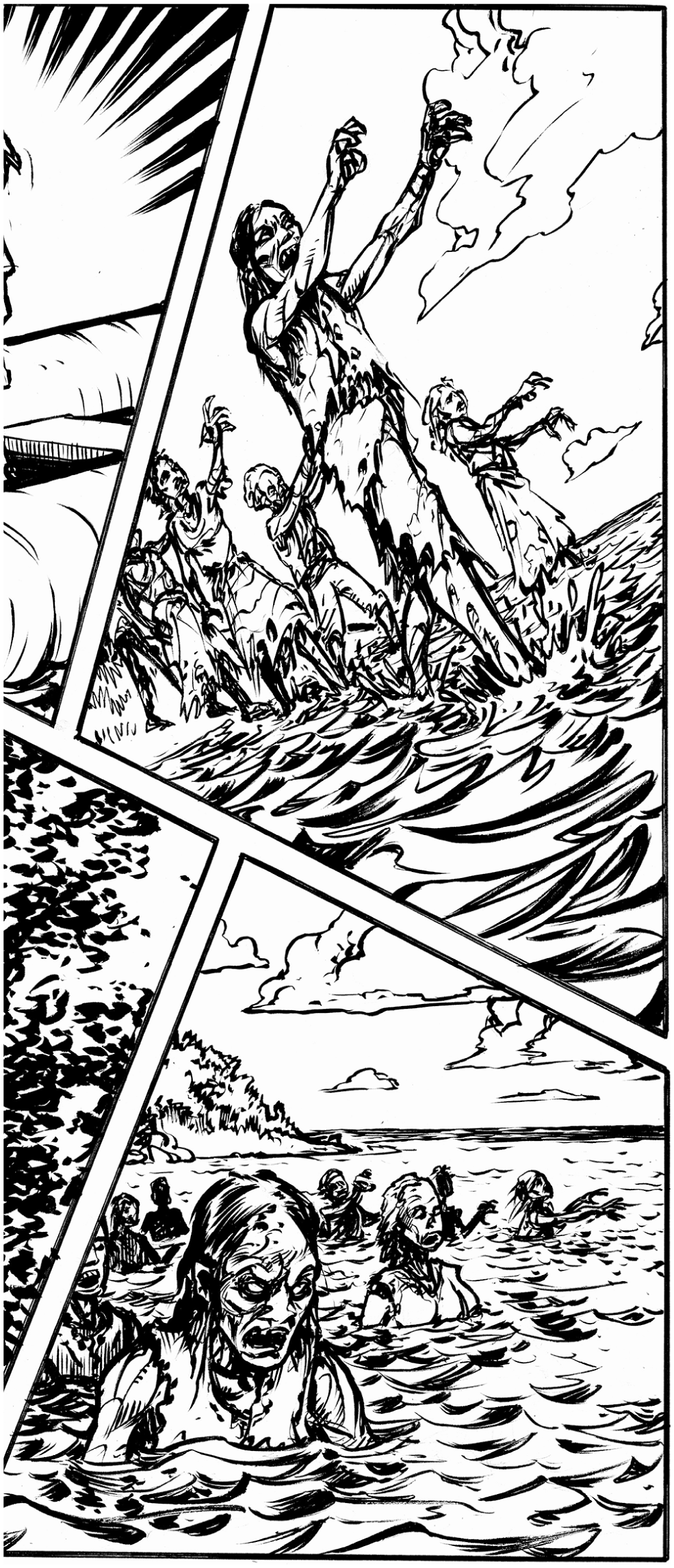
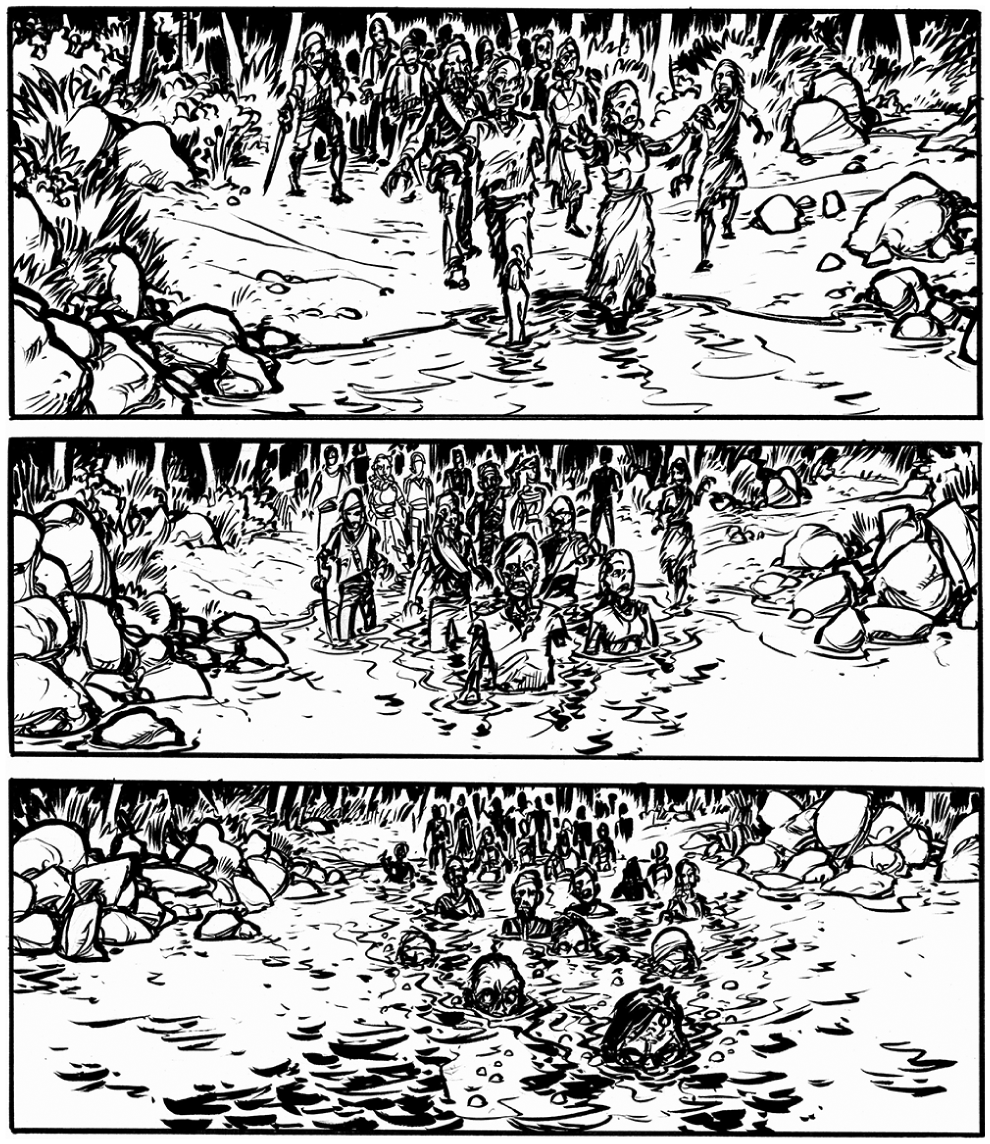
At this point, Edwin has lost his salient social ties: society-at-large, his group at the CDC, and his family. Their loss also destroys his sense of self, which is bound up with his identities as a scientist and husband. These losses generate intense hopelessness and grief, and also shame and guilt at his failure to find a cure. When he ultimately takes his own life, Edwin’s death represents an ideal-typical case of egoistic-anomic suicide. He has no social relationships and he perceives his life as meaningless. Hence, we offer a somewhat converse proposition based on Edwin’s case:
Proposition 2: The more identity attachments lost in the face of rapid dis-integrative societal change, the weaker the sources for positive affect will be and, therefore, the greater the vulnerability to suicide
Contrasting Cases, New Theory
In sum, the cases of Edwin and Rick provide insights into possible mechanisms linking the group-level to the individual and highlight the importance of looking at multiple sources of social integration, from small groups to society as a whole. Regarding the former, these characters’ experiences illustrate how important a person’s identity is in shaping their emotional reactions to the characteristics of social groups, particularly in the face of social upheaval. Rick’s identity is re-affirmed in the new social (dis)order, while Edwin’s is lost. Edwin feels fear, shame, grief, and hopelessness, while Rick is able to temper his fear of the chaos with feelings of love, pride, and purpose. If Edwin’s losses were not so closely tied to his identities, perhaps he too could have weathered the apocalypse. But Rick has family and a small society; Edwin ultimately has neither.
Durkheim used the case of suicide to elaborate his thoughts on social integration and moral regulation. We picked “The Walking Dead” because Rick Grimes and Edwin Jenner help us think through who survives in the face of low social integration and low regulation and why.
This zombie apocalypse thought experiment suggests several refinements for Durkheim’s theory and some propositions for future research to test. First, our analysis suggests that integration and regulation are best operationalized at the group level, not the individual level; thus we advocate for ditching sociology’s focus on egoistic versus anomic suicide and encouraging an examination of how integration and regulation at the group level shape suicide risk. Second, it makes more empirical sense to consider integration and regulation as co-producing protection or vulnerabilities to suicide; that is, one should not be emphasized over the other. Third, we argue that integration and regulation are linked to suicide risk through a person’s identity; incorporating how identity moderates the experience of integration and regulation and social groups is crucial. A re-imagined Durkheimian perspective helps us better understand how feelings about the self and whether life is worth living are in part dependent upon the characteristics of social groups.
Ultimately, Durkheim and the zombie apocalypse illustrate how sociology and specifically sociological theory matters to understanding suicide and mental health more generally. Theory, for many sociologists and sociology students, was a tedious class either about the “great White men” of sociology or the history of social thought. Our theory classes are often taught at a pace far too fast for most students to become comfortable with mobilizing theory in their own work. This inaccessibility produces an image of theory as a nebulous thing that takes up space in literature reviews, but is really only meant for a particular class of sociologists. The best sociology, though, is work that engages, challenges, and ultimately shifts theory through the negotiation of the relationship between an empirical case and one or more theoretical frameworks. Empirical work that fails to fully articulate its theoretical implications misses the opportunity to work through the illustration of potentially generalizable principles.
Here, we’ve shown how one might begin to do this. The key is choosing an empirical case to use in “thinking through” a theory (to quote John Levi Martin). Durkheim used the case of suicide to elaborate his thoughts on social integration and moral regulation. We picked zombies, not only because we enjoy thinking through the complexities of what a total social collapse would mean or even because we like watching “The Walking Dead,” but also because Rick Grimes and Edwin Jenner help us think through who survives in the face of low social integration and low regulation and why. While we drew on the strengths of Durkheim for guidance, we also used our case, along with insights from other theories and existing research, to improve Durkheim. Our formal theoretical propositions now need to be operationalized, refined, and/or rejected, all in the service of building our shared understanding of the role of society in suicide and mental health. Theory, when well done, should provide guidance and inspiration for future research.
The hardest part of this process is usually finding a case that lets you think through a gap in the literature. You must read widely—across sub-fields of sociology and even into other disciplines. Be somewhat agnostic about your favorite theoretical and methodological approaches. Look at the limitations of past studies and for elements of a theory that are confusing or not well fleshed out (indeed, this is what inspired our initial desire to reformulate Durkheim). The world is full of pressing social problems in need of the sociological imagination, but a surprising number of them receive little sociological attention. Suicide is one such example. Go boldly where few of your colleagues have gone—taking our repertoire and a zombie apocalypse preparation kit with you, of course.