Abstract
Sociologist and photographer Steven Gold documents the public use of the Michigan Capitol building. He writes, “The Michigan Capitol continues to provide a space where attention is devoted to issues and events of broad public concern.”
Keywords
Since the 1970s, social observers have referred to the decline of the public square—both literally and figuratively—to describe the fragmentation of American life. People are interacting less often with those unlike themselves, and infrequently occupy the same physical space with those from dissimilar racial, ethnic, religious, age, class and ideological orientations. Instead, people congregate in “red” and “blue” state regions, and live in self-segregated neighborhoods where interaction is atomized in gated communities and privately-owned malls. Accelerating this process are disparate virtual communities through which people’s reference groups are increasingly defined.
Despite this broad and general tendency, certain public locations continue to be important places where people meet to advance various causes and to bask in the proximity of shared symbols. The Michigan Capitol building, an inspiring structure resembling that of the U.S. Congress, grants an aura of seriousness and significance to publicly open events and demonstrations. These photographs illustrate a wide variety of events—as well as a broad array of political causes and social groups—that have taken place in the location over the last 10 years.
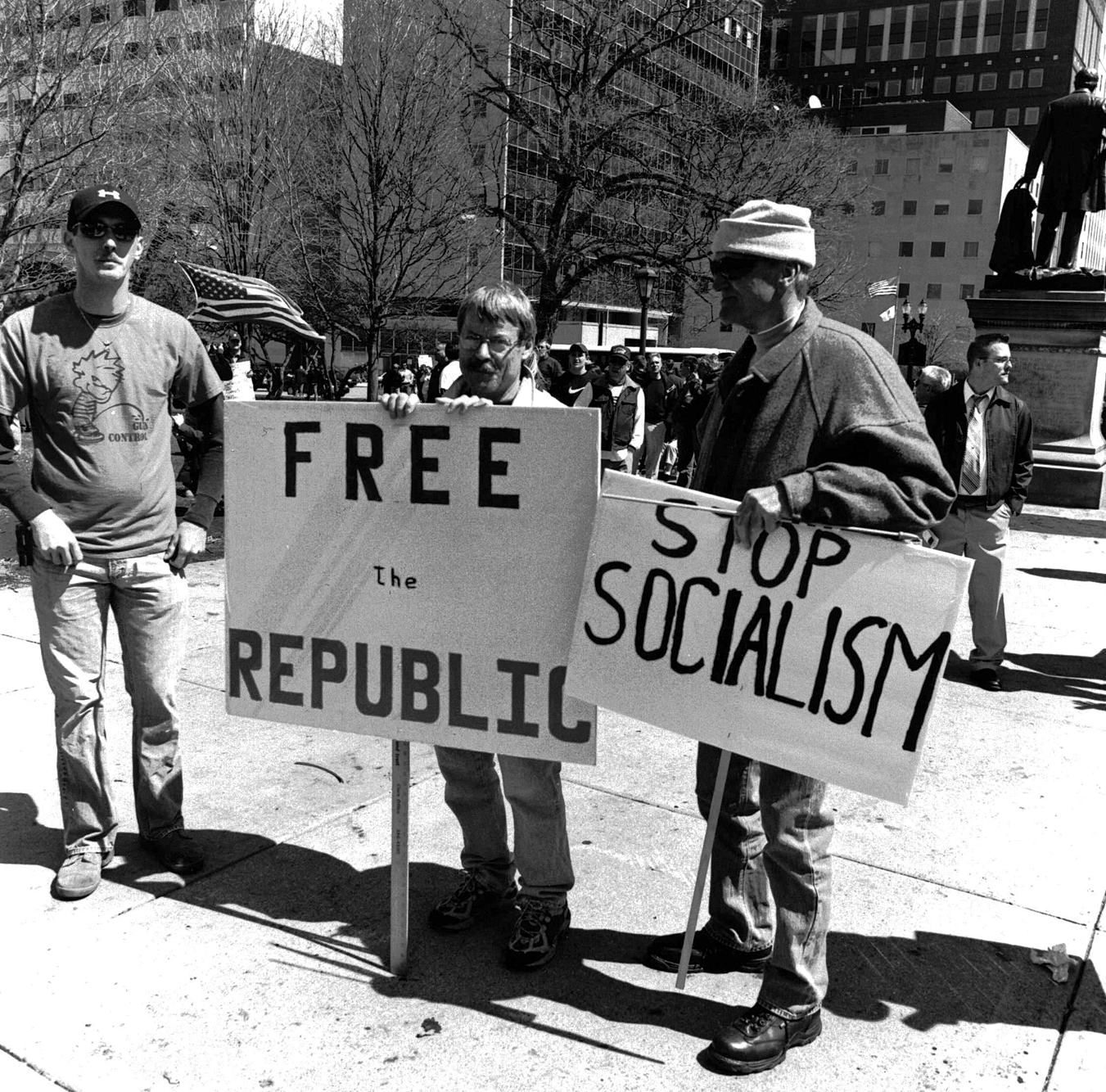
Many of the presentations are highly partisan—representing efforts by interest groups and social movements to display their point of view at the seat of government. These include a Tea Party rally, an Anti-Anti Affirmative Action Proposition protest, an Anti-Helmet Law rally, and an Immigrant Rights demonstration. Other events, such as parades or the governor’s inauguration, are intentionally inclusive, drawing on the symbolic location to endow mundane rituals involving average citizens and bureaucratic procedures with a degree of gravity and importance that would be far less profound without the looming presence of the imposing structure.
Certain public locations continue to be important places where people meet to advance various causes and to bask in the proximity of shared symbols.
The Michigan Capitol continues to provide a space where attention is devoted to issues and events of broad public concern. However, relatively few people actually attend these events. The assemblies are photographed and videotaped so that most people can participate without actually being there. In this way, the continued significance of organizing at the Capitol is sustained by the very forms of media that have made large and inclusive social gatherings increasingly obsolete.
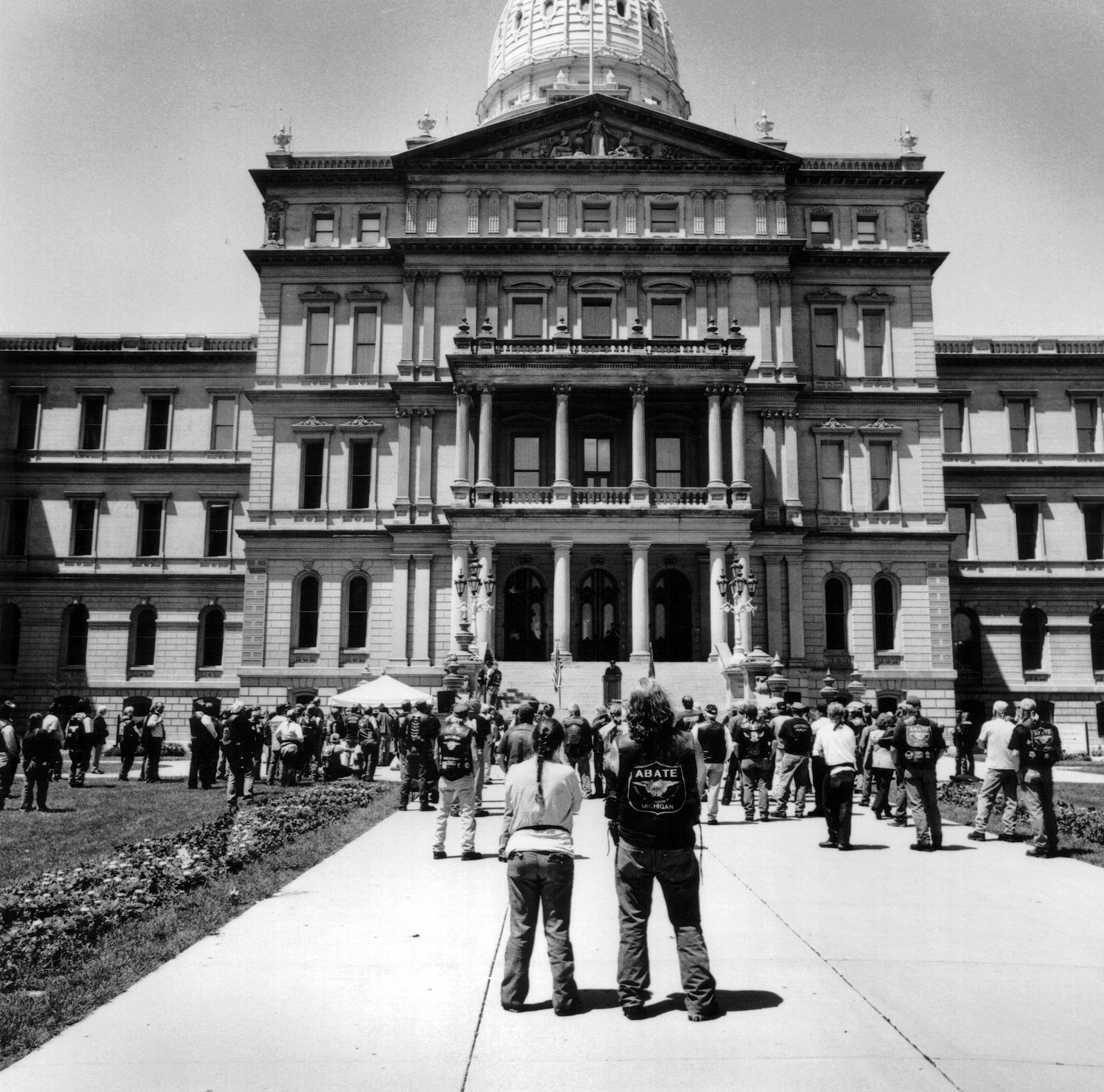
American Bikers Aimed Toward Education (ABATE) protest mandatory helmet laws, Summer 2010. During this event, several politicians who supported the cause gave speeches testifying to the safety benefits availed by motorcyclists whose hearing and sight were unencumbered by helmets. Other speakers claimed that since Michigan is the only state in the region that requires helmets, recreational motorcyclists avoid visiting it, thus depriving its motels, gas stations, and restaurants of potential income.
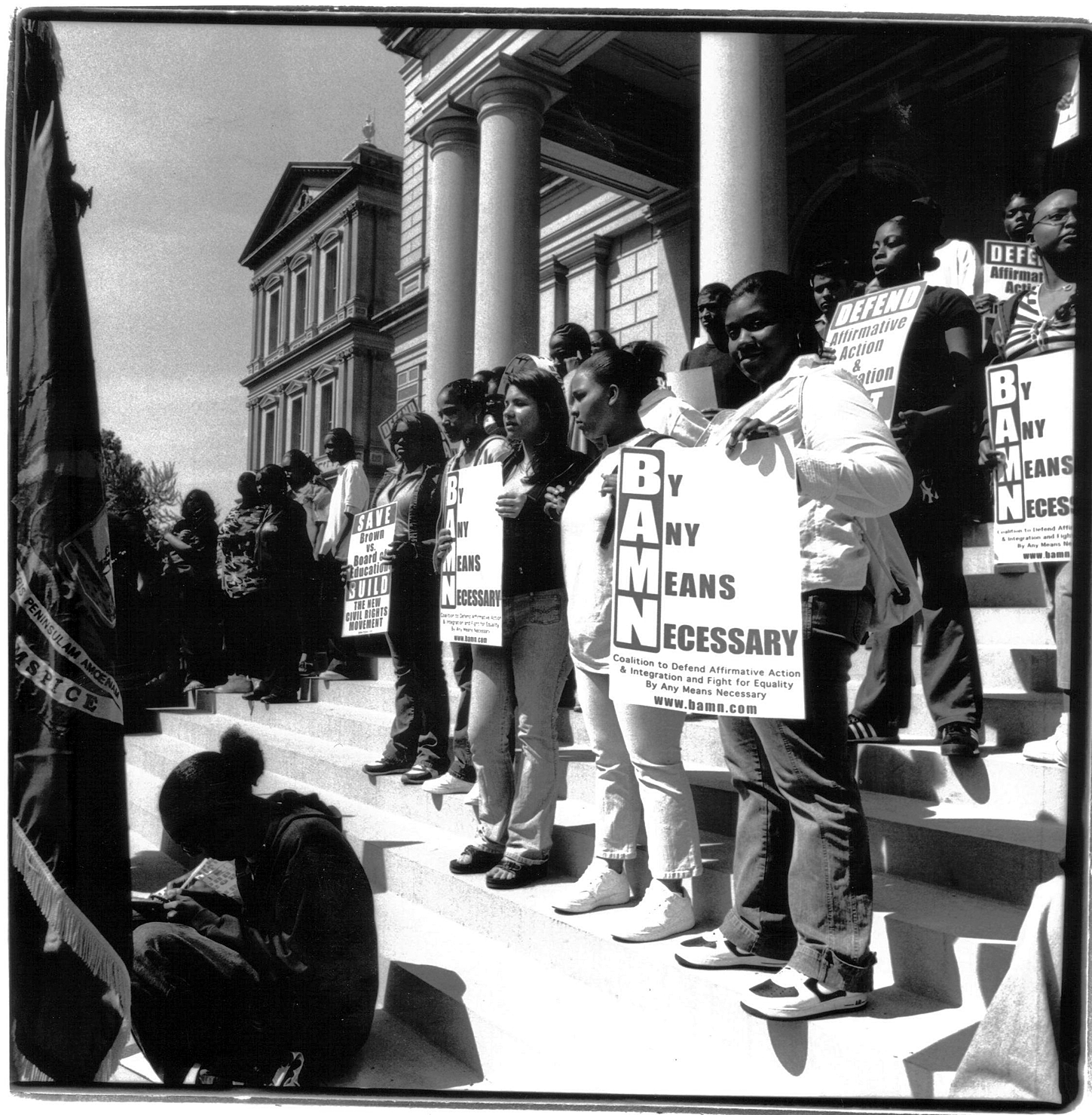
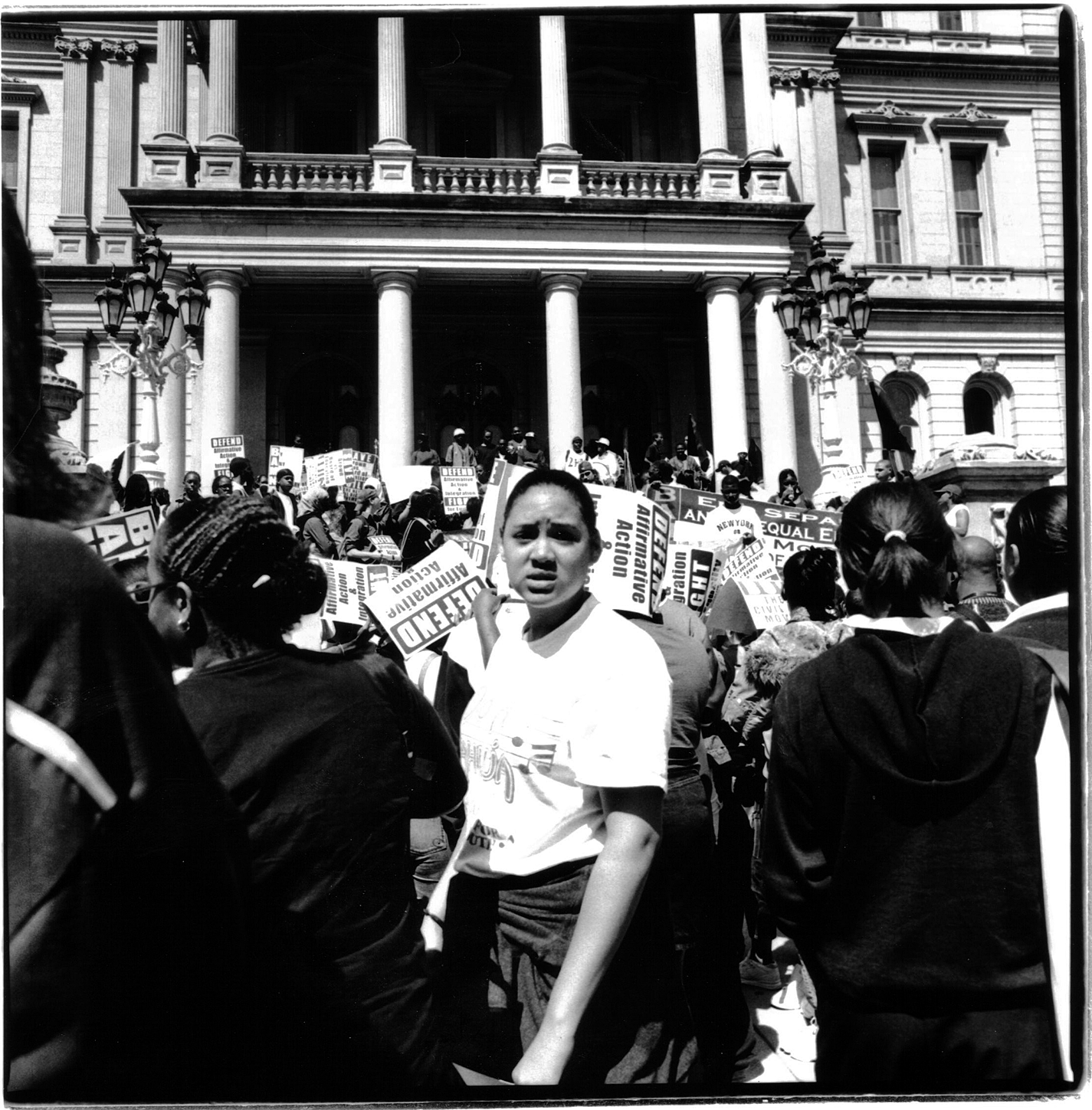
Protest against Proposal 2 (anti-affirmative action proposition), May 2005. Michigan was the third state in the U.S., following California and Washington, to vote for an initiative banning discrimination against or preferential treatment for any individual or group on the basis of race, sex, color, ethnicity, or national origin in public employment, public education, or public contracting. This protest and other actions against Proposal 2 were organized by a group called BAMN (By Any Means Necessary). The organization’s name comes from a slogan associated with Malcolm X, who spent much of his childhood in the Lansing, Michigan area.
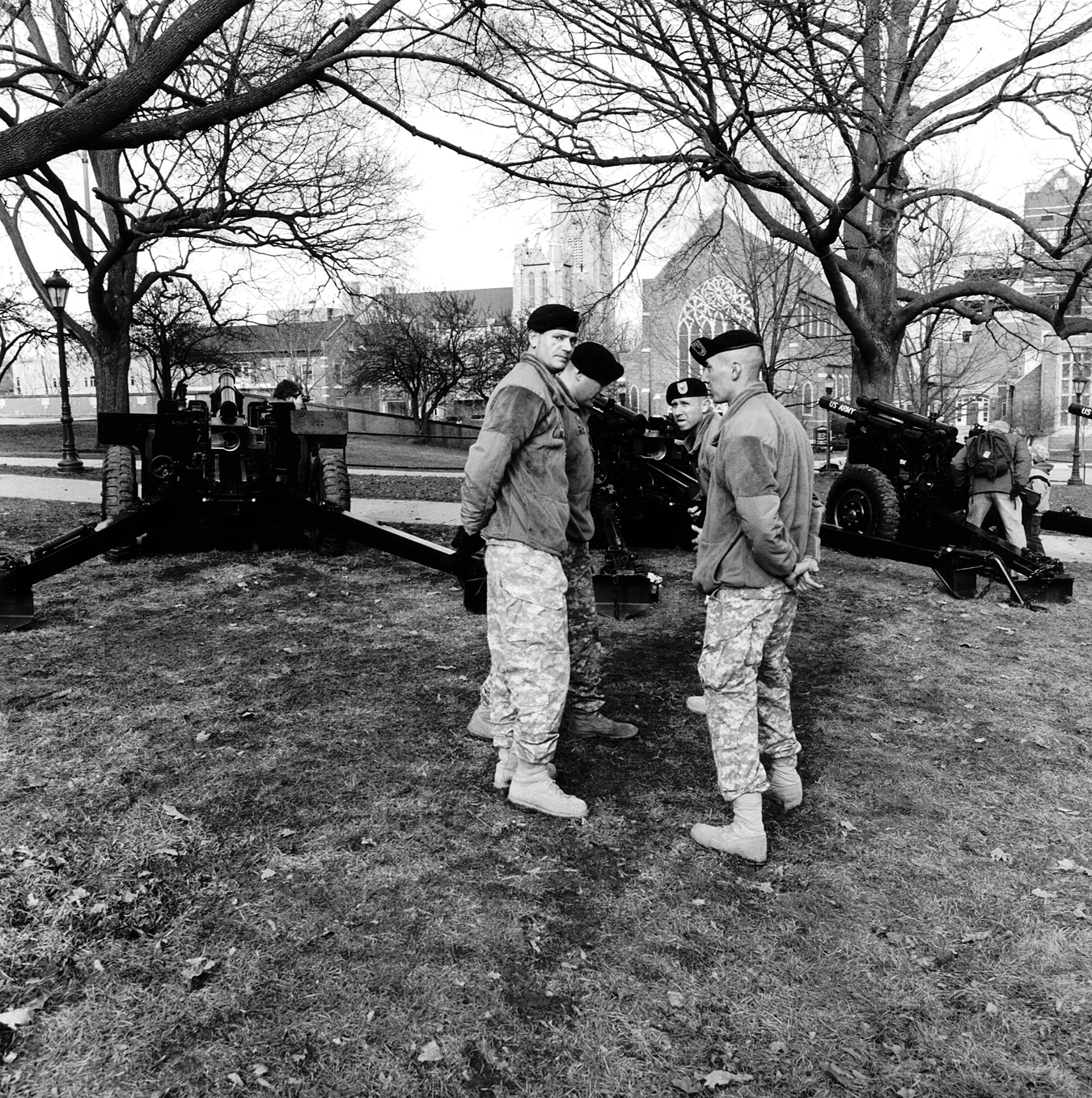
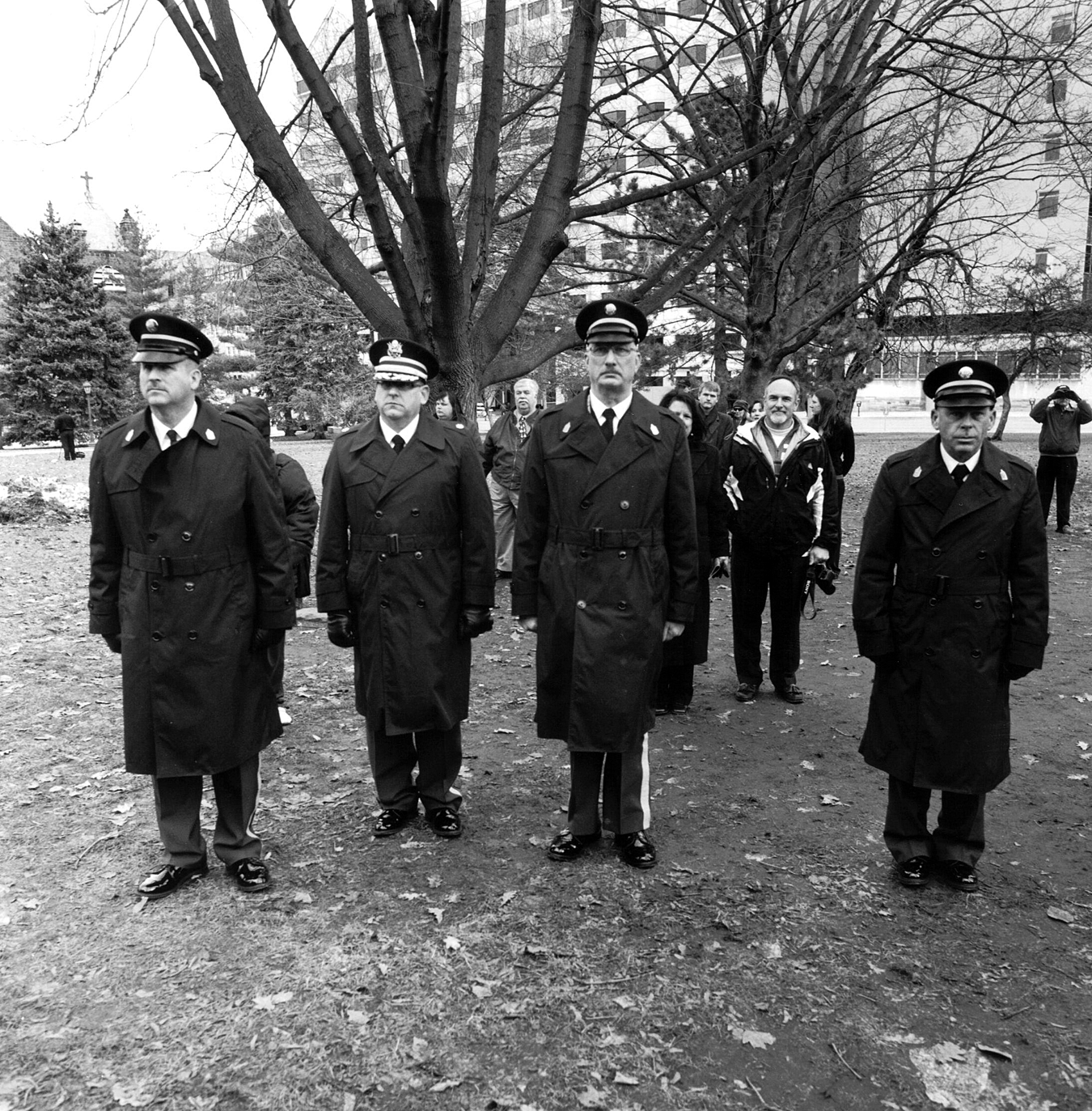
Michigan Army National Guard’s 19-gun salute at Governor Rick Synder’s inauguration, January 1, 2011. The loud and smoky volleys produced by this salute yielded the event’s most dramatic moment.
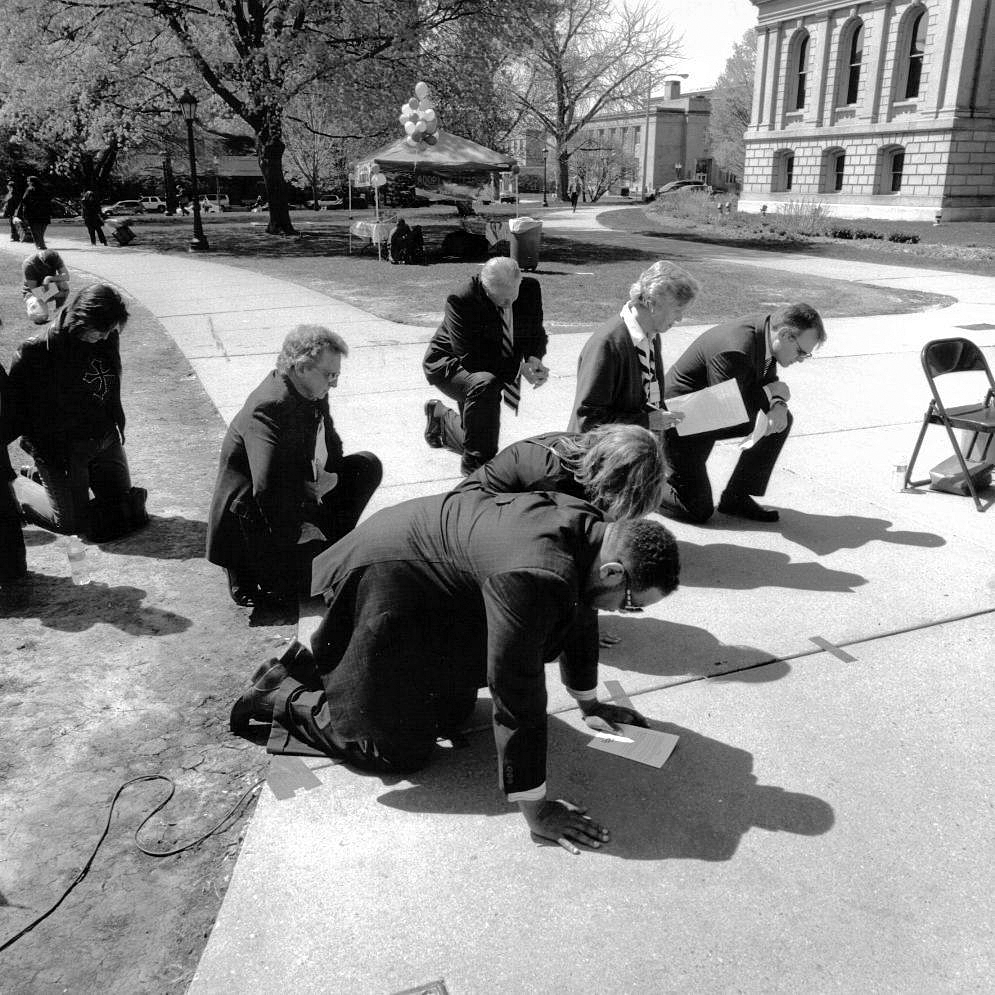
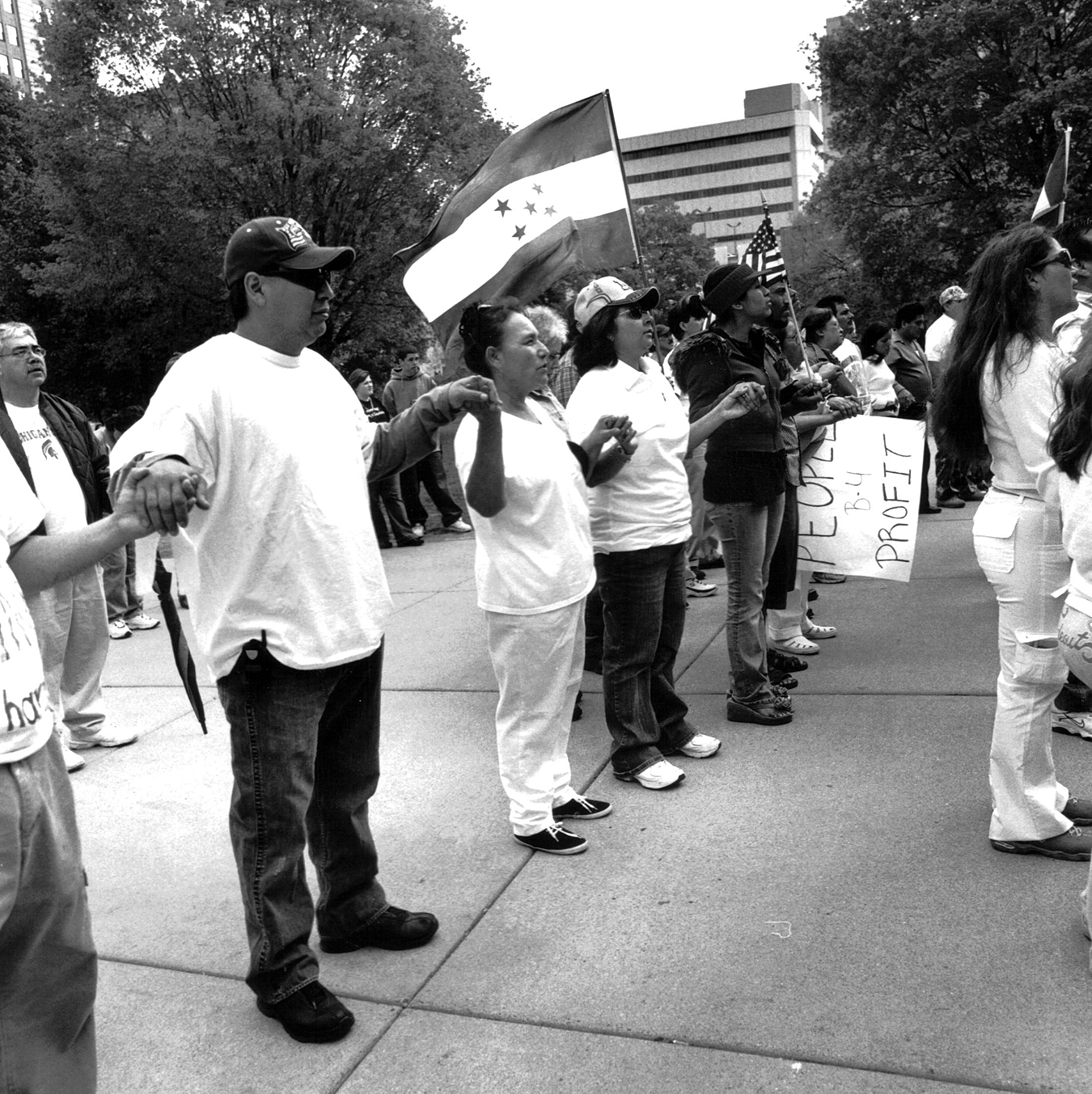
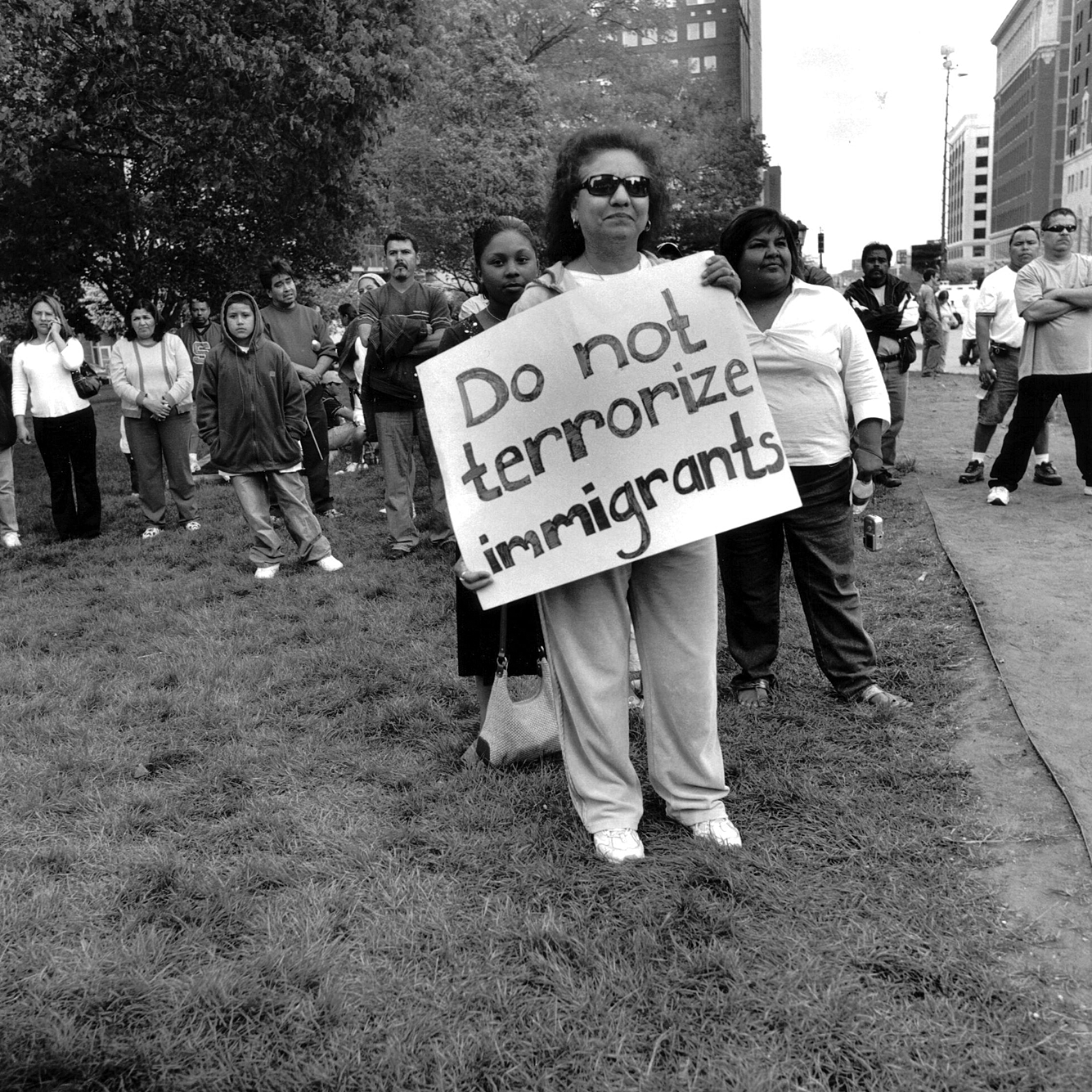
Immigrant rights demonstration, 2006. Part of a nation-wide protest against HR 4437, a bill that would make undocumented immigrants and those who assist them felons and erect a seven-hundred mile fence along the U.S.-Mexico border. The protest emphasized religious themes and featured public prayers and presentations by clergy.
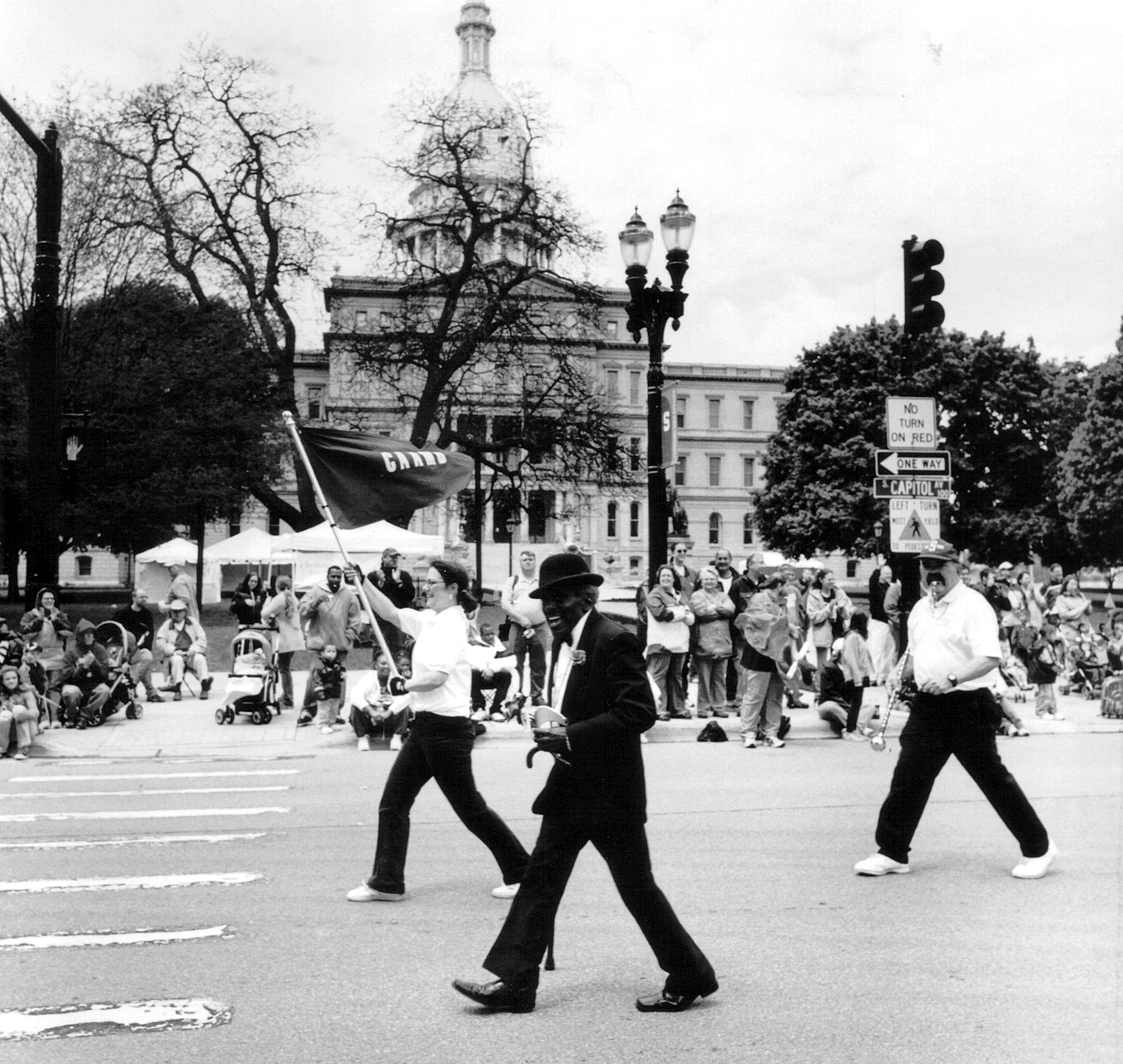
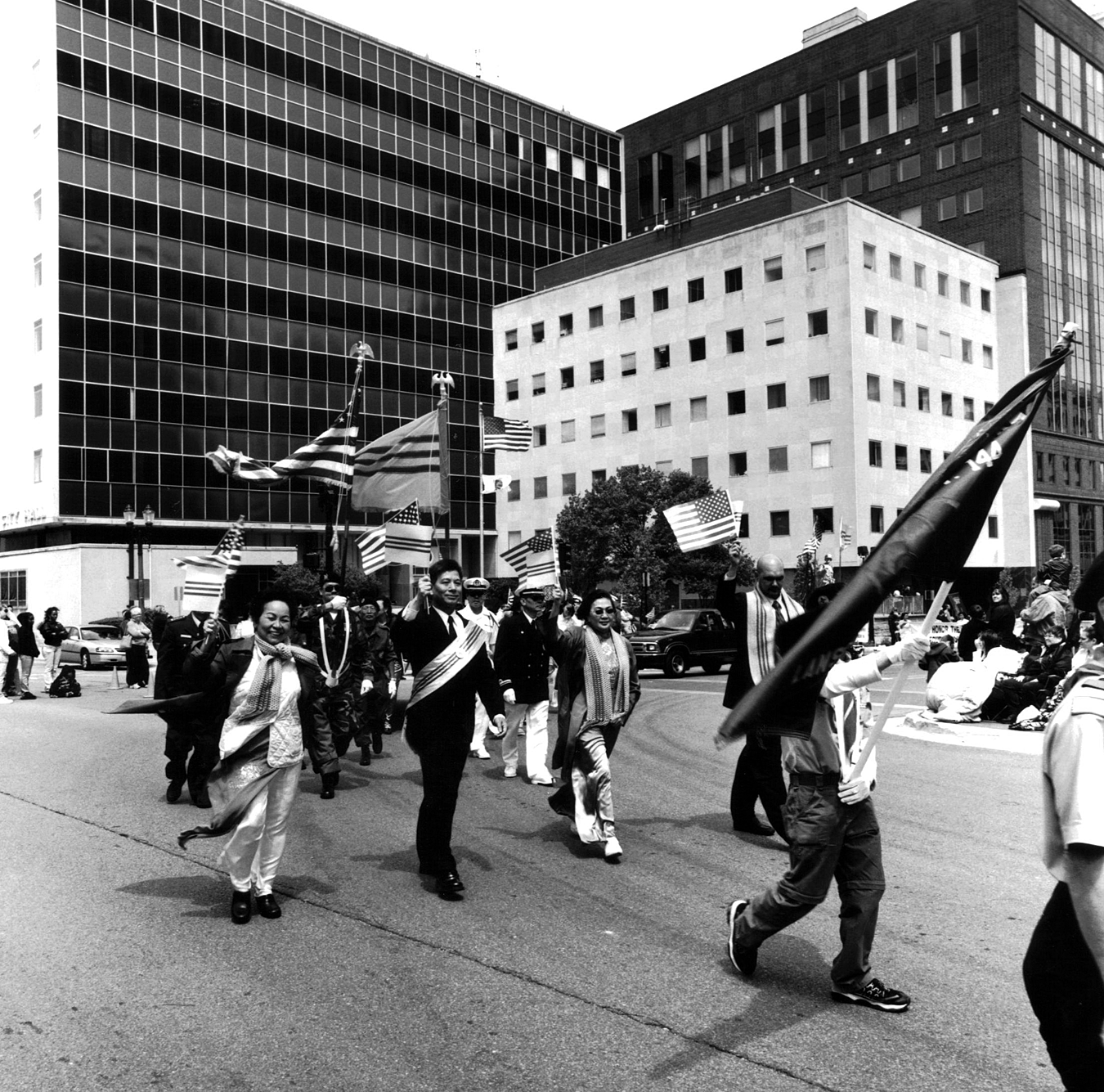
The Capitol Area Alumni Marching Band in the “Michigan Meets the 21st Century” parade, May 2009. This event, which has been held most but not every spring in Lansing since the 1990s, has often been routed near the state capitol. Its diverse participants range from Shriners, neighborhood associations, car clubs, and ethnic organizations to high school marching bands, public employees, churches, and animals from the local zoo.
High school students protest against Proposal 2 (anti-affirmative action initiative), May 2005.
Tea Party rally, April 2009. Only a few months after President Obama’s election, this group staged a demonstration. Nearly all of their signs were homemade. This one targets Michigan’s two Democratic senators.
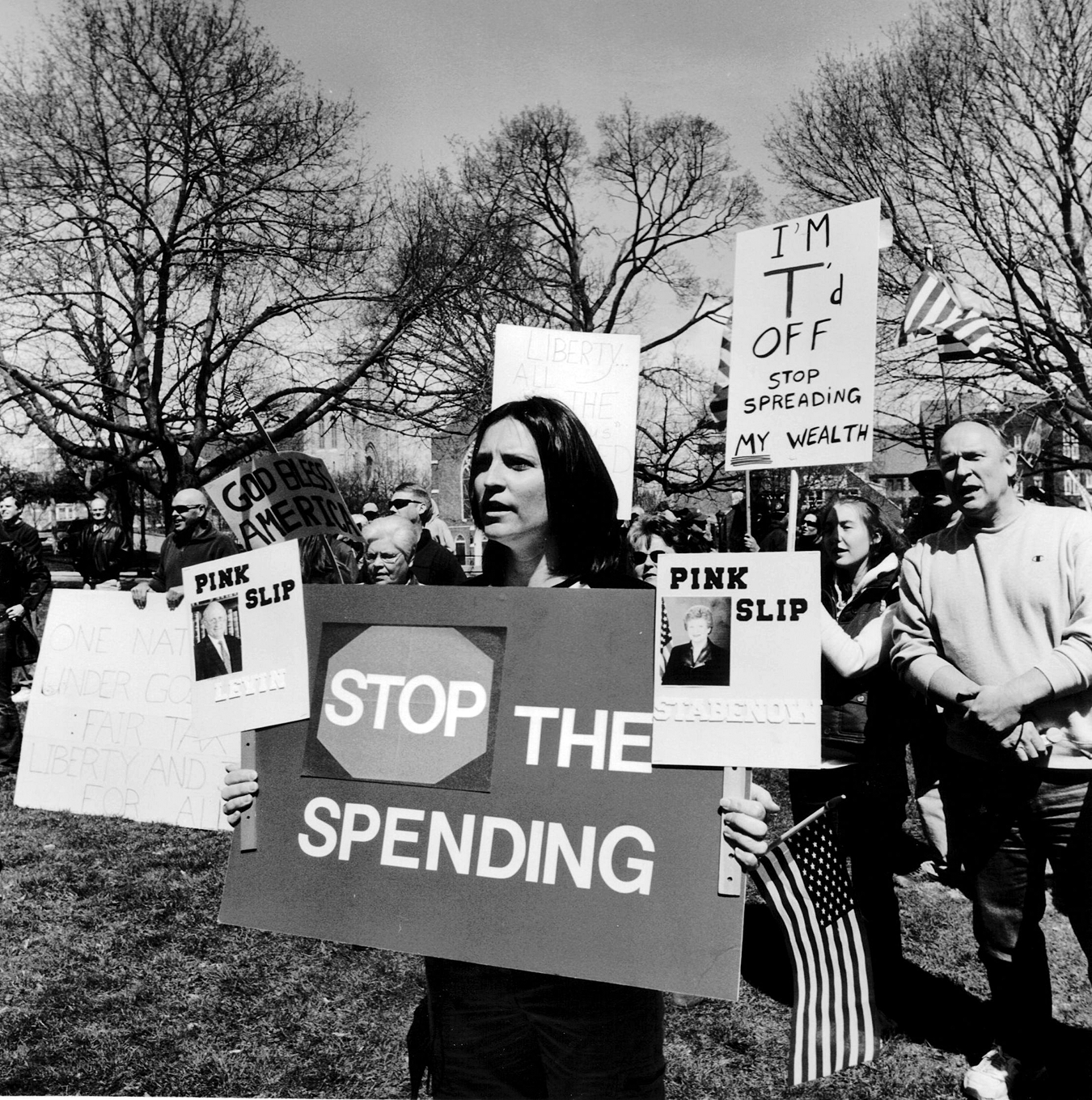
Tea Party rally, April 2009.
Immigrant rights demonstration, 2006.
Military formation, Governor’s Inauguration, January 1, 2011.
The Vietnamese Americans’ Association displays U.S. and Republic of Vietnam flags in the “Michigan Meets the 21st Century” parade, May 2009.
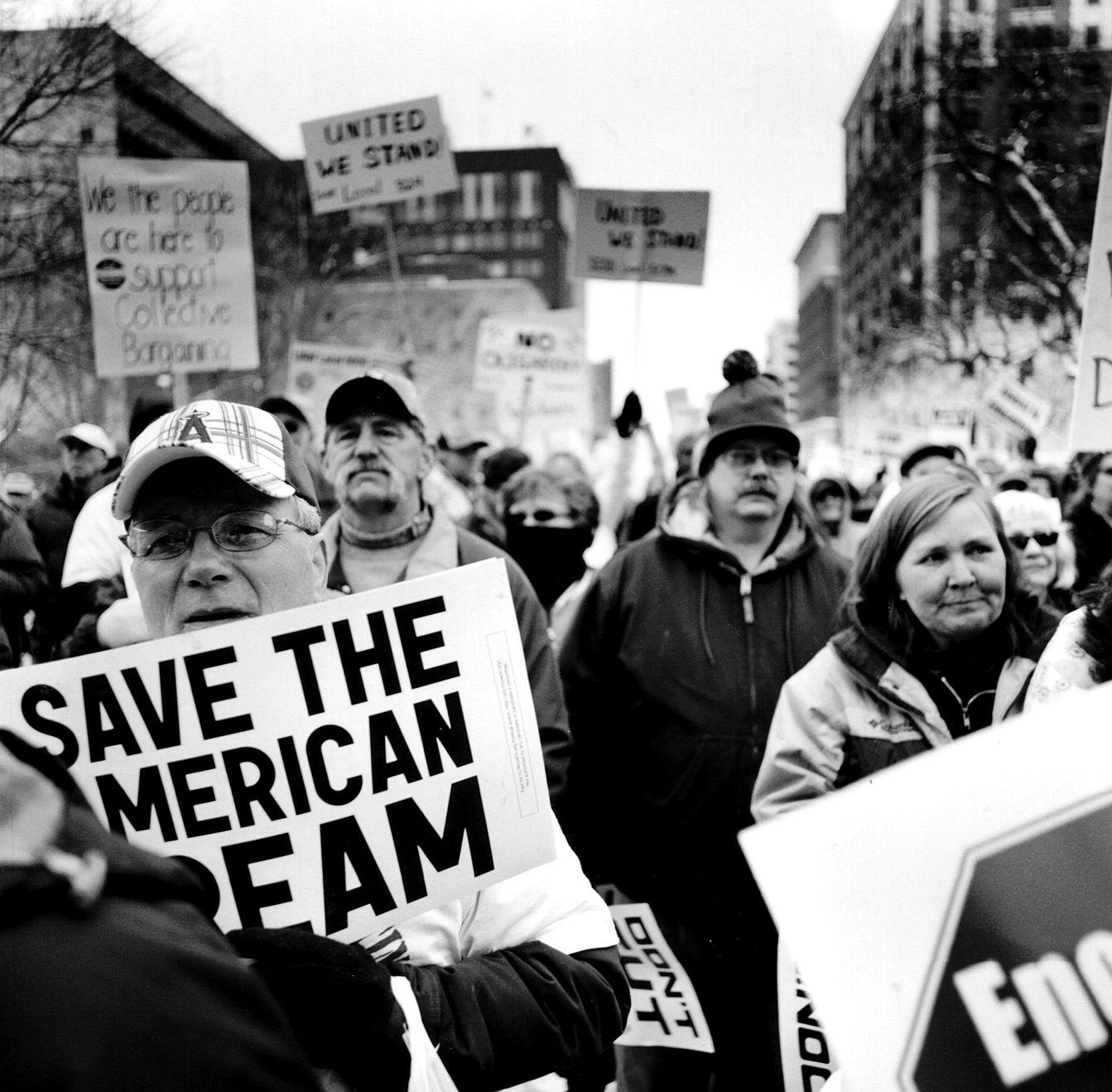
“Rally to Save the American Dream” pro-union protest, February 2011. This rally was staged in sympathy with state workers whose wages, benefits, and collective bargaining rights were being threatened in Wisconsin, and to voice objections to a similar agenda pursued by Michigan’s recently seated governor, Rick Snyder.
Day of Prayer, May 2011. A multi-racial group joined with elected officials to pray for spiritual guidance in government.