




Abstract
Cyber Bullying and The We Generation lament youth incivility in the Internet age. Reviewer Katherine Brown Rosier puts these critiques into historical context and suggests paying attention to privilege—for adults and youth alike.
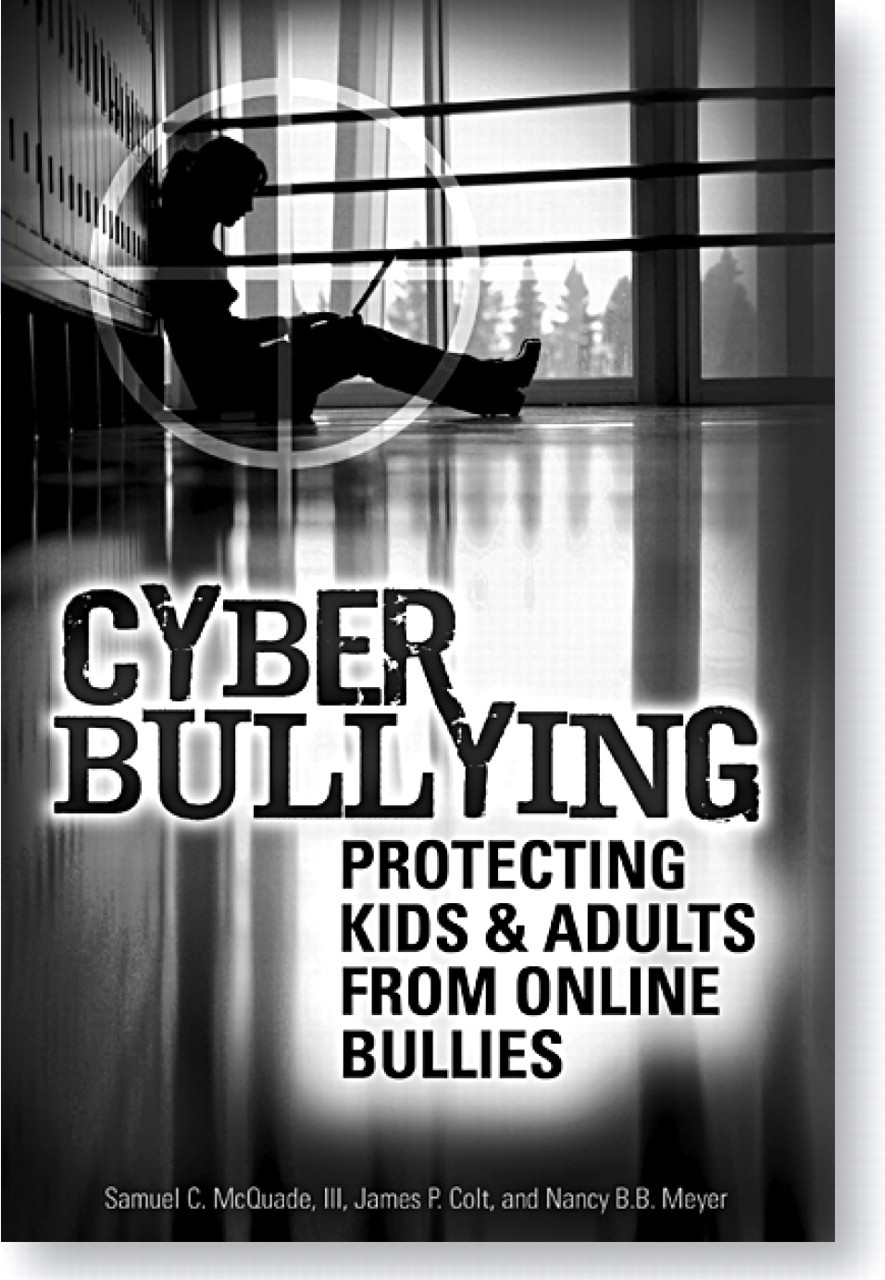
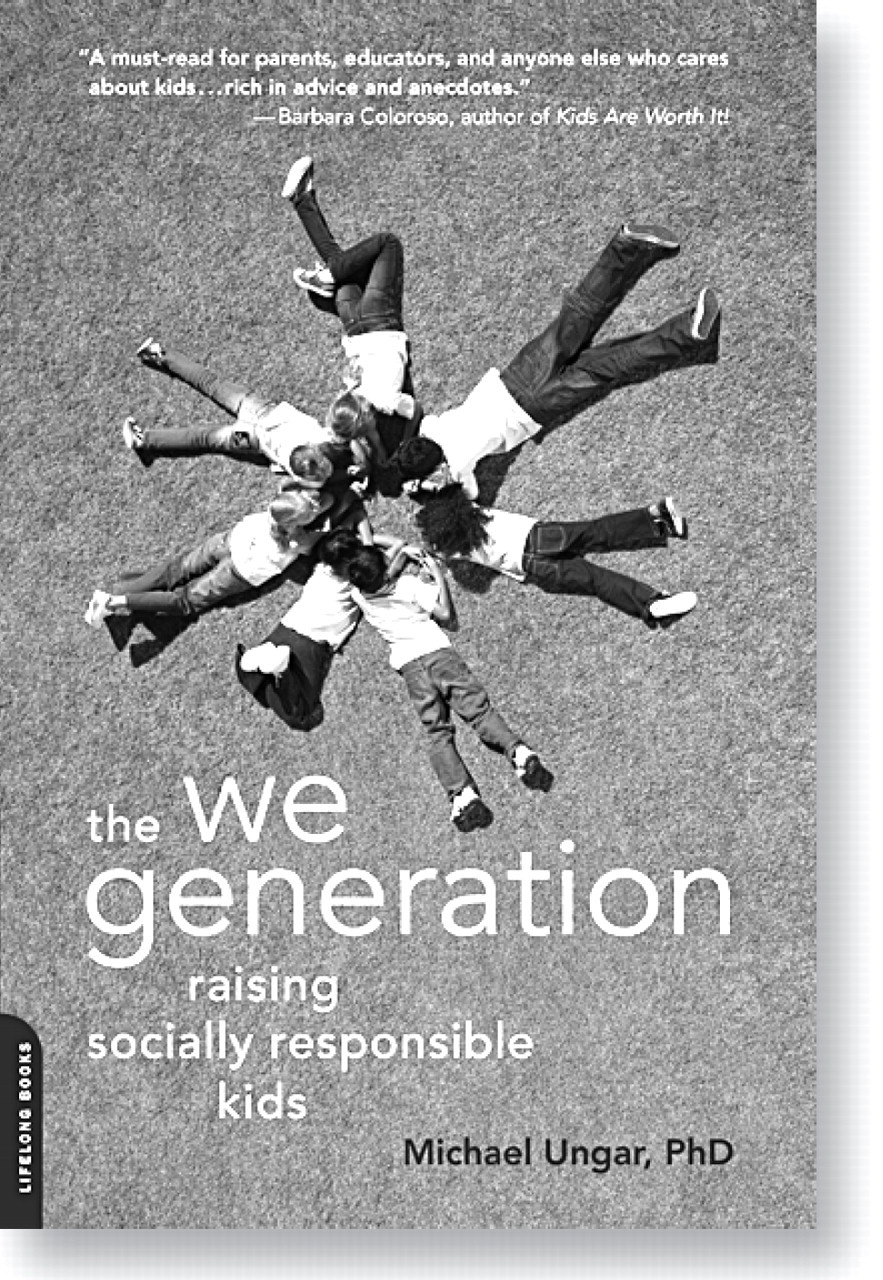
Two new books (and countless bumper stickers) agree: mean people suck. Not only do mean people suck, but there are too many of them, and something must be done! To make matters worse, children and youth are the mean, spoiled “brats” and “bullies” who trouble us most.
For Samuel C. McQuade III, James P. Colt, and Nancy B.B. Meyer, the real trouble-makers are “cyber bullies.” In Cyber Bullying: Protecting Kids and Adults from Online Bullies, they describe and lament the growth of the new, “technologically complex” but “much easier to accomplish and potentially more effective” bullying methods employed by IT-savvy mean kids.
Sociologist Joel Best has identified a formulaic claims-making process that American activists often employ to create new and pressing social problems. “Illustrate the problem with an awful example…Give the problem a name… [and] Use statistics to suggest the problem's size and importance,” he observes in his 2002 article, “Monster Hype.” McQuade, Colt, and Meyer show us how it's done. They trot out one horrifying cyber bullying example after another (sixteen total), showing how this new and growing problem devastates its naïve young victims, empowers its perpetrators, and frustrates the often IT-illiterate authorities who must grapple with it. And should you doubt the problem is so pressing as claimed, just consider the numbers.
The authors cite numerous studies, all showing variously high rates of victimization, from one-fifth to over two-thirds of youth. Drawing from Colt's research on school administrators, the authors also highlight how a majority of school leaders agree that “cyber bullying among their students” is increasing.
But these and other statistics presented are misleading. Although survey questions are not provided, it's clear that reported rates conflate experiences like exclusion or online embarrassment (say, having a private email forwarded to others), with more serious and less frequent offenses like threats to personal safety or online impersonation and identity theft. Much as inclusion of abduction by non-custodial parents and other family members dramatically inflates reported rates of child kidnappings, this slippery use of statistics helps build the case for an epidemic of severe cyber-bullying threatening a large proportion of kids, from early elementary through college.
Sensational “Destruction of Joy, Trust, and Hope” sidebars appear throughout—for example, “My Baby is Gone! The Disturbing Story of Another Victim of Suicide”—and are unreferenced and decontextualized. A reader rarely knows where these stories come from, and is uninformed of the research methodology that led to their production. We are told only in the Preface that Meyers completed “semistructured interviews” with “hundreds of youth and adults encountered… in the course of her travels throughout the world;” that Colt's doctoral research included structured interviews with school officials; and that “all instances of bullying described in the book are known, or believed by one or more authors, to have actually occurred.” At first it's only difficult to make sense of these dislocated text boxes; eventually, it's very difficult to take them seriously. Such incredulity extends to much of this dramatic tome, intended to raise alarm about reprehensible behavior, but in the end feeling more like the boy who cried “cyber bully.”
In The We Generation: Raising Socially Responsible Kids, the mean kids who raise the ire and concern of author Michael Ungar are the self-centered generation whose many possessions and privileges fail to compensate for an absence of deep connection with their families and communities. This social distance, Ungar writes, leaves kids hostile, entitled, and decidedly uncivil in their interactions with others.
Ungar can be strikingly blunt regarding disdain for such youth, referring to the “mouthy disrespectful teenagers we abhor” and the “self-centered brats whom we loathe,” and he openly blames parents for the creation of these detestable monsters. Devoted to career, social climbing, and material excess, today's parents have emotionally neglected their children. Parents' selfishness and resulting lack of time for kids have endangered family relations, while overblown fears for kids' safety have led to an overprotectiveness that prevents formation of meaningful connections in local communities. Children without connections and commitments, without the loving touch and admiring gaze of an adult audience, are apathetic and sullen. In contrast, youth who have such things become compassionate citizens dedicated to social participation, responsibility, and justice.
The We Generation is, at heart, a parenting manual, with chapter-ending tips for encouraging “we-thinking” and social responsibility. Many of these strategies focus on communicating that kids are loved and their contributions are valued; others advise providing kids opportunities to make more meaningful contributions. Ungar, a family therapist, creates fictitious characters and events to illustrate what he has learned about his young clients' desire for social connections. Complete with dialogue, these caricatures are often unbelievable and annoying. One example, offered without a hint of intentional hyperbole: A mother first responsibly asks her daughter, “Will there be anyone with sticks hitting people? Have you checked to see if there will be tear gas?” before wisely granting permission to attend an organized “homeless protest” in their local community!
Despite my obvious irritation with both books, neither is without merit. Cyber Bullying includes a singularly valuable chapter on legal precedent concerning schools' responsibility to control bullying behavior. It delineates courts' attempts to balance students' free speech rights with rights of other students to learn and teachers to work in school environments without substantial disruption. The authors clearly desire expansion of schools' authority in matters of cyber bullies, even when the uncivil behavior takes place in (physical and cyber) places unconnected to school. Nonetheless, their review of case law is even-handed and informative. Other chapters provide a primer of sorts on the technology central to “digital youth culture” and on school policies addressing this technology.
Although at times also maddening, I find more to recommend in The We Generation. Ungar's critique of the isolating features of affluent suburbia is biting and apropos. An entire chapter argues “Monster Homes Make Monstrous Children.” He reports that the average American home size more than doubled from 1950 to 2005, and argues that the new McMansions isolate kids from their families, neighbors, and communities. Elsewhere, Ungar takes aim at intolerant churches that teach exclusionary values. And, he nicely notes that a particularly damaging effect of divorce is how it often removes kids from established attachments to peers and adults in their communities.
Sure, mean kids suck. Today, they suck in new ways (they're innovative like that).
These themes in The We Generation raised my estimation, but it was Ungar's condemnation of the “cancerous spread” of extreme age segregation in the U.S. that finally won me over. Many developments have fueled this trend, including smaller families, women's labor force participation, and the growth of suburbs. Hyped-up fears for children's safety also play a prominent role. The accompanying increase in adult-organized, strictly age-specific activities is well-documented by sociologist Annette Lareau and others. These activities keep kids segregated from others of different ages, and often of different social classes, for ever greater portions of their childhoods.
Ungar laments these developments, longing for more integrated and dense communities where the lives of children, teens, and adults are closely inter-woven. Free to navigate such communities he writes, children and youth naturally develop common values, purpose, and responsibility.
Integrated communities would also enhance kids' ability to learn the “code of ceremonial conduct” described in Spencer Cahill's 1987 article “Children and Civility.” For Cahill, children's frequent violation of this code stems in part from adults' failure to extend to kids respect and social niceties-requirements for civil interaction. Children are treated as if their own persons are of “little sacred value” and as if they do not experience the same humiliation as adults when challenged or belittled in public.
Others note how systemic neglect of children's truly pressing problems—especially child poverty—powerfully communicates disrespect.
Finally, childhood scholars have noted that alarming patterns of incivility in children's interactions are paralleled in adult society. We may decry children's exclusion of others based on status, race and ethnicity, and gender and sexuality, but such processes reproduce existing inequalities and prejudices. The forms are new, but the underlying substance is not.
Such sociological insights suggest that unsavory aspects of youth culture could be more productively addressed by targeting processes of privilege, intolerance, and bullying that are integral to the larger (adult) system. A kinder, gentler civil society—not zero tolerance for cyber bullies or legions of better parents—has the most potential to reduce incivility in youth culture.
Historical awareness is also helpful. At least since Socrates, adults have lamented the terrible state of “modern youth.” The Broadway number “Kids!” from the 1960 musical Bye Bye Birdie comes to mind: “Why can't they be like we are, perfect in every way? What's the matter with kids today?” Each generation, once settled into maturity, turns a critical eye to those who follow. Yet we progress—with no small aid from technology—on an often rocky path toward greater tolerance for others, greater structural-social equalities, and growing awareness and responsibility for global problems.
Sure, mean kids suck. Today, mean kids suck in new ways (they're innovative like that). But while addressing the mean behavior of spoiled brats and abhorrent teens may be warranted, over-emphasis on youthful offenses masks more mature, systemic sources of incivility.