




Abstract
In this study, the application of textile fabrics coated with biodegradable bioactive alginate film was investigated, which was obtained from natural polysaccharides such as sodium alginate extracted from sargassum wightii and padina tetrastromatica seaweeds. The functional groups present in the bioactive substances of alginate film coated fabrics was assessed using Fourier transform infrared spectroscopy, and the antioxidant and antibacterial properties of alginate film coated fabrics were assessed using DPPH free radical scavenging and EN ISO 20645 test methods, respectively. The effect of coatings on biomaterials was evaluated using field-emission scanning electron microscopy, and the effect of alginate film coated fabrics on comfort properties such as thickness, air permeability, wickability, flexural stiffness, and wettability was studied. The experimental result specifies that the maximum antioxidant activity of 54 ± 0.98% inhibition was achieved and maximum antibacterial activity was attained with the inhibition zone of 44 mm in alginate film coated textile fabrics. The air permeability, flexural stiffness, wettability, and wickability properties were slightly affected in both coated textile fabrics compared with uncoated fabric. The sargassum wightii alginate film coated textile fabric showed 80% of wound healing activity compared with padina tetrastromatica alginate film coated textile fabric. This alginate film coated textile fabrics are preferably suitable for nonimplantable materials such as wound healing, skin grafts, food industry, pharmaceutical industry, and hygienic textiles.
Introduction
Wound dressings are an important sector of the medical and worldwide pharmaceutical markets. In the past decade, traditional wound dressings such as natural or synthetic bandages, lint, and gauze materials were used for the management of wounds. In recent years, the use of natural and synthetic gel like materials, films, composites, microparticulate, and nanoparticulate systems for the development of biomaterials particularly for wound healing has been increased. Nowadays, biopolymer is used in clinical practice as engineered tissues that improve wound healing and skin regeneration [1,2].
Many modern wound dressings have a specific property such as biocompatibility, good resistance to microorganisms, better absorption, and good air permeability. The wound dressing material has a surface to absorb exudates and provides sufficient moisture balance at the surface of the wound and inhibits maceration of surrounding tissue [3,4]. The wound dressings with high bioactive substances such as neomycin, bacitracin, or polymyxin combinations, and broad-spectrum germicidal agents like silver, iodine, chlorhexidine, etc. are able to cure the wound at the fastest rate and inhibit the growth of bacteria [5–7].
Seaweeds scientifically termed as macro algae are used as a potential renewable resource in the areas of medicinal and commercial environment. Most of the bioactive compounds present in marine algae confirmed better antioxidant and antibacterial activities [8–11]. The different types of antioxidant compounds have been extracted from various species of seaweeds [12,13]. Sodium alginate is a hydrophilic natural polysaccharide extracted from brown seaweeds. Alginate has a potential in forming a biodegradable film or coating agent applied to textile materials in order to maintain a better hygienic environment, absorbability, comfort, aesthetic feel, flexibility, biodegradability, water, and air permeability [14,15]. This alginate film coated textile fabric will enhance the need for curative actions in various medical fields, particularly in the area of wound management.
In India, higher amount of alginate content are present in two types of brown seaweeds i.e. Sargassum wightii and Padina tetrastromatica [16]. The potent antioxidant and antibacterial compounds identified from Sargassum wightii and Padina tetrastromatica seaweeds are fucoxanthin, fucoidan, astaxanthin, carotenoids, polyphenols, phenolic acid, flavonoids, tannins, and saponins. These compounds inhibit the growth of bacteria and free radical oxygen species, which avoids cell damage and develop the cell growth present in the skin [17].
The alginates act as polymers and have the ability to form a gel with divalent cations such as sodium, calcium, and magnesium, which gives more flexibility, strength to algal tissue. It is widely used in food industries and pharmaceutical applications [18]. The extraction process of alginates was originally patented by Stanford in 1883 [19]. Mostly sodium alginates are the most popular biocompatible polysaccharides extracted from a variety of species of marine brown algae [20].
In this context, selective species of brown seaweeds were used for the preparation of sodium alginate film and screened for their bioactive, antibacterial, and antioxidant substances. An extensive study was also conducted to evolve the biodegradable alginate film coated textile fabrics for wound-healing applications.
Experimental procedures
Materials
The medicinal plants of Sargassum wightii and Padina tetrastromatica of brown seaweeds were used for making alginate film. They were freshly collected from thonidurai coast of mandapam and rinsed in seawater and packed in aseptic bags and brought to the laboratory for further processing. The auxiliaries such as sodium hypophosphite, hydrochloric acid, sodium carbonate, sodium hypochlorite, polyvinyl alcohol, peracetic acid solution, 2,2-diphenyl-1-picrylhydrazyl (DPPH), 3-[4,5-dimethylthiazol-2-yl]-2,5-diphenyltetrazolium bromide colorimetric assay (MTT), phosphate buffered saline (PBS), dimethyl sulfoxide (DMSO), chloroamino phenol, ascorbic acid, and methanol solution of laboratory grade were purchased from M/s. Solar scientific chemicals private limited, Tiruppur, India. The plain woven organic cotton fabric with specifications 40sNe × 40sNe ring spun yarn with twist per inch-18 in warp and weft, EPI-100, PPI-80, and 130 g/m2 was used.
Methods
Extraction of sodium alginate powder
The sodium alginate was extracted from the brown seaweed such as Sargassum wightii and Padina tetrastromatica using the modified method of Marcia Torres et al. [21]. About 200 g of the milled seaweed sample was weighed and soaked in 4% sodium hypophosphite solution acting as strong reducing agent and kept in an air tight conical flask for 24 h to convert all the alginate salts to the sodium salt and remove the seaweed residue by filtration. After 24 h, the sodium hypophosphite solution was filtered out and the residue was washed with distilled water for 3 times. Then 0.4 M HCl solution was added to the residue and kept at room temperature for 24 h. The solution was removed and the residue was washed with distilled water for 3 times. The residue was added with 4% sodium carbonate to convert the insoluble alginate salts in the seaweed into soluble sodium alginates. The extract was filtered through the muslin cloth bag and the filtrate was bleached with 5% sodium hypochlorite followed by evaporation and dried at 70℃ in a hot air oven. The sodium alginate powder was scraped from the beaker and is shown in Figure 1. The powdered sample of dry sodium alginate was weighed divided by the original weight of the powdered seaweed to calculate the sodium alginate yield in terms of percentage is given in the following equation [22]
Extraction of sodium alginate powder: (a) Sargassum wightii and (b) Padina tetrastromatica.

Characterization of prepared alginates using molecular weight and intrinsic viscosities
The prepared sodium alginates are characterized using the Mark–Houwink relationship for sodium alginate in 0.1 M NaCl solution at 25℃. The intrinsic viscosities of the prepared alginates [η] (mL/g) was calculated with average molecular weight of the viscosity present in the alginate solution (Mv) (g/mol) multiplied by the constant factor (C = 2 × 10⁻³ and a = 0.97), which is expressed using the following equation

The viscosity of alginate solution increases with the decrease in the pH value and attains a maximum pH of 3.5 as carboxylate groups in the backbone of the alginate transfer proton and form hydrogen bonds. The increase in the molecular weight of the alginate would result in good physical properties of alginate solution. However, an alginate solution formed from high molecular weight polymer becomes highly viscous for making film formation [23].
Film preparation of the alginate extract
The alginate film preparation was made using 50 mL of sodium alginate solution mixed with 50 mL of polyvinyl alcohol solution with a molecular weight of 40,000 (1% wt/wt in water) with a ratio of 1:1. The purpose of the addition of polyvinyl alcohol is to slightly increase the viscosity of liquid. When cooling the solution, it formed a stiff jelly. The mixed solution was kept in the 250 mL beaker and stirred for 1 h at 70℃ in a hot plate to attain a homogeneous solution. To this homogenous solution, 1 mL of 2% peracetic acid solution in water was added because of its high oxidizing potential and acting as ideal antimicrobial agent and stirred continuously at room temperature (25℃) for 1 h and then transferred into Petridish and air dried for 30 min to obtain a uniform alginate film as shown in Figure 2 [24].
Sodium alginate films: (a) Sargassum wightii and (b) Padina tetrastromatica.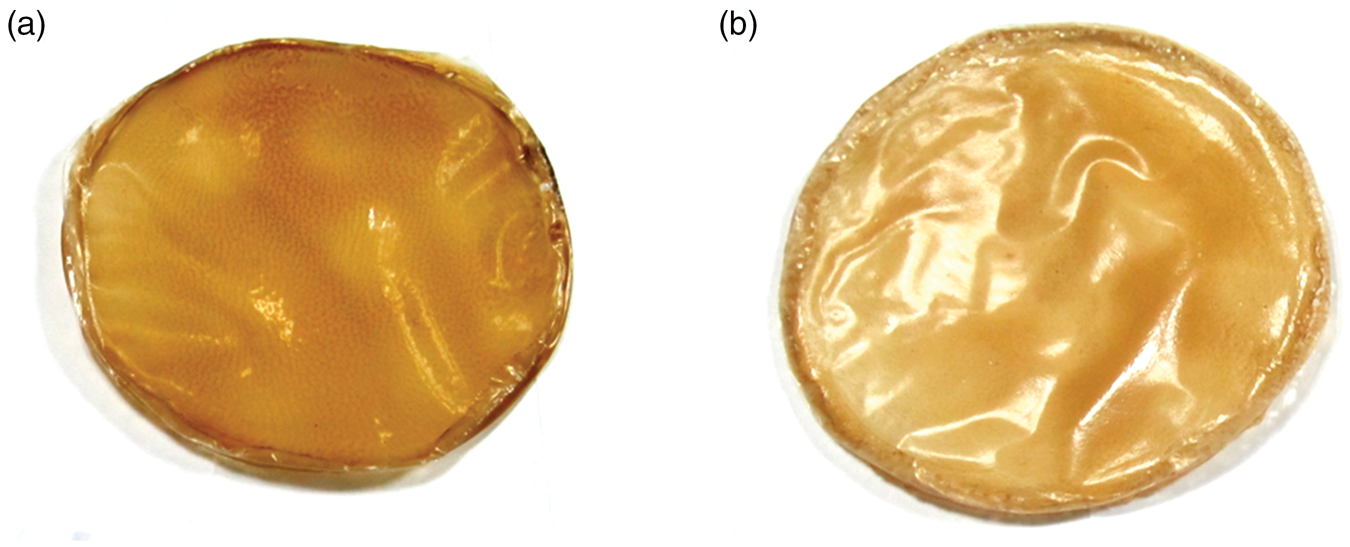
Development of wound dressing alginate film coated textile fabrics
The solvent-based adhesive such as the alginate film was used to coat textile fabrics to provide a barrier against liquids. Solvent-based alginate polymer is a gel-like substance, which acts as the adhesive that cures in the presence of moisture where the film is nipped against the adhesive surface (Figure 3). Then the two layers are held together while cross-linking takes place to form the necessary bonding at a temperature of 50℃ to avoid surface bubbling, variability in curing rate, and cloudiness of the solvents [25].
Alginate film coated textile fabrics: (a) Sargassum wightii and (b) Padina tetrastromatica.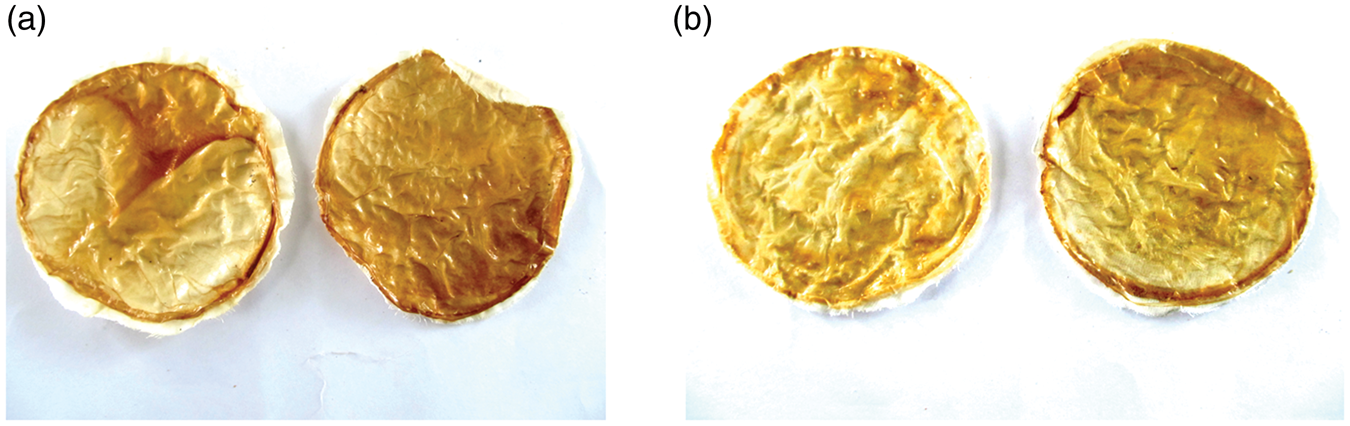
In vitro degradation of sodium alginate films
The standard method for assessing the degradation of the films was carried out using a modified method of Wang et al. [26]. The polymer films were cut into 15 mm diameter disks and weighed. The samples were immersed in the glass test tubes filled with 12 mL of PBS with a standard specification at a pH of 7. The test tubes were incubated at 37℃. The experiment was carried out during the time interval after 1, 2, and 3 weeks under the same conditions. A pH meter was used to determine the alteration of pH in the medium. Finally, the degraded samples were dried over one week to obtain the constant weight. The weight loss in percentage (WL%) is the ratio of weighing the original weight of alginate film before being immersed in PBS solution (W0) minus the degradation weight of the alginate film immersed in PBS solution (Wt) to the original weight of alginate film before being immersed in PBS solution (W0), which was evaluated using the following formula

Analysis of the coating efficiency of biodegradable alginate films on cotton fabric using FESEM
The morphology and structure analysis of the alginate film on cotton fabric were observed using field-emission scanning electron microscopy (FESEM) by the modified method of Marta Miola et al. [27]. FESEM evaluation was also used to know the uniformity of solvent-based adhesive coating over the sodium alginate. The morphology and structure analysis of alginate film coated cotton fabric before and after immersing in the PBS solution was performed at suitable accelerating voltage (5–15 kV), under vacuum (below 5 Pa), for different magnification (×1000–3000).
Fourier transform infrared spectroscopy
Infrared experiments were performed in 11–25 µm thin films in the transmission mode, using a Nicolet iS10 FTIR spectrometer with attenuated total reflectance sampling interface in the frequency range of 4000–650 cm−1 at a resolution of 4 cm−1. The functional groups present in the alginate film were compared with the standard library to show the presence of bioactive compounds in the brown seaweeds [28].
Assessment of antioxidant activity
DPPH radical scavenging activity
The ability to scavenge the free radical oxygen species using DPPH solution was measured using DPPH scavenging assay to assess the antioxidant activity [29,30]. A 5.0 mL aliquot of test sample was added to 10.0 mL of 0.16 mL DPPH methanol solution. The mixture was shaken vigorously and stand at room temperature for 35 min. Ascorbic acid was used as a positive control. The changes in the absorbance of the samples were measured at 517 nm using a UV spectrophotometer. The ability to scavenge the DPPH radical was calculated by the difference between the absorbance wavelengths of DPPH solution with test sample (Asample) to the test sample without any DPPH solution (Asample blank) divided by the absorbance wavelength of the DPPH solution without test sample(Acontrol) as given in the following equation

Evaluation of antibacterial activity
The antibacterial activity of the alginate film coated textile fabrics was tested according to EN ISO 20645 against Staphylococcus aureus (ATCC 29213) and Escherichia coli (ATCC 43894). Sterile nutrient agar (Tryptone Soya Agar) plates (CM0131& Thermo Fisher Scientific Private Limited) were prepared and the plates were allowed to solidify at room temperature and lag phase inoculates was prepared using 10 mL of test bacterial cultures added with 30 mL of DMSO stocks at −8℃ on to lysogeny broth agar plates and grown overnight at 37℃ for 48 h. A single colony was taken with an inoculating loop was swabbed uniformly and allowed to dry for 5 min. Chloroamino phenol is used as control solution. The alginate film coated textile fabrics with the diameter of 2.0 ± 0.1 cm was placed on the surface of the medium and the plates were kept in incubation at 37℃ for 24 h. At the end of incubation, the diameter in which the zone of inhibition formed around the sample was measured in millimeters and recorded [31–34].
Assessment of fabric characteristics
The mechanical and comfort properties of alginate film coated textile fabrics were performed in accordance with the ASTM standards and AATCC test methods. The standard atmospheric condition was maintained for all the test methods within the range of 27℃, and 65 ± 2% RH. The thickness of the textile fabrics before and after coating with alginate film was measured according to the ASTM D 1777 standard. The rate of air flow passing perpendicularly through a known area of coated fabric specimens was measured according to the ASTM D737 standard. A drop test of the alginate film coated textile fabrics was measured by the standard method AATCC 79. The wicking ability of vertically aligned alginate film coated textile fabric specimens to transport liquid through the intermolecular structure of the coated fabric was measured according to the AATCC TM 197 standard. The stiffness in terms of bending length was measured as per the ASTM D1388 standard [35].
Assessment of in vitro wound scratch assay
L929 mouse fibroblast cells were grown in 24-well plates at a density of about 1 × 10⁵cells/mL, and cultured until 80% confluency. A small linear scratch was created in the confluent monolayer by gently scraping with sterile cell scrapper as per the method described by Liang et al. [36]. Cells were thoroughly rinsed with PBS to remove cellular debris. The coated sodium alginate film cell proliferation was monitored at different time points such as 0, 4, 18, and 24 h and the images of the migrated cells were taken at all different time points using a digital camera connected to the inverted phase contrast microscope (Radical Instruments, India). The extent of wound healing was determined by the distance traversed by cells migrating into the denuded area [37]. The percentage of wound healing assay was calculated by the difference between the wound scratched size (A) (mm) to the wound unhealing size (B) (mm) divided by the wound scratched size (A) (mm) as given by the following

Assessment of in vitro cytotoxicity test
An in vitro cytotoxicity test was performed for the given brown seaweed samples as per ISO 10993:5. The culture medium from the L929 monolayer was replaced with fresh medium. Test samples (50 µL, 75 µL, 100 µL) and solvent control in triplicates were added to the cells. After incubation at 37 ± 1℃ for 18 h, MTT solvent were added in all the wells and incubated for 4 h. After incubation, DMSO were added to the cells and read at 570 nm using a spectrophotometer (VWR V1200) [38]. Cytotoxicity test was calculated by the difference between the control cells developed using standard MTT solvent to the cells developed using brown seaweed extracts with three different concentrations divided by the control cells developed using standard MTT solvent is expressed in equation (6). The cell viability is the ability of cells retained without any damages was calculated by the difference between the cells developed and retained using brown seaweed extracts to the control cells retained using standard MTT solvent as given by the following


Results and discussion
FTIR spectroscopy of uncoated fabric and alginate film coated fabrics
The infrared spectra of uncoated fabric, Sargassum wightii, and Padina tetrastromatica alginate film coated cotton fabrics are given in Figures 4 and 5 [39].
FTIR spectrum of the uncoated, and Sargassum wightii alginate film coated textile fabrics. FTIR spectrum of the uncoated, and Padina tetrastromatica alginate film coated textile fabrics.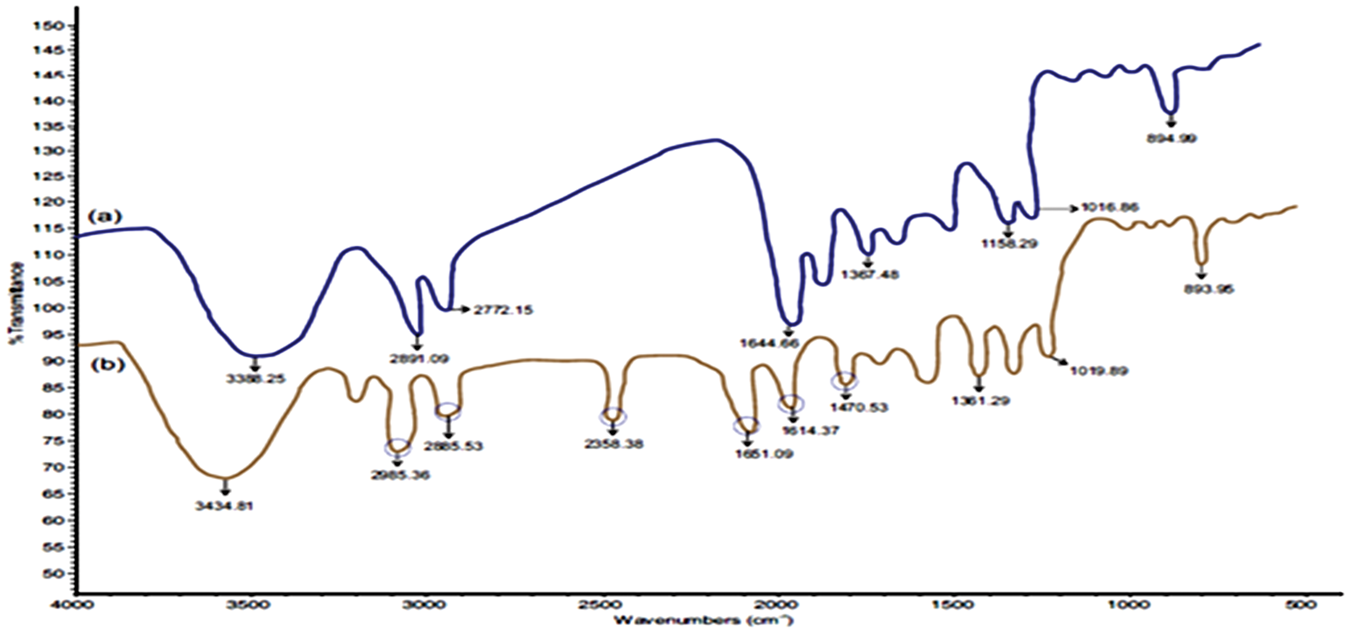

The FTIR spectrum lines of uncoated cotton fabric showed prominent peaks at 3388.25 cm−1 corresponding to the N–H stretch of amine functional groups. The peaks from 2891.09 cm−1 to 2772.15 cm−1 for uncoated fabric assigned to the symmetric/asymmetric C–H stretch vibrations of aldehyde groups. The very strong and sharp-shaped intensity peaks at 1644.66 cm−1 for the uncoated fabric representing C = C stretch of alkene groups were evident. The peaks from 1367.48 cm−1 for the uncoated fabric represented the O–H bending of carboxylic acid groups. The C–C stretch peak at 1158.71 cm−1 for uncoated fabric represented the presence of ketone groups. The P–H bending corresponding to phosphine groups was observed from 894.99 to 1016.86 cm−1 for the uncoated fabric.
The peaks obtained at different wavenumbers confirmed the presence of functional groups such as alcohols, carboxylic acids, alkanes, aldehydes, alkenes, aromatics, alkyl halides, ketones, terpenes, sulfoxides, and phosphines compounds present in both alginate film coated textile fabrics.
Infrared absorption spectrum of both alginate film coated textile fabrics with its active functional groups.
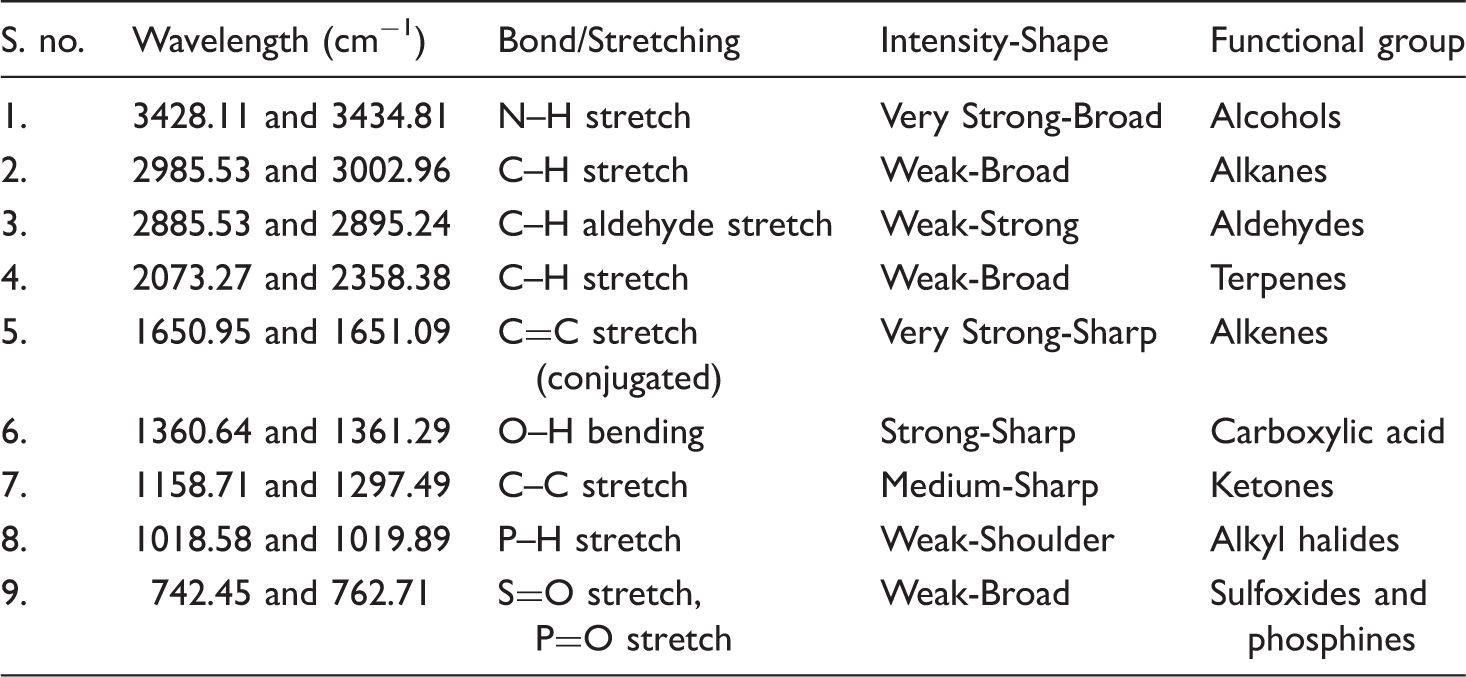
The test result shows that the various functional groups obtained from both alginate film coated fabric was confirmed the presence of bioactive substances with its functional properties.
In vitro degradation of sodium alginate films
Evaluation of degradation of Sargassum wightii and Padina tetrastromatica alginate films.

The test result shows that greater weight loss occurs in Sargassum wightii film compared with Padina tetrastromatica film after three weeks. This was mainly due to changes in chemical structure, molecular weight, and hydrophilic characteristics of the films. The qualitative results of degradation of sodium alginate films are shown in Figure 6.
Degradation of Sargassum wightii and Padina tetrastromatica films.
Figure 6 clearly shows that the degradation occurs on both types of sodium alginate films. The higher degradation was obtained on Sargassum wightii alginate film compared with the Padina tetrastromatica alginate film. It was mainly due to the degradation of the polymeric chain and consequently, a decrease in the molecular weight of the alginate films and structural changes over immersion time in PBS [26].
Degradation studies of wound dressing film coated cotton fabrics using FESEM
The morphology and structure analysis of alginate films coated textile fabrics were studied through FESEM, and the images are shown in Figures 7, 8, and 9. The FESEM result explicates that the morphology of alginate film coated textile fabrics before immersed in the PBS solution has been seen the specific crumble-like structure, good film smoothness, homogeneous morphology without any phase separation, and higher bond strength to the cotton fabric (Figure 7). Figure 8 reveals the surface morphology of alginate film coated textile fabrics immersed in the PBS solution after two weeks clearly illustrating the polymeric phase separations, disorderly stacked, folded sheet-like accumulation, and the decrease in the molecular weight.
FESEM photographs of alginate film coated textile fabrics: (a) Sargassum wightii alginate film, and (b) Padina tetrastromatica alginate film. FESEM photographs of alginate film coated textile fabrics after two weeks in PBS solution: (a) Sargassum wightii alginate film and (b) Padina tetrastromatica alginate film. FESEM photographs of alginate film coated textile fabrics after three weeks in PBS solution: (a) Sargassum wightii alginate film and (b) Padina tetrastromatica alginate film.


Figure 9 depicts the morphology of alginate film coated textile fabrics at the end of the three-week period. It illustrated the cube-shaped morphology with approximately uniform particle size, and perceptible degradation of the alginate film. This clearly exhibit the biodegradable nature of the alginate film helping promote their use for the treatment of skin wounds used for making wound dressing material [41].
Antioxidant properties of alginate film
Antioxidant properties of the methanol extract of the alginate films.

The test result shows that the antioxidant activity attained maximum inhibition percentage at a 250 µg/mL concentration for both brown seaweed alginate film extracts. The antioxidant activity of the alginate film extract was compared with control solution (ascorbic acid). The maximum antioxidant activity of the alginate film extracts was mainly due to the presence of bioactive substances such as alkaloids, amino acid, flavonoids, tannins, and phenols. Such bioactive compounds serve as a defense mechanism for trapping the free radical oxygen species to inhibit the cell damage and generate the cell growth present in the skin [42,43].
Thickness of alginate film with and without coated textile fabrics
Thickness of alginate film with and without coated textile fabrics.
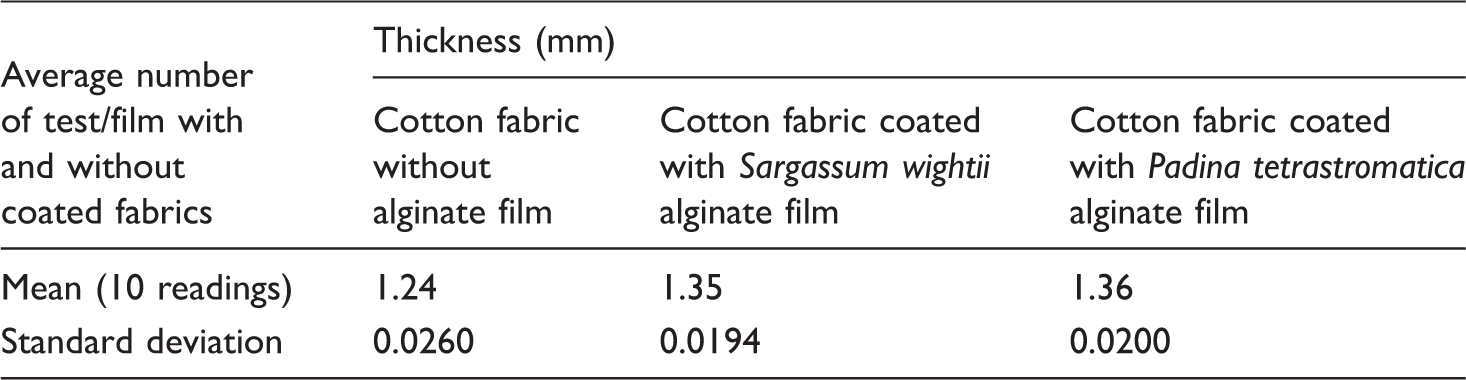
The test result shows that the cotton fabric without alginate film has a lower surface thickness compared with both alginate film coated fabrics were mainly due to the coating on the surface of the fabric. In the case of both alginate film coated fabrics, the alginate polymer serves as a binder on the fabric surface will lead to the higher thickness, and surface roughness of the fabric compared with the uncoated fabric.
Surface porosity of alginate film with and without coated textile fabrics
The surface porosity of (Pf) is defined as the ratio of the total empty space area between two yarns to the total cloth cover factor (kc) in percentage and can be calculated using the following

Surface porosity of alginate film with and without coated textile fabrics.
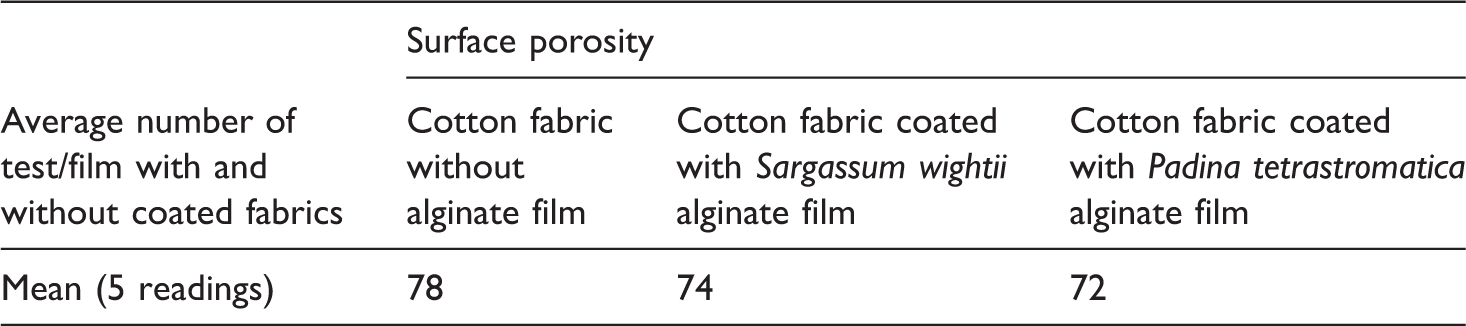
The test result shows that the cotton fabric without alginate film has a higher surface porosity compared to both alginate film coated fabrics, which were mainly due to the coating of sodium alginate film on the surface of the fabric. In the case of both alginate film coated fabrics, the surface area of the fabric was slightly covered during coating process that will lead to the lower surface porosity compared with uncoated fabric. Such lower surface porosity in the alginate film coated fabrics will not affect the comfort and physical properties of the fabrics [44].
Air permeability of alginate film with and without coated textile fabrics
Air permeability of alginate film with and without coated textile fabrics.
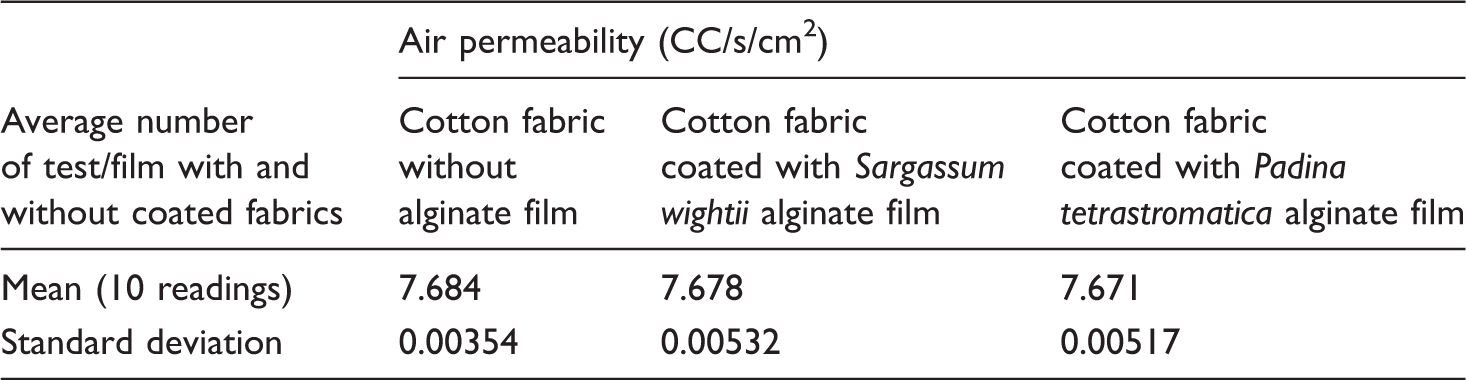
The test result shows that the amount of air passed through the alginate film was slightly affected for both alginate film coated textile fabrics compared with cotton fabric without alginate film. In the case of cotton fabric without alginate film, the air permeability increases due to pore size and dimensional characteristics of the fabric. In the case of both alginate film coated fabrics, the alginate serves as a surface binder for increasing the surface roughness leading to the increase in the hydrophobic property and reduction in pore size of the fabrics, and therefore the coated fabrics has lesser air permeability [45].
Water absorbency property of alginate film with and without coated textile fabrics
Water absorbency time of alginate film with and without coated textile fabrics.
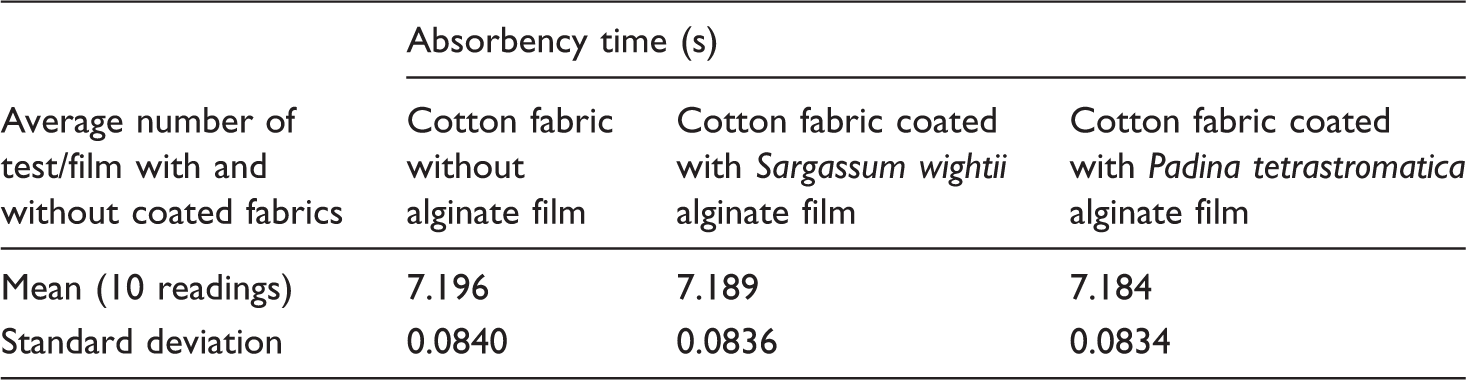
The test result shows that the water absorbency time was slightly affected for both alginate film coated fabrics compared with uncoated fabric. In the case of uncoated fabric the droplet of water absorbed immediately, and spread over a wide area which mainly due to the moisture content of the cotton fibers. In the case of both alginate film coated fabrics, the droplet of water absorbed on the surface of the fabric taking more time was attributed due to the binding of pores on the fabric surface during coating [46].
Wickability property of alginate film with and without coated textile fabrics
Wickability properties of alginate film with and without coated textile fabrics.
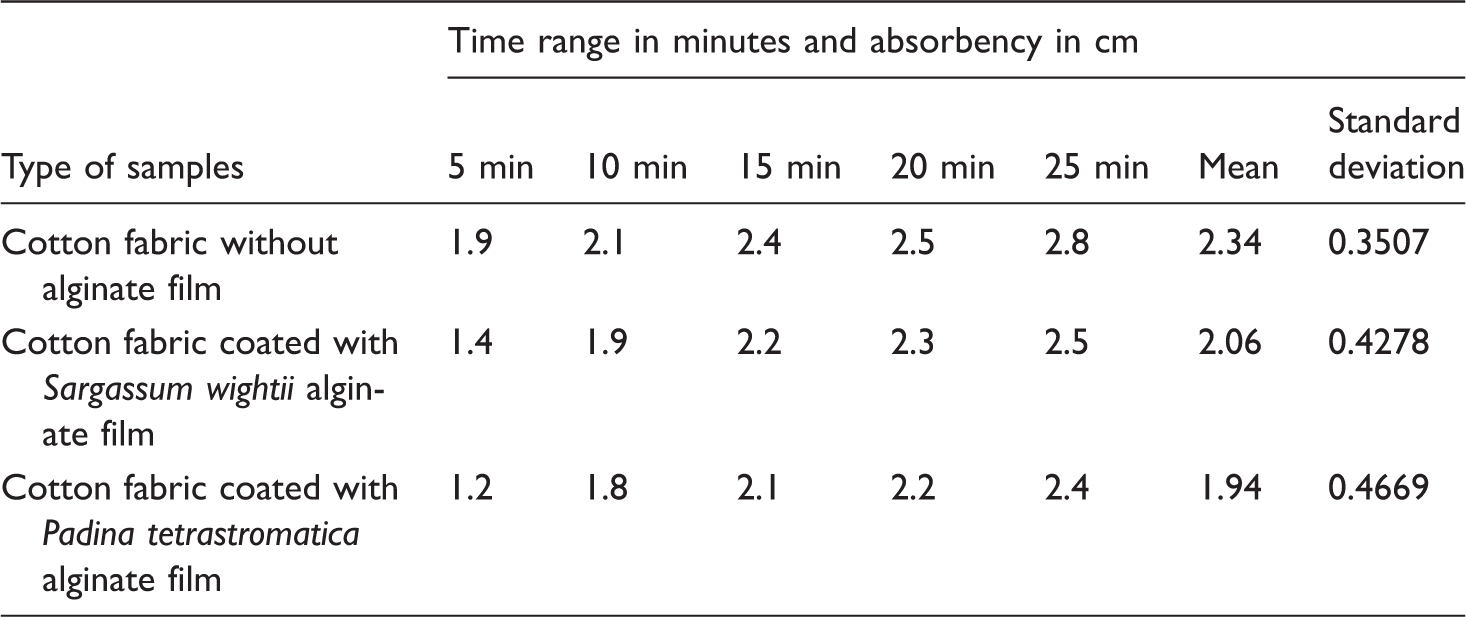
The test result shows that the wicking length was slightly affected for both alginate film coated textile fabrics compared with cotton fabric without alginate film. The cotton fabric without alginate film shows that the high residual force of water absorbed on the fabric surface increased significantly at the starting point, and then continued to increase gradually during different time intervals.
Both alginate film coated fabrics shows that the low residual force of water was absorbed on the fabric surface at the starting point, and then continued to increase gradually which mainly due to a hydrophilic nature of alginate film, fabric structure, and the dimensional characteristics of the fabrics. It also influences good moisture absorption properties of the coated fabrics, and degradation of the films [46].
Flexural stiffness property of alginate film with and without coated textile fabrics

Flexural stiffness properties of alginate film with and without coated textile fabrics.
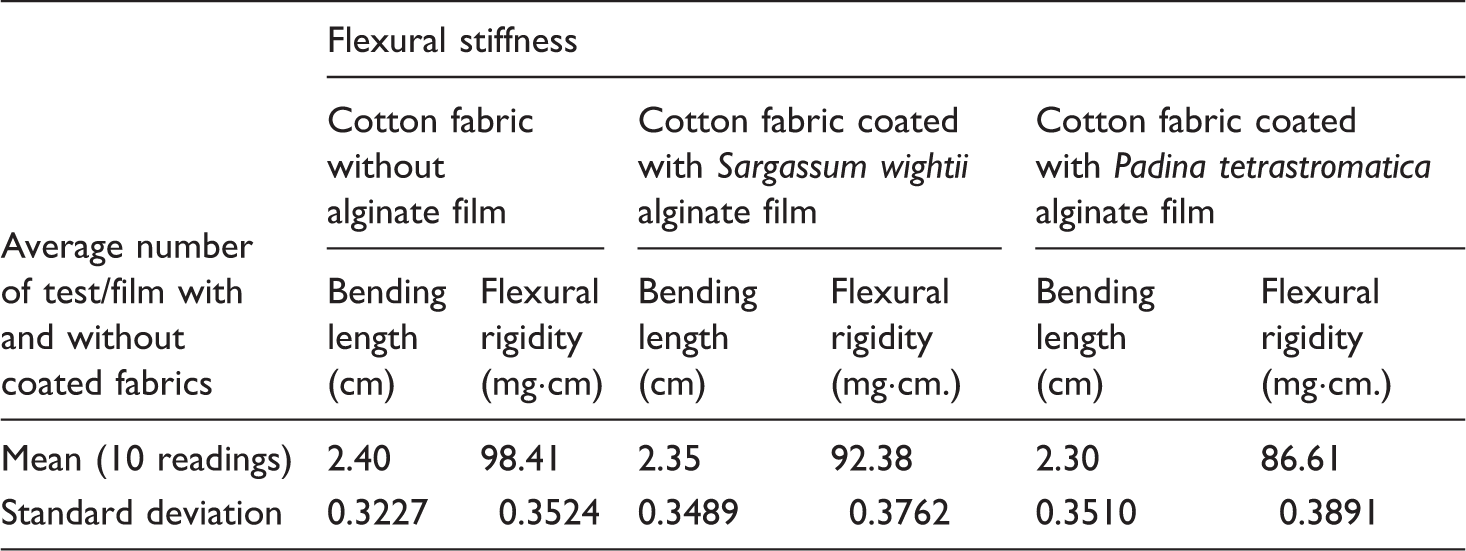
The test result shows that the bending length and flexural rigidity were slightly affected for both alginate film coated textile fabrics compared with cotton fabric without alginate film. The bending length of the cotton fabric without alginate film increases with the increase in the flexural rigidity of the cotton fabrics.
In the case of the coated alginate film fabric, the bending length slightly decreases with decreases in flexural rigidity which was mainly due to the bonding strength of the coating agent on the fabric surface. The flexibility of the alginate film coated textile fabrics increases compared with cotton fabric without alginate film [45,47].
Antibacterial activity of alginate film coated textile fabrics
Antibacterial activity of alginate film coated textile fabrics.
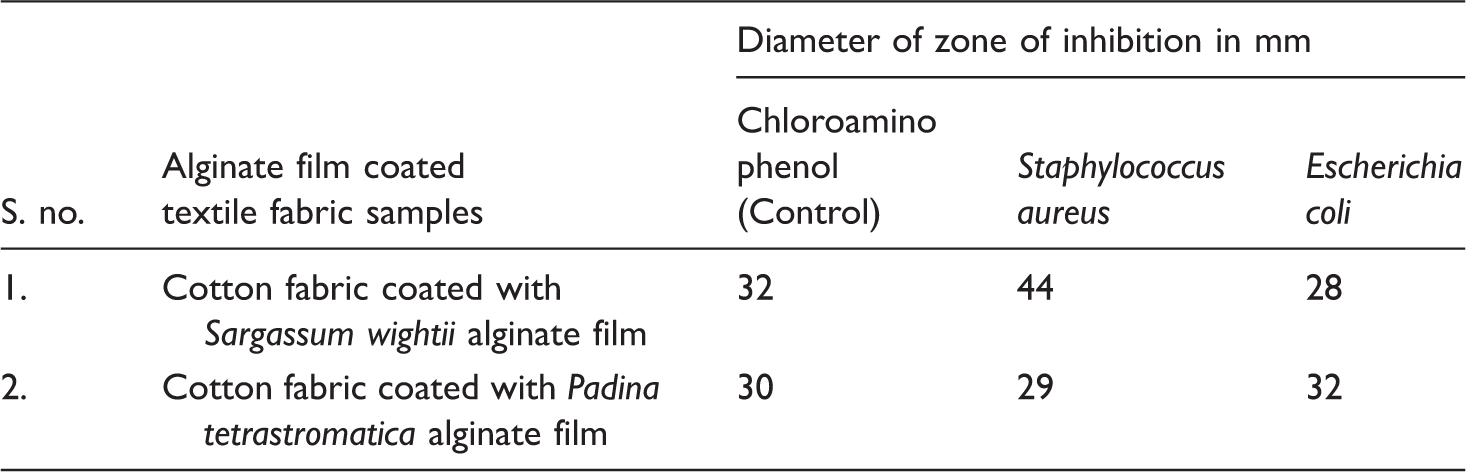
The Padina tetrastromatica alginate film coated fabric has good antibacterial activity with maximum zone of inhibition being observed at 32 mm for Escherichia coli. The alginate film contains major bioactive substances such as phenols, flavonoids, saponins, and alkaloids which contribute to the antibacterial activity [48].
Figure 10 clearly shows the zone of inhibition on both Sargassum wightii and Padina tetrastromatica alginate film coated cotton fabrics. The changes in the inhibition zone against Staphylococcus aureus and Escherichia coli for both types of alginate film coated textile fabrics was mainly due to higher interaction of bioactive substances in the cotton fabrics against Gram-positive and Gram-negative bacteria [49].
Inhibition zone of cotton fabric coated with Sargassum wightii and Padina tetrastromatica alginate films.
In vitro wound scratch assay
Wound healing scratch assay for alginate film coated textile fabrics.
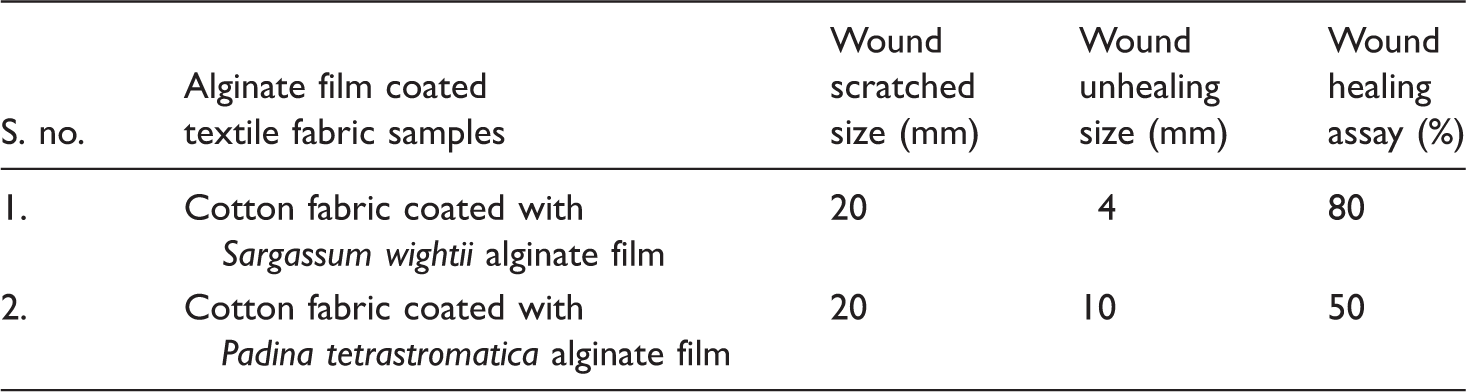
The wound healing activity of alginate film coated textile fabrics is shown in Figures 11 and 12.
Sargassum wightii alginate film coated fabric for wound healing assay. Padina tetrastromatica alginate film coated fabric for wound healing assay.

The test result shows that the Sargassum wightii alginate film coated fabric showed 80% wound healing activity at 24 h, whereas Padina tetrastromatica alginate film coated fabric showed 50% wound healing activity and slow growth of the cell proliferation were observed at 24 h. Both types of alginate film coated textile fabrics had sufficient wound healing activity, which was mainly due to the antioxidant and antibacterial properties present in the brown seaweeds. The Sargassum wightii alginate film coated textile fabric promotes better wound healing property than Padina tetrastromatica alginate film coated textile fabric.
In vitro cytotoxicity test
In vitro cytotoxicity analysis of the alginate film coated fabrics in various concentrations.

The test result showed that no cytotoxicity reactivity was occurred in L929 cells after 24 h of contact. It was assessed as 0.3% cytotoxicity and cell viability was 99.7% for 50 µg, 75 µg, and 100 µg concentrations. Therefore, there is no toxicity in the Sargassum wightii and Padina tetrastromatica seaweeds at different concentrations [38].
Conclusion
In this study, alginate film coated textile fabrics composed of sodium alginate of Sargassum wightii and Padina tetrastromatica with cotton fabrics as a surface layer were fabricated for wound healing applications. These alginate film coated textile fabrics exhibit good antioxidant, antimicrobial, and higher wound healing activity. The presence of functional compounds was confirmed by FTIR spectroscopy. Such functional compounds were mainly responsible for high antioxidant and antimicrobial properties. In vitro degradation studies clearly showed that both alginate films was degraded due to the changes in the polymer chain and, consequently, a decrease in the molecular weight of the alginate films, and structural changes over immersion time in PBS. The morphology and structure characteristics of alginate films using FESEM studies clearly showed that the degradation occurs on both alginate films was attained. The experimental results of DPPH assay, and disc diffusion method exhibited good antioxidant and antibacterial activity for both alginate film coated textile fabrics.
The air permeability, wettability, flexural stiffness, and wickability Properties of the both alginate film coated textile fabrics were slightly affected compared with uncoated textile fabric. In vitro wound scratch assay results clearly showed the presence of higher bioactive functional compounds in the Sargassum wightii alginate film coated textile fabric promoting better wound healing property than Padina tetrastromatica alginate film coated textile fabric. In vitro cytotoxicity test results clearly showed no cytotoxicity in the Sargassum wightii and Padina tetrastromatica alginate film coated textile fabrics at different concentrations. These results also suggest that alginate film coated textile fabrics may be preferred for making skin graft, wound healing, compression bandages, health care, and hygienic textiles.
Footnotes
Declaration of conflicting interests
The author(s) declared no potential conflicts of interest with respect to the research, authorship, and/or publication of this article.
Funding
The author(s) received no financial support for the research, authorship, and/or publication of this article.