



Abstract
Background
Malaysia uniquely brings together a melting pot of cultures and history from the Malay Archipelago, China and India connected by the South China Sea. Historically, Malaysia’s role as a trade hub attracted diverse migrations, fostering its multi-ethnic identity. Post independence in 1957, Malaysia is governed by constitutional democracy, with a bicameral parliamentary system consisting of the House of Representatives, the Senate and the Yang di-Pertuan Agong (King) as the head of state. Amidst governance shifts and pandemic challenges, Malaysia aims for high-income status and ranks favourably in the Human Development Index.
Primary social problems in the country
Educational emphasis, work life balance and environmental challenges prompt scrutiny of the education system’s role in shaping socio-economic landscapes. The emphasis on STEM (Science, Technology Engineering and Mathematics) disciplines in education neglects active social engagement, hindering sufficient practical character development. Poor work-life balance and mental health issues have significantly impacted the productivity levels amongst Malaysians. Additionally, food waste, environmental pollution, and climate change present complex challenges, alongside inadequate concern and unsustainable practices contributing to environmental degradation and climate instability.
Use of social marketing
Comprehension of social marketing among Malaysians remains incomplete, with a notable focus on public awareness rather than fostering behavioural change. The initiatives addressing the issues in Malaysia should emphasize policy changes and social marketing effectiveness. However, more sustained efforts are required to create more supportive environments to foster collaboration among stakeholders. Inculcating human rights behaviour requires integrating social awareness into education and empowering grassroots movements. Practical efforts on educating, raising awareness and long-term support requires strong public and private partnership for success. These endeavours underscore the importance of comprehensive awareness and action to achieve environmental harmony and societal well-being rooted in the philosophies of the Social Marketing framework and benchmarks.
Academic Stakeholders and activities
Social marketing is often confused with social media marketing, thereby hindering its broader adoption. Academic endeavours publishing in the area seek to rectify this confusion and stress sustainability practices. Despite efforts from various stakeholders, presently there are no dedicated association nor academic program that functions solely on promoting social marketing concepts and ideals.
Discussion and conclusion
Challenges and opportunities of social marketing in Malaysia reveals significant misconceptions which hinders effective behaviour change program implementation. Addressing these challenges involves a multi-faceted approach encompassing education reform, policy refinement, social media engagement, strategic partnerships and multicultural strategies. Collaboration between academia, government, and NGOs is essential for impactful societal change, necessitating structured educational courses and corporate involvement in sustainability initiatives.
Introduction: Geography, History, Governance and HDI
Malaysia is geographically positioned at strategic crossroads in Southeast Asia, comprising of two distinct land masses divided by the South China Sea: Peninsula Malaysia and the island of Northern Borneo (East Malaysia). Additionally, it shares the Straits of Malacca with the large Indonesian island of Sumatra. In contrast, East Malaysia consists of two states, Sabah and Sarawak, while Peninsula Malaysia encompasses 13 states, in addition to the capital, Kuala Lumpur. Malaysia’s equatorial location contributes to its extensive tropical rainforest coverage, making it home to one of the largest of such areas in Southeast Asia. Social marketing efforts to preserve this rich natural heritage include promoting eco-tourism and conserving these resources (Kaffashi et al., 2015; Thompson et al., 2017). However, rapid industrialization and urbanization threaten to compromise these efforts and the country’s natural resources, jeopardizing sustainable growth (Tan et al., 2021).
Historically, Malaysia’s significance as a trading hub dates back to the early 16th century when Portuguese traders arrived in Malacca. Subsequently, British colonization (early 19th century) and Japanese occupation (Pre-World War II) shaped the country’s economic landscape. The migration of Chinese and Indian nationals in the early 1900s fostered a diverse cultural mosaic in Southeast Asia (Singh, 2019; Tan, 2005). Malaysia evolved into a multi-ethnic and multi-religious nation, post-independence in 1957, with Bumiputera (comprising Malays and indigenous groups) constituting the majority (Tey & Lai, 2022) followed by the Chinese, Indian and other ethnic minorities which make up the current 36.1 million population numbers as of 2024 (Bernama, 2024) [See Figure 1]. Despite rapid economic growth, Malaysia faces social challenges compared to its regional counterparts and the West. Efforts to achieve a developed nation status by 2030, outlined in the 12th Malaysian Plan 2021-2025, prioritize inclusive development (Ministry of Economy, 2021) underpinning the need for any social marketing program to be just as inclusive in their delivery. Current Population Estimates, Malaysia, 2024. Source: Department of Statistics Malaysia (2024). BERNAMA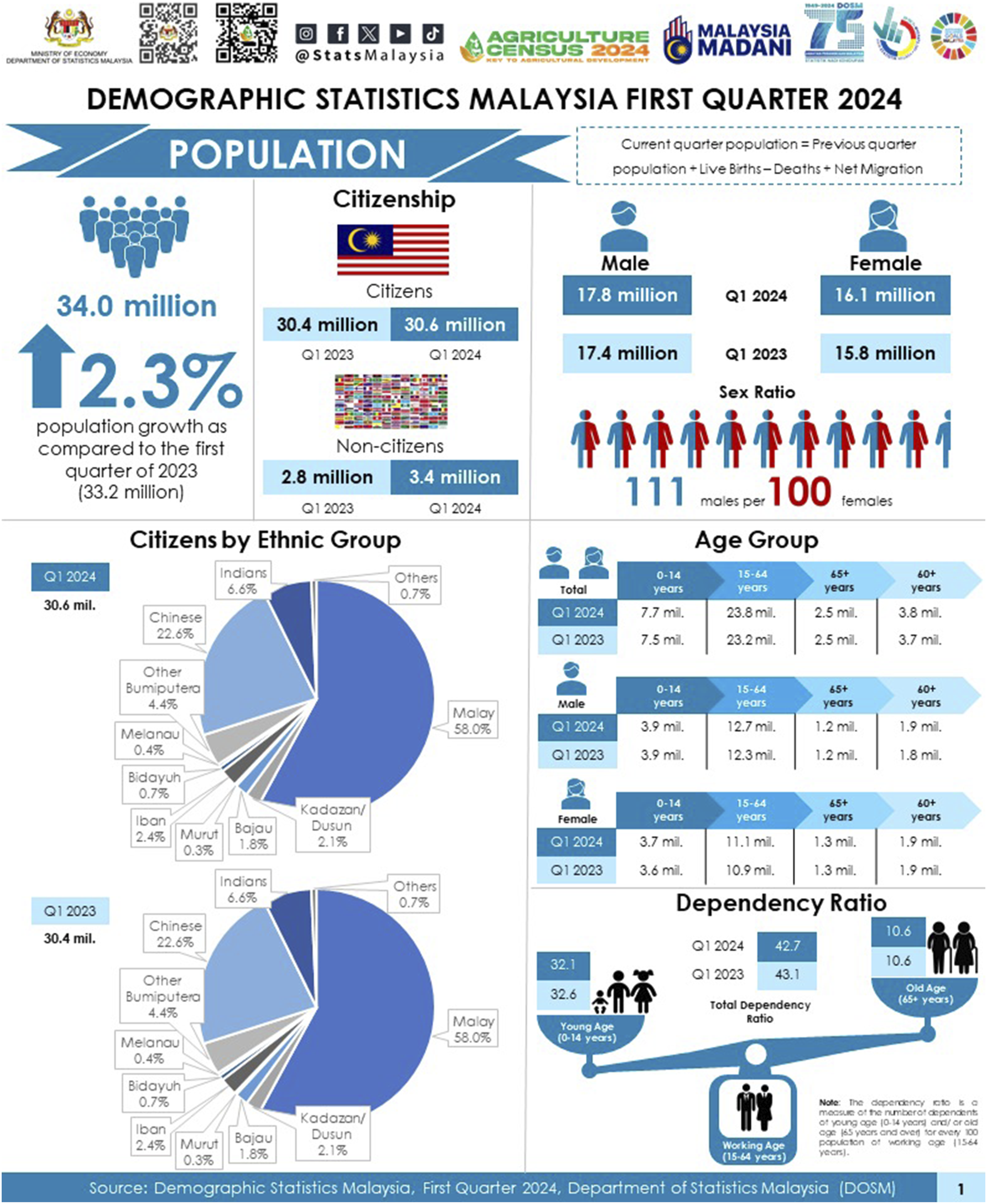
Malaysia’s governance structure is characterized by constitutional democracy (the Yang di-Pertuan Agong serves as the head of state), with a bicameral parliamentary system made up of a 222-member Parliament in the House of Representatives and another 70 in the Senate. The 14th General Election in 2018 saw the defeat of the longstanding ruling party, Barisan Nasional, by the Alliance of Hope (Pakatan Harapan). Subsequent policy changes supported social initiatives like food distribution and flood relief which benefitted the nation and its communities (Moniruzzaman & Farzana, 2018; Tiew et al., 2019). However, the COVID-19 pandemic, which began in 2020, destabilized Malaysia’s political landscape, leading to economic slowdown and policy stagnation (Al Jazeera, 2021; Mok, 2021). In the following years, rapid changes government resulted in rapid policy changes ultimately impeding the successful implementation of any long-term social marketing program.
Malaysia’s Human Development Index (HDI) in 2022 ranked 62nd out of 191 countries (Malaysia’s Madani Economy: Budget, 2024 and 12th Malaysia Plan Mid-Term Review | British Council, nd), reflecting a high level of human development despite challenges posed by the pandemic. Malaysia exhibits notable progress in education, with an expected mean schooling year of 13.7 years. Additionally, the gross national income (GNI) per capita has risen significantly since 1990 (United Nations, 2023). However, there has been slow progress of decolonization of the education system with low emphasis on human social development.
Malaysia’s narrative is a tapestry of geography, history, demographic diversity, economic strides, and governance challenges. Striking a delicate balance between development, environmental preservation, and addressing social disparities remains pivotal for Malaysia’s growth and global standing.
Prolific Issues Surrounding Malaysia
The following are discussions of some of the prolific issues that are uniquely associated with Malaysia due to the country’s socio-economic landscape. These issues loosely highlight the indicative shortfall of achieving the United Nations Sustainable Development Goals (UNSDG) numbers 8 (Decent work and economic growth), 4 (Quality education), 3 (Good health and well-being) and 13 (Climate action) (THE 17 GOALS | Sustainable Development, nd). In short, the lack of emphasizing practical social behaviour education inherently undermines the development of a strong work life balance and empathy for safeguarding the environment. Without good education, environmental awareness and good work-life balance, social marketing campaigns will be ineffective in creating behavioural change in society. Several campaigns like No Plastic Day (Asmuni et al., 2015), #ZeroFoodWastage (Rahim, 2021), Work Hard Play Hard (Bong, 2015), Bangsa Malaysia (TV3 Official, 2018) and National Kindness Week (Sabramani et al., 2021) has been developed either by grassroot movements or government funding and hopes to help encourage societal change. These campaigns will be explained in further detail and how they addressed the issues presented in the next few sections.
Lack Emphasis on Social and Human Rights Behaviour
Presently, the education system in Malaysia emphasizes the integration of science, technology, engineering, and mathematics (STEM) disciplines to enhance 21st-century skills among students (Wan Husin et al., 2016). This shift is complemented by a strong focus on character education, rooted in Islamic and Moral Education subjects (Mahanani et al., 2022). However, the current practice of compartmentalizing religious education for Muslim students and moral education for non-Muslim students falls short in promoting active social engagement with contemporary issues at a young age (Mohd Yusoff & Hamzah, 2015; Purwaningrum, 2020; Tan et al., 2018). The classroom setting lacks practical applications of values essential for character development (Spalie et al., 2011; Tan, Mahadir Naidu, & Jamil Osman, 2018). Cultural differences between eastern and western societies, influenced by upbringing and exposure, contribute to distinct differences in applications of social behaviour (Kobakhidze et al., 2023; Xu, 2022). Eastern educational systems, emphasizing rote learning, often result in a lower application of social and human rights behaviours in real life and work (Karimova et al., 2020; Koay et al., 2022; Sison et al., 2020) impeding lifelong learning (Goal 4 | Department of Economic and Social Affairs, nd).
The policies surrounding the countries commitment to human rights is another contributing factor to this issue. As an example, Malaysia’s limited visibility in international human rights forums when it has not ratified the 1951 Refugee Convention, despite hosting over 150,000 refugees primarily from Myanmar and Syria (Human Rights Watch, 2020b) seeking asylum within the country. Furthermore, essential reforms in areas like freedom of expression, freedom of religion, and the recognition of rights of minority groups, including the LGBT community, remain largely unrealized (Human Rights Watch, 2020a; 2020b).
Low Work Life Balance and National Identity
The importance of good health and well-being extends beyond physical health as it also covers social and mental well-being (Goal 3 | Department of Economic and Social Affairs, nd). However, the 2015 National Health Morbidity Survey revealed that the prevalence of mental health issues among Malaysian adults and children was 29.2% and 12.1%, respectively. The Malaysian Psychiatric Association (MPA) suggests that these figures might underestimate the problem due to unreported or unaddressed cases (Yusof et al., 2017). Emotional stress induced by the competitive work environment and financial pressures contribute to mental health challenges among Malaysians, necessitating increased access to psychiatric treatment. Reports indicated that over 400,000 Malaysian civil servants, constituting 20–30%, face poor mental health, and university students grapple with anxiety, stress, and societal pressures, impacting the economy through issues like absenteeism and lack of productivity (Ooi et al., 2022; Povera et al., 2019). This phenomenon has driven many Malaysians to seek greener pastures to find better work life balance.
This has led to the emigration of highly trained or qualified people to more developed nations, a phenomenon known as “brain drain”. Critics argue that efforts to create a balanced, productive and healthy work environment are often hampered by political intricacies and delicate communal relations (Tyson et al., 2011). Foo (2011) identifies key factors driving migration which includes seeking better income, living conditions, religious diversity, proximity, and the link between English proficiency and higher emigration rates. Brain drains stem from the need to find better opportunities in work and social mobility movements – a practical need to find decent work and decent pay (Goal 8 | Department of Economic and Social Affairs, nd). Whilst Malaysia continues to pave its way towards reaching a developed nation, however, most Malaysians feel more motivated to look for opportunities elsewhere predominantly in countries that presently exercises a developed policy for work and renumeration (Ong et al., 2022). Structural deficiencies within Malaysia’s New Economic Policy (NEP) contribute to brain drain of the country, as graduates, particularly non-Bumiputras, seek better opportunities abroad (Jomo, 2005). As a result, many in the country find difficulty in developing a personal national identity due to differences in race-based policies. This phenomenon is viewed as depleting positive ideas for social marketing in Malaysia which may impede the realization of potential initiatives, impacting the country’s socio-economic development due to vast emigration of talent pool out of the country which could serve as an incubation of innovative ideas from these talents. These ideas could potentially help develop effective social marketing strategies that address unique issues affecting the country.
Food Waste, Environmental Pollution and Climate Change
The intricate nexus of food waste, environmental pollution, and climate change poses a distinctive challenge in Malaysia. According to the Ministry of Housing and Local Government Malaysia (MHLG), the nation generates a staggering 8,745 tonnes of food waste daily, amounting to 3,192,404 tonnes annually, constituting 38.32% of all waste (Jereme, 2017). Casual dining establishments emerge as the primary contributor, responsible for nearly a third of the country’s food waste (Ong et al., 2023) contributing to carbon dioxide (CO2) emissions and fuelling climate change (Abeliotis et al., 2014).
Malaysia’s tropical climate is characterized by temperatures ranging from 25 to 38 degrees Celsius and high precipitation rates of 80–90% which creates escalating challenges such as floods and landslides. Additionally intense monsoon rains surpassing the average of 2,630 mm have become increasingly hazardous in recent years (Weather and Climate, 2023). Attempts to curb CO2 emissions and counter rising temperatures have proven insufficient, propelling climate change beyond anticipated levels (Tan et al., 2021; Tang, 2019).
Malaysia ranks fourth in ASEAN for climate change concern (37%), trailing behind the Philippines, Indonesia, and Vietnam (Paul, 2015) as livelihood and daily quality of life take precedence in recent times. Over the years, unsustainable logging, fuelled by the property market has led to widespread deforestation and significantly altered climate indicators. Forecasts anticipate a 43% increase in river discharge during the monsoon season by the end of the century, posing risks to property and escalating lifecycle costs (Shahid et al., 2017). Waste mismanagement and lax enforcement of energy consumption policies contribute to biodiversity degradation in rivers, exacerbating environmental instability and climate change (Goal 13 | Department of Economic and Social Affairs, nd; Tang, 2019).
Social Marketing Practice in Malaysia
Social marketing in Malaysia is advancing at a measured pace, often lacking a comprehensive understanding of the practice itself (Pang et al., 2021). Specific target programs often fail when the focus tends to be on public awareness rather than fostering an intention for social behavioural change. The confusion between sustainable practices and social marketing persists among companies and practitioners, indicating a lingering terminological confusion. In response, local universities are establishing research cluster centres in sustainability to foster industry engagement and educate about the inseparable connection between social marketing and sustainable practices (Dauda & Nik Hasan, 2018). Programs such as the National Kindness Week (Say & Lee, 2018) and the #ZeroFoodWasteCampaign (Rahim, 2021) are good examples of programs that go beyond awareness in its social marketing application (Akbar et al., 2021).
Despite reflections of social marketing initiatives dating back many years, Malaysia is yet to formalize its approach, unlike developed countries such as the United Kingdom or Australia. Many initiatives emulate neighbouring countries, often originating from grassroots movements, corporate social responsibility, or government policy-based activities. While commendable efforts and initiatives abound, the quality could be enhanced, placing more emphasis on inducing public awareness and action (Pang et al., 2021). The efficacy of public campaigns varies, and not all leave a lasting impression or even get executed due to structural misalignment, conflicting values, or misjudged priorities.
The root cause of any unsuccessful social marketing policy and campaign implementation lies in the comprehension gap between the public, corporate entities, and the government. As mentioned earlier, the rapid changes in governance reflect changes in policy which means social marketing programs do not gestate long enough to see lasting results. The confusion is often exacerbated by the responsibility for delivering campaign messages, inadvertently blurring the lines between social marketing and corporate social responsibility. A case in point is the 3R initiative on Recycle, Reuse, and Reduce introduced in the late '90s, which has not been fully effective in instilling public understanding and commitment to environmental conservation (Jinn et al., 2023). Reports indicate that 60% of Malaysians still improperly dispose their waste, presuming that others will manage it for them, despite the government effort of strategically placed waste separation bins in urban areas (Bernama, 2019) [See Figure 2]. Picture showing public waste separation bin area buried under trash. Source: (Bernama, 2019).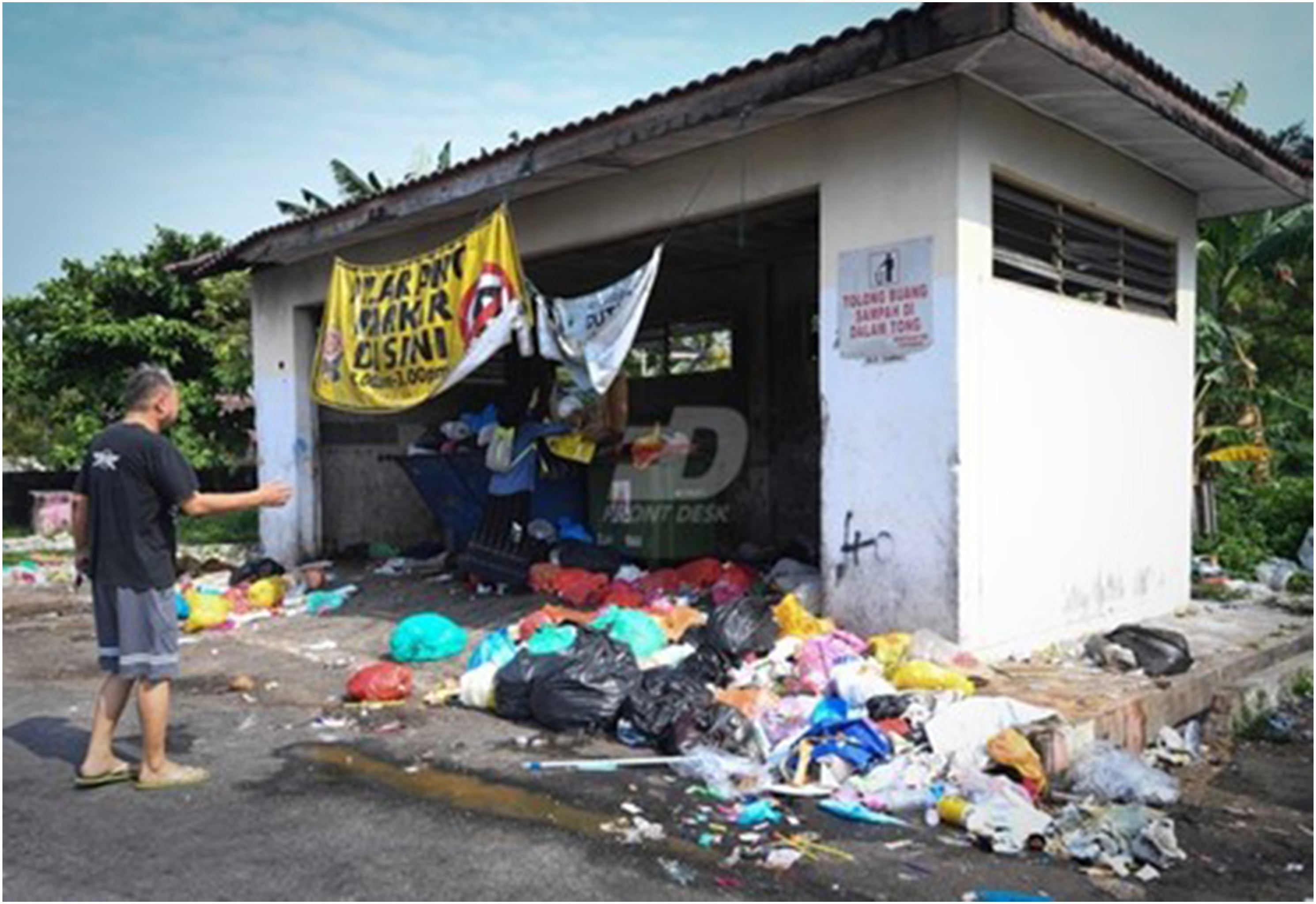
Over the years, while there has been attempts in various programmes to introduce and influence new behaviours such as the TAK NAK Antismoking Advertising campaign to encourage quitting smoking behaviour (Lee et al., 2015), yet programmes such as these did not achieve its initial success indicators due to several factors. Firstly, the programme while focused on encouraging present smokers to adopt quitting behaviours, it did not put focus on deterring youth smoking which meant the programme failed to look beyond the idea of recruiting new audience members for the programme, in this case the youth (Deshpande, 2022). Secondly, this and other similar programmes failed to apply the marketing principles within a social context properly deeming the programme merely seen as a series of public service announcements rather than a sustainable series of programmes with incremental milestones (Polit, 2012). Perhaps the most visible reason for the shortfall success of these programmes lies in the inadequate measurement of success and the inability to pinpoint failures in its processes (Akbar et al., 2023).
The significant challenge to the success of any social marketing programmes in Malaysia lies in the heart of its conception, implementation, control, and success measurements (Akbar et al., 2021) as part of the 10 steps of the social marketing framework. As an addition, programmes need to embrace multiculturalism, multiethnicity and a multilinguistic approach which is important to include all facets of society within the country. Just as how the concept of multicultural marketing embraces the idea of inclusivity, all consumers of any social marketing programme need to be able to see themselves benefitting from the programme (Najm et al., 2024).
Social Marketing Initiatives Addressing Each Problem
Currently in Malaysia, there is no campaign or program that is labelled as a social marketing intervention unlike in the United Kingdom (Christopoulos & Reynolds, 2009), Australia (Rundle-Thiele et al., 2021) or even in India (Mathur & Swami, 2023). Campaigns and programs highlighted in this paper are the best examples of best effort in bringing about social and behavioural changes. Aside from the lack of information and documentation, these campaigns and programs represent the closest examples of social marketing intervention effort but possesses various gaps in addressing the social marketing benchmarks (NSMC Benchmark Criteria | The NSMC, nd).
Practical Application of Social and Human Rights Behaviour
Although education in Malaysia has seen many reforms in the last 60 years, it should not be confused as the product mechanism to deliver social marketing programs directly, rather these reforms influence the complex domino effect of the intertwining issues presented in this paper. While the Malaysian education system has made strides in instilling moral, leadership, and religious values, particularly in Islamic schools (Mahanani et al., 2022), however a gap still persists between learned values and their practical application in understanding human rights. This includes the absence of a standardized syllabus and the pressure to keep pace with the evolving dynamics of education (Kistoro et al., 2022). Despite ongoing efforts to reform contemporary education, especially in Islamic studies and Moral education (Sharify-Funk & Dickson, 2022), there is a substantial lack of understanding and applicable empathy towards society’s perceived differences (Liow et al., 2023). Hence, rather than relying on policy and government implementation, outreach efforts towards minority groups are often driven by grassroots communities or government intervention.
An exemplary initiative addressing human rights concerns in Malaysia is centred on people living with HIV/AIDS. Non-governmental organizations like the Pink Triangle Foundation (PTF Malaysia) have played a crucial role in supporting marginalized communities. Established in 1987, PTF Malaysia has consistently championed the cause of forgotten communities in Malaysia (PT Foundation, nd). Through various programs, including telephone counselling, food and condom distribution, and needle replacement, PTF Malaysia has worked to ensure the dignity and inclusion of these communities. The “My Story, My Life” social campaign, launched in 2014, featured individuals sharing their experiences with HIV diagnosis, emphasizing resilience and normalcy [See Figure 3]. Filmed in the national language Bahasa Malaysia (Malay language) and the local ethnic Tamil language, the campaign aimed to reach socially marginalized communities and has garnered over 80 thousand views, becoming a valuable resource for academic studies and social marketing modules (PT Foundation Malaysia, 2014). Screenshot of PTF, My Story, My Life. Source: (PT Foundation Malaysia, 2014). Retrieved from https://www.youtube.com/user/MylifeMystoryPT.
While grassroots movements spearhead many human rights initiatives in Malaysia, the government has taken steps to raise its awareness. The Ministry of Foreign Affairs, in collaboration with the Malaysian Bar Council and the Human Rights Commission of Malaysia, organized a forum in 2020 to discuss human rights awareness, policies, and cooperation. Themed “Recover Better - Standup for Human Rights,” the event brought together speakers from various sectors to exchange best practices and discuss the United Nations Sustainable Development Goals (United Nations in Malaysia, 2020). The forum though attracted awareness had no further updates on concrete follow through actions. This once again shows that any social marketing effort needs to follow through with evaluation and sustainability plans (Akbar et al., 2021).
Promoting human rights in Malaysia is met with many challenges, but there is a growing trend of non-governmental organizations utilizing digital platforms for public awareness. The “I am You Campaign” (self-funded series of videos by the community) serves as an inspirational resource, fostering understanding and community building across Malaysia’s diverse ethnic and religious backgrounds (I am You campaign, 2013). Inspired by the Seksualiti Merdeka movement in 2008, which advocated for the rights of the LGBTQ+ community, these grassroots efforts aim to instigate small changes within communities, with hopes of influencing policy development despite facing government and public scrutiny (Ding, 2012). The campaign, however, did not manage to maintain its momentum and quickly lost its attention from the public.
Victims of bullying often suffer from a profound lack of confidence, self-esteem, and heightened levels of depression and anxiety, impacting academic performance and future well-being (Park et al., 2024; Samsudin et al., 2023). Unfortunately, the insufficiency of data and research has proven difficult to formulate robust policies in Malaysia, unlike those available in developed nations (Sabramani et al., 2021). However, independent programs, such as National Kindness Week [See Figure 4], encourages kindness towards individuals of different backgrounds, races, and religions, aiming to raise awareness and consciousness among school-going children about minority or forgotten groups in Malaysia. One such program which was endorsed by the Education Ministry of Malaysia was the Kindness Program Initiative Competition which allows students, teachers, and the community to initiate programs promoting kindness in schools (Sabramani et al., 2021; Say & Lee, 2018). The program proved successful with over 70 funded school “Kindness Projects” with seed grants of RM 1000 each per project from The Star (the country’s most popular English-language daily) and trained more than 2000 Student Kindness Ambassadors across the country (Malaysia’s RAGE Uses Branded Content to Stand against Bullying). These ongoing initiatives demonstrate the potential for change, emphasizing the importance of inclusivity and a multifaceted approach to shaping a society that values and respects human rights. Screenshot of #StandTogether: National Kindness Week.
Promoting Work Life Balance and National Identity
Although there is no official research done by individual stakeholders, it is estimated by the Malaysian Human Resources Department that Malaysia’s 5.5% brain drain rate is significantly higher than the global average of 3.3% (Hanif, 2023). Work-life balance is deemed as a crucial factor often lacking in Malaysian workplaces creates an unsustainable talent pool for local firms (Au & Ahmed, 2014). The “Work Hard, Play Hard” initiative by the University Malaysia Sarawak (UNIMAS) aimed to address this by imparting skills in management, teamwork, and work-life balance to graduating students (Bong, 2015). The program, supported by the university and the Ministry of Women, Family and Community Development, included financial advice, talks on transitioning to working life, and activities emphasizing health and well-being. Participants expressed increased awareness and readiness for local employment, showcasing how awareness campaigns can help graduates adapt and appreciate local opportunities.
The rising cost-of-living has forced many Malaysians to take up subsidiary jobs to supplement their primary income. This has caused stress and mental health issues which has not been accorded the same importance as other physical health issues such as diabetes or heart disease. Despite a growing number of cases, mental health practitioners advocate for improved access to resources (Yusof et al., 2017). As a result of this, depression and suicide remain taboo topics, but NGOs like Befrienders report a surge in lifeline calls, especially during the challenges exacerbated by COVID-19. The first half of 2021 alone recorded 436 suicide cases in Malaysia, with over 30 thousand calls to Befrienders, in which 35% indicating suicidal intentions (Hassan, 2019). Malaysians, particularly vulnerable groups like undocumented migrants (Tay et al., 2023), people living with HIV (Mohamad Fisal et al., 2023) and differently abled persons (Siah et al., 2023), face challenges in openly expressing their feelings, turning to various lifelines to alleviate distress (K. W. Lee et al., 2022).
In 2021, amidst the fallout from the COVID-19 pandemic, a citizen-initiated campaign in the form of a website, “Kita Jaga Kita” (translated as “We Take Care of Each Other”), was launched to assist people in need of provisions and donations [See Figure 5]. The campaign aimed to counteract the negative effects of increasing business closures and job losses contributing to mental health issues in adults (Wong et al., 2021). Charities and non-governmental organizations have joined as aid distributors on the website, facilitating easy access for ordinary Malaysians (Yeoh, 2021). Today the website continues to serve as a platform that helps provide aid to Malaysians in price comparisons, employment, flood relief, school supplies, water supply disruption aid, and donations especially during the month of Ramadhan (the Islamic Holy month of fasting). Screenshot of “Kita Jaga Kita” Website. Source: (#kitajagakita, n.d.) Retrieved from https://kitajaga.co/.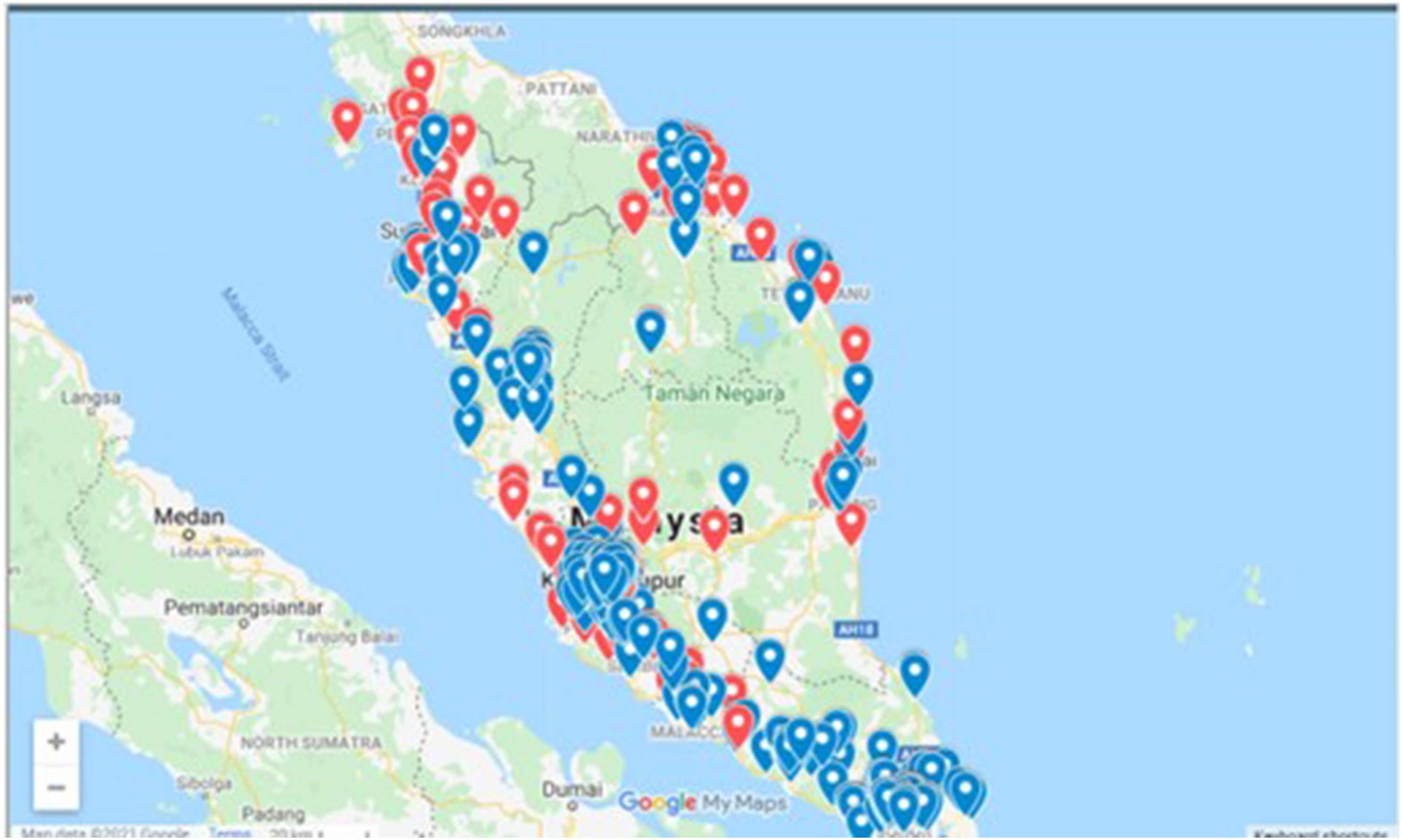
Whilst Malaysian companies are beginning to recognize the importance of work life balance, Malaysian government (particularly from the Ministry of Human Resources) implemented initiatives like the Returning Expert Program (REP) to attract Malaysians working abroad, offering tax exemptions and spousal support. This initiative is meant to entice Malaysians working abroad to return home to contribute to the country with better packages and work environment. To date, the program has received about 11,068 applications since 2011 (Free Malaysia Today, 2024). However, to improve the efficacy of programmes such as these, Malaysians need to build a patriotic national identity which will encourage them to feel connected back to the country while living abroad (Hanif, 2023; Hasnan, 2019). The 1-Malaysia campaign and the “Bangsa Malaysia” (translated to Malaysian Race) concept aimed to foster racial harmony is supported by a 2018 social experiment and video campaign promoting national unity [See Figure 6] (TV3 Official, 2018). Screenshot of Malaysia National Day Campaign 2018. Source: (TV3 Official, 2018). Retrieved from https://www.youtube.com/watch?v=DVE5JLBWeF0.
The idea behind creating a conducive work environment and retaining talent within the country needs policies that help develop motivating factors to entice Malaysians to continue contributing to the country’s development. This includes higher remuneration and better career opportunities as operationalized by the Expectancy Theory of Motivation (Oliver, 1974; Ong et al., 2022). Citing a real gap in skills development to meet the demand of a developing nation, where only 27.5% of the 16.07 million of its workforce is skilled labour (Key Figures - Key Figures | TalentCorp Malaysia, nd), the government needs to re-evaluate their commitment to incentivized programs, highlighting a multifaceted implementation design and approach to tackle this complex challenge.
Reducing Food Waste, Pollution and Climate Change
Malaysia’s rich and diverse Asian culinary heritage can potentially contribute to food wastage, especially during various cultural festivities. During the Holy Month of Ramadhan, Malaysians traditionally partake in an elaborate spread for breaking fast, normally leading to substantial food waste, averaging about 4,005 tonnes per day, with a festive season increase of wastage of about 15–20% (Hassan Darvish, 2019).
Addressing this concern, the #ZeroFoodWastage campaign was initiated in 2016 by Her Royal Highness Tengku Zatashah Sultan Sharafuddin Idris Shah, the Royal Princess of Selangor. Collaborating with 11 state hotels, the campaign focuses on collecting unconsumed food, packing it, and delivering it to the non-governmental organizations like Kechara Soup Kitchen for redistribution, benefitting over 11 thousand socially marginalised individuals in 2019 alone (Rahim, 2021).
Other initiatives have been experimented to tackle the effects of food waste especially in dealing with its disposal. For example, The Malaysian Water Forum, in collaboration with Solid Waste Management and Public Cleansing Corporation (SWCorp), implemented the “Upscaling Sound Food Waste Management Practices through Youth and Community Education in Schools” under the Sustainable Lifestyles and Education (SLE) programme of the 10-Year Framework Programme (10YFP) for Sustainable Consumption and Production (Bathmanathan et al., 2023). The experiment was conducted in 38 days to educate students on how bio food waste can be turned into compost fertiliser with a food waste machine, supplemented with a pre and post Food Wastage Avoidance behaviour test. The test indicated a significant increase of food avoidance behaviour amongst its 119 students surveyed while creating a surplus of 131.5kg of fertiliser with a revenue of RM1, 315 from its sale. The project which was funded by the National Energy University Grant completed its objectives within the duration of its implementation could have continued further roll out into schools’ nationwide but was impeded due to the end its funding.
While these efforts are essential, redistribution and management of unfinished food is only one facet of tackling the broader implications of climate change. Climate change is largely driven by factors such as insufficient awareness, unsustainable deforestation, and waste mismanagement. Despite environmental legislations like the Environmental Quality Act of 1974, the country still faces challenges in achieving environmental harmony (Chin et al., 2019).
Comprehensive awareness and action are vital to the success of environmental initiatives addressing climate change (Tiew et al., 2019). This meant that knowledge inculcation in schools and curriculum is essential to the success of behavioural changes. For example, the government’s 3R concept —Reduce, Recycle, and Reuse, introduced in the early 1990s [See Figure 7] is an initiative that encourages waste separation (Coconuts KL, 2016). Later, as the concept was gradually introduced in schools, the activation of Theory of Planned Behaviour increased the ideation that more effective awareness campaigns can turn knowledge into practice at an early stage (Chun, 2020; Jinn et al., 2023). The effectiveness of the 3R concept was later seen to spawn many more government initiatives which would then include the participation from industries and companies operating in Malaysia (Mahayuddin et al., 2020). Waste separation bins provided in urban areas under the 3R (Recycle, Reuse, and Reduce) campaign in Malaysia Source: (Coconuts KL, 2016).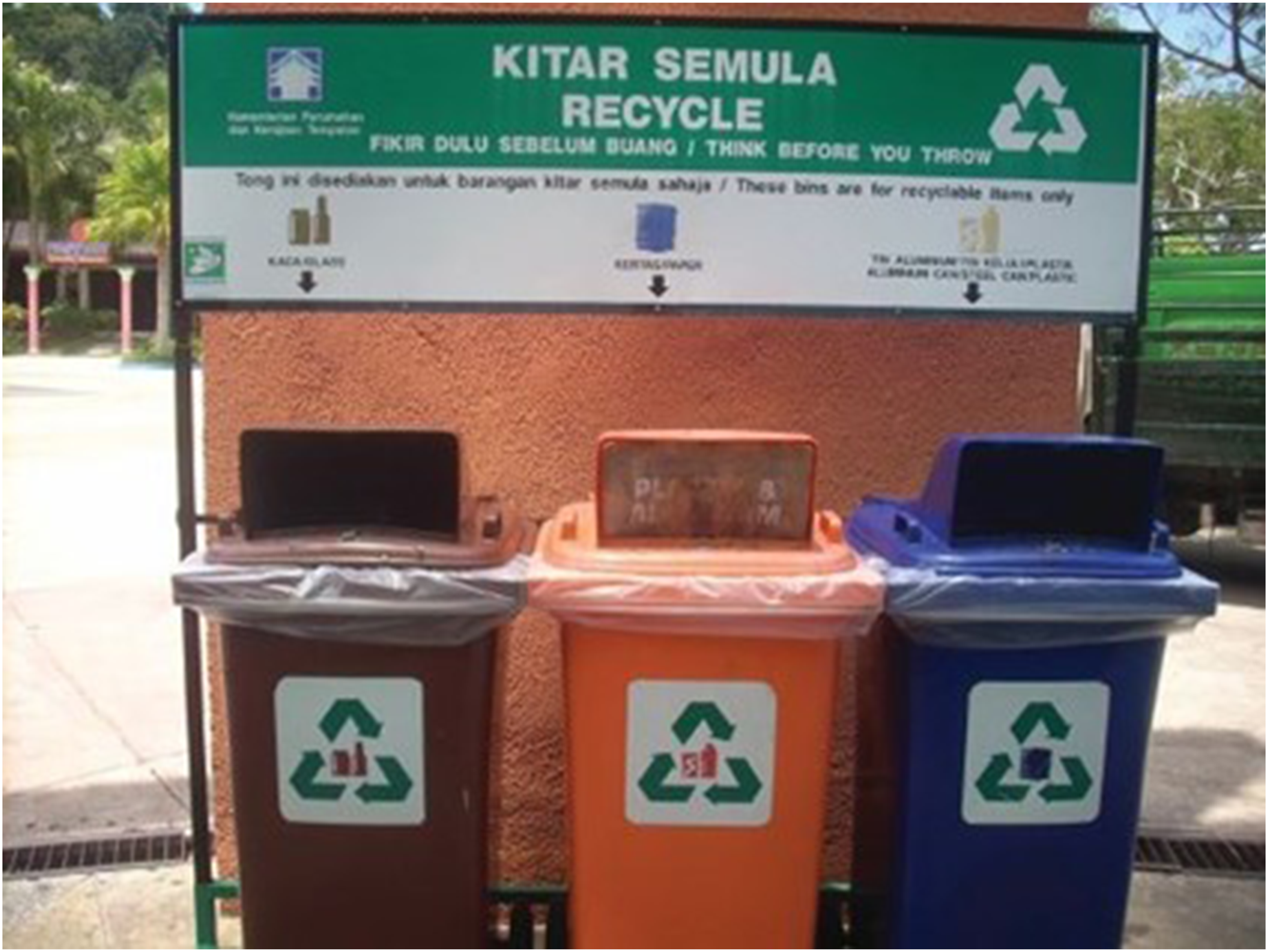
The introduction of the “No Plastic Bag Day” in 2011 and the subsequent follow up state-wise ban on single-use plastics in 2015 by the government has influenced public behaviour (Asmuni et al., 2015; Chen et al., 2021; Fauziah & Agamuthu, 2013) to take environmental issues seriously. The campaigns were aimed at reducing the usage and the disposal of plastic bags by applying a “market” instrument to discourage consumers on plastic bags consumption. Participating stores stopped giving out free plastic bags and charged a levy of MYR0.20 (USD0.06) for each new plastic bag requested by customers. The further prohibition of plastic straws in most restaurants further reinforced these efforts (Kaur et al., 2020). Over 40% of Malaysians, particularly in developed states, now perceive single-use plastics as a major contributor to environmental pollution and climate change. This success shows how commitment to the programs that are incentivised and integrated into everyday activities can productively produce positive results. These achievements align with the United Nations Sustainable Development Goal alongside both the 11th (2016-2020) and 12th (2021-2025) Malaysian Plan (Dauda & Nik Hasan, 2018; Ministry of Economy, 2021) in creating a more environmental and sustainable eco-system.
Whilst most programs are government led, engagement with the audience orientation in mind has been shown to be a vital part to the success of the program and are far more efficacious if they follow the CBE (Collaborate, Build and Engage) framework closely (Rundle-Thiele et al., 2021).
Research and Academic Stakeholders on Social Marketing in Malaysia
The term “social marketing” is often misunderstood and frequently confused with “social media marketing,” limiting its widespread use. Even with concerted efforts being made by small pockets of stakeholders (Ong, 2020; 2021b), yet there isn’t any strong association that exists solely to promote the ideals of social marketing in its entirety. Tham and Zanuddin (2015) reports that most social marketing visibility reports occur mainly in newspapers and not sufficient to cover an extensive range of issues in Malaysia.
Social Marketing Research in Malaysia. List of Papers citing Cite social marketing Implications From a Brief Literature Search of 220 Google Scholar Searches for the Phrases “Social Marketing” and “Malaysia”.
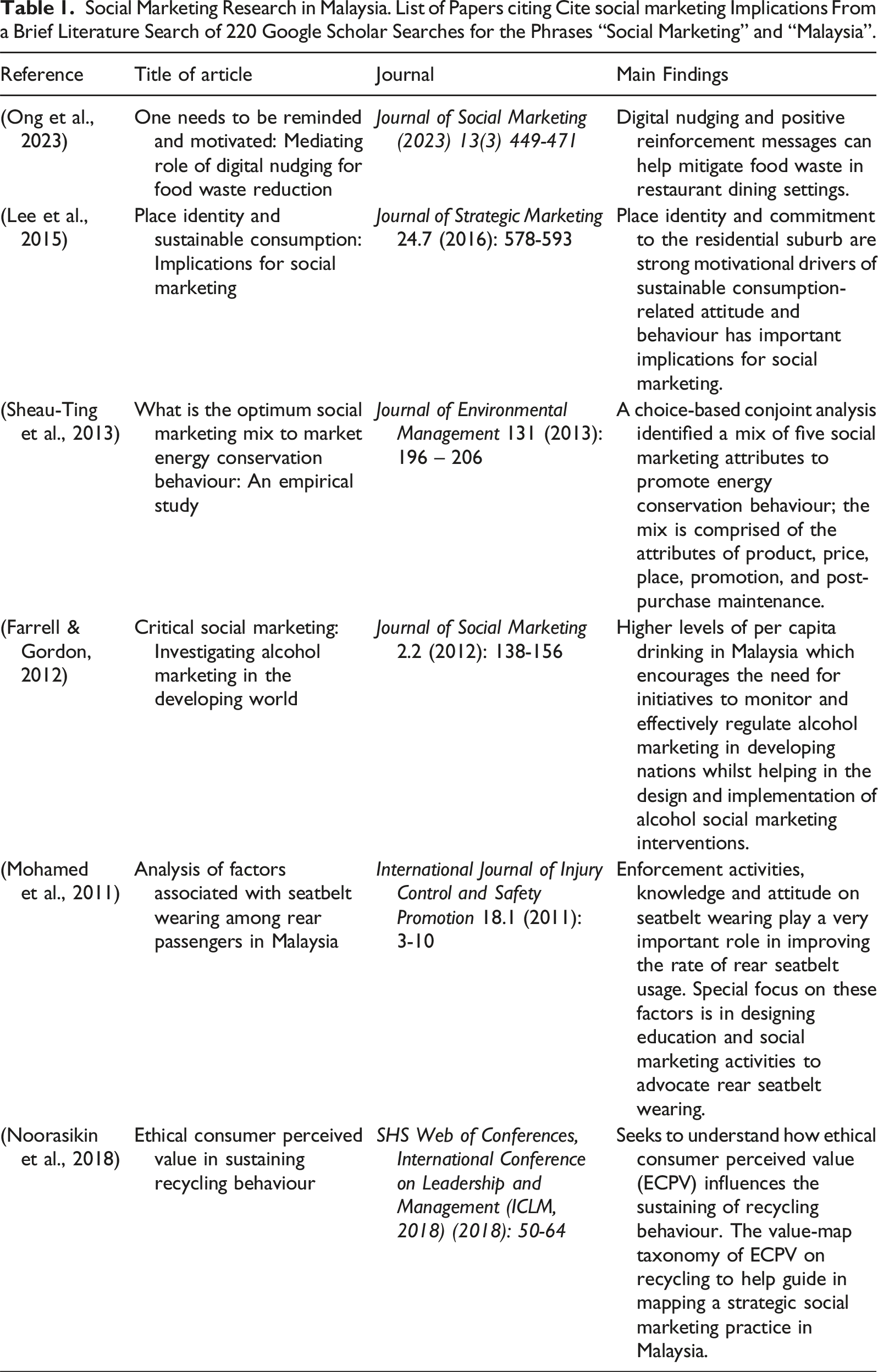
The research demonstrates the effectiveness of intervention experiments rather than programs which are more long term in nature and requires several iterations. None of the papers specifically demonstrated the co-creation of an audience oriented social marketing program for evaluation. This is because large scale social marketing intervention development, co-creation, implementation, and evaluation (Akbar et al., 2023; Rundle-Thiele et al., 2021) requires huge resources of funding and time, both of which are scarce within the Malaysian academic institutions.
Although social marketing in Malaysia faces challenges and misconceptions, joint efforts between institutions and commercial entities through collaborative projects involving marketing and business students can contribute to societal, and environmental well-being. In order for this to be successful, misconceptions first need dispelling, while promoting comprehensive awareness, and integrating social marketing principles into both education and practice.
Discussion and Conclusion
As mentioned, there are currently no programs nor campaigns mentioned in this paper are labelled as social marketing interventions. The misinterpretation of the social marketing concept has largely contributed to the inadequate and ineffective implementation of these programs and campaigns. The sustainability of these relies heavily on the robust process of co-creation, building and engagement with the target audience (Gordon et al., 2022; Rundle-Thiele et al., 2021), which is missing in almost all fundamental social marketing and behavioural change initiatives within Malaysia. Programs and campaigns fundamentally needs to be developed against the social marketing benchmarks for effective implementation (which includes customer orientation, behaviour, theory, insight, exchange, competition, segmentation and methods mix – primarily around the 4P’s).
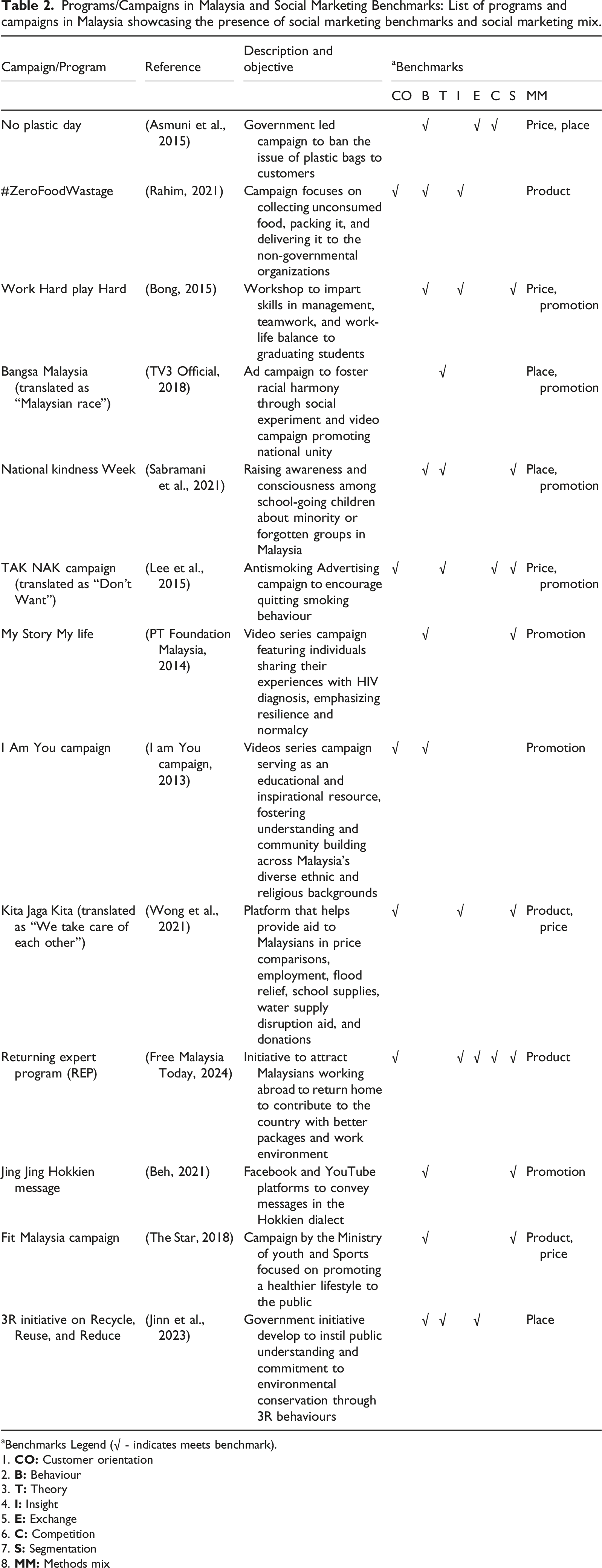
Programs/Campaigns in Malaysia and Social Marketing Benchmarks: List of programs and campaigns in Malaysia showcasing the presence of social marketing benchmarks and social marketing mix.
aBenchmarks Legend (√ - indicates meets benchmark).
1.
2.
3.
4.
5.
6.
7.
8.
It can be seen from the Table 2 that all of the programs and campaigns do not showcase all the social marketing benchmarks in development and execution. Although all of them portray good implementation of social marketing mix, not all the marketing mix elements are evident and hence further shows the lack of full understanding of developing effective social marketing programs.
The lack of understanding of social marketing is attributed to the lack formal education of the subject (within higher education programmes) and trainings (for industry executives and companies). Within the last few years, the closest module that centres social marketing is one offered by a private university in the state of Selangor under their BSc (Hons) Marketing programme as an elective module called Sustainable and Social Marketing (Under Year 3 Electives), however this module has since been discontinued. The implementation of strong higher education social marketing modules like the ones currently offered in University of Bristol (Unit and Programme Catalogues | University of Bristol, nd), University of South Florida (USF Center for Social Marketing | USF Health, nd) and Griffith University (Marketing for Social Change) are great examples of formal education effectively introducing social marketing concepts and theories.
As far as executive trainings, more specialised workshops need to be tailored to business and their social organization stakeholders focusing on aligning their business processes and objectives against the social marketing benchmarks (Ong, 2021a). As an example, the International Social Marketing Association offers great trainings for both academics and professionals (Trainings - International Social Marketing Association (ISMA), nd). The embedding of the UNSDGs into these education programs, trainings and workshop could also act as an initial activation of social marketing concepts within the field of marketing often through the explanations of sustainable marketing practices (Tomasella et al., 2024). More importantly, the dissemination of social marketing concepts needs local facilitation of these modules and trainings focusing on demystifying confusion between terms (Ong, 2020) and highlight the implementation of social marketing strategies (Pang et al., 2021) within any specific country.
The following are some recommendations which could prove useful for effective social marketing programs to succeed in Malaysia.
Realignment of Formal and Practical Education
The education system in Malaysian schools lack the robust practical implementation of skills (especially social skills) which are absent within a knowledge and examination-based curriculum. Malaysians are recognized for their compassionate nature, rooted in strong cultural values and early upbringing where they are taught the importance of helping others. While schools play a crucial role in fostering good citizenship, as highlighted by Tan et al. (2018), the challenge lies in translating these lessons into daily life practices once students graduate. Despite the effort of imparting moral values through formal education especially through subjects like Moral Education (Mohd Yusoff & Hamzah, 2015; Tan, Mahadir Naidu, & Jamil Osman, 2018), the application of these values in everyday Malaysian life becomes a hurdle post-schooling (Mohd Yusoff & Hamzah, 2015).
The discrepancy arises from the fact that moral values are often taught as theoretical knowledge and assessed through rote learning whilst lacking effective practical application—a contrast to the system in other eastern values countries like Japan (Bamkin, 2018). The separation of theoretical and practical knowledge during formative education years results in students feeling pressured to excel academically, primarily for exams. The crux of the issue lies in the inadequate integration of theoretical and practical knowledge, which should be both graded and formally assessed.
The absence of visible political role models or leaders exemplifying positive social and human rights behaviours compounds this challenge (Mengzhen et al., 2022). The traditional education system places the responsibility of enhancing formal social studies in higher education levels, with an internal focus due to limited government funding (Othman & Othman, 2014). Despite the global call for social responsibility and the promotion of social marketing, few studies have effectively engaged students to extend their efforts beyond personal benefits to the broader community (Ahmad, 2012).
Notwithstanding Malaysia’s aspirations to enhance its human rights record, progress has been sluggish, notably in legal reforms, leading to negative rhetoric directed at vulnerable groups, including the LGBT community, individuals living with HIV/AIDS, and undocumented migrants (Human Rights Watch, 2020b). Malaysia must prioritize inclusive education for comprehensive individual and societal development, particularly in nurturing an understanding of human rights (Jayasooria, 2016; Jelas et al., 2010) while aligning with the UNSDGs.
Rigorous Research Documentation and Strengthening of Policies
While the government’s efforts to implement social marketing initiatives are commendable, however further refinement is needed with an emphasis on the integration of the 4P’s of marketing in their development and execution. While campaigns like the “Fit Malaysia Campaign” by the Ministry of Youth and Sports, focused on promoting a healthier lifestyle, it however, often lacked specific audience targeting and formal documentation in social marketing studies (The Star, 2018) [See Figure 8]. Many campaigns, including this one, lack proper documentation and evaluation of their effectiveness (Akbar et al., 2023). Fit Malaysia event in Kuching, Sarawak in 2018. Source: (The Star, 2018).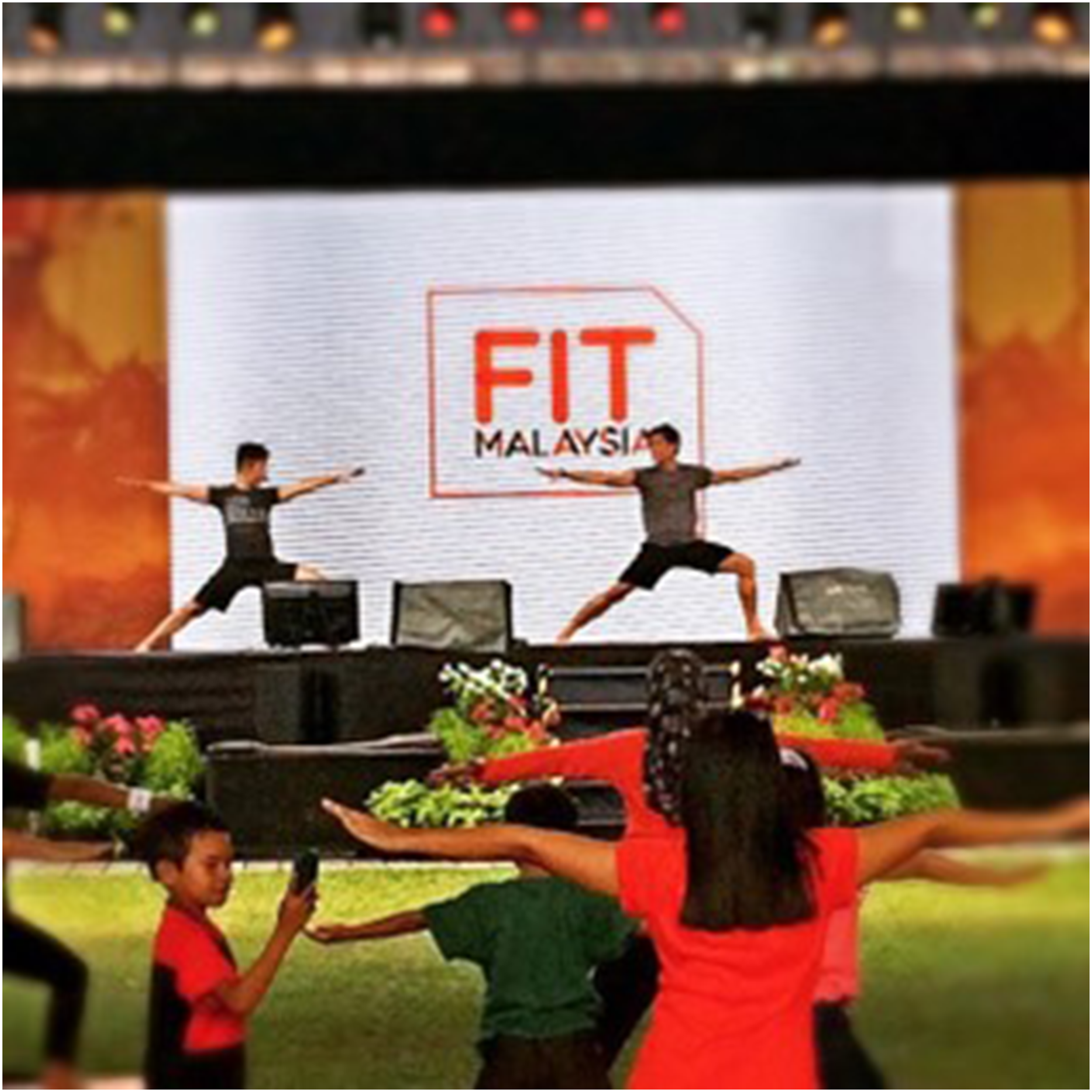
For instance, Mansor and Harun (2014) emphasized the potential of green spaces in reducing non-communicable diseases like mental health issues. However, there is a scarcity of literature on social marketing campaigns addressing mental health in Malaysia. The introduction of the “Tak Nak” campaign in February 2003 aimed at addressing smoking habits, stands out as a recorded social marketing initiative with low efficacy, revealing that only 12% of respondents in 2006 expressed an intention to quit (Lee et al., 2015) [See Figure 9]. Many other initiatives lack proper documentation and require coordinated efforts to ensure their development and execution are grounded in sound research and robust methodology. Encouraging greater participation from the younger generation in these endeavours is crucial to shaping the country’s future effectively. “Tak Nak” (Translation “Do not want”) campaign poster. Source: (W. B. Lee et al., 2015).
There needs to be a stronger implementation of policies and involvement from the government. These policies can shape the behavioural aspects like consumption and food waste avoidance. For example, Malaysia spent two billion Malaysian ringgit (about 480 million US dollars) on subsidies to control the price of basic goods such as sugar, flour, and cooking oil. When subsidies like these are controlled in balance with the market price, it decreases the likelihood of over consumption and food wastage (Amirudin & Gim, 2019).
Intuitive Use of Social Media
In recent years, Malaysians have emerged as prominent users of social media in the ASEAN region, with approximately 86% of the population actively engaging on platforms in 2023 (Statista, 2023). Social media platforms like Facebook, Twitter, Instagram, and YouTube serve as channels for diverse information exchange. In Malaysia, social media plays a vital role in disseminating information on topics such as breast cancer awareness (Majali et al., 2021) and promoting vaccinations [See Figure 10]. Malaysians, known for their tech-savviness, are committed to learning new technologies that enhance productivity. Younger Malaysians often assist their elders in navigating online platforms, creating social media accounts, and sharing significant family events. Poster of the Malaysian National COVID-19 Immunisation Programme. Source: Special Committee on Ensuring Access to COVID-19 Vaccine Supply (JKJAV) Twitter account posted on 16th July 2021.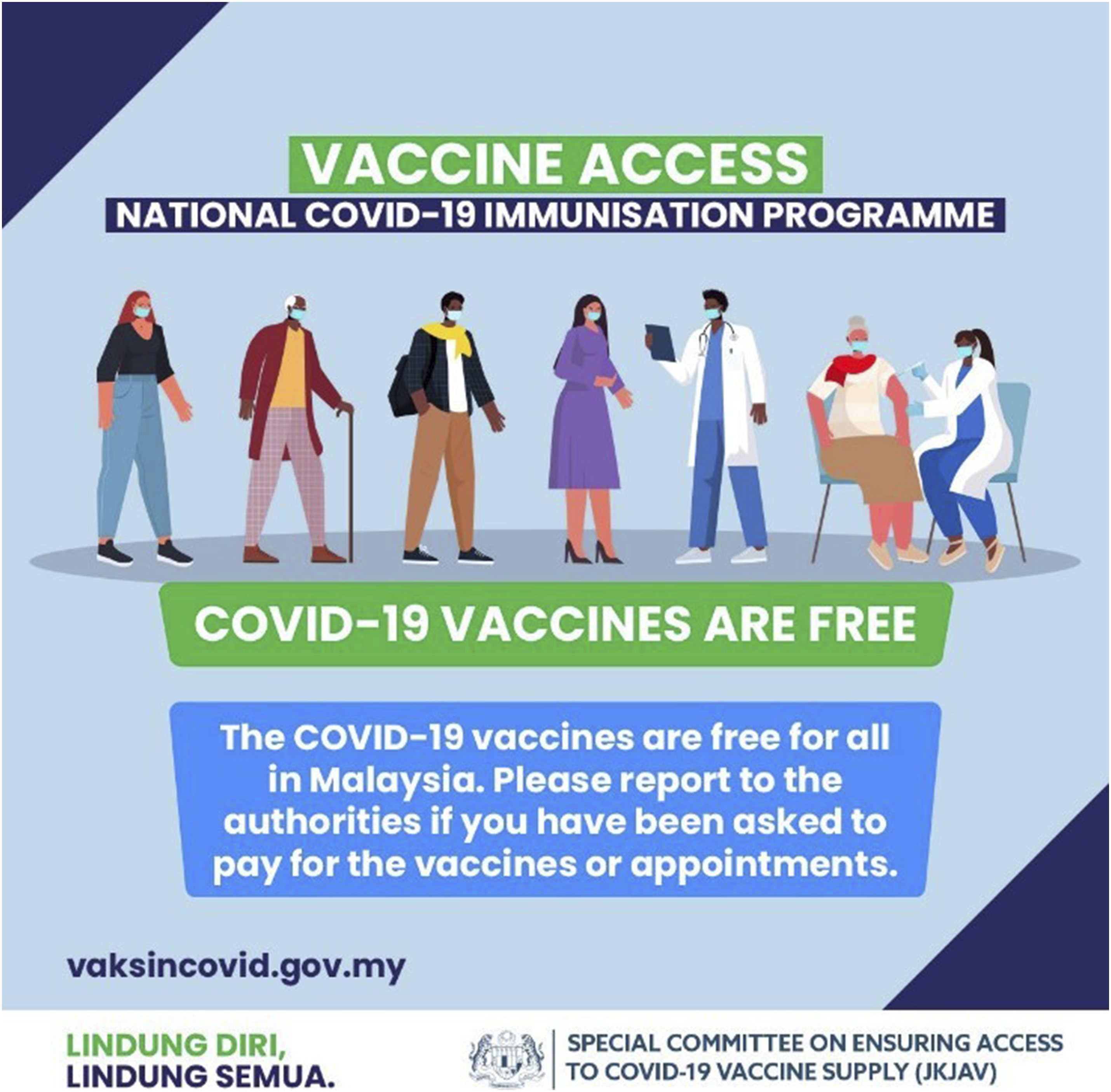
Recognizing this trend, various government ministries and agencies in Malaysia increasingly turn to social media to share essential information, providing practical tips and citing credible sources to motivate Malaysians to act. These platforms serve as significant communication channels, ensuring that agencies reach their intended target audience effectively. Given that many Malaysians prefer to receive news through their chosen channels at their convenience, traditional mediums like television and radio announcements are considered less effective in current situations. This shift has facilitated successful campaigns, such as the National COVID-19 Immunisation Programme, which encountered minimal resistance from the public (Bulgiba, 2022).
Multiculturalism, Multiethnicity, Multilingual Strategy
The diverse composition of the Malaysian population is marked by multi-ethnicity, multiculturalism, and multilingualism and provides a compelling backdrop for emerging social media influencers to effectively deliver social marketing messages to a wide array of ethnic groups (Gannetion et al., 2022). This is particularly vital especially for the elderly, who may lack proficiency in the national language (Bahasa Malaysia) or English. While a substantial portion of the Chinese population may be able to fluently communicate in Mandarin or Cantonese, there are individuals within the community who remain underserved. Just like the “My Story, My Life” (PT Foundation Malaysia, 2014) initiative mentioned earlier, a multilingual approach to messages is an effective communication strategy for a plurilingual country like Malaysia. Social media influencers proficient in various dialects and languages have assumed the role of disseminating information to these communities. For example, influencer Jing Jing uses her Facebook and YouTube platforms to convey messages in the Hokkien dialect [See Figure 11], significant for the older generation fluent in this specific dialect (Beh, 2021), (Majali et al., 2021). Screenshot of Most People Still Don’t Trust Vaccine. Source: (Beh, 2021). Retrieved from https://www.youtube.com/watch?v=7orm29lCs7k.
Beyond linguistic diversity, Malaysia encompasses a mosaic of demographics practicing various faiths, including Hinduism, Buddhism, Sikhism, Taoism, Bahaism, and Christianity, alongside the predominant Muslim religion, the state’s official faith. Religious leaders play a crucial role in sharing information within places of worship, catering to their congregations (Gannetion et al., 2022). This underscores the importance of responsible communication by those in authority. Malaysians trust religious leaders to guide them toward a life devoted to God and advocate a harmonious coexistence with one another (Fatima & Tasgheer, 2022). Faith and eastern values are deeply rooted in Malaysia’s multicultural society, hence this unique landscape is a potent platform for effective plurilingual social media communication, distinguishing it from many other culturally homogeneous societies (Gannetion et al., 2022; Singh, 2019).
Establishing Public-Private Co-Creation and Partnerships
Corporations are increasingly exploring collaborations with academic institutions to collectively contribute to projects that benefits society at large. However, there are insufficient documentation and publication of such endeavours in high-impact academic journals. Particularly within the marketing disciplines, existing research tends to focus heavily on applied studies in commercial contexts or leans towards theoretical approaches. Unfortunately, limited attention is given to research and development aimed at co-creating initiatives with target audiences, specifically for behaviour modification or societal change (Siti-Nabiha et al., 2018).
Social marketing initiatives should be grounded in addressing current issues relevant to a country’s future societal development. This necessitates active involvement of university academics collaborating with non-governmental organizations (NGOs) already at the forefront of impactful societal changes. Startegic partnerships, especially with governmental organizations, are vital to the success of macro social marketing programs with especially with a national focus (Shaw et al., 2024). Structured access to funding from local government ministries can further support grassroots efforts, potentially through a national framework for NGO and societal activities (Tian et al., 2024). The transparency of data between stakeholders can greatly enhance the effective communication and collaborative understanding of different objectives (Tafuro et al., 2023). Hence, relevant organizations are empowered to spearhead projects fostering positive societal impacts such as minority inclusion and environmental conservation.
Most marketing degrees in Malaysian higher education lack specific incorporation of social marketing principles within their curriculum. The opportunity now exists for public and private universities to introduce structured educational courses, possibly integrated into lower and higher levels of education. Social Marketing Research Centres (SMRCs) could be established to encourage student involvement, with projects tied to final-year bachelor’s degrees or theses (Streck, 2019; Szablewska & Kubacki, 2019).
Extending the visibility of social marketing, corporate training programs could benefit from collaborations with academics and NGO representatives proficient in co-creation design principles. Co-creation would allow for focused development of programs to be successfully implemented for the target audience (Kouassi et al., 2023). Such engagements could reshape corporate social responsibility efforts, aligning them with sustainability goals. The Co-Create-Build-Engage (CBE) model (Rundle-Thiele et al., 2021) presents an avenue for stakeholders, including commercial institutions and university research centres, to collaboratively tackle real-world problems and address grassroots issues.
The success of social marketing in Malaysia is dependent on the concerted efforts from various stakeholders. Education plays a vital role, necessitating public awareness of the distinctions between social marketing, social media marketing, corporate social marketing, and cause-related marketing (Jelas et al., 2010). Cooperative efforts, religious support, and governmental backing in terms of resources can contribute to the development of Malaysia as a centre of excellence in impactful social marketing implementation (Bamkin, 2018).
Conclusion
The reflection of the state of social marketing in Malaysia has prompted the rethinking of ideas which will benefit a multicultural society. This means that a paradigm shift is needed for effective strategic inception, co-creation development, and implementation of social marketing intervention programs. The issues highlighted in this research may only signal the effects of a much deeper problem within the construct of the Malaysian society. This is reflected in some of the hit and misses of the efforts (either in reducing barriers to change or enhancing benefits) that tackle these challenges through campaigns and programs resulting in very different outcomes. Perhaps there is a need to look at how these interventions need to consider more rigorously the target audience and a more focused identification of the wicked problem each intervention aims to solve (Rundle-Thiele et al., 2021; Szablewska & Kubacki, 2019). Specifically, it requires an honest assessment of the systems which are currently in place (preferably a holistic view from different stakeholders) that will help mitigate these issues and learn lessons from failures (Deshpande, 2022).
The lessons of social marketing concepts require more research and proper academic rigour in its documentation. Social marketing should find its place in business schools and marketing modules which could enhance through the embedding of the UNSDG (Tomasella et al., 2024). The establishment of Social Marketing Research Centres can encourage student involvement, through the introduction of final-year bachelor’s degrees or potential thesis titles and projects (Streck, 2019; Szablewska & Kubacki, 2019) that can help further the development of social marketing education and research excellence in institutions of higher education within the country. In most cases, the programmes presented within this article, though with good intentions, have not bridged the gap between convincingly presenting the value of the campaign and effectively solving the underlying problems/issues uniquely faced in Malaysia. Currently there are no campaigns which have been fully successful in addressing the full issues presented in this article. A re-evaluation of the ineffectiveness of the full potential realisation of these programmes is needed by reassessing how the development, communication and success measurement need to be done differently which may require governance and structural reforms in some cases.
Strong education (Mahanani et al., 2022) and political will in establishing clear policies (Al Jazeera, 2021) are key ingredients in determining the success of programs whether they may be grassroot or government led. Transparency and dissolution of centralised autonomy can help the process of decolonising and redefining the education curriculum (Jelas et al., 2010), introduce inclusive policies (Amirudin & Gim, 2019), encourage the effective use of social media messaging (Majali et al., 2021), and embrace a wide array of multi-ethnic, multicultural, and multilingual approach to social marketing messages (Gannetion et al., 2022).
The forging of public and private partnerships is greatly needed to successfully implement effective intervention programs. This requires data transparency and knowledge sharing (Tafuro et al., 2023; Tian et al., 2024) and the structured co-creation of programs (Kouassi et al., 2023). The cooperation and partnerships between society, academic, government and industry are vital for the development of multifaceted approaches and sustainable solutions to behavioural, societal, and environmental issues.
Malaysia will continue to see more opportunities open in the future with its vision to create a shared economy and build a resilient nation (Ministry of Economy, 2021). Leveraging on these opportunities, Malaysia needs to ensure that policies are in place to encourage the development of inclusive and effective social marketing programs which fits the unique multicultural landscape of the nation, benefitting both societal and environmental well-being.
Footnotes
Acknowledgments
The Author acknowledges that all necessary permissions have been sought with relation to images as they appear in public spaces and sources has been acknowledged.
Declaration of Conflicting Interests
The author(s) declared no potential conflicts of interest with respect to the research, authorship, and/or publication of this article.
Funding
The author(s) received no financial support for the research, authorship, and/or publication of this article.
