




Abstract
This study investigates the integration of Virtual Reality (VR) with participatory co-design methods to develop spatial innovations for sustainable and inclusive university campus environments. The research employed a multi-phase methodology: initially, 68 students from three Swedish university cities participated in workshops with architects to co-create spatial concepts focused on sustainability and inclusivity. These concepts were subsequently translated into interactive 3D virtual environments. In the second phase, these VR environments were evaluated by a diverse group of 42 stakeholders, including students, campus developers, educators, and architects. Data on user experience, including Quality of Experience (QoE) metrics such as immersion, interactivity, and comfort, along with perceptions of design relevance to sustainability and inclusivity, were collected through pre- and post-test surveys. Quantitative engagement patterns (time spent, interactions, navigation) and qualitative feedback (preferences, user-generated ideas, usability issues) were analyzed. Results indicated that VR effectively facilitated stakeholder engagement and understanding of the co-designed spaces. Distinct engagement patterns were observed across different stakeholder groups. Usability challenges, including navigation difficulties and isolated instances of cybersickness, were also identified. This study contributes empirical evidence on a hybrid VR co-design process, highlighting its potential to foster more democratic and user-centered campus planning while underscoring the importance of a mixed-methods approach to evaluation and iterative design.
Introduction
Virtual Reality (VR) is increasingly used in architectural design and urban planning, offering significant potential for developing more sustainable and participatory methods for creating built environments. International research highlights VR’s ability to help architects and planners visualize the environmental consequences of design choices early in the process, allowing for adjustments that prioritize ecological factors and improve overall sustainability.1–3 Key studies, including those from the United Kingdom 4 and Australia, 5 have shown VR’s effectiveness in engaging diverse user groups in the design process, especially for public and smart urban spaces. By providing immersive platforms, VR can support more democratic decision-making and improve communication among different stakeholders. 6 The use of VR in campus design has also shown considerable promise, enabling stakeholders to virtually experience and evaluate design elements, which can lead to more sustainable, accessible, and inclusive campus layouts. 7 Furthermore, the theoretical and practical foundations of VR in participatory design suggest that its interactive features can greatly improve mutual understanding and collaboration among diverse participants,8,9,10,11 while also offering educational benefits by engaging users in experiential learning about design and sustainability.
Despite this growing body of international research on VR’s utility in visualization, stakeholder engagement, and collaborative design, a specific research gap is evident when considering the comprehensive use of participatory co-design with VR for university campus development. Existing literature often focuses on the technical aspects of VR visualization, 3 general public participation in broader urban planning,4,5,10 or evaluations involving single stakeholder categories. 7 However, there is limited empirical evidence on processes that effectively translate initial co-created design concepts, particularly those originating from end-user workshops (such as student-led initiatives), into VR environments for subsequent evaluation by a diverse range of stakeholders. Furthermore, while achieving sustainability and inclusivity are frequently cited goals in campus design, fewer studies investigate how VR can support the pursuit of these objectives through the evaluation of co-designed spaces by multiple stakeholder groups. This requires moving beyond general claims of VR’s benefits to detailed examinations of how specific design features, when experienced immersively, are perceived by different users in relation to these combined goals. Although Quality of Experience (QoE) is a recognized framework for VR assessment, 12 comprehensive QoE evaluations that specifically compare the experiences of diverse campus stakeholder groups in VR-assisted co-design processes are not widely documented. This study, situated within the Swedish university context, aims to address this identified research gap. The central research question guiding this investigation is: ‘How can the integration of Virtual Reality (VR) and traditional participatory methods enhance the co-design of spatial innovations to create a more inclusive and sustainable campus environment?’. To address this question and the identified gaps, this study has established several key objectives. Primarily, it seeks to assess the impact of immersive VR environments, developed from initial student-led co-design input, on how diverse stakeholders understand spatial functionality, particularly concerning inclusivity and sustainability. Secondly, the research aims to evaluate participant experiences within these VR environments using the VR Quality of Experience (QoE) framework, focusing on aspects such as immersion, interactivity, comfort, and usability as perceived by different user categories (students, campus developers, educators, and architects). Finally, a principal objective is to provide actionable insights for architects, campus developers, and university administrators on effectively integrating hybrid participatory tools, specifically VR, for designing inclusive and sustainable campus environments that better align with diverse user needs and aspirations. By pursuing these objectives through a multi-phase methodology that combines participatory workshops with immersive VR evaluations, this research aims to contribute the the practical application and outcomes of such an integrated approach. It seeks to offer a better understanding of the associated benefits and challenges, providing valuable insights for academic discourse on participatory design and VR, and for practitioners involved in planning and developing future university campuses internationally, despite Swedish context and limited group of the participants.
Methodology
The methodological approach for this study is structured as an iterative process, outlined in Figure 1. It seeks to integrate Virtual Reality (VR) with participatory methods to explore the co-development and evaluation of spatial concepts for a Sustainable and Inclusive Campus. The research is organized into five principal interconnected stages: (1) Input: Initial Student Ideation; (2) Phase 1: Virtual Environment Development; (3) Phase 2: VR-Based Testing of Spatial Concepts with Stakeholders; (4) Data Analysis and Recommendation Formulation (referred to as Phase 3 in Figure 1); and (5) Output: Collation of Stakeholder Feedback and Reflection on VR Test Findings. This sequence aims to ground design concepts in user perspectives, refine them through diverse stakeholder input, and analyze the collected data to inform potential recommendations. Overall methodology of the study.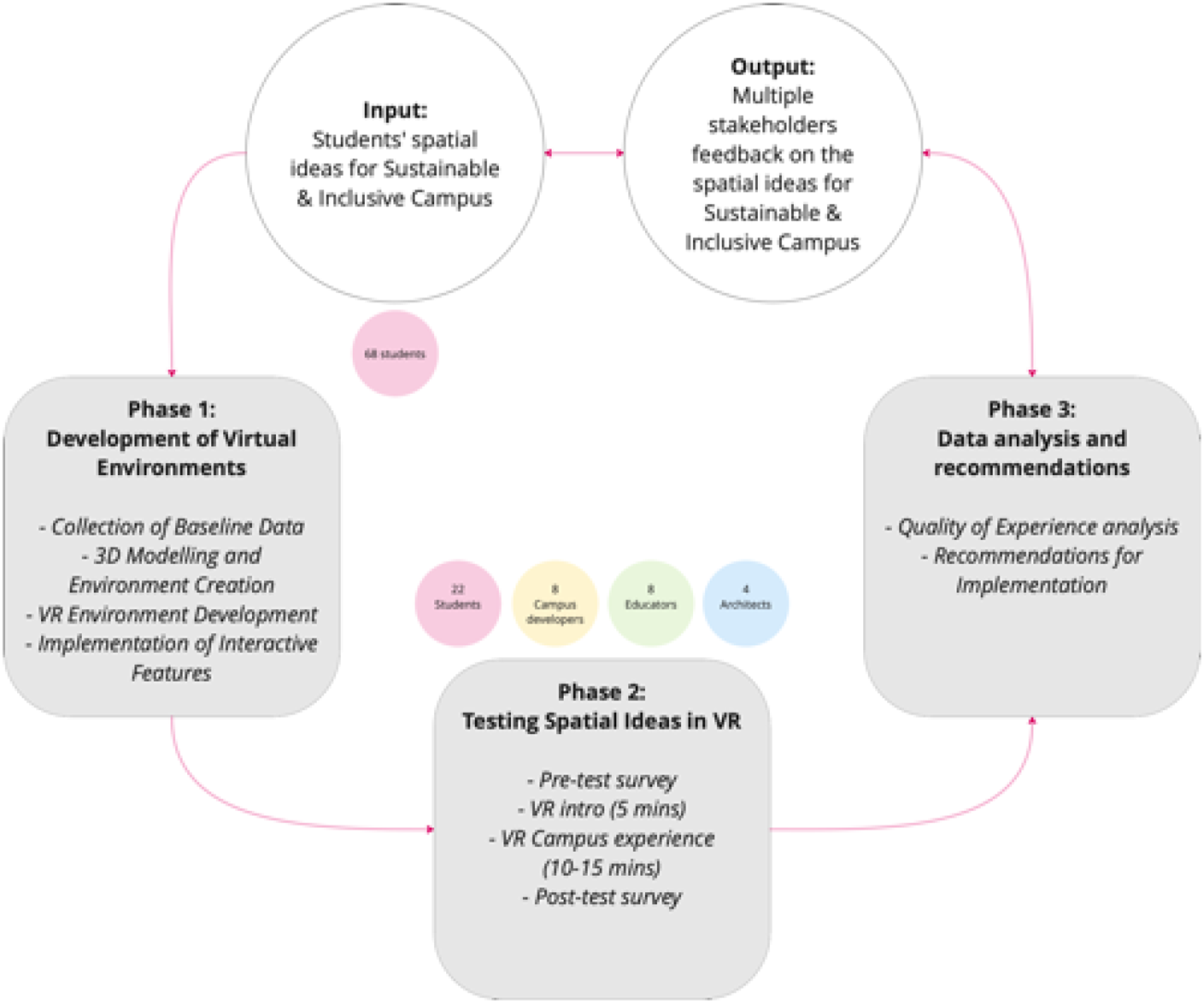
The initial “Input” stage aimed to gather students’ spatial ideas relevant to a sustainable and inclusive campus. A sample of 68 students was recruited from three Swedish university cities (Lund, Stockholm, and Gothenburg) via an online volunteer form, which collected demographic details and academic affiliations to encourage a range of perspectives. This sample of the students (66% female, 34% male; representing 36 nationalities, 86% international and 14% Swedish; primarily master’s students) participated in three participatory workshops, working in small groups facilitated by architects to co-create initial concepts for three designated campus areas: “The Garden,” “The Retreat,” and “The Creative Space,” selected for their potential relevance to campus sustainability, student well-being. The ideas from these students provided the initial conceptual basis for the subsequent development of virtual environments.
Following this student ideation, Phase 1 focused on the development of Virtual Environments, translating the workshop concepts into 3D virtual settings using the Kräftriket campus area in Stockholm as a contextual reference. This development process comprised the collection of baseline data including existing architectural information and student workshop feedback; 3D modelling of the campus and proposed spatial concepts; adaptation of these models for a VR platform; and the integration of interactive functionalities to allow user engagement within the virtual spaces.
Subsequently, Phase 2 involved the evaluation of these developed virtual environments by a group of 42 stakeholders, including 22 Students, 8 Campus Developers, 8 Educators, and 4 Architects. The inclusion of varied stakeholders was intended to gather a broader range of perspectives on the designs, complementing student views with those of professionals and decision-makers, an approach consistent with literature in participatory design which suggests that diverse involvement can contribute to more well-rounded and considered outcomes. 13 The testing protocol for this stage included a pre-test survey to gather baseline information, a brief VR introduction, a 10–15-min VR campus experience exploring the designated areas, and a post-test survey to collect feedback on spatial perceptions, immersion, and overall satisfaction.
The Phase 3 stage involved the examination of data collected during Phase 2. The analysis aimed to identify patterns in participant feedback and to understand how different stakeholder groups perceived the proposed designs, with aspects such as perceived immersion, usability, and satisfaction assessed using criteria informed by the Quality of Experience (QoE) framework. Based on this analysis, the study aimed to formulate recommendations for consideration in the design of sustainable and inclusive elements on university campuses.
The final Output stage primarily consists of the stakeholders’ feedback and reflection on the results of the VR Test (Phase 3) encompassing feedback from the 42 participants and a reflection on the VR testing process, the nature of participant engagement, and the general insights derived from stakeholders’ interactions. This reflection contributes to understanding the application of the VR co-design approach in this context.
Throughout this study, both qualitative and quantitative metrics were utilized to assess the Quality of Experience (QoE) of participants, adopted to gain better understanding of user engagement, the perceived usability of the virtual environments, and overall satisfaction with the proposed campus design concepts.
Quantitative metrics
To complement the qualitative data, quantitative metrics were used to provide empirical validation of the VR participatory process. These include: • Time in Area: This metric tracked how long participants spent in different areas of the VR environment, offering insights into which spaces garnered the most interest or engagement. • Interaction Level: The study measured the frequency of interactions within the VR environment, providing data on how participants engaged with different spatial elements, which serves as an indicator of the usability and relevance of specific design features. • Navigation patterns: Within the VR environment were closely tracked to understand how participants explored different spatial areas and interacted with the virtual campus spaces. These patterns were captured through user behaviour data, revealing preferred routes, key interaction points, and overall movement tendencies. The findings provided insights into how intuitive and accessible different areas were, based on how participants navigated them. • Perception of Sustainability and Inclusivity: Participants rated the impact of each spatial concept on a scale from 1 to 5, quantifying their perceptions of how well the designs aligned with principles of sustainability and inclusivity.
Qualitative metrics
The study utilized open-ended survey responses to capture detailed feedback from participants regarding their subjective experiences and perceptions of the VR environment. Key qualitative metrics include: • Preferences for Sustainable and Inclusive Spaces: Participants provided qualitative feedback on the spatial concepts they found most and least appealing. This metric offered insights into how well the virtual designs aligned with user expectations of sustainability and inclusivity. • User-Generated Ideas and Feedback: The study captured participant suggestions for improving the campus designs, allowing for iterative refinement. The quality of feedback was assessed to understand the depth of user engagement and creativity in contributing to the co-design process. • Design Feedback: Additional qualitative insights were gathered through follow-up surveys that focused on participant satisfaction with revised designs after they had the opportunity to interact with and suggest modifications in the VR environment.
These qualitative metrics enabled a rich understanding of the participant’s subjective experience and their perception of the sustainability and inclusivity of the designs.
Development of virtual environments
The development of immersive VR environments for this study followed a structured process, beginning with the collection of baseline data, progressing through 3D modelling, environment creation, and finalized in the implementation of interactive features to enhance user engagement. This comprehensive approach ensured that the VR environments accurately represented both existing campus spaces and proposed spatial innovations for a sustainable and inclusive campus. The foundation of the VR environment was based on several key data sources. First, a 3D mesh extracted from Google Maps was used as a reference to accurately model the terrain height, lake, and the general placement of campus buildings. This provided a realistic geographical context for the campus layout. In addition to the Google Maps reference, architectural sketches of the proposed spatial innovations—such as the retreat, outdoor social areas, greenery, and a greenhouse—were generated. These visualizations served as the blueprint for creating 3D models of the spatial concepts, ensuring that the designs proposed by the participants during the workshops were faithfully represented in the virtual space.
The 3D mesh from Google Maps was converted into an FBX model in Blender, where it was fine-tuned to serve as a reference for the placement of buildings and terrain (Figure 2). This model was essential in maintaining the realistic shape, size, and spatial relationships between the campus structures. Kräftriket campus FBX model in Blender.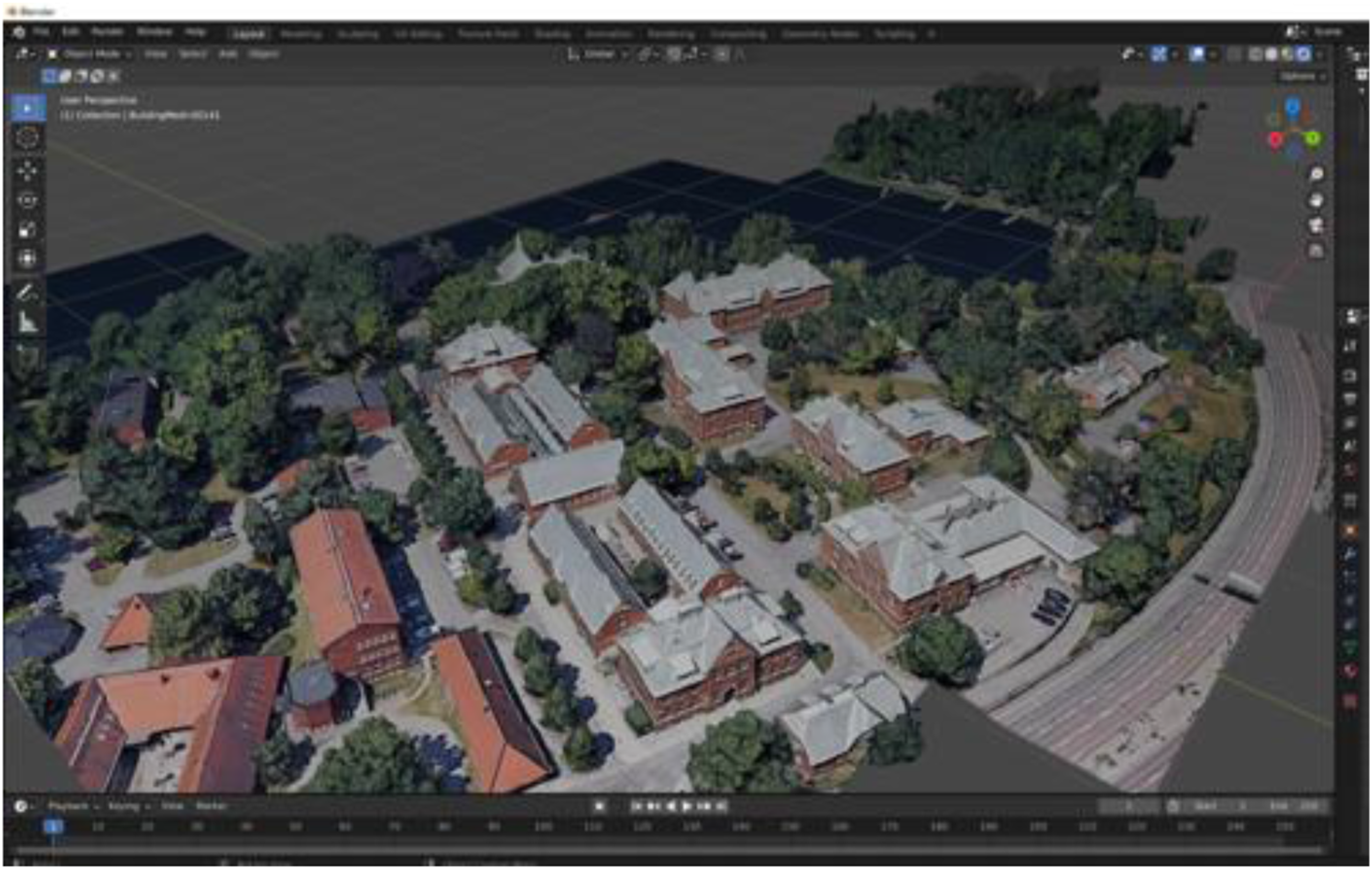
Next, individual buildings were modelled in Maya, ensuring that they were proportional and aligned with the real-world references. The mesh was also used in Unity for creating the terrain and lake, which maintained the geographic integrity of the Kräftriket campus. For specific building designs, 3ds Max and Photoshop were employed to create detailed architectural models. These tools provided a high degree of precision, ensuring that the buildings not only looked realistic but also aligned with the aesthetic and functional aspects of the proposed spatial innovations.
To incorporate the new spatial concepts, such as the retreat and garden elements, 3D models were created in Maya based on the generated images and architectural sketches. These models were designed to be immersive and interactive, providing participants with a meaningful way to engage with the proposed spaces. In addition to the bespoke models, common environment objects (e.g., trees, benches, and urban elements) were imported from the Unity Asset Store to streamline the development process. These ready-made assets complemented the custom models, ensuring that the VR environment was both visually rich and efficient to produce (Figure 3). Kräftriket virtual environment in unity 3d.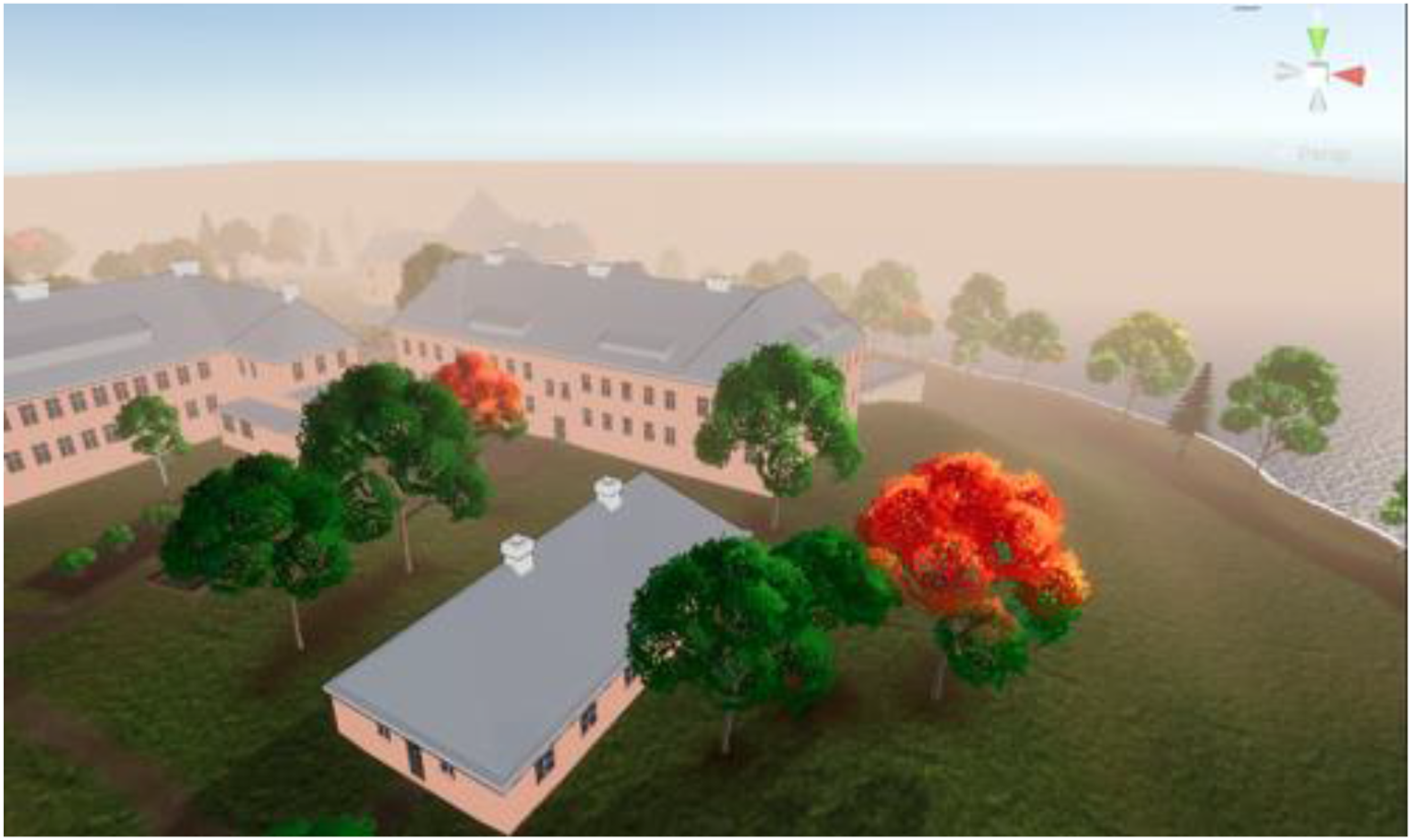
One of the environment developments was the creation of a mobility hub and future transportation devices, modelled in Maya. These concepts were developed in collaboration with Volvo Cars, reflecting futuristic mobility solutions that align with the study’s sustainability objectives (Figures 4–7). Mobility hub in VR. Garden in VR. Retreat in VR. Creative space (accelerator) in VR.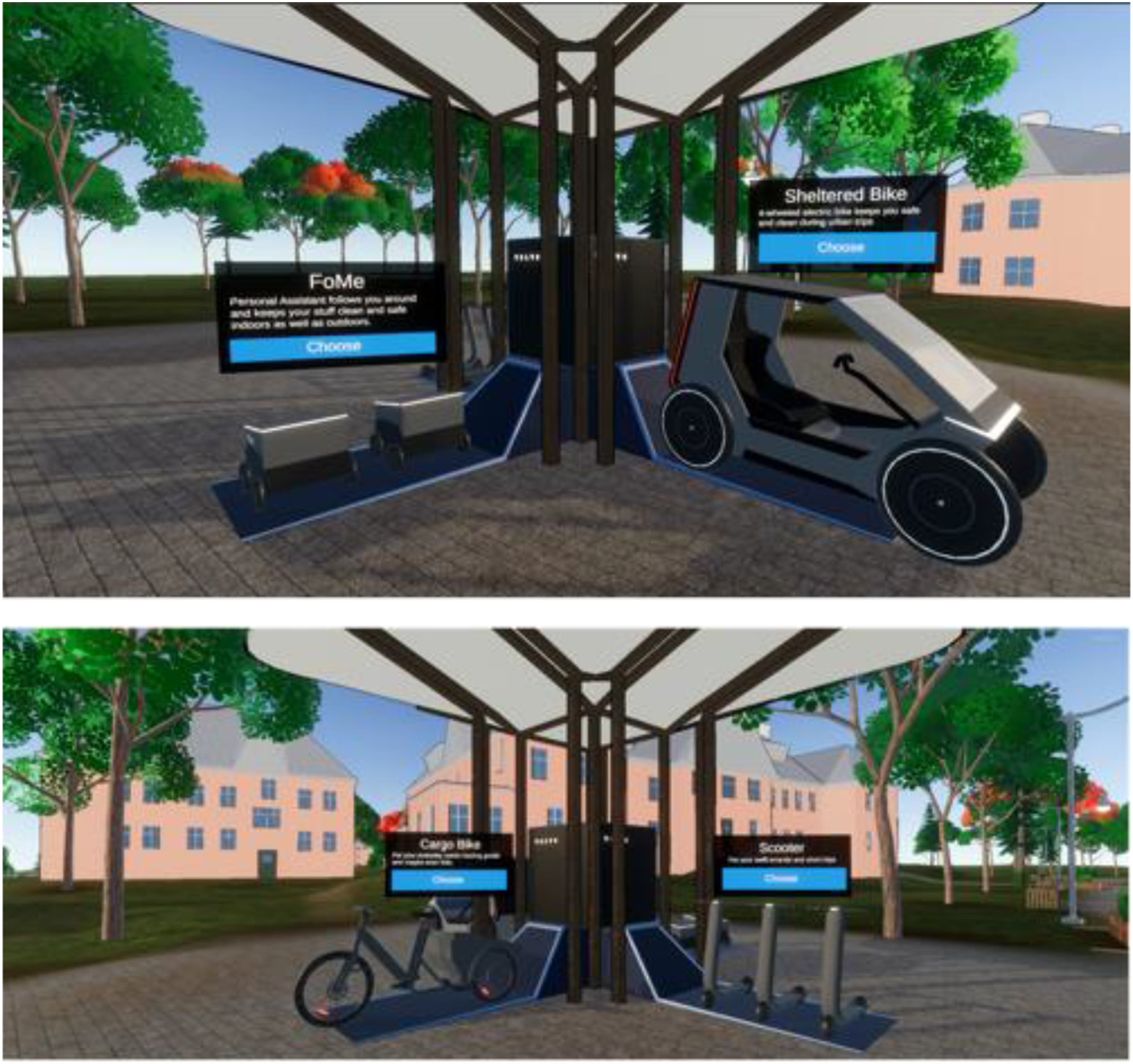
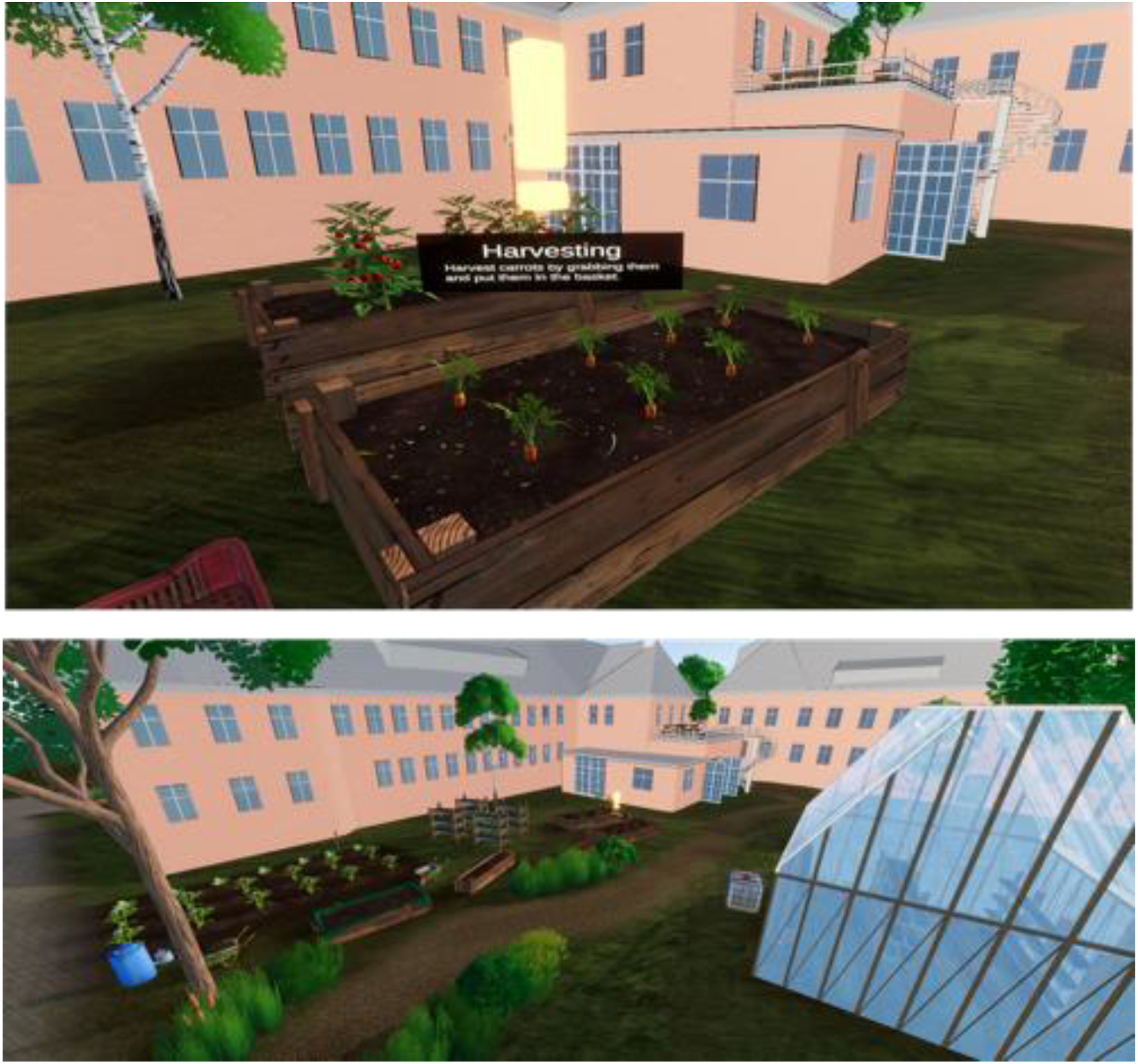
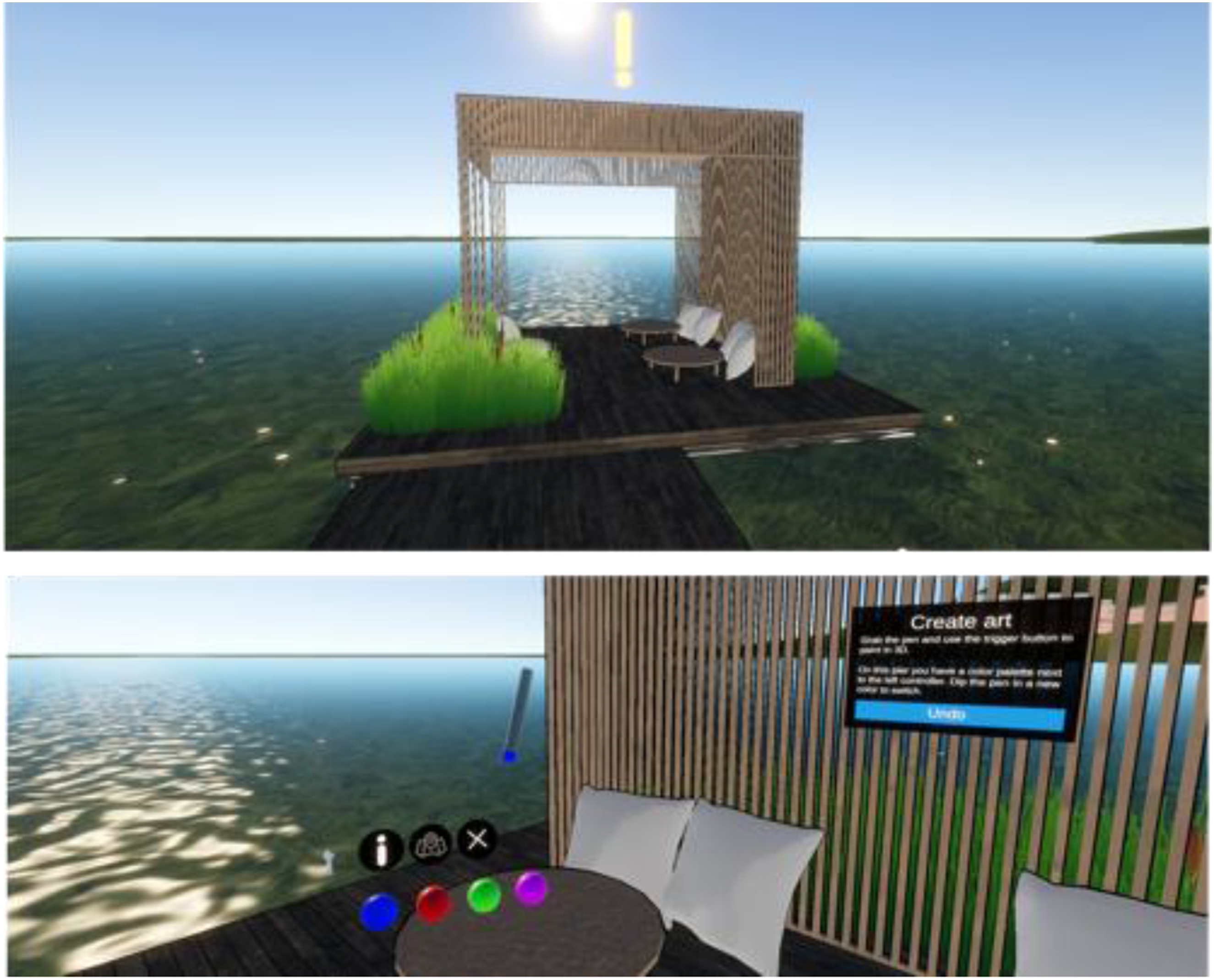
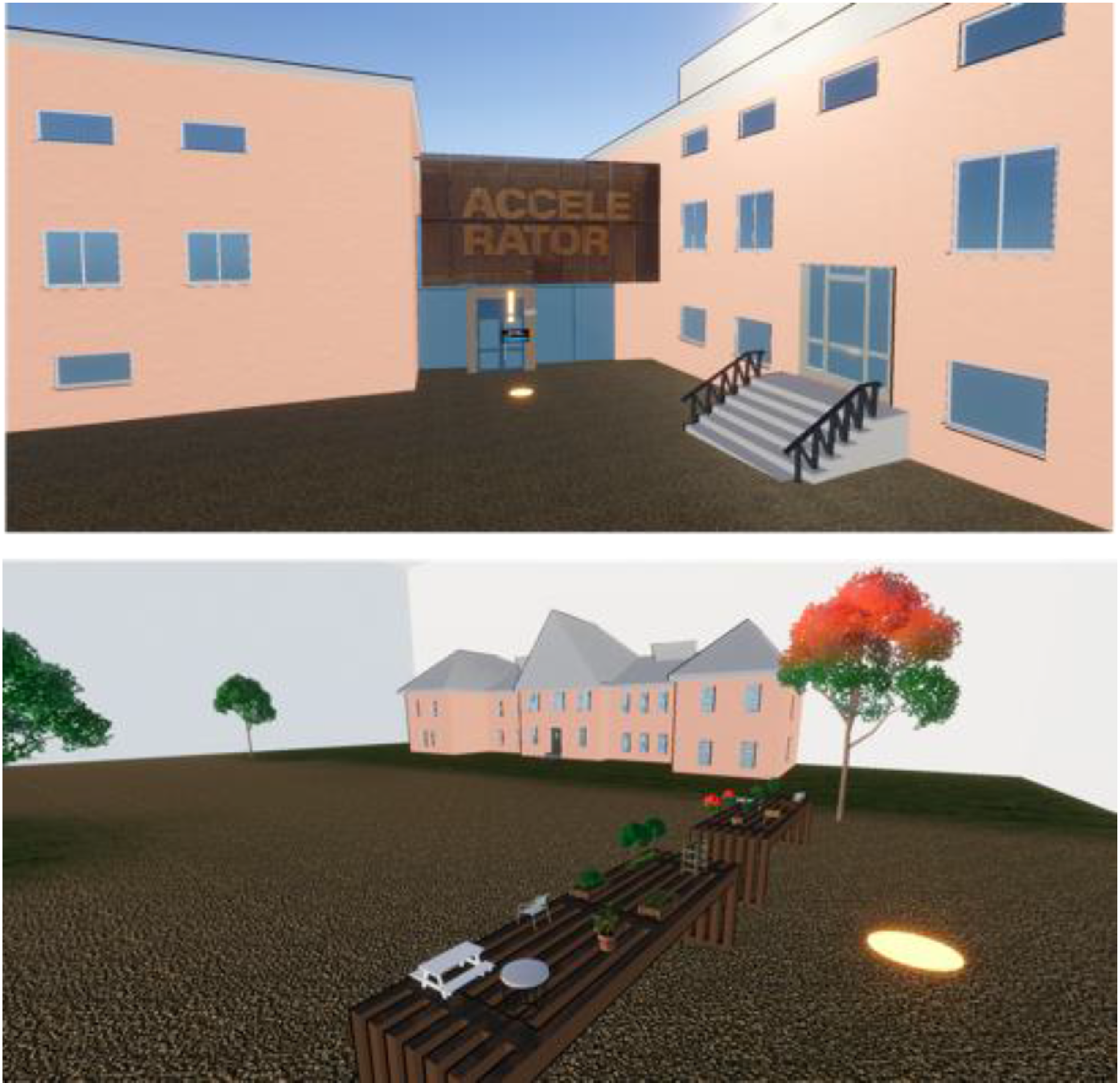
To enhance the user experience, a variety of interactive features were implemented using the XR Interaction Toolkit in Unity, providing a smooth and intuitive VR interaction framework. These interactions allowed users to move, teleport, and rotate within the virtual environment using the built-in functionality of the Quest controllers, maintaining consistency across the experience by using the same buttons for similar actions. Key interactive activities were also developed to enrich the participatory experience. In the garden area, an interaction was created allowing users to grab carrots as part of a harvesting activity.
In the Retreat, users could interact with a pen to create 3D drawings assosiated with their mood, offering a creative dimension to the spatial concept.
An additional feature allowed users to grab various objects to populate a model street, encouraging exploration and active participation at Creative Space (Accelerator). Accelerator is an Art centre close to Kräftriket, so, we have taken it as a basis for designing a Creative Space in VR.
Beyond object manipulation, User Interface (UI) elements were incorporated to enhance navigation and information accessibility. A button was developed to open and close an information screen, providing context about the spatial innovations and the activities within the virtual campus. Another button opened a map of the area, displaying the locations of activities, the user’s current position, and available mobility devices. UI interfaces allowed users to select mobility devices, choose travel destinations, and access features related to specific activities, further immersing participants in the campus experience. By integrating these interactive elements, the VR environment became not just a passive visualization tool but an active platform for engaging with the design concepts, allowing participants to explore and co-create within the virtual space. This immersive approach ensured that users could meaningfully interact with the campus innovations, fostering a deeper understanding of the proposed sustainability and inclusivity solutions.
Testing spatial ideas and innovations in VR
The VR testing session followed a meticulously structured process to ensure the collection of both quantitative and qualitative data in real time. This process can be divided into several key stages, as outlined below in Figure 8. VR test process.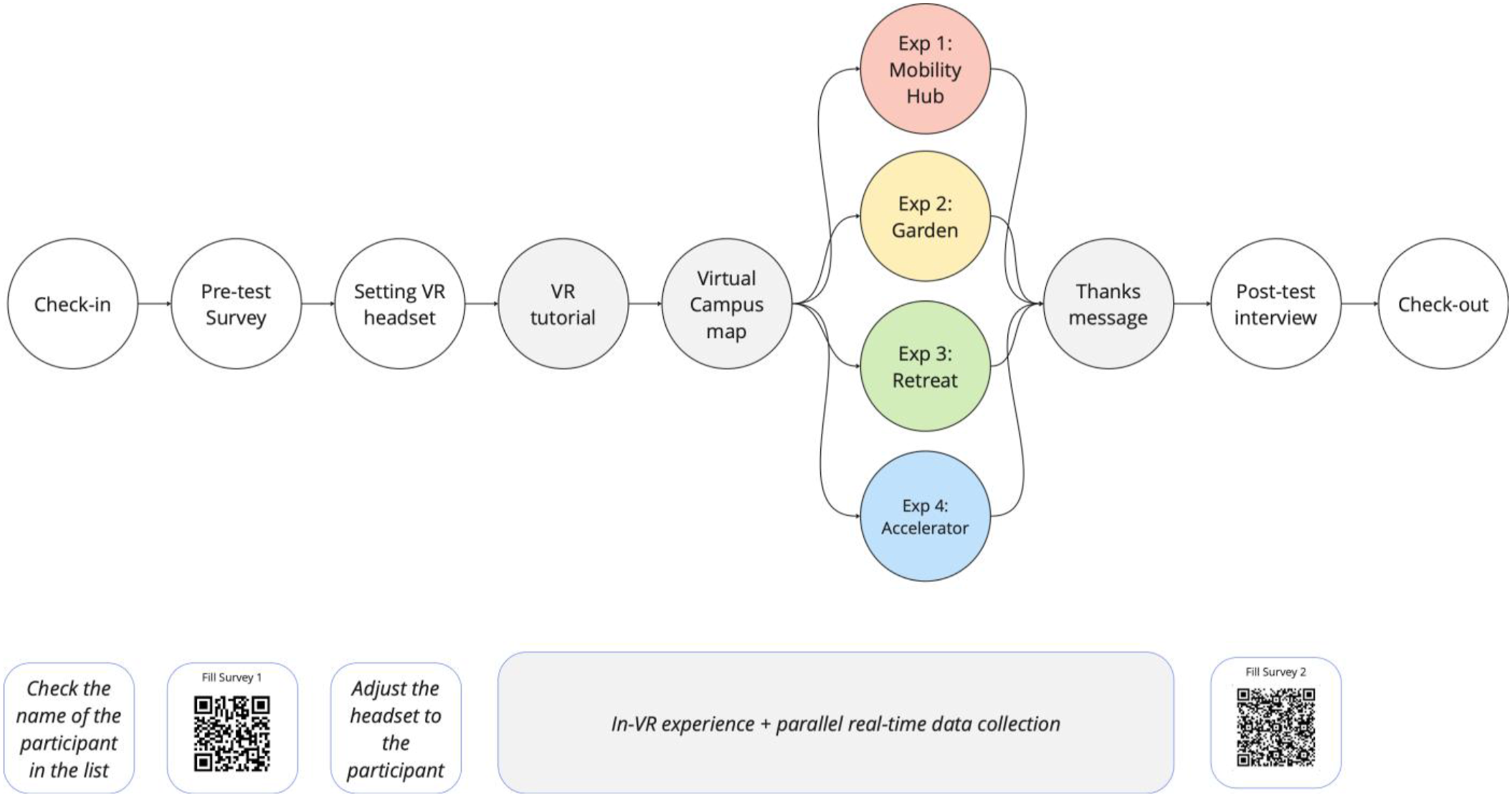
Upon arrival, participants were checked in by verifying their names against a pre-registered list. Participants were asked to complete a pre-test survey via a QR code, which captured the information regarding their previous experience in VR, health related issues, expectations and attitudes toward the existing campus design. This preliminary data was essential for establishing a reference point for the post-test analysis. Following the survey, participants were guided through the process of setting up their VR headsets, ensuring proper fit and comfort to maximize the immersive experience. A short VR tutorial was provided to familiarize participants with the basic controls required to navigate the virtual environment, including teleportation and object interaction. This tutorial was particularly useful for participants with little to no prior experience in VR, ensuring that all users could effectively engage with the virtual campus spaces. Virtual Participants were introduced to a virtual campus map, which outlined the key areas they would explore, including the Mobility Hub, Garden, Retreat, and Accelerator. This map served as a visual guide, helping participants understand the layout and relationships between the various spaces and allowing them to choose the order in which they explored the areas.
Participants were given the opportunity to explore the four key spatial concepts in a non-linear format:
Mobility Hub: Focused on transportation solutions and future mobility innovations.
Garden: Highlighted sustainability through urban greenery and outdoor social spaces.
Retreat: Designed to promote well-being through serene environments intended for relaxation and reflection.
Accelerator: Represented creative and collaborative spaces aimed at fostering innovation.
During this exploration phase, participants interacted with the virtual environments, engaging with specific design features and assessing the practicality and relevance of the proposed innovations from the perspectives of sustainability and inclusivity. As participants navigated the virtual spaces, real-time data was collected to capture their movement patterns, interaction levels, and focal points of attention. These quantitative metrics provided empirical insights into how participants engaged with the different spatial elements, as well as the usability and functionality of the virtual designs. This data was crucial in understanding user behaviour and the effectiveness of the VR environment in facilitating engagement with the campus spaces.
After completing the VR experience, participants received a thank you message and were directed to complete a post-test survey via a QR code. This survey was designed to capture participants’ reflections on the VR experience, including their perceptions of the spatial concepts, the level of immersion, and overall satisfaction with the VR platform. Additionally, some participants were invited to take part in post-test interviews, which provided more in-depth qualitative feedback on their experience and interactions with the virtual environment.
The session concluded with a check-out process, ensuring that all participants were properly debriefed, and that all equipment was returned and accounted for. This VR testing phase provided both quantitative data from real-time interactions and qualitative feedback from pre- and post-test surveys, as well as interviews for further evaluation of the spatial innovations proposed for the campus. The non-linear exploration of the key spaces, including the Mobility Hub, Garden, Retreat, and Accelerator, allowed participants to engage with the areas that were most relevant or interesting to them. This flexibility in interaction provided a deeper understanding of individual preferences and needs, which were critical for informing the future development of sustainable and inclusive campus spaces.
Quality of experience analysis
Familiarity with VR and motivation
The Post-Experience survey data reveals diverse levels of familiarity with virtual reality (VR) among participants, ranging from no prior experience (“Not at all”) to moderate experience (“Some” or “A bit”). This variance in familiarity highlights the broad spectrum of users engaging with the technology, suggesting that VR applications must accommodate both novice and more experienced users to ensure accessibility and a positive user experience. Several participants reported health issues, such as motion sickness, indicating that physical discomfort remains a barrier for some individuals in prolonged or intensive VR interactions. Despite these challenges, participants demonstrated high motivational drivers for their involvement in the VR experience. Motivations included entertainment, technical exploration, and the opportunity to engage in innovative experiences, particularly in the context of campus design. The overlap of entertainment and exploration-oriented motivations suggests that the immersive nature of VR has a dual appeal, offering both experiential enjoyment and opportunities for learning or exploration. These findings emphasize the need for VR platforms to balance user engagement with comfort, while also tailoring experiences that can cater to different levels of expertise and varied user motivations.
Quantitative insights on spatial concepts and design iteration
Time spent in different areas
To quantitatively assess participant engagement with the various spatial concepts presented in the virtual environment, the duration users spent in each key area was recorded via VR headset software. This section details these findings, first by presenting the aggregate time spent across all participants for each designated zone, and subsequently by analyzing the average time spent per participant, segmented by stakeholder group. The key areas under consideration are the Mobility Hub, Accelerator Area, Garden, and Retreat Outdoor.
Figure 9 displays the total cumulative time, in seconds, that all participants collectively spent in each of the four key areas. The Accelerator Area garnered the most substantial overall engagement, with a total time of 1343 s. The Retreat Outdoor area also attracted significant attention, accumulating a total of 851 s. The Garden area followed, with a total engagement time of 690 s. The Mobility Hub registered the lowest total time spent, at 196 s. These figures indicate that, in aggregate, areas designed for active tasks or offering distinct experiential qualities (Accelerator, Retreat Outdoor, Garden) commanded more user time than the initial orientation and transit point (Mobility Hub). Total time spent across all stakeholders by area.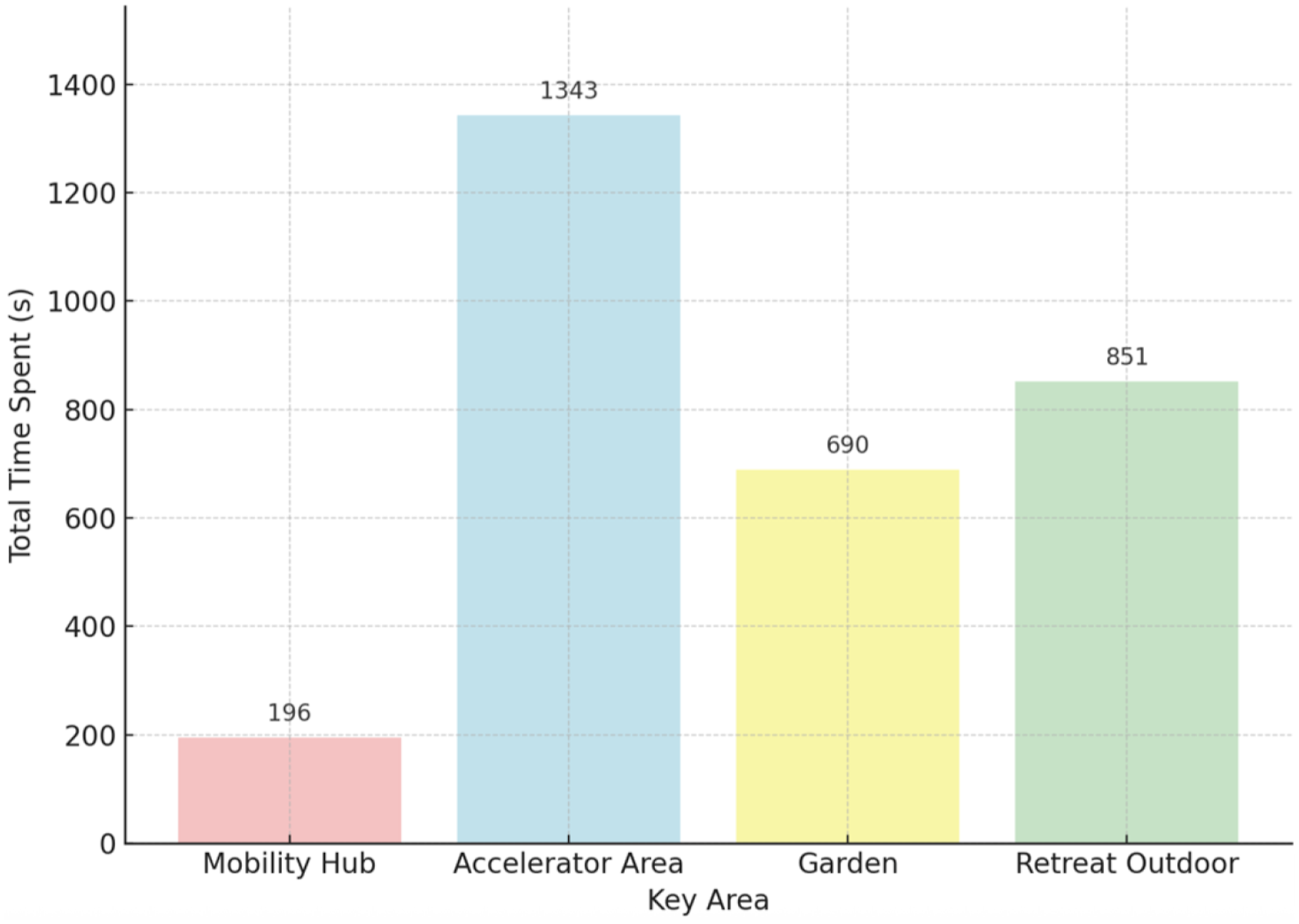
Further granularity in understanding engagement patterns is provided by Figure 10, which illustrates the average time spent per participant in each key area, broken down by stakeholder group: Students, Campus Developers, Educators, and Architects. Average time spent in key areas per participant by stakeholder group.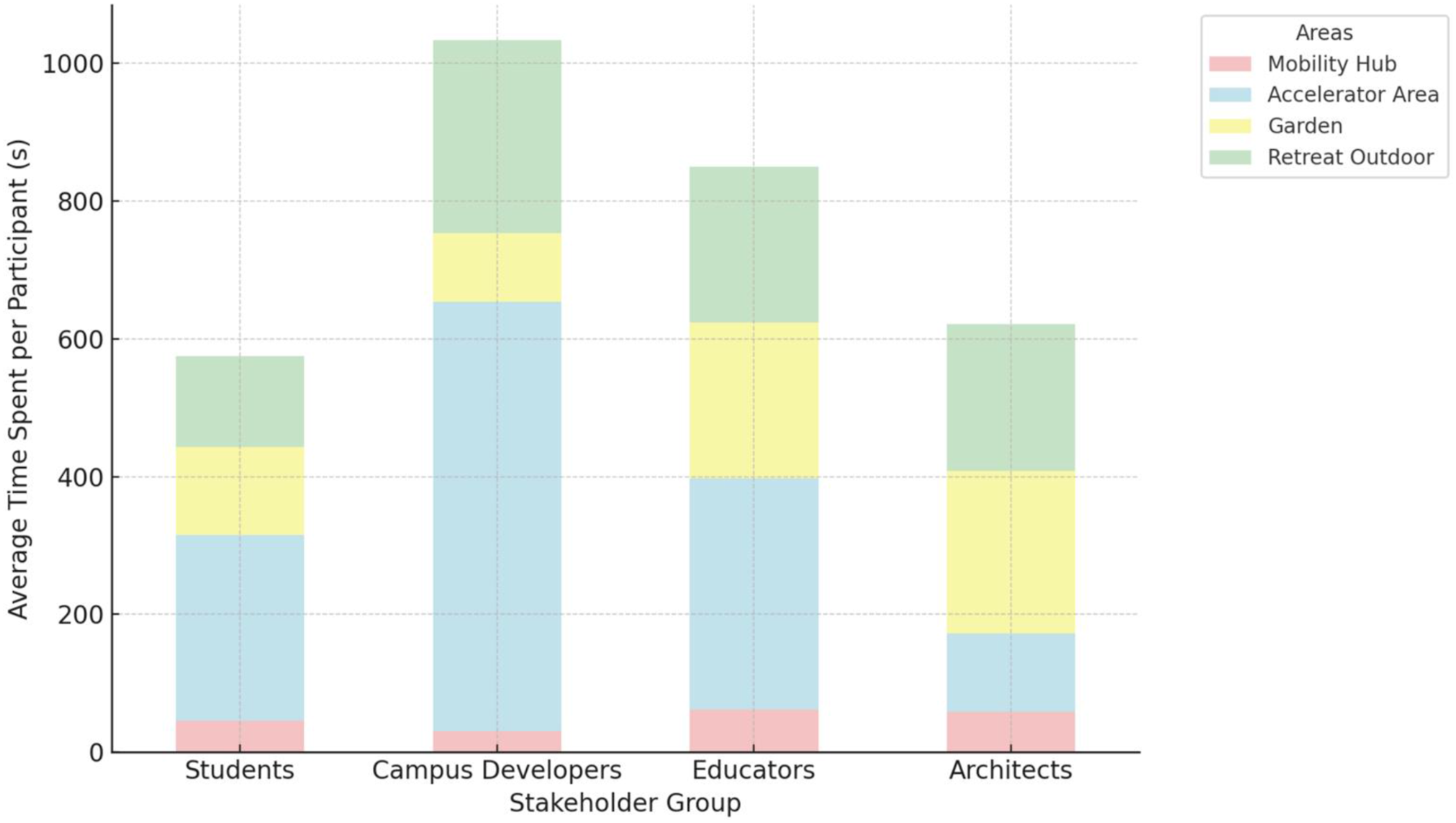
Campus Developers recorded the highest average total time per participant, at approximately 1040 s. Their engagement was most pronounced in the Accelerator Area (around 620 s) and the Retreat Outdoor area (around 290 s). The Garden (approximately 100 s) and Mobility Hub (approximately 30 s) received less of their average time.
Educators also demonstrated substantial average engagement, with a total of approximately 850 s per participant. For this group, the Accelerator Area accounted for the largest portion of their time (around 340 s), followed by the Retreat Outdoor area (approximately 230 s) and the Garden (approximately 220 s). The Mobility Hub saw an average engagement of about 60 s.
Architects, on average, spent approximately 620 s per participant in the virtual environment. Their time was most significantly allocated to the Garden (around 240 s) and the Retreat Outdoor area (around 210 s). The Accelerator Area (approximately 120 s) and Mobility Hub (approximately 50 s) accounted for less of their average time.
Students exhibited an average total engagement time of approximately 570 s per participant. The Accelerator Area was the primary focus for this group, commanding around 270 s of their average time. The Retreat Outdoor area (approximately 130 s) and the Garden (approximately 120 s) followed, with the Mobility Hub receiving about 50 s of average engagement.
These variations in average time spent and its distribution across key areas suggest that different stakeholder groups may have approached the virtual environment with distinct focuses or found particular areas more relevant to their perspectives. For instance, the pronounced engagement of Campus Developers and Educators in the Accelerator Area might reflect a keen interest in its functional or innovative aspects, while Architects’ notable time in the Garden and Retreat Outdoor areas could indicate a focus on spatial quality and experiential design. Students also showed strong engagement with the Accelerator, possibly due to its interactive nature.
In summary, the analysis of time spent reveals both overall trends in area engagement and specific patterns related to different stakeholder groups. The Accelerator Area was a significant point of interest for most, but the nuanced distribution of time across all areas highlights the varied ways in which participants interacted with the proposed virtual campus spaces.
Navigation behaviour
The navigation pattern of participants within the virtual environment reveals a clear starting point at the Mobility Hub, from which users explored various areas of the campus. The most common route, as shown in Figure 11, follows a path from the Mobility Hub to the Accelerator, and then onwards to the Garden and Retreat. While this route was the most frequently used, there were other navigation paths taken by users as well. Regardless of the specific route chosen, all journeys began at the Mobility Hub, suggesting its centrality and importance as an entry point in the virtual environment. The Retreat area, located further from the primary routes, saw fewer direct visits compared to the Garden and Accelerator, potentially due to its peripheral positioning. This pattern indicates that while users were free to explore, certain areas—especially those positioned along the main pathways—were more intuitively accessed, leading to higher engagement. The Mobility Hub’s role as the starting point also suggests that areas closely connected to it experienced more user interactions. Most popular navigation flow.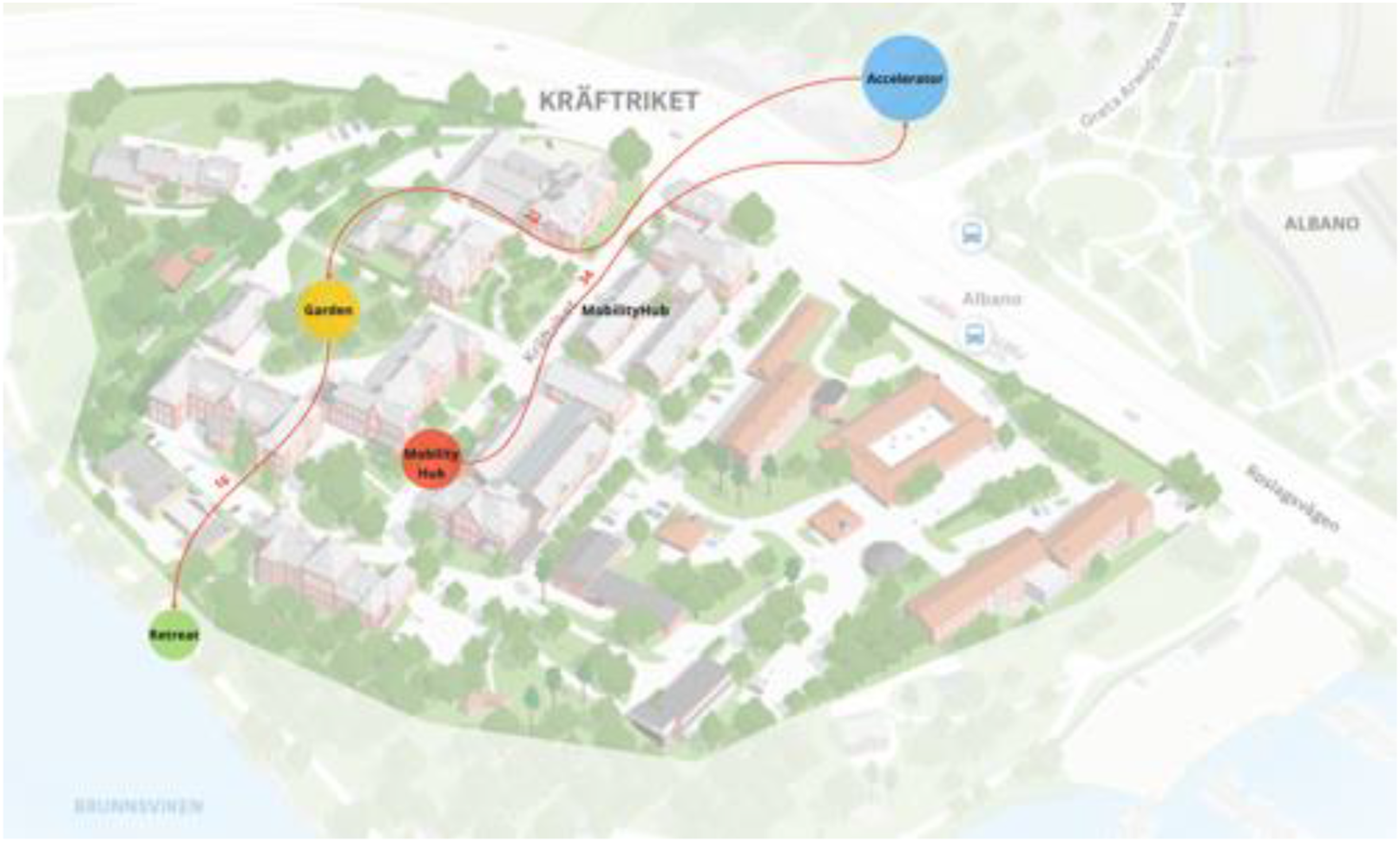
Interaction pattern
Participant interaction with various elements within the virtual environment was logged to understand engagement levels with the different co-designed spaces.
Figure 12 presents an interaction heatmap, illustrating the frequency of interactions per user across the four key areas: the Accelerator Area, Garden Area, Mobility Hub, and Retreat Outdoor. Interaction heatmap by area and user.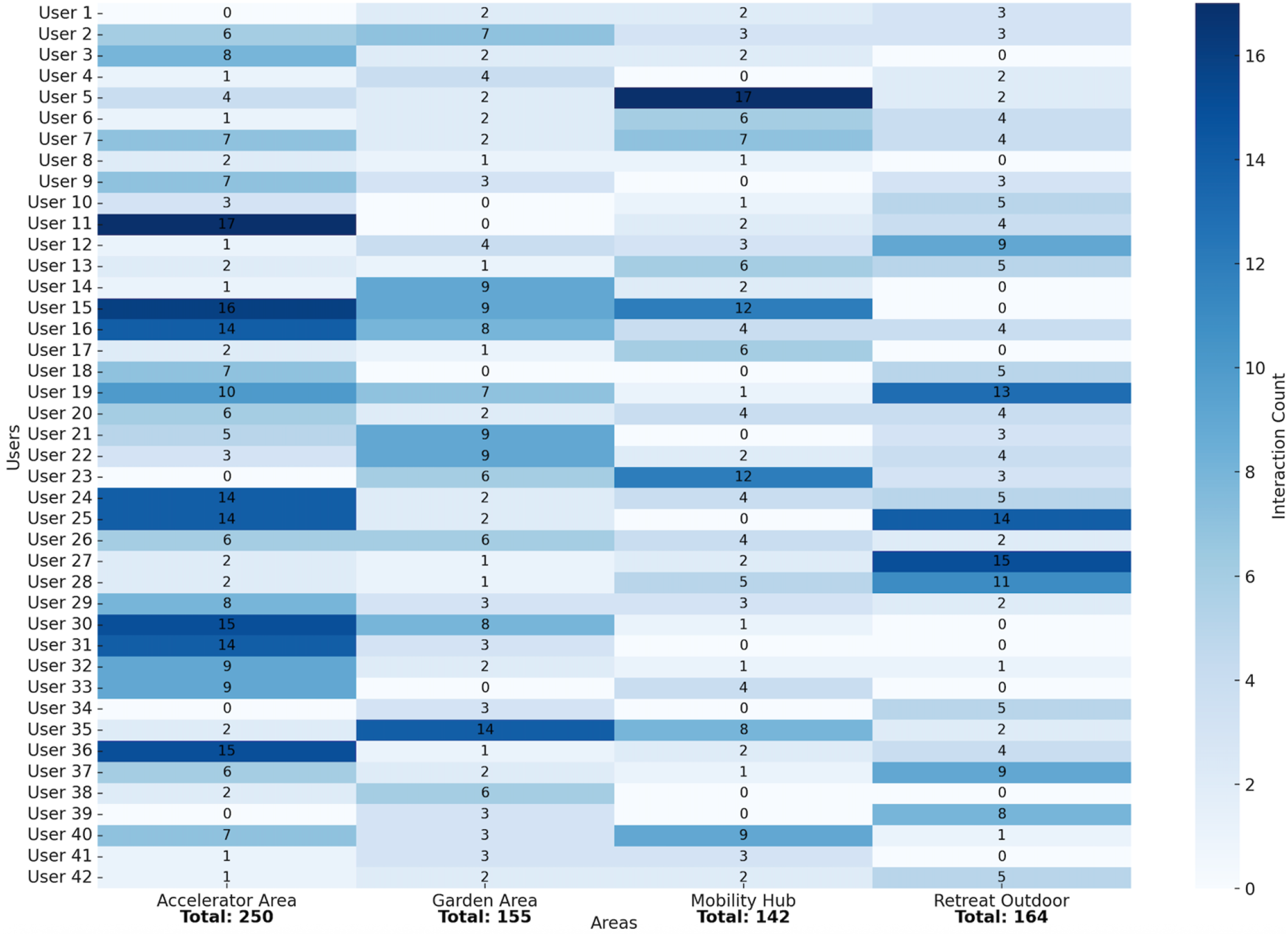
The Accelerator Area registered the highest overall interaction count, with a total of 250 clicks. This suggests that the tasks or interactive elements within this creative space prompted the most frequent engagement from participants in VR. The heatmap indicates that while interaction levels varied among users, several participants showed particularly high engagement within this zone.
The Retreat Outdoor area also garnered substantial interaction, with a total of 164 clicks. This area, designed for reflection and well-being, shows notable interaction indicating that its specific features or atmosphere encouraged active engagement from a subset of participants.
The Garden Area recorded a total of 155 clicks. Interactions in this space were distributed among participants, with some users showing higher levels of engagement with the elements present in this sustainable and interactive zone.
The Mobility Hub, serving as the initial orientation point and showcase for future transport, received the lowest total number of interactions among the four key areas, with 142 clicks. While some users interacted frequently here, many others registered fewer clicks, which might reflect its role as a more transitional or information-gathering space compared to the more task-oriented or experientially rich areas.
Across all areas, the heatmap reveals a varied distribution of interaction counts among the 42 users. Some participants consistently interacted more across multiple zones, while others exhibited lower interaction frequencies. This variation can point to differing levels of engagement, comfort with VR interactions, or interest in the specific interactive tasks offered within each space. These interaction patterns, when considered alongside time spent in areas and navigation behaviors, provide a multi-faceted view of how participants engaged with the virtual campus design, offering insights into which elements were most compelling or required the most user input.
Perception of sustainability and inclusivity
Based on the post-VR experience survey data, participants provided ratings on various aspects of the VR environment, including the Garden Area, Retreat/Outdoor Area, and Creative Space (Accelerator). The spatial ideas feedback highlights the user ratings for the Garden Area, Retreat Area, and Creative Space (Accelerator), each measured on a scale from 1 to 5. All three areas received generally positive ratings, with medians around 4.0, indicating high levels of satisfaction with these spaces. However, there are slight differences in how users perceived these areas. The Garden Area has a narrow interquartile range (IQR), suggesting that most users consistently rated it highly, with few extreme ratings. This could indicate that the Garden was perceived as a well-designed, enjoyable space by most participants. The Retreat Area shows a similar trend with a slightly broader IQR, suggesting more variability in user feedback but still maintaining a high median score. This variability could possibly reflect personal preferences regarding relaxation or reflective spaces, with some users valuing it more than others. The Creative Space (Accelerator) also performed well, with a slightly wider range of responses. While the median is still high, indicating that most participants appreciated the area, the wider range suggests that some users may have had lower engagement or expectations for this space. These findings offer valuable insights into how different virtual spaces resonate with users, highlighting the importance of balancing design elements to cater to diverse user preferences and maintaining high engagement across all areas.
Qualitative insights on spatial concepts and design iteration
This section presents the summary of the qualitative insights derived from participants’ open-ended survey responses. These responses provide valuable context and depth, illuminating user perceptions of the spatial concepts, generating ideas for design improvement, and underscoring the role of feedback in the iterative co-design process. The analysis focuses on three key areas: preferences related to sustainable and inclusive aspects of the virtual spaces, user-generated ideas for enhancing the campus environment, and the function of this feedback as a cornerstone for ongoing design refinement.
Preferences for sustainable and inclusive spaces
Participants’ qualitative feedback offered nuanced perspectives on how well the virtual designs of the Mobility Hub, Garden, Retreat/Outdoor Area, and Accelerator aligned with their expectations for sustainable and inclusive environments.
Regarding the Garden Area, this space was frequently praised for its perceived contribution to sustainability and well-being. Common positive themes included common themes, such as the visual appeal of greenery, the provision of spaces for relaxation, the engaging nature of interactive elements like harvesting, and an enhanced sense of connection to the natural environment. In terms of inclusivity, feedback highlighted aspects such as its general accessibility, its welcoming atmosphere conducive to diverse activities, or, conversely, some participants noted concerns regarding a perceived lack of varied seating options suitable for all users. Areas suggested for improvement for the Garden revolved around desires for greater biodiversity in plant life, suggestions for better integration with adjacent campus areas, or ideas for more varied and engaging interactive elements.
The Retreat/Outdoor Area was valued for its potential to enhance well-being and provide a tranquil escape from the more active parts of the campus. Positive comments centered on its serene and calming atmosphere, the thoughtful design of reflective spaces, its effective separation from busier campus zones, and the aesthetic integration of water elements. Concerning sustainability, participants have noted aspects like the implied use of natural or sustainable materials in its construction, and the inherent sustainability in promoting mental well-being and stress reduction. Inclusivity feedback have touched upon its suitability for individual reflection catering to diverse needs for quiet and solitude, or conversely, potential limitations in physical accessibility to certain features within the retreat if any were perceived. Aspects disliked or suggested for improvement include a desire for a wider variety of seating options to accommodate different postures and group sizes, enhanced weather protection elements, or clearer intuitive cues for interaction with any specific features within the space.
Feedback for the Creative Space (Accelerator) highlighted its perceived role in fostering innovation, creativity, and collaboration. Participants commonly appreciated the perceived flexibility and adaptability of the space, the engaging nature of the interactive design tasks available, and its modern and inspiring aesthetic. Comments related to sustainability focus on the potential for adaptable infrastructure to reduce future waste, implied energy-efficient design features, or its function as a hub for developing sustainable innovations. Inclusivity aspects involve its capacity to bring diverse groups and disciplines together for collaborative projects, or conversely, concerns from some participants about potential noise levels or the suitability of the open-plan space for all types of creative or focused work.
As a functional and primary entry point, comments on the Mobility Hub related to its perceived efficiency, clarity of information, and the integration of sustainable transport options. Positive feedback noted the clear and accessible presentation of various transport choices, the innovative and forward-thinking concepts for mobility devices, and its explicit role in promoting sustainable transport solutions for the campus. Areas for improvement have centered on suggestions for a more aesthetically pleasing integration of the hub with the surrounding campus architecture, requests for additional information on the environmental impact of the different mobility choices, or ideas for more interactive features within the hub itself.
Collectively, the qualitative feedback on these distinct spaces provided a rich, multi-faceted understanding of how specific design elements were perceived by participants in terms of their contribution to creating a sustainable and inclusive campus. This feedback clearly highlighted areas of perceived success and pinpointed specific opportunities for further refinement and improvement in subsequent design iterations.
User-generated ideas and feedback
Beyond commenting on the presented spatial concepts, participants contributed their own original ideas for enhancing the broader campus environment, reflecting a high level of engagement and creative investment in the co-design process. Suggestions for improving overall campus sustainability frequently encompassed themes such a desire for significantly increased green spaces and more explicit biodiversity initiatives, the incorporation of visible renewable energy sources like solar panels, proposals for more advanced and user-friendly waste management and recycling systems, ideas for using design to nudge users towards more sustainable behaviors, or the integration of community gardens or urban farming plots.
Regarding inclusivity, participant-generated ideas focused on aspects such as the creation of a wider variety of social spaces designed to cater to different group sizes, interaction preferences, and cultural norms, specific recommendations for enhancing physical accessibility across all campus areas and building entrances, the provision of dedicated quiet zones or sensory rooms for neurodivergent individuals or those needing respite, suggestions for incorporating multicultural design elements and art to reflect the diversity of the campus community, or concerns about ensuring adequate and comfortable lighting for safety and ambiance, particularly during evening hours.
When prompted to identify a single aspect of the campus design they would change based on their VR experience, responses were diverse and insightful. These ranged from highly specific modifications to one of the four key areas they had just experienced, to broader, more systemic suggestions concerning overall campus flow, wayfinding, and connectivity between zones, or the expressed desire for more interactive, adaptable, and customizable elements throughout the virtual environment that could translate to physical spaces. The nature of this feedback was generally constructive and often remarkably specific, providing directly actionable insights for the design team. The depth and thoughtfulness of these suggestions indicate that the VR experience successfully immersed participants to a degree that empowered them to think critically and creatively about spatial design possibilities.
Usability and technical issues
The evaluation of user experience extended to identifying usability aspects and technical challenges encountered during the VR sessions, as reported in post-experience surveys. While the VR platform was generally rated positively (average 4 out of 5), indicating a largely effective user engagement, the feedback highlighted specific areas where the Quality of Experience could be enhanced. Addressing these points is relevant for refining VR tools to support inclusive and effective participatory co-design processes.
Several participants reported specific usability challenges. Difficulties with the navigation system were noted, with some users finding the teleportation mechanism “tricky to use.” Issues were also raised regarding interaction clarity, where “unclear instructions for interacting with virtual icons using the joystick” were mentioned. Such challenges can potentially hinder seamless exploration and task completion, impacting the depth of engagement for some users, particularly those less familiar with VR interfaces.
Another category of feedback related to interface and information presentation. Comments such as “the text was difficult to read” and “the text was a bit too small” indicate that the legibility and sizing of User Interface (UI) elements require attention. Optimal clarity of textual information is crucial for participants to fully comprehend contextual details about the spatial designs and effectively follow any instructions for interactive tasks.
Consistent with established considerations in VR applications, a few participants reported experiencing symptoms of cybersickness, describing feelings of being “a bit dizzy” or “sick.” While not widespread within this study, the occurrence of such discomfort is an important factor when deploying VR technologies in participatory settings with diverse user groups. One of the study’s objectives was to identify such challenges to better understand how to enhance the inclusivity of the participatory process. The reporting of these instances underscores the need to consider factors that influence user comfort, such as session duration, individual sensitivities, and potentially offering alternative interaction or viewing modes in future iterations, to ensure broader accessibility.
Despite these identified areas for improvement, the majority of participants were able to navigate and interact with the virtual campus spaces effectively, allowing for meaningful engagement with the co-design objectives. The technical issues reported were not indicative of systemic platform failure but rather represent specific points for targeted refinement. The usability and technical feedback gathered are therefore valuable for the iterative development of VR applications in participatory design. By systematically addressing challenges related to navigation, interface clarity, and user comfort, future iterations of such platforms can aim to provide an even more accessible, intuitive, and broadly inclusive experience for all stakeholders involved in co-designing sustainable and user-centered environments.
Discussion
The study’s findings highlight the effectiveness of VR in fostering a more inclusive and sustainable approach to spatial design. Participants, including students, campus developers, educators, and architects, were able to actively engage with the VR environments representing proposed campus spaces such as The Garden, The Retreat, and The Creative Space. Through these immersive experiences, participants could visualize the designs more comprehensively and offer feedback grounded in a more authentic understanding of the spaces. This active engagement aligns with existing literature on the benefits of VR in participatory design. For example, 5 demonstrated how VR improved collaborative decision-making in urban planning, resulting in more democratic and inclusive design outcomes. Similarly, 6 emphasized VR’s role in improving communication between diverse stakeholders in participatory design processes.
The qualitative metrics contributed to an understanding of participants’ subjective experiences, the open-ended survey responses and user-generated content were approached using thematic analysis. This process aimed to identify and categorize recurring themes, notable sentiments, and detailed perceptions concerning the VR environments, particularly in relation to their perceived inclusivity, sustainability aspects, and overall experiential quality. It was intended that this qualitative exploration would offer insights into the reasoning behind participant reactions. For example, the observation that participants indicated a qualitative preference for the ‘Garden’ or ‘Retreat’ areas—even when quantitative data suggested longer engagement in the ‘Creative Space (Accelerator)’—is an interesting point emerging from this qualitative approach. Open-ended comments often suggested that the ‘Garden’ and ‘Retreat’ areas were associated with feelings of calm and restoration, which appeared to be valued subjective experiences not fully represented by interaction duration alone. Some participants used descriptive language that implied affective responses to these spaces, such as noting the “serenity of the Retreat” or the “purposeful interactivity in the Garden.” Such comments may offer indications of the subjective impact of certain design choices on perceived well-being. Additionally, the qualitative data appeared to capture user-generated ideas that could reflect participants’ subjective experiences and aspirations for the campus environment. For instance, suggestions for more dynamic social hubs or enhanced green corridors might be interpreted as expressions of participants’ perceived needs for community or biophilic connection, potentially offering a deeper layer of understanding than quantitative data alone might provide. These types of insights, when carefully interpreted from participants’ qualitative statements, can be valuable for informing future design iterations. While the primary VR testing in this study represented a specific data collection point, the qualitative feedback gathered regarding potential modifications and user preferences can inform an iterative design process. The nature of this qualitative data, which may detail specific experiential aspects or desired enhancements, could be useful for guiding subsequent design revisions. Thus, the combination of quantitative data from the VR experience and qualitative feedback from the survey is essential for a more comprehensive evaluation of the spatial design ideas, capturing both engagement patterns and user preferences. This aligns with findings from Ref. 14 who noted that VR facilitates better comprehension of complex spatial and sustainability issues. Quantitatively, metrics such as time spent in different areas and interaction levels provided empirical support for the participants’ engagement.
Cross-referencing VR familiarity from the survey with engagement data from session logs suggests that users more familiar with VR tend to spend more time within the virtual environment and explore more areas. These experienced users seem to navigate the environment more confidently and engage with a wider range of interactive elements. In contrast, novice users, particularly those with little to no VR experience, spent less time in interactive areas and often skip certain parts of the environment due to discomfort or uncertainty about navigation and controls. User motivation—whether technical exploration, entertainment, or curiosity—has a noticeable effect on interaction patterns in VR. Technically motivated users were observed to engage more deeply with specific, content-rich areas of the environment, such as those requiring complex interactions or offering detailed simulations. These users were more likely to spend additional time exploring the capabilities and limitations of the VR system. On the other hand, users motivated by entertainment or casual exploration showed less focused, more surface-level interaction. Demographic factors such as age and gender influenced VR behaviour in nuanced ways. Younger participants, particularly those with more technical backgrounds or prior exposure to gaming or VR, were generally more exploratory and engaged. These users not only spent more time in the environment but also interacted with a broader range of features. Gender-related differences were subtle but suggested that men and younger users may have been slightly more confident in exploring technical aspects, while women, particularly older participants, tended to engage more cautiously, possibly due to differing levels of prior exposure to similar technologies.
However, while the results underscore VR’s potential to enhance participatory design, there are critical limitations to consider. Technical issues such as motion sickness, difficulties with teleportation, and challenges with interacting with the user interface were reported by several participants. These issues are consistent with broader critiques of VR in design settings, 15 where physical discomfort and usability barriers often hinder full engagement. Addressing these challenges is crucial for making VR a truly inclusive tool, especially given the diverse user groups that may need to engage with campus design processes. In the future, more attention should be paid to how the VR experience could be adapted for participants who are less familiar with the technology, or how future iterations of the platform could improve comfort and accessibility. Simplifying navigation tools and reducing the likelihood of motion sickness will be key to overcoming these barriers.
Moreover, while the study gathered diverse perspectives on the proposed spatial designs, there remains the challenge of scalability. The relatively small sample size (42 participants in Phase 2) raises questions about whether the approach can be effectively scaled to include larger groups of stakeholders. Future research should explore how VR platforms can be made more accessible for larger groups and non-expert users, as well as how such participatory processes can be extended over time to allow for ongoing feedback rather than a single design review.
Furthermore, the use of VR to promote sustainability and inclusivity in spatial design, while promising, must be critically assessed in terms of long-term impact. The study’s focus on immediate user feedback is valuable, but it would benefit from additional longitudinal research examining how these VR-based participatory designs translate into real-world implementations. For example, further research should investigate whether the sustainability features that participants engage with in VR are effectively realized in physical spaces and whether these spaces remain inclusive and functional over time. Without this follow-up, the long-term value of VR in sustainable design remains an open question. The findings support the idea that immersive technologies can provide a more democratic platform for diverse user groups, helping refine theoretical models of inclusivity in architectural and urban planning practices. This also links VR with theories of environmental psychology, suggesting that immersive experiences can improve users’ understanding of and connection to sustainable spaces.
Despite these limitations, this study contributes to the growing body of literature on VR as a tool for participatory design. By enabling users to engage deeply with spatial innovations, VR provides a good opportunity to democratize the design process. The ability to experience designs interactively ensures that diverse perspectives, particularly those of underrepresented groups, can be incorporated into the final design outcomes. This is especially relevant for campus environments, which must cater to a wide range of users with varying backgrounds, needs for accessibility, comfort, and sustainability. Participants in this study expressed their visions for the future campus, highlighting desires for spaces that are more social, green, and creative. Many envisioned a campus that fosters social interaction, with more open, collaborative areas to encourage community engagement. Additionally, the integration of greener environments, such as gardens and outdoor social spaces, was frequently mentioned as a priority for promoting sustainability and well-being. Creativity was another central theme, with participants suggesting that spaces designed for artistic expression and collaborative innovation, such as the Creative Space (Accelerator), should be expanded. These ideas suggest that future campus designs should focus not only on sustainability and inclusivity but also on creating vibrant, interactive environments that encourage social connection and creativity. For professionals in architecture and urban planning, this study offers a clear demonstration of how VR can be employed as a practical tool in the design process. By enabling stakeholders to experience, evaluate, and modify spatial designs in real-time, VR offers a more interactive and engaging way to ensure that designs are both sustainable and inclusive. This has significant implications for how spaces, particularly public or educational spaces, can be collaboratively developed.
Conclusion
This study explored the use of VR integrated with participatory methods for co-designing sustainable and inclusive university campus environments. The research suggested that a multi-phase approach, involving initial student co-creation followed by multi-stakeholder VR evaluation, can facilitate engagement and provide useful insights for campus design. Key findings indicated that while participants were generally positive about the VR experience, their engagement and preferences varied. Quantitative data showed differing levels of interaction and time spent across various co-designed virtual spaces, with some areas attracting more activity overall. Stakeholder-specific analysis hinted at differing priorities among students, campus developers, educators, and architects. Qualitatively, participants often valued spaces perceived to enhance well-being, alongside providing numerous ideas for improving campus sustainability and inclusivity. Perception ratings for the co-designed spaces were generally favorable. However, some usability challenges, including navigation and interface clarity, along with isolated instances of cybersickness, were also noted. The combination of quantitative and qualitative data was important for a balanced assessment. This research contributes by presenting findings from a hybrid co-design methodology, discussing observed benefits like enhanced engagement, alongside practical challenges such as usability issues. Study limitations include the sample size for VR evaluation and the focus on immediate feedback.
Footnotes
Declaration of conflicting interests
The author(s) declared no potential conflicts of interest with respect to the research, authorship, and/or publication of this article.
Funding
The author(s) disclosed receipt of the following financial support for the research, authorship, and/or publication of this article: Energimyndigheten: 2022-00154.
