



Abstract
Results from a survey conducted by the European Federation of Psychologists’ Associations Board of Educational Affairs are reported. A total of 227 psychology graduates from across Europe responded to an online survey. Participants were presented with a set of psychology subject-specific competencies and a set of general competencies and asked to rate the extent to which (a) their Bachelor studies supported the development of these competencies and (b) these competencies were relevant for employment as well as to comment on the value of a Psychology Bachelor degree. Findings suggest that an education in psychology develops psychological skills, but also graduates with more general competencies. Overall, psychological competencies appear to develop to a high level through the Bachelor in Psychology, with the exception of specific practical skills. On the contrary, general competencies appear to not develop to an adequate degree. Practical skills focusing on the administration of psychological tools, psychometric instruments and specialist software, as well as general competencies relating to computer literacy skills, communication skills and team-working skills should be further developed to prepare graduates adequately for employment. The study highlights the value of an education in psychology particularly for those individuals who do not wish to enter the applied psychology professions or academia.
The Board of Educational Affairs (BEA) of the European Federation of Psychologists’ Associations (EFPA) is responsible for looking into matters regarding the education of psychologists at all levels within Europe. As a consequence of the Bologna process, young people can leave the university at the Bachelor's, the Master's or the PhD level. Some authors assume that undergraduate psychology programmes have a tendency to provide more support to students pursuing to become psychologists (thus proceeding to postgraduate study) than to students seeking employment immediately after completing their degree (Appleby, 2018). In this line of thinking, Reddy et al. (2014) discussed three functions of psychology study programs, (a) as preparation for a profession, (b) as individual development (liberal education) and (c) as ‘psychologising’ society (psychological literacy), and a Bachelor's degree in psychology might serve all three functions. Indeed, the number of psychology Bachelor's joining the workforce varies substantially between European countries (Reddy et al., 2014), and in the United States of America, only 14% of the 3.7 million individuals holding a Bachelor's degree in psychology in 2019 pursued higher degrees in psychology (American Psychological Association, 2022).
Consequently, the question to which extent Bachelor studies in psychology also qualify for employment and professional work beyond the psychological professions that require a Master's degree is relevant – for students seeking employment without studying psychology at the Master's level as well as for structuring undergraduate study programmes.
Therefore, we reviewed research literature investigating psychology graduate skills and conducted an online study in which psychology graduates rated the extent to which a set of competencies (a) was supported during their Bachelor studies and (b) were relevant for later employment.
Skills Gained by Psychology Graduates
The interest in promoting the value of a degree in psychology is longstanding. Accordingly, several publications aim at describing ‘what it is that they [psychology graduates] have learned’ (Hayes, 1996, p. 130). Despite differences due to the specific academic department students have graduated from and the psychology practices of their home country, graduates share the following types of skill or knowledge: literacy, numeracy, computer literacy, information-finding skills, research skills, measurement skills, environmental awareness, interpersonal awareness, problem-solving skills, critical evaluation, changing perspectives, higher-order analysis, pragmatism (Hayes, 1996). The author argues that these skills are valuable to a wide range of careers (beyond psychology). Thus, studying psychology is far more than skill-based training for professional work, but can be seen as education in its own right (Hayes, 1996, pp. 132–133).
Provost et al. (2010) highlighted the absence of significant practical skills development in undergraduate psychology curricula, which is unfavourable to both graduates and employers. The authors argue for the need of curriculum innovation that will support the development of practical skills, in order to enhance the prospects of psychology Bachelor’s planning to seek employment without completing a postgraduate degree. Generally, employability (Yorke & Knight, 2003) is supposed to increase when personal qualities (e.g., self-awareness and self-confidence), core skills (e.g., reading effectiveness and numeracy) and process skills (e.g., computer literacy and commercial awareness) are developed. Knight (2004) argues that psychology graduates gain generic and interpersonal skills fitting the three employability-relevant categories of attributes proposed by Yorke and Knight (2003). These skills include problem definition and project planning skills, information gathering and reporting skills, methodological, statistical and inferential skills, the capacity to analyse and synthesise and an enhanced knowledge of the capabilities and limitations of people. In addition, research training enhances thinking, problem-solving, team working, information management and dissemination skills that are of great value to employers (Knight, 2004). In the same perspective, Akhurst (2005) emphasised psychology graduates’ enhanced understandings of human behaviour, an attribute that can be a great benefit to employers as such expertise supports team work, decision making, productivity and the wellbeing of employees. O’Hare and McGuinness (2005) report that the generic skills developed by psychology undergraduate students (thinking skills, self-management skills and corporate management skills) are important in making them marketable in times of competitive graduate employment.
Recently, the American Psychological Association's (APA) Board of Educational Affairs’ Task Force on Psychology Major Competencies proposed a revision of the APA Guidelines for the undergraduate Psychology Major (Halonen et al., 2022). The Task Force propose five educational goals and corresponding student learning outcomes that should characterise psychology study at the undergraduate level. These goals include (a) the acquisition of psychological content knowledge and its applications, (b) scientific inquiry and critical thinking, (c) values in psychological science such as ethical standards, (d) communication, psychological literacy and technology skills and (e) personal and professional development such as effective self-regulation.
The APA concept has much in common with the EuroPsy framework of the European Federation of Psychologists’ Associations (EFPA). However, the EuroPsy competence model 1 describes the competencies to be demonstrated by psychologists prepared for independent professional practice, which is reached, according to the EuroPsy framework, not before completing the Master's studies. Thus, especially the five primary competencies (specific to psychologists), goal specification, assessment, development, interventions, evaluation and communication cannot be expected in total from graduates at the Bachelor's level. In addition to the primary competencies, psychologists should gain nine enabling competencies ‘which relate to professional activity in general’ (European Federation of Psychologists’ Associations [EFPA], 2021, p. 49): professional strategy, continuing professional development, professional relations, research and development, marketing and sales, account management, practice management, quality assurance and self-reflection.
Summarized, the majority of publications cited delineate an abundant picture of the competencies that can be gained from psychology Bachelor studies and are quite optimistic that Psychology Bachelor are well prepared for successful employment.
Psychology Students’ Perceptions
In contrast, research focussing students’ perceptions of the Bachelor qualifications seem to be less optimistic. Although students frequently choose psychology as a major (Collisson et al., 2021), research also suggests that students might underestimate the marketability and versatility of a psychology degree (Appleby, 2018; Halonen & Dunn, 2018) and therefore perceive that they have restricted career opportunities following graduation.
Through focus groups with psychology graduates, Collison and Eck (2022) found that participants tended to identify careers in counselling as most available, with only half of them recognising careers in other applied settings and even fewer mentioning careers in connection to children or research. The researchers concluded that there are gaps in psychology majors’ awareness of the breadth of career options available.
Concerning the type of jobs sought after by psychology graduates, a large survey study conducted by the APA in 2015 (Lin et al. 2018) found that about 64% of Bachelor in Psychology degree holders, 87% of Master of Psychology degree holders and 96% of PhD in Psychology degree holders worked in a psychology-related job, suggesting that the more advanced the degree the more likely it is for graduates to be employed in their field of specialisation. However, regional differences can also be observed. Sumer et al. (2013) conducted an online survey in Turkey to assess the employability of psychology graduates and their experiences in different applied areas. Their findings indicated a high employability rate for psychology graduates, even with a Bachelor's degree. The authors also suggested that students should be informed about career options in relation to the psychology degree level (Bachelor, Master, PhD). Students should be given guidance in relation to what jobs are available to them, but also to be trained on effective job searching, including job interview skills, job market, policies regarding psychology-related jobs as part of their curriculum.
Summarized, the optimistic view of publications that were mainly based on curriculum content is not fully reflected in studies taking the students’ views into account.
Employers’ Perspectives
Fynn et al. (2019) surveyed employers to determine the types of industry in which graduates from research psychology programmes are employed, as well as the skills required for their employment. Their results suggest that employers placed importance on the development of so-called soft skills, such as being able to interact competently in the workplace, recognising problematic situations, giving oral and written presentations, adaptability, as well as willingness and ability to learn new skills. Fynn et al. (2019) argue that psychology studies should have a more explicit focus on soft skill development, as this could further enhance employability.
Landrum and Harrold (2003) surveyed employers in three regions of the US to assess the importance of qualities, skills and abilities that psychology graduates need from the perspective of employers. Employers rated listening skills, desire and ability to learn, willingness to learn new and important skills, getting along with others and ability to work with others as part of a work team as the most important skills supporting the employability of psychology graduates.
In a more recent study by Naufel et al. (2018), the psychology skills that employers valued were distinguished into five categories: cognitive skills (e.g., analytical and critical thinking), communication skills (e.g., oral and written communication), personal skills (e.g., adaptability, integrity, self-regulation), social skills (e.g., collaboration, inclusivity, leadership) and technological skills (e.g., adaptability to new systems, familiarity with hardware and software).
Summarized, studies focussing on the employer's views provide a quite homogenous picture of the competencies expected. Employers’ expectations substantially overlap with the more general competencies postulated by Hayes (1996), general employability criteria (Yorke & Knight, 2003) or enabling competencies (EFPA, 2021).
Framework of the Current Study
The results reviewed here, originate from different sources: educators, under- and postgraduate students, employers, and these results were formed by the specific perspectives and goals of the different stakeholders. In the current study, the EFPA Board of Educational Affairs highlights the Bachelor level students’ perspective on both, the competencies they think they gained through their Bachelor studies and the relevance of these competencies with regard to future professional life and employment.
For this purpose, participants were presented with a list of competencies inspired from the overlap in contents among publications on Psychology Bachelors’ qualifications (EFPA, 2021; Hayes, 1996; Halonen et al., 2022; Knight, 2004; Reddy et al., 2014). In the first step, participants rated the extent to which their bachelor studies supported the development of these competencies. In the second step, they rated how relevant these competencies were for employment. Differences between these rating could elucidate Bachelor students’ satisfaction or dissatisfaction with their curricula as well as generating ideas how psychology Bachelor programmes can be optimised. The BEA hopes to elucidate that an education in psychology does not only generate psychological professionals according to the EuroPsy framework, but also psychologically educated academics with competencies that are useful in diverse professional contexts beyond psychological core fields.
Method
Sample
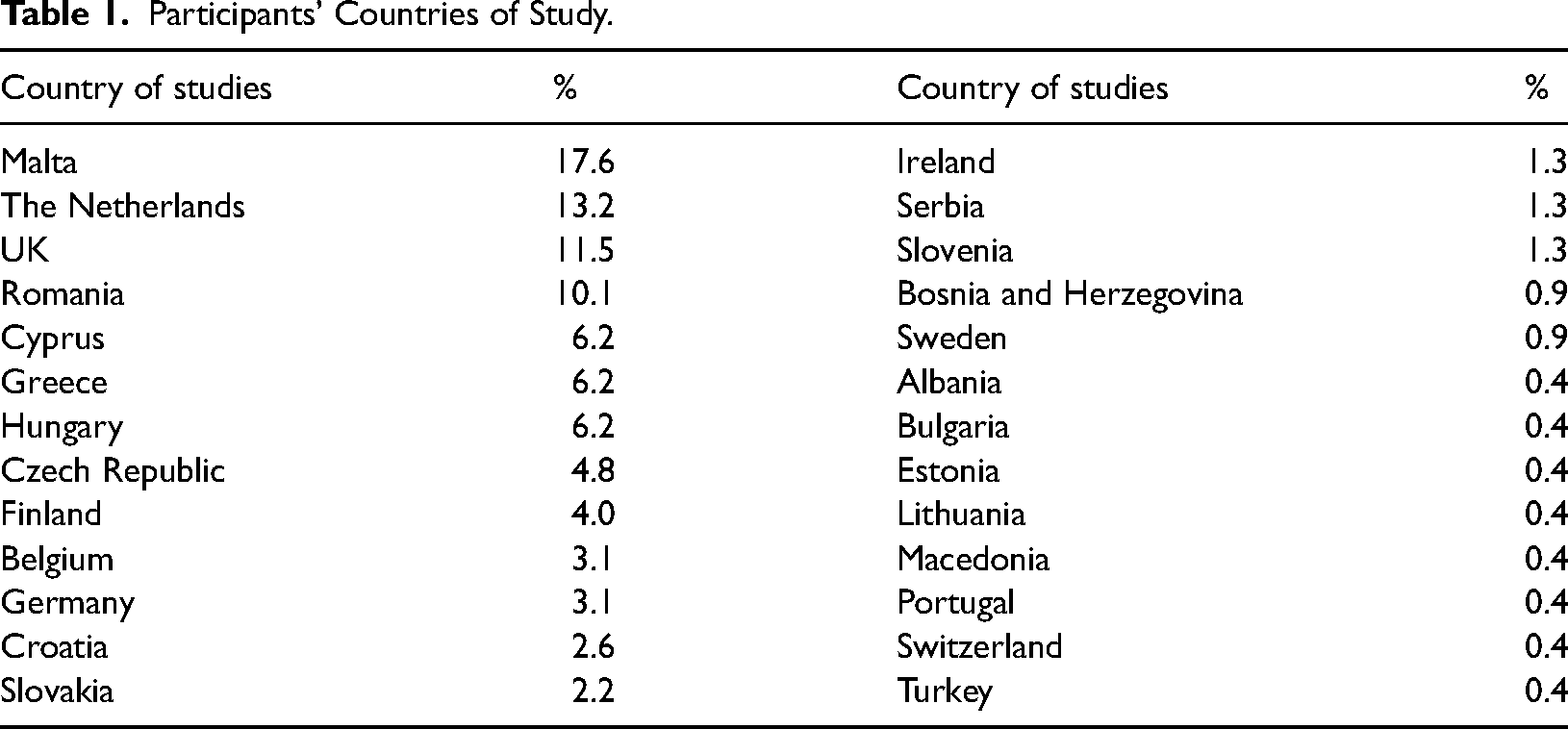
Participants were recruited through advertisements in social media (Facebook and LinkedIn) and through authors’ professional networks (invitations were sent to university Psychology Departments who disseminated the information to students, and also to National Psychology Associations in authors’ respective countries who shared the invitation with psychology students). A total of 227 psychology graduates from across Europe took part in the survey study (78% females, 22% males). They had graduated between 1980 and 2021, with the majority (73%) reporting to have graduated between the years 2015 and 2019. Participants completed their studies in various European countries, with more prominent countries being Malta, the Netherlands, the UK, Romania, Greece, Hungary, Cyprus, Czech Republic, Finland, Belgium and Germany as can be seen in Table 1.
Participants’ Countries of Study.
As part of the demographic information, participants were also asked about their current employment and whether it was in a psychology-related field. About half of the participants (49%) worked in a job related to psychology whilst 15% had a job outside of psychology. Meanwhile, 36% were not employed at the time of the survey completion.
Measures and Procedure
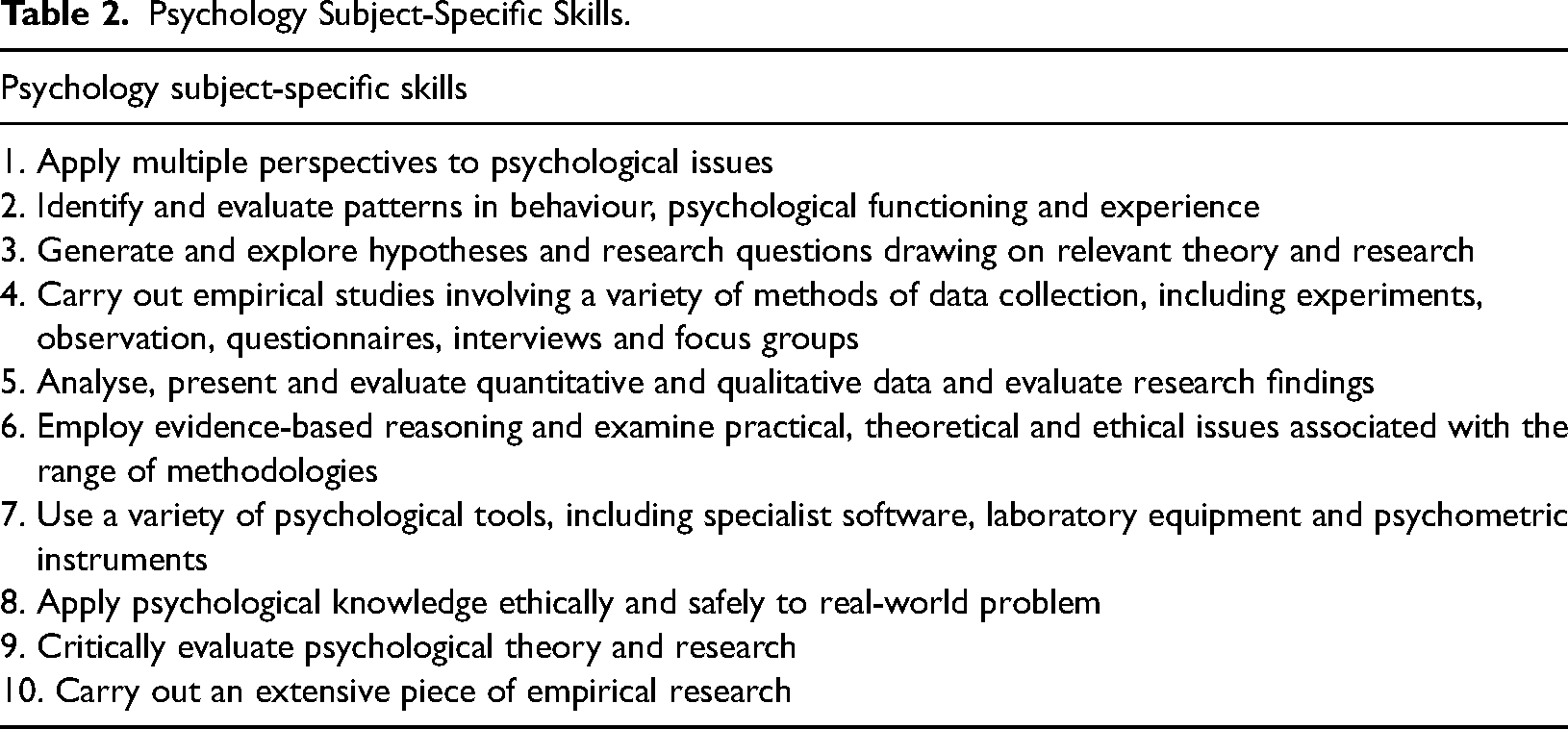
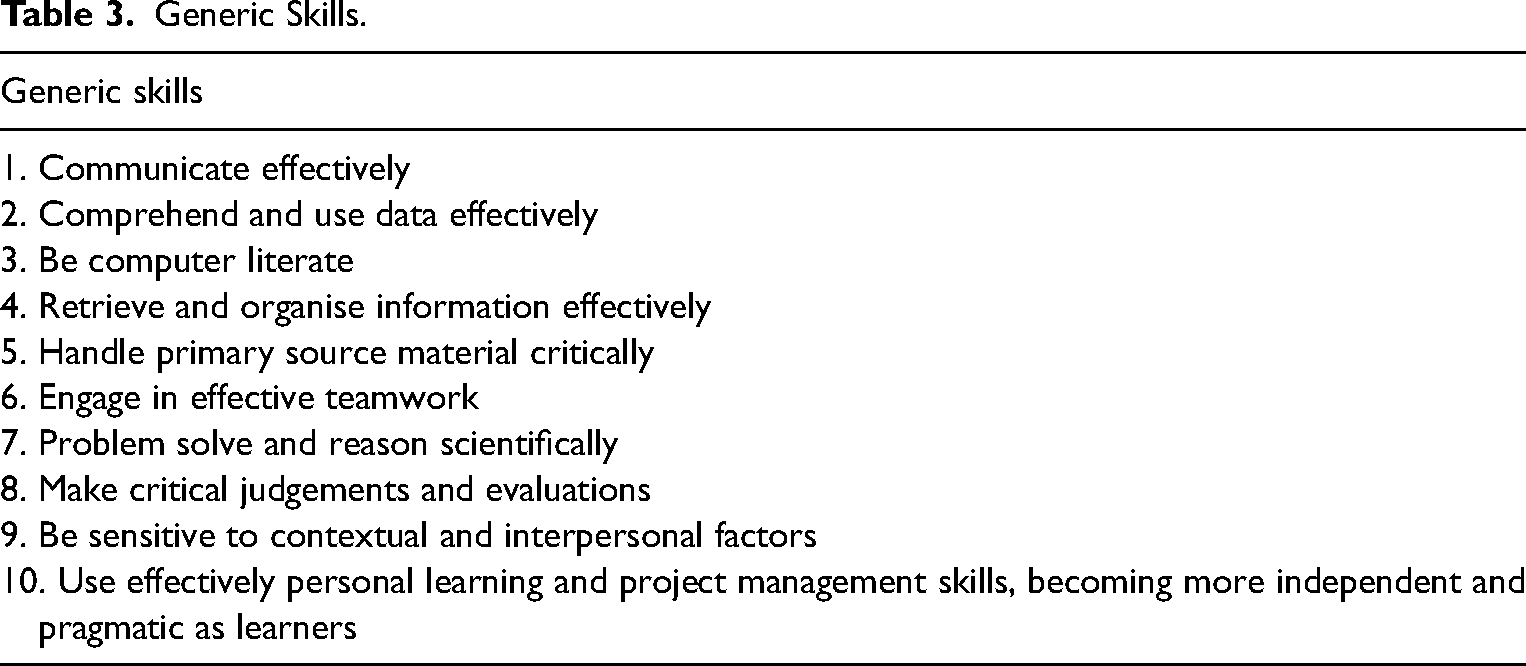
An online survey (in English for all participants) was developed including questions investigating employment of psychology graduates, further graduate study, as well as perceptions concerning the competencies gained during the Bachelor degree in psychology. All participants provided informed consent prior to their participation, and were notified of their right to withdraw, as well as anonymity and confidentiality of the information provided. The first section included demographic questions collecting information on nationality, country of studies, duration and ECTS of Bachelor degree, further study and employment. The second section included lists of 10 psychology subject-specific skills and 10 generic skills possibly developed during a Bachelor degree (QAA, 2016; Lantz, 2011). Participants were asked to rate (a) the degree to which these skills were developed during their Bachelor degree and (b) whether the competencies were useful or relevant in their employment (if currently employed). Responses were recorded on a 5-point Likert-type scale (1 = strongly disagree; 5 = strongly agree).
Participants rated the psychological competencies listed in response to the statement ‘My Bachelor’s degree enabled me to learn how to’. In the next section of the survey, participants were presented with the same lists of skills, but they were asked to rate the relevance of those competencies in their current employment (if currently employed) in response to the statement ‘In my current employment, useful or relevant competencies include’. The psychology subject-specific skills presented in Table 2 were included:
Psychology Subject-Specific Skills.
Participants rated the general competencies listed in response to the statement ‘My Bachelor degree enabled me to learn how to’. In the next section of the survey, participants were presented with the same lists of skills, but they were asked to rate the relevance of those competencies in their current employment (if currently employed) in response to the statement ‘In my current employment, useful or relevant competencies include’. The generic skills presented in Table 3 were included:
Generic Skills.
The third section consisted of an open ended question, asking participants to respond to the question ‘What would you say to future students of psychology about the value of the Bachelor degree in psychology?’, which yielded textual qualitative data.
The survey was set up on Google Forms, and a link to the survey was sent along with the invitation to participate. Invitations were sent to the networks of the European Federation of Psychologists’ Associations (EFPA), European Federation of Psychology Teachers’ Associations (EFPTA), European Federation of Psychology Students’ Associations (EFPSA), as well as to personal networks of the Board of Educational Affairs’ members.
Data Analysis
Data obtained from the quantitative questions of the survey were analysed with SPSS. In a first step, means and standard deviations were computed for each cluster of competencies. Second, the difference between the rating of a competence gained during the Bachelor studies and the rating of the competence required for employment was computed for each psychological and generic competence.
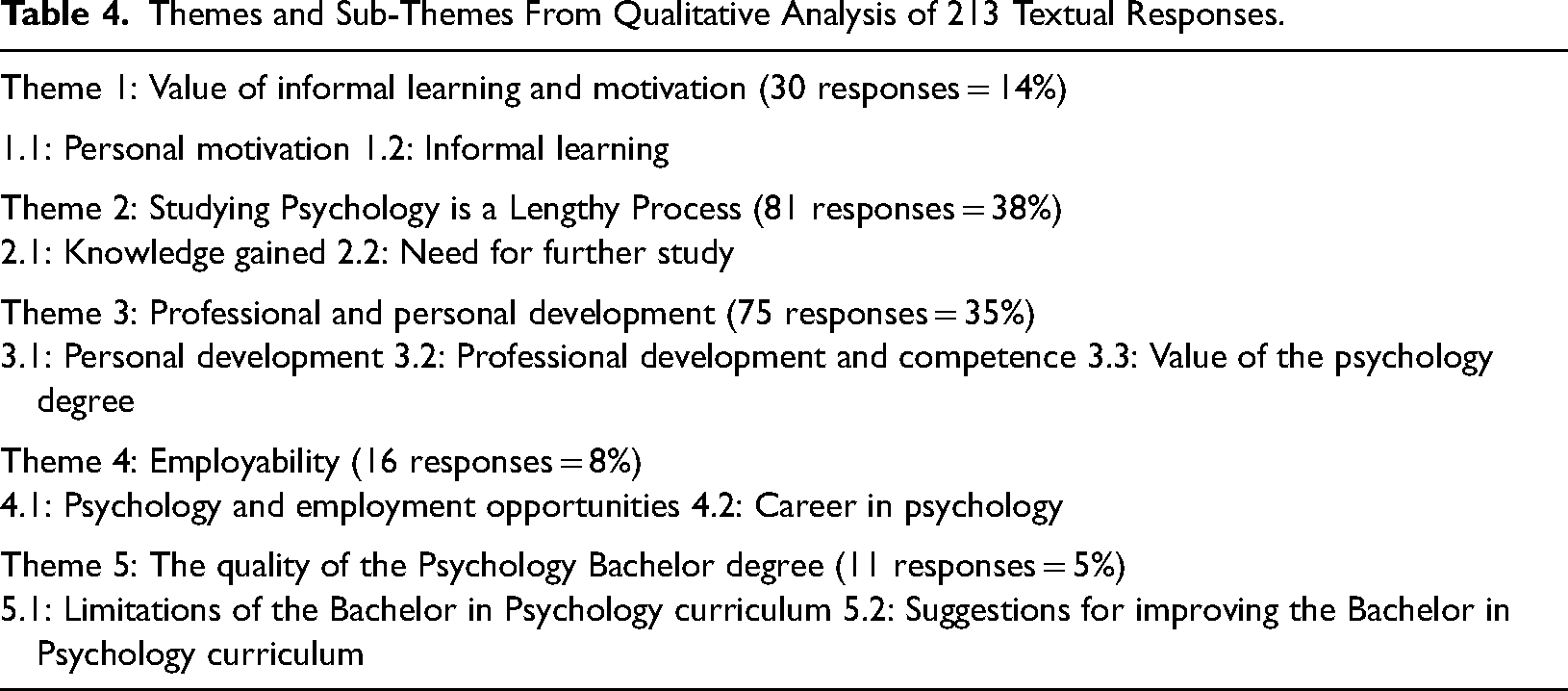
The qualitative data obtained from the open-ended question were analysed using thematic analysis. Participants’ responses were entered into an Excel spreadsheet, where they were studied by the research team and subjected to thematic analysis in order to identify codes, themes and overarching categories. The analysis followed an iterative process of categorisation into themes according to Cooper and McIntyre's (1993) seven-stage process. From the 227 respondents to the survey, only 14 (6%) did not complete the open-ended question. The thematic analysis focused on 213 textual responses received (Table 4).
Themes and Sub-Themes From Qualitative Analysis of 213 Textual Responses.
Results
Rating of Competencies Gained
Psychological Competencies
Participants rated the psychological competencies listed in response to the statement ‘My Bachelor degree enabled me to learn how to’. Overall, respondents held positive perceptions about the development of psychological competencies through their undergraduate degree, as all ratings had a mean of over 3 (see Figure 1). The competencies rated more highly were ‘generating and exploring hypotheses and research questions drawing on relevant theory and research’ (M = 4.12, SD = 0.90), ‘applying multiple perspectives to psychological issues’ (M = 3.99, SD = 0.81), ‘critically evaluating psychological theory and research’ (M = 3.94, SD = 0.99) and ‘identifying and evaluating patterns in behaviour, psychological functioning and experience’ (M = 3.91, SD = 0.85). It appears that graduates rated more highly competencies and skills related to the development of independent and critical thinking. The next cluster of competencies was related to the development of methodological and research skills (e.g., ‘employ evidence-based reasoning and examine practical, theoretical and ethical issues associated with the range of methodologies’, ‘carry out empirical studies involving a variety of methods of data collection, including experiments, observation, questionnaires, interviews and focus groups’ and ‘analyse, present and evaluate quantitative and qualitative data and evaluate research findings’). The competency rated lowest was ‘use a variety of psychological tools, including specialist software, laboratory equipment and psychometric instruments’ (M = 3.12, SD = 1.21), which relates to more practical skills.
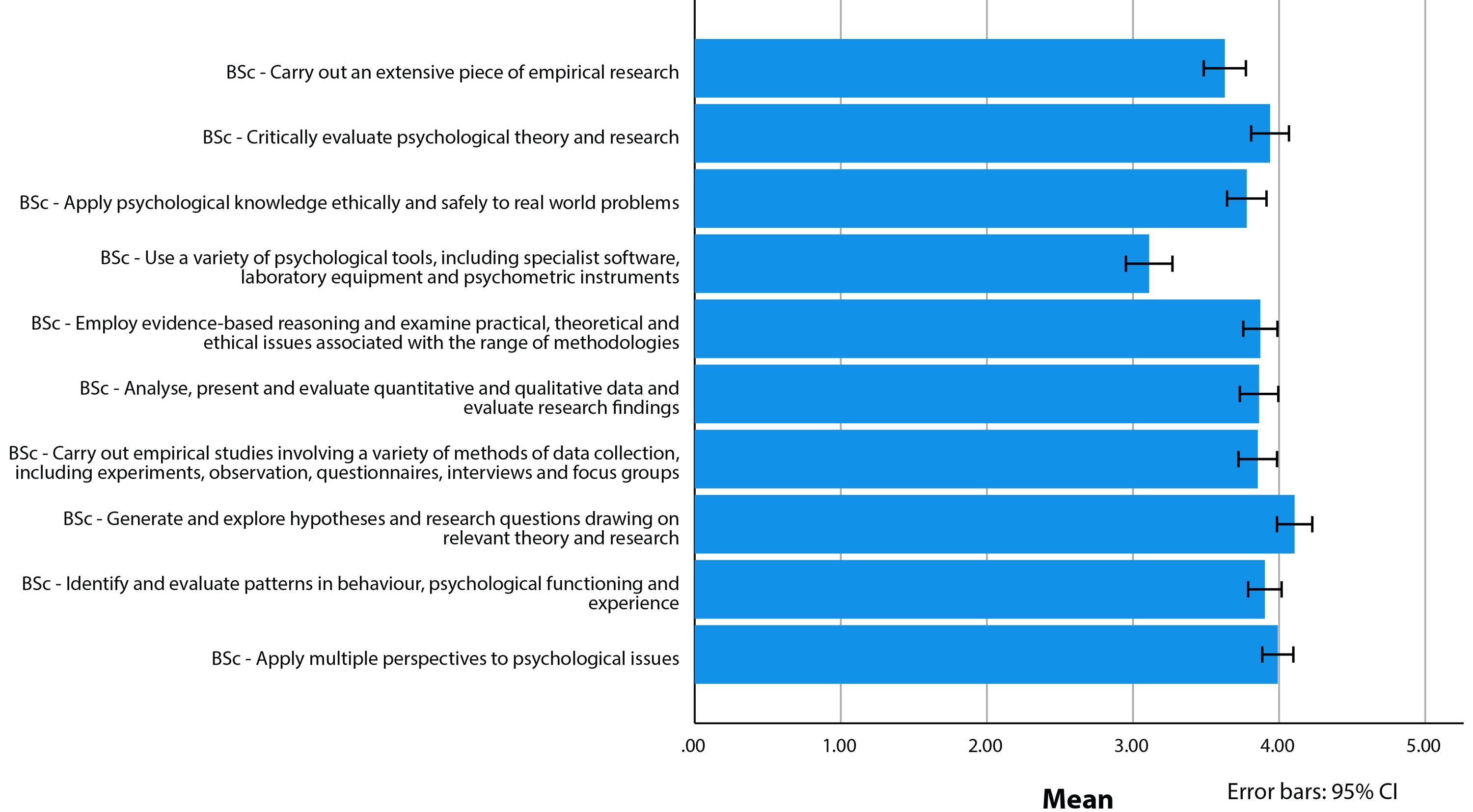
Psychological competencies gained from Bachelor degree, mean ratings on a scale from 1 (strongly disagree) to 5 (strongly agree).
General Competencies
Participants rated the general competencies listed in response to the statement ‘My Bachelor degree enabled me to learn how to’. Overall, respondents held positive perceptions with all competencies given a mean rating of over 3 (see Figure 2). The competencies rated more highly were ‘be sensitive to contextual and interpersonal factors’ (M = 4.10, SD = 0.91), ‘make critical judgements and evaluations’ (M = 4.06, SD = 0.90), ‘handle primary source material critically’ (M = 3.95, SD = 0.92), ‘problem solve and reason scientifically’ (M = 3.92, SD = 1.0) and ‘comprehend and use data effectively’ (M = 3.92, SD = 0.87). The general competencies rated more highly were thus related to the development of critical and scientific thinking and problem-solving. Soft skills such as ‘engage in effective team work’ and ‘communicate effectively’ appeared lower down the list. The lowest rated skill was ‘be computer literate’ (M = 3.33, SD = 1.11).
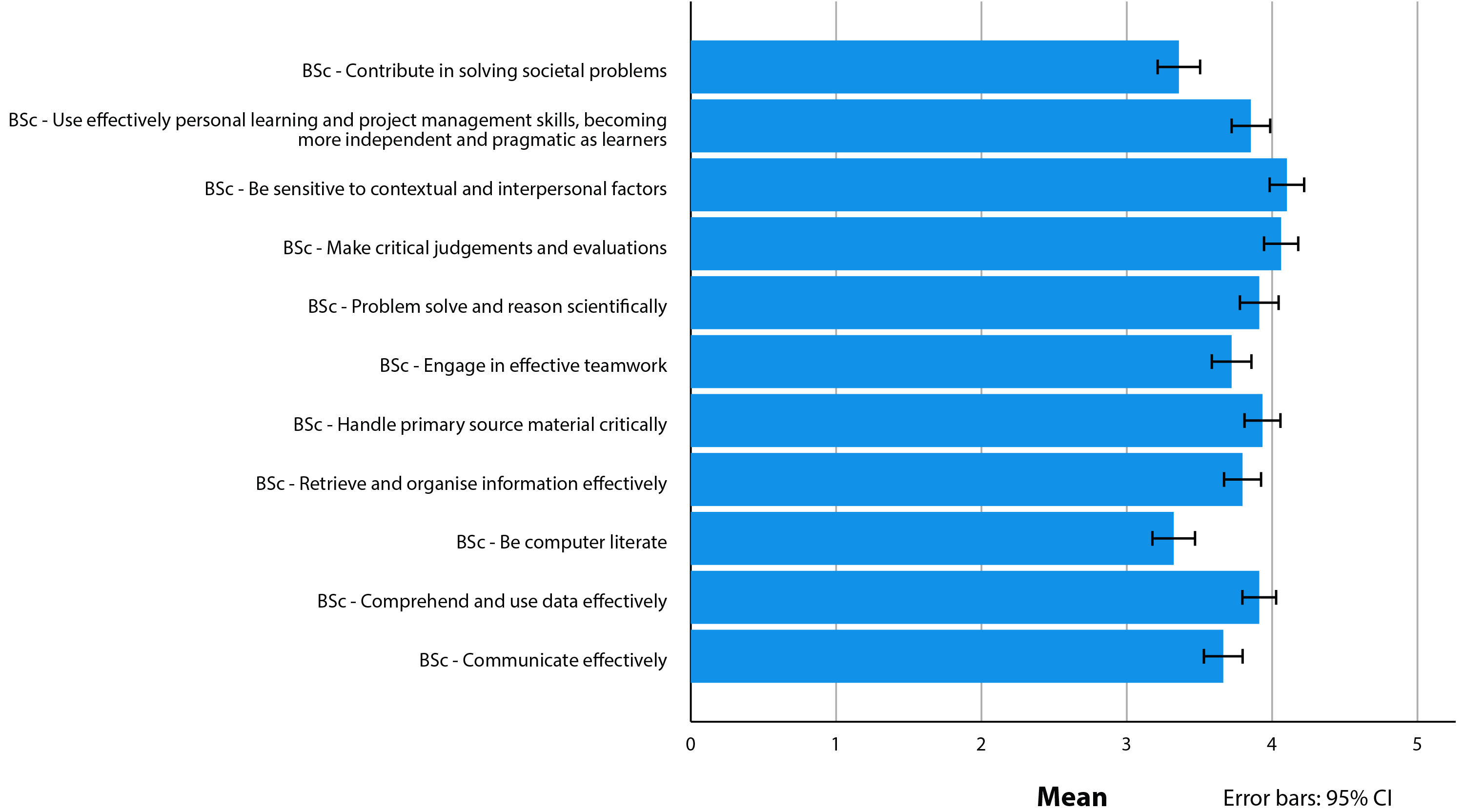
General competencies gained from Bachelor degree, mean ratings on a scale from 1 (strongly disagree) to 5 (strongly agree).
Rating of Competencies’ Relevance in Employment
Psychological Competencies
In the next section of the survey, participants were presented with the same two lists of skills as before, but now the question requested them to rate the relevance of those competencies in their current employment (if currently employed) in response to the statement ‘In my current employment, useful or relevant competencies include’. With respect to psychological competencies’ relevance in employment participants rated higher skills that related to real-world application of psychological knowledge, such as ‘identify and evaluate patterns in behaviour, psychological functioning and experience’ (M = 3.99, SD = 1.16), ‘apply psychological knowledge ethically and safely to real world problems’ (M = 3.96, SD = 1.17) and ‘apply multiple perspectives to psychological issues’ (M = 3.70, SD = 1.31; see Figure 3). The competencies rated as having the lowest relevance to employment were those related to the conduct of empirical research, with ‘carry out empirical studies involving a variety of methods of data collection, including experiments, observation, questionnaires, interviews and focus groups’ (M = 3.11, SD = 1.48) and ‘carry out an extensive piece of empirical research’ (M = 3.05, SD = 1.51) receiving mean values suggestive of neutral relevance to employment.
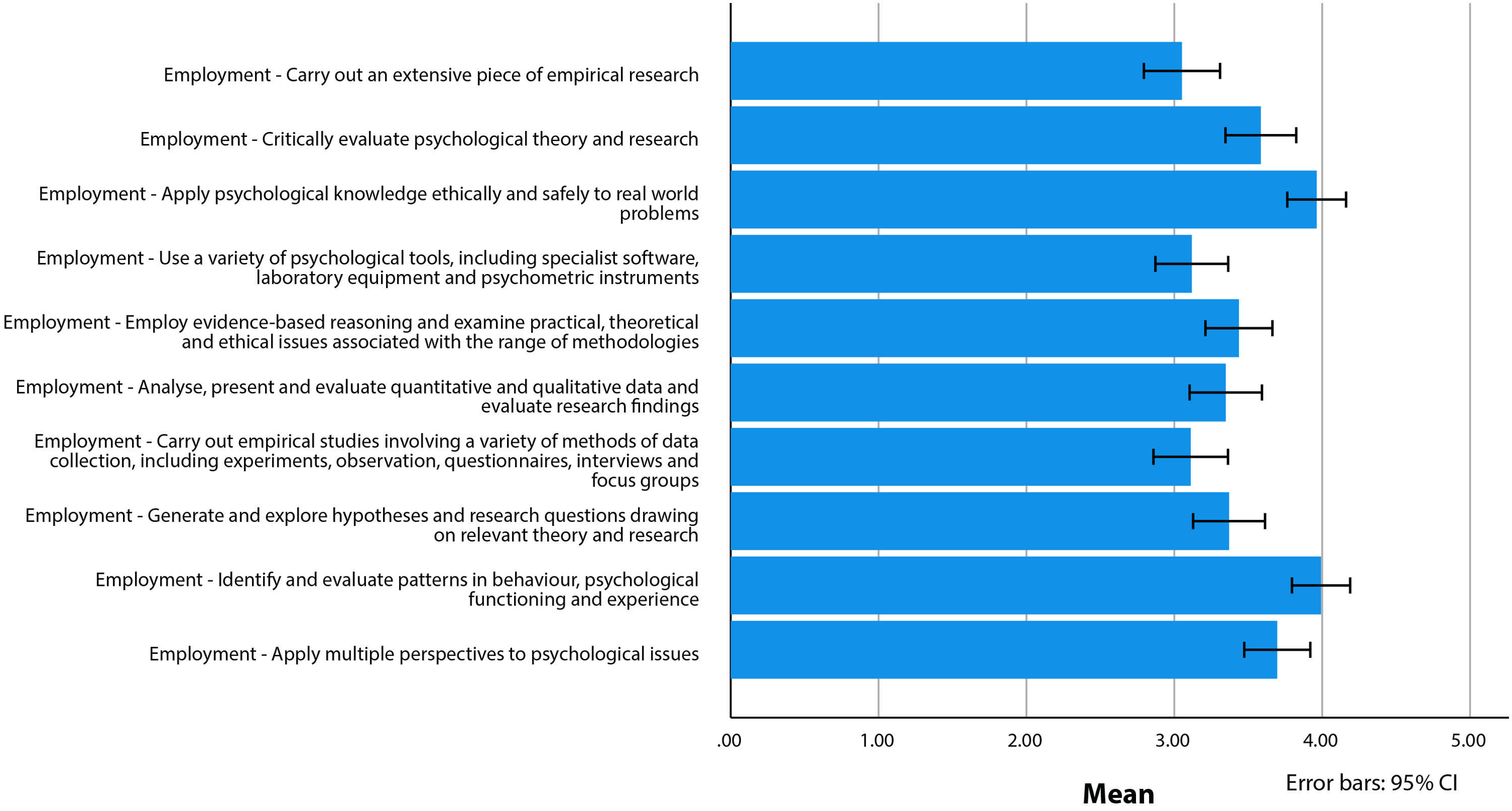
Psychological competencies’ relevance in employment, mean ratings on a scale from 1 (strongly disagree) to 5 (strongly agree).
General Competencies
With respect to general competencies’ relevance in employment, the ratings were quite high, suggesting that the development of general competencies is important in graduates’ future employment. Responses suggested that soft skills focusing on communication, organisation, critical thinking and teamwork were those that were considered to be most relevant (see Figure 4). Participants rated higher the competencies ‘communicate effectively’ (M = 4.64, SD = 0.72), ‘retrieve and organise information effectively’ (M = 4.40, SD = 0.81), ‘be sensitive to contextual and interpersonal factors’ (M = 4.34, SD = 0.84), ‘make critical judgements and evaluations’ (M = 4.32, SD = 0.96) and ‘engage in effective teamwork’ (M = 4.32, SD = 0.94). The competency rated as having the lowest relevance was ‘contribute in solving societal problems’ (M = 3.87, SD = 1.31).

General competencies’ relevance in employment, mean ratings on a scale from 1 (strongly disagree) to 5 (strongly agree).
Difference in Rating of Competencies Gained and Their Relevance in Employment
The next set of analyses focused on a comparison between the ratings of the competencies gained and their relevance in employment as rated by participants, in order to investigate whether there was a discrepancy between the degree of competency development and their usefulness in the employment sector.
Psychological Competencies
The results of the analysis examining the mean difference in participants’ rating of psychological competencies gained and their relevance in employment are illustrated in Figure 5. Most of the psychological competencies acquired in the Bachelor degree were rated higher than needed in employment, with the exception of three. These were ‘use a variety of psychological tools, including specialist software, laboratory equipment and psychometric instruments’ (M = −0.03, SD = 1.54), ‘identify and evaluate patterns in behaviour, psychological functioning and experience’ (M = −0.10, SD = 1.22) and ‘apply psychological knowledge ethically and safely to real world problems’ (M = −0.18, SD = 1.20), suggesting that these three skills, which related to the more practical application of psychological knowledge, were perceived as having been developed to a lesser degree than needed in employment. Applying psychological knowledge ethically and safely to real-world problems showed the largest discrepancy between its level of development and its usefulness in employment. The competencies rated as having been developed to a higher degree than needed in employment were those that related to empirical research skills: ‘carry out empirical studies involving a variety of methods of data collection, including experiments, observation, questionnaires, interviews and focus groups’ (M = 0.73, SD = 1.53), ‘generate and explore hypotheses and research questions drawing on relevant theory and research’ (M = 0.65, SD = 1.39), ‘carry out an extensive piece of empirical research’ (M = 0.60, SD = 1.57) and ‘analyse, present and evaluate quantitative and qualitative data and evaluate research findings’ (M = 0.48, SD = 1.52).
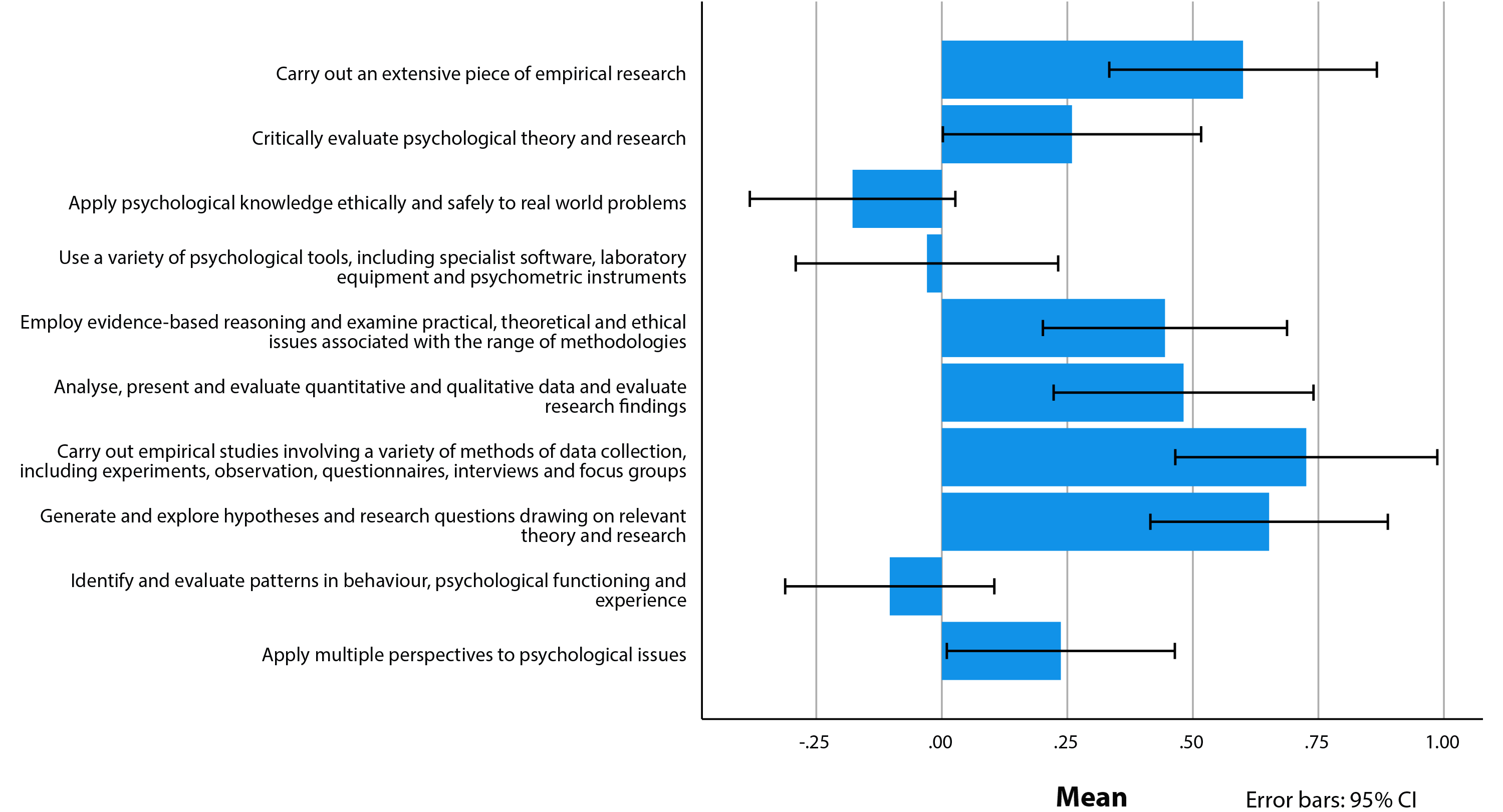
Mean differences in rating of psychological competencies gained and their relevance in employment. Positive values indicate that the development of a competence was supported during Bachelor studies to a higher degree than required for employment. Negative values indicate that a competence was developed to a lower degree than required for employment.
General Competencies
The results of the analysis examining the mean difference in participants’ rating of general competencies gained and their relevance in employment are illustrated in Figure 6. Interestingly, all of the general competencies acquired in the Bachelor degree were rated lower than needed in employment. The largest discrepancy was evidenced in ‘communicate effectively’ (M = −0.96, SD = 1.10), ‘be computer literate’ (M = −0.84, SD = 1.32), ‘retrieve and organise information effectively’ (M = −0.58, SD = 0.98), ‘contribute in solving societal problems’ (M = −0.58, SD = 1.39) and ‘engage in effective teamwork’ (M = −0.57, SD = 1.32). This suggests that participants considered the development of soft skills such as organisational skills, communication skills and teamwork to not having been developed to the degree needed. The smallest discrepancy was evidenced in ‘handle primary source material critically’ (M = −0.07, SD = 1.29), and ‘comprehend and use data effectively’ (M = −0.08, SD = 1.36), skills that relate to the development of critical thinking and research skills.
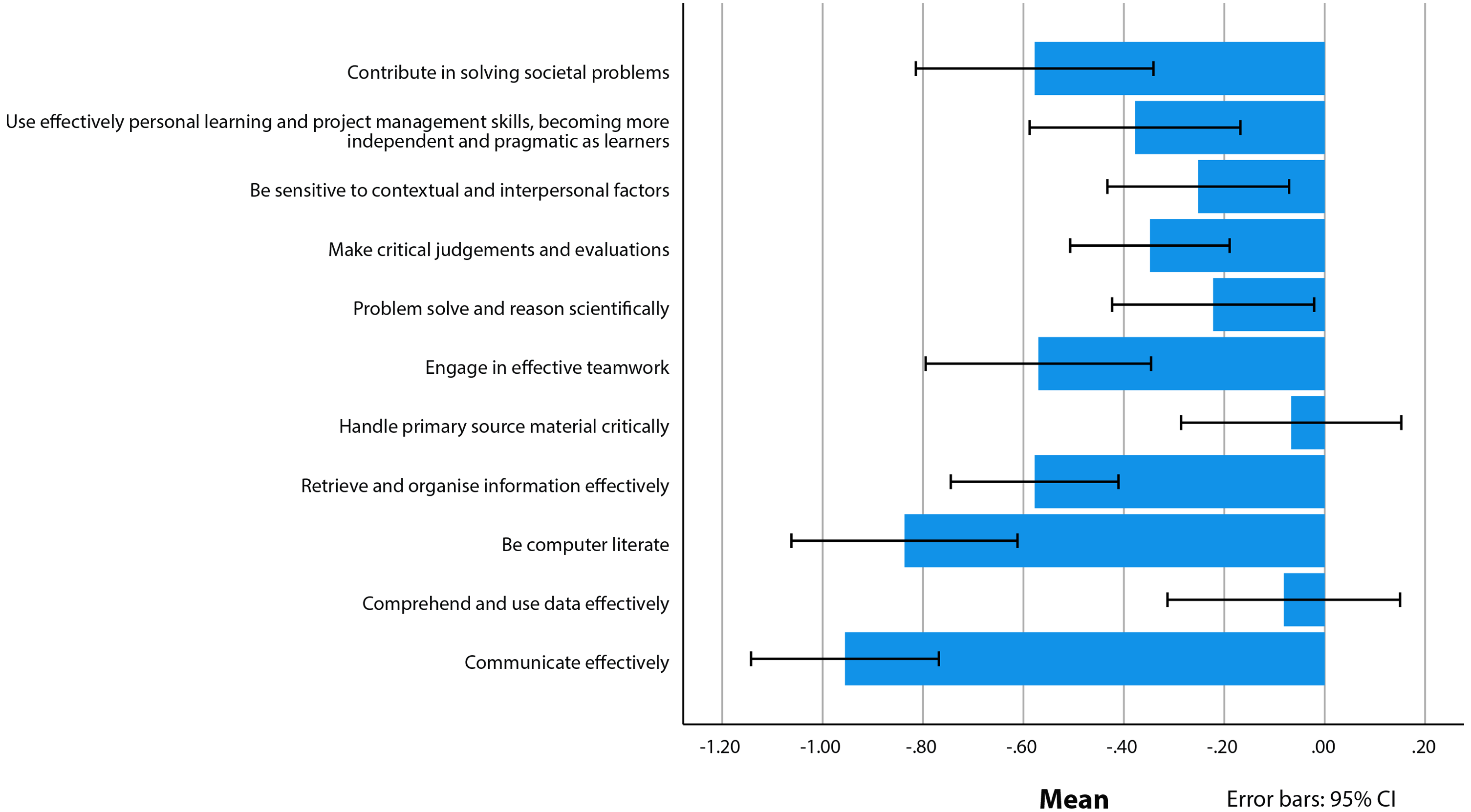
Mean differences in rating of general competencies gained and their relevance in employment. Positive values indicate that the development of a competence was supported during Bachelor studies to a higher degree than required for employment. Negative values indicate that a competence was developed to a lower degree than required for employment.
The Perceived Value of the Psychology Degree
Through a process of reading, re-reading and coding the information provided by the respondents and organising them into themes and thematic categories, the research team identified five overarching themes (frequency data in brackets), each consisting of sub-themes as follows:
Theme 1: Value of Informal Learning and Motivation
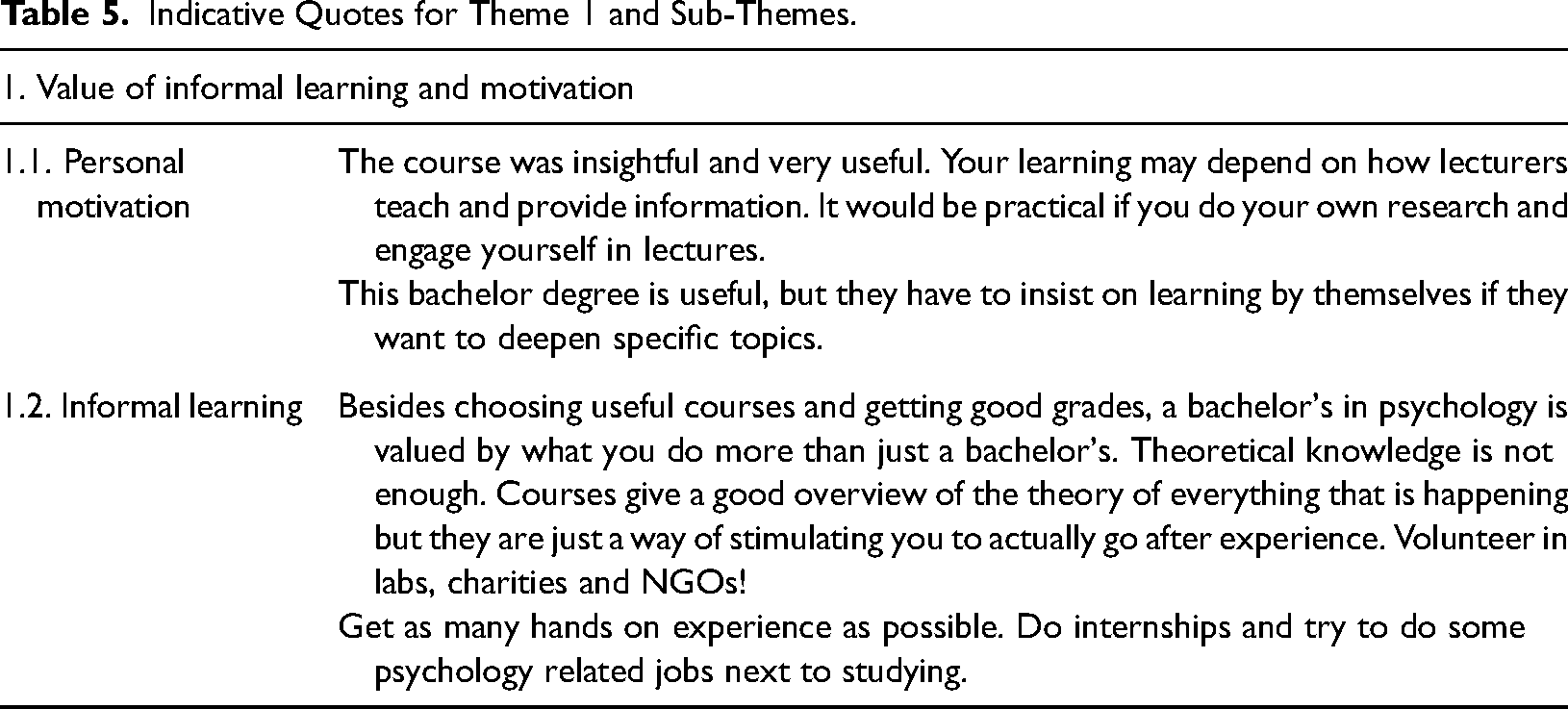
Theme 1 (Value of informal learning and motivation) was derived from statements focusing on the importance of loving the discipline and wanting to learn to understand the world around us. Participants discussed the importance of not only the learning that takes place in the classroom, but also the learning that takes place in more informal settings. Participants highlighted the importance of being motivated to study, studying beyond the textbooks and engaging in research and practice as much as possible (personal motivation). They also stressed the importance of learning that takes place outside the formal classroom, through volunteering, internships and forming professional connections (informal learning). Table 5 presents indicative quotes for Theme 1 and its sub-themes.
Indicative Quotes for Theme 1 and Sub-Themes.
Theme 2: The Study of Psychology is a Lengthy Process
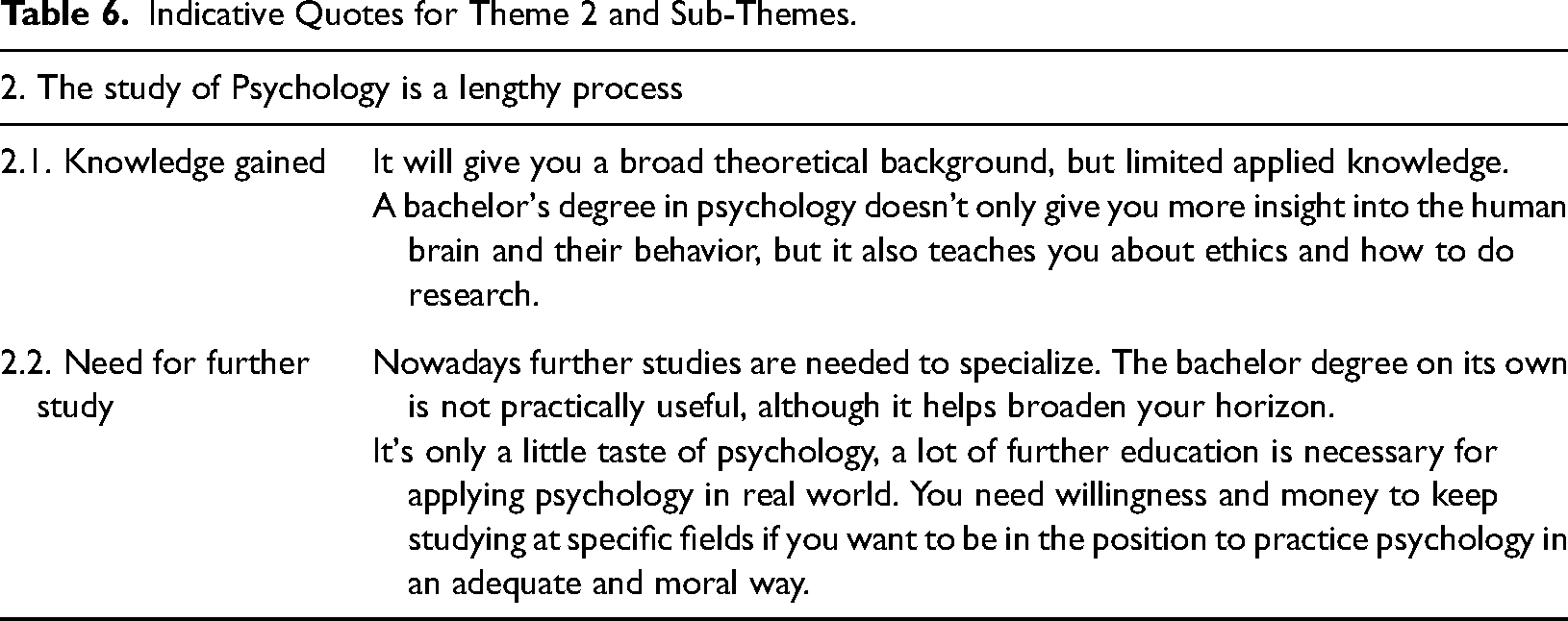
Theme 2 arose from statements highlighting that the study of psychology provides a good basis for understanding human behaviour and conducting research on the one hand, but that a Bachelor degree is not enough for those wishing to enter the workforce as practising psychologists. Further study is needed, therefore the road to professional security is a lengthy process. Participants commented on the fact that a Bachelor's degree in psychology provides ample theoretical and research knowledge, but limited applied knowledge (knowledge gained). Graduates upon the completion of their degree had understood that further study is needed in order to become an applied psychologist and/or to specialise in particular areas of psychology (need for further study). Table 6 presents indicative quotes for Theme 2 and its sub-themes.
Indicative Quotes for Theme 2 and Sub-Themes.
Theme 3: Bachelor in Psychology Provides Both Professional and Personal Development
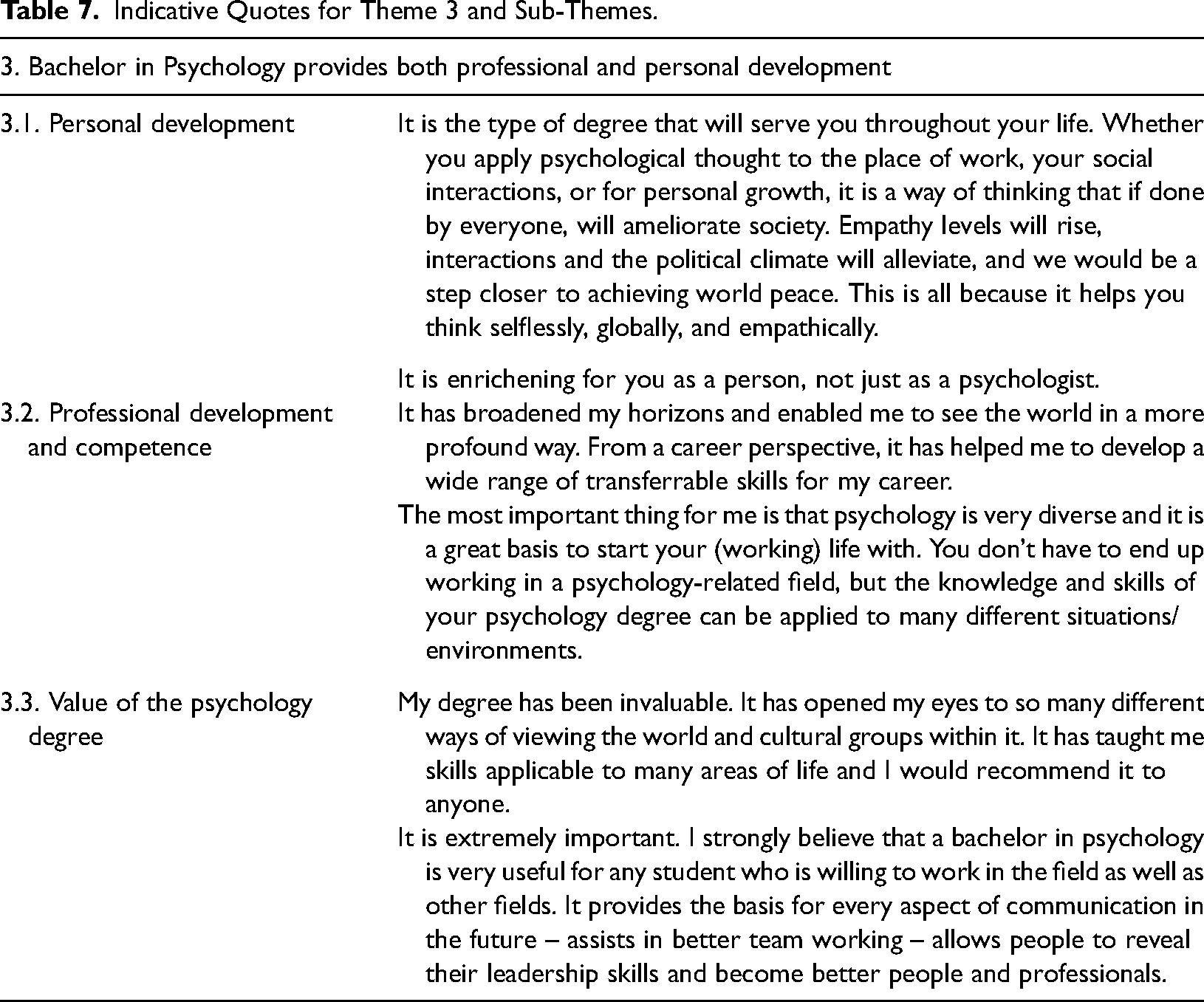
The majority of participants mentioned that a Bachelor degree in psychology is very valuable, contributing to personal as well as professional development of competencies. Comments focused on the significance of knowledge gained in various aspects of life – workplace, social interactions, personal growth and interpersonal relationships (personal development). Other comments discussed professional development resulting from the study of psychology, as well as competencies and transferable skills gained (professional development and competence). Respondents held very positive views about the value of the psychology degree. They highlighted the personal and cognitive change they achieved, and also commented that it enabled them to view the world from different perspectives, develop communication skills, as well as leadership skills (value of the psychology degree). Table 7 presents indicative quotes for Theme 3 and its sub-themes.
Indicative Quotes for Theme 3 and Sub-Themes.
Theme 4: Bachelor in Psychology and Employability
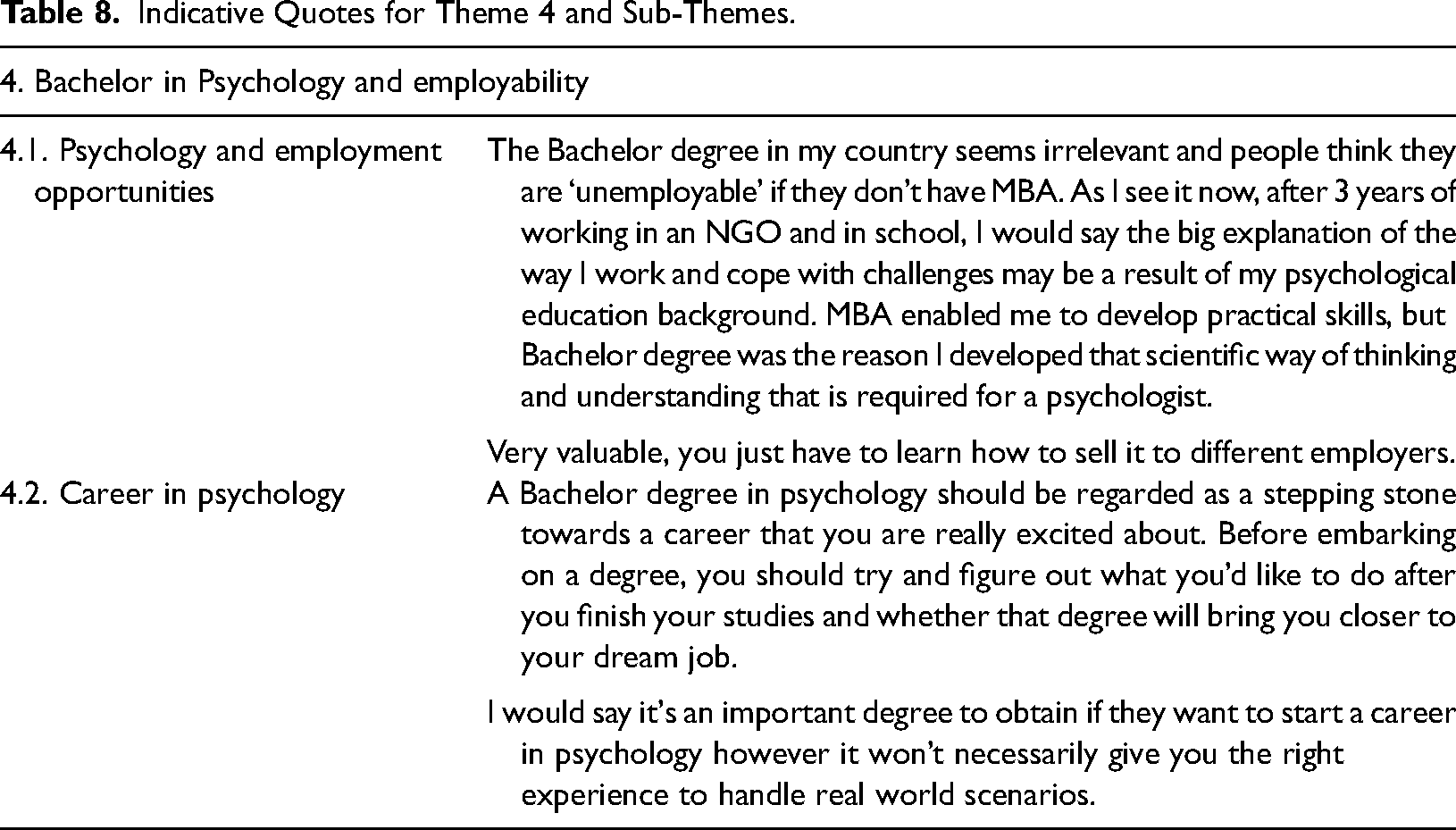
A very pertinent theme was related to employability after graduation. Participants discussed employment opportunities and expressed disappointment for the limited opportunities for work in the field without a Master's degree. They acknowledged that it is an important first step as it provides the theoretical knowledge, but maintained that postgraduate studies are necessary in order to be able to apply that knowledge (psychology and employment opportunities). Respondents viewed the Bachelor in psychology as a first step towards their future career, but at the same time realised the need for further study in order to be able to apply the knowledge gained (career in psychology). Table 8 presents indicative quotes for Theme 4 and its sub-themes.
Indicative Quotes for Theme 4 and Sub-Themes.
Theme 5: The Quality of the Psychology Bachelor Degree
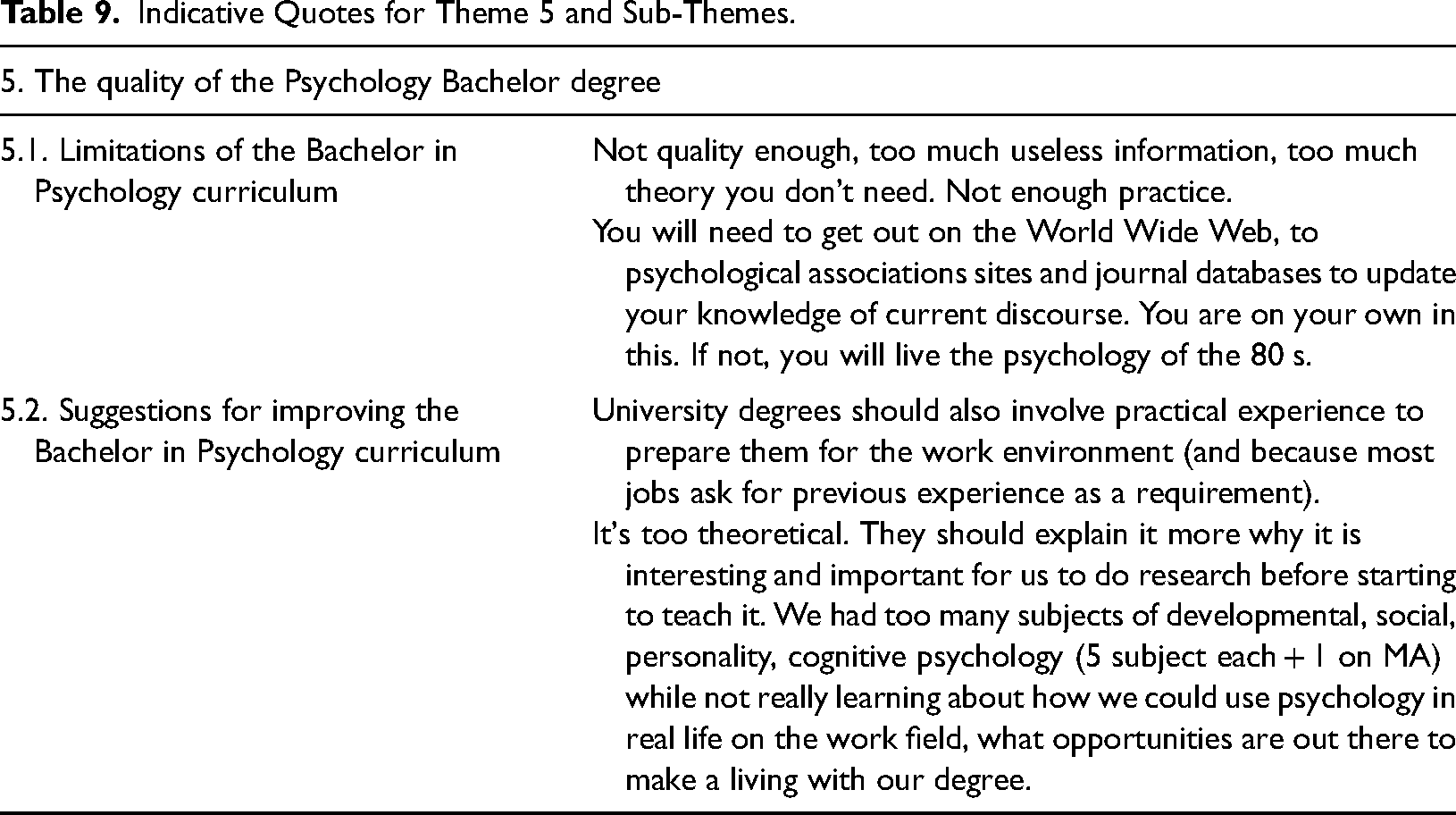
In their comments, participants also noted some of the limitations of psychology curricula and offered suggestions for improvement. Some of the graduates responding to the survey felt that the curriculum consisted of too much unnecessary theory and limited application. Some felt that lot of personal study over and above the curriculum is necessary to keep up to date with the latest developments in the field (limitations of the Bachelor in Psychology curriculum). Suggestions for improvement of the curriculum mostly revolved around the need to provide opportunities to gain practical experience and develop skills to apply psychological knowledge in real life. Some also commented that it would be useful to provide information on the kind of job opportunities available for psychology graduates as part of the curriculum (suggestions for improving the Bachelor in Psychology curriculum). Table 9 presents indicative quotes for Theme 5 and its sub-themes.
Indicative Quotes for Theme 5 and Sub-Themes.
Discussion
Overall, graduates held moderately positive perceptions about the psychological and the general competencies they gained through their Bachelor degree.
Concerning psychological competencies, participants rated higher the development of independent and critical thinking. They also viewed positively the development of methodological and research skills. These skills are in line with the educational goals that should characterise psychology undergraduate courses, as proposed by Halonen et al. (2022). Interestingly, they rated as least developed their practical skills, an important educational goal according to Halonen et al. (2022) and a key process skill supporting employability as stated by Yorke and Knight (2003). The lack of practical skills development through the Bachelor degree was a recurring theme in the survey, particularly evident in respondents’ qualitative comments.
In relation to general competencies, graduates felt that their degree enabled the development of critical and scientific thinking, as well as problem-solving skills, corresponding to Halonen et al.'s (2022) ‘scientific inquiry and critical thinking’ educational goals. They felt that soft skills such as team work and effective communication were only moderately developed in the course of their degree, whilst computer literacy was the lowest-rated general skill. It thus appears that graduates felt that ‘communication, psychological literacy and technology skills’ (Halonen et al., 2022) and ‘process skills’ (Yorke & Knight, 2003) had not developed to a satisfactory level during their Bachelor degree.
When participants were asked to rate the relevance of the psychological and general competencies listed in their employment, a different pattern emerged. Ratings of the relevance of psychological competencies ranged from neutral to moderately positive, whereas the relevance of general competencies was more positive.
Graduates rated higher skills relevant to the real-world application of psychological knowledge. These relate to Naufel et al.'s (2018) ‘cognitive psychology skills’, which employers valued significantly. Research skills were evaluated as bearing neutral relevance to employment, as statements.
Responses to the relevance of general competencies in employment, were suggestive of their high importance. Soft skills focusing on communication, organisation, critical thinking and teamwork were considered to be highly relevant. These are in line with Fynn et al.'s (2019) survey results.
When comparing the competencies gained and their perceived relevance in employment findings evidenced that most of the psychological competencies acquired in the Bachelor degree were rated higher than needed in employment, most prominently competencies related to empirical research skills. Only three were perceived as having been developed to a lesser degree than needed, all of which related to the more practical application of psychological knowledge. Applying psychological knowledge ethically and safely to real-world problems showed the largest discrepancy between its level of development and its usefulness in employment. All general competencies acquired in the Bachelor degree were rated lower than needed in employment. The development of soft skills such as organisational skills, communication skills and teamwork were considered to not having been developed to the degree needed. Critical thinking and research skills showed the smallest discrepancy. Haskell et al. (2012) in their study also found a mismatch between student perceptions of the skills they gained through the Psychology major degree and the skills required in the reality of the working world, and suggest that a career’s course should be part of the psychology curriculum.
Pertinent themes arising from graduates’ responses concerning the value of the psychology degree included that the study of psychology and a career in psychology takes time and effort, and requires postgraduate study. Many felt that their degree did not prepare them adequately for the practical application of skills in the real world, and they lacked knowledge regarding employment opportunities for psychology graduates.
Conclusion, Limitations and Future Research
This study suggests that an education in psychology develops psychological skills, but also graduates with more general competencies. Overall, psychological competencies appear to develop to a high level through the Bachelor in Psychology, with the exception of practical skills such as the use of psychological tools, specialist software, laboratory equipment and psychometric instruments. In contrast, responses indicate that general competencies do not develop to an adequate degree. Findings from this research suggest that practical skills focusing on the administration of psychological tools, psychometric instruments and specialist software, as well as general competencies relating to soft skills such as computer literacy skills, communication skills and team-working skills were evaluated as potentially underdeveloped for successful employment – from the perspective of psychology Bachelors.
The fact that this analysis is based on self-ratings opens different lines of interpretation. Given that the participants were appropriately informed about potential fields of practice and the competencies required for this type of practice, their evaluation might the valid. Then, especially general competencies must be further highlighted and developed in psychology Bachelor degrees to prepare graduates adequately for employment in diverse professional contexts. The most direct conclusion from this research would address psychology Bachelor program coordinators. Study programs should be checked for the opportunities to develop general competencies such as being able to communicate effectively or to be computer literate. Many programs document that there are ample possibilities and strategies to create learning situations addressing these general competencies and translate graduate attributes into work readiness skills (Schweinsberg et al., 2021).
Another perspective is that the participants indeed developed such competencies but underestimated them. In these cases, deficient metacognitive monitoring of one's own learning processes or restricted self-efficacy might be involved in the participants’ view on their employment-related competencies. Are there sufficient situations in which students have a chance to assure themselves about their abilities and the competence to apply them successfully? Are there learning situations appropriate to develop positive self-efficacy expectations? Raisanen et al. (2022) report that the teaching and learning environment is associated with the development of generic skills. In their study, the strongest predictors for the learning of generic skills as perceived by psychology undergraduate students were interest and relevance. An appropriate conclusion would be to check psychology Bachelor's programs for opportunities to develop an adequate metacognitive view on one's own learning processes and to ensure that study programmes remain interesting and relevant to students and their future career aspirations. Schweinsberg et al., (2021) argue that increasing graduates’ knowledge and perception of skills learnt, as well as improving their ability to articulate those skills improves understanding of and confidence in their own work readiness and their capability to communicate their value to prospective employers.
The third interpretation is that students were less well-informed about the requirements in applied job situations and overestimated what was required and expected by employers. This is in line with Strapp et al. (2018) who found that psychology students overestimated the educational requirements for their desired career. In this case, a simple conclusion would be that psychology Bachelor program administrators check the opportunities for students to acquire realistic job information. As Appleby (2018) suggests, in order to more effectively prepare psychology majors to enter the workforce, students can be referred to professionally trained advisors to gain information about careers that psychology Bachelor's graduates can follow, as well as the sets of knowledge, skills and attributes essential to succeed in these careers. They should also ensure that work readiness skills are mapped onto graduate attributes and course learning outcomes so that students are better equipped to articulate the skills acquired upon entering the workforce (Schweinsberg et al., 2021).
Based on the data presented here, it seems impossible to prioritise one of these interpretations. Thus, the conclusions related to these interpretations should be understood to inspire program organizers’ search for optimising psychology Bachelor study programs. Study programs as well as occupational conditions differ widely in Europe so that may different concrete measures for improvement might be possible and appropriate. In the light of the present results, however, it seems essential to acknowledge that there could be a basic discrepancy between self-perceived competencies and expected requirements of the job market – more in the domain of general competencies and less in the domain of psychology-specific and methodological competencies.
Limitations to the study must be taken into account, which include the relatively small sample of graduates and the focus on Bachelor degrees only offered in the European context. Participants came from various European countries, and participation from certain countries was more prominent. As such, we must take into consideration that responses may be contingent to institutional, curricular and cultural contexts despite the adoption of a common framework in the context of EuroPsy for many of the countries of study. Furthermore, collected data relied on self-reports from graduates, which may also have limitations as it relies on self-reality that may be biased or different from objective reality.
Future research would benefit from studies following graduates through their professional career path, to document the development of their psychological and general skills and their usefulness in real professional contexts, both within psychology core fields and in more diverse professional contexts.
Footnotes
Declaration of Conflicting Interests
The author(s) declared no potential conflicts of interest with respect to the research, authorship, and/or publication of this article.
Funding
The author(s) received no financial support for the research, authorship, and/or publication of this article.

Notes
Author Biographies
The EFPA Board of Educational Affairs was founded at the EFPA General Assembly in 2011 as a permanent body that monitors and assesses developments in the teaching of psychology. It focuses its activities on the academic education of psychology at all levels (BA, MA, PhD, postgraduate), the teaching of psychology to other professions, the teaching of psychology in pre-tertiary education and to the general public. Currently the Board has members from eleven European countries (Albania, Croatia, Cyprus, Czech Republic, Germany, Italy, Serbia, Malta, Slovakia, Ukraine, and the United Kingdom) and cooperates actively with other bodies involved in the teaching and learning of psychology.