




Abstract
This visual essay curates an exhibition of photographic data from a project with children about Landcare, a not-for-profit organization dedicated to managing environmental issues in local communities across Australia. The project sought to empower children to engage with Landcare Reserves through participatory arts-based research to map their awareness of and participation in local Landcare Reserve sites. This visual essay recognizes the images as agentic entities, with the power to activate the gaze beyond the boundaries of this project as embedded yet transcendent from it whilst simultaneously acknowledging the ‘failing’ agency of the sensing body of the camera.
Keywords
Orientation to the Project
Using inexpensive tablets (Lenovo 7) to record, document and create, children (7-14 years old) investigated the diversity of young people’s awareness, attitudes and actions regarding relationships with/as nature, and engagement with Landcare Reserves on Mount Tamborine, Queensland, Australia. As active researchers on the research team, the children could engage with research methods that resonated with them and their interests, including interviews with their peers, video, photography and visual journaling.
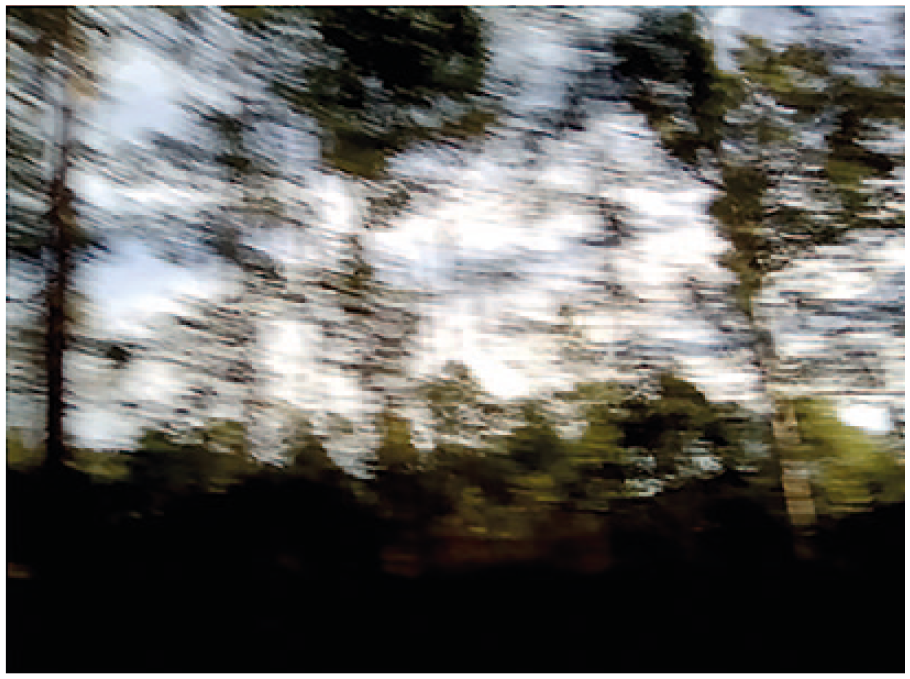
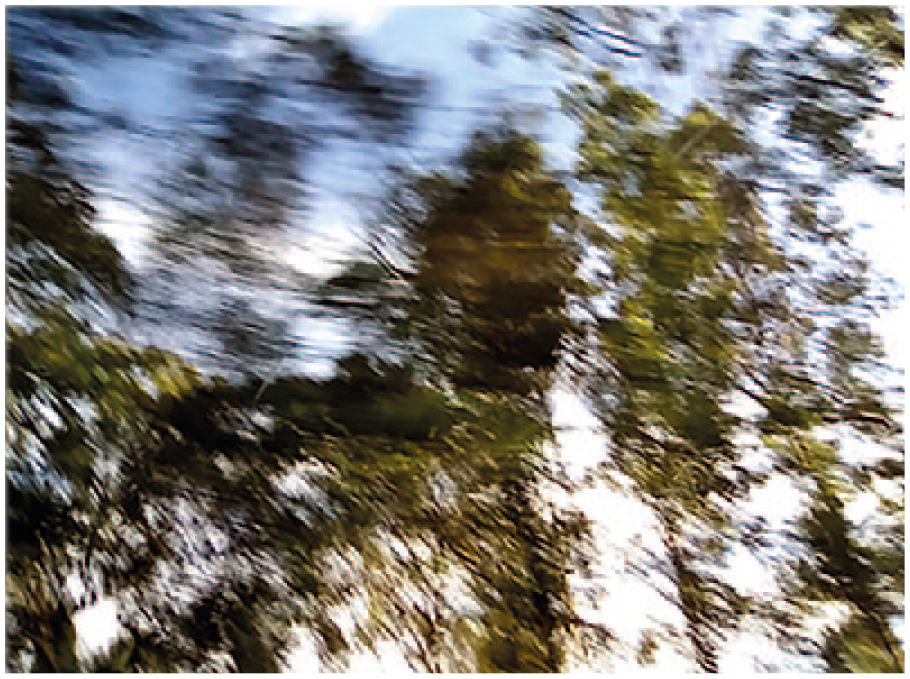
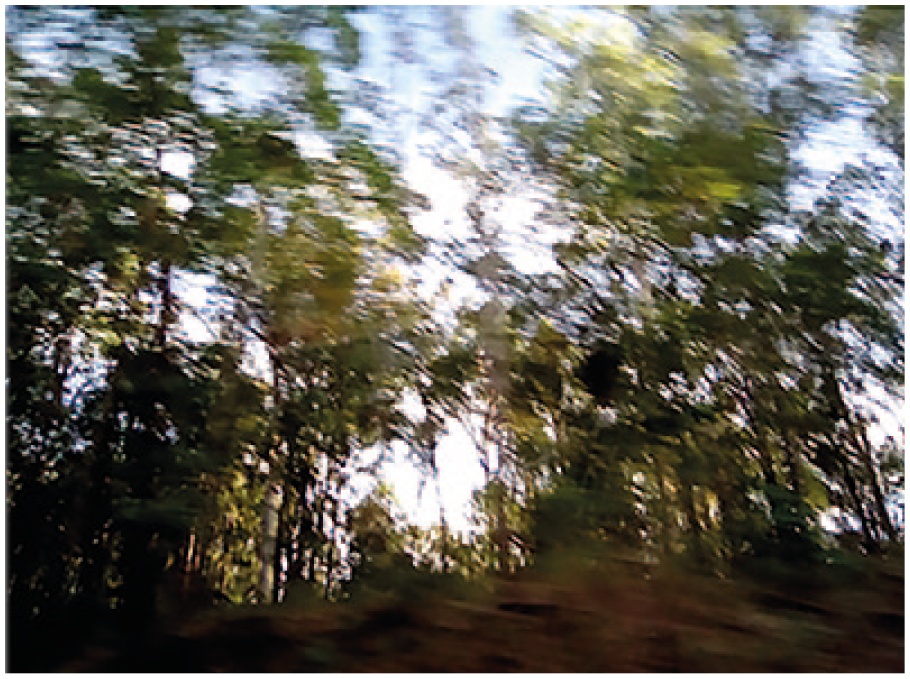
This visual essay captures a curated exhibition of the children’s photographs taken independently by them, at home and in their own time. Through a rhizomatic reading of the photographs, an emergent aesthetic became apparent, which held our gaze beyond the purposes of the project and captivated our attention in deeply affective ways. The devices’ low resolution and failure to capture crisp and sharp images in low light became a purposeful and seemingly agentic instrument for the children to co-create images with arresting, aesthetic power. This visual essay posits the idea that the accidental beauty of these images is no accident at all. Rather, the ’failings’ of the technology have been engaged purposefully by the children as a resolute visual approach to their artmaking, which engages the materiality of movement and of the blur.
The Project
There is a dearth of research that explores children’s relationships with land. This project emerges from this gap in the literature and sought to understand and map the scope and diversity of children’s and young people’s awareness of and attitudes towards participation in Landcare Reserves as everyday ecological learning spaces in their local neighbourhoods in Mount Tamborine, Queensland, Australia. 1 The study was authentically participatory (Cutter-Mackenzie and Rousell, 2019; Volpe, 2019) as the children’s agency determined the project’s directions and data collection strategies after they had been offered a range of data collection options including photography, video, drawing and painting, visual journaling, interviewing and observation. We engaged posthuman theoretical positionings with respect to resisting the bifurcation of humans and nature, and holding the concept of childhood-nature (Cutter-Mackenzie-Knowles et al., 2020), where the child is nature, rather than being somehow separate from or superior to nature. The children and the research team discussed this concept at length, resulting in the reframing by the children of the central research question ’What are young people’s relationships as nature?’ The question was genuinely worked and reworked by the children in this project until they were satisfied that it focused on what they sought to explore and discover. They were positioned as the researchers in the inquiry in all phases, including the first phases of analysis, independently collecting and creating data at home and in collaborative workshops with the university research team, designing think tanks, a summit, plantings and exhibitions.
This visual essay explores a curated exhibition of the children’s landscape photographs taken with the tablets over the course of 6 months in various self-selected locations. The tablets’ low-resolution capabilities meant that the photographs were uneven in quality, depending on light conditions. However, as we note, what could be considered as a ’failing’ technology contributed to the children’s agentic decisions around their landscape documentations.
Failing Technologies and the Children’s Photographs
The use of photography in participatory research with children and young people is well documented in the literature (see, for example, Horsley, 2020; Rousell and Cutter-Mackenzie-Knowles, 2020; Sakr, 2019) and we (the academic researchers) have engaged it in this inquiry as but one method in a suite of arts-based approaches. The selection of the particular tablet used was largely an economic one. More than 100 children were involved in the study, and each needed a device; the selected tablet was the most affordable. The academic researchers had anticipated that the images and video that the children would capture would be largely taken outside in daylight. Thus the tablet that was selected would more than suffice. What had not been anticipated, however, was the number of images that would be taken in low-light areas or at night. Amongst our rhizomatic analysis of the many, many photographs of family pets, backyards, flowers, bedrooms, family members, friends and weekend excursions, we noted a corpus of images that appeared at first viewing to be unusable, unreadable photographs where the technology had ’failed’.
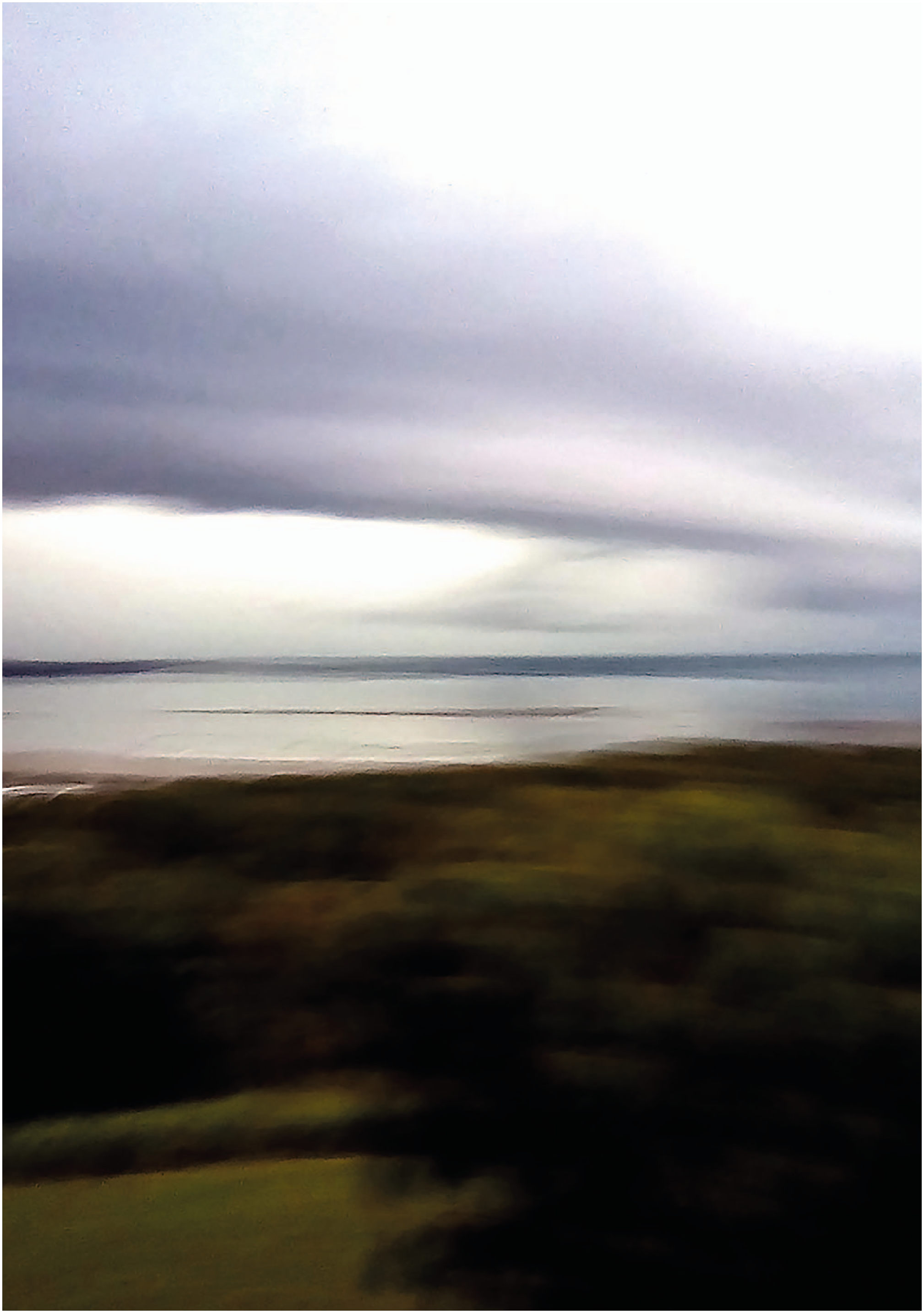
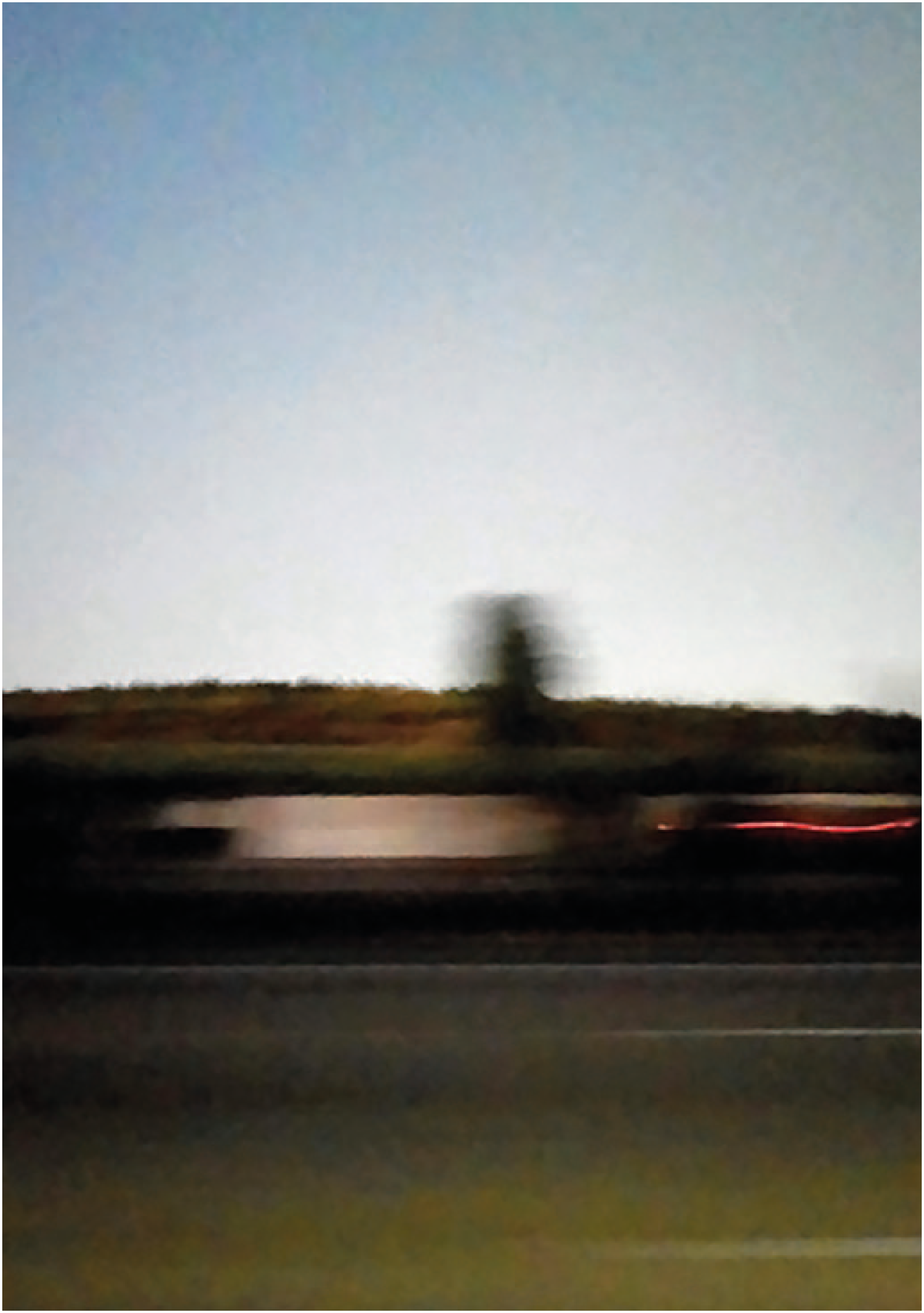
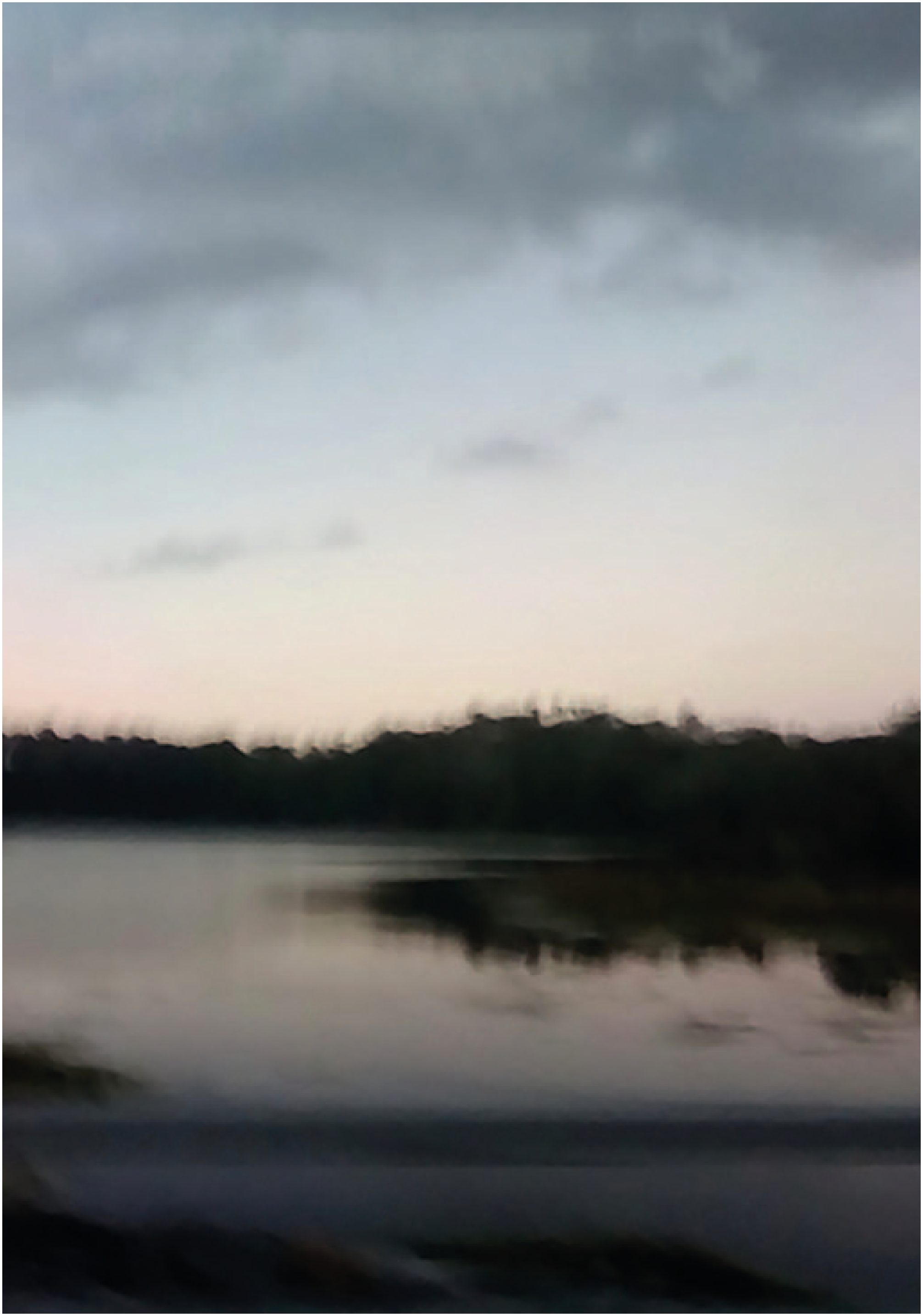
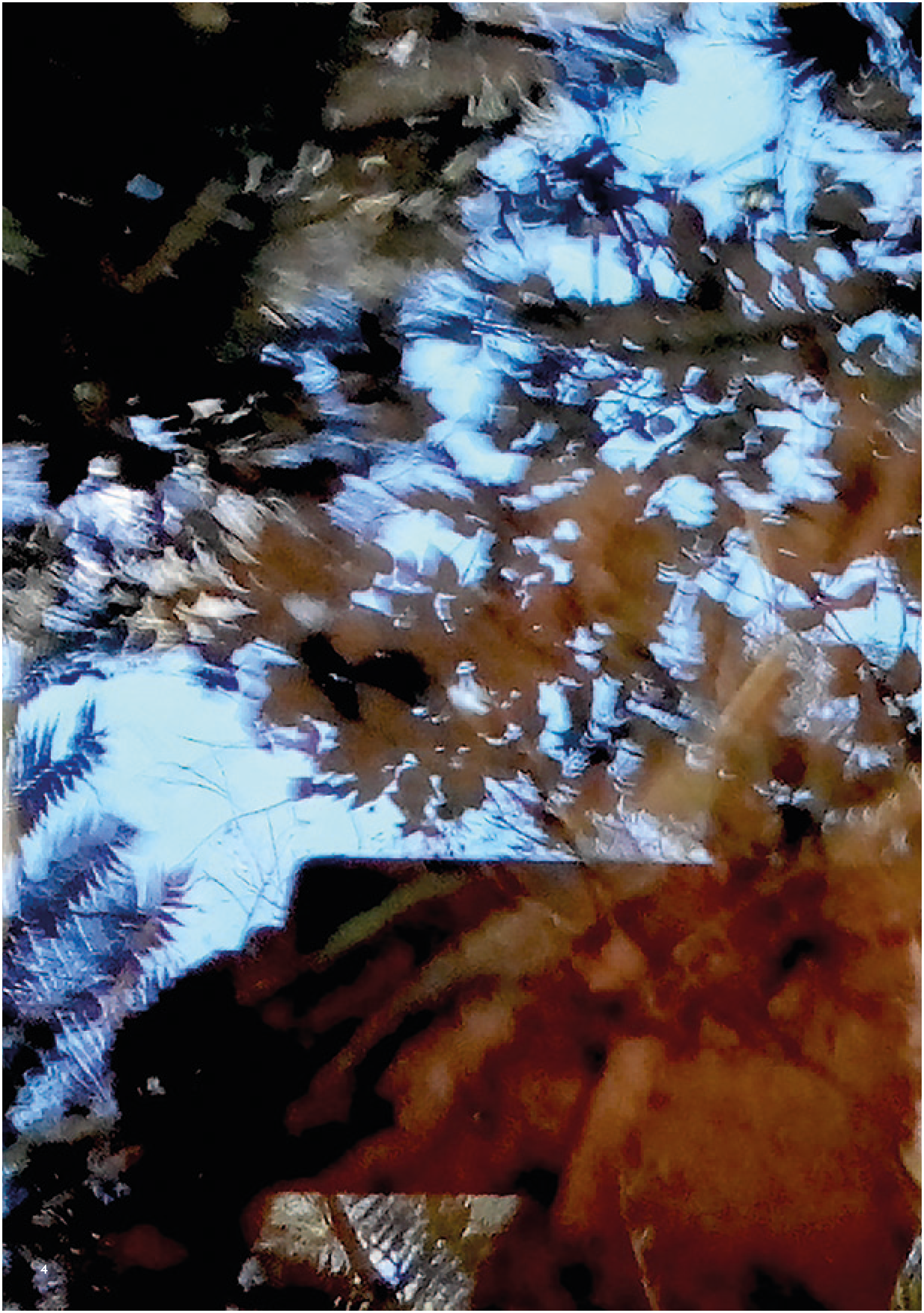
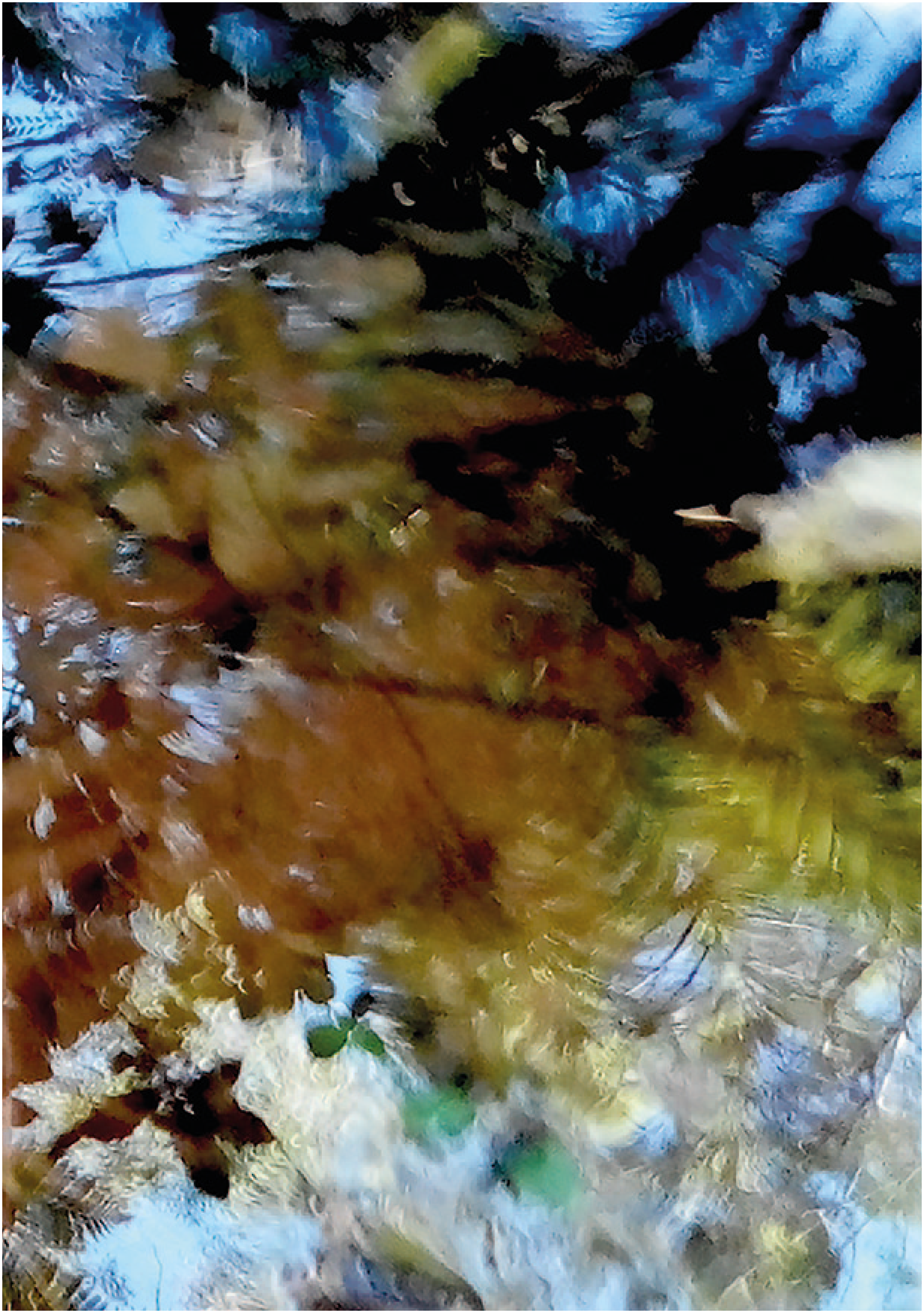
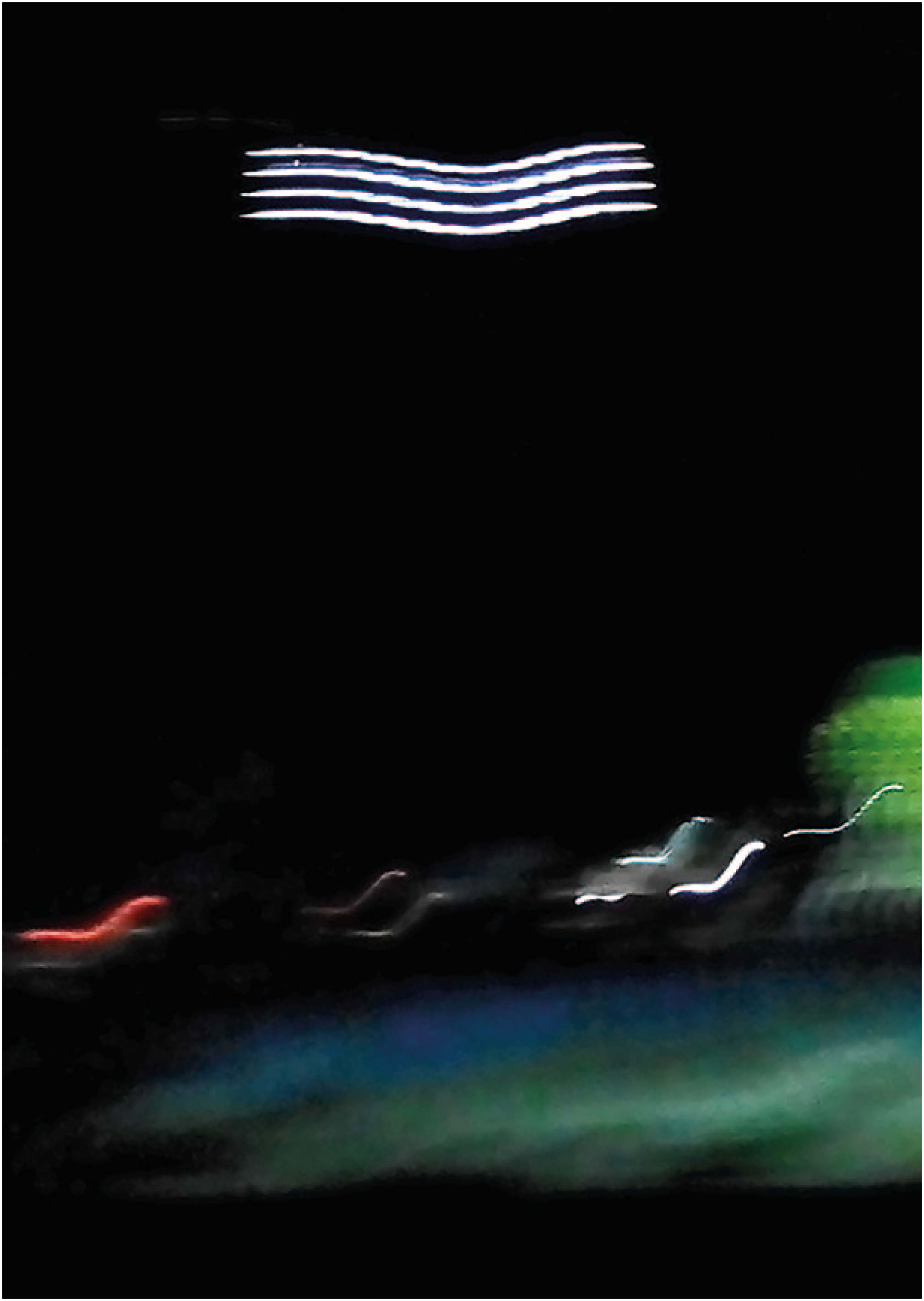
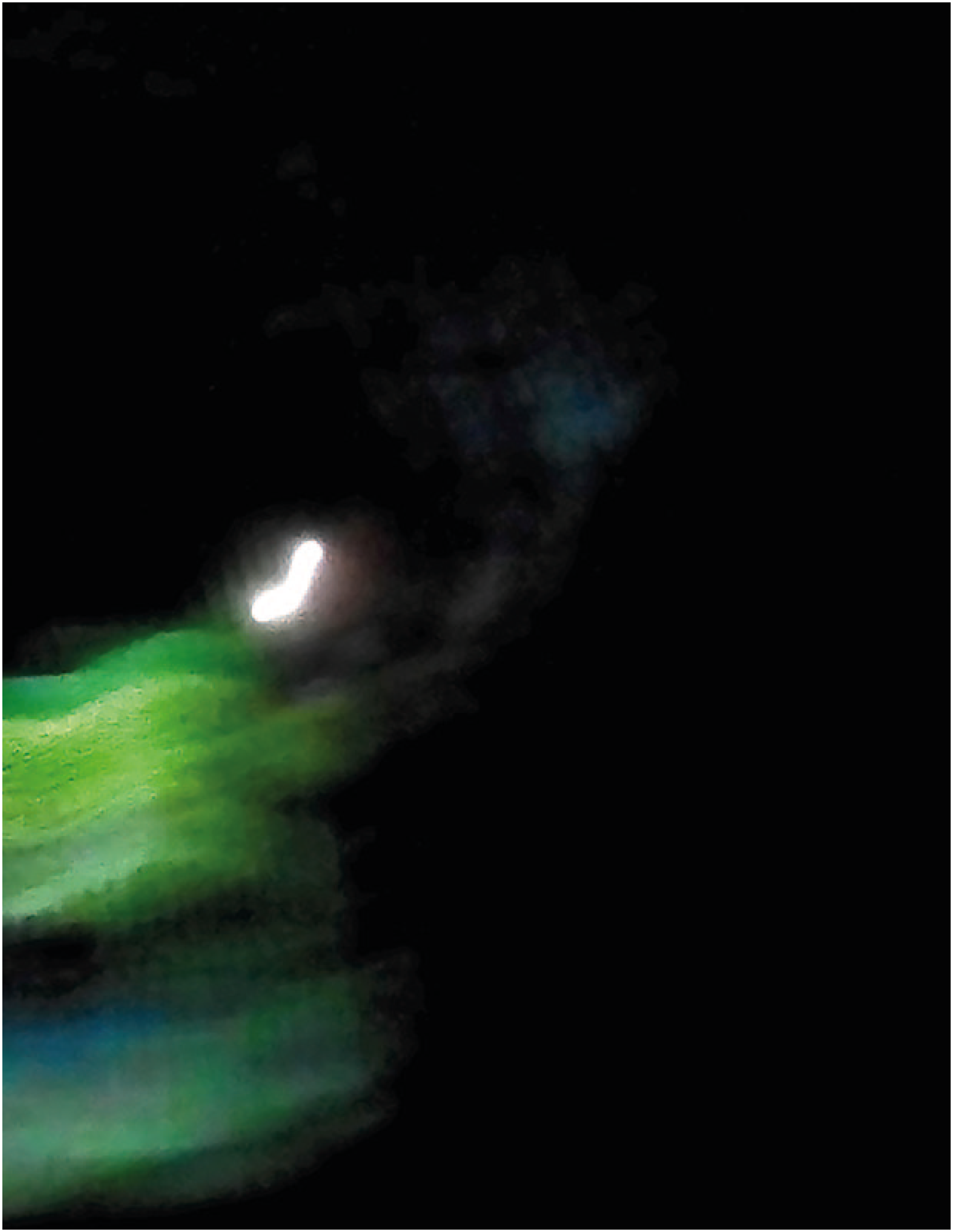
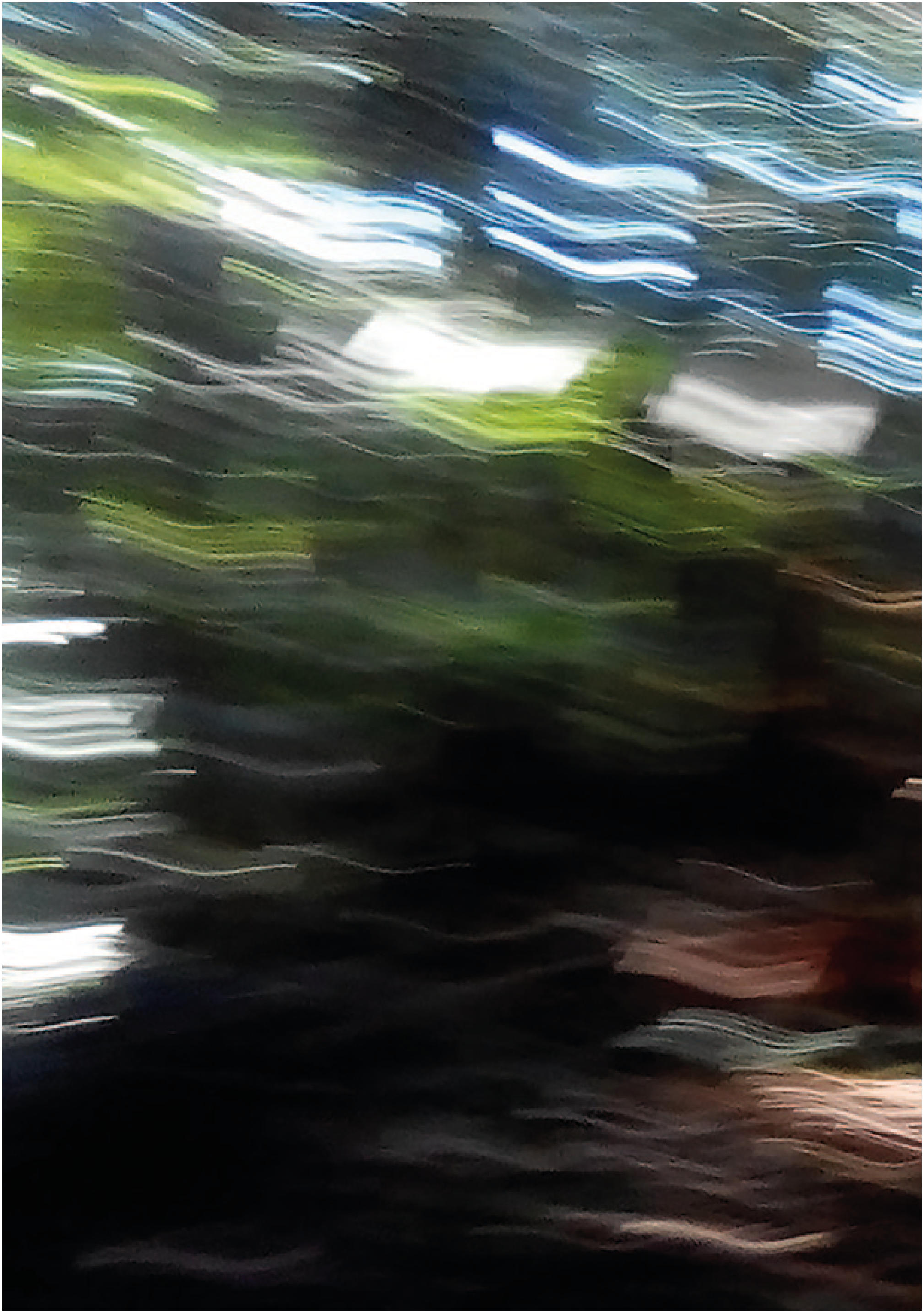
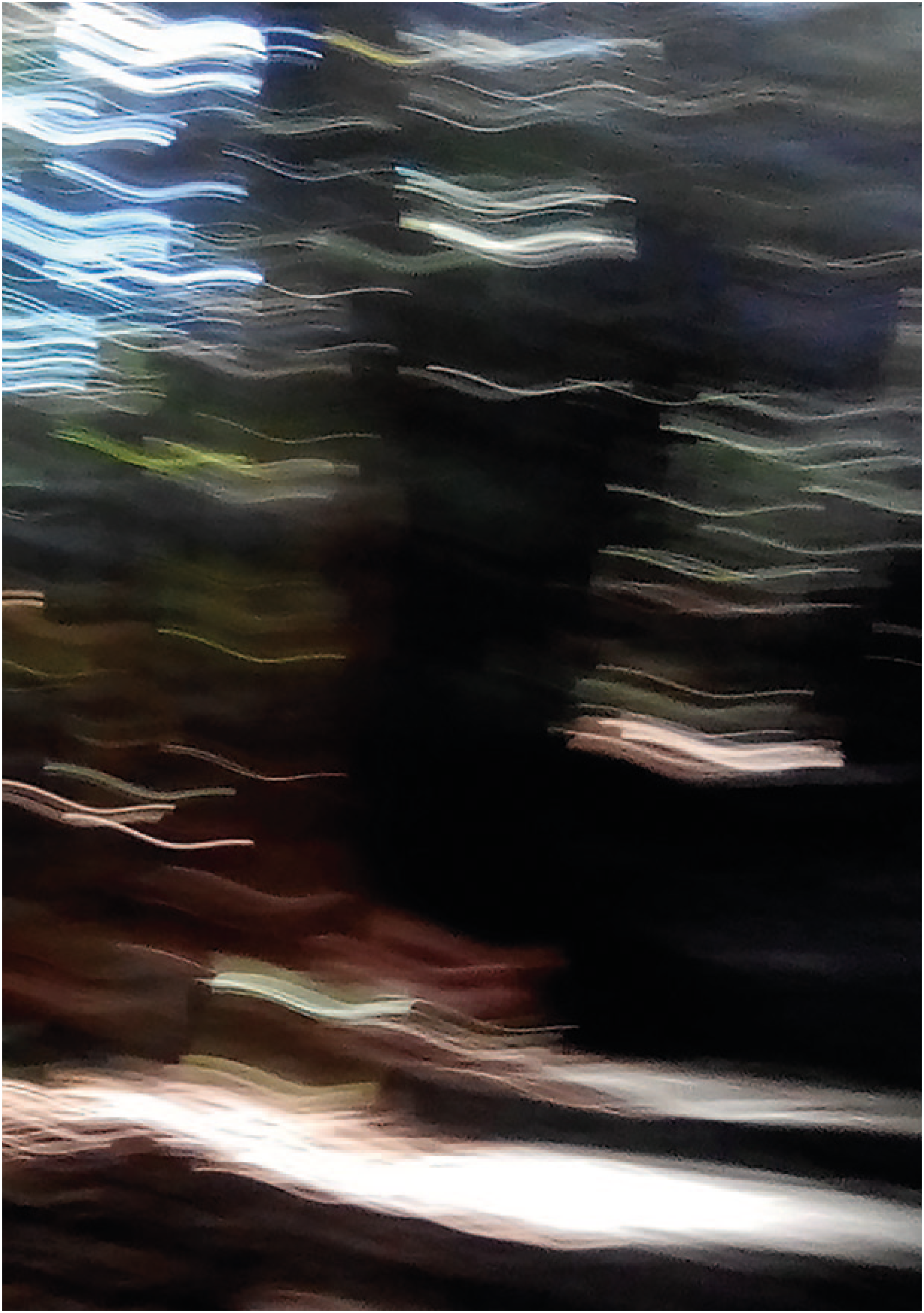
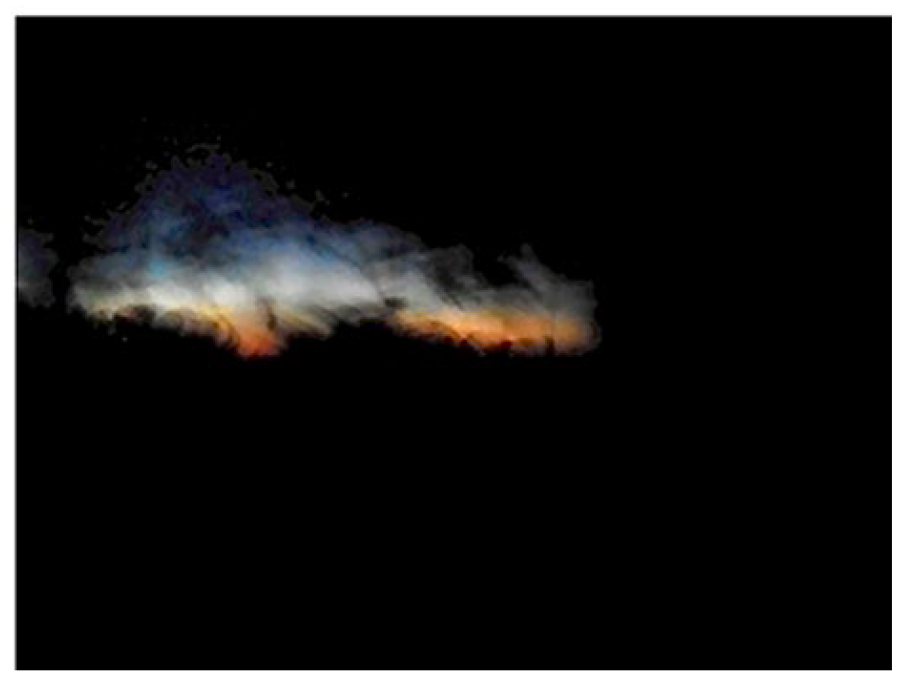
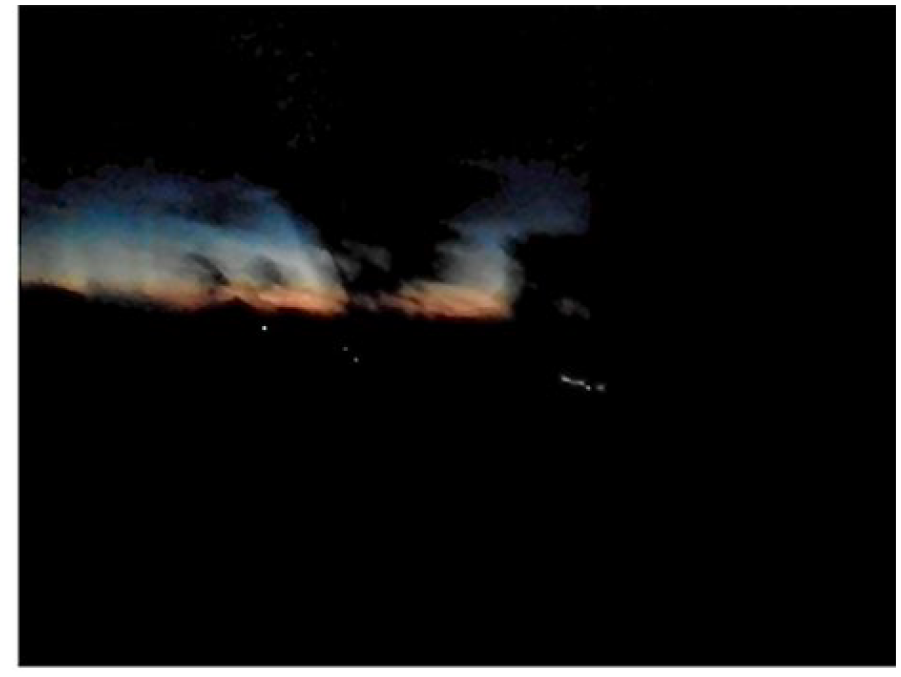
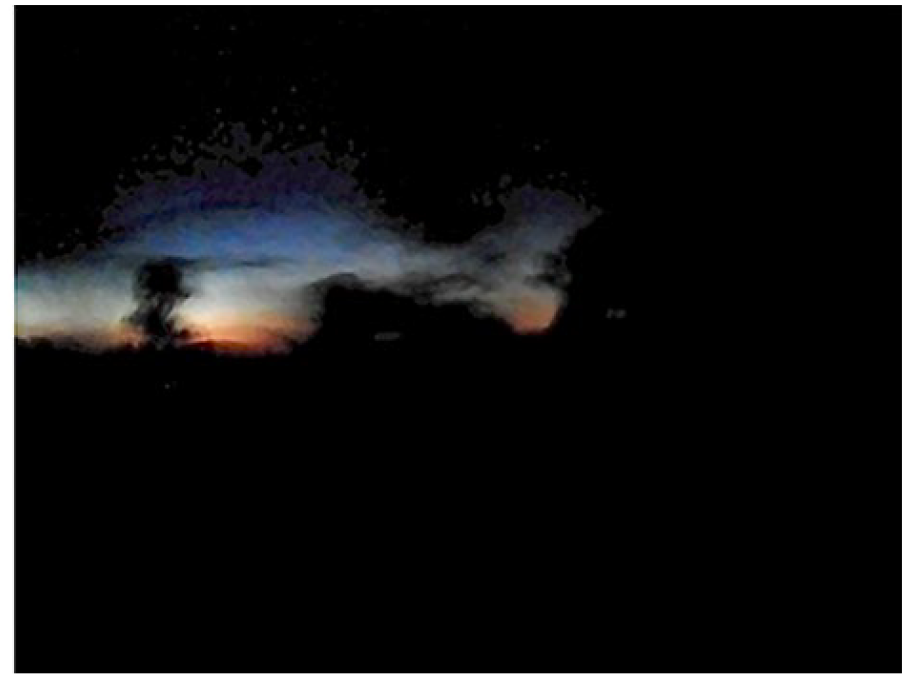
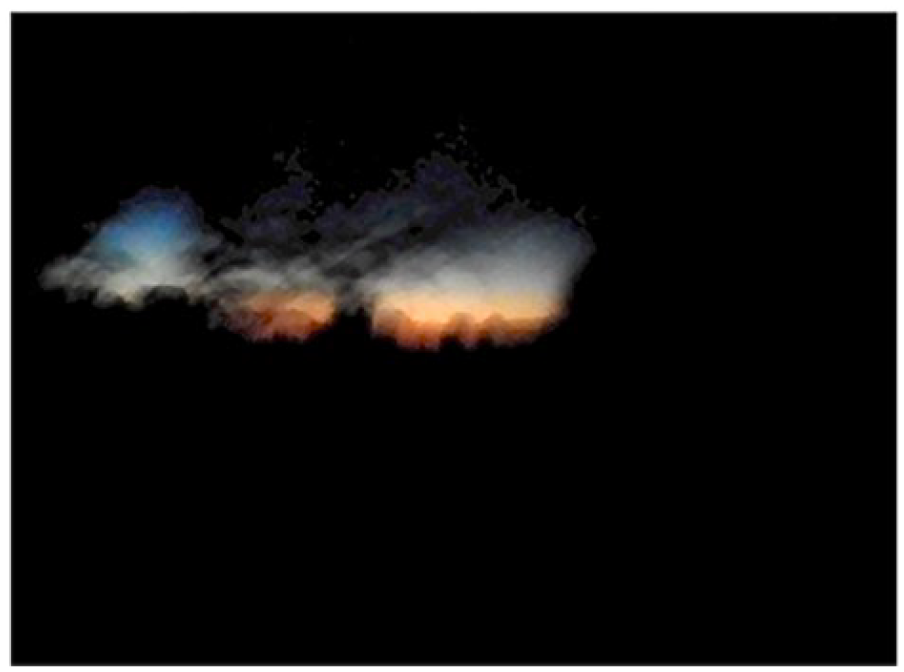
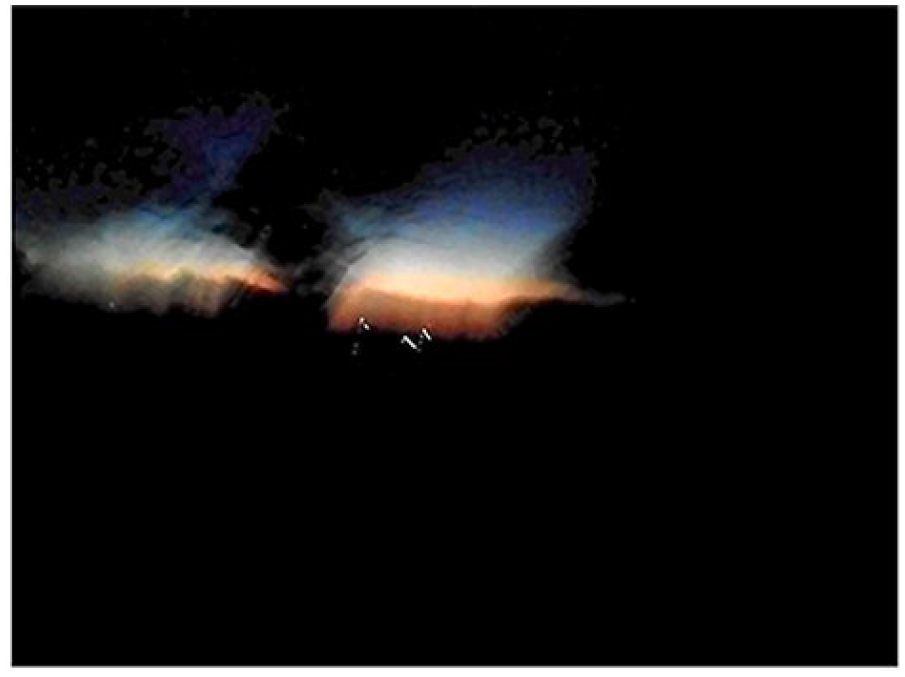
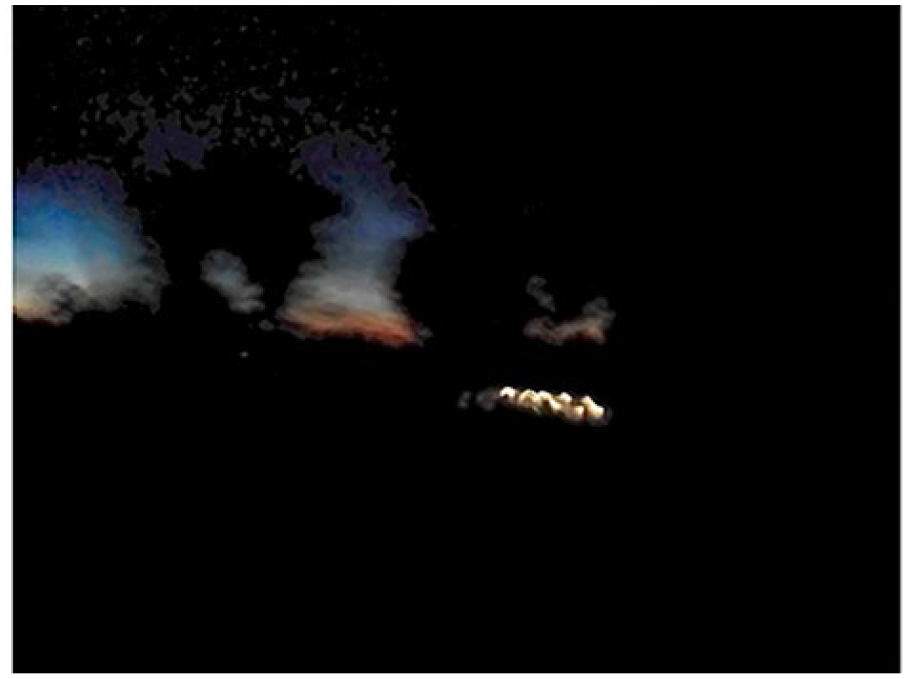
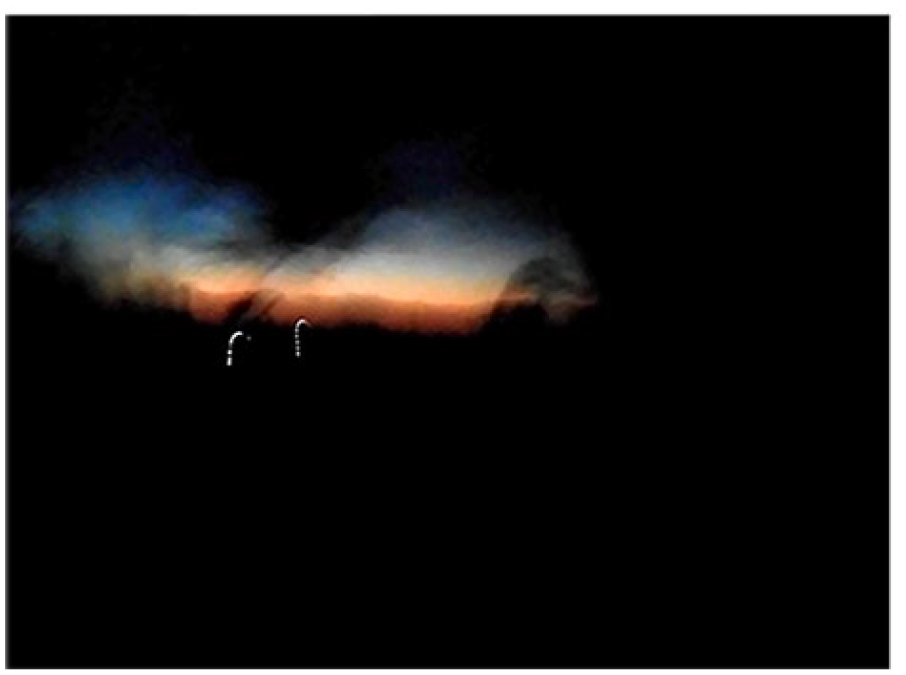
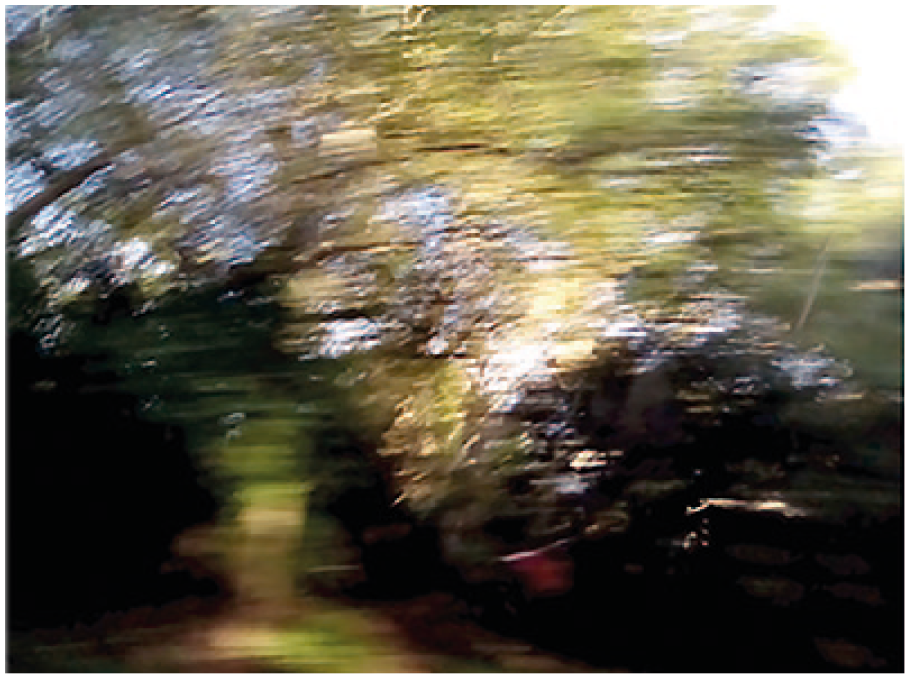
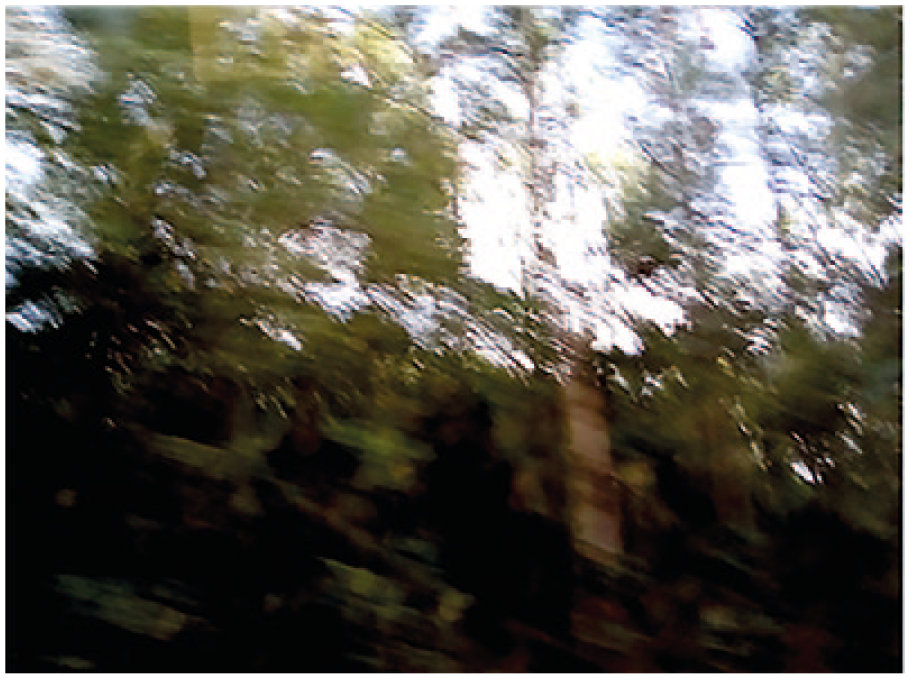
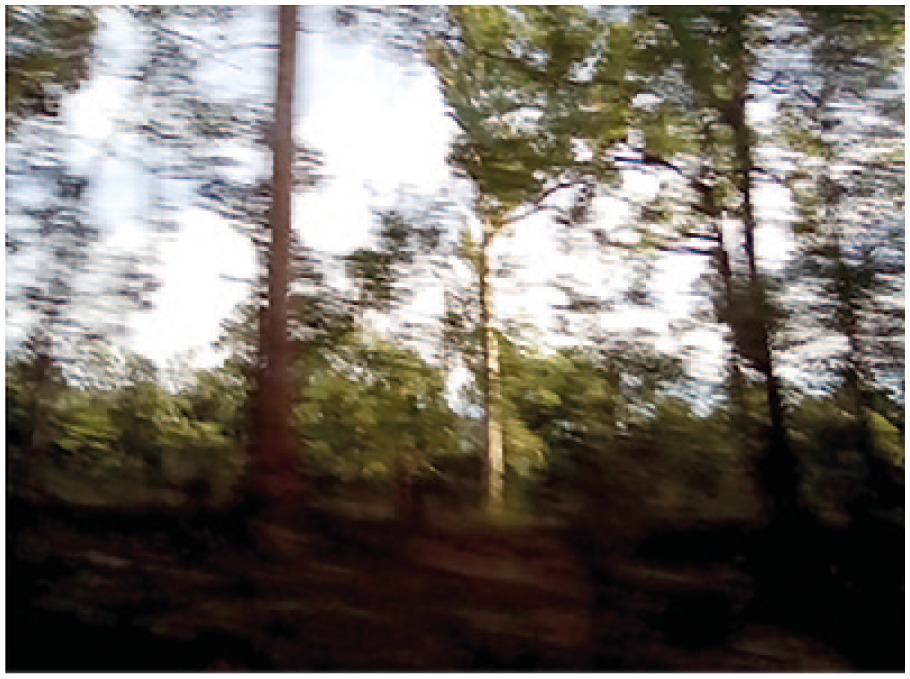
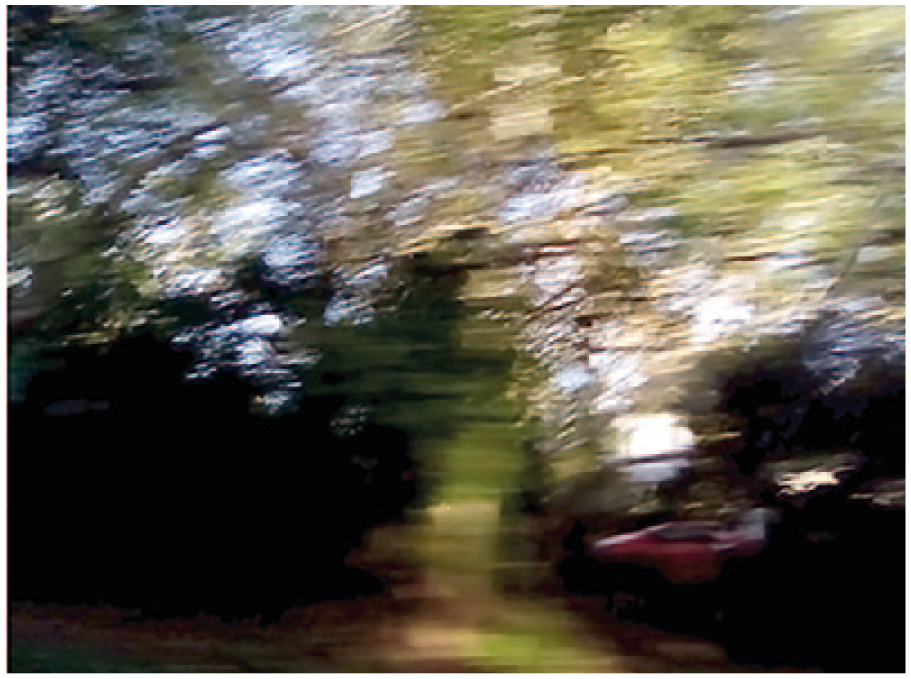
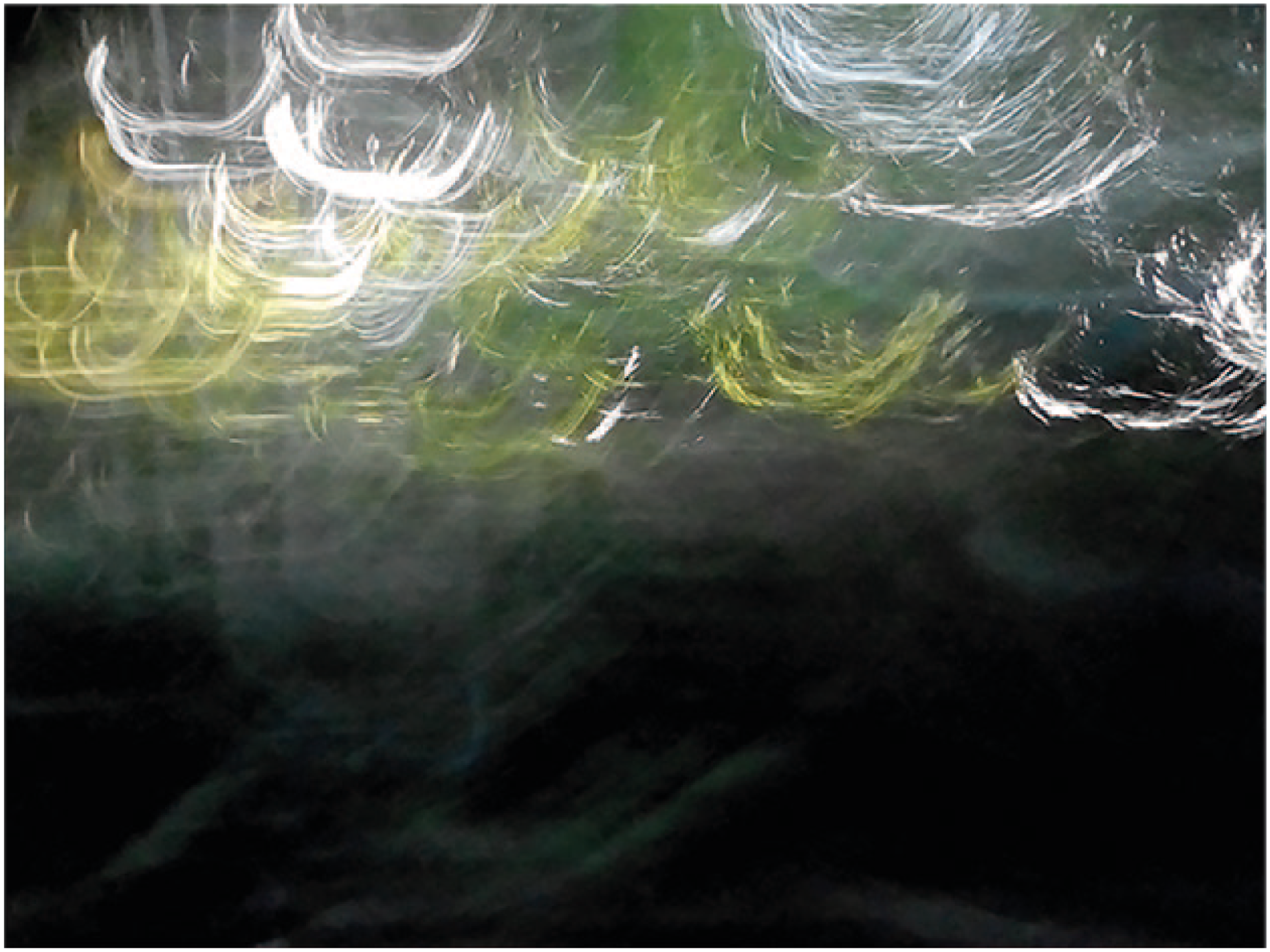
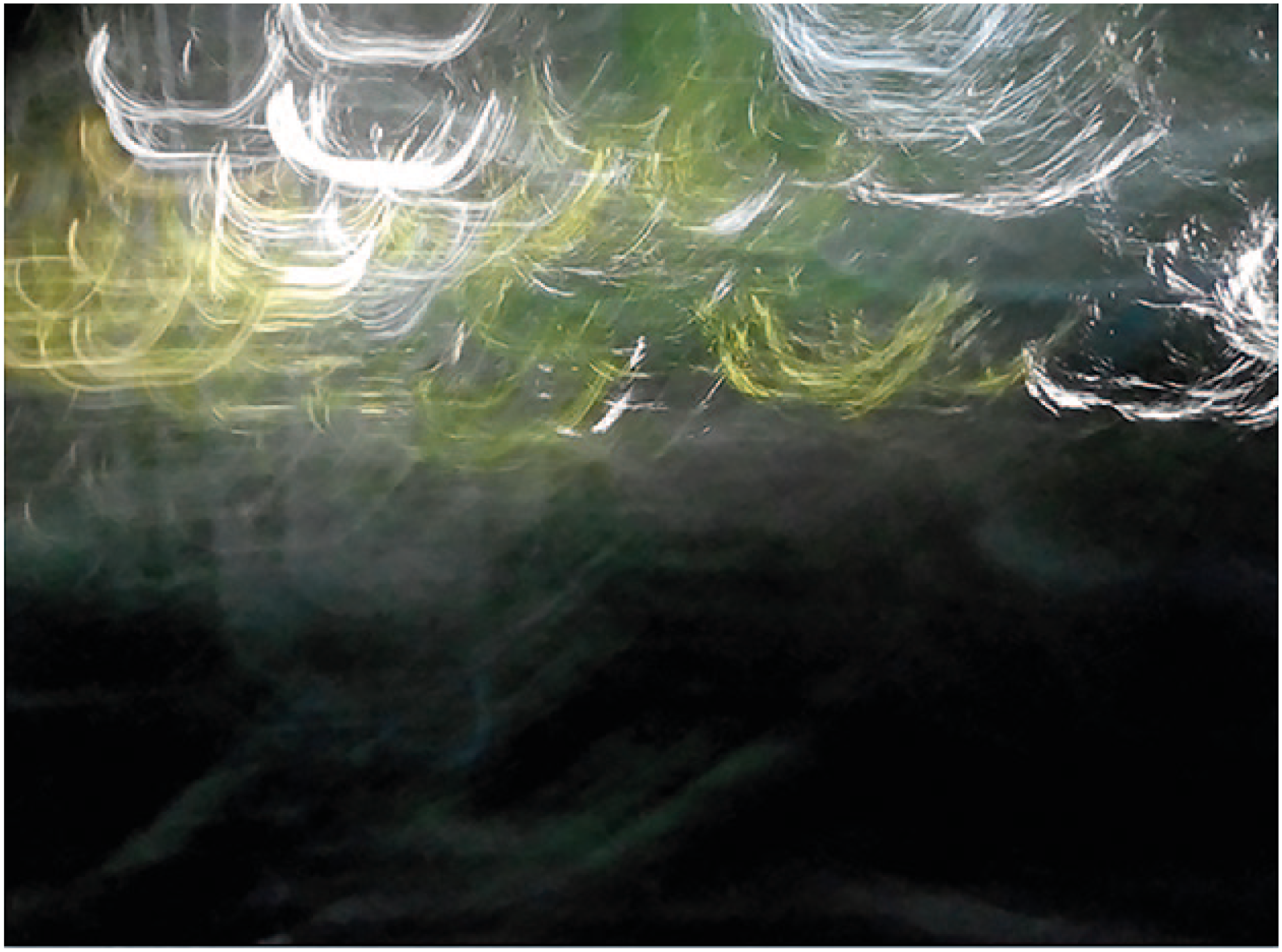
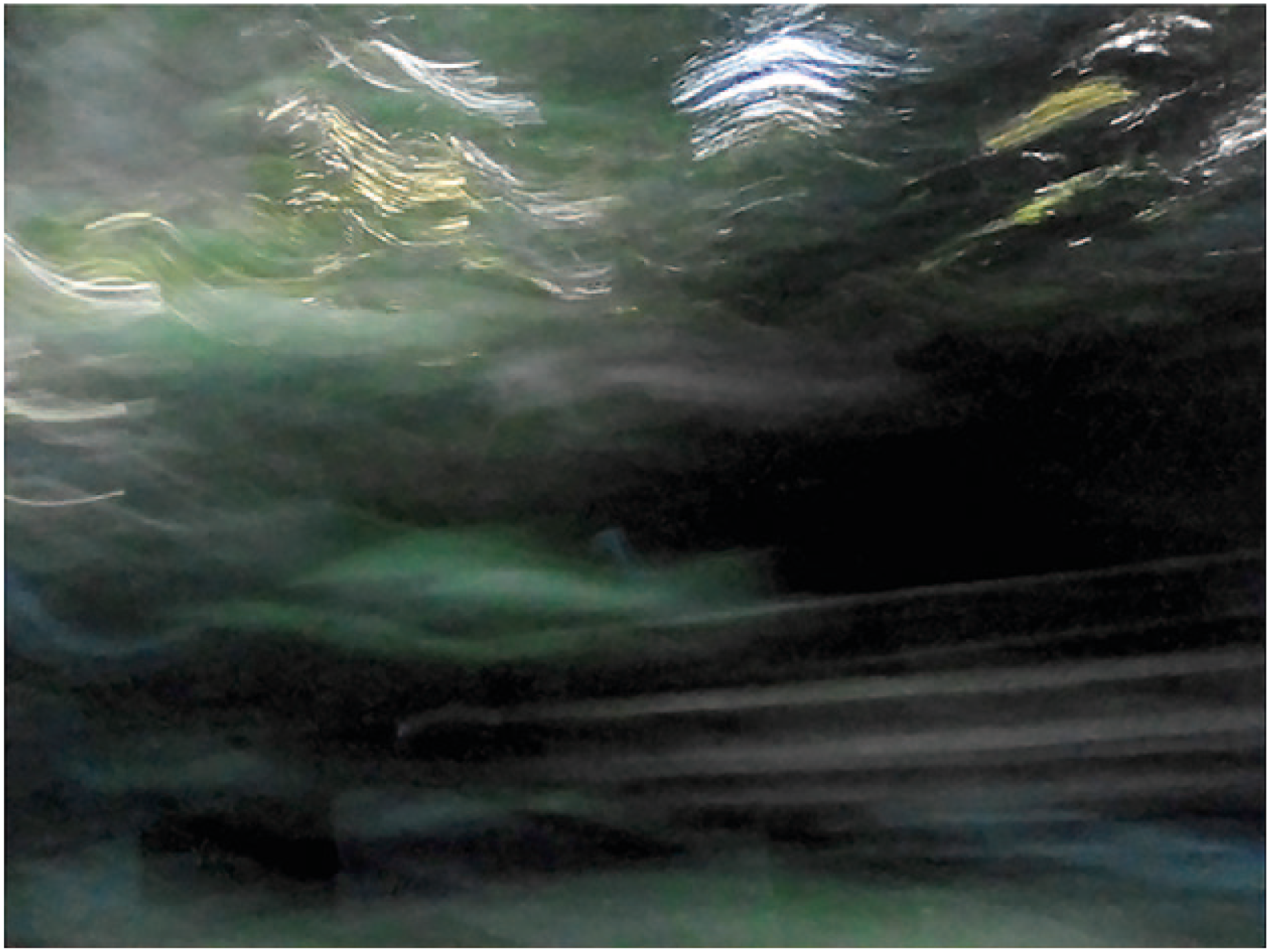
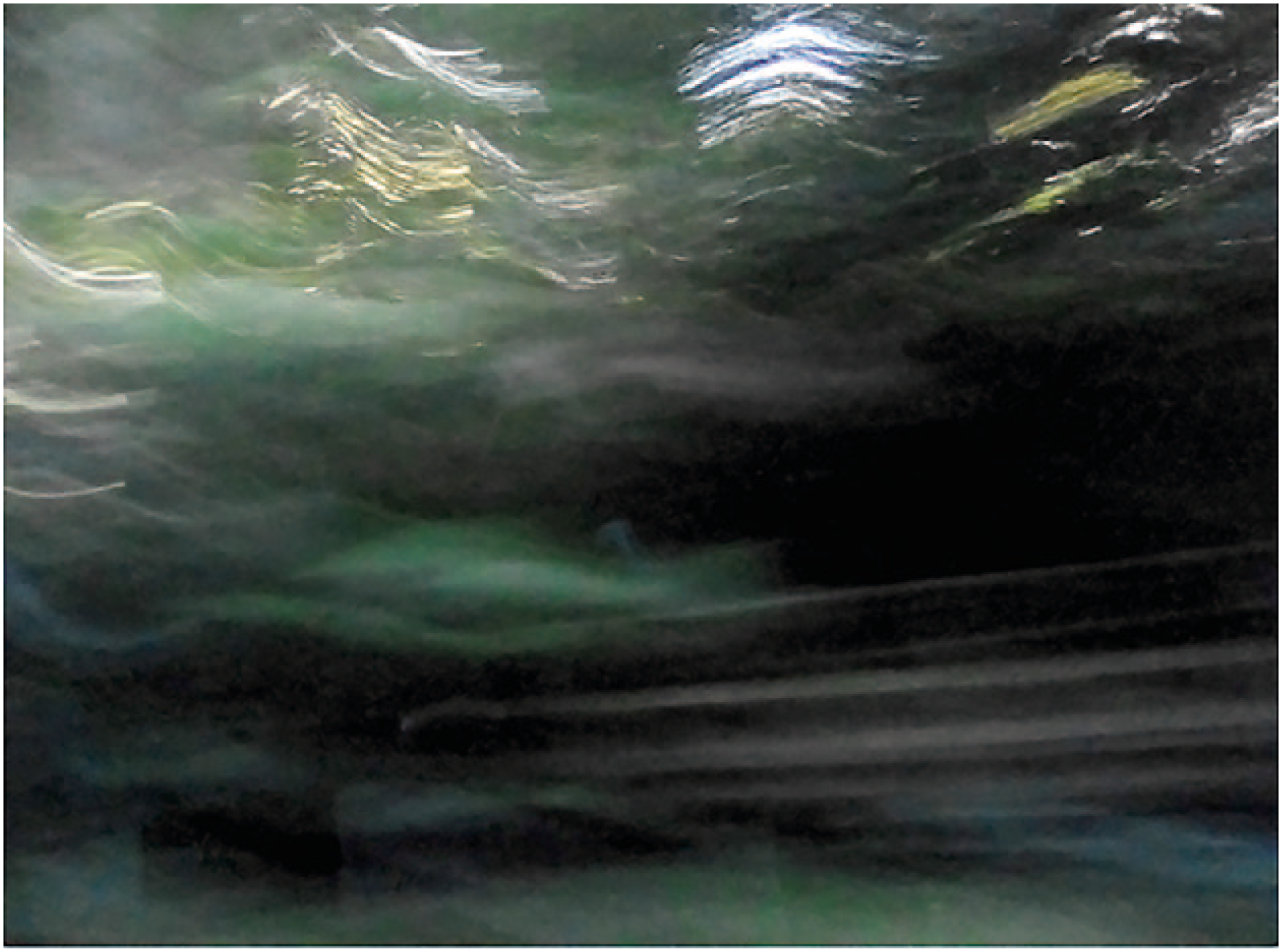
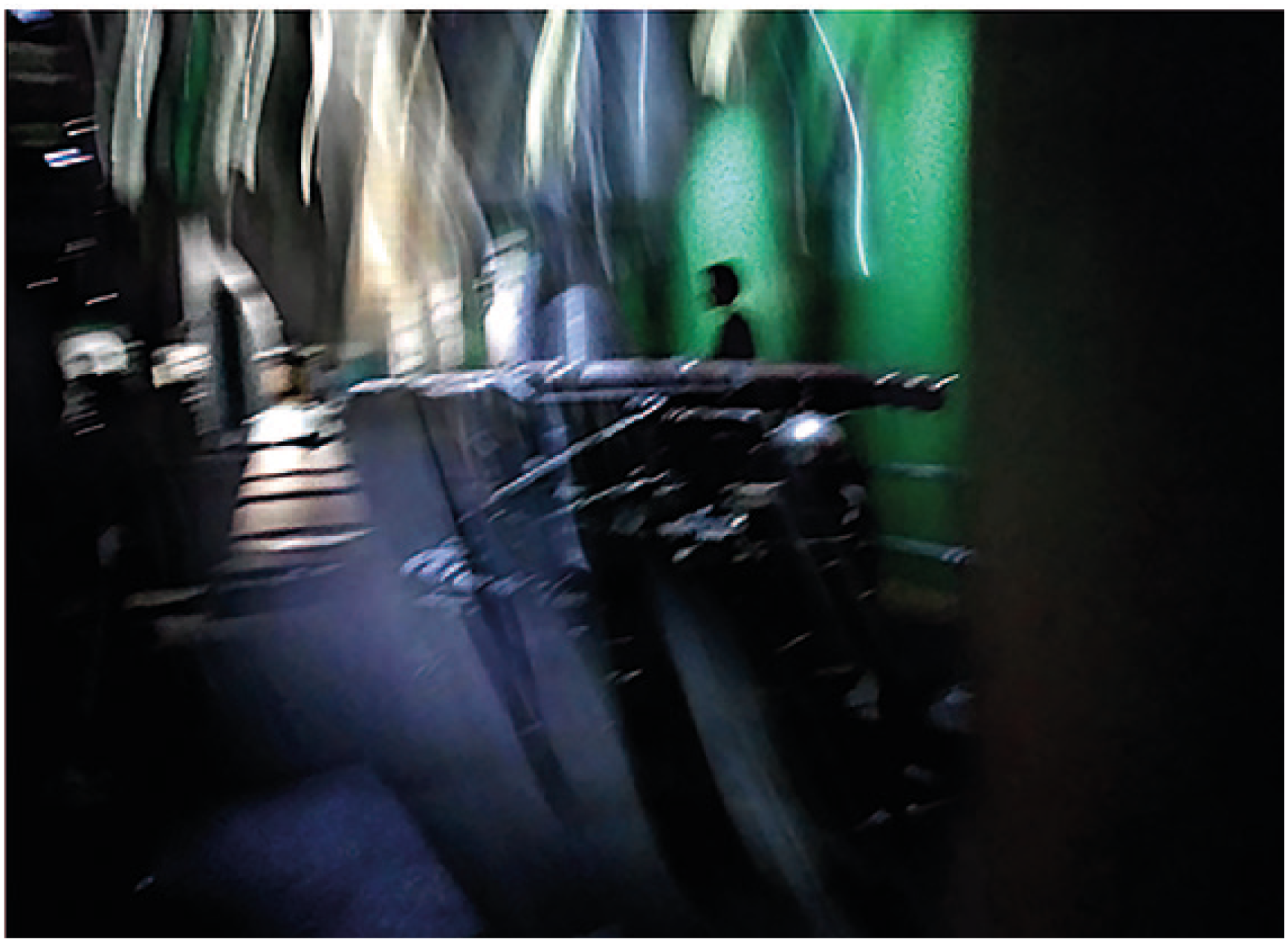
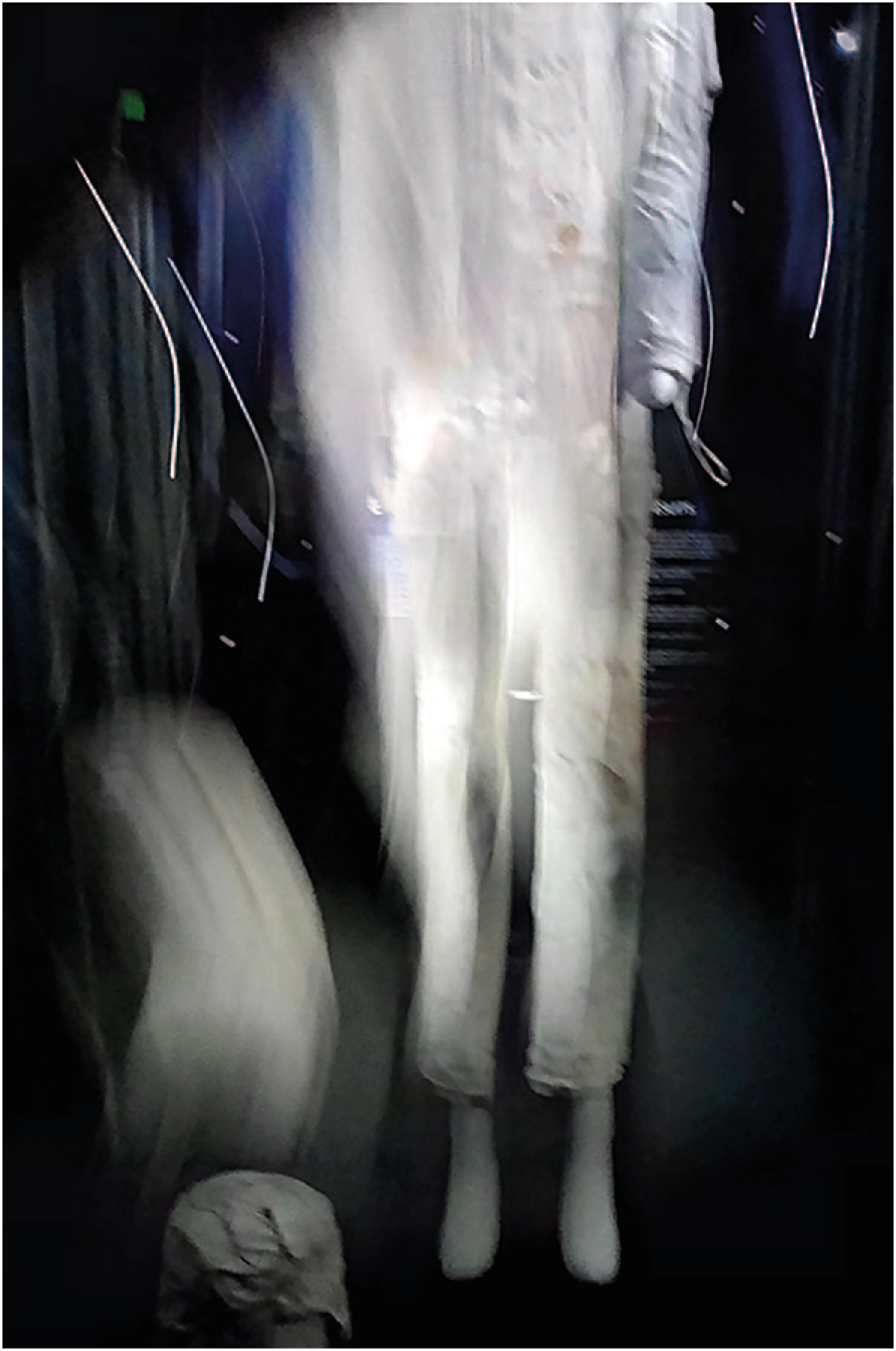
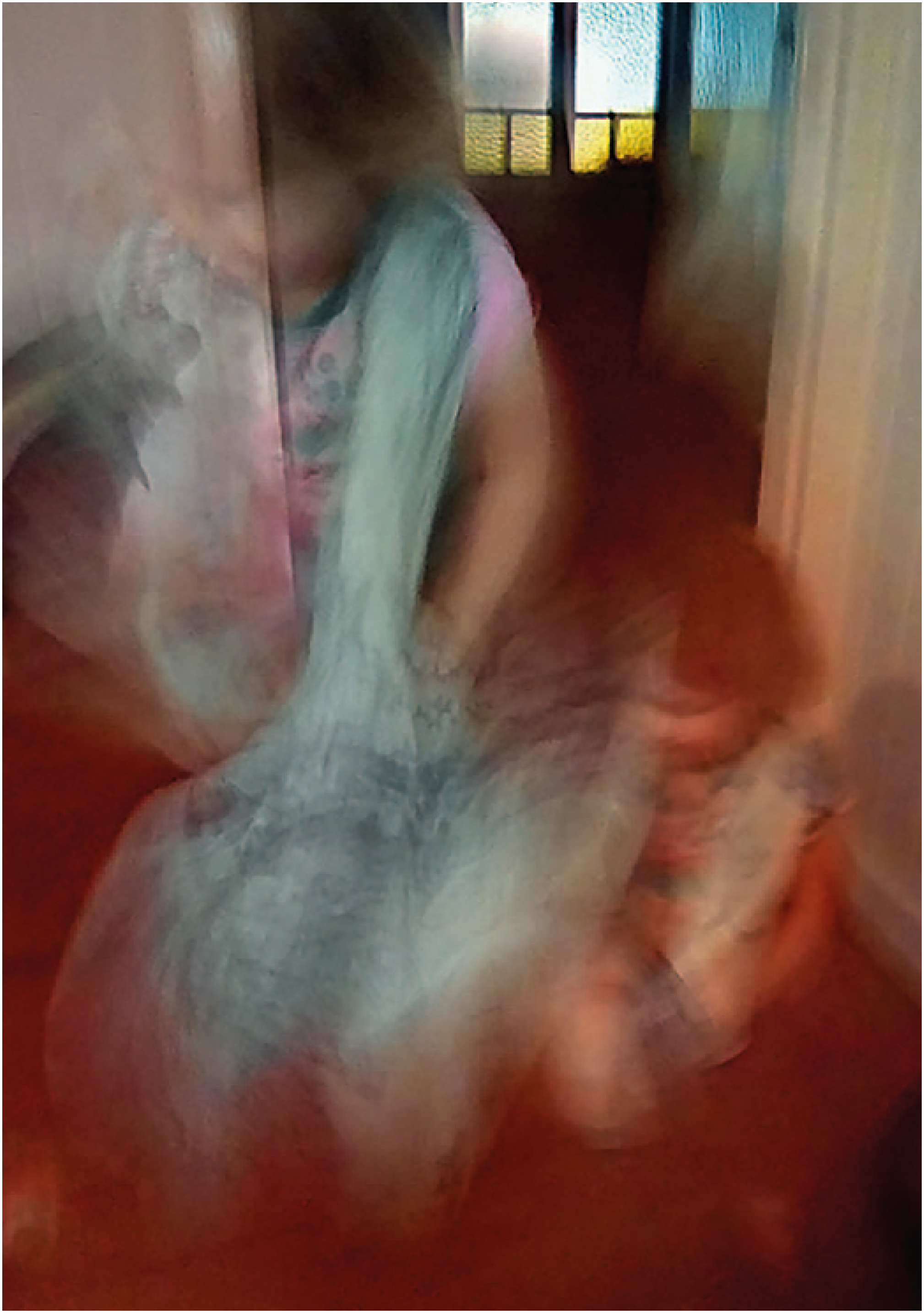
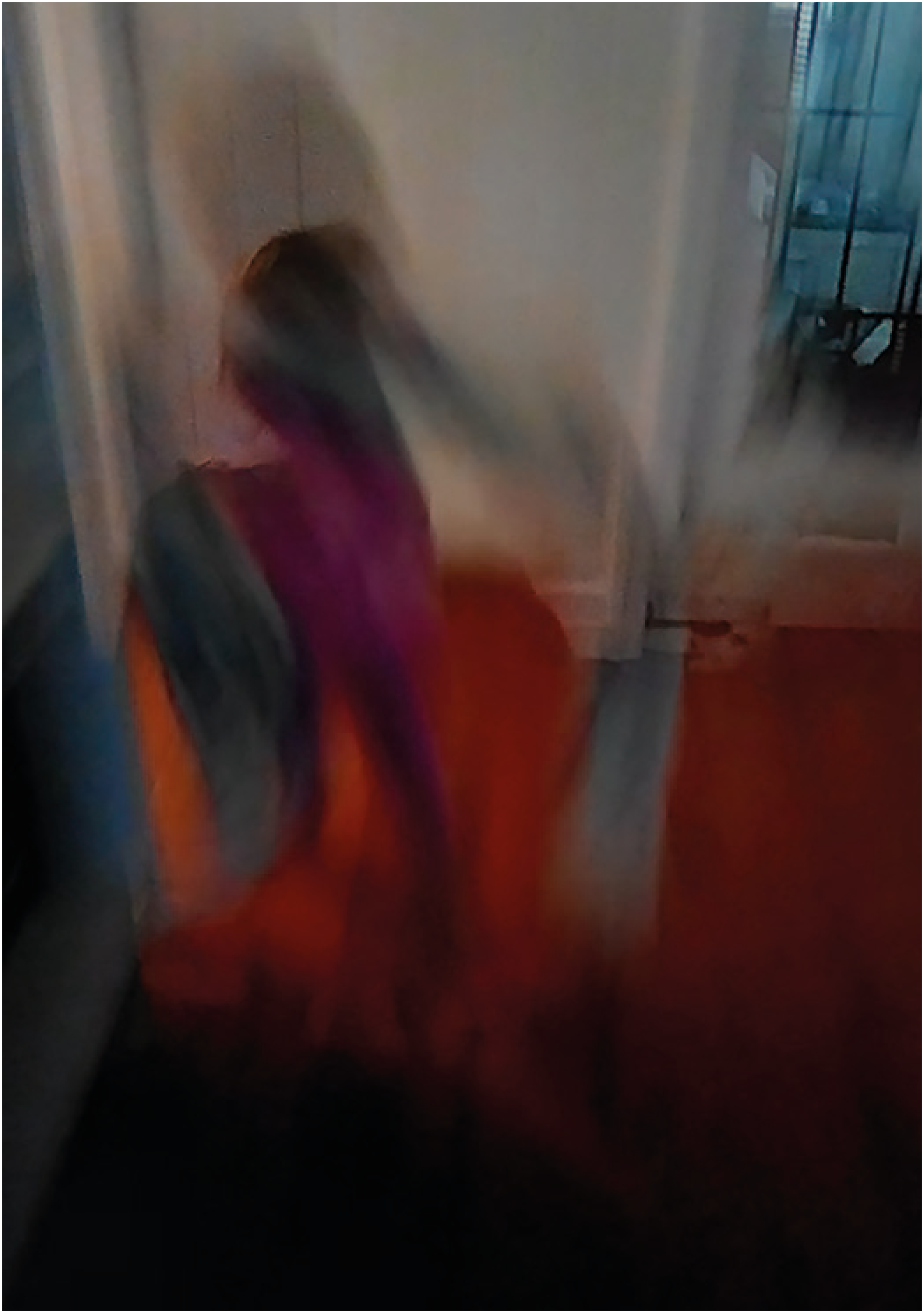
Upon deeper analysis, we noted an emergence of images that were potent, deeply atmospheric and visually compelling. They were also almost all blurred and out of focus to a greater and lesser degree. The photographs by Charlotte, Bailey and Remy 2 (Images 1, 2 and 3) are deeply affective and evocative examples yet, on first viewing, they remained somewhat perplexing. Perhaps these images could be dismissed as happy accidents, images the child photographer had not intended to be so remarkably beautiful? At that time, we thought these three images would perhaps be the most accomplished of the thousands of images captured throughout the study. However, we later noticed that many of the children seemed to be quite aware of the limitations of the resolution and functionality of their devices. They were engaging with these limitations on purpose, working the device through intentional, experimental photography. For example, both Lucien and Allan’s images (Images 4 and 5) were each one of many of the same scenes, where the child had taken the same image several times. Upon further analysis, we discovered that Lucien had revisited the same sunset image with 27 frames (Image 6), and Reynold had captured the same scene in the same way 18 times (Image 7) and another scene the same way 16 times (Image 8). It became quite clear that Lucien’s and Reynold’s photographs were purposefully framed and executed, that they had lingered in the landscapes over some time and had framed and reframed their images experimentally. These images are not examples of accidental beauty; rather, they are indeed the work of purposeful child artist-photographers.
Our encounters with these images were profound. We questioned again and again whether such photographs qualified as ’art’ and whether such certification was even relevant to this work. In their analyses and responses to the research question, the children were asked to curate seven images that most strongly exemplified their relationship as nature. The works in this visual essay did not appear in any of the 103 children’s ’selection of 7’. Yet they did, in our analyses, in a ’curated 10’ of strong photographs due to their command of the imagery.
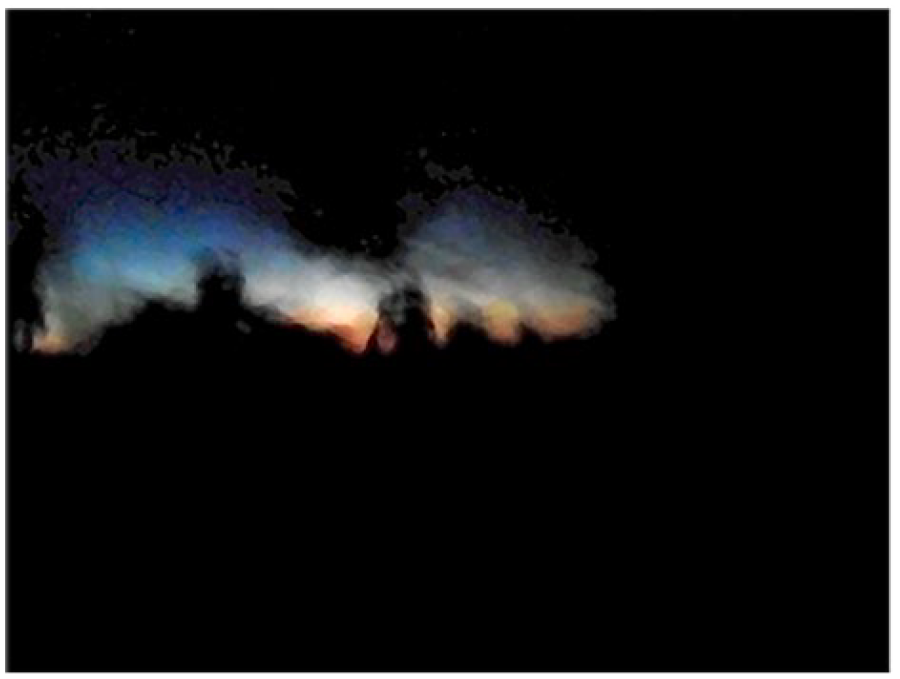
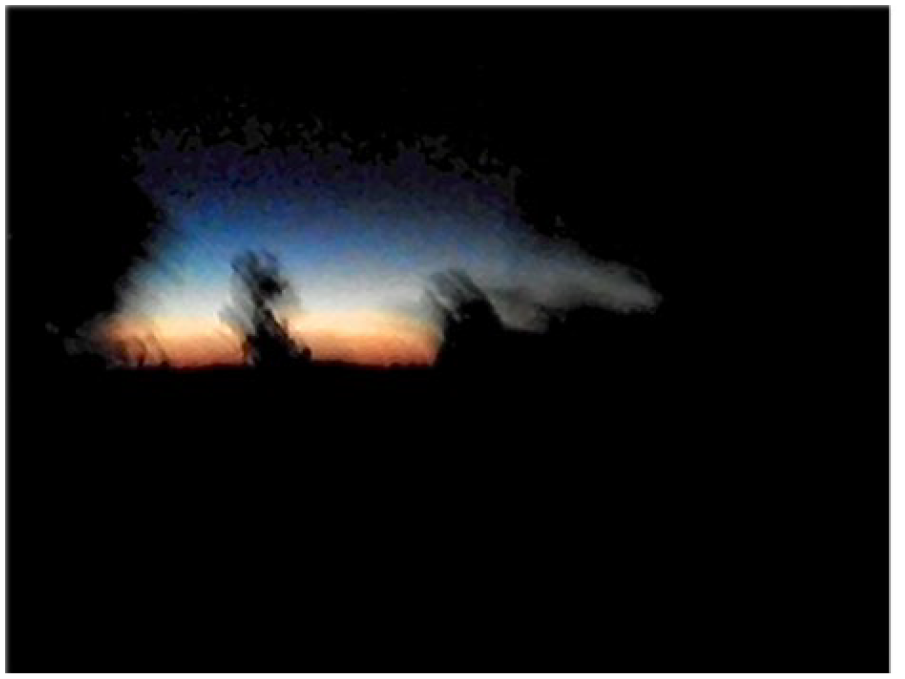
The children’s analytical curations of their selected seven images differ from the visual presentations in this essay. However, it must be noted that their curations were not about the photographs that they thought were their most accomplished. Rather, they were curated for the analytical purposes of the study; namely, they were asked to curate seven images that portrayed their relationships as nature most potently, about which they drafted an artist’s statement to this effect. It was but one analytical moment in the project. Many more were conducted by the children and the researchers, together and separately.
In our reading, the works included in this essay hold aesthetic power, demonstrating each child’s intentional practice, mediated by (un)failing technology, demonstrative of their nature relationships in an ecology of practice. We have curated these works creatively and analytically and it is through this curatorial act that a further ecological layer was created and diffracted into other entanglements. Another layer or ecology is hitherto generated in the image’s relationship with the audience through their mutual gaze.
We assert that our observations and curation of the images taken by the children do not negate their authority in their analyses and curations of images. These data analyses are the focus of other publications about this project. 3 Rather, we found ourselves captivated by some of the images, which held our gaze long after the project itself had been completed and the children’s contributions documented and assembled for publication elsewhere. In our curation, we noted that, unlike words, images are not linear (Pink, 2004) and that images, as more-than-human entities, have layered potencies. The agentic, beguiling surfaces of these images (and others not included here due to the constraints of this essay) summoned our gaze in myriad ways. One of these ways was deeply sensuous (Pink, 2021), and deeply affective, arresting our attention so that we found ourselves being lured again and again to these images and subsequently assembling them variously before we delved back into the thousands of images to search for more. This process was quite beyond the purposes of the original study as these photographic data were both embedded and transcendent of the project from which they were originally created, in a diffractive observation of accidental aesthetics. This is not to commodify the image, nor is it to disrespect the children’s analyses. The creations, thoughts and analyses of the children are valued and reported in other publications. We see the entanglements of the children’s and researchers’ thoughts, ideas and analyses as parts of the same whole. The children’s creations and captures, their analyses and our analyses are enmeshed.
The agency of the images exists in an entanglement of artist, photograph, worlds and audience/s and the innumerable voices of the children meeting our gaze and readings, diffractively. The children intentionally captured these images; the landscapes beckoned their scrutiny - sometimes hundreds of times - and, although they may not have regarded them as their most potent portrayals of their relationality as nature, we found ourselves enticed by their aesthetic potency and the children’s voices, which we listened to, through our eyes (Kind, 2013). These voices emerge from myriad relationalities.
As researchers, we are ineffably a part of that which we choose to study (Mayes, 2019) - we are never objective or somehow detached. Yet our entanglements must be ethically posed, as we ’are responsible for the cuts that we help enact not because we do the choosing (neither do we escape responsibility because "we" are "chosen" by them), but because we are an agential part of the material becoming of the universe’ (Barad, 2007: 178). The agential forces of the materiality of the images can be read simultaneously, and in myriad ways. Our intra-active reading, as presented in this essay, is but one. We adhere to Sontag’s (1977: 3) notion when she argues that ’photographs alter and enlarge our notions of what is worth looking at and what we have a right to observe.
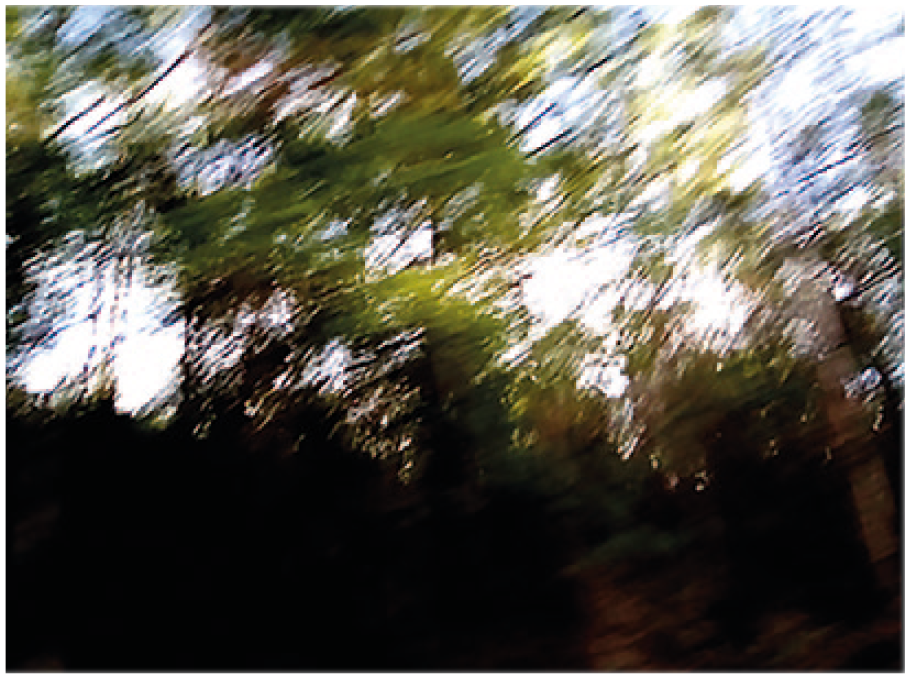
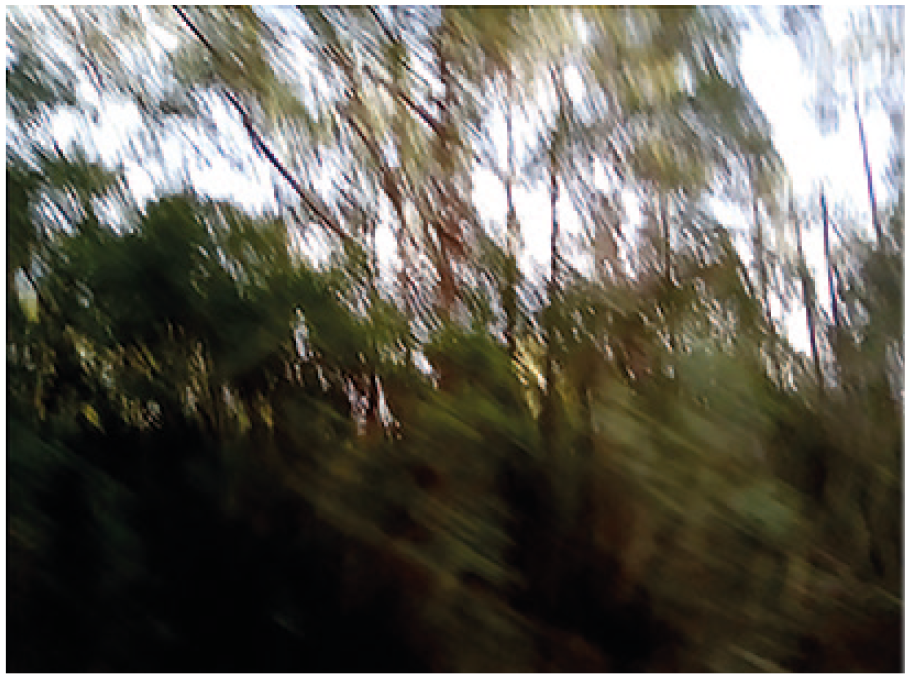
They are a grammar and, even more importantly, an ethics of seeing.’
We noted the resonances between the child artist-photographer’s work and the work of established contemporary artists. For example, we found the work of Tim Knowles, particularly his Mungo Bush Walks (2013) and Aldona Kmiec’s Winterbloom series, to have strikingly similar techniques and aesthetics. 4 This is not a cynical or opportunistic elevation of this work. Rather, this curation and discussion are an intentional foregrounding that co-performs with the work, recontextualizing it and beckoning a further intertextuality. Once curated, we realized that, beyond the photographs having striking aesthetic provenance, they were indeed evidence of deep engagement in the Landcare Reserves with/as nature, yet in deeply unexpected ways. The tablet-as-object exists outside human cognition and creativity but is not a passive tool. Rather, in the moment of capture, the device asserted its own agency in the taking of the images in co-creation with the children’s creativity, which in turn was in dialogue with the landscape.
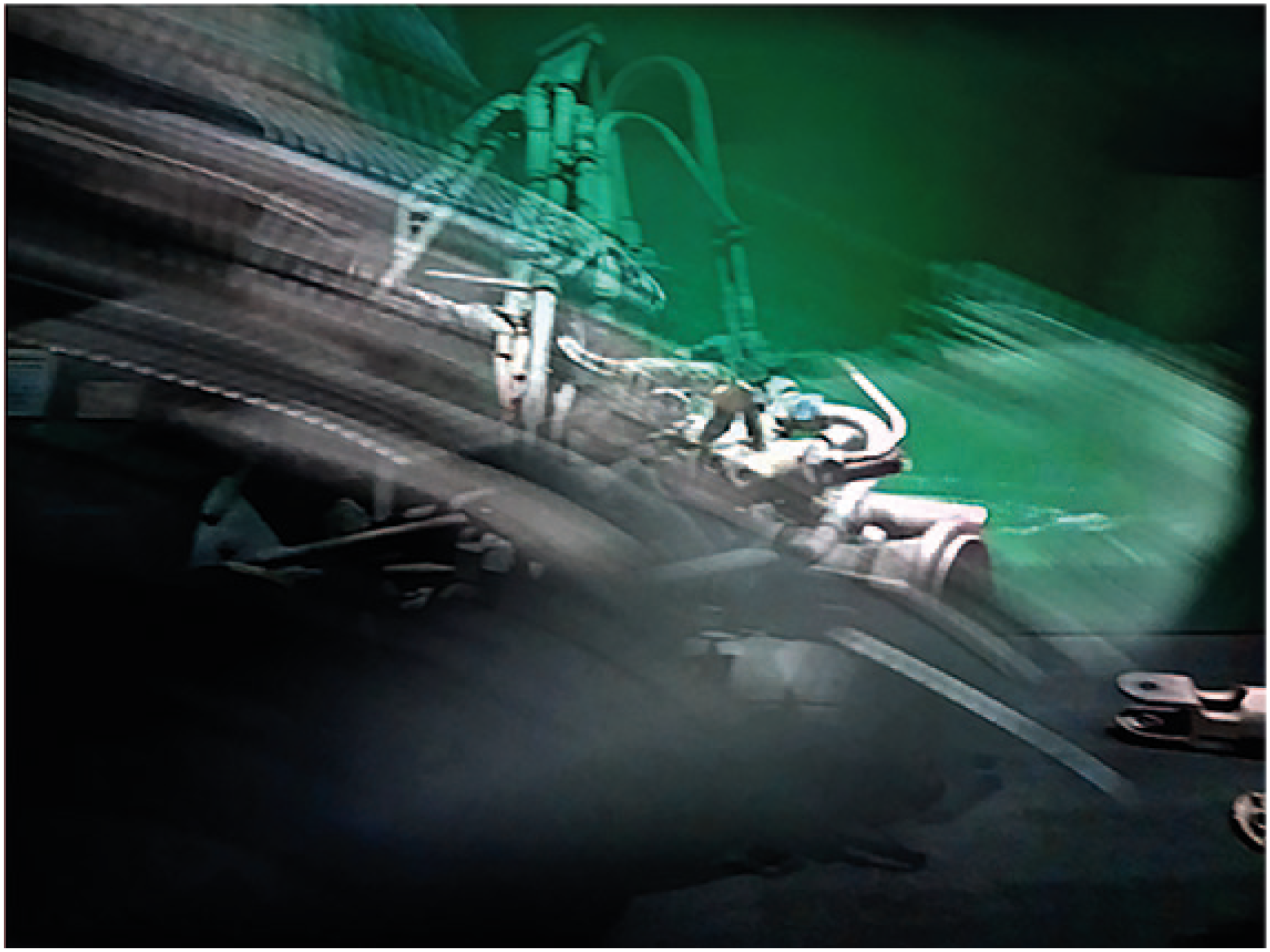
The children’s artwork has a certain ’dark brilliance’ (Rousell and Cutter-Mackenzie-Knowles, 2020: 1670), almost unilaterally compositionally strong, with light and shadow, colour and shape, tone and texture balanced and readable despite the significantly blurred images. The tracings of movement are captured through moments of gesture as demonstrative passages of experience with, through and as nature - nature that is both outdoors and indoors (see Images 9 and 10). It is a network of the human and more-than-human, ’as mortal critters entwined in myriad unfinished configurations of places, times, matters, meanings’ (Haraway, 2016: 1).
The deep relationality of children as nature, in rapport with the more-than-human device, is piquantly apparent - the ’sensing body of the camera is crucial in this mediated configuration of child and environment, as it captures and renders the sensory data of the occasion in ways that no human can do’ (Rousell and Cutter-Mackenzie-Knowles, 2020: 1670). The viewer is transported to the scene through the simulacrum of the photograph - not to see it, but rather to feel it, experience it and be affected by it. These works are more than ’technical chance encounters between the cameras and distracted human activation’ or Barthes’ (2000) concept of the subjective, exceptional moment of the punctum (Klik, 2021: 218). Nor are they about unknowingly capturing an image when the screen is unlocked and the shutter accidentally operated, as can often happen with contemporary devices. These works are not about the more-than-human agency of the device in capturing an unintended image. They are indeed agentic and elegant explorations of the children’s relationships as nature - childhoodnature - performed as authentic artmaking.
Footnotes
Declaration of Conflicting Interests
The authors declared no potential conflicts of interest with respect to the research, authorship and publication of this article.
Funding
The research reported in this article was funded by the National Landcare Program Environment Small Grants Program, number NLESG67902, and supported by Southern Cross University and the Sustainability, the Environment and the Arts in Education Research Cluster [SEAE].

Data Availability Statement
Data sharing is not applicable to this article as no datasets were generated or analysed during the current study.
Notes
Biographical Notes
Amy Cutter-Mackenzie-Knowles is Executive Dean, Faculty of Education, Southern Cross University and Research Leader, Sustainability, the Environment and the Arts in Education Research Cluster [SEAE].