



Abstract
Visualizing information is a process of exposure. All data tells a story. The science and art of information design lies in choosing which one to tell—and how to get others to listen.
Keywords
Introduction
All data tells a story and, as we well know, stories are powerful things. They are the infrastructure that comprises our social ecosystems—the currency we use to connect with one another. Stories lay the foundation for the development and fortification of our subjective realities.
The art and science of information design lies in building narratives around data sets in a compelling fashion. In doing so, we experience first hand the complexities, contradictions and tensions that come with contextualizing information and shaping it in ways that enable connection.
That is why ugly information can be so challenging to work with; it often leads to ugly stories. Ugly challenges us. It presents narratives we may not want to let into our fortified realities. The aim then is to design the medium in a way that invites others to listen and reflect on information that is commonly ignored, overlooked, or repressed; to linger in that state, engage with a new notion and form a new perspective.
Presented here is a visual essay composed of four works contributed by students from the Information Experience Design program at the Royal College of Art. Each draws on individual explorations of a specific genre of ugly, adding dimension to the aspiration of using data-driven stories to ‘see it all’ (McCandless, 2009).
Tamar déjà vu revives a memory from past events in Tamar Park, Hong Kong, triggering a déjà vu and alternative perspective on history. Conversations Through Copper Pipes compresses ongoing phenomena and re-presents restructured conversations experienced during COVID lock down. Destabilized Common Grounds aims to make the climate change process more tangible and immediate through encounters with moss colonies. Future Urban Foragers reveals challenges in a near future where democratized genetic engineering technology meets the environmental and social pressures of climate change.
Together, the works experiment with modalities and forms that acknowledge both the complexity of the issues they engage with, as well as the need for inclusion of diverse audiences if sustainable change is to be realized.
Tamar dejà vu
By Tomica
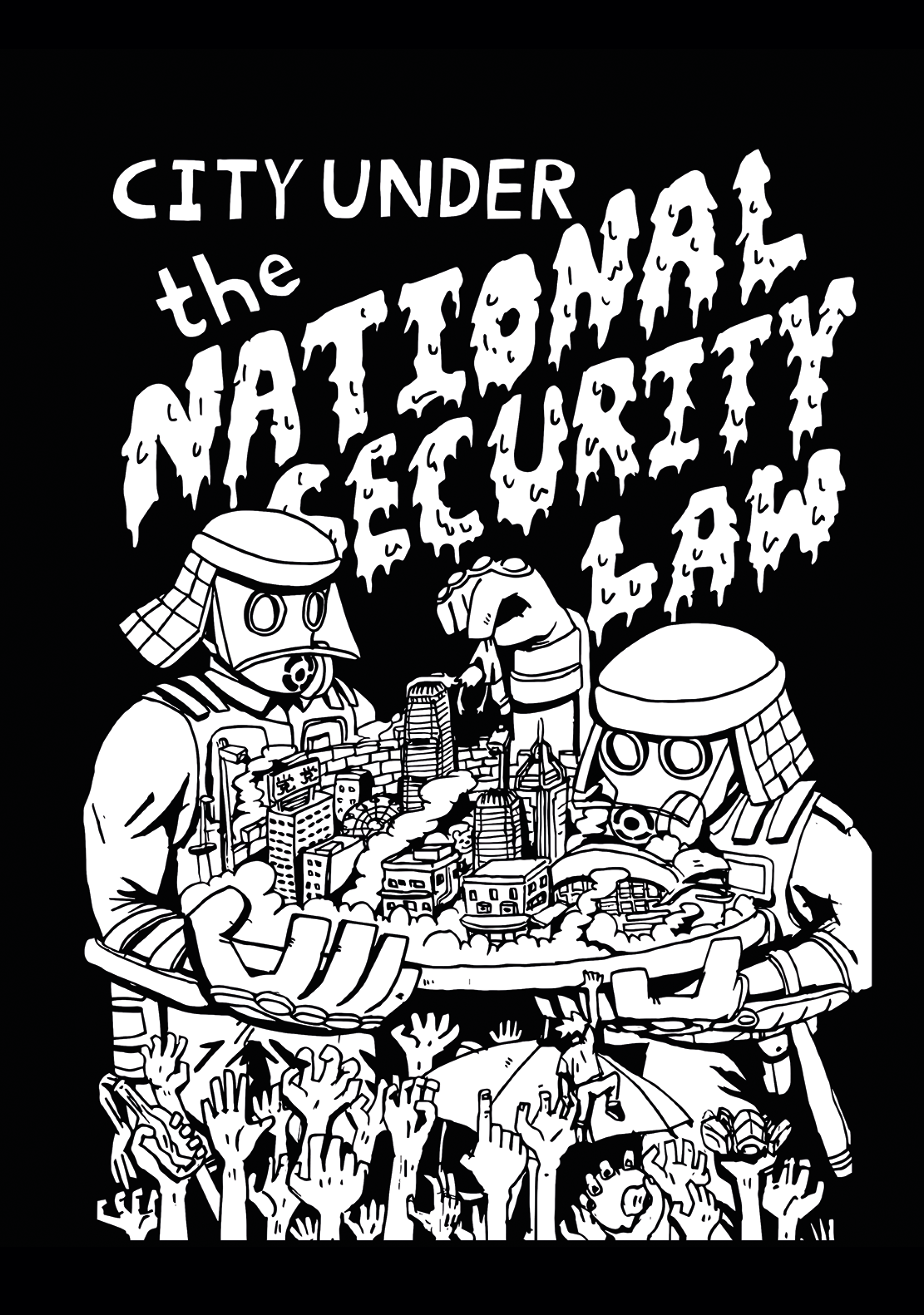
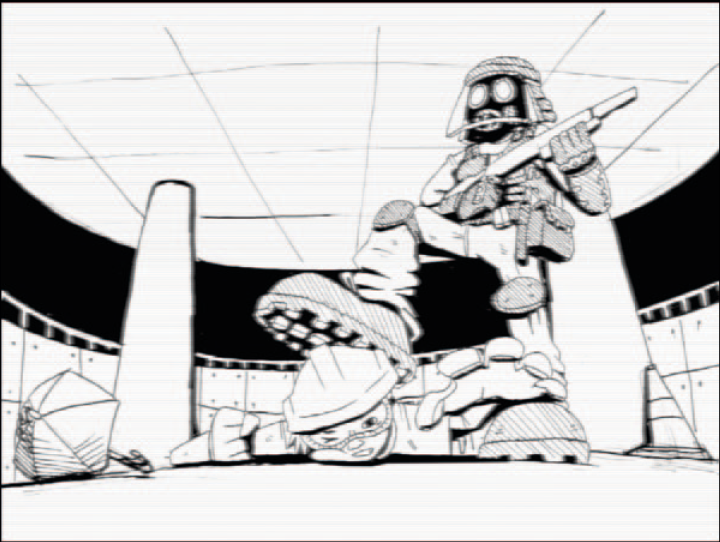
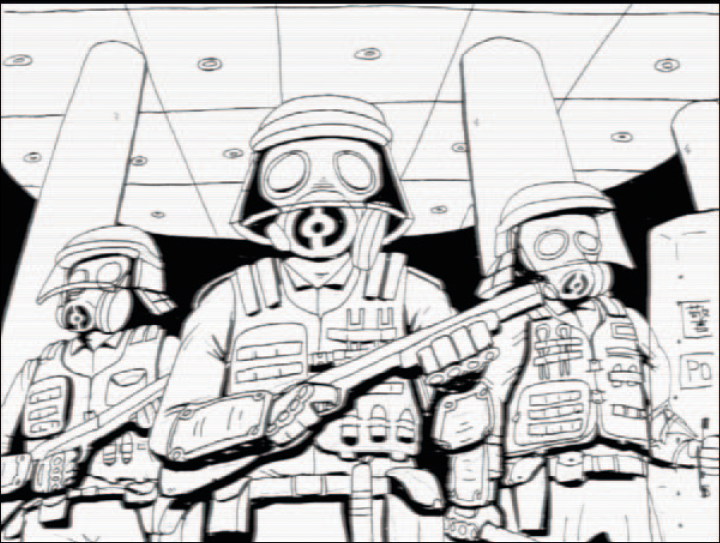
First of August, 2021. Two years after the protest. Things did not end up well. People are celebrating a 24-year-old who won a gold medal in the Olympics. In less than 24 hours, another 24-year-old might be sentenced to life in prison. To life imprisonment. There is no more freedom in Hong Kong. The only pro-democracy newspaper outlet, Apple Daily, was forced to close down. Activists either got caught and sent to prison or fled far away from Hong Kong and can no longer come back.
Things are getting ugly
The National Security Law is the ultimate rule in Hong Kong. It can be used in any circumstance. People throwing up the hand gesture of ‘5 demands, not 1 less’ violates the National Security Law. People booing while the Chinese anthem was playing violates the National Security Law. People owning a flag of ‘Liberate Hong Kong, Revolution of our times’ also violates the National Security Law. As a matter of fact, if this article was ever found out by the regime, I might already be in prison. The city’s atmosphere reached an all-time low. People get caught every day. Pro-democracy parties are disbanded every single week. The society is chaotic, yet the Government tries to convince us that everything is normal and nothing has happened before. All that glitters is not gold.
Stay rebellious: don’t ever forget
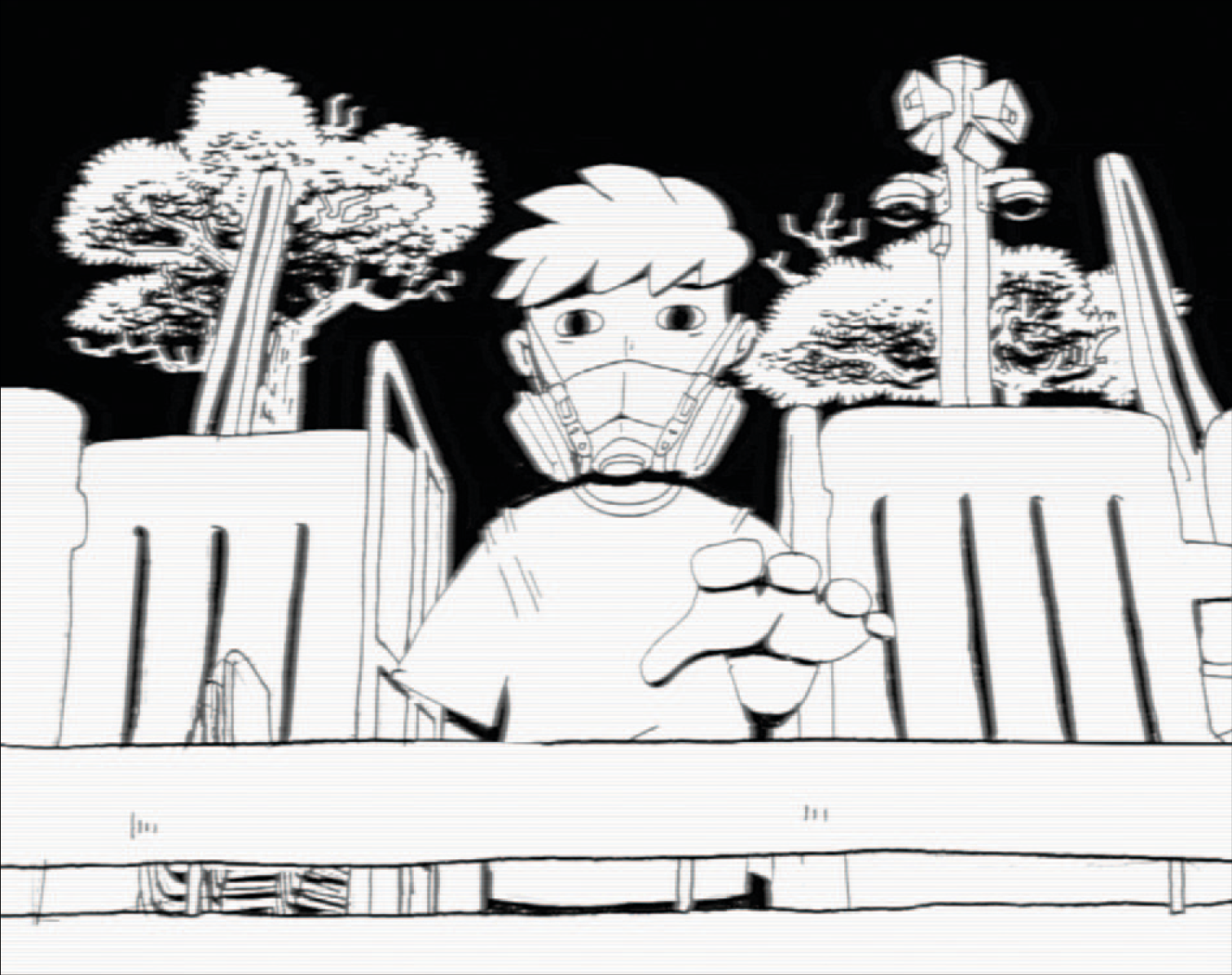
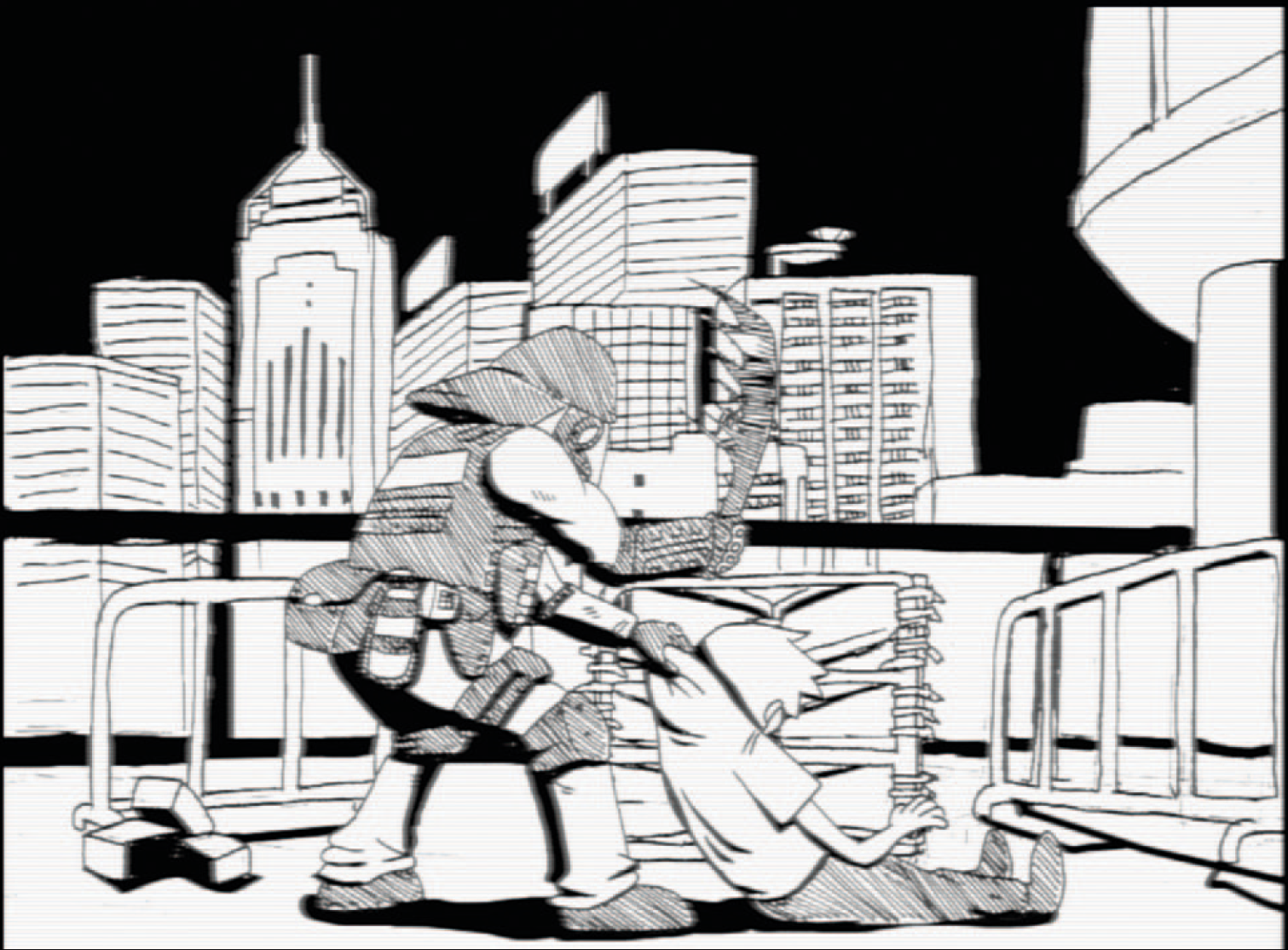
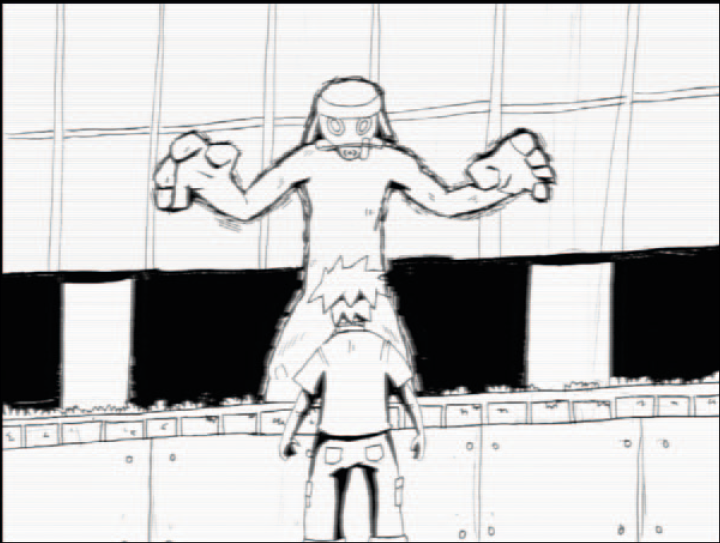
Tamar déjà vu, is a 2D short animation created to remind people about what happened in Tamar Park in 2019. It was done under the pressure of the National Security Law. I probably will be charged for secession, subversion, terrorist activities and collusion with foreign countries. Sounds insane, but it is true. The animation style might not be the best, the story might be too bland, truth be told it is not perfect, I will admit that, but it is one of, if not the most meaningful projects I’ve ever created. Although it is just an insignificant animation that could never change what is happening in Hong Kong, I really gave my best. The message is clear, STAY REBELLIOUS AND PLEASE DON’T EVER FORGET.1
Conversations through Copper Pipes
By Arthur Wilson
A monument to digital representations of physical experiences in a stay at home society
When international lockdown orders arrived during the recent pandemic, we were left to our own devices to navigate the act of communication. Many of those, who were able to, turned to videotelephony proprietary software programs to facilitate a vast majority of their conversations and experiences in life. In doing so, users of this technology entered into a new form of relationship with their technological objects and digital experience, simultaneously relying on and sharing life with their devices in new ways. Through this act, personal technology became a newfound conduit for experience, experience which was once inherently physical became a digital re-interpretation and representation.
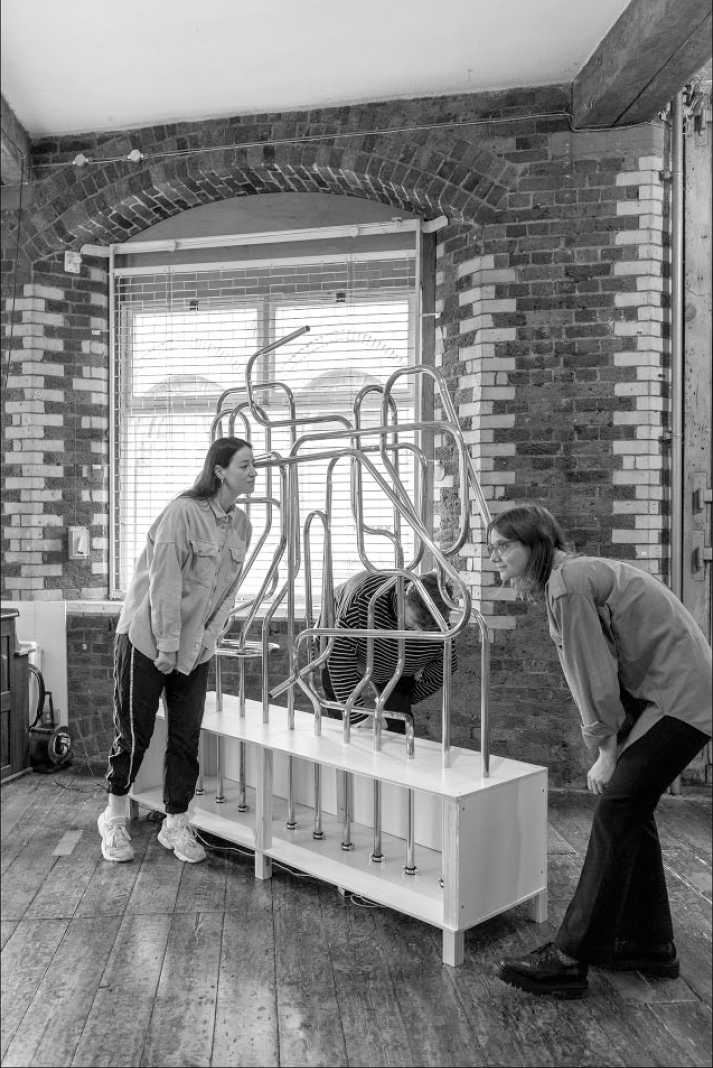
Conversations Through Copper Pipes is a large audio sculpture which stands as a bold and obvious physical representation, exploration and monument to this new communication phenomenon. It consists of 12 bent copper pipes through which audio snippets of moments of life experienced in this digital way are heard. These moments are clips taken from the internet of life occurring through Zoom, scraped from public videos on public platforms of random people and conversations. We hear attempted normality: a comment about livelihood during lockdown, or the weather, or the new mask requirements, or a eulogy at a funeral, or a baby’s gender reveal, or a wedding, or a music lesson, or a home pub quiz, or a work mate’s new girlfriend, or a developing drug habit, or a joke, or a tear, or an eating habit, or an acting class, or an English lesson for children, or a religious meeting, or a birthday.
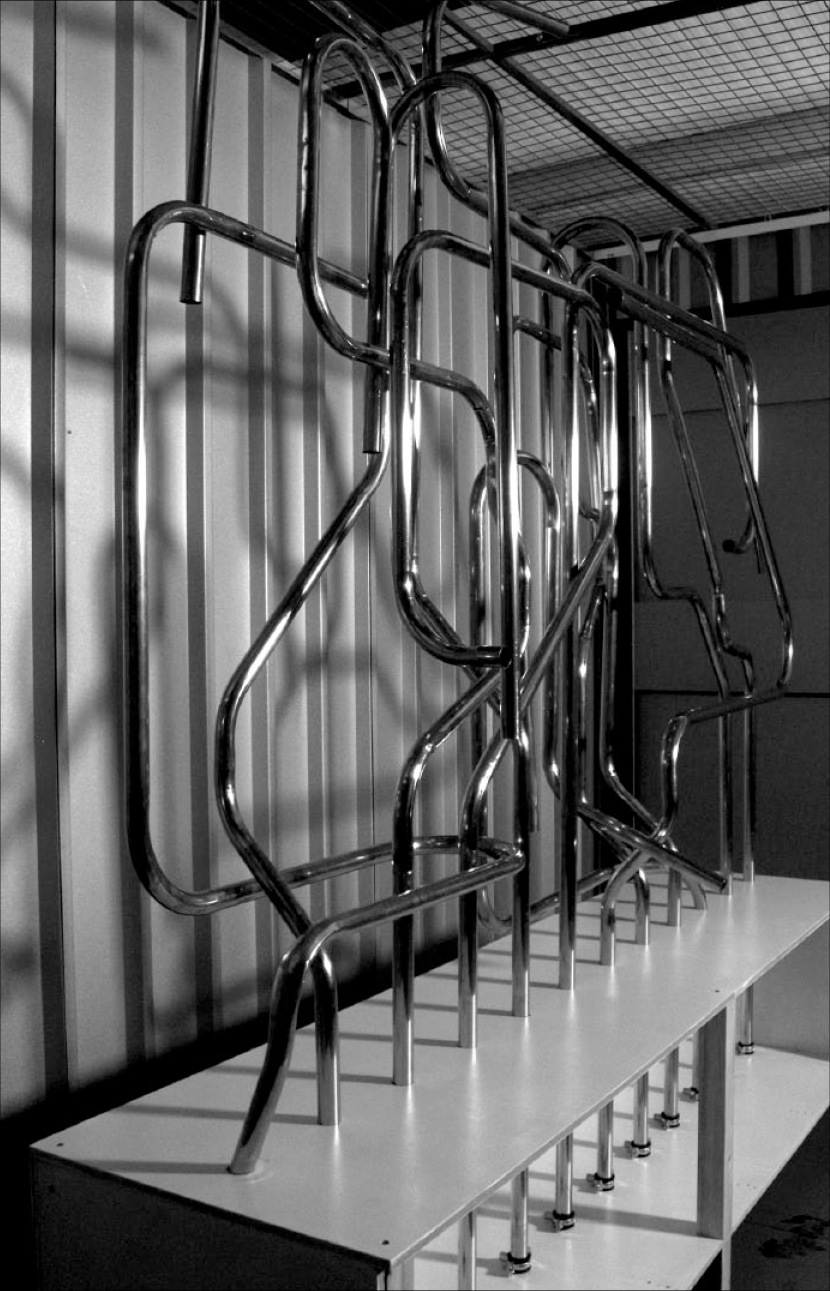
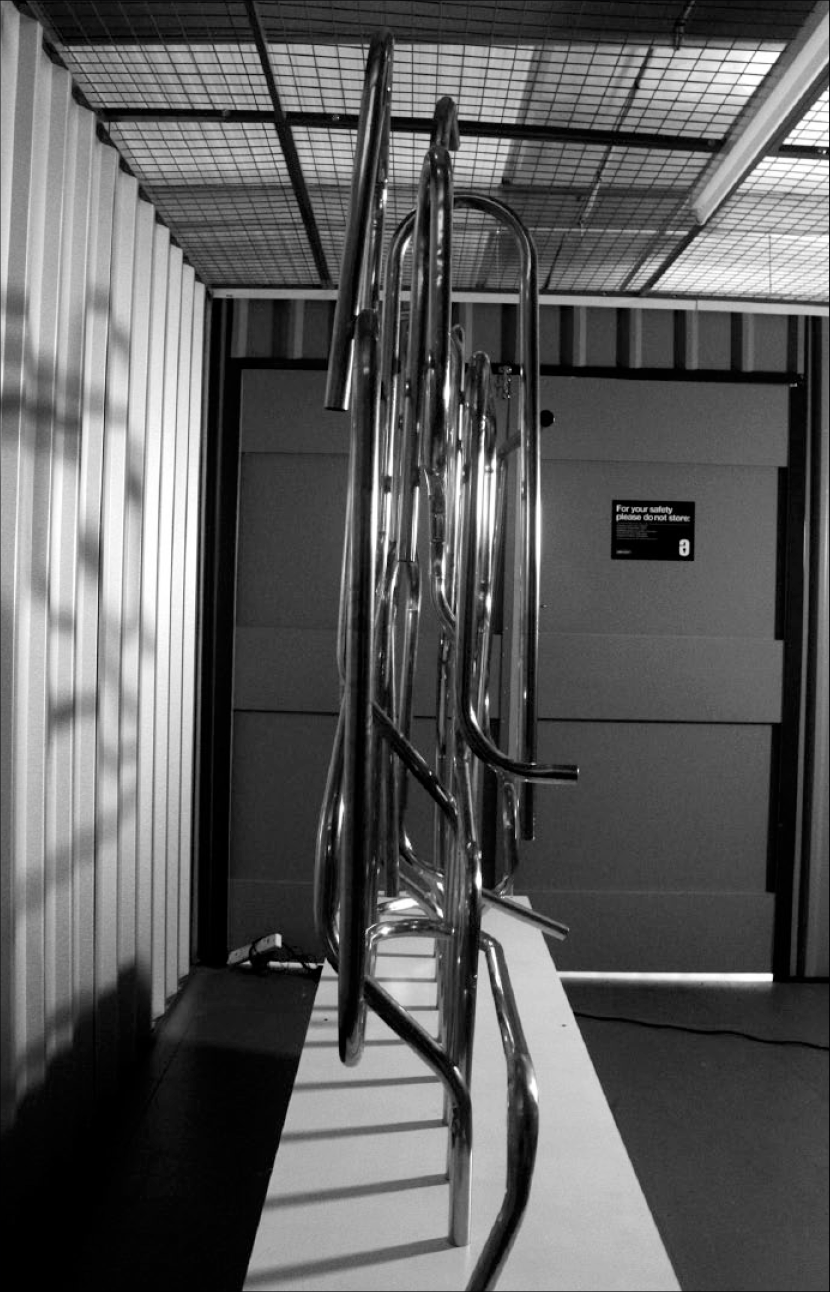
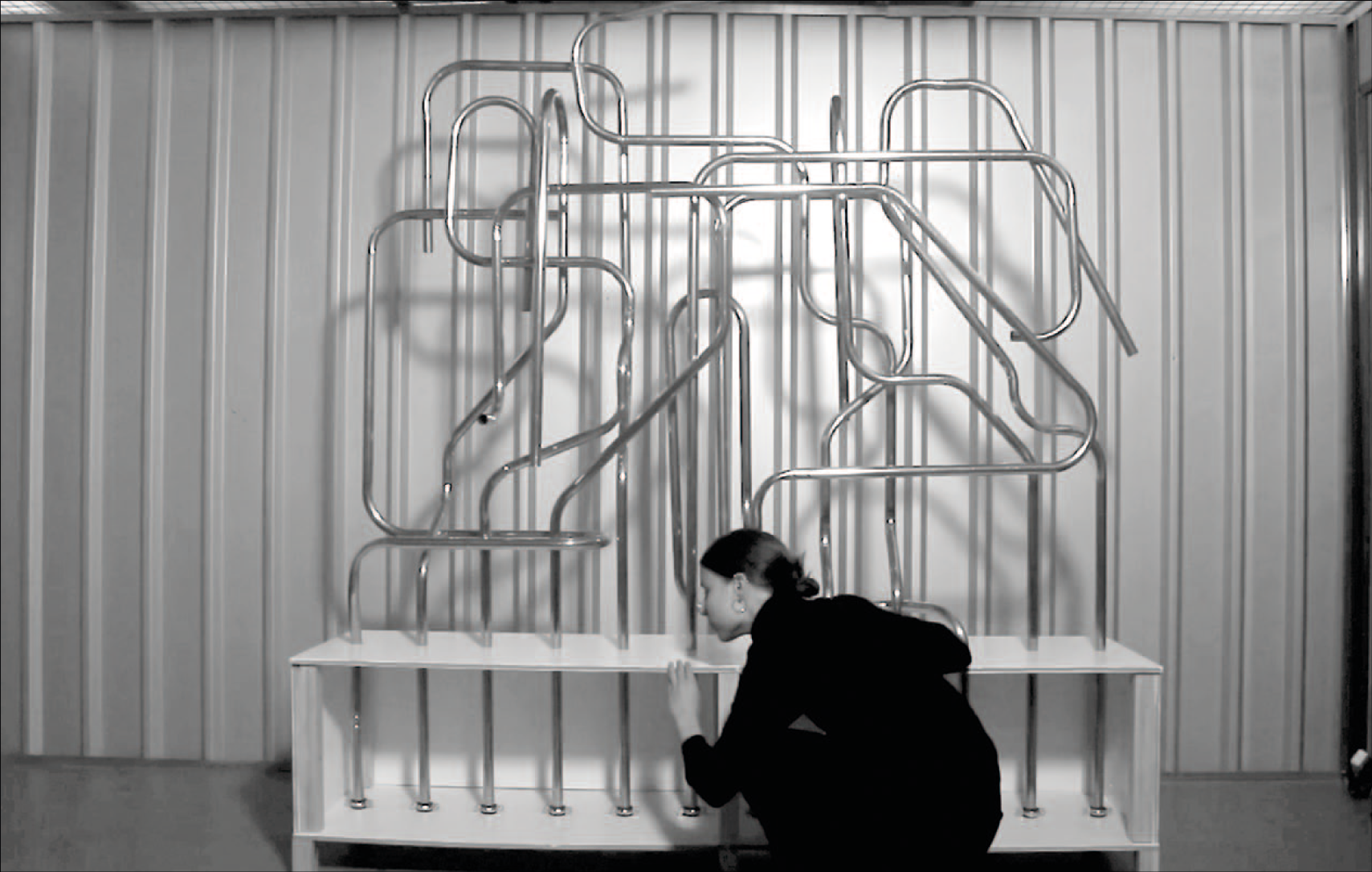
Through the act of twisting and contorting to listen in, the listener becomes a participant. Whilst voyeuristically listening in to somebody else’s conversation never intended to be heard by their ears, they simultaneously see a form of their reflection in the polished copper. Inviting them to wonder about their own experience of this new experience phenomenon.2
Destabilised Common Grounds
By Nirit Binyamini Ben-Meir
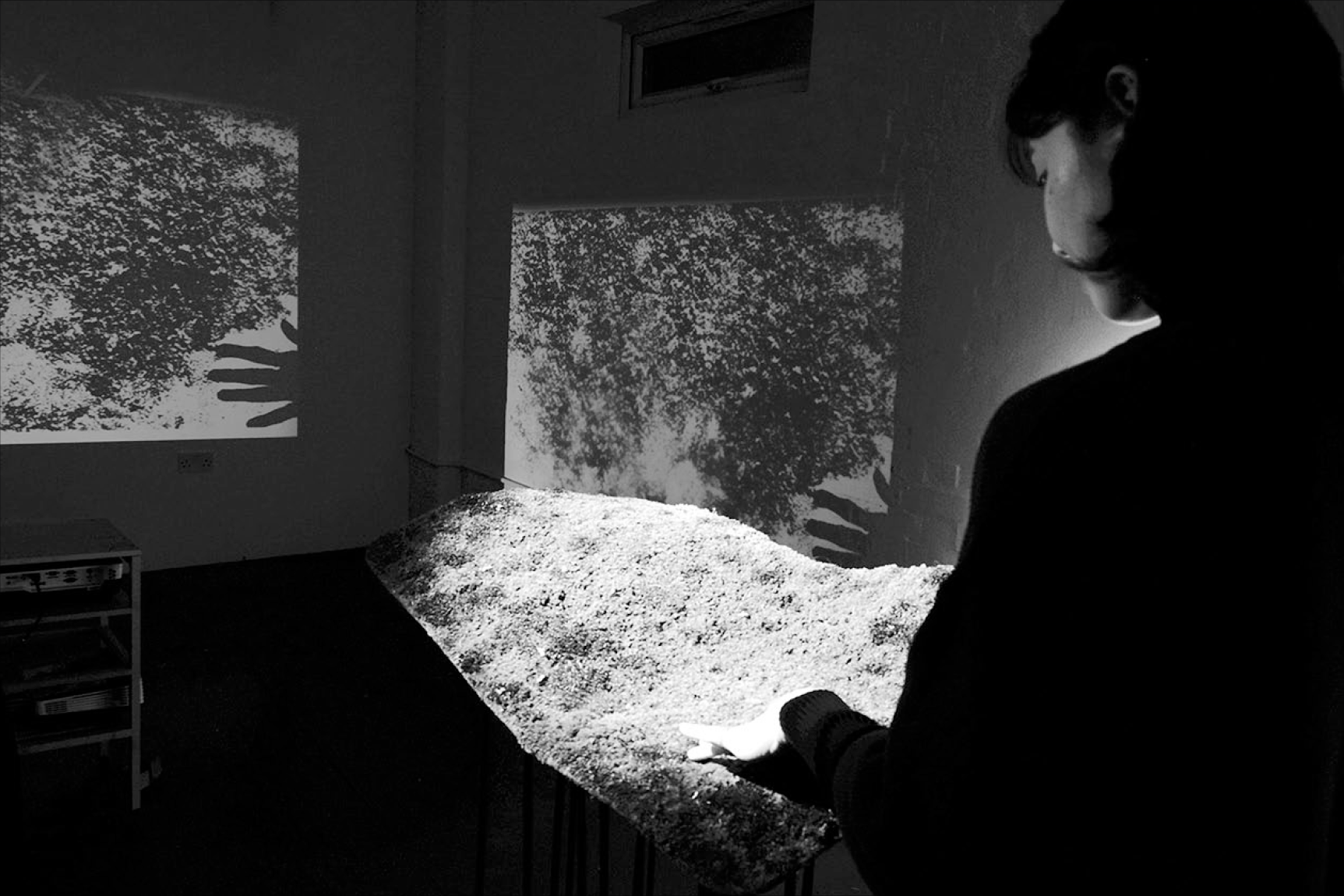
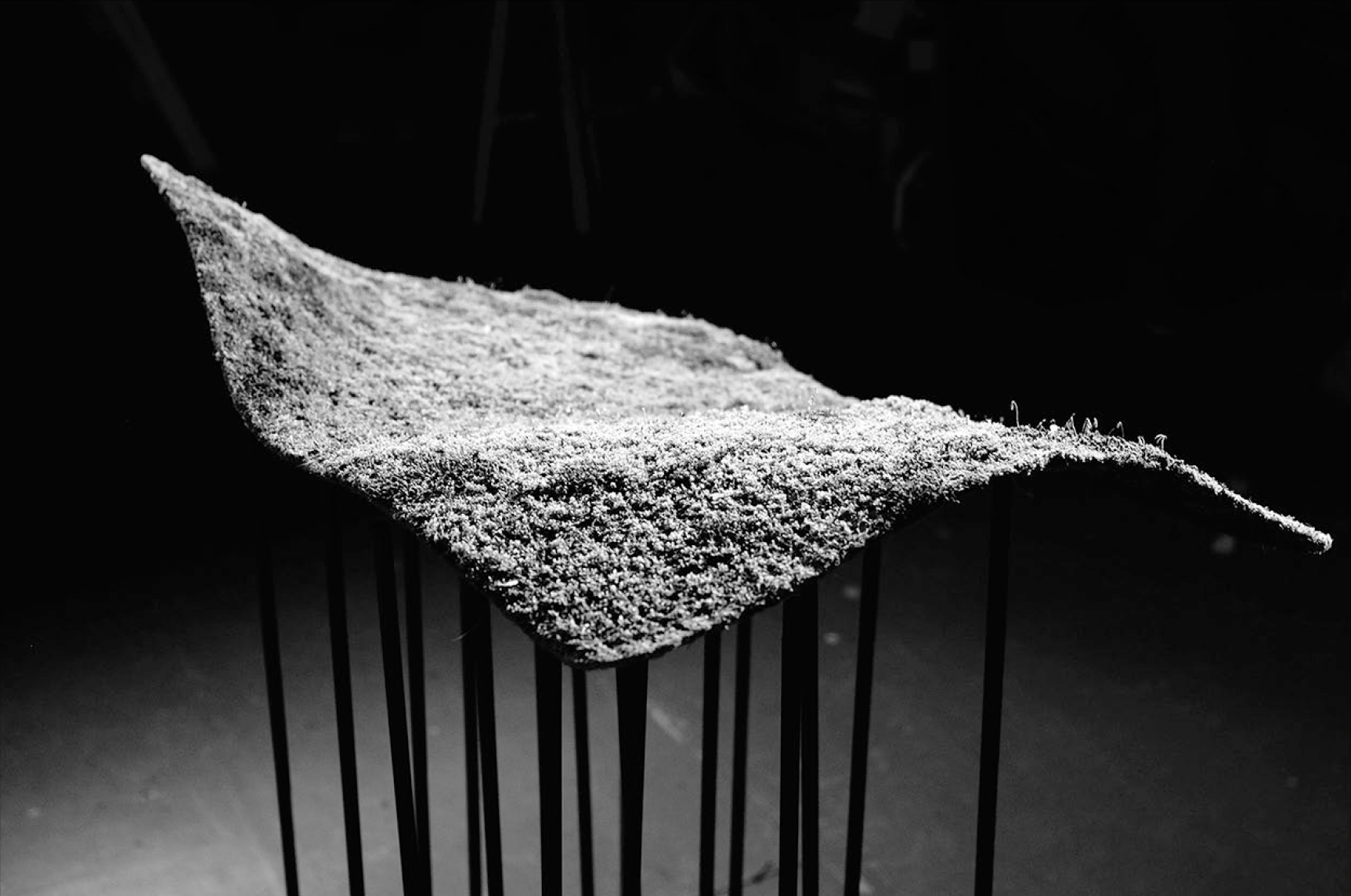
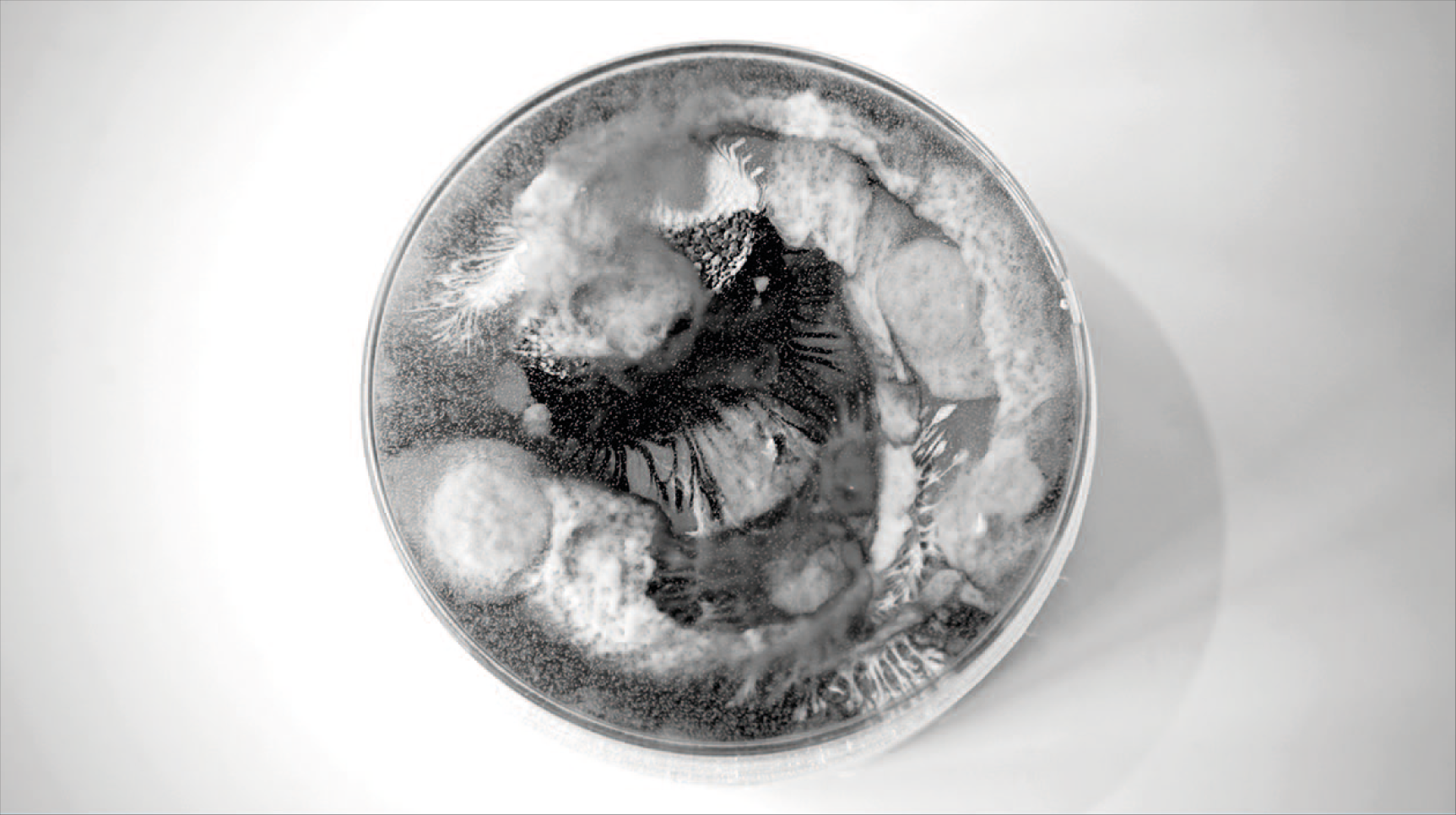
A damp and ugly doormat that I picked up from a neighbour’s yard was my channel to reveal the life of an overlooked community—moss colonies. At first, a sense of uncertainty made this doormat repelling; What might crawl out of that mat? Would the moss growing on it take over my floor? Would I be able to control that biological entity?
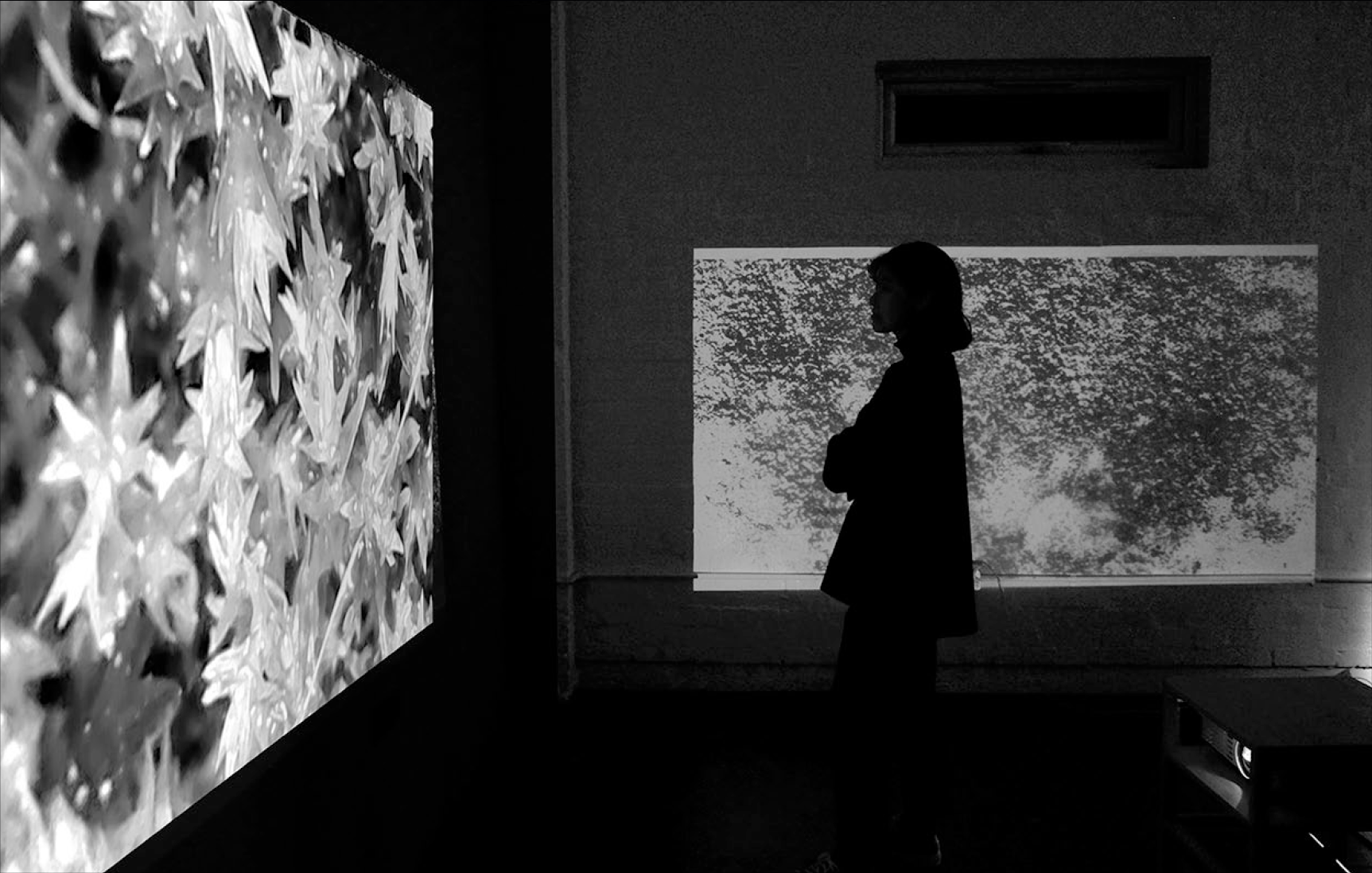
I kept this moss-mat and observed it for over a year. I learned how responsive it is to its environment and how the colony supports the individual strands (Kimmerer, 2003 [2021]). I monitored it, experimented with it, and engaged with it. My relationship with that micro forest reflected the human’s complex connection with the biosphere. The ugly information that emerged was how detached humans have become from nature and how alienation impacts the lack of care for the surrounding communities (Tsing, 2017).
I designed a set of installations for others to experience this tension between our fascination with other living forms and our aim for superiority. I wanted to bring this tiny ecosystem close to human eye level and create a scene for correspondence, where one can influence the climate of the moss, see the impact in real-time and question one’s actions. As larger audiences approach the work, the individual experience becomes a social experience that raises further questions about the tragedies of communities and their link to an ecological disaster (Weber, 2020).
Future Urban Foragers
By Laura Dudek
Innovation often promises to transform the world for better but, when met with real social needs, can have unintended consequences. What scenarios might arise from a future where democratized genetic engineering technology meets the environmental and social pressures of climate change?
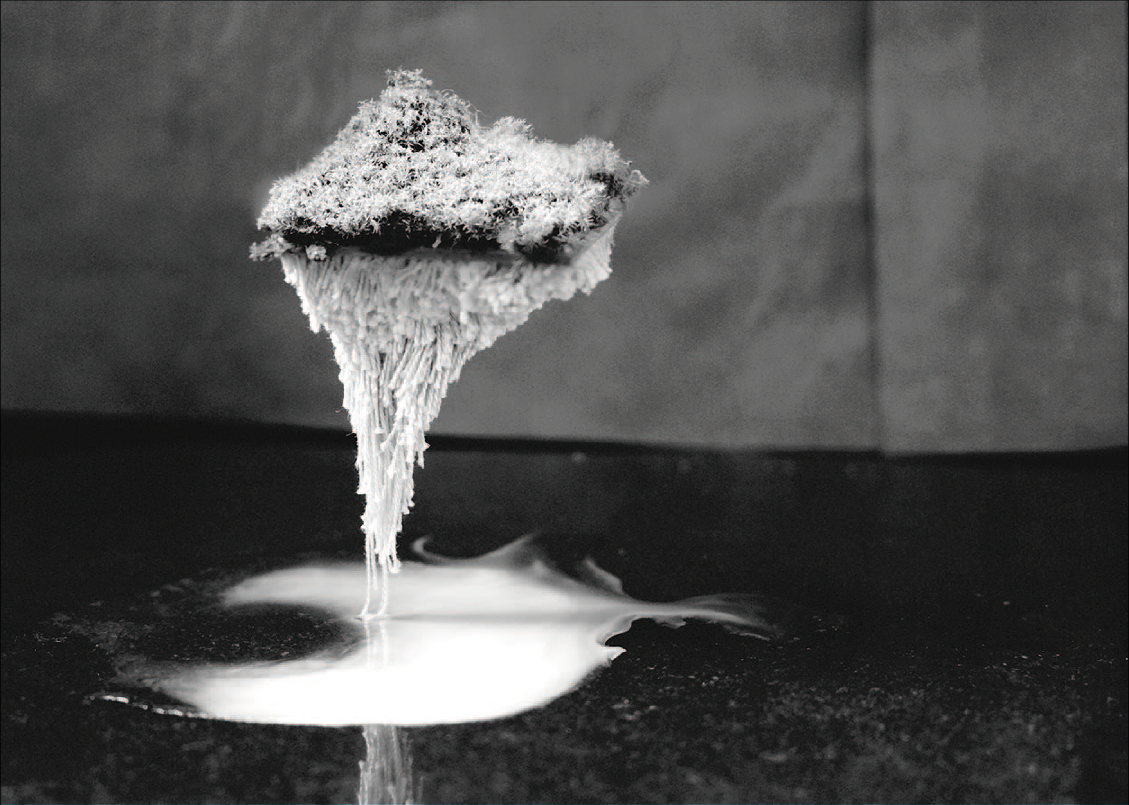
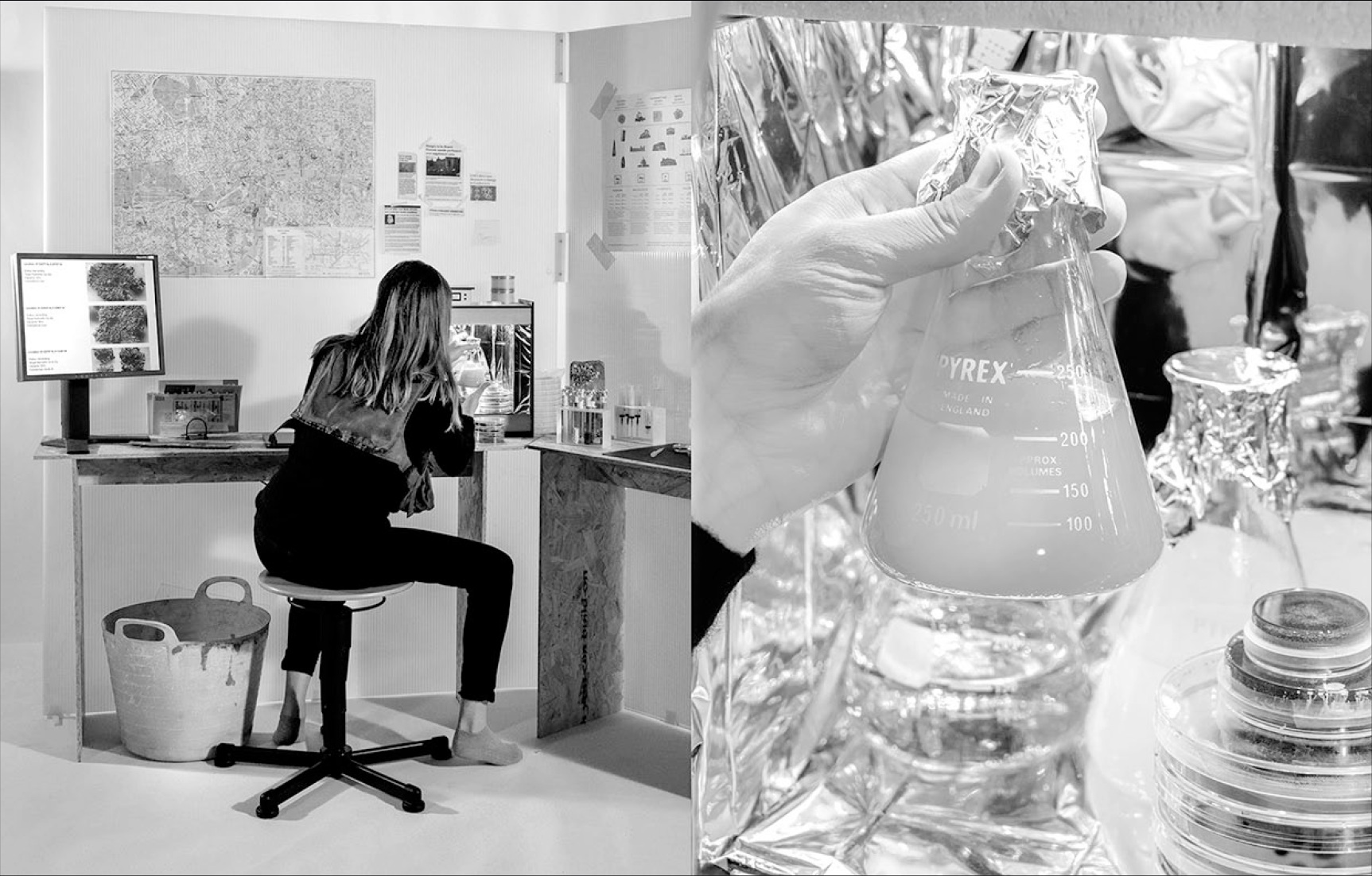
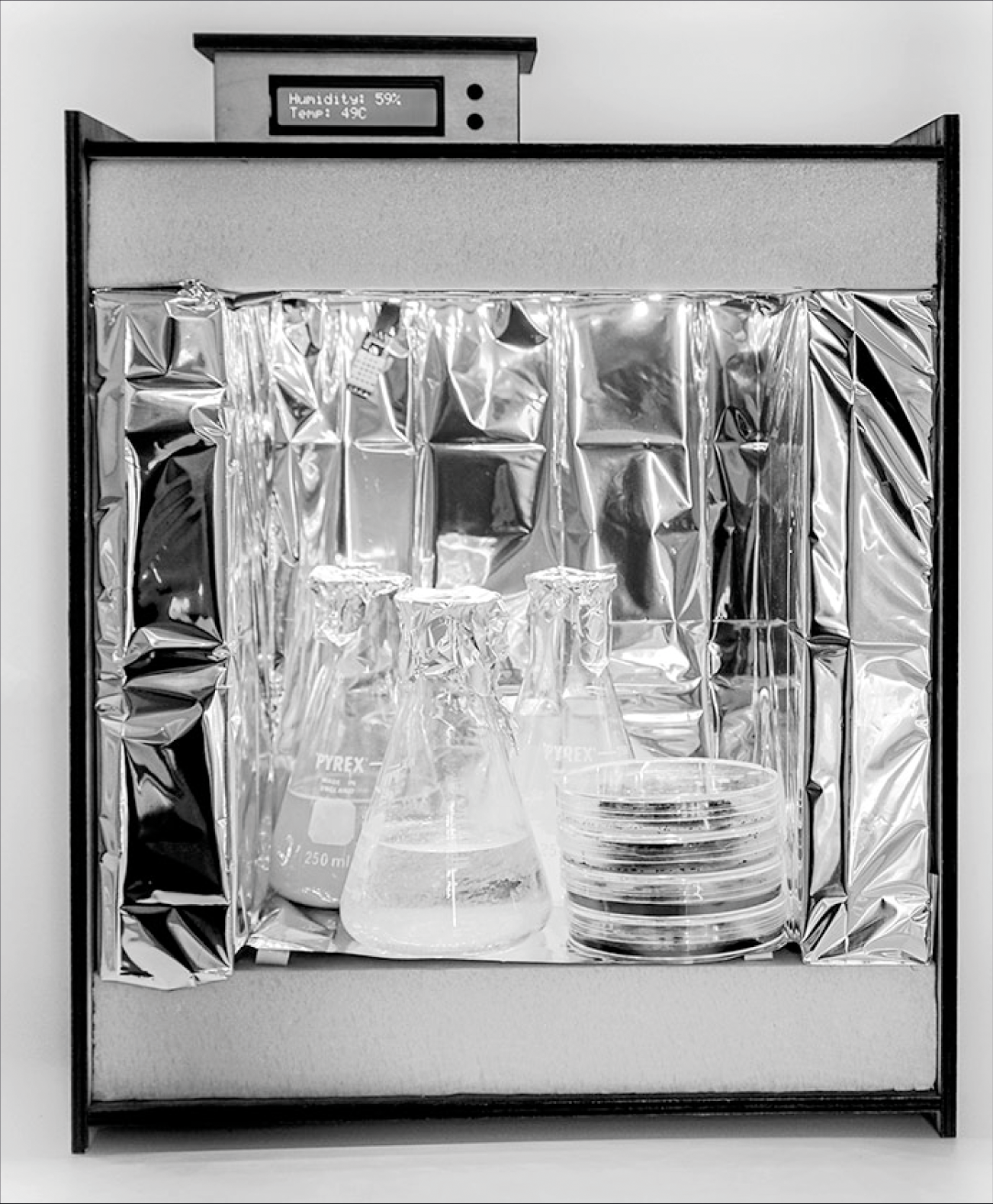
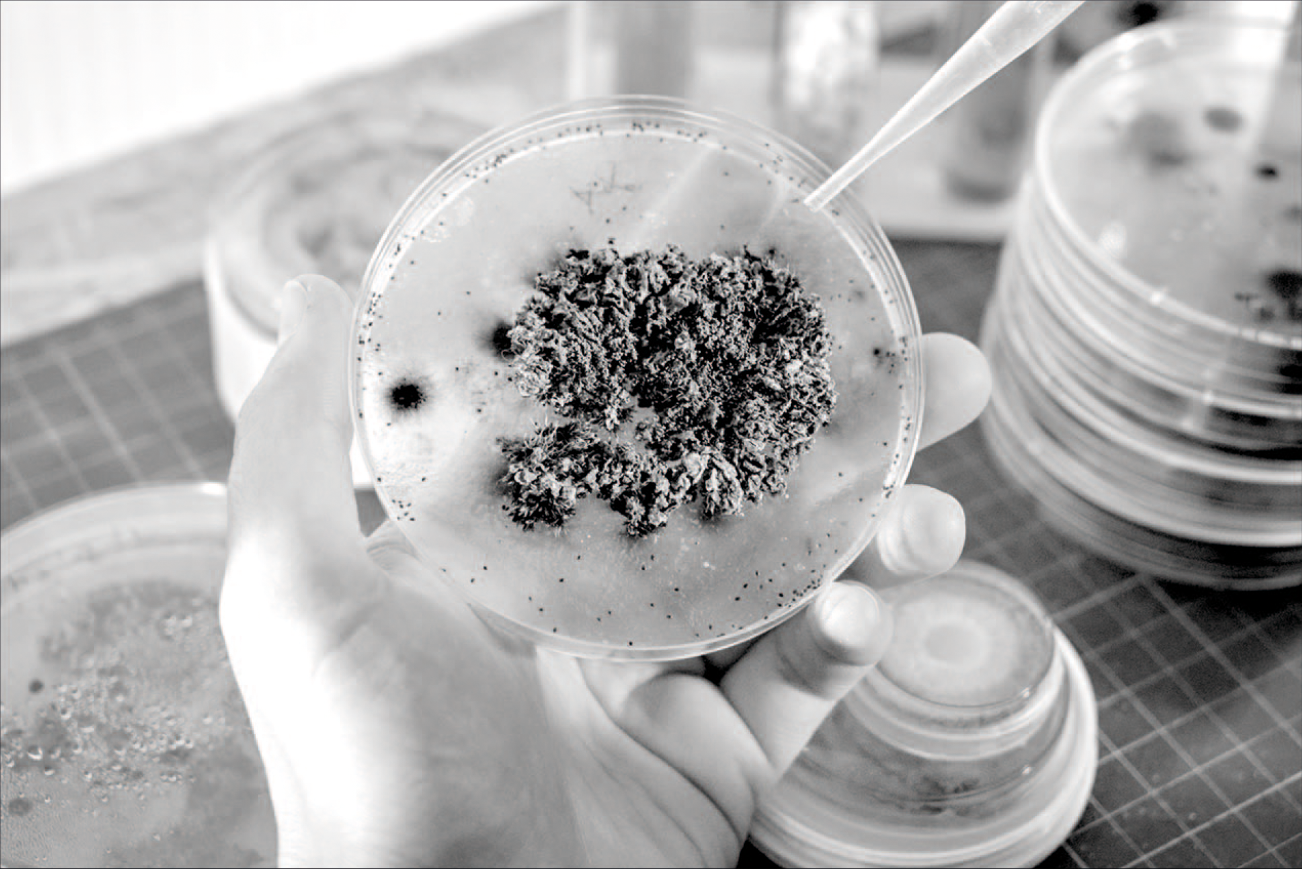
Future Urban Foragers presents a design fiction that speculates on the societal impacts of democratized biotech in the late 21st century. In this world, climate change has driven food insecurity and wide-spread malnutrition in London due to disrupted production and supply chains. Urban foragers turn to nature and find hope in lithotrophs, a class of organisms such as lichen that ‘eat’ rock and other minerals. Lithotrophs help foragers mine the nutrients they need from their urban environment—improving health—but the city of London slowly dissolves in the process.
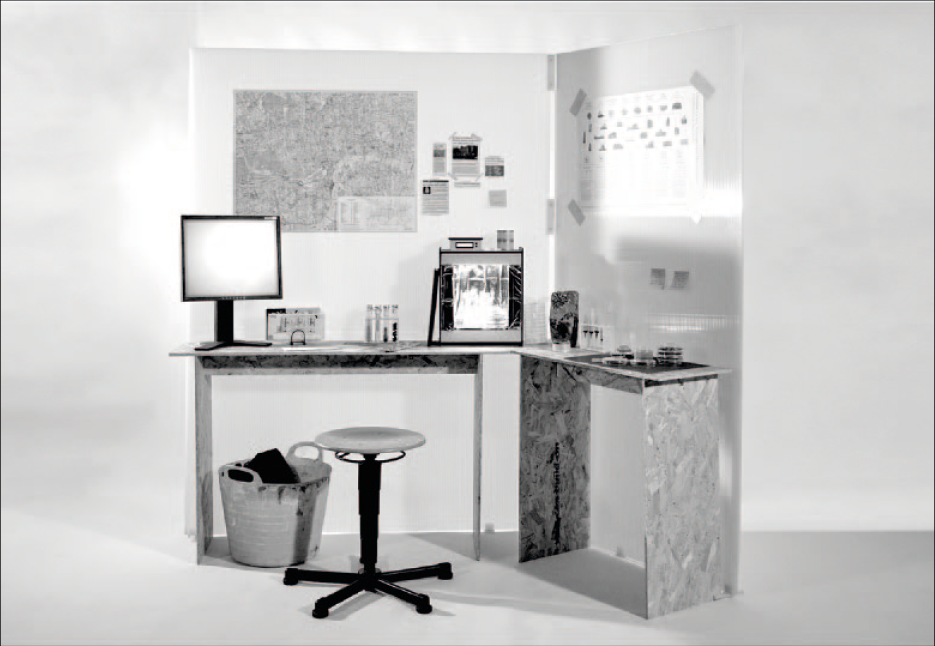
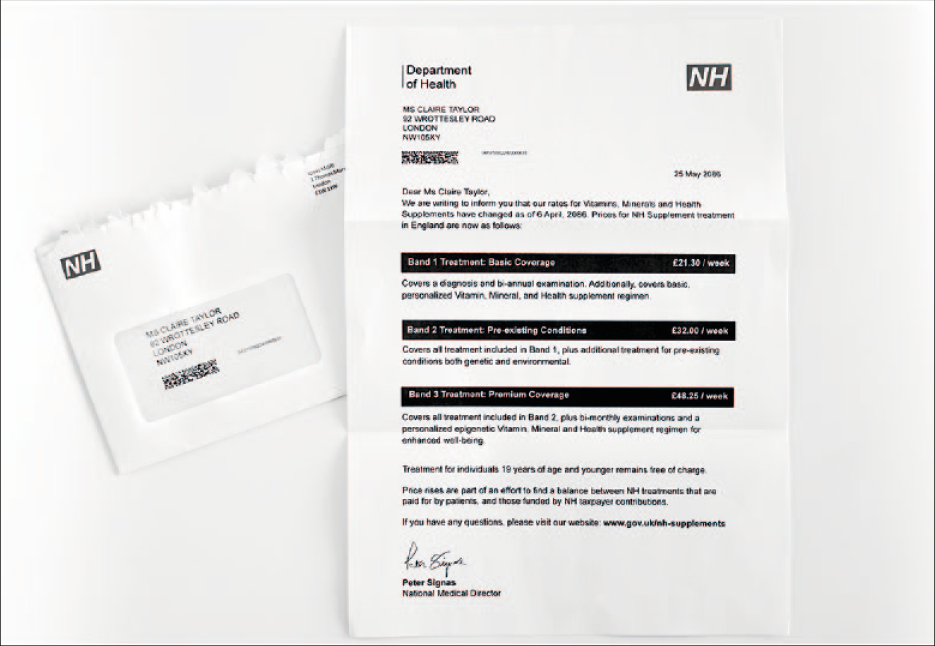
This future is presented from the perspective of Claire Taylor, a civil servant and typical Londoner who finds herself in an impossible situation when she loses her job and is no longer able to support her own wellbeing. Trapped between inflated health costs and the risk of malnutrition, Claire turns to foraging and begins to destroy the city she once worked so hard to protect.
Audiences are invited to understand Claire and her story by exploring her lab and the collection of diegetic artifacts that comprise it (Sterling, 2005). Each artifact is a piece of evidence that tells a story of the pressures she’s faced and the decisions she’s made.
The goal of the work is to build empathy with a character operating in murky moral territory and invite critical reflection upon what we want our own futures to look like. More broadly, the project expounds on the need for incorporating ‘implications for adoption’ into design research to better understand how new technologies might ultimately be used and impacted by societies (Lindley et al., 2017).3
Conclusion
We presented here four projects that humbly aim to shift perspectives on conventional frameworks. But do not take our word for it, we invite you to explore these topics with us.
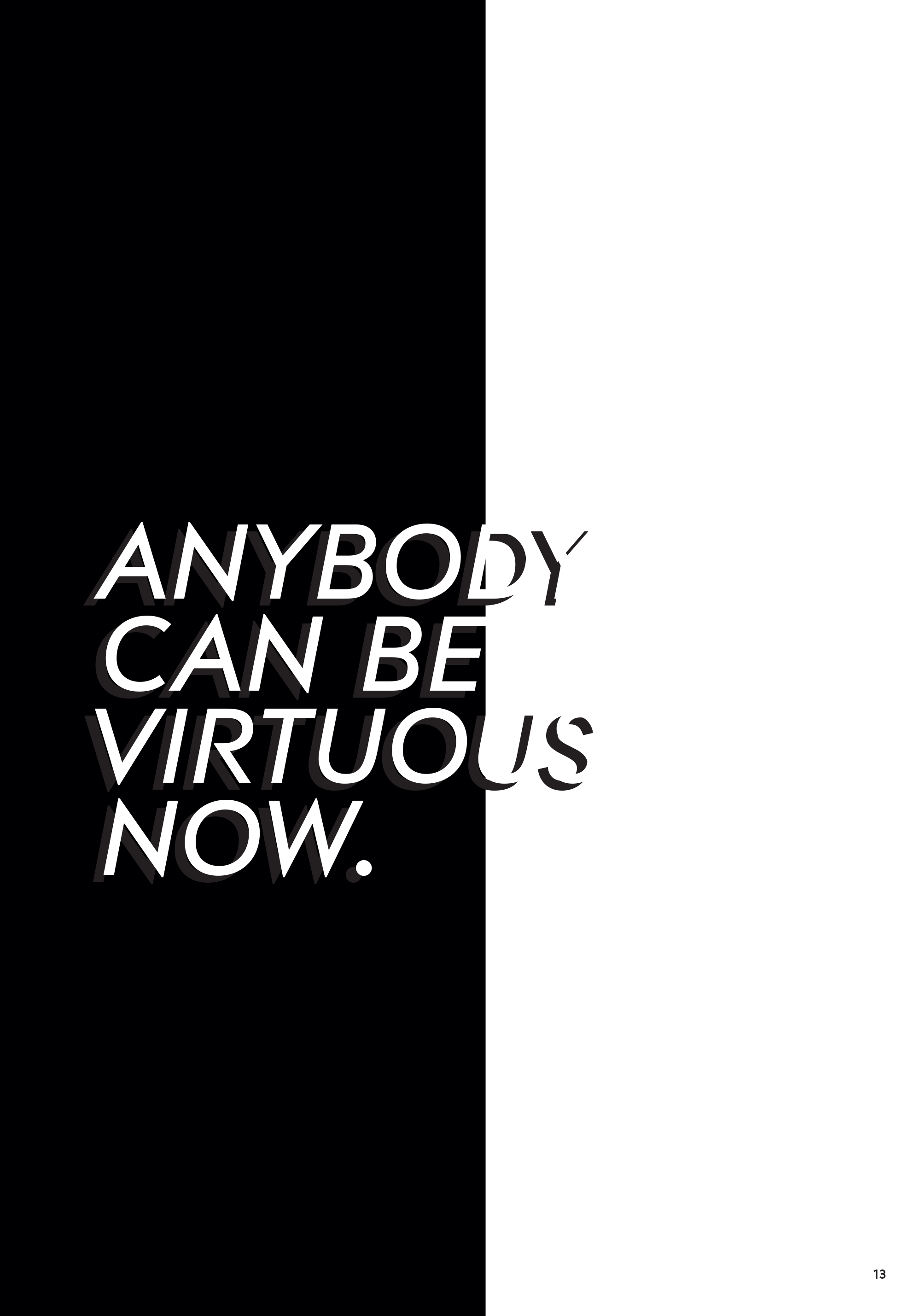
(Brave New World, Aldous Huxley, 1932)
Supplemental Material
sj-wav-1-vcj-10.1177_14703572221085869 – Supplemental material for Forging new narratives
Supplemental material, sj-wav-1-vcj-10.1177_14703572221085869 for Forging new narratives by Nirit Binyamini Ben-Meir, Laura Dudek, Tomica and Arthur Wilson in Visual Communication
Supplemental Material
sj-wav-2-vcj-10.1177_14703572221085869 – Supplemental material for Forging new narratives
Supplemental material, sj-wav-2-vcj-10.1177_14703572221085869 for Forging new narratives by Nirit Binyamini Ben-Meir, Laura Dudek, Tomica and Arthur Wilson in Visual Communication
Footnotes
Funding
The authors received no financial support for the research, authorship, and publication of this article and there is no conflict of interest.

Notes 1,2,3: Supplemental Material
Supplemental material for this article is available online via the Visual Communication website, and via the DOI.
Biographical Notes
Recent and ongoing projects include Mutuality in the Biosphere workshops at RCA2021, at The Potting Shed by Collective Matter (Contemporary Sculpture Fulmer, Slough) and Webs in collaboration with Kings College Synthetic Anatomy Department.
Nirit has an MA in Information Experience Design from the Royal College of Art and a B.Des from Bezalel Academy of Art and Design, Jerusalem. She has a professional background in visual communication, editorial and book design, and in textile design, and received the Design Award from the Israel Ministry of Culture. Nirit worked with cultural institutions such as the Tel-Aviv Museum of Art, Israel Museum Jerusalem, Peres Center for Peace. Nirit is a faculty member at Shenkar College of Engineering, Design & Art, where she received the Faculty Excellence Award.
Her recent works explore immersion and empathy in pursuit of understanding how design can be used to help us orient towards more desirable, sustainable futures. Central to notions of sustainability, she endeavours to explore these questions inclusive of diverse communities—within academia and industry, and beyond.
As a creative practitioner, Laura represents her inquiries through research, worlds, stories and participatory experiences.
Editor: RCA Design & Philosophy Society
RCA Show2021: Workshop: Untangling Alternative Futures—24 June 2021
RCA Show2021 IED Physical Show: ‘BEEP BEEP’—23 to 25 July 2021
The name is Tomica. Born and raised in Hong Kong, came all the way to the UK in order to become the artist he wants to be. T is an illustrator and animator, sometimes stylist and 100% protestor. Heavily inspired by the old-school comic and cartoon style, he enjoyed growing up, his work has that goofy element which will put a smile on the audience’s face. Until mid 2019, when one event changed his whole style and got him involved more with activism and social justice. The project is a hand-drawn 2D animation about the aftermath of 612 Protest that happened in Hong Kong 2 years ago.
Address: Royal College of Art, 4 Hester Road, London, SW11 4AN, UK.
Artist and creative technologist from Ulster, Ireland, currently operating in London. Sound and technological experimentation form the foundation of the work, with a specialism in creative audio programming. Output includes but not limited to installation art, standalone objects/sculptures, instruments, performances and experiences.
Exhibited in Sonic Arts venues (Iklectik London, IRCAM Pompidou Centre Paris) and International Bienalles (Collaboration with Kachi Chan. Thailand 2021, Taipei 2021). Published academic research (co-author with N Lorway, E Powley ICLC2020, AIMC2021 ). Creative Technology collaborations for artists and media (SkyArts 2021). Digital Resident @ SomaRumor.
References
Supplementary Material
Please find the following supplemental material available below.
For Open Access articles published under a Creative Commons License, all supplemental material carries the same license as the article it is associated with.
For non-Open Access articles published, all supplemental material carries a non-exclusive license, and permission requests for re-use of supplemental material or any part of supplemental material shall be sent directly to the copyright owner as specified in the copyright notice associated with the article.
