




Abstract
This study investigates Chinese consumers’ revisit intentions toward luxury hotels in Sanya during the post-epidemic era, using the value-attitude-behavior (VAB) model along with perceived risk as a moderating variable. Empirical analysis was performed with the partial least squares structural equation modeling (PLS-SEM) based on data from 421 valid questionnaires. Results show that symbolic value (SV), experiential value (EV), and functional value (FUV) all positively influence consumers’ attitudes (ATT) toward luxury hotels, thereby increasing their likelihood to revisit. Although financial value (FIV) positively impacts revisit intention (RI), its effect on attitude is not significant. Furthermore, perceived risk (PR) negatively moderates the link between attitude and revisit intention, indicating that higher perceived risk reduces the positive influence of attitude on behavior. This research advances the VAB model by integrating multidimensional values and risk adjustment mechanisms, providing insight into consumer behavior before and after the epidemic. Practically, it suggests that luxury hotels should enhance safety measures (such as health protocols and flexible booking policies), refine culturally rooted services, and improve perceptions of financial value through cross-industry collaborations. This study offers both theoretical support and practical recommendations for the recovery of high-end tourism in the post-epidemic period.
Introduction
Over the last 10 years, the global luxury tourism sector has experienced significant growth, becoming a key part of high-end travel spending (D’Arpizio et al., 2024). However, this positive trend faced extraordinary challenges during the COVID-19 pandemic, resulting in a 54% drop in the global luxury hotel market’s value from 2019 to 2020 (Statista, 2021). Despite this, the industry demonstrated remarkable resilience, rebounding to a historic valuation of $140 billion by 2023 (Fortune Business Insights, 2025). The pandemic aftermath has also revealed shifts in consumer behavior that challenge traditional economic theories. Notably, the rise in price sensitivity amidst luxury spending contradicts Veblen’s (1899) core idea that demand for luxury increases with price as a status symbol. Recent studies in Western contexts continue to support this “Veblen effect,” emphasizing luxury consumers’ tendency to overlook price surcharges (Lu and Ahn, 2024). In contrast, in China’s post-pandemic landscape, Sanya’s luxury hotels reported a 90% occupancy rate in 2024 despite falling average room prices (Sanya Tourism Board, 2025), which sharply contrasts with these theoretical expectations. This discrepancy prompts urgent questions: Why are luxury consumers in certain markets focusing more on cost-effectiveness, and what factors are driving this change?
The pandemic has significantly changed consumer priorities, boosting demand for health security, flexible bookings, and sustainability (Petruzzi and Marques, 2024; Wang et al., 2025), aspects that traditional luxury models do not effectively address. Today, younger consumers lead the market, using social media to compare prices (Chalupa and Petricek, 2024), while they favor experiences over physical luxury (Sukresna and Mikina, 2024). Meanwhile, regional competition is intensifying: Southeast Asian destinations like Phuket and Bali are drawing customers away from Sanya, China’s self-proclaimed “Oriental Hawaii,” with competitive pricing and similar tropical appeal (Pengpai, 2025). Although Sanya experienced a rebound in tourist arrivals to 25.4 million in 2023, surpassing pre-pandemic levels, both visitor numbers and revenue declined in 2024 (Sanya Tourism Board, 2025). This fluctuation uncovers the limitations of traditional strategies based on brand legacy or personalized service (Chen and Lee, 2021; Lei et al., 2024), emphasizing the need to reevaluate the factors influencing luxury consumption amid changing cultural and economic environments.
Significant gaps remain in current research. To begin with, the luxury tourism literature is heavily influenced by Western perspectives, often drawing conclusions from European or U.S. markets without considering cultural differences. For example, Lu and Ahn (2024) analyze South Korean luxury consumers under the assumption that price insensitivity applies universally, while Islam et al. (2024) broaden Middle Eastern luxury preferences to include Asian contexts but fail to account for the unique relationship between collectivist values and digital-native consumption in China (Kitayama and Salvador, 2024). Additionally, the behavioral changes following the pandemic have not been thoroughly investigated: Brewer and Sebby’s (2021) study focuses on the U.S. and is not applicable to China’s history of zero-COVID policies, while Yue et al. (2024) examine the Chinese context without deeply considering the pandemic’s external impact. Most importantly, no research directly compares the decision-making processes of Chinese luxury travelers before and after the pandemic, especially in Sanya, a region where international travel restrictions increased domestic demand while revealing vulnerabilities to local competitors.
Literature review
Defining luxury hotel
Luxury represents a desire for non-essential refinement, with its definitions shifting based on context (Eastman et al., 2022). In the hotel industry, this is reflected in two primary dimensions. From a business perspective, luxury hotels utilize limited resources such as prime locations, distinctive architecture, and high-quality materials to create an authentic atmosphere (Farmaki et al., 2021). They go beyond just five-star ratings by adopting comprehensive service models, including 24/7 butler service and personalized experiences, while applying premium pricing strategies for differentiation (Liang et al., 2025; Wang et al., 2025). From the guest’s perspective, visitors seek a transformation of symbolic capital, where brand prestige enhances their social identity (Fan et al., 2023). The luxury experience blends indulgent escapism (Holmqvist et al., 2020) with a feeling of exclusivity (Wirtz et al., 2020), delivered through aesthetically pleasing environments and attentive service. This duality positions luxury hotels as hybrid systems that combine physical excellence (Altan and Gürdallı, 2024) with the conveyance of symbolic value (Peng and Chen, 2019).
VAB model
The Value-Attitude-Behavior (VAB) model, introduced by Homer and Kahle in 1988 as part of cognitive hierarchy theory, explains how individuals make decisions through a sequence of “values → attitudes → behaviors.” Based on Rokeach’s value system theory from 1973, this model emphasizes the importance of values as core cognitive forces that shape attitudes and ultimately drive behavior (Fulton et al., 1996; Vaske and Donnelly, 1999). The VAB framework has three levels: first, values serve as the main criteria individuals use to set their goals. These values are stable beliefs about desired outcomes, such as social recognition or self-actualization (Schwartz, 1992); second, attitudes act as evaluative dispositions toward specific objects (for example, positive or negative feelings about luxury hotels), serving as cognitive mediators that influence behavioral intentions (Ajzen, 1991; Homer and Kahle, 1988); finally, behavior includes observable actions (such as intentions to revisit) that are shaped by these attitudes (Honkanen et al., 2006).
The VAB model goes beyond simple views of volitional processes by effectively capturing cognitive conflicts in complex decision-making through a multidimensional framework of values (Rokeach, 1973). This provides a strong theoretical foundation for cross-cultural consumer behavior research (Hansen, 2008). Empirical data supports the VAB model’s ability to explain and predict behavioral intentions, as shown by various measurement and structural analyses (Long et al., 2024). In hospitality studies, it is used to understand employee value perceptions (Sun et al., 2025) and luxury consumption behaviors (Du, 2025). Significantly, Chen and Peng (2014) adapted this model for Chinese luxury hotel consumption, confirming that values are crucial in predicting attitude-behavior relationships. These research efforts not only strengthen the theoretical credibility of the VAB model but also help refine it further. Therefore, the VAB model serves as an excellent theoretical basis for this study.
Expanding the VAB model
While the VAB model has demonstrated solid theoretical support in explaining behavior driven by values (Homer and Kahle, 1988), research reveals that its interpretation of how attitudes influence behaviors often depends on value prioritization in various situations (Chen and Peng, 2014). However, it fails to sufficiently account for the decreased effectiveness of attitudes when faced with external risks. This shortcoming is especially noticeable in the post-epidemic context. For example, in high-end consumer settings, the realization of both symbolic value (such as brand reputation) and experiential value (like sensory enjoyment) heavily relies on a low-risk environment (Laamanen, 2025). When consumers perceive uncertainty about services or risks related to infectious diseases, their attitudes tend to lose their ability to predict intentions to revisit (Lin et al., 2023). Additionally, while earlier research expanded the value dimension, sudden crises like epidemics can quickly shift value rankings (Imschloss and Schwemmle, 2024). After the pandemic, luxury consumers have become more price-conscious (Infegy, 2024). This aligns with Bagwell and Bernheim’s (1996) Veblen good theory, which suggests that economic uncertainty can temporarily disrupt status-driven consumption patterns, as consumers shift priorities towards financial caution without completely abandoning symbolic prestige (Sherman, 2018). This duality challenges the idea of Western-centric perspectives (Lu and Ahn, 2024) and calls for extending the VAB model to include cultural considerations.
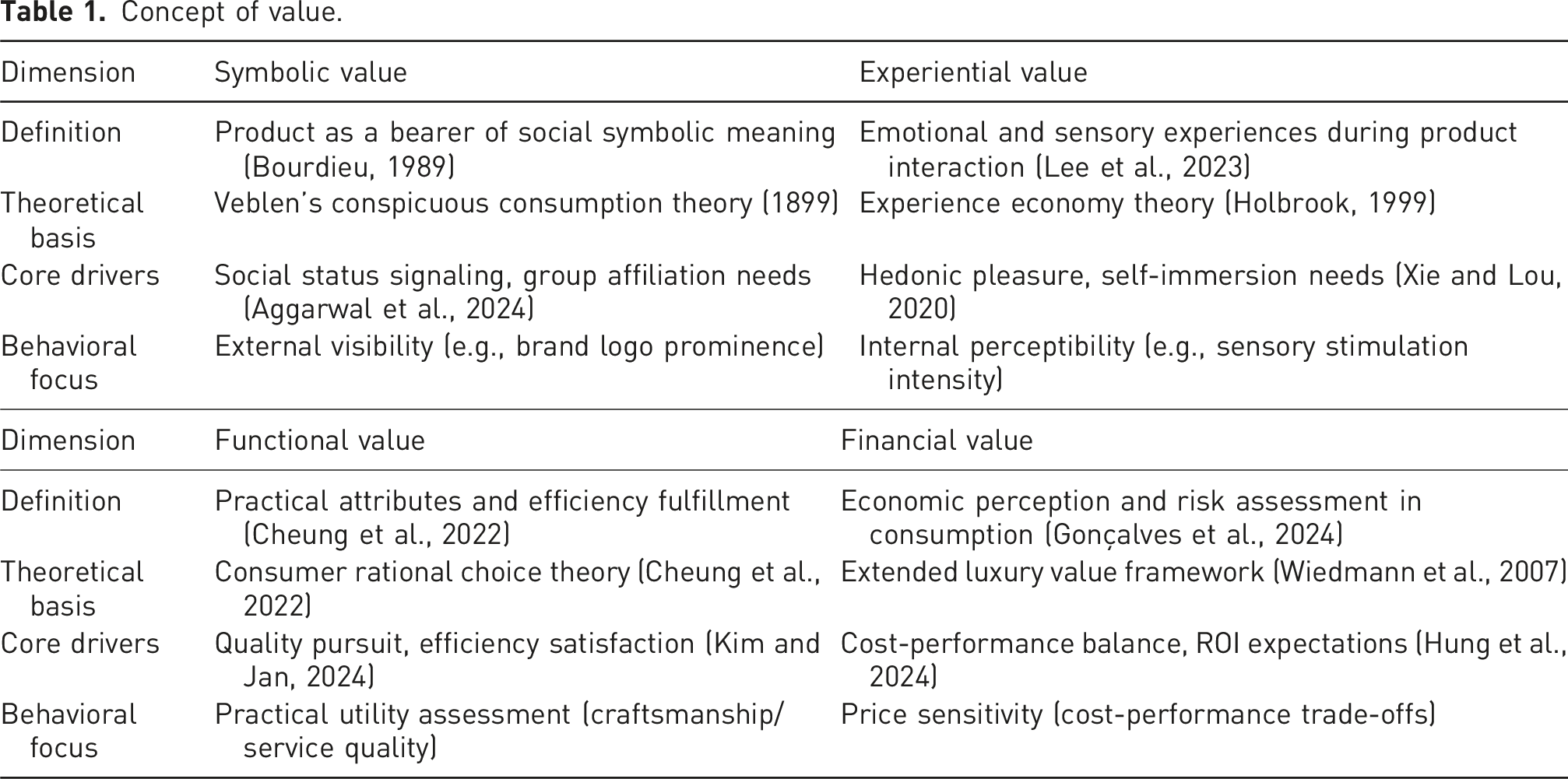
Concept of value.
Hypotheses formulation
Revisit intention
Revisiting intention, which refers to the likelihood of future repurchase behavior (Che et al., 2015; Sthapit and Björk, 2019), a key metric for organizational sustainability through customer retention economics (Hosany et al., 2022; Shin et al., 2017; Sthapit et al., 2017). In saturated markets like hospitality, focusing on repeat patronage instead of acquiring new customers leads to higher ROI by leveraging loyalty (Akbari et al., 2021; Song et al., 2025). This need is especially important in sectors recovering from the pandemic, where luxury hotels face significant challenges due to decreased traveler confidence (Pai et al., 2024). Emerging research emphasizes the importance of optimizing value perception (Sthapit et al., 2024a; Yue et al., 2024) and reducing risk (De Bruin et al., 2020) as two essential areas for recovery after a crisis. Specifically, fostering a positive safety image is directly related to the likelihood of repeat visits in upscale hospitality settings (Pai et al., 2024; Sthapit et al., 2024b). These insights highlight the critical importance of developing retention strategies based on consumer behavior for luxury accommodation providers navigating the post-pandemic landscape.
Symbolic value
The symbolic value of commodities is closely linked to their sociosymbolic qualities, often expressed through consumer behavior that supports identity formation and indicates social stratification (Veblen, 1899). In luxury hotels, symbolic value plays an important role in signaling status, as consumers display their economic capital by choosing highly visible brands (e.g., Sanya Atlantis), which serve as markers of social hierarchy (Balabanis et al., 2024). Furthermore, tribal affiliation can be seen in the distinctive design features (e.g., Aman Resorts’ minimalist architecture) that act as signs of cultural capital, resonating with the awareness of elite groups (Hung et al., 2024; Xiaoxin et al., 2025). Research indicates that consumers’ perceptions of symbolic value greatly influence their preferences for luxury hotels (Deb and Lomo-David, 2020). Importantly, after the pandemic, safety protocols have become new status symbols; for example, quarantine suites now symbolize health capital (Erul et al., 2023; Jiménez-Barreto et al., 2021; Vanegas-López et al., 2024; Yan et al., 2024). This study suggests the following two hypotheses based on both theoretical and empirical insights.
Luxury hotel’s symbolic value has a positive impact on consumers’ attitude towards luxury hotel.
Luxury hotel’s symbolic value have a positive impact on consumers’ revisit intention towards luxury hotel.
Experiential value
Experiential value arises from consumers experiencing emotional immersion and sensory stimulation during service interactions (Hirschman and Holbrook, 1982; Sthapit and Björk, 2020). Unlike outwardly focused symbolic value, experiential value centers on inner self-fulfillment, emphasizing the pursuit of immediate gratification. This is demonstrated through two mechanisms. The first is multisensory hedonic engagement, where unique situations (e.g., Rosewood’s infinity pool) evoke synesthetic pleasure by combining visual, tactile, and auditory stimuli, significantly shaping attitudes (Chen et al., 2015). The second is emotional Anchoring, where ritualized services (e.g., The Ritz-Carlton’s arrival ceremonies) create lasting emotional connections through memory consolidation (Saut and Bie, 2024). Following the epidemic, there has been a noticeable rise in consumers’ demand for private experiences, leading to a shift in experiential value from “group sharing” to “self-healing” (Khan et al., 2024). This change also notably influences consumers’ intentions to visit luxury hotels (Chen et al., 2024). Based on this theoretical and empirical foundation, the study suggests:
The experiential value of luxury hotels has a positive impact on consumers’ attitudes toward luxury hotels.
The experiential value of luxury hotels has a positive impact on consumers’ revisit intentions toward luxury hotels.
Functional value
Functional value originates from a product’s practical features and its ability to meet efficiency needs, highlighting the rational goal of consumers to ensure quality and satisfy their needs (Cheung et al., 2022). In the context of luxury hotel consumption, functional value appears through two main avenues. First, through a commitment to quality, where consumers see high-end facilities and exceptional service protocols as clear signs of reliability (Kim and Jan, 2024). Second, through the enhancement of efficiency, using innovations like smart check-in systems and precise demand-response mechanisms that reduce decision-making costs (Moise et al., 2021). A substantial body of research confirms the strong influence of functional value on product evaluation across various contexts (Lu and Ahn, 2024; Moise et al., 2021). Its positive impact on consumer attitudes remains consistent whether applied to physical products (Aggarwal et al., 2024) or luxury experiences (Chaulagain, 2024). By synthesizing previous research, we find that when consumers associate luxury hotels with exceptional quality assurance and distinctive functional benefits, they are more likely to perceive these hotels as satisfying and worth revisiting. Based on this synthesis, the study proposes the following hypotheses:
Luxury hotel’s functional value have a positive impact on consumers’ attitude towards luxury hotel.
Luxury hotel’s functional value have a positive impact on consumers’ revisit intention towards luxury hotel.
Financial value
Financial value represents consumers’ economic evaluation of luxury purchases, including the interaction of price perception and risk aversion (Wiedmann et al., 2007). In the context of luxury hotel choices, financial value reflects a complex trade-off: it appears in premium acceptance, where consumers deem high prices justified for unique experiences (Marandi et al., 2024), and in “investment protection,” such as choosing refundable packages or loyalty points to reduce consumption uncertainty (Elmedulan, 2024). After the pandemic, the significance of the risk component of financial value has notably grown. When selecting luxury hotels, consumers now consider not only explicit prices but also implicit costs, leading to a decision-making process called “cost-effectiveness recalibration” (Pai et al., 2024). Research shows that financial value has a direct and immediate impact on consumption intentions, especially in repurchase scenarios where economic considerations often outweigh emotional factors (Dhewi et al., 2024).
The financial value of luxury hotels has a positive impact on consumers’ attitudes toward luxury hotels.
The financial value of luxury hotels has a positive impact on consumers’ revisit intentions toward luxury hotels.
Attitude
Attitude comprises cognitive evaluations (beliefs), affective responses (feelings), and behavioral tendencies toward an object (Torres-Martínez, 2024). This three-part framework influences consumer decisions, especially in luxury markets where emotional ties shape purchase intentions (Tajeddini et al., 2021). Research supports the predictive power of attitudes across various fields: Sadiq et al. (2022) emphasized its importance in choosing green hotels. As consumption of luxury hotel services grows rapidly, studies have increasingly examined attitudes and decision-making processes related to luxury accommodations (Piramanayagam et al., 2024). Attitudes toward luxury hotels not only reflect consumers’ emotional perceptions (Hung et al., 2024) but also significantly affect their purchasing behaviors and choices (Qing et al., 2024). Specifically, in the Chinese market, Elgebali and Zaazou (2023) observe that consumers’ attitudes toward “luxury” heavily influence their purchase intentions. Yue et al. (2024) identified it as the most crucial predictor of intentions to revisit luxury hotels. Therefore, the following hypotheses were proposed:
Consumers’ attitude toward luxury hotels has a positive impact on their revisit intention towards luxury hotel.
Perceived risk
Perceived risk refers to consumers’ subjective assessment of uncertainty in their purchasing decisions (Jieyao et al., 2025; Wang et al., 2024) and directly affects their willingness to buy (Dalle Nogare and Scuderi, 2024). Since Bauer introduced his groundbreaking concepts in 1960, many researchers have used perceived risk to study consumer behavior. Research shows that perceived risk generally includes dimensions such as financial, performance, physical, psychological, and social risks (Bernarto et al., 2022; Yu et al., 2021), with physical risk specifically related to health and safety concerns (Giallanza et al., 2024). In tourism and hospitality, consumers are especially sensitive to uncertainties about travel experiences, which can significantly negatively influence their decision-making due to perceived risk (Pai et al., 2024). Additionally, the global spread of infectious diseases like COVID-19 has heightened consumers’ awareness of health risks, greatly reducing their intentions to travel (Biswas, 2024; Dimitrovski et al., 2025). Based on these insights, this study proposes the following hypothesis:
Perceived risk significantly moderates consumers’ attitude and revisit intentions.
Attitude as mediator
Attitude, defined as a stable tendency to evaluate entities positively (Ajzen and Fishbein, 1975), plays a crucial role as a mediator in models of consumer behavior. Previo us research has highlighted various value perceptions (such as symbolic and experiential) as factors influencing behavioral intentions in the luxury hospitality industry (Jiang et al., 2022; Peng and Chen, 2019). However, empirical studies show inconsistent relationships, which may result from insufficient focus on mediating mechanisms (Duong, 2023). Scholars agree on the importance of incorporating intermediary constructs to clarify the causal connection between cognitive evaluations and behavioral outcomes (Duong, 2023). Recent theoretical developments expanding the Value-Attitude-Behavior (VAB) model suggest that affective evaluations are a key mechanism through which perceived value dimensions symbolic, experiential, functional, and monetary impact repurchase intentions. Empirical evidence indicates that customers’ attitudes, influenced by symbolic and experiential value assessments, are strong predictors of their willingness to engage with luxury hotels (Yue et al., 2024). This supports the hierarchical nature of the VAB model, where cognitive assessments lead to attitude formation, which then drives behavioral intentions (Zhang et al., 2024). Therefore, this study proposes that consumer attitudes, shaped by value-driven cognitive processes, influence the translation of complex value perceptions into specific intentions to return in luxury hospitality settings. Thus, the proposed mediation hypotheses are as follows:
Attitude mediate the relationship between symbolic value and revisit intention.
Attitude mediate the relationship between experiential value and revisit intention.
Attitude mediate the relationship between functional value and revisit intention.
Attitude mediate the relationship between financial value and revisit intention. Figure 1 illustrates the conceptual framework of the current research.
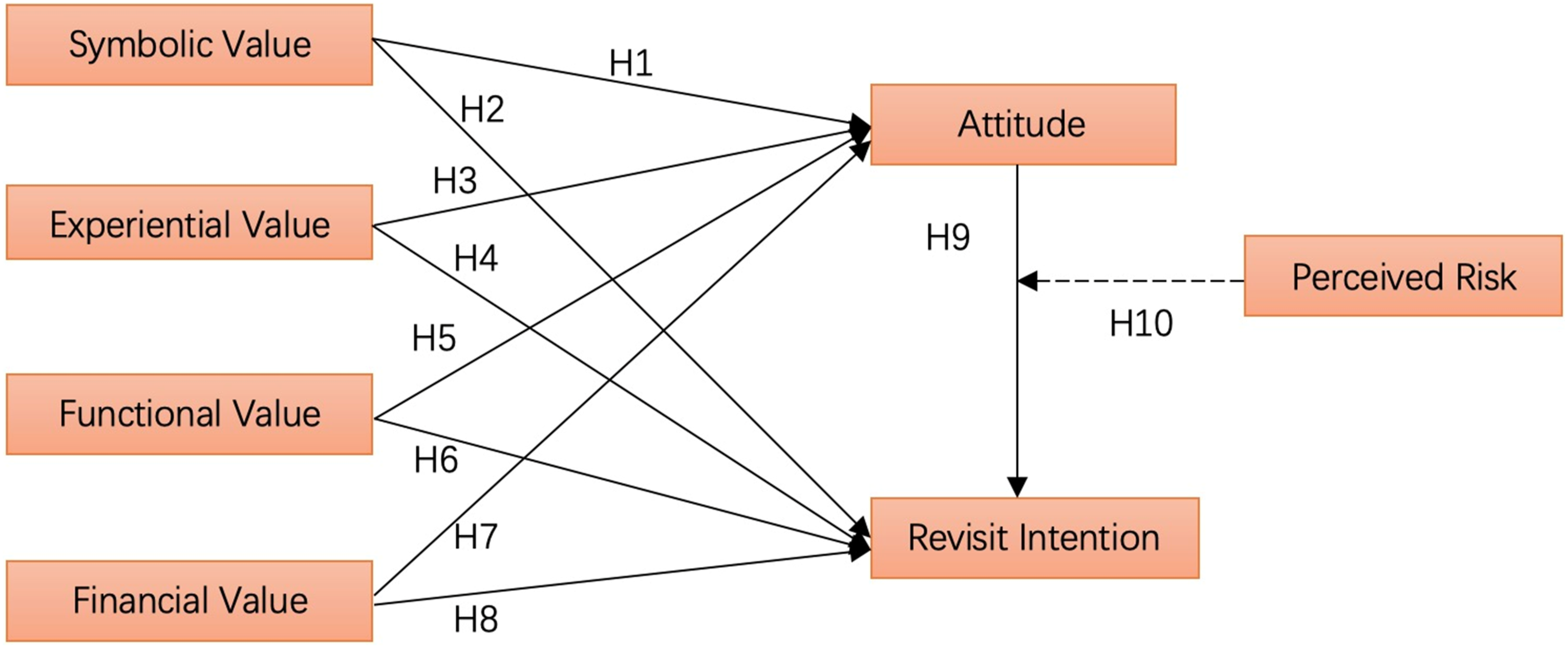
Conceptual framework.
Method
Survey instrument and data collection
The questionnaire was developed using validated constructs from existing literature, consisting of 28 items divided into seven categories: symbolic value (Peng and Chen, 2019; Wu and Yang, 2018), experiential value (Walsh et al., 2014; Yang and Mattila, 2016), functional value (Wu and Yang, 2018; Yang and Mattila, 2016), financial value (Peng and Chen, 2019; Wu and Yang, 2018), perceived risk (Pai et al., 2024; Shin and Kang, 2020), attitude (Chen and Peng, 2014; Yue et al., 2024), and revisit intention (Hasan and Rahman, 2023; Yue et al., 2024). Each item was specifically adapted for the luxury hotel context and measured using a seven-point Likert scale (1 = strongly disagree, 7 = strongly agree), ensuring a good balance between detail and response variability (Dawes, 2008).
A pilot test involving 50 respondents in October 2024 was conducted to assess the reliability, dimensionality and cultural relevance of the questionnaire. All constructs demonstrated Cronbach’s α scores exceeding 0.80, and the overall Kaiser–Meyer–Olkin (KMO) value was 0.84, indicating that the data were suitable for factor analysis. An exploratory factor analysis (EFA) using principal axis factoring with varimax rotation was performed on the pilot data. The items for each construct loaded strongly on a single factor, with all primary factor loadings above 0.50 on their intended construct and no problematic cross-loadings. Accordingly, no items were removed at the pilot stage; instead, minor wording refinements were made to improve clarity and cultural appropriateness. Three hospitality management scholars reviewed the questionnaire and suggested several adjustments, such as prioritising the everyday expression “social face” over the more abstract notion of “status signalling.” To guarantee cross-cultural validity, the questionnaire underwent a thorough translation-back-translation process, where two bilingual researchers translated the English version into Chinese and addressed any discrepancies.
Research context: Sanya, China
The empirical study was conducted in Sanya, a leading coastal resort city on the southern tip of Hainan Island. Sanya has been positioned by the Chinese government as a core area of the Hainan Free Trade Port and a pilot international tourism consumption centre, and over the last decade it has evolved into China’s flagship destination for tropical luxury resorts. The city hosts one of the highest concentrations of luxury and upper-upscale resort properties in China and achieves leading levels of ADR and occupancy among Chinese resort markets (Travel Daily Media, 2025). It is one of china’s leading tourist destinations, receiving 26.16 million overnight tourists in 2024, with total overnight tourist spending reaching 90.45 billion yuan (approximately 12.60 billion Us dollars). Its guest mix is nationally diversified, attracting affluent travellers from first-tier and new first-tier cities across the country rather than primarily local residents. These characteristics, together with the extensive body of tourism and hospitality research that already uses Sanya as an empirical setting (Chen and Xu, 2025), make the city an information-rich and theoretically meaningful site for examining luxury hotel value perceptions and revisit intentions. Within Sanya, data collection focused on Haitang Bay, which hosts the majority of Sanya’s high-end and luxury resort properties over 60% according to recent market analyses and combines large-scale integrated resorts with duty-free shopping, dining and entertainment facilities (Sanya Tourism Development Bureau, 2025).
To reduce geographic bias, interviewers focused on guests at 10 hotels during both peak (December 2024) and off-peak (January 2025) seasons, emphasizing a diverse range of demographics (e.g., families, solo travelers). Five trained interviewers approached individuals entering or exiting hotel lobbies or public areas. To ensure respondents’ schedules were not disrupted, they prioritized those appearing relaxed and unhurried (Peng and Chen, 2019).
Sample
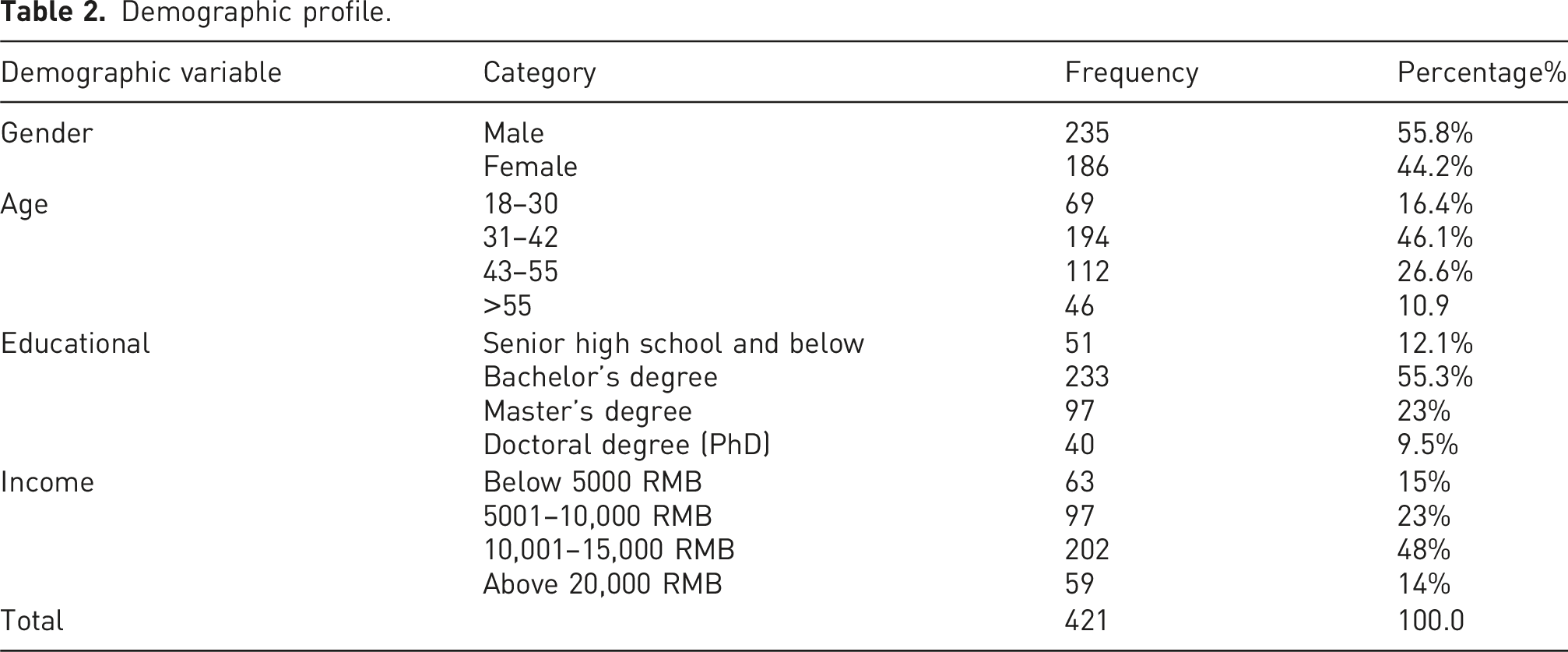
To ensure sample eligibility, stringent screening criteria were established. In this study, a “luxury hotel” refers to full-service properties that are officially classified as five-star in the Chinese hotel rating system and/or listed as luxury or upper-upscale resort brands by the Sanya Tourism Bureau and major international hotel groups. Data collection was therefore restricted to 10 hotels in Haitang Bay that satisfied these criteria. Potential respondents had to be at least 18 years old and currently staying in one of these properties, and their current stay had to be their most recent luxury hotel experience within the past 12 months. Interviewers verified eligibility by recording the exact hotel name and checking it against the pre-compiled list of qualifying luxury hotels; individuals who mentioned mid-scale or budget hotels, homestays, or other properties that did not meet the criteria were thanked and not invited to participate. Those eligible were then invited to complete an online questionnaire in Chinese using the popular Wenjuanxing platform, with monetary incentives offered to boost participation.
Demographic profile.
Results
Model assessment using PLS-SEM
Loadings, reliability and validity.
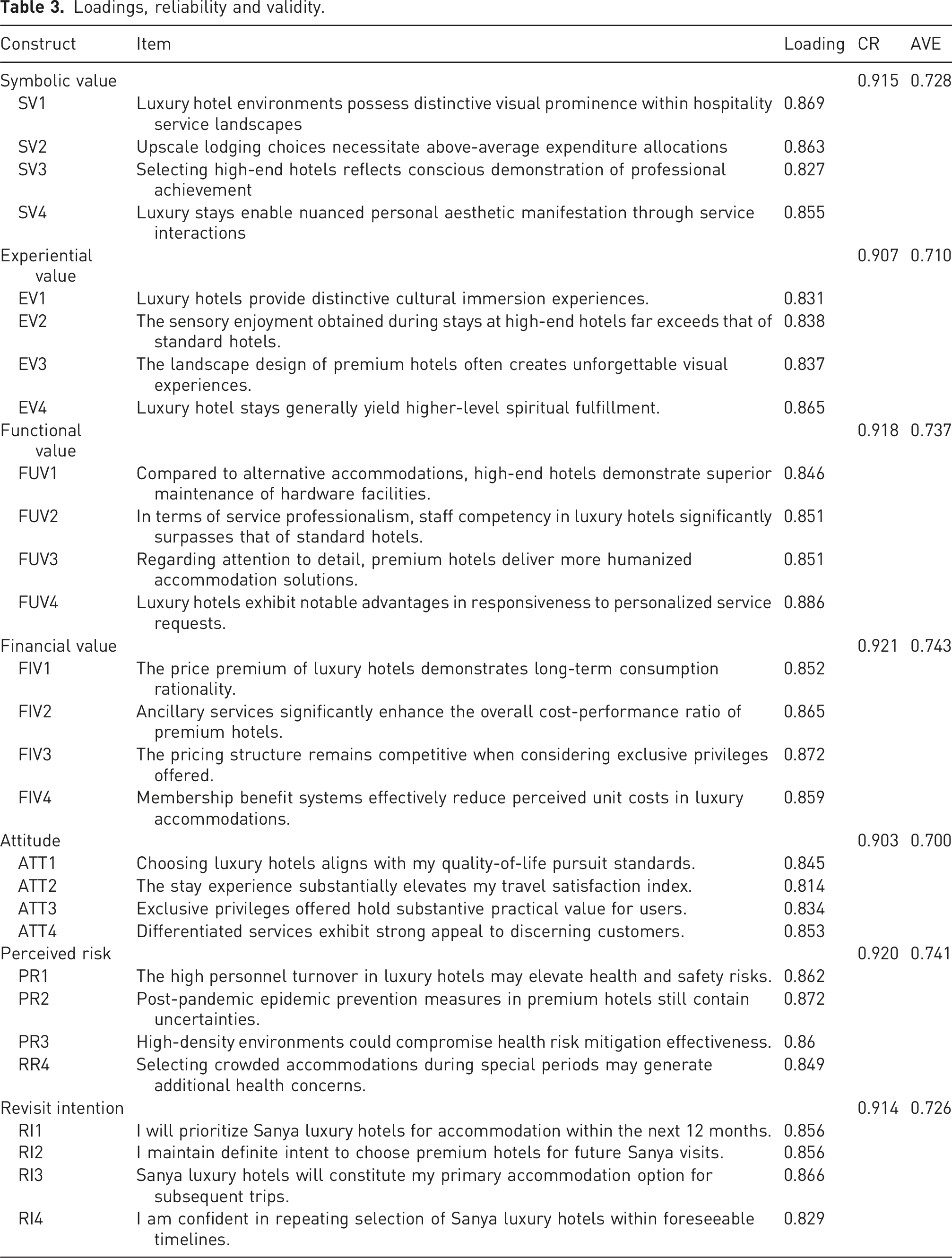
Measurement model
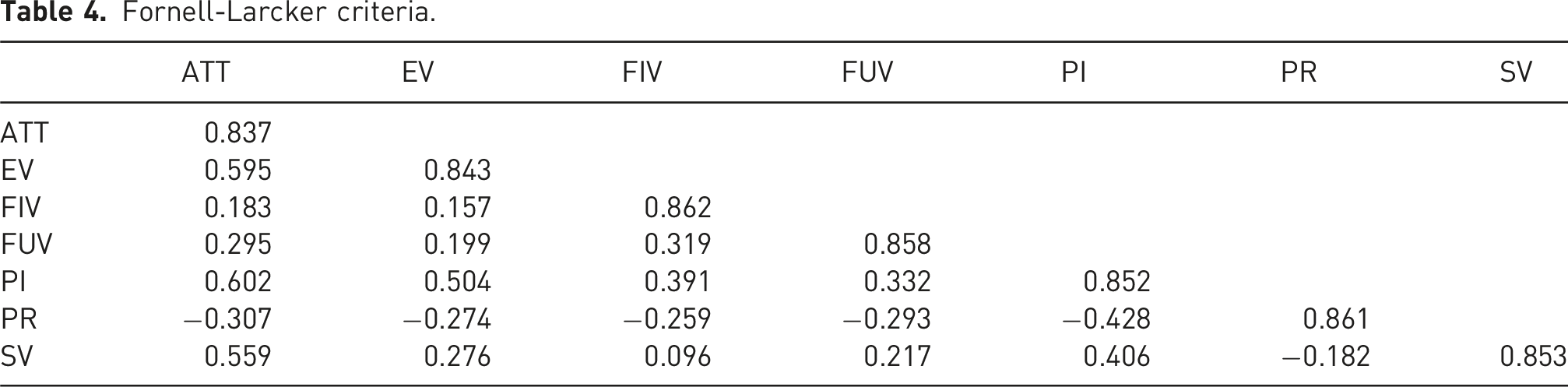
Fornell-Larcker criteria.
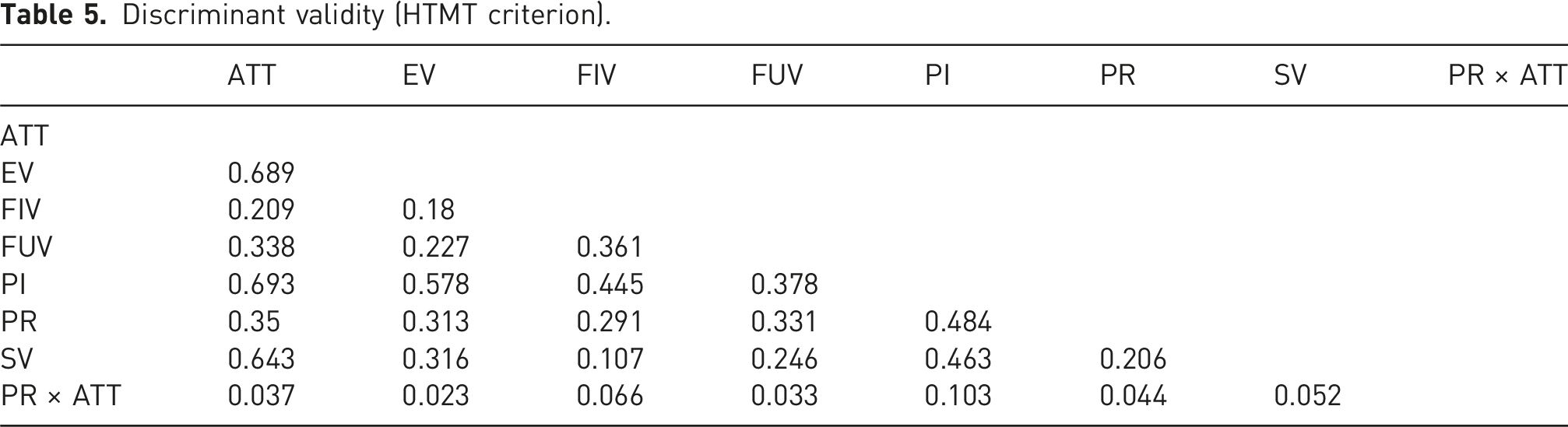
Discriminant validity (HTMT criterion).
Assessment of the structural model
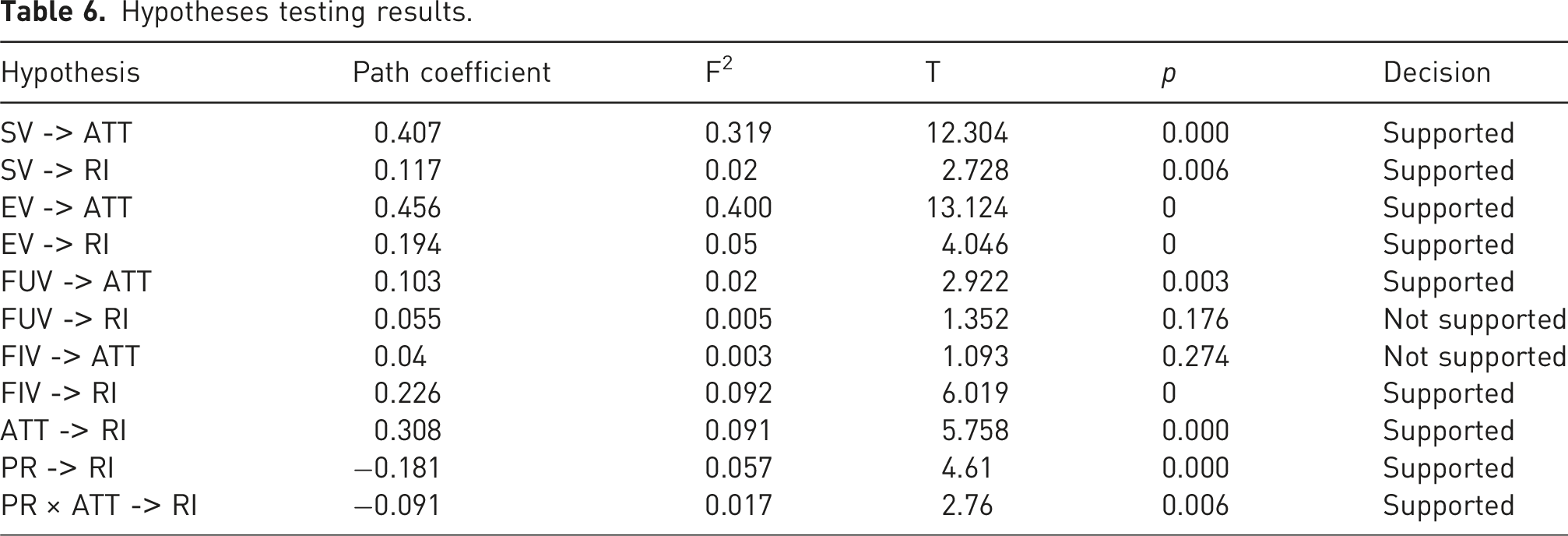
Hypotheses testing results.
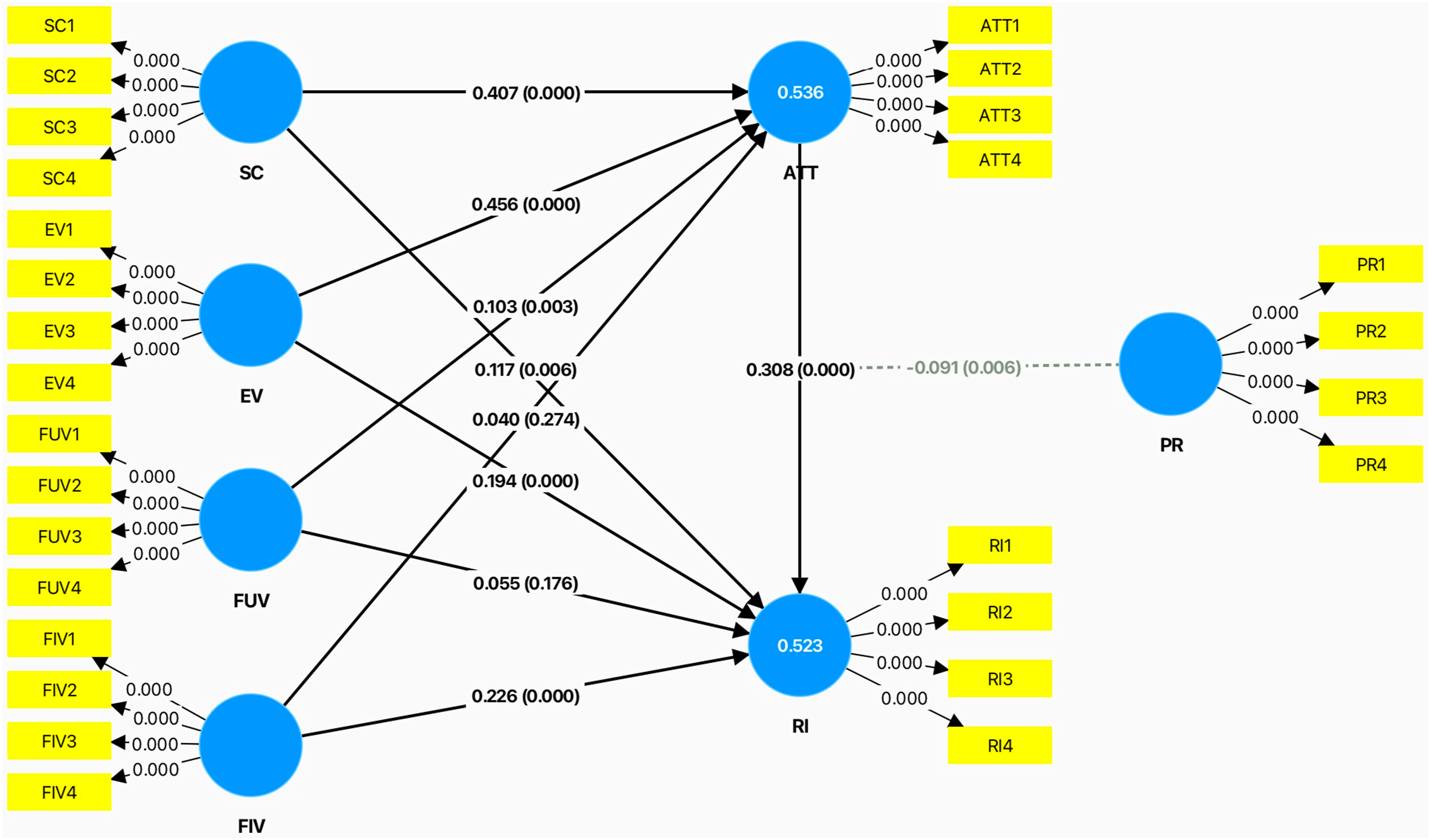
Assessment of the structural model.
All direct hypotheses were supported except for H6 and H7. These results suggest that the modified value-attitude-behavior model suits the context of luxury hotels. Regarding hypothesis testing, participants’ functional, experiential, and symbolic values significantly influenced their attitudes toward luxury hotels, confirming hypotheses H1, H3, and H5. However, financial value did not significantly affect participants’ attitudes (H7). Moreover, experiential, symbolic, and financial values directly impacted participants’ revisit behavior to luxury hotels, supporting hypotheses H2, H4, and H8, while functional value did not have a similar effect (H6). Analyzing participants’ behavior when staying at luxury hotels during travel showed that their attitudes significantly influenced this behavior, thus confirming hypothesis H9. Figure 1 displays the results of this study.
Assessment of mediating effects
Hypotheses testing of mediating effects results.

Moderation effect evaluation
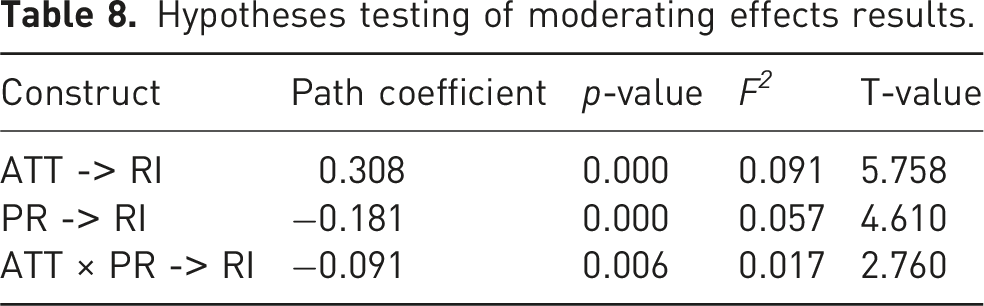
Hypotheses testing of moderating effects results.
Discussion
Previous research highlights that consumers seeking luxury services value symbolic, experiential, and functional attributes, especially in hospitality (Kwon et al., 2024; Wu et al., 2024). Supporting these findings, this study confirms that symbolic, experiential, and functional values are key factors shaping consumer attitudes toward luxury hotels in the post-pandemic era. The results also show that while symbolic and experiential values significantly impact revisit intentions, functional value does not have a similar effect. The research underscores the important role of attitude as a mental mediator, aligning with Yue et al. (2024), who argue that a more positive attitude toward luxury hotels increases the chance of revisiting, with multi-dimensional value perceptions promoting post-pandemic loyalty through attitude. The analysis reveals that symbolic, experiential, and functional values largely influence revisit intentions through attitude, accounting for 82% of the total indirect effects. It indicates that in Chinese luxury consumption, attitude works as a cultural lens, boosting status-related (symbolic) and experience-based (experiential) evaluations, while emphasizing less on utilitarian (functional) aspects. This view sharply contrasts with Western models, where functional benefits directly predict repeat purchases without attitude mediation (Lu and Ahn, 2024).
The financial value presented conflicts with previous findings. The rejection of H7 (financial value → attitude) and acceptance of H8 (financial value → revisit intention) suggest a dual-path decision-making process in China’s luxury market. While financial value acts as a transactional motivator (directly influencing behavior), it does not penetrate deeper attitudinal frameworks, largely due to the influence of face (mianzi) culture. Chinese consumers tend to pragmatically focus on cost-effectiveness (e.g., taking advantage of discounts) without integrating it into their identity, which contrasts sharply with Western models where price-value alignment shapes both attitudes and behaviors (Vigneron and Johnson, 2004). Furthermore, this study highlights the significance of perceived risk in the post-pandemic environment and its negative moderating effect on the link between attitudes and revisit intentions. The COVID-19 pandemic has led consumers to adopt higher standards for service quality, hygiene safety, value perception, and privacy when choosing luxury hotels (Gazi et al., 2024). High perceived risk can generate distrust and uncertainty, aligning with Bauer’s (1960) risk barrier theory, which posits that uncertainty diminishes confidence in future actions. For instance, quick interviews showed that respondents with high perceived risk (“PR4: Health concerns in crowded hotels”) frequently delayed revisits despite positive attitudes, choosing instead private villas or boutique accommodations. Luxury hotels can meet these shifting expectations by emphasizing hygiene practices, thus improving consumer attitudes and impacting visitation intentions (Singgalen, 2024).
Theoretical implications
This study addresses a significant gap in longitudinal analyses of luxury consumption in non-Western contexts. Unlike previous research that focused on pre-pandemic preferences (Ongsakul et al., 2022) or Western settings (Manfreda et al., 2022), we thoroughly examine behavioral changes among Sanya consumers, emphasizing health awareness and risk management as new motivations for revisiting post-pandemic. We also update the VAB framework by adding financial pragmatism as a key value dimension, addressing the challenges of price-sensitive luxury spending. This shifts the assumptions about the dominance of symbolic and experiential factors (Homer and Kahle, 1988) and shows shifts from a brand-centered approach to a risk-aware experiential perspective, supported by data from Sanya’s market trends. Additionally, our study improves risk modeling in VAB theory by moving away from viewing risk only as a value-related element. Instead, we see perceived risk as a crucial factor that influences the link between attitudes and actions. Our findings demonstrate how higher risk thresholds (such as anxiety about crowds) limit the connection between attitudes and intentions to revisit—an aspect not considered in previous frameworks. Finally, we broaden luxury research to include experiential resilience. The example of Sanya shows that competitiveness after the pandemic depends on safety innovations (such as flexible booking options) and cultural connections, advancing the experience economy theory in high-end services. Methodologically, this research integrates different fields using a “value-risk” framework that combines hospitality management, behavioral psychology, and generational theory.
Practical implications
The research establishes a foundation for decision-making in China’s luxury hotel sector, helping address challenges in the post-pandemic era. COVID-19 has altered consumer behavior and changed the competitive landscape of the hospitality industry. By analyzing how symbolic, experiential, functional, and financial values differently influence revisit intentions, this study offers valuable insights for hotel managers to improve their value propositions. In popular tourist destinations like Sanya, the research recommends focusing on financial value perceptions through practical strategies such as online promotional packages and partnerships with travel agencies to turn affordability into memorable consumer experiences. Additionally, the study proposes strategic pathways for new market entrants. Businesses can focus their resource allocation by developing a value-risk decision-making model. Suggested strategies include implementing contactless interfaces and AI-driven self-check-in kiosks with facial recognition technology (similar to Marriott’s Mobile Key) to reduce physical contact; ensuring transparency about hygiene through IoT sensors that monitor air quality in real-time (including PM2.5 and CO2 levels), displayed via guest apps, as demonstrated by Sanya Atlantis; employing dynamic pricing with risk premiums through options like “FlexRate” packages that allow free cancellations and blockchain-verified disinfection records. Lastly, the research recommends cross-industry collaborations for policymakers. The strategic framework supports government initiatives to establish data-sharing platforms among hotels, airlines, and travel agencies, set post-pandemic safety standards, and promote health-security innovations via tax incentives. For pilot regions such as the Hainan Free Trade Port, the study advocates for cross-industry loyalty programs that integrate tourism resources to increase revisit rates.
Limitations and future research
This research primarily examines luxury hotel consumers in China, but its relevance to individualistic cultures, other luxury sectors like fashion and automobiles, and mid-range markets needs further testing. Comparing cultural differences between locations such as Bali (highlighting spiritual wellness) and the Maldives (prioritizing privacy and exclusivity) could reveal how culture influences the experience-risk relationship. Although the VAB model considers health risk moderation, factors like gender differences and age-related preferences (such as Gen Z’s digital engagement vs Baby Boomers’ traditional views) limit prediction accuracy. Future studies should include demographic variables to improve the model. Additionally, the current cross-sectional approach does not capture behavioral changes caused by the pandemic. A 5-year panel survey, starting in 2019 and continuing through 2023 to 2027, would track how safety concerns and risk appetites evolve over time. Comparing groups before and after the pandemic could highlight crisis-driven changes, especially with digital hospitality records for a time-series analysis.
Footnotes

Funding
The authors received no financial support for the research, authorship, and/or publication of this article.
Declaration of conflicting interests
The authors declared no potential conflicts of interest with respect to the research, authorship, and/or publication of this article.