




Abstract
Photo-taking is frequently hailed as a powerful instrument for both consuming and constructing the tourist experience. This study, grounded in tourist gaze theory, aims to explore how foreign tourists create narratives and interpret rural landscapes in Iran through their photographic images. By analyzing visual representations shared on Flickr, a popular platform for travel photography, the research identifies key narratives that influence the construction and negotiation of the tourist gaze in these images. The findings offer new theoretical and practical insights into how visual storytelling shapes tourists’ perceptions and narratives especially in the frequently underrepresented rural settings of the Global South.
Introduction
Photo-taking is a significant aspect of tourism and tourists use photography to construct narratives that encapsulate the essence of the places they explore (Gillet et al., 2016; Steen Jacobsen, 2007). Photography serves as a channel for tourists to engage with and interpret their destinations, while also perpetuating stereotypes and shaping the tourist gaze, ultimately influencing how travelers perceive, experience, and document their journeys (Ritter, 2023). This process is further influenced by diverse factors, including tourists’ motivations and expectations related to pleasure, excitement, recreation, spirituality, or education, which contribute to the formation of various perspectives (Lin and Fu, 2021; Samarathunga and Cheng, 2021; Snake-Beings, 2023; Urry, 1990). In this context, Urry and Larsen (2011) introduced the ‘performance turn,’ shifting the focus from tourism as a visual and static experience to one that emphasizes multisensory and dynamic engagement, involving sensations, emotions, and actions. This perspective highlights tourists as ‘active participants,’ not ‘mere observers,’ in their travel experiences (Wattanacharoensil et al., 2022).
In modern travel, digital photography, mobile technology, and social networking platforms have significantly increased tourists’ engagement with photography, enabling them to share their holiday experiences in real time (Ekici Cilkin and Cizel, 2022; Lee et al., 2023; Ritter, 2023; Walsh et al., 2019). As a result, platforms like Flickr have become significant in discovering and promoting tourist destinations worldwide (Höpken et al., 2020). By capturing various facets of their journeys, tourists contribute to a visual narrative that show a destination’s allure (Höpken et al., 2020; Mele et al., 2021; Siyamiyan Gorji et al., 2023).
The relationship between photography, travel and tourist gaze has been a focal point in tourism literature (Lee et al., 2023; Nikjoo and Bakhshi, 2019), with user-generated photographic content emerging as a prominent trend in tourism research (Ghaderi and Béal, 2020; Zhang et al., 2022). However, much of the existing research on the tourist gaze has concentrated on urban destinations (e.g., Ekici Cilkin and Cizel, 2022; Ritter, 2023), often overlooking the distinctive interactions present in rural and natural resource-based communities (Lowery et al., 2020; Stone and Nyaupane, 2019). Rural destinations around the world frequently possess a ‘globalized and idyllic image,’ akin to the concept of the tourist gaze, influenced by media portrayals (Bell, 2006; Urry, 2002).
Rural tourism, as a significant mode of engaging with rural spaces, provides an opportunity to examine the concept of the rural idyll through the lens of touristic portrayals of rural life (Bell, 2006). Rural destinations offer distinct experiences compared to their urban counterparts, focusing on tranquility, authenticity, and a connection to nature (Liao et al., 2023; Lowery et al., 2020). Investigating the visual narratives created by tourists in rural settings helps to identify the specific aspects of these experiences that are particularly appealing and shape travelers’ stories (Ghaderi and Béal, 2020; Zhou, 2014). Destination imagery plays a vital role in connecting the portrayal of rural areas with effective marketing strategies. However, online representations of rural destinations have been relatively neglected, despite their importance in destination management (Zhou, 2014). Although rural tourism has traditionally been viewed as a form of domestic travel and an alternative to mass tourism (Seyfi et al., 2023b), its appeal is growing among international visitors, especially in developing countries (Ghaderi and Béal, 2020; Liao et al., 2023; Wu and Yang, 2023). To address this gap, this study explores how foreign tourists perceive rural landscapes in a developing country context, Iran. To achieve this, we analyze how foreign tourists engage with and depict Iranian rural landscapes on Flickr, a widely used platform for travel photography (Deng and Li, 2018; Zhang et al., 2019). By analyzing the visual content shared by international visitors, we aim to uncover how these representations shape perceptions of rural destinations in Iran through the tourist gaze.
Literature review
Photos and destination image
Photography and tourism are closely intertwined, with many travelers viewing photography as an essential way to capture and commemorate their experiences (Hillman, 2007). Visual elements are significant in the tourism industry (Garrod, 2009; Siyamiyan Gorji et al., 2023; Urry, 1990), and photography is a powerful tool for documenting and analyzing these visuals (Hunter, 2008). In the digital age, driven by the internet and social media, visual content has become a key component of the tourism sector (Buhalis, 2020; Ritter, 2023; Seyfi et al., 2023a). Tourists frequently upload and share geo-tagged photos on platforms like Flickr, Google Picasa, and Facebook, significantly influencing the destination choices of other travelers (Donaire et al., 2014). Current research utilizes photographs as essential data sources to thoroughly understand destination images, given their significant influence on the perceptions of potential travelers (Marine-Roig and Clavé, 2015).
Destination image is a complex concept involving a blend of thoughts, opinions, feelings, visualizations, and intentions regarding a destination (Tasci et al., 2007). Essentially, it is “the sum of beliefs, ideas, and impressions that a person has of a destination” (Crompton, 1979: p. 18). Destination image is a critical element influencing tourists’ decision-making and has increasingly become a significant focus of research for both scholars and industry professionals (Rasoolimanesh et al., 2021). Destination image comprises tourists’ perceptions, ideas, and memories of a location (Crompton, 1979; Tasci et al., 2007), and is categorized into cognitive and emotional images. A cognitive image reflects a person’s understanding of what defines a place, while an emotional image represents their emotional response to it (Rasoolimanesh et al., 2021; Tasci et al., 2007). Together, these images contribute to the overall perception of the destination. Tourists often share their travel photos on social media and online galleries to communicate their experiences (Tham et al., 2013), and these images significantly influence the destination image (Deng and Li, 2018). Photographs include both content and composition: content refers to the overall appearance and design of the image, while composition pertains to the arrangement of its elements (Mahn, 2014). Tourist-captured images feature both manifest content, which includes easily recognizable symbols like landscapes or traditional costumes, and latent content, which conveys deeper meanings such as perceptions of a destination’s safety (Roberts, 1997).
Different studies have examined the significant impact of tourist-shared photographs on tourism destinations. Pritchard and Morgan (2003) highlight the role of tourist-taken photos as travel logs and narratives that shape destination images and influence tourists’ expectations, interactions, and evaluations. Garrod (2009) emphasizes the essential connection between photography and tourism, highlighting the importance of photos in forming destination images. Donaire et al. (2014) argue that tourism photos are valuable for understanding the perceived image of a destination, noting that tourists selectively capture and share elements that influence destination branding. Kim and Stepchenkova (2015) explore how photos shared on photo-sharing websites affect perceptions of Russia, focusing on the latent content of these images, such as crowdedness, cleanliness, safety, and uniqueness. Zhang et al. (2018) analyze geo-tagged photos from popular tourist attractions in China, revealing that museums, temples, lakes, ancient towns, and parks are frequently depicted. Additionally, research indicates variations in photo-taking behavior among tourists, such as solo travelers taking fewer photos compared to those with companions and differences in behavior based on nationality (Gillet et al., 2016). Collectively, these studies enhance our understanding of how tourist-generated photography influences destination images and tourist behavior.
Rural destination images in the digital age
The image of a destination often represents its identity (Govers et al., 2007), with this identity primarily shaped by its local and inherent characteristics (Boyne and Hall, 2004; Deng and Li, 2018; Lin et al., 2011). For rural destinations, this image is conveyed through text, images, and discourse, allowing potential tourists to form expectations about their experiences based on visual representations (Liao et al., 2023; Lowery et al., 2020; Wu and Yang, 2023; Zhou, 2014). Additionally, images of rural destinations are essential in linking rural representation with marketing efforts aimed at attracting tourists (Dwivedi, 2009; Liu et al., 2024; Stepchenkova and Morrison, 2008). The concept of the rural idyll (Bell, 2006), a key characteristic of rural tourism destinations, is prominently featured in visual content shared online, especially by tourists in villages. These images can significantly influence potential visitors’ intentions to travel (Liu et al., 2024; MacKay and Couldwell, 2004; Reza Jalilvand et al., 2012; Tang et al., 2022). Today, online images and videos of destinations are critical management tools for rural tourism, playing a significant role in shaping the reputation and success of these locations (Wu and Yang, 2023; Zhou, 2014). As such, the sharing of photos related to rural destinations by tourists on various platforms can play a significant role in introducing these places and shaping a positive—or sometimes negative—image of a rural destination in the minds of potential tourists (Liu et al., 2024; Rodrigues et al., 2023; Zhao et al., 2024).
The realm of rural tourism is undergoing significant transformation due to the increasing influence of digital and social media platforms. These platforms are significant in shaping how destinations are perceived and how tourist behaviors are molded. Recent research has explored the impact of various factors—including technological advancements, social interactions, and online feedback—on the appeal and management of rural destinations. For example, Liao et al. (2023) examine how short-form video applications influence travel intentions to rural destinations, finding that guanxi and telepresence enhance destination image and travel intentions. Wu and Yang (2023) find that the online image of rural destinations significantly impacts their success and visibility. Liu et al. (2024) demonstrate that social media affordances significantly affect cognitive and affective images of destinations. Rodrigues et al. (2023) propose a model showing that high-quality digital marketing enhances rural destinations’ image and tourists’ intentions to visit, promoting sustainability. Zhao et al. (2024) highlight that authenticity, involvement, and destination image are significant for tourist satisfaction in ancient village tourism. Liang and Lai (2023) find that a designation of origin brand image positively impacts the destination image and visit intentions, with destination image mediating this relationship. Wu et al. (2023) investigate social interactions in a rural tourism destination and show that tourism has introduced distinct interaction rituals that shape social relationships and provide insights for sustainable tourism development. Wu and Yang (2023) analyze online comments to identify key service attributes that impact tourist satisfaction in rural destinations. They find that attributes such as natural environment, price, food, hospitality, and culture/heritage are essential for improving service quality and sustainability based on visitor feedback.
Overall, these studies demonstrate the critical role that digital and social media play in shaping the perceptions and management of rural tourism. The findings reveal how technology, social interactions, and visitor feedback converge to influence both the image of rural destinations and tourist satisfaction. Understanding these factors is essential for developing effective marketing strategies and enhancing the appeal of rural areas. As rural tourism expands, such insights are essential for destination marketers and policymakers focused on attracting and satisfying visitors while promoting sustainable development.
Tourist gazes through photographs
The concept of the tourist gaze refers to how travelers perceive and interpret the places they visit, selecting and framing sights, attractions, and cultural elements that catch their interest (Urry, 1992). Photography plays a significant role in capturing and representing this gaze, visually communicating what tourists find intriguing or attractive about a destination (Walsh et al., 2019). However, the interaction between the tourist gaze and photography raises critical questions about observation, representation, and cultural impact (Samarathunga and Cheng, 2021). Photography shapes and mediates the tourist gaze by allowing tourists to frame their surroundings through the camera lens, making choices about what to capture and what to leave out. This framing process is inherently subjective, influenced by personal interests, cultural backgrounds, and the desire to align with established visual narratives (Robinson, 2014). As a result, tourists’ photographs often emphasize iconic landmarks, picturesque views, and curated representations that meet popular expectations. This focus can sometimes lead to the commodification of culture and the simplification of diverse communities, reinforcing stereotypes and diminishing the complexity of local perspectives (Urry and Larsen, 2011).
The pervasive role of photography in the digital age, especially with its immediate sharing on social media platforms, has introduced new layers to these interactions. The quest for Instagram-worthy moments and visits to popular “must-see” locations often leads to the replication of travel experiences, with tourists converging on the same spots to recreate images they’ve encountered online (Gillet et al., 2016; Steen Jacobsen, 2007). This trend can overshadow other aspects of local culture and lifestyles, reinforcing stereotypical images and limiting a deeper understanding of a destination. However, the tourist gaze and photography are not entirely negative. Photography can also facilitate cultural exchange, self-expression, and documentation. It provides a platform for marginalized communities to share their stories, challenge stereotypes, and assert their own narratives (Robinson, 2014; Stone and Nyaupane, 2019).
The concept of the tourist’s gaze involves the process of visual consumption that significantly influences tourists’ activities and determines the perceived value of a destination (Urry, 1992). This gaze includes how tourists view and interpret a place, shaping their expectations and experiences (Ekici Cilkin and Cizel, 2022). As tourists engage with rural landscapes, their visual consumption, along with interactions with local villagers, plays a significant role in crafting their understanding of these areas (Murti, 2020). Rural destinations often serve as retreats for individuals seeking respite from the fast pace of urban life. In these settings, the tourist’s gaze becomes an integral component of the experience, shaping how visitors perceive the essence of the village and its surroundings (Daugstad, 2008; Murti, 2020; Szadziewski et al., 2022). This gaze influences tourists’ perceptions of various elements, including the destination’s natural environment, social identity, the local population, and their way of life.
Recent research has examined how tourist gaze shapes tourist experiences and influences local rural communities. For example, Murti (2020) examines how rural destinations in Indonesia are represented in tourism media and how these representations influence Australian tourists’ perceptions. The study highlights that tourism media often portrays Indonesian rural areas as exotic and tranquil, reinforcing stereotypes. The media’s framing creates a skewed view that emphasizes the idyllic and picturesque aspects of rural life, while overshadowing more complex realities. Szadziewski et al. (2022) investigate the impact of tourism on Kashgar, China, particularly in the context of China’s Belt and Road Initiative. Their research shows how tourism is used as a tool for territorialization and securitization, altering the cultural and historical narrative of the region. The tourist gaze, as mediated by the state, is employed to promote a sanitized version of local culture and history, serving broader political and economic goals. Ekici Cilkin and Cizel (2022) analyze how tourists’ experiences are reflected in photographs through the lens of the tourist gaze theory. They find that photographs can capture a range of experiences, categorized into tangible and intangible cultural heritage, natural elements, and emotional responses. The study distinguishes between “romantic” and “collective” gazes, showing how personal and group perspectives shape the way tourists document and perceive their experiences. Fälton (2024) explores the representation of Swedish national parks in tourists’ Instagram posts. The study finds that these posts often depict national parks as sublime and isolated spaces, reinforcing a romanticized view of nature. This gaze contributes to a separation between the human and non-human worlds, framing national parks as escape destinations that offer grand views and seclusion, thus affecting how both the parks and their visitors are perceived.
Methods
This study utilized photos taken and shared by tourists on Flickr, one of the world’s largest photo-sharing platforms. Flickr hosts a vast collection of user-uploaded images, making it a valuable resource for visual research (Kádár, 2014). It provides various metadata, including image titles, tags, comments, and user-provided descriptions at the time of upload. Additionally, Flickr offers temporal data, such as the date of capture and information about the capturing device, including specific brands (Deng and Li, 2018; Zhang et al., 2019). At the time of this study, Flickr hosted over 6,288,694 images of villages globally. For this research, 2,554 photos taken by foreign tourists and geo-tagged with terms like “Iranian villages,” “Iran village,” “Iran rural destination,” and “Iran rural tourism” between 2004 and 2020 were identified and downloaded. These photos, along with metadata such as the date of capture, tourist nationality, and village names, were manually extracted and compiled into a database.
The analysis of the selected photos followed Braun and Clarke’s (2006) six-step framework for content analysis, progressing through distinct stages. Initially, the photos of Iranian villages were reviewed to gain an understanding of their content and context, forming an initial grasp of potential emerging themes or patterns. In the subsequent step, specific elements or content within the photos were systematically coded, capturing initial impressions and observations. As coding progressed, recurring patterns and themes began to emerge, with the analysis focusing on identifying commonalities and variations within the coded content. The identified themes were then reviewed and organized into a coherent framework, taking into account their interrelationships and the potential presence of sub-themes or hierarchies. Clear definitions were established for each theme, outlining their significance within the context of the photos, and appropriate names or labels were assigned. The final phase involved documenting the findings and insights derived from the thematic analysis, culminating in a report that detailed the themes, their definitions, and their relevance within the dataset.
Findings
Out of a total of 2,554 photos shared by foreign tourists from rural destinations in Iran, 2,171 (88%) were taken by Western tourists from countries such as North America, Germany, Finland, Italy, Australia, New Zealand, the Netherlands, Canada, the UK, France, Ireland, Spain, Belgium, and Switzerland. The remaining 383 photos (12%) were taken by Eastern tourists from Taiwan, China, the UAE, and Egypt (see Figure 1). Percentage of published photos of Iran’s tourist villages, categorized by western and eastern tourists.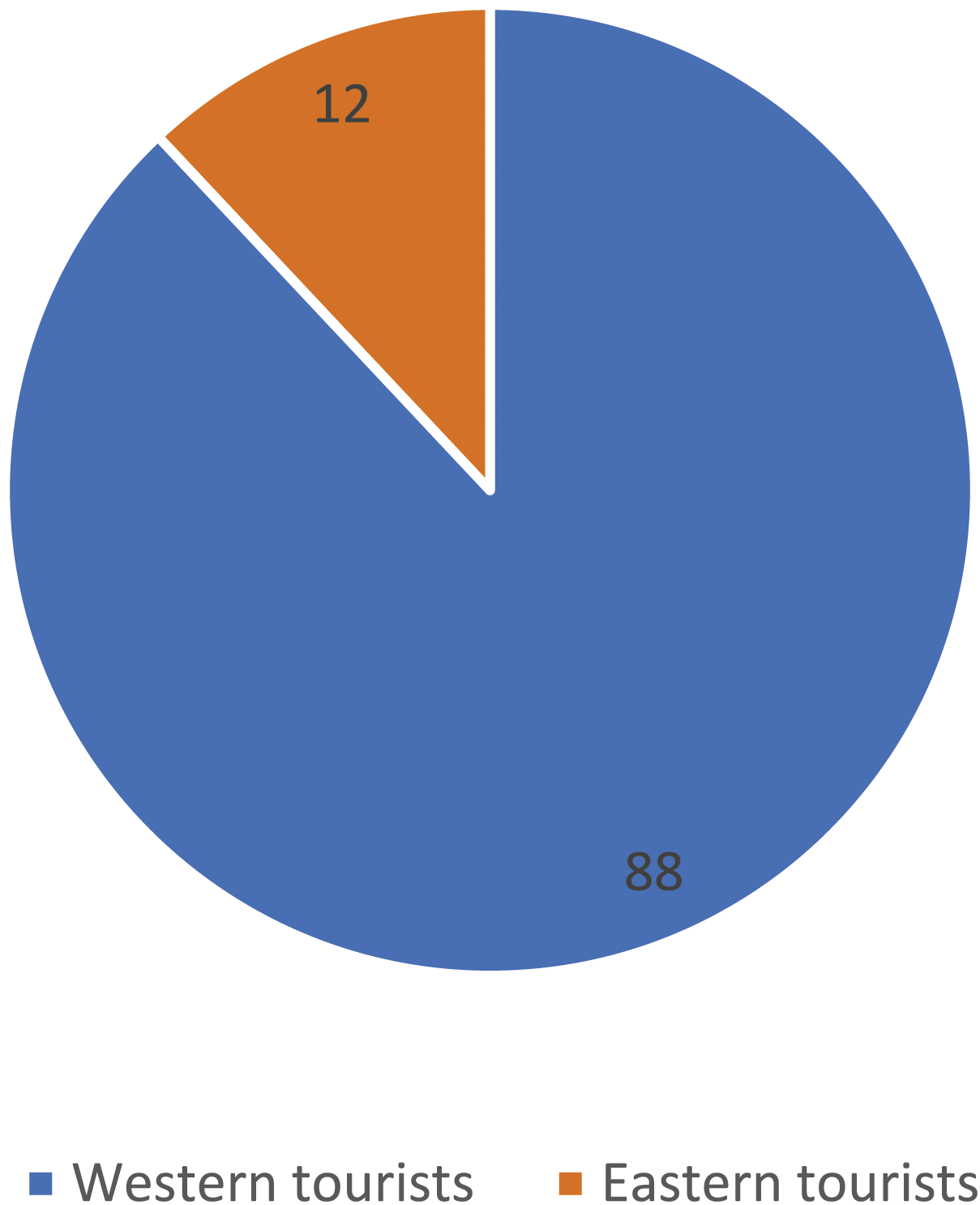
The analysis identified seven significant themes based on the content of the images. These themes will be elaborated upon in the following sections, offering a deeper understanding of the visual narratives and cultural insights captured by the tourists. Content analysis of photos taken by tourists reveals interesting insights (see Figure 2). Western tourists photograph architecture more frequently (36.4%) compared to Eastern tourists (16.9%). They also focus more on rural infrastructure (18.2% vs 13.8%), natural landscapes—over four times more than Eastern tourists—and local people and lifestyle, nearly twice as much (14.1% vs 7.7%). In contrast, Eastern tourists show greater interest in customs and traditions, more than twice that of Western tourists, as well as rural activities and the local economy (10.8% vs 7.4%). Both groups share a similar interest in religious rituals, with Western tourists at 10.4% and Eastern tourists at 9.2%. These differences highlight how cultural backgrounds influence tourist preferences, with Western tourists drawn more to architecture and landscapes, while Eastern tourists are more focused on cultural practices and local economic activities. Overall, these preferences illustrate the diverse ways tourists engage with and experience new environments, shaped by their unique cultural perspectives. Percentage comparison of photo content taken by western and eastern tourists.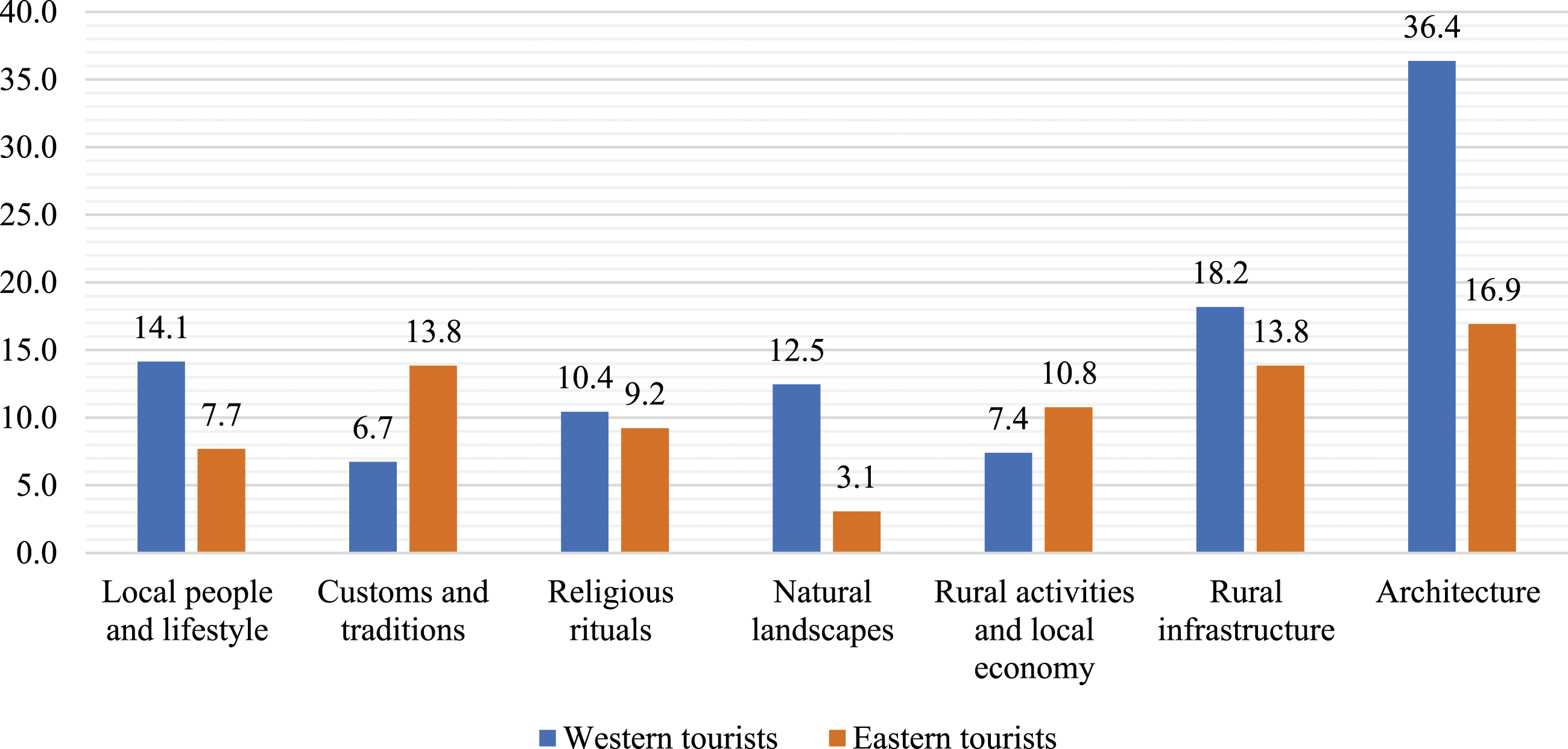
Local people and lifestyle
The depiction of rural people and lifestyle is a prominent theme in the analysis of image contents, highlighting the cultural and social aspects of rural communities (Cahyanto et al., 2013; Ghaderi and Béal, 2020). These photos significantly shape and influence tourists’ perceptions and interpretations of rural communities (Xiao et al., 2022). These images offer tourists a gateway into the authentic and communal essence of rural communities, effectively becoming visual markers of rural identity. They cater to the expectations and desires of tourists in search of encounters with traditional practices and customs, presenting rural communities as repositories of cultural heritage and enabling tourists to quench their curiosity and desire for authenticity (Ghaderi and Béal, 2020; Nikjoo and Bakhshi, 2019; Schweinsberg et al., 2012).
For example, Photos 1 and 2 depict individuals in traditional clothing, representing a genuine cultural experience and rural identity. By featuring someone from the rural community and highlighting their openness to share their story, the photograph fosters a sense of connection and intimacy between the viewer (tourist) and the subject (Waterton, 2009). This approach humanizes cultural exploration, allowing tourists to see rural communities not just as objects of observation, but as people with unique stories and contributions (Ekici Cilkin and Cizel, 2022). Photo 3 challenges stereotypes by showing active rural women involved in diverse activities. By presenting women in roles beyond traditional expectations, this portrayal expands tourists’ perspectives on gender roles in rural Iran, highlighting the impactful contributions of women in these communities (Nikjoo and Bakhshi, 2019). Photo 4 captures the carefree nature of rural children, providing an idyllic contrast to urban life and appealing to tourists seeking a simpler and joyful lifestyle (Bell, 2006; Urry, 2002). These shared photos cater to the tourists’ quest for authenticity, personal connection, and the allure of a simpler life (Ghaderi and Béal, 2020; Nikjoo and Bakhshi, 2019).
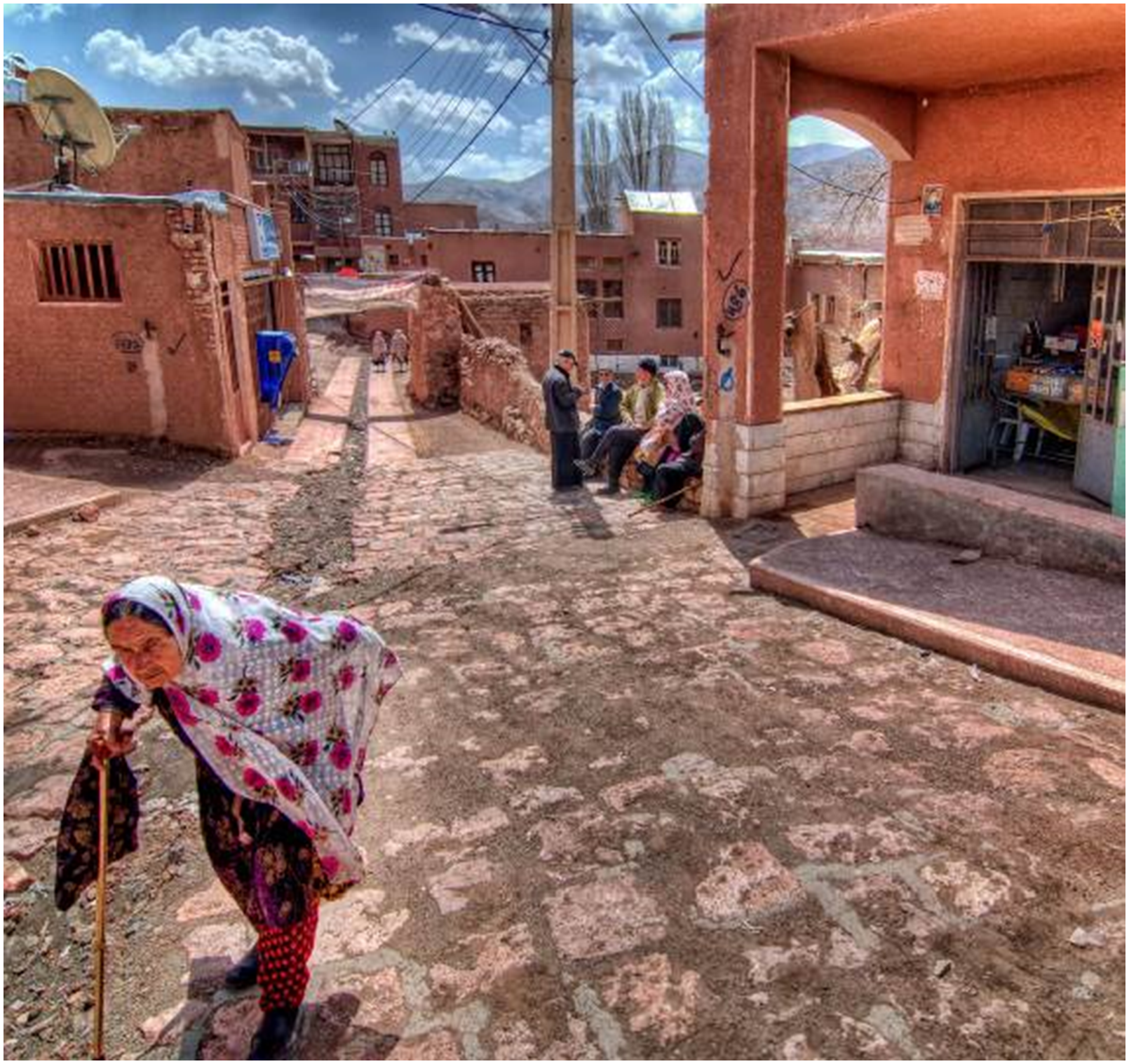
Photo 1
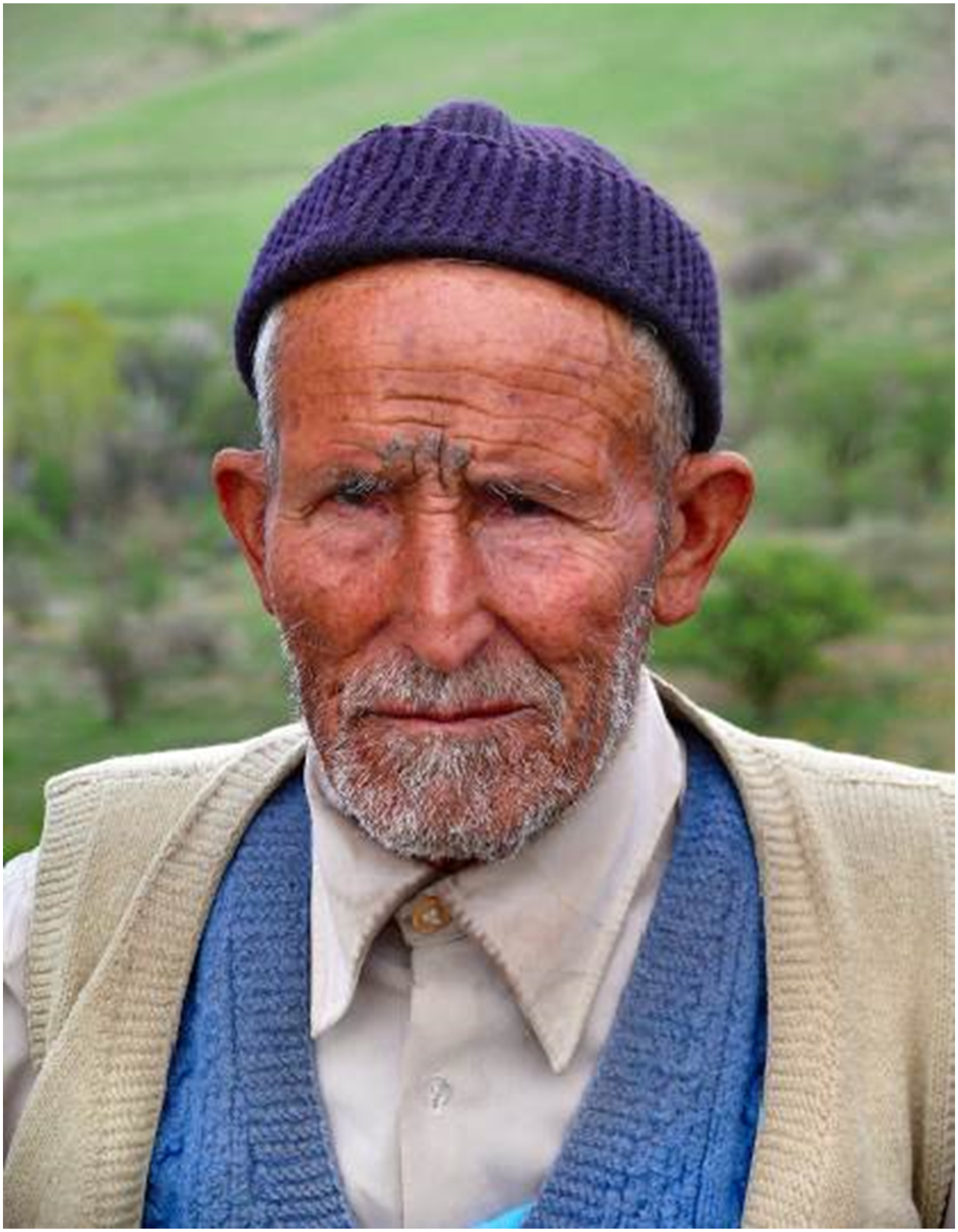
Photo 2
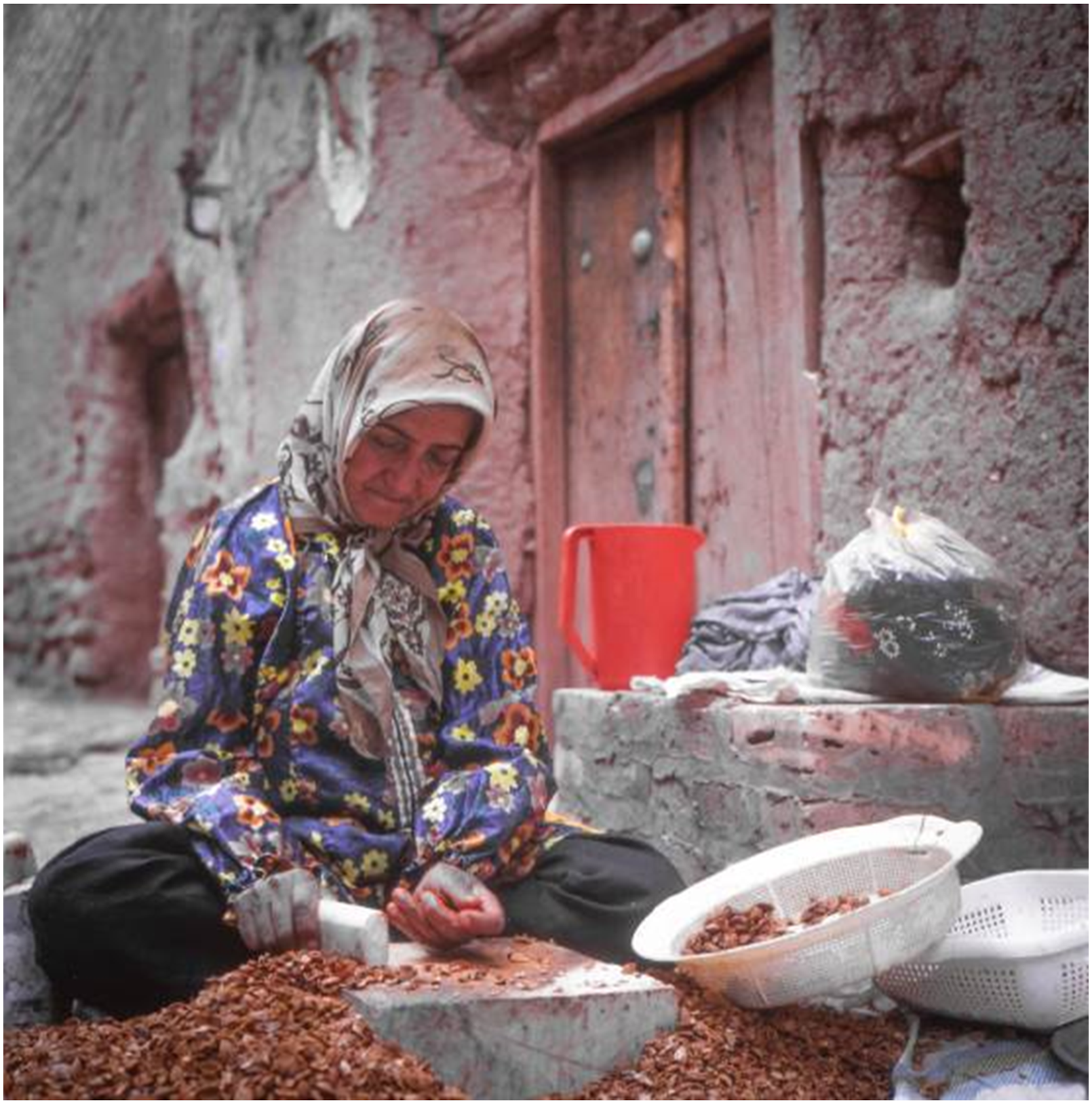
Photo 3
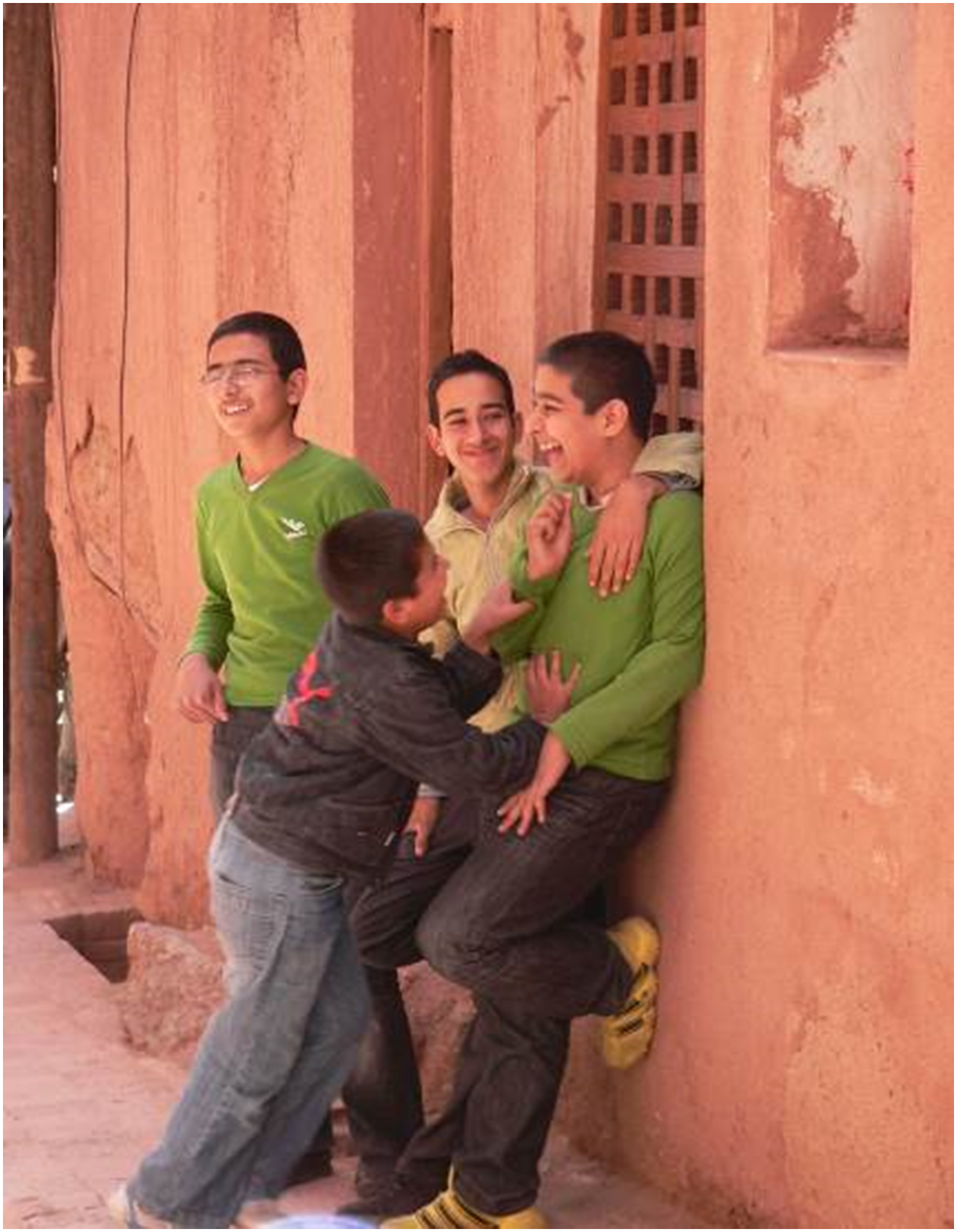
Photo 4
Other images in this category captivate tourists by showing everyday life and living conditions in the village. These images depict modesty, reliance on traditional means, and the communal nature of rural communities, aligning with tourists’ desires to connect with a simpler, more traditional way of life. Photo 5 portrays the residence of a rural couple, highlighting the modest living conditions of village inhabitants. Rural houses in Iran have historically been designed with inspiration from nature and use materials sourced from the surrounding environment. This type of architecture is particularly appealing to tourists, especially those accustomed to an urban lifestyle. These houses evoke a simple, minimalist lifestyle that contrasts with the complexities of modern urban life, making them an attractive and refreshing experience for visitors. This depiction appeals to tourists seeking an experience closer to nature. As demonstrated in prior studies, tourists are drawn to such portrayals of humble living, contrasting with their urban lifestyles (Dey et al., 2020; Ryu et al., 2020).
Photo 6 presents a rural woman dressed in traditional attire riding a donkey, demonstrating the reliance on animals for transportation in some rural regions. Photo 7 provides insight into the social interactions of village life by showing a gathering of rural men and women in a designated meeting place within the neighborhood. This image reflects the communal and close-knit nature of village inhabitants’ lifestyle, emphasizing the importance of social connections and community engagement. The tourists’ gaze is drawn to this depiction, as it highlights the sense of belonging and community values often found in rural areas. As demonstrated in recent studies, the simplicity and local lifestyle depicted in these photos attract tourists through the tourist gaze (Ekici Cilkin and Cizel 2022). Through their gaze, tourists connect with the values and aesthetics of rural communities, gaining a deeper understanding and appreciation of the local culture.
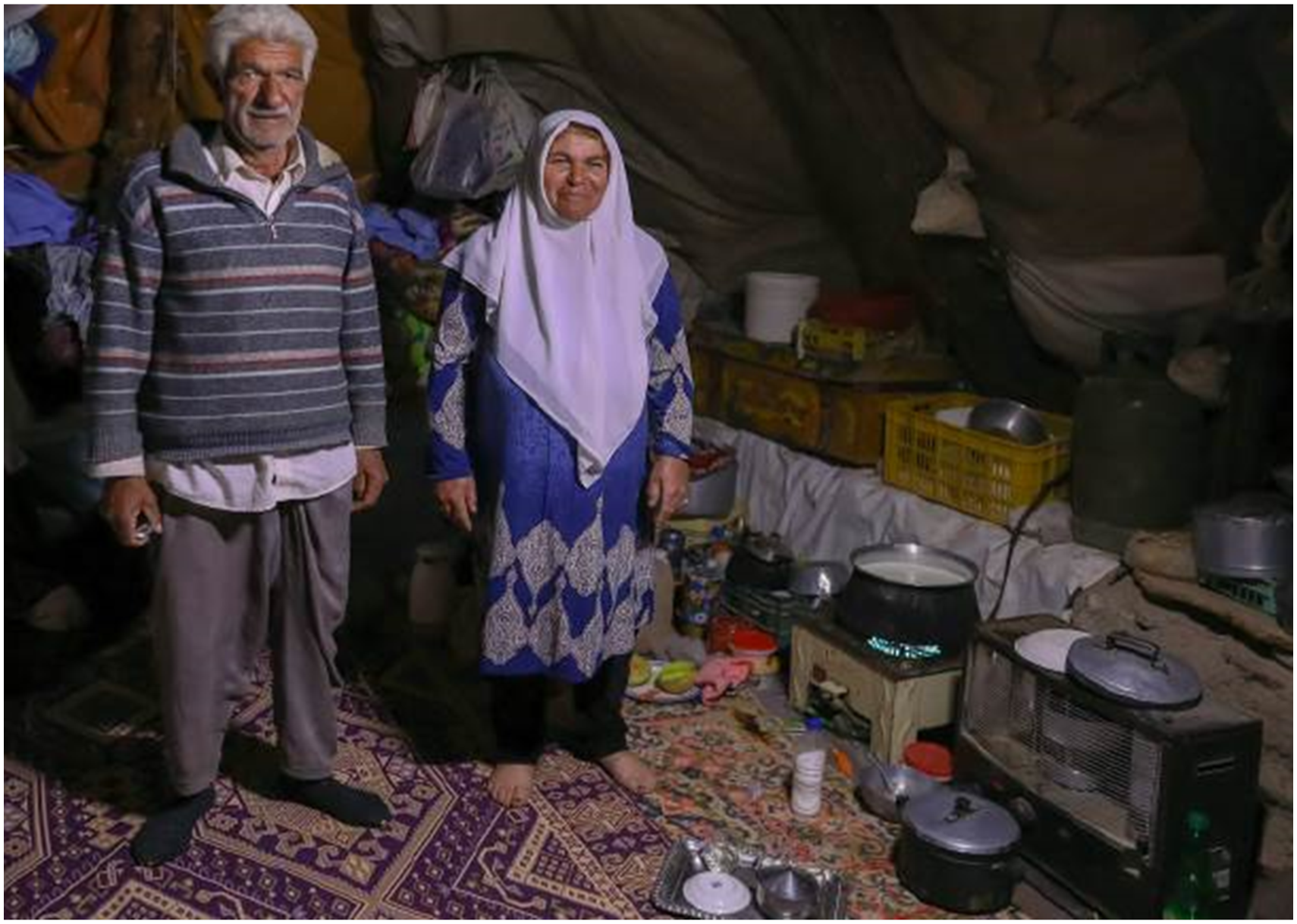
Photo 5
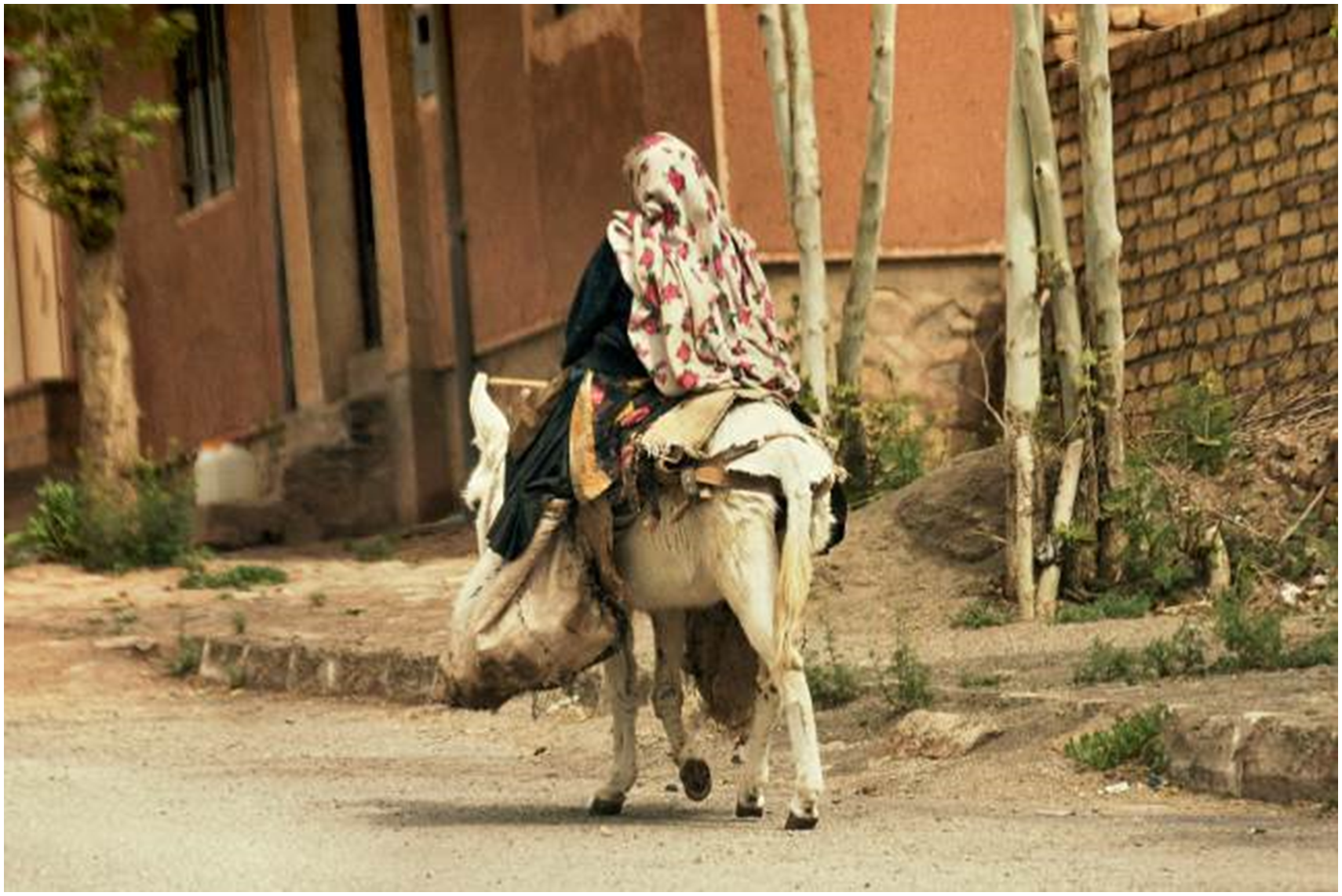
Photo 6
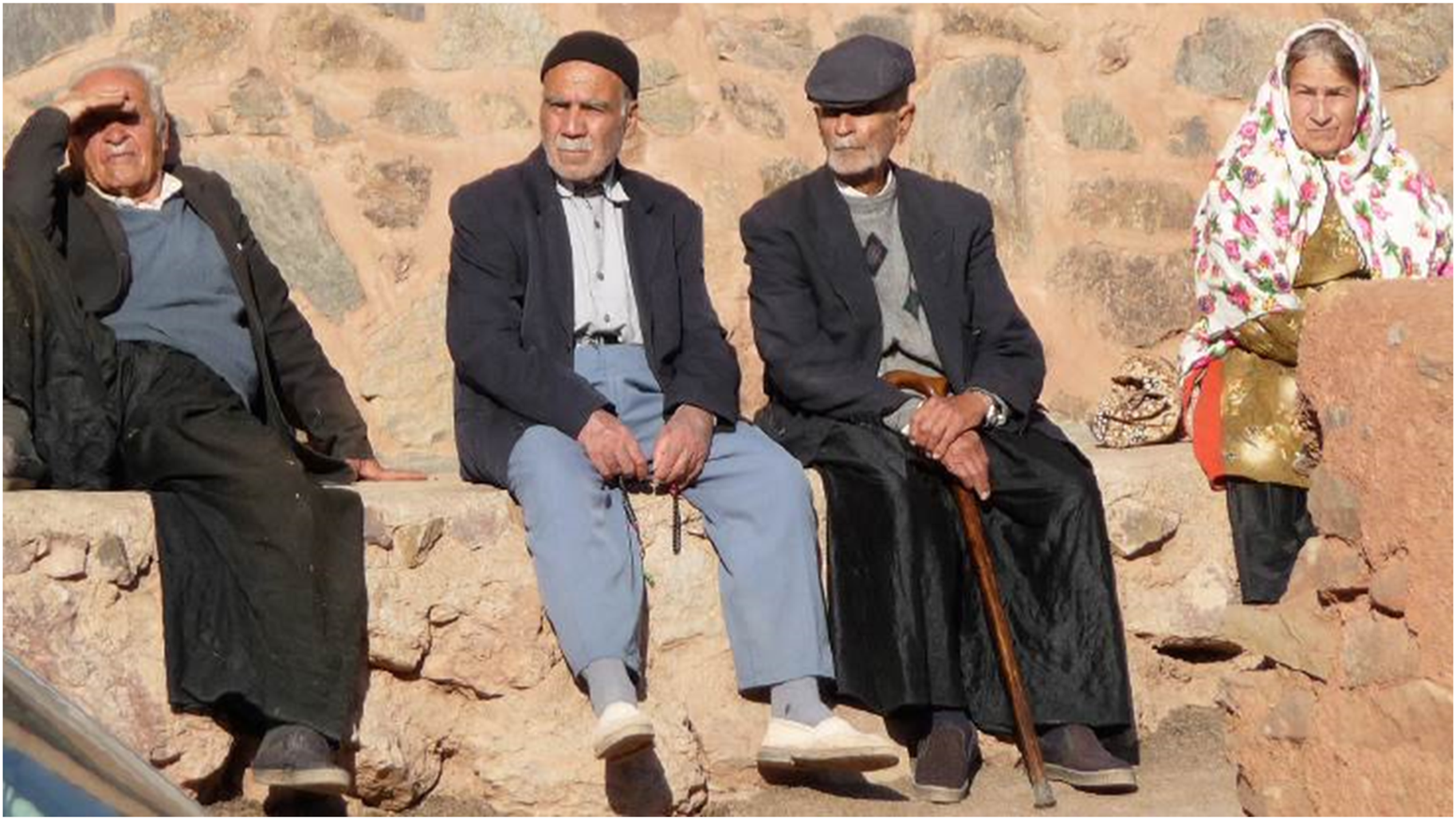
Photo 7
Customs and traditions
The examples in the photos in this category illustrate how customs and traditions are significant elements in the construction and negotiation of the tourist gaze. The tourist gaze is shaped by the desire to encounter and engage with cultural authenticity, and the depiction of customs and traditions in these images caters to that desire. The analyzed images highlight various aspects of these customs and traditions, emphasizing their significance and potential appeal to tourists. In Photo 8, the rural woman wearing a white Hijab is a focal point for the tourist gaze. The white Hijab serves as a visual marker of the local customs and traditions specific to rural areas in Iran (Ghaderi and Béal, 2020; Nikjoo and Bakhshi, 2019; Seyfi and Hall, 2018). This image appeals to tourists seeking an encounter with authentic cultural practices. The unfamiliarity of the white Hijab to many tourists further enhances its appeal as a unique aspect of the local culture, adding to the sense of discovery and exoticism (Seyfi and Hall, 2019). Photo 9 demonstrates the negotiation of the tourist gaze through the representation of gender-specific customs within the rural community. The presence of two different knockers on the door, each designated for men and women, signifies a distinctive cultural practice related to gender roles. This portrayal not only captures the attention of tourists but also reflects the negotiation between the local community and the tourist gaze.
Photo 10, depicting a breakfast meal prepared by villagers in rural areas of Iran using local ingredients, exemplifies how the depiction of food captures the attention and interest of Western tourists. Local cuisine represents more than just nourishment; food becomes a tangible expression of the local culture and a means to explore and engage with the destination. In modern tourism, where immersive cultural experiences are highly sought, tasting local cuisine is a significant aspect for tourists (Si and Couto, 2020). The portrayal of local cuisine in imagery serves as a visual representation that triggers the curiosity and desire of Western tourists.
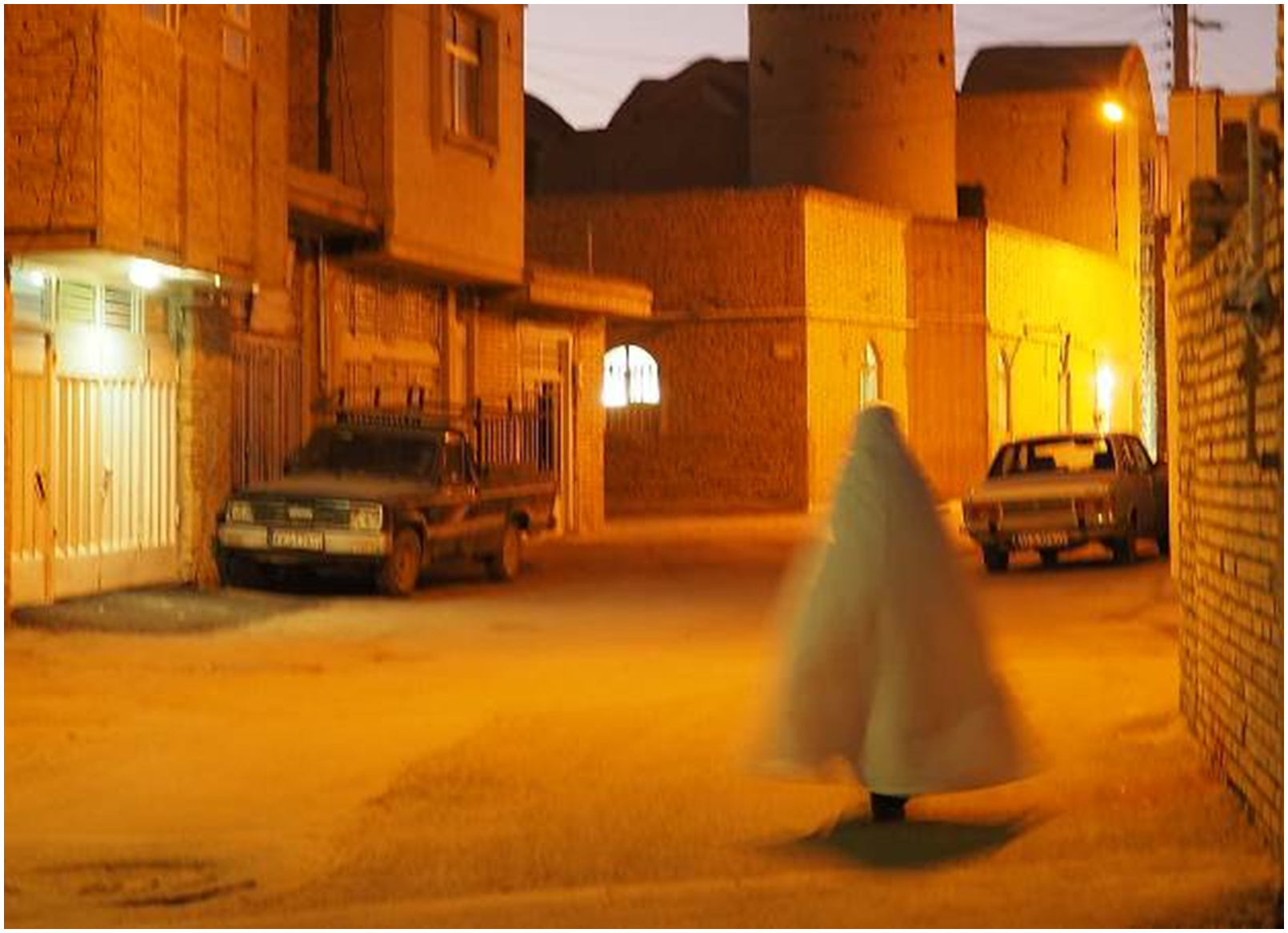
Photo 8

Photo 9
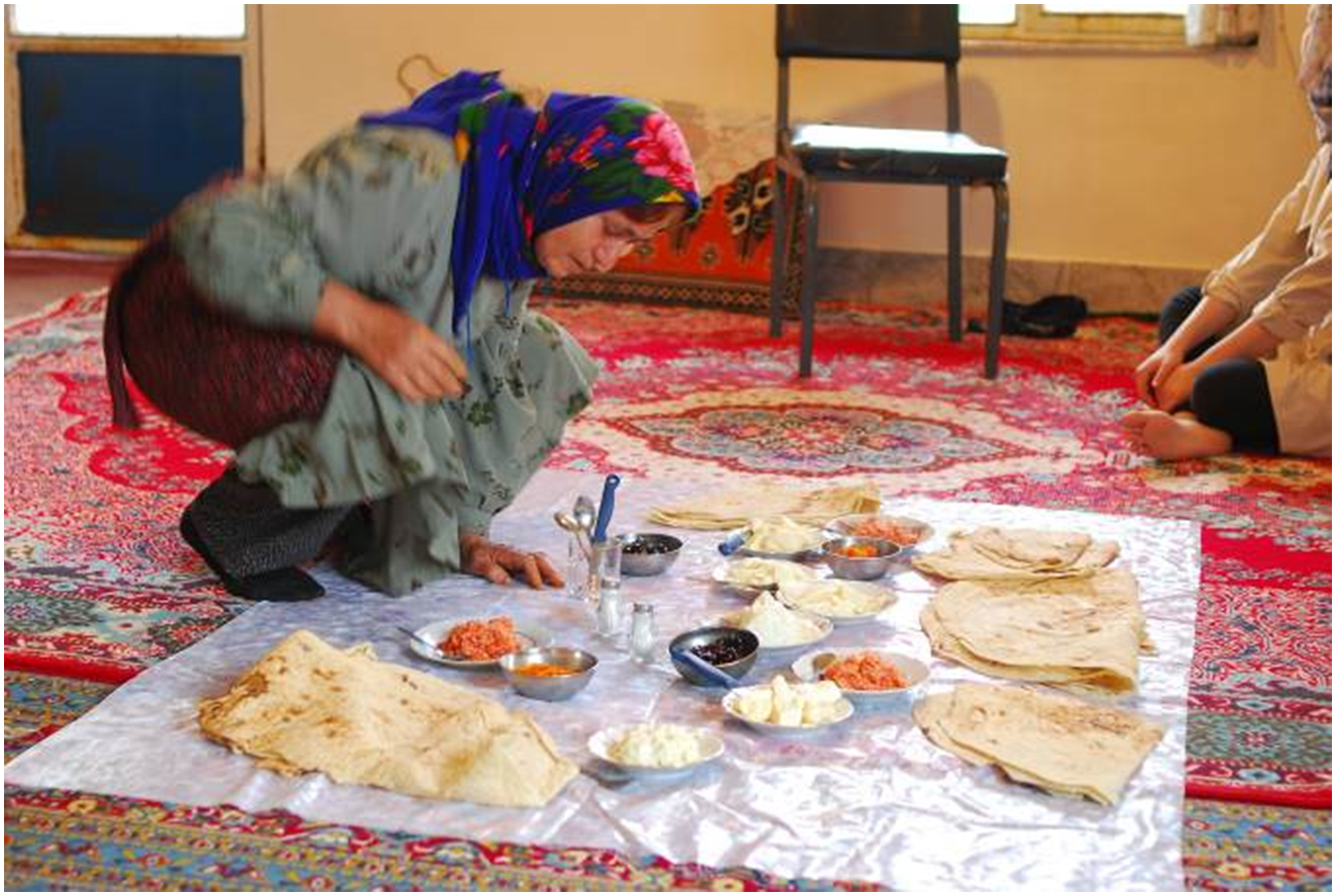
Photo 10
Religious rituals
The depiction of religious rituals and traditions in rural regions adds a significant dimension to the attraction and imagery portrayed in the images. The photos in this category exemplify how these rituals are highlighted in rural areas of Iran, shedding light on their cultural and spiritual importance. Photos 11 and 12 capture annual religious ceremonies and mourning practices in rural communities. The representation of these rituals being performed in the images adds to the immersive experience, allowing viewers to see the cultural and religious practices of rural communities. These images serve as a window into the world of religious devotion and the customs associated with it. Photo 13 shows a place of worship in a village in Iran, where Zoroastrians from across the country and around the world gather annually to participate in religious ceremonies. The accompanying caption emphasizes the significance of this location as a focal point for religious activities and the congregation of believers. By showing the place of worship as a symbol of religious devotion and community engagement, the image highlights the importance of these rituals in the lives of rural residents.
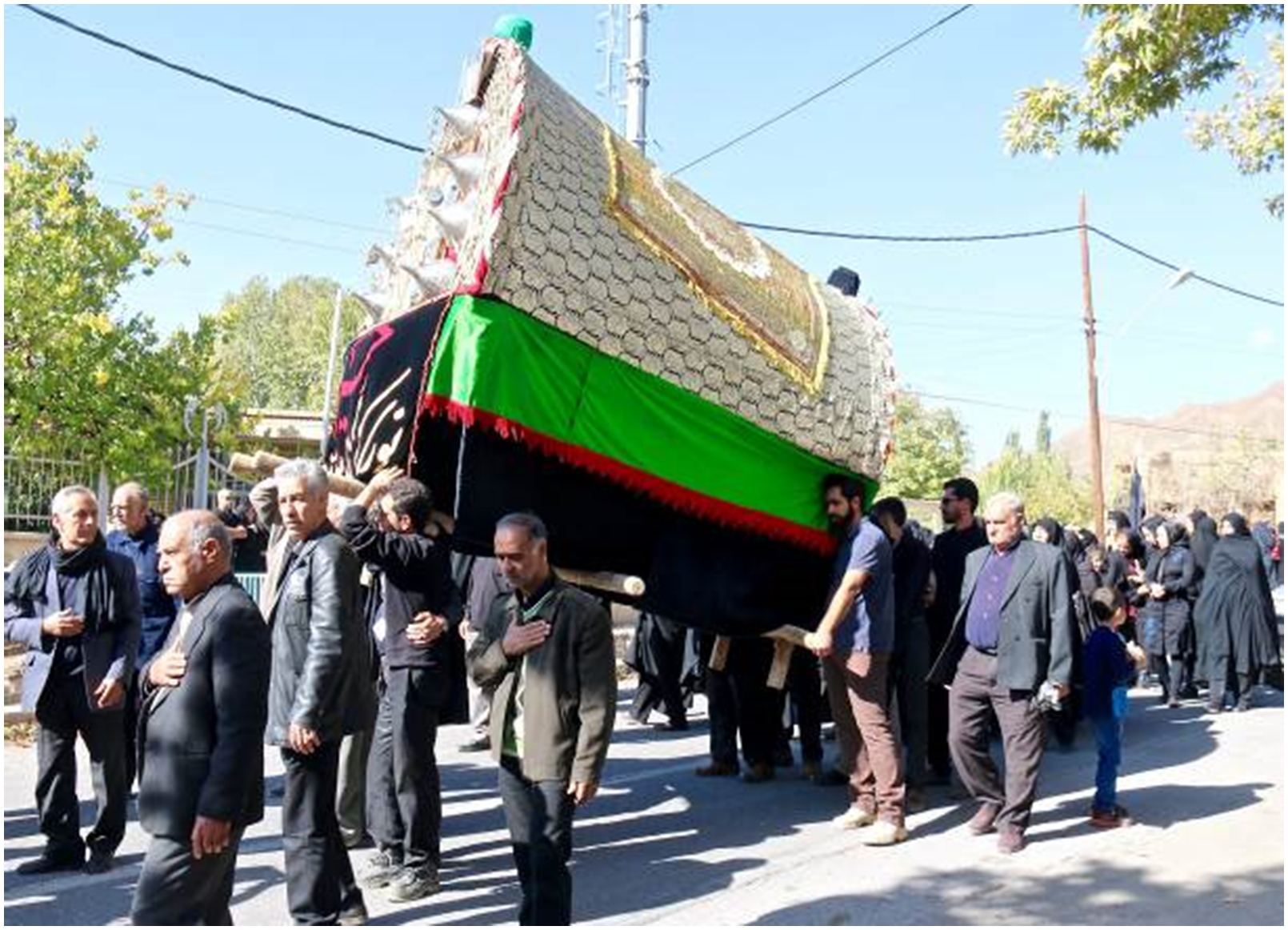
Photo 11
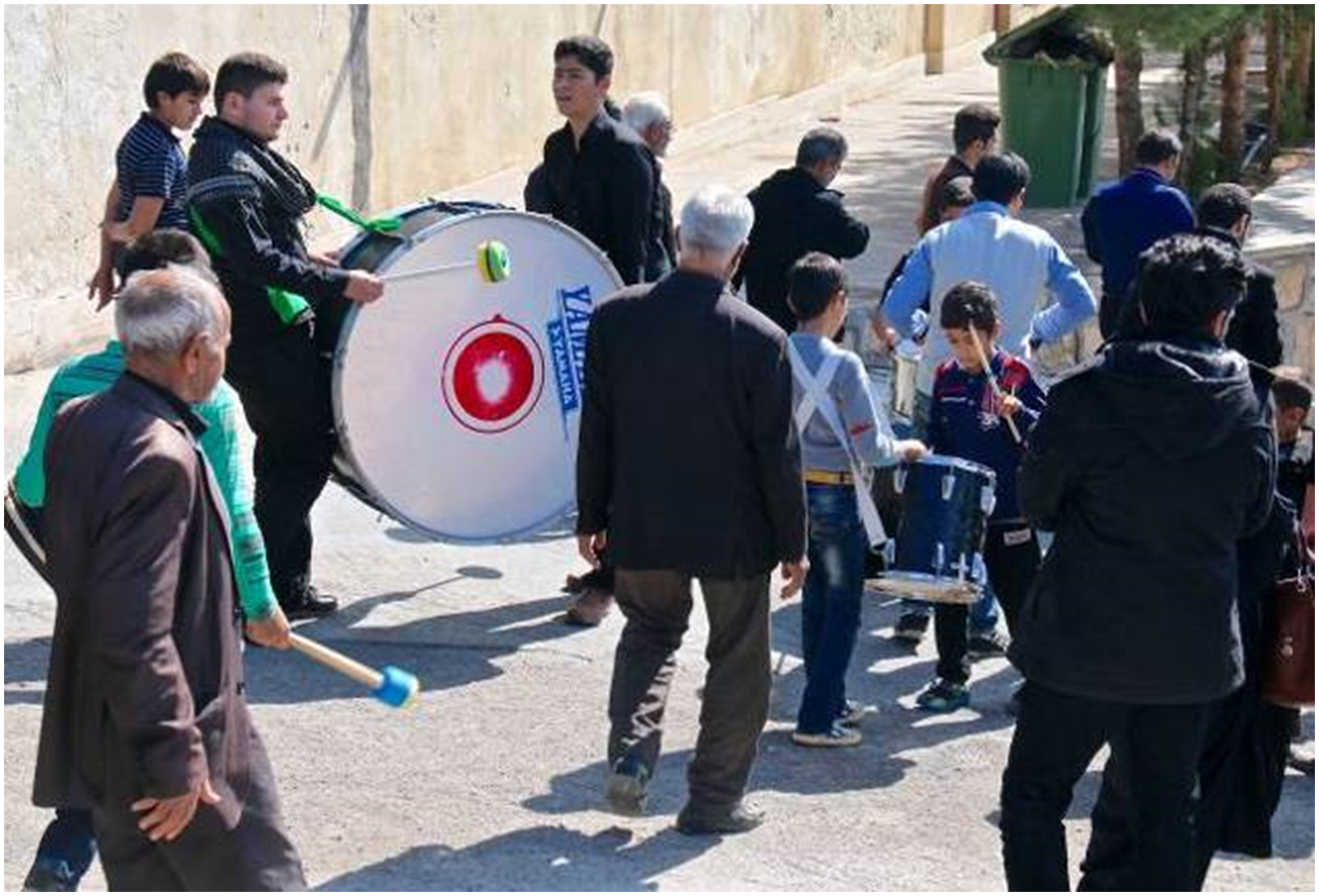
Photo 12
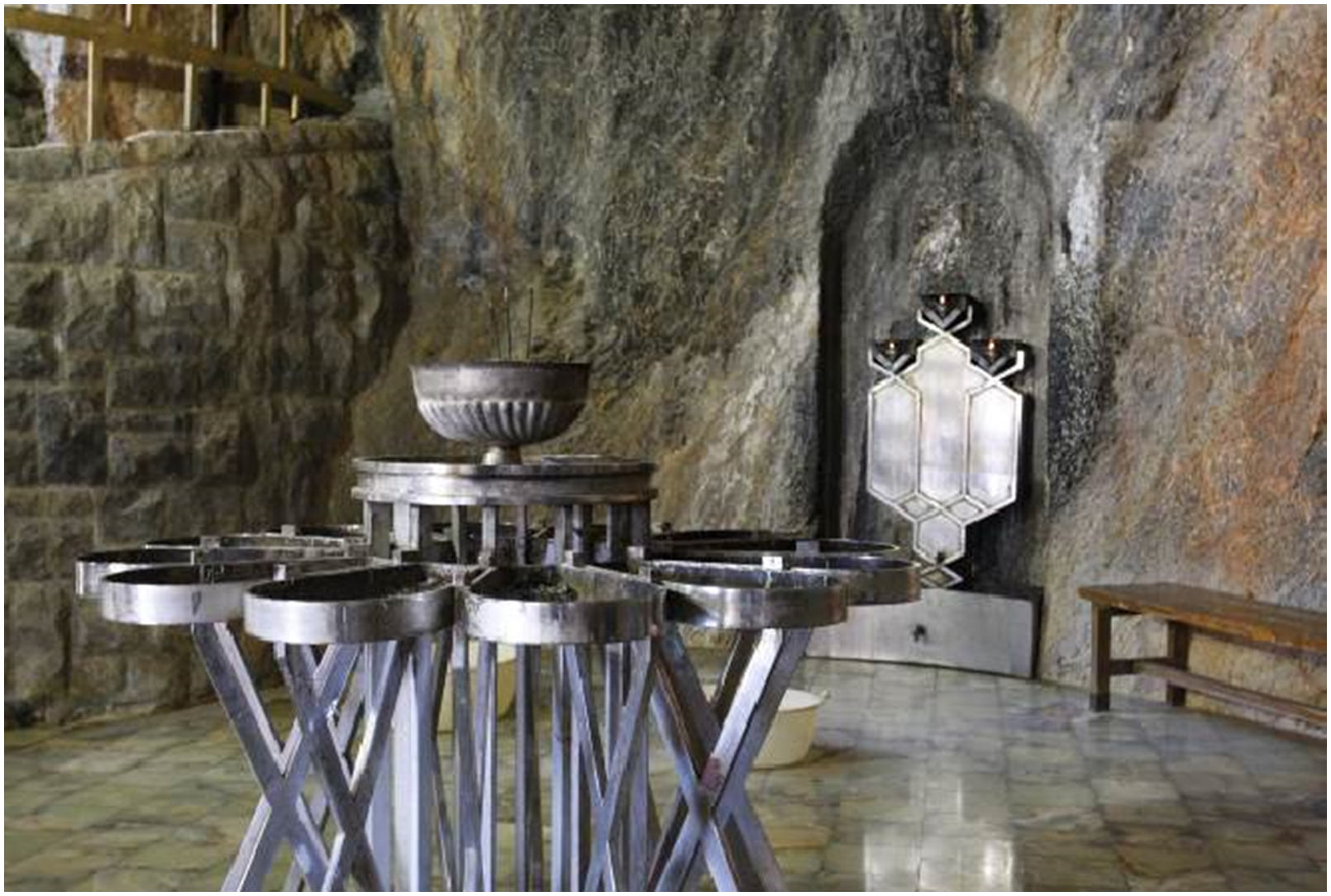
Photo 13
Natural landscapes
The images in this category illustrate the allure and appeal of the natural landscape to tourists, catering to their desires for immersive and refreshing experiences. Photo 14 captures the overall natural landscape of a village, emphasizing the captivating beauty of the scenery. Photo 15 focuses on the serene atmosphere of garden alleys in an Iranian village. By presenting a tranquil and charming scene, the photograph appeals to the tourist’s desire for escape and relaxation. Photo 16 depicts agricultural farms located outside the village. Together, these photos cater to the tourist gaze by offering a peaceful and intimate environment, providing a sense of respite and relaxation.
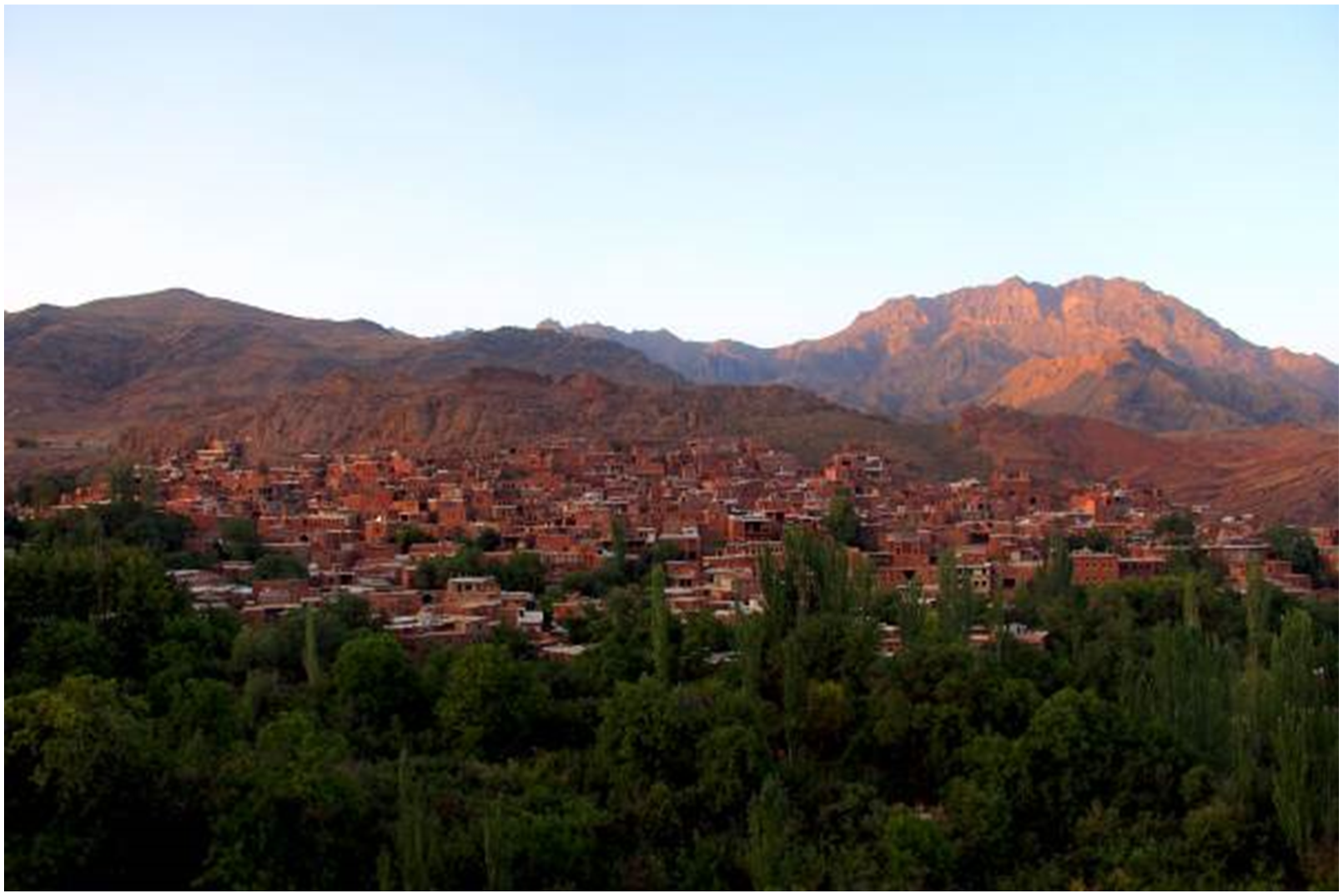
Photo 14
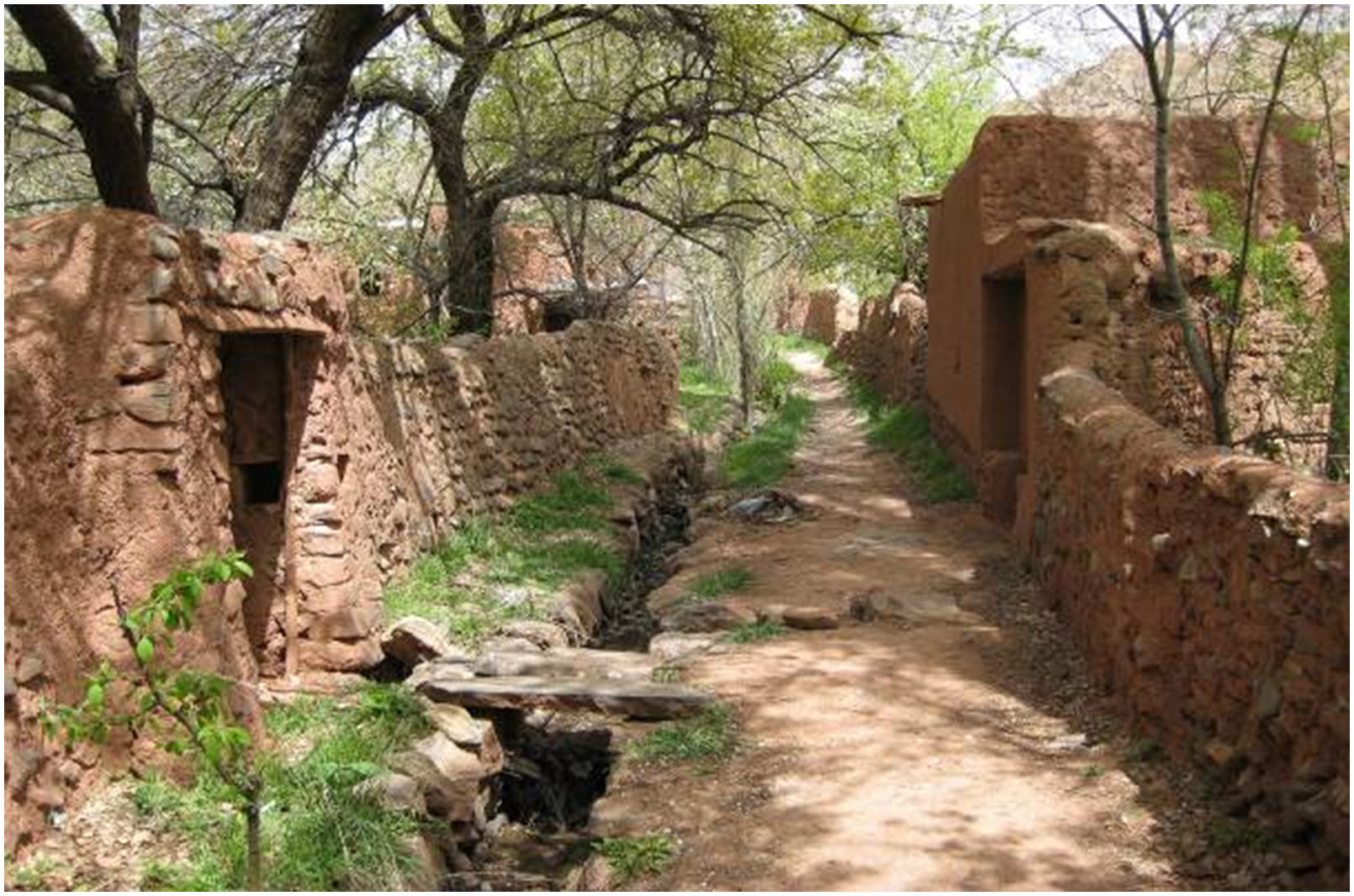
Photo 15
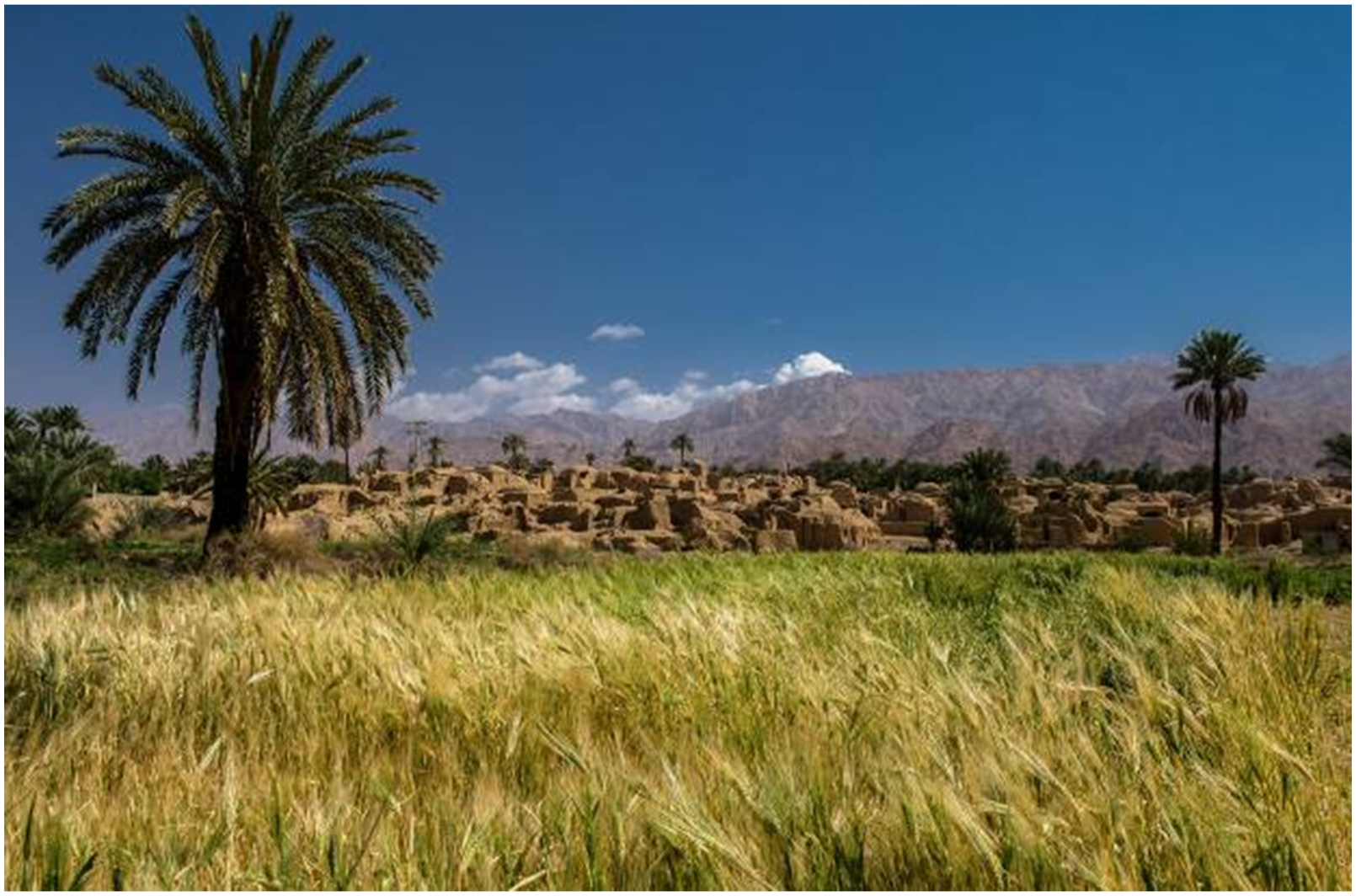
Photo 16
Architecture
From the perspective of the tourist gaze, the depiction of the overall form of villages and rural houses in the images related to rural destinations is significant in understanding their allure and appeal. These images show the unique architectural features, construction techniques, and adaptation to local environments found in rural areas, providing insights into the cultural heritage and sense of place that define these communities. The architectural forms of rural houses reflect the historical and cultural context of the region, embodying the traditions and preferences of the local community. The inclusion of these architectural features in the images adds depth and authenticity to the portrayal of rural destinations, appealing to tourists who are interested in experiencing and appreciating the local culture. In addition, the adaptation of rural houses to local environments is evident in the imagery. The houses are designed to harmonize with the natural surroundings, utilizing materials and building techniques that are suited to the local climate and landscape. The evolving architectural preferences in rural areas are also depicted in the images. While traditional construction techniques and designs are often preserved, there may be subtle influences of modernity or individual creativity evident in architecture. These elements reflect the evolving nature of rural communities and their ability to adapt to changing times while maintaining a sense of tradition.
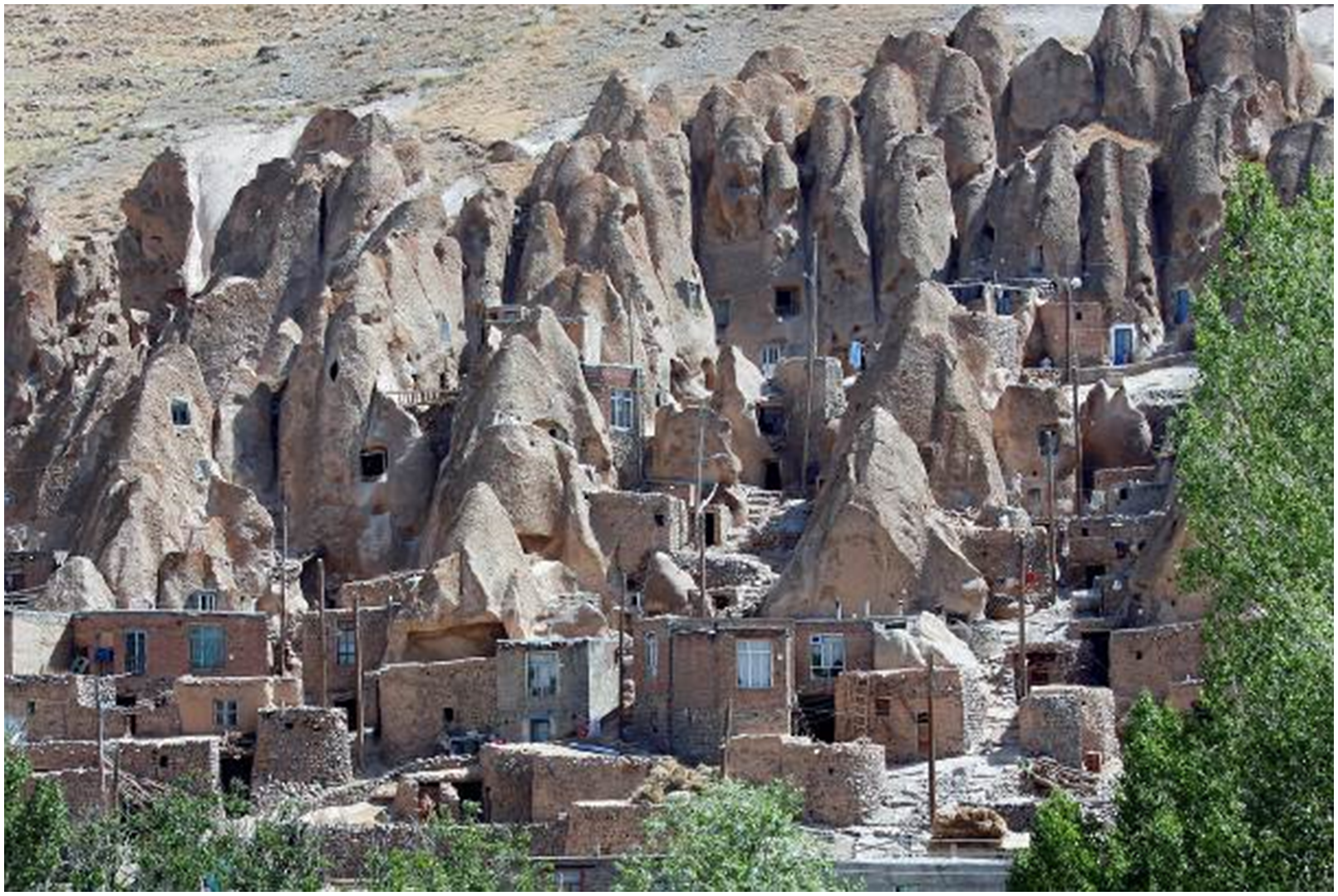
Photo 17
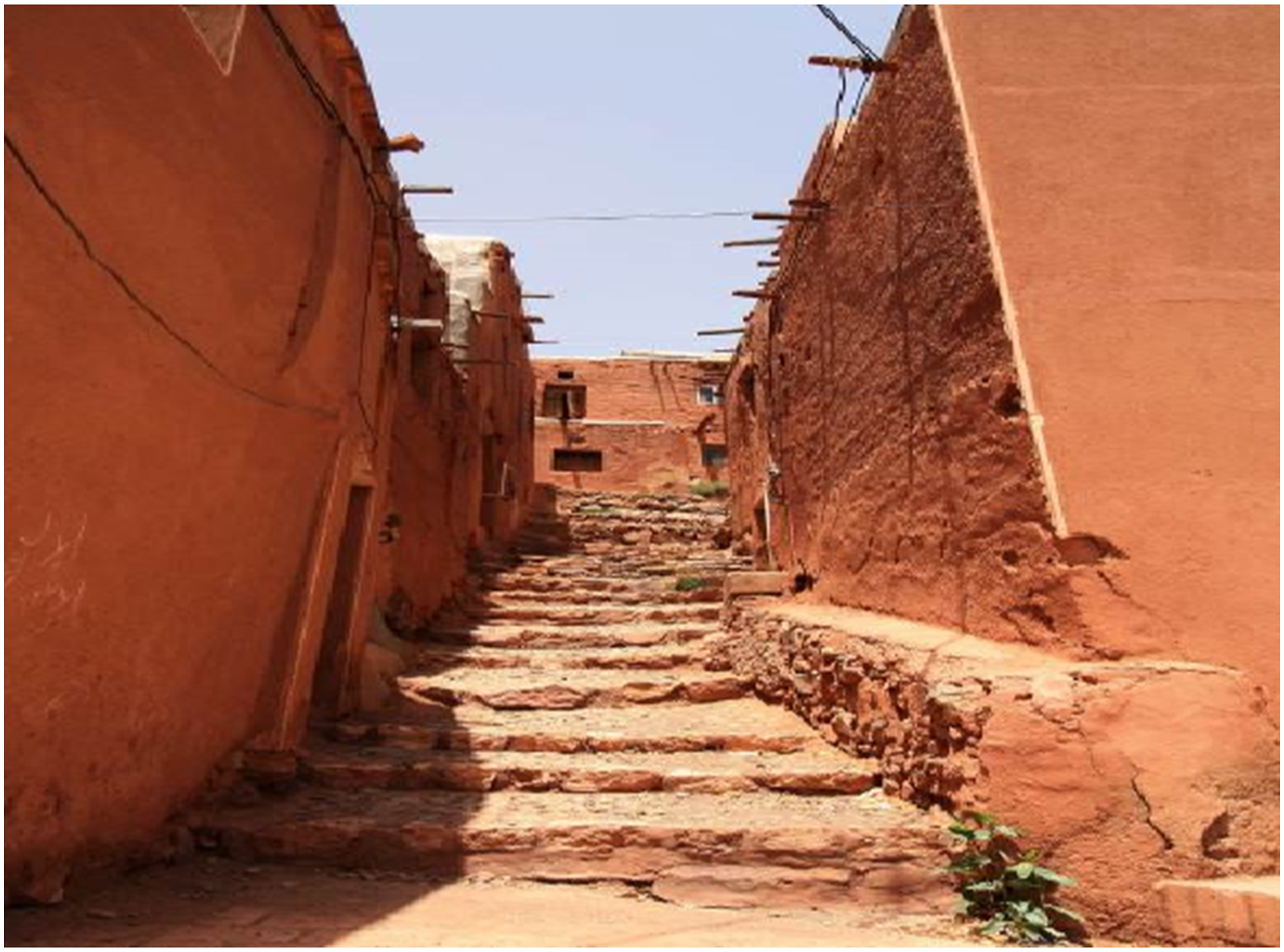
Photo 18
Rural infrastructure
Rural infrastructure is also a theme depicted in tourists’ photos of rural tourism destinations, and the images in this category capture various aspects of infrastructure that contribute to the uniqueness and attractiveness of rural areas. These photos exemplify how rural infrastructure attracts and engages the gaze of tourists. Each image captures a distinct aspect of rural infrastructure that contributes to the uniqueness and attractiveness of rural areas. The presence of transportation systems, such as the minibus, becomes an essential element in the rural experience (Photo 19). Photos 20 also shows adobe-brick platforms commonly found in rural houses. These platforms serve functional purposes as resting spots, but they also hold cultural significance. They offer tourists insight into the daily lives of rural communities and the aesthetic and cultural values of rural infrastructure. The tourists’ gaze is directed towards these features, recognizing them as integral components that support the functioning of rural communities and contribute to the distinctive character of these destinations.
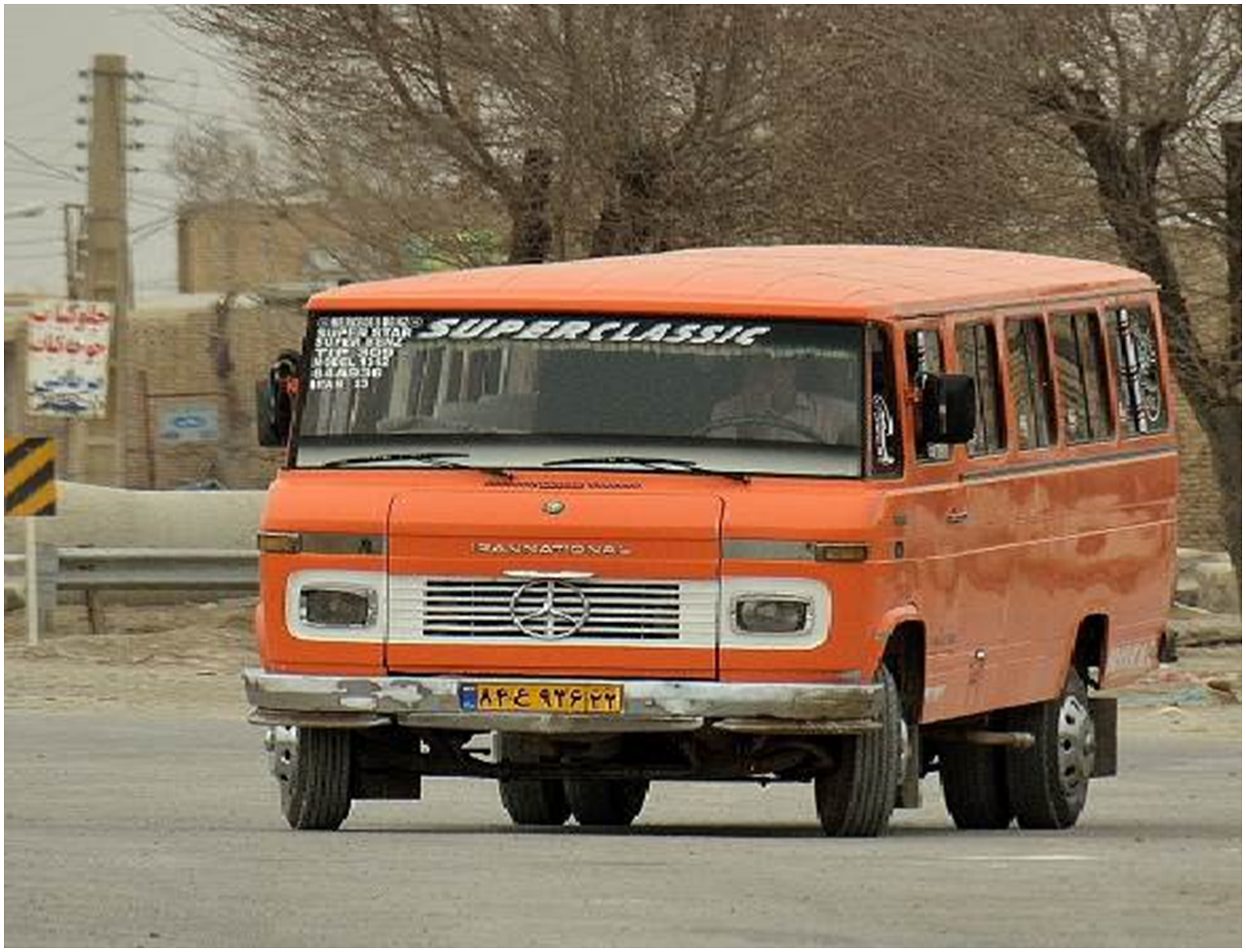
Photo 19
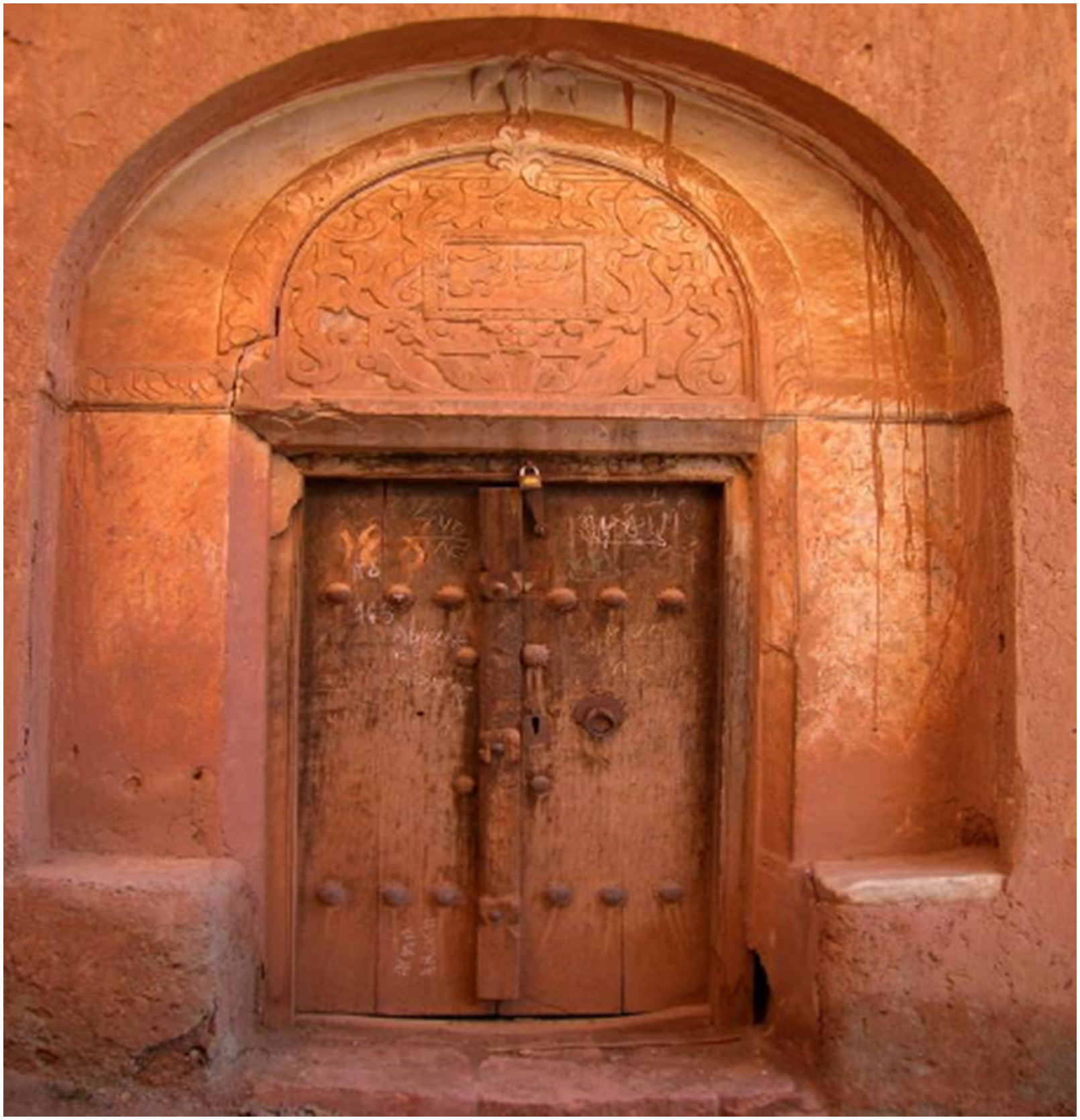
Photo 20
Rural activities and local economy
The images in this category capture the attention of tourists by showing rural activities and the local economy in rural tourism destinations. These activities include farming, handicraft production, and animal husbandry, among others. The tourists’ gaze is directed towards these activities as they seek to understand and engage with the authentic experiences and livelihoods of rural communities. In Photo 21, the image of a rural man tending to his farm using manual labor emphasizes the traditional and labor-intensive nature of farming in rural areas. This depiction highlights the connection to the land and the preservation of traditional farming practices, engaging the tourists’ curiosity and interest.
Photo 22 shows a rural man spinning threads from fibers, representing a traditional handicraft. The production and sale of handicrafts often play a significant role in the local economy of rural areas, providing a source of income for village inhabitants. The tourists’ gaze is captivated by this depiction, recognizing the value and cultural heritage associated with these traditional handicrafts. Photo 23 displays a rural woman engaged in animal husbandry alongside her husband. These photos demonstrate the diversity of rural activities and the local economy, which capture the attention of tourists through the tourist gaze. The authenticity and cultural significance of these activities allow tourists to witness and experience the local economy and traditional practices firsthand. Through their gaze, tourists gain insights into the livelihoods, skills, and cultural heritage that shape rural communities, fostering a deeper connection and appreciation for the rural way of life.
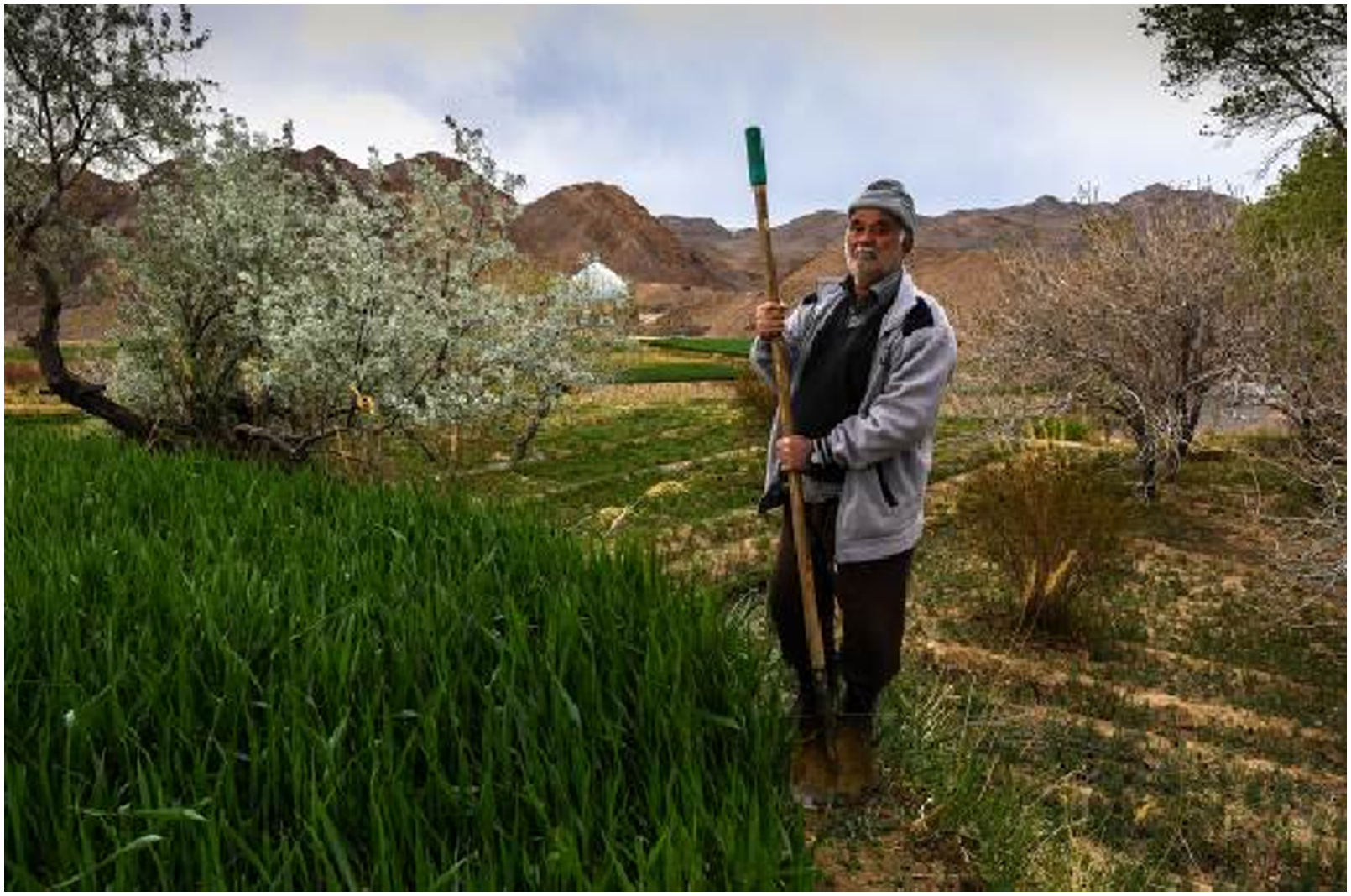
Photo 21
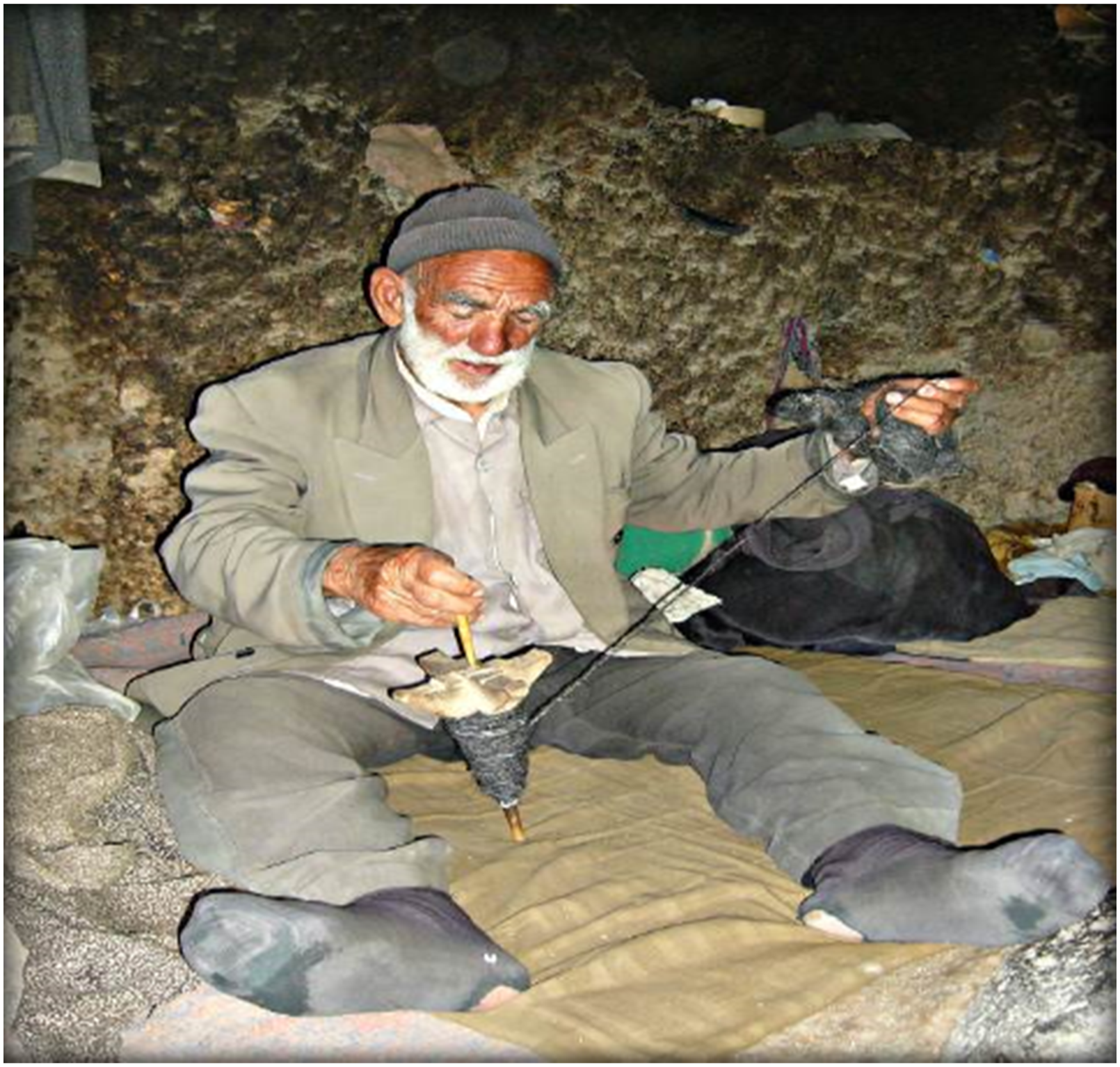
Photo 22
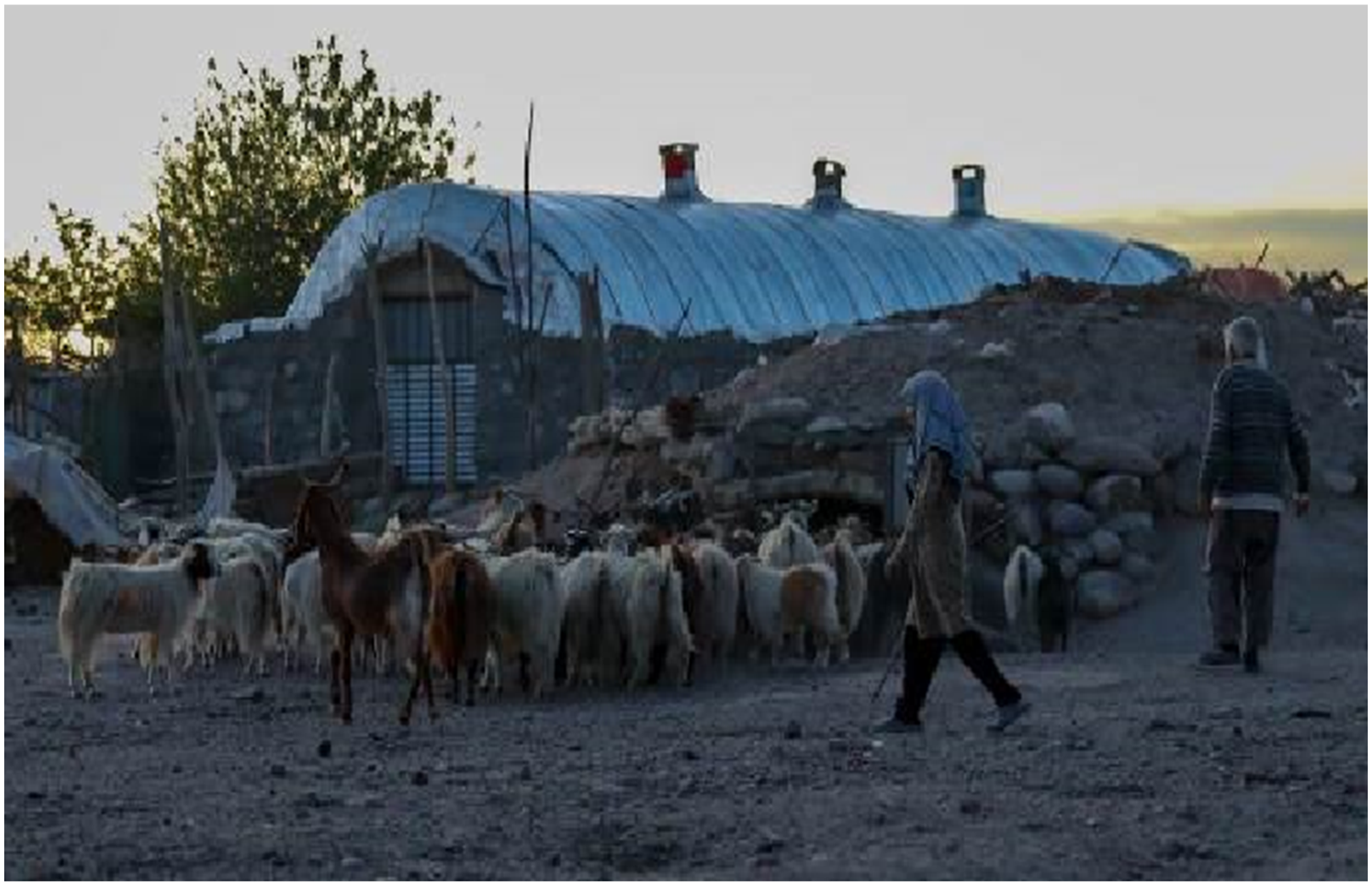
Photo 23
Discussion, conclusion and implications
This study, guided by tourist gaze theory, analyzed photos shared by foreign tourists on Flickr, offering significant insights into how rural destinations in Iran are perceived and represented.
Our thematic analysis identified seven key themes: local people and lifestyle, customs and traditions, religious rituals, natural landscapes, architecture, rural infrastructure, and local economy. These themes resonate with the established concept that the image of a destination often represents its identity, shaped by local characteristics (Boyne and Hall, 2004; Govers et al., 2007). The depiction of local people, lifestyle, and traditions aligns with the emphasis on authentic cultural experiences in rural tourism (Ekici Cilkin and Cizel, 2022). This reinforces prior research on the importance of images and discourse in shaping tourists’ expectations and experiences (Liao et al., 2023; Wu and Yang, 2023).
The findings also corroborate the literature on the rural idyll, a recurring motif in online visual content (Bell, 2006). Our study shows that the photos shared by tourists reflect the idyllic and tranquil aspects of rural life, consistent with prior studies emphasizing how online images influence tourists’ perceptions and travel intentions (Liu et al., 2024; Tang et al., 2022). This connection highlights the role of digital imagery in shaping destination identities and attracting tourists. Our research deepens the understanding of how tourists engage with and interpret rural destinations. While existing literature often focuses on the idyllic and romanticized aspects of rural tourism (Fälton, 2024), our findings reveal a more diverse set of interests and attractions.
The focus on themes such as rural infrastructure and local economy indicates a broader engagement with the socio-economic dimensions of rural life, beyond merely picturesque or traditional aspects. The study’s emphasis on how tourists capture and share their experiences provides deeper insights into the personal and collective gazes that shape their perceptions (Ekici Cilkin and Cizel, 2022). Unlike previous research that often highlights a sanitized or exoticized portrayal of rural areas (Murti, 2020; Szadziewski et al., 2022), our findings show that tourists also capture and share images that reflect the complexity and diversity of rural life. Additionally, while much of the existing research demonstrates the romanticized and exoticized portrayal of rural destinations (MacKay and Couldwell, 2004; Zhao et al., 2024), our study reveals that tourists also document the simplicity, purity, and everyday life in rural communities. This aligns with and expands upon existing literature by revealing that tourists’ gazes capture not only idealized representations but also authentic and varied aspects of rural life (Go et al., 2020; Höpken et al., 2020).
Theoretical implications
This study makes several theoretical contributions to the literature. First, it extends the application of tourist gaze theory to rural destinations in the Global South, an often overlooked area. By examining how foreign tourists perceive and interpret these lesser-known, non-urban locales, the study enriches our understanding of the tourist gaze beyond traditional urban destinations. This broader application highlights how tourists from the Global North engage with rural environments, offering fresh insights into their perceptions. Second, the study reinforces and extends existing literature by aligning with established themes such as the rural idyll while introducing new perspectives on tourist interactions with rural destinations. The analysis of tourist-generated photos reveals both traditional views and new insights, contributing to a deeper understanding of how visual representations influence and reflect tourists’ experiences and perceptions of rural areas.
Third, the findings reveal how preconceived notions and cultural stereotypes shape tourists’ perceptions and interactions with rural destinations. By examining how tourists from the Global North document and share their experiences, the study uncovers the influence of these preconceived ideas on their understanding and representation of rural environments. This contribution adds to the ongoing discourse on cultural stereotypes and their impact on tourism, offering a deeper view of how these factors shape tourist experiences. Finally, the study employs innovative visual research methods by utilizing social media platforms like Flickr to analyze tourist-generated imagery. This approach not only captures tourists’ perspectives but also explores their preferences through the images they share. By leveraging digital technologies and visual data, the study provides a rich source of insights into how tourists engage with and represent their travel experiences. This contribution highlights the evolving role of technology in shaping the tourist gaze and enhances our theoretical understanding of its impact on tourism experiences.
Managerial implications
This study has significant managerial implications: Firstly, it provides insights into the preferences and perspectives of foreign tourists in rural destinations. Destination managers and marketers can use this information to develop targeted strategies. By understanding what attracts these tourists, destinations can create unique experiences, promote local culture and heritage, and highlight the natural beauty and authenticity of rural areas. For instance, the study highlights the importance of using authentic and diverse visual content to market rural destinations. Tourism boards and local businesses can leverage the insights gained from tourist-generated photos to create marketing materials that reflect the real experiences and attractions of rural areas. For example, showing images of local infrastructure, daily activities, and cultural practices can provide potential tourists with a more appealing view of the destination. Strategies might include integrating these authentic visuals into social media campaigns and travel brochures to attract a broader audience.
Second, the study highlights how preconceived notions and cultural stereotypes influence tourists’ perceptions. To address this, tourism developers should implement strategies that promote cultural sensitivity and authenticity. For instance, training programs for local tourism operators and guides can emphasize the importance of representing local cultures accurately and respectfully. Additionally, developing community-based tourism initiatives that involve local residents in the planning and promotion of tourism activities can help ensure that tourism development aligns with the authentic cultural and social fabric of the area.
Third, the research demonstrates the value of social media and digital platforms in shaping tourist perceptions and experiences. Tourism managers should actively engage with platforms like Flickr and Instagram to monitor and respond to tourist-generated content. By encouraging tourists to share their experiences and providing incentives for them to do so, destinations can generate positive word-of-mouth and improve their online reputation. For example, creating hashtag campaigns or photo contests can increase visibility and engagement, while responding to and sharing user-generated content can enhance the destination’s image and foster a sense of community among visitors.
Limitations and future research
This study’s limitations and avenues for future research should be acknowledged: First, the study focuses primarily on Flickr for analyzing tourist-generated photos, which may not fully capture the breadth of online visual content. Other platforms like Instagram, Facebook, and TikTok are also widely used for sharing travel experiences. Future research could expand the scope to include these platforms, providing a more comprehensive view of how different social media sites influence tourists’ perceptions and representations of rural destinations. Analyzing content across multiple platforms could reveal variations in how rural destinations are portrayed and perceived depending on the platform’s characteristics.
Second, the study relies on photos shared by foreign tourists, which may not fully represent the experiences and perspectives of local tourists or other demographic groups. Future research could address this by including data from a diverse range of tourist demographics, including local visitors and tourists from various cultural backgrounds. This broader approach would provide a more in-depth understanding of how different groups perceive and interact with rural destinations.
Third, the study analyzes static images, which may not capture the interactive aspects of the tourist experience. Visual content alone may not fully reflect the temporal and contextual elements of tourists’ interactions with rural environments. Future research could employ methods such as video analysis or virtual reality simulations to capture the immersive aspects of the tourist experience. These methods could provide a richer and more detailed understanding of how tourists engage with rural settings over time. Finally, the analysis of tourist photos does not account for the contextual factors that influence how and why certain images are shared. Factors such as the tourist’s motivation, socio-economic background, and the specific context of their visit can significantly impact the content and nature of the photos shared. Future research could incorporate qualitative methods, such as interviews or surveys, to gather contextual information from tourists. This approach would help to better understand the motivations behind the visual content shared and how these motivations shape the portrayal of rural destinations.
Footnotes
Declaration of conflicting interests
The author(s) declared no potential conflicts of interest with respect to the research, authorship, and/or publication of this article.
Funding
The author(s) received no financial support for the research, authorship, and/or publication of this article.
