




Abstract
Well-designed experiencescapes are deemed a key factor in the marketing of tourist experiences aiming at positive tourists’ responses. However, this aspect has been underrepresented in empirical research focused on accommodation businesses. This study proposes the construct compelling accommodationscape and empirically tests a theoretical framework in a rural context through the lens of experiential marketing. The proposed construct is presented as the external stimuli that underlie an engaging context of the guest experience in lodging units, based on the idea that a holistic approach to stimuli can evoke interest and attention; and, subsequently, act as a driver to positive action. Apart from physical stimuli and staff performance, which have been the factors more commonly examined in services marketing, the construct compelling accommodationscape extends the servicescape approach by also addressing product-related factors, the existence of a theme and social interactions. Structural equation modelling applied to data from a survey administered in rural lodgings in Southwest Portugal supports that the five external factors underlie the proposed construct. In turn, compelling accommodationscape is positively related to tourists’ satisfaction and positive behavioural intentions. Theoretical and practical implications are provided for scholars and rural accommodation managers.
Keywords
Introduction
While individual experiences are personal and continuously ongoing, consumer experiences are anchored in space (O’Dell and Billing, 2005; Volo, 2009). This space – the arena, meeting grounds, or experience landscape – with which individuals interact, and within which experiences are designed and developed, has been conceptualised in tourism and hospitality contexts as experiencescapes/experienscapes (Mei et al., 2020; Mossberg, 2007; O’Dell and Billing, 2005; Pizam and Tasci, 2019; Walls, 2013). Stemming from the concept servicescape – physical surroundings impacting individuals in the context of service encounters (Bitner, 1992) – the experiencescape is underlined by external factors (stimuli) which can help in the process of engaging individuals in the context of consumer experiences (Jernsand et al., 2015; Kastenholz et al., 2018; Mei et al., 2020; Mossberg, 2007; Ooi, 2005; Pizam and Tasci, 2019; Walls, 2013). The rationale supporting this approach is that, whereas it is not possible to fully predict or control consumer experiences, it is possible to design for facilitating the emergence of enhanced experiences via external stimuli. Indeed, tourists are engaged with physical and social surroundings that ritualise and help shape perceived meaningful experiences (Agapito et al., 2013; Gilmore and Pine, 2002; Godovykh and Tasci, 2020; Kastenholz et al., 2018; Walls, 2013; Walls et al., 2011).
This idea is in accordance with a contemporary managerial mind-set that privileges the process of designing quality tourist experiences based on a combination of external stimuli in a systematic way (Agapito, 2020; Agapito et al., 2013; Mossberg, 2007; Pizam and Tasci, 2019; Walls, 2013; Tussyadiah, 2014). Research informed by environmental psychology contends that individuals experience the surroundings holistically; thus, stimuli present in the surroundings should be managed in a consistent manner (e.g., Bitner, 1992; Heide and Grønhaug, 2006). These external factors, which underlie the -scape, support the conditions for designing appealing and satisfying consumption environments (Hoffman and Turley, 2002; Park et al., 2019), and, therefore, can elicit favourable tourists' attitudes and behaviours (Agapito et al., 2017; Breiby and Slåtten, 2018; Pizam and Tasci, 2019; Ryu et al., 2018; Walls, 2013; Walls et al., 2011). Hence, accommodation marketing management should support the design of positive and engaging holistic -scapes.
Following a marketing and experiential approach to tourism, theoretical frameworks with a holistic approach such as the ones proposed by Mossberg (2007) and Agapito et al. (2013) complement the servicescape approach with elements stemmed from the experience economy perspective. These components are deemed key in the design of positive and memorable customer experiences leading to positive outcomes. These frameworks advocate that, in addition to the physical factors and staff performance, which have been the stimuli most addressed in past empirical studies based on a servicescape perspective (Dedeoglu et al., 2018; Pizam and Tasci, 2019), other factors such as social interactions (e.g., Kastenholz et al., 2018; Lin et al., 2019; Walls, 2013), product-related factors (e.g., Kastenholz et al., 2018; Kastenhoz et al., 2020; Mody et al., 2017; Mossberg and Eide, 2017), and the design of a theme (e.g., Åstrøm, 2017; Mossberg and Eide, 2017), should be also considered as external factors underlying a compelling experiencescape in tourism and hospitality contexts. Yet, these two theoretical frameworks have not been tested empirically before from a holistic perspective.
A holistic approach to external stimuli has been underrepresented in empirical studies following an experiential perspective in the context of accommodation businesses (Mody et al., 2017). In particular, it is documented that studies on designing tourist experiences that can contribute to positive post-consumption behaviour in a rural context are still scant (Loureiro, 2014; Kastenhoz et al., 2020). Typically, rural accommodations, which are located in non-urban areas, are small-scale, controlled locally and enveloped by unique surroundings, which are rich in cultural and nature-based resources. Especially in these cases, a “loyal client may be crucial for the survival of small businesses and wider local development dynamics” (Kastenhoz et al., 2020: 2). As a result, the search for compelling (i.e., drawing attention and interest) and innovative hospitality experiences have been deemed key for marketing consumer experiences in rural contexts aiming at responsibly succeeding in a competitive market (Kastenholz et al., 2018; Kastenhoz et al., 2020; Ye et al., 2019).
Drawing upon all these facts, this study proposes the construct compelling accommodationscape (CA) based on the frameworks developed by Mossberg (2007) and Agapito et al. (2013). In so doing, this research aims specifically to: a) test a framework including the five external factors that underlie the construct CA, and b) to examine the influence of CA, as a second-order factor, in tourist satisfaction and behavioural intentions in accommodation establishments in a rural context. The contribution of this study to literature that follows a marketing approach to tourist experiences in a hospitality context is twofold. First, it expands the construct servicescape to CA by empirically testing the proposed five external factors that underlie this construct from an experiential and holistic perspective. Second, it examines the impact of CA on tourists’ responses in a rural context. The practical implications of operationalising CA are related to understanding the external stimuli that accommodation providers can partially tangibilise within particular contexts, such as rural areas, which can lead to tourists’ favourable post-consumption behaviour.
Theoretical framework
From servicescape to compelling accommodationscape (CA)
From a marketing context, -scape refers to the deliberately orchestrated consumption environment that a customer encounters (Clarke and Schmidt, 1995). Bitner (1992) coined the construct servicescape, which is the basis of a conceptual framework focused on the physical environment (see the Physical stimuli section). This concept gained increased attention and has been addressed in a wide range of areas (e.g., hotels, restaurants, casinos, airports, theme parks, shopping malls, sport settings, destinations) as documented by Pizam and Tasci (2019). Moreover, there have been efforts to expand the servicescape perspective holistically, considering the multidimensional nature of the construct. For example, Rosenbaum and Massiah (2011) moved from the elements initially proposed by Bitner (1992), and suggested the inclusion of a social (humanistic perspective) and a natural (restorative-based) dimension in the context of a wide range of services. More recently, Pizam and Tasci (2019) scan the literature on servicescape and identify sensory, functional, natural, and socio-cultural dimensions as comprising the stimuli a customer can experience in hospitality contexts.
Mossberg (2007) and Agapito et al. (2013) do not consider directly the natural dimension of the expanded version of servicescape suggested by Rosenbaum and Massiah (2011), which comprises more “subjective, immeasurable, and often uncontrollable” stimuli (p. 471). Also, in practice, natural features can be embedded in the physical stimuli of the accommodation units. Empirical research in tourism contexts addressing this component is still scant and mostly focused on outdoor settings (e.g., wine regions). For example, Bruwer and Gross (2017) recognise that nature aspects of the scape provide “opportunities for wineries to use the tangible cues of their physical design and the interior” (p. 500). This argument is reinforced by the recent review conducted by Pizam and Tasci (2019) concluding that “the inherent involvement of nature in many experience environments, its existence and significance in servicescape has not received enough empirical attention” (p. 29).
In line with the experience economy paradigm popularised by Pine and Gilmore (1998), O’Dell and Billing (2005) postulate that experiencescape is related to the idea that experience landscapes that can be organised spatially. Thus, experiencescapes can become interactive spaces of pleasure, enjoyment and entertainment where positive and memorable tourist experiences can emerge. Accordingly, conceptual frameworks, such as the ones developed by Mossberg (2007) and Agapito et al. (2013), complement the servicescape perspective following the rationale proposed by Pine and Gilmore (1998) that the design of a positive and memorable tourist experience should include stimuli related to sensory elements, a theme and a coherent product offer, apart from other physical and human aspects. This rationale is supported by empirical research showing that although physical stimuli and staff performance (technical and interactive skills) have been the most focused stimuli on studies based on a servicescape perspective (e.g., Dedeoglu et al., 2018; Pizam and Tasci, 2019), external factors such as social interactions (e.g., Kastenholz et al., 2018; Lin et al., 2019; Walls, 2013), product-related factors (e.g., Kastenholz et al., 2018; Kastenhoz et al., 2020; Mody et al., 2017; Mossberg and Eide, 2017), and the existence of a theme (e.g., Åstrøm, 2017; Mossberg and Eide, 2017) are key to designing experiencescapes in hospitality contexts, such as the case of accommodation units.
Against this background, this study proposes the construct CA through an adaptation of the frameworks proposed by Mossberg (2007) and Agapito et al. (2013), which is discussed in the sections below (Figure 1). The proposed construct is presented as the external stimuli that underlie an engaging context of the guest experience in lodging units, based on the idea that a holistic approach to stimuli can evoke interest and attention; and, subsequently, act as a driver to positive action. According to dictionaries, the adjective compelling can be defined as something “evoking interest, attention, or admiration in a powerfully irresistible way” (Oxford University Press, 2019). The expression compelling within the consumption environment (Hoffman and Turley, 2002; Knutson et al., 2007; Pine and Gilmore, 1998) is used following the experiential marketing approach, which advocates that the use of positive cues in the environment in an appealing and holistic manner can contribute to leverage the experience landscape by capturing customers’ attention and interest in competitive consumption contexts (Mossberg, 2007; Ooi, 2005; Pizam and Tasci, 2019). This process can facilitate the context where satisfying, engaging and memorable consumer experiences are more likely to emerge (Agapito et al., 2017; Breiby and Slåtten, 2018; Gilmore and Pine, 2002; Godovykh and Tasci, 2020; Ryu et al., 2018; Walls, 2013). This idea is aligned with congruity theory, which advocates that individuals are more likely to develop positive attitudes, such as evaluations and behavioural intentions, towards a service/product if the elements composing the consumption environment are perceived as consistent in a positive way (Osgood and Tannenbaum, 1955).
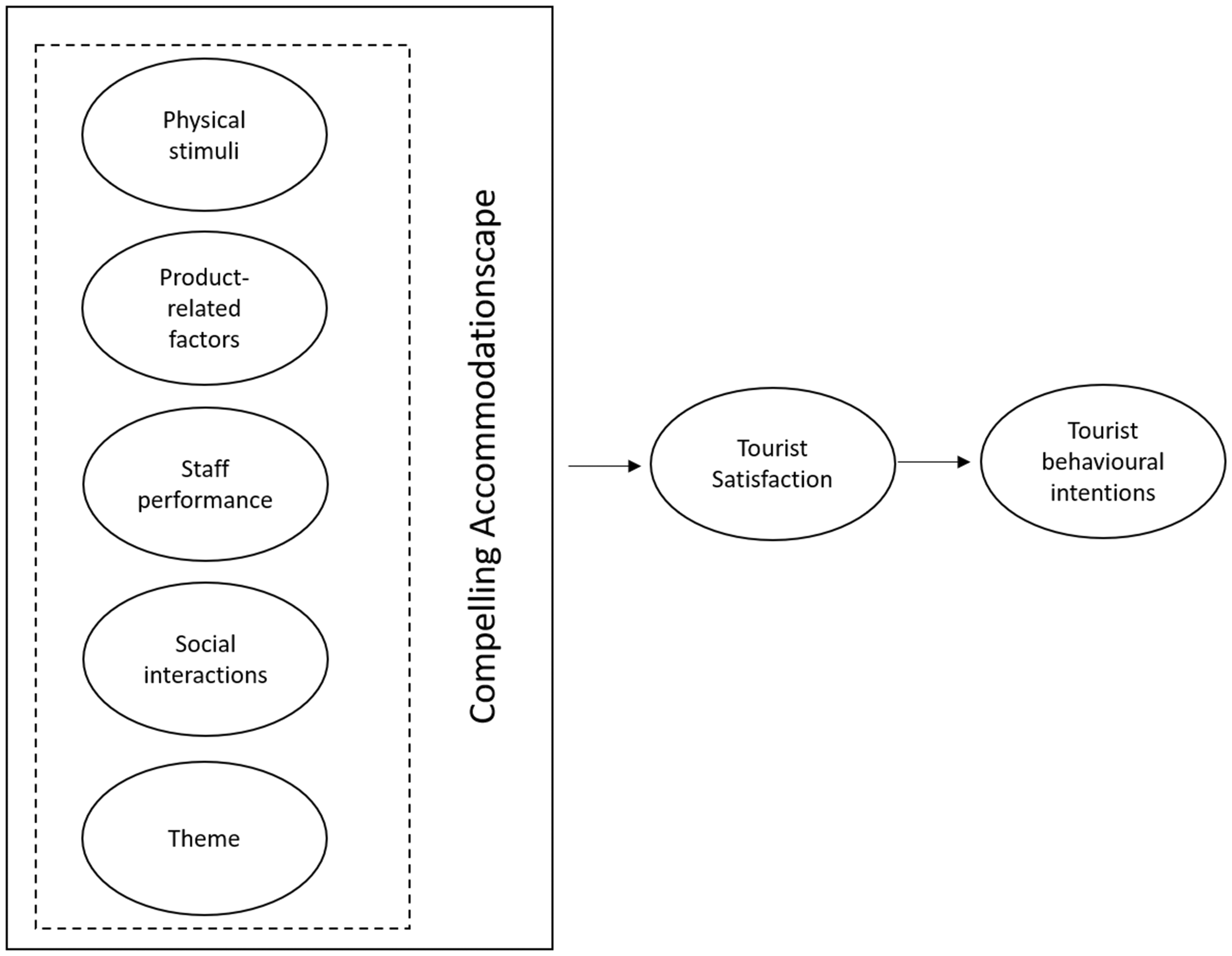
Framework for designing CAs.
Physical stimuli
The importance of the physical environment in the planning of positive tourist experiences has been extensively recognised in tourism and hospitality contexts (Godovykh and Tasci, 2020; Mossberg, 2007; Pizam and Tasci, 2019) as it can influence organisations’ image and consumers’ behaviour (e.g., Agapito et al., 2017; Bitner, 1992; Breiby and Slåtten, 2018; Walls, 2013; Walls et al., 2011). The physical stimuli within consumption environments have been addressed in consumer behaviour, marketing and management research as atmospherics (Kotler, 1974), physical surroundings (Belk, 1975), physical evidence (Booms and Bitner, 1981) and tangibles (Parasuraman et al., 1988). In the same line as Baker (1987), Heide and Grønhaug (2006) propose the physical stimuli be named ambient conditions (sensory stimuli), in addition to design factors as part of the atmosphere in a hospitality context. Bitner (1992) utilises both the expressions physical surroundings and atmospherics, while proposing a threefold division of these stimuli: a) ambient conditions (sensory-based), b) spatial layout and functionality, and c) signs, symbols and artefacts. This has been the most used approach (Pizam and Tasci, 2019) to measure servicescape. Moreover, cleanliness and physical comfort have also been related to the ambience stimuli in the hospitality sector and, as such, can be assessed as part of the -scape (Bitner, 1992; Pizam and Tasci, 2019; Walls et al., 2011). Based on these studies, measures related to the appropriateness of sensory ambient conditions, the functionality of spatial layout, equipment and furniture, the attractiveness of signs, symbols and artefacts, as well as comfort and cleanliness, were considered as important measures of the physical stimuli within CA.
Product-related factors
Products and souvenirs tangibilise the intangible nature of the tourism product, and impact the tourist experience itself (Agapito et al., 2013; Mossberg, 2007; Mossberg and Eide, 2017; Swanson, 2004). Tourists search for and buy souvenirs as evidence of their experiences, and as gifts to family and friends (Wilkins, 2011). Local-based souvenirs can also impact positively memories and revisit intentions (Sthapit and Björk, 2019). Moreover, Swanson (2004) concluded that unique and meaningful products may fulfil tourists’ desire for authenticity. The author found that regional arts and crafts, as well as local speciality products, were the most popular among tourists, after the touristic photographs, postcards and paintings of the region (Swanson, 2004). In addition, Kastenholz et al. (2016) suggest that not only is the purchase of local products beneficial to the visitor experience, it also stimulates the local economy in rural areas. In fact, localness has also been acknowledged as an important element for enhancing the tourist experience in an accommodation context (Mody et al., 2017). Stimuli related to both interactions with locals and local products, especially in rural areas, can contribute to design appealing and engaging contexts for living tourist experiences (Kastenholz et al., 2018; Kastenhoz et al., 2020). Accordingly, despite external stimuli related to products have been overlooked in empirical studies with a holistic and experiential approach to the -scape, research suggests that tourism firms, such as accommodation units, should examine the type of products and souvenirs they present to the tourist to acquire as part of the surrounding environment to enhance the consumer experience. Based on the above studies, indicators related to the availability of souvenirs and local products, as well as the link between the products and the region, were considered important to assess the product-related factor of CA.
Staff performance and social interactions
Empirical studies addressing the human dimension of servicescape stress the importance of the interaction between personnel and guests (e.g., Dedeoglu et al., 2018). This strand of research advocates that staff performance can be assessed through both procedural and communicative skills (Dong and Siu, 2013). Moreover, apart from this interaction between personnel and guests (technical and interactive), literature on the -scape informed by an experiential approach contends that the interaction between guests and other customers is also part of the social atmosphere, which can impact tourist behaviour (Agapito et al., 2013; Arnould and Price, 1993; Jang et al., 2015; Kastenholz et al., 2018; Lin et al., 2019; Mossberg, 2007; Walls, 2013; Walls et al., 2011). This argument is also reinforced by some scholars in services and retail marketing who advocate that the consumption environment should include both service personnel and other customers (Baker, 1987; Tombs and McColl-Kennedy, 2003). As such, the presence of others was considered by Rosenbaum and Massiah (2011) as part of their expanded servicescape perspective. Moreover, studies on hospitality and tourism management with an experiential approach have highlighted the importance of in loco interpersonal relationships (Arnould and Price, 1993; Lin et al., 2019; Mody et al., 2019), which can be encouraged (via external stimuli) between guests and locals. This process is particularly valued in the context of rural-based experiences, where social interactions can be assessed trough the level of interaction between other visitors and residents (Kastenholz et al., 2018). Building upon these studies, measures related both to high technical performance and interactive skills of staff, and interactions with locals and other tourists, were considered important to assess staff performance and social interactions, respectively, in the context of CA.
Theme
The process of theming has been found by managers to be a powerful marketing tool to differentiate their offerings (Schmitt and Simonson, 1997). By exploring the differences between services and consumer experiences, Pine and Gilmore (1998) highlight the importance of organising external stimuli around a theme to facilitate a distinctive and positive experience, which is more likely to engage individuals in the long-term. In fact, a theme is an imperceptible form of branding, the main idea underlying a narrative that is being conveyed, and it refers to the use of an overarching concept to create a holistic experience (Agapito et al., 2014; Åstrøm, 2017; Mossberg, 2007). Accordingly, the presence of a theme has been recognised as contributing to the coherence of the customer experience (Ducros and Euzéby, 2020) as guests can cognitively extract a theme from their surroundings (Åstrøm, 2017; Pikkemaat et al., 2009). Also, literature suggests that “consumption patterns can be changed when consumers get reminded about a recurring theme” (Mossberg and Eide, 2017: 1195). Furthermore, the process of planning themes in hospitality contributes to linking unique local resources to specific settings and activities in a sustainable manner (Agapito et al., 2014; Moscardo, 2010; Mossberg and Eide, 2017; Pikkemaat et al., 2009), which is an aspect particularly valued in more vulnerable rural areas (Kastenholz et al., 2018). Nevertheless, while the process of theming has been mostly addressed in research on theme parks, restaurants and stores, this is still a new object of research that has been absent from empirical studies focusing on an experiential marketing approach to tourist contexts, such as the case of accommodation businesses (Åstrøm, 2017). Based on these studies, measures related to the consistency of themes linked to the accommodation and related activities are important to assess this component of CA.
CA and post-consumption behaviour
Following Bitner’s (1992) work determining that the servicescape influences customers and employee responses, there is general consensus that servicescapes trigger approach/avoidance behaviours (e.g., Hoffman and Turley, 2002; Pizam and Tasci, 2019; Tombs and McColl-Kennedy, 2003). Furthermore, studies developed in a hospitality context concluded that designed -scapes impact post-consumption behaviour by analysing tourist behavioural intentions (e.g., Breiby and Slåtten, 2018; Chang, 2016; Dedeoglu et al., 2018; Hightower et al., 2002; Mody et al., 2019). According to Ajzen and Fishbein’s theory of reasoned action (TRA), behaviour can be predicted from attitudes and intentions with high accuracy (Ajzen and Fishbein, 1980). Furthermore, behavioural intentions are regarded as the attitudinal aspect of loyalty (Dedeoglu et al., 2018; Oliver, 2010), and the latter construct has been examined in an accommodation context through a diversity of indicators (e.g., Agapito et al., 2017; Hosany and Witham, 2009; Mody et al., 2019). Research has also reinforced that customer satisfaction mediates post-consumption behaviour (e.g., Breiby and Slåtten, 2018; Lin et al., 2019; Park et al., 2019). Specifically, Oliver (2010) stresses that satisfaction is the “consumer's fulfilment response” related to a “pleasurable level of consumption-related fulfilment” (p. 8); hence, it implies the existence of stimuli and response.
Against this background, the research hypotheses to be tested are:
In summary, three hypotheses derived from the proposed theoretical framework suggest that the second-order construct CA (underlined by five components) is positively related to post-consumption behaviour.
Methodology
Instrument
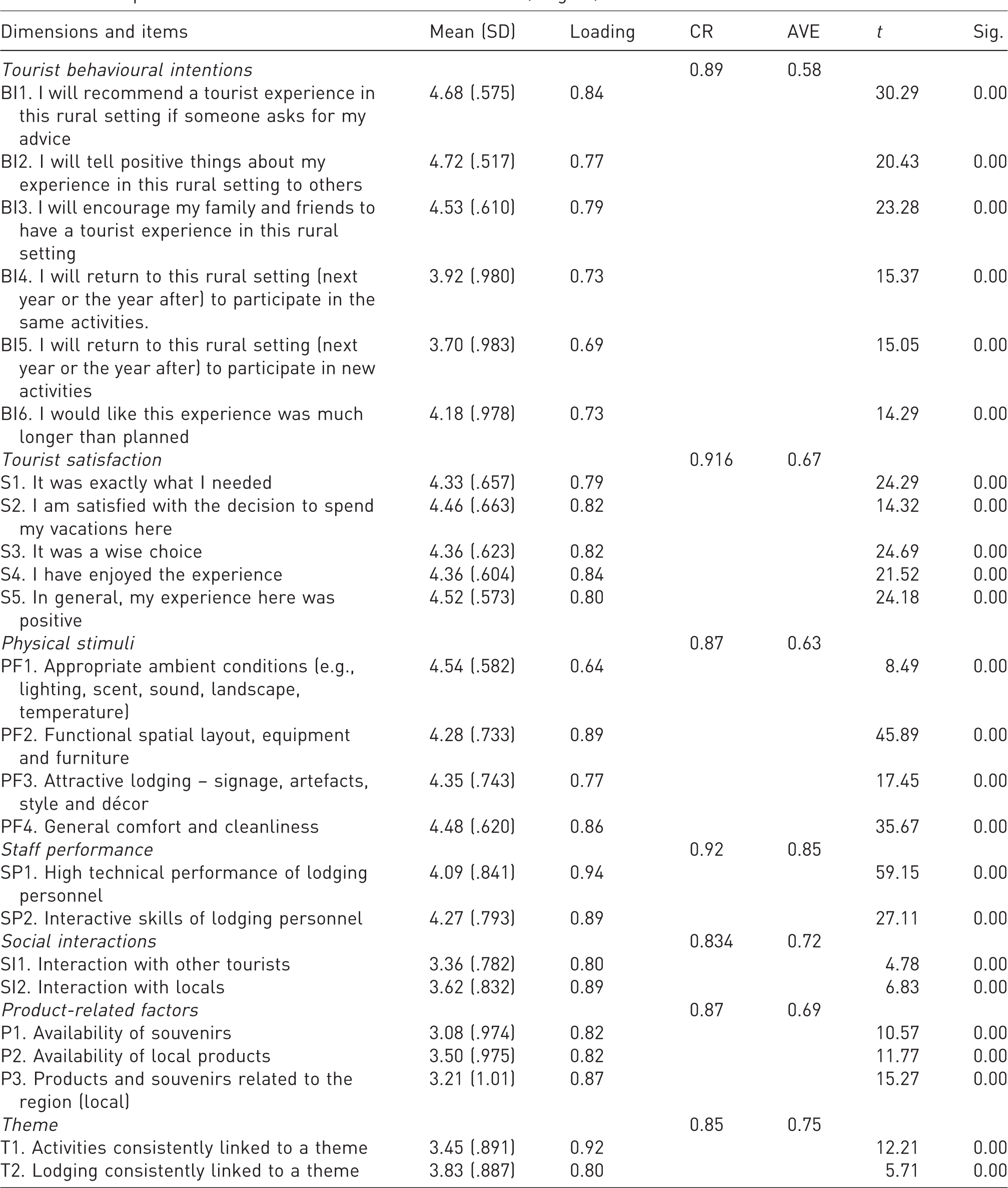
A questionnaire was designed to collect data. CA was measured using multi-item scales designed to assess the five proposed dimensions of the model. First, a pool of items was generated through extant literature review. Specifically, the items were based on the conceptual works of Mossberg (2007) and Agapito et al. (2013), which are further supported by empirical studies (Theoretical framework section). This is in line with the methodological procedures used in Hightower et al. (2002). As a second step, these items were discussed with six experts – four academics in the field of study (apart from the authors) and two rural accommodation managers. In the final questionnaire, the participants were asked about their level of agreement/disagreement that 13 items, which are identified in Table 1, contributed to a positive experience in the rural accommodation. Tourist satisfaction was measured using five items adapting the universal scale proposed Oliver (2010). This approach to satisfaction has been adopted in previous studies in hospitality and tourism contexts, considering that it incorporates affective, cognitive and fulfilment aspects of the construct, as well as overall satisfaction (Bosque and Martin, 2008; Ryu and Han, 2011; Williams and Soutar, 2009). Behavioural intentions were measured using six items adapted from Agapito et al. (2017). All the constructs were assessed through the same five-point Likert scale (1– strongly disagree; 5 – strongly agree). An additional section was used to collect sociodemographic and travel-related information. The questionnaires were translated from the English version to German, Spanish and Portuguese by academics that are bilingual native speakers. The proposed questionnaire was pretested with 12 tourists familiar with the different languages for ensuring clarity, accuracy and readability.
Descriptives and results of the measurement model (stage 1).
Data collection and sample
Tourists staying in rural accommodations in Southwest Portugal were the target population of this study. While the South of Portugal is typically associated with seaside tourism, accounting for the largest number of tourists’ overnight stays in the country, Southwest Portugal offers a relevant area of countryside with unique rural and cultural stimuli, which can be optimised to diversify and enhance the tourist experience in less popular areas. This area is known for comprising the Southwest Alentejo and Vicentina Coast Natural Park with around 110 kilometres. This protected park is predominately located in the villages of Aljezur, Vila do Bispo and Odemira, which are characterised by very low population density and small rural lodgings (Agapito et al., 2014). From the total of official rural lodgings that were available at the time of data collection (35), considering Portuguese legislation on tourism in rural areas (Dec.-Lei n° 39/2008), 11 units agreed to collaborate in this research (from July to December, 2011). By using the most conservative estimate for a single proportion (0.5), an unknown size of the target population, a confidence level of 95% and a margin of error of 7%, a minimum sample size was established (n = 195) (Cochran, 1963). The owners and/or managers of the accommodation units were informed about the aims of the survey. The questionnaires were distributed by trained staff members at the reception (at the time of check-in), providing all tourists with 18 years old or more the opportunity to participate in the study. Hence, tourists were not selected based on convenience. Tourists were asked to respond to the survey at the end of their visit and return the questionnaire at the checkout.
From the 204 collected surveys, a total of 181 valid questionnaires were obtained (92.8%). Since data analysis relied on Structural Equation Modelling (SEM), we verified the adequacy of the sample size according to Soper (2017). Taking into account the number of observed items (24) and latent variables (8), a medium anticipated effect size (.30), the desired probability level (.05) and statistical power (.80), a minimum sample size of 170 was required to proceed with SEM in the study. A sample size of 181 was considered adequate for the analysis, which is in accordance with other studies carried out in rural accommodations (typically, small-scaled units) in Portugal (e.g. Agapito et al., 2014; Loureiro and Kastenholz, 2011). Runs’ tests for detecting non-randomness in the dataset were also implemented (Bradley, 1968). In these tests, all p-values were higher than 0.05, which means that, although a random sampling procedure has not been followed, participants with a diversified profile were included in the sample.
Data analysis
The partial least squares approach to SEM (PLS-SEM) was chosen for this study, and SmartPLS 3.0 was used. This method has gained interest in tourism research (Lavandoski et al., 2018), and it is particularly indicated to complex models, as well as to handle non-normal data and relatively small samples (Hair et al., 2017). Since our study adopts a holistic approach to CA, we estimated and tested a second-order model. Moreover, data do not follow a normal distribution (Kolmogorov-Smirnov and Shapiro-Wilk’s tests: p-value = 0.000).
Before estimating the model, we tested for potential common method bias (CMB). This analysis is relevant since all constructs were measured using the same scale (1 to 5), which can be a source of CMB. In these cases, respondents are more likely to be consistent in their responses, which can affect the results by increasing the covariances between the variables (Podsakoff et al., 2012). To test for CMB, we performed the Harman’s (1976) single-factor test, using SPSS. Accordingly, an Exploratory Factor Analysis (EFA), with all items loaded into one common factor, was performed. According to this test, a total explained variance for a single factor lower than 50% indicates that CMB is not negatively affecting the dataset. Subsequently, a second EFA was applied specifically on the items used to measure CA to determine if the dimensions underlying this construct were according to the literature. PLS-SEM was used to confirm whether CA can be defined as a second-order construct, and also test the relationships between this construct and tourist satisfaction and behavioural intentions. As in other empirical studies on servicescape and/or related constructs, CA is proposed as a second-order reflective construct (e.g., Line et al., 2018). This measurement option was validated by the confirmatory tetrad analysis (CTA), as proposed by Gudergan et al. (2008), which is available in SmartPLS 3.0 (all p > 0.01).
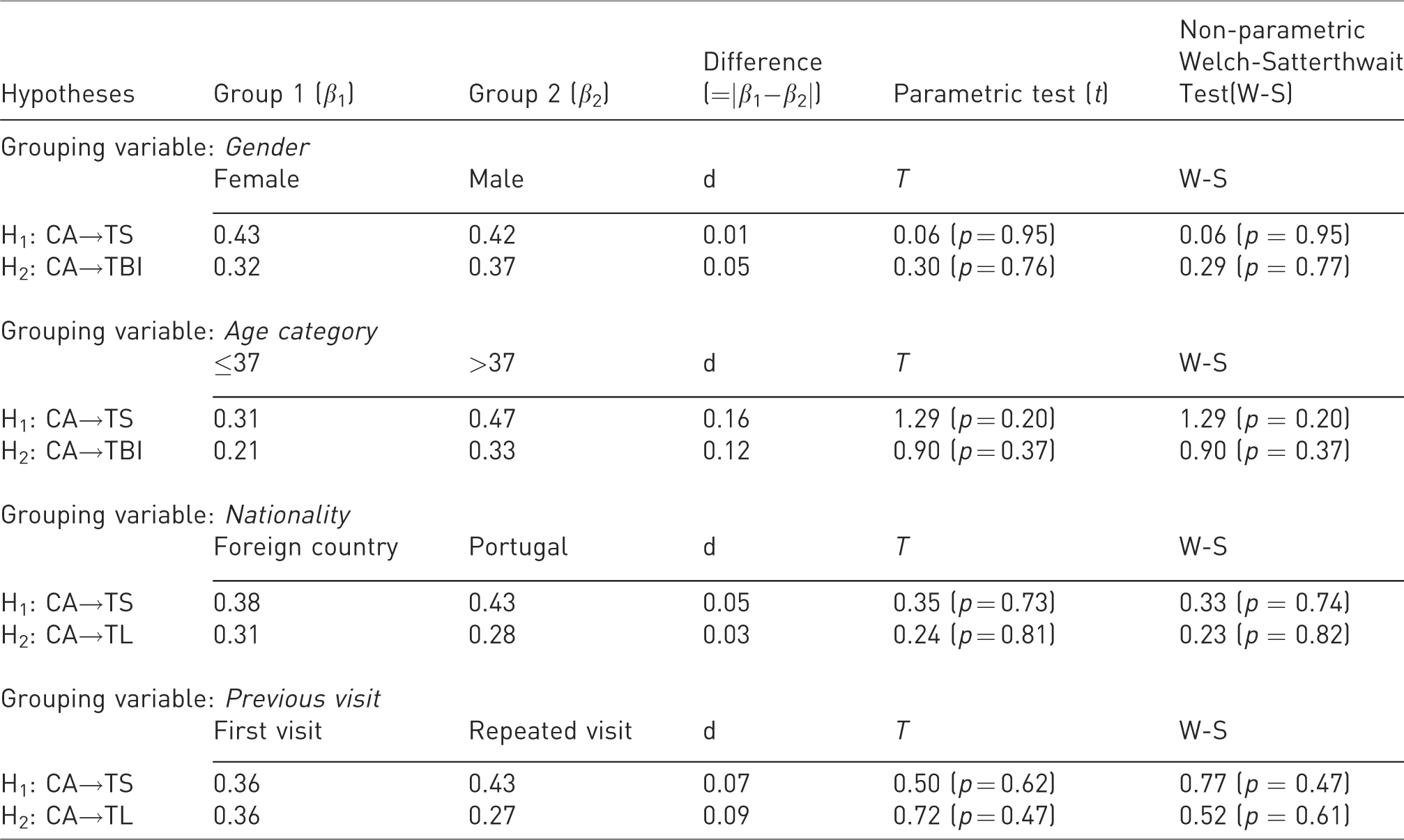
The model was analysed following the steps suggested by Hair et al. (2017). First, the measurement model was assessed (first-order and second-order); subsequently, the assessment of the structural model was performed. After the structural model analysis, the hypotheses H1 to H3 were tested. Finally, measurement and structural invariance were tested using multi-group analyses to assess the stability of coefficients. The objective was to examine if the effects of CA on tourist satisfaction (H1) and tourist behavioural intentions (H2) were similar across groups of tourists with different individual characteristics. In these analyses, we used as variables to establish the groups a previous visit to the accommodation (yes/no) and the following respondents’ demographic characteristics: gender (female/male), age (=<37(median); >37) and nationality (Portugal/foreign country).
Results
Profile of respondents
The participants in this study are predominantly female (56.9%), married or living as a couple (65.2%), and completed a university degree (85.6%). Regarding the employment status, 75.7% of the respondents are employed, 14.9% are self-employed, 4.4% are students, 3.9% are retired and 1.2% are unemployed. The participants in this research are Portuguese (58%), followed by Spanish (11.6%), British (8.8%), Dutch (5.5%), German (4.4%), and respondents originated from other countries (11.6%). The average age of the respondents is 39.1 years (standard deviation: 10.646) and the median is 37.0 years old. The minimum age is 18, the maximum is 74, and the predominant age cohort is between 30 and 40 years old (43.1%). The majority of respondents (56.9%) were visiting the rural accommodations under study for the first time. The sociodemographic profile of the sample is consistent with previous studies developed in Portuguese rural accommodation areas (e.g., Loureiro and Kastenholz, 2011).
Testing CMB and EFA
First, according to the Harman’s test, we applied an EFA with all items loaded into one common factor to test for potential CMB. The common factor solution has a total variance of 29.7%, which means that CMB is not affecting our results. Second, preceding the SEM analysis, a second EFA was applied to determine the dimensions among the external factors that underlie the construct CA, which were measured through 13 items. The underlying structure of dimensions was found using the principal factoring extraction method with varimax rotation. The KMO value and the results of Bartlett’s test show the adequacy of EFA in this context (KMO = 0.75; Bartlett’s test: p = 0.00). The Kaiser’s criterion, the scree plot, and the percentage of explained variance were observed in order to determine the most suitable number of factors. The results of EFA suggest that the proposed five dimensions based on literature explain 73.3% of the total variance of the external factors. Cronbach’s alpha values are 0.81 (“physical factors”), 0.92 (“staff performance”), 0.61 (“social interactions”), 0.79 (“product-related factors”), and 0.67 (“theme”), indicating adequate levels of internal consistency (Nunnally and Bernstein, 1994).
Measuring CA as a second-order factor
To measure the second-order construct CA, the two stages method was employed (Hair et al., 2017). According to this method, the scores for the first-order dimensions (the five dimensions presented in Table 1) are determined by estimating a model that links these dimensions to other latent variables in the model (“tourist satisfaction” and “behavioural intentions”). Most indicators have an adequate level of individual reliability since factor loadings are higher than 0.707 (Hair et al., 2011). The only exception is the item “appropriate ambient conditions” (0.64). However, since removing the indicator would not improve the model, and considering the content validity of the construct, the item was retained in the analysis (Hair et al., 2017). Construct reliability was assessed by observing the construct reliability indexes. In our model, these range from 0.834 to 0.916, which exceed the recommended threshold value of 0.7. Table 1 also shows descriptive statistics for each indicator.
To evaluate convergent validity, the average variance extracted (AVE) of each construct was observed. In our model, all AVEs exceed 0.5 (Hair et al., 2011). Moreover, the non-parametric bootstrapping process was applied, which shows significance of all indicators in the corresponding constructs (t > 1.96 for 5% significance level or t > 2.585 for 1% significance level). These results suggest that the indicators of each first-order construct are related and measuring the correspondent latent variable.
To evaluate discriminant validity, the criterion proposed by Fornell and Larcker (1981) was verified, i.e., the square root of each AVE exceeds the correlations between each construct and the other constructs (Table 2). Additionally, the process of examining the cross-loadings can be performed to assess discriminant validity. In this case, each indicator loading on its assigned construct should exceed all its loadings with other constructs (Hair et al., 2017). This criterion was verified. Also, the Heterotrait-Monotrait Ratio (HTMT) criterion was used for confirming discriminant validity. According to this approach, HTMT values should be lower than 0.85 (Henseler et al., 2015). All HTMT ratios fulfil this criterion (Table 2).
Correlations among latent variables.
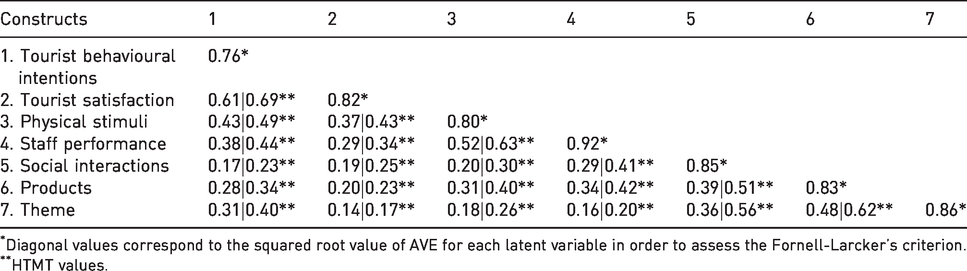
Diagonal values correspond to the squared root value of AVE for each latent variable in order to assess the Fornell-Larcker’s criterion.
HTMT values.
As all evaluation criteria have been met, it can be concluded that the first-order measures are reliable and valid. Subsequently, and according to the two-stage method to estimate second-order constructs, another model was estimated by considering the scores of the first-order latent variables as indicators of the second-order construct CA. The loadings and corresponding p-values are in Figure 2.
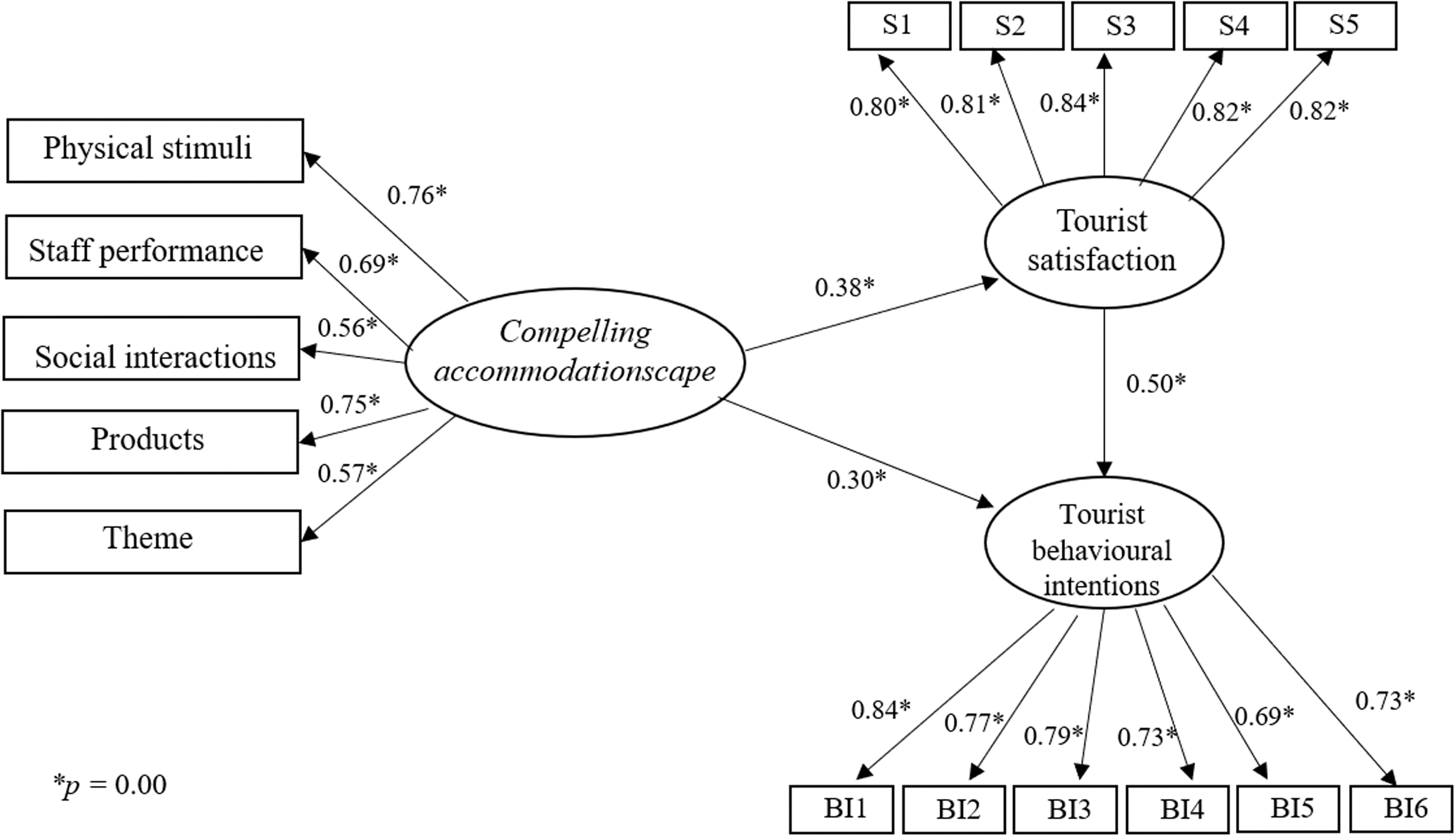
Estimates for second-order model.
The findings for the constructs “tourist behavioural intentions” and “tourist satisfaction” are similar or equal (in the case of AVE and CR values) to those obtained in stage 1. “Physical stimuli” (.076) and “staff performance” (0.75) are the factors that most strongly underlie the construct CA, followed by “products” (0.69). Higher factor loadings would be desirable for the items “theme” (0.57) and “social interactions” (0.56). However, only indicators with very low loadings (<0.4) should be always eliminated (Hair et al., 2017). Considering in this case the loadings are close to 0.6 (as well as the content validity of CA), both indicators were retained in the analysis. Moreover, the reliability coefficient of CA (0.8) surpasses the desirable threshold value of 0.7.
Regarding the evaluation of convergent validity, Figure 2 shows that all indicators are significantly linked to the respective constructs under analysis (t > 1.96 for 5% significance level or t > 2.585 for 1% significance level). The AVE for CA equals 0.45, a slightly lower value than the recommended threshold of 0.5. However, discriminant validity was assessed as in stage 1 and all results are favourable to conclude that the constructs are valid; the Fornell and Larcker criterion and the cross-loadings have the desired behaviour as described with regards to stage 1.
Assessing the structural model and testing the research hypotheses
The analysis proceeds with the evaluation of the structural model. Before testing the research hypotheses, its exploratory and predictive power were evaluated by using the measures R2, f2 and Q2 for the endogenous constructs. The coefficient of determination (R2) for the final construct of the model (“tourist behavioural intentions”) was 0.454. This indicates a moderate proportion of variance explained by the predictors of the model – “compelling accommodationscape” and “tourist satisfaction”. For “tourist satisfaction”, this coefficient was 0.144. To complement observation of R2, f2 effect sizes were calculated; all exceed the minimum cut-off value of 0.02. In particular, the f2 value of “tourist satisfaction” on “tourist behavioural intentions” was 0.390, “compelling accommodationscape” on “tourist behavioural intentions” was 0.142, and “compelling accommodationscape” on “tourist satisfaction” was 0.168. Finally, to evaluate the predictive relevance of the model, Stone-Geisser’s Q2 values were computed by running the blindfolding procedure in SmartPLS3.0. Findings reveal that the Q2 values for the endogenous constructs are all higher than 0, as recommended by Hair et al. (2017).
Figure 2 also shows the estimated path coefficients (β) in the second-order model. The path coefficient linking CA and “tourist satisfaction” is positive and statistically significant (β = 0.38, t = 5.39, p = 0.00); therefore, the research hypothesis that CA is positively related to higher satisfaction levels is supported. Similar conclusions can be drawn regarding the relationships between CA and “tourist behavioural intentions” (β = 0.30, t = 4.64, p = 0.00). Hence, the hypotheses H1 and H2 are supported. With respect to H3, results show that the indirect effect of CA on “tourist behavioural intentions” (through “tourist satisfaction”) is positive and statistically significant (0.38 × 0.5 = 0.19; p = 0.00). Subsequently, the total effect of CA on “tourist behavioural intentions”, which is the sum of the direct and indirect effects, is also significant and equals 0.49 (p = 0.00). Hence, it can be concluded that H3 is supported; i.e., the positive relationship between CA and intentions increases (in this case from 0.30 to 0.49), when mediated by “tourist satisfaction”.
Testing measurement and structural invariance
Table 3 depicts the tests performed to examine if the relationships between CA and “tourist satisfaction” (H1), and between CA and “tourist behavioural intentions” (H2), were being affected by respondents’ demographics (gender, age and nationality), as well as by a previous visit. All parametric and non-parametric tests suggest a non-significant difference between the two groups involved in each analysis (all p>.10). As a result, the model reports structural invariance, i.e., the validation of H1 and H2 does not differ between tourists with different personal and travel-related characteristics as used in this study. The comparison between the factor loadings allows a similar conclusion, showing measurement invariance in four multi-group analyses (all p>.10).
Tests for structural invariance.
Discussion
Findings show empirically that five external factors underlie holistically the -scape in a rural accommodation context from an experiential marketing perspective, which we named CA. These findings are consistent with theoretical frameworks proposing a holistic approach to the experiencescape in a tourism and hospitality context, which were the basis of our theoretical framework (Agapito et al., 2013; Mossberg, 2007). As such, this research presents several contributions to literature following a marketing approach to tourist experiences in an accommodation context. First, the validation of the proposed construct CA, which complements servicescape, supports that the design of experiencescapes should address not only physical stimuli and staff performance, which have been the factors more commonly used in research informed by services marketing (e.g., Dedeoglu et al., 2018; Pizam and Tasci, 2019), but also social interactions (e.g., Lin et al., 2019), product-related factors (e.g., Kastenholz et al., 2018) and the design of a theme (e.g., Åstrøm, 2017). Accordingly, the importance of the latter constructs has been reinforced by empirical research following an experiential perspective, despite focusing on specific dimensions of the experiencescape. To the best of the authors’ knowledge, the five dimensions have not been tested before from a holistic perspective.
Second, results show that the approach to CA as a second-order construct (underlined by five factors) can lead to positive attitudinal loyalty. The proposed construct has a positive direct effect both on tourists’ satisfaction and behavioural intentions towards the accommodation. Also, the effect of CA on tourists' behavioural intentions is higher when mediated by satisfaction. In our model, CA has a total effect of 0.49 on tourist behavioural intentions, which suggests that CA is a relevant construct in the understanding of the factors that impact post-consumption behaviour. This aspect adds to knowledge on variables related to post-consumption behaviour focusing on the customer experience of the -scape (e.g., Breiby and Slåtten, 2018; Hightower et al., 2002; Park et al., 2019). Moreover, in the present study satisfaction was approached as a pleasurable level of fulfilment with the experience (Oliver, 2010). In this light, it is important to note that previous studies measuring the servicescape through the substantive staging component (related to physical stimuli) and the communicative staging dimension (related to staff performance) concluded that these factors positively impact hedonic value and that customers’ perception of hedonic value affects post-consumption intentions (Chang, 2016; Dedeoglu et al., 2018). Our study expands this approach by addressing the -scape from an experiential and holistic perspective (CA); in our case, the external stimuli underlying the consumption environment (five dimensions) are not examined individually but rather as a holistic construct.
Third, the positive effect of CA on tourists' level of satisfaction and behavioural intentions seems not to differ considering customer’s sociodemographic characteristics (gender, age and nationality), and the number of previous visits. This finding supports the stability of the tested relationships. Subsequently, this analysis shows the importance of researching the new construct, as well as its use by rural accommodation managers. It is worth noting that previous research has found differences in the effects of different components of the servicescape on behavioural intentions when considering first and repeated visitors (e.g. Dedeoglu et al., 2018). The findings of the present study may be explained in part by the fact that: a) this research focuses on CA as an overall construct and not on its specific dimensions, and b) the profile of rural tourists is very specific (predominantly highly educated and more mature couples), and focused on particular motivations differing from other types of urban-based tourism (Agapito et al., 2017; Loureiro and Kastenholz, 2011). Furthermore, the construct CA as operationalised in this study has not been empirically tested previously.
The evaluation of the proposed framework also supports the relevance of the managerial mindset that focuses on designing consistent and distinctive experiences (Tussyadiah, 2014) when marketing the tourist experience in a rural context (Kastenholz et al., 2018). In fact, although many rural lodging establishments are of small size, previous research shows that there is a myriad of unique stimuli (e.g. textures, local products, scents and sounds), as well as a diversity of themes, that can facilitate the design of satisfying environments with the potential to lead to place attachment and positive attitudinal loyalty (Agapito et al., 2014, 2017; Kastenholz et al., 2018). This is the case of settings such as Southwest Portugal, which offers a variety of rural-based stimuli that could be explored in rural accommodation units to design the -scape in an integrated way. Accordingly, the process of managing the -scape can help to tangibilise accommodations marketing strategies, as accommodation businesses have a high capacity for controlling physical and social environments considering branding and segmentation goals (Walls, 2013). In addition, our study also shows that developing activities that encourage interactions with locals, making local products available and setting a theme, for example, can be seen as managerial opportunities. In practice, previous studies show that these external stimuli can help to underline meaningful narratives that can be used to feed creative processes such as brand storytelling (Ryu et al., 2018). Particularly, Mei et al. (2020) state that although tourism operators, such as those in the countryside, rarely use professionals to stage the experiencescape, this process is a key part of storytelling strategies that can enhance tourist experiences in a competitive and sustainable fashion.
Accordingly, designing CAs can support innovative and responsible guest experiences (Jernsand et al., 2015), while enhancing the level of tourist satisfaction and positive behavioural intentions towards lodgings. Indeed, the use of local resources (physical stimuli and products) can encourage the development of a network with local companies to creatively manage activities (e.g., gastronomy, handicraft and cultural related) connected to rural tourism (Jernsand et al., 2015; Kastenholz et al., 2016; Loureiro, 2014); therefore contributing consistently to CA. Also, the process of optimising unique local resources to solidify a theme can be supported by the development of partnerships with businesses related to creative industries for the design of sensory and product-related stimuli, which could contribute to enhancing human interactions (Mossberg, 2007; Mossberg and Eide, 2017). These processes could help to mitigate the trade-off between addressing authenticity-seeking customers’ needs and meeting income goals in small businesses in rural areas (Ye et al., 2019: 36). The consistency of CA can be ensured by trained personnel, who tourists value positively when connecting them to the idiosyncrasies of the place and its people while providing valuable information to customers on local aspects (Katenholz et al., 2018).
Conclusions and future research directions
This research tested a framework focusing on external factors that contribute to designing a CA, following a marketing approach to tourist experiences. The analysis of data collected from a questionnaire administered in rural lodgings in Southwest Portugal revealed that five factors underlie a CA, namely physical stimuli, product-related factors and staff performance, which are followed by social interactions and the existence of a theme. The second-order model showed that the proposed construct is positively related to guests' satisfaction and behavioural intentions, and that the positive relationship between CA and tourist behavioural intentions increases when mediated by tourist satisfaction. Multi-group analyses suggested that the effects of CA on tourist satisfaction and behavioural intentions do not differ between tourists with different personal features (gender, age and nationality) and travel-related characteristics (first-time and repeated visit).
Despite this research's contribution to the study of the -scape in rural accommodations from an experiential and holistic perspective, some limitations of this work could be addressed in future research. These studies could examine if the same findings result from using the proposed framework in different cultural contexts. Whereas in the current study the tested relationships do not differ among customers from different countries, diverse cultural contexts may result in different findings. Furthermore, it would be interesting to examine if the same framework can be generalised to different types of accommodations other than rural-based. The use of larger samples could also allow the analysis of moderation effects between perceived -scapes and specific outcomes. For example, as proposed in services marketing literature, situational factors and personal traits, such as arousal seeking and mood, can influence consumer behaviour (Bitner, 1992; Pizam and Tasci, 2019).
Future research directions include also using CA in a more comprehensive model to explain tourist behaviour intentions, improving, therefore, the explanatory power of this variable (45.4% in this study) by including explanatory variables other than CA and tourist satisfaction, such as memory, perceived value and emotions (e.g., Knobloch et al., 2017; Tasci and Pizam, 2020). Although this study approached satisfaction as a state of pleasurable fulfilment (Oliver, 2010), particular emotions were not analysed. Furthermore, future approaches to this model could consider that apart from the hedonic (pleasure related) component, eudaimonic aspects of well-being (related to meaningful experiences and subjective happiness) have gained increased interest in research with an experiential approach to tourism (Knobloch et al., 2017; Tasci and Pizam, 2020). Therefore, since CA includes stimuli related to social interactions, localness of products, and a theme that can be based on endogenous resources – aspects that can contribute to perceived meaningful experiences –, this construct has the potential to be incorporated in other models aiming to advance knowledge on tourism experiences in accommodation contexts.
Worth noting is the fact that the findings of this study are limited to the items used in the questionnaire, and further questions could be incorporated in future studies by refining the measures of CA. Moreover, future empirical research including a qualitative stage could explore further the construct CA, not only from the perspective of the tourist but also from the perspective of the rural accommodation managers and other local stakeholders (Pizam and Tasci, 2019).
Footnotes
Declaration of Conflicting Interests
The author(s) declared no potential conflicts of interest with respect to the research, authorship, and/or publication of this article.
Funding
The author(s) disclosed receipt of the following financial support for the research, authorship and/or publication of this article: This paper was funded by Tekes – The Finnish Funding Agency for Innovation through the project “Box: Imagineering Future Services” and by Portuguese National Funds provided by FCT –- Foundation for Science and Technology through project UIDB/04020/2020.
