




Abstract
This case tells the story of the start-up Essento, which develops, produces and markets insect-based foods, and the nascent sustainable entrepreneur behind the company. Essento contributed significantly to shaping the legal basis for the consumption of edible insects in Switzerland and rises to the challenge of creating an entirely new market and lacking customer acceptance.
Keywords
Key learning outcomes
Examine adaptations of sustainable business models that can be made in order to realize an entrepreneur's vision.
Explore how consumer resistance and lack of acceptance can be addressed and overcome.
Getting to know about key characteristics of nascent sustainable entrepreneurs and the challenges of that type of ventures.
Learn more about how entirely new, not yet existing markets can be created and what roles entrepreneurs can take on in that process.
Introduction
Insects are part of the traditional diet of at least 2 billion people worldwide (FAO, 2013). But putting insects on the menu in Europe? Until very recently, unimaginable! The Swiss start-up Essento has made it its mission to change that. Through the development, production and marketing of insect-based foods, the company has become a pioneer in its field. Essento's story is one of perseverance, adaptability and a visionary founder with a “nothing-is-impossible”-mindset. It is centered around the desire to create value for both people and the planet, with the goal of becoming a real sustainable venture.
Eating insects comes with many benefits
Essento's journey started in 2013, when Essento's founder Christian Bärtsch came across a FAO report on the tremendous ecological and health potential of entomophagy (the scientific term for the consumption of insects) (FAO, 2013). Insects require only a fraction of the amount of feed other livestock needs to gain one kilogram of weight. Through the more efficient use of food, insects also contribute to more sustainable land use. Moreover, they are ideal for space-saving vertical farming, which is possible also in urban areas without any problems. Compared to other animals used for meat production, insects cause significantly less emissions (only about 1% of emissions caused by ruminants (Oonincx et al., 2010)) and require a lot less water. Given that they are swarm animals, it is natural for them to live in large groups in a confined space. It is further assumed that insects can only feel pain to a limited extent and that insect farming is less risky in terms of zoonoses compared to conventional meat production (FAO, 2013). Accordingly, to date there has been no discussion of animal rights and ethical husbandry conditions with regard to the breeding and processing of insects. Christian Bärtsch was amazed. And he immediately began to occupy himself even more intensively with insects.
He learned that the use of insects for human consumption not only has ecological advantages, it also offers social benefits. The consumption of traditional meat products favors various nutrition-related diseases such as obesity, cardiovascular diseases or diabetes (Federal Environment Agency, 2019). The consumption of edible insects – which are not counted as meat (BMEL, 2019) – does not promote these diseases. Insects have a high protein content, an excellent balance of amino acids, omega 6 and 3, calcium, zinc and iron. In addition, they are a valuable source of vitamins and their consumption can alleviate inflammatory bowel diseases and strengthen the immune system (Hunts et al., 2020). Furthermore, using insects as protein sources can significantly contribute to food security in the face of a growing world population and the increasingly severe effects of climate change (Federal Environment Agency, 2019).
On the other hand, the consumption of insects as food only has a few potential risks. Possibly, insects might cause allergies. However, it has been found that primarily people who are constantly exposed to insects (such as insect-rearing workers) or consumers with an already existing allergy to crustaceans or house dust mites are at risk of experiencing allergic reactions to the consumption of edible insects (Ribeiro et al., 2018). Moreover, insects might take up pesticides, which can cause problems when they are consumed in large quantities. However, those risks are primarily related to the traditional practices of harvesting and consuming insects in the wild, whereas pesticides are lesser of a concern with bred insects, since all feed is controlled for pesticides (FAO, 2013). Insects also contain a considerable amount of chitin, a polysaccharide. Studies in this regard are inconclusive. Some suggest that chitin might be an allergen, while others claim that chitin can boost the immune system functioning (Goodman, 1989; Muzzarelli, 2010). Overall however, eating insects from controlled rearing is very safe and does generally not cause any harm to humans according to most current research.
Christian was stunned and convinced: insects have the power to change the world! He was also intrigued by the fact that nobody seemed to have attempted to market edible insects in the West and to generally professionalize entomophagy. It was only then when he realized that introducing edible insects in Western markets might not only have tremendous ecological and social benefits, but may also be a profitable business idea. The economic predictions looked promising. The market for edible insects in Europe is estimated to grow to 261.5 million Euro by 2023 (Statista, 2019).
Insects find their way into Western diets
It became clear for Christian, back then an economics student at the University of St. Gallen: edible insects belong on Swiss plates too! The plan was ambitious, given that the human consumption of insects in Switzerland was not allowed by law at that point in time. Though, Christian was convinced of the idea and together with a fellow student, he began developing a device to breed insects at home. At the same time, he started working on the legalization process. He gathered a team of like-minded people with the common interest of promoting and legalizing entomophagy in Switzerland. The group connected with representatives from politics and founded an association – and so the adventure began!
The founder's vision of establishing insect-based food products in Europe and thereby create added value for both people and planet, became the guiding light for all of the business' undertakings. In 2015, the legal form was converted to a public limited company and named Essento. However, the founder was aware of another big challenge of his plan: Even if Swiss consumers were allowed by law to eat insects, they were unfamiliar and unaccustomed to do so and thus, the lack of acceptance became one of the company's main hurdles to face. The founders initially thought that giving people the possibility to breed insects themselves at home would lower the barriers to integrate them in their diets. However, it soon turned out that that was not the case. Hence, Christian and his team were forced to find other ways and tools to encourage people to eat insects. They worked on a, later award-winning, cookbook for insect-based dishes and offered some insect ingredients online. Though, people still did not really seem to be willing to adapt their eating habits and it became clear that insects had to be made even more accessible to the customers.
Edible insects such as beetles, caterpillars, bees, wasps, ants, grasshoppers, locusts or crickets, are usually killed by freezing or boiling. Generally, there are three different ways of consuming insects (FAO, 2013). They can either be eaten roasted, fried or boiled as a whole, which is the traditional way of preparation in most tropical countries. Moreover, the insects can be further processed into powder or paste form. Usually, the insects are therefore dried and grinded and can then be added to otherwise low-protein foods to increase their nutritional value. The last consumption form is to isolate and extract insect proteins which can then be used to increase the protein content of human food products. However, this process is extremely complex and requires highly specialized expertise. Until today, this method is not yet legally permitted for human consumption.
Later in 2015, Essento started conversations with Switzerland's largest retailer and market leader in the sale of products with sustainability labels, Coop. The entrepreneurs thereby soon realized that retailers were more eager to have insect-based ready-to-eat products in their stores, rather than insects as a “raw product”. So, not only new consumers are attracted, but also current retail customers are given an easy, curiosity-driven and effortless opportunity to try an insect-based product that does not require any specific cooking affinity or skills. Thus, Essento decided to develop its first product for the retail channel: an insect-ground-based burger patty.
For the in-house development of its products, Essento expanded its team to support the recipe development and food innovation. No other company worldwide had yet developed any products in this food category. However, solely investing in the product development process was not going to ensure success. Supporting consumers in overcoming neophobia (fear of new things) and the “yuck factor” continued to be a vital focus of the company. At this stage, it was crucial to identify strategies and arguments to sell insect-based products in Switzerland. In a scientific study, Essento came to the conclusion that focusing on emotional aspects (such as how the product looks, tastes and how it is packaged) might be more effective than purely concentrating on environmental and nutritional benefits in its marketing and communication approach (Brunner, 2015). However, the start-up realized it also needed scientific proof of its statements on nutritional value and thus initiated several studies with research partners, i.e. related to antinutritive factors, the protein content or the level of iron available to the human body in edible insects.
Eating insects becomes legal
After four years of negotiations and with the help of strong partnerships from politics and business, Essento's first essential milestone was achieved on May 1st 2017, when three insect species (mealworms, crickets, grasshoppers) were legally approved as food in Switzerland (Swiss Confederation, 2017) – making it the first formally and permanently regulated market for edible insects in the West. Now the way was paved for Essento to officially start its business activities. After the legalization, the first Essento product, the insect snacks, was available on the company's own web shop, followed by the developed burger patty which was launched and distributed through retail partners, mainly Coop (Figures 1 and 2). Moreover, Essento also attracted restaurant and canteen operators, who incorporated insect-based dishes in their menus. Simultaneously, Christian's co-founder retired from the business activities and Essento grew its team with employees in charge of communications, marketing and events.
As the market for edible insects and respective products grew in the coming years, the demand also evolved. Customers became more and more aware of the functionality of insects as food and the market is increasingly requesting alternative protein sources since the public awareness about the environmental impacts of meat consumption grew. Therefore, the product range was expanded with insect-based bars, more snacks, insect “falafel style” balls and additional burger patty products; all of which are tested in the market, optimized, further improved and adapted to consumer expectations on an on-going basis. By including a higher proportion of insects, Essento was able to declare its products as “high protein” (which requires that at least 20% of the energy (kcal) of a product comes from proteins). Moreover, some of the products are also certified organic. At the same time, Essento continued to educate Swiss consumers about entomophagy and organized workshops, cooking classes and events; published recipes; created a blog about the topic and was generally very present and vocal in local and even international media (Figures 3 and 4).
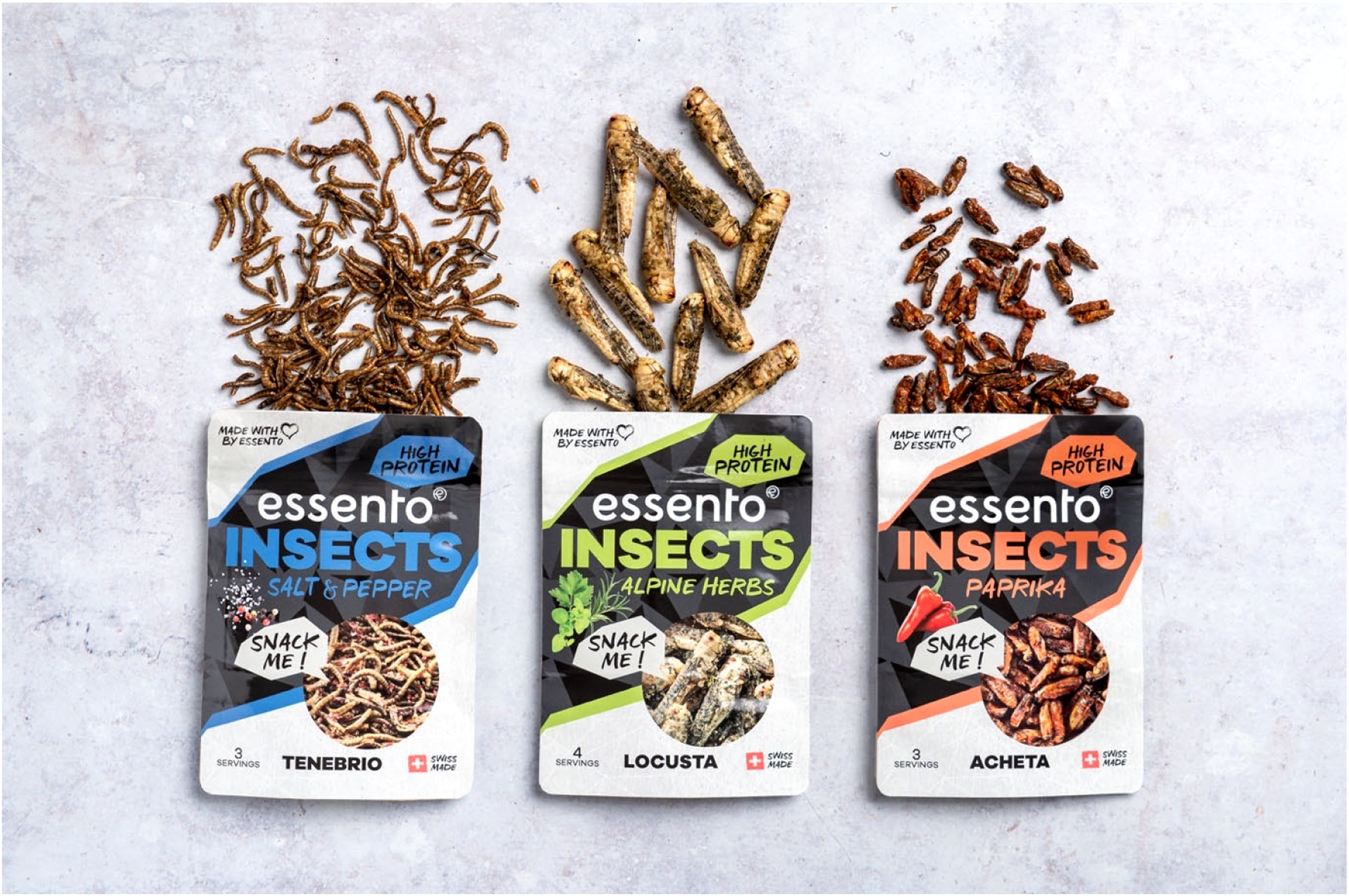
Essento insect snacks.

Essento insect burger.

Essento insect bars.
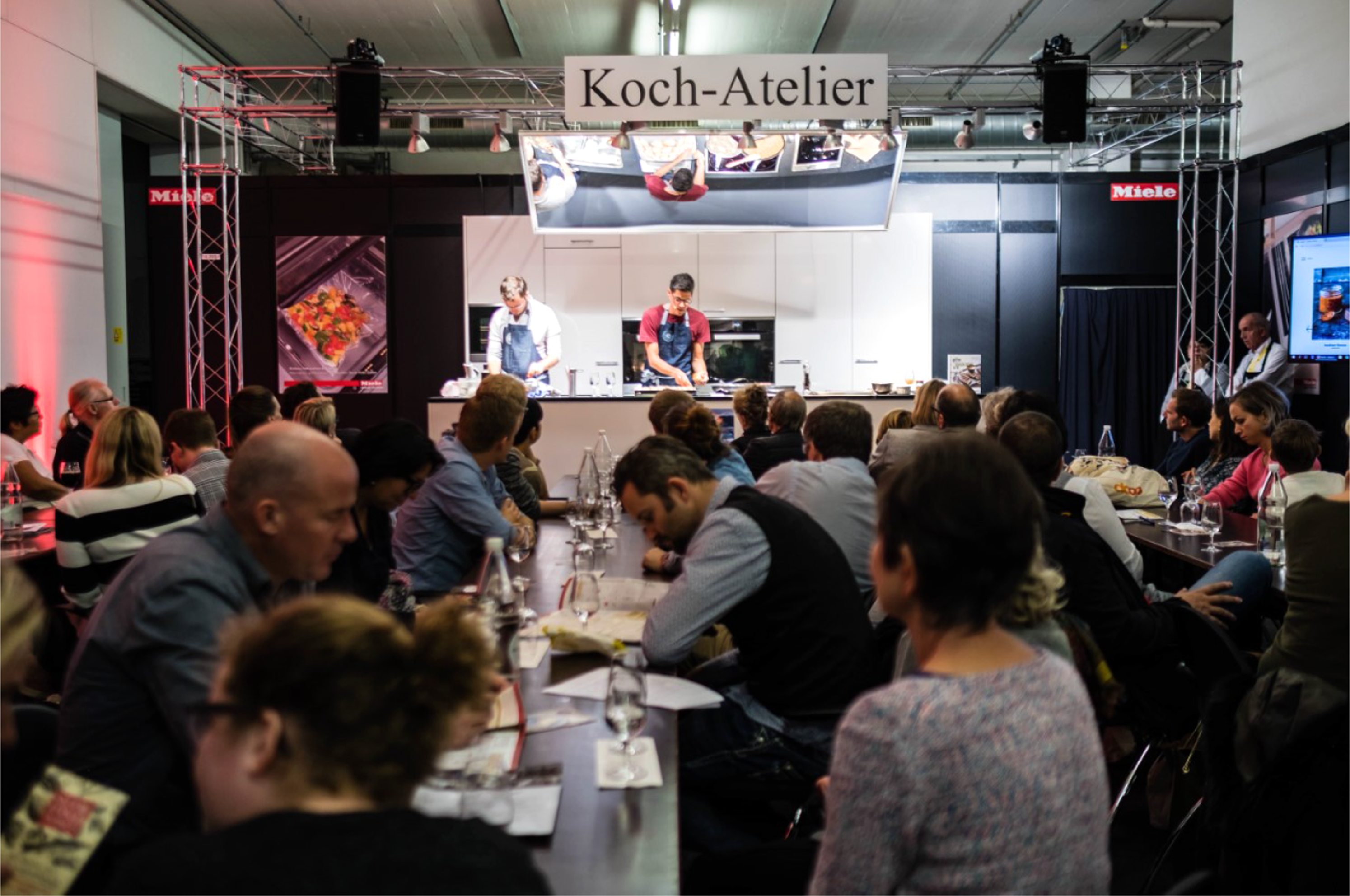
Insect cooking workshop hosted by Essento.
To ensure a consistent high level of quality, to have control over both social and environmental standards and to improve efficiency, Essento strives to integrate the entire value chain of its products. In 2018, the company therefore co-established the organic insect breeding farm “Ensectable”. Getting involved in the breeding process further extends Essento's expertise and underlines its leader role in the market. At the same time, that also ensures local sourcing of ingredients and is another piece of the company's holistic approach to realizing its vision of establishing the consumption of edible insects in Western diets.
Sustainable ideas driven by sustainable entrepreneurs
Throughout Essento's successful development, Christian never lost sight of one thing: his striving towards establishing a sustainable business model and becoming a sustainable entrepreneur. Along with the significantly increased necessity and pressure for sustainable development and respective measurements in recent years, scientific literature focuses more strongly on the concept of “sustainable entrepreneurship”. Specific hopes are directed at sustainable entrepreneurs who can make an important contribution to not exceed the planetary boundaries (Parrish, 2010; Schaltegger et al., 2018), and who are regarded as “true wealth generators of the future” (Tilley and Young, 2009). Sustainable entrepreneurs simultaneously strive for both a contribution to the achievement of sustainability goals by focusing on ecological and social problems (Hall et al., 2010) and the implementation of a successful business case to become a financially effective operation.
But what makes an entrepreneur a sustainable entrepreneur? With regard to the first part of this two-part term, the orientation towards the concept of sustainability, the following criteria apply:
Sustainable entrepreneurs are either individuals or groups of actors who, based on a personal initiative, take unsustainable conditions as occasions for creating new and more sustainable products, services, and organizational forms (Hansen and Schaltegger, 2013: 584). The initiative is rooted in the ethical values, considerations and convictions of the initiators (Schlange, 2009: 25) and aims to create social benefits, to bring about social change or to contribute to the Sustainable Development Goals (Apostolopoulos et al., 2018). The initiators are personalities who mostly perceive their venture as a creative act (Schaltegger and Wagner, 2011) and recognize opportunities to realize their ideals and preferences in its implementation in the form of a mission-driven company (Russo, 2010). Sustainable entrepreneurs prefer participative decision-making structures that guarantee a high degree of individual freedom, equality and independence from investors and in which external stakeholders are often actively involved, i.e. individuals or groups that are affected by or can actively affect the activities of entrepreneurs (Freeman, 1984; Freeman et al., 2010). Sustainable entrepreneurs are often start-ups, however, sustainable entrepreneurship can also be found in established companies (Schaltegger and Wagner, 2011; Dees and Anderson, 2006: 46). Although sustainable entrepreneurs are striving to create social or ecological benefits, they distinguish themselves from nonprofit actors in pursuing their goals “by systematically manipulating available resources and scarce means in order to achieve chosen ends” (Thompson et al., 2011: 221). Sustainable entrepreneurs are similar to conventional entrepreneurs in the sense that they identify, develop and commercialize future goods and services (Cohen and Winn, 2005; Venkataraman, 1997). Like any conventional entrepreneur, their activity exposes them to economic and financial risks which they must manage to ensure that their project is successful in the long term.
The second aspect of the concept concerns entrepreneurial thinking and approaches and covers the following aspects:
Furthermore, literature emphasizes the importance of clear objectives and visionary leadership for sustainable entrepreneurs. How sustainable entrepreneurs contribute their personal values and norms to the process of discovering and developing their innovation is a crucial success factor and a clear and shared understanding of those underlying values and norms is crucial. However, experts also agree that a founder's entrepreneurial orientation paired with business know-how is an important prerequisite for realizing sustainable business models (Kuckertz and Wagner, 2010; Politis, 2005). Along that, it is pointed out that knowledge about social and environmental aspects plays an important role (Patzelt and Shepherd, 2011) and it is proven that a stronger connection to nature and environmentally responsible consumption leads to higher levels of entrepreneurial foundings in support of environmental practices (Meek et al., 2010).
The personality behind the vision
Christian Bärtsch is one of those auspicious sustainable entrepreneurs. When he speaks about Essento and its vision, it becomes very clear that he puts all his heart and soul into it. The holistic orientation of the business is what fulfills him, and the company is a project that combines his biggest passions, values and beliefs.
In his free time, Christian is a passionate hobby cook and loves to experiment with new ingredients and techniques in the kitchen. At the same time, he is fascinated with the science behind food and the way the human body works. Through his Bachelor and Master studies in economics, he became interested in entrepreneurship and was immediately hooked by how that could help shape the future towards the better. Prior to Essento, he had already founded two other start-ups, both of which were centered around sustainability topics.
Christian grew up in the city of Winterthur, Switzerland, in a middle-class family. Both of his parents have non-academic educations and their families come from agricultural backgrounds. His grandparents were mountain farmers and he therefore became aware of the importance of nature, its impact and power very early on. Taking care of the environment thus is a matter of course for Christian. Also in his free time, he enjoys being out in nature and seizes every opportunity to spend time in the mountains. “It helps me putting everything in perspective”, he says. “A long hike is exhausting and makes me tired, but me on the other hand, I had no impact on the mountain whatsoever. It was there long before me and will be there long after I am gone. It is important to be aware of our insignificance as humans”, Christian explains.
Standstill is something the founder can hardly bear. When he was younger, he was active in sports and was a competitive middle-distance runner. But also as an entrepreneur, it is his greatest motivation to make a difference, to drive change, move things and to steer them for the better. Even as a young boy, he was very involved and engaged. He was the one who initiated games in kindergarten or organized family gatherings. As a student, he extensively took advantage of additional and extracurricular classes and joined “oikos”, a student organization for sustainability in business and economics. Today, he is committed to turning his vision of becoming the European market leader in sustainable, nutritious products based on edible insects into reality. “And have a good time while doing it”, Christian adds. Therefore, financial success is not his primary goal, however, he is also convinced that a business model needs to work economically as well for it to be truly sustainable. Rather, though, he wants to support and empower all of Essento's stakeholders with its business activities. He is driven by generating as much positive impact and added value for both people and nature as possible.
Failure is not an option and neither is Christian afraid of it. He is convinced that if one remains flexible and constantly adapts its business to new conditions and circumstances, one actually cannot fail at all. Furthermore the 30-year old points out that “nobody can take away the experience and skills that Essento has given me”. Christian is a visionary with a clear idea of where he wants to go. But he emphasizes how important it is not to have a rigid idea of what the journey to get there should look like. At the same time, perseverance is key, he further explains. There have been plenty of opportunities to give up in the last years. That is not surprising, after all Essento is the first company in Switzerland and even Europe that made it its mission to establish and successfully market edible insects. But Christian loves adventure, challenges and he loves paths that no one has ever trodden before him. What is the final destination of his own personal journey? “I do not think that I will ever truly arrive. But it is not about reaching a destination; what counts is to feel content on the way”.
What is next?
It has been only a few years since the legalization of edible insects in Switzerland. Ever since, Essento continues to act as a pioneer in the industry and remains persistent in pursuing its vision. Essento has consistently increased its revenue with the sales of its burgers, balls, high nutrient bars and snacks over the past years. The team has grown to 7 full-time employees.
Also, the market potential for insect-based food products continues to grow (Statista, 2019). Consumers are more and more looking for alternatives to conventional Western diets, driven by increasing consumer awareness, especially related to influences of the human diet on the environment and climate change. Moreover, changes in lifestyle and especially in mobility, as well as an increasing demand for healthy and functional food, lead to constant growth of the request for healthy snacks (Fortune Business Insights, 2019). Also, the desire for a healthy and body-conscious lifestyle is growing and this particularly promotes the demand for proteins.
However, Essento also faces potential challenges. With entomophagy slowly spreading in the West, also cultural and ethical questions arise. Culture is historically majorly influenced by religion. The practice of eating insects is cited in Christian, Jewish and Muslim literature (FAO, 2013). However, overcoming disgust related to insects will remain a major challenge in western cultures. Moreover, the aspect of animal welfare becomes a focus point. Though it remains unclear to which extent insects are capable of feeling pain, Essento ensures the insects used for its product are killed by freezing, which is acknowledged to be a method that reduces suffering (FAO, 2013). Also, the compatibility with vegetarian and vegan diets has been addressed frequently by the public. This discussion is ongoing and is, at the end of the day, subject to personal motivations, values and decisions of the consumers.
Contrarily, the market has been flooded by alternative protein products in the past few years. Plant-based meat alternatives like Beyond Meat or Impossible Burger have conquered the supermarket shelfs, plant-based milks now belong to the standard offer of every café and the number of flexitarians is growing steadily. It is estimated that by 2040, around 60% of the meat market will consist of meat replacement products (Cleantech Group, 2020). Foods from edible insects are an ideal supplement to the flexitarian diet. Evidently, insect-based foods are thus perfectly fitting for nowadays' zeitgeist.
Essento's prospects seem bright, but the company remains on a mission to become the European market leader for insect-based food products and thereby create added value for people and the planet. To achieve this goal in the long term, Essento has to assert itself against potential competitors, supplement and adapt its existing business model and expand its activities to additional European markets and channels. Due to comparatively low market entry costs (same language, cultural similarities, etc.), Essento decided to expand its business activities to Germany and Austria in the next step. This should allow the company's innovative strength and profitability to be increased and secured in the long term.
Questions
How could the business model be adapted to realize Essento's vision?
What are potential risks of the planned expansion?
Consumer acceptance, attitude and resistance remain one of Essento's biggest challenges. Discuss the measures Essento could take in that regard moving forward.
Reflect on the role of the (sustainable) entrepreneur. What were key attributes and values of the founder that contributed to Essento's success?
What do you see as challenges that arise from wanting to serve sustainable causes and be financially successful at the same time?
What can you take away from the case in regard to creating a market for an entirely new product?
Teaching notes
Synopsis
This case tells the story of the Swiss start-up Essento and its founder, who has a vision of establishing insect-based food products in Europe and thereby create added value for both people and planet. When the Essento founder Christian Bärtsch first started his work in 2013, the primary challenge was to legalize the consumption of insects. After that milestone was achieved in 2017, the company officially started its business activities and soon came to realize that customer acceptance and revulsion towards edible insects are a major challenge. The case also puts focus on sustainable entrepreneurship as a concept, as well as on the founder of Essento, Christian Bärtsch, his values, beliefs and characteristics. Christian is driven by making a difference and thrives on engagement. His “doer”personality, his love and deep care for nature and his simultaneous interest in business matters make him an exemplary sustainable entrepreneur. Moreover, the case offers an opportunity to explore several relevant matters related to (sustainable) entrepreneurship, such as business model adaptations and market creation, risks of expansions, ways to overcome customer hesitation or the challenges of simultaneously fulfilling financial, social and environmental interests.
Learning objectives
Examine adaptations of sustainable business models that can be made in order to realize an entrepreneur's vision
Explore how consumer resistance and lack of acceptance can be addressed and overcome
Getting to know about key characteristics of sustainable entrepreneurs and the challenges of that type of ventures
Learn more about how entirely new, not yet existing markets can be created and what roles entrepreneurs can take on in that process
Model answers and analysis
How could the business model be further adapted to realize Essento's vision?
Essento's story illustrates the importance of adaptability and flexibility throughout the process of founding a company. Currently, Essento is facing the challenge of entering new markets. Here, students could discuss changes related to target groups, distribution channels and communication. Generally, cultural differences between the markets and their respective impacts on the business model could be analyzed. Moreover, it could be interesting to debate on how the planned expansion could influence the cost structure. Lastly, the case shows Essento's pioneer role and unique knowledge in the field, which might also make it well equipped to enter new areas of business, such as i.e. consulting.
When making business model modifications, it is crucial to remain true to the sustainability vision and the defining values – even if expectations from customers might tempt to do otherwise. As a result, Essento might i.e. be well advised to continue using exclusively natural ingredients and place great importance to the production conditions. Moreover, the high quality of the products should be kept and Essento should continuously be fostered as a premium brand.
What are potential risks of the planned expansion?
Lack of customer acceptance is one of the main issues Essento is currently facing – that is likely to be the same in additional European markets. However, hesitation and revulsion towards edible insects is highly cultural and might need to be tackled differently in all countries, regions and markets. Therefore, inadequate alignment of the argumentation for edible insights based on a lack of understanding of the local culture could potentially be risky.
Moreover, the market potential for insect-based foods is growing (Statista, 2019). As a result, more and more players might try to enter the newly created market and thus weaken Essento's current leader role. Essento is planning to keep its production and administration in Switzerland, which bears the risk of resulting prices that are too high for other European countries and makes Essento highly dependent on exchange rates. Moreover, taxes on the import of insect-based products into target markets could threaten profitability.
Lastly, Switzerland is the first regulated market for insect-based food products. In other European countries, legislations in the field of animal welfare or insect consumption are currently not clearly regulated. However, that might change in the near future. There is also a potential risk that the legislation differs too much between markets, so that products have to be adapted individually to each market, which would result in high costs.
Consumer acceptance, attitude and resistance remain one of Essento's biggest challenges. Discuss the measures Essento could take in that regard moving forward.
Overcoming common prejudice against eating insects might require considerable convincing, but it is not an impossible feat (Pliner and Salvy, 2006). Previously, foods like lobsters or shrimps, once considered poor-man's food in the West, or the once frowned upon consumption of raw fish in sushi, have become delicacies. To reproduce a similar development with the consumption of insects, availability and learning have been proven to be crucial tools (FAO, 2013). Education is the key instrument for creating public awareness of the potential of insects as food and can take place through formal education (schools), non-formal education (nature centers, NGOs, public health educators, etc) or informal education (traditional as well as online and social media). To reinforce educational efforts, Essento co-founded the association Swiss Insects, which unites different players in the industry and offers programs for schools, companies and consumers.
Moreover, chefs and food culture play an important role in determining the acceptance of foods (FAO, 2013). Thus, creating and offering degustation opportunities should be a focus of the industry. Generally, insect-based foods must be accessible and made visible on as many channels as possible.
Furthermore, strengthening the scientific argumentation for entomophagy remains crucial. Essento has established a multitude of collaborations with universities in Switzerland to reinforce that aspect.
Also, marketing and communication is key. Thereby, packaging as well as corporate and image identity should be attractive, appetizing and be consciously chosen and created to overcome the “yuck-factor”. Moreover, transparent communication might help customers overcoming their hesitations by making visible where the insects come from and how they are processed. Focusing on community building, particularly via social media, could potentially contribute to a boost in the demand for edible insects.
Reflect on the role of the (sustainable) entrepreneur. What were key attributes and values of the founder that contributed to Essento's success?
The case presents typical characteristics of sustainable entrepreneurs according to scientific literature. Sustainable entrepreneurs simultaneously strive for both a contribution to the achievement of sustainability goals by focusing on ecological and social problems (Hall et al., 2010) and the implementation of a successful business case to become a financially effective operation. Therefore, both parts of the term “sustainable entrepreneurship” are of importance. Sustainable entrepreneurs have ethical values, considerations and convictions that lead them to initiate the development of sustainable products, services, and organizational forms (Hansen and Schaltegger, 2013: 584), which in turn aim at creating social and environmental changes and welfare. Thereby, it is important to them to actively involve stakeholders and their mission-driven business is a mean for them to implement their ideals and visions. Sustainable entrepreneurs also strive for financial success (at least to a certain degree), which differentiates them from non-profit organizations (Thompson, et al., 2011: 221). Sustainable entrepreneurs are thus similar to conventional entrepreneurs in the sense that they identify, develop and commercialize future goods and services (Cohen and Winn, 2005; Venkataraman, 1997). As a result, sustainable entrepreneurs also find themselves exposed to economic and financial risks that need to be managed to be successful.
Christian Bärtsch is a good example of someone who pursues both social and environmental, as well as monetary interests at the same time. His work is rooted in his own ethical values, considerations and convictions (Schlange, 2009: 25) – his intrinsic motivation – and aims to create social benefits, to bring about social change or to contribute to the Sustainable Development Goals (Apostolopoulos et al., 2018). Commitment and standing up for a good cause runs like a red thread through his vita. He is motivated by driving change in nowadays society and system and feels fulfilled by having a positive impact on all of his stakeholders, which is in line with research naming “need for achievement” as main characteristic of successful entrepreneurs (Brockhaus, 1982). At the same time, he studied economics and is convinced that business models also need to work economically for them to be truly sustainable. Even though financial goals are not his primary focus, they are part of his endeavors and Essento thus tackles sustainability on all three pillars (environmental, social, economical) of the concept.
Furthermore, Christian Bärtsch has a strong connection to and reverence for nature, which is deeply rooted in his family background and the way he grew up (which is in line with Meek et al., 2010). This is projected onto his personal moral and value concept. Moreover, his middle-class upbringing might have also influenced his beliefs and ideals. Additionally, the young entrepreneur does not appreciate standstill and always needs movement and action around him, which might have contributed to his perseverance - an attribute that was also crucial in Essento's story. At the beginning, when the company's product was not even legal, the journey seemed so long and impossible that many others might have given up very quickly. At the same time, Christian did have a clear vision, but not a rigid idea of how to make that vision a reality. That illustrates his openness and adaptability - also qualities that contributed to Essento's success. The company's products i.e. had to be significantly adapted after they received new market insights through conversations with retailers. Changes like that are only possible if one is truly flexible. Additionally, Christian has a hunger for adventure and finds joy in the unknown - given that Essento developed a completely new market definitely an essential precondition for success.
What do you see as challenges that arise from wanting to serve sustainable causes and be financially successful at the same time?
Businesses who try to incorporate all three pillars of the sustainability concept usually aim to respect and fulfill the wants and needs of all their stakeholders – some of which might have financial expectations as well. Moreover, economical, environmental and social aspects are often closely interlinked and enable or restrict each other. For example, to pay fair salaries, a company needs to also generate enough money to be able to do so.
As a result, entrepreneurs might often be forced to make compromises between their financial and sustainable intentions and at times potentially have to prioritize one aspect over the other. Consequently, those issues might carry large risks for internal conflicts.
Companies addressing social or environmental issues and wanting to make money at the same time are likely to face something to be referred to as a “capitalist's dilemma”. Such businesses battle the negative ecological and social effects of human consumption with market-economy tools, which have made the consumption from which the planet is suffering possible in the first place. Furthermore, by economically taking advantage of the problems those companies address, they enforce economic trends that cause the overexploitation of resources (Robinson, 2004: 375).
Sustainable entrepreneurs might find themselves engaged in a constant balancing act between the positive pole of making a meaningful contribution to sustainable development and the negative pole of benefiting economically from society's problems. They thus unintentionally counteract the urgently needed tendencies of degrowth, that is, a voluntary reduction of production and consumption in favour of ecologically and socially sustainable development (Demaria et al., 2013: 192).
What can you take away from the case in regard to creating a market for an entirely new product?
Essento is a special case in the sense that they focused on a product that first had to be legalized in order for them to even start their business activities. It seems obvious that one would only go that path if one is completely convinced by the potential for success of such a product. What is being defined as success though is very subjective and might not solely be of financial nature. Christian Bärtsch is a great example of a sustainable entrepreneur in the sense that he aims to simultaneously achieve social, environmental as well as economic goals with his venture. Thus, having a strong vision of what he wants to accomplish with and through Essento was probably crucial. As a result, everybody involved was constantly reminded of why they were putting their efforts into the company, which probably fostered perseverance – definitely one of the vital success factors in new market creation. Furthermore, Christian's vision always only served as a guiding light. How exactly the vision should be realized was never set in stone and thus the business model was constantly and consistently adapted to new conditions and insights. Christian i.e. started with developing a device to grow insects at home for consumption. When he realized that customers were hesitant, he discharged that idea and focused on food product development. The vision however, remained the same throughout Essento's entire journey.
Moreover, appropriate and strong partnerships and allies are crucial, especially when the market development requires political decisions. Joining forces and working closely with representatives from different fields and backgrounds who all have an interest in the subject for various reasons can increase the influence and help developing the market in a holistic and sustainable way.
When entering and developing a completely new market, scientific substantiation and research to base one's decisions and arguments on is important, especially in terms of credibility. Through various collaborations with universities, Essento has built a solid basis for its business activities.
Footnotes
Declaration of conflicting interests
The author(s) declared no potential conflicts of interest with respect to the research, authorship, and/or publication of this article.
Funding
The author(s) received no financial support for the research, authorship and/or publication of this article.
