




Abstract
Locally led adaptation is increasingly promoted as an important strategy for addressing the impacts of climate change. However, the understanding of rural realities in the Global South is still limited by insufficient information about the complex and dynamic relationships between rural communities and their environment. These relationships are influenced both by the material aspects of place and by the social and cultural dynamics that shape identities. This paper seeks to address this gap by providing an in-depth examination of how older and younger people are living with environmental change in two rural areas in Vietnam. Recognizing the lack of attention given to older people as important environmental actors, this paper will make three key contributions: move from a focus on the vulnerability of older people to one which highlights their capabilities; introduce an intergenerational approach that builds an inclusive understanding of rural communities; and embrace a complex appreciation of environmental change that looks beyond the usual framings of climate change and impact upon livelihoods’ to other aspects of people’s relationship with a changing environment. In doing so, this paper calls for an increased appreciation for the multiple values of nature, particularly how different community members engage with and appreciate their environment, to support more relevant and sustainable approaches to addressing local environmental challenges.
I. Introduction
Climate change and environmental degradation are threatening global development efforts by exacerbating inequalities and increasing vulnerabilities (IPCC, 2022). Although the global nature of many environmental problems is recognized, researchers and practitioners are calling for attention to be paid to locally led responses (Henfrey & Penha-Lopes, 2018; Simon et al., 2019). Locally led adaptation is argued to lead to more effective and sustainable solutions to environmental challenges by devolving decision-making to local actors (Climate Adaptation Summit, 2021). However, devolved decision-making does not automatically equate to inclusive decision-making and may reinforce unequal power relations (Mikulewicz, 2018; Piggott-McKellar et al., 2019). For the benefits of locally led solutions to be realized, understandings of what is ‘local’ must start with an appreciation of the relationships between people and place and the values, experiences and priorities of different community members.
Older people, in particular, are underrepresented in climate change literature, policies and programmes as recently exemplified by the COP26 Glasgow Climate Pact (UNFCCC, 2021) which specifically mentions children, youth, women, people with disabilities and indigenous people, but not older people. This oversight is problematic given that climate change is occurring alongside rapid population ageing worldwide. While much has been written about this demographic transition regarding economic and health concerns, there is less about the ageing and climate change nexus. Yet many older people live in rural areas and play a leading role in agriculture and the management of natural resources (HelpAge International, 2014). This knowledge and policy gap risks overlooking the valuable contribution that older people make towards addressing environmental change across scales. The limited literature on older people sits alongside an abundance of youth literature that frames young people as important environmental actors but recognizes that youth participation is often tokenistic and fails to include marginalized voices including young women, rural and indigenous youth. The contributions of older and younger people are an integral part of how communities live with and respond to environmental change as these contributions are embedded in social, cultural and economic relationships which connect communities across generations through their experiences with nature.
This article presents findings from collaborative research with older and younger women and men in two rural communities of the Mekong Delta region of Vietnam. The paper centres relationships between people and between people and place to contribute to the current literature on ageing, development and environmental change in three ways: first, we move away from a climate lens to embrace the complexity of environmental changes that rural communities in the Global South are experiencing; second, we go beyond vulnerability and highlight the diverse and changing relationships older people have with their environment; and third, we adopt an intergenerational approach that is concerned with relationships, as well as the commonalities and contradictions between generations.
II. Understanding Complex Relationships Between People and Place
Place Attachment and Environmental Change
Worldwide environmental degradation, including the climate crisis, suggests that the relationship between human activity and the planetary systems on which we depend is profoundly unbalanced. This is due in part to a tendency for many governments and corporations to value nature and ecosystems only through their market value, overlooking other values including climate regulation and cultural or spiritual importance (IPBES, 2022). By contrast, a place-based understanding of environmental changes can reveal a more complex set of values and relationships between people and nature. Place is understood to possess material and non-material (spiritual and aesthetic) attributes that are linked to the ways of life of individuals and communities (Strang, 2009). Place attachment denotes an emotional bond, which attaches groups or individuals to and within places. These bonds are formed over time and can have a significant impact on how people make sense of the world (Devine-Wright, 2013). Low (1992) argues that place attachment goes beyond emotional and cognitive aspects and includes cultural beliefs and practices linked to specific locales. These economic, social, cultural and emotional connections can be said to transform a neutral ‘space’ into a ‘place’, imbued with meaning (Cresswell, 2014). These intangible aspects of human-nature relationships are fundamental to understand how place contributes to well-being (Fresque-Baxter & Armitage, 2012; Yoshida et al., 2022).
This perspective supports the need for research on environmental change that is context specific and integrates understandings of human-environment relations to show how place is produced through (often unequal) social relations (Massey, 2005). These relations are established over time through work, leisure and other activities, both individually and collectively. As such, what constitutes ‘local’ must be interrogated from a relational perspective to understand the dynamics of how place is produced, including who is included and excluded. The same place can have diverse meanings for different groups and individuals and this meaning may change over time (Loukaitou-Sideris, 1995).
Literature from the field of environmental psychology has investigated the relationship between place attachment and the readiness to take environmental action (Fernando & Cooley, 2016). Such actions are mediated by a sense of individual well-being, and the loss or deterioration of place is subsequently seen as a threat to identity and well-being (Junot et al., 2018; Quinn et al., 2015). Yet, the relationship between place, well-being and identity, and environmental action is complex. Manzo (2005) points out that identity and feelings of belonging are connected to gender, race, ethnicity and class. Place attachment has also been found to increase with age (Arani et al., 2021). Regardless of the strength of place attachment, the question of whether people take environmental action is mediated by the existence of cohesive social networks and a belief in personal political efficacy (Anton & Lawrence, 2016; De Dominicis et al., 2015).
Older and Younger People and Environmental Change
Older people are widely recognized in the academic and grey literature as being at risk to the impacts of climate change (e.g., Benevolenza & DeRigne, 2019; Haq & Gutman, 2014; UN Decade of Healthy Ageing, 2022). The reasons for this are both physiological, due to increased susceptibility to heat stress and reduced mobility for example, and socio-economic with poverty and social isolation preventing effective protection during emergencies (Gamble et al., 2013; HelpAge International, 2015). With some exceptions (e.g., McCracken & Phillips, 2016), this academic literature on the vulnerability of older people is largely US- and European-centric.
Some gerontology literature examines older people and the environment in a broader context and ageing and climate change beyond notions of vulnerability (Haq & Gutman, 2014; Pillemer et al., 2011; Sánchez-González & Rodríguez-Rodríguez, 2016; Sykes & Pillemer, 2009). Haq (2017) offers the 3Cs framework which recognizes older people as ‘casualties’, ‘contributors’ to climate change, and environmental volunteers or ‘champions’. However, it relates largely to the Global North with limited applicability to older women and men living and working in the Global South. Sánchez-González and Rodríguez-Rodríguez (2016) rightly recognize that advancement of this field depends upon knowledge from ‘developing regions’.
Within the academic literature on ageing in the Global South, the relationship between older people and their environment is either absent or problematic. For example, Kalu et al. (2021) review a total of 512 papers on ageing in sub-Saharan Africa and note that none of them addressed issues related to climate or the environment. Other studies have recognized the ageing of the agricultural workforce around the world but often as a threat to food security (for example Poungchompu et al., 2012; Z˙mija et al., 2020). Grey literature has highlighted the active role of older people in managing the environment. A study from HelpAge International (2014) calls for the contributions of older farmers to be recognized and for policy makers to support their efforts through access to new technologies and practices. HelpAge has also published several position papers and briefings (HelpAge International, 2015; HelpAge International, 2021) calling for an inclusive response to climate change which engages with older people’s capabilities and rights as well as vulnerabilities. In 2022, they launched a GreyGreen Manifesto to put older people at the forefront of climate solutions (HelpAge International, 2022).
However, the policy disconnect remains: while many countries have developed active ageing policies, these fail to account for older people’s connections with the natural environment (United Nations, 2019).
The limited literature on older people and the environment is in contrast with research and policy which identifies young people as important environmental actors (Barraclough et al., 2021; Han & Ahn, 2020; O’Brien et al., 2018). Youth are recognized as having a unique stake in environmental challenges, given that they will be confronted with the responsibility of managing the impacts of these changes for decades (Thew, 2018). However, an assumption is often made that youth will necessarily be ‘agents of change’, motivated to challenge existing structures and practices (United Nations, 2018). This perspective fails to acknowledge the ways that young people are part of the reproduction of existing systems. As with the literature about older people, much of this work has focused on the experiences of young people in the Global North.
Everyday Rural Realities
Furthermore, while the climate emergency may be a top priority for many institutions of the Global North, it may not be the most immediate environmental concern for all rural communities, particularly those living with localized environmental degradation, which is often connected to extractive systems of consumption and production at the global level (Dewan, 2021; Mehta et al., 2019). This calls for an approach that recognizes the complexity of relationships with place at the local level and how they are connected to exploitative relations across scales. For rural women and men living with climate change and environmental degradation, the impacts (and responses) are multi-dimensional. The everyday realities for rural women and men do not fit neatly into siloed policy responses but are experienced differently across age, gender, ethnicity and other identities (Srivastava et al., 2022). Responses to environmental challenges should therefore start from understanding the varied relationships that older and younger people have with their environment and the multiple values of nature in their lives.
The literature reviewed here remains problematic in terms of its limited applicability to the realities of those living in the Global South. This paper will contribute to the literature by offering an in-depth examination of how older and younger people in two rural communities in the Mekong Delta of Vietnam are living with and responding to environmental change. Our approach will prioritize the relationships between community members and their environment, including their values and concerns.
III. Research Context
Vietnam is ranked among the five countries likely to be most affected by climate change (World Bank, 2021). The country is facing an increased intensity of extreme weather events and its low-lying coastal and delta regions are already experiencing saline intrusion and are vulnerable to further rising sea levels (Tran et al., 2016: 31). Vietnam is also undergoing a demographic transition from a large youth population to the beginning of an ageing society with those over 60 increasing from 8.86% of the population in 2009 to 11.86% in 2019 and expected to reach 20% of the population by 2028 (Nam & Duc, 2021).
A rice intensification strategy implemented by the Vietnamese government in 2000, involving the construction of levees across the region, led to a shift from one annual crop to a triple-cropping regime. This resulted in Vietnam becoming one of the world’s biggest rice exporters. Despite this, the Mekong Delta remains one of the poorest regions in Vietnam, with many of its inhabitants forced into insecure livelihoods (Renaud & Kuenzer, 2012). Agriculture is an important sector for labour with 80% of people in the Mekong Delta engaged fully or partially in agriculture and fisheries (Quang & de Wit, 2020: 31). However, agricultural intensification measures have interfered with the natural flood cycle and related methods of production (Nguyen et al., 2019), leading to pollution and land degradation. As with other deltaic environments worldwide, the region is experiencing rapid changes in human-environment relationships such as pressure on agricultural land, sea level rise and upstream hydropower and diversion schemes which add to ecological pressures.
Vietnam’s environmental governance is characterized as having a high degree of centralized authority (Bruun, 2020). At the national level, a range of policy documents set environmental standards including the Law on Environmental Protection that came into force in January 2022. Despite a strong legal framework, however, enforcement of environmental laws such as pollution regulations is weak at the local level (Chu, 2020; Dang & Tran, 2020). At the commune level, responsibility for environmental protection sits with a designated member of the People’s Commune Committee who is linked to Environmental Officers at district and provincial, and central levels. Responsibilities at the commune level include checking compliance to environmental laws and reporting to the district level, engaging local residents in environmental protection activities, checking environmental quality and implementing environmental protection tasks (i.e., waste collection, canal clean-ups) and conducting other activities as instructed by commune leaders and district environmental leaders.
The process of Doi Moi or ‘restoration’ beginning in the 1980s, liberalized many of the country’s economic and political processes to a certain extent, however, decision-making is still concentrated in the central government with limited opportunities for public participation in policy-making (Nguyen & Datzberger, 2018). At the commune level, residents may be invited to attend meetings with local officials, or they may request a representative within their hamlet to relay their concerns. Furthermore, structures linked to the Communist Party of Vietnam (CPV), such as the Youth Unions, play a role in environmental protection, through engaging young people in community events such as clean-ups or tree planting. 1 This type of mobilization for community service is characteristic of public participation in Vietnam (Beckwith et al., 2022; Bruun, 2020).
Contributing to community improvement is tied to deeply held beliefs in communal responsibility and relationships in Vietnam, where identity and a sense of belonging is experienced through one’s place and participation in the community (Meeker, 2019). In Vietnam, like many other contexts in South-east Asia, reciprocal relationships between adult children and elderly parents are a prevailing norm, where younger generations have filial responsibilities to support ageing parents and grandparents who in turn contribute to the family’s well-being through childcare, domestic labour and monetary support (Teerawichitchainan et al., 2019).
Research Sites
Our research took place in two rural areas of the Mekong Delta which are experiencing many of the challenges outlined above. Both sites are in An Giang province: Nhon Hoi commune in An Phu district, and Nhon My commune in Cho Moi district (see Figure 1). We refer to the sites by their district names, rather than their similar-sounding commune names.
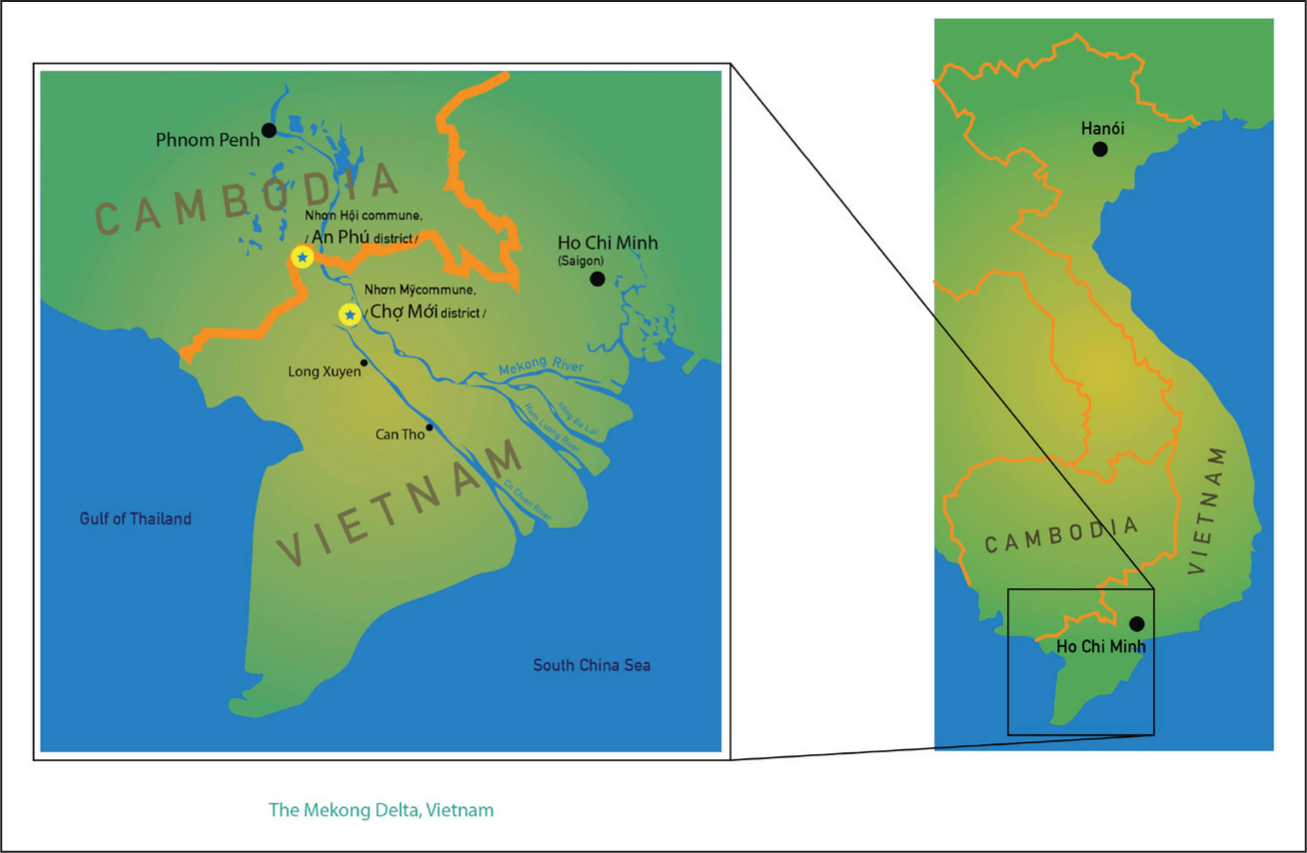
Nhon Hoi commune (population 10,690) 2 is located in An Phu district, on the border with Cambodia and beside Binh Thien Lake, the largest freshwater lake in the Mekong Delta region. It is considered to be among the poorest communes in the district 3 ; the majority of the population of Nhon Hoi commune are Cham, a Muslim minority ethnic group. In addition to agriculture and fishing, many households engage in trade across the border in Cambodia (although trade opportunities were significantly impacted by COVID-19). Nhon My commune (population, 23,411) 4 on the banks of the Hau River in Cho Moi district is inhabited by Kinh, the majority ethnic group in Vietnam. Its proximity to the provincial capital, Long Xuyên, provides residents with opportunities to access higher education and employment. Brick kilns nearby provide another livelihood option. Across both sites, most households are involved in agriculture, or agricultural labour for others, alongside off-farm income-generating activities. Many households in An Phu are engaged in aquaculture and fisheries (fishing, clam collection and cultivation of water mimosa) given its proximity to Binh Thien Lake. Fish stocks, however, are reported to have declined significantly in recent decades and water quality is affected by the chemical fertilizers used by those cultivating water mimosa, causing skin problems for those gathering clams. In both sites, research participants referred to the problems caused by the illegal use of electricity for fishing and the lack of law enforcement to ban this practice.
Pollution, land degradation and river erosion are issues of concern in both sites. Inadequate waste management has resulted in pollution and clogging of some water channels. In Cho Moi, local air quality has been affected by brick kilns, a rice mill and the burning of agricultural fields. In An Phu, there are many reports of shifts in farming practices and land-use—with fields previously used to cultivate rice, now being used to grow grass for cattle feed, spinach for the production and sale of spinach seeds, and the cultivation of mango trees. Both sites have also witnessed a reduction in the numbers of trees and a reduction of biodiversity (plant species, birds and insects).
In addition to this environmental degradation, residents of both sites reported many positive developments in recent years including improvements to infrastructure such as paved roads and access to services including electricity and clean water. These are highly valued, particularly by older people who have personal recollections of the challenges of living without these amenities.
IV. Methodology
This research is part of the Living Deltas Hub, a five-year (2019–2024) initiative funded by the UK Research and Innovation Global Challenges Research Fund working towards sustainable and equitable futures for those living in the delta regions of the Mekong and Red River in Vietnam and the Ganges–Brahmaputra–Meghna river system of India and Bangladesh (
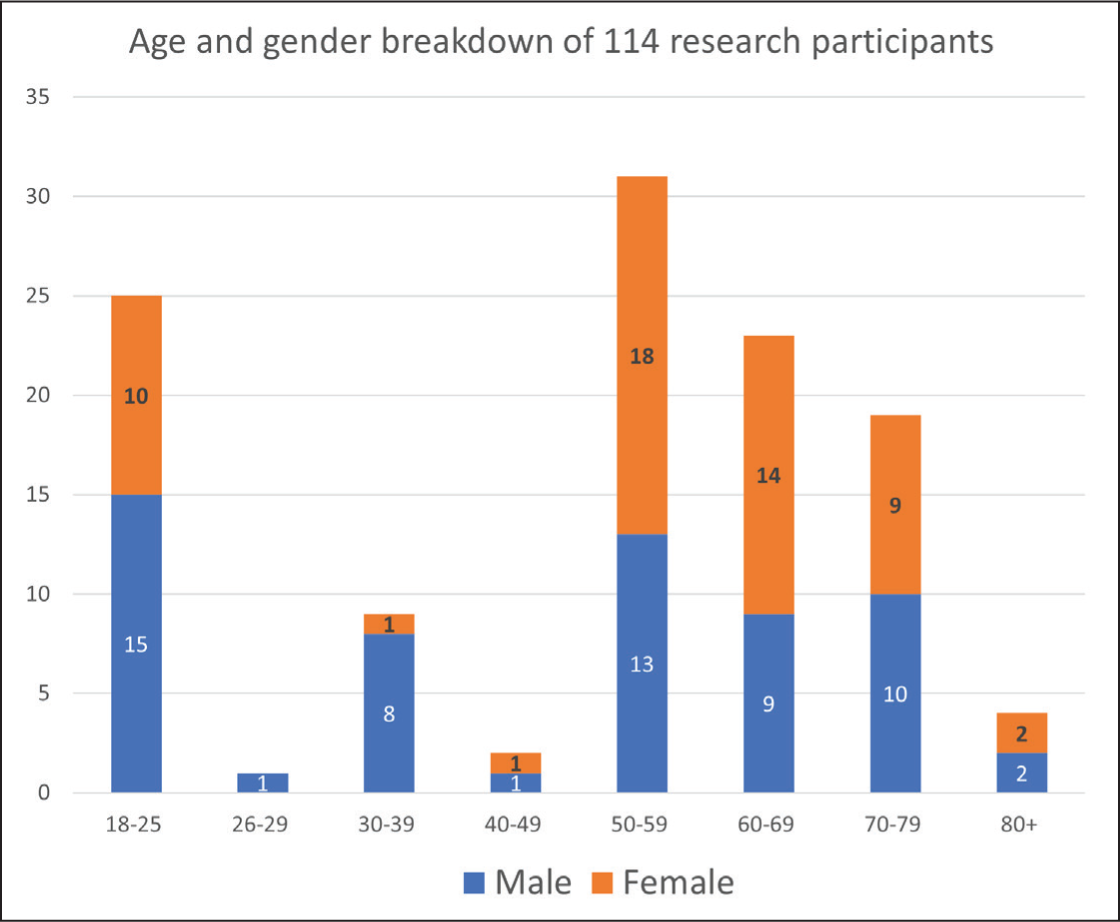
Research participants in both sites were recruited with the support of local authorities and community leaders. Younger research participants were between 18 and 25 years of age, and older research participants were between 50 and 87 years of age (see Figure 2). Participants contributed to the research in different ways: most shared their memories, knowledge and ideas in one-to-one interviews, and others by participating in various visual methods (mapping, participatory photography, seasonal calendars, timelines) undertaken in small groups. Some research participants contributed to more than one activity. All research participants, many of whom rely on labouring and/or petty trade for their livelihoods, were reimbursed financially for their time engaged in interviews and other research activities.
Breakdown of Research Participants by Age and Gender.
Oral history and visual research methods were new to the Vietnamese researchers and the original plan was for an in-person five-day workshop in Vietnam, with UK-based staff, facilitating training to introduce these approaches. The ongoing Covid pandemic in 2021 required a remote approach and so a series of 15 online workshop sessions were planned to take place around several field visits conducted by team members in Vietnam. The workshops conducted in advance of the first field visits involved the UK researchers providing guidance in oral history and participatory visual methods, but also covered issues relating to power, voice and interview relationships; research topics/themes; and managing consent (Warrington et al., forthcoming). The AGU research staff also delivered a session (in Vietnamese) to provide student researchers with a background to the research sites based on their scoping visits. The workshops between visits provided the opportunity for the field researchers to share their experiences of utilizing the methods and propose adjustments based on this experience. The field researchers also led initial discussions on the research findings, sharing their understanding of the data generated.
Prior to the first field visit, four community researchers were invited to AGU for a one-day workshop delivered by the AGU staff. This was an opportunity to build knowledge and ownership of the research with the community researchers and enabled all researchers (staff, student and community) to get to know one another.
The resulting data consist of 56 oral history interviews with primarily older people; 25 shorter interviews with young people; hand-drawn maps, photographs and captions by young research participants; and additional diagrams and accompanying audio from small group activities with older people to explore their community history (timelines) and agricultural activities and knowledge (seasonal calendars). Within this article, interview extracts and photography captions are referenced according to key identities (age and gender) and a site-specific numbering system.
The field researchers produced transcripts of the interviews in Vietnamese and notes of the group sessions. The transcripts of all 25 youth interviews and 36 of the 56 oral history interviews were translated into English. Vietnamese and English interview transcripts, diagrams, notes and photography captions were reviewed by different team members and coded to identify emerging themes. Thematic analysis was collaborative and iterative: themes emerging from the interviews were reviewed and discussed during a series of online analysis sessions involving the UK and Vietnam-based researchers. Combining oral history with participatory mapping and photography enabled us to capture temporal and spatial understandings of place as well as record older and young people’s relationships with their environment (Anderson, 2008; Fang et al., 2016). These methods value subjectivity, recognize multiple truths and contradictions, and celebrate knowledge and expertise based on lived experience over time (Warrington, 2011).
Limitations
COVID-19 impacted the methods of training (a shift from in-person to remote) and data generation (change of research site, reductions in size of group-based activities). The research was originally planned to take place in one in-land site (An Phu) and one coastal site (Tran De district, Soc Trang province). The coastal site was known to be experiencing more immediate impacts of climate change—saline intrusion and coastal erosion. Due to COVID-19, the community in the coastal site decided not to participate in the research.
The UK-based lead authors/researchers were distanced from the research sites, in terms of geography but also language. They did not speak or write Vietnamese which limited their engagement with the data and discussions with some of the Vietnam-based researchers. These distances are typical of many international research projects funded and coordinated by academic institutes in the Global North (Noxolo, 2017). We acknowledge the inherent coloniality and worked towards reducing power imbalances between researchers, and between researchers and participants through collaborative approaches across all aspects of the research. We recognized that we worked in partnership, with UK-based researchers providing input on collaborative approaches and methods, and AGU colleagues contributing their knowledge of the context and issues. The data were generated by Vietnamese researchers using inclusive methods and approaches that enabled a diverse group of women and men across both sites to share their knowledge and experience of environmental change.
V. People, Place and Relationships
Relationships with Place
Place attachment is built over time through connections and interactions with the environment and can contribute to an individual’s sense of well-being (Yoshida et al., 2022). In our research sites, the peacefulness and tranquillity of rural life were appreciated by both younger and older people. A young woman (ChoMoi45) shared: ‘It’s worth living here because I think this place is peaceful. For example, I study in the hustle and bustle of the city, coming back here puts my soul at peace.’ For many interviewees, the home and its immediate surroundings were recognized as a place where they feel happy and comfortable. The household is, therefore, an important context for attachment, identity and decision-making. Outside of the home, research participants highlighted football fields and playgrounds as places they enjoy for leisure (see Figure 3) and well-being. These sites serve as places of social connection where groups come together, including across generations. An older man (age 61) explains:
…there is a mini football field nearby. In the morning and …especially in the evening, many young people will come to have fun…There are also people who watch and enjoy the games. Sometimes I take my grandchildren there to watch people play football in the evening. (ChoMoi04)
Map Produced by Young Female Research Participants in An Phu.
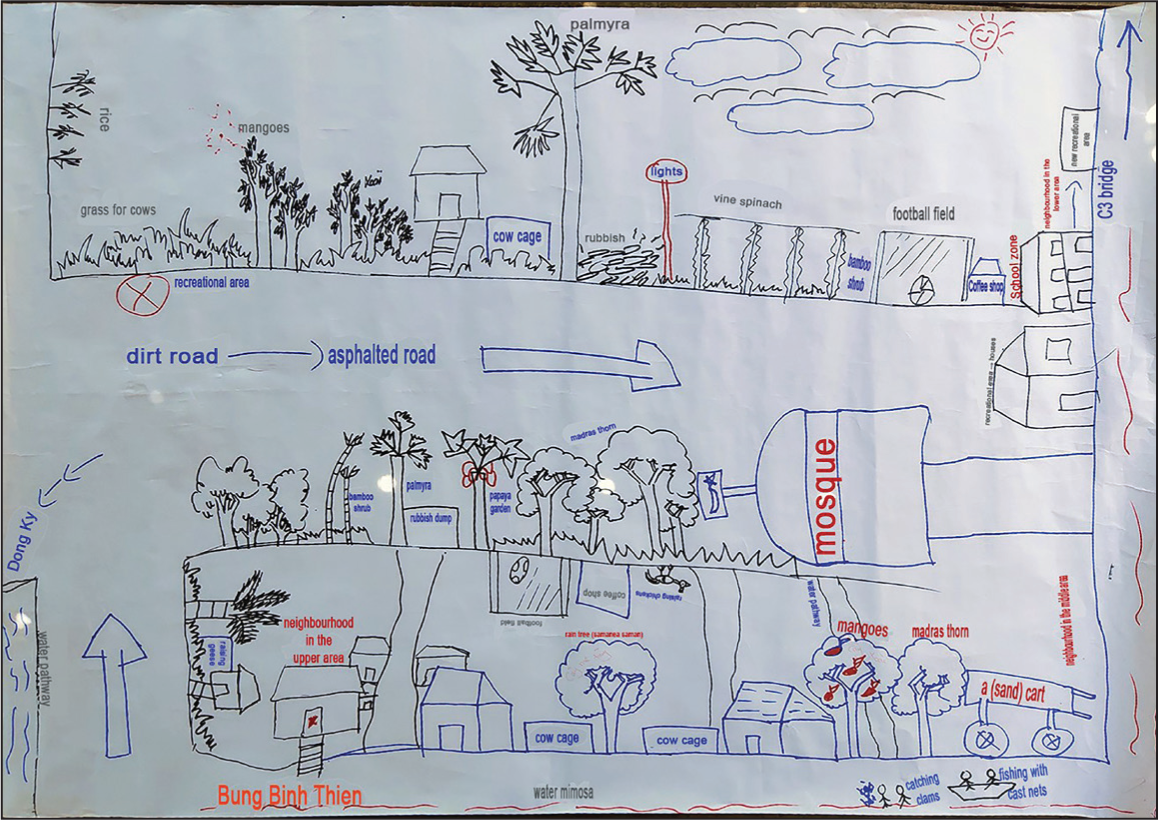
Unfortunately, these spaces are under threat due to the construction of new houses, leaving fewer public places for people to meet. The loss of public space and the social capital facilitated through intergenerational connections presents a barrier to establishing social networks that could facilitate environmental action (Anton & Lawrence, 2016; De Dominicis et al., 2015).
Experiences of playing in nature during childhood are an important way that participants, both young and old, formed an attachment to the environment. Many shared memories of playing outside and enjoying traditional games. An 81-year-old woman recalls: ‘I often played rope jumping, tree climbing, I climbed to the top to compete with friends to see who could climb higher’ (ChoMoi26). Rivers and lakes were particularly important sites for recreation with people across generations and research sites remembering how they enjoyed the water. A young woman (AnPhu34) explains: ‘I used to swim in the river, because the water there was very clean. Every time the water rose, we cut banana trees to use [as floats] for swimming.’ Positive connections with nature in childhood have been shown to lead to pro-environmental behaviours in adulthood (Rosa et al., 2018). Outdoor recreation can, therefore, contribute to a propensity for environmental action by fostering bonds between people and place.
In addition to play and leisure, work and productive activities contribute to evolving relationships with place produced through the interactions between older and younger people and their environment (Cresswell, 2014). Agriculture and fishing remain important to rural livelihoods in the Mekong Delta. Older people highlight that diversification of livelihoods has been a historical norm as combining multiple livelihoods offers some protection against unexpected losses. Connecting with the environment through multiple productive relationships demonstrates how adaptation is not a new phenomenon but part of the way these communities have historically lived within a changing environment (Westoby et al., 2020). However, strategies of diversification may now be trending towards livelihood fragmentation which sees poor households forced to adopt multiple marginal livelihoods as each becomes individually unviable, leading to increased precarity (Mikulewicz, 2020).
Research participants indicate that natural resource-based livelihoods are increasingly the domain of older generations. An older woman (61 years) in An Phu said: ‘About the environment? [Young people] seldom ask about that. They don’t even fish in the river. They grow up and learn things, get certificates or degrees and travel all over the place. The people searching for freshwater clams all are seniors like me’ (AnPhu09). In some cases, this transition has been deliberate due to the reduction in available land which has been sub-divided through generations or as both parents and children associate fishing and farming with poverty and aspire to other careers or migration to urban areas. Older people’s productive and reproductive labour plays a critical role in facilitating rural–urban migration of younger family members, as Lawreniuk and Parsons (2017) found in neighbouring Cambodia. This interdependence between generations is characteristic of the filial responsibilities embedded in family relationships (Teerawichitchainan et al., 2019).
These examples demonstrate the important contribution that older people are making to adaptation strategies for rural livelihoods, including migration. However, many young people, in our research and elsewhere, express a strong desire to find work in their home village, though this is not always possible (OECD, 2017). This highlights the importance of attachment to place to understand whether migration is a strategy of aspiration or an economic requirement.
While older people remain active in natural resource-based livelihoods, their roles have not remained stagnant. Rather, the economic transformation that took place in Vietnam after the Doi Moi reforms in the late 1980s has changed the relationship between labour and land (Liu et al., 2020). Older people in this research noted that natural resource-based livelihoods have become less labour intensive: ‘It was more difficult in the past, mostly because I had to use my own strength a lot, so it was a bit exhausting. Now, the machines do all the work, so, I don’t get as tired…’ (male, 82 years, AnPhu21). This change was welcomed by farmers, who were positive about the direction of economic development in their communities. This dynamic process will inform the potential for adaptation and environmental action as individual motivations will change with these shifts in relationships between people and place (Quinn et al., 2015). In this case, the proven experience of older farmers to adapt to changing agricultural technologies supports their potential as environmental ‘champions’ (Haq, 2017), with a key role to play in environmental management.
Disruptions to Place Attachment
Uncontrollable changes to physical surroundings can disrupt place attachment, lead to a loss of connection and provoke feelings of trauma (Devine-Wright, 2013). Thus, the emotional attachments to specific places and how they are being compromised by environmental degradation are an important factor influencing relationships between individuals, communities and the local environment.
In both An Phu and Cho Moi, the peaceful nature of rural life valued by participants has been disrupted by changes to the environment (see Figure 4). The abundance of wildlife and trees in the past was highlighted positively in interviews with older people and their loss has negatively impacted perceptions of their communities as places where natural resources were plentiful. One man (61 years, ChoMoi04) said:
These creatures, or wild animals like snakes, centipedes, or turtles are still found in the fields, but they are rare… Like fish and crabs, especially field crabs, because of the chemicals, the ones we use when growing rice plants, they are almost exterminated and extinct…
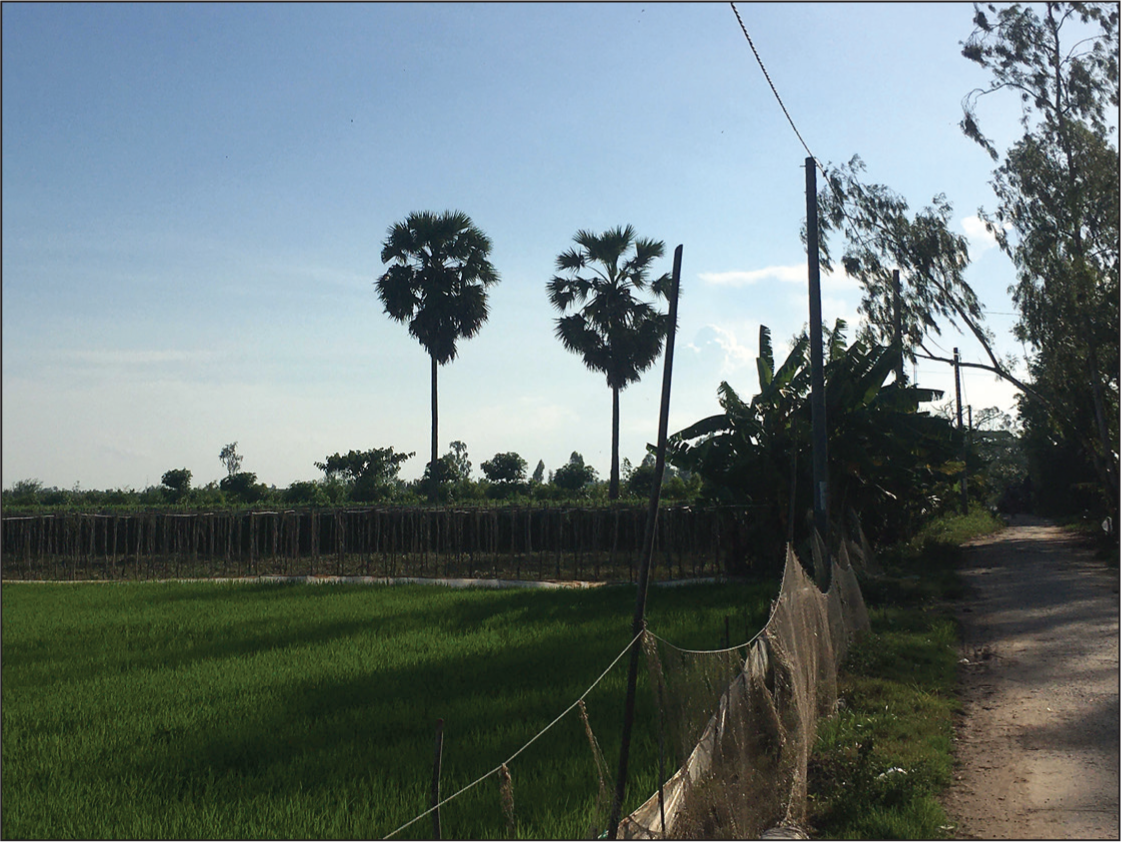
The disappearance of certain plants and animals is both an emotional and an economic loss, says one older man (ChoMoi32) when comparing the prevalence of sesban flowers (a common edible plant) over time: ‘They were countless, and they grew naturally in nature… We ate them… People seldom sold it. In the past, everyone could pick it themselves, but now, it is so precious.’ This transition is noteworthy as older generations were generally forthcoming about historical problems and did not appear to be nostalgic for the past.
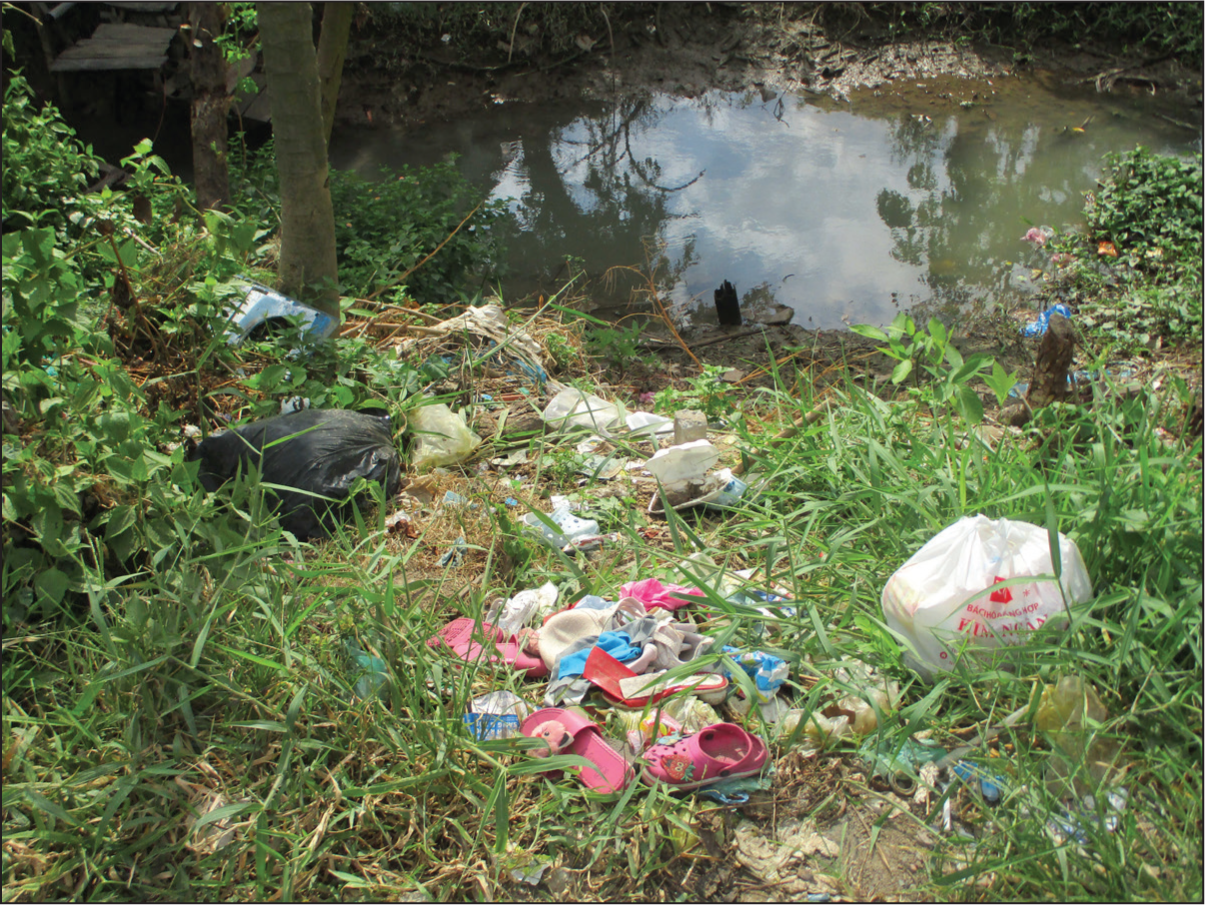
While economic policies associated with Doi Moi have contributed to increasing prosperity, some public services (such as waste collection) and awareness of environmental protection have not kept pace, leading to widespread environmental challenges (Bruun, 2020). One young woman (ChoMoi44) shared that: ‘There was a river in front of my house in the past but throwing garbage and building houses has narrowed the river. Now there isn’t a river anymore, it’s more like a landfill.’ The problem of litter was raised in both research sites despite recent improvements in waste collection from the local authorities (see Figure 5). This deterioration of environmental conditions is impacting relationships of work and leisure which give meaning to place (Cresswell, 2014). Notably, childhood experiences of nature which were shared by both older and younger research participants are not available to the current generation. Said one young woman: ‘Parents of young children now rarely allow their children to play outdoors because the environment is currently quite polluted. Young children now often stay at home to use a smartphone and play online games’ (21 years, ChoMoi33). This deterioration of place has been shown to be a threat to well-being, which may act as a barrier to taking positive environmental actions (Junot et al., 2018).
Across both sites, interviews and visual data demonstrate how work and livelihoods have been influenced by external political and economic forces including the policies and processes of industrialization associated with Doi Moi. This has created both opportunities and disadvantages at the local level. The construction of the embankment system in the 2000s transformed the region, turning the Mekong Delta into a significant exporter of rice (Nguyen et al., 2019). Yet, despite the Vietnamese government’s continued prioritization of rice production, the work of Bruun (2020) shows that the stronger the reliance on paddy, the poorer the household (178). In our research sites, participants explained how the loss of flood water has resulted in an increase in pests no longer kept in check by flooding and a loss of replenished alluvial nutrients from agricultural land. A three-crop cycle, therefore, requires more chemical fertilizer, which over the long term has contributed to the degradation of water and soil.
The reliance on chemical agricultural inputs is a concern across generations. Both younger and older farmers recognize they are trapped in a vicious circle of chemical inputs leading to poor quality soil which then requires more inputs. An older man of 71 (AnPhu16) explains: ‘Today if any farmer applied the ways we did in the past, not using fertilizers or pesticides, he would have nothing to eat because of the insects, diseases and the weather too.’ This has led to stress about the future of farming, the cost of inputs and the safety of the food produced. A man of 76 years (ChoiMoi32) states: ‘The rice today seems more dangerous to eat…. Because people still spray [pesticides] even 10 days before harvesting [so] the residue remains in the rice. I think it will affect our health ….’ Farmers must weigh long-term concerns about health and soil quality against short-term livelihood pressures, with the short-term most often winning out. This echoes research from North Vietnamese craft villages which found that residents are aware of risks associated with pollution but chose not to take mitigation measures where they were perceived to negatively impact their livelihoods (Dang & Tran, 2020).
Despite concerns about environmental degradation, older and younger people in our research sites were positive about the direction of development in their communities. Many spoke enthusiastically about improvements to infrastructure, such as the convenience of paved roads. One older woman (age 86) explained:
In recent years, life has changed for the better. Honestly, life was previously a bit difficult. People are also facing difficulties now, but our living is better than in the past. People now have pretty good electricity, tap water and convenient roads. (ChoMoi01)
These positive developments may support continued place attachment as many participants expressed hope and optimism about the future. However, some recognized that improvements to infrastructure were helping to mask problems caused by a deteriorating environment. For example, concern over water pollution was mitigated by the availability of clean piped water. Said one young man (age 20): ‘…in my area, there is tap water. And river water is only for irrigation, so for water pollution, people don’t care’ (ChoMoi42).
The relationship between individuals, communities and the natural world is a continuous process of ongoing ecological and social change, influenced not only by practical considerations but by values, beliefs and emotional attachments that frame how people live in a place (Fresque-Baxter & Armitage, 2012). It is important for development practitioners, researchers and policy-makers to understand the diverse values and identities expressed by community members and their multiple relationships with place to develop relevant and sustainable ways to address environmental problems.
People, Place and Action
As older and younger people expressed a range of different values and associations with place, so too do they participate in their community in multiple ways, including in the management of resources. For example, older people play a critical role in leading activities related to community solidarity and caring for the local environment. Our research revealed that mutual support through donations of food or money is practised in both communities with contributions based on economic conditions. An 82-year-old man reports that this has been a long-standing practice in An Phu, where it is also part of Muslim tradition:
… nowadays if a sick person doesn’t have the capability, the neighbourhood will make donations to help them. Not only the sick people, but also the people that are incapable and are very poor … have received help from the community. This kind of help has existed long ago, it doesn’t just appear recently…. Our community doesn’t abandon others, because people in the society should help each other out. (AnPhu21)
Though older people may at times be recipients of this assistance, they are also active in organizing and providing it as well. Along with examples such as older people’s willingness to embrace new agricultural technologies, this raises critical questions about the typical framing of young people as agents of change and older people as vulnerable. In our research context, older people remain active in their communities in economic activities—including agriculture- and social actions, which reflects the importance of mutual responsibility in Vietnamese identity (Meeker, 2019). This supports the need to move beyond fixed categories and look instead at how relationships contribute to the social production of place (Massey, 2005).
A focus on intergenerational relationships has shown that the willingness and ability to take action is situational with younger and older people both speaking up and staying silent depending on the context. For the purposes of this research, we asked older and younger people whether they tried to address the environmental concerns they had identified. In the two sites, there is a reluctance to speak up about the management of environmental issues which extends across both younger and older generations and relates to a fear of creating conflict. There is a strongly held belief that people have the right to manage their land as they see fit and that keeping the peace within the community is of the utmost importance. One respondent who did speak up was an older man (age 71) from An Phu but he confirmed that this was not well received: ‘My wife yelled at me all the time, saying that I should not get into other people’s business. I felt uncomfortable about that.’ He went on: ‘I not only talked but I also practised and set personal examples. She said that I talked too much and people hated me’ (AnPhu16). This man’s determination to speak up is noteworthy in the context of his generation. Ruling elites have historically used fear and silence to maintain political control, particularly during the period post-reunification (Nguyen & Datzberger, 2018), as such older people who lived through this period are understandably anxious not to be seen as creating conflict. This shows the importance of historical, cultural practices and values in shaping decision-making around environmental challenges (Pelling, 2012). Though many environmental problems are widely recognized, societal norms prevent community members from holding each other directly accountable.
The reluctance to speak up about environmental issues was particularly evident in intergenerational relationships between younger and older people. One young woman (ChoMoi44) explained: ‘Around my house, my neighbors are older than me and we live on our own. We don’t usually talk to each other… Only my parents talk to the neighbors because they are of the same age.’ Age hierarchy is an important characteristic of Vietnamese society, extending to signifiers of respect and relationships being embedded in forms of address (Luong, 1988; Sidnell & Shohet, 2013). Age is just one facet of an individual’s identity that shapes their role in society, with other factors such as gender also influencing where and how individuals are heard. In An Phu where cultural norms restrict young women’s mobility in public spaces, young female research participants reported a disconnection from public life. One young woman (AnPhu34), aged 19, said: ‘Women are not allowed to go out on the street much. We have to stay at home a lot
Given the importance of social networks in facilitating environmental action (Anton & Lawrence, 2016), understanding the dynamics of communication within the community is an important building block for understanding how to support local leadership in addressing environmental challenges. This research found that knowledge about appropriate management of the environment is typically passed down through generations:
Young people have a vital role because they can remind younger children to participate in activities. We can remind children not to litter indiscriminately and not to destroy trees in the neighbourhood. For the elderly, they can remind their children and then their children disseminate information to their grandchildren. (female, 21 years, ChoMoi33)
At the same time, older people expressed admiration for the knowledge and education of younger generations. A 73-year-old man says: ‘They are smarter and study better, so, they have much more advanced thinking. They also study for doctoral degree, Bachelor’s degree. In general, they are much better’ (AnPhu06). While age hierarchies do exist and may at times influence patterns of communication, this research shows that mutual respect between generations also exists, where differences are valued and appreciated. This gives evidence for the need to move away from development research and programming that sees older people as beneficiaries and young people as leading change. Instead, creating opportunities for collaboration between younger and older people may provide pathways for dialogue about the environment, building on existing social capital between generations.
Furthermore, the mismatch between the scale of decision-making (household) and that of environmental concerns (community) can present a challenge. For example, the imperative to avoid conflict extends to discussion over how to manage communal resources. Many people in both research sites identified rubbish in the river as an important environmental issue but also voiced an unwillingness to tell their neighbours how they should properly dispose of their trash. In this region, a preference for household-level decision-making and investments related to agricultural livelihoods is long-standing and consistent with historic resistance to collective management of resources imposed by the central government (Raymond, 2008). The absence of collective action was, however, noted with regret by some participants. One young woman shared: ‘I want everyone to join hands in order to clean up this place. However, I have no power because people have the right to do anything in their lands. I only keep silent and observant’ (AnPhu27). This raises questions about the degree of self-efficacy experienced by younger and older members of these communities as well as the potential for generating social networks in support of environmental actions (De Dominicis et al., 2015). Individual community members do not necessarily feel they have the power to initiate collective action for the environment.
In both research sites, leadership for environmental action is sought from local authorities and community institutions. For example, in the Kinh-majority research site, young people highlighted the role of the Youth Union in organizing environmental actions like tree planting. The Youth Unions are an extension of the Communist Party of Vietnam and generally take their priorities from the central government, although in some cases there is scope for them to identify their own local initiatives, provided these are not political (Beckwith et al., 2022). In the Cham community, mosque leaders were perceived to play an important role in speaking for the community, though interviews did not indicate that they had identified local environmental issues as a priority for action. Nevertheless, it is important to recognize how the community perceives responsibility and leadership and consider how local institutions and authorities can be included as potential partners for environmental action. A better understanding of the leadership role of religious and cultural institutions could give fresh insight into the complex relationships between people and place.
VI. Conclusion
Discussions of place attachment help shed light on the multiple ways place is valued and the complex relationships that can exist within places, the personal meanings and understanding of place, and the implications for when, who and how people interact with and value their environment. The importance of nature and natural resources needs to be seen as existing within a web of complex relationships that have internal and external social, political and environmental dynamics. Our analysis, therefore, gives evidence for the importance of a contextualized understanding of the relationships between people and place as a foundation on which to build local responses to environmental challenges.
Recognizing the importance of the multiple values of nature in informing appropriate solutions for local environmental challenges, this paper makes three key contributions:
First, by centring the concept of place and advocating for an in-depth understanding of relationships between people and place, this research has expanded the literature on environmental change in the Mekong Delta, supporting the need to move away from a climate-only lens towards a focus on the environmental values and concerns identified by individuals themselves. This does not detract from the seriousness of the climate crisis. Rather, this research provides evidence of the potential for formulating development policy and practice that starts from listening attentively to all community members, acknowledging the realities of rural life and bringing community members into the process as experts in the management of their own environment
Second, this work contributes to the literature on ageing and environmental change which has predominantly focused on the vulnerability of older people, with little attention given to the more productive aspects of their relationship with the environment. More research is needed to redress this balance, given the key role that older people are playing in natural resource management, in rural areas of the Global South. This research suggests some interesting areas for further exploration including the influence of historical, cultural and religious contexts on how older people relate to place.
Finally, this paper brings together the lived experiences and perceptions of environmental change, of both younger and older people, showing how much common ground exists between generations in terms of shared values and concerns. Both older and younger generations (along with middle generations) have important roles to play in the management of natural resources and in addressing environmental challenges. Exploring these experiences alongside intergenerational relationships has challenged oversimplified categories and shown both older and younger people to be at times vulnerable and productive, to keep silent and to create change, and also reveals a mutual respect for each other’s knowledge and expertise that recognizes complementary differences in terms of capacities and needs. This should encourage researchers and policy-makers to assess the potential for participation in the management and protection of the local environment that is inclusive of all generations.
Footnotes
Declaration of Conflicting Interests
The authors declared no potential conflicts of interest with respect to the research, authorship and/or publication of this article.
Funding
This research was undertaken with support from UK Research and Innovation, Grant/Award Number: NE/S008926/1 with additional funding by the School of History Classics and Archaeology (Newcastle University); Northumbria University and Vietnam National University Ho Chi Minh City (VNU-HCM) Grant Number TX2023-50-01. This article draws on data that will be made available via Newcastle University's Research Repository (