



Abstract
In 2025 we all live with a heightened sense of vulnerability. Daily, the rights of children and families are breeched in unconscionable ways. It is ever more urgent to sustain a sense of hopefulness and to imagine the world otherwise. All hope involves risk, and risk entails vulnerability to failure. Commonly understood as signaling potential physical or psychological harm, in some contexts vulnerability may be a source of strength and connectivity, a personal and social good. Our goal is to prompt conversations about the practical and emotional benefits of living vulnerably. We argue that for students and teachers alike, a posture of vulnerability can help us to remain open to who and what shows up in educative contexts. Initially a performance at the 2024 Reconceptualizing Early Childhood Education Conference challenging traditional “stand and deliver” modes of conference pedagogy, Viable Vulnerabilities employs an alternative format including “call and response” storytelling, music, and images. Our conference performance, worked through affect rather than reason, prompting the sympathetic imagination rather than the absorption of predigested conclusions. We hope this text will function similarly for readers of Contemporary Issues in Early Childhood Education.
In 2025, it is difficult, if more urgent than ever, for progressive, democratically committed educators to sustain a sense of hopefulness in the face of the rise of authoritarian demagogues around the world. Their flagrant disregard for human rights, the widening gap between rich and poor, and the misuse of or often total disregard for the natural environment makes it easy to give in to despair. But hope, and the commitment to imagining the world otherwise, inevitably involves risk, and risk makes us vulnerable to the potential for failure, for revealing our inappropriate, misguided, or thankless investment in a future that may not materialize. By shining a light on the way that vulnerability itself can be a source of strength for, and connectivity with, students of any age, we offer ballast against despair and suggest a posture that helps young people to remain open to who and what shows up in their educations (Salvio, 2007; Shelton and Melchior, 2020).
Conversations about vulnerability begin in complexity and contradiction. Vulnerability is context-specific: the same characteristic that leads to oppression in one society can lead to a position of power in another. While vulnerability is often externally imposed, it can also be turned into an agentive choice and a form of social praxis that permits us to remain responsive to new ideas and points of view (Brantmeier and McKenna, 2020; Sedgwick, 2003).
Our curiosity about vulnerability is consistent with the long history of the reconceptualizing early childhood education (RECE) scholarship that has redrawn the map of childhood to focus on the strengths and competencies of children, their caregivers, and their families. A history that acknowledges learning often also involves loss and vulnerability when familiar ways of knowing are interrogated and new ones are not yet fully integrated (Silin, 2018). We also follow in the wake of the autobiographical scholarship that flourished in the late 20th century (Behar, 1996; Gallop, 2002) and acknowledge that the willingness to live in uncertainty and not knowing is akin to the epistemological humility that grounds many Indigenous ways of knowing (Absolon, 2022). Our overarching goal is to frame vulnerability as a personal and social good, an essential fiber of human connectivity that allows us to thrive in adversity.
This colloquium began as a performance at the 2024 RECE conference. In addition to offering an expanded vocabulary for engaging with the practical and emotional realities of living vulnerably, we wanted to challenge traditional modes of conference pedagogy. Throughout our professional lives, we have each spent hundreds of hours in “stand-and-deliver” presentations, often impatient and exhausted while speaker after speaker reported on their methods, data, and findings. Our shared interests in vulnerability provided a unique opportunity to create an alternative format that worked through affect rather than reason, prompting the sympathetic imagination rather than absorbing predigested conclusions (Osgood et al., 2020).
“Viable Vulnerabilities” and the conference session on which it is based are structured as a reciprocal conversation in a call-and-response format. Each story of vulnerability remembered is met with a response from another. Images and music are used to pace and enhance the storytelling. The goal is to honor the differences among the six participants rather than flatten them through traditional scholarly vocabularies and formulas (Carter et al., 2014). Sitting in our differences and keeping in check the impulse to fix or resolve, we intend to open a space in which we are each knower and learner, certain and uncertain, passive and potentially agentive: we become vulnerable, and vulnerability brings with it the possibility of previously unthought ways to engage in/with the world (Seedat, 2018).
To challenge the traditional scholarly reliance on a linear progression of ideas and to allow for moments in which the new and unrehearsed might surface, we punctuated each story–response dyad with a musical interlude drawn from Miles Davis’s jazz classic “So What” on his 1959 album Kind of Blue. We chose “So What” because it marks the inception of modal jazz—compositions driven by modal (open-ended explorations of scales) rather than traditional chords, giving musicians an invitation to meet each other and play in the open spaces contained within predetermined “modes.” Modal jazz was largely unrehearsed and recorded in one take, resulting in “performances electrified by the anxiety and excitement of discovery, of musicians fumbling and fretting and figuring out each song's melodic potential and essential character as they went” (Gilbreath, 2013). Similarly, we invite the reader into the intimacy of our exchanges without expectation of where we will all end up. Please access “So What” and play it before, after, or while you read (“So What” can be accessed at: https://soundcloud.com/milesdavissonymusic/so-what-337167354?utm_source=clipboard&utm_medium=text&utm_campaign=social_sharing).
Weaving vulnerability into work and life for authentic relationships: Kyunghwa's story
Growing up in Gyeongju (Figure 1), the ancient capital of the Silla Kingdom in South Korea, I was deeply immersed in Confucian traditions. My mother's mantra was simple yet profound: “Always tell people what you can’t do well first.” Though I can’t recall when she first taught me this, it became central to my life, guiding my relationships through honesty and humility. It also taught me that one's strengths emerge through authentic relationships.
Gyeongju.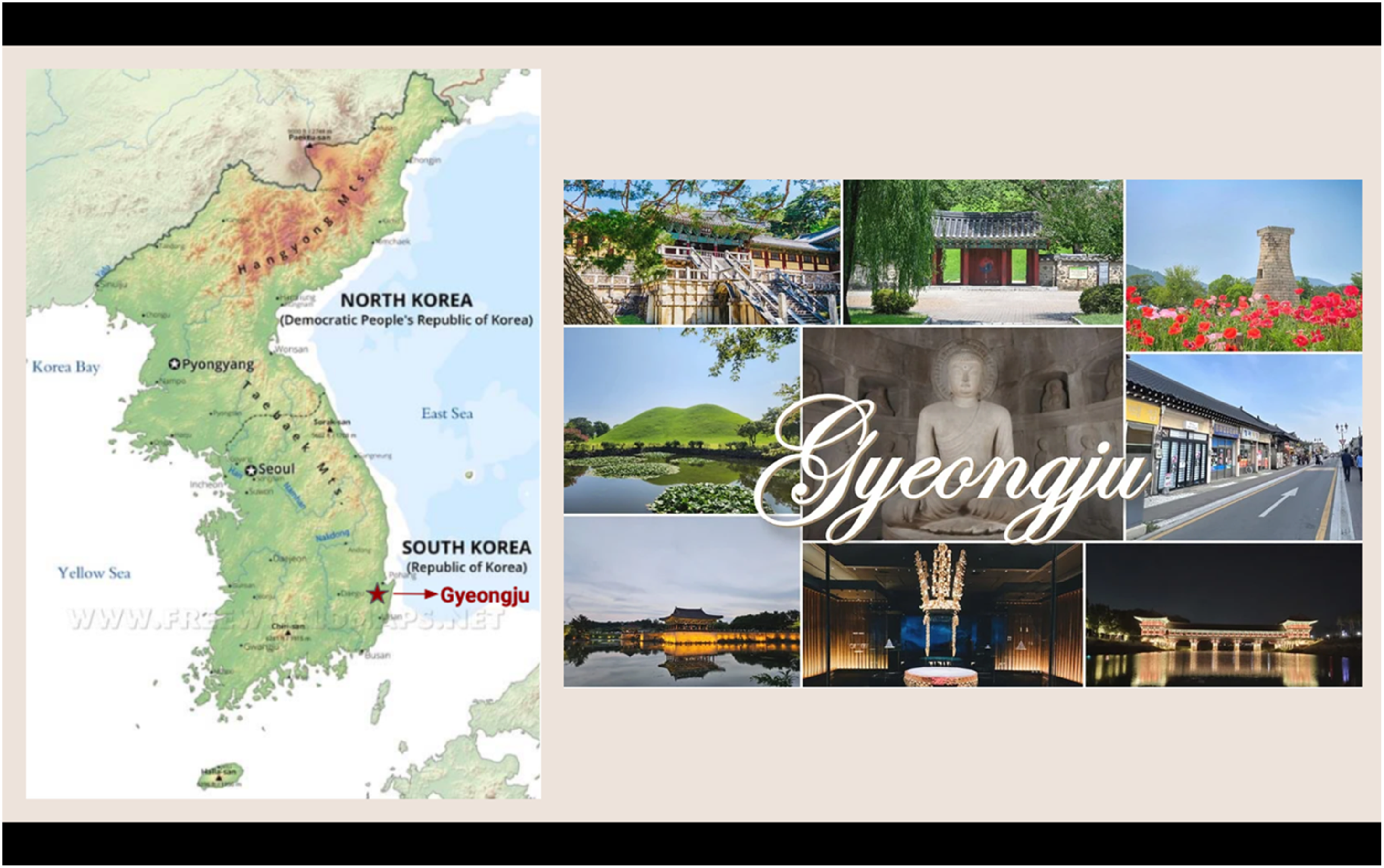
My journey took a turn when I left Gyeongju for Seoul to attend a prestigious women's university, where I navigated subtle cultural shifts. However, it was as a graduate student at the University of Illinois that I first encountered profound cultural dissonance. My advisor suggested applying for a teaching assistantship at a university lab school to improve my English and gain experience working with children in a US school.
During the interview, I faced an alien question: “What are your strengths and weaknesses for this job?” It was the first time I was asked to articulate my strengths. I stumbled through my response, detailing my weaknesses—limited English proficiency, unfamiliarity with the US education system, and potential complaints from parents due to my inexperience as an international teaching assistant at a school for gifted children. When it came to strengths, I froze. “You’ll find my strengths after working with me” was the best answer I could offer. Although hopeful, I didn’t get the position. I understood, given my limitations.
A year later, the same opportunity arose at the same school. Determined to know what it was like to work as a teacher in a US classroom, I prepared for the interview, expecting different questions (e.g. differences between Korean and US early education and how I would navigate them as a former Korean kindergarten teacher). But I was asked the same question. I gave the same responses and was turned down again. Frustration and doubt crept in. I wondered if the director was setting me up to fail, probing my weaknesses because she believed I had no strengths. It wasn’t until I interviewed at over 20 US universities, including a dozen campus visits, that I realized this was a common interview question.
Shweder et al. (1998) discussed how different cultures conceptualize the self. For my mother, who embraced traditional Korean views on the relational self, sharing one's weaknesses wasn’t a sign of self-deprecation or low self-esteem, as it might be in some middle-class Euro-American cultural communities valuing the autonomous self. Instead, it was a proper, traditional Korean way of being—concerned with fitting in, sensitive to potential inadequacies, and striving for improvement. Her lesson was rooted in the belief that vulnerability evokes empathy, kindness, and support from others.
I’ve come to understand that making oneself vulnerable can be riskier for some, given varying intersectional identities. Some adults and programs exploit children's vulnerabilities. Yet I wonder how classrooms can become sanctuaries where both adults and children feel safe sharing their vulnerabilities, fostering authentic relationships through empathy, trust, and a willingness to work around and with those vulnerabilities.
During a visit to Korea last summer, I overheard my mother's phone conversations with elderly neighbors from Gyeongju. Their dialogues revolved around health issues and news of passing, always ending with heartfelt wishes. I felt a deep sadness over aging and guilt for my limited availability due to my work and life across the Pacific. I was grateful my mother had these bosom friends. Their exchanges deepened my appreciation for how shared vulnerabilities strengthen our bonds as we navigate the challenges of life. I am left pondering how embracing vulnerability can make us stronger collectively.
Being vulnerable in complex systems: Janelle's response
Kyunghwa, I am deeply grateful for your story. Jonathan and Chelsea shared a call-and-answer tradition and so, in my response, I follow that practice to reflect on my understanding and experiences of being vulnerable.
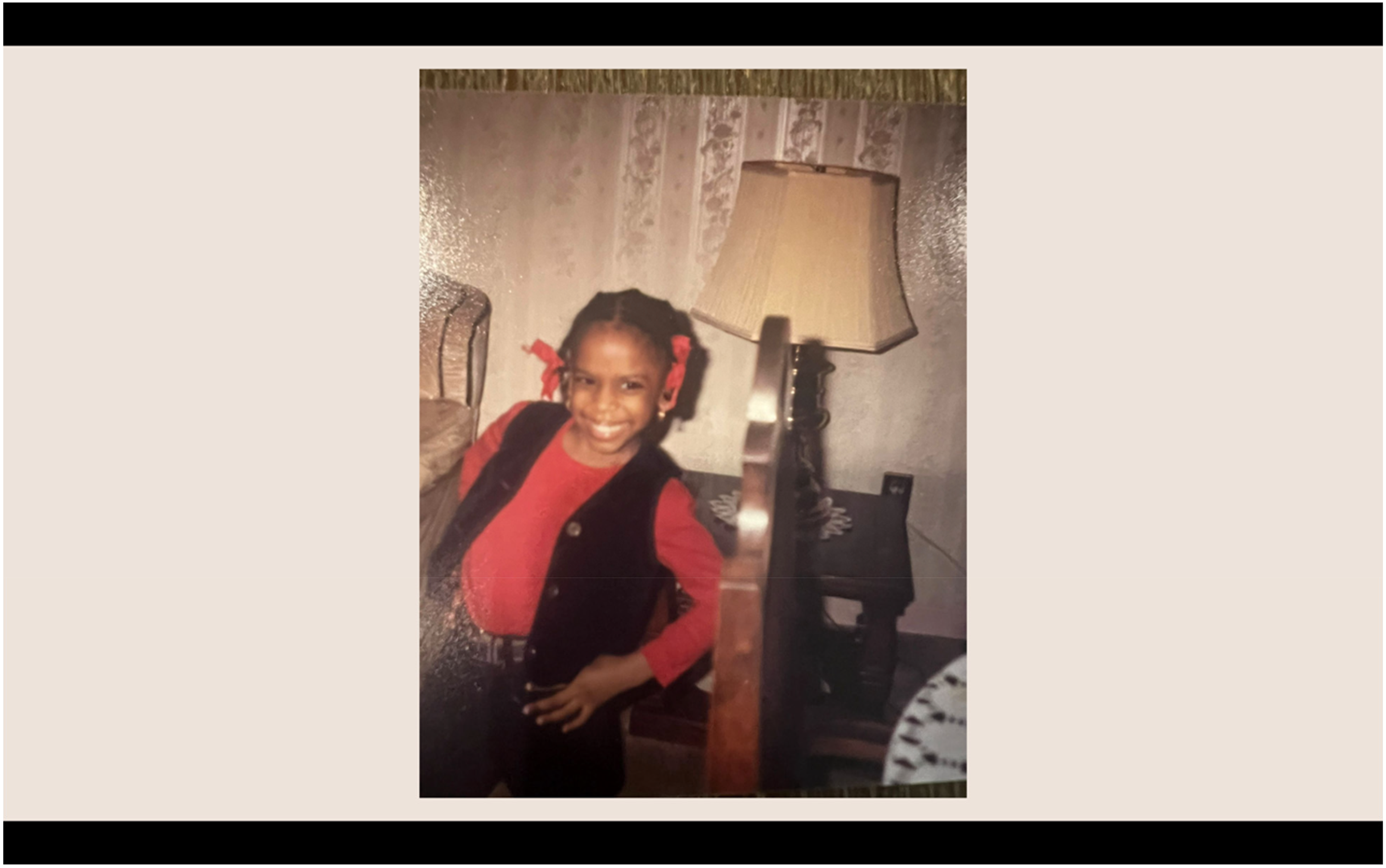
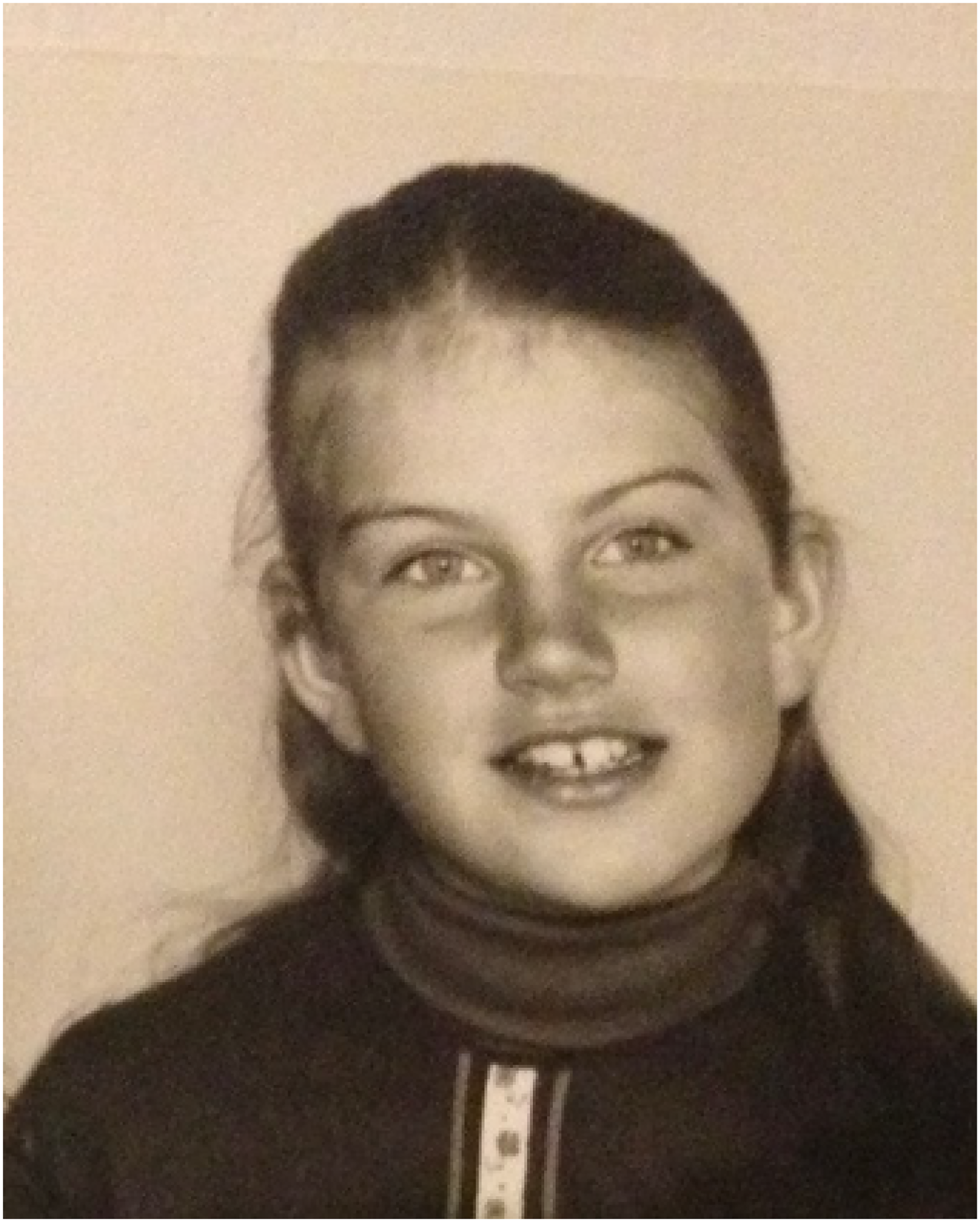
I remember when I was in the second grade (Figure 2) announcing to my father, “I’m smart,” after feeling a sense of mastery over time, and being corrected by him, “Never say you are smart. People who are smart don’t say that … there's always more to learn.” With that, I continued to develop a curiosity and desire to learn more while giving back through fostering relationships.
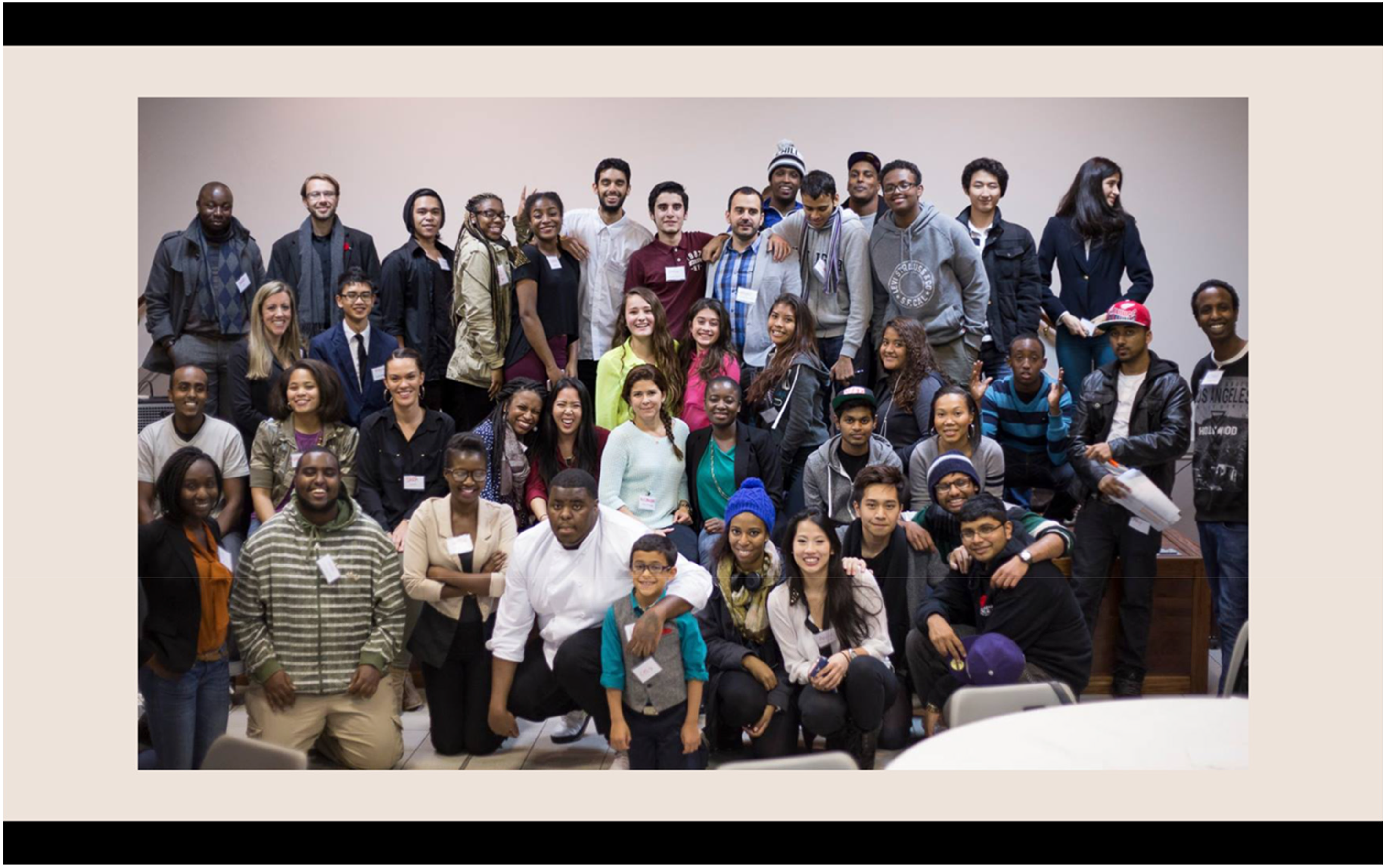
The first year of high school was one where I made friends, got involved in extracurricular activities Figures 3 and 4, and excelled academically as an honor roll student. The following year, my mother and I moved to Brampton, a suburb outside of Toronto. I was not looking forward to the change, but I made it work and again formed friendships and community in my new school. However, I was unable to foster this bond with many of my teachers.
In this new high school, I was taught by all White staff. I was used to expanding my curiosity in a way that demonstrated humility and getting to know my teachers while they got to know me. I was not used to putting myself out there as a “smart person” based on my father's teachings. I was not only taught by my father lessons early on about vulnerability, but I also experienced being vulnerable by way of systemic barriers tied to race, class, and gender. At the time, my mother would travel from our apartment two and a half hours through multiple transit systems to work in a telephone directory's sales team department. I would wake up early each morning at five to help her get organized and out of the house with her travel mug of coffee. I would then go back to sleep and wake up to either walk or take the limited transit available to school. My vulnerability, living in a single-parent home with some level of responsibility and adjustment to a life change, was not met with compassion and care. When I was late, my educator would criminalize me rather than get to know me authentically and build a rapport and relationship based on curiosity.
Despite these experiences, my father's teachings on humility stayed with me throughout my high school journey. Rather than saying “I’m smart” and questioning why I was treated the way I was, I would prove it by working hard, giving back, and staying curious. I volunteered more than I could count, led the Black student organization, choreographed dances, put on events, and thoroughly enjoyed the high school experience, despite the disconnect between my upbringing and the education system's individualistic focus. In my second year of university, based on this experience and navigating the university system as a first-generation postsecondary student, I was propelled into action. I started a youth mentorship organization for high school students based on lessons of giving back. Now, teaching in a postsecondary setting, many Black students share these same institutional scars, exposing their systemic vulnerability and life lessons on centering vulnerability.
On my vulnerabilities: Marek's story
I feel nothing but vulnerable these days. What is vulnerability, after all? Perhaps it is an experience that sits at the intersection of my deepest fears and, simultaneously, my most profound hopes. It is a soft, tender threshold where I confront others and the world not as a fortified being but as an open, porous individual, susceptible to the unpredictable currents of life. To be vulnerable is to embrace the possibility of failure, rejection, and loss, yet also allow for growth, connection, and transformation. It is to live with the awareness that every step I take is into the unknown—a step that could either affirm or dismantle my sense of self.
Vulnerability often feels like a double-edged sword. It is the exposure I experience when daring to share my most personal thoughts, alongside the fear of being misunderstood or dismissed. Yet it is also a source of strength—the moments when my openness has invited unexpected connections, new perspectives, and a deeper understanding of myself and others. This duality echoes Havel’s (1991: 73) insight:
Hope is a state of mind, not of the world. Hope, in this deep and powerful sense, is not the same as joy that things are going well, or willingness to invest in enterprises that are obviously headed for success, but rather an ability to work for something because it is good.
Vulnerability, like hope, is not about the assurance of a positive outcome but about the courage to continue in the face of uncertainty to engage with life because it is inherently valuable. While deeply personal, vulnerability can also be understood as an epistemological stance—a way of knowing that embraces complexity, contradiction, and uncertainty. It requires humility, acknowledging the limits of my knowledge, the fluidity of my identity, and the temporality of existence. Remaining open to the unexpected, allowing myself to be shaped by the experiences of others, creates the possibility of a dynamic, inclusive, and transformative learning environment. Vulnerability can challenge established hierarchies of knowledge and power, offering instead a model of education that is reciprocal, dialogical, and deeply human.
Yet vulnerability is not merely an intellectual exercise but a lived reality. It is the feeling of being on the edge, of not knowing whether the next step will hold firm or give way. It is the experience of sitting with discomfort, resisting the urge to rush toward resolution, and instead allowing myself to remain present with what is. This practice demands patience, courage, and a willingness to embrace uncertainty. While challenging, it can lead to profound insights and a deeper understanding of myself, others, and the world.
I used to think of vulnerability as a weakness, something to be avoided or masked. Over time, however, I have come to see it as a form of strength. It is the strength to be open, to remain present, and to engage with life in all its complexity and uncertainty. It is the strength to hope, even when the outcome is unclear, to continue striving for what is good.
Vulnerability reminds me that I am part of a shared human experience and that my life is deeply intertwined with others. By embracing vulnerability, I open myself to a more compassionate, connected, and hopeful world. It invites me to reconsider subjectivity—not as a fixed, isolated state, but as something fluid, relational, and deeply tied to the experiences of others. Through this lens, vulnerability becomes a foundation for growth, connection, and transformation. In this realization, I find both solace and strength.
Vulnerability is not something to fear or suppress but something to embrace. It underscores our shared humanity and offers an opportunity to discover resilience and connection amid uncertainty. It is a reminder that within fragility lies the potential for profound hope, as Havel so eloquently described—a hope not tied to guaranteed outcomes but rooted in the intrinsic value of continuing to work for what matters, simply because it is good.
Jonathan's response
Marek, thank you for this story that so beautifully captures the ambivalences that you and so many of us have about vulnerability—our hopes and fears, our willingness to sit in uncertainty, and the anxiety that comes with not knowing.
Over the past years at RECE conferences, I’ve tried to move forward into new theoretical spaces by publicly rereading my own most difficult lived experiences. Today, I am choosing an alternative route and inviting you, all of us, to consider a short, new, and provocative text—Consent—by painter-turned-writer Jill Ciment (2024).
In her 2024 book, Ciment re-examines a memoir written almost 20 years previously. In the first memoir, she described how, at age 17, she began an affair with her 47-year-old art teacher. She and Arnold Mesches quickly married and stayed together, a devoted couple, for 45 years. In this first draft of her life, Ciment was determined, by her own admission, not to be seen as a victim and portrays herself as the pursuer, a free agent, who went after and won the much older object of her desire.
In the new 2024 memoir, with the intervening years and the #MeToo movement, Ciment complicates her original narrative, asking probing questions about Arnold's culpability in a relationship that began when serious power differentials were built into their 30-year age difference. Ciment insists that she is telling an abiding love story even as she reimagines what did and didn’t happen when it began so long ago.
Ciment's compelling story offers us an opportunity to consider two aspects of vulnerability, one private and the other public. First is her willingness to closely re-examine the foundational story told in her 1996 book. Foundational stories are the bedrock that enables us to navigate the rough seas we encounter over a lifetime—this I know about myself, about another, about my family, and about my place in the world.
Then, suddenly, a singular event overtakes us, and everything we thought we knew is upended. Or, more slowly, we sit through hours of one kind of therapy, slowly managing to loosen the bonds that tether us to particular foundational narratives. Gradually or all at once, it doesn’t matter, we are vulnerable, exposed, and at a loss, even as we stumble to create new stories that will better serve us in the moment.
Beyond going back to unsettle the past, Ciment offers us a second opportunity to consider what it means to be publicly vulnerable and to do tough archaeological work in plain view. Allowing herself to write about the fresh perspectives provoked by the #MeToo movement, layering her old story with new insights, she becomes a “vulnerable observer” of her own life (Behar, 1996).
Marek, you rightfully remind us that vulnerability takes courage, but I don’t fear the potential dismantling of the self that may follow in its wake. Rather, I would propose that these discomforting emotions might best be viewed as essential to the process of affirming a more generous and forgiving self—even for those of us octogenarians with so much more time behind and far less ahead.
When grappling with the losses and disorientation that may come with vulnerability, I am comforted by the wisdom of the great dancer/choreographer Martha Graham. Graham (2018) identified and celebrated the energy that kept her working until her death at 96 as a “queer divine dissatisfaction, a blessed unrest.” I can only hope that we all leave today's session, indeed this RECE conference, with a small portion of that blessed unrest, and give it full recognition as it surfaces within and between us during the year to come.
Intralude (Figures 5 and 6)

Why? Hierarchies and histories of vulnerability: Sonja's story
Why couldn’t I just be “normal” like the other kids around me?
Why did I have to be chased around the playground as the “Nazi”?
Why didn’t I even understand what they were talking about, those other kids, using that word?
Oh, I understood that I was scared of them, but did not know what to do about it …
Why was I othered because of tensions between their British histories and my Germanness?
Why couldn’t I just be fluent in the same English language as the other kids?
Why couldn’t my Mum just let me have white-bread sandwiches like the other kids had?
I tried so hard to hide that I threw my brown bread into the nearest bin when I arrived at school …
Why did it matter that I went to German school on the weekends, while the other kids played sports?
Why, why, why?
At least I was “one of them” at the German school on the weekends. Our parents’ families had arrived in Australia around the same time (late 1940s/early 1950s); all had roots in Germany and the German colonies in what then was Palestine (what we now know as Israel). All spoke German at home and ate, even produced, the food that I had in my lunchbox—but as a six-year-old (Figure 7), those political-historical relationships eluded me …
So, why, why, why?
The senses evoked by these “whys” now re-emerge as I hear teachers’ “culture stories” in my research. I am re-minded of the questions I had as a child and am now re-configured, as the adult of that child, sensing, affected, as the now-researcher.
Why do the teacher participants in my research re-turn me to these earlier vulnerabilities?
Why do there seem to be so many levels of being culturally vulnerable, and what even does all of this depend on?
Why do the teachers in my research claim that their ECE [early childhood education] settings are “really inclusive and multicultural,” and then share how they are treated differently from the mainstream … excluded, othered?
Why, when we know the importance of home-language retention, do ECE settings forbid teachers from speaking their home languages to children?
Why, when we know there are so many diverse cultures in ECE settings, are many cultural practices and celebrations relegated to “culture day”?
Why, despite curriculum mandates for culturally supportive and sensitive pedagogies, do teachers find it so hard to speak out about or seek support for their own cultural nurturing, support, and well-being?
Why, when one participant in my research told of her experiences of walking down the street in Indonesia, where her culture was extremely suppressed, marginalized, and forced to assimilate, did my body react to the feeling of me walking out of the classroom for “playtime” (that was “chasing the Nazi” time)?
Why, when this participant said that Australia is not a racist country (“I feel like I can express myself … I can be myself; I’m accepted”), did I re-experience those sensations and wonder how different it really is “these days”?
How do all of these whys affect young children in their sense of themselves and their own diverse othernesses?
Are they all as other as each other?
Are some more other than others?
Diana, the teacher, goes on … “Ah, even though people say, Australia is racist … I feel like, yeah, as much as, like, any country is racist, basically, towards outsiders … there's nothing compared to, you know, the violence that we have experienced.”
Can cultural vulnerabilities be categorized into hierarchies of vulnerability? Who decides on these categories? And according to whose experiences?
And why?
Kyunghwa's response
Sonja, your story reminds me of how our intersectional identities and vulnerabilities are culturally, historically, and politically situated.
Your childhood experience of being chased around the playground as the “Nazi” makes me think about the children who have been othered in recent history, including many children and their families of Middle Eastern and South Asian descent, particularly those from the Muslim community, who were called names like “terrorist” and “Bin Laden” after 9/11. Similarly, children and families of Chinese and East Asian descent were called “virus” during the COVID-19 pandemic, a label instigated by Donald Trump during his first term as the US president with phrases like “Chinese virus” or “Kung flu.”
Your story also sheds light on how food can be both an identity-marker and a source of vulnerability. Many Korean immigrant parents have shared how their children become reluctant to bring Korean food, such as gimbap, to school once they start kindergarten. From my own childhood, I remember that children who brought kimchi as a side dish in their lunchboxes were ridiculed (Figure 8). The side dish of kimchi was often seen as a marker of poverty and low socioeconomic status. As Pierre Bourdieu (1987) described, the food we eat and bring can be perceived as a marker of our sociocultural position. Such a distinction can make certain children vulnerable.
Gimbap and lunch box with kimchi.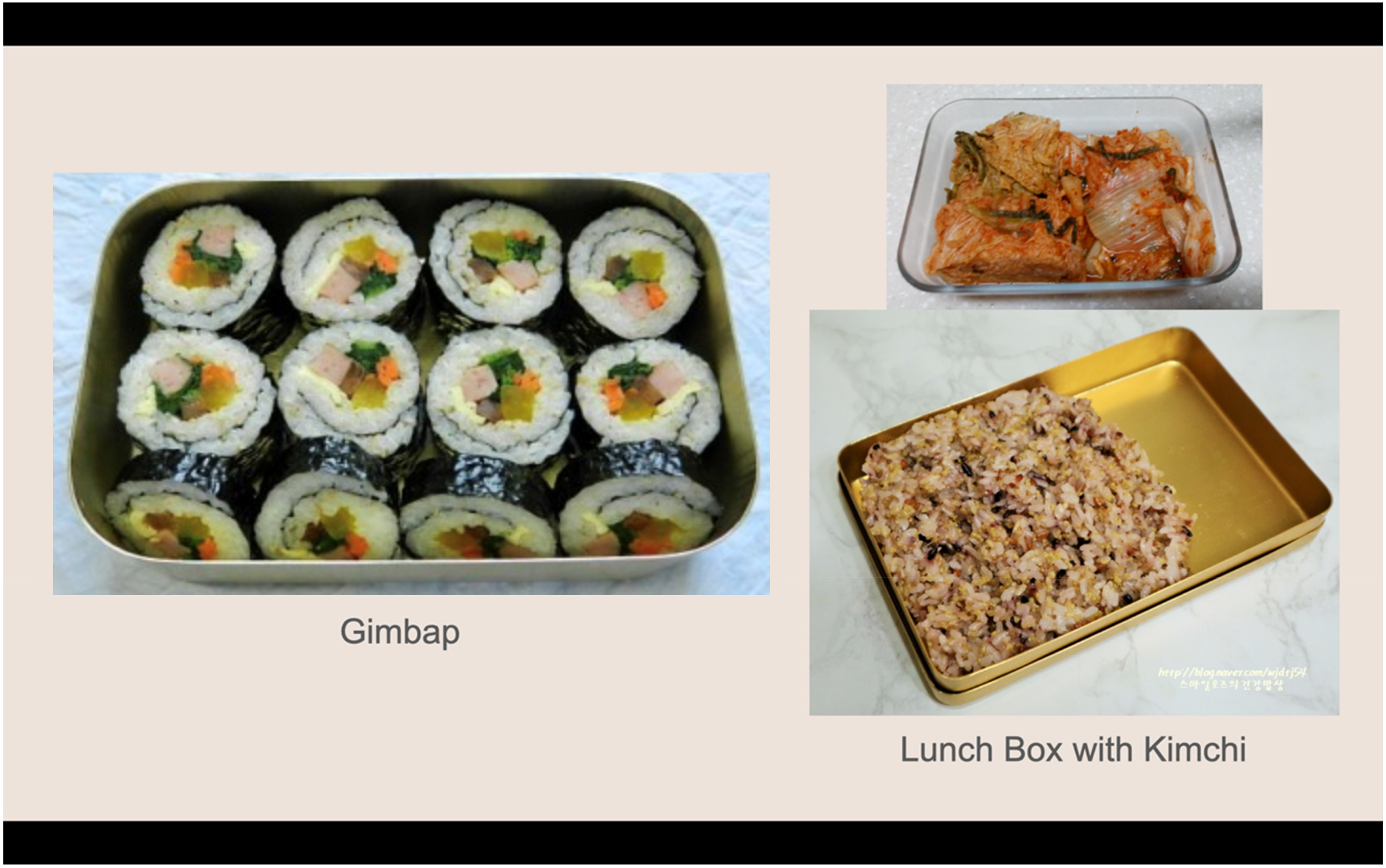
Additionally, you help us recognize the vulnerability of teachers from racially and linguistically minoritized communities. When they are not allowed to speak with children in their home languages or to express their own cultural nurturing, we dehumanize these teachers. In her book The Spirit of Our Work: Black Women Teachers (Re)member, endarkened feminist Cynthia Dillard (2022: 5) argued:
[We] have to learn to (re)member the things we have learned to forget. (Re)membering is especially important for those of us who have been chosen by the vocation of teaching. … Forgetting is akin to what legal scholar Patricia Williams describes as the murder of the spirit.
While (re)membering is a taken-for-granted privilege for some, it requires intentional effort for others. Dillard discussed five processes of (re)membering as endarkened feminist praxis, including (re)searching, (re)visioning, (re)cognizing, (re)presenting, and (re)claiming. We know that practicing these processes cannot be achieved through one special culture day or month.
You posed an important question: “Can cultural vulnerabilities be categorized into hierarchies of vulnerability?” Indeed, Brantmeier and McKenna (2020: 8) argued: “Privileged vulnerability exists in relationship to the dynamics of power, oppression, and privilege in social contexts.” Vulnerability can be riskier for some than for others.
I see how your recollection of the vulnerabilities you experienced as a child has led you to become an empathetic educator and researcher, striving to create an inclusive environment for all children, families, and educators. I appreciate your (re)membering and sharing your childhood vulnerabilities.
Vulnerability as a Black woman educator: Janelle's story
I cannot escape what Fanon (2008) describes as my racial epidermal schema (the categorization of Blackness as marked on my skin), nor would I want to (Figure 9). When I enter a classroom to teach, work with, and facilitate a class community, who I am is evident. My vulnerability is placed on center stage. For many of the pre-service early childhood education and care students I teach, I am the first Black educator they have been taught by from kindergarten to postsecondary. Often, I am also the only Black educator they will be taught by. Not only is it about the representation, but also the knowledge set students are afforded. They come well versed in Piaget and Vygotsky but are unaware of Collins and hooks. When I survey students at the beginning of the school year, I ask whether they know the term “intersectionality”; almost every student raises their hand. Then I ask if they are aware of who coined the term, and usually only one or two students know that Crenshaw coined the term in 1989.
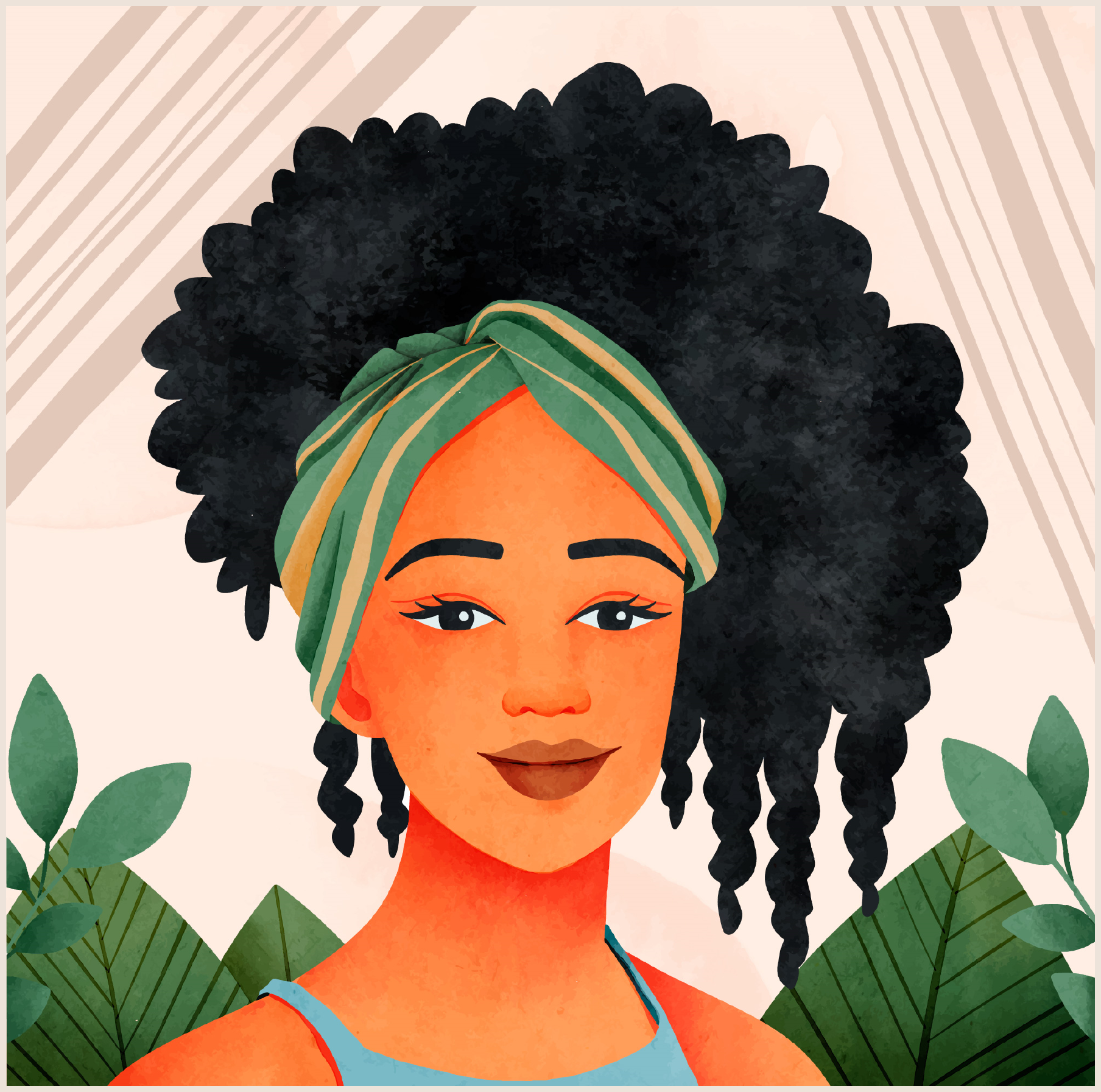
In my first years of teaching, I would rely on makeup and high heels—one, for my age and, two, for the intersectionality of my gender and race as a Black woman (Figure 10). When I taught an elective to a broader subject cadre of students, I was challenged by a White man mature student, who would consistently and aggressively challenge my teaching and grading. Because of the privilege he experienced in the classroom, he was able to generate negativity with White and non-White racialized students who already looked to him as a leader. One day, a White single-mother mature student came up to me and thanked me for helping her navigate a family circumstance. She was in tears, gave me a hug, and said, “They’re just jealous of you.” I figured from then that my skin, gender, age, and race are presented at the forefront of who I am. When comparing my experience with my peers, I knew mine was not the same. My very existence is a challenge to objectivity.

A couple of years later, I taught an elective class of predominantly Black and racialized women in a nursing program on race and racism in the Caribbean and Latin America. At that point, I decided to forgo the makeup and heels. I wanted the students to know that it is okay to show up as you are as a Black woman in White settings and spaces. I understand vulnerability not as a deficit or as something I am lacking but rather as a way to highlight nuances, affording opportunities for learning, and challenging apolitical notions of sameness.
Just as not all children are the same, not all educators are the same (Figure 11). I use this as a teaching point in my classes, where students begin their journey with an exercise to critically reflect on their intersectional social location and how this impacts their pre-service-educator journey and life experiences. In teaching a Black Childhoods in Canada course, it is clear that doing this type of exercise is crucial. Not all students are showing up in the same way. Many Black students share the educational scars they have endured from their early years to postsecondary, and that spaces such as our class community are the only ones they have to reflect on these injustices. My vulnerability is at the forefront of who I am and helps serve as an entry point to challenge unjust systems and standards by drawing on a wider community of learners.
Viable vulnerabilities: Sonja's response
Janelle, your story is evocative of vulnerability … and of strength—both at the same time. The term “vulnerable,” according to Vocabulary.com, comes from the Latin term vulnus, meaning “wound.” Reading your story, I feel tensions in your experiences—highs and lows, wounds as well as healing, coping mechanisms and teachings—some intentional and many perhaps, and likely, not intentional.
I’ve only e-met you briefly, but I am proud to be associated with you. I’m proud to be working with you and especially proud and humbled to be learning from you through my response to this story.
If I am to think theoretically, your experiences bring me, as I am often drawn, to a feminist post-structuralist lens; that is, one that recognizes and attempts to dismantle the power relations—for instance, those by which you were initially, and I think are indicating still are, “marked” “on your skin.” This lens gives me a certain permission—I think—to engage in a different way with the power inherent in this story. Janelle, you yourself did this over time—moving beyond the high heels and makeup to “expose” yourself and show up as a Black woman in White spaces and places, where the mark on your skin is carried with honor, pride, and a message.
From a feminist perspective, the aim of exposing and reducing power and privilege to me seems to emanate from your own pedagogical “exposure.” The importance of this attitude lies in the decolonial, radical, and transformative intent of your teaching as, following a Black feminist lens, you hope to elevate the potential in diverse ways of knowing and alternative Black worlds. Nxumalo and Pacini-Ketchabaw (2023: 188) affirm the importance and urgency of working “towards imaginaries and enactments of liberatory practices” to counter what they label the “ontological violence”—I think it was that violence which led to the high heels and makeup.
Janelle, your story has me questioning all the various ways in which ontological violence plays out in our teaching and learning spaces—of vulnerability, of nuances, as you say.
How do we turn up?
How can we even know how to turn up, subjugated or powerful, wounded but hopeful, simultaneously educator and student, complicatedly intertwined in love, desire, and dreams that are human and other than human (Sholtz, 2022)? Never forgetting the one or the other, as process philosophies such as those of Kristeva or Deleuze, or the embodied philosophy of Butler, would have it. The pain and the strength of your vulnerability—your wound—lie in your humility and the liminal state of not ever fully knowing even yourself.
You have demonstrated this in the tensions and violence, the love and pride—in your story.
Two falls and a transition: Jonathan's story
I have been a cyclist my entire life. Of course, I’ve gone down many times over the years, but the two crashes that occurred last June were different. The first happened on a gorgeous early summer day within blocks of my home in Toronto when I failed to see a slight depression in the pavement that sent my tires into an unstoppable skid. When I managed to crawl out of the road, a young woman passing by immediately offered assistance, which I at first resisted.
She sat with me for a few minutes before deciding to call an ambulance and waited for the next 25 minutes that it took to arrive. By the time a calm, efficient paramedic had run diagnostics, I had reached David, my partner, on his cell. Although the paramedic preferred to take me to the hospital for more tests, we decided to walk home together, with a plan to see my primary care the next day.
The second crash happened on another equally sunny afternoon, but this time 10 miles from home while I was trying to avoid a family of four on a narrow footbridge at the edge of the Ontario lakeshore. This time, I saw the difficulty coming and actively tried to avoid it when I went over. Nevertheless, I again resisted the assistance of a young man, who patiently persisted in offering to put the bike in his car and drive me home. When I finally accepted the ride, he waited, like the Good Samaritan of the previous week, until David came to the front door. He wanted to make sure he was handing me off to another caregiver.
Neither of these events was life-threatening, but each pointed out that I am vulnerable to lapses in judgement, slowed response times, and ordinary trials of the road to which I would not have succumbed a decade ago.
On reflection, I read these falls as signaling a transition from young-old age to middle-old age ahead. I find myself on a roller-coaster ride between an overwhelming sense of gratitude for all the physical and social privileges I have enjoyed and an equally deep disappointment—more honestly, rage—about a body that can no longer be counted on to perform the way it once did.
I prize my ability to get on a bike every day as I move about the streets of Toronto and roadways of Eastern Long Island and decry the hypervigilance it now requires and the shorter distances I can traverse.
Age-related impairments make me vulnerable in the common sense meaning of the word — undefended, weak, and at high risk of failure. At the same time, I have gained another understanding of vulnerability as a character trait that allows me to be more porous and open to what the world may offer.
I have unending gratitude for the two strangers who came forward to help during these recent crashes. To me, they are models of what in the Jewish tradition is called chesed or “loving kindness.” They went beyond what might be expected to provide comfort and to ensure appropriate care.
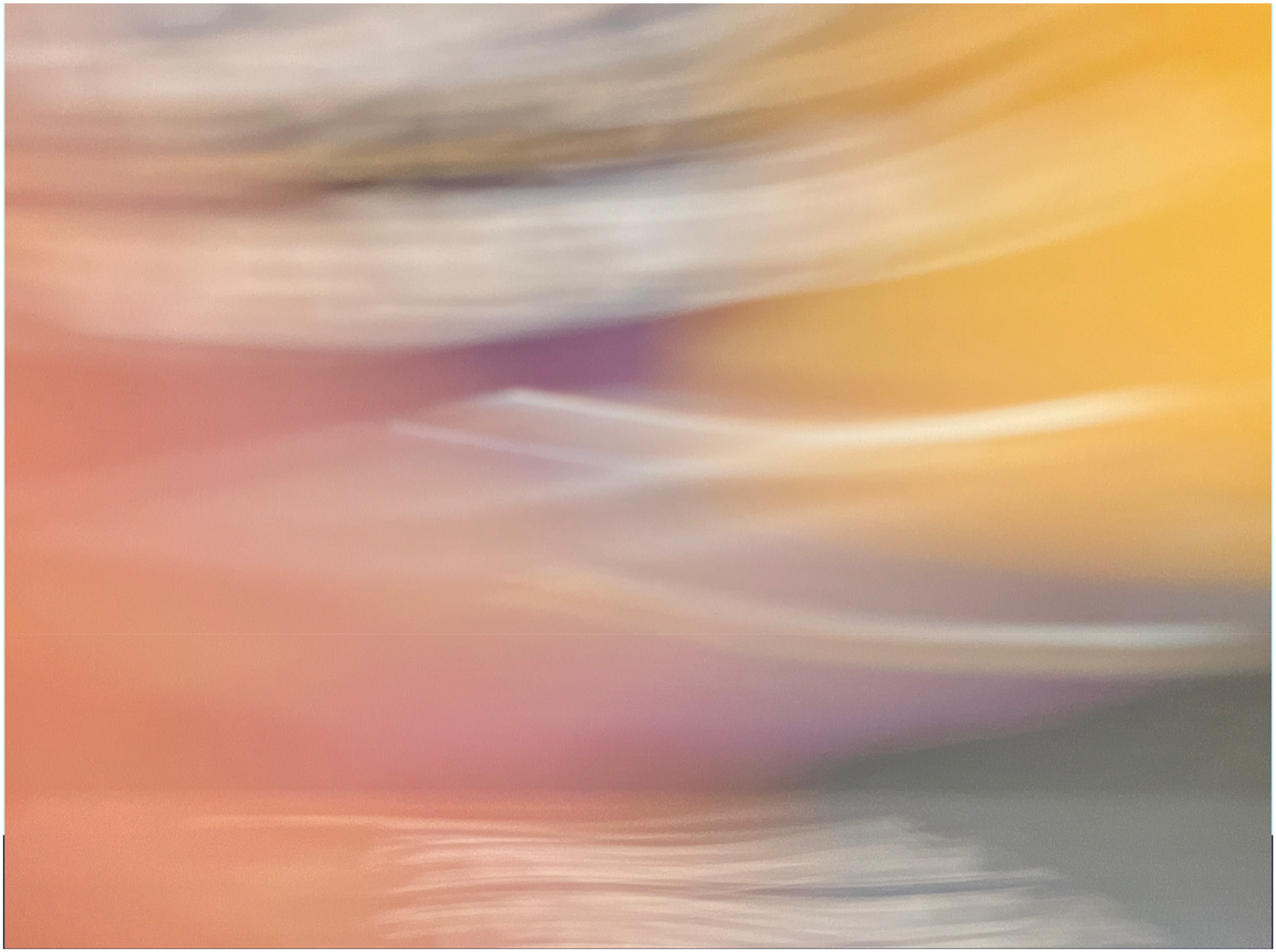
These unfortunate crashes have not made me give up cycling—not yet, anyway. But they have prompted me to appreciate the value of vulnerability as a connective tissue, one whose fibers are made out of our shared humanity (Figure 12). It reminds me that we are all imperfect, incomplete, and interdependent, and that is an essential part of what makes us human. At other stages of life, we may forget this reality, but in middle-old age, that kind of forgetfulness is no longer possible, if it ever was.
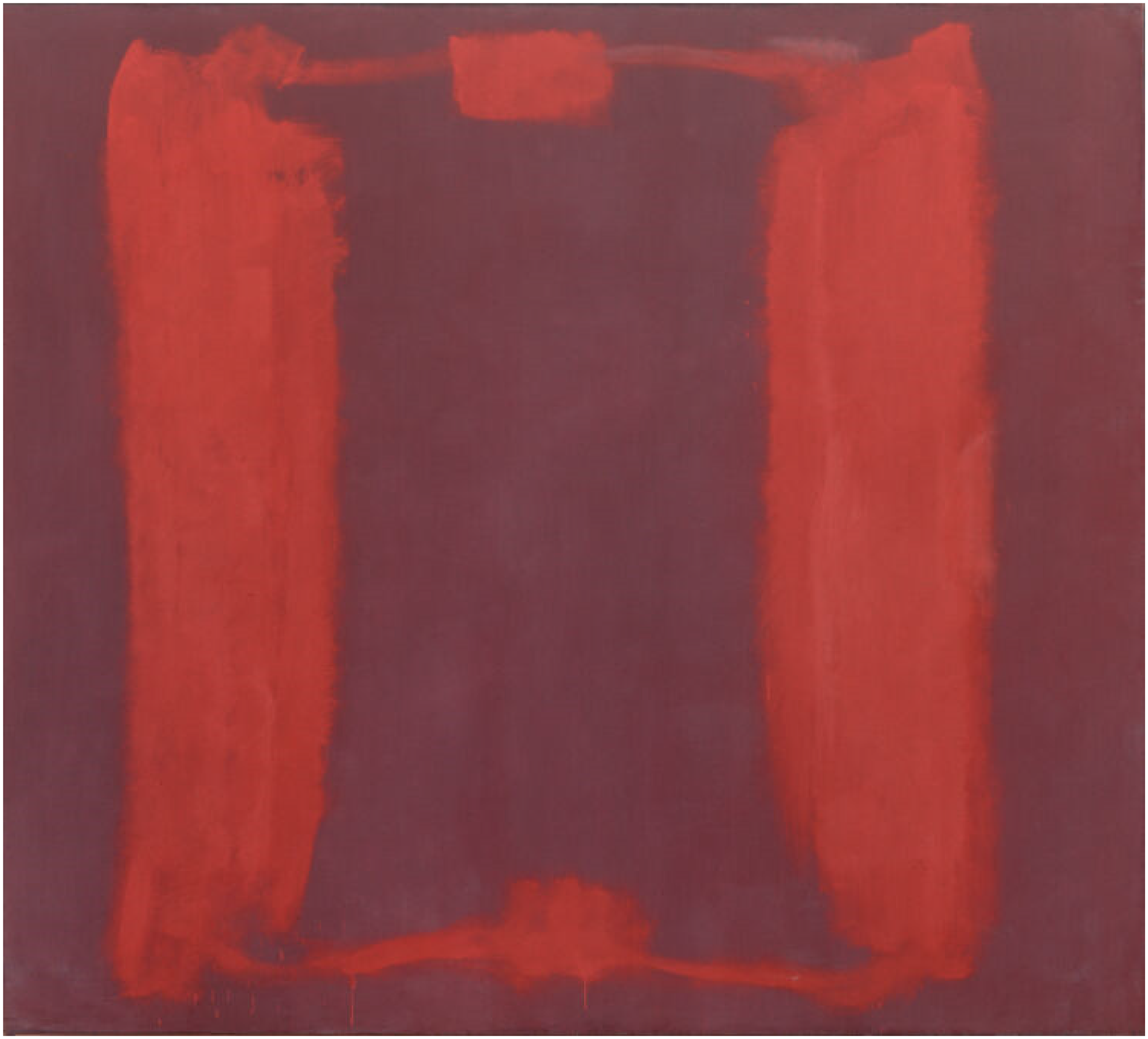
Mark Rothko, Panel One, Harvard Triptych, 1962.
Marek's response
Dear Jonathan,
Your story of vulnerability, falls, and transitions resonates deeply with me, like an old song that lingers long after its last note. It brings to mind my own moments of fragility, when the ground beneath me shifted unexpectedly.
Not long ago, I was walking through a familiar landscape and misstepped over a stone, falling to the ground. As I lay winded, I felt not just the sting of impact but the deeper realization that time had changed me. My body, once so reliable, was no longer the same. At that moment, I understood, as you did, that I had entered a liminal space where each step required more care. Kundera’s (1999) idea of lightness and weight resonated with me then—the weight of time, both literal and metaphorical, reminding me of life’s contradictions. As I reread your story, I hear a rhythm of call and response, where vulnerability becomes a shared truth. Your experience of falling and being helped by strangers exemplifies vulnerability not as weakness but as openness. It allows me to connect more deeply with others. At that moment, your vulnerability opened you to the kindness that exists between us yet remains often unnoticed.
In RECE, this reflection holds significance. Vulnerability is not reserved for age; it is inherent to the human condition from the beginning. Children, like us adults, are vulnerable beings, navigating new terrains, learning their limits. As educators, we are entrusted with their care. Your story reminds us to create spaces where vulnerability is embraced—not feared—where children can stumble and fall, knowing they will be met with compassion, just as you were in Toronto.
Your story also challenges us in our work with professionals and families. It encourages us to see vulnerability as a bridge, not a barrier. Recognizing our own vulnerability opens us to deeper connections—with colleagues, children, and families. In a world that values strength and independence, your story teaches that true strength lies in admitting when we need help and acknowledging our interdependence.
This dance of vulnerability is like music—an ebb and flow of care, where life rises and falls, connecting us through moments of strength and fragility. Your story invites us to embrace this rhythm as educators, to see vulnerability not as something to shield ourselves from but as the melody that underpins our work. It is a song we must learn to sing and teach others to sing in harmony with children, professionals, and families alike.
Reflecting on your narrative, I return to my own fall. It was not just a moment of weakness but of potential grace—a reminder that vulnerability connects us, opening us to kindness and care, even in ordinary moments.
Your story is a gift, Jonathan. It reminds me that aging and transitions are not just loss but a reimagining—a reorientation toward the world and each other. In the classroom, in life, and on the road, we are always learning how to care for ourselves and others. In moments of vulnerability, we may find our deepest connections and, perhaps, our truest selves. Thank you.
Yours,
Marek
Reprise
In the anonymous reviews of our original conference proposal, we were asked to articulate how and why our interest in vulnerability was relevant to early childhood educators. What was obvious to us was not at all clear to the reviewers (Figure 13).
To answer the reviewers’ query, we invoke the brief and powerful remarks made by Joe Tobin, the inaugural recipient of the Tobin Distinguished Mentoring Award, at the close of the RECE 2024 conference. Drawing on what he learned decades ago from his own mentor, the Japanese psychoanalyst Takeo Doi (1973), Tobin pointed out that mentoring is a reciprocal process, from which both mentor and mentee learn and are changed. Most obvious to western eyes, the mentee benefits from the experience and knowledge of the mentor. However, a Japanese perspective allows us to see that the mentee also brings their own gifts to the relationship, including the opportunity for the mentor to combat human isolation and separation by building connections and affirming interdependency. We would only add that, in their way, each member of the dyad makes themselves vulnerable in the interests of enriching their lives and strengthening meaningful bonds with others (Boublil, 2018).
Tobin himself has used this core idea of amae, “acting in a way that invites help and concern from others,” to explore the heart of learning in Japanese society (Tobin et al., 2009). From six months on, the infant learns with increasing skill how to ask for help and, in so doing, to elicit from caregivers what they need while offering the opportunity for caregivers to fulfill this most human form of connection to another. By understanding teaching and learning in this way, whether we are infants, preschoolers, classroom teachers, or seasoned scholars, and whether we are at home, in a classroom, or at a professional conference, we expand and deepen our humanity, allowing ourselves both to be vulnerable and to accept the responsibility that another's vulnerability elicits in us.
Working through affect as well as reason, the personal as well as the theoretical, we hope that our RECE conference session and this colloquium function as an invitation to let go of more traditional notions of acquiring knowledge through “stand-and-deliver” approaches and embrace the powerful ways that vulnerability can shift our relationships, no matter differences in age and experience. By understanding that vulnerability circulates between and among people rather than residing securely within particular individuals or institutions, we hope too that our readers will consider vulnerability as a relational dynamic to be nurtured and respected in their work as educators across generations.
Footnotes
Declaration of conflicting interests
The author declared no potential conflicts of interest with respect to the research, authorship, and/or publication of this article.
Funding
The authors received no financial support for the research, authorship, and/or publication of this article.
Notes
Author biographies
 for 18 years. He is the author/editor of 4 books, and numerous essays in which he advocates for socially relevant curriculum and for permeable boundaries between our personal lives and professional scholarship.