




Abstract
We revisited the characteristic features of Yao-Cheng non-linear oscillator by employing both analytical as well as numerical approaches. Our study indicates that the solution of the non-linear oscillator shows oscillatory behaviour. Further, the phase portrait for this oscillator system reflects the closed loop signifying the stability of the system. Our results suggest the absence of damping in this physical system.
In recent years, the study on Yao-Cheng non-linear oscillator has attracted the research attention due to its usefulness for understanding the oscillation behaviour associated with many physical systems.
1
The equation of motion of the Yao-Cheng non-linear oscillator is of the form
1


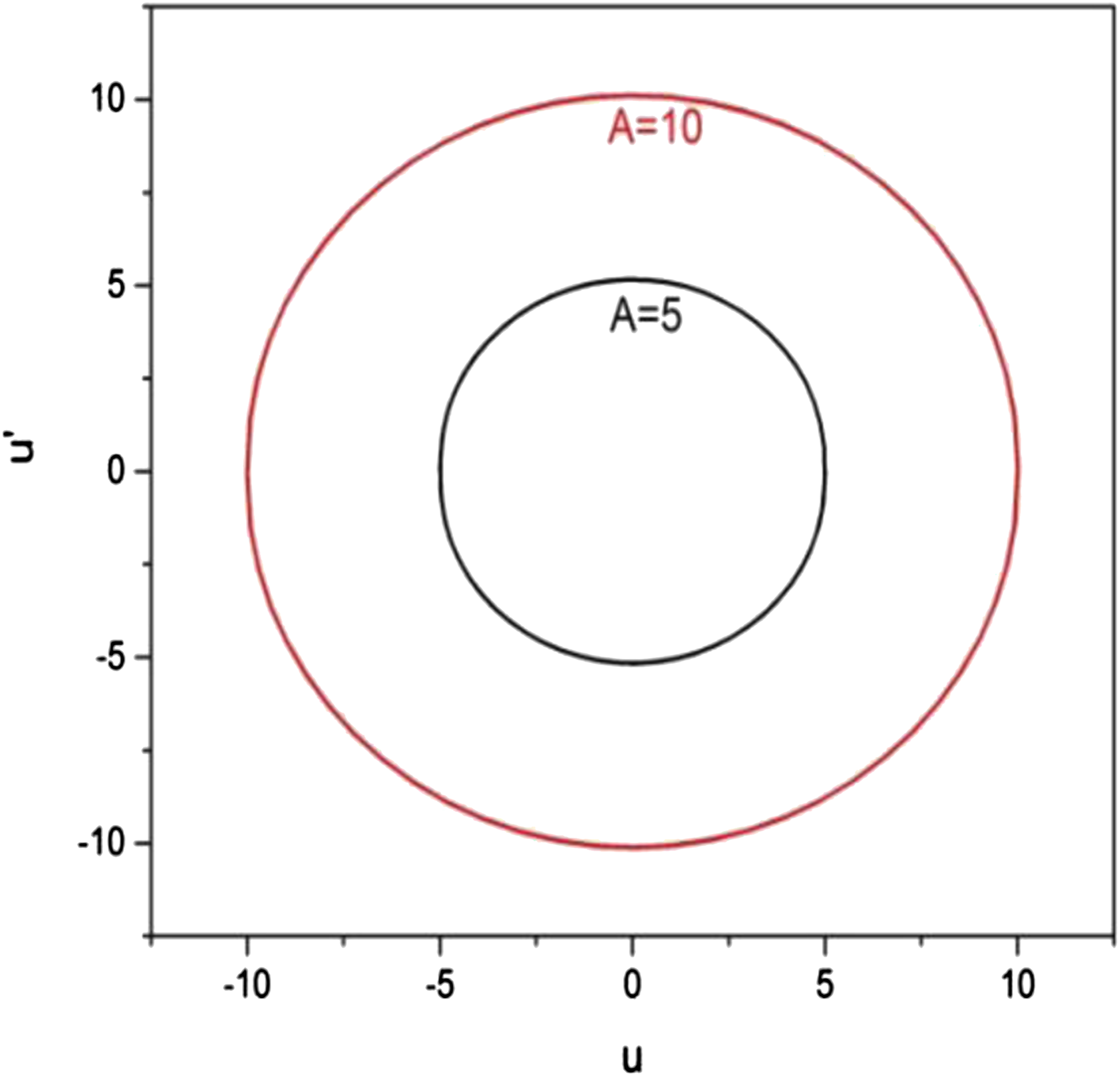
In this work, we revisited the characteristic features of the above oscillator by using both analytical and numerical approaches. We solve the non-linear differential equation (equation (1)) numerically by using two different approaches: (i) mathematica tool and (ii) Runge–Kutta method. Both the approaches with the boundary conditions: Time evolution of the numerical solution of equation (1) for Numerically obtained phase portrait of equation (1) for Numerically obtained phase portrait of equation (1) for 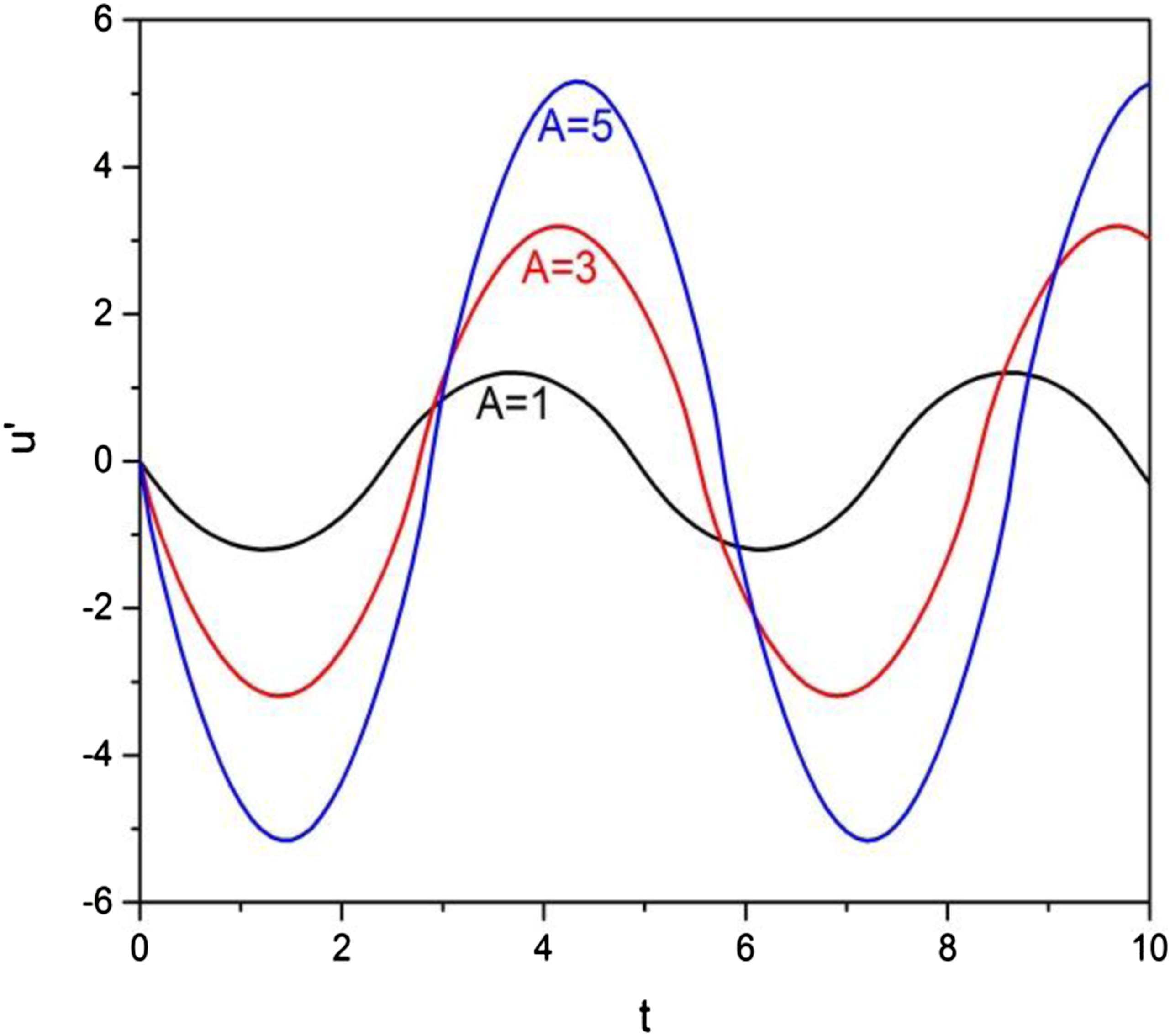
Considering

We find the expression of frequency (

Considering the parameters;

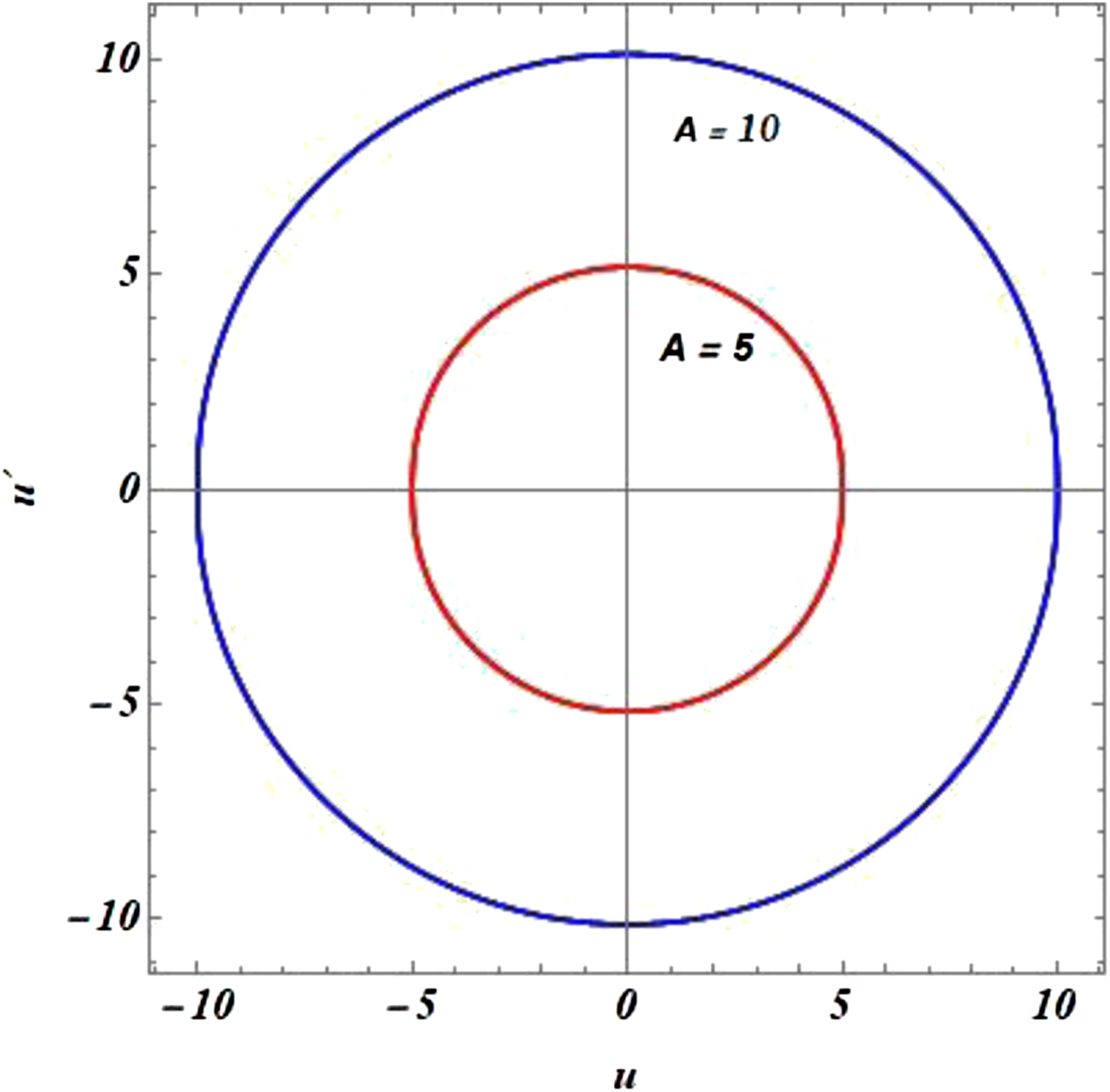
We found that the solution of equation (1) does not show any damping (Figure 4). Further, the phase portrait obtained analytically also yield closed loop (Figure 5). The outcome of both the numerical results as stated above matched nicely with the analytical result. All the results show the oscillation behaviour for the Hamiltonian without showing any signature of damping. Further, the fractal modification of Yao-Cheng oscillator also reflects the closed phase portrait.
1
Time evolution of the analytical solution of equation (1) for Analytically obtained phase portrait of equation (1) for 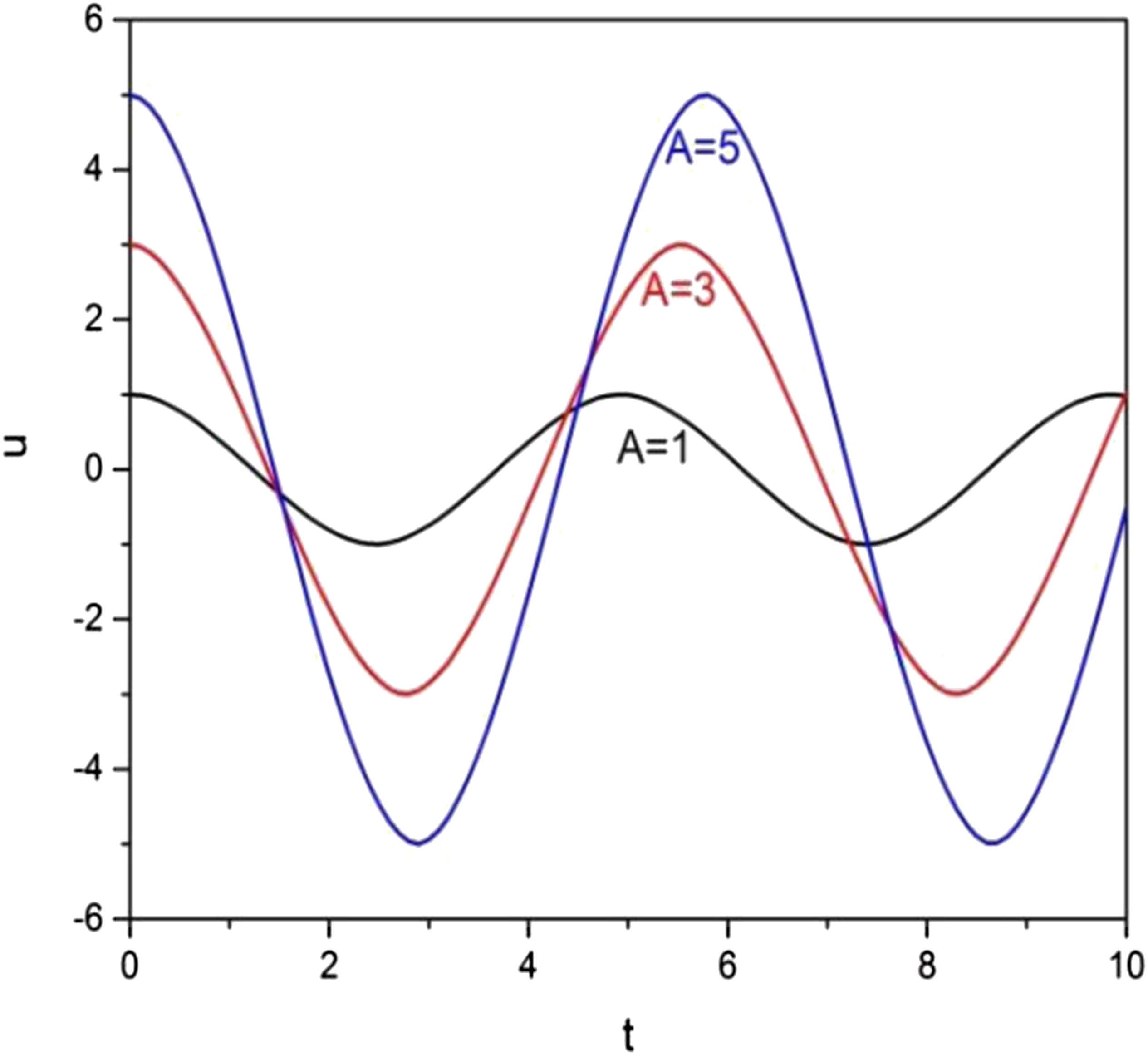
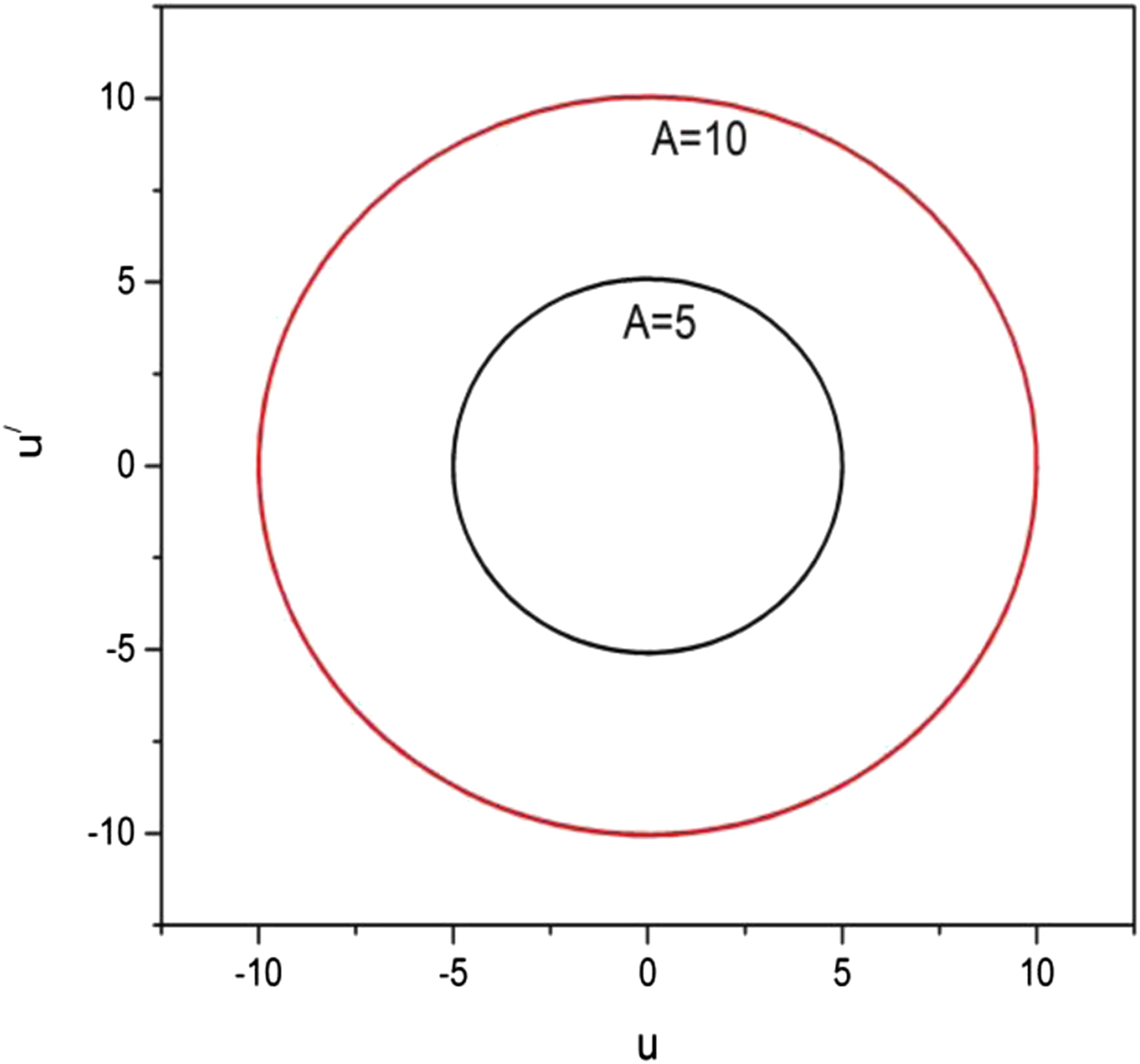
In conclusion, we revisited the work on the non-linear oscillator with damping term of Yao and Cheng oscillator by employing analytical as well as numerical approaches. In both the approaches, the solutions of the non-linear oscillator show oscillatory nature without showing any signature of damping. Further, the occurrence of closed phase portrait of this system is justifying the stability of the system. It is therefore incorrect to argue the existence of damping in this physical system.
Footnotes
Acknowledgement
R. Wannan, R. Jarrar, H. Shanak and J. Asad would like to thank Palestine Technical University for supporting them during this research.
Declaration of conflicting interests
The author(s) declared no potential conflicts of interest with respect to the research, authorship, and/or publication of this article.
Funding
The author(s) received no financial support for the research, authorship, and/or publication of this article.
Data availability
The results of this study are available only within the paper to support the data.
