




Abstract
Microgravity is an extreme physical environment, where many theories deduced on the earth’s surface become invalid. So a fractal vibration of Euler–Bernoulli beams in a microgravity space is presented in this paper via He’s fractal derivative. With help of the fractal two-scale transform, two methods, namely, the energy balance theory and He’s frequency–amplitude formulation are adopted to seek the solutions of the fractal vibration equation. As expected, the solutions obtained by the two methods are the same. Finally, the numerical example illustrates the effectiveness of the proposed method and the impact of different fractal orders on the vibration behavior is revealed in detail.
Keywords
Introduction
Microgravity science is a new science developed with space exploration. It mainly studies physics, chemistry, life science, and materials science under microgravity. Microgravity environment refers to the environment in which the apparent weight of the system is far less than its actual weight under the action of gravity. At present, there are four common methods to generate microgravity environment: tower falling, aircraft, rocket, and spacecraft.1–6 As known to all, gravity acceleration is caused by the gravity of the earth, which can be expressed as
7

Here,
The study of the beam theory is always the hot topic8,9 and among which the famous nonlinear vibration of Euler–Bernoulli beams on the earth’s surface is governed as10,11


In equation (1b), p is the axial force of magnitude and



The objective system of equation (1d) can be used in the extreme environment as the microgravity space occurring in the tower falling, aircraft, rocket, spacecraft, and so on. For the special case of
The solutions of the fractal model
In this section, the energy balance theory (EBT) and He’s frequency–amplitude formulation (HFAF) will be used to find the solutions of equation (1d). For this end, the following fractal two-scale transform41,42 is introduced

By the transform, equation (1d) can be converted into the following form

Taking the initial conditions as

The EBT
The EBT, which is based on the variational principle and Hamiltonian, is a powerful tool to study the nonlinear vibration. To use the EBT, we set up the variational principle of equation (2b) with the aid of the semi-inverse method43–53 as



So the Hamiltonian invariant can be attained as

According to the energy conservation theory, the Hamiltonian invariant remains unchanged in the whole vibration process, which gives
54

The solution of equation (2b) can be assumed as

Taking the initial conditions as

Substituting equation (2j) into (2h), it gives

Then equation (2h) reduces to

Now, we substitute equation (2i) into (2l) and use

Solving it yields

Then the solution of equation (2b) is gained as

In view of equation (2a), we can get the solution of equation (1d) as

The HFAF
The HFAF is a simple but effective approach to investigate the nonlinear vibration, and it can give the amplitude–frequency relationship by one step. For applying the HFAF, we first re-write equation (2b) as the following form

There is

Based on HFAF, we can get the amplitude–frequency relationship56,57 through one step as



This is consistent with equation (25) obtained in Ref. 10, which fully proves the correctness of our method.
Results and Discussions
In this section, two examples are given to verify the correctness of our method.

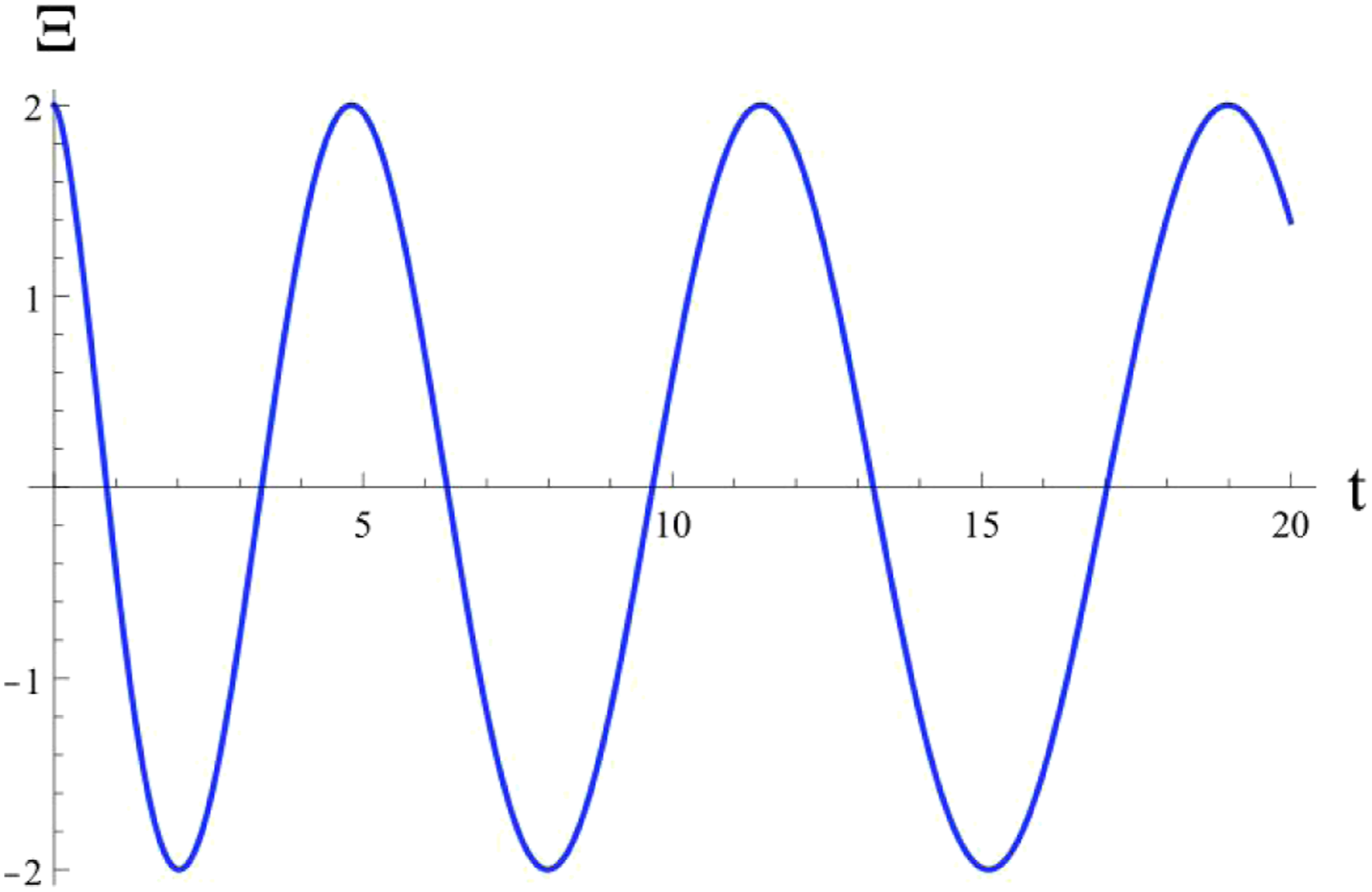
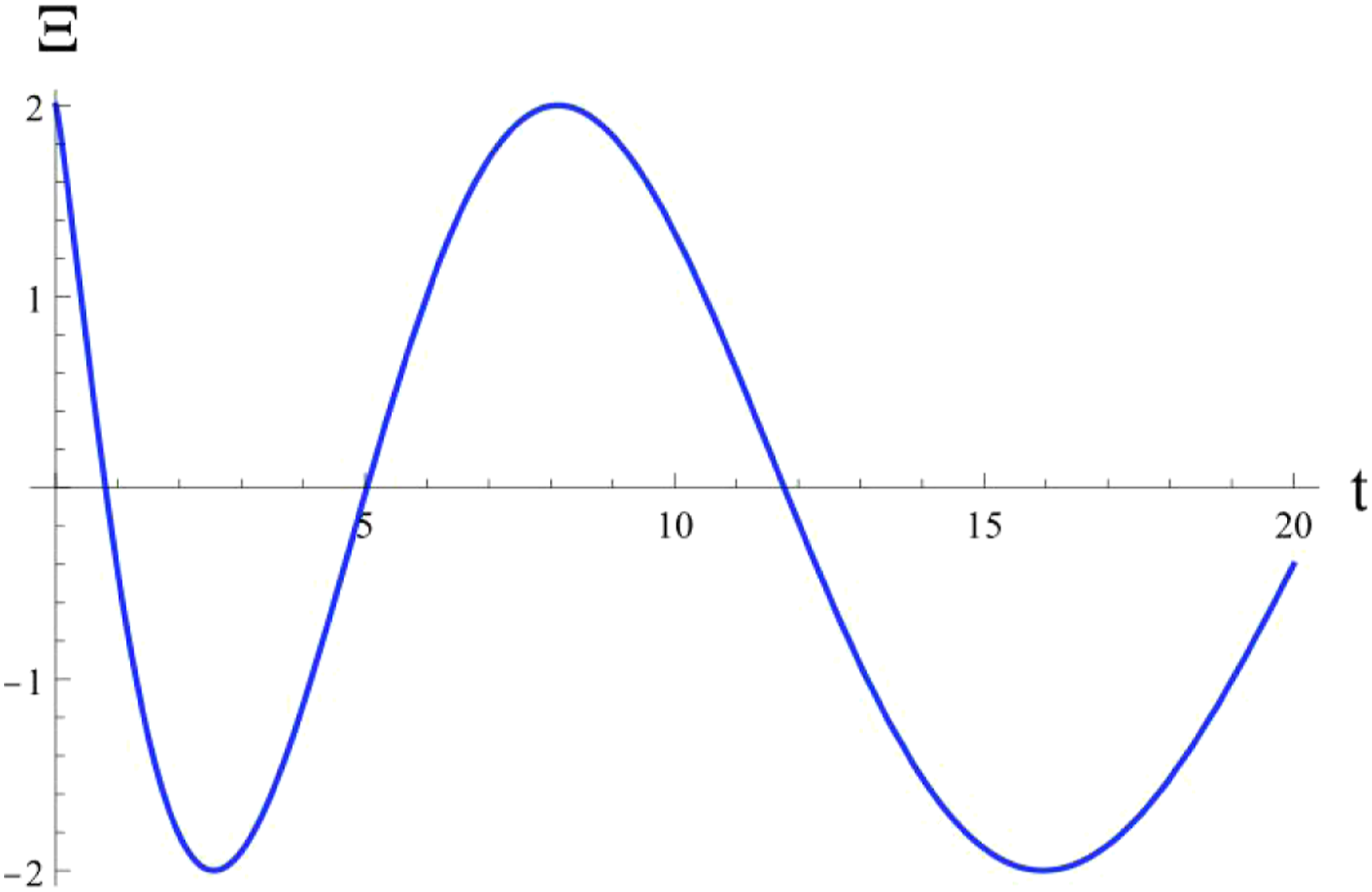
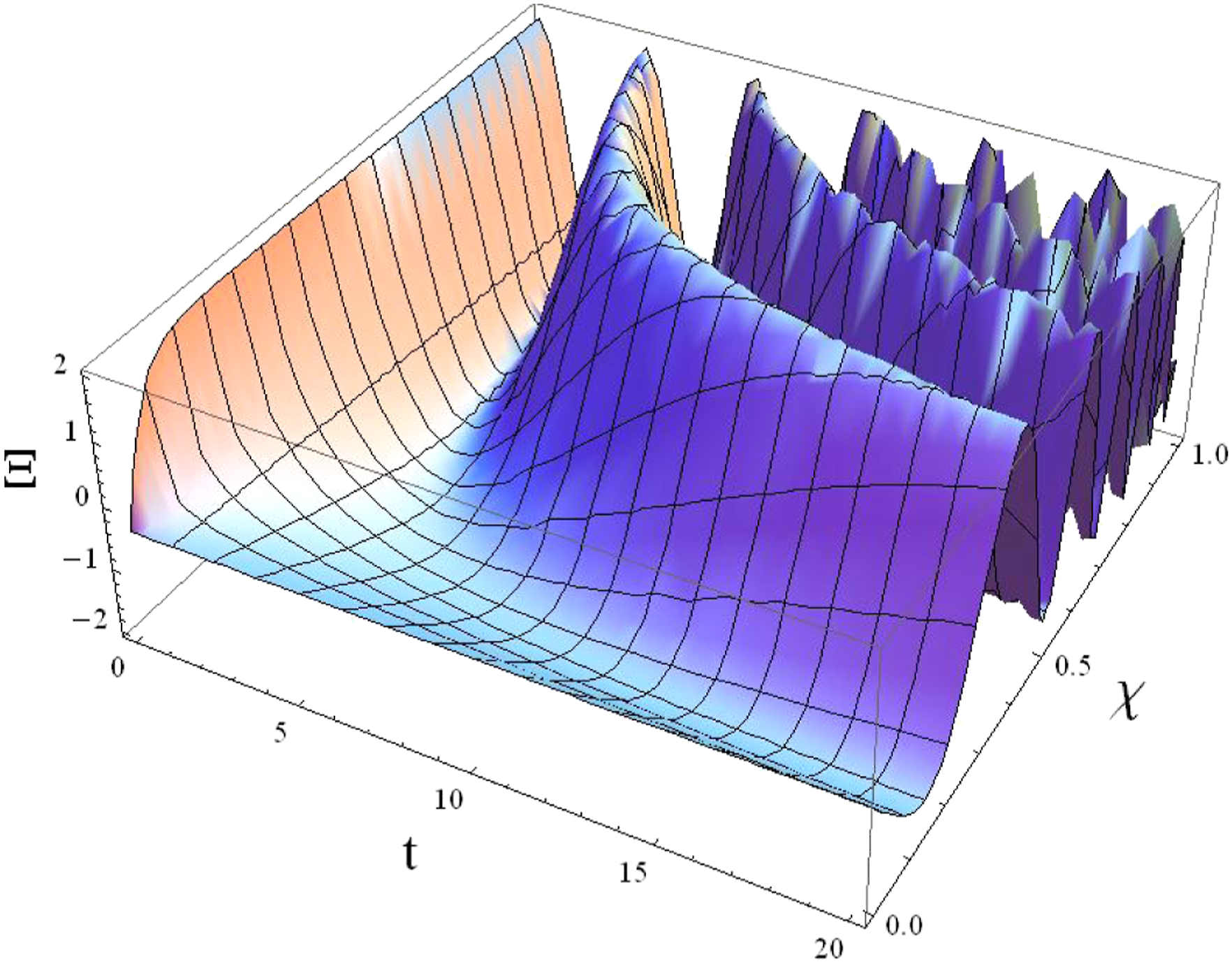
The effect of different fractal orders Vibration characteristics of equation (3a) for Vibration characteristics of equation (3a) for Vibration characteristics of equation (3a) for 3-D vibration characteristics of equation (3a) vs 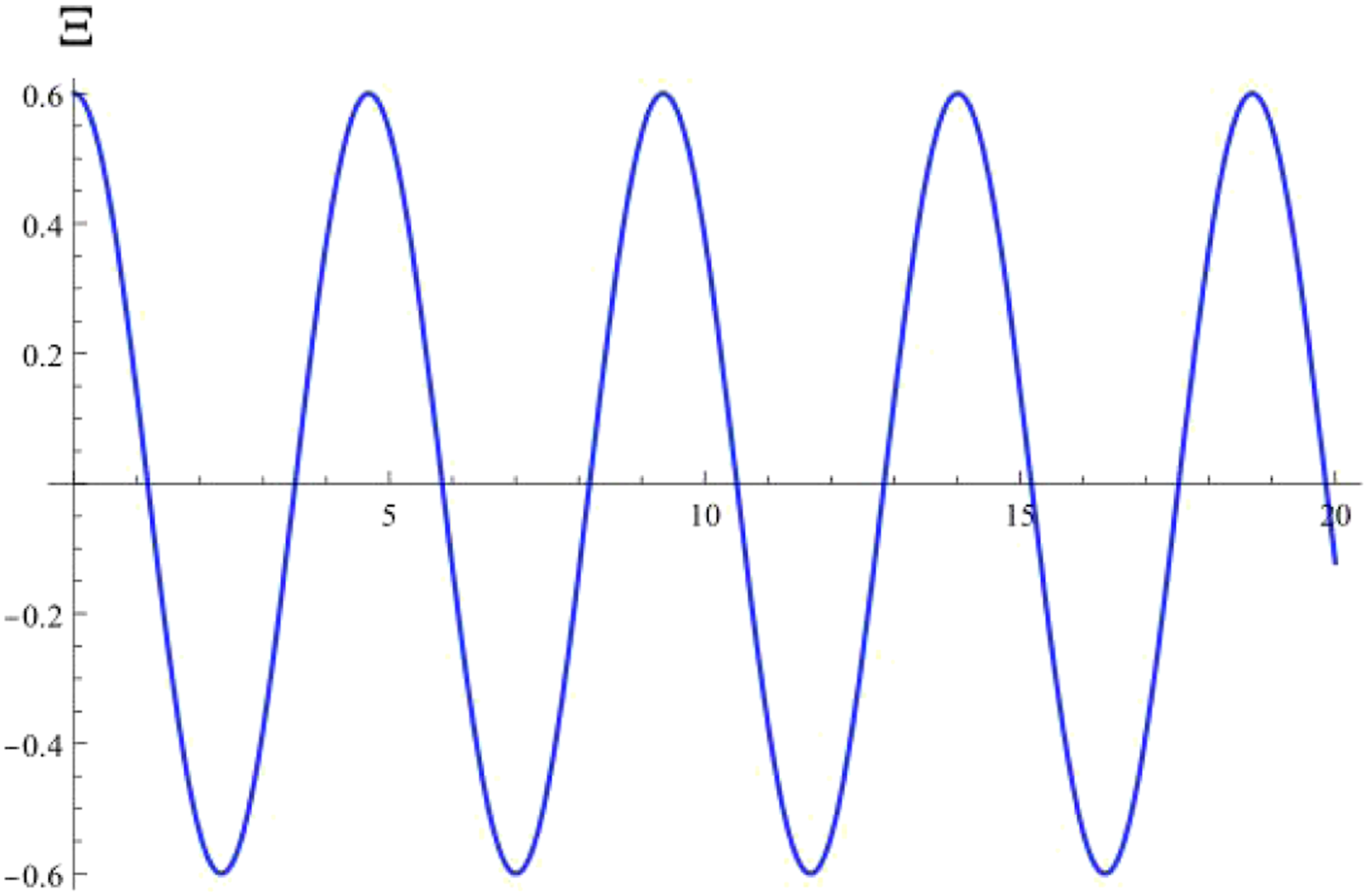
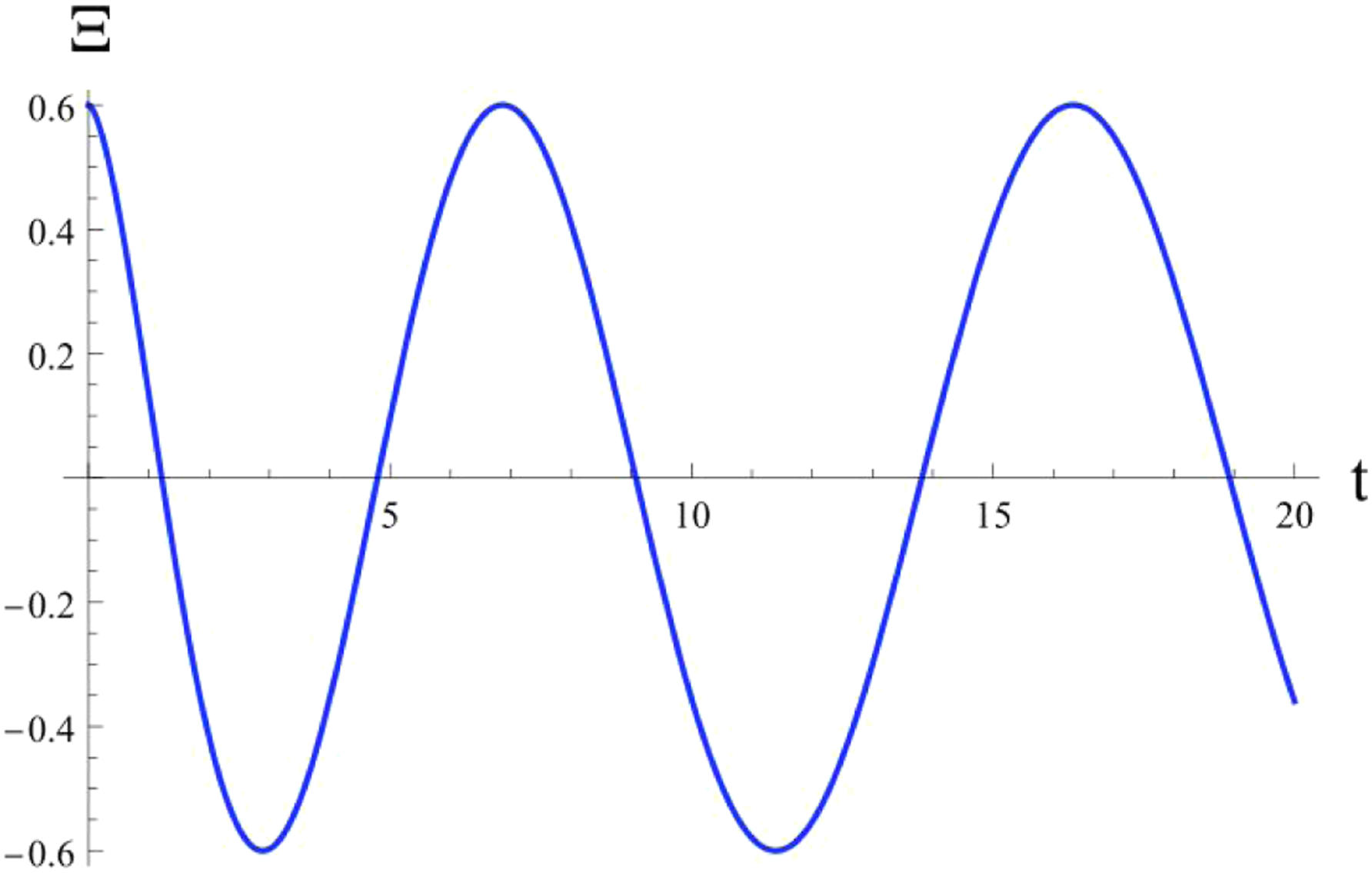
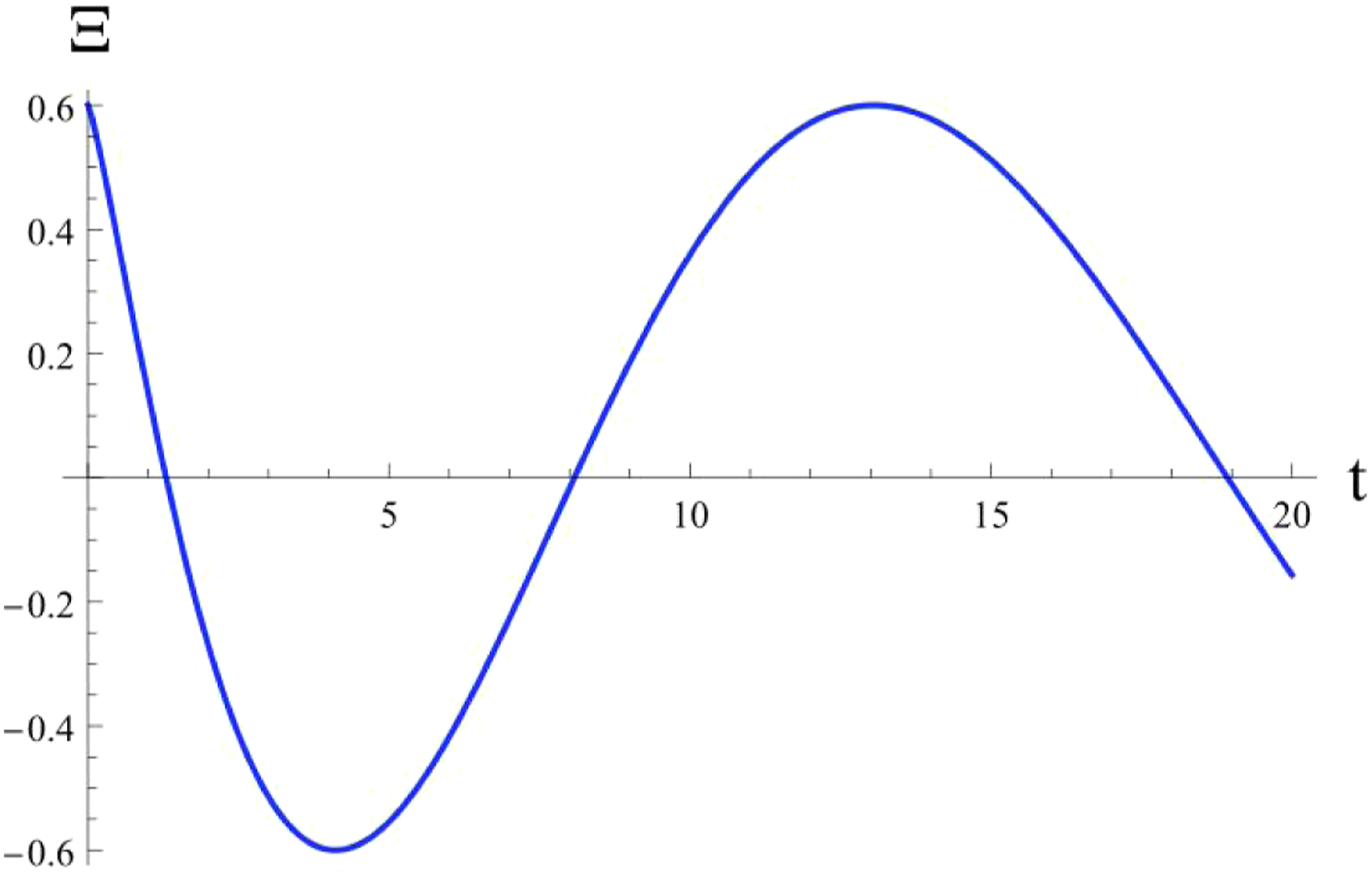
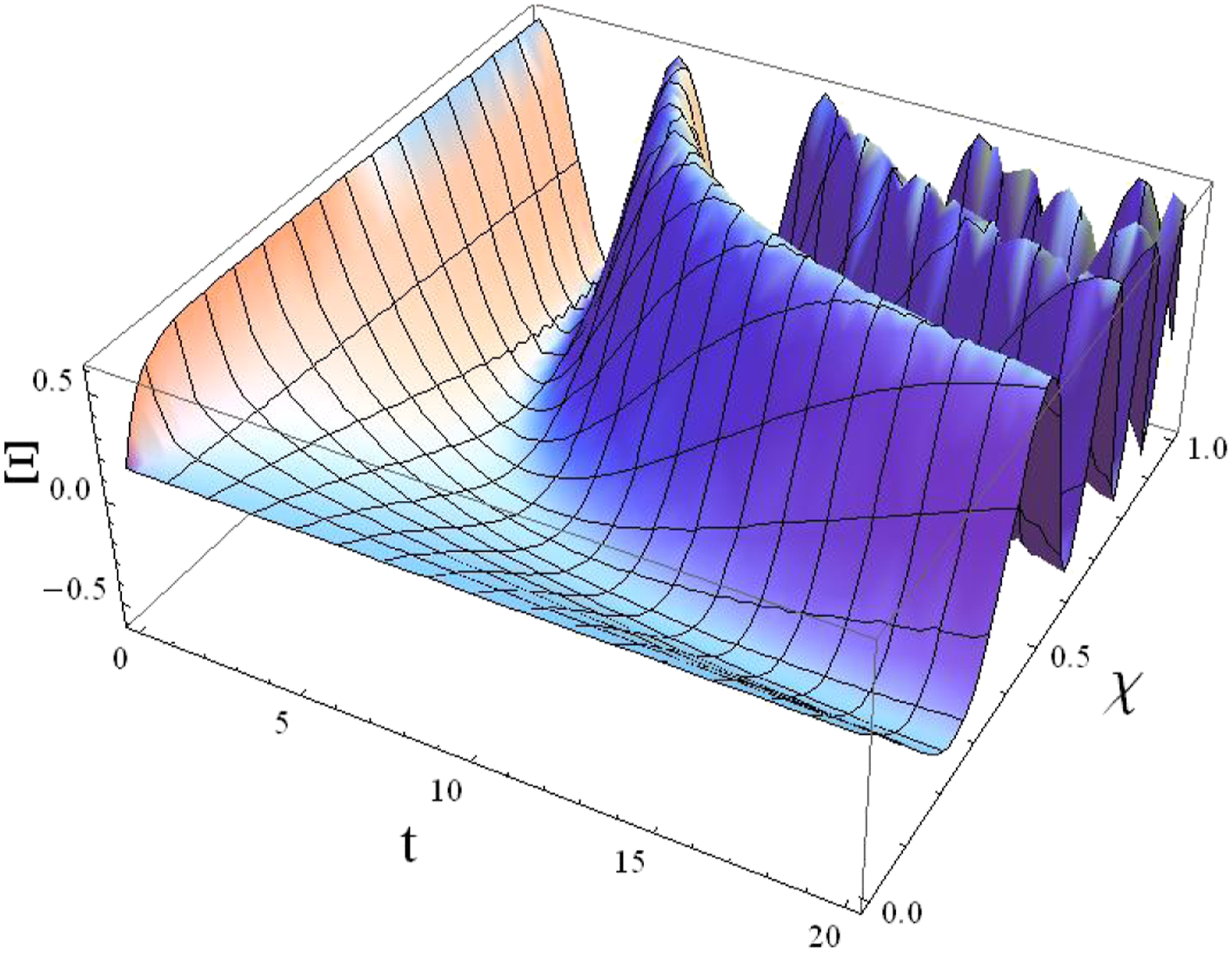

We plot the behavior of equation (3b) in Figures 5–7. In this example, we can get the same conclusion as example 1. The 3-D vibration characteristics of equation (3b) with Vibration characteristics of equation (3b) for Vibration characteristics of equation (3b) for Vibration characteristics of equation (3b) for 3-D vibration characteristics of equation (3b) vs 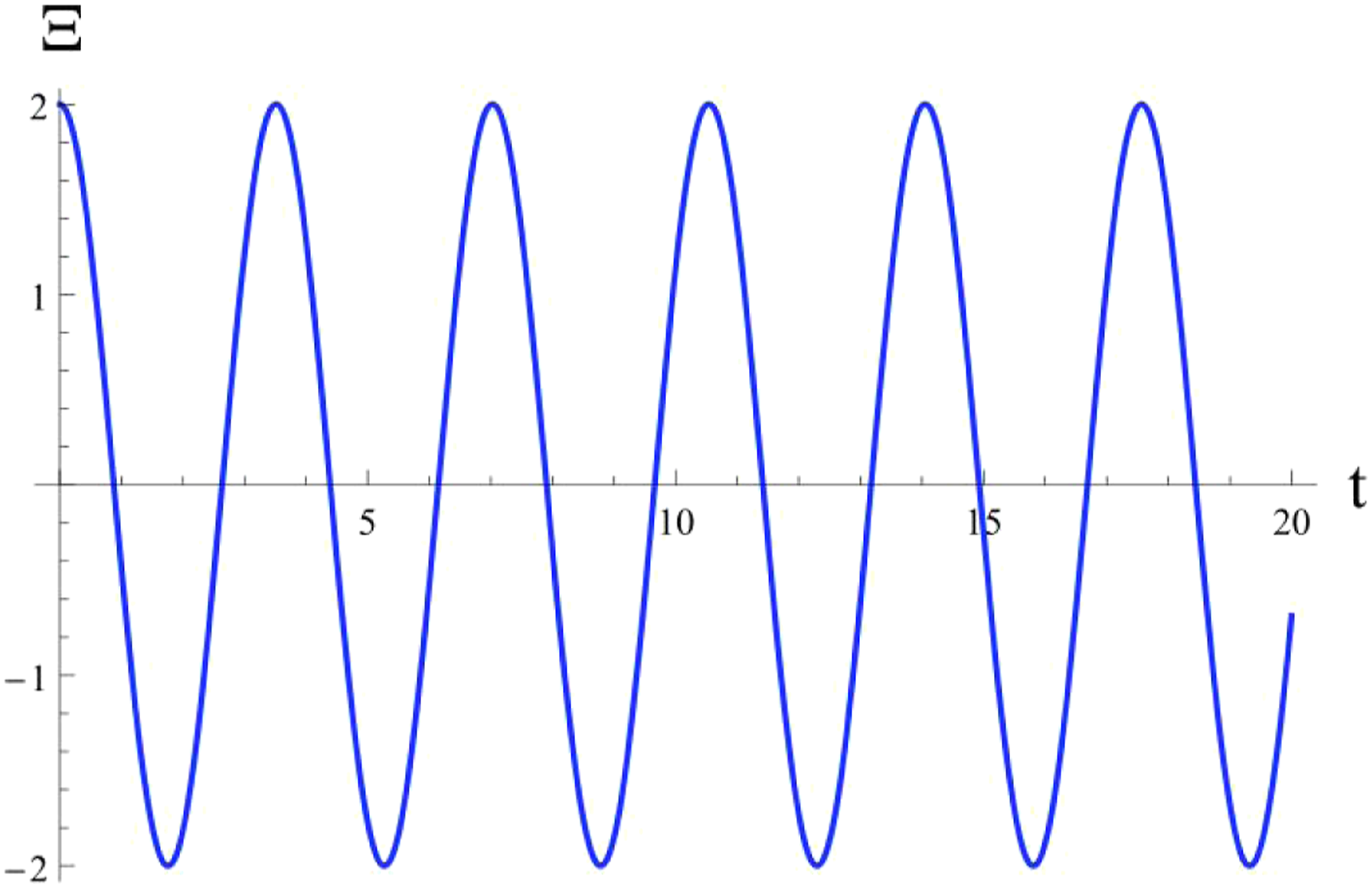
Conclusion
Based on He’s fractal derivative, a new fractal vibration of Euler–Bernoulli beams in a microgravity space is proposed in this work for the first time. Aided by the fractal two-scale transform, two effective methods, the energy balance theory and He’s frequency–amplitude formulation, are employed to find the solutions of the fractal vibration equation. As predicted, the results obtained by the two methods are consistent. Finally, two examples are presented to verify the applicability and effectiveness of the method. The obtained results in this paper are expected to open some new perspectives toward the study of the fractal vibration.
Footnotes
Declaration of conflicting interests
The author(s) declared no potential conflicts of interest with respect to the research, authorship, and/or publication of this article.
Funding
The author(s) disclosed receipt of the following financial support for the research, authorship, and/or publication of this article: This work is supported by the Key Programs of Universities in Henan Province of China (22A140006), the Fundamental Research Funds for the Universities of Henan Province (NSFRF210324), Program of Henan Polytechnic University (B2018-40), Opening Project of Henan Engineering Laboratory of Photoelectric Sensor and Intelligent Measurement and Control, Henan Polytechnic University (HELPSIMC-2020-004).
Data availability statement
The data that support the findings of this study are available from the corresponding author upon reasonable request.
