




Abstract
This study assesses the quality of the health information in Arabic YouTube videos regarding herbal cancer treatment. It also provides an overview of how the quality of video content shapes user awareness by assessing the users’ engagement indicators. A simple Python tool was developed using YouTube API V3 to automate the YouTube search based on the recommendation of Google Trends. After applying inclusion and exclusion criteria, 110 YouTube videos were selected, of which 95% were uploaded by non-experts and had a total of 8,633,569 views. The analyzed videos presented more than 40 different herbals as sources of cancer treatment; for example, Ephedra, garden cress, Green tea, Ginseng, Rosemary, and Thyme. 32.7% of the videos provided information about a single herb, 41% about mixing herbals, and 26.3% provided testimonials and success stories without pointing to specific herbs. The videos were assessed by two experts using two reliable tools, DISCERN and PEMAT, which were produced mainly for assessing health information quality. DISCERN has evaluated the reliability and quality of health information. PEMAT has assessed the understandability and actionability. The qualitative and quantitative analyses of the videos represent bias and poor health information quality, with a total score of 27 out of 80 for DISCERN and 31 out of 100 for the PEMAT. The results also showed weak users’ awareness regarding the content of videos with no association between user engagement indicators (likes, dislikes, VPI, views, comments) and the dimensions of the two tools. The study concludes that it is evident that YouTube, in its current form, is an inadequate Arabic source for herbal cancer treatment information. To overcome this, this study proposed the GAP framework for social media that integrated Governance, Awareness, and Proficiency.
Introduction
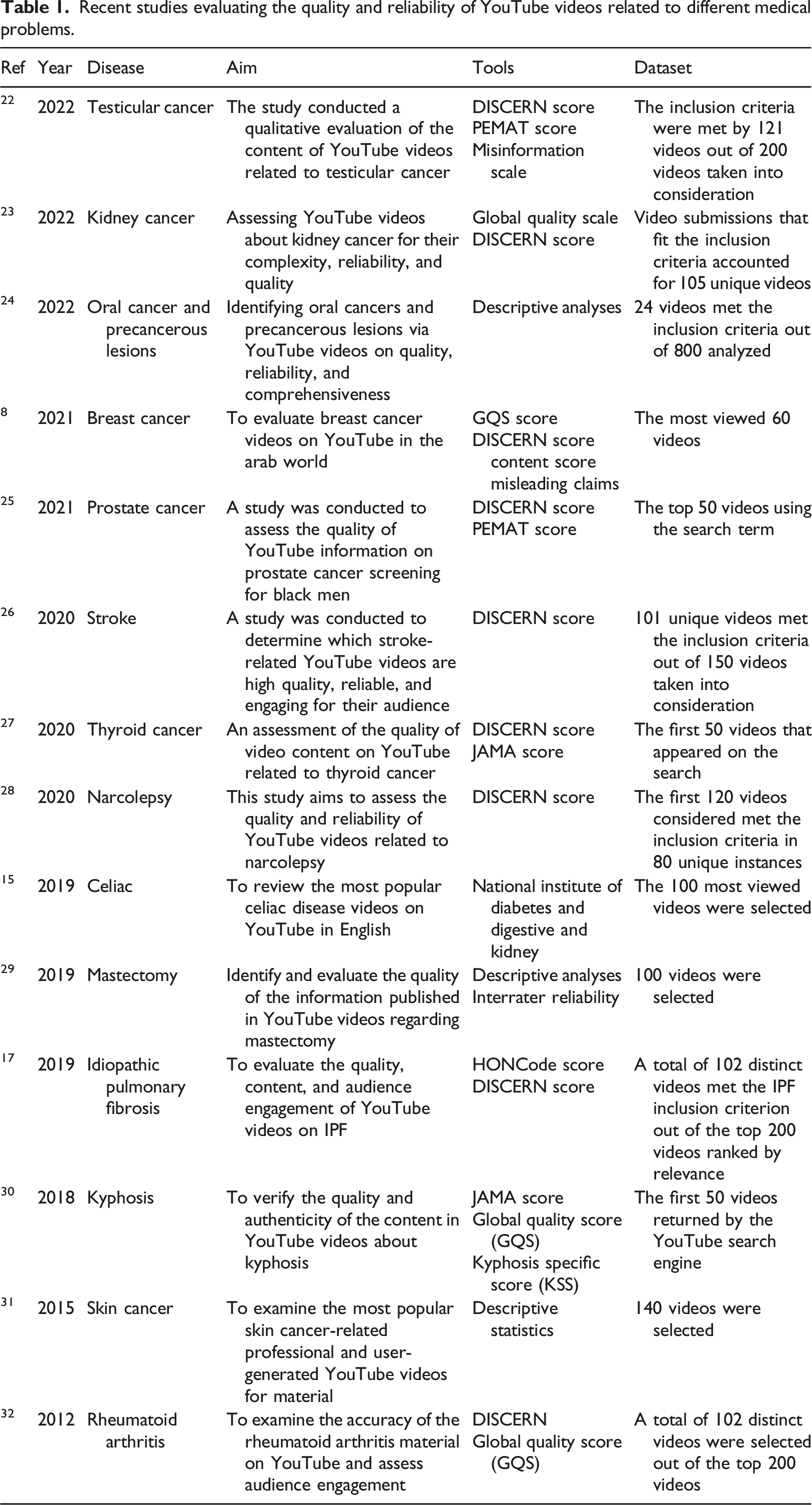
Recent studies evaluating the quality and reliability of YouTube videos related to different medical problems.
YouTube as a medical source
YouTube, one of the famous social media platforms, is considered an educational source in the medical industry for public and patient education. 11 It has been ranked as the second site in global internet engagement in 2020. 12 It is one of the most searched sources of information,13,14 in which 2.6 billion active users watch over five billion videos per day. 12 YouTube has over 100 million videos and has become a valuable resource surface for videos having health and sickness information. As shown in Table 1, several studies explored the use of YouTube as a medical-related educational resource and critically analyzed the videos’ quality and content. The scope of YouTube videos extends to patients seeking to aid their understanding of medical condition treatment and its consequences and to healthcare professionals as a tool for medical education. 15 The main reason behind the analysis of the content on social media in general, and YouTube in particular, is to identify trends and patterns 16 and assess the quality of the available content. It has been shown that such platforms influence treatment choices and affects the decision-making processes for patients and their relatives.17,18
To understand the motivation for this study, it is essential to recognize several complex associated factors. First, the MENA area is ranked second in the number of YouTube video views, with more than 300 million. 19 YouTube statistics showed that the MENA region’s channels have risen by more than 160% since 2015. 20 Secondly, self-medication using herbs is widespread around the world and growing. In general, at least 7% of cancer patients report taking herbal medicine, and these substances could be harmful to people with cancer. 21 Finally, little is known about Arabic messages on social media, particularly on YouTube, specifically regarding herbal cancer treatment.
Standardized assessment tools
Literature pointed out that there is a lack of standardized instruments to assess the quality of social media content.28,33 Previous studies for evaluating health information in social media have mainly been confined to qualitative techniques such as non-standardized surveys, interviews, and focus groups.16,34 However, this study used two reliable instruments which are recommended to achieve more objective results for health information in particular: 35 DISCERN and PEMAT tools, as they are well-known social media assessments.2,28,33 They are not restricted to field experts and are available for any researcher to evaluate health information quality.2,36,37
DISCERN 38 is a well-known tool developed in 1998 to fulfill ‘the need for a general set of quality criteria for written consumer health information on treatment choices’. 38 The tool was designed to judge the reliability and quality of health information on choices of treatments. As a tool, DISCERN has been used in different areas for online health information assessment, such as rheumatoid arthritis, 32 mental disorders website information, 39 low anterior resection syndrome after rectal cancer surgery, 37 and gastroesophageal reflux disease. 27 In the DISCERN tool, each of its 16 questions gains a score from 1 to 5. The final score has a maximum of 80 points. The first 15 questions of the DISCERN score are summed to determine the overall quality of a video as very poor (16–26), poor (27–38), fair (39–50), good (51–62), and excellent (63–75).
The Patient Education Materials Assessment Tool (PEMAT) is a well-known tool developed in 2014 to ‘assess the understandability and actionability of print and audiovisual materials. 40 Understandability is when viewers from different backgrounds can process and absorb the intended message. Actionability is the ability to identify what to do based on the provided information. PEMAT has been used to evaluate and assess educational materials in a variety of areas, including the reliability of materials related to patients, 41 online diabetes education materials, 36 Erectile Dysfunction, 42 laryngectomy health information, 43 and online neurosurgical patient education materials. 44 The tool also has proven its usefulness in assessing online diabetes risk calculators, especially for patients with low health literacy. 45 PEMAT has 13 questions addressing understandability and four questions covering actionability. The scale for each question is agree (1), disagree (0), or not applicable (NA). To calculate the score for the PEMAT items, the following equations are conducted: the sum of all points/sum by the total possible points * 100. The final score has a maximum of 100 points.
User engagement
Youtube allows users to engage through different actions such as comments, likes, dislikes, shares, and views. These engagement tools are considered indicators of the success/failure of a video. 46 The values of such indicators also show user satisfaction. 47 The higher their value, the better. 48 These indicators are associated with the impact of “a non-standard output” 48 of a video; for example, the more views a video has, the more people watch it. However, some indicators can not only be measured quantitatively, but rather they need to be analyzed qualitatively; for example, the comments on a video need to be analyzed since they may be negative comments on videos that can have undesired effects. 49 Khan 50 extended the investigation of these indicators to examine the different effects of each one. He stated that sharing and commenting were stronger interactions than likes and dislike.
This study highlights the role of YouTube, as one of the famous social media platforms, in public and patient education. The main aim of this study is to analyze the accuracy of information and quality of Arabic YouTube video content related to herbal cancer treatment using two reliable instruments: the Patient Education Materials Assessment Tool (PEMAT) and the DISCERN tool. Moreover, this study aims to provide a detailed overview of how user engagement is shaped by the quality of the content of Arabic videos related to cancer treatment.
Accordingly, three objectives will be investigated in this study: (A) Assess the quality of health information of Arabic YouTube videos content related to herbal cancer treatment using. (a) DISCERN tool (Quality and reliability) (b) PEMAT tool (Understandability and actionability) (B) Assess the awareness of the users by investigating the correlation between the user engagement indicators and the results from DISCERN and PEMAT dimensions. (C) Propose a framework to protect medical social media content from poor quality.
Material and methods
Search strategy and data collection
This study aims to evaluate the accuracy and quality of information for Arabic YouTube videos on herbal cancer treatment. The authors developed a Python tool using API V3
51
that automated the YouTube search to minimize human interaction and bias. The developed tool was programmed to retrieve the most relevant videos for a search term. As illustrated in Figure 1, the search process is clarified, and the inclusion/exclusion criteria are shown. The search process and the inclusion and exclusion criteria.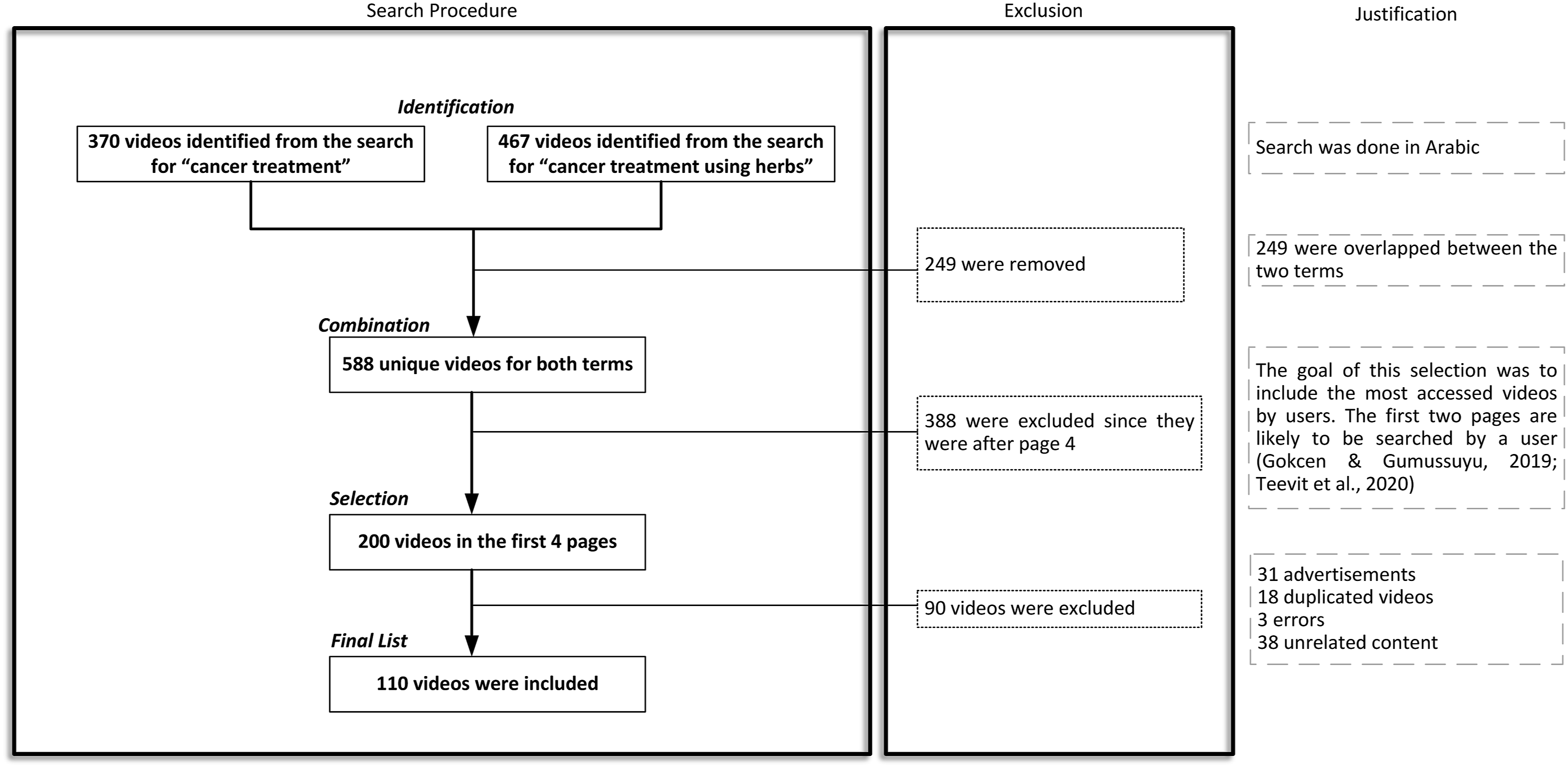
According to Google Trends, 52 searching for “cancer treatment” 1 was considerably more frequent and broader than other search terms. However, the term “cancer treatment using herbs” 2 was also found. Our search identified 370 and 467 videos with the two separate key terms, respectively. There was an overlap between the keyword searches in 249 videos, resulting in 588 videos after combining the results. The videos were ranked according to their relevance (as it is the YouTube default setting). The first 200 videos (4 pages) were considered in our analysis. This selection aimed to include the most accessed videos by users since they are likely to consider the first two pages only in their search (50 videos on each page).53,54 The in-house developed Python tool automatically generated an Excel sheet containing the results list’s coding. The coding extracted included the video title, URL, duration, upload date, number of views, likes, dislikes, comments, and associated tags.
The examined videos were included based on content related to herbal cancer treatment in Arabic. Of the 200 selected videos, 90 videos have been excluded: 31 because they were advertisements, 18 repeated videos, 3 with errors, and 38 unrelated content. The remaining 110 video list was then subject to quantitative and qualitative analysis and assessment.
To ensure unbiased findings for this study, the quality of information for each video of the 110 was coded according to the DISCERN and PEMAT criteria by two researchers working independently through two phases. One of the researchers has extensive experience with Cancer Informatics topics and related data; the other researcher has depth experience in marketing and customer behavior and was considered one of the audiences on YouTube. In the first phase, the two researchers watched 10 videos together and assessed them collaboratively to ensure consistency in the assessment process. In the second phase, the remaining 100 videos were assessed independently by both researchers in a window of 1 month. A discussion panel was conducted at the end to compare the results of the two researchers.
To assess the inter‐rater reliability of the DISCERN and PEMAT scores, Cohen’s κ was used. Cohen’s κ was run to determine if there was an agreement between the two researchers’ assessments. 55 The results showed substantial agreement between the two researchers regarding DISCERN scores, κ = 0.711 (95% CI, 0.61–0.80), p < 0.0005. Regarding PEMAT scores, there was a near-perfect agreement between the two researchers’ assessments, κ = 0.819 (95% CI, 0.81-0.99), p < 0.0005. All analyses were performed using IBM SPSS Statistics V27.
Conceptual framework & data analysis
To address the aim of the study in assessing the quality of health information for Arabic YouTube video content related to herbal cancer treatment, a conceptual framework to provide precise insight into the data interrelationships is developed in Figure 2. The conceptual model for the study.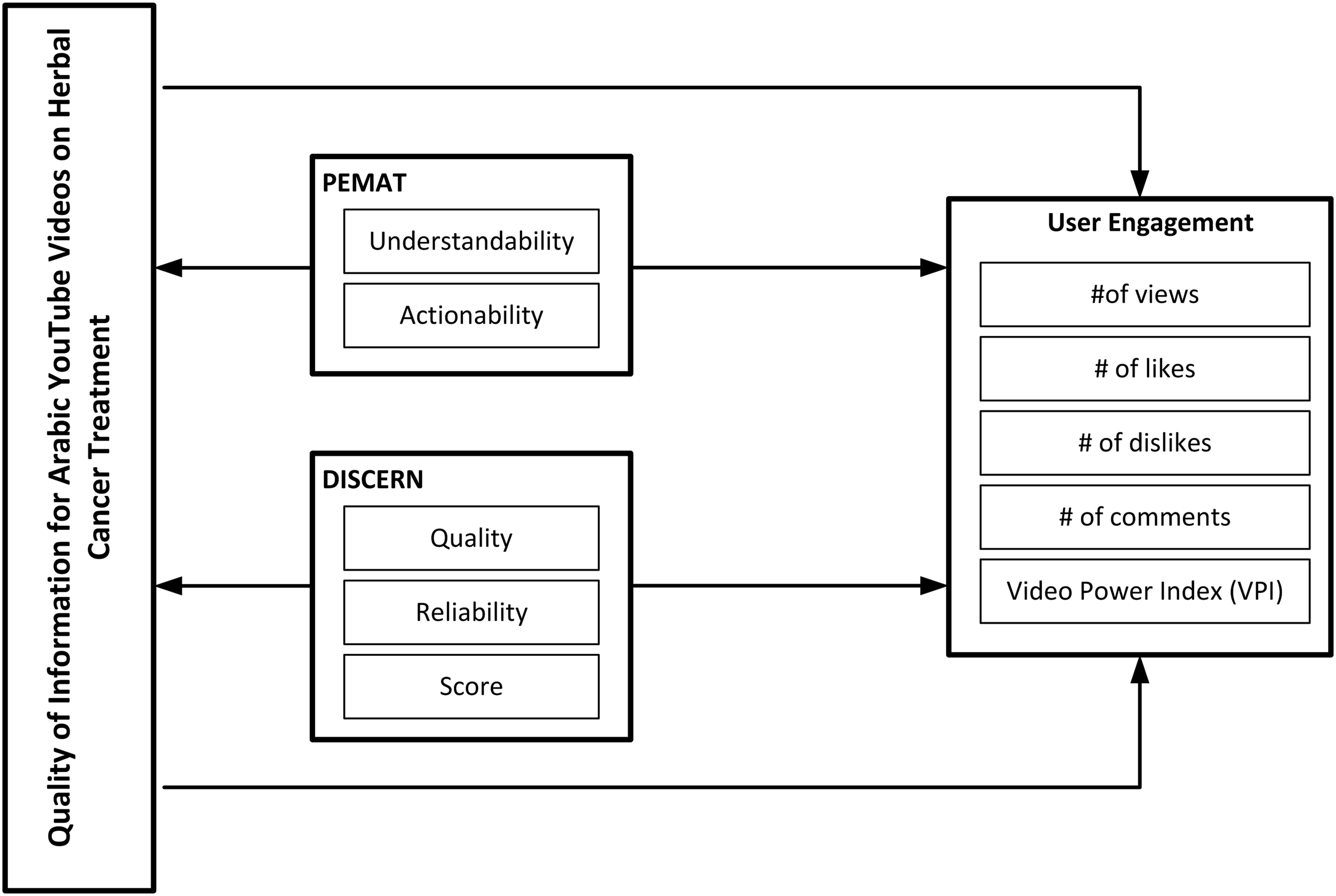
The preceding review indicates that the DISCERN (quality and reliability) and PEMAT (understandability and actionability) assessment tools may serve as useful theoretical frameworks for the present study.25,27,42 In addition, the conceptual model shows the user engagement key indicators (likes, dislikes, views, comments) as stated in the literature.30,49 An Audience engagement (Video Power Index) 56 is also added to gain a deep understanding of users' interactions.
Results
Characteristics and contents of the videos
Characteristics of the 110 on herbal cancer treatment in Arabic.
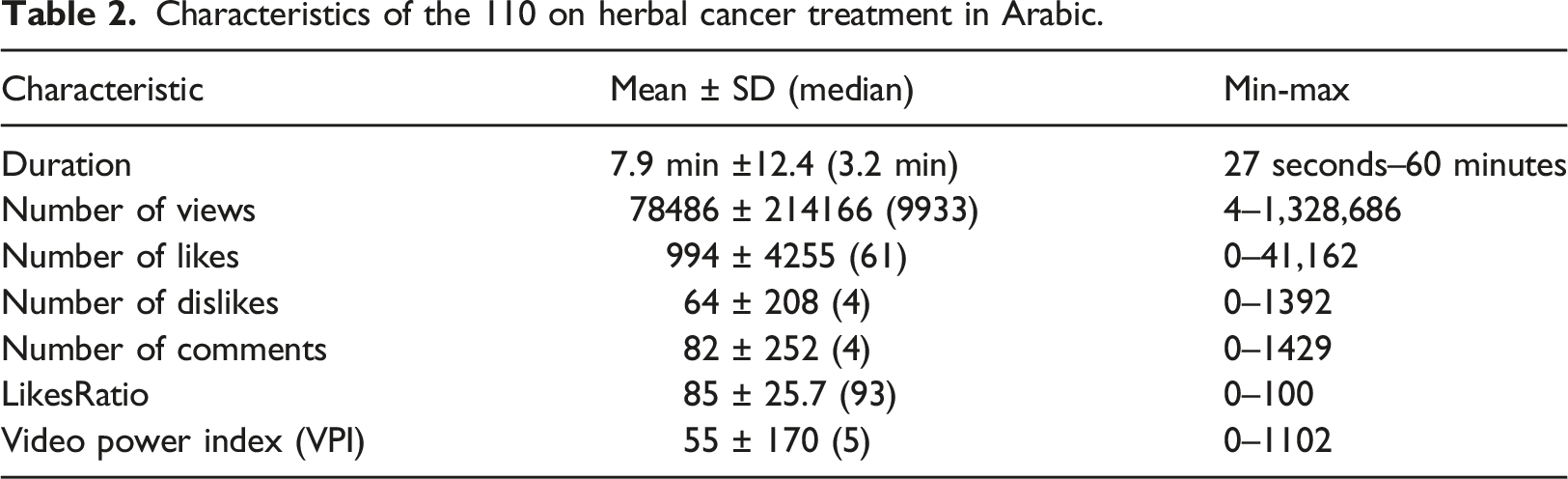
Regarding the contents in terms of the herbs type, 32.7% of the videos provided information about a single herbal treatment, 41% provided information about mixing herbals, and 26.3% provided testimonials and success stories without pointing to a specific herbal. The analyzed videos presented more than 40 different herbals as sources of cancer treatment; for example, Ephedra, garden cress, Christ's thorn jujube, Parsley, Marjoram, Green tea, Ginseng, Rosemary, and Thyme. In addition, in terms of cancer type, 63.6% provided information related to all kinds of cancer, 7.3% for breast cancer, 4.5% for liver cancer, 3.6% for blood cancer, colon cancer, lung cancer, and prostate cancer. An example of the investigated videos is a video claiming that “a student in secondary school discovered the herbal cancer treatment,” along with a promotional campaign in KSA and Egypt. Another video talked about one herbal plant (Ephedra) discovered by a cancer patient when he noticed that one of his goats got well after eating it, so he tried the plant, and after 6 months, he was completely healed from cancer!
To evaluate the video popularity, the LikesRatio
53
and the Audience engagement (Video Power Index (VPI))
56
was calculated as follows:

Discern results
The DISCERN health information scores (as shown in Figure 3 and Table 3) reveal the highest percentage of ‘good’ quality videos receiving more than 33 points was only 12.7%, and only 15 videos have reliable information above 16 out of 20. Regarding the DISCERN scores for the 110 videos included in the analysis, there were insufficient results, with only 32 videos (29%) receiving 3 or more points out of 5. The overall score of the videos for DISCERN was only 27%. Information quality for the videos by DISCERN assessment results. DISCERN scores of the 110 on herbal cancer treatment in Arabic.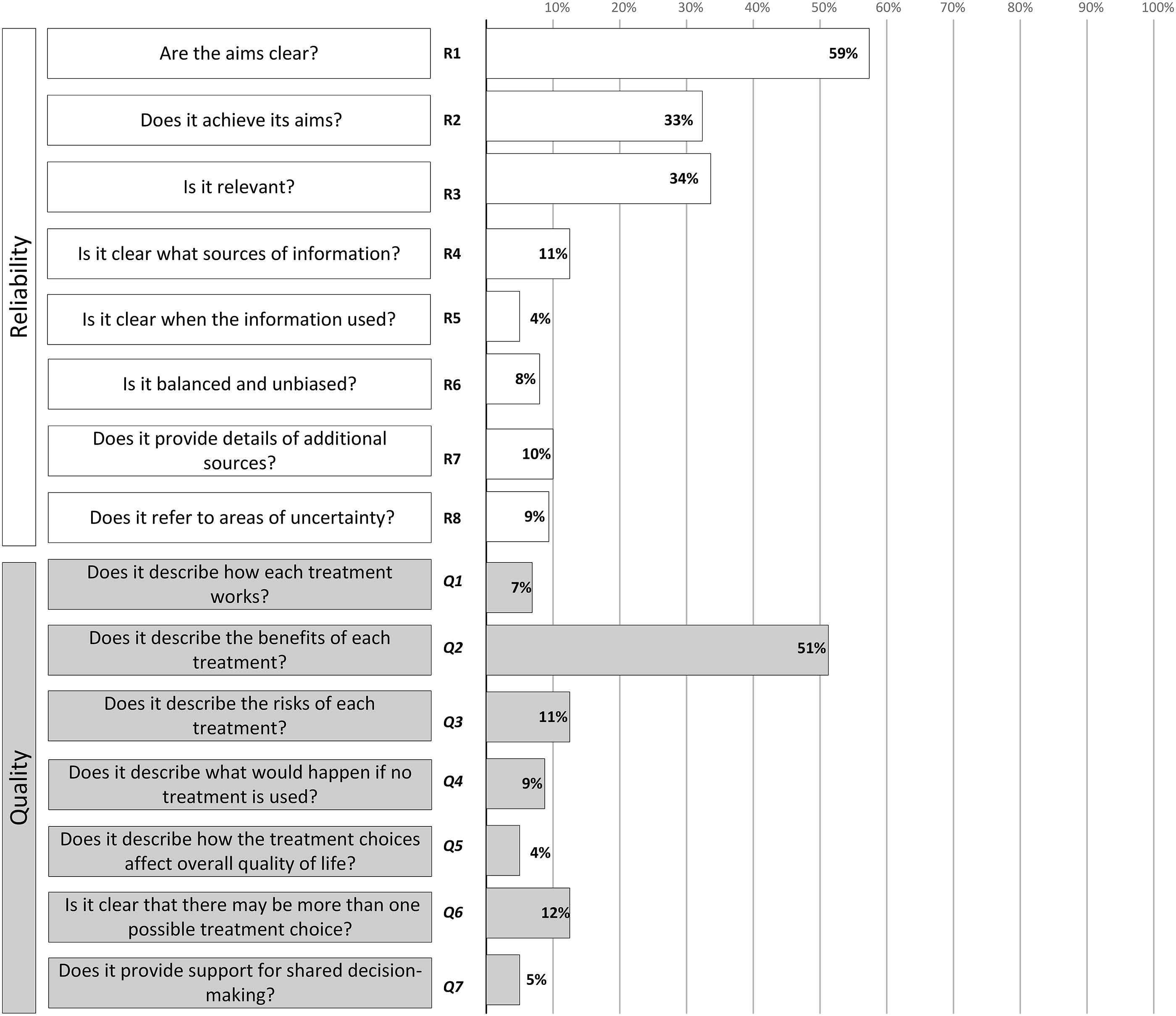
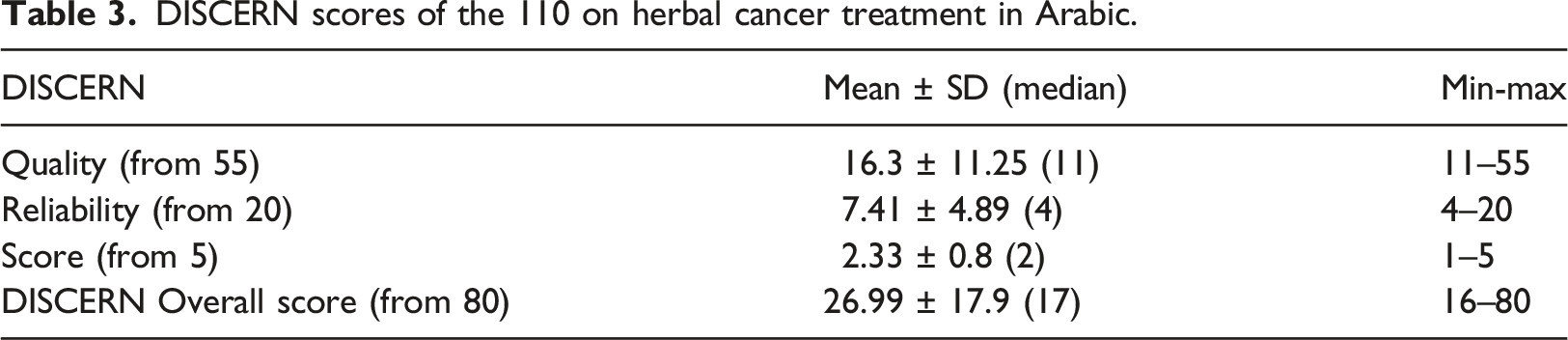
Figure 3 shows the results from the DISCERN tool, which indicates the following interesting highlights: • Quality: From the videos, 51% described the benefits of the described treatment; however, only 11% described their risk. • Reliability: From the videos, 59% had a clear aim; however, only 9% referred to Aires of uncertainty.
The clear aim in the videos (59%) did not reflect the reliability of the content. Interestingly, 11 questions out of 16 from the DISCERN tool have less than 12% results, reflecting the very low reliability and quality of the videos' content. In addition, only 11% of the videos clearly stated the sources of information used, and only 4% stated when they were produced. As well, there was misleading content provided to the viewers in terms of the treatment risks (11%), choices (4%), and how the treatment works (7%). Despite that, the purpose of the content was evident in 65% and the language was understandable in 72%, the average actionability and understandability of the videos were 41% and 34.5%, respectively.
PEMAT results
The PEMAT scores (as shown in Figure 4 and Table 4) revealed that the overall average understandability score was 34.5%, and the actionability score was 41.1%. The mean of PEMAT scores was 30.8%. Information quality for the videos by PEMAT assessment results. PEMAT scores of the 110 on herbal cancer treatment in Arabic.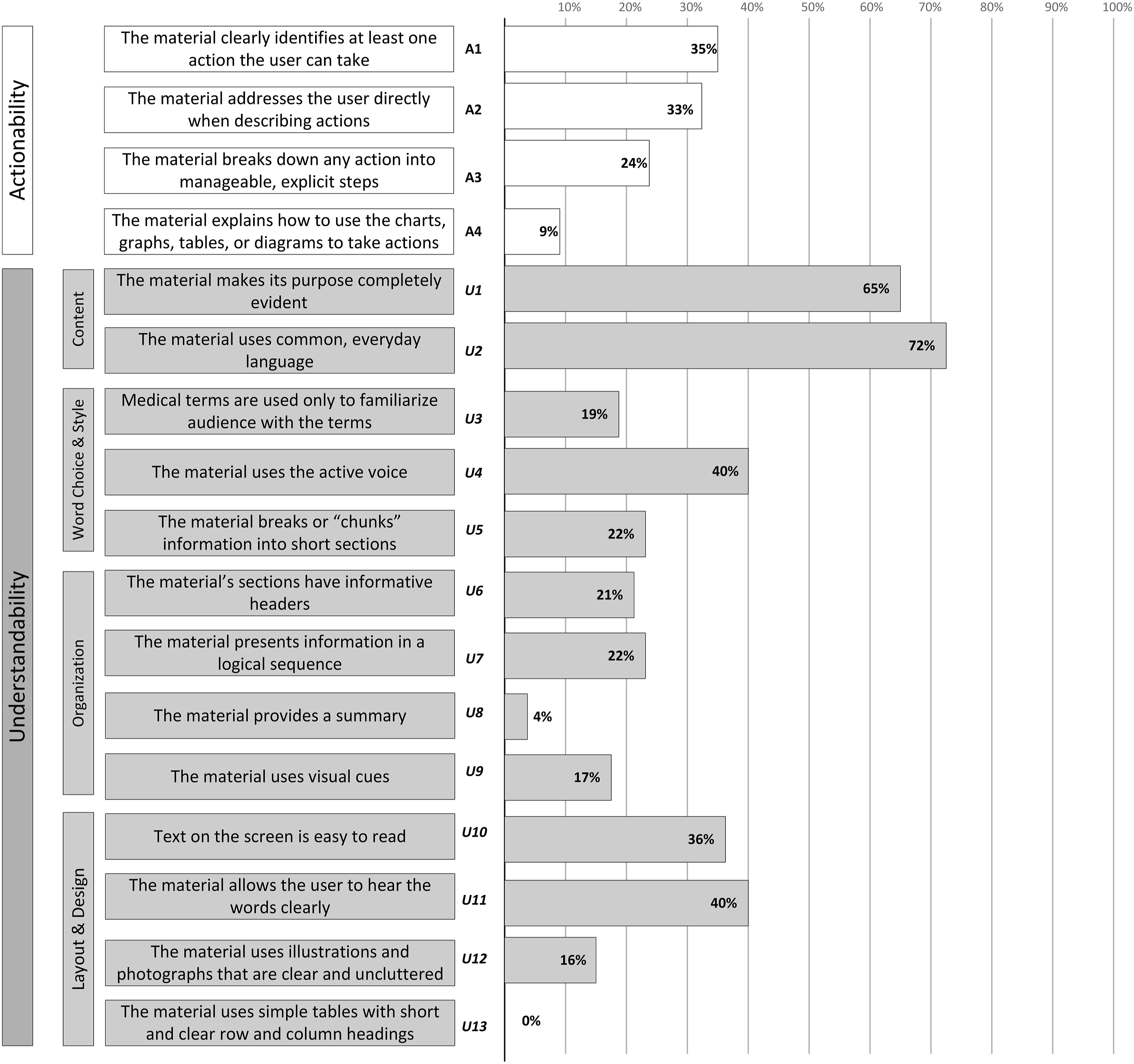

Figure 4 shows the results from the PEMAT tool, which indicates the following interesting highlights: • Actionability: From the videos, 35% identified at least one clear action the user can take; however, only 24% broke the actions into manageable steps. • Understandability: The content had the highest score among all the other dimensions and lowest scores. The word choice and style showed that only 22% broke the information into short sections, and only 4% provided a summary to users.
Interestingly, 15 questions out of 17 from the PEMAT tool have results less than or equal to 40%, which shows low scores regarding the actionability and understandability dimensions.
User engagement evaluation
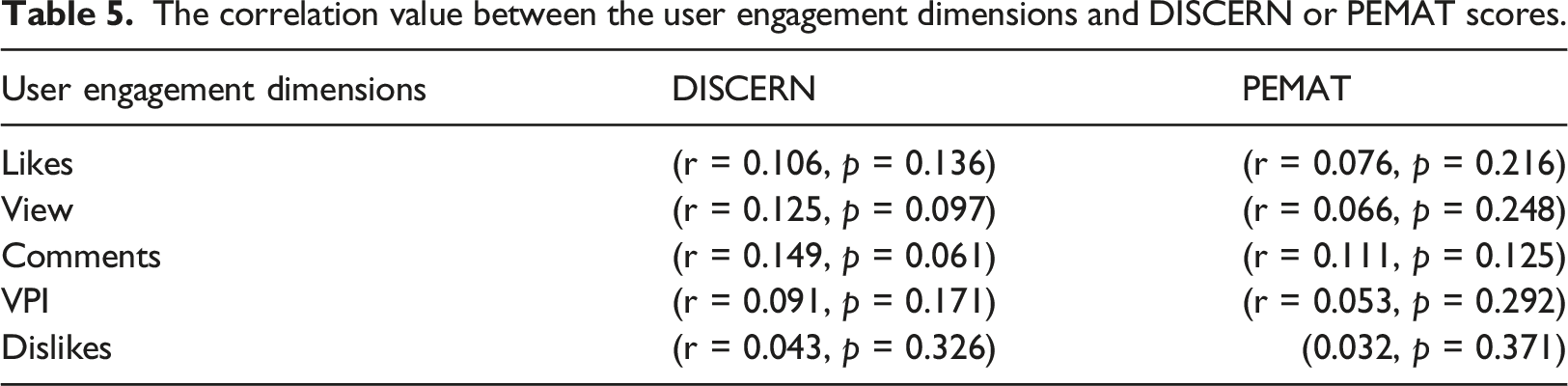
The correlation value between the user engagement dimensions and DISCERN or PEMAT scores.
Discussion
The results from the descriptive analysis allowed this study to explore different characteristics of the videos. From the above analysis, the number of views showed that patients have unmet needs, and the information quality of the videos showed that content creators on YouTube are utilizing this gap by providing inaccurate related health information. This is unsafe, as YouTube leaves the public (and patients) to decide on the legitimacy of content with little or no medical background, especially when a professional does not submit the majority of the content. This note is in the same direction as Hillyer et al. 29 findings that stated that the majority of the videos on YouTube relating to breast cancer treatment did not discuss mastectomy, which may influence the decision-making process for the patient. This could explain the limited number of videos about herbal cancer treatment with high assessment scores presented in the results.
The results from the two well-known assessment instruments allowed this study to explore a wide range of health quality and consistency features. The reliability scores reveal that the source data is frequently absent, along with crucial financing and conflict of interest cues that can have an impact on how the general public interprets the provided health information. This is aligned with Aydin and Akyol 27 and Esen et al. 57 findings that the majority of the videos related to thyroid and breast cancers offered non-evidence-based inaccurate information that mislead the audiences without stating the source of the information. The findings of our analysis match with many previous studies that reported that the quality of YouTube video content addressing different medical information was generally poor.25,45,58 As a result, there are huge concerns over the accuracy of the information available and the resulting adverse effect on patients’ performance and decision-making.
Remarkably, the video with the highest number of views (>1M) and likes (>12K) achieved a low assessment score in both DISCERN (<
Interestingly, the best quality video (PEMAT = 92%) received less than the average number of views and zero likes. This indicated that patients not only cannot distinguish between accurate and inaccurate health information on YouTube but also give higher rates to low-quality videos. While experts and government officials are already active on many social media platforms, cooperation between public health organizations and content producers may be a useful tactic to increase their influence and reach. This brings up the topic of how public health initiatives are hampered by the absence of regulation in online medical education and how practical measures might be used to enhance the number of people who watch high-quality health-related information.
Another critical issue for public health practice is the tendency for YouTube content to emphasize specific individual cases over broader medical scientific approaches. This type of emphasis forming has implications for how the public thinks and interpreters. This effect was highlighted before by Nicholson et al., 59 where the less at-risk group underestimates disease risk, and disadvantaged groups are less inclined to take relevant tests.
Social media must be used more than ever to promote integrated solutions since health information sources continue to be of poor quality. All participants in the difficulties and fundamental features of social media platforms should be involved in the use of media strategy to promote public health objectives. Thus, this study demonstrates large existing gaps in how YouTube content, especially medical content, echoes the public’s awareness, behaviors, and government policies. Since there is no way to ignore the future of using media to promote public health, given its popularity and increasing use to spread and share news, this deduction leads to the form of the GAP framework for social media. The framework (as shown in Figure 5) integrates the three main pillars extracted from the analysis and results above Governance, Awareness, and Proficiency. When platform owners, governments, and professional bodies work together, media content is likely to be of higher quality, more engaging to increase the users’ awareness, and less likely to contain misinformation. The suggested paradigm is crucial because exposure to material on herbal cancer treatments that lacks more comprehensive contextual evidence might lead to fatalistic ideas and information overload. The GAP framework proposed from the study's results.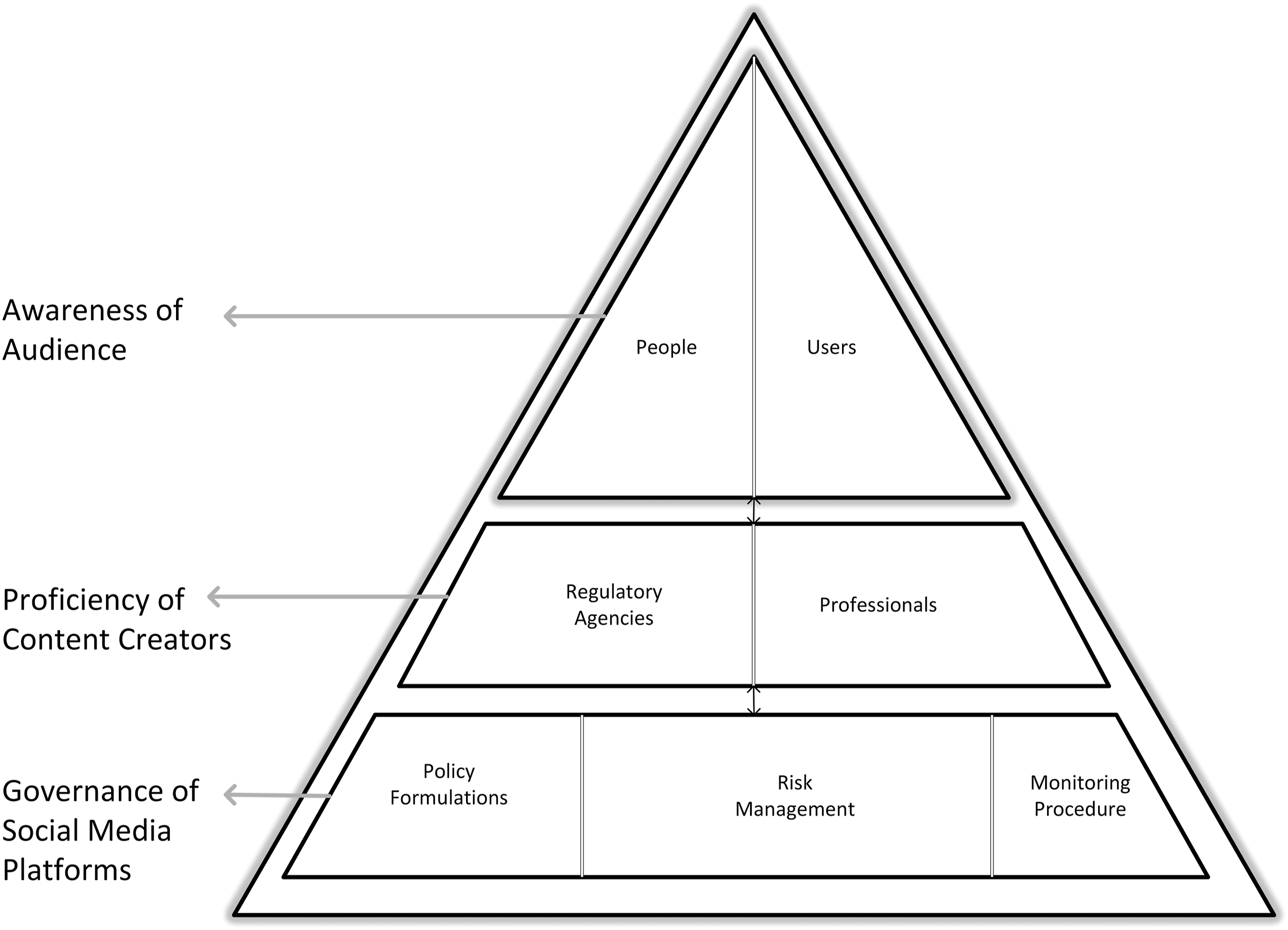
Governance of social media platforms
Over time, YouTube’s presentation of public health topics may change. Video coverage of herbal cancer treatment, as an example, can shift from a dominant emphasis on blaming content creators and behavior change as the leading solution to a greater focus on system-level solutions targeting integrated policies for the health industry. With over 8.5 million views across the 110 videos studied, it is evident that there is a demand for health information about herbal cancer treatment. Thus, creating well-sourced, trustworthy, quality, and understandable content becomes even more critical. To improve the quality of videos published on an open-access platform, coordinated efforts are needed through policies, procedures, and risk management layer to allow publishing only reviewed content per the systematic and reliable measurement scales and tools.
Awareness of the audience
The results of this study showed that despite the inadequate YouTube health videos, user engagement is shown to be favorable. This indicates that users are not critical of the sources of health information nor of what they view on the Internet. In other words, the quality of the health information on the e-platform does not indicate their engagement and interaction. This leads to the need for coaching and controlling the users throughout the two other layers of governing and proficiency. In addition to the necessity of increasing awareness, social media also serves as an educational provider, communicating health information that might enrich the quality of health informatics.
Proficiency of content creators
The investigation in this study showed that professionals, official bodies, and the government uploaded only 5% of the videos. These results represent the need to receive high attention to enhance the quantity and quality of educational material for video creators. This issue will result in more cognitive accessibility by the audience and increase the contribution of judgments of important health information and consequences. Despite this, well-written health information may effectively communicate a message about health's social, economic, and environmental determinants and boost support for evidence-based policies to address these variables.
Conclusion and recommendations
This study offers deep insights into DISCERN and PEMAT tools for determining the quality, reliability, understandability, and actionability of the video content related to herbal cancer treatment. It demonstrates a new contribution in regard to the Arabic content and herbal usage in cancer treatment. This study raises several interrelated social media gaps that need proactively addressed in the health industry for the actors by professional bodies and regulators.
With over 8.5 million views across the 110 videos studied, it is evident that there is a demand for health information about herbal cancer treatment. The overall score dimensions of the two tools do not correlate with the user engagement indicators. The qualitative and quantitative analyses of the videos represent bias and poor health information quality with a total score of 27 out of 80 for DISCERN, and 31 out of 100 for the PEMAT.
Finally, the study proposed the GAP framework for social media, which proposed integration efforts that might help maintain audiences’ attention and produce high-quality health content governed by an adequate controlling system. In addition, it will improve the sustainability of health systems through the wise use of resources, resulting in a lifelong influence on individuals, the community, and society as a whole. This study concludes that it is time for platform owners to introduce mechanisms for governing their e-platforms to reduce misleading and biased material and so enhance the quality of health-related content.
Limitations and future work
Few limitations to consider when interpreting our findings. First, this study used a cross-sectional technique for the video selection. Second, exploring the cultural settings of countries and nations regarding health information content on social media may add rich insights. Nevertheless, our study’s findings offer fresh insights into DISCERN and PEMAT as tools for determining the quality, reliability, understandability, and actionability of the videos related to herbal cancer treatment.
Longitudinal data analysis could be used in the future to allow exploration of the long-term effect of the provided information and the impact of quality on user engagement. Future studies should evaluate the positive and negative comments associated with each video and the quality of information on other popular social media platforms such as Facebook and Instagram.
Supplemental Material
Supplemental Material - Assessing Arabic youtube videos on herbal cancer treatment: Absence of health information quality
Supplemental Material for Assessing Arabic youtube videos on herbal cancer treatment: Absence of health information quality by Faten Kharbat and Ajayeb Abu Daabes in Health Informatics Journal
Footnotes
Declaration of conflicting interests
The author(s) declared no potential conflicts of interest with respect to the research, authorship, and/or publication of this article.
Funding
The author(s) received no financial support for the research, authorship, and/or publication of this article.

Supplemental Material
Supplemental material for this article is available online.
Notes
References
Supplementary Material
Please find the following supplemental material available below.
For Open Access articles published under a Creative Commons License, all supplemental material carries the same license as the article it is associated with.
For non-Open Access articles published, all supplemental material carries a non-exclusive license, and permission requests for re-use of supplemental material or any part of supplemental material shall be sent directly to the copyright owner as specified in the copyright notice associated with the article.
