




Abstract
Diabetes is a chronic disease, and its treatment requires intensive management of medication, diet, and exercise. Nowadays, information and communication technology provides diverse facilities to patients and medical specialists to manage different diseases in an efficient manner with the help of smartphone technology. Earlier studies have not ranked diabetes management apps by correlating each app feature, and their review is not comprehensive. Therefore, this study presents a comprehensive analysis of the existing diabetes-related smartphone applications. Moreover, we examine the factors based on which most of the users provide a higher rank to a particular application. We classify the diabetes mobile applications with respect to the application features and perform rigorous analysis of the top 15 applications. The results indicate that there exists a weak correlation between the number of downloads and user ratings. For evaluation, we calculate the normalized discounted cumulative gain score to rank applications based on its features. The results demonstrate that a higher normalized discounted cumulative gain score is attained by those mobile applications that contain the data-sharing feature.
Introduction
Information and communication technology (ICT) acts as a bridge of information to handle issues pertaining to human health. 1 Moreover, ICT plays a significant role in improving the performance of healthcare systems and the prevention of medical errors. E-Health systems utilize the functionalities of ICT to ensure efficient management of healthcare systems. E-health systems are prevalent at regional and country levels that strengthen the health sector with the help of ICT. 2 The rapid advancements in smartphone technology have enabled e-health applications to facilitate patients, caregivers, and doctors to a great extent. The e-health applications harness ICT technology and provide tools for better management of the disease.3–6 Nowadays, smartphones are adequately capable to run complete laboratory scans to diagnose diseases at the lowest computational cost (i.e. using less energy and resource usage). 7 Smartphone platforms assist caregivers and patients in terms of improved management of various chronic diseases, such as mental health problems, diabetes, overweight, cancer, and chronic obstructive pulmonary disease. 8
Diabetes is a metabolic disorder and considered a major chronic disease worldwide. It occurs due to defects in insulin secretion, insulin action (lower absorption by the body muscles), or sometimes genetic issues. 9 Diabetes causes long-term damage to the vital body organs like eyes, kidneys, nerves, the heart, and blood vessels. 9 There are two types of diabetes: Type 1 diabetes (T1D) usually occurs due to insulin deficiency in the body 10 and Type 2 diabetes (T2D) occurs due to insulin resistance in the body. In T2D, the body is unable to extract required insulin from the bloodstream, which results in higher blood glucose. Another form of diabetes is gestational diabetes (GD), which occurs during the third trimester of the pregnancy. However, there exist a few numbers of patients suffering from GD as compared to the patients suffering from T1D and T2D.11,12 According to Sayin et al., 13 diabetes mellitus has affected more than 240 million people around the globe, and this amount may exceed up to 370 million by 2030. The probability of diabetic retinopathy for the patients of T1D and T2D is 95 and 60 percent, respectively. T2D is a major cause of high ratio in the vision loss of the patients. 13
The rationale of mobile health (mHealth) is a provision of preventive health care services in the form of smartphone and wireless communication technology to attain, manage, and process disease-related data. The mHealth platforms include mobile phones, tablets, and in-built body sensors that transmit disease-related vital signs’ data such as blood pressure and pulse rate. 14 A diverse range of Android smartphone applications (approximately 35,00,000 applications) (https://www.statista.com/statistics/266210/number-of-available-applications-in-the-google-play-store/) is available on the Google Play store (https://play.google.com/store?hl=en). From this plethora, approximately 1,07,037 apps are based on health and fitness aspects having 4.07 (of 5) user ratings on average. 15 Star rating and reviews provided by the application users serve as a convincing factor for new users to download a particular application. In the case of paid applications, users may face monetary loss if an application fails to meet their expectations. Moreover, the application designers must be aware of the expectations of users and desired features for an efficient and viable application. Widespread usage of mHealth applications and reliability of patients over them adhere application designers to make considerable efforts to provide accurate and precise e-health services. The application designers tend to include multiple features in an application so that the maximum number of users could be targeted. In this regard, multiple studies have been conducted. A rigorous study was conducted by Hoppe et al. 16 to suggest top 10 diabetes-related smartphone applications based on their features. Similarly, Demidowich et al. 17 have identified the top five apps used by diabetes patients on the basis of augmented and customized usability scores. Earlier studies16,17 have recommended the top applications based on the extensibility of the application features. To the best of our knowledge, none of the existing studies have considered the focal indicators such as user ratings and the number of downloads.
This study identifies the reasons for which users provide a high star rating to a certain diabetes-related smartphone application. The primary concern of identifying those reasons is to assist the application developers to design applications by incorporating the features. The data employed for this study comprise 200 Android applications and their features. We have scrutinized 15 applications based on the number of downloads and ranked them according to their features. The obtained ranking is then compared to the users’ star ratings using the normalized discounted cumulative gain (NDCG) score to measure the quality of ranking. The outcomes reveal that those diabetes-related apps have high star rankings, which provide better disease-related data communication features. The rest of the article is organized as follows: section “Related work” presents related work, section “Research methodology” presents the research methodology and comparative analysis, section “Experimental evaluation” presents the results, and section “Results and discussion” presents the conclusion of this study.
Related work
Hoppe et al. 16 have conducted a review to rank diabetes-related smartphone applications on the basis of available features and behavior-changing techniques in a particular app. The authors have calculated the app scores using the total number of behavioral change techniques and total features. Using the calculated score, they recommended the top three applications for better management of diabetes. A study 17 suggests the top five applications to manage hyperglycemic disease. The authors have calculated customized usability and augmented usability scores. Using the sum of both scores, they sorted the apps from largest to smallest (most rated at top). The top five apps with high scores were recommended to diabetes patients.
In the study by Arsand et al., 18 the authors presented a smartphone application designed to facilitate better disease management for the patients suffering from T2D. The app allows the patients to manually input blood glucose, record food habits, and set daily food goals. It displays a graph of the daily activities, inputs blood glucose, and provides useful health-related tips. Another application 19 manually takes input and allows the tracking of patients’ physical activities, insulin intake, and medications. The application facilitates the user with the generated diet plan according to input data that can further be exported in other data formats. Glucose control through the intake of a meal is a vital ingredient to obtain optimized prevention from the everlasting complications of diabetes. Considering the values of carbohydrates, fats, and proteins, the dosage of insulin can be estimated on the basis of carbohydrate intake. As fats and proteins in the meal do not directly affect the blood glucose levels, therefore, the dosage of insulin is estimated only on the basis of carbohydrate intake. 20
To continuously monitor the blood sugar levels of Type 1 patients, different sensor-based smartphone applications are designed. According to Brzan et al., 21 sensor-based applications accurately estimate the insulin dosage to avoid human errors. In the study by Esvant et al., 22 a Bluetooth sensor-based smartphone application is developed to make the process of disease management of Type 1 and Type 2 patients feasible. A Contour Plus ONE sensor is recommended to be used along with this smartphone application. The sensor takes a blood sample (using a finger prick) and calculates the amount of glucose in the blood. Furthermore, this app records food habits, physical activities, and medications and displays related data charts.
Some applications facilitate users to better manage the disease-related situations. One of such apps is presented in the study by Tulu et al., 23 which provides a suggestion regarding the injured feet and fingers by generating reminders and diabetes management tips. Another smartphone application 24 automatically recommends the required calories and carbohydrate, protein, and fat intake. Moreover, in case of an emergency, the application can initiate SMS/call to a caregiver/doctor and notifies the location of a patient through GPS. The summary of the diabetes-related application is given in Table 1. It can be inferred from the table that each application contains distinct features. This study highlights those features based on which a user ranks a particular application higher than others.
Literature review summary.
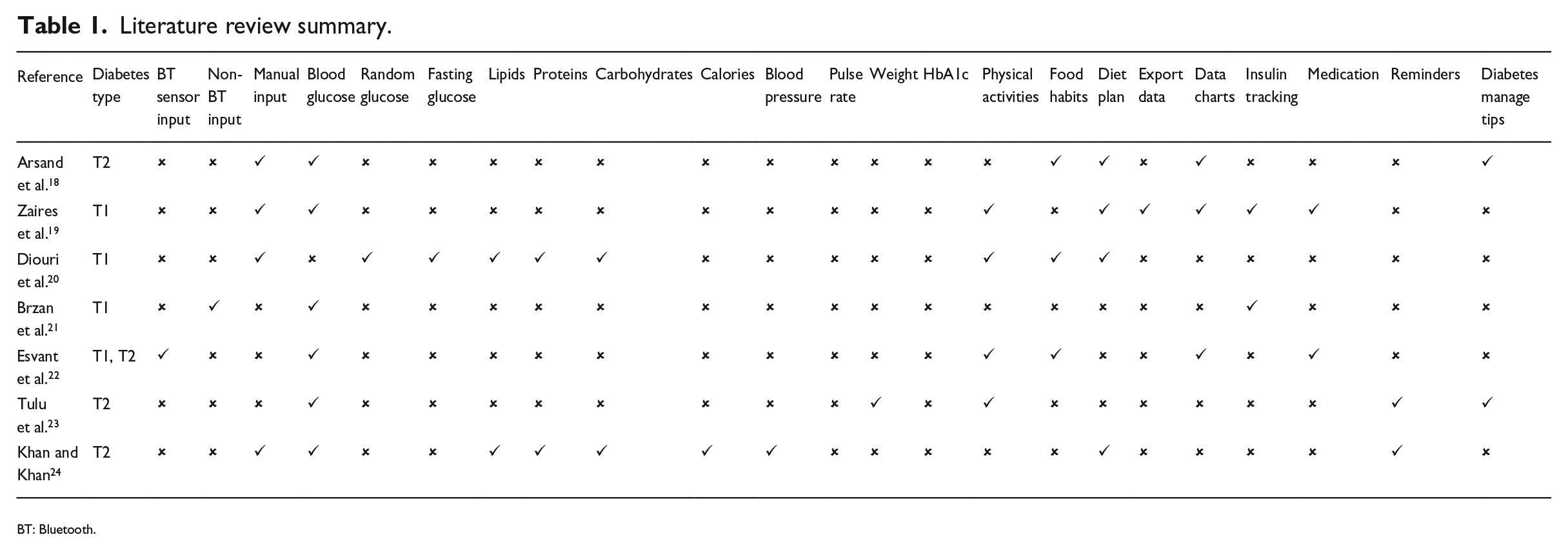
BT: Bluetooth.
Liu et al. 25 provided a mechanism for smartphone application recommendation related to the inflammatory bowel disease. The authors have rated the apps on the basis of visual appearance, quality of available information, and the total number of app functions. In the end, three top-rated apps were recommended to the patients with inflammatory bowel disease. Larco et al. 26 provided an evaluation of iOS apps for disabled persons. The proposed methodology uses the mechanism of mobile application rating score. The app can obtain a minimum score of 1 and a maximum of 5. The apps were rated on the basis of aesthetics and features. This study has also recommended a certain number of top-rated apps for persons with a physical disability.
The discussions delineated in this section explain the ranking mechanism we employ based on application features. An app developer markets the app based on the novel features that lack in the existing solutions; however, one can bring added value to the smart app users. In this work, we identify the features that captivate the users to rate a particular mHealth app higher than the others. Diabetes smartphone apps are categorized with respect to features, that is, weight monitoring, nutrition, communication, input methods, and so on, and the rank obtained using each category was evaluated by comparing with the star rating.
Research methodology
To address the raised issues, the methodology presented in Figure 1 is employed. The proposed methodology comprises different steps including data set selection, app selection, and data preprocessing, and so on. We collected a data set containing 200 diabetes management–related smartphone applications using keywords “Diabetes Apps” and “Diabetes” from Google Play store (https://play.google.com/store?hl=en). First, we selected 69 applications using a certain criterion, from which 15 applications were finalized for further analysis. We calculated the NDCG score 27 for the effectiveness of the application’s features with star ratings and the number of downloads. NDCG is a standard information retrieval mechanism which is used to evaluate the quality of ranking of a specific model. NDCG returns the maximum value of 1 and a minimum of 0. However, 1 interprets that ranking is extremely effectual, whereas 0 indicates that the ranking is ineffectual. For effectual results, it should be closest to 1.
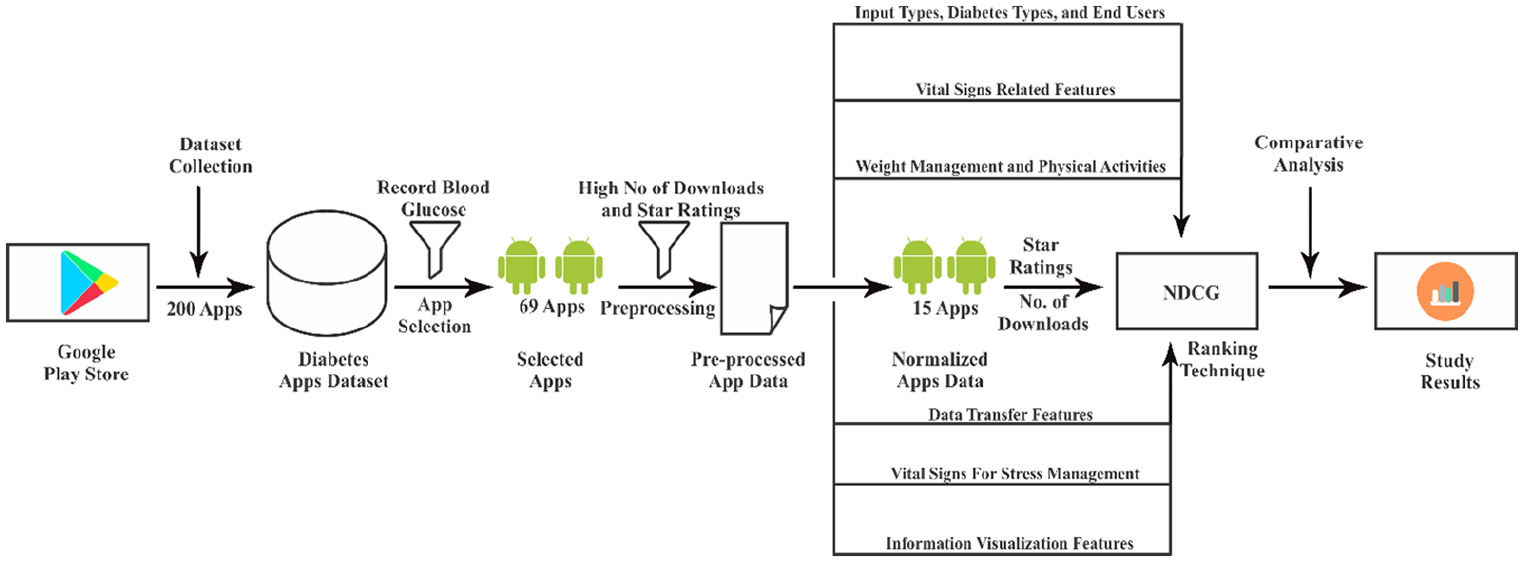
Research methodology diagram.
Experimental evaluation
Data set selection
From the downloaded 200 apps, we shortlisted 69 applications based on the criteria that the app should be capable to record/store the blood glucose levels. Figures 2 to 9 present the selected data set consisting of 69 diabetes-related smartphone applications. The 20 applications are based on Bluetooth-based sensor input, while the 2 applications are based on other types of sensors-based input (such as inferred) and 1 application is based on voice input, and all the 69 applications support manual input. In this data set, 17 applications are for T1D patients, 13 applications are for T2D patients, and only 1 application is related to GD patients.
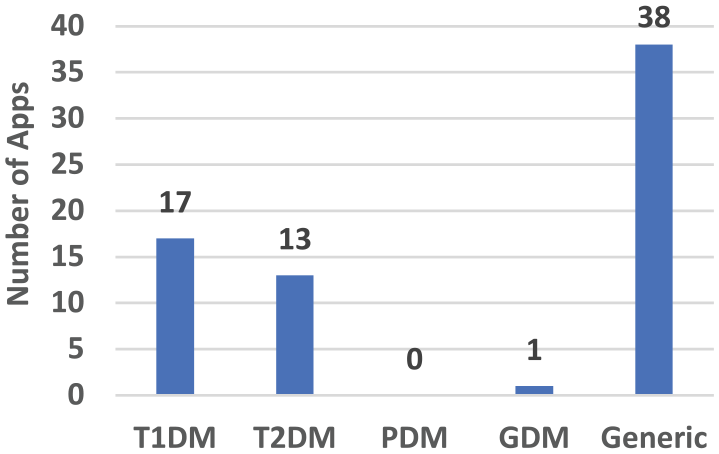
Diabetes types.
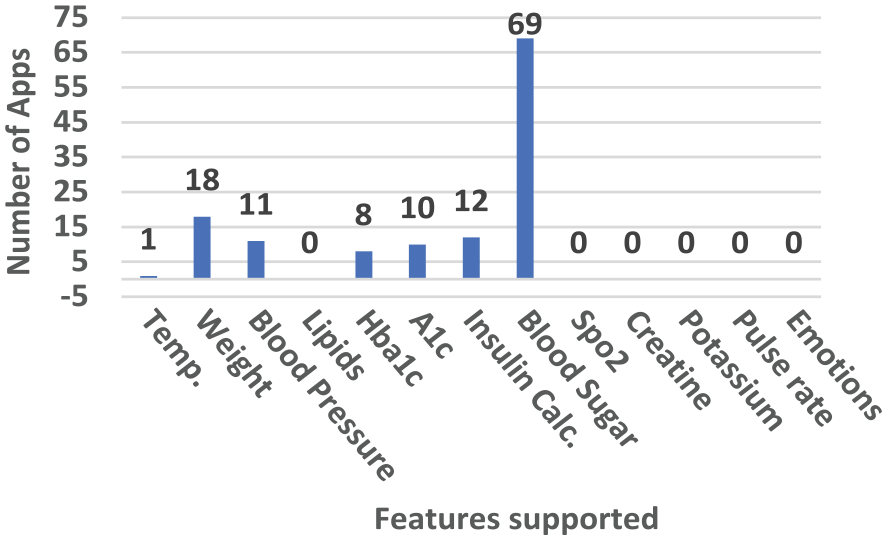
Supported features summary.
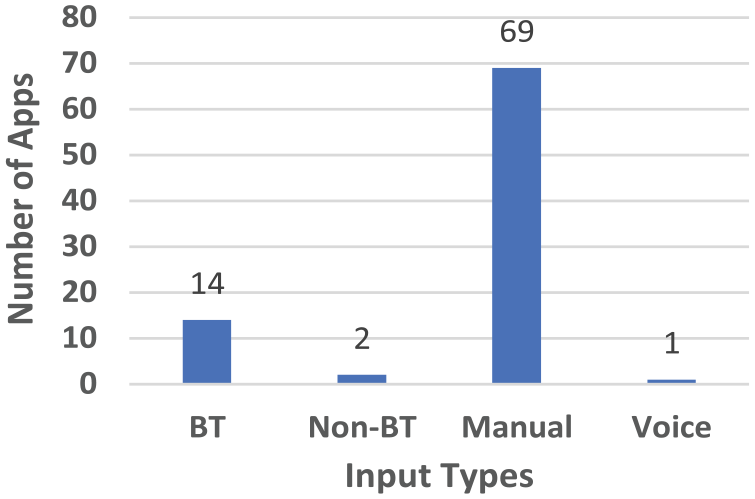
Supported input types of initial app data set.
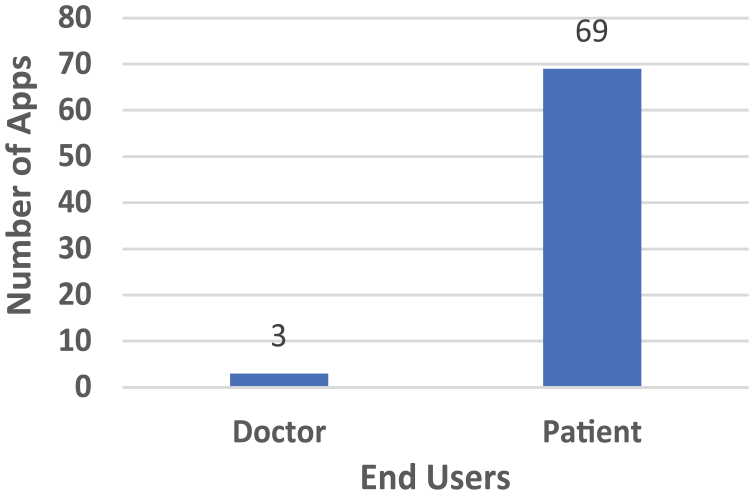
Targeted end users of initial app data set.
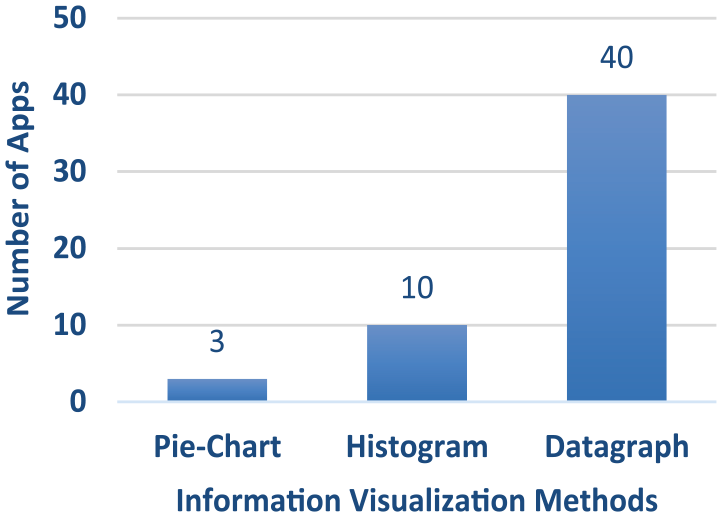
Information visualization features.
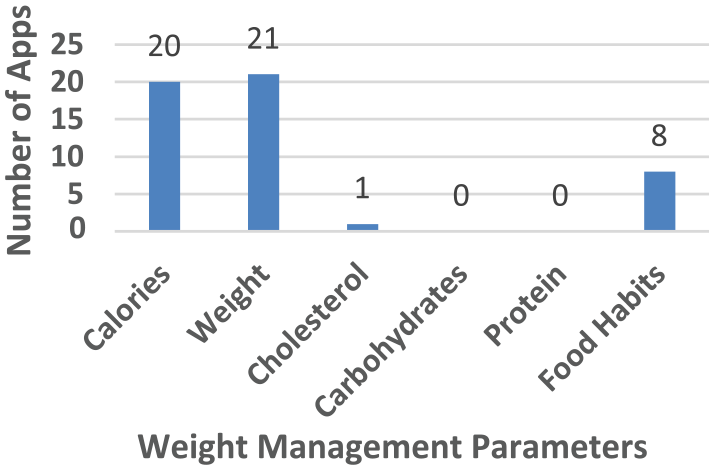
Weight management features.
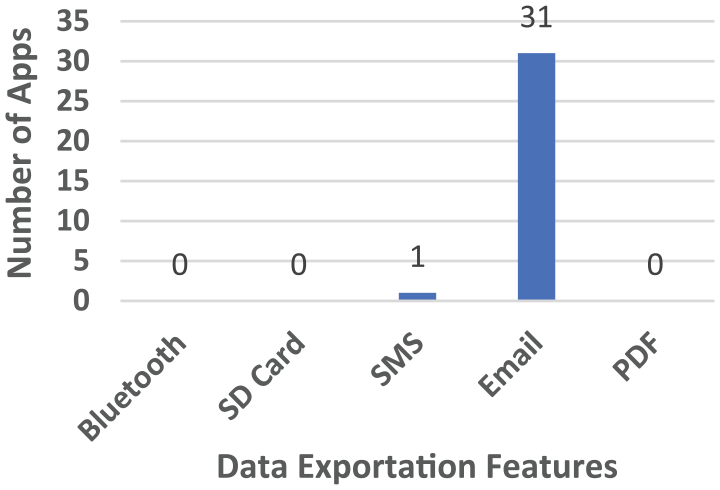
Data export mode of apps.
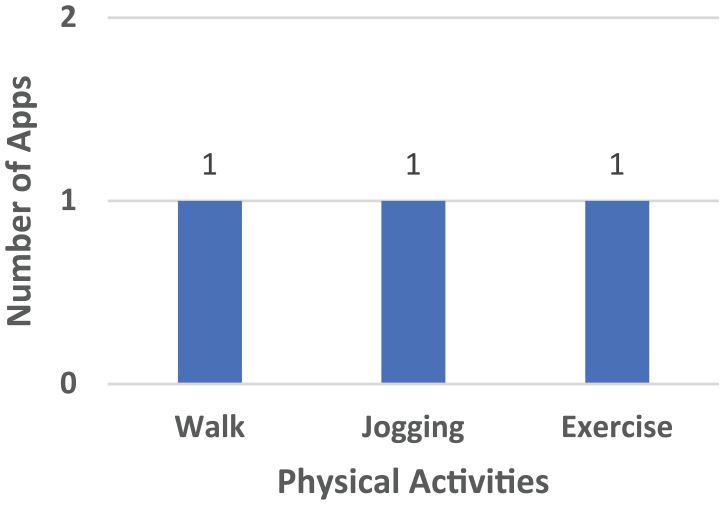
Tracking of physical activities.
The other characteristics of the applications are as follows: One application contains the feature of body temperature recording, 18 applications facilitate patients to input the weight, and 11 applications take the blood pressure as input. In this data set, 18 applications take input of the glycohemoglobin, 12 applications suggest the required amount of the insulin to be injected, 20 applications allow input of calorie intake, 8 applications record the food habits, and 1 application records the physical activities such as walking, jogging, and exercise. Only one application allows the data transfer using Short Messaging Service (SMS), and 31 applications allow data transfer through email. Out of 69 smartphone applications, top 15 (on the basis of the number of downloads) are selected for the detailed study. Names of these 15 apps are listed in Table 2:
Pre-processed application data set (15 selected applications).
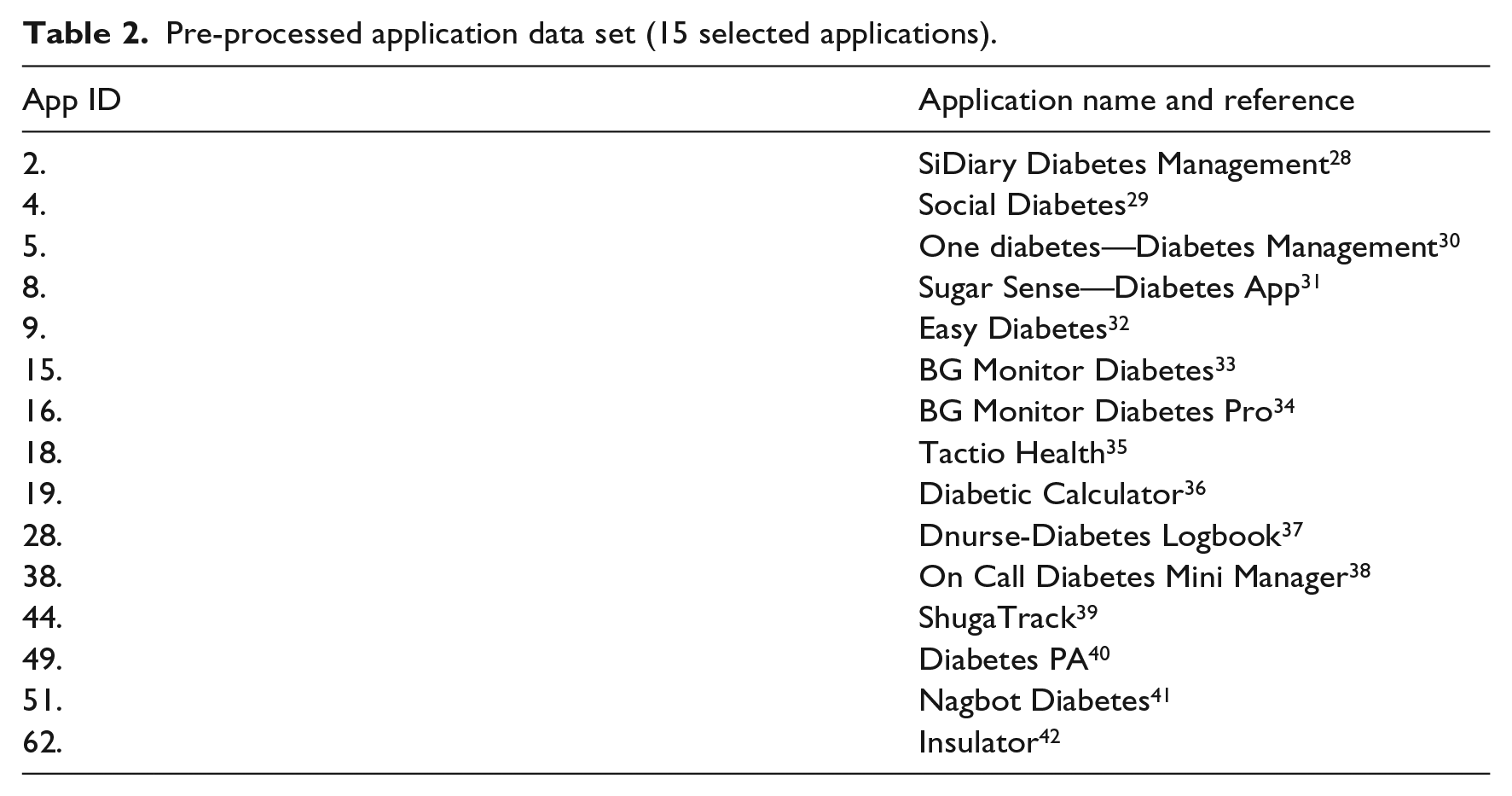
Figure 2 presents insights about supported diabetes types by the apps available in our data sets such as T1D, T2D, and GD. Of 69 apps, 38 are generic as they support all kinds of diabetes; however, 17 apps are developed for T1D patients. There are 13 apps for patients suffering from T2D and 1 for GD patients.
Figure 3 presents an overview of supported features, such as weight, temperature, A1c, HbA1c, blood pressure, and sugar serum, by the selected apps where 18 records the body weight; however, 12 suggest the amount of insulin required to decrease sugar serum. Of 69 apps, 11 apps record the blood pressure, 10 apps record A1c, and 8 stores HbA1c. In this data set, only one app records the body temperature; however, all apps record the sugar serum level.
Figure 4 presents a description of input methods supported by the apps such as manual, voice, Bluetooth, and other model-based input, from which 14 apps support Bluetooth input system; however, one app is based on the voice input model. All the other apps in the collected data set support manual input; however, two apps are based on the other models.
Figure 5 presents a summary of targeted end users such as medical professionals and patients wherein three apps target both end users; however, the rest of the apps are specifically developed only for patients. Figure 6 shows the supported visualization models by apps such as pie chart, histogram, and data graph. Of 69 apps, 10 apps display information in a histogram and 3 in the pie chart; however, 40 apps use a data graph to visualize the information. Figure 7 presents the details about supported weight management features such as body weight, calories, cholesterol, and food habits. In this app data set, 21 apps record weight, 20 apps record calories, 8 apps record food habits, and 1 app record cholesterol. Figure 8 shows the data exportation modes (data transfer) of apps such as e-mail and SMS from which 31 apps allow data exportation through e-mail and 1 via SMS. Figure 9 shows the features related to physical activities such as jogging, walking, and exercise, wherein only one app records such inputs.
Comparative analysis
Table 3 provides a coherent summary of the 15 aforementioned apps in Table 2. Table 3 enlists the input methods of the applications, the type of diabetes for which the particular app is developed, and who are the targeted users (i.e. doctors or patients). These features are further divided into several subfeatures. For the input method, we have found four most used input types: Bluetooth (BT)-based input, non-Bluetooth input (non-BT), manual input, and voice input. The diabetes type includes T1D, T2D, prediabetes (PD), and GD. The medical professionals and diabetic patients are the targeted users of the apps. In Table 3, the score column indicates the feature score wherein the value of 1 represents the existence of the feature and value of 0 shows the absence of the feature. The application having a high score indicates that it supports multiple input methods and diabetes types and targets multiple end users, and the app with a low score indicates that it contains fewer features.
App input method, diabetes types, and its target user.
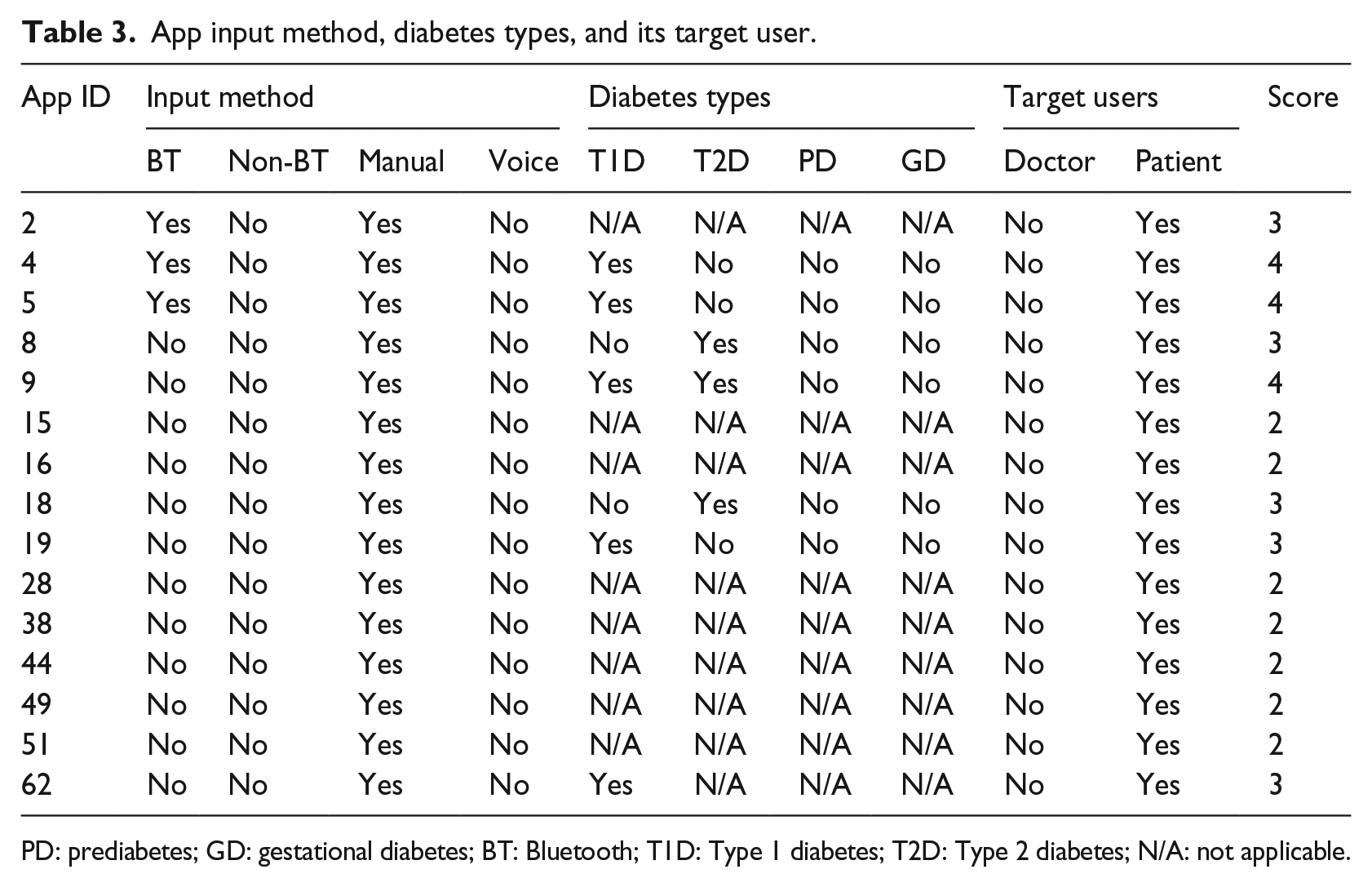
PD: prediabetes; GD: gestational diabetes; BT: Bluetooth; T1D: Type 1 diabetes; T2D: Type 2 diabetes; N/A: not applicable.
Table 4 presents the inference vital signs of a human body. Table 4 is constructed by considering the features of the 15 selected applications. The features include temperature (temperature of the human body), weight (physical weight of the human body), blood pressure (rate of blood flow in veins), lipids (amount of fats in blood), HbA1c (HbA1c stands for the glycated glucose and provides an estimate of the average value of the concentration of the glucose in blood from the last 3 months), insulin calculator (the apps recommend the amount of the insulin to be injected on the basis of input parameters), blood sugar (concentration of sugar in blood), SpO2 (concentration of saturated oxygen in blood), creatinine (a chemical compound which is developed during the metabolism of creatinine and released through urine), potassium (helps nerves and muscles to communicate), and pulse rate (count of the human heartbeat). The score provides the representation of feature scores which are calculated by incrementing 1 over the existence of certain feature and 0 in absence of a feature. If the app has a high score, it contains multiple features related to vital signs; however, a low score indicates that it contains less vital sign–related features.
Features related to vital signs.
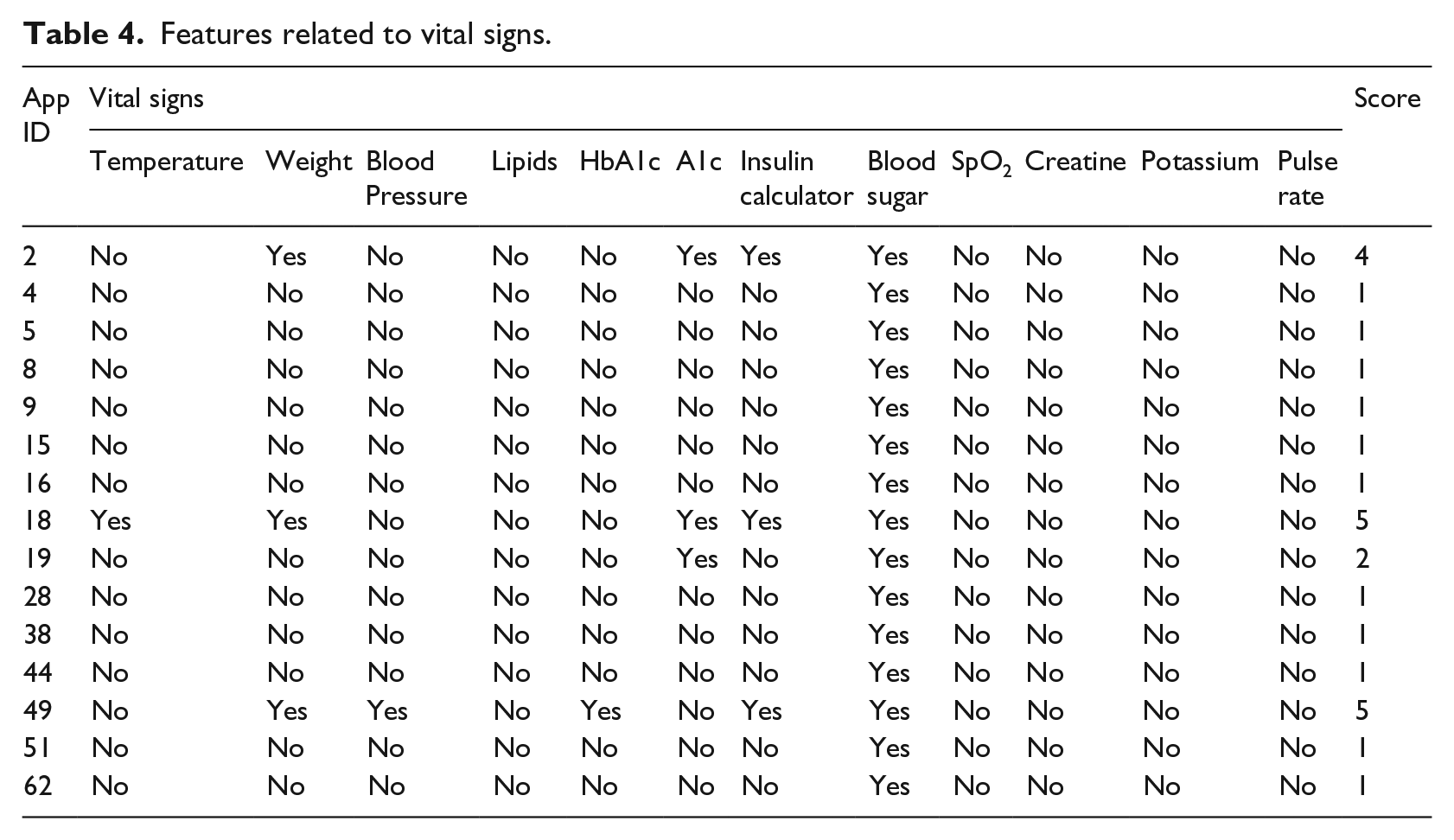
Table 5 shows the features related to weight management and physical activities. Some of the weight management–related features include calories, weight, cholesterol, carbohydrates, and food habits. The features of the physical activities include a walk, jog, and exercise-related inputs. The score indicates the feature score which is computed with the addition of 1 over availability of a particular feature and 0 over non-availability. A high score indicates that an app contains various weight management–related and physical activity–related features, and the low score represents that it contains a few features.
Features of weight management and physical activities.
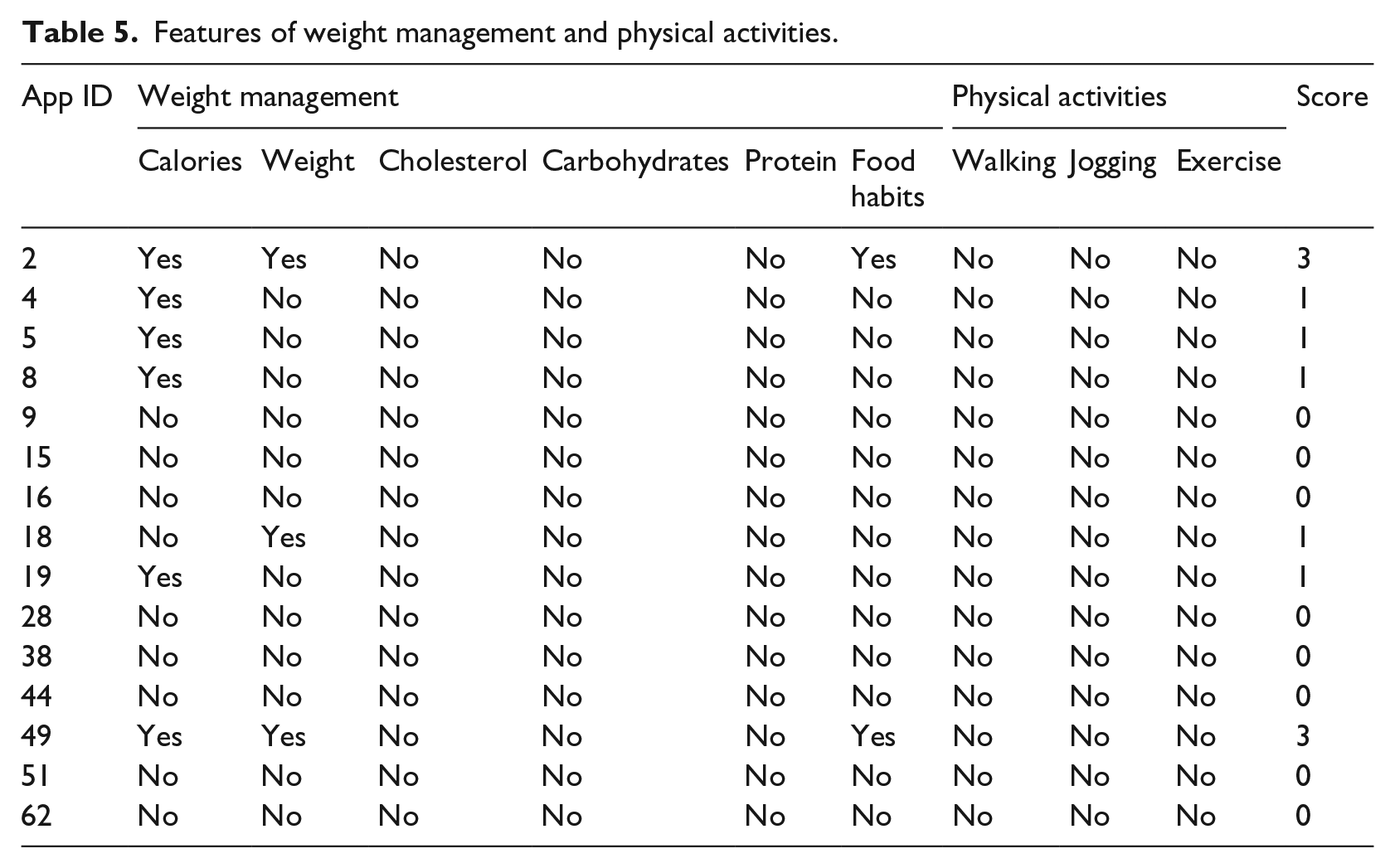
Table 6 shows the data exportation methods provided by different applications such as data exportation through Bluetooth, SD card, SMS, e-mail, and PDF. The basic purpose of the data exportation is to share data reports with the medical experts. The score interprets the feature scores which are calculated with the inclusion of 1 in the total score over the existence of a particular feature and 0 over non-existence. A high score indicates that a particular app allows data exportation via a particular medium; however, a low score indicates that it does not contain any data exportation feature.
Data exportation method of apps.
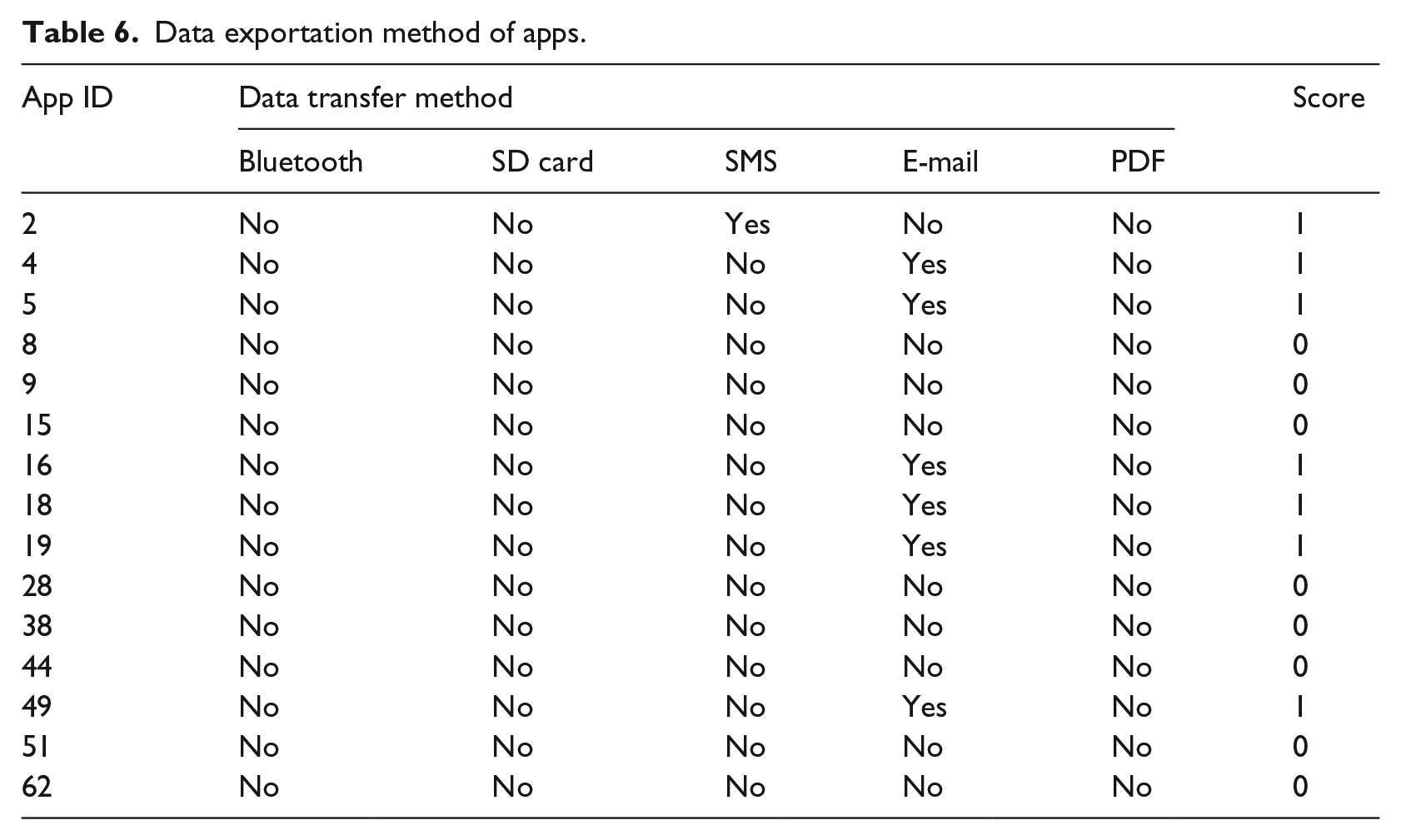
Table 7 shows the vital signs that can be useful to analyze stress management. The included features are body temperature, blood pressure, pulse rate, current emotional state, and so on. The score provides the interpretation of the feature score which is calculated with the addition of 1 over the existence of a certain feature and 0 over non-existence. A high score indicates that an app contains a feature of stress management, and the low score indicates that it does not contain any related feature.
Features of vital signs for stress analysis and management.
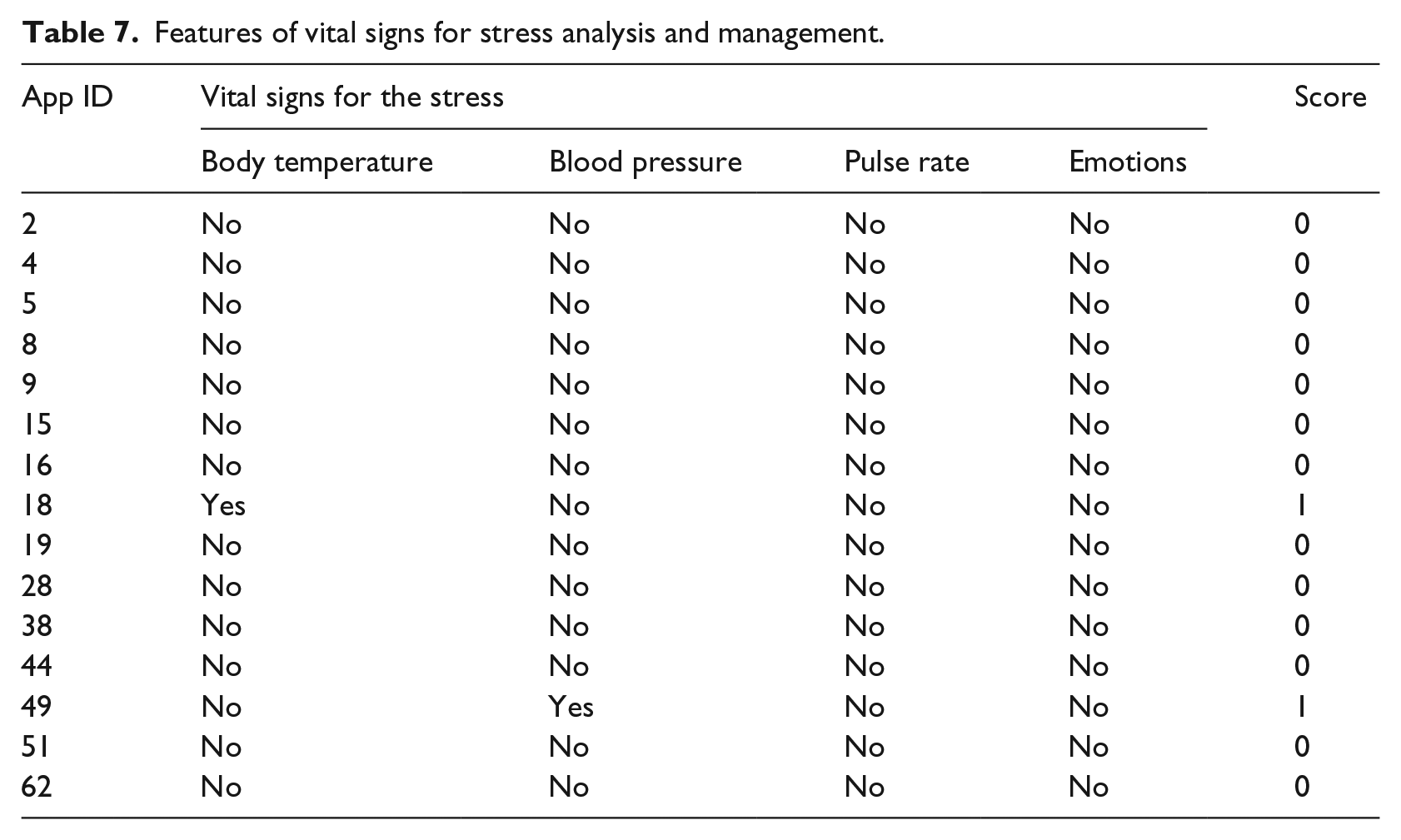
Table 8 shows the apps’ employed features for data presentation. Most of the applications employ data chart, data graph, or both modes to display data values. The data chart parameters consist of the pie chart and histogram. The basic purpose of Table 8 is to present the data exportation modes provided by different applications. The data charts and graphs provide a rising trend of the vital signs in terms of high or low in numbers. The feature score in Table 8 is represented using the score computed by adding 1 in the feature score over the availability of a particular feature and 0 over non-availability. The app with a high score indicates that it uses certain visualization models for information visualization. The app having a low score indicates that it does not support any visualization feature.
Information visualization employed by the apps.
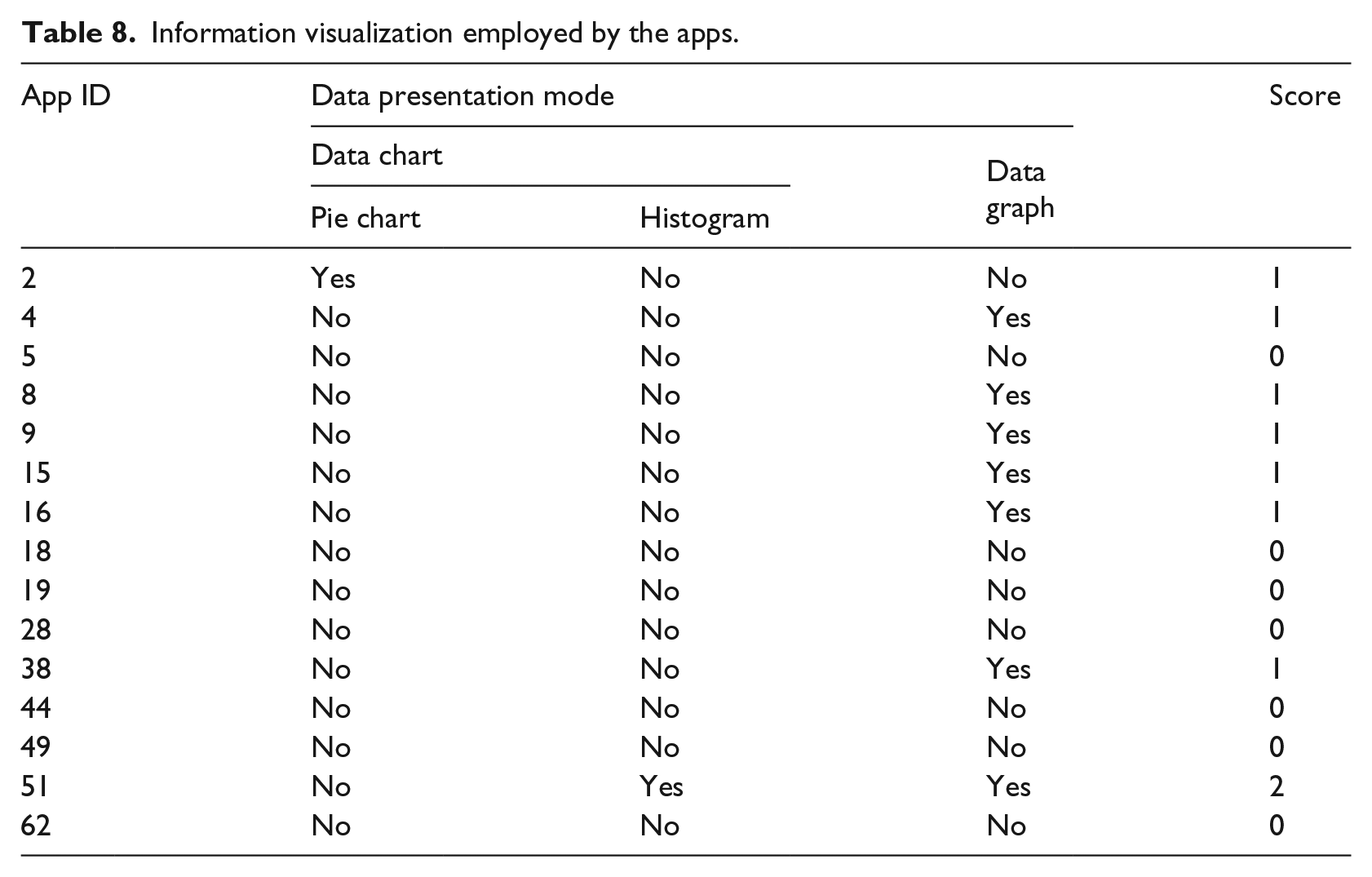
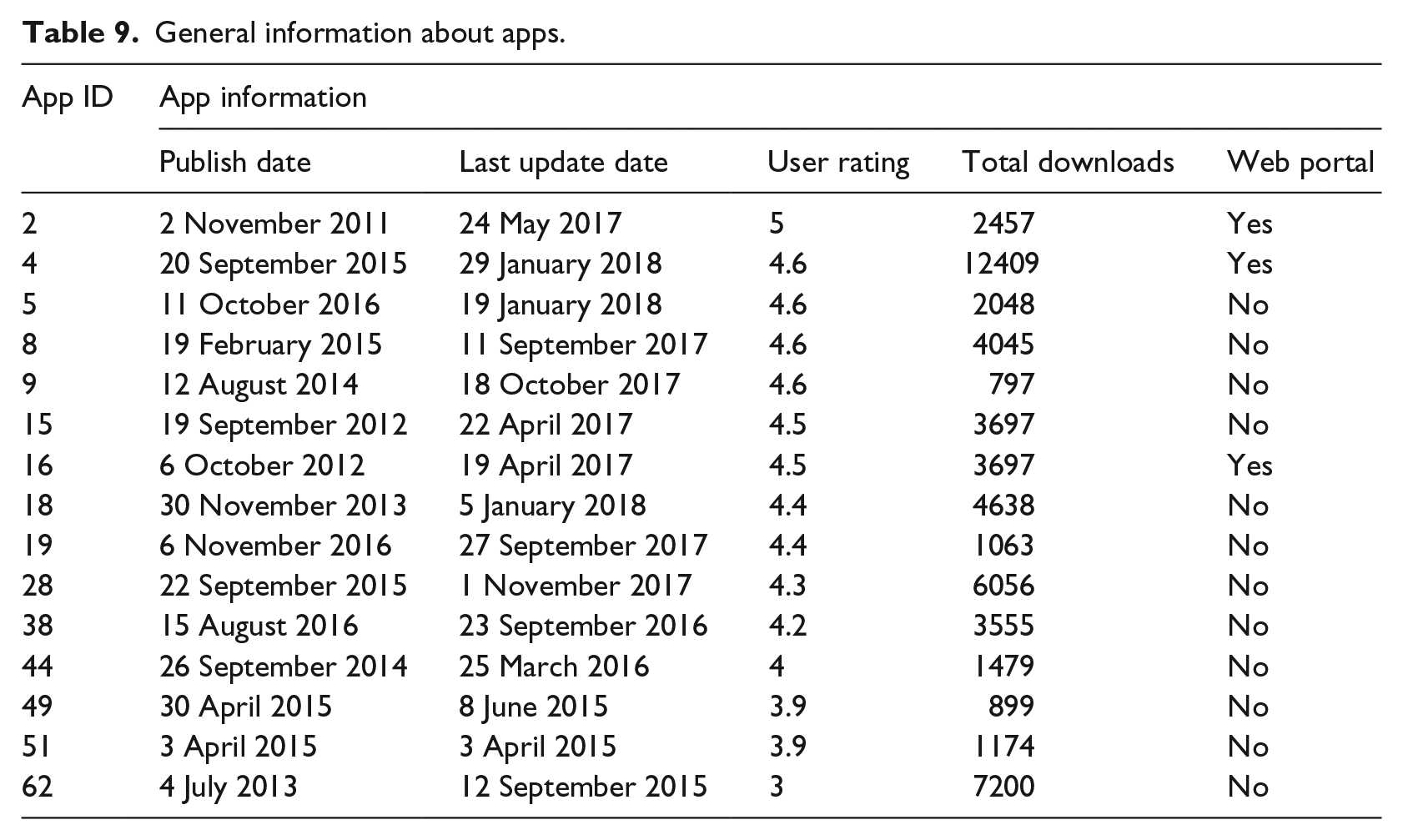
Table 9 provides the overview of general information of the apps that include features like the published date, last update date, total downloads, ratings (by the user), and web portal for the data management so that the disease-related data can be accessed on the web as well. The last update date, number of downloads, and rating features can be beneficial to scrutinize the effectiveness of the particular application. The application (i.e. App ID 2) 28 is based on the manual input system and also supports the BT sensor–based input developed for diabetic patients. This application takes weight, blood sugar, HbA1c, calories, and food habit features as input and predicts the required amount of insulin to be injected. This application allows the data to be exported through SMS and generates the data reports in the form of a pie chart. The application (i.e. App ID 4) 29 takes the data of T1D patients either manually or using BT-based sensor. The input features contain the recording of blood sugar and calorie values. The Social Diabetes app 29 allows the data exportation through e-mail and data report generation in the form of data graphs.
General information about apps.
The One diabetes—Diabetes Management app (App ID 5) 30 is developed for T1D patients. It supports the manual and BT sensor–based inputs. The input features comprise blood sugar and calorie intake. The application allows data exportation via e-mail. The application (i.e. App ID 8) 31 contains blood sugar recording and calorie-based features. It generates data reports in the form of graphs. The manual input system of this application is developed specifically for T2D patients. The smart application (i.e. App ID 9) 32 is based on the manual input system and is developed to assist T2D patients. It employs blood sugar as input and utilizes graphs to convey data reports to patients. Another application, App ID 15, 33 is used for diabetic patients. It manually takes the blood sugar recording as input and generates the data report in the form of a data graph.
The application App ID 16 34 is based on the manual input mechanism to record blood sugar levels of a patient. The application allows data exportation via e-mail and generates the data reports in the form of graphs. Another application, App ID 18, 35 for T2D patients contains input of body temperature, weight, blood sugar level, and HbA1c value–based features and predicts the required amount of insulin to be injected. It allows data exportation of feature through e-mail. The application App ID 19 36 is based on the manual input mechanism and helps T1D patients. It facilitates the patients with the input features of blood sugar levels, HbA1c, and calorie intakes. The application allows the data exportation through e-mail.
An App ID 28, 37 contains the blood sugar recording and blood pressure features. It uses a manual input mechanism for diabetic patients. Another similar application (i.e. App ID 38), 38 supports the manual input of blood sugar values with the data presentation features such as graphs. The application (i.e. App ID 44), 39 supports the manual input system developed for diabetic patients. It supports the recording of blood sugar levels.
The Diabetes PA 40 application (i.e. App ID 49) employs a manual input system to incorporate weight, calories, food habits, blood pressure, blood sugar, and HbA1c features as input and predicts the required amount of insulin to be injected. This application allows the data exportation through e-mail. The Nagbot Diabetes 41 application (i.e. App ID 51) uses the data graph and histogram for data visualization. This application is based on the manual input mechanism developed for diabetic patients and contains blood sugar recording feature. The smartphone application (i.e. App ID 62) 42 is developed for T1D diabetic patients and supports the BT sensor and manual input mechanisms to record the blood sugar levels.
Results and discussion
To evaluate the popularity of the diabetes applications, we have calculated the correlation coefficient between the total number of downloads and the user ratings using Spearman’s correlation, 43 presented in equation (1)
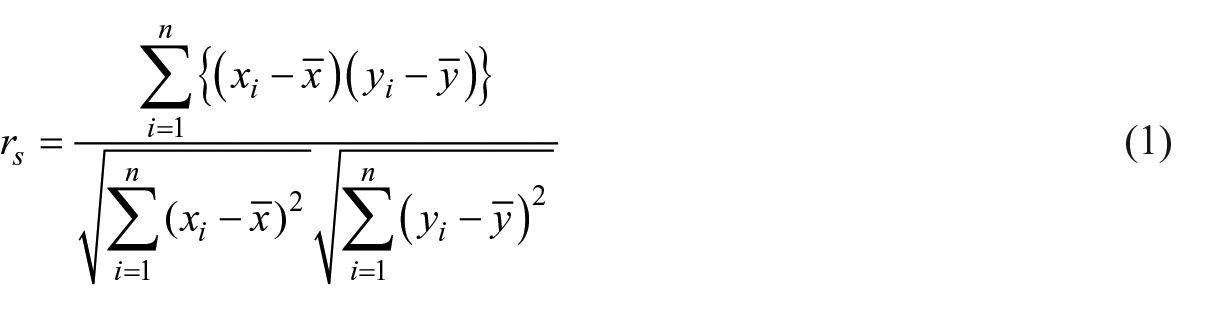
where
Based on equation (1), the obtained correlation coefficient between the number of downloads and user rating is observed to be low, that is, 0.2258, which indicates that most of the smartphone users give low star ratings to the diabetes-related applications as compared to the other smartphone applications.
Normalized discounted cumulative gain
The evaluation of the performance of a ranking is carried out by comparison between the ranking obtained using the features and the star rating of the app available at Google Play store. Normalized discounted cumulative gain
44
is widely used because it allows each feature that has graded relevance along with discount function. Given feature


where
The NDCG score is calculated using equation (4); by dividing the model DCG given in equation (2) by an ideal discounted cumulative gain (IDCG) given in equation (3)

NDCG (DCG) has the effect of providing high scores to the ranking lists in which relevant documents are ranked high. For perfect rankings, the NDCG value at each position is always 1, while for imperfect rankings, the NDCG values are usually less than 1.
To calculate the NDCG value, we have calculated the feature score of each data table (apps with the set of features discussed in the work, i.e. Tables 3 to 8). The score of the features is calculated as the addition of 1 when a certain feature exists and the addition of 0 value in case of absence of a particular feature. Similarly, for all the data tables (i.e. Tables 3 to 8), the applications are ranked using the feature score calculated within an individual ranking table. Afterward, all these ranked lists are compared with the ranked lists obtained using users’ star ratings (online from the Google play store). After that, the ranking based on the feature score is sorted on the basis of the feature scores (mentioned in each app feature table). Next, the feature score is employed to calculate the NDCG score. The NDCG scores for a different set of features (i.e. tables with a specific feature set) are listed in Table 10.
Calculated NDCG scores of individual data tables.
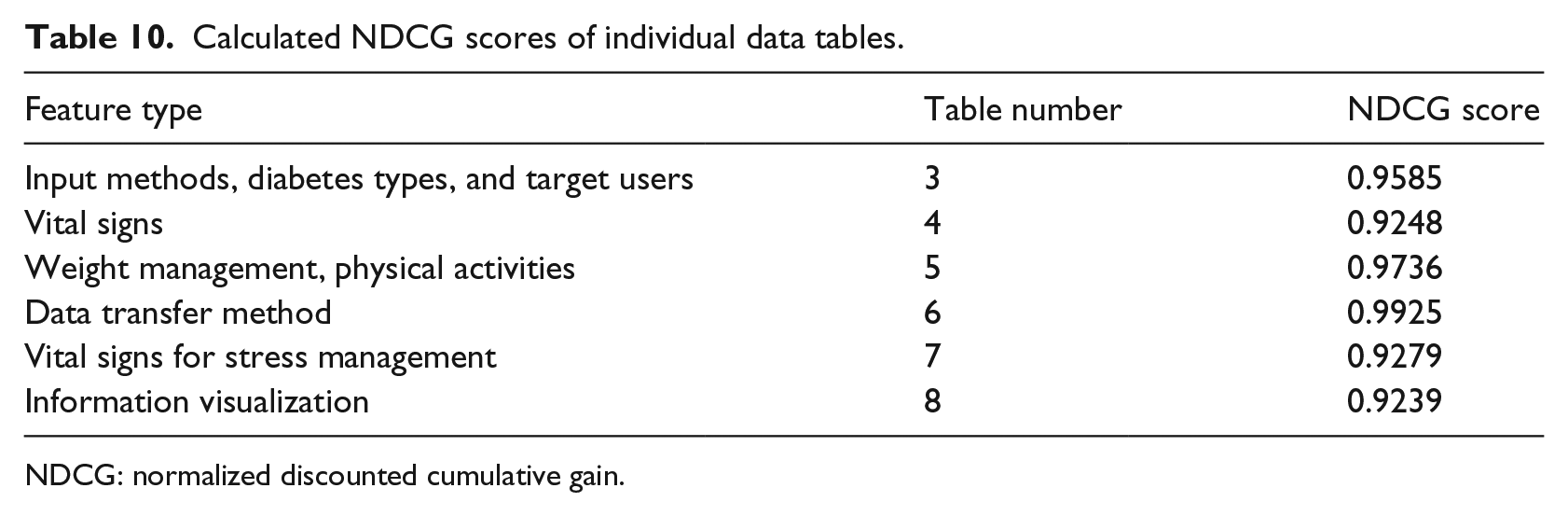
NDCG: normalized discounted cumulative gain.
The results (depicted in Table 10) demonstrate that features play a vital role in attaining high star rating from users.
These results highlight that diabetes-related mobile applications that provide a user-friendly and diverse input–output (storing and retrieving data) methods are more popular and highly rated by the users.
Conclusion
Diabetes is a chronic disease and deemed as a major threat across the globe. Over 240 million individuals are affected by this disease in 2015. ICT-based technologies play a consequential role in efficiently managing various chronic diseases including diabetes. In the current era, smartphone applications are being utilized by medical experts and patients. Among the plethora of Android-based diabetic applications, selection of appropriate apps has become a tedious and difficult job for a patient. In this article, comprehensive insights into the available and mostly harnessed diabetes applications are provided to assist the patients in selecting appropriate apps according to their personal needs. Moreover, we have identified the grounds based on which a particular user rates a diabetes-related smartphone application. For this, we have collected different features from the apps’ data set taken from the Google Play store. The NDCG score is calculated to analyze the effectiveness of the applications’ features for rating as compared to the rating performed by the users. The analysis revealed that the apps containing a data transfer mode feature are ranked high by users. The outcome is drawn on the basis of the NDCG criterion that was 0.9925 (closer to 1) for the data transfer. As per the study findings, the data transfer feature inspires users to rank apps higher.
Footnotes
Acknowledgements
The authors would like to thank their colleague Ms Faiza Qayyum for valuable contributions for improving the language quality of the submitted article.
Author contributions
Mr Muhammad Ubaid Ur Rehman is the Master’s student and performed this research during one of his graduate courses. He gathered the smartphone applications and installed them on his phone to analyze their performance. He also authored the initial draft that was polished later by the other two authors. Dr Muhammad Arshad Islam collaborated with Mr Muhammad Ubaid Ur Rehman in order to shortlist the mobile applications. He assisted with his expertise related to the hardware resource consumption of mobile applications. He also proposed the notion of comparing the ranking of mobile application using normalized discounted cumulative gain. Dr Muhammad Aleem contributed by identifying the various categories of features that are important for the evaluation of diabetes applications. He presented his expertise related to the presentation of various tables (conceptual and assessment) and figures in the draft. Dr Islam and Dr. Aleem assisted Mr Ubaid for building the sound arguments for the analysis of figures in the result section and also assisted to polish the structure of the paper. Mr Salman Ahmed helped Mr Muhammad Ubaid Ur Rehman to set up experiments and to collect features/data for the installed Android applications. Moreover, he contributed to the preparation of several feature-based comparisons in the form of tables for the selected Android apps.
Declaration of conflicting interests
The author(s) declared no potential conflicts of interest with respect to the research, authorship, and/or publication of this article.
Funding
The author(s) received no financial support for the research, authorship, and/or publication of this article.
Informed consent
Informed consent was obtained from all individual participants included in the study.
Research involving human participants and/or animals
This article does not contain any studies with human participants or animals performed by any of the authors.
