




Abstract
The growing importance of the Internet as an information and purchasing channel is drawing widespread attention from marketing decision makers. Nevertheless, the relevance of the Internet to the so-called self-medication market in Germany has been paid barely enough attention. Our study aims to contribute insights concerning the penetration of the Internet in this market, as well as to give an overview of the critical determinants of Internet use for non-prescription drug information seeking, such as the accessibility of professional information, trust in health professionals’ opinion and the ability to search online, as well as the perceived usefulness and credibility of online non-prescription drug information. Furthermore, we demonstrate that the preferred use of the Internet as a non-prescription drug information source positively influences the choice of unconventional purchase channels for non-prescription drugs and negatively affects the use of stationary pharmacies.
Introduction
The German healthcare market has become one of the most important, changeable and dynamic markets in Germany. Continuous reforms of the healthcare system have led to new channels of drug distribution. Since 2004, traditional ways of distributing pharmaceuticals are supplemented by online/mail-order pharmacies. 1 In addition, the German consumer has evolved into a person who cares for his/her health and informs himself/herself extensively about health-related topics. Consequently, a sizeable number of consumers are comfortable self-medicating their illnesses or the ailments of family members.2–4
The so-called ‘self-medication market’ can be described as the market for non-prescription drugs [also known as ‘over-the-counter’ (OTC) drugs] that people autonomously buy and consume aside from, or instead of, visiting a doctor to preserve or restore their health in the case of marginal symptoms of illness.2, 5, 6 With expenditures of €6 billion per year, the self-medication market has become a solid part of the German drug market and is highly competitive. 7 In the USA all the drugs which do not fall into the category of ‘prescription-only drugs’ belong to OTC drugs. Like the UK and Italy, however, in Germany a differentiation has to be made between the two categories of non-prescription pharmaceuticals: non-prescription pharmacy-only drugs, available from stationary and online/mail-order pharmacies; and general sales list drugs, which can be bought on the mass market, for example drugstores, health-food stores, discounters and different traditional retail formats (e.g. super-/hypermarkets, department stores).6, 8
Whereas an expansive amount of literature exists on buyers’ online shopping behaviors, the research to date has barely focused on healthcare products and services as one of the fastest-growing online product categories. Furthermore, the rising importance of online/mail-order pharmacies and the consequent challenges for the traditional brick-and-mortar drug retailers 9 demonstrate the relevance of further research concerning the determinants of consumers’ drug purchasing.
Whereas ‘health-information-seeking behavior’ is a partially well-explored research field,10–14 drug information seeking behavior as one of the factors influencing purchase behavior has not yet attracted empirical consideration, especially regarding consumers’ preferences for drug information sources and determining factors.15, 16
Reflecting the growing importance of the Internet as an information source and purchase channel, research is required to explore which consequences this trend has for the product category of drugs.9,15,17
Addressing this research gap and focusing on the self-medication market, this article examines whether the Internet is one of the preferred OTC drug information sources, which determinants lead to this preference and whether this has any influence on the use of the OTC drug purchase channel.
The article commences with a literature overview on information and purchase behavior theories. Next, the conceptual model and the research hypotheses are presented, followed by the research methodology. Then, the results of the empirical study are discussed. The article concludes with a review of implications for practice and further research and limitations of the study.
Theoretical background
Because of the interdisciplinary concern, including such fields as psychology, sociology, public health, social marketing and consumer research, comprehensive models of consumers’ health behaviors are limited and have traditionally disregarded the role of communication.18, 19
Therefore, we had to draw on different models that explain consumers’ information and purchasing behavior, as well as key research findings, to create our conceptual model.
First, we used the Technology Acceptance Model (TAM), which is a widely acknowledged model to predict an individual’s intention to use new information technology (e.g. the Internet) by using the factors ‘perceived usefulness’ and ‘perceived ease of use’. 20–23 Because of the strong dependence on two explaining factors, the TAM does not seem to be a sufficient model to predict preferred Internet use for drug-related information purposes.
Additionally, we followed the Comprehensive Model of Information Seeking (CMIS), which has been empirically tested in relation to specific health topics. The core of the model is a causal process that determines information-seeking action, beginning with health-related factors, such as antecedents, and information carrier factors, such as mediators.19, 22 As we did not survey the information behavior in connection with a certain disease or health status, we concentrated on the information carrier factors, such as the utility and the perceived credibility of the medium. 19
Based on the Model of External Consumer Information Search, which summarizes a broad range of antecedents of information seeking, we included the factors ‘perceived ability to search’, ‘subjective knowledge’ and ‘information accessibility’, 24 which showed high relevance to our study.
As this study focuses on the use of the Internet, the conceptual framework had to be complemented with ‘Internet experience’ as an influencing factor on the user’s ability to search for OTC drug information on the Internet. 25 Furthermore, the importance of trust in health professionals’ opinion 26 was of interest in the special context of OTC drug information seeking.
To explain the consumers’ different use of purchase channels, we applied the regulatory focus theory 27 , which has become increasingly important in the field of marketing research. It suggests that there are two distinct self-regulatory strategies among individuals, according to which promotion-focused consumers are motivated by achievements and are sensitive to opportunities for advancement, whereas prevention-focused consumers are animated to avoid threats to security and safety and are sensitive to occasions of hazard. 28 The finding that these two groups demonstrate different behaviors in the marketplace28, 29 were used to explain why consumers choose unconventional or conventional channels for their OTC drug purchases. 9
Conceptual model/hypotheses
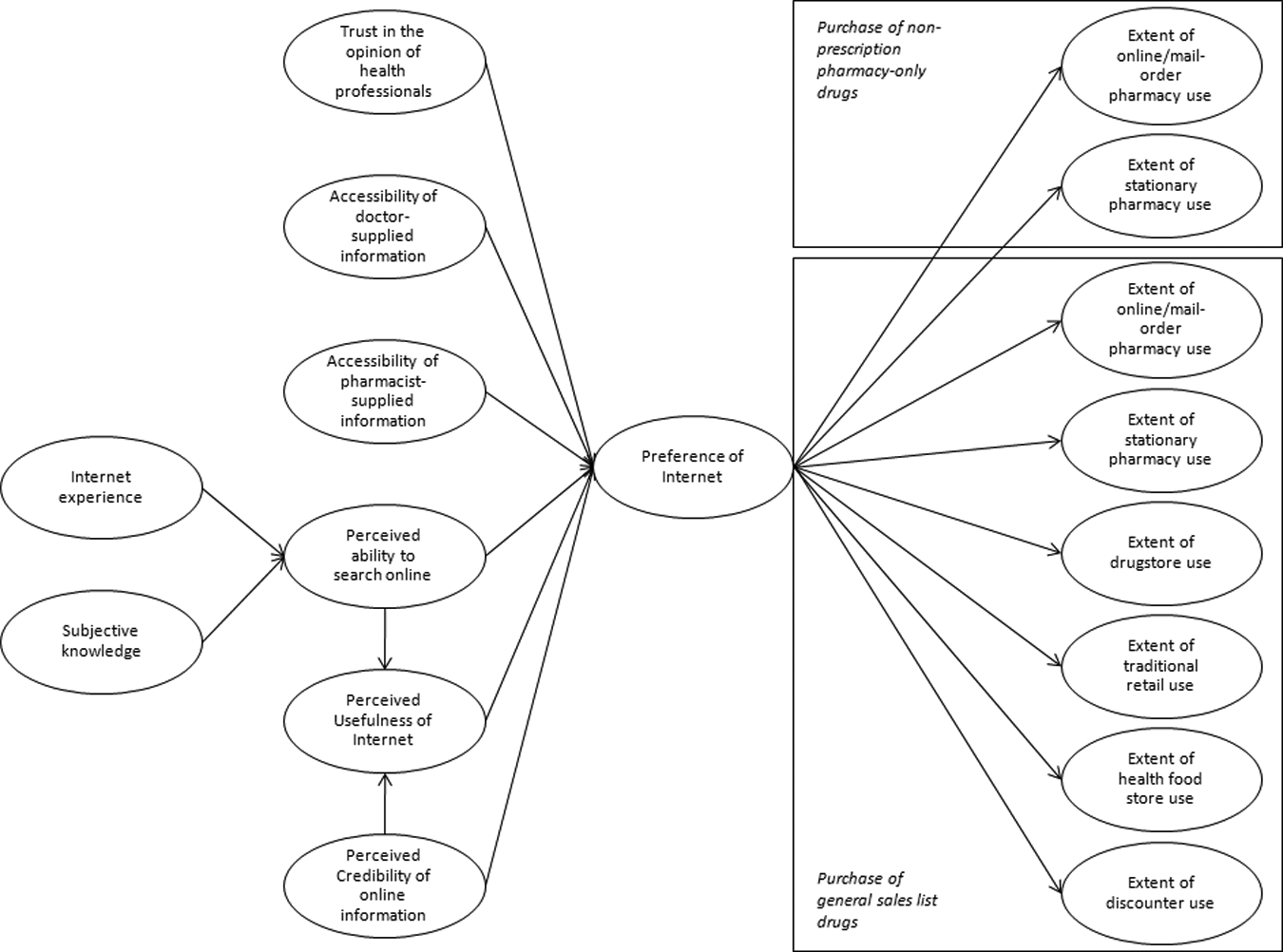
Figure 1 summarizes the relationships under examination in this study.
Conceptual model
Introduced by the central research questions, the hypotheses under analysis relate to the OTC drug information seeking behavior (H1) and the impact of the preference for the Internet as an OTC drug information source on the purchase channel use (H2).
What is the relevance of the Internet as a source of OTC drug information?
Although research shows that the Internet is not the preferred source concerning health topics,16, 17, 30 a national German survey revealed that almost three-quarters of Internet users reportedly look online for health-related information. 31 We therefore assume that the Internet has also become an acknowledged source of OTC drug information.
Which determinants affect the preference for the Internet as a source of OTC drug information?
DeLorme et al. comment that while consumers believe they are able to discriminate among information sources in the case of prescription drugs, the behaviors of consumers may be driven by affective evaluations, particularly trust and attitudes.
32
Based on the opinion of the consumer that even health professionals can make mistakes,
30
we assume that people with low trust in the opinion of health professionals (i.e. a high belief in mistakes being made), in particular, prefer the alternative independent information source of the Internet as a source of OTC drug information. Thus, we predict: H1.1. There is a negative association between the trust in health professionals’ opinion and the preferred use of the Internet as a source of OTC drug information.
Although physicians are one of the preferred information sources because of high levels of trust, in terms of accessibility mass media, including the Internet, are probably the primary sources of OTC drug information.15, 32 Furthermore, the preference given to online channels can be shown to be negatively affected by the degree to which offline channels are able to perform better on accessibility. 33 Accordingly, individuals’ needs, for example, the need for information accessibility, which are not satisfactorily met by the given resources, for example, health professionals, may motivate them to choose channels that fulfill these needs.30, 34, 35
Hence, we assume that there is a negative association between the accessibility of doctor- supplied/pharmacist-supplied information and the preferred use of the Internet as a source of OTC drug information (H1.2/H1.3).
Most models of health behavior include efficacy determinants, such as ‘perceived self-efficacy’, which refers to beliefs in one’s capabilities to organize and execute the courses of action required to produce the given levels of attainment.
36
Although synonymously used in research,
11
capability refers to what we believe we can do in the future with appropriate instructions, whereas ability relates to the competence in doing that has already been acquired.24, 37 Based on the CMIS, Han et al. assume that people with higher health information competence are more likely to seek out relevant information within an interactive communication system,
38
such as the Internet. We concentrated on the ‘ability’ construct, relevant to present times, and derived the following hypothesis: H1.4. The perceived ability to search online for OTC drug information will be positively related to the preferred use of the Internet as a source of OTC drug information.
Furthermore, it can be assumed that the perceived ability to search online for OTC drug information depends on general Internet experience (H1.5).39–41
Another determinant of consumers’ information behavior is product knowledge, covering objective knowledge, referring to what people know, and subjective knowledge, meaning how much people think they know about the product category searched for, being closely related to confidence in one’s decision-making abilities.24, 42, 43 Because of the limited length of the questionnaire, we concentrate on the more easily measurable ‘subjective knowledge’. 42 It could be proven that those consumers with high subjective knowledge about a product are less likely to prefer non-commercial interpersonal sources, such as family and friends, for obtaining product information, because situational uncertainty was reduced by product knowledge and clarification given by interpersonal sources was no longer necessary. 44 By implication, we assume that consumers with a high knowledge of OTC drugs and thus a high level of confidence in their decision-making abilities will have a high perceived ability to search for OTC drug information in non-interpersonal media, such as the Internet (H1.6).
To explain the preferred use of the Internet as an OTC drug information source the existing literature suggests examining the satisfaction with this technology. With regard to satisfaction, the variable ‘perceived usefulness’, recognized to explain the variable of adoption and acceptance of information technologies20, 26 and defined as ‘the extent to which a customer believes that a website would enhance her effectiveness in getting product information’,
45
was considered in our model. Following the common research findings
46
and the argumentation of TAM
20
, we assume that: H1.7. The perceived usefulness of the Internet as an OTC drug information source will be positively related to the preferred use of the Internet as a source of OTC drug information.
Furthermore, the CMIS includes the assumption that the ‘editorial tone’ describing a member’s perception of the credibility and intentions of a medium is positively related to the ‘utility’ of a medium, representing how relevant the medium is to the individual’s purposes.
24
This assumption was confirmed in previous health research in which the credibility of the source or the presented information was known to affect the source acceptance, as well as the perception and recall of information.26, 47–49 Thus, we predict: H1.8. There is a positive association between the perceived credibility of online OTC drug information and the preferred use of the Internet as a source of OTC drug information.
The credibility component ‘trust’, respectively ‘trustworthiness’,
50
is one of the proven determinants of perceived usefulness, being integrated formerly into TAM.23, 49, 51 Therefore, we assume that: H1.9. The perceived credibility of online OTC drug information will be positively related to the perceived usefulness of the Internet as a source of OTC drug information.
Furthermore, the usefulness of a technology can be determined by the expertise that reflects domain-specific knowledge 49 and the experience-based ability to do something. 37
H1.10. There is a positive association between the perceived ability to search online and the perceived usefulness of the Internet as a source of OTC drug information.
Does the preference for the Internet as a source of OTC drug information influence consumers’ purchase channel use?
In previous research it could not be verified that preferred information-seeking online generally leads to preferred purchasing online. In contrast, the findings revealed that the Internet was often used for information purposes before purchasing offline, 52 meeting the phenomenon of research online-purchase offline (ROPO), which is widespread in marketing research53, 54. Nevertheless, research has demonstrated a positive relationship between online information seeking and purchasing via the Internet.55, 56
Rajamma and Pelton emphasize that in the case of online shopping for drugs, consumers voluntarily engage in several potentially risk-laden decisions, for example, fears associated with online acquisition, uncertainties related to the product quality and qualms linked to self-initiated rather than physician-medicated healthcare decisions. 9 Comparable findings also exist for online health information seeking. 57 Following the regulatory focus theory, promotion-focused individuals show willingness to engage in such risk-laden behaviors to attain specific goals (e.g. cost reduction for medications) and to try new ideas (e.g. unconventional purchase channels) when compared with prevention-focused individuals.9, 29, 58
Transferring these findings to the context of OTC drug information and purchasing behavior, we predict that: H2.1. There is a positive relationship between the preferred use of the Internet as a source of OTC drug information and the extent of online/mail-order pharmacies’ use for non-prescription pharmacy-only drugs (H2.1.1)/general sales list drugs (H2.1.2) purchases.
Assuming that those customers who prefer the Internet as an OTC drug information source consciously abandon the professional information or advice of the doctor or pharmacist, we predict that: H2.2. There is a negative relationship between the preference for the Internet as a source of OTC drug information and the extent of stationary pharmacies’ use for non-prescription pharmacy-only drugs (H2.2.1)/general sales list drugs (H2.2.2) purchases.
In the case of buying general sales list drugs, the German customer can furthermore use drugstores, traditional retail formats, health-food stores or discounters. We assume that people who prefer the Internet as an OTC drug information source, i.e. those who avoid professional OTC drug information sources with a high degree of advice, also tend to be open to these unconventional OTC drug purchase channels with no, or at least a low offer of, advice (H2.3; H2.4; H2.5; H2.6).
Research methodology
Measurement development
Based on a broad literature review, newly developed items and existing scales were used to create the questionnaire, which was adapted to the study context and translated into German, mostly measured on a five-point Likert-scale of ‘totally disagree’ to ‘totally agree’. In addition, questions of further interest, for example, demographic characteristics, were included into the questionnaire.
For the measurement development we assumed that the information behavior concerning OTC drugs does not differ substantially between non-prescription pharmacy-only drugs and general sales list drugs.
In order to capture the relevance of the relationship of different OTC drug information sources, related literature16, 31, 59, 60 was screened to identify a relevant set of drug-related information source categories: ‘doctor’, ‘pharmacist’, ‘Internet’, ‘family/friends’, ‘neighbors/acquaintances/colleagues’, ‘magazines/newspapers/patient brochures’, ‘books’, ‘TV’, ‘radio’ and ‘instruction leaflet/product inlet/information on the package’. We chose the approach of Dutta-Bergmann 16 to measure the OTC drug information source preference, asking the participants which of the foregoing non-prescription drug information sources were used preferentially, instructing them to name their four most-preferred sources in their order of relevance.
This ranking was used to measure the ‘preferred use of the Internet as an OTC drug information source’ on a 5-point scale of 1 (the Internet was not mentioned in the ranking, hardly or no relevance) to 5 (the Internet was named first of all in the ranking, very high relevance). In addition, this factor was measured directly by instructing the participants to indicate on a five-point Likert scale their preference for the Internet as a source of OTC drug information.
To capture the ‘trust in health professionals’ opinion’, a reliable reflective construct of Lemire et al. 26 was used and limited to trust in doctors’ and pharmacists’ opinion concerning health topics.
In previous studies, the following accessibility factors can be identified: the ‘physical proximity’, ‘availability’, ‘ease of use’ and ‘effort’.20, 33, 61, 62 We therefore used the subsequent items to define the ‘accessibility of doctor-/pharmacist-supplied information’ as latent reflective constructs: (1) ‘A doctor/pharmacist is located close to me, and is easily accessible’; (2) ‘To consult a doctor/pharmacist is associated with a big effort for me’.
The ‘perceived ability to search online for OTC drug information’ was measured reflectively by referring to previously formed items:11, 63 (1) ‘I’m able to find information about non-prescription drugs on the Internet’; (2) ‘I’m familiar with searching for non-prescription drug information on the Internet’; (3) ‘It’s difficult for me to find non-prescription drug information on the Internet’ (*RR=reverse recoded).
‘Internet experience’ was constructed formatively by the common indicators ‘amount of Internet use’ and ‘duration of Internet use’.40, 51, 64
Subjective knowledge of the OTC drug was measured by using the reliable and valid subject knowledge scale of Flynn/Goldsmith, 65 which is consistent with measures in other studies.42, 66, 67
Although the construct of ‘perceived usefulness’ has often been measured by a single item,52, 68, 69 we applied the definitions of Pavlou and Fygenson and Chen et al.,45, 46 measuring the ‘perceived usefulness of the Internet as an OTC drug information source’ reflectively: (1) ‘The Internet is suitable for getting valuable OTC drug information’; (2) ‘With the help of the Internet I can get useful OTC drug information’.
The ‘perceived credibility of online OTC drug information’ was measured as a multidimensional reflective construct by using existent dimensions of credibility that can be transferred to the context of OTC drug information: ‘trustworthy’, ‘believable’, ‘reliable’ and ‘unbiased’.70–72
According to former research,73–76 we measured consumers’ extent of use of certain purchase channels by ‘share of wallet’, i.e. the share of total category expenditures spent on purchases via a certain channel. We therefore instructed the participants to answer on a 5-point scale from 1 (no expenditures/0%) to 5 (very high to all expenditures/76–100%) how much of their total expenses for non-prescription pharmacy-only and general sales list drugs is usually spent through the different purchase channels.
Data collection procedure and sample characteristics
To investigate the research questions, we gathered data from two studies (Table 1) using the same questionnaire, which had been checked in a survey pretest and finally adjusted. Because of the legal capacity requirement, the participation of respondents in the survey depended on being at least 16 years old. The participants were selected by random. However, the face-to-face interviewers were instructed to choose participants in accordance to the known profiles of German consumers. Failed interview attempts on the street were not quantified. Three hundred and twenty out of 485 online questionnaires were completed.
Sample characteristics
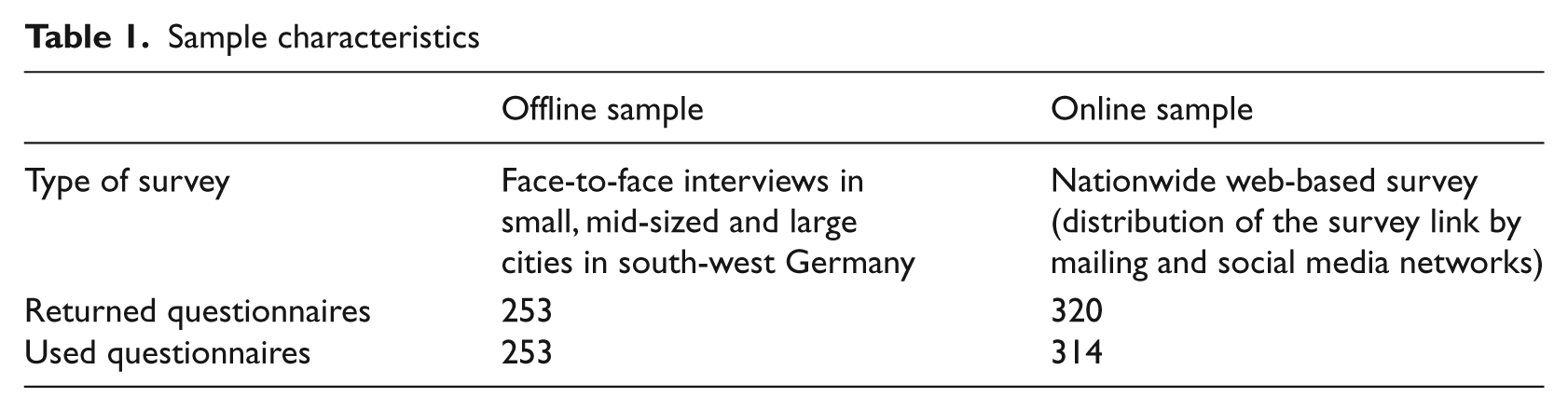
In both cases the respondents were informed about the difference between non-prescription, pharmacy-only and general sales list drugs.
The two survey samples were checked with a t-test on independent samples on the differences in the mean value of the items. Because no major or explicable by different Internet affinity differences in the samples could be observed, they were consolidated.
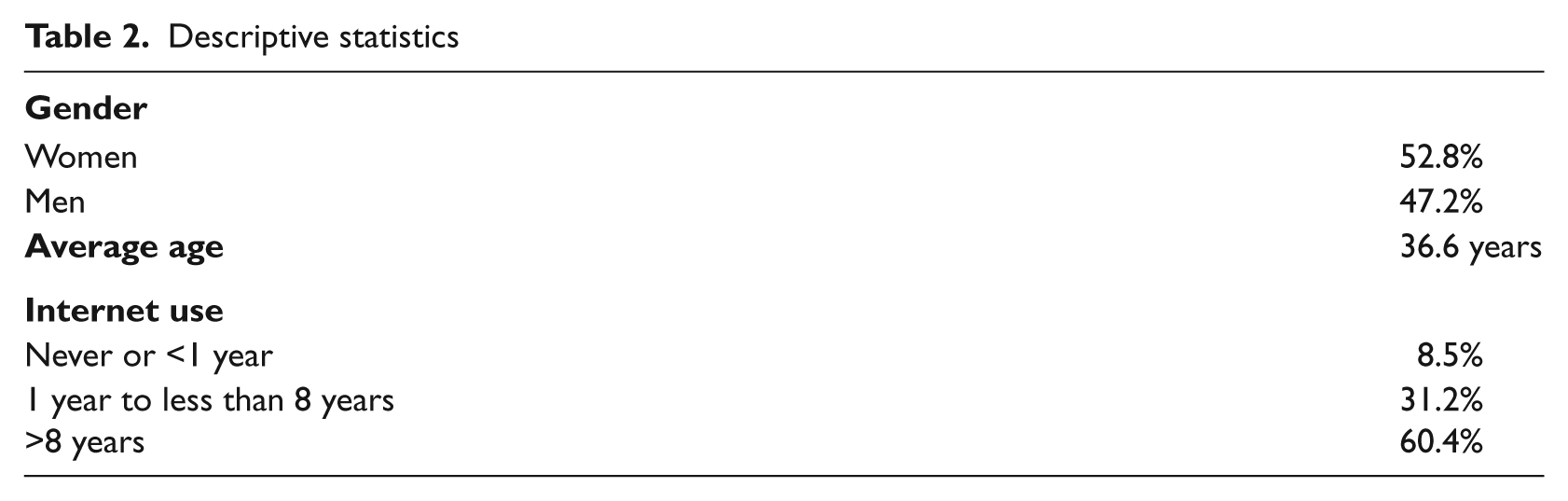
The characteristics of the consolidated sample were reasonably consistent with the known profiles of German consumers concerning the following criteria (Table 2), which increased the generalizability of the research findings.
Descriptive statistics
Results and discussion
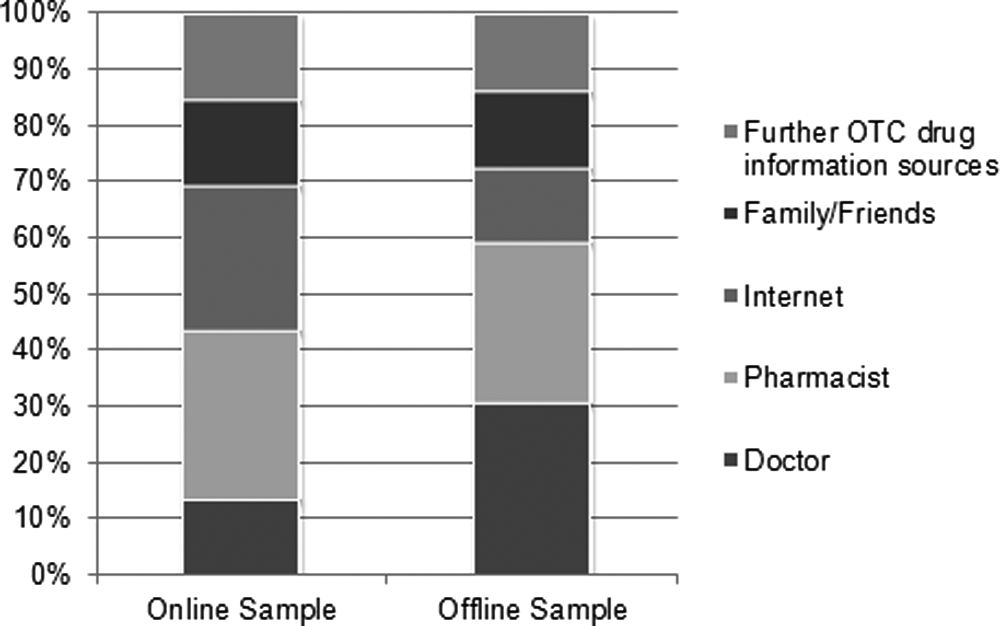
Concerning the first research question, our study revealed that nowadays the Internet is a widely accepted OTC drug information source. Figure 2 illustrates the relevance of the Internet as an OTC drug information source, although the participants of the online sample showed a higher affinity to the Internet as a source of OTC drug information.
Most-preferred OTC drug information sources by sample type
Concerning the further research questions, validation measuring and model testing were performed by using the structural equation modeling tool SmartPLS. Because PLS is uniquely suited to estimate models that contain formative, as well as reflective, measures77, 78 it was used to test the hypotheses.
In order to assess the reflective measurement model the common quality criteria reliability and validity 79 were used. Traditionally, internal consistency reliability is checked by Cronbach’s α. 80 In addition, the criterion of composite reliability, which takes different loadings of indicators into account, was tested. Both provided an internal consistency reliability value of above 0.7 (Table 3), which can be regarded as satisfactory 79 . In fact, the indicator reliability of the used items can be assessed as acceptable, encompassing values from 0.7511 to 0.9628 above the marginal value of 0.7. 81 To assess the validity of the reflective measurement model the common convergent validity, using the average variance extracted (AVE), and the discriminant validity 79 were examined. With AVEs of more than 0.69 (Table 3), the proposed latent variables are able to explain more than half of the variance of the indicators on average. 82
Quality criteria
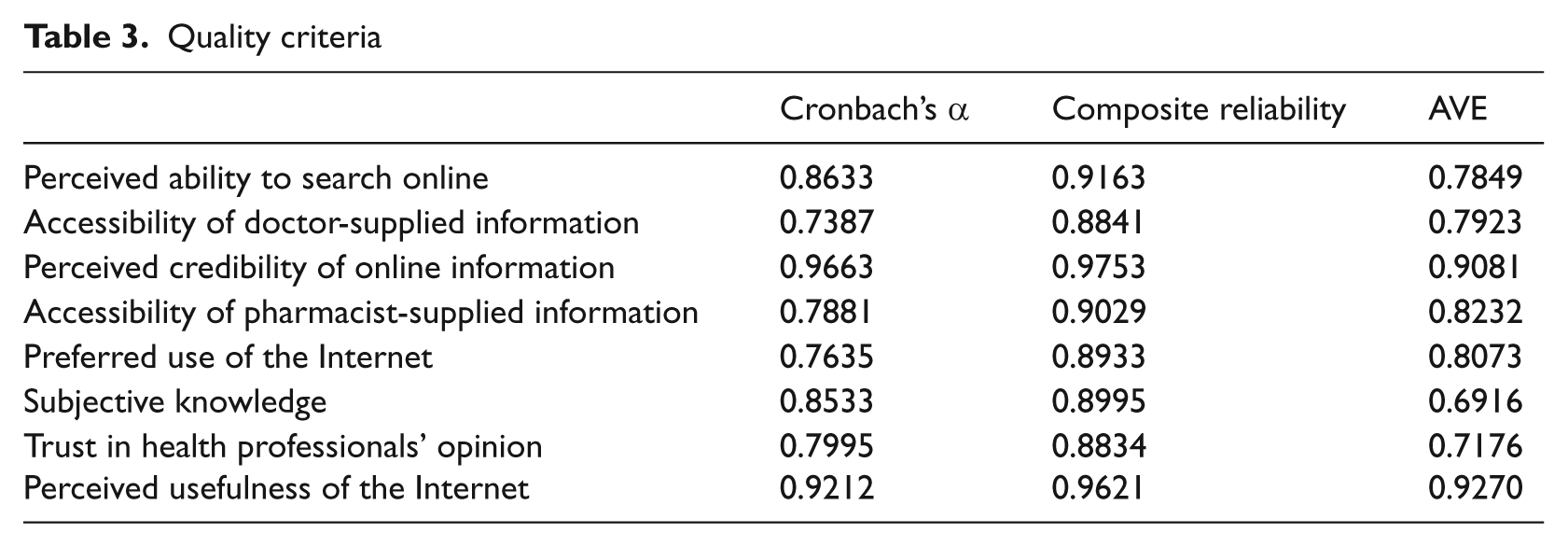
In addition, discriminant validity for the reflective constructs was assessed with Fornell and Larcker’s criterion and for checking cross-loadings.79, 82 It can be stated that the discriminant validity was also satisfactory.
In order to assess the formative measurement model the nomological validity was checked by using constructs that are sufficiently well-known through prior research.77, 79 The test on correlation between these constructs and the formative index showed significant correlation values of between 0.206 and 0.864. Consequently, the nomological validity was satisfactory. Furthermore, the degree of multi-collinearity among the formative indicator ‘Internet experience’ was checked by calculating the variance inflation factor (VIF=3.5) and the condition index (CI=17). Therefore, multicollinearity can be excluded.77, 79 In fact, the estimated weights of the formative measurement model were significant at p <0.05.
To test the hypotheses, we calculated a PLS regression model. In order to assess our structural model typical criteria were used: the coefficient of determination (R2) of the endogenous latent variables 83 and the individual path coefficients of the model, which can be interpreted as the standardized beta coefficients of ordinary least squares regressions. As a marginal value 0.10 was applied, although 0.20 and ideally above 0.30 are to be considered meaningful.79, 84 To determine the significance of the path coefficients, the bootstrapping procedure was used, utilizing the common t-table. Of further consideration by assessing the predictive relevance of the model was Stone-Geisser’s Q2, which can be measured using the blindfolding procedure.85, 86
The results of the PLS model are displayed in Figure 3.
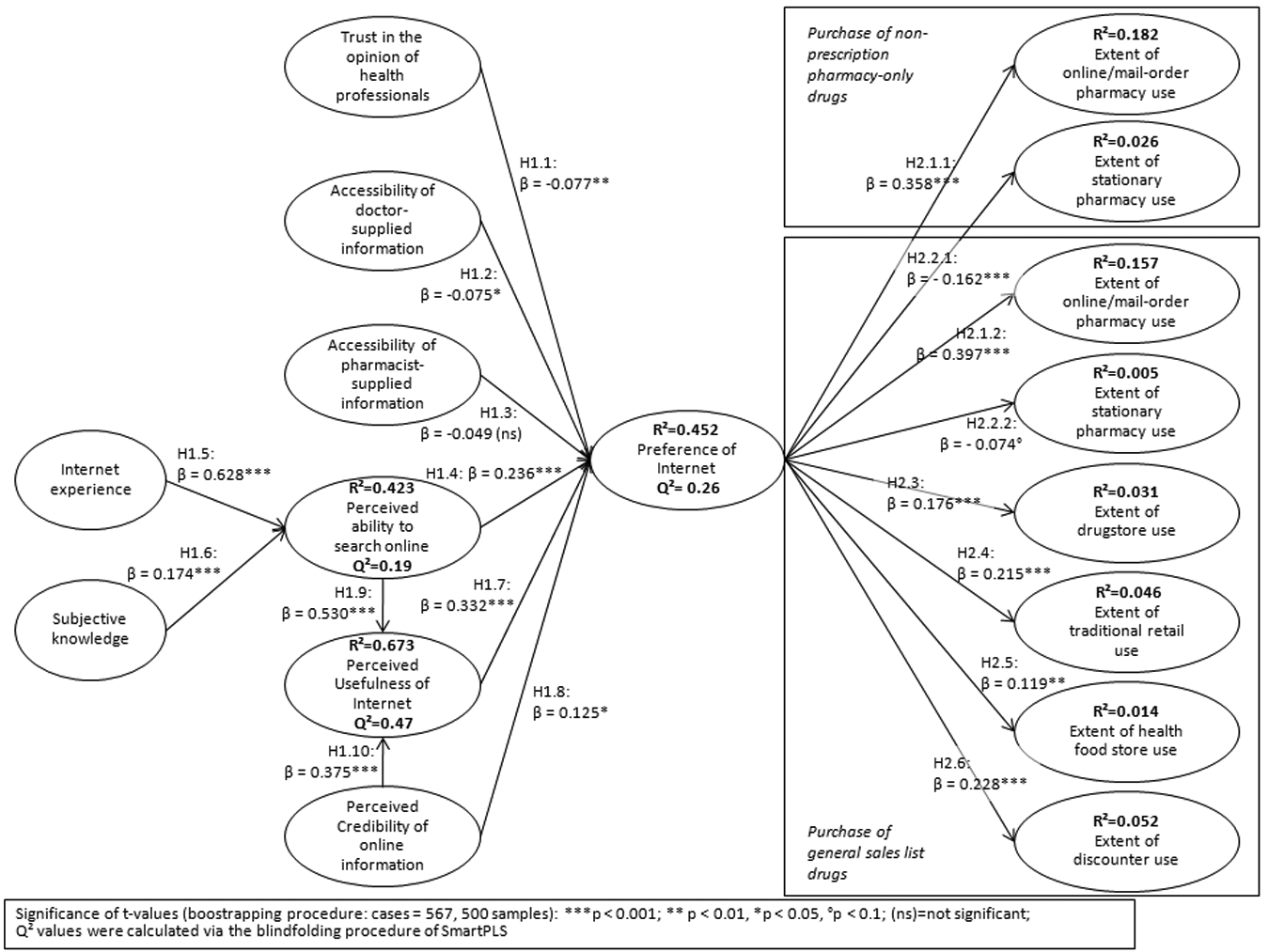
Results of the PLS model
First, we considered the postulated negative relationship between the ‘trust in health professionals’ opinion’ and the ‘preference for the Internet as an OTC drug information source’. Although the β value (-0.077) is below the threshold of -0.10, the relationship was significant at the 1% level, so that H1.1 could tendentially be accepted. In the case of H1.2 similar results to those of H1.1 can be observed, showing a weak relationship at the 5% level. Consequently, H1.2 could also be accepted tendentially.
In contrast to these findings hypothesis H1.3 did not show the expected intensity and had to be rejected because of a missing significant relationship (p >0.05) and a very low β value (-0.049). Consequently, the ‘accessibility of pharmacist-supplied OTC drug information’ did not have any relevant effect on the preference for the Internet as a source of OTC drug information. This could probably be explained by the high pharmacy density in Germany (one pharmacy per 3800 inhabitants) 87 , as well as the offered night access to pharmacies, which makes it possible to access pharmacist-supplied information comfortably.
Figure 4 exemplarily shows the item results of one construct of our study. They illustrate the comparatively high perceived ability of the respondents to search online for OTC drug information.
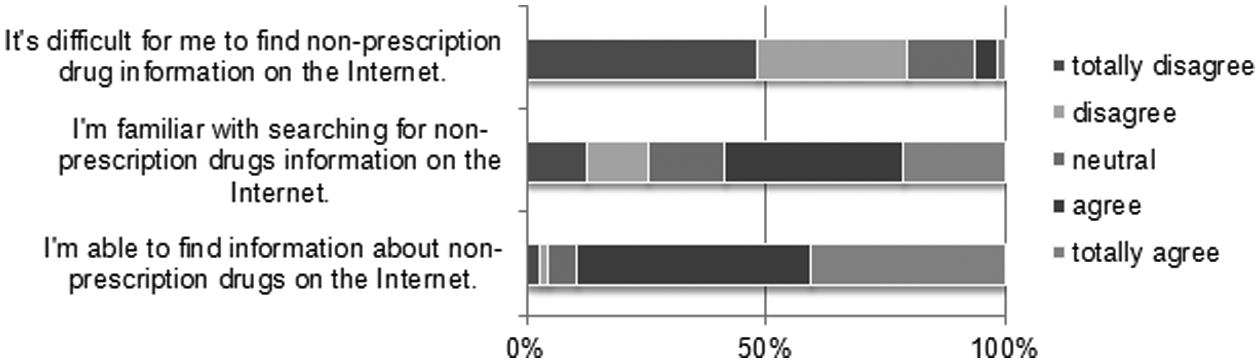
Perceived ability to search online for OTC drug information
The high influence of the ‘perceived ability to search online for OTC drug information’ on the ‘preference for the Internet as a source of OTC drug information source’ (H1.4) can be proved by a high and significant path coefficient (β = 0.236, p <0.001). Therefore, the hypothesis that ‘Internet experience’ and the ‘subjective knowledge of OTC drugs’ are relevant determinants of the ‘perceived ability to search online for OTC drug information’ (H1.5 and H1.6) can also be confirmed.
Equally, the relationship between the ‘perceived usefulness of the Internet as an OTC drug information source’ and the ‘preference for the Internet as a source of OTC drug information’ (H1.7) had to be accepted with p <0.001 and β = 0.332. The results concerning H1.8 also implied the hypothesis was accepted. Furthermore, the ‘perceived ability to search online’ and the ‘credibility of online information’ were affirmed to be relevant determinants of the ‘perceived usefulness of the Internet as an OTC drug information source’, showing a path coefficient significant at p <0.001 (H1.9/H1.10 accepted).
With Q2 values above 0, our model showed the predictive relevance. The coefficients of determination, R2, of the ‘perceived ability to search online for OTC drug information’, the ‘usefulness of the Internet as an OTC drug information source’ and the ‘preference for the Internet as a source of OTC drug information” had to be evaluated as moderate, or even substantial. 83 Consequently, our structural model comprises a broad range of relevant determinants of these latent variables.
In contrast, the R2 of the latent variables, which characterize consumers’ extent of use of certain purchase channels, showed only weak values. Considering the fact that only the information behavior, especially the ‘preference for the Internet as an OTC drug information source’, was integrated as a determinant of the use of purchase channels and further determinants were excluded, the R2 can be assessed as being satisfactory.
In particular, the hypothesis that there is a positive relationship between the ‘preference for the Internet as a source of OTC drug information” and the use of unconventional purchase channels for non-prescription pharmacy-only and general sales list drug purchases, such as online/mail-order pharmacy (H2.1.1/H2.1.2), drugstore (H2.3) and traditional retail formats (H2.4), as well as health-food stores (H2.5) and discounters (H2.6), can be accepted. As predicted, the negative relationship with the use of stationary pharmacies (H2.2.1/H2.2.2) as a purchase channel can also be confirmed.
Conclusions, implications and limitations
Against the background of the growing importance of the Internet as an information and purchasing channel the main objective of our study was to test which factors are key determinants of the preferred use of the Internet as a source of OTC drug information and whether this preference has any influence on the purchase channel use.
We were able to show that the Internet has already become an acknowledged source of OTC drug information in Germany and that the ability to search online for OTC drug information is mostly influenced by consumers’ Internet experience and, to a minor degree, by their subjective knowledge concerning OTC drugs. Owing to the rapid growth of Internet penetration, which is also causing rising Internet experience among the growing senior population, the increasing knowledge of responsible patients concerning drugs and the benefits of the Web as a health information source, 15 we therefore assume that the importance of the Internet as a source of OTC drug information will continue to increase in the future.
However, certain dangers of online drug information seeking, as well as self-initiated purchasing of drugs via the Internet, should not be underestimated. These dangers can include the use of non-authorized Internet sites and the purchase of fake drugs, for example. 9 Trustworthy Internet sites and online shops will be necessary to inform consumers appropriately and provide them with the correct drugs.
Although the relationship was minor, we also showed that lack of trust in health professionals’ opinions and insufficient access to doctor-supplied information are reasons for looking for OTC drug information preferentially via new and always-available media, such as the Internet. Consequently, people try to compensate for this unsatisfactory situation by gathering information about OTC drugs on the Internet. Players on the self-medication market, such as the pharmaceutical industry and retailers, as well as, for example, health forum providers, can use this weakness to provide interested consumers with detailed, topical and relevant information concerning OTC drugs within the framework of existing legislation. In addition, the high relevance of perceived usefulness and credibility as determinants of the preferred use of the Internet as an OTC drug information source confirmed one of the main hypotheses of the TAM 20 and indicated the need for useful, reliable, unbiased and comprehensive online OTC drug information to satisfy Internet-affine and Internet-averse consumers’ requirements. Boot et al. explain which factors players on the healthcare market should take into account when presenting health and OTC drug information on the Internet.14, 57
In fact, the findings showed that the preference for the Internet as a source of OTC drug information has a positive relationship with the extent of the use of so-called unconventional channels for non-prescription pharmacy-only drugs and general sales list drugs purchases. The highest relationship was confirmed for those channels with commonly the lowest degree of professional interpersonal advice concerning OTC drugs, such as online/mail-order pharmacy, discounters and traditional retail formats. Drugstores and health-food stores were influenced less strongly, as predicted, which could probably be explained by the professional staff in these specialist retailers who constitute a possible information source on-site. In summary, the Internet seems to be a relevant platform for the considered purchase channels to present their product information and services concerning OTC drugs for the pre- and post-purchase information-seeking of consumers.
In contrast, the negative relationship between the preferred use of the Internet as a source of OTC drug information and the use of a stationary pharmacy was, at least in the case of the general sales list drugs purchases, comparably weak, which could also be explained by omitted indicators of drug purchase, such as the high accessibility to, or further advantages of, stationary pharmacies. Nevertheless, it raises the question of whether stationary pharmacies must have a further strategic focus in the form of an online/mail-order pharmacy or at least a professional online presence addressing the growing group of Internet-affine people preferentially informing themselves online about OTC drugs.
The implications for further research are closely related to the limitations of our study. First, both samples were restricted to German consumers which means that future research should take other countries into consideration as well. Furthermore, because of missing information concerning failed face-to-face-interviews and the extent of the mail-contacted consumers, the response rates of our study could not be cited. The representation of our study is based on the comparability of age and gender, as well as Internet use, to known profiles of German consumers. Consequently, it would be interesting to include further demographic criteria, such as education, occupation groups and income, even as moderators of information and purchasing behavior, in subsequent studies.
To identify and determine the items and scales common search engines were used. Although our research encompassed a broad set of search criteria and keywords, our study does not claim to be exhaustive. Moreover, the study used self-reported measures, which raises questions about validity. 16 Future research should additionally integrate objective measures, such as objective knowledge42, 88 of OTC drugs.
Addressing the possible danger of buying counterfeit drug online, the effect of certifying an online/mail-order pharmacy (e.g. concerning quality standards) on consumers’ purchase behavior could be investigated. In summary, the analysis of further determinants of OTC drug purchase behavior, such as the individual requirements for, and the general accessibility of, purchase channels, the experiences with OTC drug purchasing and the dependence on purchases of additional products or product categories through these channels (‘cross-buying’) would be crucial.
Footnotes
Funding
This research received no specific grant from any funding agency in the public, commercial, or not-for-profit sectors.