



Abstract
Concerns about cosmetic surgeons aggressive advertising which takes advantage of a patients’ vulnerability and unrealistic expectations are rising. This study examines how the mummy makeover is promoted to women on cosmetic surgery practice websites to reveal the dominant discourse and its compliance with advertising guidelines and standards. Data was collected and analysed from 31 Australian cosmetic surgery websites that specifically referenced the ‘mummy makeover’. Content analysis of information revealed websites commonly referenced the customisability, convenience and benefit to the self of undergoing a mummy makeover. Thematic analysis revealed messaging that encouraged despondency towards physical changes arising from childbearing, sanctioning ageless, building trust and incentivising action. The findings are concerning not only because the communication strategies normalise the use of cosmetic surgery amongst mothers to attain an aesthetic ideal, but there is a lack of compliance with advertising guidelines and standards set by governing bodies.
Keywords
Introduction
Plastic and cosmetic surgery includes elective surgical and non-surgical treatments designed to enhance physical appearance (Sarwer, 2019). These procedures have become increasingly popular worldwide, such that it is now a multi-billion-dollar industry. In Australia alone, industry revenue amounted to $1.4 billion in 2022, with only 20% relating to reconstructive surgical procedures performed for reasons other than cosmetic purposes (Ibis World). Injectables (i.e. fillers and botox) and breast augmentations/reductions accounted for approximately 45% of all procedures performed, with the remainder attributed to other cosmetic (both surgical and non-surgical) procedures, such as abdominoplasty, liposuction and chemical peels (Ibis World). The primary consumers of such services tend to be adult females, aged 35 years or older (International Society of Aesthetic Plastic Surgery, 2021) with a higher discretionary income (Ibis World).
Once attributed to only the rich and famous, cosmetic surgery is now culturally ubiquitous, with content presented across traditional and digital media, sometimes even in the form of reality makeover shows or documentaries (Abate, 2010). Cosmetic surgery is commonly viewed as a disempowering act for females. Nevertheless, a qualitative study, taking a liberal feminist perspective, suggests that cosmetic interventions allowed females to better align their physical bodies to their sense of self that is, they view cosmetic surgery as an empowering act (Heggenstaller et al., 2018). Whilst this may be the case, the crux of the problem is that marketing communication may perpetuate an ideal sense of self in the first place which requires cosmetic intervention to be realised.
Company websites are increasingly being used by consumers to gain initial cosmetic surgery information and can be influential in the decision-making process (Walden et al., 2010; Wong et al., 2010). The proliferation of such content contributes to the normalisation of cosmetic surgery amongst a gendered (i.e. female) populace (Pitts-Taylor, 2007), where an individual’s value is placed on their physical appearance (Sullivan, 2001). Achievement of an aesthetic ideal is prioritised over wellbeing (Gurrieri et al., 2012) and unrealistic standards of health, fitness, appearance and beauty, established (Dworkin & Wachs, 2009; Pussetti, 2021). With increased self-surveillance, self-monitoring and scrutiny around appearance (Gill, 2007), women’s body parts have become increasingly pathologised (Singer, 2007) – they are cast as imperfect but amenable to change (Gill, 2007), with cosmetic surgery proffered as the panacea (Gurrieri et al., 2012).
Marketing of cosmetic surgery procedures propagates the concept of agelessness whilst simultaneously reinforcing fears around ageing (Gilleard & Higgs, 2010), which for women, is seen as neither desirable nor a normal consequence of the passage of time (Pussetti, 2021). It is not only older women who are the target of such marketing efforts, but also those whose bodies have endured the effects of childbearing. The mummy makeover, a term coined in the early 2000s, is promoted as a package of multiple cosmetic surgery procedures that can be performed together to help restore the post-pregnancy body to its pre-baby form (Abate, 2010). Cosmetic surgery packaged in this way and marketed as a mummy makeover, is suggestive of transformative results addressing multiple concerns in one comprehensive treatment plan. This concept can be especially appealing to new mothers who have experienced significant physical, emotional and mental changes and wish to return to their pre-pregnancy bodies as quickly as possible. Moreover, childbirth is a traumatic experience resulting in significant changes for a woman and when coupled with child-rearing, the additional challenges and stress in their lives makes women potentially more vulnerable and susceptible to exploitative marketing practices, such as mummy makeover communications. However, research is limited with respect to how the mummy makeover is promoted to women, the strategies employed and messages conveyed and the extent to which such practices comply with prevailing advertising guidelines. Violations of such guidelines could have particularly serious impacts on what could be considered a vulnerable consumer group and thus warrants further investigation.
This study responds to calls for further quantitative and qualitative research examining cosmetic surgery advertising (Kim, 2016). In particular, this study addresses Craddock et al.’s, 2022 call for research exploring societal norms and the normalisation of cosmetic procedures and also Merianos et al.’s, 2013 call for further research into the type of medical advice and sales related content proffered in marketing communication material targeted at women pursuing cosmetic surgery. Specifically, this study examines the messages conveyed about the mummy makeover on cosmetic surgery practice websites to address the following research questions:
i. What is the dominant discourse for marketing communication around the mummy makeover?
ii. Do marketing communication practices around the mummy makeover comply with cosmetic surgery advertising guidelines and standards?
By examining the messaging approach used on websites promoting the mummy makeover, it allows for a more nuanced understanding of how the narrative of feminine beauty and motherhood is conveyed. Women searching for and evaluating information pertaining to a mummy makeover might already be in a state of questioning their own beauty relative to the ideal so such knowledge is important if the narrative around beauty ideals associated with the female form and motherhood are to be challenged. This has implications for both society and policy makers, with the former perhaps necessitating a rethink and reframing of ideals around motherhood, beauty and aging and the latter with respect to enforcing policies around the ethical marketing of cosmetic surgery procedures.
The paper is structured as follows – a review of the literature on feminine beauty ideals and cosmetic surgery marketing practices, following by the research method employed, the results and concluding with limitations and directions for future research.
Literature review
Feminine beauty: Ideals and dissatisfaction
Gender inequality, arising from a patriarchal system, is evident in marketing communication and consumer culture (Fischer, 2015; Gurrieri, 2021), which often sees women devalued, stereotyped and objectified (Bordo, 1993; Grau & Zotos, 2016; Schroeder & Borgerson, 1998). Patriarchal marketing practice offers a narrow construction of the hegemonic feminine ideal, which is situated around being light-skinned, able bodied, youthful, slim and heterosexual (Saren et al., 2019), rendering women who do not conform to this profile, invisible in marketing communications (Bonell et al., 2021). Further, patriarchal marketing practices problematise and shame women’s bodies, suggesting that the natural state is unacceptable or in need of improvement (Gurrieri, 2021). One’s social, psychological and economic value is thus embedded in physical appearance (Abate, 2010).
The continual focus on and medicalisation of physical appearance coupled with scrutiny of women’s bodies, not only contributes to a narrow definition of feminine beauty, but also feeds insecurities amongst women (Bonell et al., 2021; Gurrieri, 2021) and this is exacerbated when women are exposed to ads featuring the body compared to those featuring the face (Enriquez et al., 2024). Not only do such ads objectify and fall short in offering a true representation of women’s bodies, they continue to perpetuate unrealistic standards (Enriquez et al., 2024). While women may be aware that the feminine beauty ideal is neither realistic nor may be realised (Ferguson et al., 2021), exposure to marketing communication practices that continue to project and reinforce its narrow construction, fosters dissatisfaction with the natural form. Research suggests that when exposed to promotions for cosmetic procedures, women experience an immediate decline in body satisfaction and an increase in reported motivation to pursue procedures (Ashikali et al., 2017; Markey & Markey, 2010; Sperry et al., 2009).
Working alongside these issues is the makeover prospect, which suggests that any flaws are amenable to change provided the right operator, product or service is available (Harding et al., 2021). Seeing this as an opportunity, providers of cosmetic products, services and procedures have marketed their respective offerings to women as a way to attain the hegemonic feminine ideal.
The ‘yummy mummy’ gives birth to the ‘mummy makeover’
As a social and cultural construct, norms around feminine beauty are continually shifting, resulting in changes to how beauty is perceived and how it can be achieved (Ubelejit-Nte, 2023). The narrowing down of beauty norms is not only affecting standards for what is considered ideal, but also creating high, if not unrealistic expectations for women to attain. This is especially evident in communication around motherhood, with the term ‘yummy mummy’ being a dominant contemporary representation of motherhood (Malatzky, 2017) that embodies ‘. . .female choice, autonomy, consumerism and aesthetic perfection’ (Allen & Osgood, 2009, p. 6). This ideal is perpetuated through both celebrity and mainstream culture and forms part of the ‘good mother’ (vs. ‘bad’ mother) narrative, drawing with it an introspective gaze of and heightened interest in the idealised maternal female form (Malatzky, 2017). Postnatal bodies are thus surveyed, scrutinised and judged (Gill, 2011), with women increasingly informed of the importance and value of ‘getting your body back’ after pregnancy and childbirth (Malatzky, 2017).
Media representations play a critical role in establishing and reinforcing societal expectations of the maternal body (Malatzky, 2017). Across different media, the transformations that occur as a result of motherhood are recast as a stigma (Singer, 2007) – changes to a woman’s body and appearance as a result of birthing and nurturing a child, is no longer something that is seen as normal or to be embraced, but rather something (else) that needs to be changed. Given the malleability of the human form (Abate, 2010), cosmetic surgery, branded as a mummy makeover, is offered as a readily available service to rectify the ‘undesirable’ features of a woman’s post-partum physique. The term itself is reductionist in nature – mummy makeovers are sold as one set of surgical procedures, rather than multiple surgical procedures performed over time, minimising perceptions of risk and positioning cosmetic surgery as a panacea to the imperfect maternal form.
Marketing of cosmetic products, enhancements and procedures
Cosmetic products are marketed as a way for women to connect their inner and outer beauty and increase self-confidence, but can also encourage experimentation with different cosmetic products, services and procedures (McCabe et al., 2017). Companies have been shown to utilise a range of messaging approaches in their marketing communications to stimulate demand for beauty enhancing cosmetic surgery, including: (i) perpetuating and establishing unrealistic contemporary female beauty standards and appearance ideals; (ii) emphasising femininity and sensuality; (iii) presenting beauty as being constructed and authenticated through cosmetic surgery; (iv) using diagnostic language to frame perceived physical flaws as a legitimate medical problem and referring to customers as patients; (v) cultivating anxieties about the body and presenting their services as solution to alleviating the anxiety; (vi) promising a better self-image and quality of life; (vii) drawing attention to physical flaws of various body parts that can be worked on to enhance one’s beauty; (viii) offering an ever-increasing number of cosmetic surgery options, packages and financing schemes and (ix) framing cosmetic surgery as creating a better natural look for recipients (Johansen & Andrews, 2021).
Some of these strategies employ a rational appeal, evidenced through the provision of information around the types of procedures offered, risks involved, expected fees and the surgeon’s expertise, using medicalised terms and therapeutic phrases (Merianos et al., 2013). Ego-based and emotional message strategies that emphasise the benefit of surgery to the self, are also evident (Ahn et al., 2013; Merianos et al., 2013) and can influence an individuals’ decision to undergo elective cosmetic procedures (Merianos et al., 2013). Imagery centred on physical appearance is another common strategy used in marketing communications for cosmetic surgery products and services. When images are used with words, they produce a level of certainty, a dogmatic assertion that what one sees and reads is in fact a truth, yet the reality is that when combined, they can be used to manipulate and deceive (Berger, 1982). Empirical evidence highlights many confusing elements about cosmetic surgery advertisements among consumers such as the questionable use of model images and celebrities (Park & Allgayer, 2017). More concerningly, at a societal level, the marketing strategies employed to promote cosmetic surgery to women may have a detrimental effect on body image and destabilise perceptions of the feminine beauty ideal (Craddock et al., 2022; McCabe et al., 2017).
Advertising standards and guidelines for cosmetic surgery
In Australia regulations are being amended to address concerns about cosmetic surgeons who use aggressive advertising, which can potentially take advantage of a patients’ vulnerability and establish unrealistic expectations (Jobson & Freckelton, 2022). In fact, the Medical Board of Australia is seen to have introduced some of the most restrictive cosmetic surgery advertising regulations in the world (Thomson & Ritz, 2025). The new guidelines developed by the Medical Board of Australia and Australian Health Practitioner Regulation Agency (Ahpra; 2023) articulate responsible cosmetic surgery advertising practice that is honest, balanced, realistic and informative. More specifically, the guidelines cover communications about the following areas: (i) practitioner responsibility; (ii) titles and claims about training, qualifications, registration, experience and competence: (iii) financial and other incentives; (iv) testimonials; (v) social media influencers and ambassadors; (vi) use of images including ‘before and after’ images; (vii) risk, recovery and idealising cosmetic surgery; (viii) body image and promotion for wellbeing and improved mental health; (ix) realistic expectations of outcomes and (x) targeting people potentially at risk.
Method
This study involved both a quantitative content analysis and qualitative thematic analysis of information found on the landing pages of cosmetic surgery websites promoting the mummy makeover in Australia to determine (i) the dominant discourse for marketing communication around the mummy makeover; and (ii) whether marketing communication practices around the mummy makeover complies with cosmetic surgery advertising guidelines and standards. Such an approach offers access to naturally occurring data and insight into contemporary social and cultural trends (Lim, 2024).
Using Google, the researchers searched for the layman’s term ‘mummy makeover’ (as opposed to ‘mommy makeover’), which largely limited the sample to websites offering such procedures in Australia only. Websites appearing on the first four pages of the search results were selected for analysis. Google currently dominates the search engine market, having over 90% of market share and over 8.5 billion searches being processed each day (Mohsin, 2023). Almost half of all product searches begin on Google (Mohsin, 2023), with 90% of users indicating they are likely to click on the first set of results that appear on the first page. Similar statistics were noted by Goodman & Rhee (2014). Sponsored links, medical tourism sites, paid placements of listed ads or blog posts were excluded from the sample as the project was primarily concerned with what type of information organisations that offer cosmetic surgery procedures provided to prospective customers. This initial process yielded 38 cosmetic surgery websites offering mummy makeovers for analysis. Several sites were subsequently not available for further analysis as the landing pages were either associated with a blog/forum rather than a cosmetic surgery practice (four sites) or no longer found/accessible (three sites), leaving 31 landing pages available for further analysis (see Table 1). Businesses (i.e. medical practices) were located across Australia with mummy makeover procedures being offered in most capital cities and in some regional areas. Thirty-eight percent of the medical practices were located in New South Wales, 16% in Queensland, 9% in South Australia, 19% in Victoria and 16% in Western Australia. Over 80% of cosmetic/plastic surgeons listed on these websites were male. Both a quantitative content analysis and qualitative thematic analysis of information presented on the landing pages of these websites was subsequently undertaken.
Profile of Businesses Offering ‘Mummy Makeovers’.
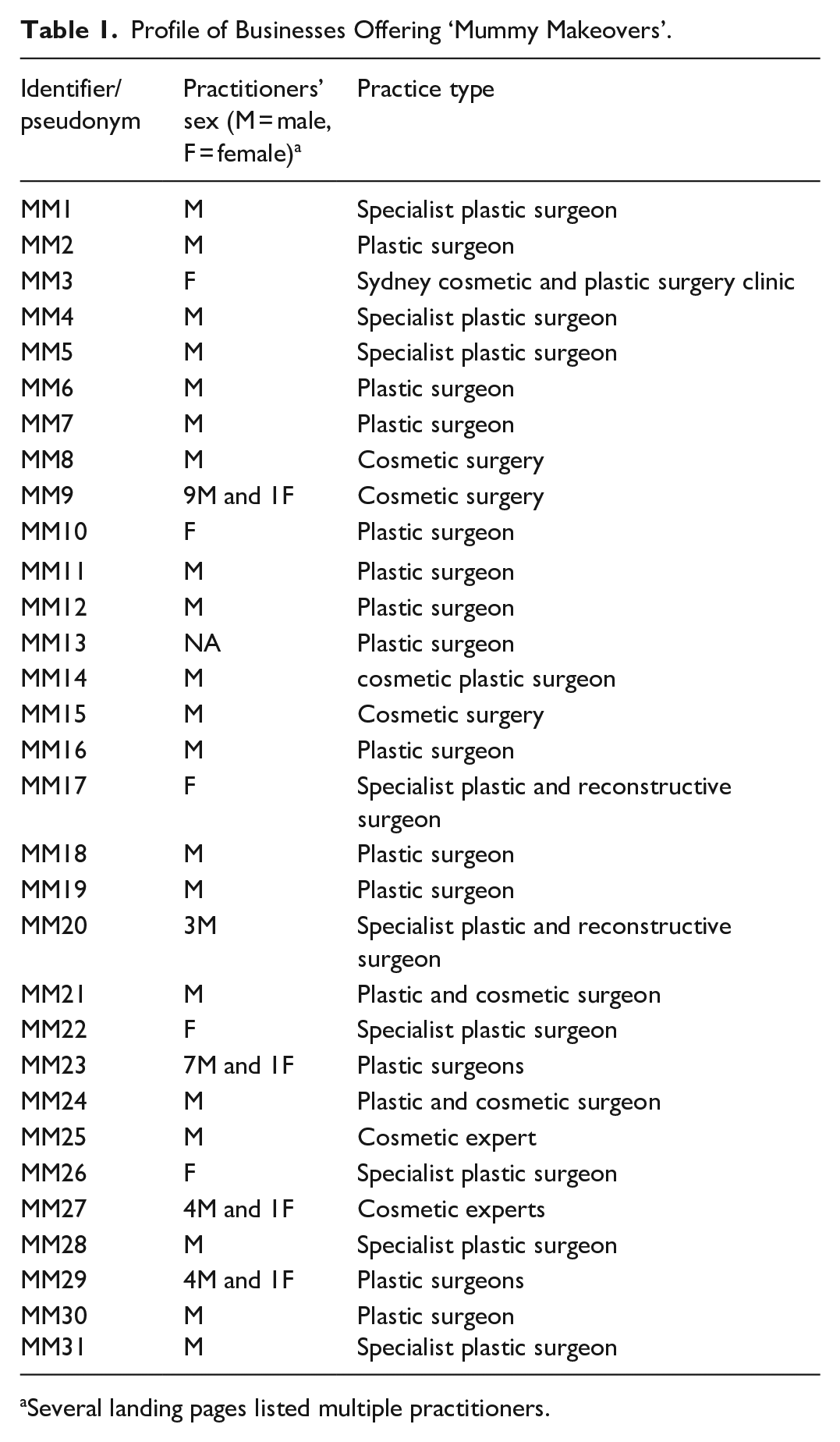
Several landing pages listed multiple practitioners.
Stage 1: Quantitative content analysis
Content analysis of the landing pages of websites promoting the mummy makeover was undertaken to determine the dominant discourse for marketing communication around the mummy makeover and whether this complies with cosmetic surgery advertising guidelines and standards. This involved identifying the procedures being promoted and the marketing communication strategies/messaging approach employed. A codebook was developed to categorise data. Coding topics included:
Type of procedures offered (e.g. breast augmentation/reduction, liposuction etc., sourced from Goodman, 2017) and general information about the procedure (e.g. length of surgery, recovery time, pain/discomfort management, appearance post-surgery, risks, costs/fees, medical qualifications, efficiency);
Reasons, suitability and benefits (e.g. doing it for self, looking better, boost self-confidence etc., sourced from Goodman, 2017),
Presence of human models (e.g. sex, body part(s) featured, form, before/after, mother/child etc., sourced from Ahn et al., 2013),
Message strategy (e.g. transmission/informational vs ritual, sourced from Ahn et al., 2013)
Implicit message framing (e.g. body surveillance, body shaming, appearance control beliefs, sourced from McKinley & Hyde, 1996).
The study also used the recommendations outlined in the final report of the independent review of the regulation of medical practitioners who perform cosmetic surgery (Medical Board of Australia and Ahpra, 2023) to determine if any of the content breaches advertising standards, as data was collected prior to the release of the new advertising guidelines. These guidelines state that cosmetic surgery should not:
i. glamorise and trivialise cosmetic surgical procedures
ii. downplay the risk of cosmetic surgery or specific cosmetic procedures
iii. use single images of bodies, including stock images, patient photos, models and celebrities, rather than before and after images to advertise cosmetic surgery
iv. promote cosmetic surgery using paid social media influencers
v. use content that criticises normal body appearance and suggests or implies cosmetic surgery is needed to ‘fix’ normal variations or that promotes the idea of only one acceptable body type
vi. target young people or other groups at greater risk of harm with advertising (including through algorithms and other marketing technology).
Further, the guidelines suggest that cosmetic surgery should:
i. accurately explain the range of results that consumers can reasonably expect from a procedure
ii. limit claims in advertising to those that are objectively demonstrable and provable (generally this is physical changes and not psychological benefits which may not be supported by acceptable evidence)
iii. use any video content responsibly, for information and/or education only and not present surgical procedures as entertainment and
iv. strengthen procedures for informed consent on the use of patients’ before and after photos and video material.
The unit of analysis was the landing page (only) of each website as this would often be the first port of call for potential customers seeking a mummy makeover. The landing page provides critical selling-based information and content that could potentially act as a ‘hook’ to entice mothers to explore further. Unappealing selling content on these pages would not be likely to draw a prospective customer to explore further. Details for the landing pages of each website were saved on 1 November 2022. Coding of the site involved going from top to bottom and recording occurrences of each of the themes/concepts noted in the coding book. The first author collated all the information featured on these landing pages and conducted the initial content analysis described above, which was subsequently reviewed by the second author, with differences in coding of data resolved consultatively with the first author. There was generally 100% agreement with the coding of the content with respect to Tables 1 to 4 and Table 6. The only content where there was minimal disagreement (96% agreement), was message strategy coding (Table 5), which was resolved by the researchers revisiting content to determine the most appropriate categorisation.
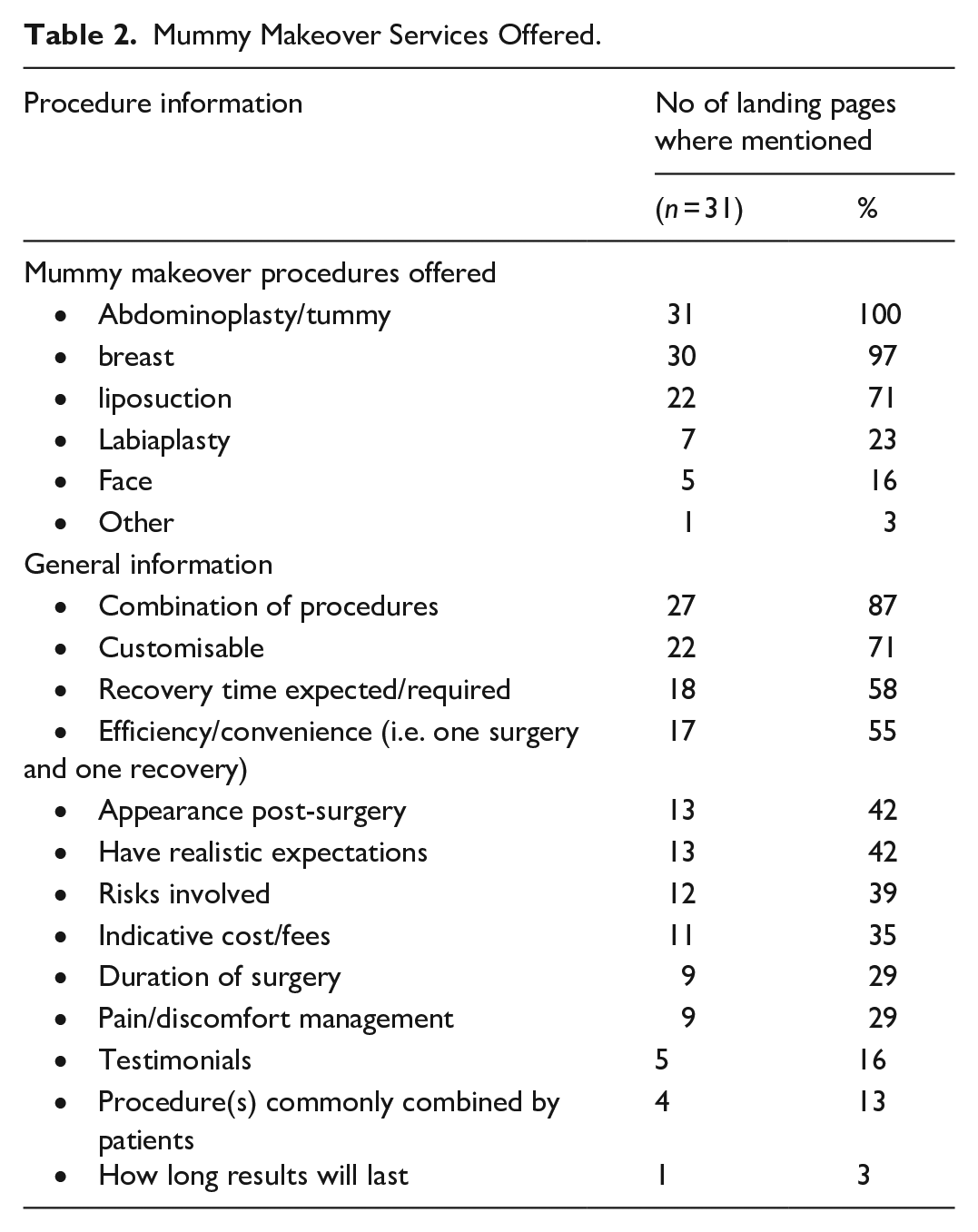
Mummy Makeover Services Offered.
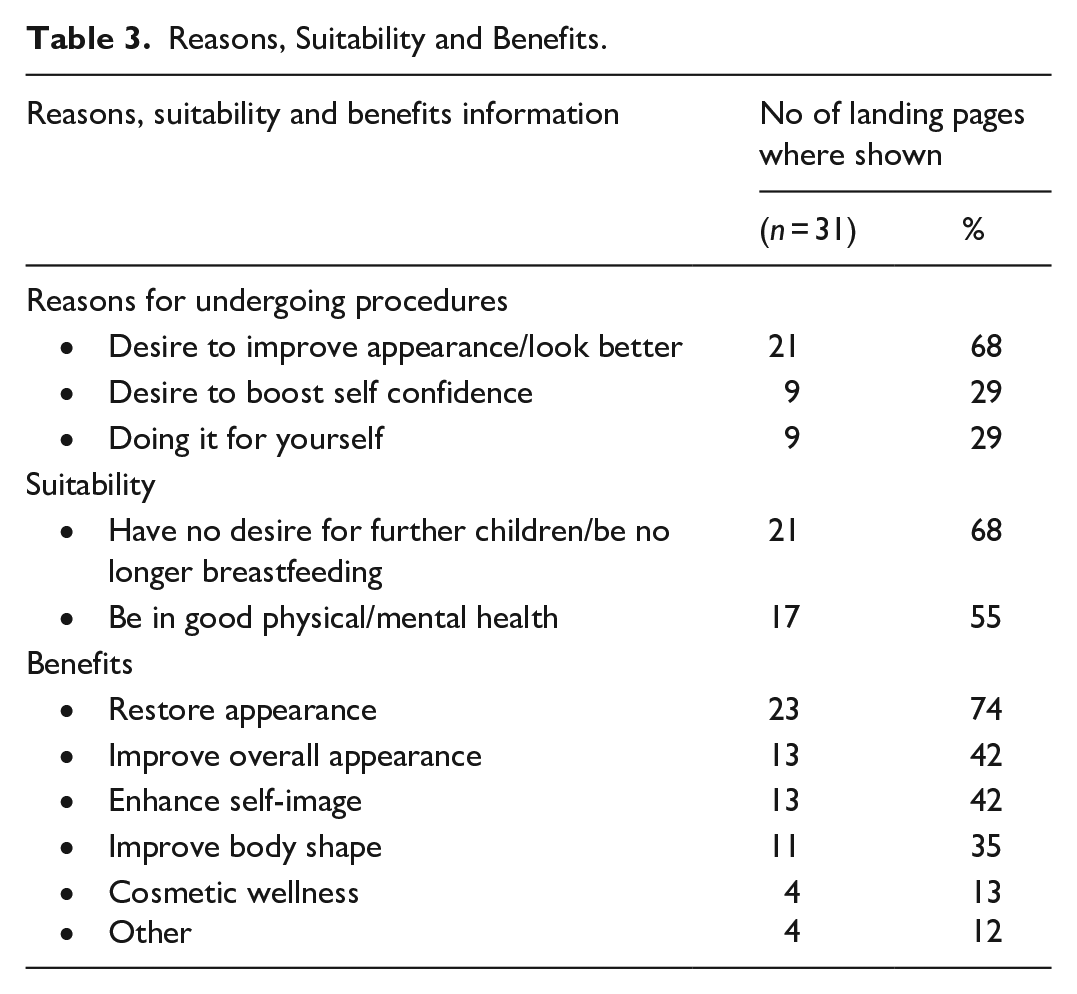
Reasons, Suitability and Benefits.
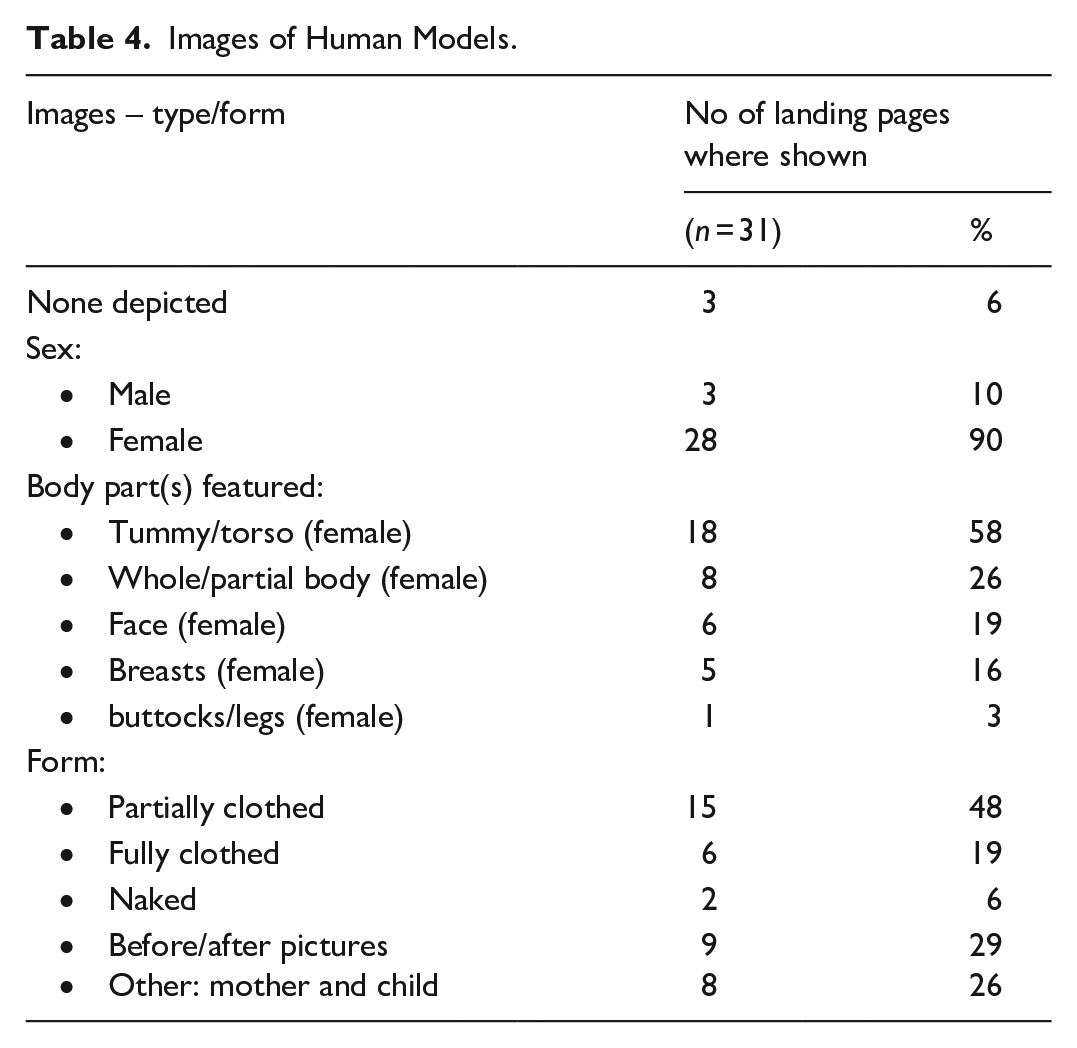
Images of Human Models.
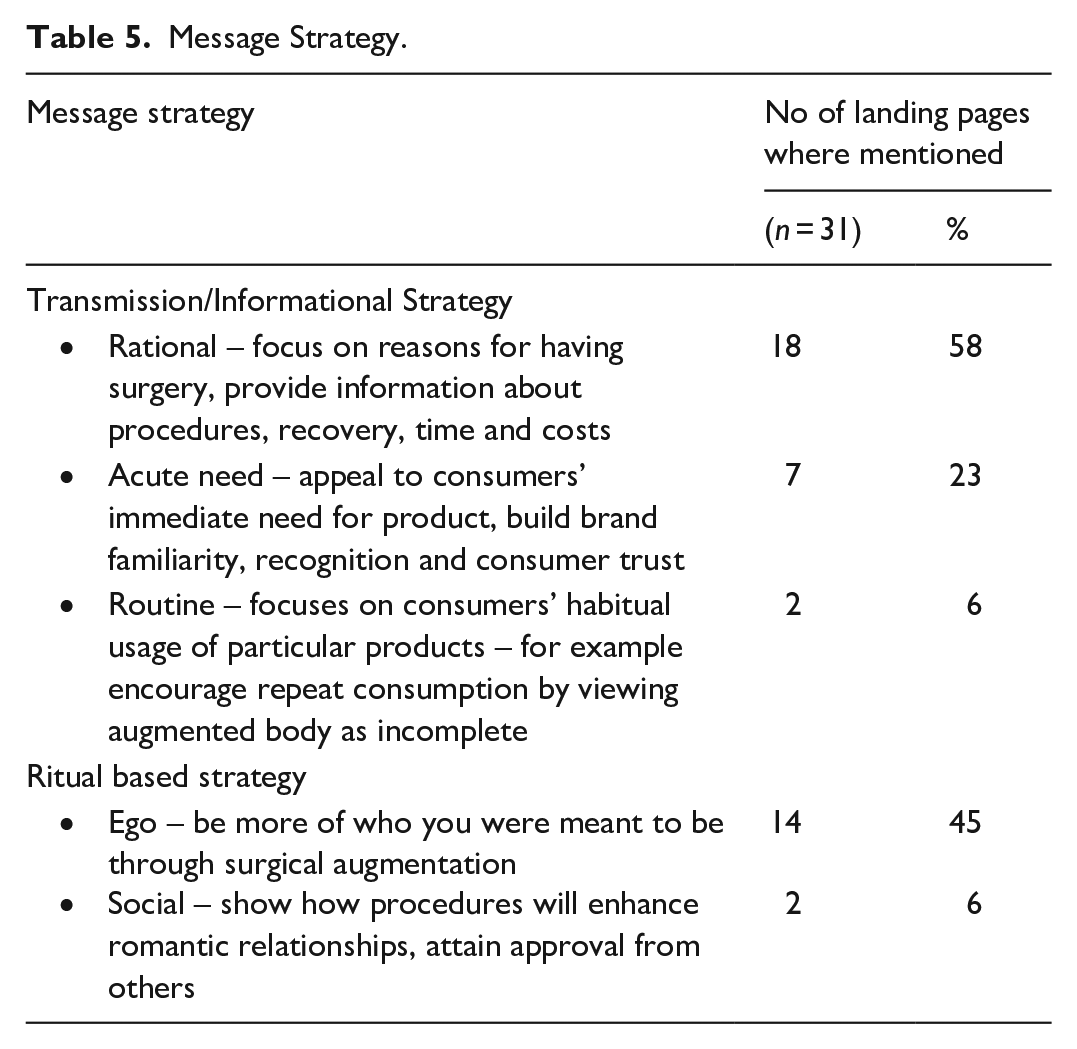
Message Strategy.
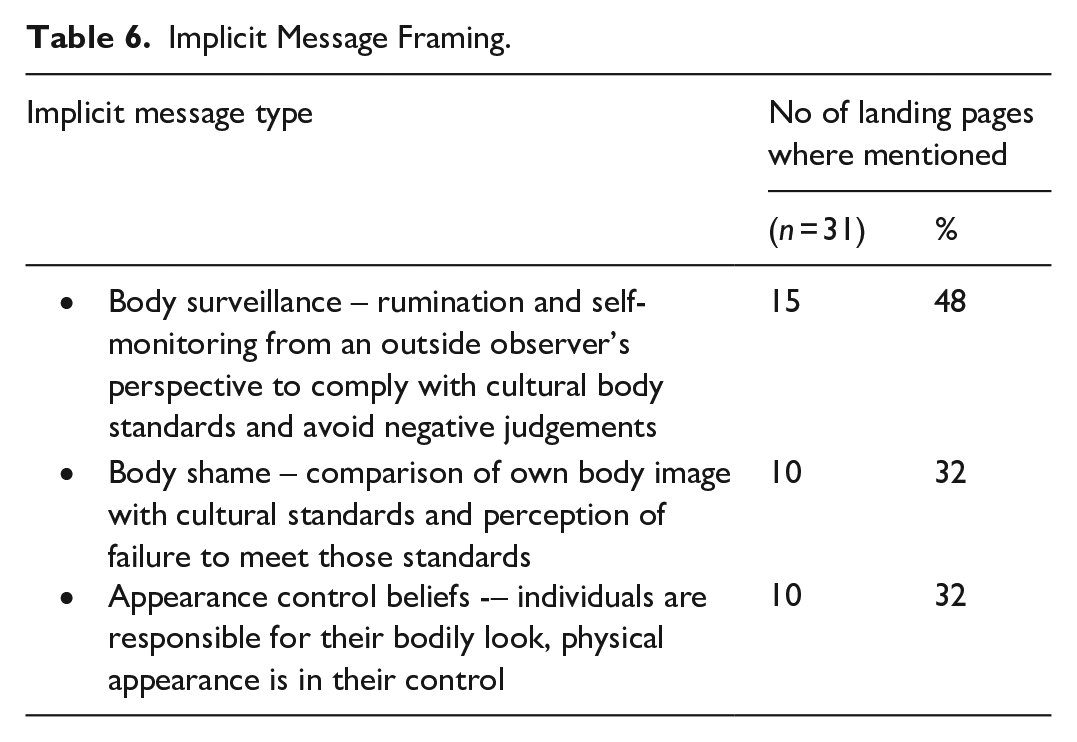
Implicit Message Framing.
Stage 2: Qualitative thematic analysis
The second stage involved a qualitative thematic analysis of the content to better understand the explicit and implicit messages being conveyed to women around motherhood and the mummy makeover. In so doing, this helps address the first research question: what is the dominant discourse for marketing communication around the mummy makeover? We used Braun and Clarke’s (2006) six step approach to thematic analysis to analyse the text contained within the landing pages of cosmetic surgery practices promoting mummy makeovers. This involved: (i) immersion in and familiarisation with the information presented on cosmetic surgery website landing pages; (ii) generation of initial codes using an inductive approach, allowing these to ‘emerge’ from the data; (iii) identification of potential themes; (iv) reviewing themes; (v) defining/naming themes and (vi) producing the report (Braun & Clarke, 2006). Working independently, each author reviewed the content on the landing pages (step 1) and subsequently, identified initial codes reflective of this content (step 2). Then, with both authors working together, potential themes and associated sub-themes were identified that encapsulated the initial codes and reflected information presented on the landing pages (steps 3 and 4). The final themes and subthemes to emerge from the data (i.e. derived from the information provided on the cosmetic surgeries’ landing pages) were subsequently defined and described (steps 5 and 6).
Results of the quantitative content analysis (stage 1) and qualitative thematic analysis (stage 2) are presented below.
Results
Stage 1: Quantitative content analysis
The first stage of analysis involved a quantitative content analysis of the landing pages of businesses offering cosmetic surgery procedures/services packaged as a mummy makeover. The findings are presented around each research question.
RQ1: What is the dominant discourse for marketing communication around the mummy makeover?
As shown in Table 2, services offered as part of a mummy makeover included abdominoplasty/tummy tucks (mentioned on 100% of websites), breast reduction/augmentation/lifts (96%), liposuction (71%), labiaplasty (23%) or procedures involving other parts of the body, such as face or arms (19%). Mummy makeovers were promoted as a combination of these procedures (87%), customisable to the individual and their specific needs (71%), offering efficiency/convenience through one surgery and one recovery time (55%). Some websites alluded to appearance post-surgery (42%), the need to have realistic expectations with respect to results (42%), the broad risks associated with surgery (39%) and indicative costs/fees (35%). Some also referenced the duration of surgery (29%), the management of pain/discomfort arising from surgery (29%) and procedures commonly combined by patients (13%).
Websites also referenced reasons for undergoing mummy makeover procedures (see Table 3), with a desire to improve physical appearance (or look better; 68%) being most frequently mentioned, followed by a desire to boost self-confidence (29%) or simply doing it for oneself (21%). In order for procedures to be performed, many websites also recommended that prospective patients have no desire for further children/be no longer breastfeeding (68%) and the need to be in good physical/mental health (55%). The main benefits communicated around a mummy makeover included restoration of appearance (to the ‘pre-baby’ body; 74%), improvement to overall appearance (42%), enhancement of self-image (42%), improvement of body shape (35%) and overall cosmetic wellness (13%).
The vast majority of websites (94%) depicted human models (see Table 4). Of those, 90% depicted images of females, but only 26% featured a whole (or mostly whole) female body. Fifty-eight percent featured a female tummy/torso, 19% a female face and 19% female breasts/buttocks/legs. Fifty-four percent of the human figures featured appeared partially clothed or naked (54%). Twenty-nine percent of landing pages included before/after images, while 26% featured mother with child images (26%).
The messaging approach commonly adopted in mummy makeover communications reflected both transmission/informational strategies (87% of landing pages), that is those designed to appeal to logic/cognition by delivering information, knowledge and ideas to others and ritual based strategies (51% of landing pages), which focussed on consumers’ emotions and senses by appealing to their beliefs, attitudes, self-image and perceptions (see Table 5). With respect to transmission/informational strategies, 58% used a rational approach, conveying information about procedures, recovery times, costs, reasons and benefits of having surgery. Twenty-three percent appealed to consumers’ immediate need for the procedure (acute need), with messages designed to build brand familiarity, recognition and trust amongst prospective users, while only 6% used a routine appeal, conveying the ‘incompleteness’ of the augmented body to encourage repeat/continued usage of cosmetic procedures. With respect to ritual based strategies, 45% used an ego appeal, whereby messages were suggestive of surgery as a process/means to augment ones’ self, with 6% using a social appeal, conveying how procedures could enhance romantic relationships and help attain approval from others.
Information on mummy makeover landing pages was framed around body surveillance (48% of websites), body shaming (32% of websites) and/or appearance control beliefs (32% of websites; see Table 6). Such messages are not only suggestive of the malleability of the female form, but also the need for females to scrutinise, compare and adjust their physique to accommodate societal expectations.
RQ2: Do marketing communication practices around the mummy makeover comply with cosmetic surgery advertising guidelines and standards?
Mummy makeover messaging was then examined in the context of compliance with advertising guidelines for cosmetic surgery. Information featured on websites was coded against the guidelines set by the Medical Board of Australia and Ahpra, with results shown Table 7. It is evident that, on the landing pages, cosmetic surgery practices do comply with some guidelines when promoting mummy makeovers. For example, there is no evidence that paid social media influencers are being used to promote cosmetic surgery procedures or that young/vulnerable people are specifically targeted. Further and encouragingly, 41% of websites are accurate in their descriptions of results, 44% limit such claims to measurable changes and 11% of websites include educational (rather than promotional) videos on their landing pages. However, the content analysis does reveal that several guidelines are being breached, with 63% of websites downplaying the risks associated with cosmetic surgery (i.e. there was no mention of ‘risk’ on the landing page), 59% glamorising/trivialising cosmetic surgery procedures and 52% criticising normal body appearances or implying that cosmetic surgery can ‘fix’ one’s appearance. Further, 33% use images of bodies/body parts rather than before/after pictures on their landing pages. The use of algorithms to target individuals or having in place suitable protocols for informed consent (of use of images/videos) could not be determined. It seems then, that while some guidelines are followed by cosmetic surgery practices in their promotion of mummy makeovers on website landing pages, breaches of these guidelines are also evident.
Compliance With Cosmetic Surgery Advertising Guidelines.
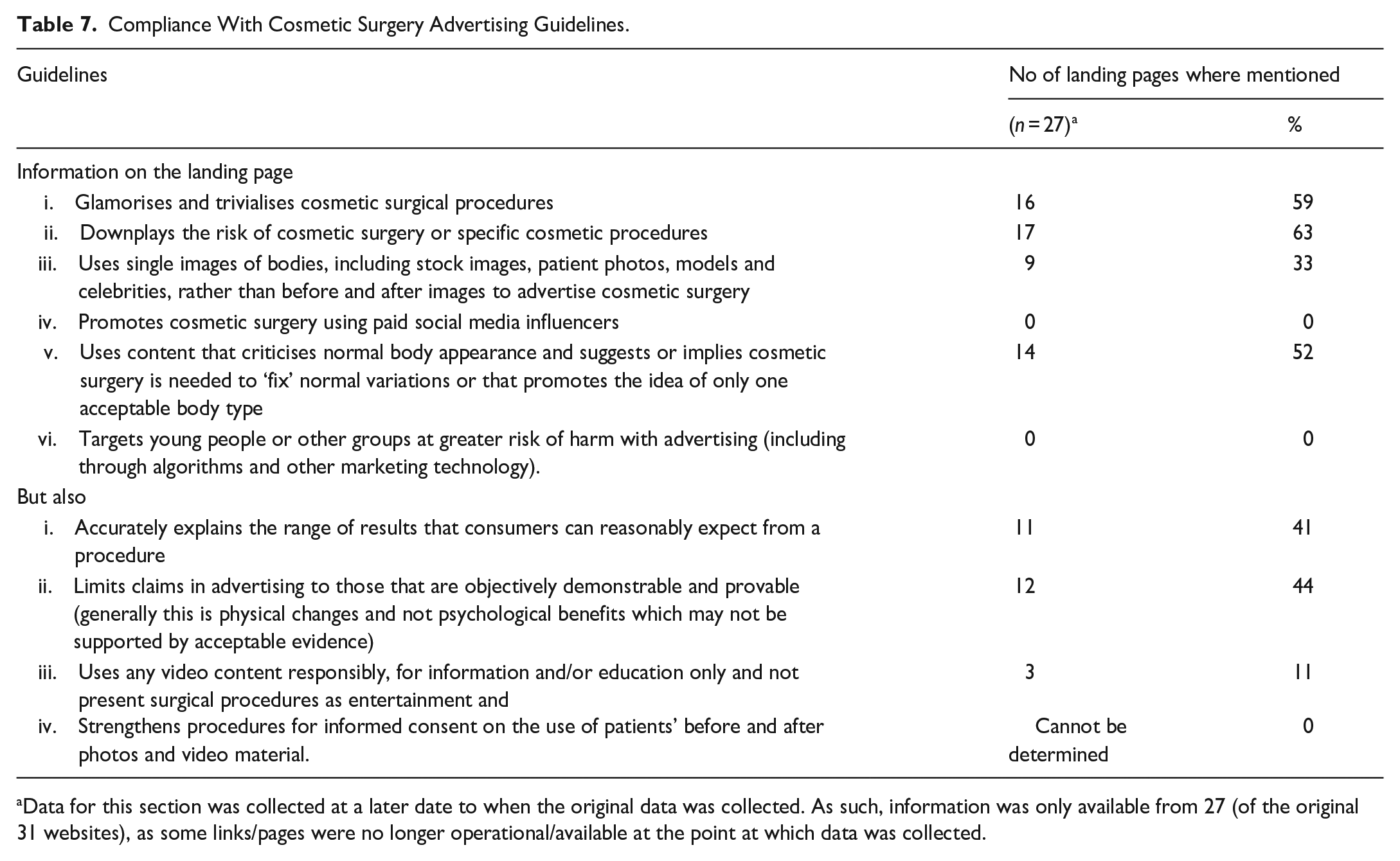
Data for this section was collected at a later date to when the original data was collected. As such, information was only available from 27 (of the original 31 websites), as some links/pages were no longer operational/available at the point at which data was collected.
Stage 2: Qualitative thematic analysis
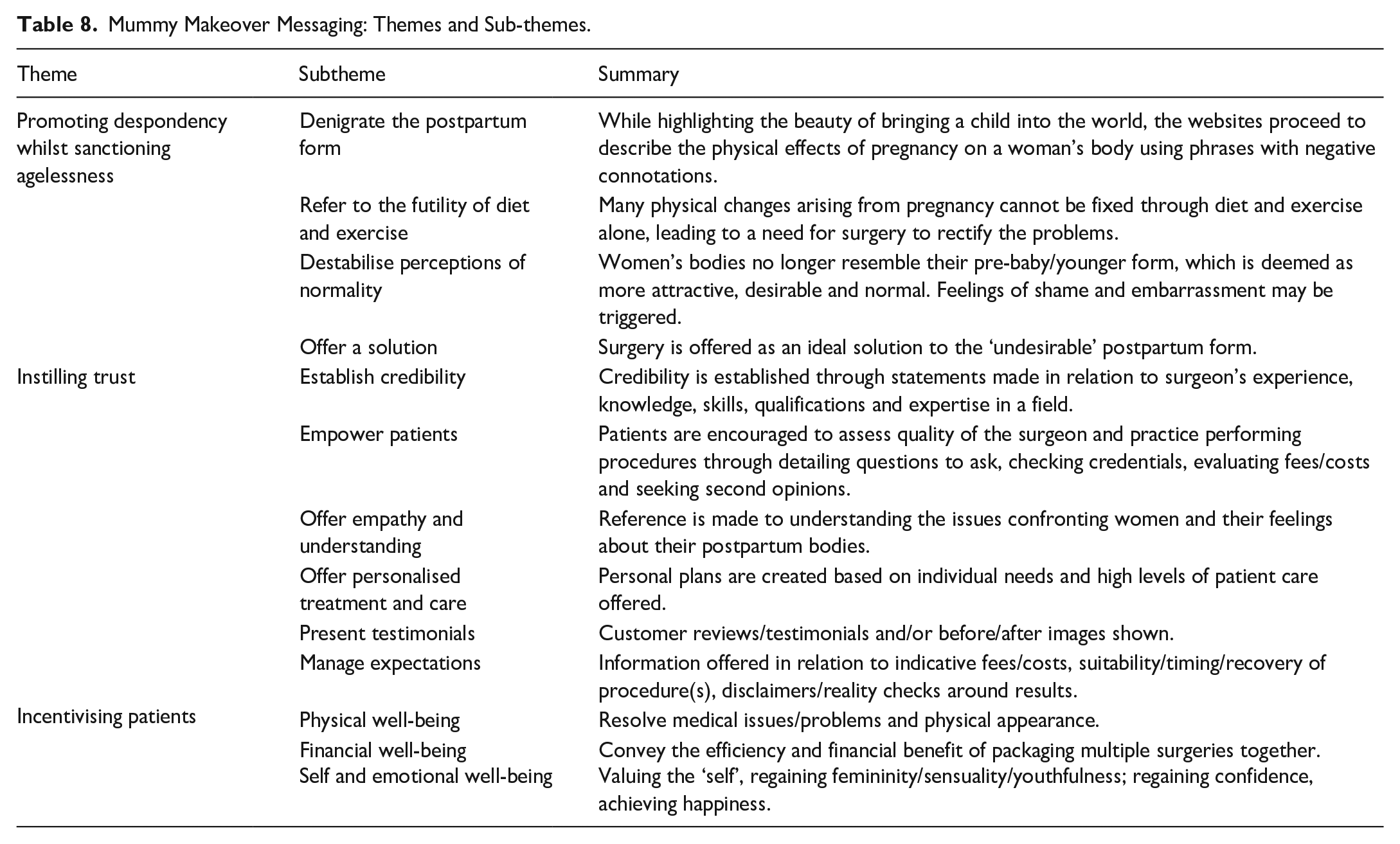
The second stage of analysis involved a qualitative thematic analysis of the website landing page content to also address the first research question, namely to understand the dominant discourse presented around motherhood and the mummy makeover. Three overarching themes were identified: (i) promoting despondency whilst sanctioning agelessness; (ii) instilling trust; and (iii) incentivising patients. Table 8 presents a summary of themes and subthemes.
Mummy Makeover Messaging: Themes and Sub-themes.
Promoting despondency whilst sanctioning agelessness
Information presented on the mummy makeover landing pages of cosmetic surgery practices often acknowledged the beauty/miracle/amazement of bringing a child into the world and the joy this would bring to many women. For example:
Pregnancy and having children are both parts of an exciting and wonderful experience that significantly changes the mother’s body. The abdomen grows; therefore, the abdominal muscles loosen or separate (diastasis recti), the tummy skin stretches and the breasts enlarge, filled with milk. These natural changes are all part of supporting the baby’s life and development. (MM7)
These statements were often followed on with details around the physical and emotional toll of pregnancy, childbirth and aging, using language, phrases and words heavy with negative connotations (e.g. ‘accumulation of fat deposits’ and ‘flat, sagging, breasts’), thus denigrating the post-partum form. For example:
Pregnancy, childbirth, breastfeeding, and child rearing can all cause less than desirable effects to your body shape and contour. Breasts lose volume and sag, nipples and areolae enlarge and droop, tummy skin becomes loose with stretched muscles underneath, and fat starts to settle where it never used to before. (MM28)
Websites also referenced the futility and inadequacy of diet and exercise alone in addressing these issues. These messages potentially exploit the discomfort some women may experience with their postpartum appearance and their frustrations in striving for a desired physique. For example:
Pregnancy can cause many changes to a woman’s body. Breasts can gain and lose volume due to milk production, causing them to stretch and sag. Stretched skin and separated tummy muscles can lead to a bulge in the lower torso, and a women’s body may never return to its pre-pregnancy state by natural means. (MM16)
This and other information presented on websites, destabilises perceptions of normality by suggesting that the post-partum is undesirable/unattractive, whilst also conveying a new norm around a female body showing no evidence of childbearing. For example:
Very few (lucky) women manage to get through multiple pregnancies, with or without breast-feeding, and keep their youthful curves and contours. Most of us are left with flat, saggy breasts and mummy tummies! (MM20)
Denigrating (or shaming) the postpartum female form in this way and implying that the birthing of a child can (and should) be made less evident in a woman’s physique, destabilises perceptions of normality and may encourage despondency and dissatisfaction necessitating a solution. Cosmetic surgery, and more specifically the convenient and customisable mummy makeover, is then presented as a way to solve, address or fix the ‘problematic/undesirable’ postpartum physique. For example:
Some women are happy to be a Mummy and look like one, but for those of you who are not happy with their body after having children – we have the technology! It’s called surgery. . . . Not being able get back into your favourite pre-baby clothes or feeling depressed over the changes to your breasts and body shape, can be effectively reversed with a Mummy Makeover – a customised combination of surgical procedures performed together as one operation, or a series of operations, to restore the shape and appearance of a woman’s body after childbearing. (MM3)
Post-pregnancy weight loss is achieved with a diet plan, but reshaping the body with elective surgery is often the best way to halt or reverse the ageing process. Getting back in shape and staying in shape requires dedication and commitment, but restoring firmness and shape can be achievable with a suitable surgery. (MM17)
This type of messaging conveys and reinforces a negative image of the postpartum form: women are reminded that their bodies no longer resemble their pre-baby form, that they appear older, less attractive and thus, less desirable. The implication/subtext of all of these messages combined is that that women can and should strive to reclaim their pre-baby bodies to once again, feel as attractive as their younger selves. Preservation of a woman’s youthful, pre-baby physique, then, seems paramount. Messaging around the mummy makeover thus promotes despondency (of the postpartum form) whilst sanctioning agelessness.
Instilling trust
Mummy makeover messaging was also directed towards instilling trust amongst prospective patients in the surgeon and surgery to be performed. This was achieved through statements that firstly, established the credibility of the surgeon/practice, secondly, reflected an understanding of patients’ needs, thirdly, personalised the offering and finally, communicated success. Credibility was conveyed through detailing the surgeon’s/practice’s experience, knowledge, skills, qualifications and expertise in a field, establishing trust through the provision of rational-based information. For example:
Specialist Plastic Surgeon Dr MM2 has been performing breast enhancement surgery for over 15 years. Over the years, he has continued to refine his technique and apply the latest advancements to ensure he is able to consistently achieve exceptional results for his patients. So, if you’re considering cosmetic breast augmentation surgery, you can be assured that you’re in experienced and skilled hands when choosing Dr MM2. (MM2)
With over 20 years of experience as a specialist plastic surgeon, Dr MM14 prides himself on staying up to date with the latest and safest advancements in the field of cosmetic and plastic surgery. He applies his expertise with a personal approach to each individual client, ensuring they feel well cared for and that they achieve an optimal result. (MM14)
Patients were encouraged to assess the quality of the surgeon and practice performing procedures by listing questions patients should ask, checking the credentials of the surgeon/practice, evaluating fees/costs and seeking second opinions. For example:
Before proceeding with any surgery, it is advisable to seek a second opinion from an appropriately qualified medical practitioner such as a Plastic Surgeon. Dr MM7 is a registered medical practitioner, with specialist registration in Surgery – Plastic Surgery. . . Dr MM7 is also a member of the two leading professional associations for plastic surgeons in Australia, Australasian Society of Aesthetic Plastic Surgeons (ASAPS) and Australian Society of Plastic Surgeons (ASPS). Their websites provide additional information regarding plastic surgery in Australia that you might find useful, please visit ASAPS and ASPS. (MM7)
Such statements help to evoke a sense of openness and honesty of the cosmetic surgeon/practice, which may help prospective patients feel empowered to make informed choices and fosters trust. Statements also referenced an understanding of the issues confronting women, particularly with respect to their feelings about their postpartum bodies and the challenges they faced in regaining their pre-baby physique. For example:
You want to make major changes to your body, so you need an experienced surgeon with a compassionate heart to provide you with the comprehensive, holistic care you deserve. Dr. MM11 understands that cosmetic surgery may deal with the body, but it impacts every part of a person’s being — their mind and emotions — as well. (MM11)
This establishes empathy with prospective patients by communicating an understanding of their needs, which helps establish trust through appealing to patient’s emotions. Trust was also established through messaging around the ability to personalise a bundled surgery offering to suit individual needs, supported by a high level of patient care. For example:
Mummy makeovers are individually personalised treatment plans, and Dr MM30 will help you choose the procedures that are best suited to your needs, based on your health, budget, timeline and goals. Although none of the procedures are intended to be weight loss treatments, after a mummy makeover patients can enjoy a younger sleeker looking figure that closely resembles their pre-pregnancy body. (MM30)
Wherever you are on your personal journey, we would like to assist you. Your reasons for having surgery and your expectations from surgery are important conversations to have before undergoing surgery. Dr MM7 will also assess your health and medical history to ensure any surgical procedure you are considering is a safe and appropriate choice for you. (MM7)
Prospective patients are not simply being sold an ‘off-the shelf’ package (of surgery), rather these messages help establish understanding of and again, empathy with their individual needs, which may help put their minds at ease and build trust. Many websites also offered either customer reviews/testimonials and/or before/after images, either through links on the landing pages or on the landing page itself. Glowing testimonials from former patients helps to again establish the credibility of the surgeon/practice and the skills/experience provided, but also focusses on the potential positive outcomes following surgery. This may help to instil trust in those considering similar procedures. Alongside these messages are statements in relation to indicative fees/costs, suitability for, timing of and recovery from procedure(s) and disclaimers/reality checks around results. For example:
Since the surgery combines several different procedures, it can be difficult to determine exactly what the total cost will be without a consultation. During your consultation with Dr MM26, your specific concerns will be discussed and a thorough physical examination will need to be performed before any procedures can be recommended or costs can be discussed. (MM26)
Even though the results from the procedure will be noticeable two to three weeks after your mummy makeover, it may take months for your body to settle into its brand-new trimmer contours permanently. (MM30)
These messages are crafted to help manage the expectations of prospective patients and create a sense of openness and honesty about the process and procedures to be performed and together, they help instil trust.
Incentivising patients
Prospective patients were incentivised to pursue further information about a mummy makeover or undergo procedures through rational and emotional based messaging. Rational based messages focussed on how a mummy makeover could solve medical issues/problems brought about through pregnancy or help improve ones’ physical appearance, for example:
Although these changes are a natural part of childrearing, some women choose to undergo surgery to regain their pre-pregnancy bodies and correct muscle separation. A mummy makeover is a common surgery after childbirth. It has tightening effects on areas that have been changed during pregnancy. (MM16)
The drive for surgery may originate from a want to improve certain body contours or a need due to back pain as a result of the separation of core muscles. (MM12)
Rational based messages see the mummy makeover framed as a medical procedure that, like many other forms of surgery, improves ones’ physical wellbeing (rather than appearance). In this way, the importance of physical wellbeing is recognised, which may incentivise some women to act, particularly those who prioritise physical health over external appearances or those who are reluctant to pursue surgery for reasons of vanity alone. Thus, such messages give prospective patients ‘permission’ to act. Rational messaging also centred around convenience and efficiency of a mummy makeover, with prospective patients being able to save both time and money, for example:
Combining procedures can be more cost-effective than undergoing each treatment separately. By consolidating multiple procedures into one surgical session, individuals can save on anaesthesia, facility fees, and other associated costs. . . Undergoing a combination procedure means going through the surgical process, including anaesthesia, preparation, and recovery, only once. This streamlines the overall surgical experience and minimises the inconvenience associated with multiple surgeries. (MM18)
The financial benefit of packaging multiple surgeries together is conveyed through these messages – hospital fees and other direct charges associated with surgery may be lower, while a faster recovery time allows one to return to life/work more readily. For many people, being off work for an extended period of time has financial implications. As such, the mummy makeover is offered a financially pragmatic solution to (perceived) postpartum problems. Thus, prospective patients are incentivised through messaging directed towards doing it for ones’ financial wellbeing.
Benefits of a mummy makeover to the self are also evident with ideas around regaining femininity, sensuality, youthfulness, confidence or achieving happiness being conveyed. For example:
Age and past pregnancy and nursing can cause the breasts to lose their fullness and firmness. But their youthful, vibrant appearance can be reclaimed by including breast augmentation. . . .when your bottom and hips have lost their volume, a Brazilian Butt Lift both refines and enhances their shape to give you the curves you crave. (MM11)
Such messages appeal to the heart, tapping into fears and emotions that may arise through having and raising children and through the natural aging process, in a society that values youth and beauty. This is often coupled with phrases such as ‘you deserve it’, ‘you’ve given all to others, now it’s your turn’, for example:
Motherhood is a life-changing experience where milestones are celebrated and personal growth is cherished. The commitment required to raise healthy children and watch them flourish shouldn’t be underestimated, but a time will also come for mum to do something for herself. (MM17)
The way in which mothers often put the needs of others ahead of their own is acknowledged, but so too is the importance of valuing the self (alongside others). The mummy makeover is thus positioned as an ally of this cause and incentivises through messaging around doing it for one-self and emotional wellbeing.
Discussion and implications
This research firstly revealed the dominant discourse for marketing communication around the mummy makeover. We began with understanding the messaging approach used on websites promoting the mummy makeover through the types of strategies employed and the messages, both explicit and implicit, being conveyed to women. As well as describing the common procedures performed under a mummy makeover banner, most websites referenced the customisability of and convenience associated with combining medical procedures and how this would benefit the self, primarily in terms of restoring or improving physical appearance. This establishes empathy with time-constrained mothers, but also attributes importance to attaining a physique that shows no evidence of pregnancy or childbirth – to this audience, a mummy makeover is a personalised promise of improved appearance and self-worth, with minimal inconvenience.
The thematic analysis of the written content on company websites revealed several themes with respect to the messages conveyed to women/mothers. The first theme related to promoting despondency whilst sanctioning ageless. Language and expressions heavy with negative conations were used to frame the post-partum form as unattractive or undesirable and to bring to the fore, the futility of diet and exercise in restoring one’s physique to its pre-baby form. Gurrieri (2021) noted that patriarchal marketing practices tend to shame and problematise women’s bodies and position the natural state as unacceptable. This is evident in messages promoting mummy makeovers, which implicitly advocate the need for women to self-evaluate their physique against cultural standards and then feel shame if they fail to meet those standards. Increased attention to the idealised maternal form encourages this self-reflective gaze, such that a woman, consciously or otherwise, draws a comparison between their actual and desired self (Malatzky, 2017). Further, mothers are primed to be dissatisfied with their post-baby physical form and compelled to attain aesthetic perfection after pregnancy (Allen & Osgood, 2009; Malatzky, 2017). Thus, cosmetic surgery specifically targeted to mothers and promoted as a mummy makeover, perpetuates the narrative that a woman’s value (social, psychological and economic) is contingent on their physical appearance, which supports Abate’s (2010) perspective. Further, implicit and explicit messages establish new standards for the maternal physique, one where mothers appear youthful and show no evidence of childbearing, which may destabilise perceptions of normality (or reality). Communication around the mummy makeover appears then, to also be framed through a patriarchal lens, with cosmetic surgery being presented as a means to attain the feminine body ideal. Interestingly, most cosmetic surgery practices reviewed were dominated by male practitioners.
The second theme to emerge from the thematic analysis related to instilling trust amongst prospective patients by showcasing the credentials of a surgeon/practice and empowering patients to evaluate such credentials. Trust was also established through messages that conveyed empathy with and an understanding of the challenges faced by mothers in looking after their family, but also themselves. Personalised care plans were proffered, testimonials provided and sufficient information to set realistic expectations established. It is important to note, that article 4 of the new cosmetic surgery advertising guidelines (Medical Board of Australia and Ahpra, 2023) prohibits the use of testimonials such as patient stories, and experiences, success stories or fake testimonials in advertising.
The third theme to emerge from the thematic analysis was around incentivising patients to act by articulating the benefit of a mummy makeover to a woman’s physical wellbeing, emotional wellbeing and also, their financial wellbeing. Article 3 of the new cosmetic surgery advertising guidelines (Medical Board of Australia and Ahpra, 2023) stipulates cosmetic surgery must not offer incentives that would encourage people to have cosmetic surgery. In its current form, inappropriate incentives listed in the regulations focus on gifts and discounts. It may be warranted to broaden the list to include inappropriate physical and emotional wellbeing incentives as well.
Combined, these themes reveal the communication strategies used to promote the mummy makeover to women – that is, trigger problem recognition by conveying beauty norms for mothers, offer cosmetic surgery as a solution, establish trust and then incentivise for action. These messages do not convey specific information around the cosmetic procedures as such, but rather they build a narrative for the ideal maternal physique, one that brings into focus a woman’s physical appearance, which may be reflective of patriarchal ideology. While mainstream and social media has been instrumental in conveying that woman, in general and mothers, more specifically, should be aesthetically perfect, it is concerning that a similar narrative is evident in communication from professional medical practices.
This study also addressed whether marketing communication practices around the mummy makeover complied with cosmetic surgery advertising guidelines and standards. Findings suggest that such communication does not always comply with guidelines set by the governing bodies of these professional organisations, such as Ahpra. Many cosmetic surgery providers of the mummy makeover downplayed the risks associated with cosmetic surgery, glamorised and trivialised such procedures and more concerningly, criticised normal body appearances that did not conform with the feminine ideal. This suggest that self-governing guidelines are not always adhered to in practice and that perhaps more rigorous and importantly, reinforceable guidelines need to be established. We suggest more needs to be done to educate practitioners around these guidelines and monitor and enforce them, to reduce the prevalence of such practices. Medical practitioners are often held in high esteem (Jobson & Freckelton, 2022) and considered trustworthy in the advice they provide (Ipsos, 2021). Thus, messages delivered by a medical practitioner (i.e. cosmetic surgery provider) that reinforce physical appearance over wellbeing may be regarded by the intended audience (i.e. women) as more credible and possibly, even necessary and contribute to the normalisation of cosmetic surgical procedures as a way to achieve the ideal feminine physique.
Limitations and directions for future research
This study analysed the marketing communication provided on the landing pages of the cosmetic surgery service providers websites in Australian, with results thus specific to this context. As such, there is potential for future researchers to examine ‘mummy/mommy makeover’ advertising and communication practices in other regions, the extent to which these practices conform to the associated and relevant advertising guidelines and how consumers (and in particular mothers) in different environments and/or cultural settings respond.
Further, in this study only one search term (i.e. mummy makeover) was used to identify relevant landing pages. However, postpartum mothers may use alternate phrases such as ‘tummy tuck postpartum’ or ‘breast lift postpartum’, to search for potential service providers. Thus, the results may underestimate the extent of the issue as a broader range of cosmetic surgery practices may have been identified. Future research in this area may reveal whether the issues identified in this study around feminine beauty, motherhood and compliance with advertising guidelines, are commonplace and perpetuated.
Future studies could explore advertising themes and adherence to regulations evident in verbal, printed and other forms electronic communication (e.g. social media, social influencers) that promotes and seeks to attract a person to using a cosmetic surgery service. The advertising regulations that were used to determine the adherence of the marketing communication presented on the cosmetic surgeons’ websites to advertising regulation were based on the recommendations presented in the final report of the independent review of the regulation of medical practitioners who perform cosmetic surgery provided by the Australian Health Practitioner Regulation Agency and the Medical Board of Australia (2022). Future studies could conduct a complete analysis of cosmetic surgery advertisements applying all of the new 10 articles and accompanying sub articles (Medial Board of Australia and Ahpra 2023 – Guidelines for registered medical practitioners who advertise cosmetic surgery). Researchers could also direct attention toward interviewing postpartum women to gain insights into their experiences and feelings about societal pressures regarding the ideal body and their reactions to ‘mummy makeover’ advertisements. Finally, to assess conclusively the impact of cosmetic surgery advertisements on consumers, experimental studies which expose consumers to various forms of cosmetic surgery advertising could be conducted. This may extend our understanding of consumers’ perceptions of breaches of advertising guidelines (Donovan et al., 2011) and/or the effect such messages have on their attitudes. As the new more restrictive advertising guidelines for cosmetic surgeons have only recently come into effect it would be warranted to monitor the impact, they are having on cosmetic surgeons marketing communication from thereon onwards.
Footnotes
Author contributions
Authors are listed in alphabetical order, with both authors contributing equally.
Ethical approval and informed consent statements
There are no human participants in this article. Ethics approval and informed consent were not required.

Declaration of conflicting interests
The author(s) declared no potential conflicts of interest with respect to the research, authorship, and/or publication of this article.
Funding
The author(s) received no financial support for the research, authorship, and/or publication of this article.