




Abstract
The idea of universal basic income is recieving increasing attention in the political, media and public agendas. This policy proposal constitutes a radical departure from the orthodox welfare rationale of giving to those in need, or attaching conditions to welfare support. Given the permutation that a UBI presents, many pilot projects and field experiments are being carried out globally to test the effects of this novel policy idea. Key questions arise from these developments: are the lessons learned from these experiments being fed back into the policy process? Are the pilot project results guiding and informing policymakers? Overall, can we observe any political effects of such scientific efforts? I address these questions through a qualitative case study analysis of the B-Mincome project. Through an in-depth analysis of this pilot, some of the key factors influencing the (limited) policy and political effects of the pilot project have been identified. The B-Mincome case study shows that the barriers to policy change were in place well before the pilot, and evidently, remained unaltered by it. The political landscape in Barcelona's City Council, its economic powers and institutional context were unchanged by the pilot, and in fact shaped the pilot design, moving it away from the UBI proposal. The B-Mincome experience illustrates the need to accommodate the pilot design to the politics and economics of the experiment, and shows the unintended consequences that such an adaptation of the pilot design may have in relation to its original objectives. In the case of Barcelona, this has meant a move away from a UBI-style pilot design, resulting in very limited effects on the debate or policy design of cash transfers, having a greater policy impact on active polices instead. However, by taking a broader look at Spanish and Catalan politics, our analysis has shown that unexpected factors may end up triggering a debate much more effectively than a pilot project.
Introduction
Universal basic income (UBI) is the idea of providing every human being with material security. Defined as a universal (for everyone), unconditional (no strings attached), individual and periodic cash payment, it has moved from being perceived as a utopian idea, to an increasingly feasible policy proposal to reform the welfare state. Yet, UBI radically departs from the orthodox welfare rationale of giving to those in need, or to those who have previously contributed to the system. Given that it is a new, unimplemented policy idea which radically departs from the existing policy rationale, many – those in favour and against – are testing its potential effects through pilot projects and experiments, despite the limitations of these tools (Standing, 2021; Widerquist, 2018). Indeed, the use of scientific methods and empirical evidence to inform policy is increasingly documented by the literature (aside from the growing scolarship, there is a journal dedicated to this field: Evidence & Policy). However, in the case of UBI it is not so clear whether the experiments fulfil a scientific role, informing about the consequences of such a proposal, or whether the actors that engage in such processes have other strategic motivations. Indeed, some literature documents the use of experiments as tools to promote the case of a UBI amongst its proponents (Caputo and Liu, 2020; Frankel, 2020), although we also know that governments and organisations who are not necessarily supportive of a UBI have also launched related experiments (e.g. in the case of Finland).
The theoretical and empirical puzzle addressed in this paper does not revolve so much around the motivations for UBI pilots, but rather concerns the extent to which the effort of undertaking UBI-related pilots actually serves to inform policymakers, and to what degree the resulting evidence has an impact on the policymaking process and on the politics of UBI and welfare reform. As previously mentioned, scholarship surrounding the use of science in policymaking is growing fast (Ascher, 2004; Clark et al., 2002; Hammond et al., 1983; Joyce, 2003; Sabatier and Weible, 2019; and a key book contribution: Cairney, 2016). The key remaining question is to what extent this evidence is being coherently used to inform policy and having an impact on the policy process. This question is particularly relevant to UBI given that there is widespread use of RCTs to test this policy and inform of its consequences (for a review of UBI related projects see Hasdell, 2020).
Although there is no theory that specifically addresses the use of scientific information in the policy process, there is some literature which could inform us about its potential impact. In a key book contribution, Cairney (2016) highlights the role of the policy process, which is not linear, and the diversity of factors that influence such process, to explain why the policy-evaluation stage may not lead smoothly to the implementation stage. The author also points to a potential mis-match between the supply of scientific information (from the researchers and scientists) and the demand for such information (from the policymaker side). This contribution however, tackles a very particular case study and context in which policymakers are both on the supply and the demand side: during the B-Mincome project the policymakers were both asking for scientific information and generating it through the design of a pilot project. Hence, we focus on other aspects of the policy process to understand how these influenced the extent to which the results of the projects were taken up in the policy process. Two sets of factors are indicated as important. On the one hand, we have environmental factors, which are the contextual characteristics in which the pilot took place, like the institutions, networks, actors, policy contexts and events; and on the other hand, we have a set of psychological factors, set at the individual level, which are the prior beliefs and ideas of policymakers in the decision-making process (Cairney, 2016).
This paper addresses the puzzle of the impact of scientific information on the policy process by examining the case of the B-Mincome project, implemented in the city of Barcelona between 2017 and 2019. The paper examines this case qualitatively through interviews, and analyses the policy and political consequences of the pilot project. It considers, then, whether the experiment had an impact on future policy direction by generating administrative or legislative changes in different policy domains (policy consequence), or whether it influenced the political process, for instance by generating a coalition of supporters in the City Council or at other levels of governance, activating debate in the media or promoting knowledge across the citizenry (political consequence). The B-Mincome project has several particularities that make it an interesting case study. First, the experiment was designed and promoted by a group of individuals in Barcelona City Council who were favourable to the idea of a UBI. In fact, in a recent UBI symposium, the director for social rights of the Barcelona City Council argued that given the economic and political impossibility of implementing a UBI at the local level, they had to look for alternatives such as launching an experiment (Torrens, 2021a). While it is not uncommon that pilot projects are launched by UBI supporters, in the case of Barcelona some of these members had been actively involved in UBI efforts advocacy and research within the Spanish national basic income network.
The project was established and launched at the local level, thus within a particular institutional framework, implying a series of political and legal barriers. In Spain, municipalities have the legal authority to conduct pilots but they have no competence to implement any form of welfare cash transfers, apart from last-resort or emergency policies 1 . Barcelona, therefore, cannot implement a minimum income scheme, unemployment benefits or, much less, a universal basic income. This is similar for many other pilots, except for instance, that of Finland or Ireland where the central government leads. A third characteristic of this experiment is that it was not confined to examining the impact of different cash transfer designs, but also explored the effects of combining cash transfers with various types of active policies and a local currency.
These defining features of the B-Mincome pilot were not only fundamental to the pilot's results but ultimately shaped its political and policy consequences. Through in-depth interviews with the key policymakers and entities involved in the project, as well as secondary material and a literature review, this paper finds that, what was initially devised as a means to promote changes in local welfare in the direction of a UBI, in fact had no discernible effect on this policy area. The pre-existing political, economic, and institutional barriers hindered the possibilities for policy change. These did notonly limit the policy and political consequences, but also played a key role in shaping the pilot project design, moving it away from the classical definition of a UBI.
In many ways, the B-Mincome has revealed the barriers to a UBI debate or implementation at the local level. The lack of political support in the City Council, and its limited political and institutional power to launch this policy, were key obstacles to political or policy change. However, the pilot project did have some positive externalities in relation to active policies. In part, the positive consequences with regard to active policies may highlight that these policy tools do not face the same challenges and political barriers as reform of cash transfers. Nevertheless, the case of Barcelona and B-Mincome shows that at times, unprecedented and unexpected events can reinvigorate a debate and stimulate policy change in ways that intentional political strategies cannot. This was the case with the Covid-19 pandemic and the introduction of the minimum living income in Spain. These two events seemed to have been able to promote the UBI debate much more forcefully than the B-Mincome project.
The rest of the paper is structured as follows. In the first section, I provide an overview of the B-Mincome pilot project and the welfare context in Barcelona, Catalonia, and Spain, which have been defining elements of the political consequences of this experience. I then move on to analyse the political consequences of the pilot project, in three main sections: I explore the policy consequences, then the political effects and then show how other unexpected events encouraged debate on UBI. I close the paper by summarising the core findings and discerning future scenarios for the welfare debate in Catalonia.
The B-Mincome project and the welfare context in Catalonia
Contextual origins of the project
While in Spain inequality is particularly high, especially compared to other EU and OECD countries 2 , in Barcelona this situation is much more severe. Two particular challenges exist in this city: structural poverty amongst particular groups and economic segregation (Laín and Torrens, 2019). Living conditions in the city have been made more unequal by globalisation, tourism, the density of the city and the taking up of opportunities for higher incomes. Not only does Barcelona face considerable problems and challenges- it is also subject to important political constraints in how to address these issues through the implementation of new policies or the reform of existing ones. Such limitations are partly derived from the lack of political competences to do this, other than providing minimal, last-resort and emergency welfare.
In Spain, the central government is generally responsible for the provision of contributory benefits such as unemployment subsidies and pensions, while the regional governments usually provide non-contributory benefits (Navarro-Varas and Porcel, 2017: 57). This patchwork of welfare provision is inadequate, and some vulnerable individuals still fall through the cracks of the safety net. Moreover, the welfare system in Spain exacerbates labour market inequalities as it provides good protection for those in regular and stable employment but not for those with more discontinuous employment patterns or the unemployed. This generates a strong dualization of protected insiders and vulnerable outsiders (Buendía et al., 2018; Fernandez-Albertos and Manzano, 2012). Hence, overall, the restrictions on welfare provision from the Spanish and Catalan governments, alongside the political and economic limitations of Barcelona's City Council, limit the scope of action of this institution (Laín and Torrens, 2019). This is the background to the emergence of the B-Mincome pilot.
The 2008 economic crisis and new actors
Spain's, and more specifically Barcelona's, inequality and poverty issue was aggravated by the 2008 economic crisis. This crisis, which hit Spain some years later, was one of the events that sparked the M15 movement, characterised by the formation of self-organised city-settlements and camps. Although the camps were lifted after a short time -through police intervention-, many platforms were developed or strengthened during this time, and eventually resulted in the formation of a new political party, known as Podemos (We Can) (Díaz-Parra, Roca and Martín-Díaz, 2017; Nez, 2021). Barcelona en Comú, a platform that included several social movements such as the anti-eviction movement known as PAH 3 , as well as other political parties such as Podemos and ICV 4 , was the party that introduced the B-Mincome project. The PAH has been a crucial platform within the M15 movement, which resulted in the formation of the political party Podemos (Toret Medina, 2015; Candón-Mena, 2013, Ballesté Isern, 2018). Moreover, research shows that participation in this movement reduced the likelihood of voting for a mainstream political party (Anduiza et al., 2014).
Barcelona en Comú (BeC) won the local elections in May 2015. One of the policy proposals included in their political manifesto was the creation of a municipal income support scheme for families, with the objective of covering their minimum living necessities and situating them above the poverty line, at a time when the economic crisis had exacerbated poverty and inequality. A minimum income scheme had been introduced in 1990, but the current RGC (Renda Garantida de Ciutatania 5 ) had not yet been introduced (Barcelona en Comú political manifesto, 2015). A crucial point to mention at this stage is the political context in which BeC was governing. The local system of governance requires a majority in the City Council to adopt important decisions and approve the budget, and although BeC had won the elections it only counts with 11 councillors out of the 41 total seats. The 2015–2019 mandate can therefore be divided into three periods: one in which BeC was governing exclusively, another in which the Socialist Party (PSC) was allowed to enter into a coalition with the governing party, and the third period during which BeC again governed by itself until the elections in 2019 6 .
During the BeC’s first mandate – the party was re-elected in 2019 – several individuals within the party and within the City Council were supportive of UBI and, even, had been actively involved in the Spanish network for basic income. In fact, it has even been claimed that the B-Mincome project could be seen partly as a result of a search for alternative ways to promote the idea of a UBI, given the impossibility of introducing a UBI at a local level, partly due to budgetary and political constraints in the municipal government (Torrens, 2021a). Drawing on experiences in other parts of the globe, experiments were seen as useful tools to promote the case of a UBI. In particular, the B-Mincome project was designed in response to a call for proposals for an EU Urban Innovative Actions (UIA) programme, under the project line Fighting against poverty and social exclusion. The local council members saw this as an opportunity to prepare a UBI project.
However, the pilot design diverged substantially from a UBI cash transfer, for two reasons. First, there was the need to achieve broader political support from the City Council. Different political parties had varying ‘ideal policies’ and all of these had to be represented in a range of cash transfers and active policies (Torrens, 2021b). The fact that the project was designed for a specific programme that rewarded innovation and originality also contributed to the creation of a broad set of treatments and policy types. Against this backdrop, the B-Mincome project, although originating from a small group of UBI supporters and advocates, became an extensive urban innovation project combining a wide range of cash transfers and active policies.
Pilot project design
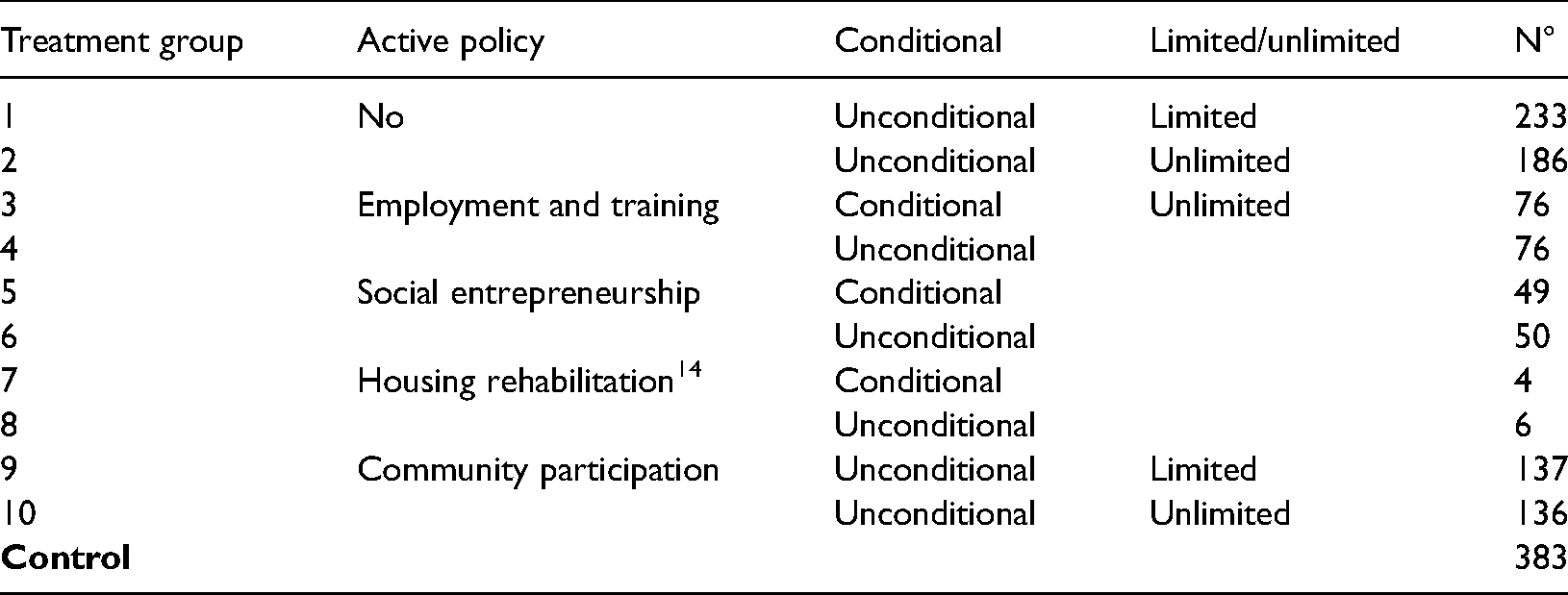
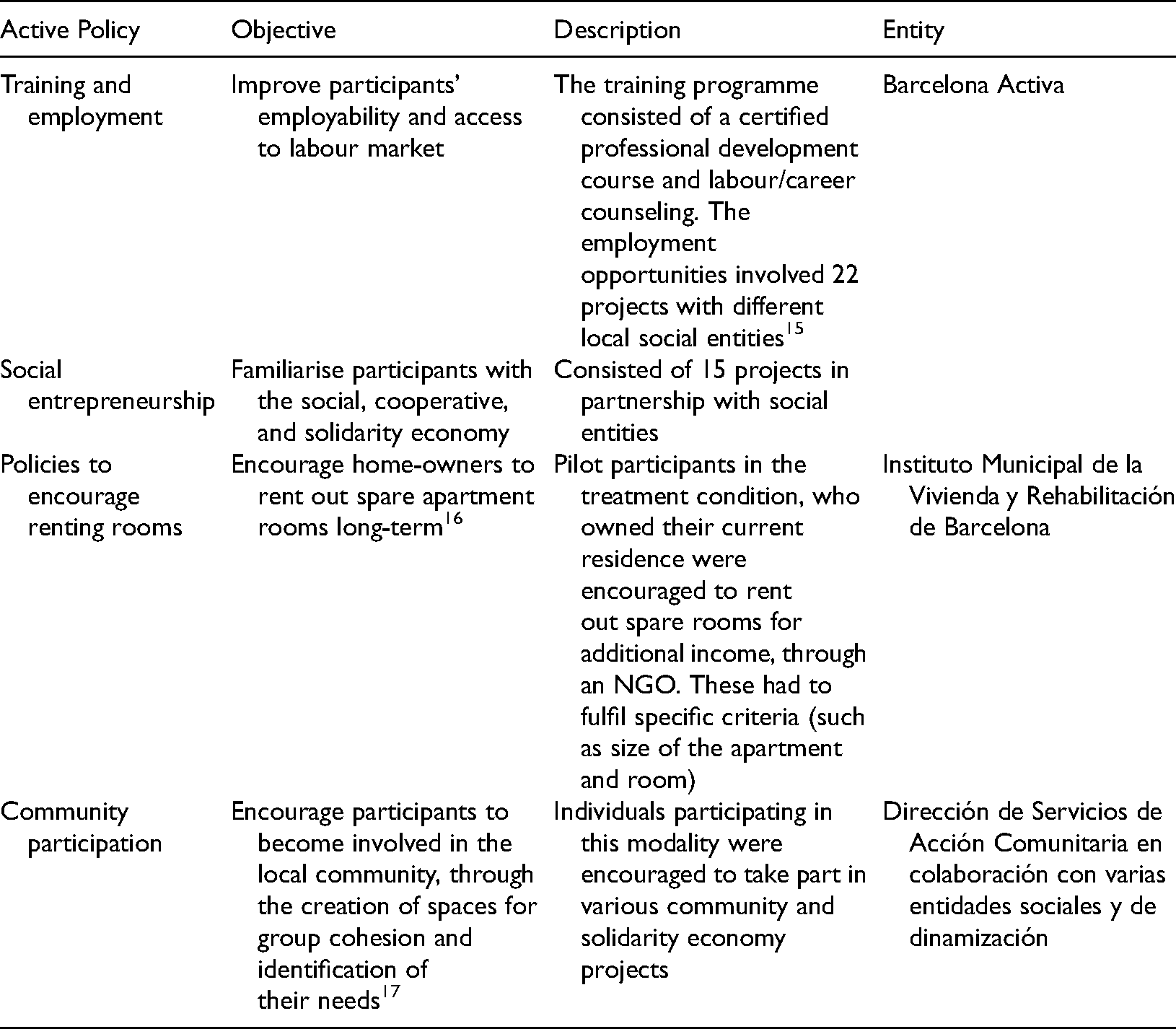
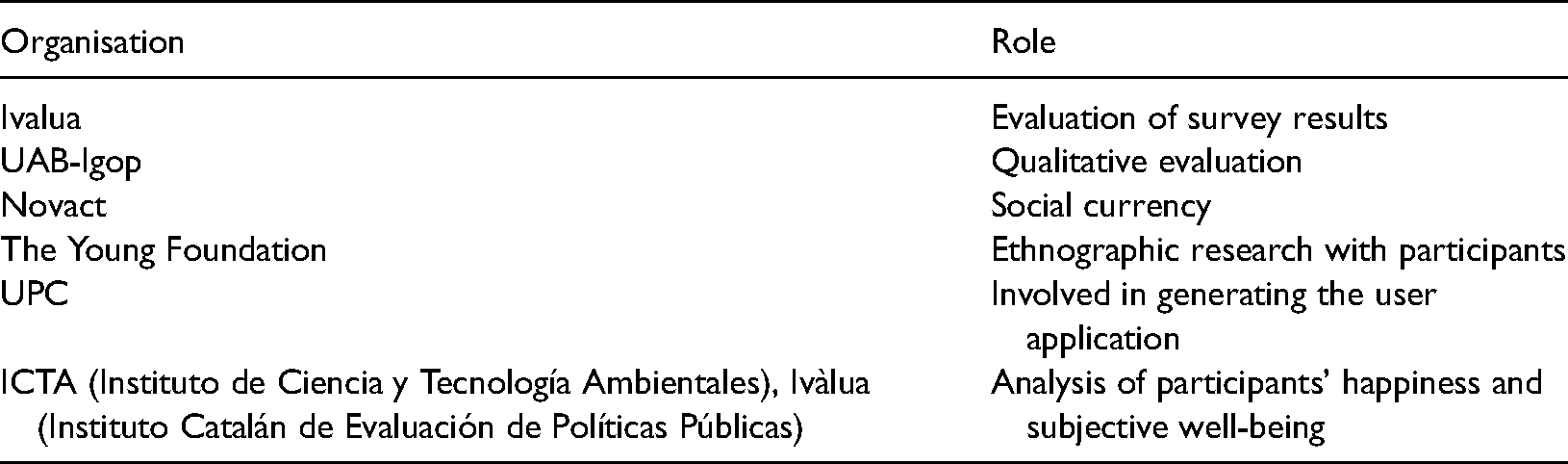
The goal of the B-Mincome project was to test the efficiency and effectiveness of different poverty-reduction and social inclusion policies. In this sense, the project’s aim was to discern which policies achieved the best results and at what cost, in relation to the goals of poverty reduction and social inclusion (Riutort et al., 2021). Crucial to the design was the capacity to test different forms of cash modalities (not just one, as in most cases, e.g. Finland), in order for the pilot to be informative about which type cash transfers could be the most effective (Torrens, 2021b). Its poverty-reduction focus meant that the B-Mincome project was launched in three of the poorest districts of Barcelona: Nou Barris, Sant Andreu and Sant Martí. The measures applied were four different cash modalities, and four different active policy modalities. The cash modalities were divided across two main axes: one related to the generation of additional income by recipients (either non-withdrawable or withdrawable 7 ), and the other concerning the behavioural conditionality attached to the chas transfer. Regarding the former, the limited/withdrawable modality meant that the cash transfer was reduced proportionally as new income was generated, whether this was a negative or positive change. Under the non-withdrawable or unlimited modality, the cash transfer was not reduced as new income was generated by the household (although in practice the income was reduced very slightly). The cash transfer is often referred to as the SMI 8 . According to the report: ‘The change in the household's income only entailed a partial change in the SMI: it was reduced by 25% for the first 250 euros net monthly income earned above the initial SMI and by 35% for income above 250 euros’ (Riutort et al., 2021: 9). This income included employment income or other cash benefits such as the municipal 016 9 or the Catalan regional guaranteed income scheme. The conditional cash transfer modality meant that the treatment group that received such modality were required to participate in one of the active policies. The unconditional modality meant that while participation was possible, it was not compulsory. There were four main types of active policies: (1) employment and training, (2) social entrepreneurship, (3) a room rental programme and (4) community participation, which are set out in Table 2. As such, the B-Mincome experiment had a total of 10 different treatment groups across a combination of these treatments, and a control group. The summary of these treatments, with the total number of participants in each group, can be found in Table 1 (a detailed description of the pilot is contained in the final report: Riutort et al., 2021). Table 2 summarises the range of active policies and Table 3 the partners involved in the pilot project design, implementation and evaluation.
Summary of treatment conditions.
Summary of active policies.
Partners in the project.
Results of the pilot project
There is currently no summary of results available that disagregates results across the 10 different treatment groups 10 . The B-Mincome final report states that it was not possible to assess some of the results in the treatment groups given the lack of eligible participants, especially for the housing active policy condition (Riutort et al., 2021, p.10). According to Table 2 of the executive report (page 16), the unconditional and unlimited modality had the most positive results across several variables (a higher number of significant differences in the diverse indicators measured), and the cash transfer alone also resulted in a higher number of significant improvements than the cash transfer combined with the active policy (13 vs. 9 significant findings) (Riutort et al., 2021). The SMI and active policy combination however, had positive results in three indicators not affected by the SMI alone: social support received, time spent on household chores, and quality of sleep. However, the SMI alone resulted in more positive significant findings across a larger number of dependent variables. One important finding is that all treatment conditions – except the conditional option – significantly reduced employment and full-time work on an indefinite contract. All treatment conditions reduced the probability of going to bed hungry, increased the overall level of wellbeing and economic satisfaction. The report concludes that positive results have been found across the combination of active policies, especially community policy, with a positive impact on subjective well-being. The report argues – and this idea was also voiced in the interviews – that this was not necessarily because participation was compulsory, but rather due to the collective dynamics derived from the participation of recipients in these modalities, which enhanced well-being and happiness (Riutort et al., 2021). Most B-Mincome participants were not only poor individuals, but also highly vulnerable and socially excluded. Participating in community policies not only generated network effects and integrated participants into their community, but also helped them create a daily routine to their lives and a sense of belonging that notably improved their well-being (Torrens, 2021b).
However, aside from these changes regarding individual recipients, the project also examined the changes at the community level, as well as the institutional changes. Regarding community-level change, important positive results have been found showing that participants in treatment groups increased their awareness of the resources available in their community, became less isolated, generated support systems and experienced a reduction in stereotypes as well as inter-cultural resistance. According to the final report, some of these findings were not initially foreseen, but included activation of non-organised people, establishment of new community groups, and an invigorated role for local facilities as nexuses and points of community life (Riutort et al., 2021). Institutionally, one of the core changes of the B-Mincome project was the changing nature of the relationship between recipients and social workers, also helped by a change of perceptions of the latter. Social workers participating in the project moved away from an assistance-based, paternalistic, and controlling role towards recipients, fostering horizontal relationships between social workers and recipients, whereby the former could take on a more supportive and accompanying role than before (Riutort et al., 2021).
The policy and political effects of the B-Mincome project
Policy effects
In terms of policy consequences, the B-Mincome had no effect on policy in what concerns cash transfers, but it did have a more substantial impact on policymaking with regard to active policies. In part, these asymmetrical policy effects may stem from the economic and political barriers affecting these two areas.
With regard to cash transfers, the pilot project had no policy consequences. There was no reform of existing policies, neither did the pilot help to promote the introduction of the municipal income support scheme envisioned in Barcelona en Comú's manifesto – this policy remains unimplemented today. Despite this lack of change, there was an attempt to expand the B-Mincome project after the two-year pilot came to an end, which was unsuccessful (Torrens, 2021b).
The core objective of this extension programme, known as B-Mincome II, was to extend the project to other neighbourhoods and to relax the entry conditions for participation in the project (B-Mincome II Extension project). To put forward this proposal, a second programme was drafted. While ideas to extend the project were called for by the local government, no extension project materialised. Some of the concerns in relation to such an extension were linked to the limited municipal competence for cash transfers, in addition to budgetary concerns (European funding was no longer available). Other factors discussed later on, such as the changing political climate and the Covid-19 crisis, may also have hindered this extension programme (Interview with LT).
While the programme had no impact on municipal policy and policymaking with regard to cash transfers, the policy landscape concerning active policies was quite different. The project had an impact in this area in three main ways: (1) impact on the community policymaking process, (2) a shift in the relationship between social workers and educators with recipients; and (3) impact of active labour market policy and inspiration for new pilot projects. Regarding the first point, the B-Mincome helped re-define the community policy priorities. The project helped make it clear that local infrastructure was being particularly under-used by the most vulnerable population. This was due to two interrelated factors: a lack of awareness of the infrastructure, services, and spaces available for community life, and a perceived lack of legitimacy and entitlement to these services by the most vulnerable population. The experiment revealed that this public infrastructure, open to the general public, is always used by the same strands of population: those who are already integrated into society and not vulnerable (this effect is theoretically discussed in Bonoli et al., 2017). According to Oscar Rebollo 11 , this realisation led to shift in policy priorities, away from the passive provision of local spaces, and towards a strategy of actively seeking out the most vulnerable in the population and encouraging them to get involved in community projects and spaces. This new strategy is known as ‘going door to door’. A second realisation was the need to increase the diversity in which these infrastructures were used not limiting them only in their most traditional and classical usages. One example to illustrate this are public libraries, which need not be exclusively used for providing books and services/spaces linked to reading these books, but can provide a more diverse range of activities around culture and literature, like exhibitions, conferences, a range of different workshops, etc (Rebollo, 2021).
The positive effects of the B-Mincome pilot with regard to community services include not just this shift in policy priorities but other unintended spillovers on the policymaking process in this area. According to Oscar Rebollo, the B-Mincome has improved communication with his colleagues in the local government, especially with those less familiar with the fieldwork, as it has served to illustrate and provide practical examples of the different forms of community participation. Nowadays, these forms of participation not only have empirical backing from an experiment – which enhances their credibility– but have become more visible to other individuals working in these areas of the local government.
The second policy consequence of the project impacted civil servants and social workers and marked a shift in the understanding of the role of social workers with regard to recipients. This change occurred not only within the policymaking and policymakers of the municipal government but also among its functionaries, in this case the individual social workers. Social workers adapted their role, moving away from a social assistentialist and more paternalistic, controlling position, towards a closer, more equal, and supportive position towards recipients. Through interviews it became evident that social workers had changed their perspective on recipients, and felt more fulfilled in their work, significantly improving their relationships with beneficiaries of policies (Riutort et al., 2021; confirmed by interviews with Laín, Rebollo and Ayengunosa, 2021). The idea that social workers need to fulfil a function of social support and accompaniment, rather than control, was reinforced throughout the qualitative analysis of results, something that is emphasised in the literature (Boehm and Staples, 2002; Handler, 2014; Hasenfeld, 1987). It remains to be seen how long-lasting these ideas will be within the institutions or for individual social workers.
The third main policy consequence of B-Mincome – which is not solely or directly due to this project but reinforced by it – is the development of another pilot project whose objective is to test the combination of the recently implemented minimum income in Spain, known as Ingreso Minimo Vital (IMV), with active policies. The B-Mincome project served as a policy learning experience for the Spanish government in two main ways: first, to illustrate the utility of pilots; and secondly, to show positive results of active policies enhancing the beneficial effects of cash transfers. Nevertheless, this was indeed an unintended consequence of the B-Mincome project. Before describing this process, I briefly outline the context in which the IMV policy was implemented.
In 2020, Spain approved and introduced its first national minimum income scheme. Before then, the provision of minimum non-contributory income support schemes had been the responsibility of the autonomous regions. In their government agreement, the two coalition government parties – PSOE and Podemos – had included the introduction of the first state-wide minimum income, which was accelerated due to the devastating socio-economic effects of the Covid-19 pandemic. After the approval of this scheme, and in an attempt to co-manage this policy, the councillor and third deputy mayor of Barcelona, Laura Pérez, met with the Minister of Social Security. The objective of this meeting was to persuade the ministry to enable the municipal government to manage or co-manage this policy. The B-Mincome project was mentioned in passing during the conversation. It was given as an example of how the IMV could be strengthened by the introduction of active policies – one of the main findings of the B-Mincome project – and illustrated the practical feasibility of pre-testing this through a pilot project. The Minister picked up on this initiative and subsequently launched a line of economic support to enable municipalities, autonomous regions and NGOs to carry out pilot projects of active policies with IMV recipients, employing European ‘Next Generation’ funding. Amongst the recipient City Councils only Barcelona and Madrid will receive this funding opportunity, and the pilots will run from the second trimester of 2022 and end in June 2023 (Torrens, 2021b; Castaño, 2021).
Why did a pilot project devised to show the benefits of universal and unconditional cash transfers have such limited policy consequences in this regard? The first main reason is that the political and institutional barriers remained in place after the experiment. The local government does not have the regulatory competence to introduce non-emergency income support schemes. Aside from its limited legal powers, the local government is also subject to key gatekeepers of its functions and competence, preventing policy change and hindering alternative reforms. Politically speaking, the fragmented City Council did not support the ideas of the leadership. Moreover, the policymaking process is heavily influenced by party politics. According to some interviewees, opposition to particular ideas was sometimes due not only to specific resistance or hostility to a policy alternative, but rather, to the key proponent behind this (this idea is discussed in De Wispelaere, 2016). This in part explains why further progress with the B-Mincome II project was not possible. On the other hand, however, change has been more feasible in community or active policy because it does not face the same obstacles as the reform of cash transfers: such change falls well within the available budget and does not exceed the legal powers of local government.
Political effects
While the policy effects of B-Mincome were minor, its political consequences were almost imperceptible. It did not encourage political, public or media debate on the need of welfare reform or promotion of a UBI (this was confirmed by all interviews). Neither did it foster a coalition of supporters for the idea of a UBI or encourage political support for a reform of welfare at any level of governance. The same barriers described above explain the limited political impact of the experiment. An important clarification to make at this stage is that we cannot confirm or reject the various different factors for the lack of impact of the B-Mincome project, given the many circumstances that changed at the end of 2019 and beginning of 2020 -but also due to the qualitative approach employed in this paper. Four months after the end of the pilot (October 2019) came the outbreak of Covid-19 (March 2020), followed by a reform of the regional cash transfer system (April 2020), and introduction of the IMV (May-June 2020). In September of that year, the president of the Catalan government (Generalitat) was dismissed, and elections followed in May 2021. The CUP 12 political party would then again raise the topic of the basic income (see next section for details). Aside from this political turmoil, which transformed politics at the local and regional level, there were further specific factors surrounding the experiment which may have impacted the political and policy effects. Figure 1 below summarises the process of the B-Mincome pilot project design, implementation and completion, highlighting key factors that partly explain its limited impact.
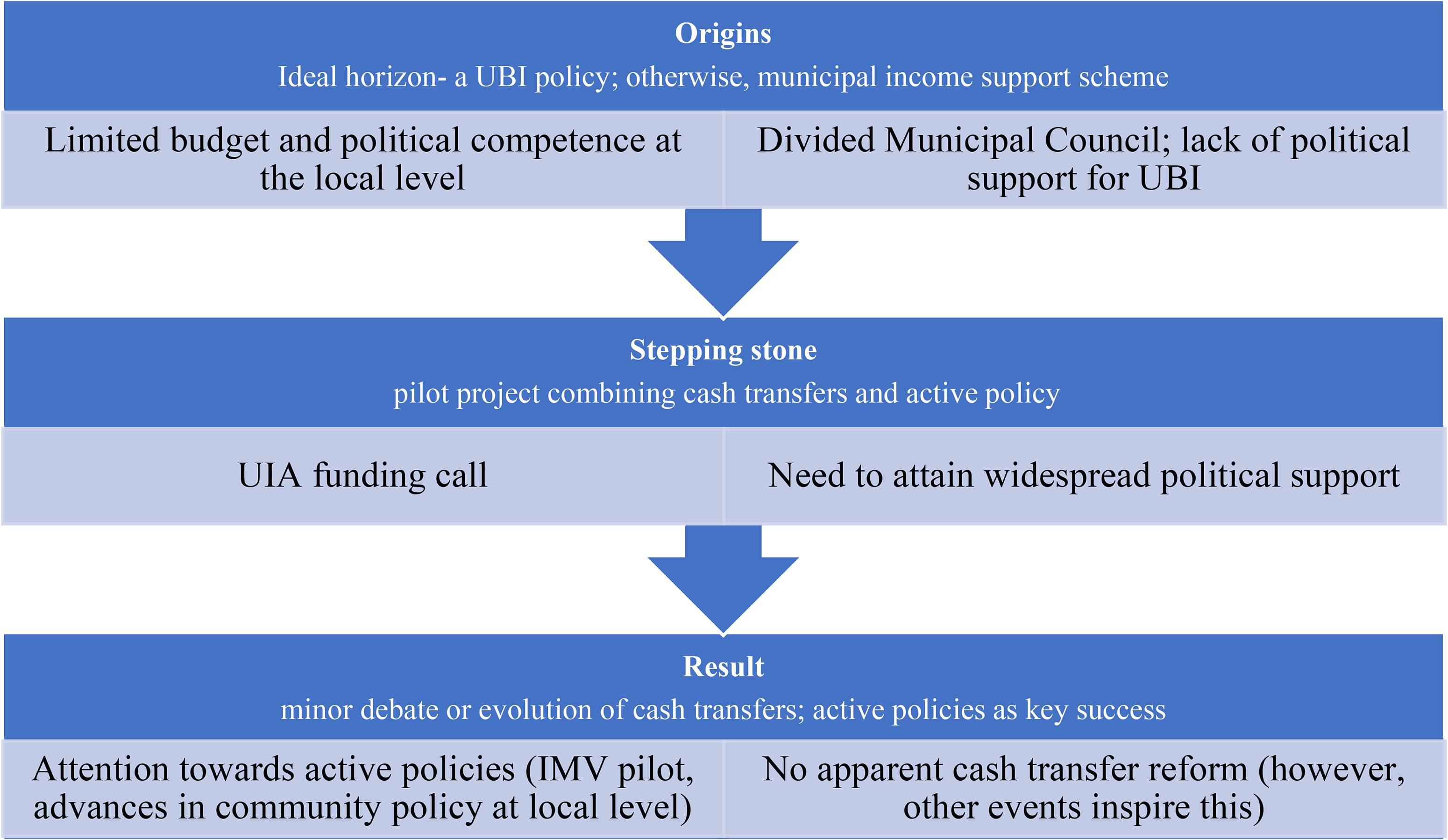
The process of the minor policy and political consequences of B-Mincome.
Beyond experiments
In spite of the limited effects of the pilot project in promoting a change in welfare cash transfers and generating a UBI debate, other unexpected events did help to promote this cause. This section outlines the role of the Covid-19 crisis, the (failure of) the IMV, and the role of other political actors in promoting the case for a UBI. These examples are used to illustrate how sometimes, unexpected events can have more effective consequences for the promotion of debate and policy change than planned actions and strategies.
The Covid-19 crisis helped reinvigorate the debate on welfare reform and the policy proposal of a UBI for two main reasons: the magnitude of the problem, calling for an urgent response, and the nature of the problem itself. The Covid-19 crisis showed how an exogenous and unexpected shock may affect the population negatively and require an urgent response. UBI in this sense, provides effective and efficient direct emergency aid, eliminating the bureaucratic and administrative process that not only slows down the process but leaves people behind (due to the problem of non-take-up). The crisis also illustrated how having a robust safety net in place would have prevented many of the long-lasting and devastating socio-economic effects: a UBI would act as a buffer against unexpected shocks and hazards. As a result, the proposal for a UBI gained traction in the public and media debate and acquired new and unforseen supporters from a broad range of backgrounds. One example of this unanticipated support was the editorial article published in the Financial Times, calling for consideration of a universal basic income 13 , which in Spain was shared in a tweet by a member of Ciudadanos (a centre-right political party). However, although the idea of a UBI gained considerable attention in the media and political context, this did not result in an implementation of such a proposal. Rather, one of the actions that the government took was to accelerate the introduction of the already planned minimum income scheme, the IMV. The IMV (see page 11), was a targeted and conditional cash transfer. In turn, the introduction of the IMV led to a spike in interest in and debate about UBI at the international level, as news outlets and political elites wrongly claimed that Spain was introducing a UBI (see Rincon, 2020 for a detailed review of this process).
The IMV was not the only policy that helped promote the idea of a UBI: some interviewees expressed the idea that the failed policy of the Renda Garantida de Ciutadania (Guaranteed Citizenship Income or RGC) appeared to be an important factor promoting the need for welfare reform and partly a move towards a UBI (i.e. Torrens, 2021b; Laín, 2021). The RGC was a Catalan minimum income policy approved in April 2017. The limitations of this policy spurred the debate on welfare reform in the direction of a UBI among the Catalan and local political elite in Barcelona.
While the Covid-19 crisis, IMV and RGC helped to boost the idea of a UBI, their effects are slowly fading away. What are the future prospects for the idea and policy of a UBI? While it is still too soon to tell, the new pilot project now underway in Catalonia may deliver policy and political change in this direction. On the 15th of December 2021, the Catalan government announced the establishment of a UBI pilot office under the direction of the Office of the Presidency of the Generalitat (Catalan government). This office has been given a budget of four million euros to design and implement a pilot project for Catalonia, although funding is still required to administer this project. The development of the office is more a consequence of Catalan politics than of B-Mincome (there is no qualitative evidence to suggest that B-Mincome had any effect on this project). In its political manifesto for the regional elections on Sunday 14th February, the CUP political party included the idea of a universal basic income. More importantly, this policy idea was the first proposal listed on the manifesto (CUP manifesto, proposal 1.1, p. 1). Specifically, the political manifesto stated that this party would implement a UBI guaranteeing a minimum income of 60% of the median income, which at the time was about 753€ per adult, funded through a reform of personal income tax. While the CUP was not strictly inspired by the B-Mincome project, it did draw on the efforts and research of the Spanish basic income network (RRB) – key individuals in which were also behind the B-Mincome project – to include this proposal in their manifesto. In fact, the RRB asked all political parties to state their position before the elections regarding the idea of a universal basic income. The election results required negotiations between different parties, in which the CUP had considerable leverage, as its support was key to enable Esquerra Republicana de Catalunya (ERC for its acronym in catalan which satnds for Republican Left of Catalonia) to form a government with Junts per Catalunya (JxCat its acronym in catalan which stands for ‘Together for Catalonia’). Given the position of CUP, ERC had to agree to its first proposal: an agreement not to implement, but rather to launch a pilot project on UBI. While the office responsible has just been set up and publicly presented, it is still too early to know how this pilot will develop.
Concluding remarks
Although pilot projects were originally devised for scientific purposes, they are becoming increasingly used by advocates of the idea of a UBI to test its efficiency (Laín and Merrill, 2021; Standing, 2021; Widerquist, 2018). The intriguing question is, why pilot projects, despite achieving favourable results and being launched by UBI advocates, fail to generate meaningful policy and political impact? This qualitative case study of the B-Mincome pilot project has identified some of the key factors influencing this process, but, taking a broader look at Spanish and Catalan politics, has shown that unexpected factors may end up activating a debate much more effectively than a pilot project.
The B-Mincome case study shows that the barriers to achieve a significant impact were in place well before the pilot. The political landscape, economic capacity, and institutional context of Barcelona City Council were unchanged by the pilot. In fact, these barriers already shaped the project: the diversity of treatment conditions and combinations with active policy, which moved the pilot design away from a UBI, were consequences of these barriers. The broad range of treatments were included to gain municipal support, but also to gain economic backing from the call for funding at which the project was targeted. Once the project was finalised, these barriers remained in place. As such, the lack of debate, discontinuation of the project and absence of a change of direction on cash transfers in Barcelona seem to have been natural consequences of the lack of political power, the institutional limitations, budget constraints and party competition existing prior to the experiment.
In this sense, the B-Mincome experiment illustrates the need to accommodate the pilot design to the political and economic context, and shows the unintended consequences that such an adapted pilot design may have for the original objectives. In the case of Barcelona, this has meant a move away from a strictly UBI pilot design, resulting in very limited effects on the cash transfer debate or in terms of policy change, and a greater impact on active polices than on cash transfers. This shows how experimental designs do not just affect the dependent variables of interest and the pilot results, but the politics as well.
Despite the inpreceptible effects in terms of cash transfers, the B-Mincome project did have several other outcomes. The pilot strengthened key ideas that were already incipient in the city's institutions; it transformed the perceptions of those involved in the project and improved the City Council’s policymaking in the area of social community policy. It inspired the further use of pilots to pre-test policies, and in this sense, it may enhance the effect of the IMV through the new pilot to be carried out in the coming months. While we disregard the impact that the B-Mincome had or will have on the new UBI pilot in Catalonia, interviewees confirmed that the lessons learned from this previous experience will be carried over to the forthcoming one.
Finally, the case of Catalonia shows that sometimes, the debate on UBI and welfare reform may be sparked more effectively by an unexpected event rather than by an intentional strategy. This was clearly the case with the Covid-19 crisis and the introduction of the IMV, which significantly raised the profile of the UBI debate in Spain.
Overall, political analysis of the B-Mincome project suggests that this experiment, rather than having political consequences, was the consequence of politics. The experimental design seems a result of the political landscape of Barcelona's City Council, with a diversity of political forces wanting to put forward and test different policies. In a way, the B-Mincome's core objective was not to promote a UBI; rather, it was one of the few options left at the local level for those who would want to see a UBI implemented. B-Mincome was launched by a group of individuals who believed in the idea of a UBI and sought to promote change in that direction, although the local institutional capacity was a clear barrier to this, and there was insufficient funding at the local level. Hence, B-Mincome was a tool to promote policy shift towards a UBI, rather than an end in itself. While the policy and political impact has been limited, the project has indeed contributed to the learning process of individuals who are still in the institutions and who are involved with the new pilot in Catalonia.
Methodological appendix
This paper has taken a qualitative and descriptive approach to the study of the political effects of the B-Mincome project. To understand the policy and political consequences of this project, a series of interviews were carried out with the key actors involved in its design and implementation. To identify these actors, we selected one representative from each organisation that participated in the pilot project and interviewed this person. These individuals were selected on the basis of a recommendation from a first interview with Lluis Torrens, who advised us which individuals to choose from each organisation. This first guiding interview was with Lluis Torrens because he held a key position in the City Council at the time when the B-Mincome was carried out, and was actively involved in its design and implementation.
The interviews followed a semi-structured approach: some key questions were pre-defined and put to all interviewees, but with room for respondents to speak about the policy and political effects in an open-ended manner. The two core questions included were:
In your view, did the B-Mincome experiment have any policy consequences, i.e. did it influence policymaking in any way? These consequences could include re-defining or re-designing policies (active policies or cash transfers; at any level of governance), helping to identify which policies work and which do not, changing views of policymakers. In your view, did the B-Mincome experiment have any political consequences at any level of governance? Did it shift the debate on policies, or change which actors were in favour or against particular policy proposals?
Footnotes
Acknowledgments
I thank the two anonymous reviewers and the editors of the special issue for their very useful feedback. I thank all the interviewees for their availability and contributions to this paper. Special thanks goes to Lluis Torrens for the several meetings and discussions we had, as well as for his recommendations for the interviewees. I would also like to thank the participants of the FISS conference where this paper was presented for their comments and useful feedback.
Declaration of conflicting interests
The author(s) declared no potential conflicts of interest with respect to the research, authorship, and/or publication of this article.
Funding
The author(s) received no financial support for the research, authorship, and/or publication of this article
Notes
Torrens, L., 2021b. Interview with Lluís Torrens, Director of Social Innovation, Social Rights, Global Justice, Feminism and LGTBI affairs, Barcelona City Council. Date: 28 October 2021.
Laín, B., 2021. Interview with Bru Laín, Social Rights, Barcelona City Council and the Barcelona Institute for Regional and Metropolitan Studies. Date: 15 November 2021.
Fernandez, C., 2021. Interview with Charlotte Fernandez, member of the B-Mincome Research team (IGOP-UAB). Date: 14 December 2021
Duocastella, D., 2021. Interview with Dani Duocastella, Novact. Date: 30 November 2021.
Riutort, S., and Julià, A., 2021. Interview with Sebastià Riutort and Albert Julià, (IERMB y UB). Date: 17 December 2021.
Ayengunosa, N., 2021. Interview with Noemí Ayengunosa, The Young Foundation. Date: 30 November 2021.
Ramos, P., 2021. Interview with Paco Ramos. Barcelona Activa. Date: 9 December 2021.
Castaño, P., 2021. Interview with Pablo Castaño, Head of Cabinet of Barcelona’s Deputy Mayor for Social Rights, Global Justice, Feminism and LGTBI affairs. Date: 30 November 2021.
Sabes, R., 2021. Interview with Ramon Sabes (Ivalua). Date: 2 December 2021.
Bonilla, F., 2021. Interview with Fabricio Bonilla, member of the B-Mincome Research team (ICTA-UB). Date: 30 November 2021.
Larriba, J., 2021. Interview with Josep Lluís Larriba (UPC). Date: 30 November 2021.
Rebollo, O., 2021. Interview with Oscar Rebollo. Directorate of Community Action Services at Barcelona City Council. Date: 24 November 2021.