




Abstract
Measuring the success of entrepreneurship education is complex and involves several considerations. This measurement problem is often framed as conceptual in practice, rooted in identifying and applying an optimum metric demonstrating entrepreneurship, but underpinning this are methodological and processual challenges which limit the legitimacy of much evaluation. In this article, a data warehouse is proposed as a means of addressing such challenges and developing more robust data on the value of entrepreneurship education. Using a case study of a long-running Entrepreneurship Centre in a high-profile UK university, the article proposes a framework for developing an effective data warehouse, alongside discussion of the process followed in development and implementation. The article offers a novel approach to addressing an enduring problem and challenge faced by entrepreneurship educators through proposing a unique methodology for measurement not previously discussed in entrepreneurship education.
Keywords
Introduction
Entrepreneurship education (EE), defined as the development of entrepreneurial awareness and skills (Talukder et al., 2024) for purposes of opportunity recognition, navigating uncertainty and developing individual autonomy (Quality Assurance Agency, 2018; Ratten and Usmanij, 2021) has become an increasingly important activity for universities (Gibb et al., 2009; Maas and Jones, 2017). This importance has extended from key components of business school programmes, aiding development of their curricula to effectively represent a shift towards entrepreneurial mindsets, to the broader institution-wide embracing of the civic mission in universities and a duty to embed entrepreneurial skills across the wider student body (Quality Assurance Agency, 2018). Despite a growing proliferation of courses focused on entrepreneurship or embedding it within wider subjects or disciplines via co-curricular activity, the extent of evidence on the value of EE remains limited (Duval-Couetil, 2013; Zichella and Reichstein, 2023).
A critical part of this challenge lies in the ongoing difficulty of measuring EE outcomes. While its objectives – to cultivate entrepreneurial mindsets and capabilities – are conceptually clear, the metrics used to assess success are often simplistic, fragmented or insufficiently longitudinal. Common approaches, such as short-term tracking of entrepreneurial intention or initial venture creation, fail to capture the complexity of EE’s value, including understanding long-term outcomes such as innovation, scalability and broader economic contributions (Nabi et al., 2017; Pittaway and Cope, 2007b). These methods frequently overlook the diverse pathways through which entrepreneurship manifests, including social enterprises, intrapreneurship and entrepreneurial contributions within established organisations (Ireland et al., 2023; Mazzucato, 2018). Compounding these challenges are the increasingly diverse modes of EE delivery, which now encompass not only traditional classroom teaching but also experiential and practice-based learning and co-curricular activities such as boot camps and mentoring programmes (Hägg and Gabrielsson, 2020). The lack of robust integrated measurement frameworks and depth of analysis has led to a fragmented understanding of what works in EE, hindering the ability of educators and institutions to improve their programmes or demonstrate their broader value (Duval-Couetil, 2013; Jones et al., 2021).
To address this enduring issue, a robust process is needed. What is lacking is not only conceptual clarity but a methodological and processual architecture capable of capturing the complexity and evolution of EE over time. There is a need for tools that can handle longitudinal, heterogeneous data, account for varied participant experiences and trace outcomes that may emerge years after programme completion.
This article addresses the lack of depth in existing EE evaluation by proposing a theoretically grounded and methodologically rigorous solution: the development and implementation of a data warehouse as a systematic framework for monitoring and assessing EE. By conceptualising and developing a four-dimensional framework, which encompass the nature of the intervention, the identity and background of the entrepreneur, the destination and progression of entrepreneurial activity and the temporal dynamics of impact, we offer a structured yet flexible means of capturing the complexity and diversity inherent in EE outcomes. The data warehouse facilitates the integration and longitudinal tracking of both internal and external data, enabling the measurement of key metrics over extended timeframes, and thus demonstrating scope to generate strategic insight, particularly in organisations with complex datasets (Ponniah, 2010).
To explore the practical implementation of this approach, this article presents a case study of a long-running Entrepreneurship Centre (EC) in a high-profile business school and university in the United Kingdom, which since 2000 has delivered a comprehensive EE programme that includes curricular electives and a wide range of co-curricular activities. The EC’s data warehouse integrates internal records with external data, creating a robust repository of information that is capable of addressing key questions about the value of EE through the application of a four-dimension framework to navigate the complexity involved in exploring EE outcomes. Early findings indicate that ventures supported by the EC exhibit higher survival rates and scalability compared with general UK startups (Papadopoulou and Phillips, 2020), highlighting the data warehouse’s role in providing data-driven insights to validate and improve EE programme design.
While the present study focuses primarily on venture creation as one entrepreneurial destination, we acknowledge that EE can lead to a broader range of outcomes and career trajectories. Beyond startup activity, graduates may act as institutional entrepreneurs driving change within organisations or policy systems (Uyarra and Flanagan, 2021), or pursue alternative pathways such as intrapreneurship, social or community entrepreneurship, and hybrid entrepreneurship that combines paid employment with self-employment (Alsos et al., 2023; Greene et al., 2018). This broader conceptualisation is consistent with the EntreComp framework (Bacigalupo et al., 2016), which views entrepreneurship as a lifelong competence enabling individuals to create value in economic, social or cultural contexts. Moreover, focusing on the development of entrepreneurial skills and actions – rather than solely startup rates – could potentially offer a more inclusive and realistic measure of impact (Steira et al., 2024). Future iterations of this study could therefore extend the approach to capture this diverse spectrum of entrepreneurial destinations over time.
The article is structured around three interrelated components developed across five subsequent sections. First, in the following section we establish the conceptual foundation, articulating the need for a deeper and more processual approach to evaluating EE, and outlining the key criteria a robust measurement model must satisfy. We then progress introducing the proposed solution by detailing the methodological framework and the practical steps taken to design and implement the data warehouse. These sections also describe how internal and external data sources are integrated to support the longitudinal tracking of entrepreneurial outcomes. Finally, we offer validation of the data warehouse approach through initial findings from the EC case, demonstrating its strategic value both within institutional contexts and for the broader field of EE. These final sections also reflect on current limitations and outline directions for future development and refinement of the model.
The challenges of assessing EE: shifting practices and subjective metrics
EE has substantially grown in both interest and provision in recent years, responding to increasing demands for universities to illustrate their value-added and contribute towards a more entrepreneurial model of economy. Universities have become institutionalised as key actors in entrepreneurial activity through a range of initiatives (Gibb et al., 2009), from spin-outs of innovative research outputs to knowledge transfer partnerships linking specialism with industry, and ECs embedding opportunity-spotting skills across a student body (Jones et al., 2021). This concept of the ‘entrepreneurial university’ (Jones et al., 2021), extending its contribution beyond teaching and research roles to develop entrepreneurial mindsets (Gibb et al., 2009) and support broader economic and social outcomes (Maas and Jones, 2017) has been in existence for some time. In practice, this has seen the diversification of EE, incorporating different mixes of teaching, research and co-curricular activities within institutional portfolios.
The extension of these portfolios does, however, compound one of the core challenges of EE: determining the extent to which this form of education effectively delivers value. Adaptation to entrepreneurship curricula has seen shifts in both the form and content of EE, from more applied models of training designed around learning ‘for’ and ‘through’ alongside ‘about’ entrepreneurship (Quality Assurance Agency, 2018) to a diverse portfolio embedded in a range of courses available within and across different faculties.
In response, courses have been developed for which part of the assessment is creating a detailed, applied business proposition (Papadopoulou and Phillips, 2020) while EC activity supplements the taught programme through co-curricular activities, including off-site boot camps, business plan competitions, workshops and mentoring programmes (Phillips, 2010). Such activities, on- and co-curricular cover content ranging from simply building awareness of entrepreneurship as an option, to developing entrepreneurial skills for application in employment or as active entrepreneurs.
With such evolution in the EE curricula, the measurement issue persists (Duval-Couetil, 2013) and the metrics by which the success of entrepreneurship programmes and activities are judged are not straightforward (see Audet, 2004; Galloway et al., 2015; Harima et al., 2021; Maresch et al., 2016; Smith, 2015). Within this, three issues are of specific importance. First, is the question of which core metrics demonstrate EE’s value. Second, is the relevance of these metrics dependent upon subject or demographic group. Finally, is the extent of gaps identified within the measurement process illustrating the lack of depth in analysis and how these may be mitigated.
One conventional measure for EE is venture creation, but this can rely on multiple metrics, from simple self-reporting regardless of formal registration, to funding acquisition, number of employees, longevity, turnover and profit. Each of these can be criticised as only a partial indication of EE’s value. Alternatively, a shift towards self-efficacy and its impact on intent or behaviour has been considered (Fayolle et al., 2016; Fisher et al., 2008; Nabi et al., 2017; Pittaway and Cope, 2007a; Vanevenhoven, 2013). While critical in terms of recognising the bidirectionality in EE outcomes (i.e. where complexities discourage students) (Nabi et al., 2018; Oosterbeek et al., 2010), this may be more an output than an outcome and avoids questions of longevity and commitment (Harima et al., 2021).
The scale and diversity of EE activities themselves have also been set out as metrics (Finkle et al., 2006), particularly in seeking relevant outputs and outcomes for compliance with measures such as the Knowledge Exchange Framework. The proposed metrics here are class enrolment, event attendance, and growth in awards and budgets (Bowers and Alon, 2010), all of which risk making the EC rather than the entrepreneur the measure of success. Yet, aligning the challenges of the entrepreneur with the EC builds a case for implementing a more strategic approach to collecting and monitoring data with a longitudinal mode of analysis which extends beyond established metrics (Jones et al., 2021).
The contestation of metrics also demonstrates their shortcomings in the context of a rapidly diversifying EE provision. The broadening of curricula and its enhancement via co-curricular activity has sought to engage a wider cohort in EE, focusing on enhancing skills outside of the Business School. This has run alongside a broadening of the outputs of EE, moving from ventures to intent to skills; this is pertinent considering the questionable entrepreneurial validity of many forms of self-employment, such as casual labour or gig economy roles (de Ruyter et al., 2018) compared with the scope for entrepreneurial endeavour outside of the private sector, in institutions commonly perceived not to be wealth creating (Ireland et al., 2023; Mazzucato, 2018).
This has presented an enduring challenge for the measurement of EE as its escalating (re)conceptualisation creates growing complexity without accommodating a greater depth of analysis. As such, from both the perspective of validating what works alongside progressing further diversification across curricular and co-curricular offers, there exists a significant case for developing more robust data collection methods that open the door for various metrics to demonstrate the value of EE. Addressing the problem therefore requires the development of responses which have the scope to collect data longitudinally, to move beyond reliance on single datasets and subject-based response, to link progress with forms of education, and to embed measurement of a range of outcomes, contributing towards key debates on value alongside providing important strategic information at organisation and centre-level.
Building a processual and methodological approach to EE assessment
Criticism of established methods of assessment of EE illustrate the shortcomings of existing methodological approaches. Greater attention is therefore required to depth over breadth in relation to methodological and particularly processual questions of how to develop an appropriate data framework for any such analysis. For the development of this depth of understanding, we propose a four-dimensional framework (Figure 1) which incorporates dynamic properties of the EE process.
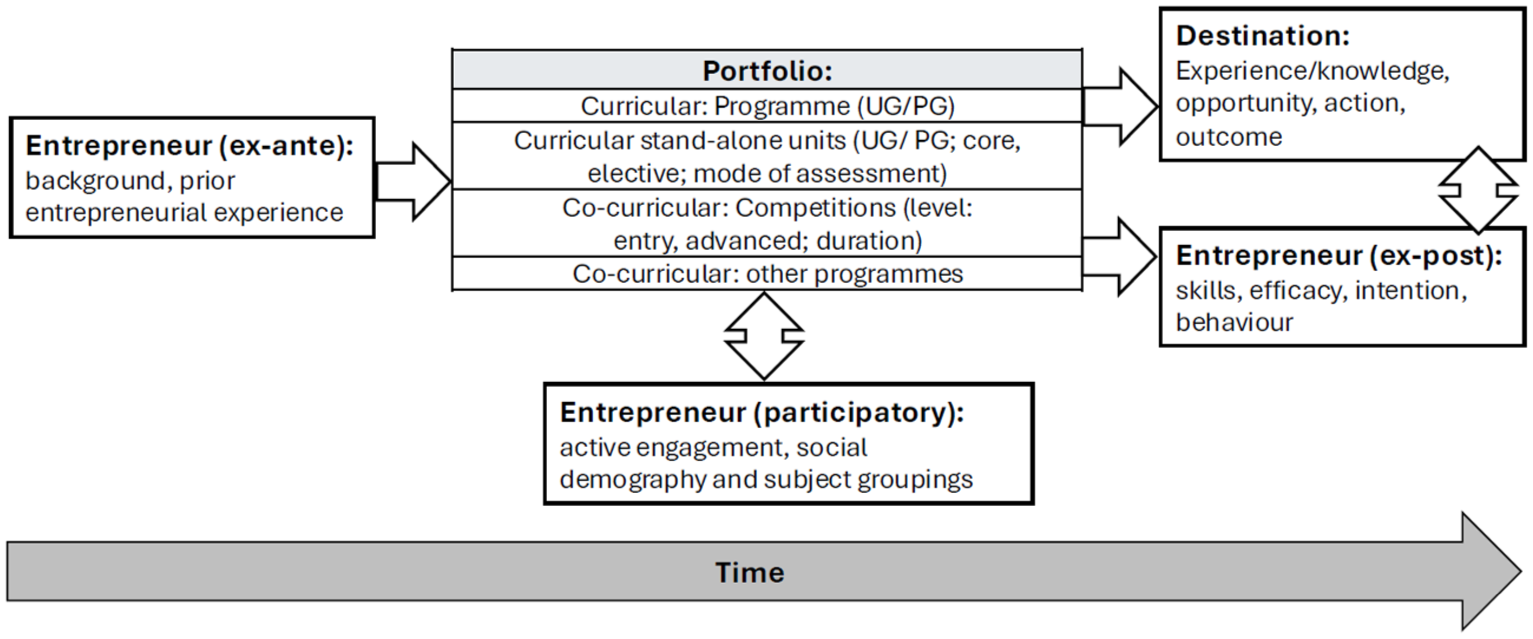
The four dimensions of the entrepreneurial education analytical framework.
The first dimension is the well-documented shift in the EE portfolio itself. This has involved progressing from technical training to identity work and ‘real world’ participation (Bissola et al., 2017; Gorman et al., 1997; Thrane et al., 2016; Vanevenhoven, 2013), alongside embracing non-formal learning (Debarliev et al., 2020) to engage a wider set of social and subject groups (Crișan et al., 2023; Lanero et al., 2016; Westhead and Solesvik, 2016). As a result, records of the form of engagement, point of entry and extent of training or support are key questions considering variations between students engaging in programmes, in modules or simply in co-curricular activity.
Second, is the entrepreneurs themselves, identified through questions of participation and progress. This dimension relates to core criteria such as the subject or social-demographic questions, and through this developing an understanding of both the preferred choice and clear value of EE. Form, extent and medium are all critical considerations in understanding how students are encouraged to develop entrepreneurial skills, and how any intervention works considering the subjects studied, demographic profile and extent of prior exposure or experience. But alongside this is acknowledgement – and therefore consideration – of the incubation period for any entrepreneurial endeavour, and therefore progression of skills into efficacy, intention or behaviour.
Third, is the monitoring of destinations. Most prominent is the issue that commitment programmes have to evaluating outcomes (Duval-Couetil, 2013) and an enduring absence of longitudinal analysis (Pittaway and Cope, 2007a). Value is measured through short-term questions of intention and self-efficacy, if not more tokenistic ones of popularity, as opposed to progression into forms of entrepreneurial practice and the ongoing benefits this yields across a career as or involving being an entrepreneur (Boyd and Vozikis, 1994). The extent of any true value created through the EE process is fundamentally underserved by applying measures such as intent as a suitable proxy for entrepreneurial activity, action and outcome.
Directly relating to this is the final dimension of time. The skill-set developed through EE provides the foundation for entrepreneurial practice. But such entrepreneurial endeavours require time to gestate alongside supplemental learning. The value of EE may therefore not emerge until several years later, after entrepreneurs have served some form of ‘apprenticeship’ learning about industry, management or developing critical knowledge and experience enabling the effective identification and response to opportunity.
To capture the four dimensions discussed above, namely the form of intervention involved, the participating entrepreneur, the progress and ultimate destination of this entrepreneur, and the ongoing recording of their progress, the development of an integrated and holistic – even living – framework to facilitate data analysis is required. Our solution therefore, is a data warehouse approach to contribute to these methodological and processual challenges. Distinct from a database, the data warehouse provides a means through which a variety of primary and secondary sources internal and external to a university and accommodating experiential activity alongside more formal learning may be collated, with scope to measure entrepreneurial outcomes considering both economic and wider social effects incorporating a range of stakeholders.
The data warehouse has been defined as ‘a collection of integrated, subject-oriented databases designed to support the Decision Support Services function, where each unit of data is relevant to some moment in time. The data warehouse contains atomic data and lightly summarized data’ (Inmon, 2002: 389). It can therefore be applied in an orderly and consistent manner to the identification of aspects of EE that have been successful, and can be used to identify areas of commonality, such as programmes or activities that have been successful in helping students progress to forms of entrepreneurial activity. It is longitudinal, but alongside that, it is temporally progressive, with scope to document the process of entrepreneur formation. In the following sections, we consider in more detail the principle and development of the data warehouse as a means of collecting and collating robust data on EE. The case in question is a long-running EC in a highly-ranked UK business school and university, established in 2000 with a mission to develop entrepreneurial mindsets and behaviour.
Data warehouse theory and approach to EE research
In developing the case and the process followed for the data warehouse, this section outlines the evolving nature of business intelligence (BI) systems, and their application and role in the creation of strategic information. It discusses the application of contemporary techniques and practices in the development of the data warehouse.
Business intelligence and data warehouse context
Organisations are adopting BI systems to improve and stay competitive. The information for BI is gathered and stored in data warehouses, through which BI systems apply analytics to process these data to provide a historical, current and predictive outlook on operations. The advantage of data warehouses is that if the data collected are as reliable as possible – incorporating appropriate data quality dimensions (Wang and Guarascio, 1991) – the report-making and decision-making for organisations become faster and provide competitive advantage (Djerdjouri, 2020).
Universities and organisations store data in various forms collected by varying methods. At an entry level it can be a simple-level formation compiled of columns and rows such as an Excel document with structured data (a ‘flat’ database). A more advanced application is via a database with structured, relational data, such as a Customer Relationship Management (CRM) system. A further advancement applies a data warehouse with structured data, and at an even higher level it can be a ‘data lake’ with raw and unstructured data. The decision about which level is applied by an organisation is based on many factors depending on availability and requirement from the organisation in strategic terms alongside the extent of resources available.
Data warehouse theory: characteristics and benefits
Inmon (2002) states that data warehouse use started with the evolution of information and decision support systems. Its architecture aims to look at the whole picture and then identify the particulars, in our case, the EE that is provided by the EC. Through this, an organisation would be able to develop a corporate report using the data it has collected; in this case, on EE activities and participants since the inception of the EC in 2000. The approach to using a data warehouse is one of discovery and the end user’s thinking approach is: ‘Give me what I say I want, then I can tell you what I really want’ (Inmon, 2002: 29).
The characteristics of a data warehouse are: (1) subject-oriented, (2) integrated, (3) non-volatile and (4) time-variant collection of data. The data it contains are in a granular format (Inmon, 2002), allowing for levels of flexibility in application. The designer of the data warehouse must locate and analyse the data for the report and compile the data for the report, and then an analyst would be assigned to carry out the analysis (Inmon, 2002). In addition, there is the necessity for populating the data warehouse on an ongoing basis; our experience in designing, developing and populating the data warehouse revealed the need for continual update in terms of both new lines added and new variables incorporated to historic entries, which may come from new sources introduced to the data warehouse. The data warehouse has the scope to be inclusive and to capture all types of EE output and outcome, including non-financial measures, and is therefore limited solely by the availability of robust, relevant data.
Data warehouse design
The four dimensions of EE (Figure 1) are the pillars of the data warehouse. In order to ascertain what would be required in the case of the EC and developing the data warehouse, the ‘EE portfolio’ is incorporated. Initially, secondary sources have been used in the form of reports and internal documents such as centre-level business plans, portfolio data and progress analysis alongside organisation-level strategy documents: this allows for the ‘give me what I say I want’ aspect of the end user’s interests (Inmon, 2002).
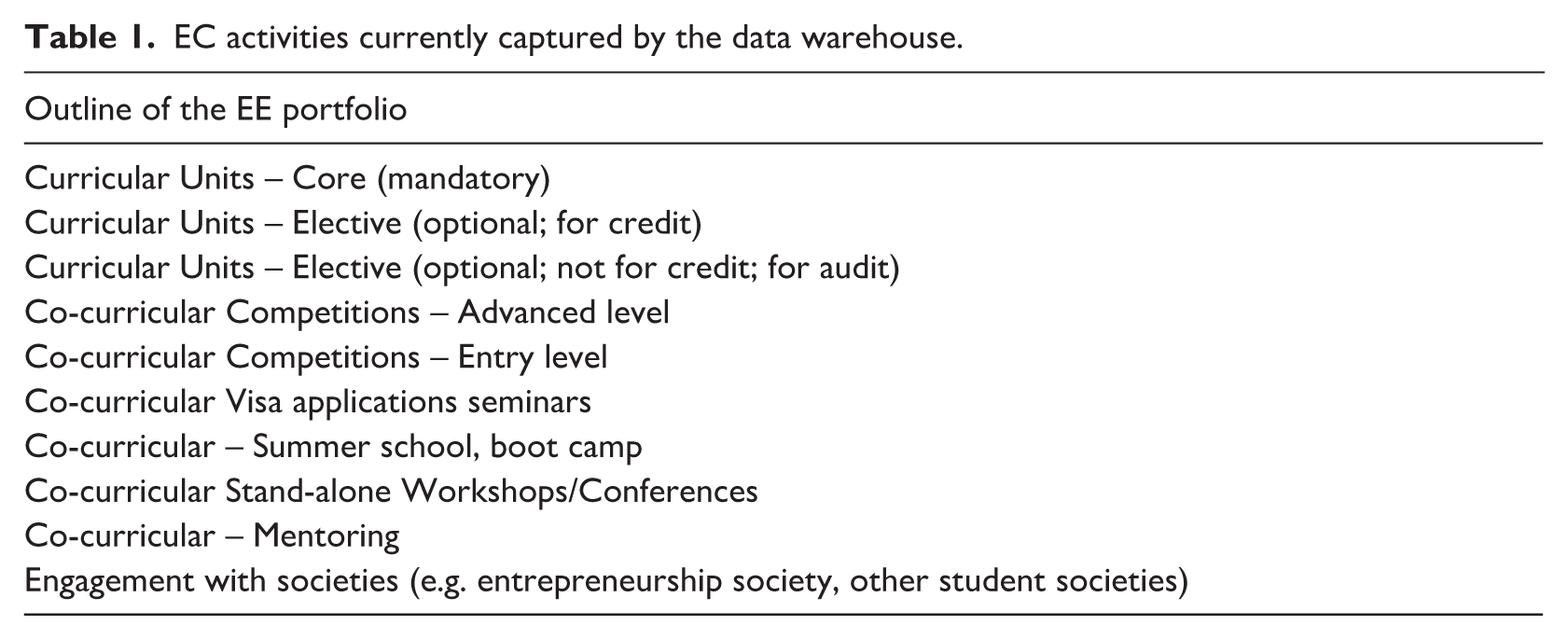
The EC’s activities have two strands (Table 1); the first provides curricular activities focusing on the students’ education and the second co-curricular activities that focus on development and application of the students’ knowledge, specifically here in relation to the development of business ideas, propositions and early-stage ventures. This provides one point of reference for linking internal data with progress data collected from external sources.
EC activities currently captured by the data warehouse.
In terms of the ‘Entrepreneurs’ dimension, internal data is collected about the entrepreneur’s background: name and surname (coded and anonymised), status (staff/student), date of joining the university, faculty, gender, nationality and country of residence during involvement with the university (Figure 2). What is not in scope is background information of entrepreneurs, such as previous entrepreneurial experience, previous studies, personality type, family influence, age and economic status. The entrepreneurs were identified through internal records, which are ‘university internal data’ records via their student information system as shown in Figure 2 (depicted as ‘Input Source 1’ in Figure 3) and the EC registered students from ‘EC CRT’ (depicted as ‘Input Source 2’ in Figure 3).
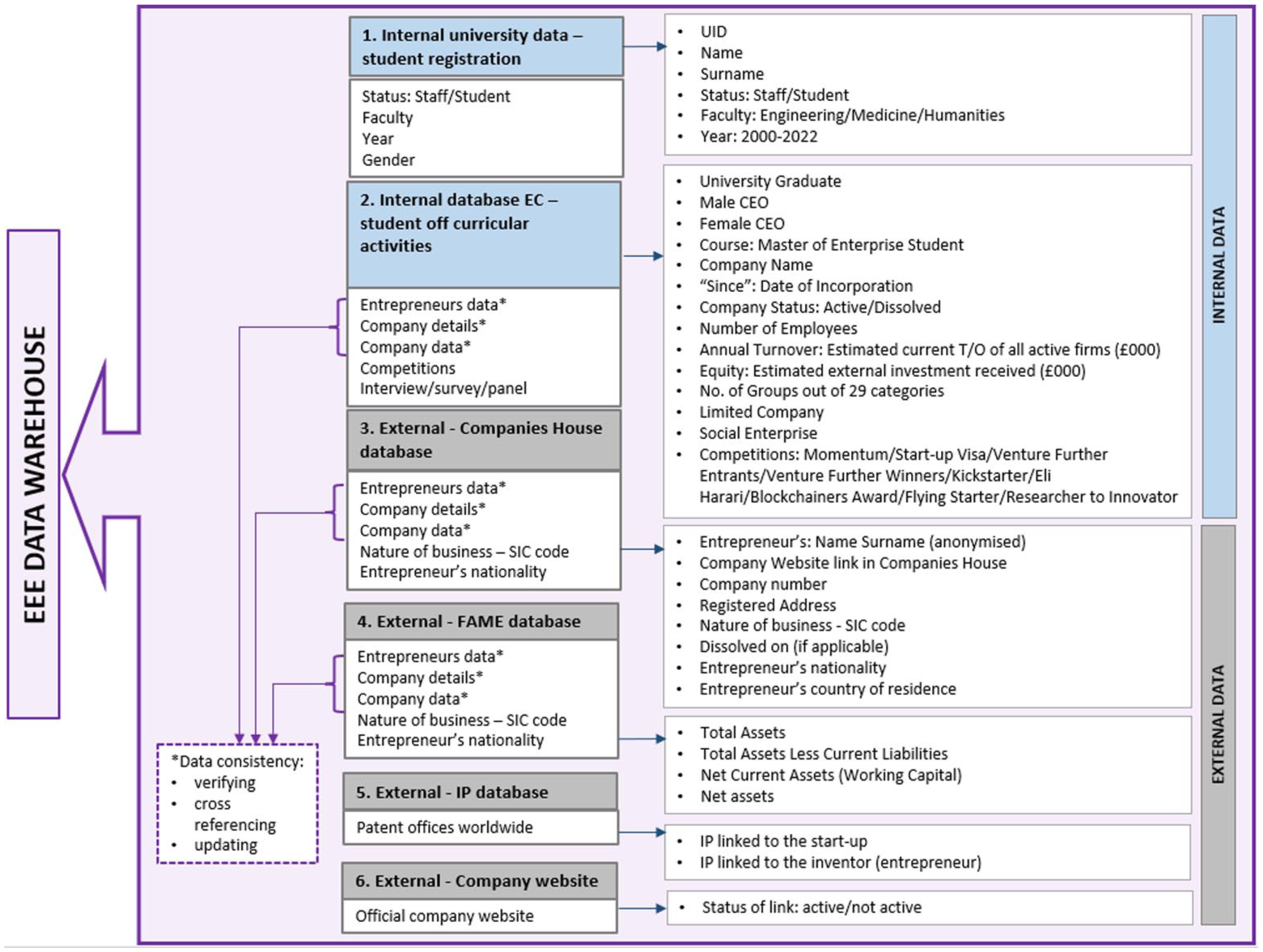
The structure of the Enterprise, Entrepreneurship, Education (EEE) data warehouse linked to internal and external databases.
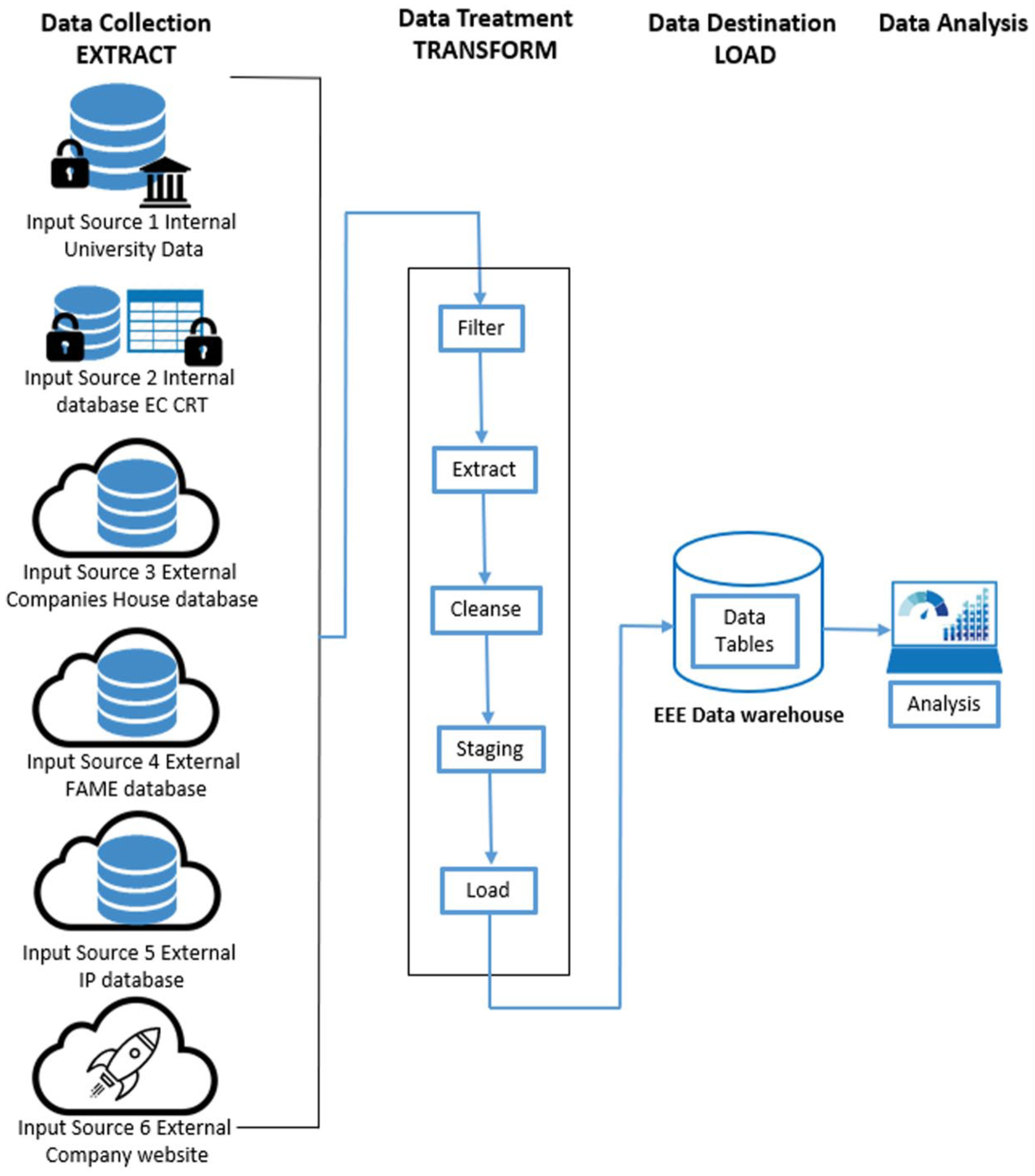
The architecture of the data warehouse (ELT).
Regarding the ‘Monitoring Destinations’ dimension, variables are decided based on creating a profile of the company and gauging the company’s success. Shaped by the strategic priorities of the EC and the principal determined role of EE within the university, in this iteration of the data warehouse venture creation is defined as the primary criterion for classification as an entrepreneur. Company validation includes data such as date of incorporation, industry sector and location, and is further moderated by metrics such as number of employees, turnover, profit and external finance gained (Figure 2). In addition, by identifying social enterprises via means of registered company status (i.e. Community Interest Company) or self-designation (i.e. website reference), in future iterations it will be possible to assign suitable non-financial KPIs appropriate for each business and its stated aims. Finally, the data warehouse also allows for an analysis of certain forms of demographic diversity among entrepreneurs, which enables a more nuanced understanding of inclusivity within EE. This approach can further help institutions assess whether their programmes effectively reach underrepresented groups and support diverse entrepreneurial talent.
Within the three dimensions mentioned here, there is a fourth incorporating the dimension of ‘Time’. This can be seen in variables such as when EE commenced, when the entrepreneur joined the university, or when the output (Monitoring Destinations) took place, alongside the ongoing updating and populating of the data warehouse. We identify entrepreneur progress within our data warehouse through a comprehensive and multifaceted approach to maximise coverage and to incorporate as many as possible of the 20 data quality dimensions (Wang and Guarascio, 1991). This process includes tracing student records and leveraging alumni office data, along with curated lists of alumni involved in both curricular and co-curricular activities, compiled by the EC administrative staff. Regular engagement is maintained with these alumni, supported and augmented by insights from social media platforms such as LinkedIn and Facebook. In addition, the personal networks of EC staff and news reports have also contributed to identifying the progress of entrepreneurs.
Data warehouse development and management
For the four dimensions of EE in the data warehouse, three types of data loads are used from the EC’s operational environment: historical records (i.e. archival data); data currently contained in the operational environment and ongoing changes (updates) since the last refresh. The EC has been collecting data regarding students, graduates, alumni, their ventures and participation in competitions since its establishment in 2000. These records were initially stored in the form of Excel files and from 2016 were managed in Microsoft Access. In 2019, the EC CRT online database was created consolidating the various internal records and primary data from the Centre’s outputs since 2000. Currently, this database is in a flat file format with limited information and the information is only partially exportable in a Comma-Separated Value (CSV) format. As can be seen in Figure 2, the EC CRT focuses on individual university students (most of them now alumni) and provides uncleaned data on EC students based in either the business school or other schools/faculties that registered for EC activities. There was no financial cost to collect internal data to identify individuals as only internal sources were used for this.
Given that the EC CRT is sufficient only for part of the body of knowledge required in terms of measuring EE, our Enterprise, Entrepreneurship, Education (EEE) data warehouse adopts a multidimensional model and integrates information from various sources and databases. The structure and components of the EEE data warehouse are shown in Figure 2. In addition to internal EC data, detailed company information is collected from external databases such as Companies House and FAME. FAME provides more well-structured financial data for companies across years and is used to cross-validate the data collected from Companies House; but more importantly, it facilitates the longitudinal analysis in terms of EE. The information on innovation activities (e.g. patenting activities) is collected from patent offices worldwide. The data from the external sources are based on public information. From the university records private data such as name and surname are anonymised, and a unique identification number (UID) is used.
Governing the process to build a body of knowledge
According to Yulianto (2019), apart from compiling a body of knowledge, a data warehouse is designed to support the decision-making function, and the most time-consuming part is the Extract-Transform-Load (ETL) process. The EEE data warehouse design follows the ETL approach (Bansal, 2014; Yulianto, 2019). In computing, the ETL process is used to integrate data from various heterogeneous sources or applications. In its first phase, ETL extracts data from external sources, then it transforms it to streamline and prepare the data for various operations, and finally loads it into the end target data warehouse, so it can then be used for analysis (Bansal, 2014). In many instances, ETL tools are created by consumers of data who usually do not understand the data as thoroughly as its owners; hence, the extracted data are often incomplete or inaccurate. Over time the data quality becomes the most important factor.
In such cases, data need to be preprocessed before it can be trusted. Generally, data extracted from external systems are classified as raw, and if they are not properly cleaned and transformed, they may contain noise or inaccurate information (Tranquillin et al., 2024). In academia, the ETL process has been applied to enhance academic business intelligence at a university comprising 15 faculties and a total of 120 departments (Yulianto, 2019). In the EEE data warehouse, the data from various sources are integrated. The architecture that illustrates how this data is processed is shown in Figure 3.
As the data come from heterogeneous sources, they can be fragmented or inconsistent as some data may be incorrect or invalid. For example, there can be errors in input entries, or duplicate records. Missing values are identified, and ambiguities resolved. There can also be inconsistencies such as logging the same information using different methods. At this stage of the project, the data are manually cleaned and spread across multiple columns in an Excel file. This is being consolidated to ensure its usefulness in the analysis stage.
To further ensure data accuracy, verification is conducted through cross-validation with sources such as the EC internal tracking system, interviews, LinkedIn profiles and Companies House records. Although experimentation with other professional platforms has been explored, challenges persist in identifying businesses co-founded by multiple graduates. Moreover, these platforms often involve high subscription costs, making them less sustainable compared with our university-wide data warehouse. This centralised repository is a cost-effective solution that integrates input from various contributors, including lecturers and administrative staff, ensuring a collaborative and efficient system for tracking entrepreneurial activity.
The EEE data warehouse therefore provides access to unique and detailed information, such as the subject areas, schools and specific EC activities involving alumni, all of which cannot be accessed via external platforms (see Figure 3 ‘Internal Data’). This proprietary insight, combined with input from lecturers, administrative staff and other university contributors, makes the EEE data warehouse an indispensable and cost-effective tool and trusted dataset for identifying and understanding entrepreneurial activities among our graduates.
Preliminary exploration and applications of data warehouse and discussion
Following the data warehouse, this section provides a preliminary exploration of its analytical potential, guided by the four-dimensional framework introduced earlier: form of intervention, identity of the entrepreneur, entrepreneurial destination and time. Together, these dimensions support both strategic decision-making and academic inquiry by offering a more comprehensive and longitudinal approach to evaluating the value of EE. Currently, the data warehouse includes detailed, quantifiable characteristics of 288 entrepreneurs and their companies. These ventures were primarily founded during the entrepreneurs’ time at university or within 2 years following the estimated completion of their academic programmes. This number is identified from an estimated 20,000 participants spanning a 22-year period (2000–2022). However, it is important to note that approximately 85 percent of these students simply take a single stand-alone unit. These engagements are valuable in terms of fostering entrepreneurial awareness and skill development but are only indirectly linked to measurable entrepreneurial outcomes such as new venture formation. The remaining participants are drawn from more intensive and targeted programmes and interventions developed by the EC: a proposition-based Master’s research programme and a selection of competitions and support initiatives for early-stage proposals or ventures. Therefore, while the overall figure of 20,000 provides an indication of the EC’s broad reach and educational influence, it should not be treated as a uniform participant population for all analytical purposes. Rather, the relevant denominator depends on the specific research question being addressed and on which aspect of EE (e.g. awareness, intention or venture creation) is under examination. Table 2 summarises key enterprise- and entrepreneur-level variables used to build early-stage insights into the reach, outcomes and value of EE delivered via the EC.
Key variables summary.
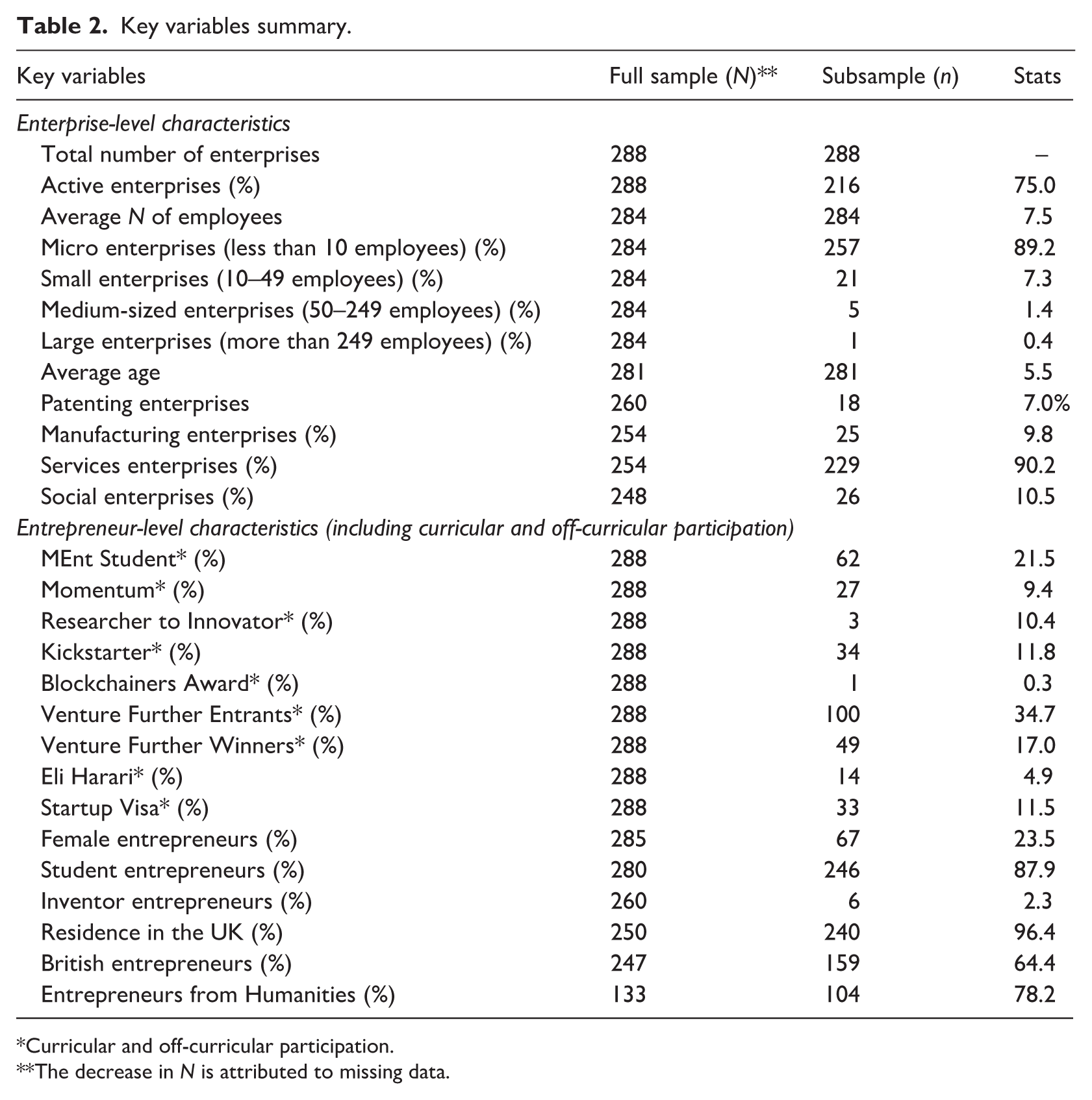
Curricular and off-curricular participation.
The decrease in N is attributed to missing data.
Given the role of business models in measuring EE, our EEE data warehouse further distinguishes between service and social enterprises. The majority of enterprises involved with the EC are service enterprises (90.2%), of which 11.4 percent are social ones. As shown in Table 2, the EEE data warehouse also provides a comprehensive set of entrepreneur-specific indicators, which allows future analysis to inform strategic decisions around EE delivery and wider school programmes and priorities, improving the performance of EE and enhancing inclusivity. The following sections will further explore some of the areas in the EEE data warehouse that can be useful for future research in measuring value.
Form of intervention: the EC EE portfolio
The first dimension of the framework concerns the types and forms of EE interventions offered. As the data warehouse shows, the EC’s portfolio is diverse, consisting of both credit-bearing curricular components and a wide array of co-curricular activities. The EC’s portfolio was initially created when it was first established in 2000 in the faculty of science and engineering, and evolved over time, including through its institutional relocation to the business school. Moreover, these interventions are not only varied in format but also in the types of engagement and stages of entrepreneurial development they support. Table 2 illustrates this range. Among the 288 entrepreneurs included in the current dataset, 21.5 percent participated in the proposition-based Master’s research programme, while 34.7 percent entered a key venture scaling competition and 17.0 percent emerged as winners of this competition. Other notable interventions include proposition-development grants (11.8%), guidance on entrepreneurial finance (9.4%) and a startup visa scheme (11.5%). Each of these activities represents a distinct pedagogical or strategic intervention, from foundational awareness-building to advanced venture development. The availability of these records across the curricular-co-curricular divide allows for future comparative analysis across interventions. The data warehouse offers the infrastructure to support the disaggregation by purpose and form of interventions and to refine how outcomes are attributed.
Entrepreneurs identity: diversity, demographics and access
The second dimension concerns the identity of the entrepreneur. Assessing EE’s value requires not only evaluating venture success rates but also understanding who participates in and benefits from these programmes. Given that among EE’s aims are those of inclusion and diversity, ensuring accessibility and equitable outcomes across different demographic groups is critical. Diversity in entrepreneurship extends beyond individual success stories – it reflects the ability of EE programmes to support a broad range of participants, remove barriers to entry and create equitable opportunities for venture creation and growth. Gender and nationality, in particular, play a crucial role in entrepreneurial participation, access to networks, funding and long-term success (Tsai et al., 2016; Lee and Eesley, 2018). By analysing these aspects, we can potentially gain insights into how EE programmes contribute to greater diversity and representation among entrepreneurs, and whether targeted interventions may be required to support underrepresented groups.
The data from our EEE data warehouse provide a unique opportunity to track and evaluate these trends over time. Figure 4 presents the cumulative number of entrepreneurs from 1996 to 2022 who have been involved with EC-supported ventures. Over time, the number of female entrepreneurs has been increasing, albeit at a slightly lower rate compared with male entrepreneurs. This increase has coincided with the introduction of new interventions, demonstrating the potential value of inclusive EE design. For example, an EC co-curricular activity designed to encourage female entrepreneurs introduced in 2017 has led to increased awareness of entrepreneurship as a career among female students, greater female engagement in EC activities and the identification of female role models. Finally, it is also important to note that the tapering off in 2022 is due to the ongoing nature of data collection and therefore for that year the dataset is incomplete at the time of writing.
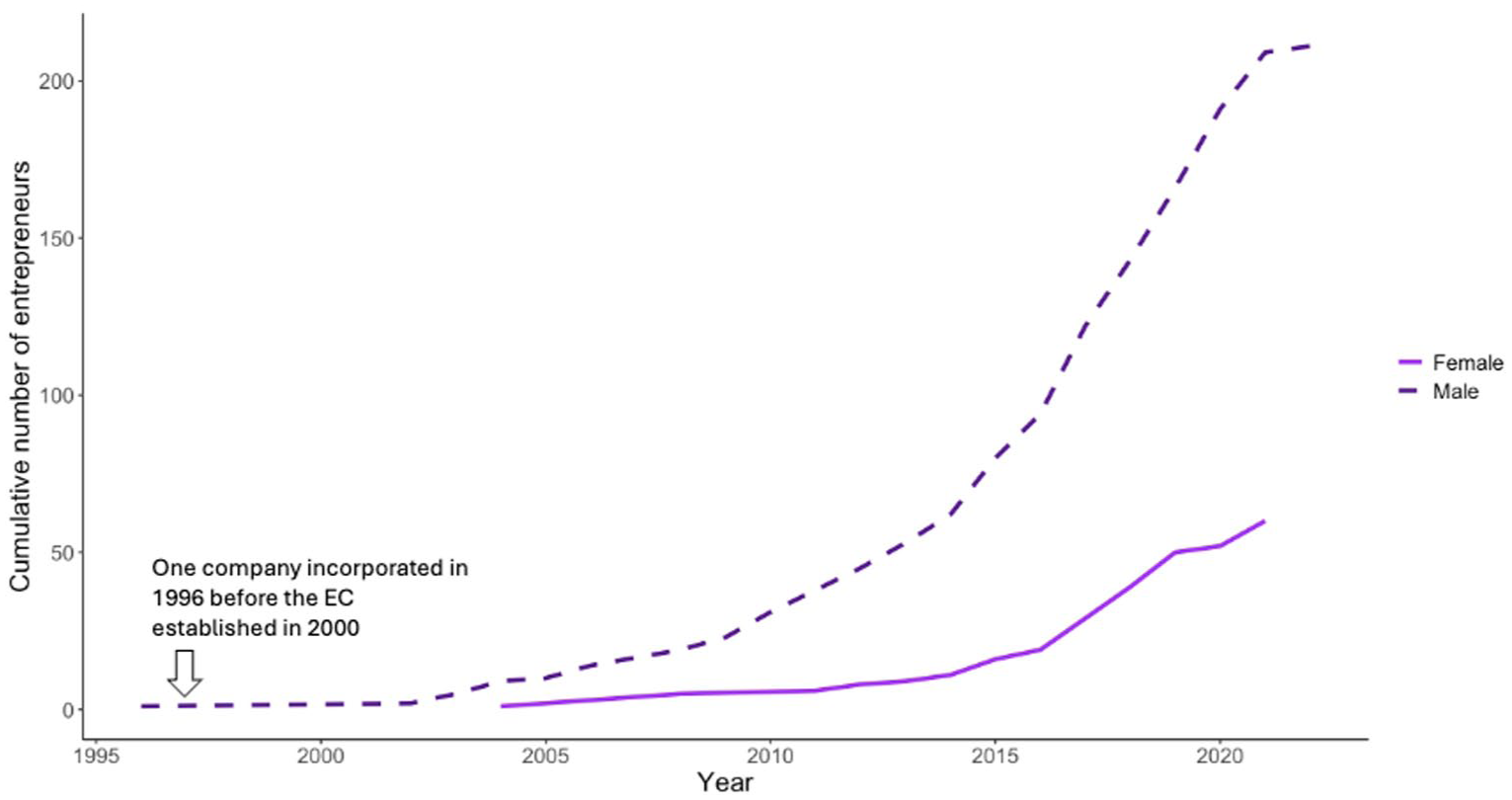
Entrepreneur gender trend.
Alongside gender diversity, national diversity offers insights into how EE programmes serve students from different backgrounds. The entrepreneurs involved with the EC come from 36 different countries (Figure 5), with 64.4 percent of them being British. These insights contribute to the broader objective of measuring EE’s value in a holistic manner, not just in terms of venture creation but also the link between the EE portfolio and differing needs of specific subject and cohort groups.
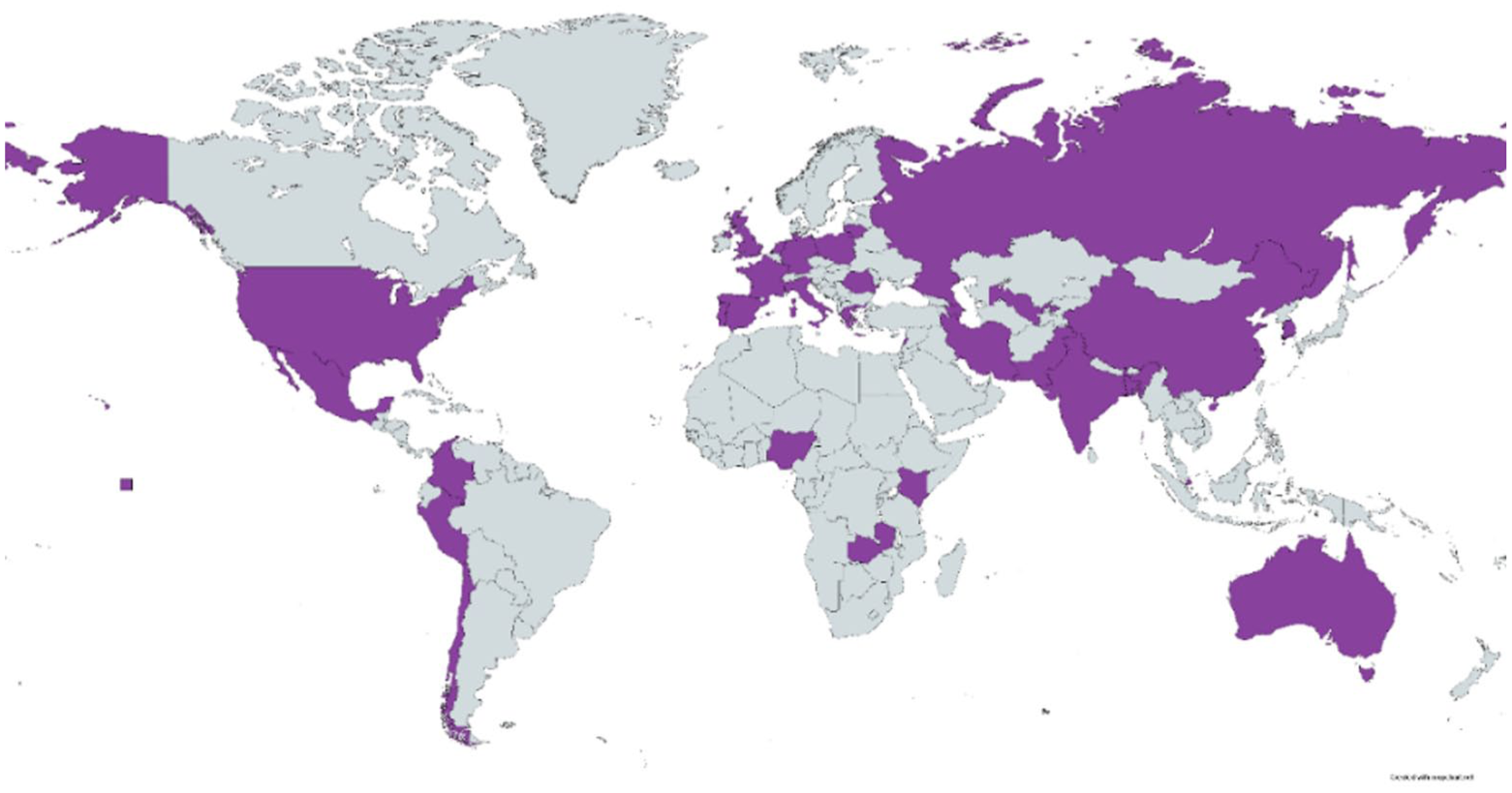
World map showing the nationalities of supported entrepreneurs.
Entrepreneurial destinations: venture outcomes and embeddedness
The third dimension of the framework – destination – concerns the outcomes associated with EE, particularly how participants progress following the intervention. Much of the existing literature in this area treats venture creation as a binary outcome – either a company is created, or it is not. However, this reductionist framing obscures both the diversity of post-EE trajectories and the practicalities of the venture creation process, often involving prolonged pre-start periods. The EEE data warehouse enables a more sophisticated assessment of entrepreneurial destinations by capturing multiple dimensions within a wider temporality: in this first version of the EEE is venture activity and its progression over time, including characteristics such as survival, size, sector, innovation and geographical distribution.
From the current dataset of 288 ventures, 216 remain active, equating to a 75 percent activity rate. The average venture employs 7.5 people, and the 3- (formed before 2020) and 5-year survival rates (formed before 2018) are 70.46 percent and 45.91 percent, respectively. While 89.2 percent of companies qualify as microenterprises under the OECD classification, a small subset has grown into small and medium-sized enterprises, and one has exceeded the 250-employee threshold. While basic survival and employment data already indicate a relatively strong performance when compared with national benchmarks, Table 3 offers a more refined breakdown of company dynamics over time by cross-tabulating age and size categories.
The distribution across different venture age and size-band.
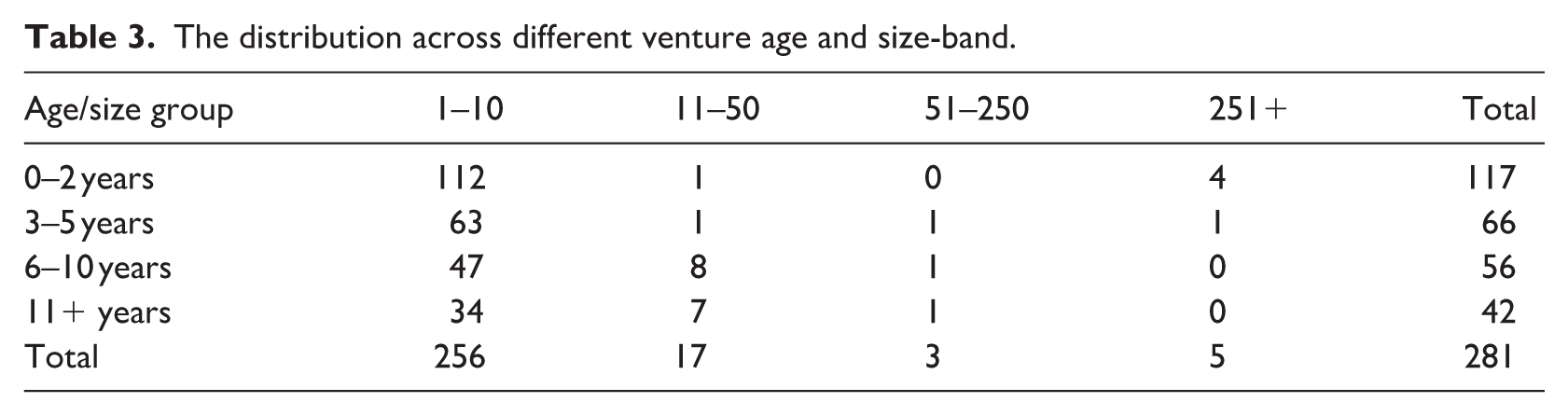
This cross-tabulation illustrates several important trends. First, it shows that the majority of companies (117) are between 0 and 2 years old and overwhelmingly concentrated in the micro category (1–10 employees). This is expected given the ongoing nature of venture creation and suggests that the EC continues to play a formative role in early-stage entrepreneurship. However, what is more analytically significant is the continued presence of microenterprises beyond the 5-year threshold. Among companies aged 6–10 years and 11+ years, 47 and 34, respectively, still remain in the smallest size band. This may indicate issues such as sectoral stability or structural constraints to growth. These possibilities warrant further qualitative investigation.
At the same time, the data highlights examples of meaningful growth. Eight ventures in the 6- to 10-year range and seven in the 11+ year range have moved into the 11–50 employee category. In addition, three ventures across different age bands have surpassed the 50-employee threshold, and five have reached a scale of 251+ employees. These outliers suggest that while growth beyond microenterprise status is relatively rare, it is not absent – and that certain ventures, possibly supported by specific interventions or drawing on particular founder profiles, have achieved substantial scale.
In addition to size and age, the EEE data warehouse captures company-level indicators such as sector, innovation and mission. Of the ventures with available data, 90.2 percent operate in the services sector, while 9.8 percent are in manufacturing. Moreover, 10.5 percent are identified as social enterprises, either through their formal registration (e.g. Community Interest Company) or self-declared mission statements. Perhaps most striking is the proportion of companies engaging in innovation-related activity: 7.0 percent of ventures in the dataset have filed for patents, a figure that significantly exceeds the UK average of 1.6 percent (Hall et al., 2013). This finding not only highlights the innovative potential embedded in the EC portfolio but also reinforces the need to treat EE as a pipeline not just for entrepreneurship per se, but for innovation ecosystems more broadly.
Equally important is the sectoral and geographical distribution of these ventures. The majority of enterprises in our sample, accounting for over 86.11 percent, were originally incorporated in the United Kingdom, with 96.4 percent of entrepreneurs opting to reside in the United Kingdom as well. This location-specific data provides a lead to entrepreneurial spillover within certain localities.
To shed preliminary light on these inquiries, we investigate the regional dispersion of our pool of 248 UK-based companies with identifiable postcodes. Our data reveal that approximately 63.71 percent (or 158) of these companies are incorporated in the North-West, followed by 18.95 percent choosing to establish their ventures in Greater London. To enhance our understanding of the regional distribution of our sample ventures, we plot each individual company across the entirety of the United Kingdom. As depicted in Panel A of Figure 6, larger circles denote companies of larger sizes, with size being determined by the number of employees. The map illustrates these companies; particularly the larger ones tend to cluster in proximity to the EC and university, with 54 percent located in Greater Manchester and the surrounding area. In Panel B, we expand our exploration to understand how different industry categories of the sample companies are distributed across the United Kingdom. The companies are predominantly engaged in knowledge-intensive services, as demonstrated in Figure 6. However, companies concentrated in the North-West region exhibit a more diverse range of industries. This insight demonstrates the scope of such EE interventions to not only supporting the development of entrepreneurs but also embedding them within the regional economy as part of a regeneration process.
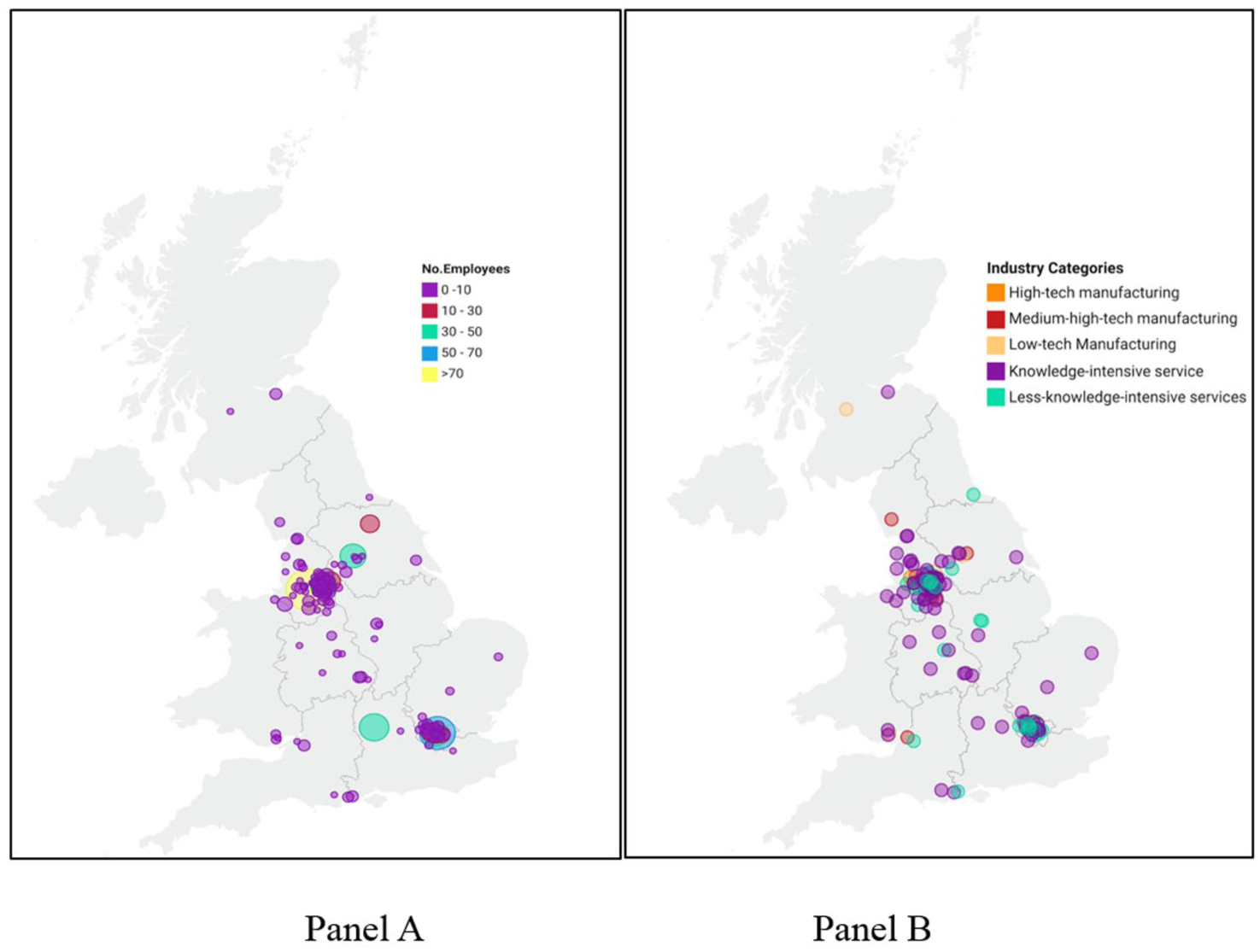
The regional distribution of the UK ventures.
Further considerations on the data warehouse
Previous sections offer a critical and structured exploration of the analytical potential of the EEE data warehouse, organised around the core dimensions of intervention, entrepreneur and destination. These dimensions form the conceptual framework through which we analyse the complexity of EE. It is also important to note that, time is not treated as a separate dimension, but rather as a cross-cutting element that underpins all three: the timing of interventions, the evolving identify and progression of entrepreneurs and the temporal unfolding of entrepreneurial outcomes. By capturing both point-in-time data and changes over time, the data warehouse allows for longitudinal analysis. In this section, we further use an application case to demonstrate how these dimensions can be operationalised to interrogate the value and effect of EE intervention, with a particular focus on entrepreneurial intent and venture creation, survival and scalability.
Specifically, using early iteration of the data warehouse, Papadopoulou and Phillips (2020) investigate one of the specific curricular activities, the proposition-based Master’s research programme. Comparing startups created from this programme with general businesses in the United Kingdom using GEM data, the survival rate of the ventures created is significantly higher, with a 5-year survival rate for ventures founded in 2001–2014, of which 86 percent compared with 43.2 percent is for the general business population (UK Government ONS Data). This suggests that the programme provides appropriate support in developing entrepreneurial skills and road-testing new ideas to a level that makes survival much more likely. Of these startups, 69.5 percent employed more than just the founder, compared with 10 percent of the general firm population (APPG Data), suggesting that the startups created are more likely to be growth-focused and scalable ‘entrepreneurial’ businesses rather than simply self-employed founders. Although many overseas students completed this programme, almost all ended up starting and keeping their businesses in the United Kingdom – indicating the UK economy is benefitting from this particular EE activity.
The data warehouse also enables comparisons between EE interventions. For example, comparison of a 15-credit postgraduate taught module and a 5-day intensive boot camp (Papadopoulou and Phillips, 2019), illustrates associated value. The findings show that both interventions had an impact on startup intention and activity, and both serve their own purpose and value as they support positive attitudes towards enterprise and entrepreneurship. The respective cohorts, however, demonstrate the role of the diversified portfolio, bootcamps offering a route to skills and awareness for an off-curricular cohort, incorporating later-stage researchers (PhD, Post-doc) and disciplines with no on-curricular pathway.
Conclusion
Recent debates around EE have focused on two somewhat contradictory points of portfolio diversification and effective value. Here, conceptual discussions – how to teach entrepreneurship, the purpose of EE, the definition and measurement of its outputs and outcomes – have been prioritised over more methodological and processual discourse addressing an absence of depth in analysis and an integration of questions of teaching approach with that of value (Jones et al., 2021).
This article contributes to this debate in three specific ways. First, it offers a clear articulation of the extent of the problem facing EE in the absence of in-depth analysis at the cost of cursory approaches to support the broadening of teaching techniques. Second, it sets out a clear framework through which more effective consideration of the value of EE could be progressed, specifically through the application of the four key dimensions of the portfolio, the entrepreneur, the destination or progress and their collective development over time. Finally, it offers a clear and detailed methodological and processual tool in the form of the data warehouse, its application in the context of monitoring venture creation outputs at a university actively supporting EE through an EC and a validation of this approach through some early-stage analysis informing portfolio development within this institution.
The critical contribution therefore sits at the intersection of conceptual framework and methodology, offering a scalable and theoretically informed system capable of responding to a range of validation and inquiry needs at the institutional and industry level. Addressing the enduring absence of detailed, longitudinal analysis related to EE, our approach – conceptually and methodologically – offers a level of critical robustness linking individual, intervention and outcome alongside a flexibility allowing for adjustment based on the objective of an intervention. Importantly, it demonstrates scope to collect enhanced data on entrepreneurs such as demographic and subject groups and point-of-entry experience within a cohort, link this to the portfolio in terms of on- and off-curricular support pathways, and assess progression routes and destinations through a data management tool developed with regard of the critical temporal element. The destination considered in this iteration of the data warehouse is that of venture creation, but both the framework and the data warehouse methodology can accommodate other forms of enquiry, be this through accommodation of wider forms of secondary data or primary datasets developed for purposes of broader enquiry into EE outcomes, such as graduate entrepreneuring in corporate, SME or public sector environments.
Due to the nature of the EC as an organisation, which is both known to the students and is aimed at early-stage support, it seems likely that most student entrepreneurs will interact with the EC early in their entrepreneurial journeys. There is, however, a wider ecosystem of support locally, nationally and internationally in terms of funding, accelerators, incubators, competitions and mentoring. External support in the local area could, for example, be found in science parks or innovation centres, nationally could encompass the UK Governments Business Support Services, grant awarding bodies, loan guarantee schemes and internationally might include activities designed to help specifically the student entrepreneur such as Enactus or the Rice University business plan competition, which is open worldwide. These are signposted by the EC as the companies grow as appropriate, and it is therefore likely that due to the varied pathways followed by student ventures, and the fact that most growing ventures will utilise multiple sources of support, many will certainly use external support along with EC support at some point during their development, contributing to their success.
More importantly, the implementation and application of the data warehouse should be considered a live project, developing a rich vein of longitudinal data through which greater insight of the relationship between portfolio and progress might be established. This application is of greater significance in the context of the EE community, with scope for adoption as a standardised methodological approach allowing for more meaningful comparisons between institutions, educational practitioners and other providers such as private third parties offering training and education, addressing important questions and providing important analysis around the broader and specific impacts and value of EE and the effectiveness of various programmes designed in EE portfolios. For instance, our early exploration of venture longevity highlights the value of comparing institutional data with large-scale datasets such as GEM and the UK ONS, offering a rich avenue for future research capable of validating and contextualising graduate entrepreneurial outcomes. Such comparative analysis has the potential to equip educators with clearer evidence regarding the effectiveness of their pedagogical approaches, enabling more informed curriculum development and targeted support interventions. As such, the data warehouse and its governing framework may be used in a broader and more in-depth assessment of the EE process. Such analysis presents challenges and the need for further adaptation to the existing data warehouse content, but the longitudinal capacity and analytical flexibility of the data warehouse imply a valid tool which could address certain depth gaps in existing research on the value of EE.
Beyond the educational setting, the data warehouse can potentially contribute practical value for policymakers seeking to understand and influence regional entrepreneurial ecosystems, for ecosystem partners who require a more granular understanding of the graduate entrepreneurial pathway. By offering a systematic, longitudinal approach to understanding entrepreneurial destinations, both within and beyond venture creation, overall, the framework developed here provides a foundation through which educational practitioners, policymakers and stakeholders can more effectively design, assess and enhance EE.
Footnotes

Ethical Approval
No ethical approval was required for the subject of the paper.
Informed Consent statement
No informed consent was required for this paper.
Funding
The authors received no financial support for the research, authorship and/or publication of this article.
Declaration of Conflicting Interests
The authors declared no potential conflicts of interest with respect to the research, authorship and/or publication of this article.
Data Availability Statement
Not applicable.