



Abstract
Graphene, a relatively new two-dimensional (2D) nanomaterial, possesses unique structure (e.g. lighter, harder, and more flexible than steel) and tunable physicochemical (e.g. electronical, optical) properties with potentially wide eco-friendly and cost-effective usage in biosensing. Furthermore, graphene-related nanomaterials (e.g. graphene oxide, doped graphene, carbon nanotubes) have inculcated tremendous interest among scientists and industrials for the development of innovative biosensing platforms, such as arrays, sequencers and other nanooptical/biophotonic sensing systems (e.g. FET, FRET, CRET, GERS). Indeed, combinatorial functionalization approaches are constantly improving the overall properties of graphene, such as its sensitivity, stability, specificity, selectivity, and response for potential bioanalytical applications. These include real-time multiplex detection, tracking, qualitative, and quantitative characterization of molecules (i.e. analytes [H2O2, urea, nitrite, ATP or NADH]; ions [Hg2+, Pb2+, or Cu2+]; biomolecules (DNA, iRNA, peptides, proteins, vitamins or glucose; disease biomarkers such as genetic alterations in BRCA1, p53) and cells (cancer cells, stem cells, bacteria, or viruses). However, there is still a paucity of comparative reports that critically evaluate the relative toxicity of carbon nanoallotropes in humans. This manuscript comprehensively reviews the biosensing applications of graphene and its derivatives (i.e. GO and rGO). Prospects and challenges are also introduced.
Introduction
Carbon (C) nanomaterials (e.g. graphene (G), carbon nanotubes (CNTs), crystalline diamond, diamond-like carbon nanoparticles (CNPs), nanofibers) are continuously more sophisticated in their range of physicochemical tunable properties (e.g. 2D surfaces, 3D structures, porosity, stiffness, permeability, biocompatibility and biodegradability), and their diversity of use for biomedical and biochemical sensing applications (e.g. microbiology, environmental chemistry, oncology, regenerative medicine, tissue engineering, stem cell culture and maintenance) continues to expand, thereby providing potential opportunities to improve bioefficacy and biosafety1-6 (Figure 1).

Nanotechnology-based diagnostics and biosensors: the 2 sides of the Janus. 3
G (Figure 2) is one of the carbon allotrope which is also called “miracle material” 2 and is initially isolated almost 6 decades by Boehm et al 7 and Boehm and Hofmann, 8 who used transmission electron microscopy (TEM) and X-ray diffraction (XRD). This allotrope of carbon can be defined as a single planar sheet (i.e. flat monolayer carbon foils) of pure sp2-bonded carbon atoms densely packed into a 2D-honeycomb/hexagonal crystal lattice9-11 G can be wrapped up into 0D fullerenes, rolled into 1D carbon nanotubes or stacked into 3D graphite (GP).10,12,13
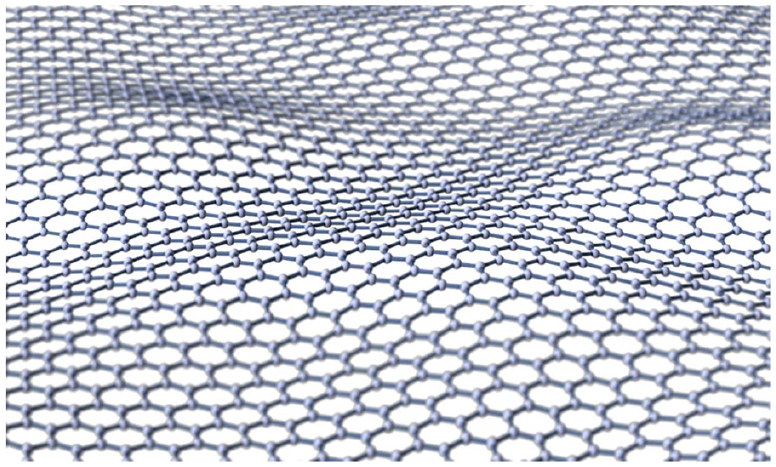
2D structure of graphene. 1
About 15 years ago, the “Scotch tape” method (i.e. micro-mechanical exfoliation) employed by Geim and Novoselov allowed to produce large G sheets from GP. Briefly, this technique (Figure 3) used an adhesive tape to mechanically exfoliate bulk layered GP crystals into increasingly thinner pieces (i.e. 0.01 thousandth of an inch) in presence of silicon dioxide (SiO2) used as a “back gate” electrode to vary the charge density of G.14,15

Since then, the physicochemical (e.g. electronical, optical, mechanical, thermal and structural properties of G have been deeply studied.15-22 All these studies contributed to scaling up production of sustainable, efficient and cost-effective quality G sheets.23-25
Innovative methods such as electrochemical reduction of exfoliated G oxide (GO) (which is oxidative and water-soluble form of G), 5 epitaxial growth in GP or in metals via chemical vapor deposition (CVD), facilitated this production26-32 (Figure 4). In particular, G have excited many researchers and industrials interested in developing nanobiosensors since Sir Geim and Sir Novoselov were awarded the 2010 Nobel Prize in Physics.33,34 In recent years graphene and its derivatives like graphene oxide were shown to be most effective nanomaterials in applications of biomedical sciences.

Although exceptional physicochemical properties and relative good safety in vitro are attributed to G and derivatives, their potential cell and systemic nontoxicity in vivo remain poorly defined.35,36 Moreover, meta-analyses reporting benefits and risks (e.g. reliability, sensitivity, specificity, biocompatibility, biodegradability, toxicity) of carbon nanomaterials under specific conditions, will be an asset for the scientific community and industrials. For instance, ab initio calculations showed that a G sheet with a size below 20 nm is thermodynamically unstable probably due to its lower-energy state at this condition.37,38 Based on its physicochemical properties, large surface area and biocompatibility, graphene was thought to be utilized in stem cell-based tissue engineering.
Graphene is the nanomaterial most widely used for a variety of applications, introduced by Dresselhaus and Araujo. 39 The large specific area of graphene promotes the loading of biomolecules in high concentrations on the sensing base to generate good detection sensitivity. 40 Its small band gap and high conductivity make easy conduction path of electrons between the graphene surface and the biomolecules. The highly pure graphene without any impurities and its derivative materials are inert in nature and are cost effective due to the superior uniform surfaces. Graphene’s greatest sensing surface area augments the loading of targeted chemical species such as proteins and enzymes, either through submissive adsorption or through the chemical cross-linking to the analytes active groups. 41 The conductivity of graphene fluctuates depending upon the method of preparation or treatment. The electrical conductivity of graphene is 60 times more than single-walled carbon nanotubes (SWCNTs), while the measured electroconductivity of particulate graphene is 64 mS/cm as compared to graphene at 108 mS/cm.14,42
Graphene based sensors have pluripotent capacity for sensing a broad spectrum of molecules and ions. Due to chemical, electrical, electrochemical and optical properties of G, it is used as a sensor in diverse fields such as pressure sensor, strain gauge, biosensor, chemical sensor and gas sensor. The interaction G with dye molecules in G-dye hybrid optical sensors, leads to deep changes in the electronic structure of G which is suitable in various applications. These types of sensors can be used for sensing biomolecules and metal ions and synthetic molecules. Shetti et al used GO NPs fabricated on glassy carbon electrode (GCE) to analyze Congo red dye in the soil as well as in water samples. As a result, this application leads to water treatment from pollutants to be reuseable. 27
All-G strain sensors are able to detect various types of strain induced via torsion, bending and stretching. Chun et al used introducing single-layer graphene as a force sensing material and with a conductive film composed of graphene flake for the electrode. The completed strain sensor can be fully flexible by using flexible materials. 9
The 2D layers of sp2 bonded carbon and 1-atom thick structure of G is useful as supporting material for metal and metal oxide catalyst NPs. 10 Using of metal oxides in sensor fabrication is growing rapidly due to their sensitivity, cost-effectiveness, chemical stability, non-toxicity, and rapid response. 11 For example, TiO2-loaded G as an electrochemical biosensor has been recently used. This combination has high electrocatalytic activity, biocompatibility, support enzyme immobilization, and direct electron transfer to enhance the electrochemical activity of the enzyme. 10 TiO2 loaded G can be loaded with various materials such as hemoglobin, 12 glucose oxidase, 13 nickel foam 14 to some types of detections. ZnO is another metal oxide which is using in combination of G in biosensors. Various inherited properties of ZnONPs have allowed the successful immobilization of different types of biomolecules on their surfaces. 15 Gao et al used ZnO nanowire arrays with G and G foam to detect folic acid. 16 Electrochemical sensors have unique properties especially in biomedical research and are used widely. Modification of conducting polymers with metal oxides, metal particles and carbon materials improve its stability, reproducibility and sensitivity which have effect on sensor performance. Conducting polymers are extensively used in electrochemical biosensors. 11 G and GO are rich in oxygen functional groups that act as a catalysis to develop different types of biosensors and have effect on surface functionalization, the attachment of biological recognition element and compatible with micro/nano-bioenvironment. So, G-based electrochemical biosensors are useable in monitoring noncommunicable diseases such as acute myocardial infarction, lung cancer, asthma, and diabetes detection. 17
Both 3D graphene and reduced GO are broadly utilized as sensor devices and such graphene materials dispersion on the sensing surface is habitually accomplished by dropcast of suspension of graphene and its derivatives. Multifunctional components such as polymers could also be designed to coat to the graphene nanohybrid-modified electrode bases. The methods of noncovalent graphene hybridization with a polymer or small organic molecules should be carefully undertaken, as added raw materials may display an intrinsic electrochemistry or an interfere with the desired properties. However, chitosan, a biocompatible organic material, has the ability to disperse graphene and allow bioconjugation to build sensitive biosensors. Graphene-based electrochemical sensors can be used more easily than conventional methods, such as that of spectrometers.43-45 Additional advantages are the flexibility, resistance, conductivity, and stability. These features are used in the advancement of various types of sensors to detect biological-important molecules. Pure forms of graphene, oxide and biocomposites have been customized with nanofibers, nanocubes, and other geometrical NPs, for the development of sensors for glucose.45-48 The combination of hydrogen peroxide (H2O2) with graphene sensors is 1 more area that has drawn attention in recent years. The intrinsic changed and doped graphene (N-graphene) materials showed the best electrocatalytic response toward H2O2. Photodetectors, temperature sensors, and radiofrequency applications are additional uses of graphene-based sensors. Graphene is used in the form of nanowires, nanoribbons, and also some others arrays of NPs. 49
Since detection of nitrite is important for environmental safety and human health, development of high-performance sensors for accurate detection of nitrite is highly desirable. Zhou et al designed and fabricated a highly sensitive graphene electrochemical transistor (GECT) nitrite sensor. AuNPs modified rGO nanocomposites (AuNPs/RGO) and used to improve its performance. 18 In another study, AuNPs-decorated on single-layer G (AuNPs/SLG) with good dispersion and clean surface promoted immobilization of glucose oxidase (GOD) in glucose biosensor. 19 GO is also useable in drug determination. To detect hydrochlorothiazide (HCT) at GO NPs modified GCE, an electro-oxidation process was developed. GO NPs influenced voltammetry behavior of diagram. 20 It is obvious that detection of some analytes with low charge and small molecules is challenging. To solve this problem, a label-free G-field effect transistor (FET) biosensor with overly sensitive in detection the electric-neutral and low molecular weight ligands by using GR as probe was used. 21 In some studies, the incorporation of G with clay particles for using in sensors has been reported. This combination improves mechanical properties of G and offers functionality to the clay-G nanocomposites. Additionally, this composite has ability for analysis of target molecules including drug release monitoring and improve absorption. G-clay hybrid based are used in electrochemical sensors, gas sensors and biological sensors (glucose/H2O2). 22 Wang et al developed a 3D hollow quasi-graphite capsules/polyaniline hybrid to sense ammonia gas at room temperature. 23 Since GO has electrical, physical and chemical properties with excellent chemical stability, it become an ideal candidates for gas sensing. 24 Shetti et al used GO and nanoclay composite-modified carbon paste electrode for the detection of theophylline for healthcare application. To test the applicability of the electrode, it was used to pharmaceutical and urine sample analysis. 27 In another study, GO was blended with carbon paste matrix and then fabricated GO-CPE was utilized as a sensor for flufenamic acid (FFA) quantification. In the following, the analytical application of this chemically modified electrode was used in determination of FFA in urine samples. 26 G quantum dots (GQDs) are zero-dimensional G nanostructures that have few layers or a SLG < 100 nm and are highly promising candidates for many applications such as sensing. 27 Mycotoxins are secondary toxin metabolites that produced from organisms of fungus and cause diseases and even death in humans and animals. 28 Lu et al reported detection of fumonisin B1 and deoxynivalenol as types of mycotoxin, by using carbon electrode modified with AuNPs and polypyrrole electrochemically rGO. 29
Strong interactions between CNT and GO via π–π stacking leads to a steady hybrid with definite specifications, together with high specific area, conductivity, performance, and good catalytic activity. Several research groups reported the fabrication of GO–CNTs nanohybrids as well as their potential applications. 50 Tian et al 51 synthesized stable SWCNT and GO hybrid composite through ultrasonication. Kim et al 52 fabricated GO–SWCNTs nanohybrid-coated glassy carbon electrodes (GCE) and utilized them as an anode for solar polymorphic cells. L-Lyrosine was electrochemically determined at GO–CNT-modified GCE by Li et al. 53 Rutin was detected by using voltammetric methods at MWCNT and laminate rGO composite modified GCE sensor by Zhu et al. 54 The complete electrochemistry of horseradish peroxidase was understood by Zhang et al 55 with an electrode modified with GO and MWCNT nanocomposite. Thus, nanocomposites of GO–CNT have potentially large applications in the fabrication of modified electrodes and investigation of biomolecules.
This manuscript analyses breakthroughs in G-based biosensing research. It also outlines perspectives and challenges in translational nanomedicine.
Graphene and Graphene Derivatives: Malleable Giants Nanomaterials!
Isolation of G and G derivatives
Synthesis of high-quality G is key to realization and controlling G physical and chemical properties. Among different methods of G synthesis, CVD and the exfoliated synthesis of G from graphite (GP) have become useful for the large-scale synthesis of G. In CVD method, G was prepared using methane as the carbon source on copper foils. Scanning electron microscopy (SEM) images show that CVD is a very suitable method to make highly pure and controlled number of layers of G sheets with a low O/C ratio which is require for a better performance of G. 30 In the liquid phase exfoliation (LPE) process, GP is exposed to liquid medium and single layer of graphitic plane is peeled off. Nowadays, experiments have shown that LPE is a much easier process to make G with high stability compared to other strategies. In this method, to counter the interfacial interaction between the GP layers and to stabilize G, a proper organic solvent with strong binding power to the graphitic plane was employed. 31
Historically, GP oxide reduction/exfoliation (e.g. by hydrazine (N2H4) reflux and rapid heating) was probably the first method used to synthase monolayer flakes/films of G, as reported by Boehm et al 7 and Boehm and Hofmann. 8 Then, in 2004, high quality G sheets from bulk-GP were obtained by the “scotch tape” technique. 14 This technique was simplified in 2005 using the drawing method for “dry deposition,” thereby avoiding the stage when G floated in a liquid. 11 In 2006, soluble fragments of G have been prepared through chemical alteration of GP. 56 Briefly, microcrystalline GP was first treated with a strong acidic mixture of sulfuric acid (H2SO4) and nitric acid (HNO3). A series of steps involving oxidation and exfoliation resulted in small G plates with COOH groups at their edges. These groups were converted to hydrogen chloride (HCl) groups by treatment with thionyl chloride (SOCl2). Next, they were converted to the corresponding G amide via treatment with octadecylamine (C18H37NH2). The resulting material (i.e. circular G layers of 5.3 Å (Angstrom) thickness was soluble in tetrahydrofuran (C4H8O), tetrachloromethane (CCl4), and dichloroethane (C2H4Cl2).
However, partial removal (< 80%) of various functional groups (e.g. COOH) in G, by reduction methods in solvents (N2H4 stirring with HCl; SOCl2), has hampered its quality due to generated instability. Recently, it was reported reduction and exfoliation of GP oxide with lesser oxygen functionalities by focused solar radiation. 57
In 2007, thin graphitic films using exfoliation techniques similar to the drawing method, and multilayer samples down to 10 nm in thickness, were obtained.10,14 Jian et al developed a catalytic chemical vapor deposition rout for the synthesis of 3D GP-like capsules with unique thickness and morphology control. The 3D GP-like capsules disperse well and show good structural stability. 32
Graphene with CNTs, G-C3N4
Graphitic carbon nitride (g-C3N4), as a novel metal-free 2D semiconductor material, as attracted public attentions recently. Due to its characteristics of unique optical and electrical properties, layered structure, high chemical and thermal stability, excellent biocompatibility and low toxicity, g-C3N4 has been widely used in photocatalysis,33-35 bioimaging,36,37 electrocatalysis,38,39 and biosensing.40-42 However, the pure g-C3N4 has some limits such as high recombination rate of photogenerated carriers, narrow light absorption range and low specific surface areas. Accordingly, there are several approaches emerged to overcome the drawbacks, including doping photoactive elements, copolymerizing with electron-enriched molecules, adjusting the shape to form small-size nanostructure and establishing heterojunction with proper materials.43-45 Among all, establishing heterojunction is a facile and efficient way to improve the performance of g-C3N4. Mazhabi et al designed a label-free PEC aptamer-based on g-C3N4/AgI nanocomposite for the specific detection of cancer cells, which significantly enhanced the photocurrent response of pure g-C3N4. 46
Recently, carbon nanotubes (CNTs) have used in the field of cancer diagnosis and therapy. Compatibility with biological systems, Probability of variable functionalization, and the thermodynamic properties of CNTs are the main reasons for vast investigations.
The studies on cancer therapies are divided in 2 main categories based on the conducted therapy strategies, which includes targeted drug delivery systems (DDS), and thermal ablation. Using chemical conjugation was the crucial parts of the studies in both groups. Classification of the cancer therapies studies based on the cancer type, and introduce the novel strategies developed for both diagnosis and treatment of cancer is a challenge.
CNTs are one of the most commonly used NPs for cancer therapy. CNTs are categorized into 3 main types of SWCNTs, multi-walled CNTs (MWCNTs) and double-walled CNTs (DWCNTs). 47 CNTs are utilized in both cancer diagnosis and therapy; one of the first reviews in this matter was written by Yang et al 48 in which CNT was admired as an improving agent for cancer diagnosis because of properties like large surface, conjugation ability and encapsulation of drugs. Srivastava et al 49 investigated the effects of MWCNTs on the cellular scale. The noncytotoxic concentrations of CNTs were used in a lung cancer cell line (A549) and the apoptotic processes of the cells were analyzed. The desoxyribonucleic acid (DNA) laddering, nuclear condensation, and the changes in expression of apoptotic biomarkers have been among the tests confirming higher apoptosis in cancer cell lines. Furthermore, the production of reactive oxygen species (ROS) was observed, accompanied by a decrease in activity of catalase and glutathione. Some studies were conducted through a combination of CNTs and bioactive compounds.
Morphological and Physicochemical Properties of G
Structure and molecular stability
G is a fascinating allotrope of pure sp2-bonded carbon atoms densely arranged in a regular hexagonal crystal lattice pattern similar to GP but in a single planar sheet.9,10 Therefore, it is considered as the limiting case of the polycyclic aromatic hydrocarbons’ family (Figure 2).
G is a building block for graphitic materials. For instance, it can be wrapped up into 0D fullerenes, rolled into 1D nanotubes or stacked into 3D GP.12,24 However, the irregular, impure and faulty shapes and sizes of G sheets in these devices are undesirable for applications, questioning the 2-dimensionality of G. 58 Indeed, suspended flat sheet of G showed ripples, with amplitude of about 1 nm, that may be either intrinsic to G (e.g. thermal instability/fluctuations), or extrinsic (e.g. ubiquitous dirt seen in all TEM images).56,59,60 Interestingly, G can self-repair holes in G sheets when submitted to carbon molecules (e.g. hydrocarbons) or pure carbon atoms. 61
TEM on sheets of G suspended between bars of a metallic grid revealed the structure of single-layer G (SLG). 62 G is light (about 0.77 mg m−2) but strong, flexible thanks to its gate-tunable planar structure which displays a large surface area. The carbon-carbon (C-C) bond length in G is about 0.142 nm. 20 G sheets stack to form GP with an interplanar spacing of 0.335 nm. 63 Altogether, the data showed that G represents an ideal molecular substrate. Besides, it is also possible to obtain real-space atomic resolution images of isolated SLG on SiO2 substrates by scanning tunneling microscopy (STM). Importantly, rippling of G on the SiO2 surface was determined to be caused by conformation of G to the underlying SiO2, and not an intrinsic effect.64,65 More recently, the atomic structure of G was further revealed by atomic force microscopy (AFM), correlated between the amount of deposited DNA and the G layer thickness and the resulting pi (π-π) stacking/electrostatic interaction of ssDNA with G correlated between the amount of deposited DNA and the G layer thickness and was proved better than SiO2 in absence of screening deposition. 21
Through ab initio calculations, G sheet < 20 nm (<24 000 C) is thermodynamically unstable with a tendency to scroll and buckle probably due to its lower-energy state. However, intrinsic microscopic roughening on the scale of 1 nm could stabilize pure 2D crystals.37,38,66
Electronic and optical properties
Much attention has been devoted to G due to its extraordinary electronic properties, especially on electron mobility, and this is having a beneficial impact on optoelectronic and nanoelectronic applications (e.g. sensors). Indeed, G was firstly defined by Wallace as a zero-gap semiconductor, which limited some applications (e.g. building of logic circuits in G-FETs).67-71 Nevertheless, it has been reported more recently that the quantum capacitance (gate potential), assessed by a three-electrode electrochemical configuration, has a non-zero minimum at the Dirac (corner) point, but that ionized impurities (low K, dopants) would influence this gate potential. 71 In fact, G exhibits a fast electron mobility (i.e. up to 40 000 cm2·V−1·s−1 for G on SiO2 substrates) at room temperature which besides is also explained by its low resistivity (i.e. 10−6 Ω/cm).10,58,72 This mobility can even reach approximately 70 000 cm2·V−1·s−1, depending on the dielectric constant, when transport properties of G-FETs are evaluated in different solvents. Interestingly, bilayer G (BLG) produced by CVD displayed tunable band gap (quantum hall effect) and a potential for excitonic condensation.73-76
The optical features of G is mainly characterized by a high opacity, which in SLG enables a weak absorbance (2.3%) of white light, a tunable and ultrafast response, a non-linear optical behavior (i.e. saturable absorption under strong excitation over the visible to near-infrared (NIR) region).17,18,77-80 Thereby, G/GO system displayed electrochromic behavior, tunable and ultrafast optical response. Further, G nanoribbons, resulting of G-cut CNTs, elicited optical tunability into the terahertz (THz) regime when a magnetic field was applied.18,78 Few years ago, a study using prism coupling technique showed that a 1D photonic crystal namely G-based Bragg grating was capable of exciting surface electromagnetic waves. 81
Taken together, G offers wide applications in ultrafast photonics (e.g. sensors, mode locking of fiber lasers, microwave and THz photonic devices).79,80,82 High thermal stability, admirable conductivity and large surface area are making laser-induced graphene foam (LIGF) as an interesting material in recent researches. Aslam et al used this characteristic and developed a strategy to use LIGF directly as anode material in lithium ion batteries. 50
Mechanical and thermal properties
The mechanical properties of G are amazing. Indeed, G has a breaking strength of over 100 times greater than a hypothetical steel film of the same thickness, as well as a stiffness of 1 terapascal (TPa) which represents 150 000 000 psi. 83 The Casimir effect of G (i.e. interaction between any disjoint neutral bodies provoked by the fluctuations of the electrodynamical vacuum in G systems) was quite surprising, and demonstrated the great interaction of G with the electromagnetic field.84,85 This interaction was mediated by an unusual van der Waals/dispersion force since its obeyed to an inverse cubic asymptotic power law, and not to the usual inverse quartic. 86
Besides, the thermal conductivity of G was phonon-denominated, isotropic, and ranged between 4.84 ± 0.44 × 10³ and 5.30 ± 0.48 × 10³ W·m−1·K−1.87,88
Qualitative and Quantitative Enhancements of Graphene (G)
In the recent years, the overall breakthroughs helped to attract attention from many research groups that aimed to scale up quality and lead to sustainable and cost-effective production of G.10,23,25 This will have an increasing impact on the design and development of innovative biomedical and biochemical applications.89-92 Indeed, various innovative processes were used, including layer-by-layer (LbL) self-assembly, reduction of GO (rGO), epitaxial growth either in GP containing silicon carbide (SiC) or in metals as substrates (e.g. iridium [Ir], gold [Au]), transition metal-carbon melting (e.g. nickel [Ni], copper [Cu]), cut CNTs to obtain G-nanoribbons, pyrolysis of sodium ethoxide, GP sonication, or carbon dioxide (CO2) reduction.93-103
Thereby, transparent (i.e. with 80% of light transmittance), resistant (with 1.4 kΩ/sq), and electrically-enhanced G thin films were easily manufactured using LbL assembly process, which was based on electrostatic interactions (i.e. alternate LBL deposition of oppositely charged G nanosheets) in an aqueous thermally-controlled environment. 26 In such study, amine (NH2)-functionalized G (+) nanosheets (i.e. produced by amidation) and carboxylic acid (COOH)-functionalized G (-) nanosheets (i.e. produced by acyl-chlorination via the use of thionyl chloride) resulted from the reduction of GO pre-obtained from GP powder using Hummer’s method (see Section I.4.). Furthermore, a facile, fast, clean and green method for large-scale synthesis of high-quality G nanosheets has been described, which employed the electrochemical reduction of exfoliated GO precursor at drastically reduced cathodic potentials, and this permitted smallest electron transfer rates (ETR) compared to that on a GCE.28,29 Alternative unconventional methods have also been described. These include modification of G sheets by pyrene-grafted polyacrylic acid (PAA) in aqueous solution, LbL alternating deposition with polyethylenimine (PEI) as well as techniques based on nanocomposites hybridization with G (e.g. decoration of G self-assembly achieved by electroless deposition of Au NPs using Cu substrate as a source of electrons).93,94,97 Besides, quasi-free-standing epitaxial G on SiC has been obtained by hydrogen intercalation from ultra-thin graphitic films when heating SiC to over 1100°C under low pressures (ca. 10−6 torr).30,31 Several key features of G have been identified by this process, such as the first visualization of electronic band-structure that is “Dirac cone” structure, or the massless Dirac fermions (i.e. anomalous “quantum Hall” effect).104-107
Depending on the symmetry, surface purity, thickness uniformity and nature of the interlayer interactions, the electronic properties of certain epitaxial multi-layered G (MLG) can be affected.105,108,109 Indeed, although the band gap of the epitaxial G can be tuned by laser beam irradiation, many ripples and subsequent minigaps in the electronic band-structure have been noticed depending on the substrate. For instance, on Ir111, G was very weakly bonded, uniform in thickness, but was slightly rippled and this was affecting its conductivity. 110 More recently, G on Au111 is looked as one of the most suitable alternative material because of its highly conductivity and excellent adsorption properties useful for high-resolution biosensing. 111
Likewise, the epitaxial growth of G on noble metals, the production of G is also possible from metal-carbon melts. The general idea in this process is to dissolve carbon atoms inside a transition metal melt at a certain temperature, and then allow to precipitate out at lower temperatures. Among the transition metals, Ni28 provides a better substrate for growing SLG. 112 Indeed, Ni is not Raman active and so, the direct Raman spectroscopy of G layers on top of Ni is achievable. Therefore, high-quality SLG exceeding 1 cm2 (0.2 sq inches) in the area, as well as MLG, have been synthesized using CVD on thin Ni, at low pressures and at temperatures compatible with conventional complementary metal oxide semiconductor (CMOS) processing (i.e. a technology for constructing integrated circuits). Usually, either Ni-based alloy with Au is used as catalysts or Cu films with low concentrations of methane (CH4) as a carbon source.113,114 It is interesting to note that larger hydrocarbon gases (i.e. ethane [C2H6], propane [C3H8]), usually induce growth of BLG. All these sheets have been successfully transferred to various substrates, demonstrating viability for numerous electronic applications, including biosensing.25,113,115
Moreover, the production of G nanoribbons confers them certain electrical properties. This production can be made from MWCNTs cut open in solution by action of potassium permanganate (KMnO4) and sulfuric acid (H2SO4), or by plasma etching of CNTs partly embedded in a polymer film.116,117
Depending on the width of unbounded edges, G nanoribbons can either be configured in zigzag (i.e. metallic and semi-conducting “nanostripes”) or armchair (i.e. semi-conducting nanostructures).118,119 More recently, large quantities of width controlled G-nanoribbons have been produced via GP nanotomy process. 120 The 2D structure, high electrical and thermal conductivity, and low noise of G nanoribbons represent a possible alternative to Cu for integrated circuit interconnects. There is besides an enormous excitement to create GQD (i.e. quantum confinement), which is possible by changing the width of G nanoribbons at select points. G-QDs consist of a single atomic layer of nano-sized GP (SLGP) and display excellent performances of G (e.g. better surface grafting using π-π conjugation and surface groups, superior chemical inertness, higher biocompatibility and lower toxicity).121-123
Gram-quantities of G have been obtained through ethanol reduction by sodium metal followed by pyrolysis of the ethoxide product, and subsequent water washing to remove sodium salts. Furthermore, G can be obtained by GP sonication and centrifugation in N-methylpyrrolidone (NMP) solution or other suitable ionic liquid.67,99,124,125
Eventually, a scalable production of single to few layer pure G nanosheets up to 10 atoms thick that employed an exothermic combustion reaction of certain Group I and II metals, including magnesium (Mg), and carbon bearing gases (e.g. CO2), has been reported by Graphene Technologies (Novato, CA, USA) and Hosmane’s research group. 103
Graphene Oxide (GO): A Major Graphenic Derivative!
GO (Figure 5) is routinely resulting from G oxidation using Hummer’s method, which involves a combination of KMnO4, sodium nitrate (NaNO3), H2SO4. 126 It is worth noting that the degree of oxidation as well as the chemical surface functionalization of GO may influence the electrical conductivity.

2D structure of graphene oxide. 51
An improved GO synthesis route reported by Marcano et al 127 excluded NaNO3, increased the amount of KMnO4, and performed the reaction in a 9:1 mixture of H2SO4/phosphoric acid (H3PO4) in the presence of N2H4. This new method not only improved the efficiency of oxidation (i.e. greater amount of hydrophilic GO), but also avoided the generation of toxic gas while better controlling the temperature. Although this process might facilitate large-scale production of GO, the electrical conductivity of GO Marcano’s method was like that of Hummer’s method. Also, both Hummer’s and Marcano’s methods are time-consuming and present a risk of slash sheets into small pieces and/or occurrence of nm-sized holes in the basal plane. To overcome these limiting factors that could compromise the construction of original biosensors, Chiu et al 128 has reported an extraordinary fast and scalable approach that intentionally removed KMnO4 from the process, and used microwave heating to combine its unique properties with aromatic oxidation by nitronium ions (NO2+). Eventually, it worth noting from Boehm’s titration that SLG oxide (SLGO) undergoing high temperature chemical treatment resulted in sheet folding and loss of carboxylic functionality. 129 Alternatively, SLGO undergoing room temperature treatment with carbodiimides led to the collapse of individual sheets into star-like clusters, which exhibited poor reactivity with amines and potentially limited their use in composite synthesis. 130
Graphene and Derivatives: Trends and Prospects in Biosensing Applications
Current status: A road to functionalized graphene!
From diagnosis of life-threatening diseases to detection of biological agents, nanocarbon allotropes-based biosensors are becoming a critical part of modern life. From the reasons previously evoked, which include large surface area and excellent electrical conductivity, (original or functionalized) G is a nanomaterial of choice for electrochemical and optical biosensing over CNTs.131-135 The functionalization of G films and GO hybrid nanocomposites (Figure 6) by chemical (e.g. decoration with noble metals), physical (e.g. ionic liquid) or biological (e.g. doping with peptides or proteins) procedures is important to regulate their electronic properties better, facilitate molecular interactions, and strengthen their interfaces with matrices.130,136-139

Example of a graphene-based biosensor. 52
In the detection of single or multiplexed biomolecules, when G or derivatives (e.g. GO, GO-based hybrid nanocomposites, rGO) act as “electron wires” between the redox centers of a protein or an enzyme (e.g. horseradish peroxidase (HRP), glucose oxidase [GOD]) and an electrode’s surface (e.g. GCE), it was observed high accuracy, stability, sensitivity, specificity.140,141 Such systems were useful for nucleotides and amino acids, DNA including genetic alterations, interference ribonucleic acid (iRNA), peptides or proteins including protein markers of diseases, glucose, biochemicals (e.g. hydrogen peroxide (H2O2), NADH, urea, adenosine triphosphate (ATP), vitamins, chemicals (e.g. metals ions such Cu2+ or Hg2+, as well as a number of living cells such mammalian cells or bacteria.41,142-158
Furthermore, photo-conducting properties of GO flakes in polymers were higher than unmodified GO.
159
Considering that GO is an ultra-highly efficient quencher in fluorescence or chemiluminescence body experiments, but also an electron transfer facilitator, and can be reduced and/or functionalized, the future of functionally hybridized GO is quite bright for its use in biosensing, since much interest is given to immobilization techniques for the fabrication of G-based electrochemical biosensors.139,160-162 In a study, a multimodal probe based on bovine-serum-albumin-capped fluorine functionalized graphene quantum dots (
The characterizations of G and derivatives are routinely assessed by physical techniques such as microscopy (e.g. AFM, STM, SEM, TEM) and/or spectroscopy (e.g. Raman, XRD or Fourier-transform infrared [FTIR]) to unravel structure and molecular interactions. Their respective molecular behavior, including electro-oxidation degree, conductivity, molecular surface density, are usually assessed by voltammetry or chronoamperometry.
G and GO-Based Hybrid Nanocomposites: A Rational Boosting Interplay!
Chemical Doping of G & GO
The functionalization and the regulation of the electrocatalytic activity of G and derivatives can be achieved by chemicals.163,164 Thereby, chemical doping of Gs can include the use of nitrogen (N), poly-L-lysine (PLL), methylene blue (MB), polyamidoamine (PAMAM), polyallylamine (PAA), polydiacetylene (PDA), polyaniline (PA), 1-pyrenebutanoic acid, succinimidyl ester (PASE), polyethylene glycol (PEG).164-172
In an study, an N-doped GO electrochemical sensor prepared by thermally annealing GO and melamine mixture was able to simultaneously and sensitively detect ascorbic acid/vitamin C, dopamine and uric acid with a limit of detection (LOD) of 2.2 µM, 0.25 µM, and 45 nM, respectively. Besides, a reliable label-free electrochemical immunosensor based on G-MB-CS nanocomposite detected prostate specific antigen (PSA) from serum samples with a LOD as low as 13 pg/mL, which is better than current routine clinical devices (0-4 ng/mL). 167 Also, a first generation label-free sensor based on G-PAMAM-AuNPs was fabricated and tested for DNA hybridization sensing. 173 Compared to the vacuum techniques commonly used, the advanced PAMAM-SLG was immobilized covalently on mercaptopropionic acid monolayer containing a gold transducer. This sensor discriminated selectively and sensitively the complementary dsDNA (i.e. hybridized), non-complementary ssDNA (i.e. un-hybridized) and single nucleotide polymorphism (SNP) surfaces, with a LOD of 1 pM, which was 1000 times lower than PAMAM without G core. Further, a label-free electrochemical aptasensor based on G-polyaniline (G-PA) nanocomposites film was reported for detection of the neurotransmitter dopamine from human serum samples with a LOD of 1.98 pM. 171 Chemical modification of G with other elements can improve intrinsic properties, especially catalytic properties of G derivatives. The results showed that doping heteroatoms into the G lattice adapt the electronic and geometry features of the produced G by providing more active sites for stronger molecular adsorption. 31 Zhang et al have fabricated a new kind of doped G material through an economical and scalable thermal annealing approach which is useable in oxygen reduction reaction and lithium ion batteries. 56
Besides, a performant, reliable and cost-effective sensor based a biocompatible hybrid nanocomposite coated onto SPE, namely GO-PASE/Tyr-Au/SPE, was constructed to detect tyrosinase (Tyr) with a LOD of 0.24 nM. Briefly, this nanocomposite was made by adsorption of GO sheets onto the bifunctional molecule 1-pyrenebutanoic acid succinimidyl ester (PASE) which covalently interacted with amines of Tyr-AuNPs (Tyr-Au). 172 Interestingly, a biocompatible film, assembled by combining GO and PLL, was used for adhesion, proliferation, drug-induced apoptosis (i.e. Nilotinib) and electrochemical impedance detection of cancer cells (i.e. leukemia K562 cells) with a LOD of 30 cells/mL. 167
Further, rGO was electrochemically prepared on PA nanofibers-modified GCE to construct a nanocomposite-based sensor capable of detecting genes through non-covalent assembly of ssDNA to rGO-PA. 174 This rGO-PA-GCE was applied to a sequence-specific DNA of cauliflower mosaic virus (CaMV35S) gene was with a LOD as low as 0.32 fmol/L. Also, a glucose sensor based on an electrochemical GOD-rGO-PLL-GCE was proposed with a linear range from 0.25 to 5 mmol.L-1. 175 In this case, GOD was immobilized on electrochemically rGO which was then adsorbed on PLL-modified GCE.
Biological doping of G & GO
During the last fifteen years, attempts have been made to dope G and GO with a number of biomolecules (e.g. polysaccharides such as chitosan [CS], proteins such as Hb, peptides such as peptide nucleic acid [PNA], lipids) in order to develop innovative compatible and always more and performant sensors. In general, the adsorption of these biomolecules on the surface of G or GO sheets leads to changes in membrane integrity of the biomolecule(s), which are then monitored electrically using an electrolyte-gated biomimetic membrane-G transistor.176-178
Thereby, a blood glucose biosensor based on G/AuNPs/CS nanocomposite film was constructed using a simple casting method which consisted in immobilizing GOD onto G-AuNPs-CS. 179 Recently reproducible electrocatalytical activity toward H2O2 was demonstrated with a LOD of 180 μM. These data are in line with a previous similar study, and comparing both studies it can be further concluded that AuNPs were useful to enhance the sensitivity of the amperometric response. 180 Another study described the development of a stable and performant G-CS-hemoglobin (Hb)-Ionic liquid (IL) GCE for the detection of nitromethane. 181 The presence of both G and IL not only dramatically facilitated the electron transfer of Hb, but also greatly enhanced the electrocatalytic activity toward nitromethane with a LOD of 60 nM.
A pioneered work reported a selective and sensitive GO-DNAzyme based biosensor for amplified fluorescence “turn-on” detection of Pb2+ in river water samples with a LOD of 300 pM, which was lower than that previously reported for catalytic beacons. This biosensor was designed with a fluorescein amidite (FAM)-labeled DNAzyme-substrate hybrid that acted both as a molecular recognition module and signal reporter, GO acting as a super quencher. This biosensor has potential utility in medicine as it could also be applied to detect the presence of Pb2+ levels in human blood samples to prevent or diagnose saturnism. 182
Further, a stable rGO-hemin-GCE was used to detect Tyr with a LOD of 0.75 nM, which represents a sensitivity of 133 times higher than a bare GCE. Briefly, rGO was obtained by an original “green” and safe hydrothermal method and employed as a scaffold to adsorb the substrate hemin through π-π interactions. 29
Instruments and Devices Based on Functionalization/Doping of G and GO
Nowadays, functionalized or doped G and G derivatives are among the most promising carbon nanomaterials for the development of innovative biomolecular sensing platforms. From Table 1, it is noted that G (or derivatives)-Au nanocomposite provided the best LOD for DNA while FRET appears to be an obsolete method. Unfortunately, there is still a paucity of studies using Au (or Ag)-G-modified X doped diamond electrode (X could be Boron or other healthier minerals). Furthermore, to the best of our knowledge, comparative studies evaluating the performances of molecular sensing between G-diamond nanocomposites coupled (or not) to a diamond electrode with bare diamonds, are lacking. Yet, diamonds, likewise G, are considered as ideal and so the most promising semiconductors.
Short meta-analysis of graphene-based biosensors for DNA detection.

Abbreviations: AuNPs, gold nanoparticles; CNS, carbon nanosphere; CVD, chemical vapor deposition; Exo III, exonuclease III; FAM, fluorescein amidite; GCE, glassy chemical electrode; HRP, horseradish peroxidase; LB, Langmuir Blodgett; LOD, limit of detection; PA, polyaniline; PtNPs, platinum nanoparticles; TSA, triple signal amplification.
The 2D materials are a class of materials that are single- or few-atom thick crystals, that can be regarded as a new class of nanoscale materials, referred as “nanosheets”. They exhibit versatile properties due to their structural features that makes them interesting materials to be investigated. In 2D metal oxides, in-plane atoms are connected to each other by strong covalent bond, while the layers are held together by weak van der Waals interactions (Figure 7I). The individual layers are composed of metal-oxygen clusters and assembled in extended structures by sharing corners, edges and rarely faces (Figure 7II) and they can be further be exfoliated to their individual 2D units (Figure 7III). 55

Bulk layered materials (I), 2D material with a confined fluid and/or intercalated ions (II), and exfoliated (or nanosheet) 2D material (III). 55
G- and GO-based field-effect transistors (FETs)
G-based FETs (G-FETs), conducting channels for chemical and biosensing, were developed rapidly as an alternative for post-silicon electronics. Generally, molecular detection occurred by measuring changes in the FET sensor’s electrical signal upon molecular interaction (e.g. antibody-antigen binding).
Thereby, extremely sensitive and cost-effective G-based FET biosensors for label-free detection of DNA have been recently fabricated. 158 For such purpose, CVD-grown G layers were used to achieve FET devices’ mass production via conventional photolithographic patterning. Non-covalent functionalization of the G layer with 1-pyrenebutanoic acid succinimidyl ester (PASE) ensured high conductivity and sensitivity of the FET device (LOD of 3 × 10⁻⁹ M).
Also, large-sized G films fabricated by CVD were configured as FETs for real-time detection of glucose or glutamate. 185 The underlying mechanism relies on the conductance change of G-FET when molecular oxidation occurs by the specific redox enzyme (i.e. GOD or glutamic dehydrogenase) functionalized onto the G film.
Further, G-FETs driven by a reference-gate operating in buffer solution exhibited very good transport characteristics, allowing detection of pH value with high precision and sensitivity. 186
Moreover, a label-free immunosensor based on an immunoglobulin E (IgE) aptamer-modified G-FET exhibited selective electrical detection of IgE protein (i.e. dissociation constant: 47 nM) and the drain current was found to be directly dependent on the IgE concentration. 187
Interestingly, a G-liquid ion gated FET aptasensor, based on polypyrrole-converted nitrogen-doped few-layer G grown on Cu substrate, was fabricated by CVD for high sensitive detection (i.e. LOD of 100 fM) of vascular endothelial growth factor (VEGF), an angiogenesis biomarker. 188 This aptasensor also showed flexibility, high performance, excellent reusability, mechanical bendability, and durability.
Similarly, a more recent study reported a flexible CVD-grown G-FET used for highly sensitive glucose monitoring (LOD of 3.3-10.9 mM). 189 This sensor was functionalized with linker molecules to immobilize enzymes that induce the catalytic response of glucose, while polyethylene terephthalate was employed as the substrate material.
Importantly, a very high sensitivity and selectivity of G-FET biosensor was reported for protein detection (LOD: down to ~2 ng/mL or 13 pM) using vertically-oriented G sheets labeled with AuNP-antibody conjugates and directly grown on the sensor electrode using a plasma-enhanced CVD method. 190
However, limiting aspects of using FET resides in the high and the difficulty of preparing reliable large-scale G films. Thus, other research groups have studied the possibility of developing biochemical sensors based on rGO-FETs because they rapidly, easily, and without the need for substrate and molecular labeling, detect biomolecules and their dynamics.160,191,192 Thereby, a rGO-FET platform was proposed for increased sensitive glucose detection (LOD of 1.0 μM). The modified electrode was prepared by one-step electrodeposition of the exfoliated rGO sheets onto an ionic liquid doped screen-printed electrode (IL-SPE). 193
Besides, a simple but effective method to mass-produce rGO-based FETs allowing is being used. This is the case of few-layer rGO thin film fabricated on a Si (silicon)/SiO2 wafer using the Langmuir-Blodgett (LB) method followed by thermal reduction. 146 Briefly, after photochemical reduction of platinum (Pt) NPs on rGO, the obtained PtNPs/rGO composite was employed as the conductive channel in a solution-gated FET, which was subsequently used for real-time and highly sensitive detection (LOD of 2.4 nM) of single-stranded DNA (ssDNA).
G- and GO-based fluorescence resonance energy transfer (FRET)
G- and GO-based FRET biosensors display unique real-time biomolecular adsorption (i.e. molecular binding interaction) and fluorescence nanoquenching activities.141,194 Nevertheless, fine-tuning of the oxidation is a pre-requisite for G to avoid alterations in these activities which could lead to a broad range of sensitivity. 195
Thereby, G-FRET biosensor was shown to homogeneously, selectively, rapidly (ca. 5 minutes) and sensitively detect (LOD of 0.8 nM) the lectin concanavalin A (ConA), a carbohydrate-binding protein. 196 For this purpose, maltose-grafted-aminopyrene was self-assembled on the surface of G by means of π-stacking interaction. Quenched fluorescence between G and pyrene rings in the presence of ConA was reverted (i.e. restoration of the fluorescence signal) by competitive binding of glucose that destroyed the π-stacking interaction. A similar approach has been reported to study peptide-protein interactions based on G-peptide complex. 197
Interestingly, a versatile (i.e. fluorescence “on/off” switching strategy) and easily modifiable molecular beacon (MB)-like probe (e.g. specific oligonucleotide or antibody) can be used for rapid and sensitive (nM level) multiplex sensing of targets such as sequence-specific DNA, protein (e.g. thrombin), amino acid (e.g. cysteine), metal ions (e.g. Ag+, Hg2+) and small molecule compounds, based on the flexible and progressive self-assembled ssDNA-GO architecture. 141 Indeed, the interaction of GO and dye (as molecular beacon)-labeled DNA (i.e. ssDNA) lead to the quenching of the dye, but the presence of a target DNA or protein lead to the binding of dye-labeled DNA and target, releasing the DNA from GO, thereby restoring the dye fluorescence. 140 Importantly, the background fluorescence of the molecular beacon was significantly suppressed in the presence of GO, which increased signal-to-background ratio, thereby resulting in increased sensitivity. Furthermore, the large planar surface of GO allows simultaneous quenching of several DNA probes with different dyes, and so, it is suitable for production of a multiple biosensing platform with high sensitivity and selectivity.
Besides, GO-FRET was also employed for immunosensing of various molecules, including interleukin-5, enzymes (e.g. adenosine deaminase, matrix metalloproteinase 2 (MMP2), biothiols (e.g. glutathione, cysteine), proteins (e.g. thrombin, dopamine, DNA/DNA hybridization, miRNA and cancer cells. A highly stable GO-FRET sensor was developed by covalent assembly of fluorescein isothiocyanate-labeled peptide (Pep-FITC) onto the GO surface, for rapid (i.e. within 3 h), accurate, and highly sensitive detection in human serum samples (i.e. LOD of 2.5 ng/mL) of MMP-2, a cancer marker.36,198-204
Further, a GO-based photoinduced charge transfer (PCT) label-free near-infrared (NIR) fluorescent sensor was fabricated for selective, accurate and sensitive detection (LOD of 94 nM) of dopamine (DA). 203 In this study, the multiple non-covalent interactions between GO and DA and the ultrafast decay at the picosecond range of GO’s NIR fluorescence resulted in effective self-assembly of DA molecules on the surface of GO and direct readout of the significant fluorescence quenching.
Also, a GO-FRET for sequence-specific recognition of double-stranded DNA (dsDNA) was developed based upon the DNA hybridization between dye-labeled ssDNA and dsDNA. 203 The fluorescence of fluorescein amidite (FAM)-labeled ssDNA was quenched when it adsorbed on the surface of GO. Upon addition of the target dsDNA, a homopyrimidine/homopurine part of dsDNA (4424-4440, gp6) of the Simian virus 40 (SV40), hybridization occurred, which induced desorption of the dye-labeled DNA from the surface of GO, and turned on the fluorescence of dye. Under optimum conditions, the enhanced fluorescence intensity was sequence selective and proportional to the concentration of target dsDNA in the range 40.0 to 260 nM with a LOD of 14.3 nM.
Moreover, a simple, highly sensitive (i.e. LOD of 2.1 fM), and selective GO-FRET was performed for detection of simultaneous mi(micro)RNA labeled with different dyes, based on GO fluorescence quenching and isothermal strand-displacement polymerase reaction (ISDPR). 204 The strong interaction between ssDNA and GO led to the fluorescent ssDNA probe exhibiting minimal background fluorescence. Upon the recognition of specific target miRNA, ISDPR was triggered to produce numerous massive specific DNA-miRNA duplex helixes, and a strong emission was observed due to the weak interaction between the DNA-miRNA duplex helix and GO.
Eventually, an efficient measurement of in situ cancer cells (CCRF-CEM, T lymphoblast cells) was performed using GO-FRET aptasensing microfluidic multiplex chip, which assessed cell-induced fluorescence recovery from dye-labeled aptamer/GO complex. 205 The fluorescence intensity measurement and image analyses demonstrated that this microfluidic biosensing method exhibited rapid and sensitive fluorescence responses to the quantities of the target cancer cells (i.e. LOD of 25 cells/mL, about ten times lower than conventional biosensors).
G- and GO-based chemiluminescence resonance energy transfer (CRET)
G- and GO-based CRETs as photoelectrochemical sensing platforms have also raised tremendous interest.184,206
Thereby, an original immunosensing platform, using amplification techniques based on NIR- electrochemiluminescence (ECL) from CdTe/CdS core (small)/shell (thick) QDs, has been developed. 184 Briefly, AuNP-G nanosheet hybrids were prepared by a sonication-induced self-assembly and served as an effective matrix for primary antibody attachment. Then, the NIR-ECL nanoprobe (SiO2-QD-Ab2) involved covalent binding of a goat anti-human IgG antibody (used as a secondary antibody) on CdTe/CdS QDs-tagged silica nanospheres. After sandwich immunoreaction, functionalized silica nanosphere labels were captured onto the GCE surface. Integrating the dual amplification, by promoting the electron transfer rate of Au-G hybrids and increasing the QD loading of SiO2-QD-Ab2 labels, the NIR-ECL response from CdTe/CdS QDs was enhanced by 16.8 fold in comparison to the unamplified protocol. This enabled the ultrasensitive detection of human IgG with a LOD of 87 fg/mL.
Other advancements in the field include the development of a novel strategy for the enhancement of ECL based on the combination of G, CdS QDs and agarose. 207 Thereby, a G-CdS-QDs-agarose composite robust film was coated on GCE and conjugated to the binding linker, namely 3-aminopropyl-triethoxysilane. The resulting enhanced ECL was exploited to develop a biocompatible, extremely sensitive and stable label-free ECL immunosensor for the ultrasensitive and specific detection in maternal blood or amniotic fluid of α-fetoprotein (AFP), a marker of human fetal abnormalities. Briefly, AFP-antibody was first immobilized onto the electrode through glutaric dialdehyde. The specific immunoreaction between AFP and its specific antibody resulted in decreased ECL intensity and increased in AFP concentration with a LOD of 0.2 fg/mL.
Besides, the bifunctionality of GO-CRET (i.e. high adsorption and effective emission quenching of organic dyes) is used for sensitive and selective molecular detection, 208 such as DNA sensing through peroxidic inhibition of a HRP-mimicking DNAzyme by GO. 208 Thereby, functionalized GO have been employed as functional matrices for chemiluminescent sensors to amplify the detection of DNA and aptamer-substrate complexes. 209 Briefly, fluorophore-labeled DNA strands acted as probes for 2 different DNA targets (i.e. thrombin and ATP) which were adsorbed onto GO, thereby leading to the quenching of luminescence of fluorophores. Desorption of probes from GO occurred by hybridizing with the target DNAs which led to the fluorescence of respective label. By coupling exonuclease III to the system, the recycling of target DNAs was demonstrated, which led to the amplified detection of DNA targets with a LOD of 5 × 10⁻¹² M.
Eventually, rGO-CdS nanocomposite much improved the photovoltaic transfer efficiency of rGO-CRET, contributing to enhanced performance of photoelectrochemical immunoassays. 210 Amplified ECL of QDs generally employed rGO electrochemically for green biomolecular nanobiosensing.211-213 Thereby, a sandwiched luminol ECL immunosensor using zinc oxide (ZnO) NPs, GOD labeled secondary antibody, and in situ generated H2O2 as coreactant, was reported. 213 To construct the base of this immunosensor, hybrid architecture modified electrode of AuNPs and G was prepared by reduction of HAuCl4 and GO with ascorbic acid. The enhanced sensitivity was obtained by the in-situ generation of H2O2 by GOD and the catalysis of ZnONPs to the ECL reaction of luminol-H2O2 system. This immunosensor served to detect the cancer biomarker, namely carcinoembryonic antigen (CEA), which was excellent with a LOD of 3.3 pg/mL. Moreover, QDs/rGO electrode, modified in presence of dissolved oxygen (O₂) used as coreactant, showed drastic increase of ECL intensity, when compared to QDs, for choline (LOD of 8.8 μM) and acetylcholine (LOD of 4.7 μM) covalently cross-linked on this electrode with choline oxidase (ChO) and ChO-acetylcholinesterase, respectively. 212
G- and GO-based metallic surface plasmon resonance (SPR)
Owing to the high impermeability property of G to all gases and liquids, original labeled or unlabeled metallic SPR-G/SPR-GO has been developed for theranostic purposes. Thereby, a G or GO sheet was coated above a metallic thin film; metals include Au, silver (Ag), titanium (TiO2), platinum (Pt), cadmium (Cd), palladium (Pd), cobalt (Co), zinc (Zn), aluminium (Al).214-216 These metallic SPR-Gs have been employed in biosensing to highly-accurate DNA strand sequencing, sensitive high-throughput assessment of multiple biomolecular interactions, quantitative and qualitative analysis of disease biomarkers.32,217,218
Gs-based gold SPR
Au-G and Au-GO SPR displayed excellent conductivity, stable and sensitive biomolecular adsorption due to π-stacking interactions.32,219 Therefore, new enzyme-free amperometric Au-G SPR immunoassay platforms were created for rapid and sensitive detection of disease biomarkers (e.g. CEA, AFP), other proteins (e.g. heparin) and nucleic acid (e.g. DNA).217,219 For instance, a simple and reliable amperometric immunosensor was fabricated by assembling methylene blue, AuNPs and CEA antibody layer-by-layer on a G-Nafion nanocomposite film-modified electrode for the detection of CEA with a LOD of 0.17 ng/mL. 220 Interestingly, Au-GO SPR, that could improve the sensing properties of Au-G SPR, was used for the reliable detection of AFP in human serum with a LOD of 1.0 pg/mL. 219 For this purpose, nanogold-functionalized magnetic GO nanosheets were used as immunosensing probes, and the fabrication of this reliable Au-GO SPR involved (i) the covalent immobilization of amino-functionalized magnetic beads on the surface of GO nanosheets; (ii) the adsorption of AuNPs on the amino groups; and (iii) the assembly of HRP-anti-AFP conjugates onto the surface of AuNPs, which were then magnetically attached onto the base electrode of the flow system. Also, several complex Au-G SPR nanocomposites were created for even higher sensitive detection of biomolecules (e.g. erythromycin, AFP, CEA) and chemicals (e.g. H2O2). These nanocomposites include chitosan (CS)-PtNPs/AuNPs-G double nanocomposites; Au/Ag-G hybrid nanosheets; CS-ferrocene (Fc)/nano-TiO2/AuNPs-G and cadmium telluride (CdTe)-cadmium sulfide (CdS)/AuNPs-G nanohybrids.217,221-223 Thereby, a novel label-free amperometric immunosensor based on CS-Fc/nano-TiO2 complex film and AuNPs-G nanohybrid was constructed for enhanced sensitive detection of CEA with LOD of 3.4 pg/mL. 223 The bioanalytical procedure involved (i) the modification of CS-Fc + TiO2 composite membrane on a bare GCE; (ii) the formation of AuNPs-G nanohybrid on the CS-Fc-TiO2 membrane by self-assembly; (iii) the immobilization of anti-CEA antibody employing the strong interactions between AuNPs-G and the amido groups of anti-CEA antibody.
Gs-based silver SPR
SLG deposited on a 60-nm thick Ag-film amplified the SPR biomolecular imaging signal more than 3 times, achieving higher sensitivity than the conventional Au-film-based SPR imaging biosensor. Thereby, an electrochemical DNA sensor based on the assembly of G and DNA-conjugated AuNPs was fabricated using the silver enhancement strategy.224,225 Briefly, the target DNA sequence and oligonucleotide probes-labeled AuNPs were able to hybridize in a sandwich assay format, following the AuNPs-catalyzed Ag deposition. Owing to the high DNA loading ability of G and the distinct signal amplification by AuNPs-catalyzed silver staining, the resulting biosensor exhibited a good analytical performance with a LOD of 72 pM, and enabled the discrimination of the complementary sequence from the single-base mismatch sequence. Further, GO sheet-mediated Ag enhancement exhibited rapid, highly sensitive and selective analysis of cells (e.g. microbes, biomolecules (e.g. platelet-derived growth factor (PDGF), thrombin, glucose and chemicals (e.g. H2O2).148,227-228 Thereby, a linear relationship between the stripping response and the logarithm of bacterial concentration was obtained using this electrochemical technique for concentrations ranging from 1.8 × 10² to 1.8 × 10⁸ CFU/mL (slope of 15.28; r = 0.995). 226 Interestingly, the combination of with sol-gel technique enabled a pioneered work to report well-defined SiO2-GO nanosheets decorated with AgNPs for the detection of H2O2 and glucose in human serum.228,229 Briefly, the SiO2-GO nanocomposites were functionalized with NH2 group and employed as a support for direct (i.e. electrostatic adsorption) or indirect (i.e. pre-chemical reduction of Ag salts) loading of AgNPs. Finally, the glucose biosensor was constructed by immobilizing GOD onto AgNP/SiO2-GO nanocomposite-modified GCE, which offered remarkable catalytic performance for H2O2 reduction (LOD of 4 × 10⁻⁶ M) as well as fast amperometric response time.
Gs-based platinum SPR
Various methods of fabricating Pt-G hybrid nanocomposites (e.g. G/PtNPs/PA, Pt-G, G/PtAu/manganese dioxide (MnO2), GO-Pt-black, rGO-Pt for biological and chemical sensing enhancement were reported recently.230-234
Thereby, the Growth of coral-like PtAu-MnO2 binary nanocomposites on free standing G paper was performed for flexible non-enzymatic glucose sensing. 232 Briefly, coral-like PtAu-MnO2 nanocomposites were grown on the substrate through one-step template-free electrodeposition. This flexible electrode exhibited a unique set of structural and electrochemical properties such as better uniformity, larger active surface areas, and faster electron transfer in comparison with the control electrode prepared by tandem growth of MnO2 network and PtAu alloy. As a non-enzymatic amperometric biosensor, this reliable G/PtAu/MnO2 sensor showed great sensitivity and performance for glucose detection with a LOD of 0.02 mM. Besides, a biosensor platform composed of the water-soluble GO and Pt-black, an amorphously nanopatterned isoform of platinum metal, was prepared and tested for glucose sensing. 233 Briefly, Pt-black was electrodeposited onto GO. The effective surface area and electrocatalytic activity toward H2O2 oxidation as well as the sensitivity toward glucose oxidation of Pt-black/GO microelectrodes were significantly higher compared to that of Pt-black microelectrodes, thereby suggesting that Pt-black/GO nanocomposite facilitated an increase in electron transfer, and/or minimized mass transport limitations as compared to Pt-black alone. In comparison to the previous study, this glucose sensing platform seems to offer better overall results with a LOD of 1 μM.232,233
Gs-based titanium SPR
G-TiO2 hybrid nanocomposites were developed for highly sensitive and rapid amperometric sensing of a number of molecules, including H2O2, ascorbic acid, dopamine, AFP, uric acid, glucose, organophosphates, trinitrotoluene (TNT).235,236 Thereby, a simple, sensitive, selective and stable label-free platform based on TiO2-G, CS and AuNPs composite film modified GCE was developed for sensitive detection of AFP (LOD of 0.03 ng/mL). 237 Briefly, the electrostatic adsorption of AuNPs (negatively charged) onto G-TiO2-CS composite film (positively charged) was followed by the immobilization of AFP antibody. Besides, a performant glucose biosensor with a linear amperometric response against a concentration of glucose ranging from 0 to 8 mM was reported based on the adsorption of GOD at a GO-TiO2 composite electrode. 236 This hybrid nanocomposite was synthesized from a colloidal mixture of TiO2 NPs and GO nanosheets by an aerosol assisted self-assembly.
Gs-based cadmium SPR
G-Cd nanocomposites are promising candidate for photoelectrochemical bioapplications because their heteronanostructure facilitates the spatial separation of charge carriers which results in enhanced photocurrent intensity.238,239 They require only one-step synthesis in aqueous solution by LBL process. 240 Thereby, a Cds-G-TiO2 biosensor, in which the neurotransmitter acetylcholinesterase (AchE) was immobilized on Cd-G nanocomposite, exhibited excellent performance for carbaryl (AChE inhibitor/pesticide) with a LOD of 0.7 ng/mL. 238 This biosensor provides a new promising tool for the analysis of enzyme inhibitors, albeit offering with slightly lower performance than G-TiO2. 241 Besides, an immunosensor based on Cd-GO nanoconjugates was made and employed for the detection of epithelial cell adhesion molecule (EpCAM) antigen, a tumor biomarker. 239 The nanoconjugates were fabricated by carboxylation of GO nanosheets to enable higher surface density of active sites for binding of streptavidin and amine-functionalized Cd-QDs via carbodiimide coupling chemistry. Subsequently, an immune reaction with biotinylated secondary antibodies occurred allowing sensitive detection with LOD as low as 100 fg/mL in PBS buffer and 1 pg/mL in serum samples, in addition to good selectivity, reproducibility, and long-storage stability.
Gs-based palladium SPR
There is still a paucity of reports about G-Pd sensors. Interestingly, a non-enzymatic electrochemical biosensor based on an electrode modified with PdNPs-functionalized G (i.e. PdNPs nafion-G) was fabricated for glucose sensing. 242 PdNPs nafion-G was first assembled onto an electrode to chemically adsorb Pd2+ ions, which were reduced by hydrazine hydrate to form PdNPs in situ. The resulting electrode showed a remarkably high electrochemical activity for electrocatalytic oxidation of glucose in alkaline medium and was applied to quantify glucose with a LOD of 1 μM. Further, PdNPs-CS-grafted G conjugates were prepared for glucose detection with LOD as low as 0.2 μM, which is about 5 times more sensitive than PdNPs nafion-G, through this summarized three-steps construction: (i) covalent functionalization of G with CS to improve its biocompatibility and hydrophilicity; (ii) dense decoration of CS-G with reduced PdNPs; (iii) covalent immobilization of GOD on GCE modified with the PdNPs-CS-G nanocomposite film.242,243
Gs-based cobalt SPR
G-Co based amperometric sensors also merit more attention. In some body experiments, Co-NPs-G nanocomposite-modified GCE prepared by electrodeposition were used for reliably detecting the essential aromatic amino-acid L-tryptophan (Trp) with a wide linear range and a LOD of 0.01 μM. 244 Besides, a high-quality sandwich-type electrochemical aptasensor based on CS-HCoPt bimetal hallow-rGO sheet was proposed to reliably detect the blood enzyme thrombin with a LOD of 0.34 pM. 245
Gs-based aluminium SPR
Biosensors based on G-Al nanocomposite are rare. A proof-of-principle study described a robust multilayered G-Al nanopore platform prepared by electron-beam sculpting process for sensitive detection of DNA and DNA-protein complexes (i.e. DNA-RecA, an essential DNA binding repair protein). 246 The resulting G-Al2O3 nanopores exhibited lower electrical noise than nanopores in pure G as well as high sensitivity to electrolyte pH at low KCl concentrations due to the high buffer capacity of Al2O3. Such nanopore integration with new G-based structures, such nanoribbons or nanogaps, could be an asset for theranostic applications including single-molecule DNA sequencing.
Graphene-enhanced Raman scattering (GERS): The future is here!
Surface-enhanced Raman scattering (SERS) in general and on G in particular has been pioneered more than a decade ago by our team who wanted to test our patented technology called “Carbon-Fluor Raman Spectroscopy” (aka SpectroFluor™) on fluorinated (or not) carbon nanomaterials.247-249 We showed that there is a synergistic enhanced Raman scattering effect of Fluor with G. Since then, others teams and studies including those of Ling et al250,251 have extensively provide insights and prospects on GERS. The principles, mechanistic of application of this emerging method for biological (e.g. biomarkers of disease, DNA) and chemical sensing (e.g. 2,4,6-trinitrotoluene (TNT), food dyes) were relatively well reviewed this year. 252 Briefly, GERS effect was demonstrated when probes immobilized on G exhibited up to 17 times more Raman signals than those adsorbed on bare SiO2/Si substrates.250,251 A chemical mechanism is attributed to the nature of GERS, and although many parameters remain to be defined, it is stated that it is very important that the molecules are correctly oriented (HOMO-LUMO positions) and adsorbed well on the substrate surface so that charge-transfers and vibronic couplings can occur in a more reliable way. 253 Interestingly, GERS was able to detect 14 biomarkers associated with gastric cancer using GO-AuNPs nanocomposite, enabling the distinction of early and advanced gastric cancer patients from healthy individuals. 254
These improved surface methods assessed with appropriate biomolecules, such as aptamer and inducers, caused ideal adhesion and detection. Further studies need to be conducted to predict the ideal structure in biosensing system and use synergistic combination of the 2 strategies in manufacturing engineered structures. Researchers should attend to more in-vivo experiments and analyze the structures. The study indicates that G family can attach to biomolecules in a controlled manner, and these additives significantly enhance or accelerate the adhesion and detection (response time).
Conclusion and Perspectives
G is a name given to a crystalline monolayer form of carbon, tightly packed into a 2D honeycomb lattice. GO is the oxidative and water-soluble form of G, which has poor electrical conductivity due to its flaw in structure but because of its functional groups, it can easily link to biomolecules. Functional groups of GO can be reduced by hydrazine or different environment-friendly substances and form another G derivative named rGO. Although GO and rGO are derivatives of G and they are all used for enhancing cell growth, proliferation and differentiation, they exhibit different properties when used as a substrate for stem cells culture, such as higher protein loading potential of GO than G and also, biosensing. rGO has better electrical conductivity in comparison to GO, which makes it suitable for neural and muscular tissue applications whose functions are electric-based. GO is hydrophilic, so is preferred in solutions. It is concluded that hydrophilic surfaces such as GO detect and proliferate better, however by tuning the oxygen surface content of rGO (hydrophil) and suitable additives, it can be an efficient material for biosensing and regenerative medicine as well. Undeniably, there is still a tremendous interest for developing more performant, green, safe, compact, and portable point-of-care medical devices for on-site environmental and medical applications. In this regard, rational design and optimization of sensors based on graphene and derivative carbon nanomaterials are opening new horizons in the production of cost-effective biosensors. The upcoming construction of hybrid material systems, such as G-microcrystalline diamond, and resulting original device architectures shall provide a brighter future for next-generation optoelectronics platform systems like GERS.
Footnotes
Declaration of Conflicting interests:
The author(s) declared no potential conflicts of interest with respect to the research, authorship, and/or publication of this article.Funding:The author(s) received no financial support for the research, authorship, and/or publication of this article.
Funding:
The author(s) received no financial support for the research, authorship, and/or publication of this article.
