




Abstract
Using the context of sharing economy accommodation in London, the current research adopts a stakeholder causal scope approach, to explore conflictual relationships between guests, hosts, and locals and support the development of effective conflict management strategies. The means-end chain analysis method is combined with the critical incident technique to investigate the causes of conflict and its consequences on the value cocreated during stakeholder interactions. Our findings indicate that interest, relationship, values, information, and structural issues can cause conflict, leading to a loss of personal, financial, environmental, material, and social resources. Unless resolved successfully, this may result in further loss of resources and value codestruction. This can negatively influence the environmental, social, and economic sustainability of sharing economy accommodation. Effective conflict management strategies, such as development of consistent policies and effective communication channels, are required to enable value corecovery and cocreation, through the recovery of lost resources.
Introduction
Over the past decade, sharing economy (SE) platforms enabling peer-to-peer accommodation renting such as Airbnb and HomeAway, have experienced significant growth (Mintel, 2017b). For example, the European market was valued at 14 billion Euros in 2016-2017, with an anticipated growth of 40% by 2018 (PwC, 2017). This dramatic increase is attributed to contemporary tourists actively searching for less costly and more authentic tourist experiences (Apostolidis & Haeussler, 2018; Ert et al., 2016; Martin, 2016).
The SE may become one of the pathways to sustainability and contribute toward reaching the United Nations Sustainable Development Goals (SDGs) by 2030, as it can promote sustainable consumption and increase integration and utilization of resources (e.g., Merli et al., 2018; Morioka et al., 2017). For instance, the SE accommodation sector relies on resource integration, so value can be cocreated through the interaction of various stakeholders, including guests, hosts, and locals (Paulauskaite et al., 2017). These interactions are a crucial part of the value cocreation of SE accommodation, offering benefits not only to guests and hosts but also to locals and the society in general (Altinay et al., 2016; Campos et al., 2015). SE accommodation can enable more even distribution of tourist income, provide additional accommodation options to tourists, encourage more efficient deployment of excess resources, and reduce the environmental impact of tourism (Gössling, 2017; Lee, 2016).
To capitalize on the sustainability opportunities offered by the SE accommodation sector, cooperation between stakeholders is required (Albrecht, 2013; Beritelli, 2011). Tensions and conflict between different stakeholders can prevent resource integration and negatively affect the associated benefits (Smith, 2013; Yang et al., 2013). Recently, several cases of conflict between guests, hosts, and local communities involved in SE accommodation have been reported in academic literature and media publications (e.g., Gutiérrez et al., 2017; Morton, 2018). This conflict can result in value codestruction, that is, the collaborative diminishment of the value by the involved stakeholders (Prior & Marcos-Cuevas, 2016) and negatively influence the social, environmental and economic sustainability (Yang et al., 2013). Accordingly, effective conflict management and resolution strategies are essential to avoid value codestruction and encourage collaboration and resource integration, which can support the achievement of the SDGs for tourism.
Recently, there have been calls to explore multiple stakeholder interactions in tourism to cocreate value (Lin et al., 2017; Rihova et al., 2015). Despite the sustainability and value cocreation opportunities offered by SE accommodation, there is limited research exploring the concept of conflict and its impact on resource integration and value cocreation. This study adopts a stakeholder causal scope (SCS) approach (Shams, 2015; 2016) to analyze the conflictual relationships between three distinct groups of stakeholders in SE accommodation; guests, hosts, and local residents. The aim of this study is twofold: (1) to investigate the causes of conflict between the three stakeholder groups, and (2) to explore the consequences of this conflict and its impact on the value cocreated. By considering the causes and consequences of conflict, the research seeks to support the development of more effective relationship and conflict management strategies in the context of SE accommodation.
The city of London is used as a case study, because of its high socioeconomic diversity and extensive adoption of peer-to-peer accommodation; by 2015 over 31,000 SE accommodations were listed (PwC, 2016). London is a popular European destination for both domestic and international travelers (Mintel, 2017a), with several cases of SE-related conflict recently being reported in the public media (e.g., Morton, 2018), making it ideal for conflict research. From a theoretical perspective this study examines conflictual relationships in the SE through the lens of SCS, extending its application beyond mutually beneficial relationships into conflictual relationships and value codestruction. Finally, this article addresses calls for qualitative research using critical incident techniques (CITs) and laddering to explore issues relating to the social impact of tourism on communities (e.g., Deery et al., 2012).
Literature Review
Value Cocreation and Sustainability in the Sharing Economy
Value cocreation is conceptualized as a process of resource integration, where the actors involved interact to exchange resources and reciprocally create value (Vargo & Lusch, 2004). In the case of SE accommodation, people converge to cocreate value through the exchange and integration of both operant and operand resources, such as money, facilities, knowledge, experiences, and culture (Camilleri & Neuhofer, 2017). Value cocreation is becoming increasingly important in tourism, and the SE accommodation sector in particular, as during their holiday experience tourists interact with various stakeholders to cocreate value (Camilleri & Neuhofer, 2017; Campos et al, 2015; Morosan, 2018; Rihova et al., 2015). Some of these cocreation interactions are planned, for example, the interactions between guests and hosts, while others just occur during the experience, for example, guests’ encounters with locals or other tourists (Baker & Kim, 2018; Cutler & Carmichael, 2010; Rihova et al., 2015).
Extant literature describes value as a multidimensional concept (Sanchez et al., 2006; Zainuddin et al., 2017). In addition to monetary value, a range of value types can be (co)created, including functional (physical performance, convenience, comfort); epistemic (curiosity/novelty); emotional (feelings generated, symbolic attachment); social (relationships); hedonic (pleasure, aesthetics); and ecological (natural environment; Zainuddin et al., 2016; Zainuddin et al., 2017; Sanchez et al., 2006; Sweeney & Soutar, 2001). Therefore, collaboration between stakeholders not only creates monetary benefits for tourists and accommodation providers but can also result in sustainability-related benefits for the wider society in general (Arnold, 2017; Lin et al., 2017; Martin, 2016). This is also evident in the case of SE accommodation. In addition to offering less expensive tourist accommodation, SE accommodation can promote more efficient use of resources, reduce waste, support local businesses, and enable more even distribution of income (Gössling, 2017; Lee, 2016; Tussyadiah & Pesonen, 2016). These benefits can be linked to specific SDGs, including (but not limited to) reducing poverty and inequality, supporting sustainable consumption and production, and encouraging sustainable partnerships between stakeholders (United Nations, 2017).
Nevertheless, the view that collaborative endeavors can only lead to resource integration and mutually beneficial outcomes has been deemed “naïve,” as negative outcomes can arise during stakeholder interactions, including loss of resources and value reduction (Echeverri & Skålén, 2011; Smith, 2013). To acknowledge the negative impact of stakeholder interactions on the cocreated value, researchers have introduced the concept of “value codestruction” as the diminishment of value of an offering through the interaction of various stakeholders (e.g., Echeverri & Skålén, 2011; Smith, 2013). Although value codestruction is similar to the concept of service failure, the two concepts are differentiated as value codestruction “focuses on collaborations between actors rather than a one-way delivery of the supplier’s product to the customer: value codestruction is interactional and value destruction is unilateral” (Prior & Marcos-Cuevas, 2016, p. 534). This emphasizes the importance of conducting research that can inform strategies to strengthen stakeholder collaboration and manage conflict which can negatively affect the value of the service and the sustainability of the tourism sector.
Stakeholder Relationships and Their Impact on Sustainable Tourism
Several studies have explored the relationships between various stakeholder groups and their impact on sustainable tourism development. Okazaki (2008) combined social capital theory and collaboration theory to develop a community-based tourism model to support sustainable tourism, integrating the concepts of ladder of participation, power redistribution, collaboration processes, and social capital. Furthermore, Nicholas et al. (2009) adopted a stakeholder theory approach to explore the influence of environmental attitudes and community attachment on residents’ support for sustainable tourism development.
Although these studies explore the support and attitudes of stakeholders toward tourism, there is currently limited research around the concept of conflict between stakeholders and its impact on value and sustainability. Since SE accommodation relies on the sharing and integration of resources to create and distribute value among stakeholders (Camilleri & Neuhofer, 2017; Tussyadiah & Pesonen, 2016), exploring conflict that can result in value codestruction is essential. For instance, SE accommodation is generally characterized by lower perceived quality and safety compared with traditional tourist accommodation (Y. Liu et al., 2016; Tussyadiah & Pesonen, 2016), which can lead to tensions and conflict between guests and hosts. Additionally, once a residential area becomes a tourist destination, the locals’ quality of life can be affected as access to housing is reduced and accommodation prices rise (Lee, 2016). Further SE-related issues include additional pressure on public infrastructure, environmental degradation, and increased traffic and waste (Guttentag, 2015; Tussyadiah & Pesonen, 2016). Since the aforementioned issues can lead to conflict and value codestruction, the examination of the causes and consequences of conflict between the various stakeholders is becoming increasingly important, to ensure that value cocreation and sustainability are not jeopardized.
Conflict in the Context of SE Accommodation
Conflict can be defined as “a clash between divergent perspectives, interests, objectives, or behaviors” (Mele, 2011, p. 1378). Within tourism, conflict between different stakeholders including tourists, local communities, government officials, hotel managers, and nongovernment organizations has been extensively researched (Kuvan & Akan, 2012; Lovelock, 2002; Okazaki, 2008; Yang et al., 2013). Although commonly seen as a reason for the breakup of stakeholder relationships, conflict is inherently neither positive nor negative. When properly managed, conflict can improve cooperation, support cocreation of value and improve sustainable development instead of jeopardizing them (e.g., Okazaki, 2008; Yang et al., 2013). For example, Laamanen and Skålén (2015) discuss cases of conflictual value cocreation, where conflict agitates action, mobilization, and social imagination.
Academics have explored diverse ways to manage conflict and support sustainable cooperation among stakeholders. Studies advocate clear communication of the benefits of cooperation, fair participation of stakeholder groups in decision-making, and making noncooperation unattractive (Q. Liu et al., 2017; Scandelius & Cohen, 2016). These approaches can be supported by the development of effective communication channels, laws and regulations, economic instruments, and training and education programs (e.g., Q. Liu et al., 2017; Scandelius & Cohen, 2016).
Given the importance of smooth stakeholder collaboration in the case of SE accommodation, researching the causes of conflict and its impact on the cocreated value is essential to inform more effective conflict management strategies. The examination of causes and consequences of stakeholder relationships, as a SCS, to support the cocreation of mutually beneficial value is advocated by authors in various contexts including tourism (Shams, 2016) and the sports industry (Gide & Shams, 2011; Shams, 2015). Since collaboration and value cocreation can sometimes be challenged by conflict, in this study, we argue that a SCS examination of the causes and consequences of stakeholder interactions is not only relevant for mutually beneficial relationships but also for conflictual relationships which may result in value diminishment.
Categorization of Causes of Conflict
Several approaches have been utilized to categorize causes of conflict between stakeholders. Mele (2011) categorizes the sources of conflict into divergent perspectives, competing interests, conflicting objectives, and incompatible behaviors between individuals. Alternatively, Yang et al. (2013) identify sources of conflict between tourism stakeholders based on beliefs, resources, and power. Nevertheless, Moore (2014) developed a popular approach to clearly categorize potential causes of conflict into five distinct types, called the “circle of conflict.” This includes relationship (e.g., negative repetitive behavior or strong emotions), data (e.g., lack of information), structural matters (e.g., unequal roles, power or control of resources), interests (e.g., material, psychological or procedural), and values (e.g., personal or day-to-day values). Moore’s circle of conflict has been employed to investigate causes of conflict in a variety of contexts, including tourism (e.g., Almeida et al., 2017).
In the case of tourism, conflict generation is attributed to differences in beliefs and ideologies, conflicting values and interests and issues related to management and structural matters (Kuvan & Akan, 2012; Lovelock, 2002; Okazaki, 2008; Park et al, 2012; Yang et al., 2013; Zhang et al., 2015). Inappropriate use or loss of resources is another commonly discussed source of tensions and conflict in tourism (e.g., Q. Liu et al., 2017; Park et al., 2012; Tao & Wall, 2009; Zhang et al., 2015). Hobfoll (1989, p. 516) defines resources as “objects, personal characteristics, conditions, or energies that are valued by the individual or that serve as a means for attainment of these objects, personal characteristics, conditions, or energies.” Several types of resources have been identified, including personal (e.g., self-esteem, self-efficacy, and control), social (e.g., social capital and social support), environmental (e.g., climate and landscape), cultural (e.g., history and art), functional (e.g., accommodation and transportation), and financial (e.g., money) resources (Hobfoll, 2001, 2002; Hong, 2009). Smith (2013) adds leisure (i.e., expected fun or entertainment) and hope (i.e., regaining lost resources) to the list of resources that could be lost during interactions.
Recently, tourism research placed importance on personal values and their links to conflict, value cocreation, and sustainability (e.g., Needham et al., 2017; Nunkoo & Ramkissoon, 2009). Values represent the standards that influence people’s behaviors and affect cooperation and conflict generation between individuals (Schwartz, 1992; Schwartz & Sagie, 2000). Therefore, better understanding of personal values can improve the understanding of perceptions toward tourism, and the prediction and subsequent management of conflict (López-Mosquera & Sánchez, 2011; Lovelock; 2002).
Despite the links between conflict and personal values, limited research considers the role of values in conflict and value codestruction in the case of SE accommodation. This article attempts to address this gap by investigating the underlying motivations and values that can trigger conflict, and the consequences of this conflict on the value cocreated. To achieve this, a means-end chain (MEC) analysis is applied, as a reliable analysis technique to identify the motivations and underlying values that influence people’s behaviors. The MEC analysis identifies the attributes, associated consequences and personal values as the basic components that drive people’s attitudes and behaviors (T. Reynolds et al., 1995). The aim of MEC is the creation of hierarchical values maps (HVM) that link the three levels of components (attributes, consequences, and values). In tourism research, the MEC analysis approach has been employed to examine tourists’ behavior and locals’ motivations toward tourism (e.g., Kim et al., 2016; López-Mosquera & Sánchez, 2011; Nunkoo & Ramkissoon, 2009). In this study, the MEC analysis will be employed as part of our SCS analysis to provide valuable insights regarding the causes of conflict between guests, hosts, and locals.
Various approaches have been developed to explore the personal values that influence human behavior and attitudes, such as Rokeach’s value survey (RVS; Rokeach, 1973), Schwarz’s (1992) human value framework and the list of value scale (LOV; Kahle & Kennedy, 1988). However, previous studies suggest that the RVS and LOV frameworks are too general for application in specific contexts such as SE accommodation stakeholder interactions (e.g., Nunkoo & Ramkissoon, 2009). Therefore, Schwarz’s (1992) human value framework (Table 1) will be adopted to explore stakeholders’ values, as a more fit-for-purpose approach which has been widely used in tourism research (e.g., Ballantyne et al., 2018; Choi et al., 2016).
Values and Descriptions
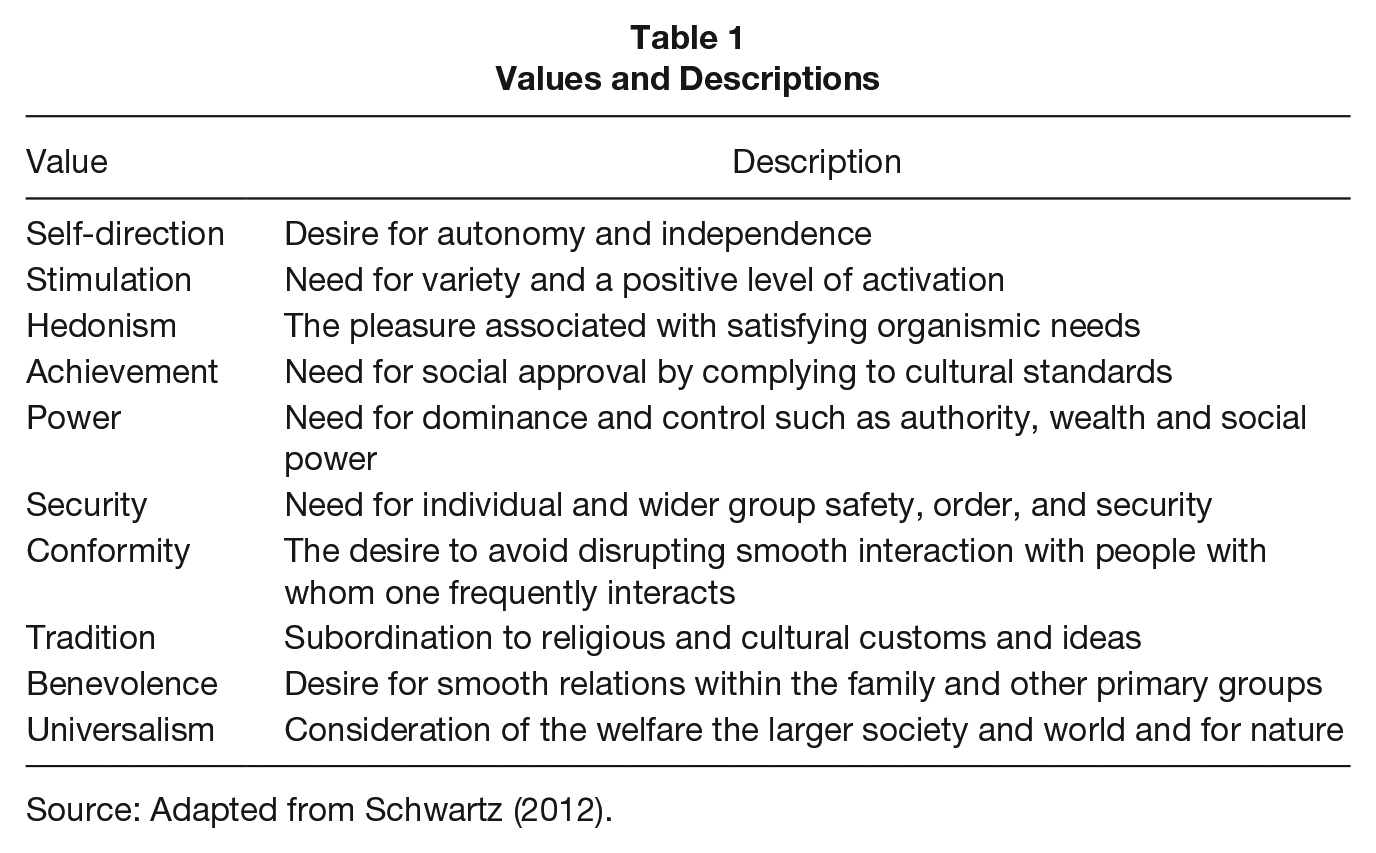
Source: Adapted from Schwartz (2012).
Methodology
Due to the exploratory nature of this research, a qualitative approach was considered appropriate, as the validity and the effectiveness of quantitative data collection and analysis in research on conflict has been questioned (e.g., Nauta & Kluwer, 2004). A structured online survey consisting of open-ended questions was issued to a sample of London guests, hosts, and locals. The first part of the study employed the CIT to identify cases of conflict and understand its impact on the value of the offering and stakeholders’ well-being. The CIT is a well-established technique which allows respondents to describe actual experiences in their own words and can provide valuable insights regarding individual behaviors (K. L. Reynolds & Harris, 2005). Moreover, critical incidents are easy to remember and can provide accurate information on real events (Grove & Fisk, 1997). Respondents were asked to report and describe a negative firsthand experience with SE accommodation. They were then asked whether conflict was created, and the consequences of the conflict. More specifically, the survey asked respondents to describe if conflict was created between them and another individual/group of individuals, the parties involved, the impact of this conflict, whether attempts were made to manage or resolve the conflict and whether they thought that these efforts have been effective.
The second phase of the research used a laddering approach to elicit the causes of conflict in the interactions between guests, hosts, and locals. For each of the reported incidents, respondents were asked laddering questions to investigate the attributes that led to conflict and link them to specific consequences and personal values that make these attributes important. A “hard” laddering approach was employed to collect this information, that is, data were collected using a structured survey. The method was preferred to the “soft” laddering (which utilizes in-depth interviews), as hard laddering minimizes interviewer bias and social pressure on the respondents, especially around sensitive topics such as conflict (Grunert & Grunert, 1995). Additionally, hard laddering can be used to collect data from a larger number of respondents, as its more cost- and time-efficient compared with soft laddering (Henneberg et al., 2009; Russell et al., 2004). Therefore, hard laddering has been used in several tourism studies (e.g., Kim et al., 2016; López-Mosquera Sánchez, 2011).
The laddering technique was initiated by asking respondents what they considered to be the reasons behind the reported conflict. Respondents were asked to describe the most important reasons in detail, using a number of free text boxes to type in their responses (one reason in each box). These reasons formed the basis of the subsequent laddering questions. On the next page, respondents were reminded of each reason they have mentioned in the first page one by one, followed by a text box with the question “Could you explain why exactly this is important to you?” Once the question on the text box was complete, a second text box became available, asking respondents to specify why what they indicated in the first text box was important to them. Additional boxes became available once the question in the previous box was answered, repeating the “why exactly is this important to you?” question, until the respondents were satisfied with their answer. This enables respondents to move down the ladder of abstraction, providing more in-depth understanding of the causes of conflict (Grunert & Grunert, 1995). After having completed the laddering process for the first stated reason, respondents were then prompted to fill in text boxes for the subsequent reasons of conflict they have identified in a similar manner. Based on existing studies, we developed and extensively pretested a detailed laddering explanation for our study with a subset of our target respondent groups, who had the opportunity to provide detailed comments on the length, comprehensiveness and appropriateness of the online survey prior to its launch. Necessary adjustments were made prior to the final data collection, including; the addition of a working definition of conflict, as defined by Mele (2011) in our literature review, to avoid confusion and misinterpretation, a description of what this could mean in the SE accommodation context and an explanation regarding the repeated nature of the “why is this important to you” question to understand better the causes of conflict. The survey closed by collecting information pertaining respondents’ personal details and level of experience with SE accommodation.
The survey was uploaded to an online platform and links were distributed through large electronic U.K.-based forums and social media pages, focusing on SE accommodation and local communities in London. Respondents with first-hand negative experiences with SE accommodation in London were invited to participate in a short survey. After clicking on the link, participants were first asked to provide a detailed description on their negative experience and then they were provided with a definition of conflict and were asked whether the negative experience has resulted in conflict between them and another party. If the answer was positive, they were presented with a description of the survey and the various conflict-related questions.
Over a period of 4 months, 178 surveys were collected from U.K. respondents, of which 123 provided useable data (48 guests, 31 hosts, 44 locals). All respondents had experience with SE accommodation in London and reported issues and conflict as part of this experience.
Thematic analysis and coding was performed in line with the relevant SE, conflict and personal values literature summarized in the literature review. The NVivo 11 software was used to assist data analysis, identify themes and links between themes and to create the relevant ladders, which were used to create the HVMs. An important issue to consider when developing a HVM is the “cutoff” level, since to support readability and usefulness, the HVMs can only display a limited number of key themes and links. When deciding the appropriate cut-off level for a study, Reynolds and Gutman (1988) suggest that at least two third of the relations among elements should be presented. Gengler and Reynolds (1995) and Guenzi and Troilo (2006) agree that the HVMs should represent at least 70% of the relationships between the elements and also that every concept must be mentioned by at least 5% of the respondents. Leppard et al. (2004) argue that different cutoff values should be used throughout an HVM, since the number of times that a theme emerges might vary depending on the level of abstraction it represents (attribute, consequence, or value), but also the number of respondents within a group. Consequently, they propose a “top-down” approach, whereby the cutoff point is based on the number of times the most important links at each level of the HVM are mentioned. This is an iterative process during which successively smaller cutoff values are chosen, generating a sequence of increasingly more complex HVMs until a balance between the amount of information retained, and the readability of the resulting HVMs is reached. This “top-down” approach allows the identification of the most important links between elements in relation to the number of links between two levels of abstraction. Additionally, this method allows more comparable results between groups, as the final cutoff levels employed are of the same level of relative importance, irrespective of the sample sizes (Leppard et al., 2004).
Given the variety of respondent groups, and the different number of respondents in each stakeholder group, instead of deciding on the importance of the links between attributes, consequences and values based on an arbitrary number of respondents that made the same link, the top-down approach was adopted to determine the cutoff level for our HVMs. The resulting HVMs present the three to five most important themes and associated links, as identified in our analysis of each group’s information, offering a balance between practical as well as meaningful results. Furthermore, the HVMs created also align with notion that every element must be mentioned by at least 5% of the respondents (Gengler & Reynolds, 1995; Guenzi & Troilo, 2006).
Findings and Discussion
Since the SCS approach was adopted to examine stakeholder relationships, data were analyzed in two stages, in order to explore (1) the causes and (2) the consequences of stakeholder conflict. As the analysis of the qualitative data and the classification procedure is largely subjective, two researchers familiar with the classification scheme coded the incidents independently. Incidents were read and sorted until similar incidents were assigned to distinct, meaningful categories, and links between themes were clearly drawn. Sorting continued until satisfactory intragroup homogeneity and intergroup heterogeneity were reached, that is, each judge considered that incidents in one category were more similar to each other than incidents in another category. Disagreements between the judges were discussed and resolved mutually.
Interjudge reliability, that is, the degree to which both judges agree with the categorization of causes and consequences, was calculated using Cohen’s Kappa (Cohen, 1968), Cohen’s Kappa is a reliability statistic that corrects for the likelihood of agreement between judges occurring by chance. The Kappa value of our research is high (κ = 0.805) indicating a satisfactory level of interjudge reliability.
In terms of sociodemographic characteristics, our sample is diverse enough to capture the opinions and views of a wide range of people (Table 2). Respondents ranged in age and gender, with the majority of respondents (approximately 75%) being between 25 and 45 years old, while males make up 51.2% of the sample. The majority of respondents (approximately 55%) were university educated.
Sociodemographic Characteristics of the Sample
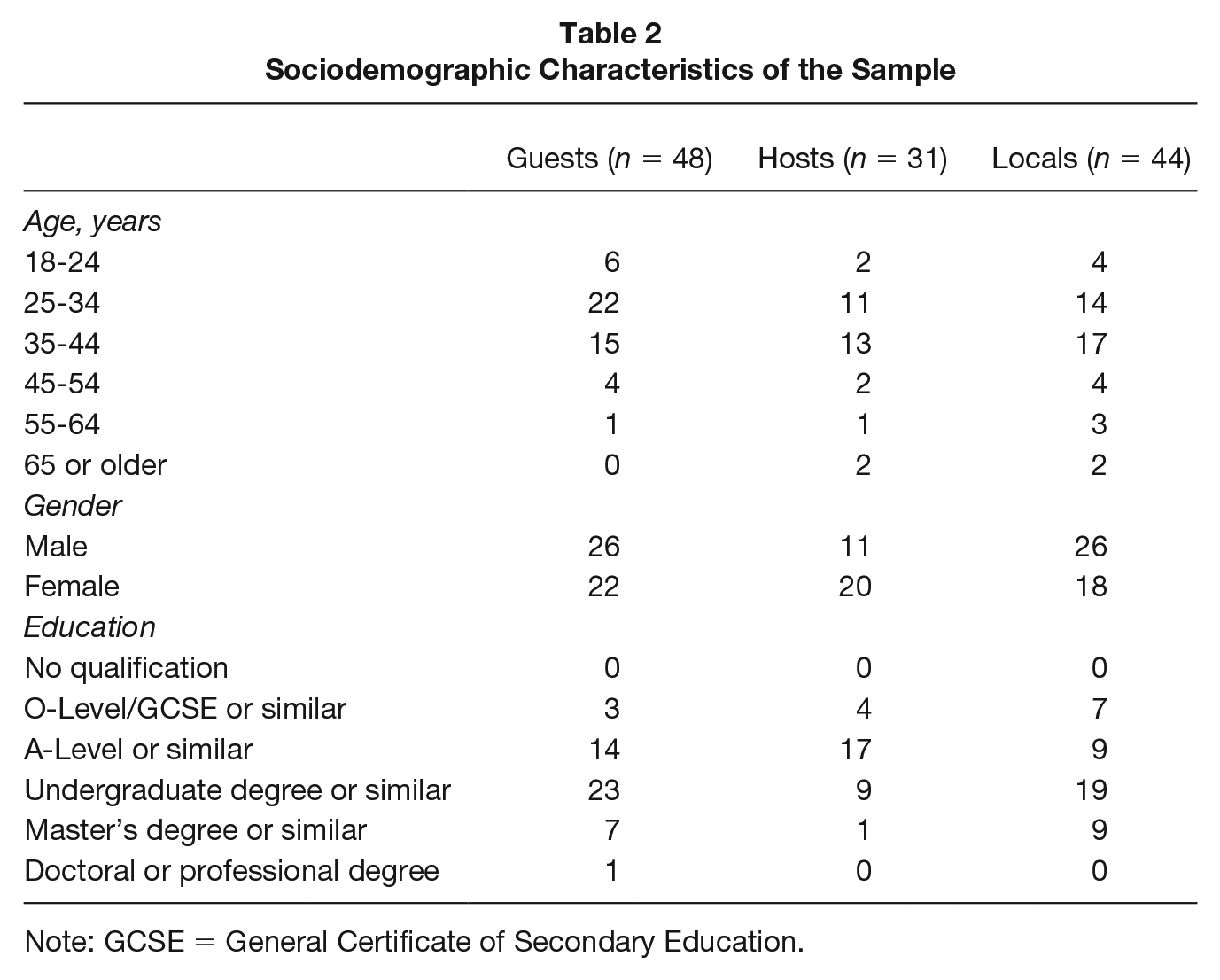
Note: GCSE = General Certificate of Secondary Education.
Causes of Conflict
The analysis of the laddering data and the development of HVMs allowed the identification of the SE accommodation-related attributes, associated consequences and underlying personal values that can cause conflict in the relationships between guests, hosts, and locals. The final HVMs are provided in the appendix, presenting the key themes and associations for each level of abstraction, as well as the number of participants that discussed and made the connection between the different themes. In line with Moore’s circle of conflict, our HVMs indicate that conflict between stakeholders can be created due to issues relating to interests, structural matters, information, relationships, and values. Nevertheless, in line with studies emphasizing the impact of loss of resources on the relationships between stakeholders, our findings indicate that for conflict to occur these issues need to result in some kind of (perceived or actual) loss of resources (Q. Liu et al., 2017; Park et al., 2012; Tao & Wall, 2009). The use of the laddering technique enabled the association of Moore’s (2014) causes of conflict with the loss of specific resources, which were categorized in line with existing literature (Hobfoll, 2001, 2002; Hong, 2009; Smith, 2013). A summary of the findings is provided in Table 3 and discussed in the following sections.
Causes of Conflict and Loss of Resources
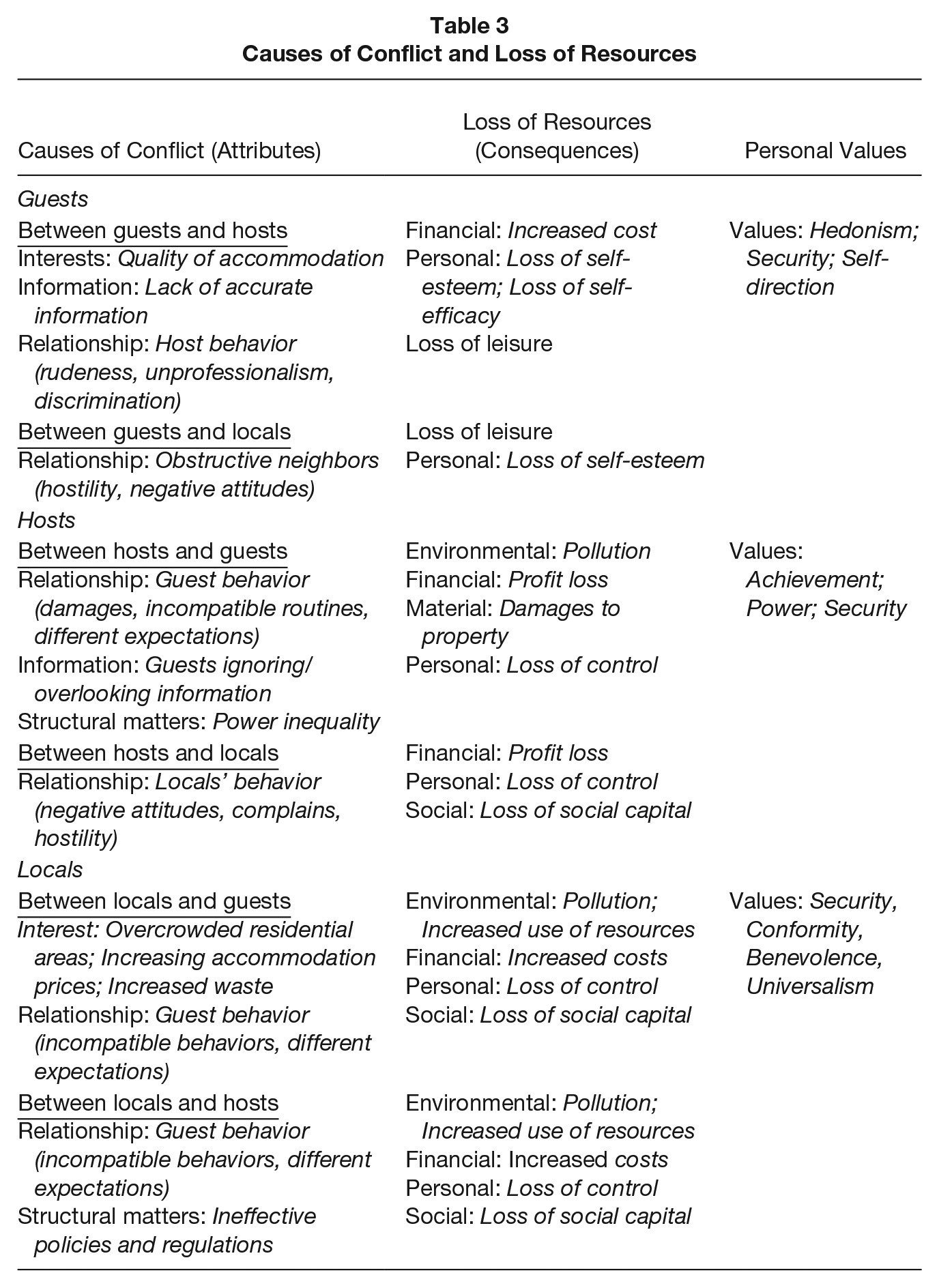
Values Conflict
In agreeance with existing literature (e.g., Lovelock, 2002; Moore, 2014; Schwartz & Sagie, 2000), our MEC analysis suggests that personal values play an important role in the emergence of conflict between stakeholders. Nevertheless, although Moore (2014) categorizes values conflict as a separate type of conflict, our laddering analysis indicates that conflicting values can trigger different types of conflict (e.g., interests or relationship conflict). This is due to values representing desirable and transsituational goals that influence people’s overall behaviors and relationships (Schwartz & Sagie, 2000). Guests mainly report conflict emerging due to the strong impact of underlying values associated with Hedonism and self-direction, which Schwartz (1992) describes as “openness to change” values related to independence of thought, action, and feelings. This contrasts with the locals, who strongly emphasize values of self-transcendence (i.e., benevolence and universalism) and conservation (conformity), which according to Schwartz’s framework can contrast values relating to “openness to change.”
We [locals] are family people. We live here all our life and are very close to each other [ . . . ] We take care of each other. Tourists don’t believe in that. They want to enjoy themselves and then they leave [ . . . ] They [tourists] are not bothered about the people or the place. (Lee, Local)
According to Almeida et al. (2017), as these two stakeholder groups have the most antagonistic values systems, mutually beneficial interactions are difficult to achieve, with conflict emerging more frequently and being more difficult to settle. On the other hand, conflict between hosts, and the other two stakeholder groups can be caused by an emphasis on loss of material resources (e.g., damages) and/or financial resources (e.g., profit loss) which is mainly motivated by values associated with “self-enhancement,” such as achievement and power. Interestingly, the value of security was identified in data from all three stakeholder groups as a motivation of conflict, mainly due to personal health and wellbeing reasons. Although the importance of security-related concerns for tourists participating in SE accommodation has been previously researched (e.g., Y. Liu et al., 2016; Tussyadiah & Pesonen, 2016), our findings highlight that the unique and personal nature of the SE accommodation service may also result in conflict due to the value of security for hosts and locals as well, due to the sharing of resources and the introduction of tourists into residential areas.
Interest conflict. In many cases, conflict can emerge between guests, hosts, and locals, despite sharing common values (e.g., Security), due to mutually exclusive and antagonistic interests. For instance, conflict can be caused by the locals’ interest in avoiding increasing accommodation prices and loss of community spirit, which collides with the short-term profit maximization interests of the hosts. Corroborating the existing argument that the main motivation of SE participation are monetary rewards (Tussyadiah & Pesonen, 2016), guests, hosts, and locals report that conflict is often caused by issues leading to loss of financial resources, such as profit loss or increasing costs. Furthermore, strengthening the links of conflict and the sustainability of the tourism sector, several cases of conflict are caused when the economic and material interests of the hosts are conflicting with the environmental and social interests of the locals.
We never had issues with others’ having guests. But they [neighbors] complained several times about us advertising our flat on Airbnb. They say there are now too many strangers walking in and out, too much rubbish on the street [ . . . ] This is how I make money to support my family. (Megan, Host)
Similarly, profit maximization interests of the hosts can lead to conflict between them and their guests, due to tourists’ interest in safety and accommodation quality. As SE accommodation still lacks in quality-related attributes (Guttentag, 2015; Y. Liu et al., 2016; Tussyadiah & Pesonen, 2016), the majority of conflict-related incidents reported by guests are related to the quality of the accommodation and the service provided, which lead to the loss of resources such as leisure.
We recently stayed in someone’s spare room that was uninhabitable. The floor was dirty, bathroom dirty and there was no furniture. Only a double bed. The host said that to keep the rates low, he couldn’t afford a professional cleaner or new furniture. (Laura, Guest)
The prominence of cases of interest conflict in our analysis indicates that, despite the growing popularity of SE accommodation, the unstandardized nature of the service can create issues in stakeholder collaboration. As one of the most common causes of conflict reported, this emphasizes the importance of regulations and strategies to help avoid or manage conflict caused by antagonistic interests.
Relationship conflict. In addition to conflicting values and interests, conflict also emerges due to different personalities, mistrust and incompatible routines and behaviors. This mainly refers to inappropriate guest behaviors during their stay, lack of professionalism of the hosts, and locals’ attitudes against tourists in residential areas.
One of the worst situations we experience is when groups of friends rented multiple flats in the same building for a stag party around Christmas time. You can imagine yourself what happened, drunken people moving from one flat to the others, loud music, bottles everywhere. There was obviously conflict with the people from the party [ . . . ] Tried to call the Police, but in London on a Saturday night, they have (or they say they have) better things to do. (Matthew, Local)
This relationship conflict can directly influence the tourist experience and the sustainability of the tourism sector (Okazaki, 2008). Our analysis indicates that this can lead to a loss of personal (e.g., self-efficacy, control), social (e.g., social capital), financial (e.g., profit loss, increasing costs), and environmental (e.g., pollution, increased waste) resources.
Structural matters conflict. Respondents also highlighted the creation of conflict when existing structures are unable to support and govern the complex dynamics created by the rise of SE accommodation in nontouristic areas. Locals mainly referred to a lack of effective structures and regulations to control the SE phenomenon and feeling “left out” when key decisions are taken. Structural matters conflict also relates to the inability of current structures to deal with the increased amount of waste, increased use of resources, rising accommodation prices, and overcrowded residential areas due to increasing numbers of short-term rentals. This can lead to loss of financial, environmental, and social resources and create negative feelings in the local community.
We have Airbnb clients either side of our block of flats. Since this began rubbish has been dumped on the street every day [ . . . ] Council contractors collect waste on Tuesdays and waste and recycling on Fridays in appropriate bags but frequently leave this dire mess which is beyond their brief. So we have no other choice than to raise this with the hosts and the visitors themselves. (Jacob, Local)
Divergently, hosts report structural issues relating to power inequalities and lack of transparency in the current SE accommodation regulations that can lead to loss of financial and personal resources.
We have confronted guests when they are careless with our apartment [ . . . ] The terms always favor the guests. If they cause any damage in the house, the Resolution Center will refund only a fraction of it and we have to wait for weeks. (Robert, Host)
According to existing research, power inequalities, lack of transparency, and the exclusion of key stakeholders from planning and decision making, provides cause and empowers these stakeholders to escalate issues in a way that can lead to conflict (e.g., Lovelock, 2002).
Information conflict. Finally, in accordance with studies emphasizing the importance of information in the SE (e.g., Ert et al., 2016), problems with lack of accurate information (access and share) were mentioned in the described incidents. This information asymmetry is mainly attributed to miscommunication and lack of accurate information being shared by hosts and/or guests, which can lead to loss of financial and personal resources, such as profit, self-efficacy, and leisure.
It [the room] was advertised as cozy in a quiet neighborhood. We mentioned to the host that the pictures [on the Airbnb website] show two beds, a table and chairs, none of which were in the room. He said he would bring us a table and some chairs [ . . . ] That never happened. (Heather, Guest)
This highlights that sharing of reliable information plays an important role in developing a sustainable SE accommodation sector, as it improves trust and supports collaboration (Ert et al., 2016).
It is worth mentioning that, although Moore (2014) has named this type of conflict as “data conflict” (which includes conflict caused by misinformation, but also causes relating to data access, processing and trustworthiness), in this study, it was considered meaningful to identify this type of conflict as “information conflict.” The reason for this differentiation is twofold. First, we would like to acknowledge that the main cause of conflict relates to misinformation/lack of accurate information and not to other data-related concerns (e.g., access, inability to process, or overwhelming amount of data). Second, we would like to differentiate between the concepts of “data,” as a term used to describe unprocessed but also objective facts or observations, compared with “information,” which is processed and more meaningful for humans, but also more subjective and open to interpretation (Chaffey & Wood, 2005). Although the two terms might be used interchangeably, in the case of SE accommodation, where guests and hosts are able to provide through the online platforms their own personal (and subjective) information, this differentiation in the causes of conflict is of key importance in the identification of the appropriate conflict management strategies.
Consequences of Conflict
In line with SCS analysis, after identifying the causes of conflict, the second analysis step involved a thematic analysis of the CIT data to explore the consequences of conflict between the different stakeholders. Since our research was based on information collected on past critical incidents, respondents had the opportunity to reflect on, and evaluate the overall impact of conflict on the reported experience. Notably, most participants acknowledge the potential value (economic, experience, ecological, and social) that SE accommodation can create for guests, hosts, and locals. Similarly to previous research (e.g., Apostolidis & Haeussler, 2018; Guttentag, 2015), our participants discussed how SE accommodation offers several benefits to the stakeholders involved, such as more democratic distribution of economic benefits, more authentic tourist experiences, exchange of knowledge and cultures, and reduction of environmental footprints.
I can totally see the point of peer-to-peer renting. It provides people with limited resources a decent income and limits the impact on the environment [ . . . ] It’s when people take advantage of a system that issues arise. (Lee, Local)
Yet, supporting earlier studies (e.g., Camilleri & Neuhofer, 2017; Echeverri & Skålén; 2011), our findings confirm that conflict can limit the aforementioned benefits of SE accommodation, increase the associated costs and eventually reduce the cocreated value. According to our participants, multiple types of value can be reduced due to conflict. In addition to the negative influence of conflict on the tourist experience (experiential and recreational value) reported by existing literature (e.g., Rihova et al., 2015), the impact on the economic and emotional value generated was discussed.
Having to deal with stress and anger during my holidays doesn’t worth the money I saved [ . . . ] Instead of enjoying my time in London, I ended up looking for hotel rooms that cost me a fortune. (Richard, Guest)
Furthermore, respondents stressed the impact that conflict can have on sustainability due to the diminishment of social and environmental value, which can have a detrimental impact on social capital, the relationships within the community, and increase the environmental impact of tourism.
I’m not saying that Airbnb is bad per se. However it can be a challenge when the two sides cannot work together [ . . . ] This ongoing problem with the rubbish now constitutes a health hazard attracting rats and foxes and reflects badly on the whole community. (Garry, Local)
In addition to the links to value codestruction, our results indicate that loss of resources is not only a cause of conflict, but resources can also be lost as a consequence of conflict between stakeholders. As discussed earlier, value cocreation is a resource integration process, requiring collaboration and resource inputs from all parties involved. Therefore, the loss of resources during the interactions between stakeholders, due to one of the causes described earlier, could lead to conflict and (if left unresolved) diminishment of the value created and the well-being of the parties. However, conflict may also lead to a secondary loss of resources experienced. When conflict occurs (due to the primary loss of resources), stakeholders take actions as an attempt to restore lost resources (personal or financial) or avoid value codestruction, which may in turn result in a secondary loss of resources for one or more of the parties involved.
Our findings suggest that by attempting to involve guests, hosts and locals in the value creation process, the SE accommodation sector increases the chances of loss of resources, due to incompatible values and interests as well as issues relating to information, structural matters, and the relationships between the stakeholders. This can lead to conflict between stakeholders, in an attempt to restore lost resources or create the expected value. These attempts often require further resource investment and can lead to a secondary loss of personal and/or financial resources, including leisure and hope (guests), time and money (hosts), and self-esteem and control (locals). This evidences that conflict can create a spiral of resource-losses (Hobfoll, 1989), as the primary loss of resources causes conflict, and conflict causes a secondary loss of resources, which can result in further diminishment of the value. A lack of mechanisms to resolve or manage conflict, or ineffective interventions aiming to recover the lost resources, could account for this situation.
The situation with the rubbish is ridiculous [ . . . ] Several times we tried to talk to and reason with the owners [hosts], but it’s a waste of time. We feel helpless as there is no one to turn to when there are problems. Laws and legislations are not enough and hosts are not willing to take action to protect the local community. (Steve, Local)
Although earlier studies argue that value codestruction in the SE accommodation sector is not always intentional and can happen accidentally (Camilleri & Neuhofer, 2017), our analyzed critical incident narratives suggest that value codestruction mainly happens when the resources lost are not recovered on a satisfactory level. However, participants acknowledge that relationships between stakeholders can be improved and strengthened through conflict, leading to a recovery of the value initially diminished (Camilleri & Neuhofer, 2017; Echeverri & Skålén, 2011). According to Ok et al. (2005) effective recovery efforts do not only recover immediate satisfaction but can also build long-term relationships between stakeholders.
Our analysis indicates that value corecovery occurs when the attempts to manage the conflict are effective in recovering the primary loss of resources, while limiting the secondary loss of resources. The most common case of value corecovery reported is when the host has managed the conflict professionally and improved the quality of the accommodation and the experience of the guests: In many cases problems can be resolved by standing up to people. If you are entitled to something then the host will most likely provide it. [ . . . ] They wouldn’t risk the bad review. (David, Guest)
In addition to value corecovery, in certain cases conflict led not only to the recovery of the lost resources but also to the creation of additional value for the stakeholders. Supporting the concept of conflictual value cocreation (Laamanen & Skålén, 2015), respondents have suggested that by not avoiding conflict, the issue has been resolved and additional compensation has been offered for the (primary and secondary) loss of resources. Therefore, the consequence of conflictual value cocreation can be considered a combination of initial value codestruction, value corecovery, and additional value cocreation.
They [hosts] are not bad people, but sometimes misunderstandings happen. In our case not only they were quick at replacing the broken furniture, but they also offered to take the whole family out for a dinner for the inconvenience. [ . . . ] We couldn’t have asked for better treatment. (Georgia, Guest)
The above discussion highlights the importance of effective conflict management and stresses the importance of minimization of secondary loss of resources, as it can limit the potential of value corecovery and cocreation. This underscores the contribution of this research in terms of exploring the causes and consequences of conflict to support the development of more effective strategies. Figure 1 presents a model developed based on our findings.
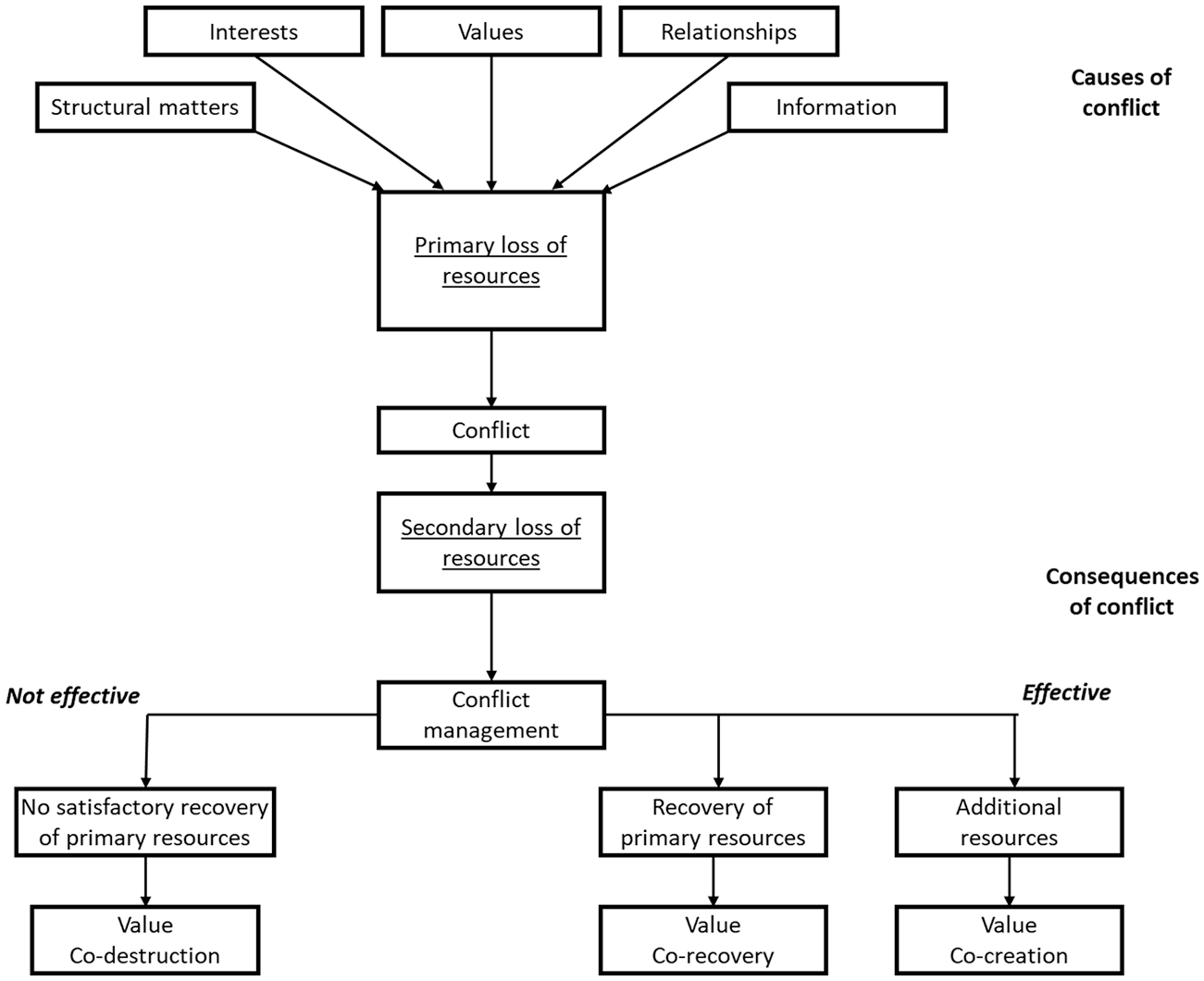
Causes and Consequences of Conflict in SE Accommodation
In terms of effective conflict management approaches, respondents reported that although SE accommodation platforms try to facilitate fast and easy booking by reducing the steps involved in the process, more attention should be given to ensuring that accurate information is provided, and communication between stakeholders is encouraged. Good communication and clear information are perceived by our participants as means to ensure that all stakeholders understand their rights and responsibilities and appreciate the consequences of uncooperative behavior for all parties involved. According to Moore (2014) developing effective communication strategies is an efficient way to respond to many causes of conflict, including information and relationship conflict. This may include opportunities to establish ground rules for the interactions, clarify assumptions and unclear information and clearly express the interests of the various parties. Therefore, more effective channels of communication, allowing participation to all relevant stakeholders, emerged from the analysis as a way to avoid loss of resources and conflict. This includes communication channels offered by the SE accommodation platforms, but also online forums and social media, as respondents highlighted that available information and communication technology can be used more strategically to enable communication between stakeholders. In addition to conflict avoidance, the issue of communication also appears in connection with conflict management and resolution. For example, effective communication channels would enable hosts to intervene so that conflict between locals and guests is resolved, and loss of resources is limited.
The main issue was the noise at inconvenient hours. This created problems for the family next door [ . . . ] They were able to contact us directly through the community forum on social media [ . . . ] we immediately raised the issue with the family and things got a lot better after that. (Martha, Host)
Additionally, the majority of our respondents focus on fair and consistent policies and regulations, to control the SE accommodation sector and offer compensation for or replacement of lost resources. Although respondents acknowledge that effective policies and regulations are difficult to develop and implement, as causes of conflict cannot always be foreseen, most participants agreed on the necessity of policies and regulations to avoid or manage conflict and avoid value codestruction. Despite the existence of organization policies and government laws that try to limit loss of resources during the interactions between stakeholders, respondents suggested that existing measures are often insufficient and ineffectively implemented.
I think there is a need for regulations in areas where there are identifiable housing or community issues, but any interventions should be at the local level, as generic government policies won’t work. London already has local measures in place, however I question how effective they are. Not all [SE] companies enforce the 90-day limit and some hosts find ways to get past the block. Of course this doesn’t go down too well with the locals and other hosts. (James, Host)
The more skeptical among our participants suggested that a rapid and effective response from policy makers and businesses is needed to address the issues associated with loss of resources and conflict or a shift back to preferences for “traditional,” top-down business models is likely. Respondents relate this issue to the lack of participation, transparency, and accountability in SE accommodation policies and regulations. Participants emphasized the importance of following a “democratic” process when setting up these policies and regulations. In this context, consideration toward the varying interests and values of the different stakeholders is vital to develop policies and regulations that are fair, transparent, and reasonable for all stakeholders. This can also help avoid structural matters conflict caused by feelings of inequality among stakeholders in the SE accommodation sector. Regulations that could help avoid and manage conflict discussed by the participants include more thorough monitoring and control over the SE accommodation by governments and organizations (such as capped number of short term rentals in an area or by the same hosts), and sanctions (e.g., penalties or fines) in the cases where the loss of resources is an outcome of intentional behavior (e.g., bypassing regulations, damaging properties, or repeated obstructive behavior).
Conclusions and Contribution
Strengthening the relationships between stakeholders involved in the SE can improve resource integration, increase the value of tourism and support sustainable tourism development (Smith, 2013; Yang et al., 2013). This can contribute to the achievement of the United Nations’ SDGs by 2030, such as the reduction of inequality and poverty and the support of sustainable consumption and production of services. According to Shams (2016), examining the cause and consequence of stakeholder relationships and interactions, as a SCS, can assist relationship management and support stakeholder collaboration and value cocreation. In this study, we argue that the application of the SCS approach extends beyond interactions resulting in mutually beneficial outcomes and can be applied to understand better conflictual interactions that can result in diminishment of the cocreated value.
Despite the importance of stakeholder relationships in the SE, to the best of our knowledge there is currently no research exploring the links between conflict and value codestruction in the context of SE. Our research combined two qualitative methods, MEC and CIT, to identify the various causes and consequences of conflict between three distinct groups of stakeholders with direct impact on the value of the offering; guests, hosts, and locals. Our MEC analysis indicates that, in line with Moore (2014), conflict can be triggered by the different causes of conflict identified in the circle of conflict. According to our findings, structural matters, lack of accurate information, incompatible behaviors or interests, but also differences in personal values can lead to conflict between stakeholders. Our findings however highlight that for conflict to occur these causes need to result in some loss of resources, including financial, material, social, personal, and/or environmental resources. Furthermore, although Moore (2014) identifies incompatible values as a distinct cause of conflict, our research suggests that conflicting values can trigger different types of conflict (e.g., interests or relationship conflict), as values are goal-oriented, and they may influence people’s overall behaviors and relationships. This conflict can influence the value of SE accommodation, as our CIT data analysis indicates that the value is not only cocreated during interactions but can also be codestroyed when conflict occurs. Our research originates that the conflict between stakeholders can lead to the codestruction of economic, emotional, functional, and recreational value, but also value related to the environmental and social sustainability of the sector.
However, conflict is not always negative; in some cases, conflict can result in value corecovery and value cocreation, due to effective conflict resolution and recovery of lost resources. Our findings suggest that the development of effective conflict management strategies is essential, as improper management of the conflict can lead to a secondary loss of resources and further diminishment of value. By exploring the causes and consequences of conflict in the SE accommodation context, this research contributes to the development of appropriate policies and strategies that will enable effective conflict resolution and limit value codestruction. The main strategies discussed by our participants in terms of resolving conflict and avoiding value codestruction are the improvement of communication and information sharing between the various stakeholders and the implementation of clear and consistent policies and regulations to strengthen collaboration and support resource integration.
Moreover, managing conflict is a crucial task in tourism, as conflict between stakeholders may also negatively impact the triple bottom line of sector sustainability. With policy makers, businesses, and the public looking into ways to make the most out of the SE, while limiting its negative impact, this research provides useful insights on the factors that lead to conflict and value codestruction and the ways to encourage mutually beneficial relationships. Future studies can adopt or adapt the approach and framework developed in the current study and the information provided to explore the impact of conflict in other sectors within the SE.
As with any research, this study has limitations and results should be interpreted with caution, due to the restricted generalizability, as our findings are based on the perceptions of a sample size of 123 respondents from one city. Further data collection and quantitative analysis will extend findings and allow propositions for larger populations as causes and consequences of conflict may vary between nations and cultures. Furthermore, future studies could test the effectiveness of different conflict management approaches to avoid value codestruction and enable value corecovery in SE accommodation.
