




Abstract
This study aimed to evaluate the effect of red beet cooking (Beta vulgaris L.) water on the quality properties of yoghurts prepared with different levels (2, 4, 8, and 10%
This is a visual representation of the abstract.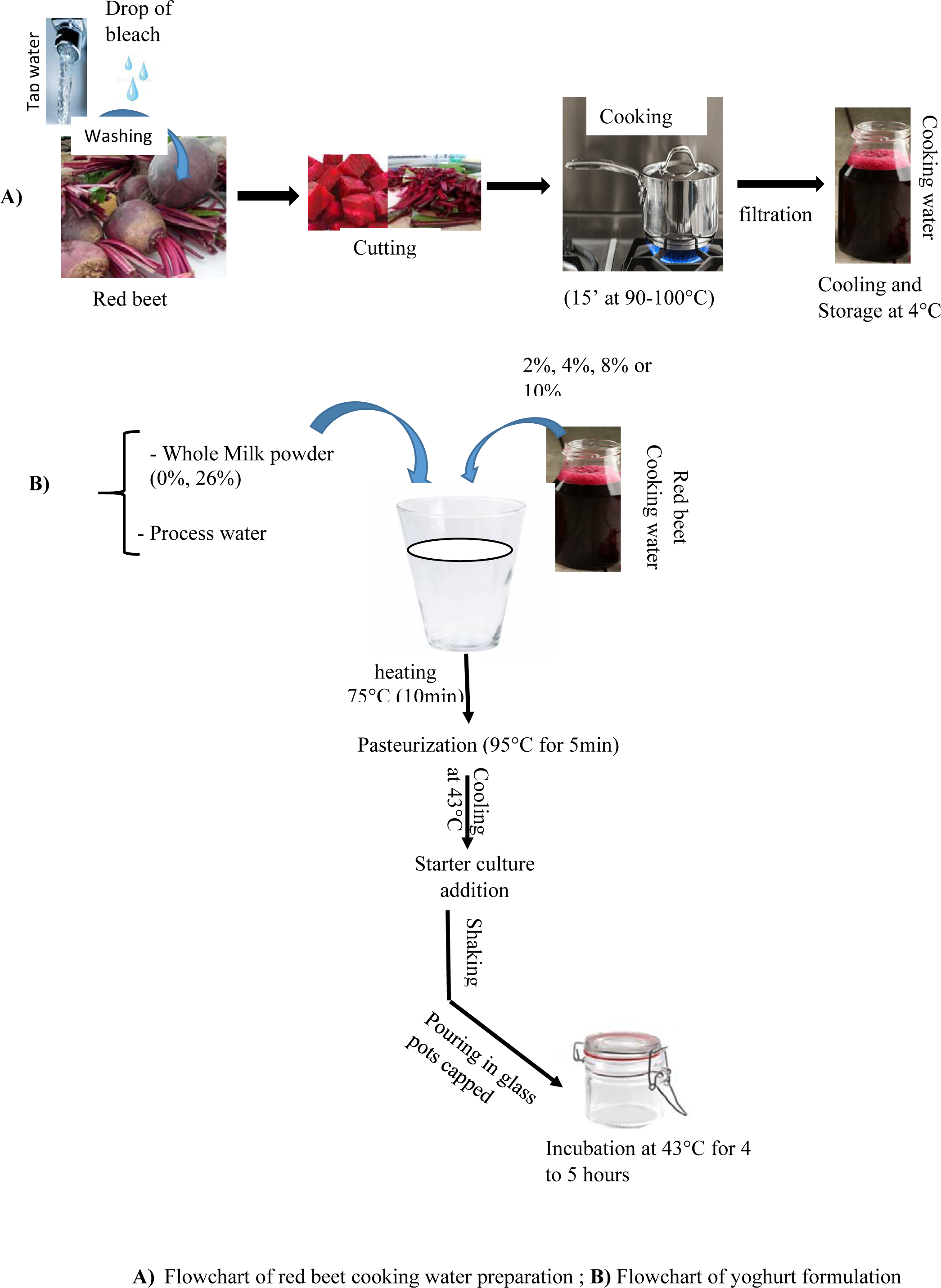
INTRODUCTION
Yoghurt is fermented milk produced by Streptococcus thermophilus and Lactobacillus delbrueckii spp. bulgaricus (Chandan et al., 2017). It's a better source of protein, vitamins and minerals such as calcium, phosphorus, potassium, and zinc than other dairy products (Gahruie et al., 2015). Its intake has been associated with a healthier metabolic profile and a reduced risk of weight gain, obesity, cardiovascular disease, and diabetes mellitus (Yanni et al., 2020).
Colour is one of the crucial external qualities of foods that determines their acceptance by consumers. Consequently, the food industry adds colourants to manufactured products to intensify this feature (Martins et al., 2016). Increasing attention focused on the toxicity of these additives used in food, particularly azo-dyes. The main concern often limiting the use of synthetic colourants concerns their azo-reduction to carcinogenic metabolites by intestinal microbiota (Feng et al., 2012). Currently, synthetic colourants widely used in the food industry are progressively substituted by those from natural sources such as fruits and vegetables. (Caro et al., 2012).
Red beet is grown in many parts of the world, from the Americas to Europe and Asia (Desseva et al., 2020). It is especially rich in bioactive compounds and sugars but has a moderate caloric value (Baiao et al., 2017). It is one of the most potent vegetables concerning antioxidant activity, mainly due to betalains’ presence (Moghaddas Kia et al., 2020). Moreover, the beet extract is approved as a food colourant called red beetroot betalain or betanine (E162). Generally, Red beetroot pigment is obtained from sliced beetroots by pressing or centrifuging blanched ground beets or through an aqueous extraction of shredded beetroots (Directive 95/45/EC). The betanine extract is then concentrated to 60–65% total solids or dehydrated and sold as a powder (Henry, 2012). Furthermore, the high price of natural colourants limits their use by food industries. In this work, the possible use and valorization of water resulting from red beet cooking in the yoghurt preparation both as a bio-colourant and a sucrose substitute represents a great challenge. For this purpose, this work aims to investigate the effect of the addition of different concentrations of red beet cooking water on yoghurt and further evaluate the physico-chemical characteristics, texture, antioxidant activity, microbiological quality of the different formulations as well as yoghurt quality during 28 days of refrigerated storage.
MATERIALS AND METHODS
Materials
Dry whole milk powders (0% and 26% fat) used in this study were supplied by a Djurdjura Danone dairy industry located in the Akbou region of Bejaia province. Freeze-dried starter yoghurt culture (Chris-Hansen SA, USA) consists of Streptococcus thermophilus and Lactobacillus delbrueckii subsp. bulgaricus. Red beet (Beta vulgaris L.) was purchased from the local market of the Bouira province. All microbial media cultures used were obtained from the Pasteur Institute, Algeria.
Preparation of red beet cooking water
First, the beet with its leaves and stems was washed thoroughly with water containing a few drops of bleach to remove dust and contaminants. The red beet washed was cut and cooked at 90 °C – 100 °C for 15 min,
Yoghurt preparation
Five recipes that included a control yoghurt sample were prepared as follows: whole milk powders reconstituted with water process were mixed with different levels (2, 4, 8 and 10%
Yoghurt recipes prepared with or without red beet cooking water for 100g.
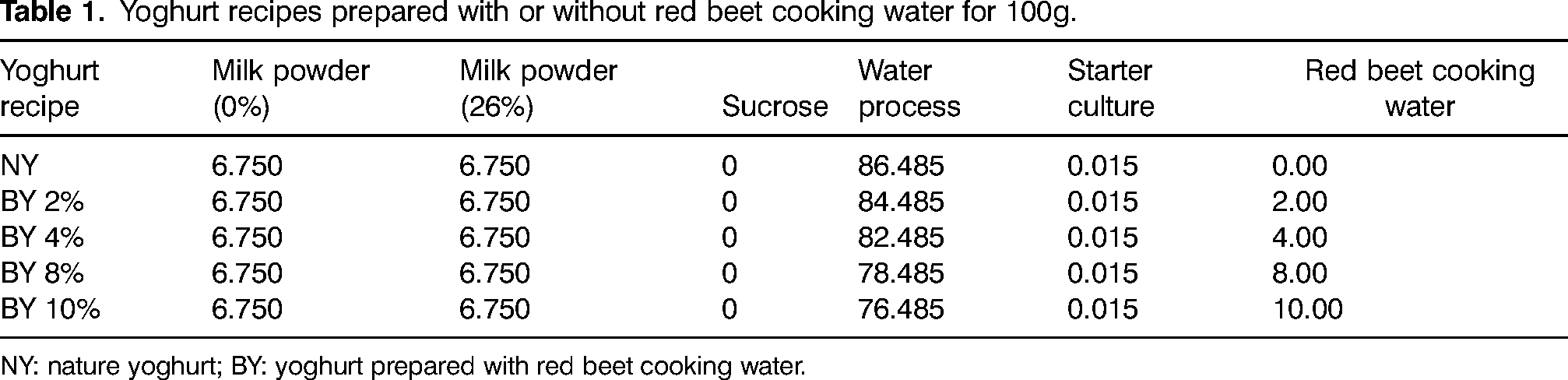
NY: nature yoghurt; BY: yoghurt prepared with red beet cooking water.
Physico-chemical characterization
The pH, titratable acidity (TA), fat, and total dry extract (TDE) measurements of yoghurt recipes formulated were made respectively, according to AOAC (2000). The TA of BYs was determined using NaOH (0.1 mol L−1) solution. The pH neutrali
Viscosity
The different yoghurt formulations’ viscosity was measured using a viscosimeter (Anton Paar MCR 301, Anton Paar Gmbh, Graz, Austria) equipped with a Peltier system. The experiments were performed by a parallel plate configuration (diameter 50 mm, gap 0.5 mm) in a controlled stress mode. The prepared samples were sheared in a shear rate range of 0.1–100 s−1 at 25 °C. Measurements were expressed in centipoises (cP).
Microbiological analysis of yoghurts
Microbiological analysis was carried out according to Goldman and Green (2009) methods. Aerobic mesophilic bacteria, coliform, streptococci, lactobacilli, yeasts and moulds were enumerated. The bacterial enumeration was done to ensure that the prepared yoghurt has a higher hygienic and commercial quality.
Consumer acceptance test
A Kramer's rank-Sum test (IS:6273-3-2, 1983) was conducted with ten untrained panelists (five Danone dairy laboratory members aged 26 to 50 and five voluntary university students from 22 to 26). The aim of this test is to study whether rank-sums (or equivalently mean ranks) for various samples differ significantly and which of the samples is significantly superior or inferior to others in preference ranking. The consumers were asked to evaluate the yoghurt samples served in randomly coded opaque pots. Product evaluation was based on the 5-points hedonic scale.
Characterization of the preferred recip
The preferred yoghurt recipe and natural sample were considered to evaluate the kinetic evolution of pH and TA
Protein content
MilkoScan™ FT120 analy
Ash content
Ash content of yoghurt samples was determined, according to AOAC (2000).
Total phenolic content
The TPC was determined using the Folin-Ciocalteu's reagent (Singleton et al., 1999).
Radical scavenging activity assay
Free RSA of samples was measured using Brand-Williams et al. (1995) method. Antioxidant activity was expressed as percentage inhibition of the DPPH radical and was determined by the following equation:
Colour measurements
The colour of yoghurt samples was measured by Minolta Chroma Meter CR10 (Cielab Korica Minolta, Japan) according to Abbasi and Azari (2009) method. The colour was expressed in lightness (L), redness (RG) ( + /− red-green), and yellowing (YB) ( + /− yellow-blue).
Texture analysis
Texture measurements were carried out as described by Fiszman et al. (1999). The penetration test was performed with a TA plus texture analy
Syneresis
The syneresis rate (%) expressed as the volume of separated whey per 100mL of yoghurt was determined after 15 days of storage at 4°C (Koksoy and Kilic, 2004).
Statistical analysis
All analysis were carried out in triplicate. Results were reported as mean values ± standard deviations. One
RESULTS AND DISCUSSION
Physicochemical characteristics of the different formulations of yoghurt
As shown in Figure 1, the addition of beet cooking water in yoghurt induced significant pH value variation (p ˂ 0.05). The pH ranged from 4.106 ± 0.042 (BY4%) to 4.250 ± 0.034 (BY2%) compared to the control one (4.456 ± 0018). Similar results were observed by Subhashini et al. (2018) for drinkable yoghurt fortified with grape pomace powder at different levels (0.5, 1.0 and 1.5%). In the same way, lower initial pH values of yoghurts fortified with encapsulated carrot waste extract (2.5 and 5 g 100 g−1) or with different concentrations (0.0, 0.1, and 0.2 g 100 mL−1) of Argel leaf extract (ALE) (Solenostemma argel Hayne) were observed in comparison to the control sample (Seregelj et al., 2021; Mohamed Ahmed et al., 2021). Zhang et al. (2019) concluded from their study on yoghurt supplemented with moringa extract that phytochemical component might be responsible for the enhanced fermentation activity of lactic acid bacteria and thus the rapid drop in pH. In our study, the red beetroot composition (high content of vitamins, antioxidants, and other biologically active compounds) could cause the recorded pH decrease.
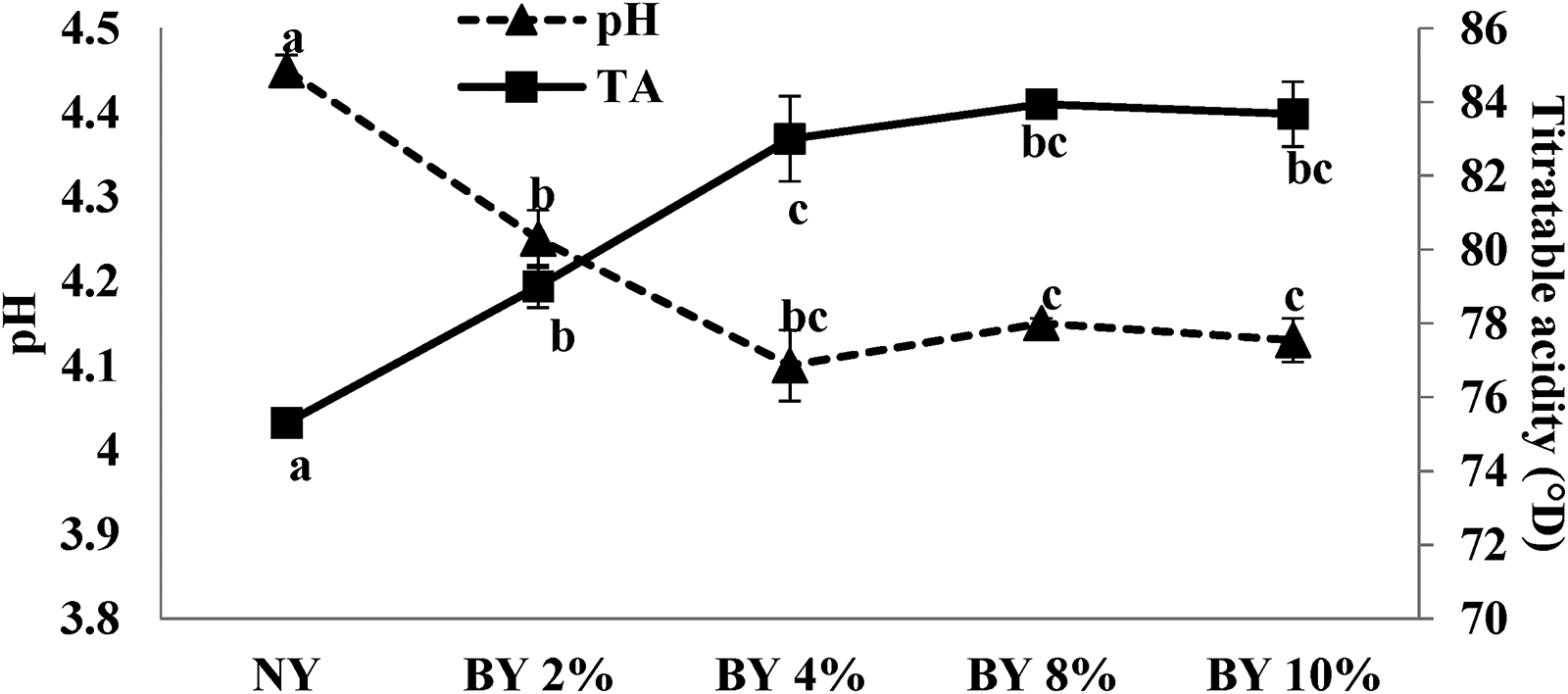
pH and titratable acidity changes. Values are Mean ± SD of three replicates. BY: yoghurts prepared with red beet water cooking, NY: natural yoghourt. a,b,c Different superscripts letters indicate statistical differences (p < 0.05).
For TA, samples formulated with beet cooking water showed a significant increase (p ˂ 0.05) compared to the NY sample (Figure 1) comforted by the findings of Cordova-Ramos et al. (2018), Brahmi et al. (2021) and Mohamed Ahmed et al. (2021). Similar results were also recorded by El-Messery et al. (2019) and Ahmad et al. (2020) investigations on yoghurts’ fortification by encapsulated and apple peel extract, respectively.
Total dry extract
According to Figure 2, the TDE content of the yoghourt increased significantly with beet cooking water compared to the value obtained for natural yoghurt. The difference is significant for the beet cooking water level ranging from 4% to 10%, while the difference is insignificant for 2%. Similarly, a recent study by Benmeziane et al. (2020) indicated that the inclusion of lentil flour in the yoghurts significantly increased the dry extract compared to the control yoghurt.
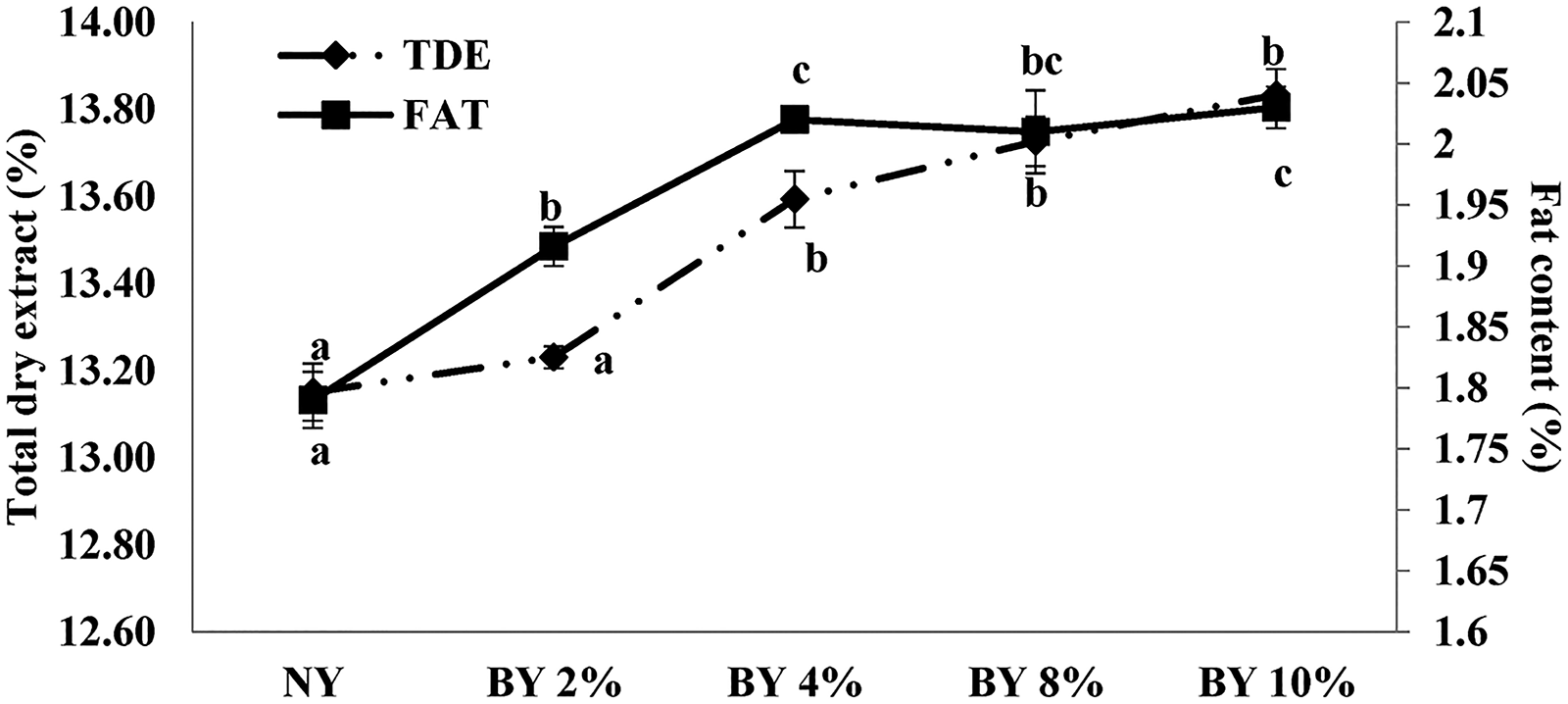
Total dry extract and fat content changes. Values are Mean ± SD of three replicates. BY: yoghurts prepared with red beet water cooking, NY: natural yoghourt. a,b,c Different superscripts letters indicate statistical differences (p < 0.05).
Fat content
The fat content of yoghurt significantly increased with increasing beet cooking water concentration compared to the control sample (NY) (p ˂ 0.05) (Figure 2). Moreover, there were no significant differences
Yoghourt viscosity
The viscosity values of beetroot yoghourt varied from 215298 ± 18771
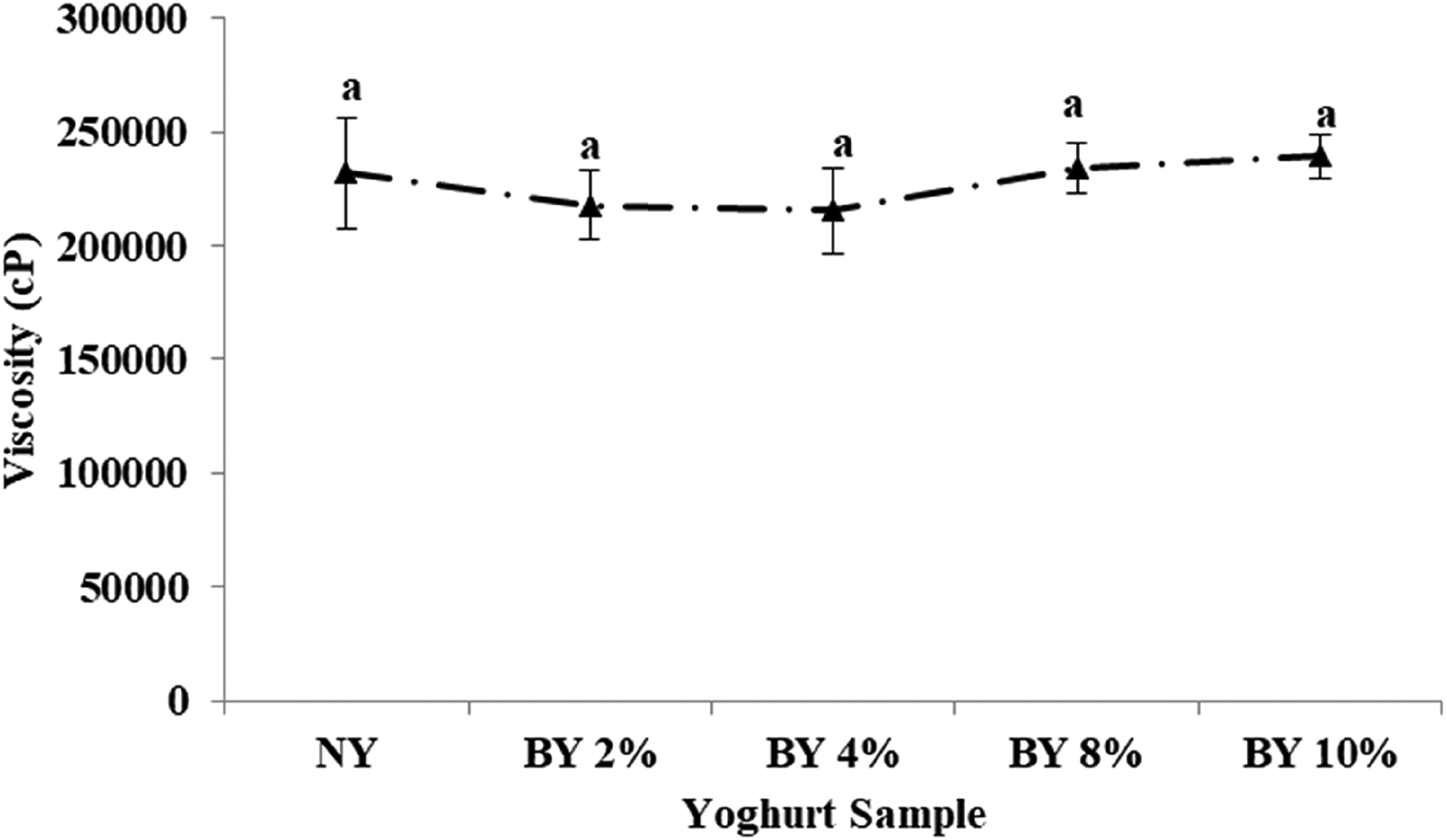
Viscosity of the different formulations of yoghurt. Values are Mean ± SD of three replicates. BY: yoghurts prepared with red beet water cooking, NY: natural yoghourt. a,b,c Different superscripts letters indicate statistical differences (p < 0.05).
Microbiological analysis
The microbiological parameters obtained for the yoghurts are summarized in Table 2. In our case, they were not detected in all yoghurt samples analyzed. These results are less than 10 cfu g−1
Effect of red beet cooking water addition on the total viable count.
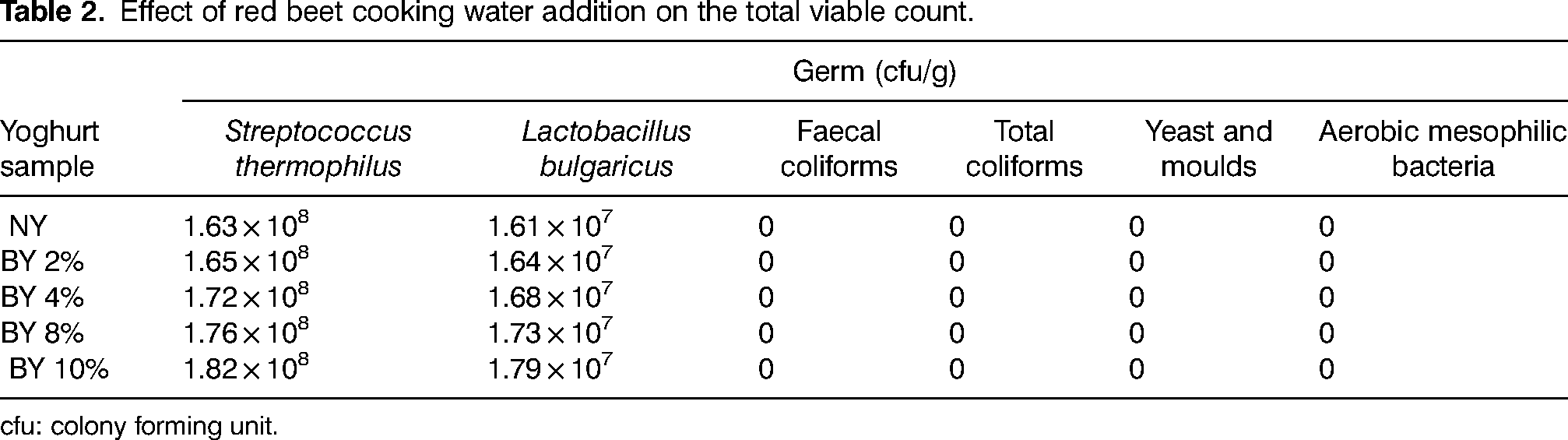
cfu: colony forming unit.
Viable lactic flora is a critical factor in the finished product in acidification and nutritional health (Zare et al., 2011). Lactic acid bacteria's viability showed a slight increase in red beet cooking water incorporated in the yoghurt (Table 2). It is recommended that fermented milk contain at least 107cfu g−1 (Codex Alimentarius, 2011). The current results have shown that the incorporation of red beet cooking water has no negative impact on starter bacteria activity.
Consumer acceptance test
Comparing rank-sums
CHARACTERIZATION OF THE PREFERRED RECIPE BY THE CONSUMER
Evolution of pH and titratable acidity during storage
Results of Table 3 mentioned that both pH and TA were significantly (p < 0.05) affected by the beet cooking water incorporated in the yoghurt throughout storage days. The pH was lower while the acidity increased compared to the control sample during all storage days. Besides,
pH and titratable acidity of yogurt during 28 days of storage at 4°C.
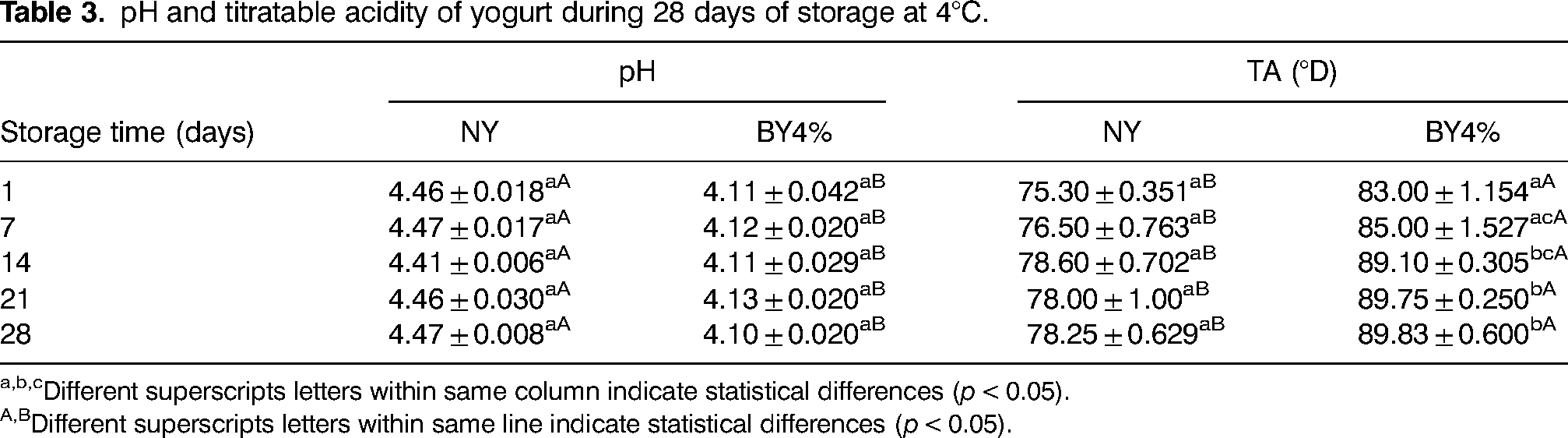
Different superscripts letters within same column indicate statistical differences (p < 0.05).
Different superscripts letters within same line indicate statistical differences (p < 0.05).
Protein content, ash, total phenolic content and antioxidant activity of beetroot preferred yoghurt
As shown in Figure 4, supplementation of yoghurt with beetroot cooking water induced an increase in protein and ash content (p ˂ 0.05)
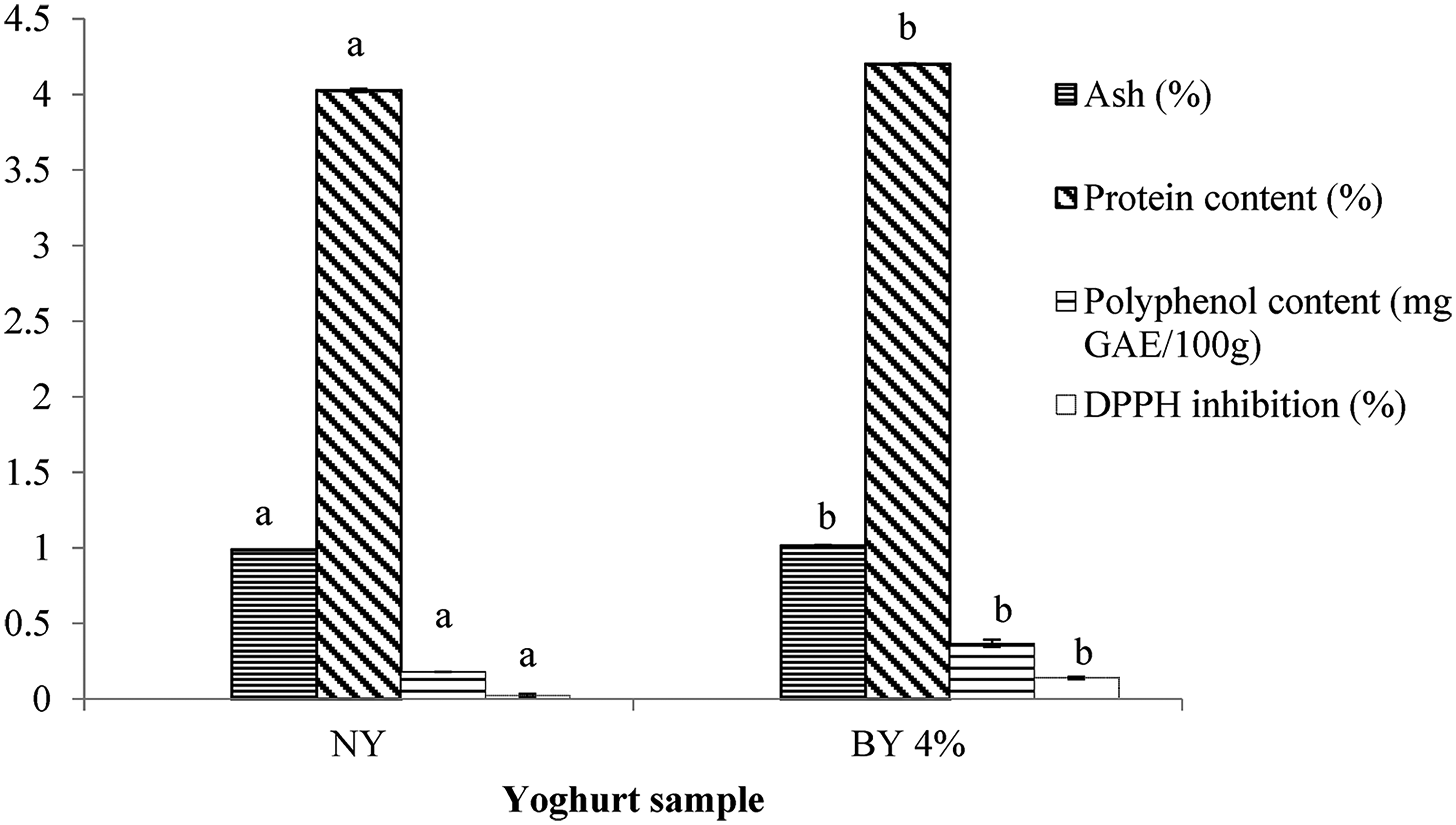
Ash, protein content, polyphenol content and antioxidant activity of the natural yoghurt (NY) and yoghurt formulated with red beet cooking water at 4%. Values are Mean ± SD of three replicates. a,b Different superscripts letters within the same column indicate statistical differences (p ˂ 0.05).
Our results revealed that the addition of beet cooking water led to a statistically significant increase (p ˂ 0.05, Figure 4) in the polyphenol content (TPC) and antioxidant activity of the sample BY4% compared to the control yoghurt (NY). Yoghurt fortified with ALE (Solenostemma argel Hayne) gave the same results (Mohamed Ahmed et al., 2021). Likewise, the study on the effect of steviol glycosides as a sugar substitute on the probiotic fermentation in milk gels enriched with red beetroot (Beta vulgaris L.) bioactive compound (Ozdemir and Ozcan, 2020). Numerous reports demonstrated that supplementing yoghurts with moringa leaf extract (Zhang et al., 2019), chia seed extract (Kwon et al., 2019), and pomegranate juice powder (Pan et al., 2019) improved the TPC and antioxidant activity of yoghurt compared to plain yoghurt. Several studies have shown that beetroots (Beta vulgaris L.) possess strong antioxidant power attributed to their high amounts of biologically active compounds (Chhikara et al., 2018; Babarykin et al., 2019).
Colour measurements
Colour measurements of lightness (L*), redness (a*), and yellowness (b*) of the preferred yoghourt are shown in Table 4. The statistical analysis indicated a significant difference in colour attributes among samples. Addition of beet cooking water induced a decrease of colour factors (L* and b*) while a* increase compared to the control yoghurt consistent to the findings of Demirkol and Tarakci (2018) as well as those of Ozdemir and Ozcan (2020). The maximum (a*) value thus obtained may be due to red and blue-purple colours of red beetroot attributed to anthocyanins’ concentration (Patras et al., 2010; S’cibisz et al., 2019).
Colour attribute of the control (NY) and preferred yoghurt (B
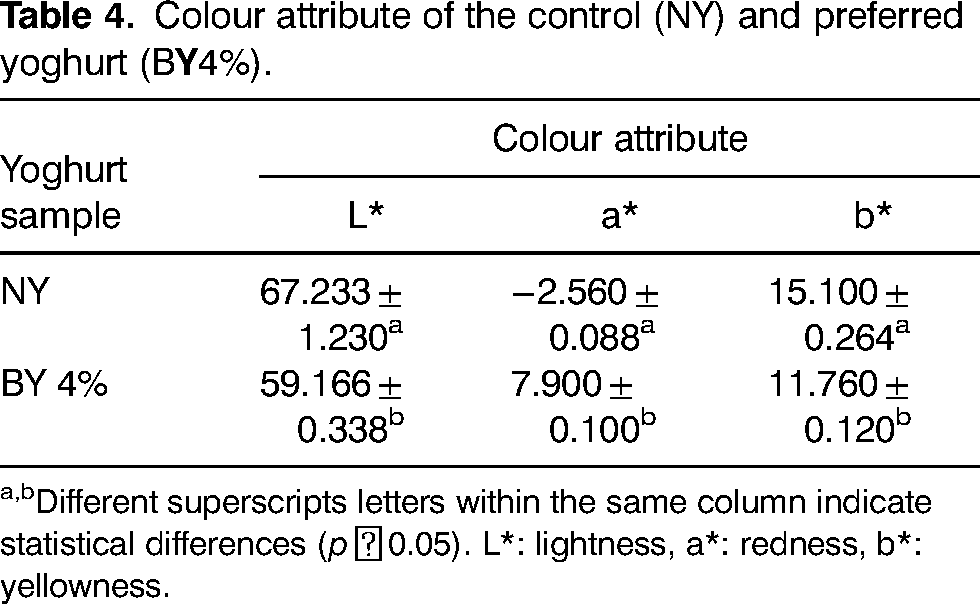
Different superscripts letters within the same column indicate
statistical differences (p ˂ 0.05). L*: lightness, a*: redness, b*: yellowness.
Texture and syneresis analysis
In the current study, BY4% has significantly (p ˂ 0.05) higher Fmax value (0.345 ± 0.024 N) than nature yoghurt (0.204 ± 0.017 N) (Figure 5) in contrast to
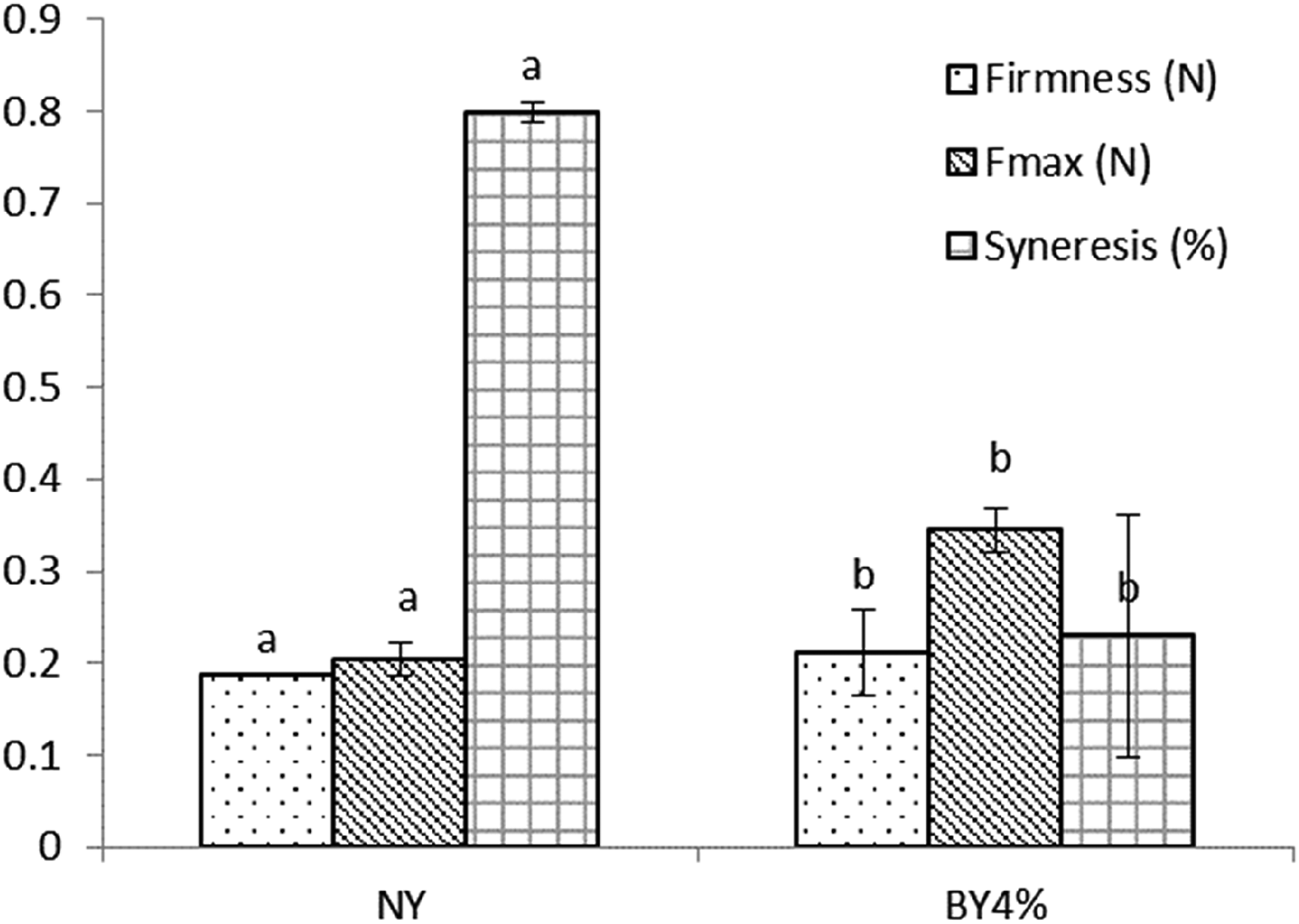
Syneresis and textural characteristics (firmness and Fmax) of the natural yoghurt (NY) and yoghurt formulated with red beet cooking water at 4%. Values are Mean ± SD of three replicates. a,b Different superscripts letters within the same column indicate statistical differences (p ˂ 0.05).
In this study, the addition of beetroot cooking water significantly affected syneresis (p < 0.05) (Figure 5). The value of control yoghurt (NY) was 0.8 ± 0.0115
Similar to our data, Ozturk et al. (2018) showed that whey separation was significantly decreased with peeled oleaster (Elaeagnus angustifolia L.) flour (PO) and unpeeled oleaster flour (UPO) fortifications (1% and 2%). Ozdemir and Ozcan (2020) have recently registered a lower syneresis value in milk gel with red beetroot pulp. In the same trend, the incorporation of ALE (ALE) reduced the syneresis of yoghurt compared to the control with the least values recorded in 0.1 g 100 mL−1 ALE-fortified yoghurt (Mohamed Ahmed et al., 2021). In our study, the low value of syneresis of the BY4% sample compared to the nature yoghurt may be explained by either the high protein and lipid content of red beet cooking water (Figures 2 and 4) polyphenols content and casein network in the yoghurt or a combination (Ranadheera et al., 2012; Oliveira et al., 2015).
CONCLUSION
Overall, our results showed that the addition of the different concentrations (2, 4, 8, or 10% w/w) of red beet cooking water affect significantly the pH, TA, TDE, and fat content (p ˂ 0.05), but there was no significant effect on viscosity (p˃0.05). However, yoghurt enriched at 4% level improves colour perception (red colour) of the final product and induces a significant decrease in syneresis compared to the control sample. Furthermore, supplementation of red beet cooking water had a potential effect on firmness, polyphenol, and antioxidant activity. These results could be of commercial interest for the industrial production of functional foods containing active ingredients with natural low-calorie sweeteners and colourants.
Supplemental Material
sj-docx-1-fst-10.1177_10820132221137386 - Supplemental material for Effect of red beet cooking water on yoghurt's physico-chemical, textural and antioxidant characteristics
Supplemental material, sj-docx-1-fst-10.1177_10820132221137386 for Effect of red beet cooking water on yoghurt's physico-chemical, textural and antioxidant characteristics by Fatima Halladj, Hayat Amellal-Chibane, Radhia Aitfella-Lahlou, Mohamed Amokrane Bourai and Amazigh Tigrine in Food Science and Technology International
Footnotes
DECLARATION OF CONFLICTING INTERESTS
The author(s) declared no potential conflicts of interest with respect to the research, authorship, and/or publication of this article.
FUNDING
The author(s) received no financial support for the research, authorship, and/or publication of this article.

SUPPLEMENTAL MATERIAL
Supplemental material for this article is available online.
References
Supplementary Material
Please find the following supplemental material available below.
For Open Access articles published under a Creative Commons License, all supplemental material carries the same license as the article it is associated with.
For non-Open Access articles published, all supplemental material carries a non-exclusive license, and permission requests for re-use of supplemental material or any part of supplemental material shall be sent directly to the copyright owner as specified in the copyright notice associated with the article.
