




Abstract
Aiming at the problem of feature extraction of ship-radiated noise in complex marine environment, an adaptive weighted multiscale mathematical morphological filtering method is proposed. The weight coefficients of the structure elements of different scales in multiscale morphological filtering are determined adaptively by an improved particle swarm optimization algorithm, and the Teager energy kurtosis is used as the evaluation index of the filtered optimal signal to provide optimized weights for each scale. Finally, the optimized multiscale mathematical morphology filter with selective adaptive weights is bound and applied to the feature extraction of ship-radiated noise. The analysis results of simulated signal and measured ship-radiated noise show that this method has strong noise suppression and feature extraction ability, and the calculation is simple and fast, which provides an effective method for ship feature extraction.
Keywords
1. Introduction
With the increasing development of science technique and the marine environment, whether in military or civil aspects, the feature extraction of ship-radiated noise has important application value. Analyzing ship-radiated noise and extracting characteristic parameters are always difficult problems in ship-radiated noise processing.
For a long time, it is believed that the ship-radiated noise is a stationary and random signal, so the traditional signal processing method, time–frequency analysis method, has been used to study it (Cai et al., 1999). Due to the rapid development of ship stealth technology and the complexity of ocean background noise, the signal-to-noise ratio of ship-radiated noise is decreasing. Therefore, the traditional feature extraction method has certain limitation in its analysis (Zhang and Yi, 2009; Zhang et al., 1997; Zhou et al., 2017). In recent years, many scholars have also made some research results in the application of the nonlinear method, including wavelet transform (Li et al., 2018; Wang et al., 2004), high-order spectral analysis (Li and Feng, 2004; Parida and Jena, 2022; Zeng, 2016), empirical mode decomposition (Huang et al., 1998; Li et al., 2017; Li, 2020; Sony and Sadhu, 2021), and entropy (Li et al., 2019a, 2019b; Rostaghi and Azami, 2016).
Mathematical morphology is a nonlinear analysis method developed on the basis of random set and integral geometry. According to the shape characteristics of the processed object, it uses specific structure elements for morphological transformation to achieve the purpose of signal processing. When this method performs signal processing, it only depends on the local shape features of the signal to be processed. The complicated signal is decomposed into physical parts by mathematical morphological transformation. The main shape features of the signal are kept and the background is separated. It is more effective than traditional linear filtering (Maragos and Schafer, 1987; Maragos, 1987). Mathematical morphological filtering has wide applications in image processing (Haralick et al., 1987), computer vision and pattern recognition (Jean and Vincent, 1992), power system (Mao and Wang, 2014), ECG signal processing (Verma et al., 2013), and underwater acoustic signal processing (Li et al., 2021). Since mathematical morphological filtering is based on a single scale, the single-scale structure elements can process the signal, and more details can be retained in the small scale, but they are also affected by the noise. Although the noise can be suppressed to a large extent in the large scale, the signal details will also be blurred. Li et al. (Li et al., 2021) pointed out that since mathematical morphological filtering is based on single scale, it cannot meet the requirements of suppressing noise and retaining details in the signal at the same time, and multiscale filtering can make up for this defect. Therefore, there are certain deficiencies in the single-scale morphological filtering for extracting signal characteristics.
Since single-scale mathematical morphological filtering cannot meet the needs of suppressing noise and preserving details in the signal at the same time, multiscale mathematical morphological filtering can make up for this shortcoming. Multiscale mathematical morphological filtering uses structure elements of different scales to perform morphological operations on signals. When multiscale morphological filtering is used to process the signal, it is an effective method to weight and sum the filtering results of each scale by means of weighting. However, in the construction of multiscale morphological filters, it is a key problem to adaptively determine the weight coefficients of different scale structure elements.
Based on the above analysis, this paper proposes an adaptive weighted multiscale mathematical morphological filtering method (AWMMMF), which is used to extract the characteristics of ship-radiated noise. In this method, a new set of multiscale mathematical morphological filters (MMMFs) is proposed, and the adaptive multiscale morphological analysis is carried out by combining the selective weighting method with the new MMMF, which realizes the effective extraction of ship-radiation noise. Finally, the simulation experiment and measured ship-radiated noise verify that the method can effectively extract ship features in the marine environment noise.
2. Theory of the AWMMMF
2.1. One-dimensional mathematical morphology operations
The basic operations of one-dimensional morphology include four types: Erosion, dilation, opening, and closing. Assume that the domains of two discrete signals

Dilation operation is defined as

On this basis, the opening of

The closing is defined as

2.2. Multiscale mathematical morphological filtering
In order to overcome the defects of incomplete and inaccurate signal processing using single-scale mathematical morphological analysis, multiscale structure elements are introduced into mathematical morphological analysis.
Assuming
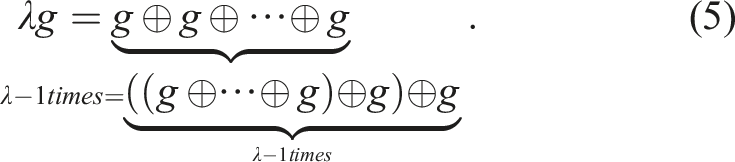
Based on this, multiscale dilation and multiscale erosion operations are defined as


According to the operation order of multiscale dilation and multiscale erosion, multiscale opening and multiscale closing can be expressed as


Through cascade operation of multiscale opening and multiscale closing, multiscale opening–closing filter (MOCF) and multiscale closing–opening filter (MCOF) are defined as


By calculating the arithmetic mean of multiscale opening–closing filter and multiscale closing–opening filter, the multiscale average filter (MAVGF) is obtained as follows


2.3. AWMMMF
The AWMMMF proposed in this paper is characterized by the adaptive weighted of the newly proposed MMMF. Next, the algorithm will be introduced in detail.
2.3.1. Teager energy kurtosis
In order to make the whole process have good adaptability, we use the Teager energy kurtosis (TEK) as an index to judge and adjust the weight distribution results of each scale (Zhu et al., 2021).
Kurtosis is a non-dimensional statistical parameter that reflects the characteristics of distribution and is defined as

The Teager energy operator (TEO) has excellent temporal resolution and adaptability to transient signal changes. The difference of discrete signal

Because the TEO has good time resolution for the instantaneous change of the signal, it can detect the transient components in the signal (Roch et al., 2006). The TEO not only considers the effect of amplitude but also takes into account the influence of instantaneous frequency, which can extract information features of the signal.
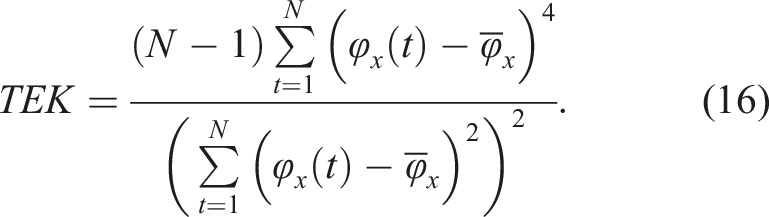
The TEK is combination kurtosis with the TEO. The TEK is very sensitive to the background noise of the signal, and the instantaneous energy change of the signal can reflect the characteristics of the signal more accurately and effectively. Therefore, we use the TEK value as a characteristic of the signal.
For one-dimensional discrete signal
2.3.2. Selective weighted optimization
On the basis of particle swarm optimization algorithm (PSO) (Ahirwal et al., 2012), we optimized the inertia weights and proposed an improved PSO algorithm. The specific mathematical description is as follows:
Assuming that

The inertia factor

Based on the improved PSO algorithm, we design a selective and adaptive weighted method to assign weight to the results of each scale. The specific flow is as follows. (1) Initializing particle swarm, set the number of iterations (2) Take the TEK value of the filtered signal at current particle position as the fitness function and calculate its fitness value as (3) Set the negative value of particle swarm (4) Update the historical optimal position and global optimal position of particles. (5) If the iteration termination condition is satisfied, the global optimal result is output and the program is terminated. Otherwise, step 2 is continued.
The improved PSO method is used for selective weighting, and different scales are selected or rejected according to the way of zeroing the negative weight value, and the corresponding weights of the remaining scales are adjusted according to the TEK index to continuously optimize the results.
2.3.3. AWMMMF algorithm
For the feature extraction of ship-radiated noise, the AWMMMF is proposed in this paper. The idea of the AWMMMF algorithm is as follows: By combining the two mathematical morphological operations as the filtering results of the MMMF, the improved PSO algorithm is adopted, and the TEK value is used as the fitness value of particles. The adaptive selective weighting is realized for the results of each scale through the optimization process, which avoids the loss of ship signal details caused by unreasonable weight distribution. The specific implementation steps of the AWMMMF are as follows: (1) Use Formula (10)–(12) to process the ship-radiated noise (2) Use Formula (13) to make the difference between the original signal and (3) The improved PSO is used to search the weight (4) The final selective adaptive weight

3. Comparison of the AWMMMF, MMMF, and MMF at single scale
In order to verify the effectiveness of AWMMMF filtering, we use the following simulation signal to analyze Simulation signal.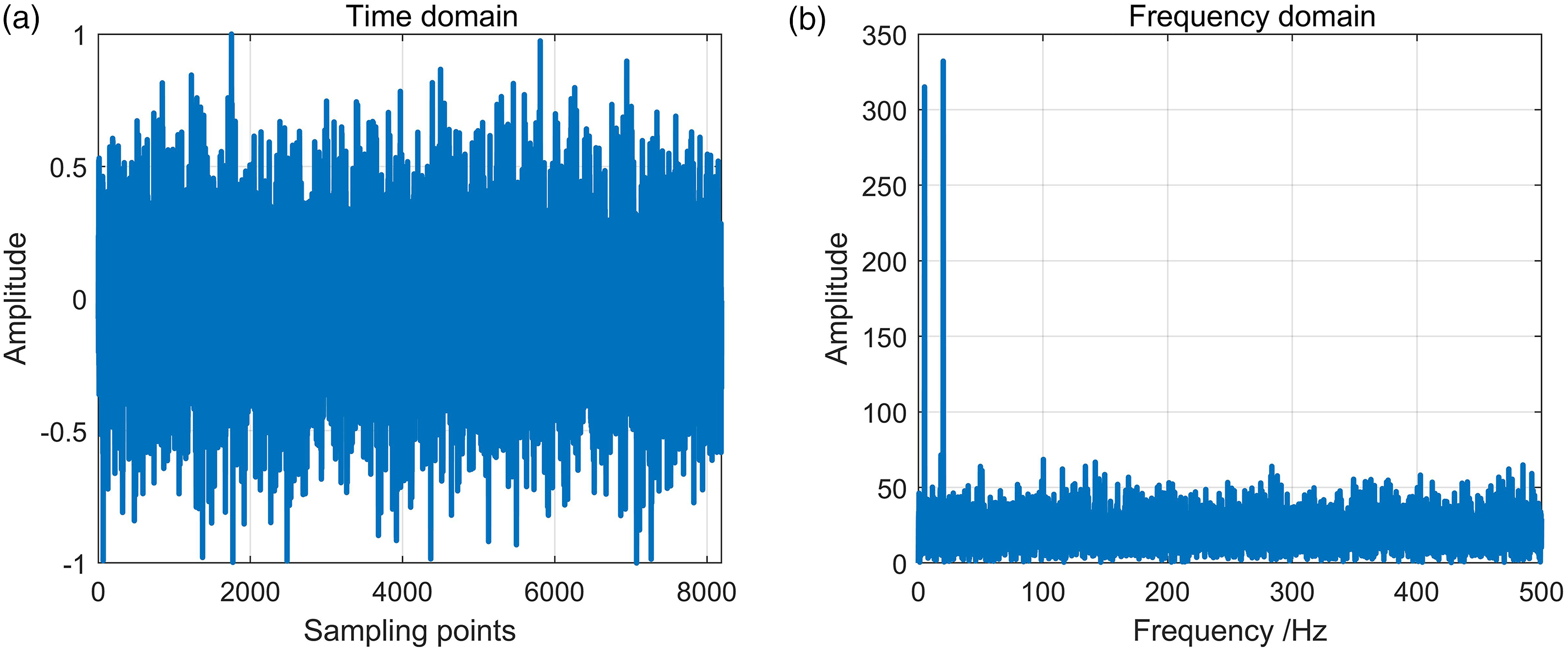

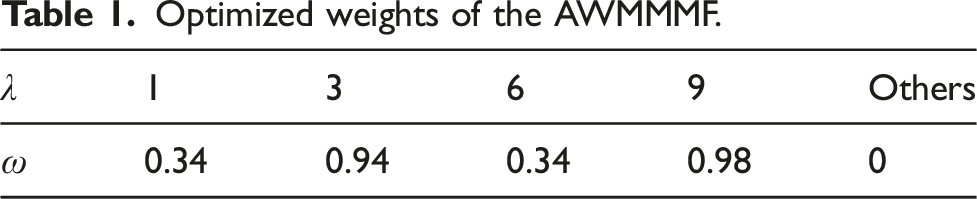
Three filters are used to process the simulation signal respectively. The structure element is a cosine structure element with a length of 6, and its height is a fixed value of 0. The maximum scale of structure element is 16. The MMMF results at various scales are shown in Figure 2. From Figure 2, the smaller scale can retain the details of the original signal but cannot filter out the noise well. While the larger scale can remove the interference of noise, but the ability to retain the signal details is insufficient. Therefore, we propose a selective weighting method to optimize the filtering results at different scales. MMMF.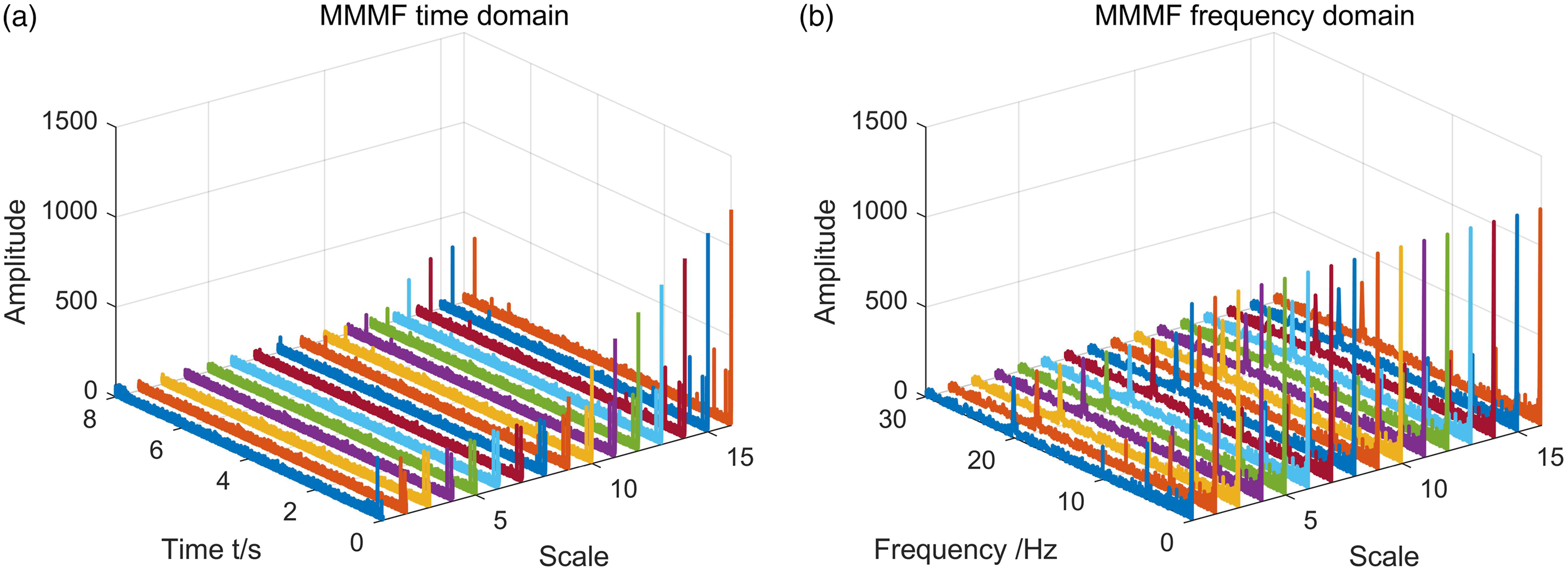
Optimized weights of the AWMMMF.
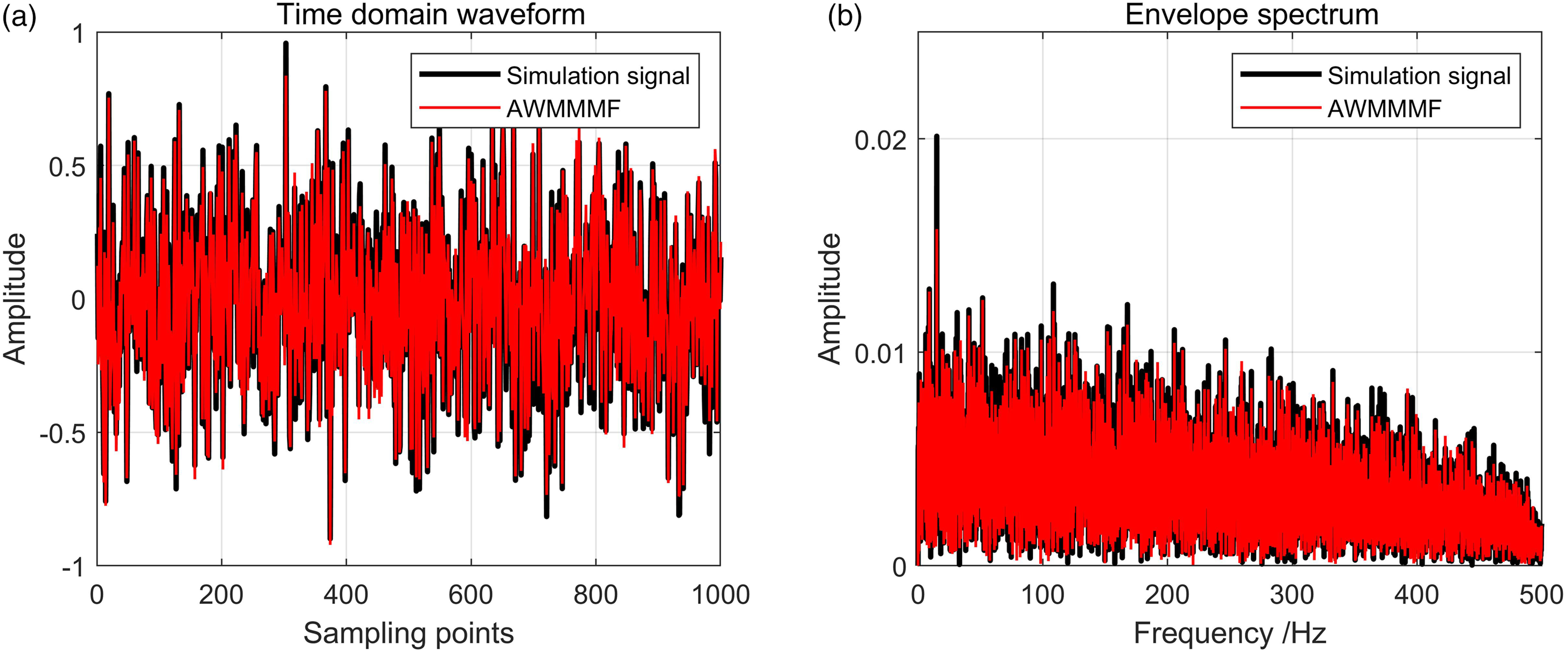
AWMMMF.
In order to further reflect the superiority of multiscale results, the single-scale MMF results are compared with Figures 2 and 3. Figure 4 illustrates the filtering results of the MMF. Compared with the amplitude shown in Figure 4, the result of the AWMMMF is better than those of the MMF, and multiscale can extract signal features more effectively. MMF.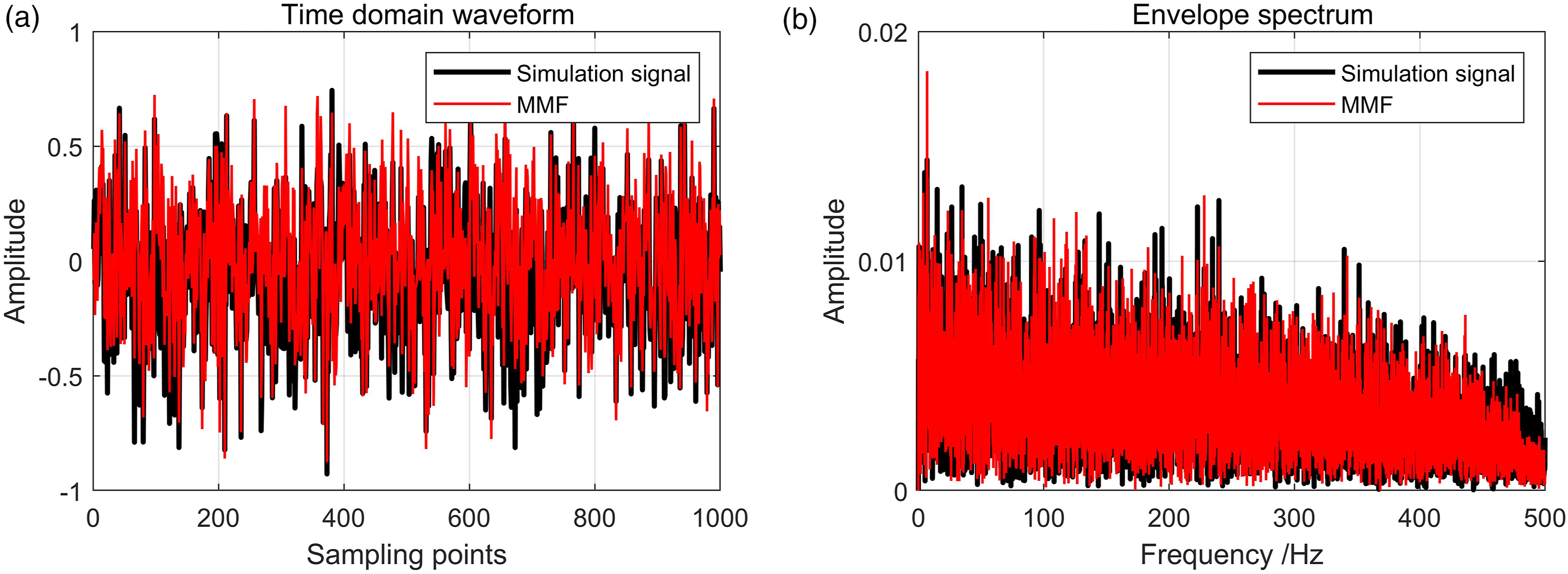
4. Experimental verification and analysis
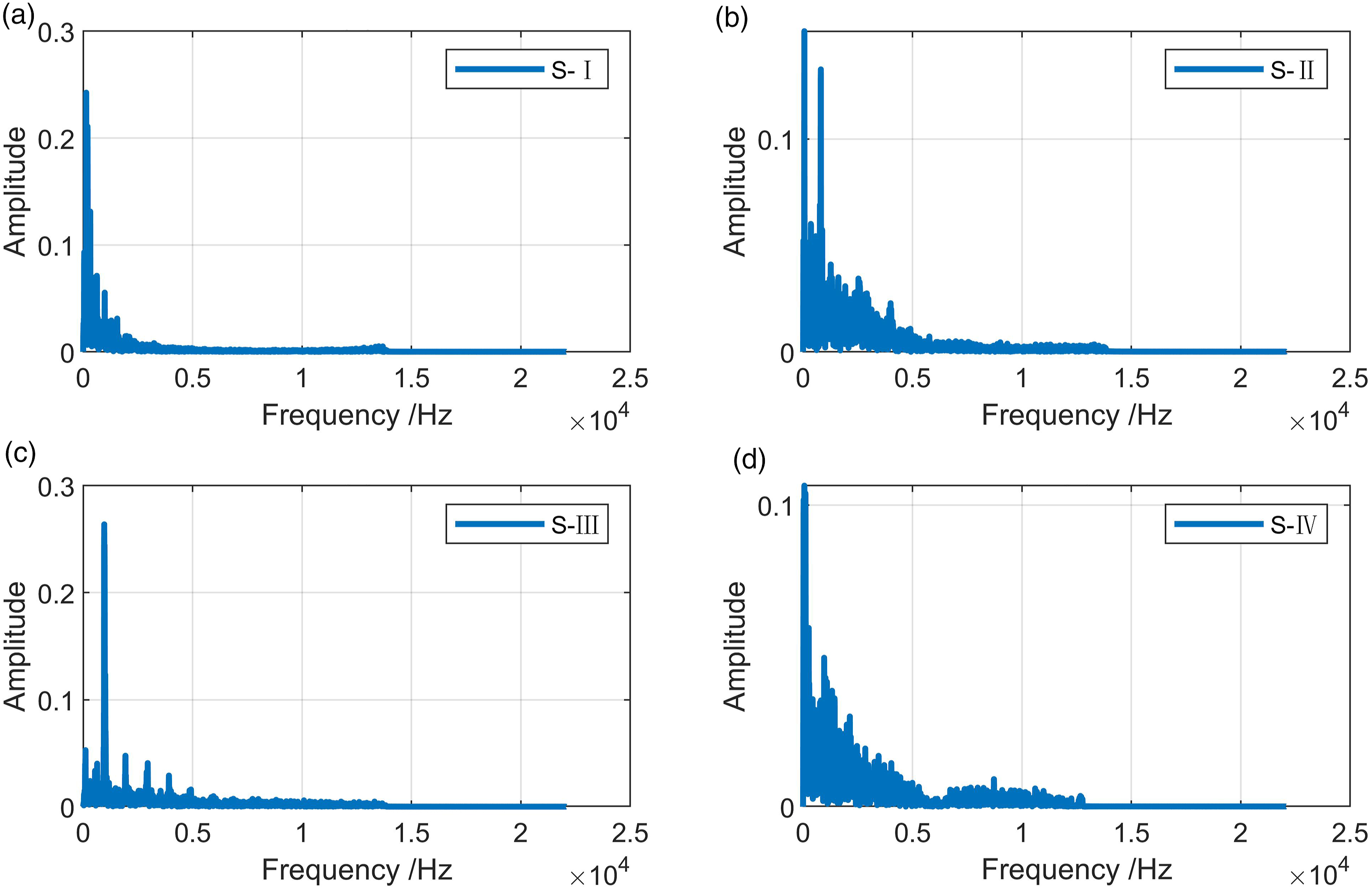
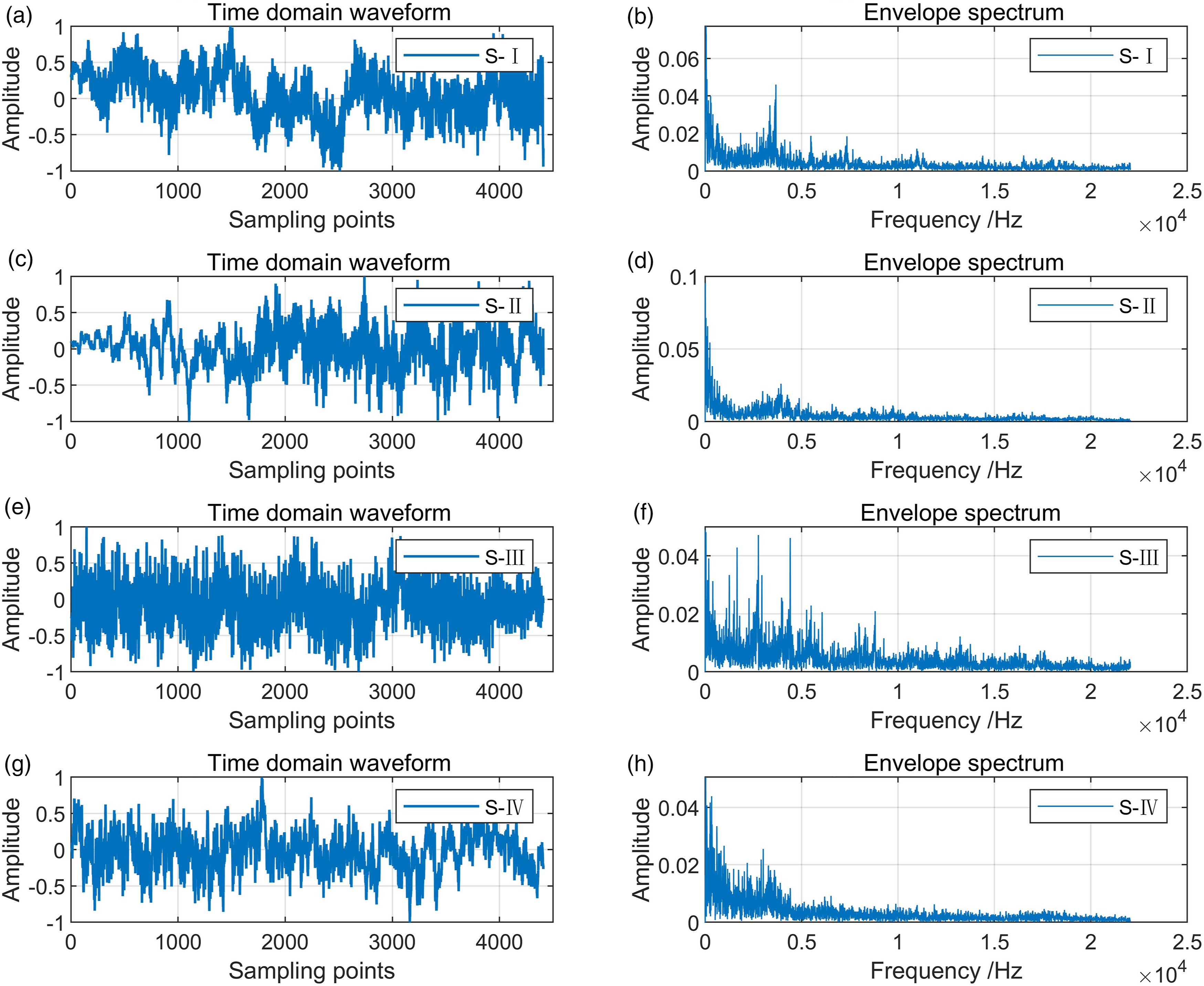
The effectiveness of the AWMMMF method is verified by the feature extraction experiment of target ship-radiated noise, and four different types of measured ship-radiated noise including cruise ship, small diesel ship, passenger ship, and submarine (expressed by S-Ⅰ, S-Ⅱ, S-Ⅲ, and S-Ⅳ) were analyzed through the AWMMMF. These ship target data come from the NPS database (National Park Service, 2020). Each ship-radiated noise sampling point size is 4410 and sampling frequency is 44,100 Hz. The time domain and amplitude spectrum diagrams of the four standardized ship-radiated noise are described in Figures 5 and 6, respectively. It is found from Figures 5 and 6 that the four types of ship signals are seriously disturbed by noise, and the ship characteristics cannot be seen. Time domain. Amplitude spectrum.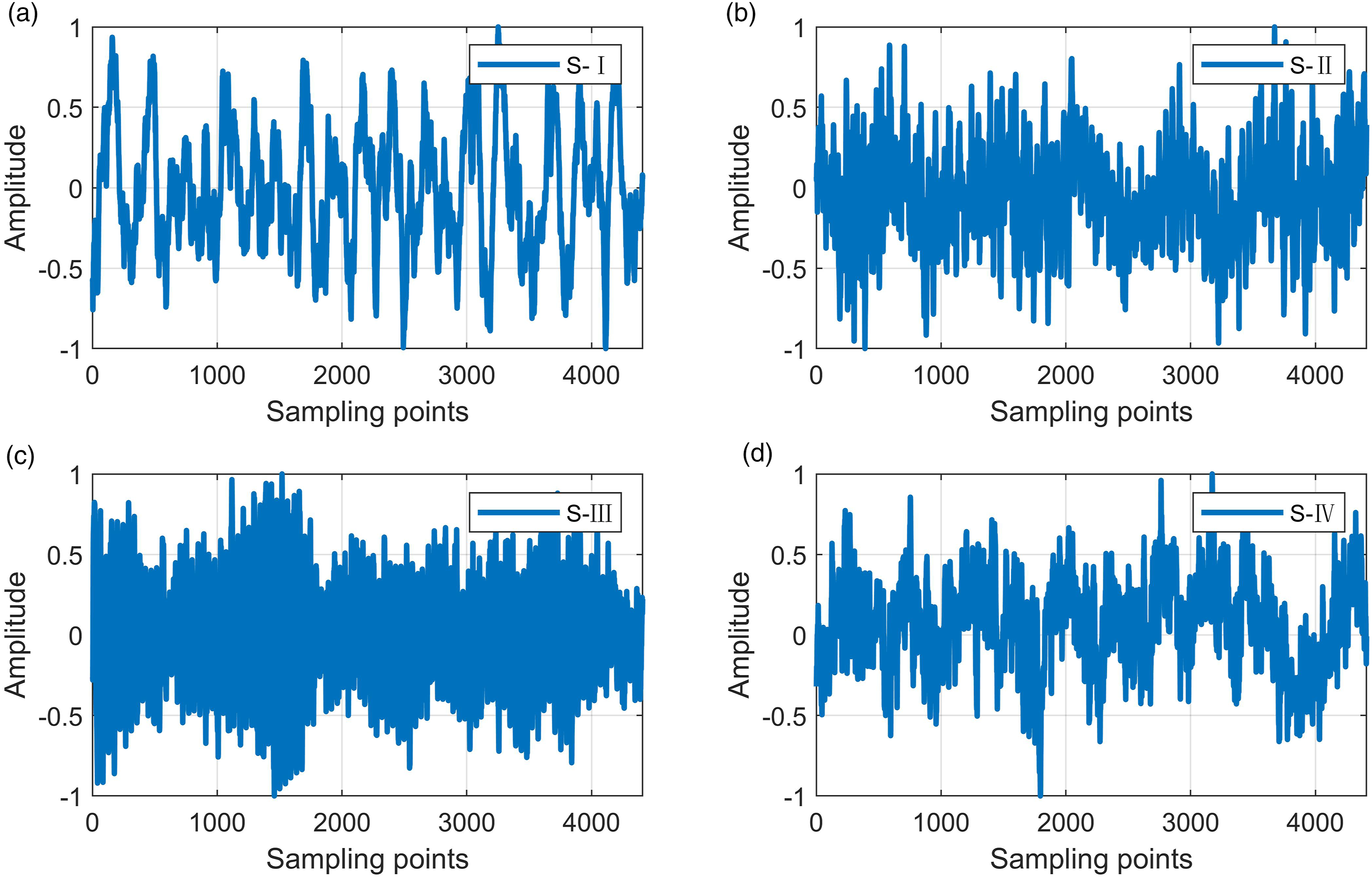
4.1. Feature extraction using the AWMMMF
Select as a feature parameter.
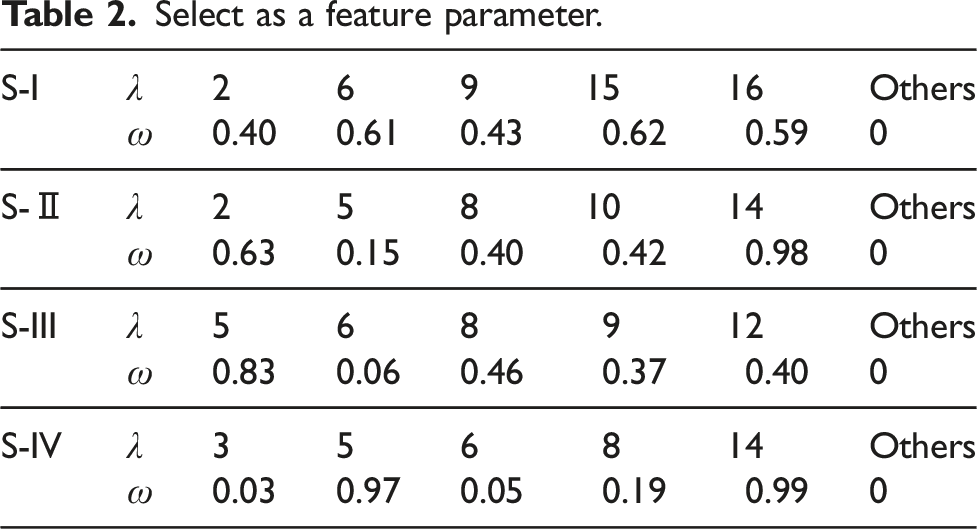
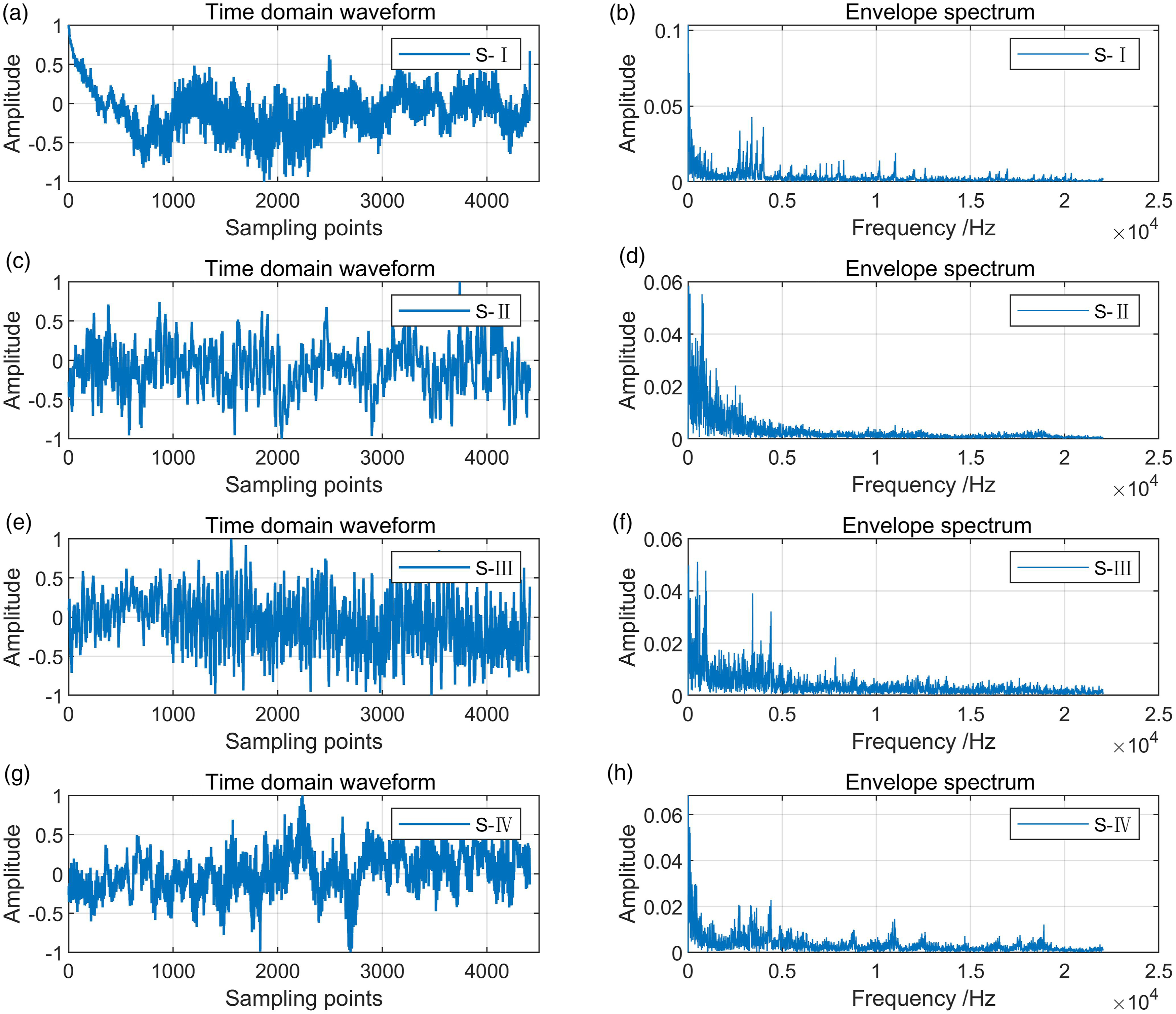
The filtering results of four types of ship-radiated noise after weight adaptive optimization are used as feature parameters for AWMMMF filtering. Figure 7 is the filtering result of the AWMMMF. Figure 7 shows four kinds of ship-radiated noise filtered by the AWMMMF to suppress noise and retain details of the signal. In Figure 7(b) of the envelope spectrum, the ship characteristics can be found. The filtering results of the AWMMMF.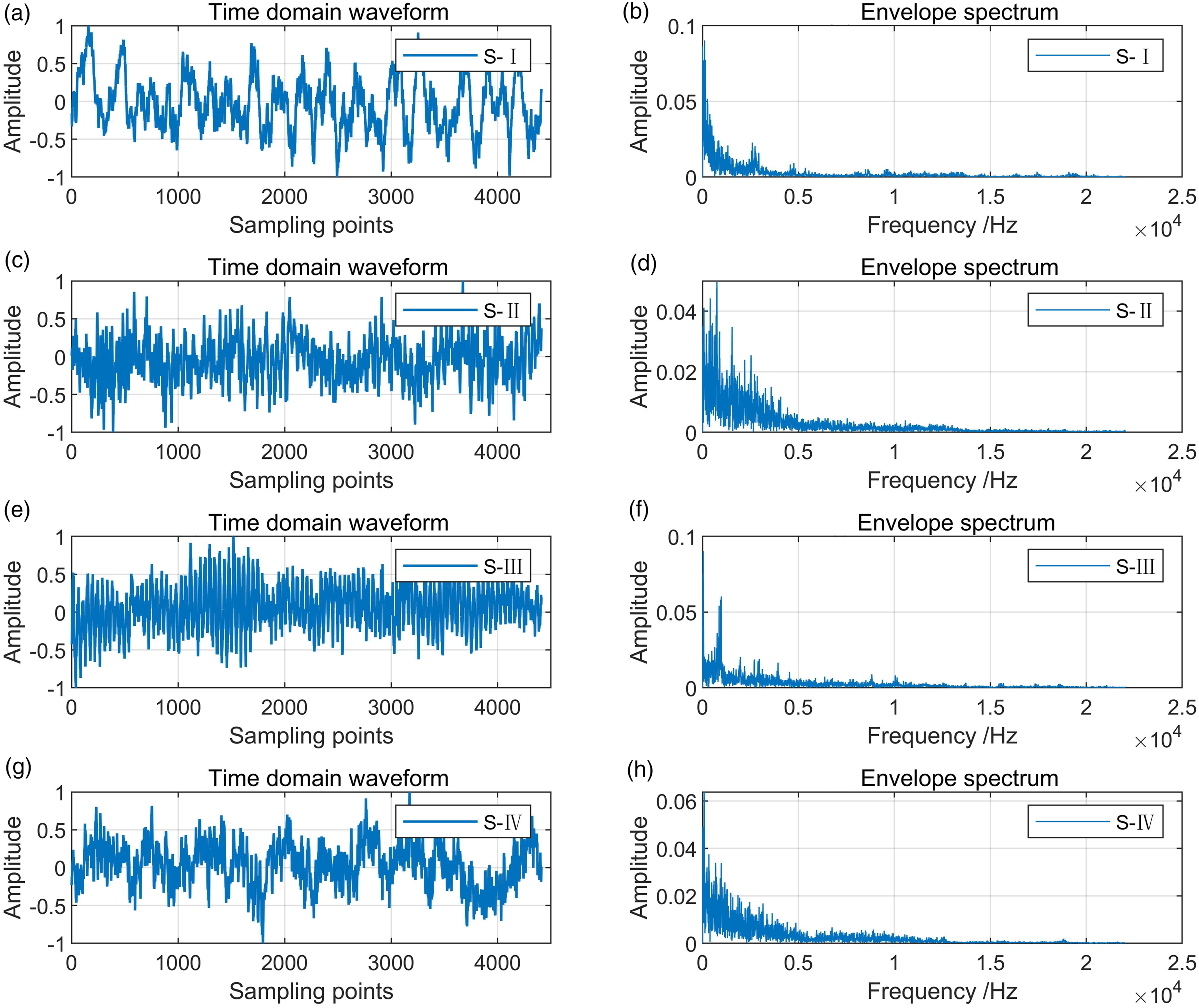
4.2. Comparison experiment
To further demonstrate the superiority of the AWMMMF, we compare it with the commonly used filtering results of WMAVGF, WMOCF, and WMCOF. Figure 8, Figure 9, and Figure 10, respectively, correspond to the ship-radiated noise processing results and envelope spectrum of each method. In Figure 8, the amplitude frequency response of S-Ⅰ and S-Ⅱ after the WMAVGF at 2500 Hz is twice that of the original signal. The amplitude frequency response of S-Ⅲ after the WMAVGF at 1000 Hz is twice that of the original signal. The amplitude frequency response of S-Ⅳ after the WMAVGF at 500 Hz is twice that of the original signal. It is equivalent to amplifing the amplitude of original S - Ⅰ, original S - Ⅱ, original S - Ⅲ and original S - Ⅳ. After S-Ⅰ, S-Ⅱ, S-Ⅲ, and S-Ⅳ are filtered by the WMOCF, the amplitude will become smaller, as shown in Figure 9. The amplitude of S-Ⅰ, S-Ⅱ, S-Ⅲ, and S-Ⅳ filtered by the WMCOF will increase, as shown in Figure 10. Therefore, the WMOCF and WMCOF cannot obtain the ideal filtering effect. Compared with the filtering results of the WMAVGF, WMCOF, and WMOCF, the AWMMMF can extract ship features while removing noise, so the AWMMMF has the best filtering effect. WMAVGF. WMOCF. WMCOF.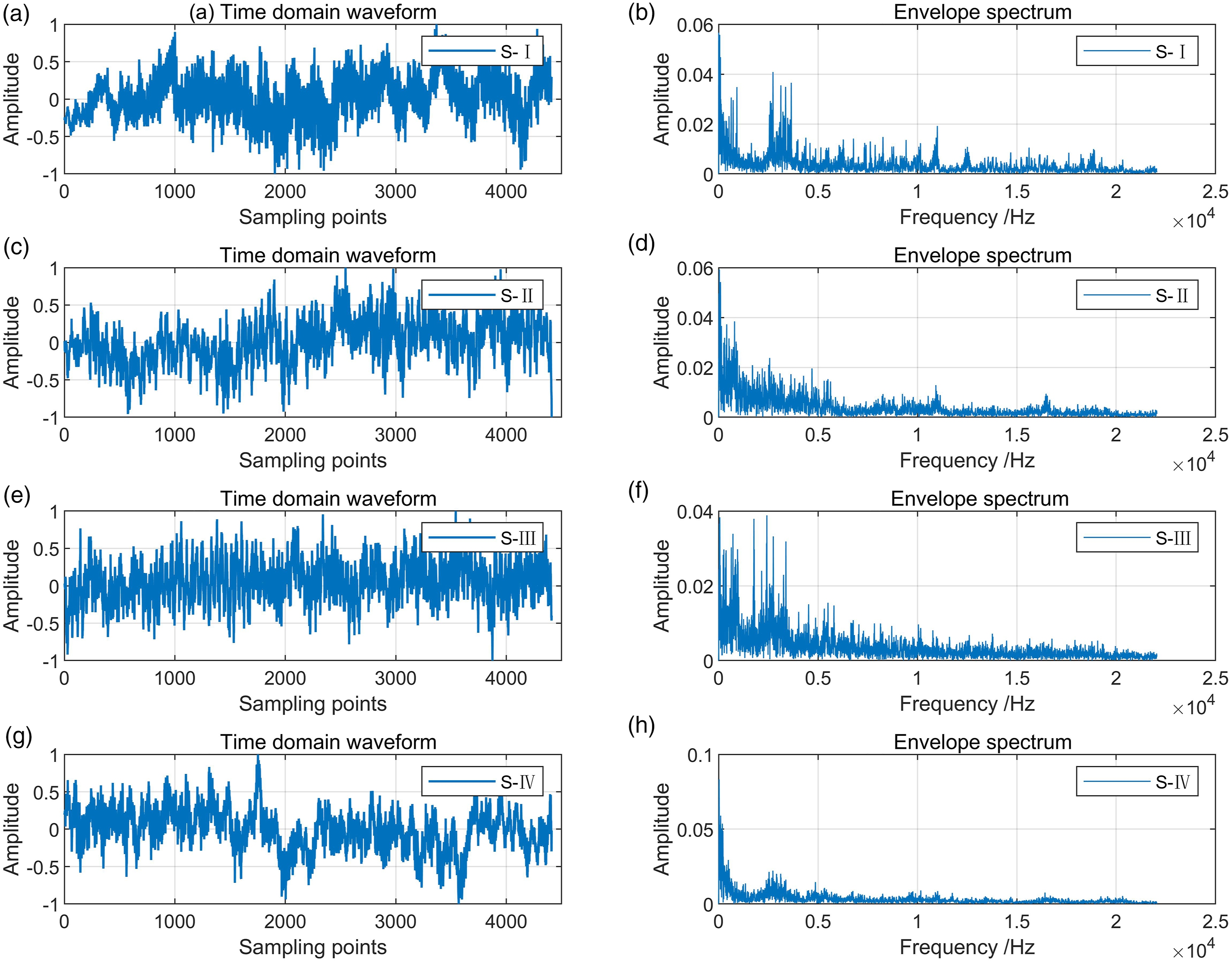
5. The evaluation indicators of the AWMMMF
5.1. Energy ratio
Comparison of ER values of various methods.

5.2. Signal-to-noise ratio
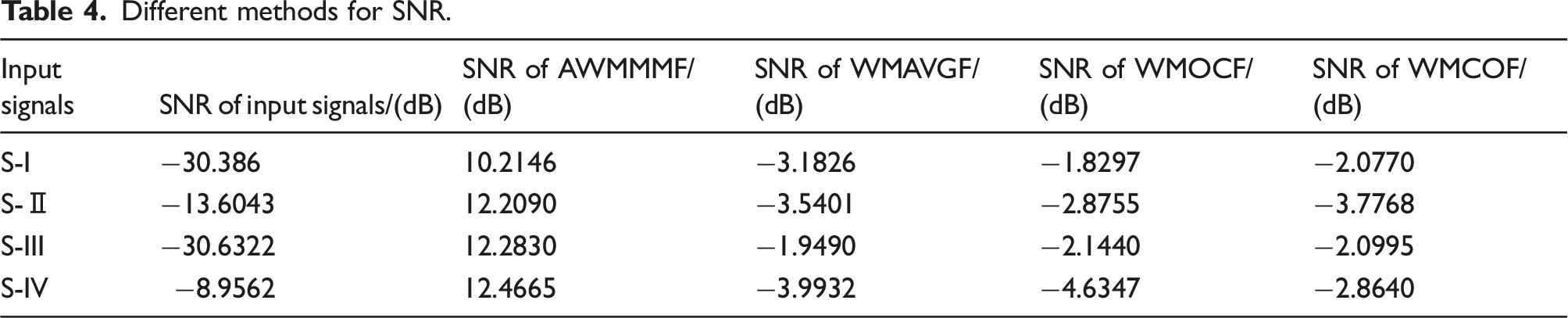
Different methods for SNR.
5.3. Composite multiscale dispersion entropy
Composite multiscale dispersion entropy (CMDE) is further refined based on the multiscale dispersion entropy (MDE) to improve the defects of the coarse-grained process in the MDE (Hamedi et al., 2017). The CMDE is used to calculate the complexity of the four types of ship-radiated noise on multiscale and to obtain a series of dispersion entropy values that can characterize the original ship-radiated noise. The CMDE values of the four types of ship-radiated noise after passing through the WMAVGF, WMCOF, WMOCF, and AWMMMF are calculated, and the results are shown in Figure 11. In Figure 11(a), the CMDE values of four types of ship-radiated noise after the WMAVGF and the CMDE values of S-Ⅰ and S-Ⅳ fluctuate from 1.4 to 1.9. In the first four scales, the CMDE values of S-Ⅰ and S-Ⅱ are indistinguishable from each other, and the CMDE values of S-Ⅱ and S-Ⅳ are indistinguishable. In Figure 11(b), the CMDE values of four types of ship-radiated noise after the WMCOF and the CMDE values of S-Ⅰ and S-Ⅳ fluctuate between 1.2 and 2. From the 6th scale to the 16th scale, the CMDE values of S-Ⅱ and S-Ⅲ overlap indistinguishably. At the first scale and the sixth scale, the CMDE values of S-Ⅰ and S-Ⅳ are indistinguishable. In Figure 11(c), the CMDE values of four types of ship-radiated noise after the WMOCF and the CMDE values of S-Ⅰ, S-Ⅱ, S-Ⅲ, and S-Ⅳ cannot be distinguished directly. In Figure 11(d), the CMDE values of the four types of ship-radiated noise filtered by the AWMMMF and the CMDE values of S-Ⅰ, S-Ⅱ, S-Ⅲ, and S-Ⅳ can be distinguished. Composite multiscale dispersion entropy.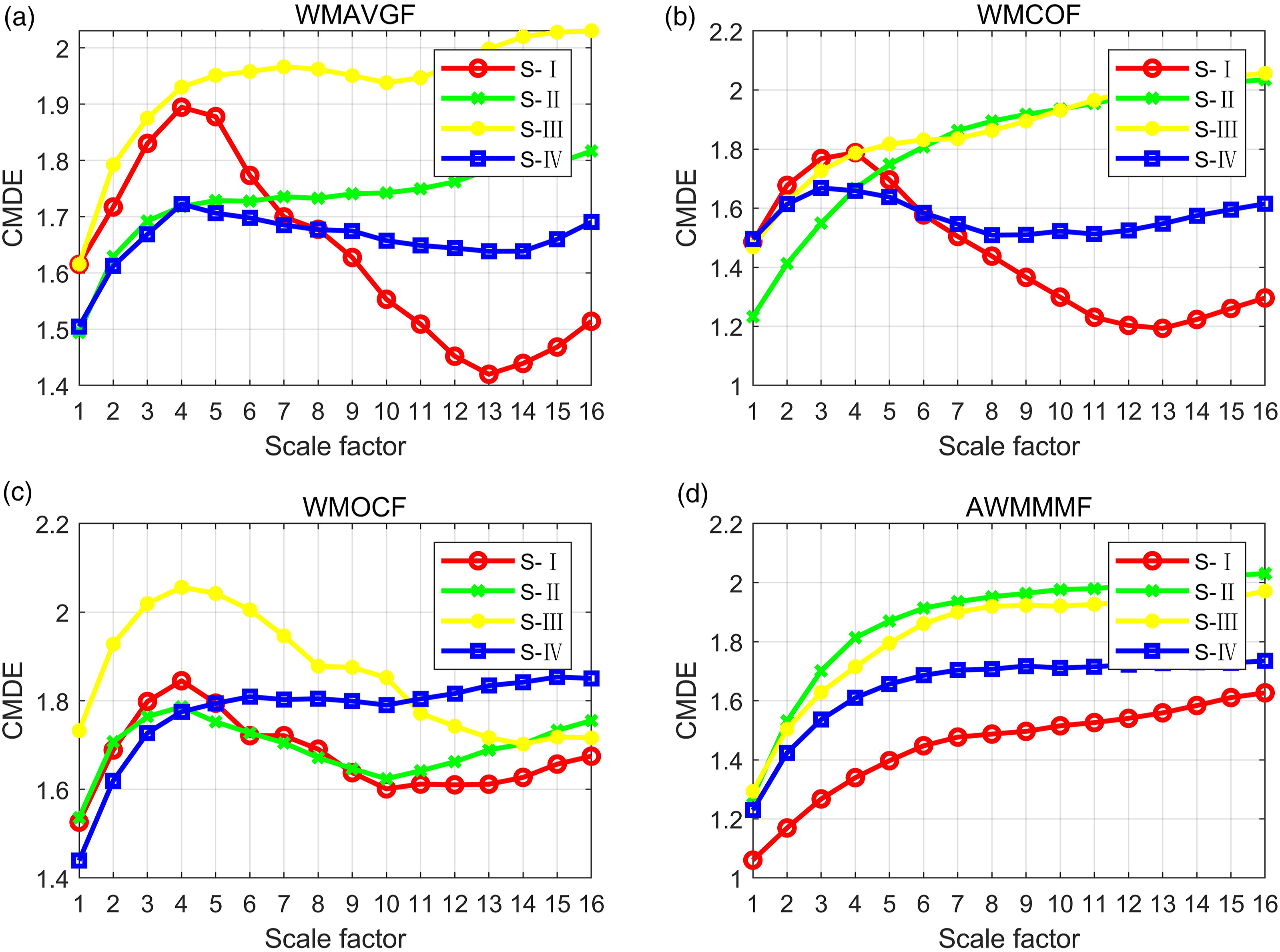
6. Conclusion
In this paper, an MMMF method based on adaptive weighting is proposed to extract ship signal features from ocean background noise. The effectiveness and superiority of the proposed method are verified by analyzing the simulation signal and the measured ship-radiated noise. The work done here has following conclusions. (1) We construct a new set of MMMFs. Compared with the single-scale MMF, the MMMF further improves the noise reduction performance and feature extraction ability. (2) Based on the AWMMMF, the TEK can be used as evaluation index to comprehensively evaluate the filtered signal characteristics and marine environmental noise and provide optimized weights for each scale. The optimized ship feature extraction result is obtained by weighting the selective adaptive weight and MMF. (3) Compared with the WMAVGF, WMCOF, and WMOCF, the AWMMMF can better extract ship features and suppress marine environmental noise. Compared with the ER of the original signal, the ER of the four types of ship-radiated noise filtered by the AWMMMF are 87.71%, 98.06%, 92.65%, and 98.47%, respectively. Compared with the SNR of the original signal, the SNR of the four types of ship-radiated noise filtered by the AWMMMF are 10.2146 dB, 12.209 dB, 12.283 dB, and 12.4665 dB, respectively. Compared with the CMDE of the WMAVGF, WMCOF, and WMOCF, the CMDE of the four types of ship-radiated noise filtered by the AWMMMF can better distinguish the four types of ship signals. Therefore, the AWMMMF has a good noise filtering effect and the ability to extract ship features.
Footnotes
Author Contributions
Zhaoxi Li designed the project and wrote the manuscript; Yaan Li and Kai Zhang helped to revise the manuscript. All co-authors reviewed and approved the final manuscript.
Declaration of conflicting interests
The author(s) declared no potential conflicts of interest with respect to the research, authorship, and/or publication of this article.
Funding
The author(s) disclosed receipt of the following financial support for the research, authorship, and/or publication of this article: The authors gratefully acknowledge the support by the National Natural Science Foundation of China (No. 11874302, No. 11574250, and No. 51179157).
