



Abstract
The wall pressure fluctuation caused by a turbulent boundary layer is an important source of noise and vibration in high-speed trains. Considering that railway vehicles are usually made of extruded profiles, a simple and reliable model is needed to predict the vibroacoustic characteristics of extruded profiles excited by a TBL in the early stages of design. A hybrid finite element and statistical energy analysis model is established for computing the vibroacoustic response of finite-sized panels excited by a TBL. In the hybrid model, the wall pressure fluctuation of the TBL is modelled in the wavenumber domain. The panels are modelled using FEs, and acoustic waves in the fluid space below the panels are modelled using SEA. The TBL wall pressure acting on the top surface of the panels is resolved into equivalent nodal forces with discretization of the structure using FEs, achieved by calculating the cross-spectrum matrix of the wall pressure in the spectral domain and using jinc functions with smooth boundary and symmetric properties as shape functions. The reciprocity between direct and reverberant fields couples the acoustic fields to the structure. Once the response of the hybrid model is determined, sound transmission through the panels can be calculated. By following the procedures outlined in this paper, the range of wall pressure model selection for TBL has extended and reduced computational time and provides a basis for the acoustic optimization design of extruded profiles.
Keywords
1. Introduction
The length of China’s high-speed railway and the speed of railway vehicles continue to grow, and some aerodynamics and wheel/rail wear are key scientific and technical problems (Jin, 2018; Wang et al., 2022). The internal noise of flow-induced vibration (Kim et al., 2020; Noh, 2020) and wheel–rail wear in high-speed operation (Chiello et al., 2022; Thompson and Jones, 2000) directly affect the riding quality of the train, which is an urgent problem to be solved in the development of high-speed trains.
The extruded profiles are a key component of high-speed train frame structures because of their light weight, high static stiffness, and strong fatigue resistance. However, its high bending stiffness and local resonance result in a rather poor noise barrier (Cremer and Heckl, 2013; Fahy and Gardonio, 2007). To improve the structural characteristics of vehicles and obtain a stronger sound insulation effect, vibroacoustic models of extruded profiles have been highly valued by academia and industry in recent decades. Li et al. (2021) used the statistical energy analysis (SEA) method based on wavenumber finite elements (WFE) to calibrate the simple equivalent analysis model of each component of extruded profiles. Zhang et al. (2018) studied the sound transmission loss (STL) properties of extruded panels using WFE methods and investigate the effect of different reinforcement rib styles on the STL. The corrugated plate inside the profile has a tremendous influence on the vibroacoustic characteristics of extruded profiles. Kopania et al. (2022) studied the STL and absorption of fluted PVC panels using experimental and theoretical methods. However, the vibroacoustic characteristics of extruded profiles excited by a turbulent boundary layer (TBL) are rarely reported. Many studies have concentrated on the vibroacoustic characteristics of simple structures (simply plates (Franco et al., 2019; Marchetto et al., 2018), stiffened plates (Liu et al., 2012, 2014), cylindrical structures (Da Rocha et al., 2010; Zhou et al., 2015), and double plates (Caiazzo et al., 2018; Carneal and Fuller, 2004), but for more complex structures, these characteristics can only be estimated by numerical methods. The methods mainly include (1) the finite element (FE) and boundary element method (FE-BEM); (2) WFE; and (3) SEA. Maxit (2016) considered the turbulent wall pressure as uncorrelated wall pressure plane waves and obtained the acoustical response of the structure by FE-BEM. Errico et al. (2018, 2019) combined the WFE and transfer matrix method to investigate the random response of axisymmetric periodic structures under TBL excitation. Moeller and Miller (2013) established SEA models for vibration responses of flat plates under TBL excitation, emphasizing the influence of structural mode selection. Meanwhile, Sorribes Palmer et al. (2013) used FEM-BEM and SEA to establish three vibroacoustic models of the train, anticipated the noise inside the train according to the frequency range investigated, and conducted parameter analysis on the sound pressure inside the train. Considering that high-speed trains face the problem of aerodynamic noise and wheel–rail noise, it is necessary to consider the difference in acoustic and turbulent excitation on the acoustic and vibration characteristics of the car structure. Therefore, an effective study of the vibroacoustic responses of complicated structures excited by TBL is needed as a methodology and model foundation to predict and optimize the acoustic performance of high-speed trains.
The motivation of this paper is to first put forward a hybrid model to predict extrusion profile vibroacoustic characteristics under TBL; at the same time, parameter study of the extrusion profile structure on the transmission loss (TL) is studied based on the hybrid model. The influence of acoustic optimization design provides a reference for lightweight and low-noise design of high-speed trains. The remainder of this paper is organized as follows. In the External Loading section, the wall pressure cross-spectra of TBL excitation are processed in the wavenumber domain to obtain the equivalent nodal force of the finite structural element. In the FE-SEA Model section, the acoustic vibration governing equations are established through FE-SEA. In the Case A—Finite-Sized Thin Plate section, the hybrid model is verified by calculating the velocity response and TL of simply supported plates subjected to TBL. In the Case B—Finite-Sized Extruded Profiles section, the hybrid model was used for the extrusion profile model of a high-speed train to evaluate the influence of different section shapes, reinforcement angles, and train speeds on the TL of extruded profiles.
2. Hybrid model
China’s high-speed railway is developing towards a higher speed, more comfortable, and safer direction, and TBL excitation has become one of the main sources of passenger cabin noise. Figure 1 shows that the TBL generates pulsating pressure on the surface of the train body. The pressure fluctuation first plays a role in the work and leads to the vibration of the upper plate (it is assumed that the vibration of the upper plate does not affect the wall pressure fluctuations because both have a weak coupling relationship). The vibration of the lower plate causes two main propagation paths: one is sound transmission by the air in the internal cavity (blue arrow W1), and the other is the transmission of structural vibration through the corrugated stiffened plate (red arrow W2). After the vibration of the lower plate, the sound is radiated to the inside train. Diagram of flow-induced vibration and noise of a high-speed train.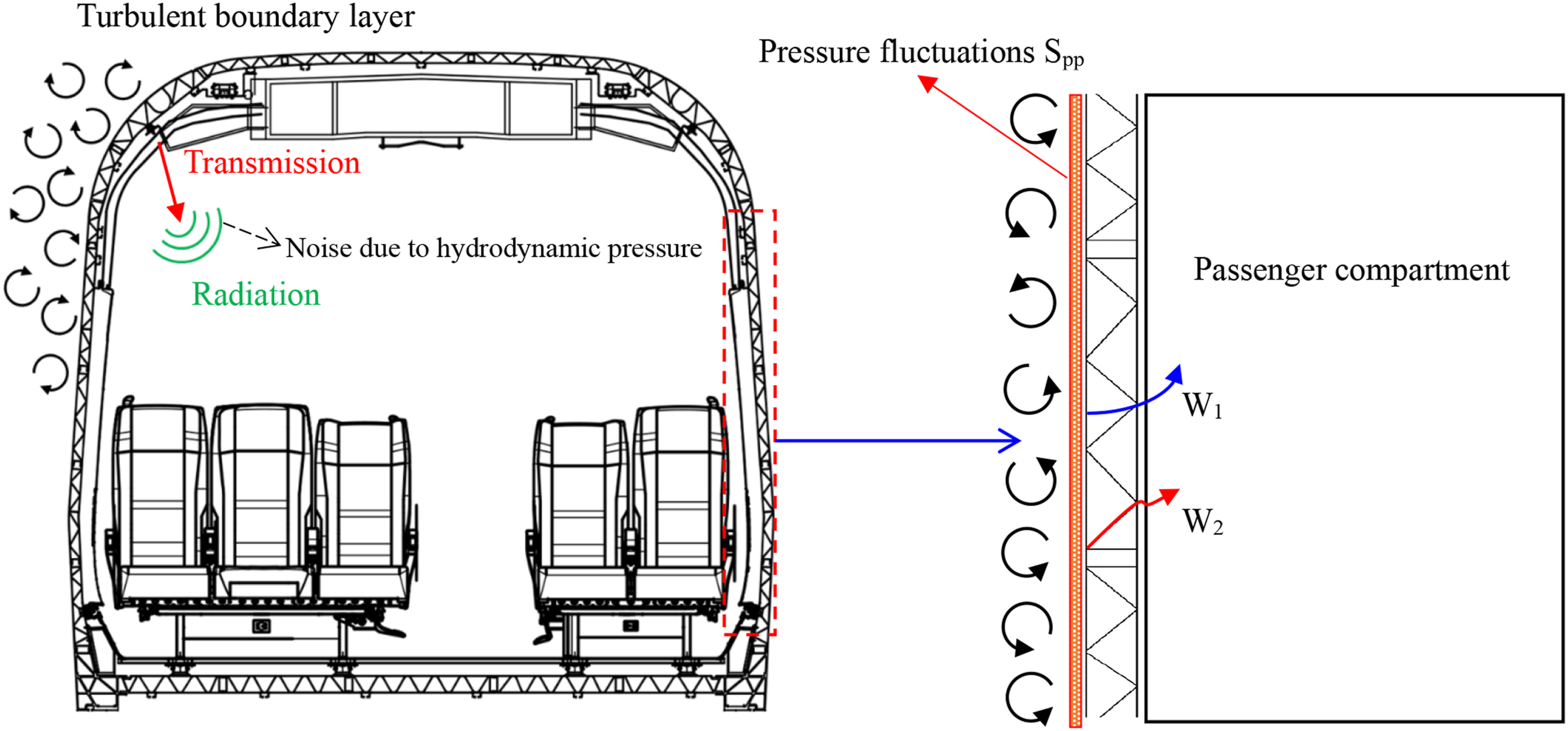
2.1. External loading
The pressure fluctuations due to the TBL at the structure’s surface are characterized by cross-spectra, which can be expressed in physical space. The space–frequency cross-spectra of pressure acting on the top surface of the panel caused by the TBL were described by Graham (1997)

The effect of the wall pressure can be modelled using a generalized force, expressed as (Shorter and Langley, 2005a)

Equation (2) involves computation of a quadruple integral, which is time-consuming and typically requires numerical methods. The convolution theorem of the Fourier transform is an alternative method; the cross-spectra of generalized forces can be calculated in the spectral domain. After some manipulation (details in Appendix A)



The wavenumber

A wavelet method (Langley, 2007) is used to deduce the shape functions corresponding to the out-of-plane displacements of the panel. The nth shape function can be expressed as

Applying the Fourier transform to equation (7) and using the time-transition property yields


The shape functions are expressed in the wavenumber domain. Substituting equations (8) and (9) into equation (3) yields

Once proper shape functions are determined, the cross-spectra density can be calculated using equation (10). Equation (7) requires that the shape functions have symmetric properties; the jinc function (


In equation (10), the cross-spectra density can be approximated using a rectangular rule, truncating, and regularly sampling the wavenumber space

Consequently, the equivalent nodal force acting on the FE model can be calculated as
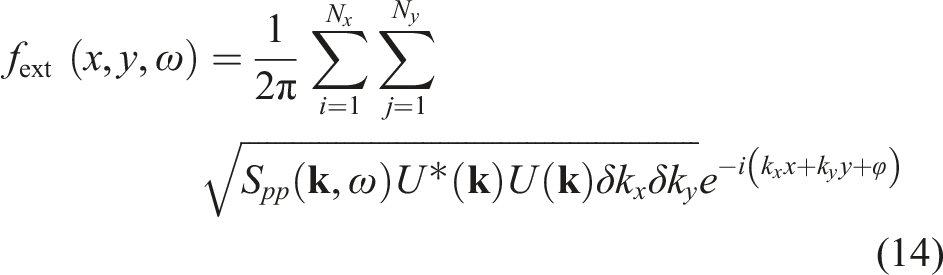
According to equation (14), the cross-spectra of random wall pressure generated by the TBL can be converted into the form of the nodal force, such that the external nodal force load can be input into the FE
2.2. Finite element–statistical energy analysis model
The hybrid FE Sketch of the coupled deterministic system and statistical system.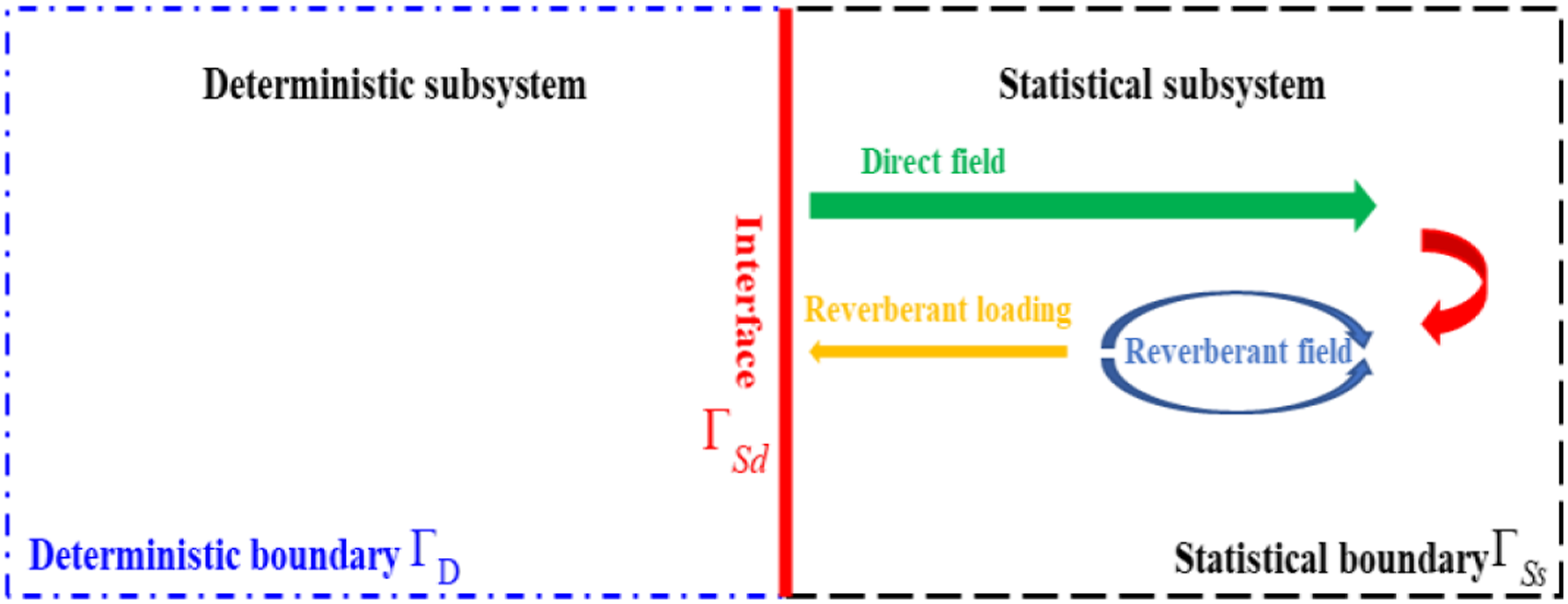
The response of the statistical subsystem is related to the direct field due to acoustic radiation from the deterministic boundary. The reverberation field is formed as wave reflections occurring on the statistical boundary of the statistical subsystem. As a result, blocked pressures acting on the coupling surface are produced. The governing equation of the coupled system can be written as



Its cross-spectral matrix becomes

The radiated sound pressure can be related to the structural displacement using the dynamic stiffness matrix of the direct radiation field (Shorter and Langley, 2005b)

The finite panel’s TL can be calculated using equation (22)


3. Numerical examples
3.1. Case A—finite-sized thin plate
Parameters of the rectangular sheet and fluid.
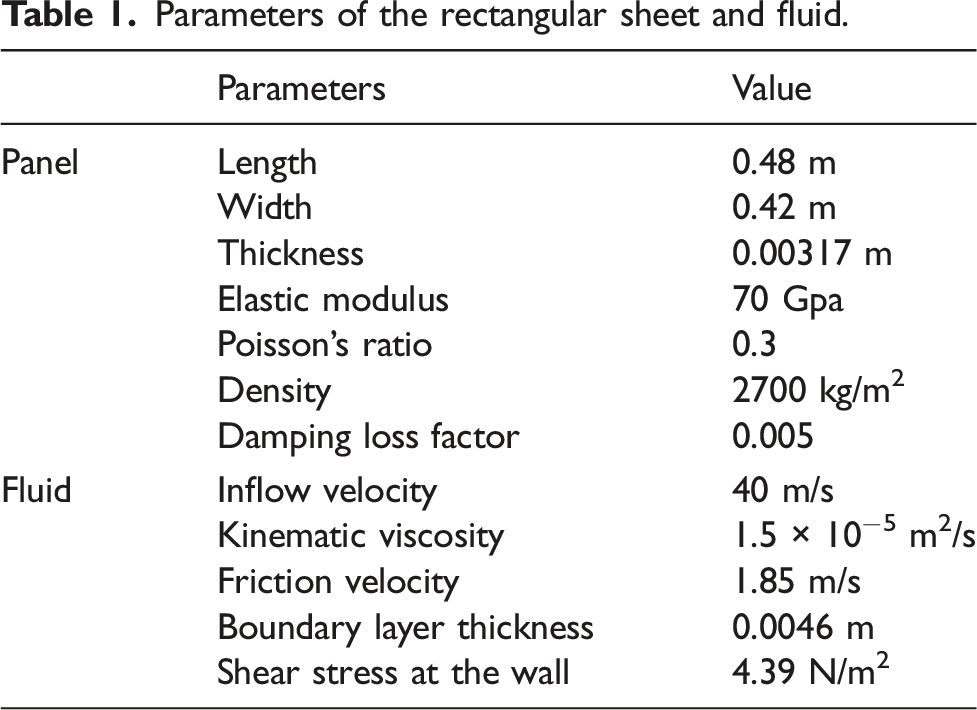
3.1.1. Hybrid model construction
The hybrid model described in the Hybrid Model section was used to synthesize the nodal forces at the surface of the panel. Figure 3 shows the visualization of the nodal force field at a frequency corresponding to 1000 Hz. The hybrid model with generalized external nodal forces and the FE The nodal force field at 177 Hz.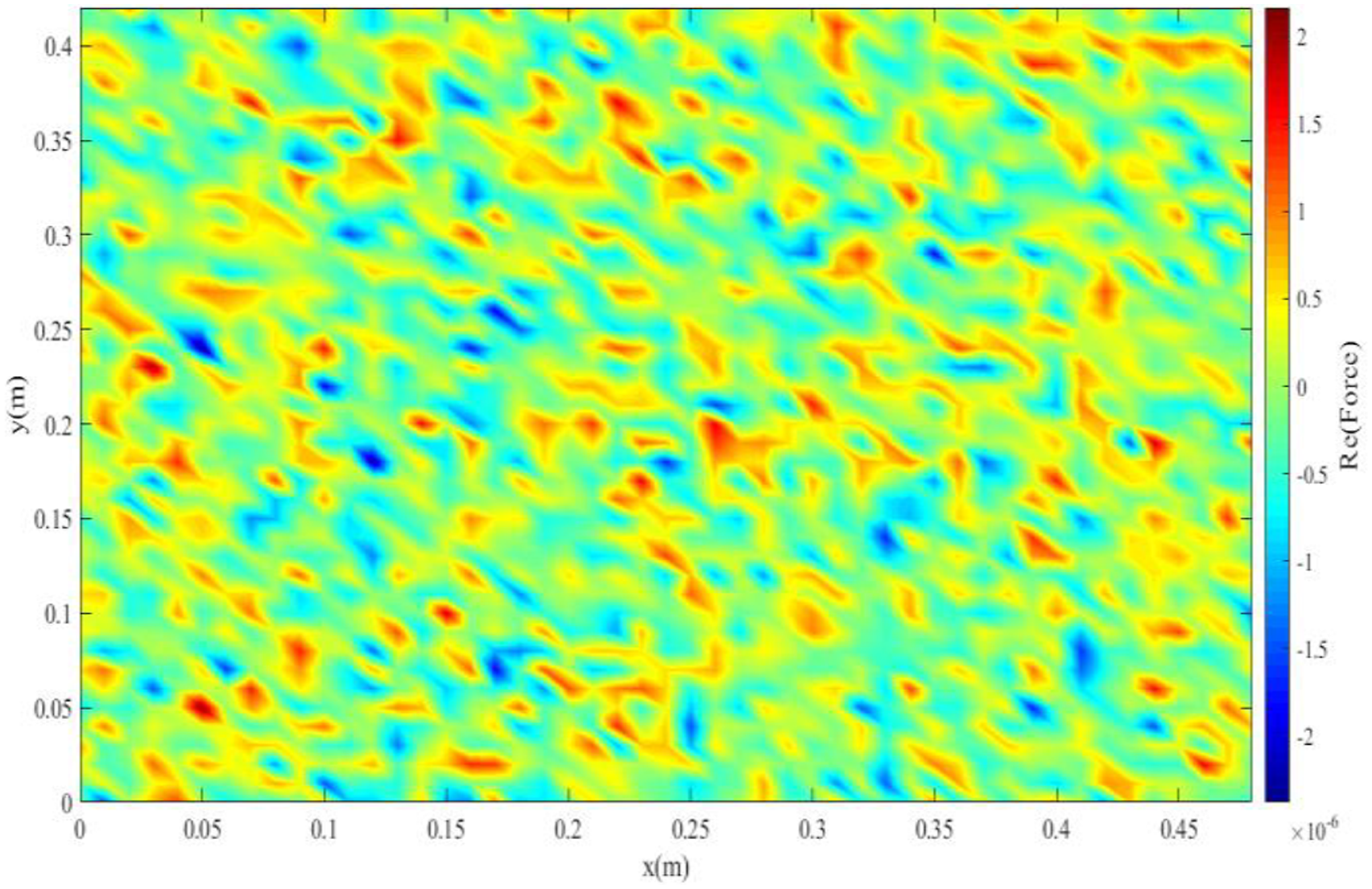
The thin plate is fully meshed using rectangular shell FEs. Each shell element has four nodes, and each node has six degrees of freedom. Assuming a virtual grid is attached to the panel surface, the grid sizes in the crosswise and streamwise directions are Effect of mesh size on TL.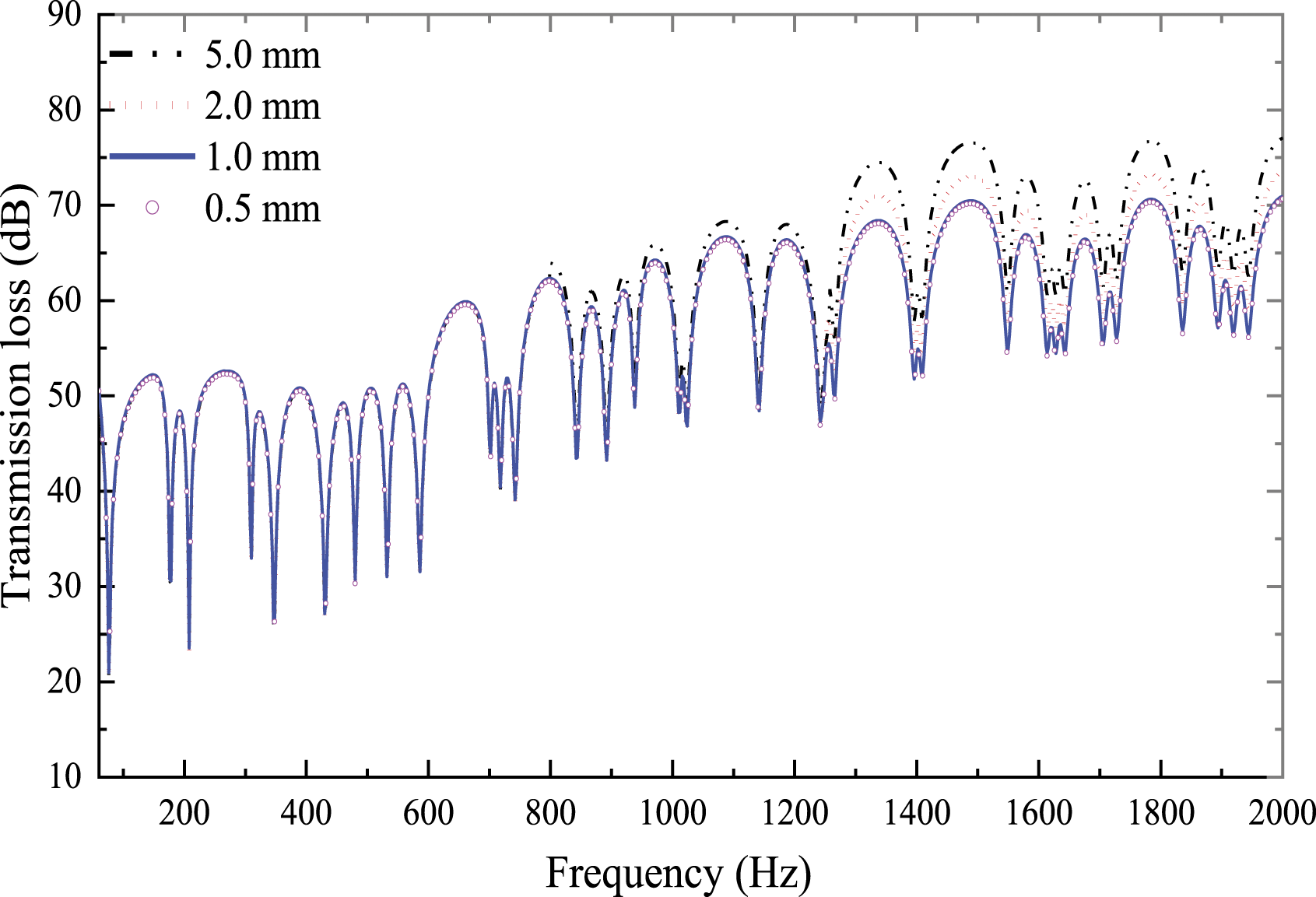
3.1.2. Vibroacoustic responses of the thin plate
This section will verify the validity of the model from two acoustic parameters, the velocity response and the TL of the thin plate. The experimental results of the velocity response of the plate are obtained from reference Karimi et al. (2020). The experiment is carried out in an acoustic wind tunnel. The wind tunnel was driven by two rotating fans. The air flows through the exhaust pipe to the anechoic chamber. A screen is installed inside the exhaust pipe to ensure a uniform flow of fluid. The simply supported plate is placed at the rear end of the baffle. The front end of the baffle is close to the wind tunnel outlet, and the front end of the simply supported plate is 1.8 m from the wind tunnel outlet to form a stable TBL on the plate surface. An accelerometer is placed at point (x = 0.3 m, y = 0.33 m, z = 0 m) to monitor the normal velocity response; the flow velocity is 40 m/s. The frequency range of interest is typically from 60 Hz to 2 kHz; a frequency step of 2 Hz is used in the numerical examples.
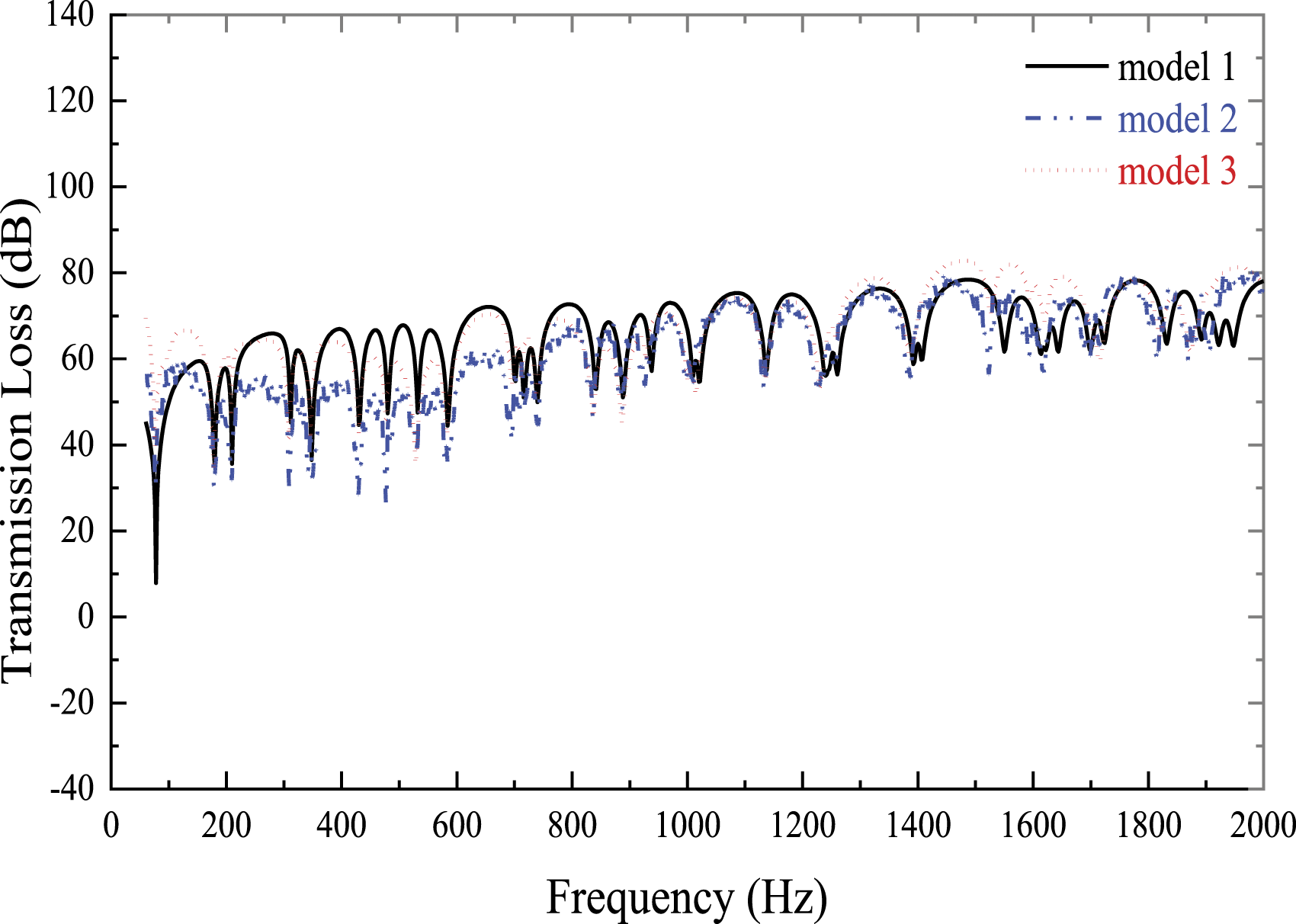
Figure 5 shows the calculation results for the vibration velocity of the plate at the monitoring point. The hybrid model (model 3) prediction is in good agreement with the predictions of the other two models and experimental measurements from 350 to 1000 Hz. There are small discrepancies outside this frequency range (350–1000 Hz), probably due to different assumptions in the three models. Figure 6 shows the calculation results for STL of the plate; the commercial software predictions are close to the analytical estimates at low frequencies. The vibration velocity prediction is slightly smaller using the hybrid model (model 3) than the analytical method (model 2) and the commercial software (model 1). At high frequencies, the calculation results of the hybrid model agree with those of the FE model in VA One; the analytical model sometimes predicts larger velocities than the FE model. Overall, there is good agreement between the three model predictions. Velocity response of the thin plate. TL of the thin plate.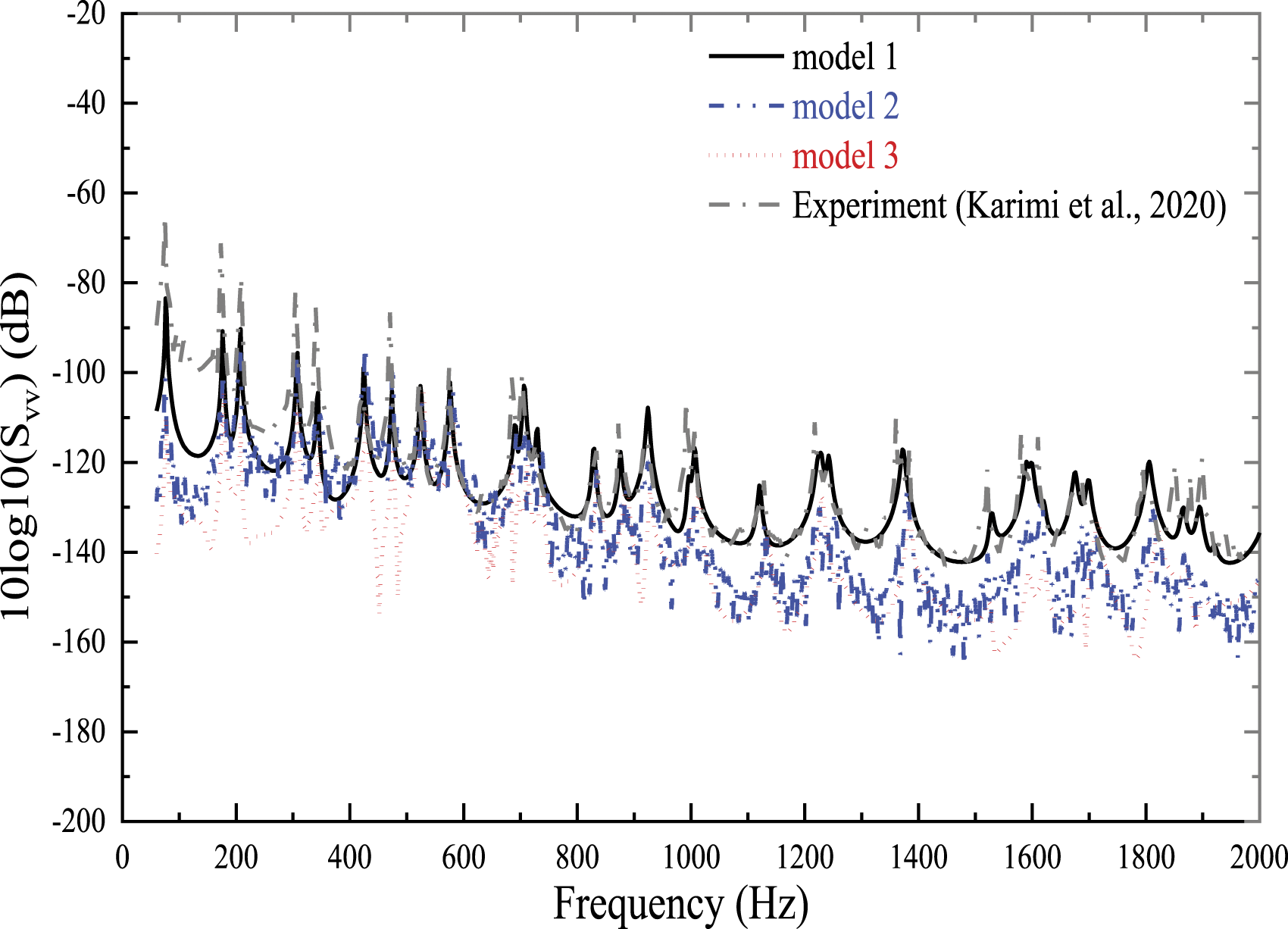
3.1.3. Comparison of VA One software
Comparison of the two models.

3.2. Case B—finite-sized extruded profiles
Parameters of extruded profiles.

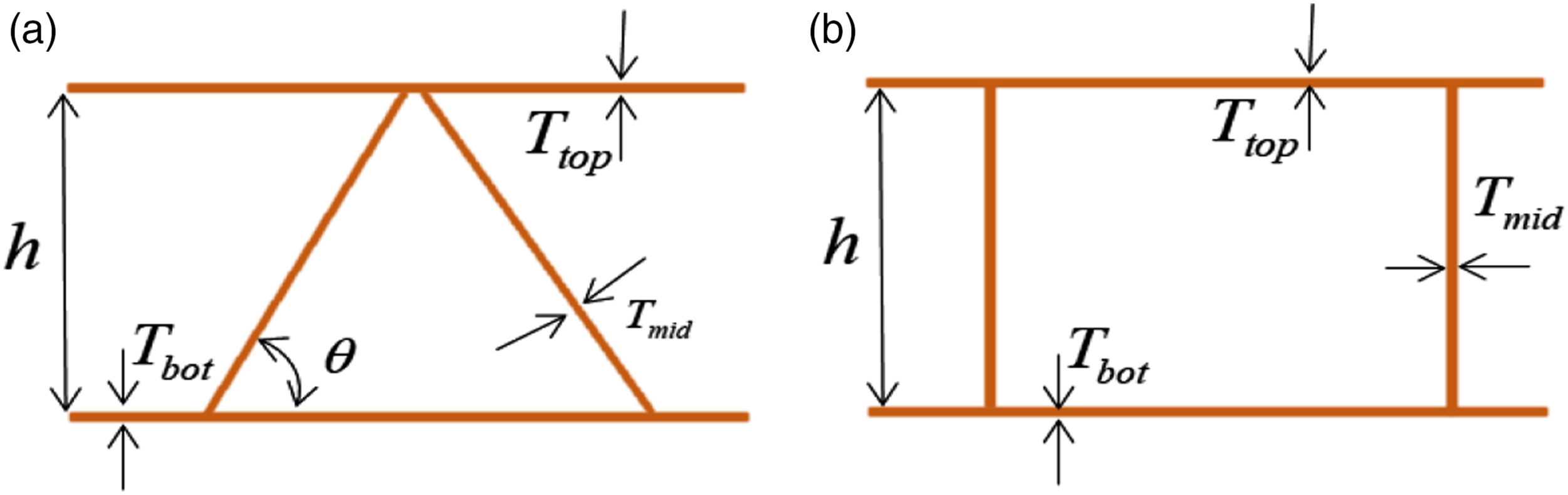
Extruded profiles of different section types: (a) triangle and (b) rectangle.
3.2.1. The difference in the vibroacoustic characteristics of the extruded profiles under DAF and TBL
High-speed train cabins are subjected to wheel–rail noise and aerodynamic noise. The acoustic design must consider the sound insulation of the vehicle body structure under both diffuse acoustic field (DAF) and TBL excitations. In this section, the difference in acoustic responses of the profile under DAF and TBL excitation is evaluated by two parameters: sound radiation efficiency and TL. The vibroacoustic model of the profiles under DAF was established by using the built-in method of VA One software. Figure 8 shows the mixed model of the profiles with triangular and rectangular sections under TBL excitation. FE-SEA models of the extruded profile under TBL: (a) triangle and (b) rectangle.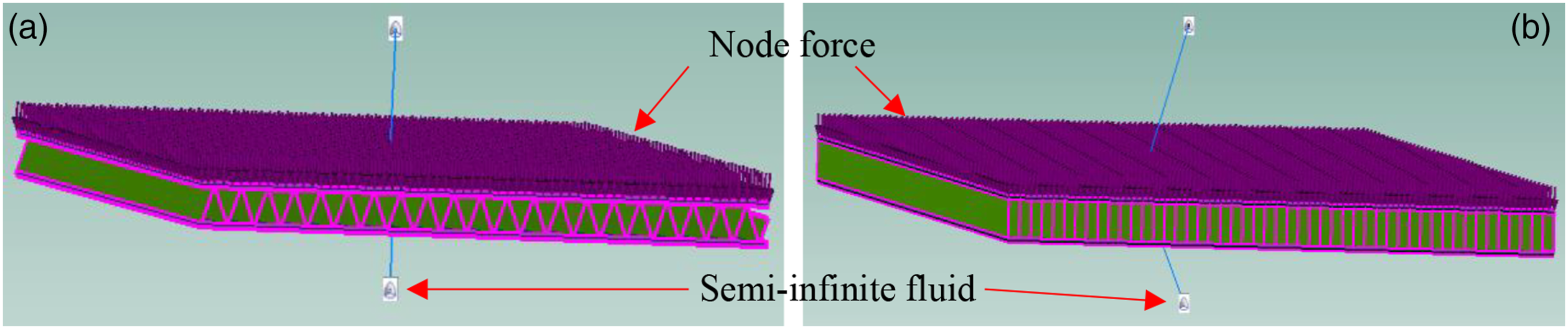
Figure 9(a) guarantees equilateral triangular cross-section profiles and rectangular cross-section profiles close to the quality of the case, avoiding the influence of factors on the structure of TL. The isosceles triangular cross-section profiles compared with rectangular section profiles can be found in most frequency ranges and have higher TL. The TLs of rectangular cross-section profile peaks and troughs alternate more frequently. The TL of the extruded profiles under TBL excitation is 15–30 dB larger than that under DAF excitation. As shown in Figure 9(b), by comparing the sound radiation efficiency of the two excitations, it can be found that the profiles with two different sections have higher sound radiation efficiency compared with the TBL excitation and DAF excitation. Vibroacoustic response of the extruded profile: (a) TL and (b) radiant efficiency.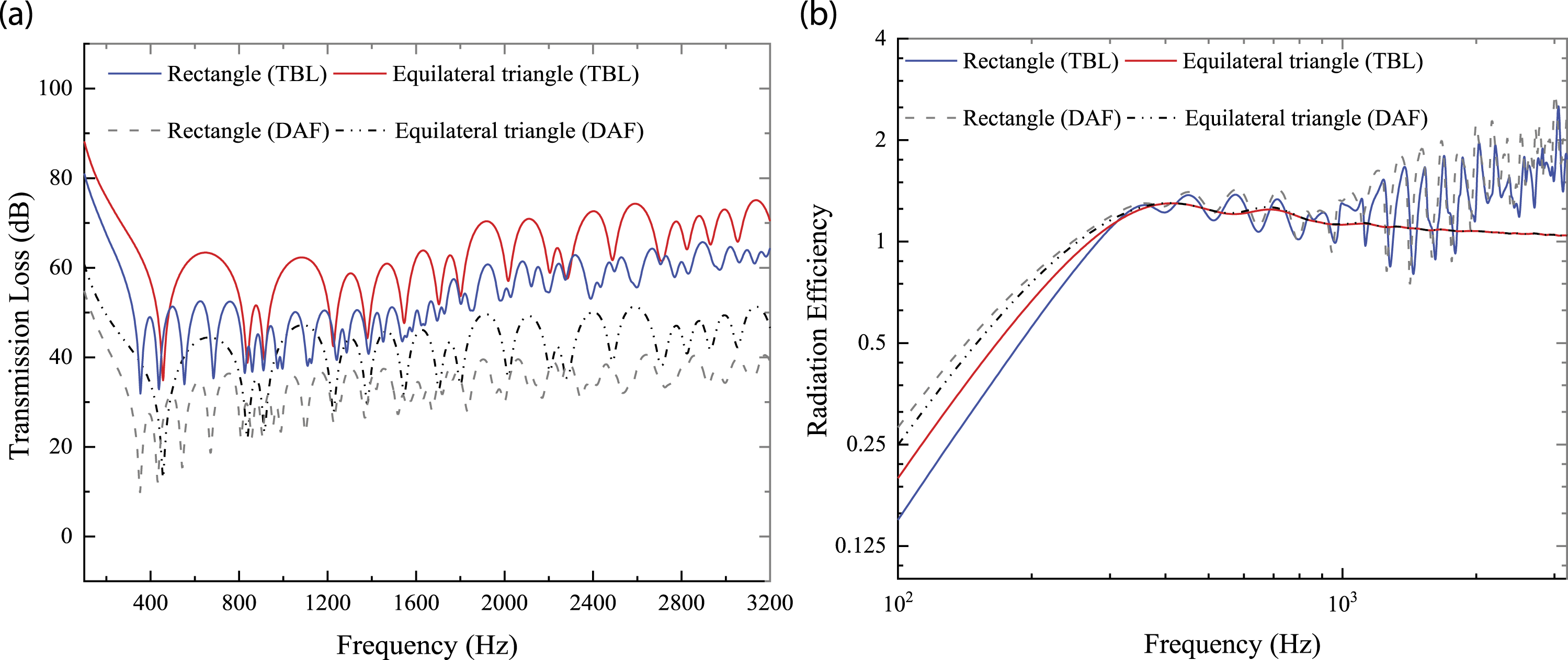
When studying the interaction between structural vibration and acoustic coupling, it is very convenient and beneficial to use the wavenumber map of structural vibration characteristics. Studying the matching of important wavenumber regions can provide a better understanding of the fluid–structure coupling mechanism. In this section, the wavenumber FE method (Kim et al., 2019; Zhang et al., 2018) was used to obtain the profile structure dispersion curve. The dispersion curves of the convective wavenumber (k
c
= 2πf/U
c
), acoustic wavenumber (k
0
= 2πf/C
0
), and profile structure wavenumber (k
f
) are shown in Figure 10. According to whether there is an exact match between the structural bending wavelength and pressure wavelength, the excited structure modes are hydrodynamically fast flexural modes (Fahy and Morfey, 1989) and acoustic fast flexural modes. Dispersion curve of the extruded panel: (a) triangle and (b) rectangle.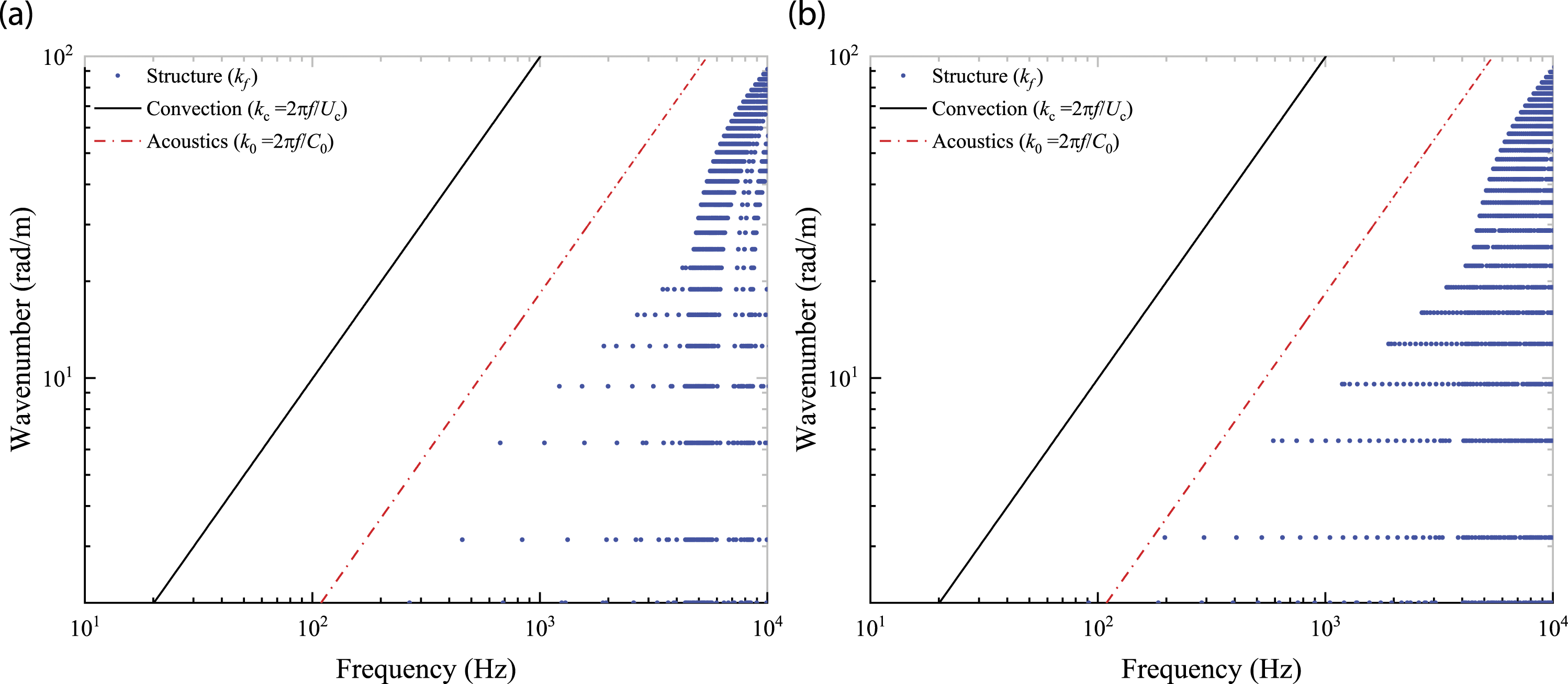
Turbulence and acoustic excitation can radiate sound waves. When the aerodynamic region moves to a very high wavenumber, the resonant mode changes to the radiation mode under the excitation of the acoustic component. When both are in the acoustic modal domain, both can radiate all the sound waves, but due to the acoustic tracing wave phenomenon making the resonance frequency of the resonant vibration of the profile of the acoustic excitation of the nonresonant forced vibration mode, it can be a very good and very effective radiation or transmit sound wave, and turbulence excitation board the nonresonance vibration and acoustic field cannot perform very good coupling, and sound radiation efficiency is low. This explains why the transmission efficiency of the sound field is higher than that of the pneumatic pressure field. The wavenumber of the profile with rectangular section is denser than the profile with triangular section, which shows that the TL fluctuation of the profile with rectangular section is more frequent.
Because the high-speed train requires the strength of the car body structure, the mechanical properties of the extruded profiles have higher requirements, and the extruded profiles with isosceles triangular sections have better mechanical properties. The following will take the extruded profiles with the isosceles triangle section. The effects of the stiffened plate angle, wall pressure model, and train speed on the TL of extruded profiles were studied.
3.2.2. Influence of the inclination angle of the stiffened plate
To study the influence of the layer core structure on the TL of the extruded profiles, the TL of the extruded profiles was calculated by changing only the structural inclination angle (θ,as illustrated in Figure 7(a)) of the corrugated layer core (train speed 350 km/h), and the structural inclination angle of the corrugated layer core was selected as 30°, 45°, and 60° for comparison. Figure 11 shows that the structure of the extruded section forms many TL troughs, the primary domain is the “plate-stiffened-plate” propagation path, radiation sound waves through the middle layer of the upper core sound reflection occur, and the incident wave and reflected wave have a space harmonic unison. The two wavelengths coincide, producing standing wave resonance that offers a variety of possibilities. Second, turbulence excitation interacts with profiles, and profiles of induced resonance make a series of oscillating trends appear on the curve of STL. The natural frequency can be found with the increase in the angle profiles that began to move at high frequencies, and in the angle of 60°, profiles in more than 1750 Hz frequency profiles of TL are greater than the other two angles. Second, an inclination angle of 45° is better than an inclination angle of 30°. From the TLavg point of view, the TL of profiles corresponding to inclination angle 60° is 5 dB and 2 dB higher than 30° and 45°, and its mass is 5.48 kg smaller than 45° and 6.55 kg larger than 30°. From the careful consideration of the lightweight and mechanical properties of high-speed trains, the structure of the profiles with an inclination angle of 60° will be selected for parameter study under the following working conditions. Influence of the stiffened plate angle on TL.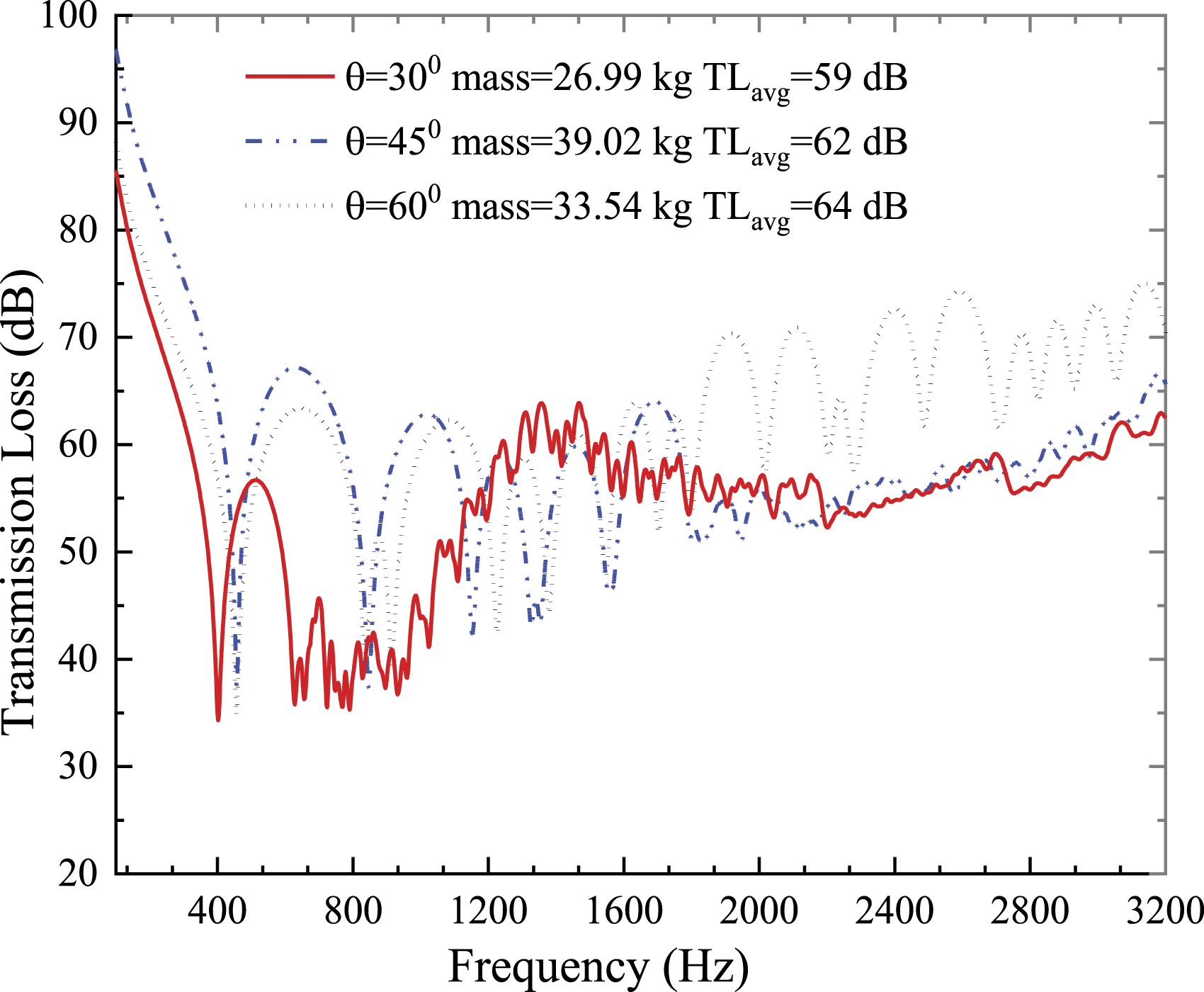
3.2.3. Influence of train speed
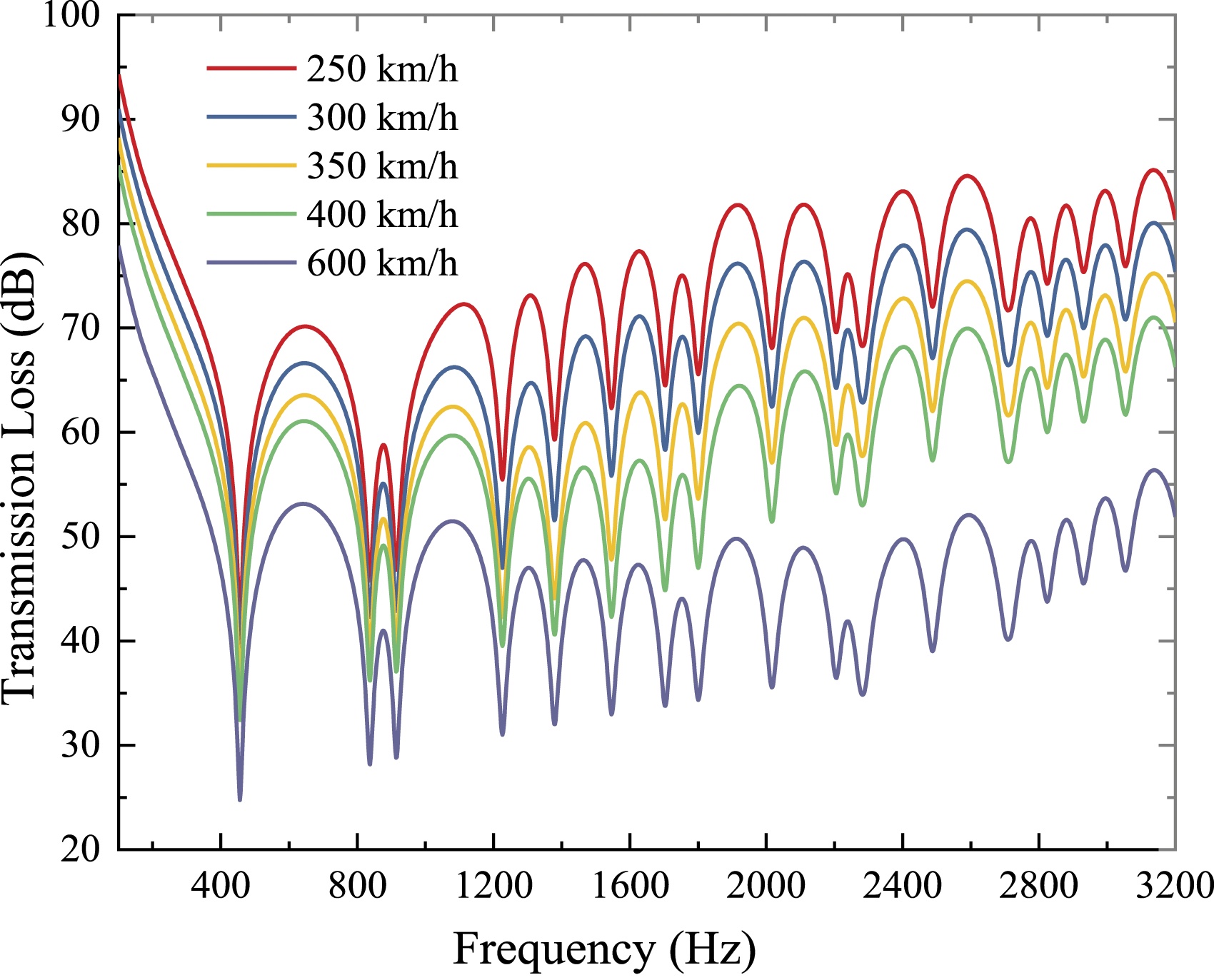
During train operation, the flow of the fluid outside will form a TBL excitation on the surface of the train body. The magnitude of the excitation is closely related to the train operation speed. Taking the current high-speed train operation speed as an example (mainly within 250–600 km/h), the influence of the extruded profiles under different vehicle speeds is explored. Based on the calculation results in Figure 12, TL decreases with increasing train running speed. A simple train running speed correction model can be developed to predict the TL of extruded profiles at different speeds, as expressed in equation (22) Influence of train speed on TL.
As shown in Figure 13, because convection is inversely proportional to the wavenumber and the speed of the fluid, the train running speed is higher, and the turbulence excitation of the convection wavenumber is smaller; thus, excitation closer to the profile curve wavelength is more likely to stimulate the profiles of the flexural wave through the profile to the car radiation sound wave, so the train running speed and the higher turbulence excitation through the car body structure of transitivity will improve. The contribution of the vehicle structure to the turbulence excitation will also become more sensitive. Influence of TBL model on TL.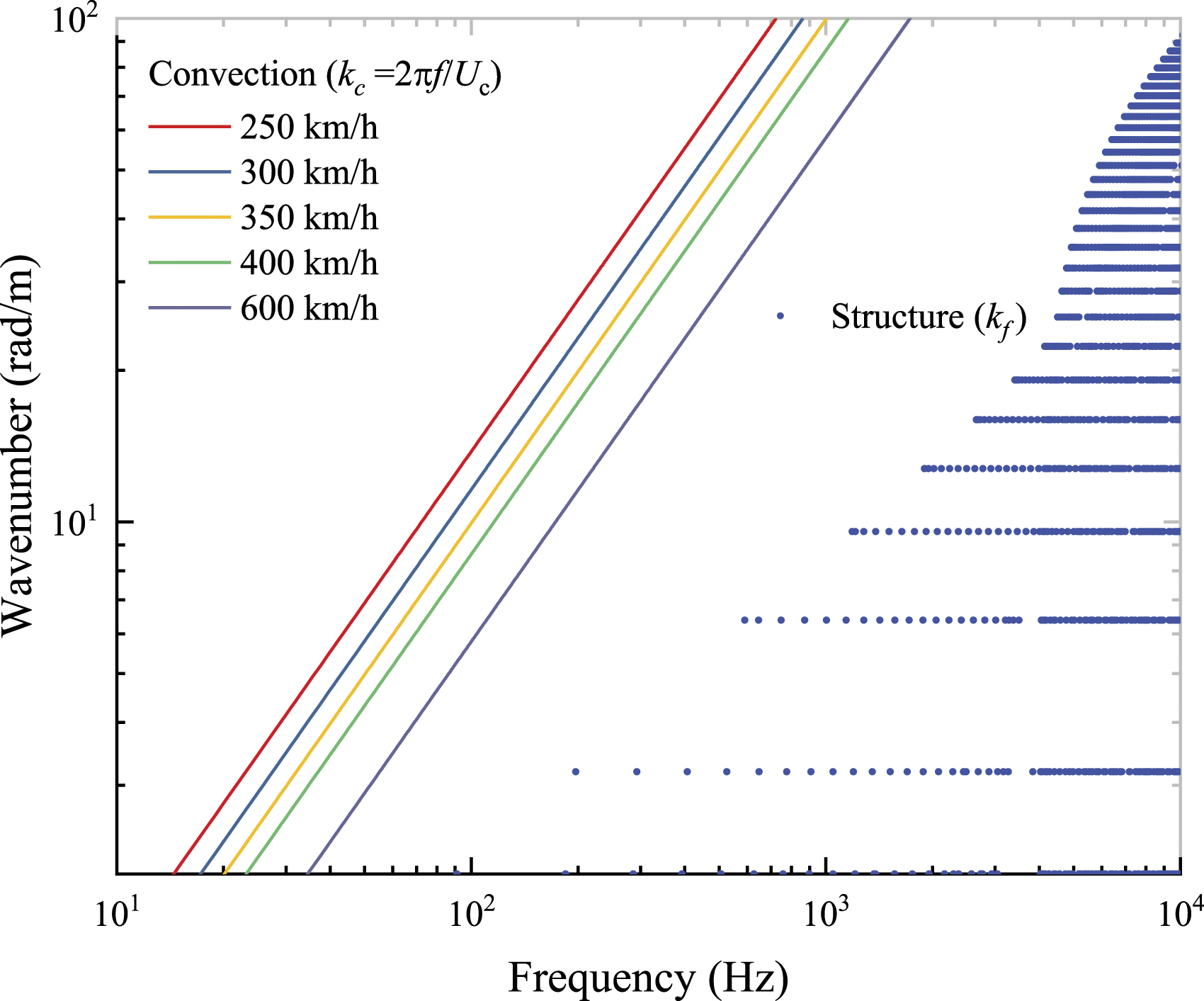
4. Conclusions
This study proposes a hybrid model to investigate the vibroacoustic characteristics of extruded profiles for high-speed trains subjected to TBL excitation. The following general conclusions were obtained: (1) In the hybrid model, the structure is modelled using FEs, and the TBL is modelled analytically. Emphasis is placed on deducing the generalized forces induced by the wall pressure of the TBL using wavelets. The generalized forces are determined using Fourier transforms and the jinc shape function. The continuous acoustic pressure produces equivalent nodal forces during FE discretization of the structure. Once the external load of the FE model of the panel is known, the structural response can be determined by solving fluid–structure coupling equations in the spectral domain. (2) Numerical examples illustrate that the hybrid model was effective. For the extruded panel, the internal rib panels’ construction was complicated and can hardly use analytical methods to achieve the simulation. It is also time-consuming to calculate the acoustic responses with commercial software. The hybrid model combines the wavenumber domain model of TBL with FE-SEA to broaden its application scope. (3) The wavelength of sound wave is close to the wavelength of structural bending of the profile, and the car body structure is more sensitive to acoustic contribution. The turbulence wavelength is close to the profile bending wavelength at the lower coupling frequency, and the other frequency ranges are much larger than the profile bending wavelength, so the turbulent pulsation excitation has poor transitivity through the vehicle structure. Therefore, although the amplitude of the turbulence pressure outside the vehicle is much larger than that of the sound pressure, the contribution of the noise inside the vehicle is mainly acoustic, which is mainly manifested as turbulence pulsation pressure at low frequency and acoustic excitation at high frequency. (4) Compared with rectangular profiles, equilateral triangular shapes have better sound insulation ability. The influence of inclination angles of 30°, 45°, and 60° on the TL of profiles is considered. It is found that the 60° inclination angle has a higher TL at middle and high frequencies. When the train speed increases by 100 km/h, the TL of the profile structure under turbulence excitation will decrease by 3–4 dB. The faster the train speed is, the higher the transitivity of turbulent excitation through the car body structure will be, and the more sensitive the turbulent excitation contribution to the car body structure radiation will be.
Footnotes
Declaration of conflicting interests
The author(s) declared no potential conflicts of interest with respect to the research, authorship, and/or publication of this article.
Funding
The author(s) received no financial support for the research, authorship, and/or publication of this article.
Data Availability
The data used to support the findings of this study are available from the corresponding author upon request.
Authorship contribution statement
Ye Li: Conceptualization, methodology, and writing—original draft. Yumei Zhang and Zhao Tang: Methodology and writing—review and editing. Aipeng Pan: Data curation and validation.

Appendix A
The main formulations of transforming the cross-spectral forces from space into the wavenumber domain are presented in this appendix
According to the convolution theory, the integral in the parentheses of equation (26) can be rewritten as
Note that if
Equation (31) involves a two-dimensional Fourier transform.
After some manipulations, one has
The cross-spectra force on wall nodes can be obtained by transforming the integration order of equation (34), which is
Appendix B
Goody’s model (Miller et al., 2012)
Corcos’ model (Miller et al., 2012)
Appendix C
Using the sensitivity function and CSD function of the wall pressure to express the ASD function of the velocity response in the wavenumber domain (Marchetto et al., 2018), one has
The spatially averaged quadratic velocity response of the simply supported plate under the TBL is
The radiated sound power of the simply supported plate becomes