




Abstract
While the risk of crime and perceptions of safety have been regularly addressed by criminologists, this has rarely extended to asking how those considering or taking vacations perceive their security. In contrast, tourism researchers regularly focus on perceptions of safety but define this more broadly to include, inter alia, safety from health risks and natural disasters. This paper melds the two disciplines by considering which destinations US residents perceived as unsafe, focusing on risks from crime, political unrest or terrorism, and health concerns. The research used a crowdsourcing platform to collect citizens’ perceptions of safety with regard to crime, terrorism/political disorder, and health problems at the height of the COVID-19 pandemic. The findings suggest that health problems were seen as the greatest risk, but not excessively so. Mexico and China were seen as the most risky countries to visit, although US residents also considered the USA a relatively dangerous place to spend a vacation. Variations in perceptions of safety between subgroups of respondents were greatest for health problems and least for crime, suggesting that fear of crime is associated with features of everyday life that are less relevant to tourism destinations. The paper concludes by discussing the relevance of the findings for both the tourism sector and criminology.
Keywords
Introduction
We live in a “risk society” (Beck, 1992); never more so than during the COVID-19 pandemic.
However, to criminologists, safety and security are generally perceived in a narrower context than Beck envisaged: to involve crime, public disorder, and terrorism incidents. Community safety is thus envisaged within a relatively narrow set of parameters. In contrast, tourism specialists use the concept of safety to include environmental hazards, health threats, and man-made disasters, while both international bodies (United Nations Development Programme, 1994) and national governments (Department of Homeland Security, 2021; Homeland Security Council, 2007; UK Cabinet Office, 2008, 2017) have considered security to cover natural hazards and technological or accidental hazards, as well as intentional harms. In the USA, for example, the Department of Homeland Security lists, among others, avalanches, hazardous materials incidents, hurricanes, pandemics, and wildfires on its website. 1
The COVID-19 pandemic may thus be viewed as a security issue in its own right. But it is only one of a number of safety concerns that confront modern society: Fear determines the attitude towards life. Security is displacing freedom and equality from the highest position on the scale of values. (Beck, 2009, p. 8)
However, as Beck himself acknowledged, some risks are considered acceptable: we may as rational actors deploy cost-benefit analysis in considering that the benefits to be derived from certain choices outweigh the risks. Furthermore, risk is situationally and temporally located: the chance of being attacked outside a bar at night is greater than that of being attacked on a suburban street in daylight, and citizens perceive dangers to be greater after dark. This is well researched among criminologists. However, there is a notable lack of criminological research on perceptions of risk vis a vis travelers’ perceptions of safety abroad. That is, which countries or parts of the world do tourists perceive to be risky, and what do they consider unsafe about these countries? And how far do the benefits outweigh the risks? Tourism researchers frequently address these questions, comparing risk and safety with regard to various threats that tourists might face. However, relatively little attention has been paid to how far tourists see some countries as less safe than others and whether they view countries as safe/unsafe overall or differentiate for different risks. This is an important issue for academics and practitioners in a risk society.
Given the COVID-19 pandemic, the tourism industry has focused even more on the impact of threats such as coronavirus on international travel (Brouder, 2020; Gössling et al., 2020; Gunay et al., 2020; Qiu et al., 2020; Sigala, 2020; UNWTO, 2020). However, criminologists’ principal focus has been on the impact of the pandemic and resulting lockdowns on crime (see for example: Ashby, 2020; Felson et al., 2020; Hodgkinson & Andresen, 2020; Mohler et al., 2020). Our current research offers a different perspective: that is, how people's perspectives of risk regarding health issues sit alongside their concerns about “traditional” law and order concerns. Our measurement of risk is couched in terms of whether or not respondents would avoid traveling to specific countries because they were concerned about how safe they were. Using this definition, we take data from a crowdsourcing survey of US residents to address three questions:
How do citizens perceive risk in the context of their choices of where to spend a vacation? Do their concerns over safe destinations vary according to the nature of the risk? Can we distinguish between more and less risk-averse US citizens?
The article is divided into three main sections. In the first, we review and contrast previous research by criminologists and tourism academics. Then, we describe our ongoing research. Finally, we address our findings in respect of US residents’ perceptions of unsafe destinations.
Literature Review
Risk in Criminological Discourses
Risk has traditionally been of concern to criminologists largely in the context of crime and political unrest. It encompasses both objective risk, the chance that one will be the victim of a crime, and subjective risk, perceptions of the likelihood that one is in danger. In the latter case, criminologists measure perceptions through questions addressing anxiety, concern, worry, feelings of a lack of safety (e.g., when out alone after dark), perceptions of risk, views on the frequency of crime and disorder problems in their neighborhood, and avoidance strategies, what might together be loosely termed fear of crime (Gray et al., 2008). Indeed, “fear” may be considered a greater problem than objective risk (Dixon et al., 2006). Clearly, such measures range from the highly specific—vis a vis particular crimes, in particular places at particular times—to those that are broader, global indices, that may include noncrime hazards (Gray et al., 2008; Hale, 1996; Lane et al., 2014; Rader, 2004, 2017; Warr, 2000). For example, fear about going out after dark may relate to the risk of crime, but may also relate to being involved in a traffic accident. Although the precise relationship differs for different measures of fear, there is clear and consistent evidence that fear varies for different subgroups of the population. Furthermore, internationally, it appears that in countries where crime rates are higher, citizens are more likely to register higher levels of fear (Dijk et al., 2008).
Within countries, numerous authors have identified an association between fear and demographic variables (e.g., age, sex, affluence, state of health), neighborhood characteristics (e.g., incivilities and disorder, neighborhood cohesion), and experience of crime (direct or indirect) (Dixon et al., 2006; Hale, 1996; Hough, 1995; Office for National Statistics, 2017; Rader, 2017). In general, the most vulnerable members of society and those most at risk of being victimized are the most fearful (Dixon et al., 2006; Mawby & Walklate, 1994; Vauclair & Bratanova, 2017).
However, the interchange of concepts like fear and risk reflects an ambivalence in the criminological literature: between on the one hand seeing fear as overstated or irrational and on the other hand seeing it as a rational appraisal of vulnerability, leading citizens to adjust their behavior, or lifestyles, to minimize risk (Jackson & Gray, 2010; Rader & Haynes, 2014). But crime prevention measures are often expensive and therefore less likely to be available to poorer sections of the community (Wojcik et al., 1997), leading in the UK, for example, to government-funded crime prevention initiatives (Tilley et al., 1999).
Finally, very little criminological research has addressed the fear of crime among tourists. However, research on tourists who had returned from their vacation has found both that tourists express low levels of fear compared with high rates of victimization—what Mawby (2000) termed the risk-fear paradox—and that even where they have direct or indirect experience of crime on vacation they consider their destination safe (Mawby et al., 2020).
Risk in Tourism Discourses
Tourism academics also have a long tradition of researching risk (Floyd et al., 2004; Roehl & Fesenmaier, 1992; Seabraa et al., 2013). However, for them, risk is defined more broadly (Yang et al., 2019). While the risk of experiencing a crime on vacation has been considered (Alleyne & Boxill, 2003; Schroeder et al., 2013), far more attention has been paid to the risk of being caught up in a terrorist incident (Brunt & Cousins, 2002; Fletcher & Morakabati, 2008; Henderson, 2003; Hitchcock & Putra, 2005; Korstanje & Clayton, 2012; Mansfeld & Pizam, 2006; Pizam, 1999; Pizam & Fleischer, 2002; Pizam & Smith, 2000; Sonmez & Graefe, 1998a, 1998b; Walters et al., 2019). Risks from crime, terrorism, and political unrest (Carter, 1998; Lanouar & Goaied, 2019)—as with the Tiananmen Square massacre (Breda & Costa, 2005; Gartner & Shen, 1992)—are often classified as security risks and distinguished from safety risks that include food hygiene, natural disasters (e.g., tsunami), man-made disasters (e.g., the nuclear accident following the Fukushima earthquake in Japan: Jin et al., 2019), environmental concerns (e.g., air pollution: Becken, Jin, Chen & Gao, 2016) and health risks such as SARS and bird flu (Breda & Costa, 2005; Chien et al., 2017; Jonas et al., 2011) or, currently, COVID-19 (Qiu et al., 2020).
Like criminologists, tourism researchers note that different measures of fear, safety, risk, etc., promote nuanced responses (Chen et al., 2009; Chien et al., 2017; Williams & Baláz, 2013; Wolff et al., 2019). Nevertheless, as with the criminological literature, some travelers are more risk-aware and/or risk-averse than others (Seabraa et al., 2013). Here, again there is some ambivalence between those who see risk aversion as an overstated response and those who see it as a sensible precaution. More experienced travelers (Mazursky, 1989) and those who have previously visited an area are generally less risk-averse than first-time visitors (Fuchs & Reichel, 2011; Karamustafa et al., 2013; Kozak et al., 2007; Lepp & Gibson, 2003; Sonmez & Graefe, 1998c), giving credence to the former, i.e., return visitors give risk a sense of perspective. But, unlike in criminological discourses, risk awareness does not generally directly cost tourists, since they can choose alternative destinations at potentially nil-extra cost; instead, it financially affects the industry, where tourists stay at home or take vacations elsewhere. 2
As with criminological research, perceptions of risk vary between different subgroups of tourists (Floyd et al., 2004; Floyd & Pennington-Gray, 2004; Seabraa et al., 2013; Sonmez et al., 1999; Sonmez & Graefe, 1998a, 1998b, 1998c). Thus cultural differences (Kim et al., 2016; Reisinger & Mavondo, 2005, 2006), age (Floyd & Pennington-Gray, 2004), and gender (Floyd & Pennington-Gray, 2004; Kozak et al., 2007; Lepp & Gibson, 2003; Morakabati et al., 2012; Reisinger & Crotts, 2010) have all been found to influence perceived risk.
A number of studies address the attractiveness versus riskiness of different countries (Kozak et al., 2007; Reisinger & Mavondo, 2006; Tjiptono & Yang, 2018). Tjiptono and Yang (2018), for example, compared the perceptions of those visiting Hong Kong on two dimensions, attractiveness and riskiness, with highly attractive/low risk at one extreme and unappealing/high risk at the other extreme. Reisinger and Mavondo (2005, 2006), identified significant differences in travel risk perceptions between tourists from different countries, while Kozak et al.’s (2007) research, shortly after the SARS crisis of 2003, found that tourists identified different risks (infectious disease, terrorist attack, or natural disaster) with different world regions.
Three studies of particular relevance to our research are those by Schroeder et al. (2013) on perceptions of risk and safety in respect of the 2012 London Olympics (see also: Schroeder & Pennington-Gray, 2015), Morakabati et al.’s (2012) survey of risk and desirability of countries in the Middle East, and Fourie et al. (2020) comparison of tourists from and traveling to countries perceived as more or less secure. In the first study, the authors compared the perceptions of Australian and Canadian citizens regarding different safety issues during the London Olympics. Respondents were asked, among other things, to rate on a five-point scale how likely they felt it was that London would experience: a natural disaster; a SARS-like outbreak; food safety issues; a financial crisis; a stadium collapse; problems due to unexpected weather; a political coup; increased crime; or a terrorist event. While differences between Australians and Canadians were minimal, only in the case of a crime increase did ratings register above the scale midpoint (3.32 and 3.33, respectively), with the possibility of a terrorist event rated second at 2.83 and 2.60, respectively. In the second study, Morakabati et al. (2012) asked a sample of British residents about the desirability and risks associated with traveling to a range of Middle Eastern destinations. Not surprisingly, countries immersed in internal conflict headed the list of those that respondents considered high risk and would not consider visiting: Afghanistan, Iraq, Libya, Palestine, and Yemen. Of more interest, both Egypt and Turkey, countries with recent histories of terrorism, were considered relatively low risk, as was the UAE. The risks cited covered robbery/fraud, political conflicts, natural disasters, health problems, terrorism, and being arrested due to breaking local customs. Overall, the authors found that there was a strong correlation between countries seen as high risk and those they would not consider visiting. Finally, Fourie et al. (2020) investigated the effects of security threats, namely, terrorism, crime, and corruption, on international tourist flows. They found that tourists from “stable” countries were less tolerant of insecurity in the destination country, but that greater knowledge about the destination country reduced the negative effect of insecurity.
Integrating the Discourses
As criminologists, our initial interest was in assessing citizens’ perceptions and experiences of crime, disorder, and terrorism in traveling to different countries. The original research design thus covered two key elements: future travel plans in the light of security risks, and experiences of crime and disorder during recent vacations. However, the pandemic caused by COVID-19 coincided with our piloting of the questionnaire. We therefore decided to extend section 1 of our questionnaire, on future travel plans, to include safety concerns due to health issues. By doing so, we broadened our research focus beyond criminology and melded the research interests of both criminologists and tourism academics. This also enabled us to assess how tourists perceived health risks alongside “conventional” security risks. This paper addresses these issues.
Methodology
Using Mechanical Turk
Our current research aimed to investigate citizens’ perceptions of risk on vacation at a time when the COVID-19 pandemic had dramatically affected the tourism industry. Using a crowdsourcing platform enabled us to achieve a relatively large sample quickly at a key point in time. These platforms have grown in popularity in recent years, offering a relatively cheap bank of respondents, broadly representative of the internet population. While respondents, who are known as “workers”, tend to be somewhat atypical of the general population (Chandler et al., 2019), Thompson and Pickett (2020) argue that intrasample comparisons are usually valid.
Using MTurk to study tourists’ perceptions of risk has many of the advantages discussed above: it is cost-effective, offers easy access to a population sample, and provides anonymity to those who might otherwise be reluctant to describe embarrassing feelings, including fear or concern over traveling. However, as noted above, there are also problems with using MTurk. First, where workers complete numerous surveys, motivation may be problematic, with “satisficers” doing a minimal amount of work to achieve their fee (Chandler et al., 2013). To minimize this problem, we resisted pressure to pay workers generously, deciding that in this way, we would deter those with low levels of motivation, who would, correspondingly, opt for more generously rewarded surveys on the MTurk menu. When we subsequently asked respondents why they had participated, 42.6% said they liked to travel and 41.2% said that they were interested in the research topic, which we felt justified this approach. 3 The fact that experienced travelers were also overrepresented (see below) also reflects this. Second, there is a possibility that where workers carry out a large number of surveys on similar topics they will become somewhat sophisticated respondents, i.e., “non-naive” (Chandler et al., 2019). However, our review of crowdworking platforms and worker reactions suggested that our research was distinct from others that had been or were being carried out, suggesting that most of our respondents would indeed be “naive”. Third, whether or not workers respond honestly is a cause for concern. The approved way of checking that workers are answering questions or fulfilling tasks with due diligence is to include checks. Consequently, we included a multiple-choice check. We excluded all those failing this, a total of 14.9% of completed questionnaires. Additionally, we scrutinized answers in the one free text box included on the questionnaire and excluded dubious answers. As a result, we excluded a further 12.9%.
The Sample
In considering whether we could draw a viable sample, two questions arose:
What sort of tourists do we wish to study? Clearly, some countries are better represented on crowdworking platforms than others. About three-quarters of MTurk workers are based in the USA (Difallah et al., 2017). Thus, drawing a sample of US tourists is more viable than drawing a sample of tourists from other countries. Which countries do tourists visit? At the time of our research, the most common foreign destinations for tourists across the world were France, with 89 m arrivals in 2018, Spain (82 m), the USA (80 m), China (63 m), and Italy (62 m) (UNWTO, 2019). However, concentrating on those visiting just these countries limits the pool of respondents. Moreover, while it allows one to address direct personal experiences and perceptions that influence or are influenced by these, it limits consideration of whether tourists’ choice of destination was influenced by their perceptions of security issues. For example, is a country infrequently visited because of its reputation as a crime risk?
An alternative is to focus on respondents from particular countries but not restrict it to those visiting specific countries, or even to those who had holidayed—at home or abroad—during a defined period. We opted for this strategy since it both made our survey applicable and relevant to all MTurk workers and allowed us to also ask about countries that tourists had avoided. We also included holidays at home as well as abroad, rarely included in tourism studies (Cahyanto et al., 2016), but especially important during the pandemic given the shift against holidaying abroad. Given earlier research suggesting that tourists from different countries may have different perceptions of risk, we also decided to sample residents of two countries. We chose English-speaking countries that had sufficient numbers of registered MTurk workers: the USA and the UK (Difallah et al., 2017). We aimed to target at least 1,000 MTurk workers, with ideally at least 400 from each country. However, the imbalance between the number of US and UK workers is illustrated by the fact that when we ran the survey in mid-July 2020, the US sample was filled in under four hours but the UK sample was only filled some months later. This paper thus covers just the US sample.
In fact, the final US sample was 878. After double-checking responses, we excluded 153 of these, leaving 725. In 634 cases, these completed the entire survey, although in some cases answers to specific questions were missing.
The Questionnaire
We constructed a short questionnaire that took 5–6 min to complete, paying 50 cents for each completed questionnaire. Excluding the test question, there were some 13 questions. Here, we focus on two sections of the questionnaire, including independent variables and questions concerning the safety of different countries. Most of the independent variables were standard demographic and socio-economic questions that have been previously shown, in the criminological and/or tourism literature to account for differences in perceptions of risk and fear (e.g., gender, education, economic status, household income), but we also asked about ethnicity and sexual orientation. Victim surveys have identified the fact that different ethnic groups are more susceptible to crime, more affected by crime, and more likely to evidence “fear” of crime (Morgan & Oudekerk, 2019; Office for National Statistics, 2017, 2019). 4 Research on COVID-19 has also revealed a greater vulnerability among BAMEs (McCarthy, 2020; Public Health England, 2020). In the former case, nonwhite tourists may be targetted through hate crime and the same applies to members of the LGBT community (Grant et al., 2011; Masucci & Langton, 2017; Stop Hate UK, 2019; Wolf Harlow, 2005), albeit some data suggest they may worry less than others about crime (Office for National Statistics, 2017). Nevertheless, we hypothesized that BAME and LGBT respondents would be more risk-averse regarding the threat of crime, with the former also more riskaverse regarding health-related risks.
We also asked about respondents’ touristic experiences. First, we subdivided respondents into three according to their recent vacation experiences: experienced foreign travelers, who had holidayed in at least two foreign countries since the beginning of 2019; moderately experienced foreign travelers, who had holidayed abroad once during that period; and least experienced foreign travelers, who had not holidayed abroad during that period.
Second, we subdivided our sample based broadly on the classic categorization of tourists and tourism developed by Plog (1973) and Cohen (1972). Plog essentially addressed the tourist style of holidaymakers. He distinguished tourists’ perceptions of what sorts of tourists they were on a continuum from allocentrics (later called adventurers) to psychocentrics (later called dependables) (Cruz-Milan, 2018). We conceptualized the distinction between Plog's allocentric and psychocentric styles of tourism by asking respondents which of two options best described their ideal holiday: one they designed themselves, where they liked to try new destinations, and look for new experiences, for example, local food and sampling local customs (allocentrics); or a holiday where they felt at home, where there were many like-minded tourists, English was commonly spoken, and they were familiar with the food; maybe a package holiday (psychocentrics). Cohen's typology focused on vacation style, that is the type of vacation tourists had chosen. Since our survey covered any number of holidays over an 18-month period, we modified this slightly and asked, “Over this time period (2019–2020) which of the following best describes a typical holiday”: a pre-arranged package holiday, or an itinerary they arranged themselves (we called this Cohen1); and then, a holiday where they were in close proximity to other tourists like themselves, or a holiday where they/their party saw at least as much of local people as of other tourists (Cohen2). By combining the answers from these two sets of options we, created four categories corresponding to Cohen's original typology (Cohen3): organized mass tourists, individual mass tourists, explorers, and drifters. Organized mass tourists were, following Cohen, those on a pre-arranged package holiday who spent their time with other tourists; individual mass tourists tended to opt for package holidays but spend time outside the “tourism bubble”; explorers were those who arranged their own itinerary but spent their time doing conventional tourist activities; and drifters were tourists who arranged their own itinerary and spent much of their time with local people rather than other tourists.
Previous research has suggested that those prioritizing more familiar vacations within a tourism bubble, i.e., psychocentrics or organized mass tourists, and less experienced tourists would be more risk-averse than other tourists (Cruz-Milan, 2018; Lepp & Gibson, 2003; Williams & Baláz, 2013).
The dependent variables assessed here were a list of countries and regions, where we asked three questions about perceptions of safety regarding terrorism and political conflict, crime, and health-related problems, specifically: “Thinking about your feelings now, do you worry about traveling to any of these countries because you are concerned about how safe it is, with regard to..?” Since the survey was designed for both UK and US citizens, we included the same list for each, with the most common vacation choices for UK and US residents, but including the most common foreign destinations worldwide (UNWTO, 2019), which resulted in more differentiation within Europe.
To underline the point made earlier: use of a nonrandom sample drawn from MTurk does not allow us to infer that US citizens would opt to avoid a particular country. However, it does enable us to draw comparisons within the sample, for example: differences in the countries that were considered high risk for criminal victimization versus health problems; and differences in risk aversion between different subgroups in our sample.
Findings
The Sample
The fact that MTurk may not present a representative sample of US residents is well-illustrated in Table 1, where we have listed the characteristics of the sample. There are at least three reasons for this. First, reflecting earlier research, crowdsourcing samples do tend to differ in significant ways from the population as a whole. Second, the fact that we achieved our target response numbers in a few hours meant that those who might use MTurk at different times of the day were excluded. Third, as noted above, the fact that a majority of respondents said they took part in the survey because of an interest in tourism suggests a self-sampling within the MTurk databank. That said, about three in five were male, three quarters were in full-time employment and nearly one-third nonwhite. The mean income group for their household was $49,375 and the mean age was 38.4 years. Just over a quarter identified themselves as LGBT.
Sample Characteristics.
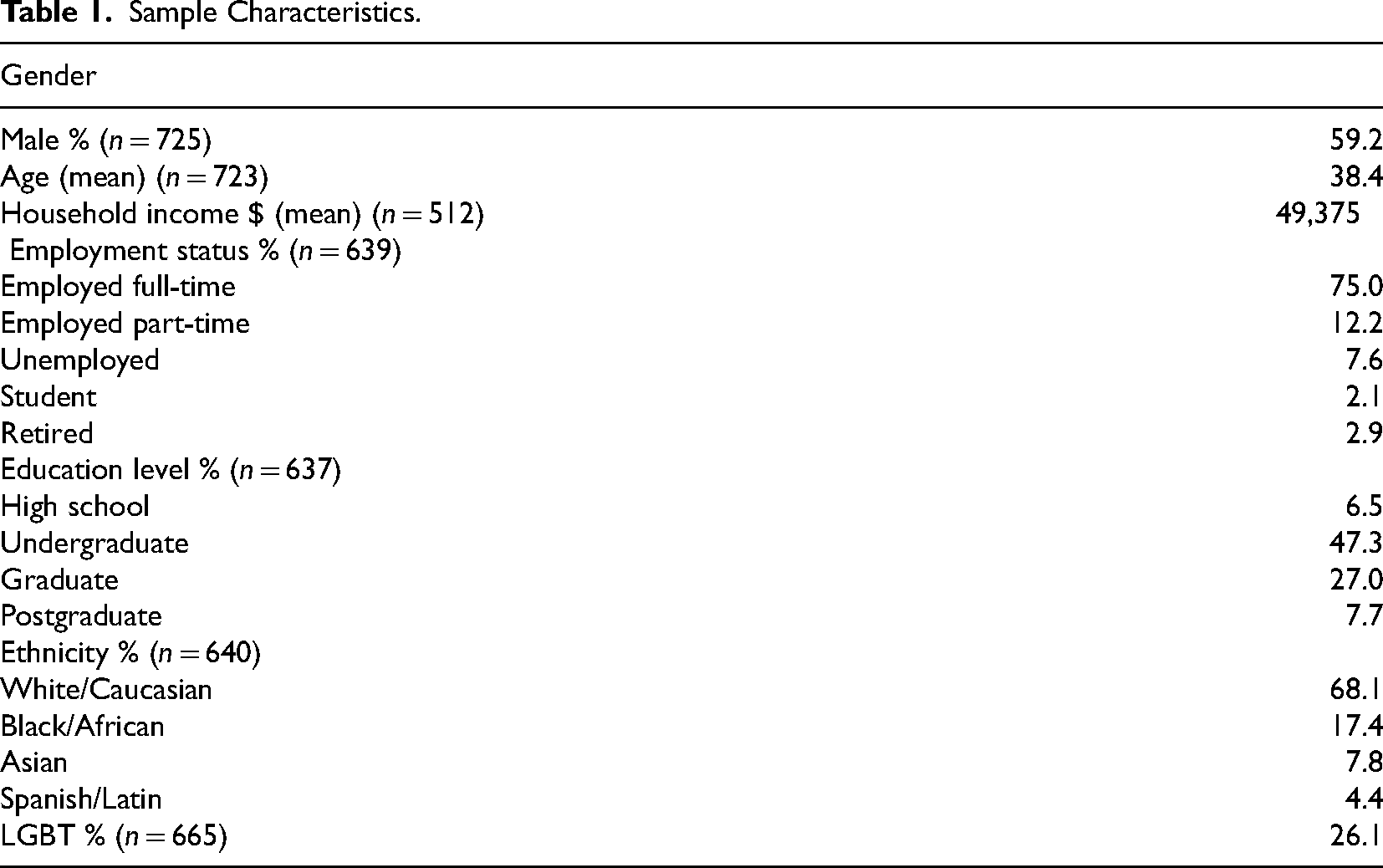
Table 2 presents data on the touristic characteristics of respondents. First, in terms of vacations taken, clearly, respondents were relatively experienced in terms of vacations taken in the previous 18 months: 57.2% were defined as experienced foreign travelers; 29.4% as moderately experienced foreign travelers; and 13.4% as least experienced foreign travelers.
Tourist Characteristics.
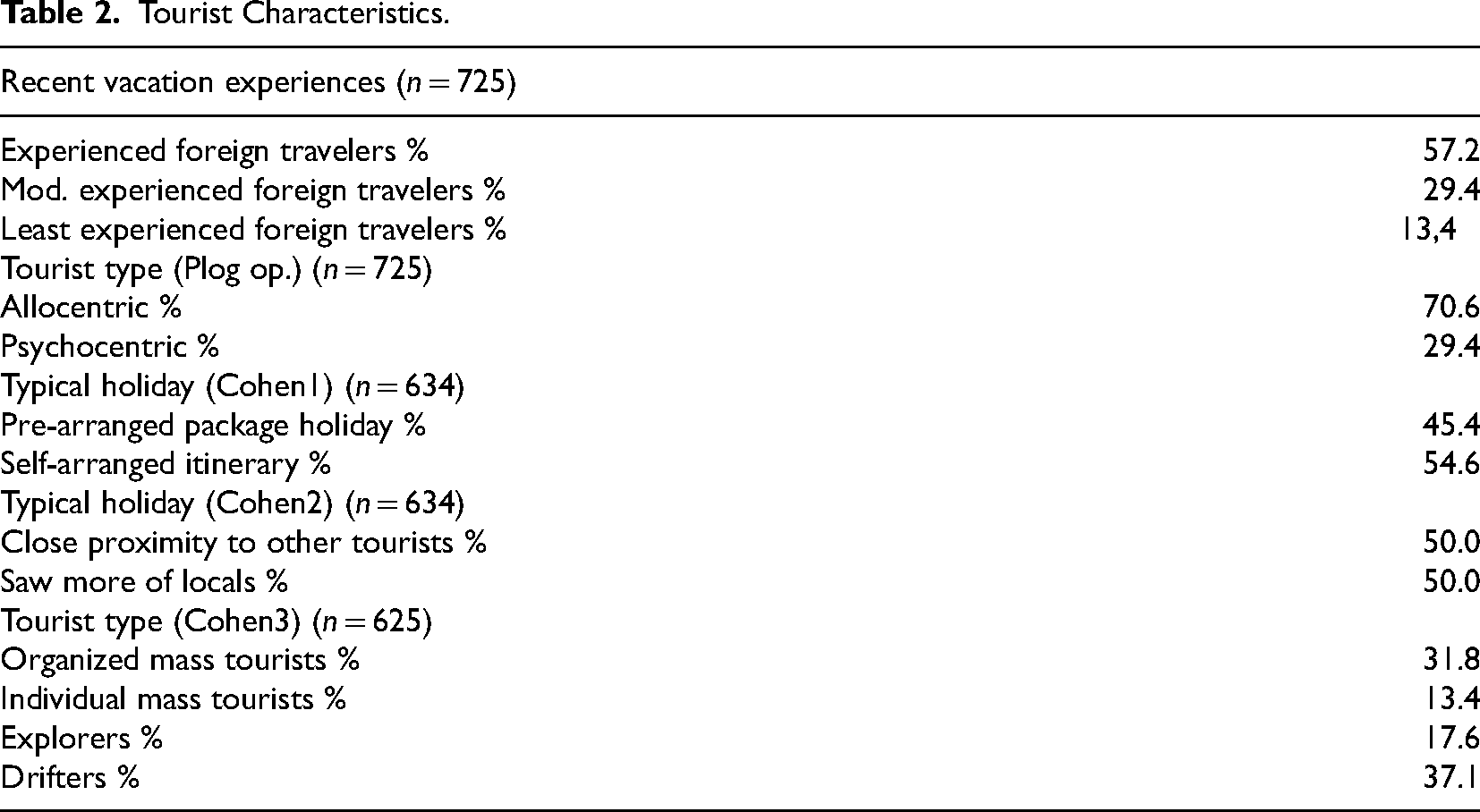
We also found that people were highly likely to self-identify as allocentric but less likely to describe their current/recent holiday(s) in the same way. Thus, 70.6% said that their preferred vacation was one that they designed themself, where they liked to try new destinations and look for new experiences. However, when asked about their typical holiday in 2019/2020, 45.4% described this as a pre-arranged package holiday and 50.0% as a holiday where they were in close proximity to other tourists like themselves. Combining these answers into our operationalizing of Cohen's typology: 31.8% were organized mass tourists; 13.4% were individual mass tourists; 17.6% were explorers; and 37.1% were drifters.
Perceptions of Risky Destinations
Table 3 shows the percentage of respondents who said they would not visit the named countries or regions due to concerns over terrorism/political unrest, crime, or health problems. As an indication of the numbers of countries/regions cited, the average number per respondent is also given. Four points can be made about the overall results. First, there is a positive correlation between rankings (p < .01): i.e., countries ranked highly on one aspect tended to rank highly on the other two. Second, the average number of countries/regions cited varied from 3.3 for crime concerns to 3.9 for health problems. The difference is not excessive, given that the survey took place during the first wave of the COVID-19 pandemic. Third, those who tended to rule out more destinations with regard to crime dangers also cited more risky destinations with regard to terrorism/disorder and health issues. Finally, if we compare the proportion of respondents who said they would not rule out going to any of the countries/regions cited, this varied from 10.8% to 16.0%, in this case with the highest proportion unwilling to rule out travel anywhere on health grounds. On the one hand, this may reflect a perception at that time that while COVID-19 was serious, it and other health issues were short-term, whereas crime and disorder are always with us. On the other hand, it may be an early reflection of what became more apparent in 2021: that people felt the risk from COVID-19 was outweighed by the benefits of a vacation.
Percentage Expressing Worry about Traveling in the Next Few Years to Any of the Countries Listed Because of Concern about Safety, with Regard to…(n = 723).
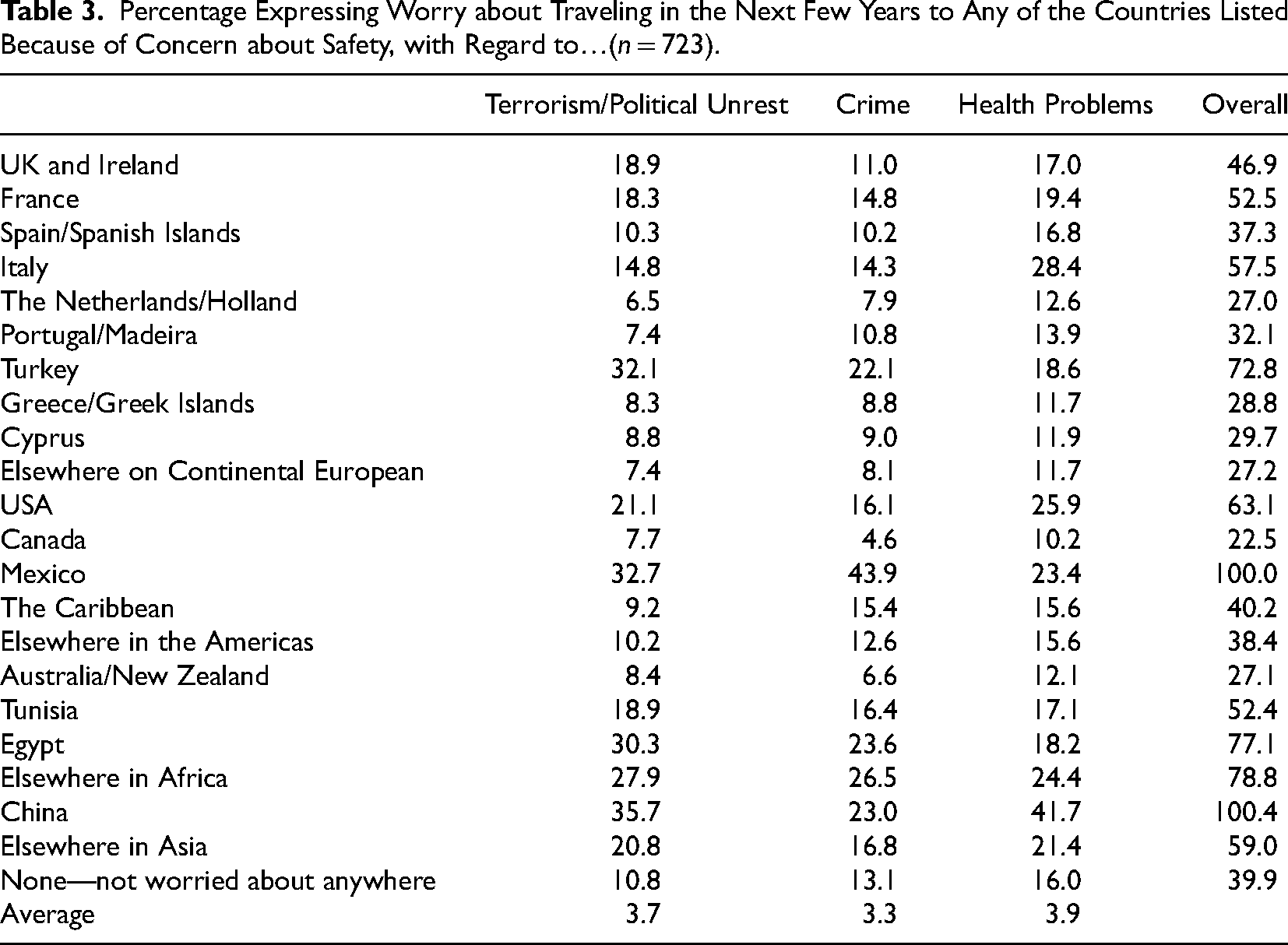
Turning to differences between countries, a number of patterns emerge. First, two countries stand out as being perceived as especially unsafe: Mexico, which was cited 100.0 times per 100 respondents; and China, which was cited 100.4 times per 100 respondents. Mexico was rated highest with regard to crime and second with regard to terrorism/political unrest. China was rated highest for health problems and terrorism/political unrest. The fact that Mexico was seen as the most risky destination with regard to crime is unsurprising. The high score for terrorism and political unrest may also reflect a concern over drug “wars” and Trump's rhetoric vis a vis illegal immigration. It does, however, contrast with the Caribbean, which also has a high crime rate and has achieved media notoriety. China, again, was the epicentre of the COVID-19 outbreak and was demonized by the Trump administration, which may be reflected in its surprisingly high rating for crime risks, which are not supported by official crime data, nor incidentally by our UK sample. While terrorism and political unrest are not major issues in mainland China, the high score here may reflect the ongoing conflict in Hong Kong, memories of Tiananmen Square, and possibly controversy over the treatment of Muslim minorities.
In other respects, both Turkey and Egypt are rated highly for terrorism/political unrest. This is perhaps not surprising, given relatively recent incidents (Bilgel & Karahasan, 2015; Brunt & Cousins, 2002; Feridun, 2011; SaferWorld, 2017), and Isaac and Velden’s (2018) finding that these countries were considered by Germans to be particularly unsafe. However, terrorist attacks in Tunisia (Lanouar & Goaied, 2019) did not appear to resonate with a US audience, being more salient among UK respondents.
One other point of note is the relatively high ranking given to the USA by its own residents, again very different to the ranking UK citizens gave to their own country. Overall, the USA ranked as the fifth least safe place for a vacation. It ranked fifth for terrorism or political unrest, possibly a reflection of the BLM protests that had swept the country at the time of our survey, as well as protests over restrictions imposed during the pandemic (ACLED, 2020). It also ranked fifth for crime and third for health problems, in the latter case chiming with the high COVID-19 infection and death rates at the time. 5
Correlates of Risk
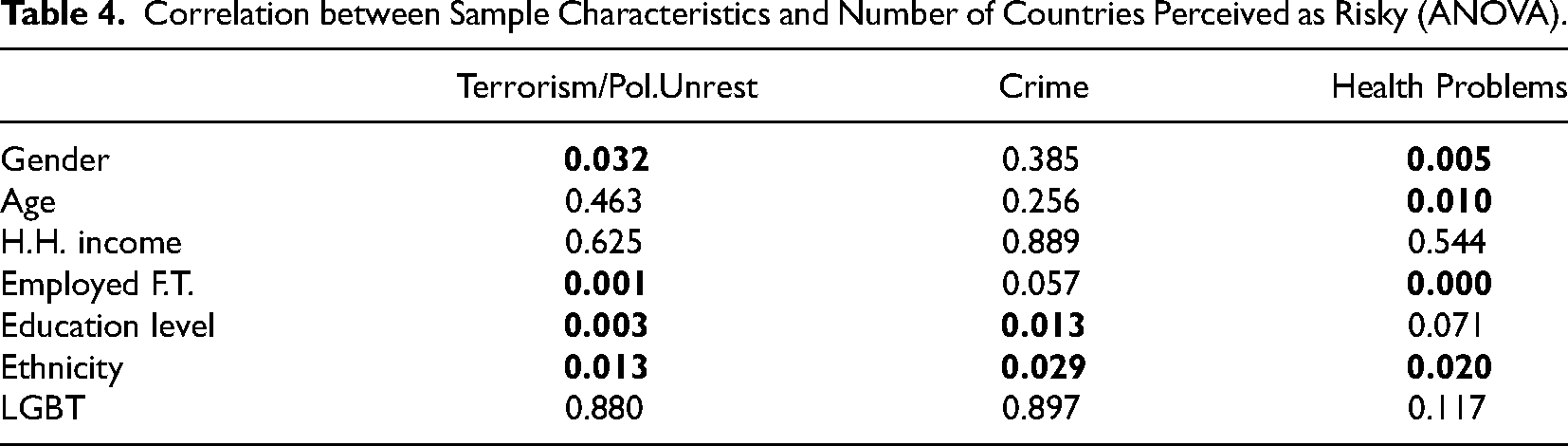
We assessed variations in perceptions of risk for each of the three safety issues by comparing the mean number of countries/regions identified as unsafe according to the independent variables discussed earlier. In this case, we distinguished between personal and socio-economic variables on the one hand and those that were specifically related to respondents’ touristic attributes on the other hand.
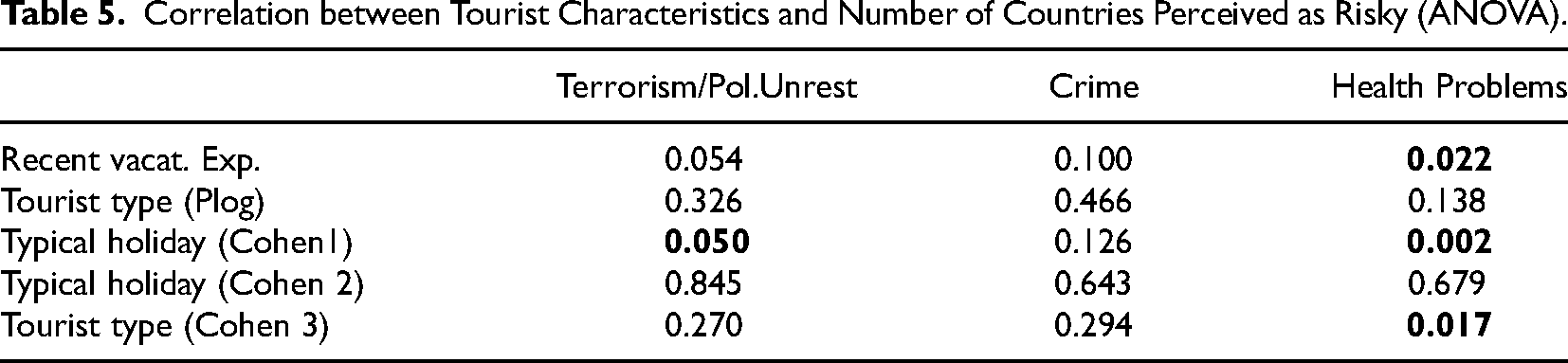
Table 4 compares respondents’ perceptions of safe destinations according to their personal and socio-economic characteristics, i.e., the variables commonly considered by criminologists. Table 5 considers the influence of tourism-specific variables: vacation experience, tourist type, and typical holiday.
Correlation between Sample Characteristics and Number of Countries Perceived as Risky (ANOVA).
Correlation between Tourist Characteristics and Number of Countries Perceived as Risky (ANOVA).
As Table 4 demonstrates, concern over vacation safety (as measured by the mean number of countries/regions cited) was significantly correlated with many of the personal and socio-economic variables, albeit this was not always in the expected direction. But this was most evident vis a vis terrorism/disorder and health issues, less so for crime. Thus, women expressed more concern over risk than men; the least well-education expressed more concern than the better qualified; those in full-time employment were less risk-averse than others; and white respondents were more concerned than nonwhites. We had hypothesized that BAME and LGBT respondents would be more risk-averse regarding the threat of crime, with the former also more risk-averse regarding health-related risks, but this was clearly not the case. Nor, contrary to our expectations, was household income related to perceived risk. Age, commonly seen to correlate with fear, did not vary significantly regarding crime or terrorism/disorder but was related to perceptions of risk vis a vis health. Thus, unsurprisingly, older respondents were more likely than younger ones to rule out more destinations due to concern over health risks.
Table 5 similarly indicates that the relationships between risk-avoidance and tourism-specific variables are most evident regarding health concerns. First, in line with earlier findings, least experienced travelers were most likely to avoid different destinations, although in the case of crime, this failed to reach significance. Second, with regard to tourist type, psychocentrics tended to rule out more destinations, especially with regard to health issues, but in no case was the difference statistically significant. Third, considering differences according to the typical holiday taken by respondents, those who said they arranged their own holidays were likely to identify more countries they would avoid, although again in the case of concern over crime, this failed to reach significance. Perhaps surprisingly, there were no differences between those who said they spent their vacations in close proximity to other tourists and those who said they saw as much of local people. Combining these two variables, individual mass tourists, according to Cohen's terminology, were likely to avoid fewer destinations, albeit the differences were only significant vis a vis health concerns. The findings here are somewhat surprising: we had hypothesized that organized mass tourists would be most risk-averse. However, it may indicate a contrast between tourist type and vacation type. That is, the allocentric/psychocentric dimension may reflect a difference in willingness to take risks, whereas the vacation type dimension reflects the extent to which tourists are exposed to risk, with those whose typical vacation is more risky reacting accordingly vis a vis future travel intentions.
Summary and Discussion
Our survey was carried out in the midst of the COVID-19 pandemic. The fact that we were able to access the perceptions of a relatively large sample in a short space of time illustrates the advantages provided by crowdsourcing platforms like MTurk. Moreover, while the sample is clearly not representative of US adults, it provided the opportunity to draw intrasample comparisons and theorize about any patterns that emerge. In this respect, we can draw comparisons on two levels: first, between respondents’ perceptions of different safety issues associated with future vacations; and second, between the perceptions of different subsections of the population.
On the first point, it is notable that despite the ongoing pandemic, the differences between respondents’ perceptions of safety vis a vis different destinations were not excessive. On average, respondents identified 3.9 countries/regions they would avoid visiting in the next few years due to health concerns, only 20% more places than they would avoid due to concerns over crime. While Mexico and China stood out as countries they were reluctant to visit, it was perhaps surprising that they were also relatively reluctant to holiday in their own country due to safety concerns. This pattern contrasted with our findings for UK residents.
On the second point, we distinguished between personal and socio-economic variables and variables measuring respondents’ touristic attributes. In the former case, concern over health safety was most closely associated with the variables included in our survey. This is scarcely surprising, given that the risk of catching and dying from COVID-19 varies for different subgroups of the population, and has been widely discussed in the media. However, while age is particularly associated with risk, and in our survey older respondents were significantly likely to rule out more possible vacation destinations, the opposite applied regarding ethnicity. Concern about the risks from crime and terrorism/disorder varied less between different subgroups. Nevertheless, there was some evidence that those who were more vulnerably physically (women) or socio-economically (poorer educated; not in full-time employment) expressed most concern.
Similarly, the relationships between risk-avoidance and tourism-specific variables are most evident regarding health concerns. Indeed, neither the type of tourist one is, defined according to either the number of holidays abroad in 2019–2020 or according to whether respondents identified as allocentric or psychocentric, nor the typical holiday taken was strongly related to concern over crime or terrorism or political unrest. This contrasts with earlier studies on risk by tourism academics, albeit few have addressed concerns over crime. On the other hand, it is clear that those considering if and where to take a vacation, as opposed to those interviewed after they return (Mawby, 2000), do take account of crime and the terrorist threat in opting for particular destinations or rejecting others. The fact that they excluded almost as many possible destinations on security grounds as they did on health grounds is an ample illustration of this.
While in general variations in perceptions of risk corresponded to those found in both the criminological and tourism literature, many of these differences were less pronounced than we had anticipated, and they were least evident vis a vis risk of crime. The reasons why there was so little variation for different subgroups of respondents is puzzling. The limitations of our sample may partly explain this. As earlier research has suggested, those signed up to platforms like MTurk may share certain attributes that minimize the influence of other socio-economic variables. However, we would suggest, tentatively, that the risk of crime, particularly, is perceived in a different context with regard to the choice of vacation destination. When citizens consider fear of crime in their everyday lives, they do so in the context of their lived experiences. Where they live, where, when, and how they move between their neighborhood, work, school, leisure, etc., inform their perceptions of safety, and many of these variables are difficult to change: hence the significance of repeat victimization (Pease & Farrell, 2017). In the context of security on a future vacation, the perception of being forever “trapped” in a high-crime environment is irrelevant, so many lifestyle variables are less relevant in comparison with physical vulnerability, and especially, here, gender.
However, our research is limited to a nonrandom crowdsourcing platform, MTurk, and it would be useful to consider the issues raised here through other sampling methods. One obvious example is the random internet platform, YouGov, that has been used successfully by criminologists (Thompson & Pickett, 2020). Another is to use tourism-specific data sets, that have been utilized by tourism academics (see for example: Schroeder et al., 2013), albeit Mawby et al. (2000) experienced difficulty gaining access to these to investigate experiences and perceptions of crime. For the tourism industry and governments dependent on tourism revenue, no news is often considered good news (see also: Adora, 2010).
In either case, we would argue that perceptions of risk and safety on vacation are of relevance to criminology and can add to our understanding of risk and fear more generally. They should not be left exclusively in the hands of tourism researchers, where crime is seen only as one small aspect of safety and security.
Footnotes
Declaration of Conflicting Interests
The authors declared no potential conflicts of interest with respect to the research, authorship, and/or publication of this article.
Funding
The authors disclosed receipt of the following financial support for the research, authorship, and/or publication of this article: This work was supported by the Bahcesehir Universitesi.
