



Abstract
We investigated disease trends of concern for fish or public health in a 5-y (2017–2021) prospective survey of fish in Cook County, IL, inland lakes. Lesions were assessed in relation to fish species, lake type and location, season and collection year, and lake water chemistry parameters. Fish included bullheads (n = 98), common carp (n = 99), bluegill (n = 114), and largemouth bass (n = 118). Annually, fish collection and point-source water sampling were conducted in spring, summer, and fall from both seepage and impoundment lakes. Examinations included autopsy, wet-mount cytologic assessment for ectoparasites, and histopathology. No lesions of public health concern were detected. The most common abnormalities were branchitis (261 of 429; 60.8%) and endoparasitism (312 of 429; 72.7%). Branchitis was mild in most cases (189 of 261; 72.4%) and concurrent with branchial parasitism in 175 of 261 (67%) cases. Monogeneans were the most common gill parasites but did not influence branchitis severity (Kruskal–Wallis, p = 0.484). Using generalized ordered logistic regression, predictors of branchitis severity included fish species (p < 0.001), the interaction of lake or location and alkalinity (p < 0.001), and water temperature or season (p < 0.001). Endoparasites included tissue larval trematodes (metacercaria), nematodes, and cestodes (plerocercoids), enteric acanthocephalans, gastric trematodes, renal myxosporidia, biliary and gall bladder myxosporidia, enteric cestodes, and tissue microsporidia. Using generalized ordered logistic regression, variables influencing endoparasitism severity included species (p < 0.001), year (p < 0.001), chloride level (p = 0.009), and the interaction of year and chloride level (p < 0.001). Our results suggested overall good health of fish in sampled Cook County inland lakes and provide a foundation for continued monitoring of ecosystem and public health in the urban environment.
Cook County encompasses a region of northeastern Illinois bordering Lake Michigan and including the city of Chicago. The county is 4,234 km2 (1,635 mi2) and is the most populous county in the state and second-most populous county in the country, after Los Angeles County, CA. More than 40% of all Illinois residents live in Cook County. 34 The county is also home to 28,300 ha (70,000 acres, 11% of the total area) of protected wild lands, the Forest Preserves of Cook County (FPCC). Wilderness represented in the FPCC is a mosaic of prairie, savanna, open woods and forests, rivers, and wetlands. Portions of the preserves are remnant natural sites where land has been minimally disturbed by modern interventions such as grazing, logging, farming, and roads. The FPCC borders many highly urbanized, altered environments in the county, creating intersections between natural and modified landscapes that represent hybrid ecosystems as well. Three major rivers (Chicago, Des Plaines, and Little Calumet) flow through the FPCC; however, even though the FPCC contains many bodies of open water, no naturally occurring lakes exist. Many open-water sites were artificially created decades ago by damming slow-flowing, deep-water swamps or small stream systems. Others were the result of highway construction involving localized excavation of sand, gravel, and/or soil. The FPCC manages >40 fishing areas that utilize these bodies of water, stocking sites with game fish such as rainbow trout, sunfish, and channel catfish. 11 Thus, ecosystem and fish health in these sites are directly linked with public health.
The FPCC contains 2 types of artificial lakes or sloughs: seepage and impoundment. Seepage lakes have no inlet or outlet and derive water from precipitation and runoff. Impoundment lakes are those formed by the damming of slow-moving water and thus have an inlet and outlet; water is derived from stream drainage. These differences in hydrology can have impacts on the natural ecology of the systems. A variety of native or naturalized freshwater fish reside in FPCC lakes and rivers and include apex predator species such as largemouth bass (Micropterus salmoides), walleye (Sander vitreus), pike (Esox lucius), and muskellunge (Esox masquinongy), mid-level species such as sunfish (Centrarchidae) and perch (Percidae) varieties, and benthic species such as bullheads (Ameiurus spp.). Invasive species such as common carp (Cyprinus carpio) and grass carp (Ctenopharyngodon idella) are also present, and certain sites are seasonally stocked with sport fish including channel catfish (Ictalurus punctatus) and rainbow trout (Oncorhynchus mykiss). 11
The FPCC represents an oasis in an otherwise highly urban area and is a resource utilized by residents year-round. The sites facilitate an intimate relationship between humans and nature, and resultant interactions underscore the importance of ecosystem health for the sustainability of natural environments, wildlife conservation, and public health. With such connections in mind, we conducted a 5-y (2017–2021) prospective survey of fish in Cook County inland lakes to investigate any disease trends of concern for fish or public health. Specifically, we assessed the severity of endoparasitism and branchitis in relation to fish species, lake type or location, season and year of collection, and lake water chemistry parameters.
Materials and methods
Sampling procedures
Our study was conducted over 5 consecutive years (2017–2021). Each year, sampling occurred at 3 seasonal (spring = May, summer = August, fall = October) times and included fish collection for postmortem examination and point-source water sampling for chemistry analysis. Samples were collected from 4 Cook County inland lakes including 2 seepage lakes (Powderhorn, Axehead) and 2 impoundment lakes (Busse, Tampier). Fish and water samples were collected from the same sites within each lake at each yearly and seasonal time. Target species represented benthic fish, mid-level species, and apex predator species. Benthic species included bullheads and common carp. Bullhead spp. included brown bullhead (Ameiurus nebulosus), black bullhead (A. melas), and/or yellow bullhead (A. natalis). The mid-level species was bluegill (Lepomis macrochirus), and the apex predator species was largemouth bass. Fish were obtained as part of the ongoing fish health surveillance program conducted by FPCC and submitted for diagnostic evaluation. Two individual bullhead, carp, bluegill, and bass were collected from each lake at each seasonal time point, pending fish availability.
Postmortem examination
Examinations were conducted within 120 min post-collection. Total length (cm), standard length (cm), weight (g), age, and sex were recorded. Age (subadult vs. adult) was estimated based on fish weight and length. Wet-mount cytologic preparations of skin scrapes and gill clips (left second gill arch) were evaluated for parasites using light microscopy. External and internal examinations were performed, and squash preparations of fresh viscera (i.e., liver, spleen, kidney) containing grossly visible lesions were examined cytologically to screen for parasites. Sections of affected tissue were saved in RNAlater (Thermo Fisher). Select, grossly visible coelomic and alimentary tract metazoan parasites were also collected and saved in RNAlater. Sections of gill (left first and third; right second and fourth arches), heart, brain, liver, spleen, cranial and caudal kidney, stomach, intestine, swim bladder, gonad, skeletal muscle, skin, and eye were preserved in 10% neutral-buffered formalin.
Histologic analysis
Formalin-fixed tissues were processed routinely, sectioned at 5 µm, and stained with H&E for light microscopic evaluation. Histologic sections were reviewed by 2 of the investigators (Jennifer A. Landolfi, Michael J. Kinsel), American College of Veterinary Pathologists (ACVP)-boarded pathologists with extensive experience in fish pathology. All tissues were examined for histologic evidence of damage or disease. Gills were subjectively assessed for the presence or absence of branchitis. Branchitis was indicated by alterations in secondary lamellar epithelium including hypertrophy and hyperplasia, as well as the presence of inflammatory cells in the branchial interstitium. Distribution of branchitis was noted (diffuse vs. multifocal or regional), and branchitis was scored as absent (0), mild (1), moderate (2), or severe (3; Fig. 1). Any branchial parasites noted cytologically or in histologic sections were recorded, and distinctive morphologic features of organisms were described, including size and microanatomic structures. Specifically for downstream statistical analyses, branchial monogeneans were documented as either present or absent. Coelomic tissues were assessed for endoparasitic burden. Endoparasites included both encysted visceral metazoan and protozoan organisms as well as alimentary tract luminal parasites. Affected tissues were assessed for associated reactive changes including damage (degeneration, necrosis), inflammation, and repair (hyperplasia, fibrosis). A subjective assessment of overall parasite burden was assigned to each case (0 = none, 1 = mild, 2 = moderate, 3 = severe). Factors influencing parasite burden score included distribution and proportion of tissue affected and estimated number and diversity of individual parasites. For all endoparasites, distinctive morphologic features, including size and microanatomic structures, were described and recorded to allow for identification to phylum or class level.
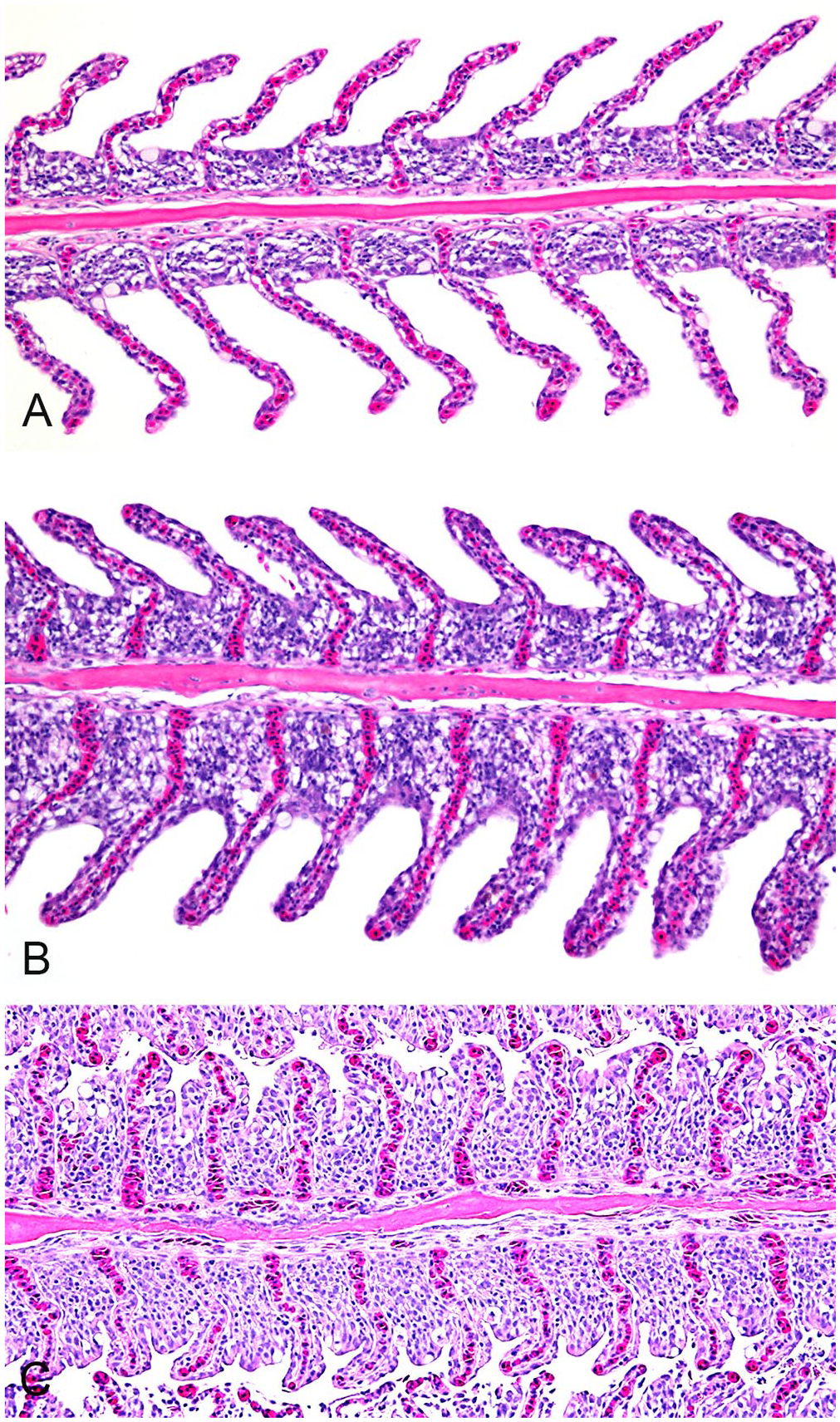
Branchitis in bullheads from Cook County inland lakes.
Molecular identification of parasites
Tissue samples and whole parasites preserved in RNAlater were submitted to the University of Florida Zoological Medicine Diagnostic Laboratory (Gainesville, FL, USA) for PCR and Sanger sequencing. DNA was extracted (DNeasy blood and tissue kit; Qiagen) according to the manufacturer’s instructions. Sterile water was extracted in parallel as a negative control. Following DNA extraction, parasite DNA targets (nematode: 18S gene; trematode: ITS2; acanthocephalan: 18S gene) were amplified using specific primers as described previously.5,12,31 Known parasite DNA samples were incorporated as assay positive controls. PCR products including extraction-negative and PCR-negative and -positive controls were resolved on 1.5% agarose gel with ethidium bromide and were visualized under UV light. Amplicons were excised and purified (QIAquick gel extraction kit; Qiagen), following the manufacturer’s instructions. The purified amplicons were bidirectionally sequenced at a commercial laboratory (Genewiz, South Plainfield, NJ, USA). Sequences were assembled, edited, and analyzed, and then compared by BLAST (https://blast.ncbi.nlm.nih.gov/Blast.cgi) with sequences in GenBank.
Water chemistry
Water samples were collected at each lake simultaneous with fish collection for post-processing and analysis. Station locations were consistent between sampling efforts and from lake to lake, and were determined based on the region from which the fish were collected within the waterbodies, as well as overall lake size and depth. Powderhorn and Axehead water samples were taken at the deep holes of the lakes given their smaller areas (19 and 7 ha; 48 and 17 ac, respectively); Busse and Tampier water samples were collected in the same region of the lake where fish were collected given the larger sizes of these waterbodies (131 and 53 ha; 325 and 130 ac, respectively). Temperature and dissolved oxygen were measured (Pro2030 meter; YSI) beginning at the surface, and again every half meter vertically downwards to the lake bottom. Conductivity was measured only at the surface. Water was collected every meter of depth beginning at the surface until just above the substrate (WaterMark horizontal water sampler; Forestry Suppliers). Samples were stored in clean 1-L bottles, and transported back to the FPCC Fisheries Field Office, McGinnis Field Station (Orland Park, IL, USA; travel time <1 h) for water chemistry analysis (CEL/700 water quality laboratory; Hach). Nitrate, phosphorus, and ammonia (nitrogen) concentrations were measured (DR/700 colorimeter; Hach); chloride and alkalinity were measured (digital titrator); and color and turbidity were measured (DR-EL/1 colorimeter; Hach), all according to the manufacturer’s specifications (Hach DLER/1 and DLER/1a methods manual; Hach 1982; 17652-00; 11-18-82-4ED). Finally, pH was measured (Oakton 300 series handheld waterproof pH meter; Environmental Express).
Statistical analyses
To determine whether the presence of branchial monogeneans influenced the severity of branchitis, a Kruskal–Wallis test was applied to the data. Generalized ordered logistic regressions were utilized to judge which fish and environmental variables had the greatest effect on branchitis severity and parasite burden. Variables included fish species, age, sex, collection year, season, lake location or type, water temperature (at 1-m depth) and water chemistry parameters (dissolved oxygen [at 1-m depth], total alkalinity, chloride level, color APC, turbidity, nitrate level, phosphate level, ammonium level, and pH). Interaction terms were also included in this analysis. All statistical analyses were conducted using program R and RStudio with packages MASS, Hmisc, and reshape2.13,26,29,37,39
Results
We examined 429 fish (Table 1). Data from all Ameiurus spp. were combined. Sufficient numbers of each bullhead species from each lake were not obtained to justify separate analysis.
Total fish collected from Cook County inland lakes, 2017–2021.
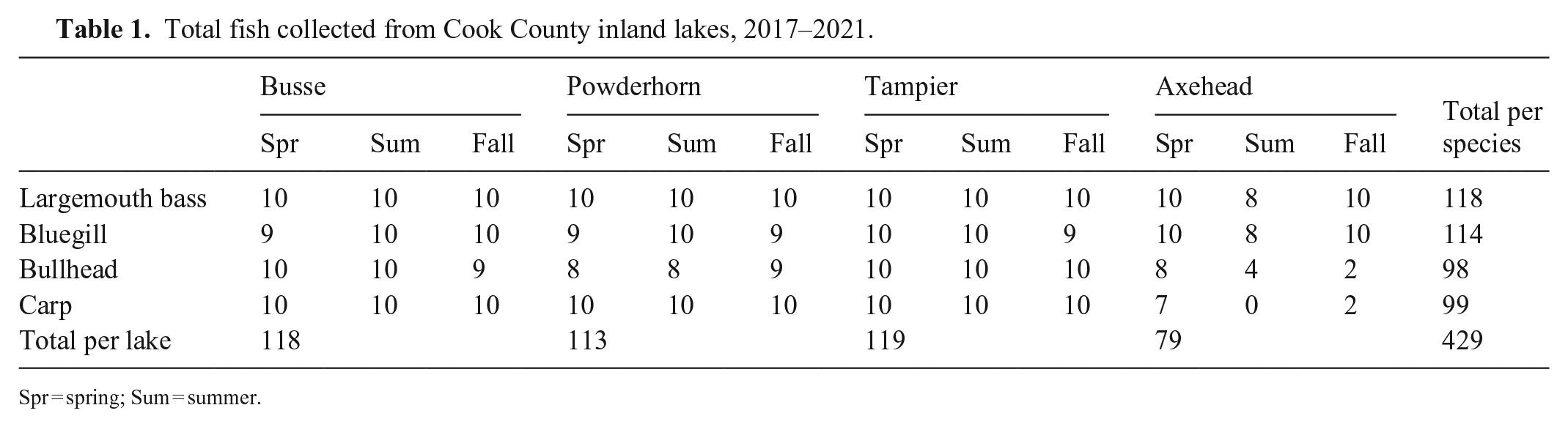
Spr = spring; Sum = summer.
All fish were in good body condition with adequate skeletal musculature and coelomic adipose stores. No lesions considered to pose a risk for human consumption were detected in any fish species, from any lake, at any time during the survey. In all examined fish, skeletal muscle (flesh) was free of inflammation and other tissue damage.
Lesions of possible significance to fish health were detected in every sampling year and included branchitis and endoparasitism. Some degree of branchitis was detected in 261 of 429 (60.8%) cases. Severity was mild in 189 of 261 (72.4%) cases, moderate in 60 of 261 (23%) cases, and severe in 12 of 261 (4.6%) cases. Distribution of branchitis was most often diffuse, and branchial parasites were detected in 175 of 261 (67%) branchitis cases. Observed branchial parasites included monogeneans (244 of 254; 96%), copepods (17 of 429; 4%), and ciliates (3 of 429; 0.07%), and were detected in cases (254 of 429; 59.2%) both with and without branchitis. Monogeneans were monopisthocotyleans based on their hook-bearing haptors. Morphologic features evident in wet-mount cytologic preparations including size, anterior margin (head) shape, and presence or absence of eyespots, were most consistent with families Gyrodactylidae or Dactylogyridae (Fig. 2).10,22,27 The mean branchitis scores of fish with and without monogeneans were similar (with monogeneans = 0.807; without monogeneans = 0.800). The Kruskal–Wallis test showed no significant difference in branchitis severity score between fish with and without monogeneans (p = 0.484). Copepods had ergasiliform morphologic features, including a cephalothorax, abdomen, anterior grasping antennae, and, in females, paired egg sacs (Figs. 3, 4). Ciliates were morphologically similar in all cases affected. Organisms were round and ~40-µm diameter with uniform, circumferential cilia, and an oral disc with refractile hook-like denticles; features were consistent with Trichodina spp. (Fig. 5).10,22
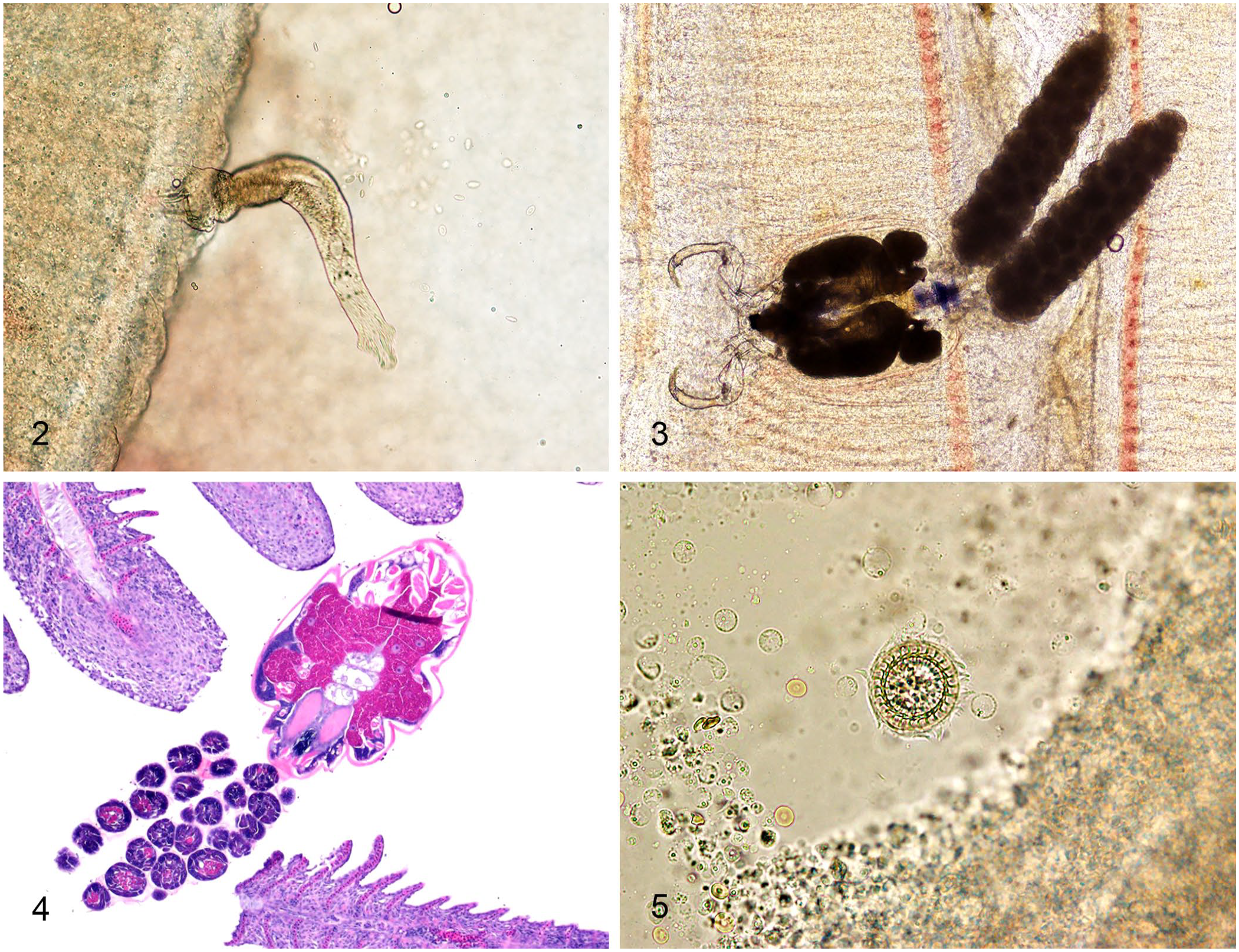
Branchial parasitism of various fish from Cook County inland lakes.
Using generalized ordered logistic regression to determine which variables influenced branchitis severity, fish species was found to be a significant predictor (p < 0.001). Most of the cases with high branchitis severity scores were bullheads (10 of 12; 83%). In contrast, common carp had the fewest cases of branchitis (44 of 99; 44%) and, when present in this species, branchitis was most often mild (37 of 44; 84%). The interaction of lake and alkalinity was also found to be a significant predictor of branchitis severity (p < 0.001; Fig. 6). Alkalinity and branchitis severity were lowest in Axehead Lake (Table 2). The most severe cases of branchitis were observed in fish from Busse, Powderhorn, and Tampier lakes when total alkalinity was at its highest. The interaction of water temperature and season was also found to be a significant predictor of branchitis severity (p < 0.001; Fig. 7). Cases with the most severe branchitis were mostly documented in the fall and when water temperatures were lower (Table 2). This association was observed only in bullhead, carp, and bluegills.
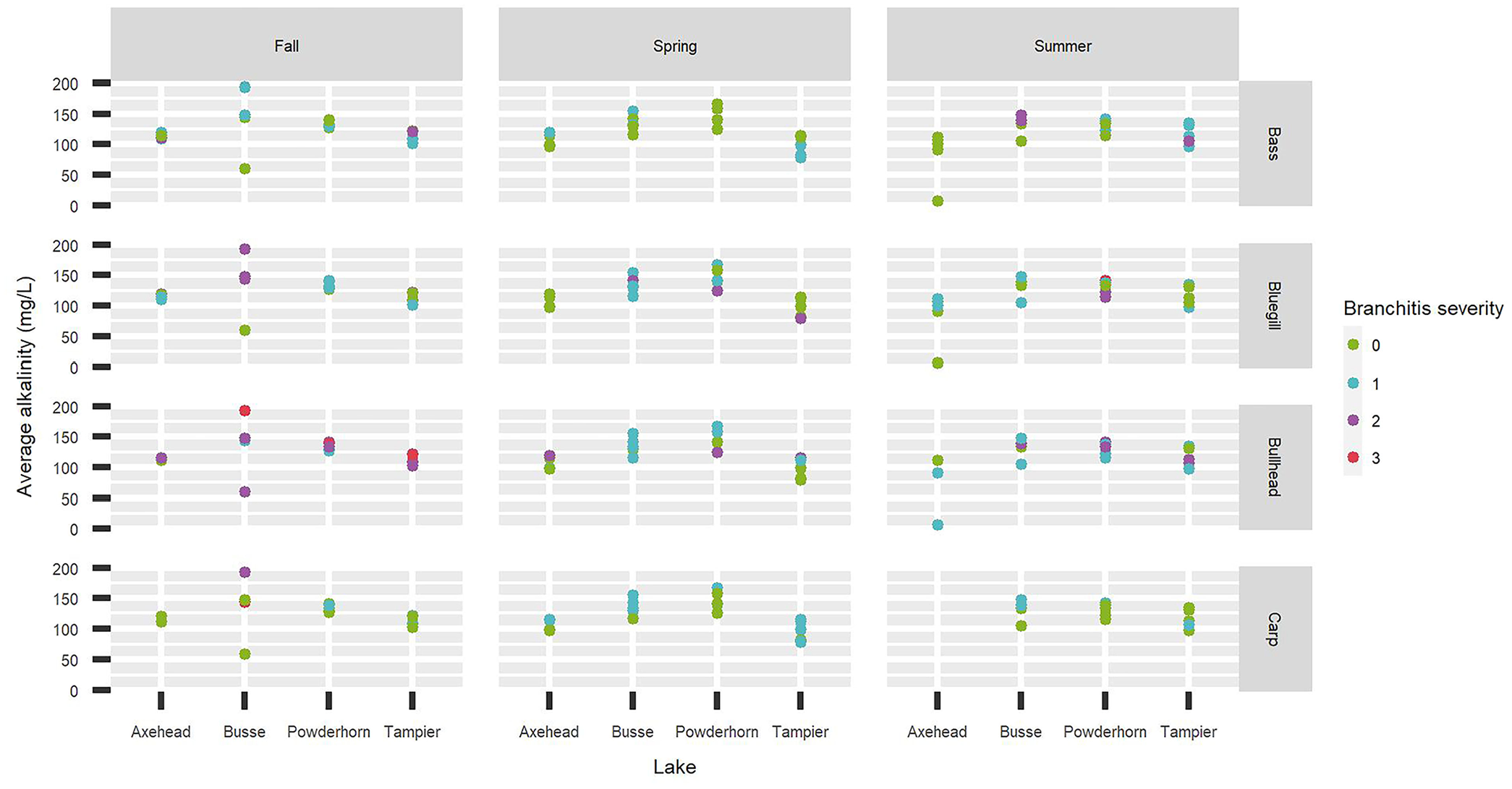
Branchitis severity by lake, species, season, and alkalinity. Most cases of severe branchitis occurred in bullheads. When branchitis was detected in carp, it was mild. Alkalinity and branchitis were lowest in Axehead Lake, and the most severe cases of branchitis occurred when total alkalinity was at its highest for other lakes.
Summary of Cook County inland lake water chemistry parameters, 2017–2021.
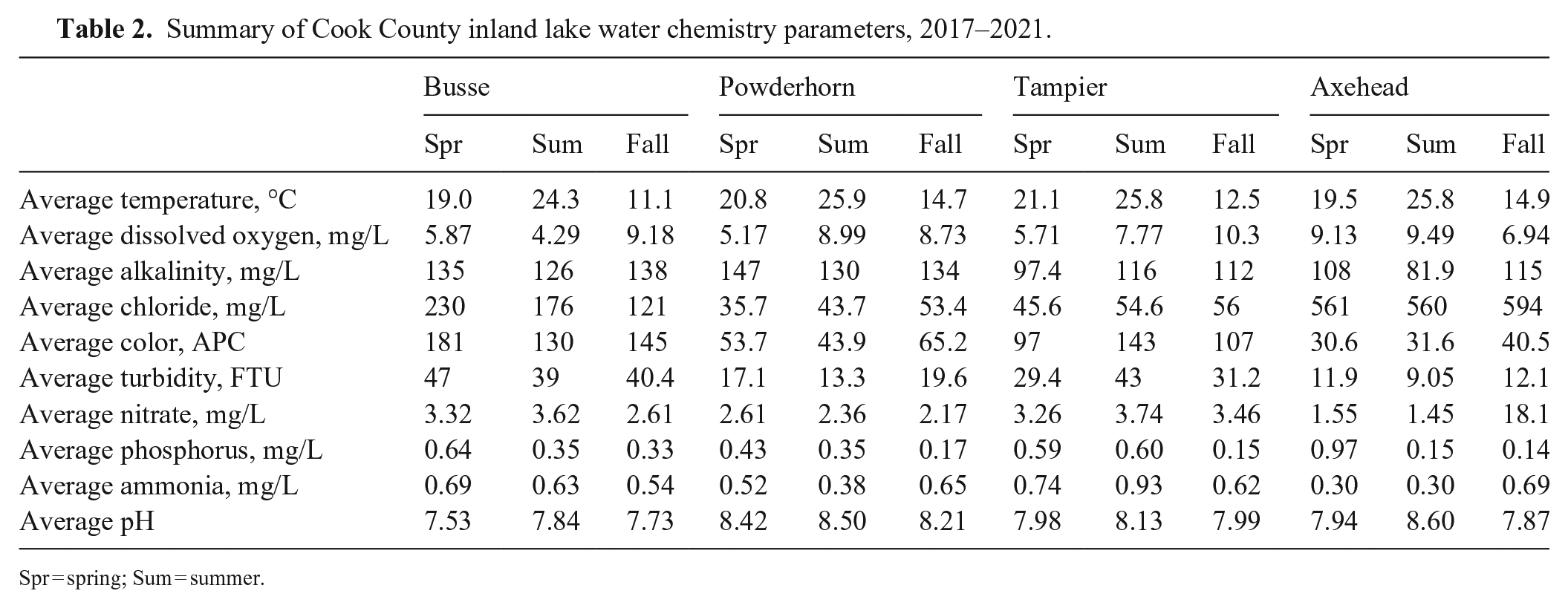
Spr = spring; Sum = summer.
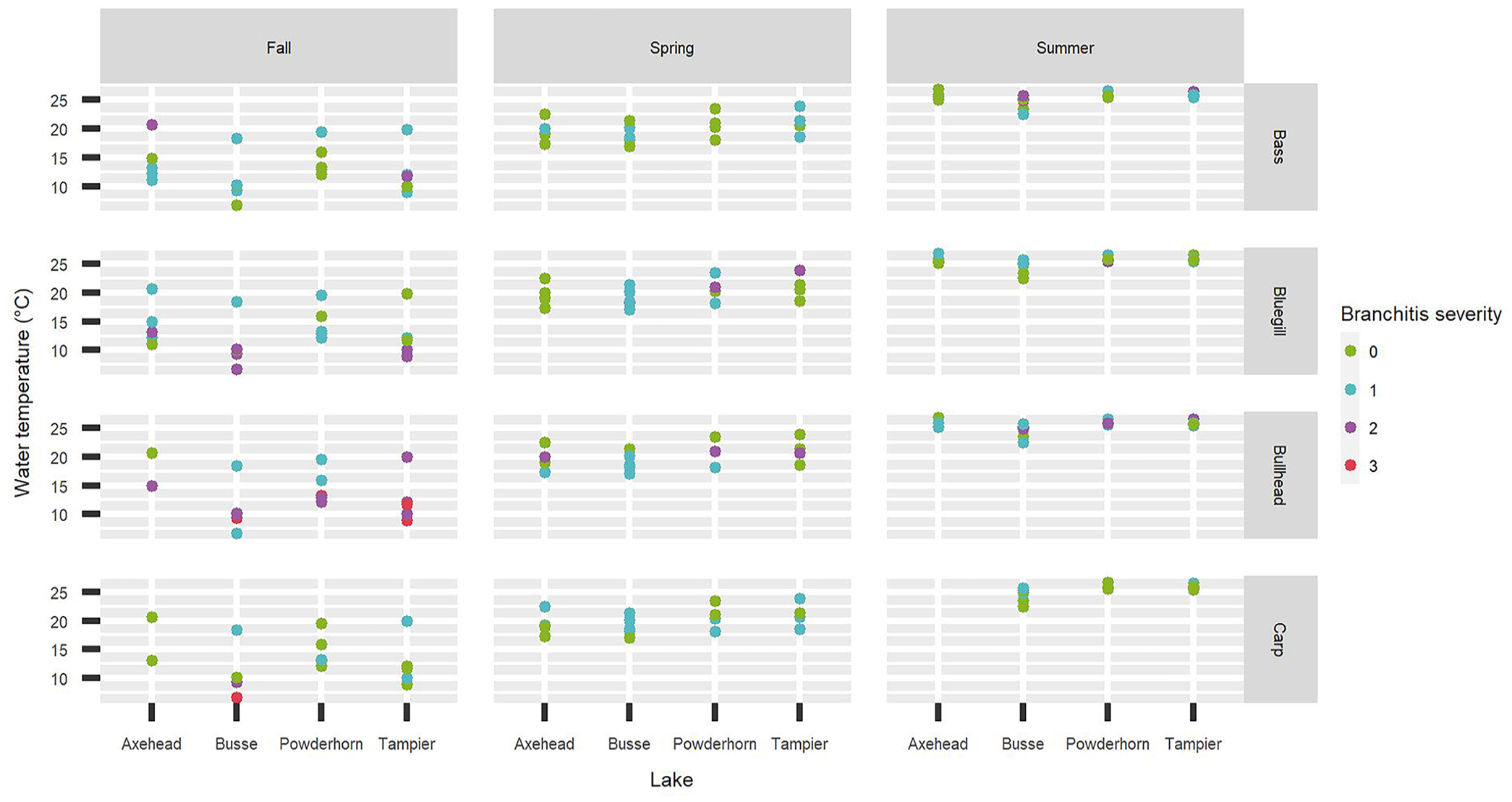
Branchitis severity by lake, species, season, and water temperature. More cases with severe branchitis were documented in the fall and when water temperatures were lower.
Endoparasitism was detected in 312 of 429 (72.7%) fish. Encysted larval trematodes (metacercaria) were most common and detected in 240 of 429 (55.9%) fish; the vast majority were in bluegills or largemouth bass (228 of 240; 95%). Metacercariae were identified in squash preparations of coelomic viscera including liver, spleen, and kidney. Cytologic evaluation of intact, whole organisms revealed an elongate body with rounded ends and anterior and posterior regions delimited by a lateral constriction. The anterior aspect of the body was gradually tapered; the posterior aspect was more bulbous. At the anterior pole, an oral sucker was evident and communicated with a short esophagus that split into paired and branching intestinal ceca. A ventral sucker was evident at the level of the mid-body. The large muscular and circular Brande organ was just anterior to the lateral body constriction (Fig. 8). Described features were consistent with published descriptions of trematode metacercariae. Morphology was most supportive of diplostomoid trematodes (Neodiplostomidae).3,23 In histologic sections, metacercaria were evident as 200–300-µm wide metazoans with a smooth eosinophilic cuticle, parenchymatous body, oral/ventral suckers, Brande organ, and paired, branching intestinal ceca with smudged, pale basophilic, mucinous material (Fig. 9). Sequence analysis of DNA amplified from hepatic metacercaria (277 bp) was most consistent with Posthodiplostomum centrarchi (100% identity). Metacercaria were situated in a discrete round cystic structure with a thin wall of eosinophilic, hyalinized, slightly refractile matrix (parasitic cyst). In bluegill, parasitic cysts generally lacked histologic evidence of surrounding inflammation or tissue reaction. In the largemouth bass, these parasitic cysts were often encompassed by a couple to a few layers of flattened or epithelioid macrophages and hypocellular, collagen-rich, dense fibrous tissue to form a quiescent granuloma.
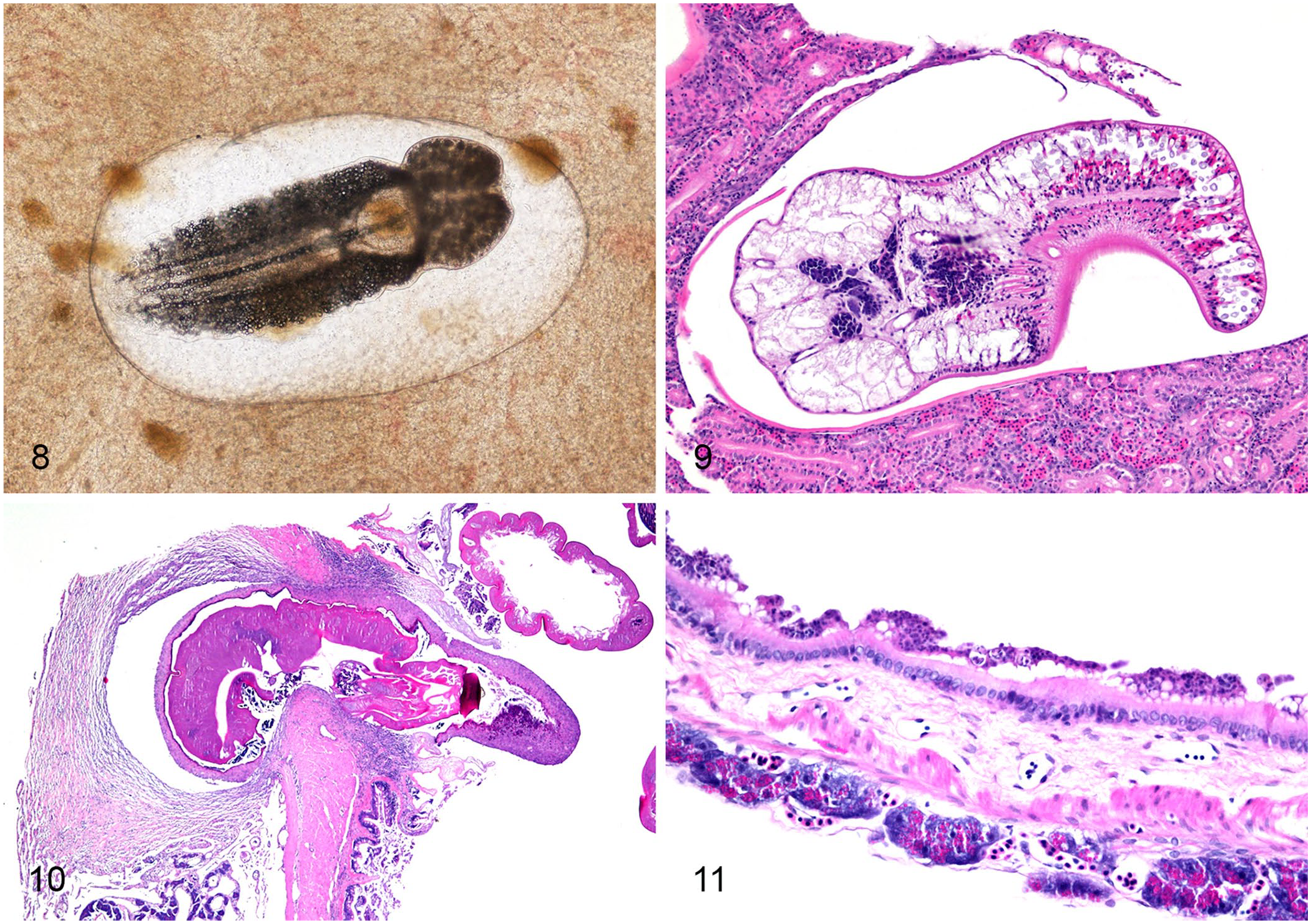
Parasitism of various organs of fish from Cook County inland lakes.
Nematodes were the next most frequently detected type of endoparasite (175 of 429; 40.8%), and infection was overrepresented in largemouth bass (97 of 175; 55.4%). Nematodes were detected in the intestinal lumen, gastric wall, and coelomic mesentery. Most nematodes observed in histologic sections lacked mature reproductive tract structures and thus were interpreted to be larvae. Nematodes varied widely in size. Larval organisms within the gastric wall were ~100-µm diameter. Intestinal luminal and mesenteric organisms were 600–1,000-µm diameter. Sequence analysis of DNA (442 bp) amplified from mesenteric nematodes collected at the time of autopsy was most consistent with Contracaecum spp. with 99.5% identity to C. multipapillatum. Intestinal luminal nematodes were not associated with appreciable inflammation or tissue damage. Nematodes within the gastric wall and coelomic mesentery were often surrounded by mild-to-moderate granulomatous inflammation.
Other endoparasites detected in histologic sections with some frequency included cestodes (90 of 429; 21.0%), acanthocephalans (65 of 429; 15.2%), myxosporidia (91 of 429; 21.2%), adult trematodes (37 of 118; 31.4% [largemouth bass only]), and microsporidia (11 of 429; 2.6%). Cestodes included both intestinal luminal adult and visceral encysted larval (plerocercoid) organisms. All species of fish were affected, although largemouth bass and bluegill were overrepresented (61 of 90; 67.8%). Intestinal luminal cestodes were not associated with appreciable inflammation or tissue damage. Cestode plerocercoids were typically surrounded by scant-to-mild granulomatous inflammation. Acanthocephalans were overrepresented in largemouth bass (54 of 65; 83%) followed by bluegill (10 of 65; 15%). A single carp was infected, and acanthocephalans were not detected in bullheads. Acanthocephalans were present in the intestinal lumen and characterized histologically as 200–400-µm diameter metazoans with a smooth eosinophilic cuticle, thick hypodermis with lemnisci, circular and longitudinal muscle layers, and body cavity that often contained ova. The anterior portion of parasites was frequently embedded in the intestinal mucosa or wall with occasional transmural disruption (perforation) of the intestine. At sites of parasite attachment, the mucosa was ulcerated, and parasites were surrounded by granulomatous inflammation (Fig. 10). Sequence analysis of DNA (2 non-overlapping sequences, 607 bp [5′-end] and 633 bp [3′-end], respectively) amplified from intestinal acanthocephalans collected at the time of autopsy was most consistent with Neoechinorhynchus cylindratus (99–100% identity). Myxosporidia were overrepresented (73 of 91; 80%) in bluegill and largemouth bass. In bluegill, coelozoic forms within gall bladder and bile ductules were most common. Histologically, biliary or gall bladder epithelium was overlain by thin-walled plasmodia with several internal round basophilic vegetative bodies and fewer 3–5-μm, ovoid-to-pyriform, slightly refractile mature myxospores with ≥2 polar capsules (Fig. 11). Given location and morphology, Chloromyxum sp. was presumed.10,18,23 Specific identification was not pursued. No evidence of associated tissue damage or inflammation was detected. In largemouth bass, the renal interstitium contained few-to-several histozoic myxosporidial plasmodia that were up to 300-μm diameter with a thin wall and containing one-to-multiple peripheral layers of clumped vegetative nuclei and myriad central 10–12-µm diameter round myxospores with 2 polar capsules (Fig. 12). Some plasmodia were surrounded by low-to-moderate numbers of lymphocytes and plasma cells. Given morphology, Myxobolus sp. was a differential; however, specific identification was not pursued.1,10,17,23 Adult trematodes were detected in the pyloric ceca of largemouth bass with no evidence of associated tissue reaction. Gastrointestinal trematodes were only rarely detected in other fish species and were not further characterized. Small microsporidial cysts were detected in a variety of tissues and in all examined fish species without associated tissue reaction.
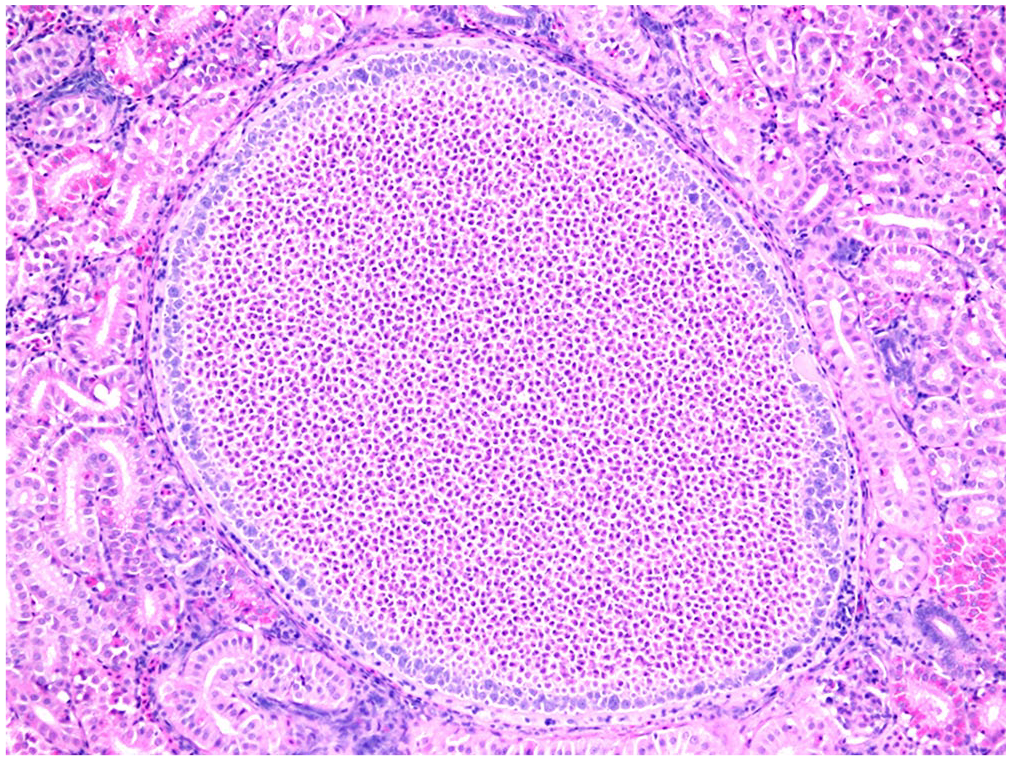
Renal myxosporidiosis in a largemouth bass. The renal interstitium has a thin-walled cystic structure (plasmodium) containing a few peripheral layers of clumped vegetative nuclei (immature myxospores) and myriad central, round mature myxospores with 2 polar capsules. The plasmodium is surrounded by low numbers of lymphocytes and plasma cells. H&E.
Generalized ordered logistic regression was used to determine the statistical significance of variables influencing overall endoparasite burden, fish species, year, and lake chloride content (Table 2). Fish species was found to be a significant predictor of endoparasite load (p < 0.001). The endoparasitism severity in carp and bullhead was consistently low, with none identified at level 2 or 3 (Fig. 13). Endoparasitism severity in largemouth bass and bluegill was consistently high, with most (59.5%) fish having a severity level of 2 or 3. Year, chloride levels, and the interaction of year and chloride levels were also found to be significant predictors of endoparasite burden (p < 0.001, 0.009, and <0.001, respectively). The true impact of chloride levels was uncertain given the discrepancy of the influence of chloride levels between years (Fig. 14).
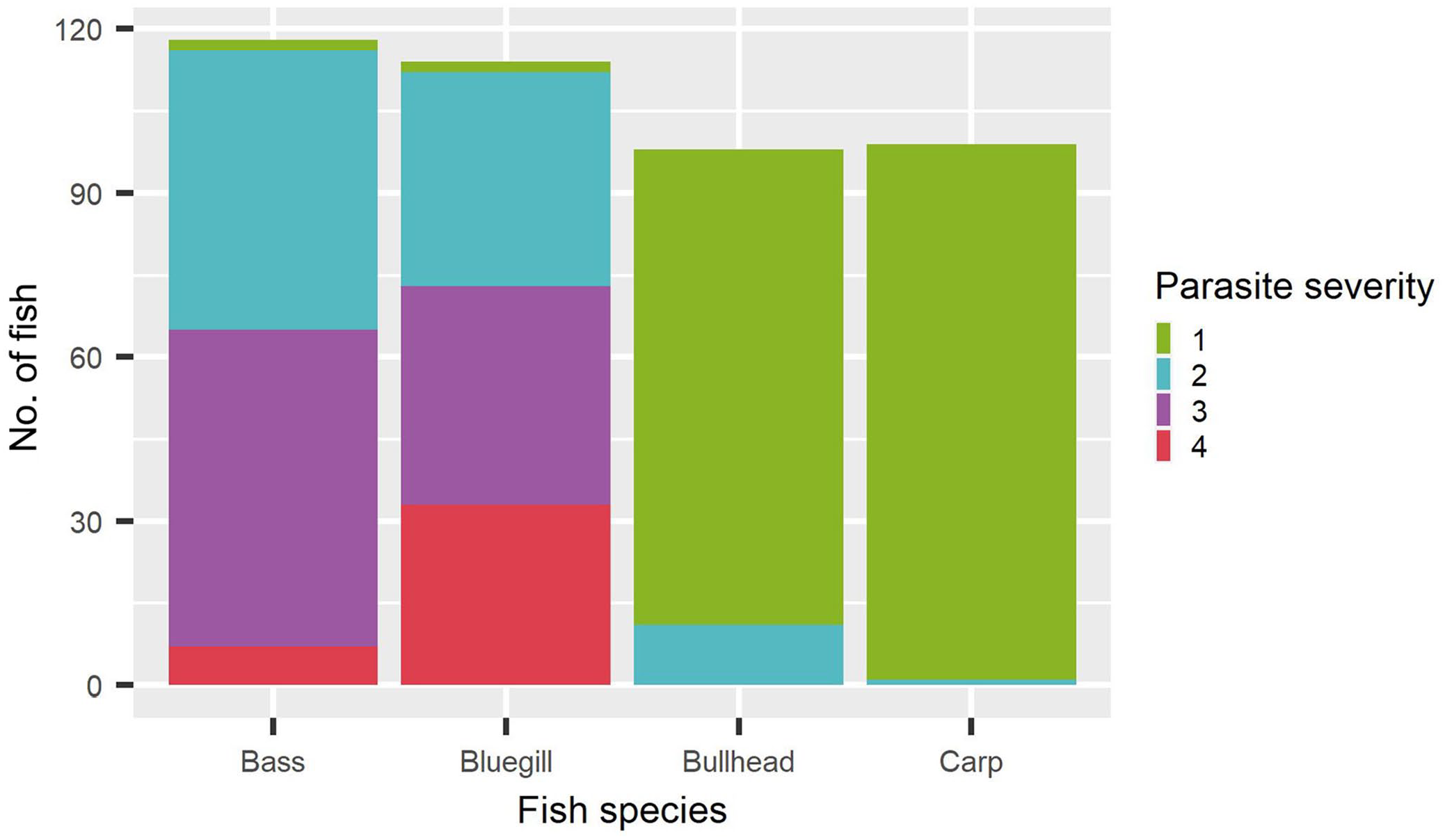
Endoparasitism severity by fish species. Species was found to be a significant predictor of endoparasite load. Endoparasitism severity in carp and bullhead was consistently low, with none identified at level 2 or 3. Endoparasitism severity in largemouth bass and bluegill was consistently high, with most having a severity level of 2 or 3.
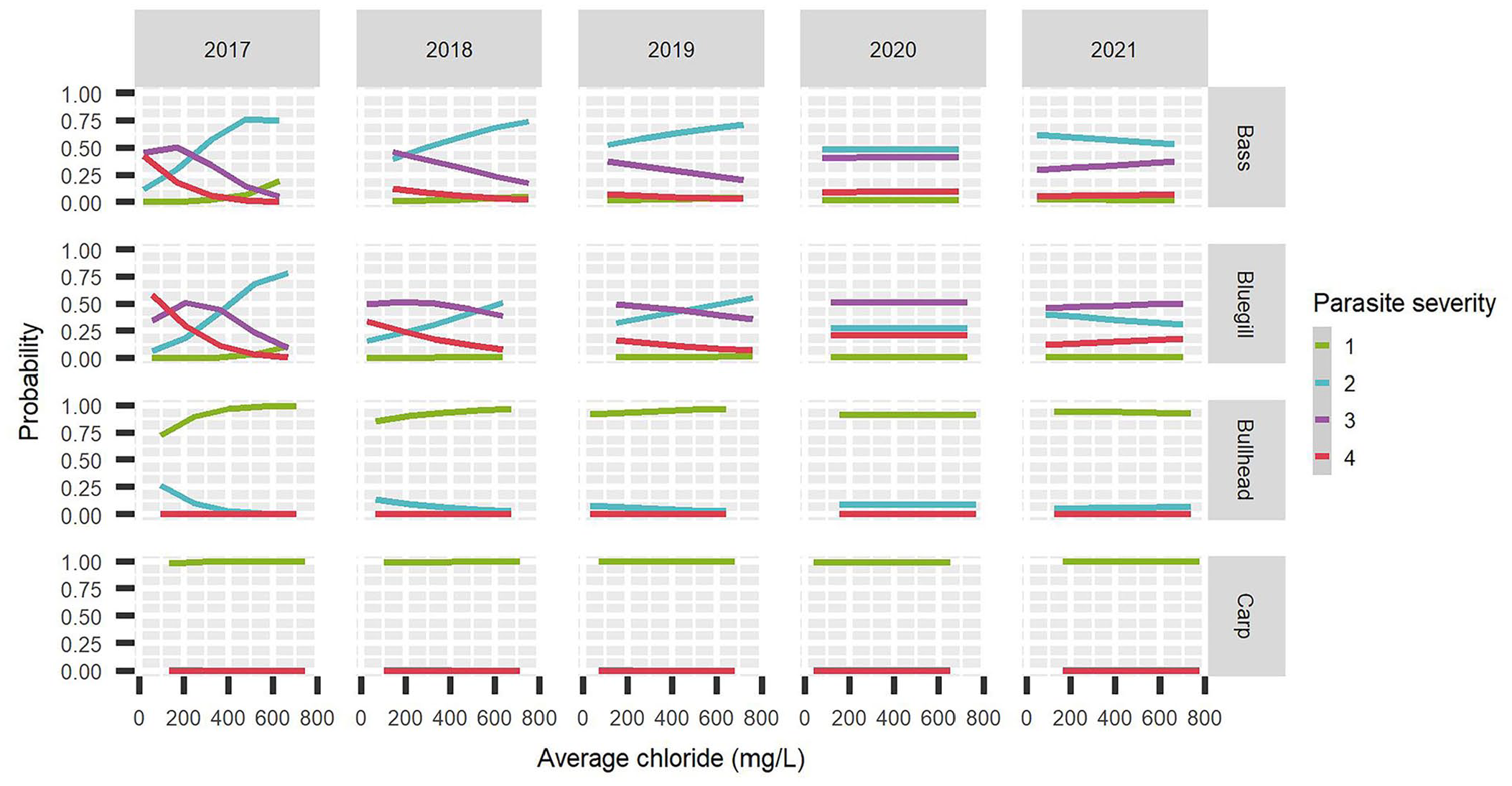
Probability of endoparasitism severity by year, fish species, and lake chloride levels. Year, chloride levels, and the interaction of year and chloride levels were also found to be significant predictors of endoparasite burden. The influence of chloride levels varied between years; thus, true impact was uncertain.
Aside from branchitis and parasitism, most fish lacked other significant gross and/or histologic lesions. Cases of inflammatory or bacterial infectious disease were identified in rare fish and included chronic granulomatous bacterial endocarditis, and bacterial enteritis in individual carp. A few carp also had mild, focal-to-multifocal gliosis in examined sections of brain. Gliosis was a nonspecific change; no cause was evident, and previous, resolved insult was presumed. Neoplasia was rare and only detected in individual bullheads. One bullhead had a cutaneous chromatophoroma (presumed melanoma), and another bullhead had 4 distinct neoplasms (intrahepatic biliary carcinoma, splenic hemangioma, pancreatic islet cell tumor, intratubular seminoma). Importantly, all fish examined for the study were euthanized and collected in good body condition with no outward signs of disease. All described lesions were well-tolerated and presumed clinically silent at the time of euthanasia.
Discussion
Our results indicate that fish from FPCC inland lakes lack lesions of concern for public health. Examined sections of skeletal muscle had no evidence of damage, disease, or parasitism to preclude recreational sport fishing and/or human consumption of fish flesh. Despite the lack of detectable morphologic or histologic lesions in fish flesh, moderation in human utilization of FPCC fish is still recommended given the likely presence of contaminants (i.e., heavy metals, chemicals) in fish tissues as a consequence of environmental bioaccumulation.16,35 Currently, all FPCC bodies of water are under state-issued fish consumption advisories because of high levels of tissue toxicants. 15
Lesions of potential significance to fish health were detected in all species of fish from all FPCC inland lakes that we sampled. Lesions included branchitis and endoparasitism and were present in every sampling year. Although all fish examined were euthanized and collected in good body condition with no outward signs of disease, possible subclinical impacts of these conditions on fitness and long-term population health were considered. Subclinical disease may diminish fish ability to cope with environmental stressors that could become more frequent as ecosystems evolve under the influence of climate change. The understanding of baseline health and disease in the FPCC fish populations provided by our study will provide a foundation for any future investigations. Established data can be a reference for studying outbreaks of clinical disease or die-offs in fish. Results of our baseline health survey may also be useful for informing fisheries management considerations for optimal sustainability of FPCC resources.
Branchitis detected in our study was most often diffuse in distribution and not found to be associated with parasites. Based on findings, environmental parameters were considered most likely contributory to the pathogenesis of gill damage. Influencers of branchitis severity identified by our study included fish species, the interaction of lake and alkalinity, and water temperature and season. Severe branchitis was most common in bullheads. Bullheads are benthic species, and their habitat location in the water column was one hypothesis to account for branchitis severity. Common carp share the benthic niche and generally lack similarly severe gill disease. Thus, benthic habitat alone was unlikely responsible for noted changes. Other unknown species-related factors may account for increased susceptibility to gill damage in bullheads compared with carp. No significant differences were detected between lake types (seepage vs. impoundment); however, severity of branchitis was lower in Axehead Lake compared with other locations. Axehead Lake also had the lowest alkalinity among examined lakes. The influence of alkalinity on branchitis severity was as expected. Optimal fish and gill health in freshwater fish is achieved in a near-neutral pH range of 6.8–7.8. Elevated alkalinity can lead to increases in ammonia (NH3) and direct gill epithelial toxic damage. Temperature also influences components of total ammonia nitrogen (NH3 and ammonium [NH4]); higher temperatures result in greater toxic NH3 concentrations. Thus, increased alkalinity and elevated temperature are synergistic for elevating environmental NH3 levels and can be associated with consequent gill damage.10,21,32
Documented gill parasites in the FPCC fish represented organisms previously described in these host species.10,20,22,30 Although branchial parasitism may have resulted in some localized gill damage, our findings did not support parasitism as a significant contributor to noted branchitis. Monogeneans were the most frequently encountered gill parasites and were detected at a similar prevalence in fish with and without branchitis. In our experience, low numbers of branchial monogeneans are commonly detected on gills of freshwater fish from Cook County lakes in the absence of appreciable damage or inflammation. Possibly, at least when monogenean numbers are low, a commensal relationship exists between these organisms and the host fish. The prevalence of branchial protozoal parasites was particularly low in our study population. Given that many of such organisms occur along the gill epithelial surfaces without strong attachment to the host tissues, loss in processing was possible and could have resulted in an underestimation of prevalence.
Increased prevalence and severity of endoparasitism was detected in mid-level (bluegill) and apex predator (largemouth bass) species compared with benthic bullheads and carp. This difference was attributed largely to host diet. Bluegill and largemouth bass are carnivorous species with greater diet diversity. These species would be more likely to consume various parasite intermediate hosts to facilitate infection. Carp are herbivorous, thus less likely to ingest intermediate host species. Bullheads are omnivorous and may consume a variety of aquatic invertebrates as well as algae and plants. Bullheads may also opportunistically hunt smaller fish, so could gain exposure to a variety of parasite intermediate hosts as prey species.4,28 Overall low levels of endoparasitism in the FPCC bullheads, however, suggest that consumption of parasite intermediate host species was a minimal or lesser component of the diet. Documented endoparasites in the FPCC fish represented organisms previously described in these host species.10,20,23,30 Parasitism was most often associated with absent to only mild tissue damage and inflammation. Inflammation consisted of granulomas that encapsulated encysted larval metazoans. Aside from mucosal attachment sites of enteric acanthocephalans, alimentary tract luminal parasites were not accompanied by an inflammatory tissue reaction. Tissue reaction to parasites was more common and pronounced in largemouth bass compared to other examined species. The reason for this difference was unknown.
Aside from fish species, year and lake chloride content were found to influence endoparasite burden. No specific cause was identified to account for the effect of collection year. Possibly, various environmental parameters contributed to the recognized effect, and it was beyond the scope of our study to identify and further investigate such variables. Chlorine is well known for its antimicrobial and antiparasitic properties.2,40 An association between decreasing endoparasite burden and increasing water chloride values documented in our study suggested lake chloride level may have had an antiparasitic effect on resident fish; however, long-term salinization of freshwater lakes can have significant detrimental ecologic consequences and should be avoided. Elevated chloride concentrations can have adverse effects on water quality and aquatic ecosystems with immediate and long-term alterations to community structure, diversity, and productivity.6 –9,14,36 Although chloride concentrations in freshwaters can vary cyclically with climatic processes (e.g., drought), elevated lake concentrations often result from agricultural, industrial, and transportation practices.19,38 Salt application for de-icing roadways represents a major source of chloride to groundwater, streams and rivers, and lakes. Following application, road salt quickly dissolves and accesses rivers and lakes through leaching and runoff.8,24,25,33 Avoiding excess salination of freshwater bodies is essential to maintenance of drinking water, fisheries, recreation, irrigation, and aquatic habitat. It was also important to note that any possible positive impact of chloride level on fish endoparasite burden remains uncertain given the discrepancy of the influence of chloride levels between years indicated by our data.
Our study highlights the importance of baseline wildlife health monitoring for the benefit of ecosystem and public health. Our results can serve as useful reference data for future studies and inform management decisions impacting valuable natural resources. The FPCC is a treasure of the region, and a greater understanding of the complex interactions impacting the various included ecosystems will be essential to enduring sustainability.
Footnotes
Acknowledgements
Our study would not have been possible without the support and assistance of Steve Silic and other contributing biologists with Forest Preserves of Cook County Department of Fisheries that facilitated sample collection. Becca Perry and University of Illinois Zoological Pathology Program pathology residents contributed autopsy support. Dr. Robert Ossiboff and the University of Florida Zoological Medicine and Wildlife Disease Laboratory imparted guidance for molecular identification of fish parasites. Histology slide preparation was provided by the histology laboratory of the University of Illinois Veterinary Diagnostic Laboratory.
Declaration of conflicting interests
The authors declared no potential conflicts of interest with respect to the research, authorship, and/or publication of this article.
Funding
The authors received no financial support for the research, authorship, and/or publication of this article.
