




Abstract
Rapid urbanization, population growth and climate-induced migration in the Global South, particularly in Bangladesh’s coastal cities, have led to the proliferation of informal settlements, thereby intensifying pressures on the urban landscape and exacerbating food insecurity. In this context, urban migrants, particularly women, are most vulnerable to food insecurity due to the lack of livelihood opportunities. To address these food-related vulnerabilities, women often utilize their dwelling and neighbourhood spaces for food production, often referred to as ‘foodscapes’, transforming housing environments—a phenomenon that remains understudied. Thus, this research attempts to examine how these foodscape practices contribute to migrant women’s household food security, using the Greenland slum in Khulna as a case study. This qualitative research employs a case study-based approach, utilizing interviews, focus group discussions and observation to collect both social and spatial data. The findings reveal that a wide variety of foodscapes prevalent in the Greenland slum are mainly home-based, establishing a deep spatial linkage with dwellings that contribute to household food availability and accessibility. The study also highlights socio-political, economic and physical factors associated with foodscapes and food security and provides recommendations for future research.
Introduction
Over the past few decades, food security has been at the forefront of global development initiatives. Different development frameworks, including the United Nations (UN) Millennium Development Goals and Sustainable Development Goals (SDGs), have been developed to address this issue. The first target of SDG 2 is to end hunger and ensure access by all people by 2030, in particular the poor in vulnerable situations. However, accomplishing food security for all is a distant goal, as 124 million people in 51 countries are now enduring severe food insecurity (Dake, 2021). It is further undermined by huge rural-to-urban migration as a result of climate change and urbanization, particularly in cities of the Global South, resulting in the proliferation of informal settlements and adversely affecting the relationship between landscapes and the urban poor’s food security (Speak, 2018). According to UN-Habitat’s (2011) estimation, 60% of the world’s population will live in urban areas by 2030, increasing pressure on urban resources and leading to adverse effects on urban food security (Swanepoel et al., 2021).
Bangladesh, as a developing country, is also facing the challenges of food insecurity, a priority since its independence in 1971. The country has a high population density of 834 people per square kilometre, which demonstrates that land scarcity is a crucial impediment to food security (Faisal & Parveen, 2004). The government of Bangladesh has therefore prioritized the provision of food security by targeting its goal to achieve SDG 2 by 2030 (General Economic Division, Bangladesh Planning Commission, 2018). Despite government efforts to tackle food insecurity, almost 25% of the population experienced food insecurity in 2019, and rates are considerably higher among migrants from urban slums (Bhattacharjee & Sassi, 2021). On top of that, due to Bangladesh’s geographical vulnerability, this priority is once again undermined by the climate-induced migration from climate-vulnerable areas to coastal cities. An increasing number of migrants are heading to the city’s informal settlements, creating an urban crisis coupled with food insecurity (Akter, 2009). However, food security issues in urban settings are often neglected by research and planning policies. This resulted in urban migrants becoming precarious regarding access to land and food, particularly women, who are over-represented in the informal urban sector (Crush et al., 2011). To cope with this food-related vulnerability, migrant women utilize the extremely limited spaces of informal settlements to operate food-related activities (often referred to as ‘foodscapes’), which, to some extent, contribute to household food security (Hammelman, 2018). Hence, the representations of these foodscapes are continuously transforming the spatial environment of informal settlements, establishing intertwined relations between gender, place and food that are still underexplored.
Khulna, the third-largest metropolitan city of Bangladesh, has the largest concentration of informal settlements due to massive climate-induced migration from the coastal areas, and the Greenland slum is one of them. To adapt to the harsh environment of food insecurity in this settlement, migrant women adopted foodscapes (such as small-scale vegetation, livestock farming, poultry, retail, food vending and community markets) as an autonomous strategy without any government intervention. Often, women-led foodscapes transform the spatial environment in this settlement, which has not been studied. Despite the contribution of foodscapes to addressing food security, they often encounter hostile policy and regulatory environments. These include exclusionary practices like relocation, large-scale evictions and destruction of food-related activities. Women are disadvantaged by these hostile practices, which undermine their ability to produce food. However, many structural adjustment policies have been criticized for being gender-blind, failing to recognize the central role of women in food security (Laier et al., 1996). Besides, a major gap addressed by this research is that urban housing policy and design interventions often fail to integrate these gendered and food-related spaces in upgrading and resettlement schemes of settlement. Therefore, it is interesting to examine how migrant women adopt foodscape practices autonomously and how these practices influence the spatial environment of informal settlements, to address household food security.
This article is structured as follows: following the introduction, the second section presents the literature review, followed by the research methodology in the third section. The fourth section presents and discusses empirical results, followed by a conclusion in the fifth section and recommendations for future research in the sixth section.
Literature Review
Cities in the Global South are experiencing rapid urbanization, population growth and massive climate-induced migration, resulting in a decreased land-to-population ratio and heightened food insecurity, particularly in informal settlements. To cope with this food-related vulnerability, an increasing number of households, especially women, are utilizing domestic and neighbourhood spaces for various food-related activities. Emerging studies argue that the survival strategies of migrants living in poverty are embedded in the urban food landscape, often called the ‘urban foodscape’ (Hammelman, 2018). Previously, multiple authors defined foodscape as an amalgam of food and physical landscape (Brembeck & Johansson, 2010; Vonthron et al., 2020). Nevertheless, this perspective could be considered reductive, as it fails to provide a comprehensive understanding of the human dimension, particularly individual and collective experiences in shaping the connectivity between food and spaces. Therefore, recent studies have advanced a more nuanced conceptualization of the term ‘foodscape’, defining it as the complex interplay between its key components: food, people and place (Arciniegas, 2021). By emphasizing the nexus of food-people-place, a growing body of research acknowledges that women are the predominant actors in urban foodscapes, with their roles shaped by labour contributions (Laier et al., 1996), decision-making power and participation in food provisioning activities (McCarney, 1991). This is further exemplified by Hammelman’s (2018) study, which found that women-led foodscape practices continuously transform the spatial environment of informal settlements, with these transformations varying according to the typology of food-related activities. This women-initiated transformation is not confined to individual dwellings; rather, as Ghafur (2002) suggests, these activities extend beyond the immediate domestic sphere and wider neighbourhood space to the broader urban area. Given the magnitude of the research, this study specifically focuses on foodscapes located at the domestic and neighbourhood levels to prioritize the immediate environments where these transformations are more directly observed.
Numerous studies have demonstrated that, as an urban livelihood strategy, foodscapes have significant implications for household food security, particularly in shaping the dynamics of food availability and accessibility (Arciniegas, 2021; Swanepoel et al., 2021). These implications are further manifested through the following four distinct pathways: source of food (Gallaher et al., 2013), source of income (Kiptot et al., 2014), food affordability (Dake, 2021) and reciprocal exchange (Arciniegas, 2021). Each pathway contributes to the overall household food security in a distinctive manner. This is evidenced by a study conducted by Swanepoel et al. (2021) in the Western Cape in South Africa, which showed that urban households have become increasingly engaged in household food production to increase food supply, underscoring the importance of food sources as a critical indicator of food availability. Similarly, McCarney (1991) observed that in the African context, women-led household production contributes to family sustenance to some extent but is often hindered by the challenges posed by small and scattered plots. Additionally, as Kiptot et al. (2014) suggest, such production has the potential to reduce reliance on food purchases during periods of food shortages and high inflation. In the context of food accessibility, a multitude of studies have suggested that foodscapes provide dwellers with additional income, either by selling or not purchasing domestically grown surplus crops (Gallaher et al., 2013). However, a few authors argue that food accessibility depends not only on household income but also on the patterns of reciprocal exchange within a neighbourhood (Hammelman, 2018) and the affordability of food (Dake, 2021; Parham, 2020).
Nevertheless, it is imperative to recognize that women’s decisions to participate in urban foodscapes are shaped by a complex interplay of socio-political, economic and physical factors, despite their essential role in ensuring household food security (Wegerif & Wiskerke, 2017). Socio-political factors, for instance, include access to land, spatial negotiation and social norms (Gondwe & Ayenagbo, 2013; Islam et al., 2022; Laier et al., 1996). In contrast, economic factors involve access to support programmes (Gallaher et al., 2013), access to credit (McCarney, 1991) and ease of access to the market (Ghafur, 2002). Additionally, physical factors encompass the availability of space (Gallaher et al., 2013) and the provision of essential services and infrastructure (Downs et al., 2020). Collectively, these intertwined factors shape the opportunities and limitations that women encounter when participating in urban foodscapes.
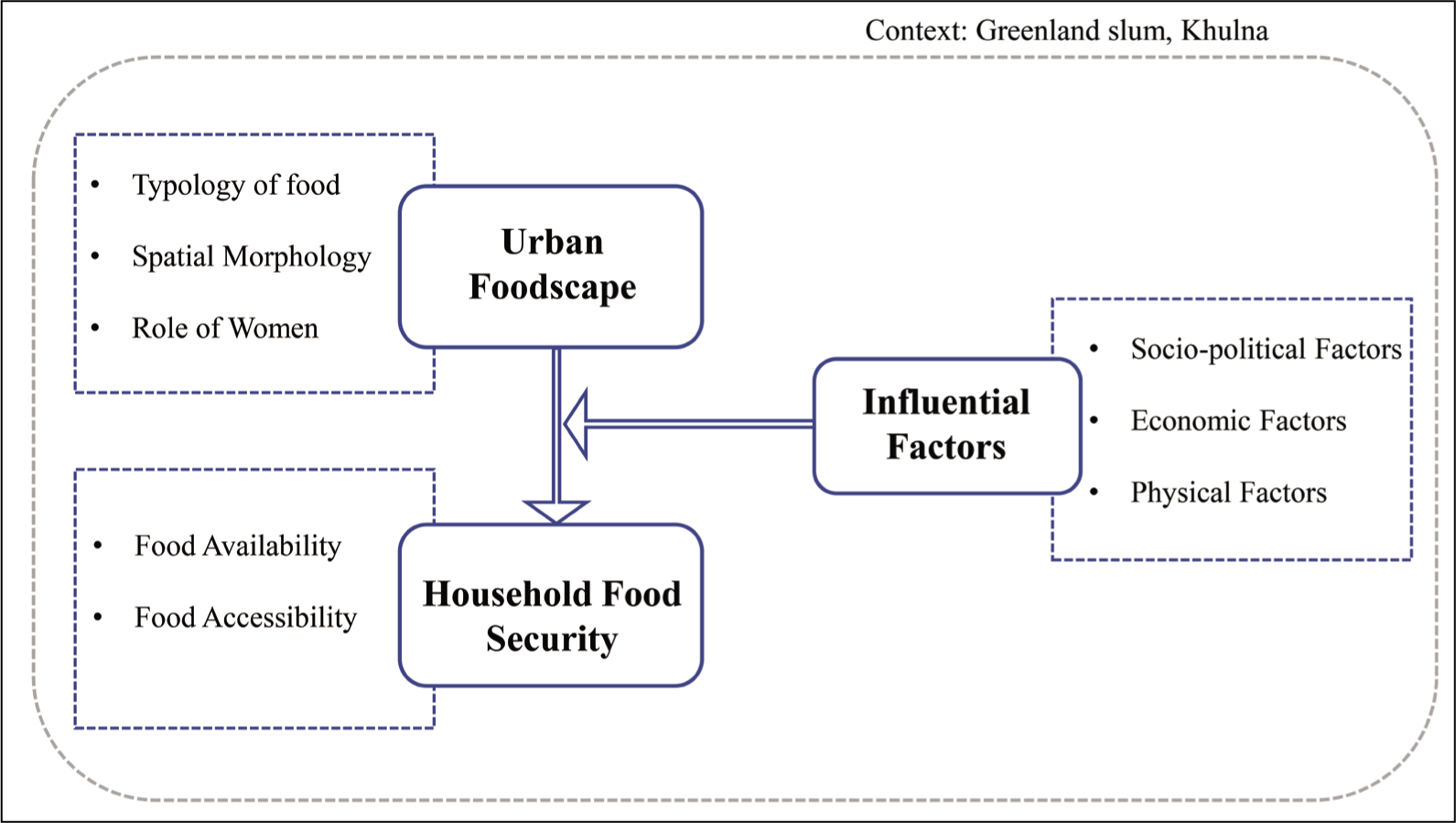
There is a growing realization that food security has traditionally been regarded as a rural rather than an urban issue in research and policy. This is why urban planners have predominantly neglected the integration of food considerations into settlement planning (Cabannes & Marocchino, 2018). It is also noteworthy that academic research has often considered urban foodscapes from the perspective of dietary behaviours and nutrition security (Kolak et al., 2018). Alarmingly, the gendered and spatial dimensions of foodscapes, particularly in informal settlements, remain underexplored. Given this knowledge gap, the research is conceptualized to critically examine how the practice of urban foodscape contributes to migrant women’s household food security and the ways in which these practices are shaped by several socio-political, economic and physical factors within informal settlements (Figure 1).
Conceptual Framework of the Research.
Research Methodology
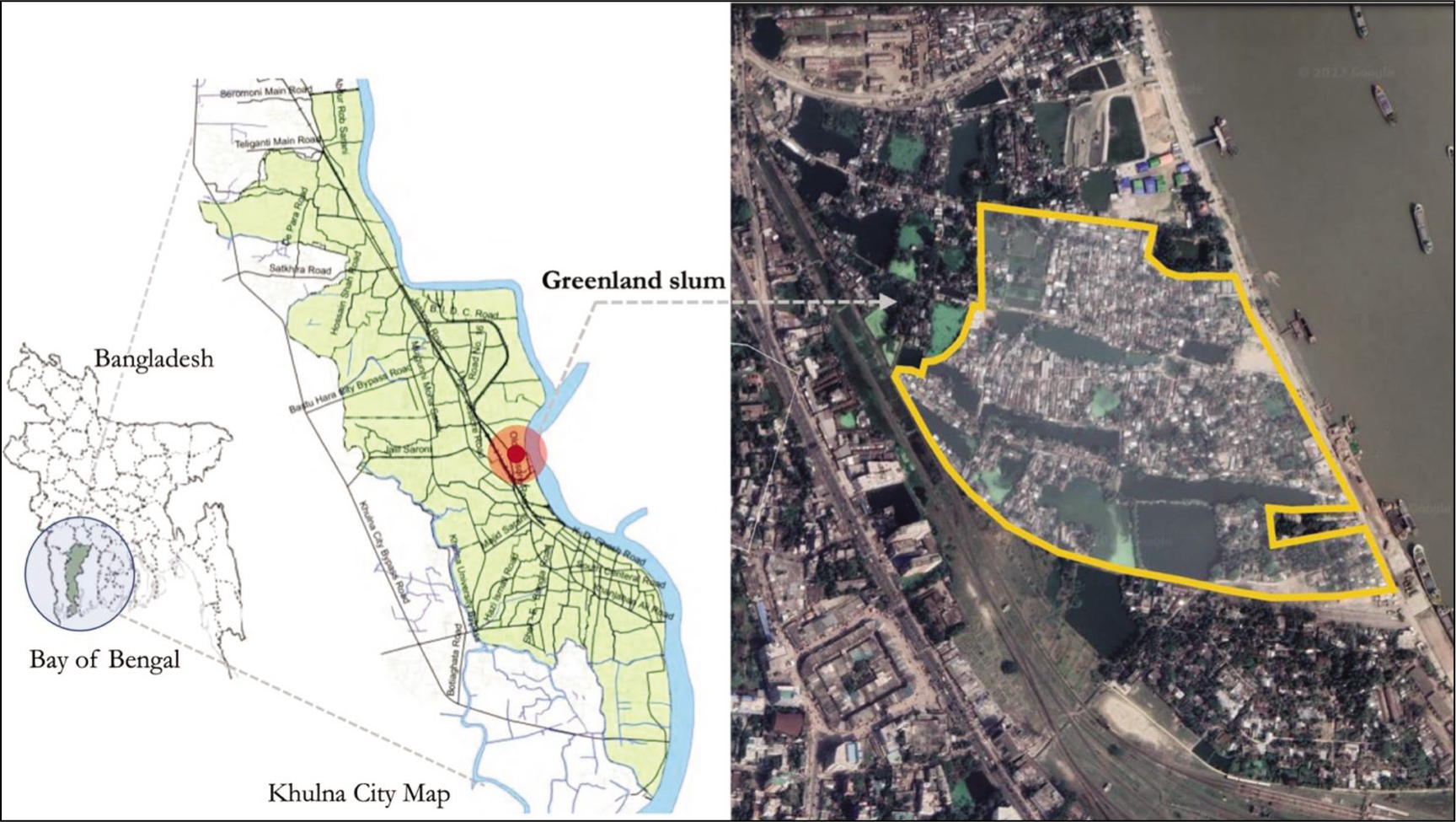
This is an empirical study based on the analysis and depiction of data related to existing practices of urban foodscapes, the extent of migrant women’s household food security and also the influential factors affecting both foodscapes and household food security. However, the purpose of the study is to examine the practices of the urban foodscape that contribute to migrant women’s household food security in informal settlements. Therefore, this research has been carried out in Khulna, the third-largest city in Bangladesh with a population of 1.5 million, where 20% are slum dwellers (Roy et al., 2018). At present, there are approximately 520 informal settlements in Khulna, and among them, the Railway slum is the second-largest one, located on the land of the Bangladesh Railway Authority (BRA). The whole settlement is divided into the following three parts: (a) Montu Colony, (b) Greenland slum and (c) Sweeper Colony. In this research, the Greenland slum is taken as the ‘unit of analysis’ due to its huge concentration of climate migrants from the south coastal region of the country (Jabeen, 2019; Figure 2). This slum was established in 2002 with the help of the former ward councillor and the city mayor, who supported some floating destitute migrant people from different coastal areas of Khulna. The ward councillor brought in a verbal commitment from the BRA to provide an unused parcel of land for these people (Roy & Islam, 2007). However, the Greenland slum, with a population of 5,806 and a male-female ratio of 30:70 (Akter et al., 2021), was chosen as it effectively represents the focus on migrant women’s food security. Besides, despite lacking legal tenure, many women still engage in various foodscape-related activities to survive harsh urban conditions, justifying its selection for the study.
Location of the Greenland Slum in Khulna.
This is qualitative research, where a case study approach was adopted as a research strategy. Given the fact that there is limited understanding of the gendered and settlement perspectives of urban foodscapes, this study was designed to get an in-depth understanding of how urban foodscapes contribute to migrant women’s household food security. As a consequence, the findings are specific and cannot be generalized beyond the case study context.
The unit of analysis for this research was migrant women who are actively engaged in the different foodscapes in the Greenland slum. Based on a pilot survey, through purposive sampling, 24 female respondents (aged above 18 years) involved in the six foodscapes were selected. Another selection criterion identified during the pilot survey was tenure status, as most women involved in Foodscapes were rent-free illegal dwellers, while only a few were tenants. Therefore, it was decided to have a ratio of 4:1. Yet another selection criterion was the scale of foodscapes.
Interviews using both open-ended and closed-ended questions were conducted to unpack the foodscape typology, women’s role in it and the socio-political, economic and physical factors influencing both foodscapes and household food security. Additionally, a Likert scale was implemented to assess the extent of household food security. Apart from this, one focus group discussion (FGD) was carried out with inhabitants in the slum who were not involved in foodscapes to capture the data related to the affordability of food produced in Greenland. To assess the food-related support programmes, one key informant interview was conducted with a deputy manager from a non-governmental organization (NGO) called Bangladesh Rural Advancement Committee (BRAC). To collect the spatial data both at household and neighbourhood level, direct observation, photographs, video recording and free-hand sketching were utilized. Furthermore, to analyze the data, a content analysis (with the aid of Atlas.ti), a spatial analysis and a descriptive analysis were implemented.
Empirical Results
This section primarily discusses how urban foodscape practices contribute to migrant women’s household food security in the Greenland slum, based on data collected from the study area. It presents an analysis in the following three parts: first, it delineates the components of urban foodscapes; second, it examines the extent of migrant women’s household food security resulting from these foodscapes; and finally, it explores the influential factors affecting the relationship between urban foodscapes and migrant women’s household food security.
Components of Urban Foodscapes
The urban foodscape implies the interplay of components: food, place and people. This study, however, examines this interplay through the lens of foodscape typology (food), spatial morphology (place) and the role of women (people). Thus, this subsection provides an analysis of the spatial morphology of foodscapes within the Greenland slum, focusing on the typologies identified and the pivotal role of women as key contributors.
Typology of Urban Foodscape
Different types of foodscapes are adopted by migrant women in the Greenland slum as a crucial survival strategy for their livelihoods. From the pilot survey, it was found that there are six types of foodscapes that exist most frequently in this slum, both at the dwelling and neighbourhood levels. These types are small-scale vegetation, livestock farming, retail shops, home-based restaurants, food vendors and community markets. However, these types can be categorized under the following two broad typologies: nature-oriented and built environment-oriented urban foodscapes. Nature-oriented foodscapes include small-scale vegetation and livestock farming, whereas built-environment-oriented foodscapes comprise retail shops, home-based restaurants, food vendors and community markets.
Spatial Morphology of the Urban Foodscape
This study already identified two broad foodscape typologies to understand how these typologies manifest spatially in the Greenland slum. To investigate the existing spatial manifestation of foodscapes at household and neighbourhood levels, the relative positioning of foodscapes, space utilization, functional linkage and space requirement have been taken into consideration.
Household Level
Urban foodscapes at the household level refer to those that are spatially dependent and well-connected to the dwelling for the efficient functioning of the foodscape. The spatial phenomenon demonstrates that the foodscape in the Greenland slum is predominantly home-based, with dwelling units playing a role in both productive and reproductive activities. The majority of foodscapes, including livestock farming, small-scale vegetation, retail stores and home-based restaurants, are spatially attached and functionally dependent on dwelling units’ spaces. Ethnographic observation reveals that the relative positioning of livestock farming is largely dependent on the location of available space and the position of services, especially water sources and drainage facilities. A strong functional connectivity is required among the cattle sheds, tube wells, internal alleyways and sometimes the community ponds. The proximity of these infrastructures facilitates those households that do not have their own pump water or tube well but engage in the manufacture of dried dung.
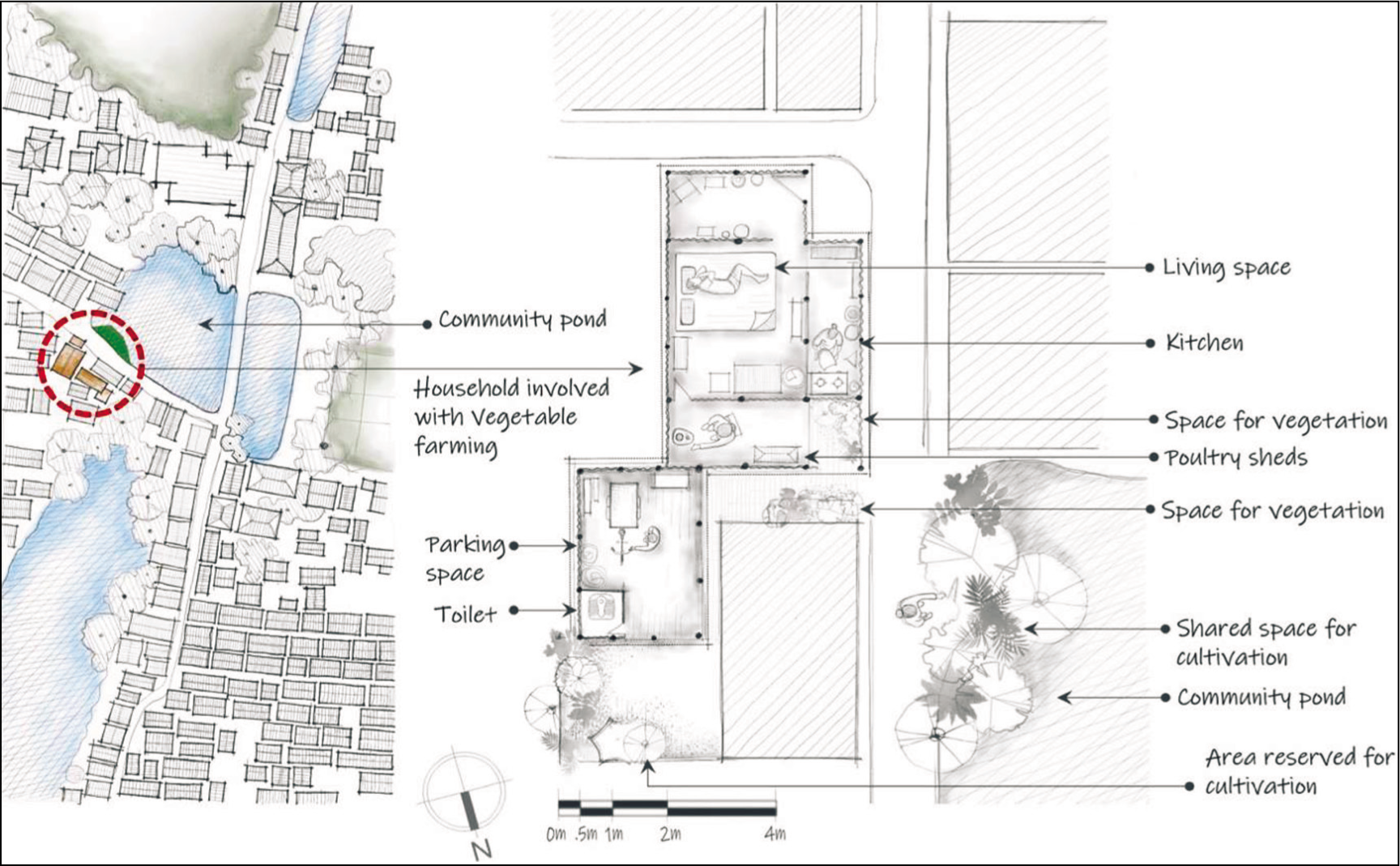
The positioning of small-scale vegetable farming is primarily reliant on the location of available space, solar orientation, available vertical and horizontal surfaces of the dwelling, in particular the roofs and façades (where the plot size is small), and the proximity of community spaces (streets, alleyways and ponds). Findings reveal that this community utilizes every available inch of space in a highly productive manner, for instance, by sharing a common space on the edge of the community pond, spaces of alleyways and streets to place a sack for gardening provided by different NGOs, and utilizing 5- or 6-inch spaces efficiently between the street and dwelling for cultivation. However, a strong functional connectivity is required between the farming areas and the water sources (tube wells and ponds) for irrigation purposes (Figure 3). Additionally, functional connectivity between cultivation areas and domestic spaces is only necessary when there is a need for storage of harvest, equipment and fertilizers.
The Image on the Left Shows the Location of Small-scale Vegetation in Neighbourhood Mapping, and the Image on the Right Shows the Spatial Morphology at the Household Level.
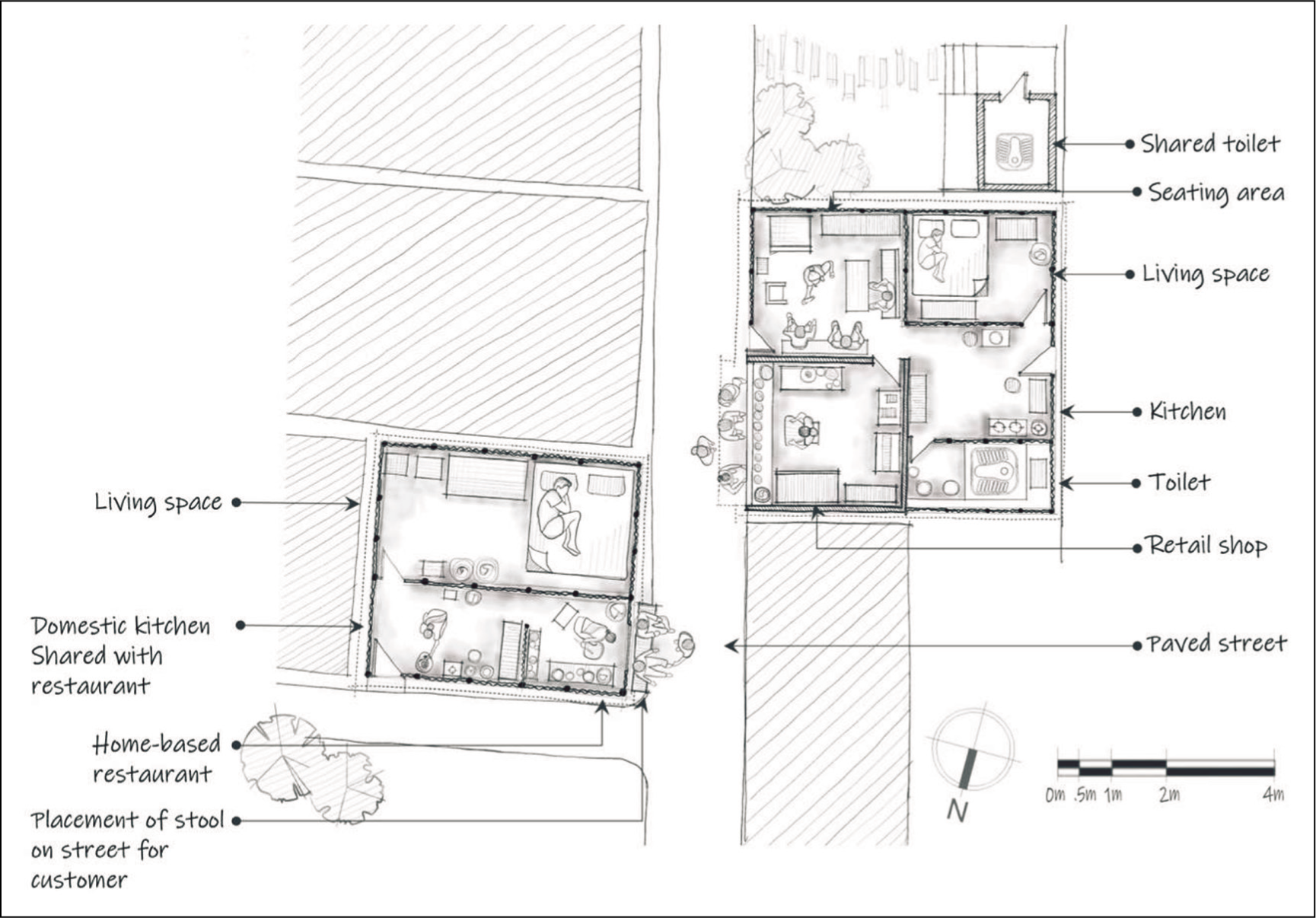
The positioning of retail shops and home-based restaurants is primarily dependent on the volume of vehicular and pedestrian traffic, accessible streets to transport heavy goods, junctions and surface quality of the streets and alleyways. Both of these foodscapes are located on the ground floor towards the front of the dwelling and are highly agglomerated along the paved streets, which are connected to the main thoroughfares of the settlement. However, the relative positioning of restaurants also depends on the proximity of the fundamental services, such as the placement of the kitchen, washing areas for utensils and the tube wells. In terms of space utilization, both retail and restaurants share domestic space for food storage. Occasionally, the operators of restaurants occupy neighbourhood streets to install chairs and stools, particularly when the nature of the foodscape demands the setting up of special equipment, but the private space is limited (Figure 4).
Spatial Morphology of Retail Shop and Home-based Restaurant in the Greenland Slum.
The findings also show that these foodscapes are largely managed by women; therefore, a deep functional linkage has already been established between the dwelling and the foodscapes. In most cases, a partition wall divides the retail shop’s spaces, but a door connects them to the domestic space. It is difficult to operate a restaurant without functional linkages to domestic space, and what is observed is that most food processing activities (chopping, blending and splitting wood) for the restaurant happen in the living room, the domestic kitchen and sometimes in the common alley.
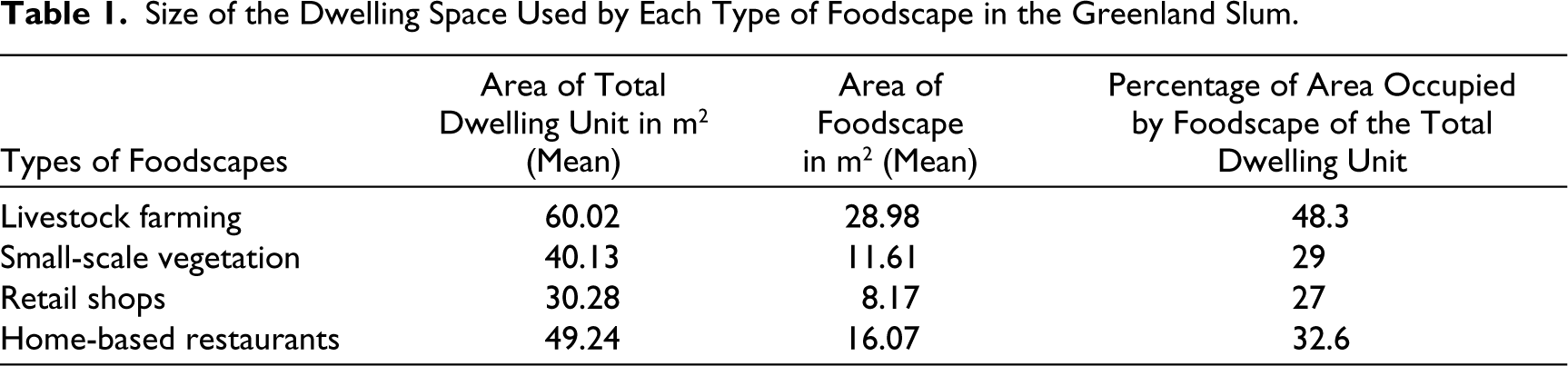
With regard to the space requirements, data collection included the measurement of the dwelling space and the amount of space used for the foodscapes, both exclusively and shared with domestic space. The percentage of spaces occupied by foodscapes is determined by subtracting the area of foodscapes from the total dwelling unit (Table 1). Table 1 illustrates that a minimum of one-fourth of domestic space is required to operate a foodscape attached to a dwelling unit. Typically, livestock farming, which requires the highest amount of space—nearly half the dwelling space for animals and equipment—is primarily undertaken by the community’s original residents. Only one-fourth of domestic space is enough to run a retail shop. However, the agglomeration of this foodscape is relatively greater than that of others in this settlement because it generates a greater profit while occupying a smaller area.
Size of the Dwelling Space Used by Each Type of Foodscape in the Greenland Slum.
Neighbourhood Level
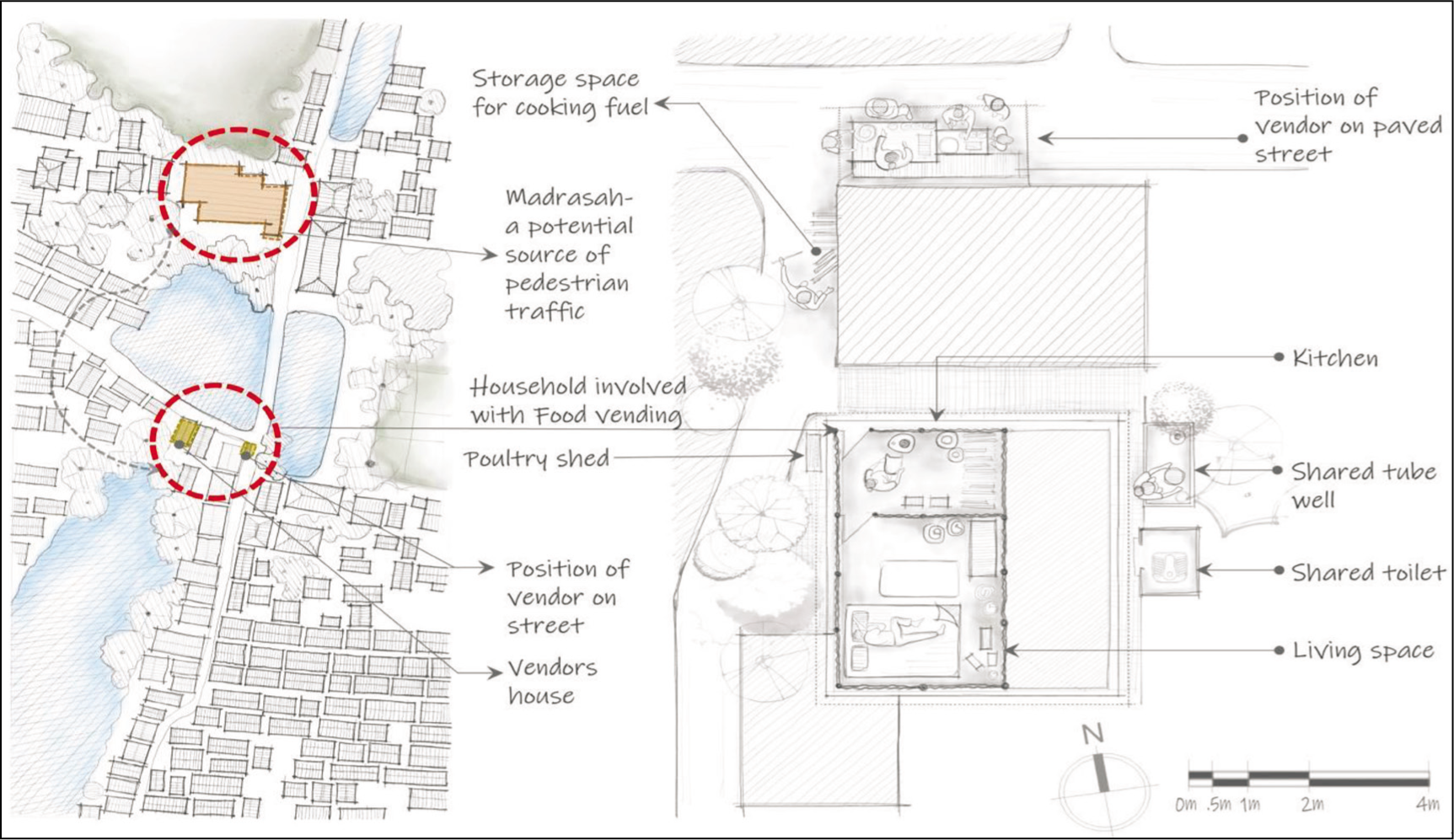
An urban foodscape at the neighbourhood level refers to those that are located in the neighbourhood spaces but are spatially adjacent to the dwelling, for instance, food vendors and community markets. The ethnographic observation reveals that the relative positioning of food vendors is primarily reliant on the volume of pedestrian traffic, surface quality and width of the streets, along with the proximity of community infrastructures including schools, madrasahs and playgrounds. Most vendors are floating (mobile) and inherently adaptable, capable of adjusting to various environments. They typically occupy a small space on the streets (approximately 2.78 m²) and are strategically located adjacent to their dwellings to facilitate the convenient transport of products from the house to the street (Figure 5). A portable kiosk with a light tent over it is placed on the street to exhibit food, allowing for adaptability as they can relocate the kiosk based on passenger traffic.
The Image on the Left Shows the Food Vendor’s Location and Community Infrastructure in Neighbourhood Mapping, and the Image on Right Shows the Spatial Morphology at the Household Level.
The community market (local name ‘Bou Bazar’ or women’s market), on the other hand, is situated at the front of the settlement, adjacent to the main thoroughfare and opposite the Rupsha River, to capture traffic from both within and outside the neighbourhood and also facilitate the loading and unloading of products. The daily market typically takes place in a semi-outdoor setting with a small amount of space (approximately 464.5 m2) allocated solely for the women to sell dry and wet products. The women sell a combination of food grown in the neighbourhood and purchased from a wholesale market located outside of the neighbourhood. Spaces are clearly dedicated here, both for the dry and wet zones, which are divided by an eight-foot-wide pathway for the efficient circulation of the buyers. Besides, services such as drainage, tube wells and toilets are properly organized and distributed to efficiently operate the whole market.
The above discussion shows that the limited space in the Greenland slum is utilized extensively for food production. Besides this, flexibility and adaptability are the key characteristics of the built environment, which accelerates the agglomeration of foodscapes. In addition, unbuilt and leftover spaces in the neighbourhood have economic potential that built environment professionals should take into consideration.
Women’s Role as Contributors to Urban Foodscapes
To determine the role of women in foodscapes, this study takes into consideration their contribution to labour, decision-making power and participation in food provisioning activities. Determining the role of women in urban foodscapes requires an understanding of who participates and how much time is allocated to these activities. Empirical evidence suggests that women allocate substantially more time to foodscape-related activities than men, as the home is a private sphere largely governed by women (Table 2). For instance, Table 2 shows that women involved in home-based restaurant operations allocate 50% of their daily time to this activity, in contrast to men, who dedicate only 25%. While they dominate food production, their contribution to labour is a factor of many interacting variables: the nature of foodscapes, labour types and the prevailing socio-cultural norms. The nature of spatial organization in foodscapes has become so intricately intertwined with domestic activities that determining labour contributions in this field is extremely challenging.
Involvement of Labour in Different Foodscapes by Time and Gender.
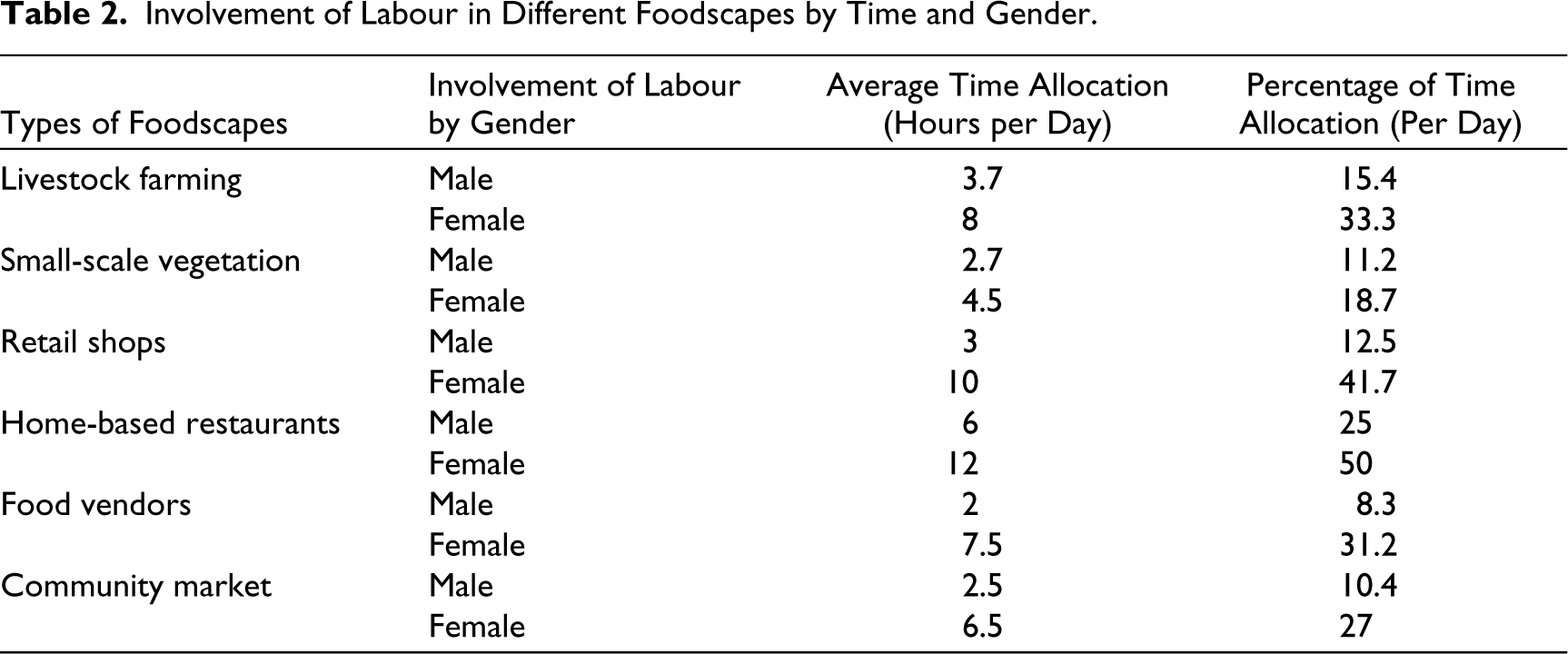
It is evident that the most prominent types of labour they employ to operate foodscapes are own-account and family labour because of the small profit of the business. Although it is mostly run by family labour, in most cases, both males and females are involved as labourers. In contrast, if the foodscape is relatively large and the activities are laborious, such as livestock farming and home-based restaurants, then males tend to dedicate more time to these foodscapes as compared to other foodscapes.
Empirical evidence reveals that women wield substantial power to make decisions regarding who will devote how much time to their foodscape due to its location in the private sphere, where women have substantial control over it. Similarly, women have significant power over the intensity of food/crop management because of the existing socio-cultural norms that assign women the role of ensuring household food security. Additionally, women are primarily responsible for determining the location of foodscapes, as they are the predominant unitizers of the space.
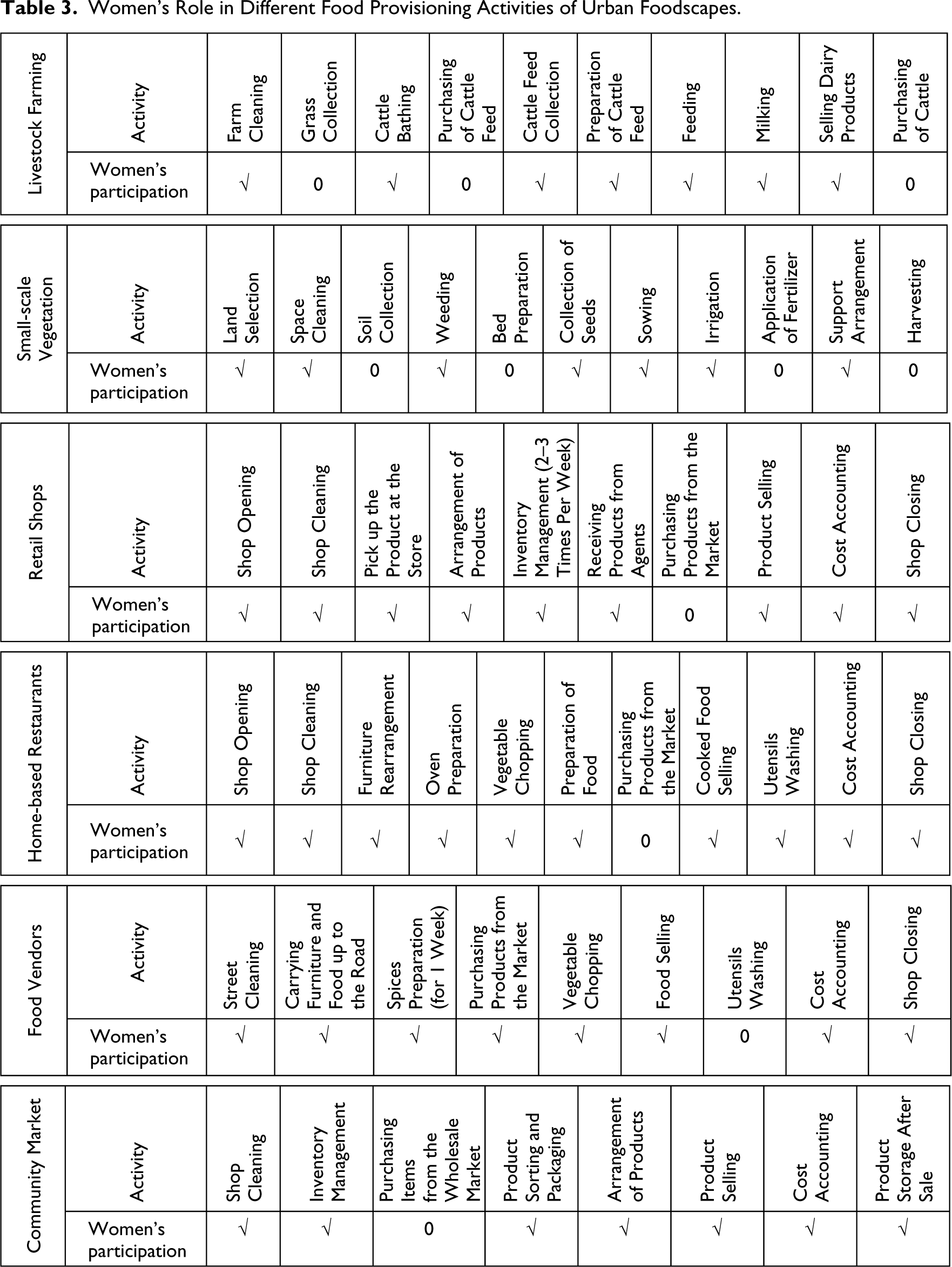
Furthermore, the respondents are predominantly participating in a large number of the activities associated with each of the six subtypes of foodscapes (Table 3). There are, however, some instances in which men are found to be involved in specific activities that are driven by existing social norms and the laborious nature of work. For instance, existing social norms prohibit women from carrying grass on their heads from the grazing area to their dwelling. Similarly, some activities that are highly laborious in nature and burdensome for women require men’s involvement, for instance, soil collection for cultivation, carrying heavy tools and so on. Additionally, the lack of women’s market exposure, which is rooted in existing social norms, leads to men’s involvement in foodscape-specific activities.
Women’s Role in Different Food Provisioning Activities of Urban Foodscapes.
The Extent of Migrant Women’s Household Food Security
This section explores the extent of migrant women’s household food security resulting from these foodscapes in the context of the Greenland slum, with a focus on food availability and accessibility. It provides a comprehensive analysis of sources of food, income sources, reciprocal exchange and food affordability, aiming to deepen the understanding of food availability and accessibility within this context.
Food Availability
Source of Food
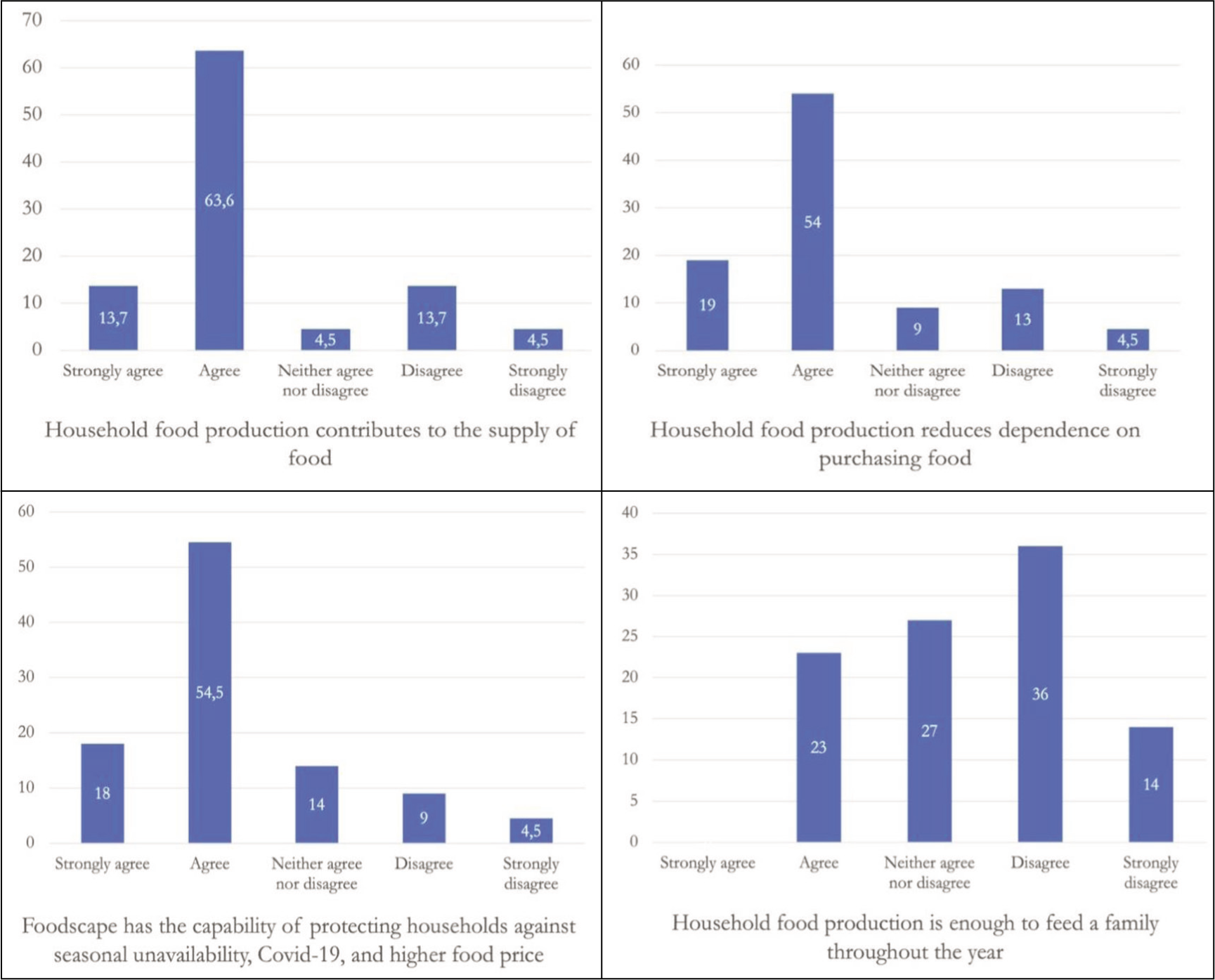
Food availability in the field of food security refers to the source of food through household cultivation at both household and neighbourhood levels. In the Greenland slum, the main source of food is obtained from nature-oriented foodscapes, such as livestock farming and small-scale vegetation. According to the field survey, most respondents (63.6%) involved in nature-oriented foodscapes agreed that household food production contributes to the supply of food. Aside from that, more than half of the respondents also agree that this household production reduces their dependency on food purchases. More than one-third of respondents (34%) disagree with the assertion that household food production is enough to feed a family throughout the year due to the scarcity of land adjacent to dwellings for production. More than half of the respondents agree that a foodscape has the capacity to protect households against seasonal variations of food availability and related food prices and COVID-19 by increasing household food production and decreasing dependency on food purchases (Figure 6).
Household Responses Regarding the Contribution of Foodscape as a Source of Food in the Greenland Slum.
Food Accessibility
Food accessibility, as a second pillar of household food security, depends on the source of income, reciprocal exchange and affordability of food. In the Greenland slum, both nature- and built-environment-oriented foodscapes are associated with these variables of food accessibility. Thus, it is crucial to assess those indicators in order to understand the level of food accessibility in the prevalent context.
Source of Income
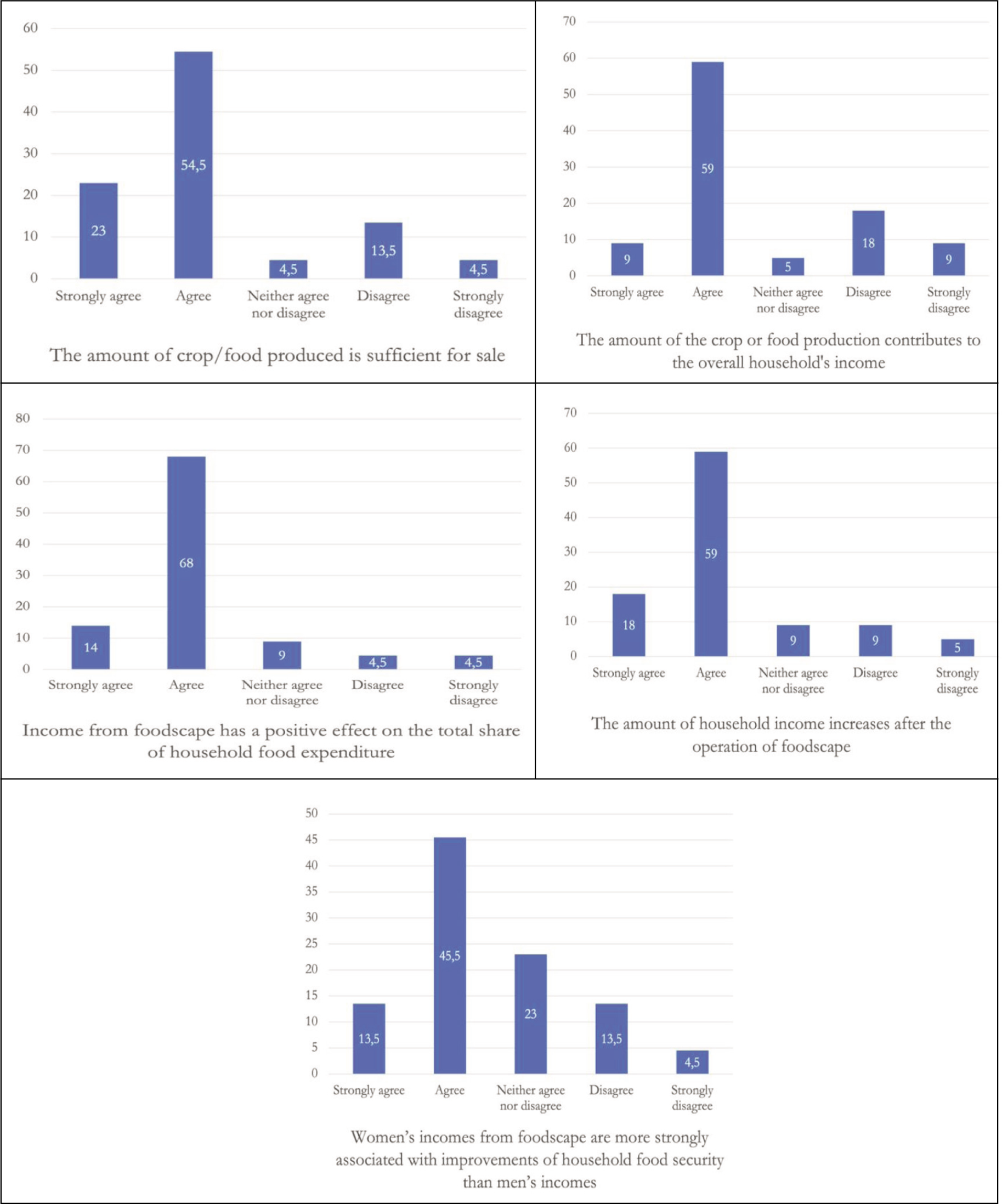
A total of 54% of the respondents mentioned that they produced enough in order to be able to sell part of their production, which contributes to the overall household income. Additionally, income from this foodscape has a positive effect on the total share of household food expenditure, as agreed by the majority of respondents (68%). Apart from this, more than half of the respondents also agreed that the amount of household income increased after the operation of Foodscapes (Figure 7). Nearly half of the respondents agree with the fact that women’s income from foodscapes is more strongly associated with improvements in household food security than men’s income.
Household Responses Regarding the Contribution of Foodscape as a Source of Income in the Greenland Slum.
Reciprocal Exchange
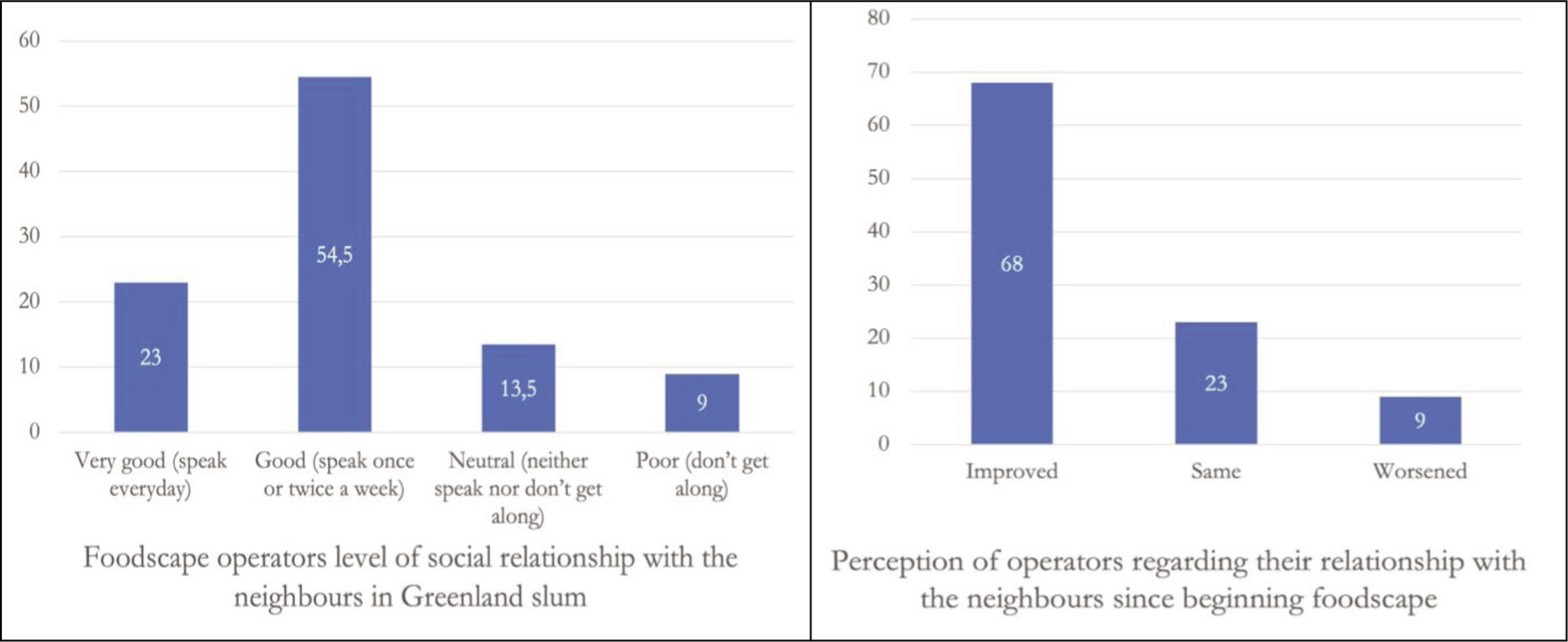
Empirical evidence reveals that most of the women (54.5%) involved with foodscapes have a good social relationship with their neighbours, which has fostered a sense of community and established a network among neighbours. Therefore, the majority of the operators (68%) reported that their relationship with their neighbours has considerably improved since the beginning of foodscapes (Figure 8).
The Graph on the Left Shows the Operator’s Level of Social Relationships with the Neighbours, and the Graph on the Right Shows Their Relationship with Neighbours Since the Beginning of Foodscape.
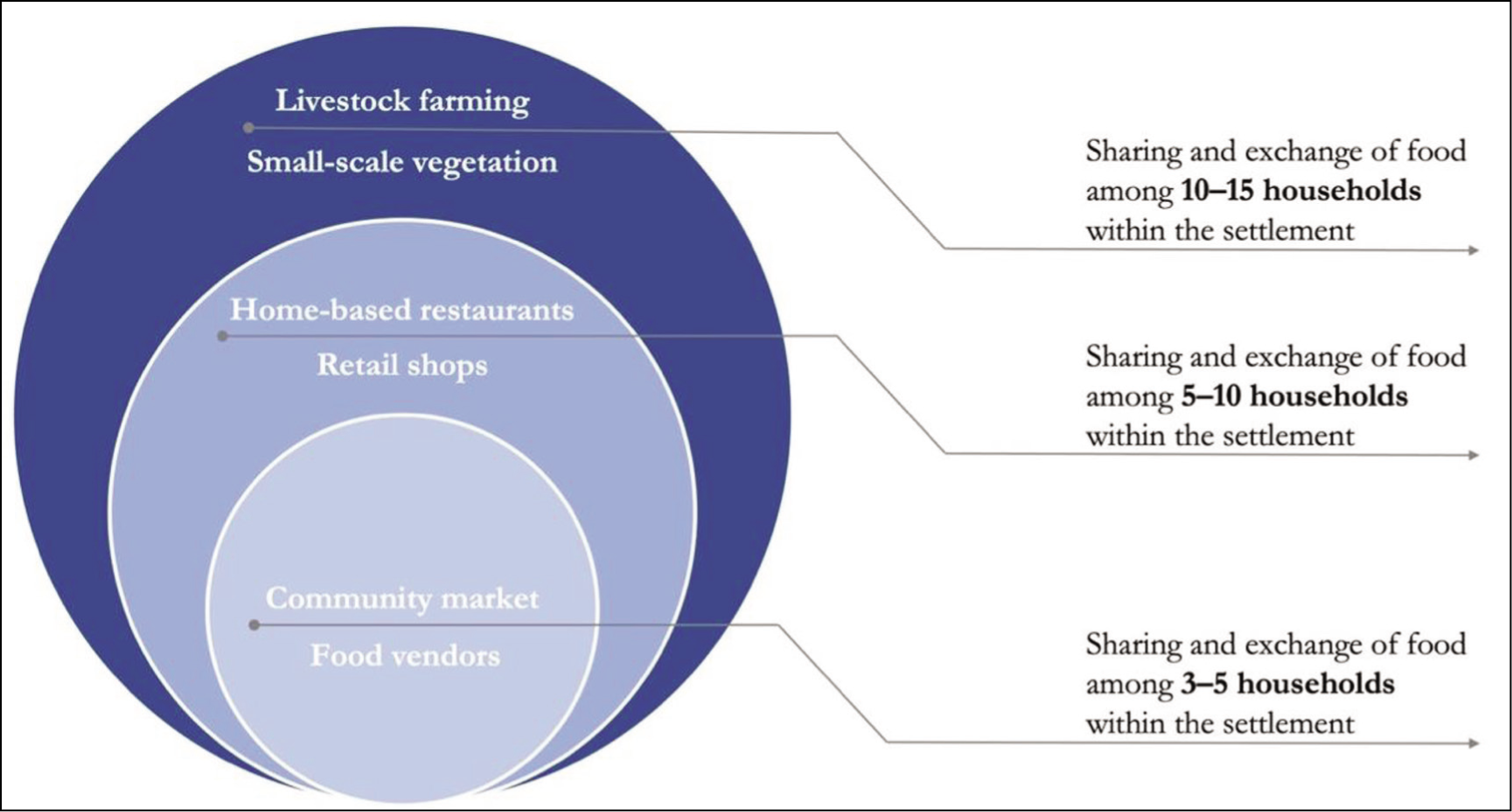
It is also found that social ties are deeply entrenched within the vicinity of the slum through trust, mutual assistance and family ties. One of the important aspects of these social ties is both monetary and non-monetary exchange of goods and services among the operators and households, such as the exchange of surplus food (processed or cooked food), yield (fruits and vegetables), dairy products, cash loans, informal credit systems and social security (keeping an eye on the garden). In some instances, this pattern of reciprocal exchange is widespread, which eventually minimizes the overhead costs associated with foodscapes. For instance, operators involved with livestock farming often collect one-third of the cattle fodder (rice starch, rotten fruit and vegetable peels) from 10 to 15 households in their vicinity. In reciprocity, the operators also provide milk to those neighbours. The migrant women always utilize this social network as a key mechanism to maximize their limited resources in a more efficient manner. Therefore, the larger the scale of the foodscapes, the greater the number of social networks they possess, which also facilitates greater sharing and exchange of goods and services within the settlement (Figure 9).
The Extent of the Social Network of Women Involved in Foodscapes.
Affordability of Food
Food affordability is a crucial factor in determining food security since most urban households are largely reliant on purchased food. Thus, to assess the food affordability in the Greenland slum, food costs, household purchasing patterns and the proximity of foodscapes are taken into consideration. A FGD was conducted with households that are not involved in foodscapes. Most of the respondents stated that shops inside the neighbourhood are less expensive than outside. In fact, the cost of food is highly associated with the household’s unique purchasing patterns, which are mostly on a daily and weekly basis. To increase food affordability, households give priority to smaller quantities over quality, which forces the operators to sell the amount that they can afford. The operators basically use the following two types of measuring systems to increase affordability: one is a ‘muithe’ or grip system and another is a bunch. Products are bought and sold here according to the household’s purchasing power and their visual estimations. Additionally, foodscapes within the slum not only serve as a catalyst for households’ fundamental income but also benefit the community at large by providing supplies within walking distance, reducing travel time and transportation costs, thus increasing household affordability.
Factors Influencing Urban Foodscapes and Migrant Women’s Food Security
In developing countries, women play a crucial role in maintaining food security through their involvement in urban foodscapes (Hovorka et al., 2009). Nevertheless, the decision to participate in the foodscape is driven by the following three broad categories of factors: socio-political, economic and physical. Yet, these factors are intertwined and mutually influence one another within the broader context of informal settlements.
Socio-political Factors
A socio-political factor, however, is access to land, spatial negotiation and social norms. Understanding these factors is crucial for addressing the challenges faced by the women of the Greenland slum in maintaining household food security.
Access to Land
Access to food, as a form of access to land, is widely acknowledged as crucial for ensuring household food security. In informal settlements, land tenure complexity is prevalent, and its negotiation and renegotiation determine urban dwellers’ household food security. Empirical findings reveal that, despite a lack of legal tenure security (the land belongs to the BRA), migrant women in this slum continue to operate different types of foodscapes. The operation of these foodscapes is supported by the residents’ de facto tenure security, which stems from the absence of forced evictions by BRA, their prolonged stay on Railway land and the provision of basic services and infrastructure, such as water supply, sanitation and roads, by the Khulna City Corporation (KCC) and various NGOs. Community leaders further reinforce their sense of tenure security by lobbying the local ward councillor for protection against eviction. Over the years, Greenland slum’s residents and community leaders have nurtured political relationships with ward councillors, who consider this area a voter bank. A few residents also assert that the ward councillor executes illicit house sales and purchases, granting written authorization to newcomers to access the settlement. This illegal entitlement also enhances the security of women’s land tenure, enabling them to operate foodscapes.
Spatial Negotiation
In the Greenland slum, the spatial negotiation can be viewed as a representation of power relations, conversion of domestic and productive space and mutual sharing of space. For instance, negotiation for the utilization of neighbourhood spaces (street and community pond) often depends on the power relation between the dwellers and the political or religious leaders of the community. In most situations, the negotiation leads to the exclusion of domestic spaces and the conversion of one productive space (cultivation space) to another (retail shop). In most cases, space limitation is overcome by the mutual sharing of community spaces (streets for cultivation and community kitchens) among the dwellers. Occasionally, control over spaces and high rental charges, along with threats of eviction, are influenced by the unbalanced power relationship between tenants and homeowners.
Social Norms
Despite women’s active involvement in foodscapes, male dominance and socio-cultural unacceptance uprooted from conservative cultural upbringings impede women’s ability to actively participate in the foodscape. For instance, the male household member’s approval is required for women to utilize the road for food vending. Besides this, the use of vans to increase food vendors’ mobility and bicycles for trading is not considered socio-culturally acceptable for women. Additionally, some women are obliged to observe purdah, which influences their choice of work, particularly with regard to roles related to nature-oriented foodscapes.
Economic Factors
This subsection investigates the economic factors that are prevalent in the Greenland slum by examining the significance of access to support programmes, credit and ease of access to the market.
Access to Support Programmes
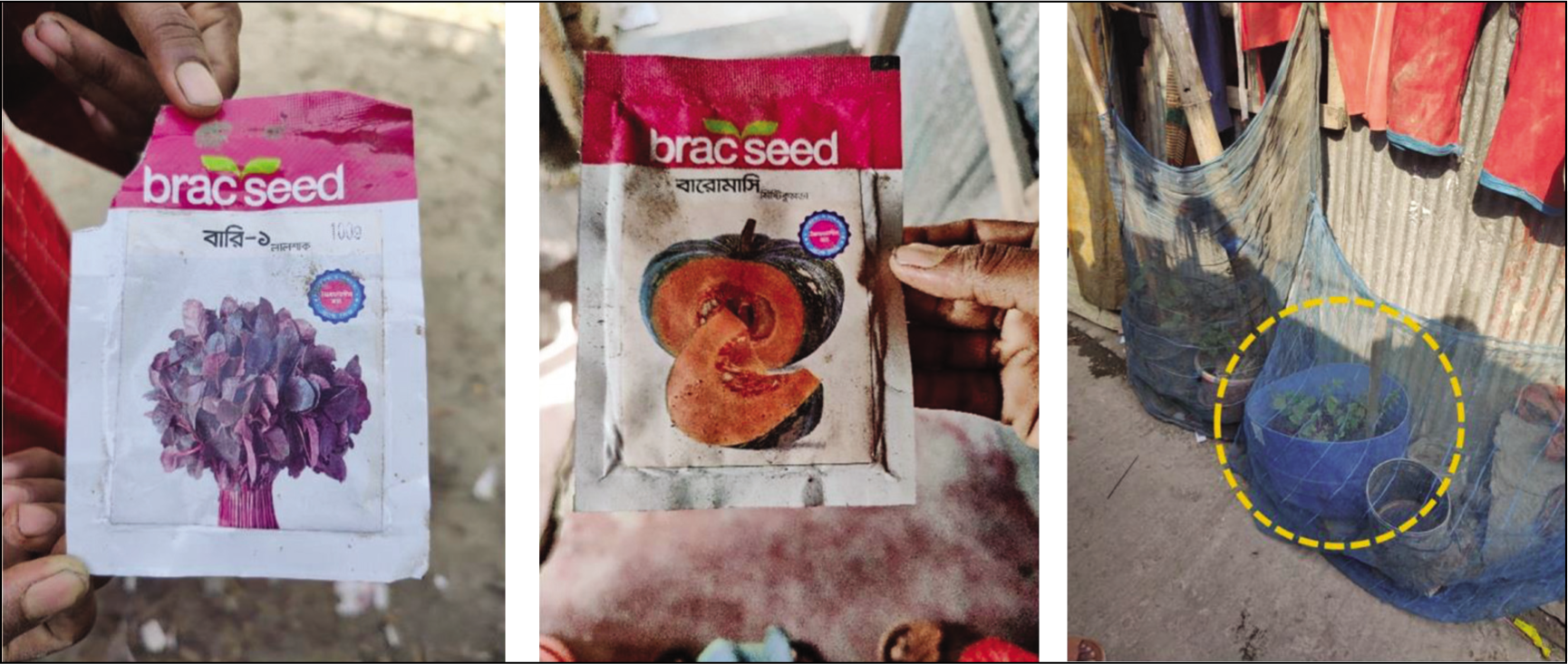
Access to support programmes is fundamental to increasing women’s food production capacity and household income. Empirical evidence discloses that both government and NGOs, including the Ministry of Agriculture, the Department of Animal Husbandry, the Poverty Alleviation Women Welfare Society, Caritas and BRAC, offer numerous support programmes (donations, grants and training) to enhance women’s capacity and facilitate foodscape-related activities. However, they provide training on efficient cultivation techniques, compost preparation, fast food preparation and managerial skills for entrepreneurs, followed by donations for small businesses, allowing the women to put their skills to use. BRAC is also working in this settlement to scale up urban agriculture, with the notion that a certain portion of food security for the impoverished derives from local initiatives. As a part of this programme, training and seeds are given to the women to grow in sacks or by making scaffolds (Figure 10). Despite the fact that these programmes are only available to women, the participant selection process lacks transparency and accountability. Corruption, nepotism and age barriers are the primary obstacles that restrict women’s access to support programmes. Community leaders, responsible for selecting participants, often accept bribes, which exacerbates the issue. Therefore, it is clear that the extent of food security depends not only on the availability of support programmes but also on the transparency of the participant selection process.
Left Image Shows the Seeds Provided by BRAC, and the Right Image Shows the Drum Provided by Caritas for Cultivation in the Greenland Slum.
Access to Credit
The operation of foodscapes largely depends on women’s access to credit. Most of the women start their foodscapes on a small scale with a limited amount of capital, which is very difficult to manage from their own pockets. Besides, the absence of tenure security in this settlement impedes them from utilizing land as collateral for formal credit. Due to a lack of access to formal credit, most women have obtained loans from microcredit institutions (such as NGOs Asha, BRAC, NABOLOK, Christian Service Society and Shakti), while others go to relatives, friends and neighbours. Women are prioritized for microcredit institution loans because they are the main actors in small credit savings. The form of collateral required to obtain this loan is savings, a national identity card and two guarantors from the neighbourhood. Thus, a strong societal tie within the neighbourhood is also required to manage two guarantors to access the credit.
Ease of Access to Market
Women’s access to the market for food is strongly associated with the existing social norms of the prevailing context. In the slum, women’s lack of market exposure is rooted in existing social norms, such as domestic space for women and workspace for men, which subconsciously confine women spatially within the neighbourhood. While women always buy products from the community market and sell dairy products and vegetables from their houses, sometimes they go door to door within the neighbourhood. In most cases, the lack of women’s exposure accelerates various agents’ movements within the settlement to deliver products directly to retail shops. This lack of exposure increases women’s dependency on middlemen, as they often rely on male family members to purchase market commodities. Thus, this form of dependency occasionally gives men control and power over monetary assets.
Physical Factors
To understand the challenges associated with foodscapes and household food security, physical factors are explored, which include the availability of space and the provision of services and infrastructure.
Availability of Space
The lack of adequate space for foodscapes hinders the level of food production (crop) both at the dwelling and neighbourhood level. In extreme cases (for instance, small-scale vegetation), it only supports household food consumption to a certain extent, whereas income from surplus production is severely impacted. This scarcity of spaces generates several challenges associated with foodscapes, such as the exclusion of domestic space, functional disorders, overcrowding and thermal discomfort. Additionally, the limited space also hinders the women’s ability to implement the skills they have acquired from different government organizations and NGOs, rendering training and donations useless.
Provision of Services and Infrastructure
The inhabitants of the Greenland slum have access to certain services and infrastructure, such as shared tube wells, shared toilets, sewerage connections, drainage, paved streets and refuse collection provided by KCC, Community Development Committee, Nobolok, Urban Prokolpo, BRAC, Caritas and so on. In-depth interviews reveal that basic services and infrastructure are required to start a foodscape in its initial stages. For example, nature-oriented foodscapes in this settlement often emerge near water sources, like ponds and tube wells, while built environment-oriented foodscapes are primarily located along the settlement’s main streets. However, tenure insecurity also affects the foodscape by hindering women’s access to some fundamental services, such as legal electricity connections and cold storage facilities, leading to significant food loss. Therefore, it is evident that the effective functioning of a foodscape depends not only on the availability of services and infrastructure but also on the land tenure status of the settlement.
Conclusions
Urban migrants, especially women residing in informal settlements in the cities of the Global South, are particularly vulnerable to food insecurity due to the scarcity of livelihood spaces. Existing literature discloses that the survival strategies of these women living in poverty are entwined with urban foodscapes, which are constantly transforming the spatial environment of informal settlements and leading to intertwined relationships between gender, space and food. Empirical findings reveal that there are two broad typologies of foodscapes that exist both at the household and neighbourhood levels of Greenland slum: nature-oriented and built environment-oriented foodscapes. The spatial manifestation of these foodscapes is primarily home-based, flexible and adaptable in nature. However, the inhabitants are often utilizing unbuilt and leftover spaces, including the streets, tiny spaces between street and dwelling units, vertical and horizontal surfaces of dwellings and even shared open and community spaces, for income generation and food production, supporting the notion that the spatial environment of informal settlements is constantly reshaped by urban foodscape practices (Arciniegas, 2021). Additionally, it can be argued that unbuilt and leftover spaces in the informal settlement have economic potential that built environment professionals should take into consideration. The study also discloses that women allocate more time to food-related activities than men and have substantial decision-making power, as most of the foodscapes are located in the private sphere, where women have considerable control over them. This aligns with Gough and Kellett’s (2001) argument that socio-cultural space separation results in women contributing more labour to foodscapes. Furthermore, women’s participation in food provisioning activities is comparatively higher than men’s, corroborating Parvin et al.’s (2022) findings.
To assess the extent of migrant women’s household food security, two pillars, namely food availability and accessibility, were analyzed. The survey found that household food production in nature-oriented foodscapes increases food supply and reduces dependence on purchased food, supporting the claim of Swanepoel et al. (2021) that foodscapes enhance food availability through domestic production. Additionally, food production contributes to overall household income, where women’s income is more strongly associated with household food security than men’s. Besides, social ties are deeply entrenched within the vicinity of the Greenland slum, accelerating non-monetary exchanges among the households. Also, foodscapes ensure food affordability by reducing prices, facilitating unique purchasing patterns and rendering neighbourhood food outlets physically accessible, aligning with the arguments of Gondwe and Ayenagbo (2013).
Furthermore, women’s decision to participate in the foodscape is influenced by the following three interconnected categories of factors: socio-political, economic and physical. Despite lacking legal tenure, women are still operating various foodscapes in this settlement. Nonetheless, the spatial negotiation related to foodscapes represents power relations, the conversion of domestic and productive space and the mutual sharing of space. Paradoxically, conservative cultural and religious norms impede women’s mobility and participation in the foodscape, echoing findings by Islam et al. (2022) on workspace selection influenced by religious–cultural values. Considering economic factors, it is found that the extent of food security depends not only on the availability of support programmes but also on the transparency and accountability of the participant selection process. Although microcredit institutions are the only vehicle for access to credit, the absence of legal tenure impedes women from utilizing land as collateral for credit from formal financial institutions, consistent with Rao’s (2005) assertion. Regarding physical factors, the study further reveals that the scarcity of space for foodscapes hinders the level of food production. Furthermore, the effective functioning of a foodscape depends not only on the availability of services and infrastructure but also on the land tenure status of the settlement associated with it (Carrilho & Trindade, 2022).
Recommendations for Future Research
This research concentrates on a settlement that lacks tenure security, suggesting that further research could compare the foodscapes and household food security across different land tenure arrangements in informal settlements. Additionally, the empirical findings are portrayed with a particular emphasis on the perspectives and experiences of women. Therefore, future research should incorporate other gender dimensions to provide a more comprehensive understanding of the relationship between gender, foodscapes and food security. In order to be able to generalize the findings to a more quantifiable level, similar studies in different contexts should be undertaken.
Footnotes
Acknowledgements
The empirical part of the research was derived from the thesis for the Master of Science in Urban Management and Development Programme at Institute for Housing and Urban Development Studies (IHS), Erasmus University Rotterdam. The research was conceptualized within the framework of the thesis. Considering this, the authors express their deepest gratitude to the female dwellers, the community leaders and the NGO members of the Greenland slum for their enthusiastic participation and cordial support during data collection. Additionally, the authors are indebted to all of the reviewers who provided valuable comments that helped significantly improve the manuscript’s quality.
Declaration of Conflicting Interests
The authors declared no potential conflicts of interest with respect to the research, authorship and/or publication of this article.
Funding
The authors received no financial support for the research, authorship and/or publication of this article.