




Abstract
Studies have shown that Iranian large cities have experienced the most casualties and damages from natural hazards in 2010–2020 due to structural reasons. This research aims to extract, classify and determine the final model of drivers affecting the preparedness of these cities against natural hazards. The criteria were extracted by studying records and using the Delphi model’s opinions of 150 experts and city managers in 10 large cities. The combined output was 8 criteria and 70 sub-criteria that were assorted by considering the particular conditions of each study area. To obtain a multi-dimensional and comprehensive model, PROMETHEE and GAIA as structural methods have been used. PROMETHEE findings indicated that the most effective criteria for preparedness in large cities of Iran against natural hazards are institutional-managerial and social-citizenship. Also, based on GAIA VISUAL results, the comprehensive disaster preparedness plan and hazard mapping were identified as vital drivers and prerequisites of hazard preparedness. The output of GAIA has also shown that regarding the challenges of local government financing, the economic criteria (hazard-based investment, emergency budget and business continuity training) were the main facilitators and accelerators of the preparedness of Iranian large cities against natural hazards.
Introduction
Every year, a significant part of the gross national product in Iran is spent on remedies for damage caused by disasters (Gautam, 2021). In 2021, the Emergency Event Database recorded 432 natural disaster events that accounted for 10,492 deaths, caused approximately 252.1 billion US dollars in economic loss and affected 101.8 million people (CRED, 2022). Based on statistics of casualties and damage caused by hazards, rapidly developing and poorly managed cities have an increased risk of vulnerability to disasters, and more unprepared cities are naturally the most affected (Bull-Kamanga et al., 2003). Today, most of humankind lives in cities (Totaforti, 2020). By 2050, 68% of the world’s population is expected to live in urban areas (United Nations, 2018). As complex and interdependent systems, these cities are vulnerable to threats from different types of hazards (Park et al., 2021) that need to be addressed and accounted for. The significant increase due to climate change (Seddighi & Seddighi 2020) of earthquakes, floods and drought events (Afifi, 2020; OCHA 2022;), intensification of heat waves (Keikhosravi, 2021) and micro storms (Rashki et al., 2021) as urban crises (Afifi, 2020) confirm this claim.
Increasing disaster damage shows the inadequacy of pre-disaster forecasts and solutions. The Sendai Framework for Disaster Risk Reduction (2015‒2030), while reflecting on the results of a global consensus in dealing with hazards, indicates a shift from disaster management to risk management, emphasizing the need for preparedness (Juanzon & Oreta, 2018). The Hyogo Framework for Action (HFA), adopted by the United Nations International Strategy for Disaster Risk Reduction (UNISDR), also presented the priority for hazard reduction wherein the document’s fifth item is ‘strengthen disaster preparedness for effective response at all levels’ (El-Kholei, 2019). FEMA has emphasized that identifying hazards and vulnerabilities to increase resilience is essential (FEMA, 2013). WHO has published the Multi-sectoral Preparedness Coordination (MPC) Framework for emergency preparedness and health security (WHO, 2022).
Preparedness involves efforts that enable cities with residents and resources to respond effectively and recover rapidly when a disaster occurs (Sutton & Tierney, 2006). As the first phase of the classic definition of disaster management, the preparedness goal is to reduce the loss of life and livelihoods (Seddighi & Seddighi, 2020). In addition, preparedness actions are taken to ensure that the necessary resources are available to respond effectively in the event of hazards (Mohammadi Dehcheshmeh & Saeidi, 2020). Pre-hazard preparedness is critical in reducing the adverse effects of hazards (Chan & Ho, 2018). Global studies in the field show that several factors are effective in preparing a city before the occurrence of natural hazards (Juanzona & Oreta, 2018) However, all preparedness programmes need support through appropriate rules and regulations with an evident allocation of responsibilities and budgetary provisions (Hu et al., 2018). Heinkel et al. (2022) believe that disaster preparedness can be improved by increasing risk knowledge, phone infrastructure, use of volunteers, involvement of religious buildings and specific measures in urban areas. Botzen et al. (2009) emphasize the need for residents to have knowledge of disaster management. Kohn et al. (2012) and Chen et al. (2019) point out that individuals and households and certain population groups have different disaster preparedness needs and vulnerabilities.
All in all, large cities have the greatest vulnerability due to the concentration of vital infrastructure and high population density.
The highest urban population growth in low/middle-income countries is in large cities (Sun et al., 2020). Characteristics of large cities are density and population heterogeneity (Bardianamoradnejad & Jokar Sarhangi, 2013). These cities are growing at a high speed and are facing a lack of basic urban infrastructure, with pollution, congestion and environmental problems (Seto et al., 2013), and a lack of safety measures in the face of natural hazards. As complex and interdependent systems, they are highly vulnerable to hazard threats (Park et al., 2021) that must be addressed and accounted for. The significant increase in urban crises due to climate change (Seddighi & Seddighi, 2020), the abundance of earthquakes, floods and drought events (Afifi, 2020; OCHA, 2022), intensification of heat waves (Keikhosravi, 2021) and micro storms (Afifi, 2020; Rashki et al., 2021) confirm this claim.
Above all, poorly planned urban environments, weak urban governance, an old and fragile infrastructure and rapid population growth have increased pressure on the urban environments and triggered exposure to disaster risk (Safaeipour & Parvizian, 2022). The high incidence of damage shows the inadequacy of pre-disaster forecasts and solutions. The Sendai Framework for Disaster Risk Reduction 2015‒2030, while reflecting on the results of the global consensus in dealing with hazards, indicates a shift from disaster management to risk management with emphasis on the preparedness phase (Juanzon and Oreta, 2018). Also, the HFA adopted by the UNISDR presents the priority of hazard reduction wherein the fifth item states ‘…strengthen disaster preparedness for effective response at all levels’ (El-Kholei, 2019). FEMA has emphasized that identifying hazards and vulnerabilities to increase resilience is essential (FEMA, 2013). WHO has published the MPC Framework as multi-sectoral coordination for emergency preparedness and health security (WHO, 2022).
Due to the rapid growth of urbanization in recent decades, Iran’s urbanization rate has reached more than 75% (Pilehvar, 2021). This means that more than 55 million people of Iran’s population live in cities (Statistical Center of Iran, 2022). The country’s metropolises have populations of more than one million: Tehran, Mashhad, Isfahan, Tabriz, Karaj, Shiraz, Ahvaz and Qom. In the urban hierarchy of Iran, after metropolises, there are 10 large cities with populations ranging between 500,000 and one million. These large cities are the main subject of this research. The rapid growth of urbanization (Mohammadi Dehcheshmeh & Ghaedi, 2020), the prediction of impending massive population changes (Statistical Center of Iran, 2022), centralization in regional and national services’ weak infrastructure, lack of efficient management organizations to deal with disasters (Mirzaei, 2018) and lack of effective risk management plans (Rahnama & Hejazi, 2017) have been the most important issues which demand attention to the concerns of preparedness against hazards in these cities.
Studies show that in addition to rapid population growth and inadequacy of services and infrastructure (Beik Mohammadi & mokhtarei, 2020), these large cities have been subject to various natural and man-made hazards in the past decade. Earthquakes (2020 in Kermanshah; 2019 in Kerman and Bandar Abbas), water crisis in 2017, 2018 and 2019 in Zahedan, Kerman and Yazd, and severe water stress in 2022 in Hamedan, floods in 2022 in Zahedan, Kermanshah and Urmia all show the high vulnerability of these large cities to natural disasters.
Considering the critical role of city preparedness for hazards, several studies have been conducted in this field. Chenliang and Xiaobing (2021), using Preference Ranking Organization Method for Enrichment Evaluation (PROMETHEE), assessed the extent of public participation in community prevention (Chenliang & Xiaobing, 2021). Bollettino et al. (2020) conducted a qualitative and comprehensive analysis of the preparedness of the Philippine’s citizens against climate change (Bollettino et al., 2020). Sapkota et al. (2022), conducted a structural analysis to examine emergency preparedness against disasters in low- and middle-income countries to identify the economic and social indicators required (Sapkota et al., 2022).
Considering all of the above studies that have been done on unprepared cities, it was found that Iranian large cities need a viable approach and institutional interventions to reduce vulnerability and increase resilience against hazards. This research, taking into account the considerations of the HFA and Sendai Framework for Disaster Risk Reduction 2015‒2030, and referring to the opinions of an experts’ group, seeks to extract and model the effective driving forces required in the preparation of Iranian large cities against hazards.
Data and empirical findings available in the studied cities have been used to outline and identify the drivers of preparedness in coping with natural hazards in Iranian’s large cities, to categorize them in a comprehensive manner and evaluate these indicators from the point of view of experts. Considering the purpose of the research, the structural analysis model has been used.
Materials and Methods
Study Area
Iran’s 2022 population was estimated at 84,873,346 at the end of the year, of which more than 55 million people lived in cities (Iran Statistical Center data, 2022). Official statistics show that the total number of Iranian cities (those with a population above 10,000) in the year 2022 was 1,424 (Iran Statistical Center data, 2022).
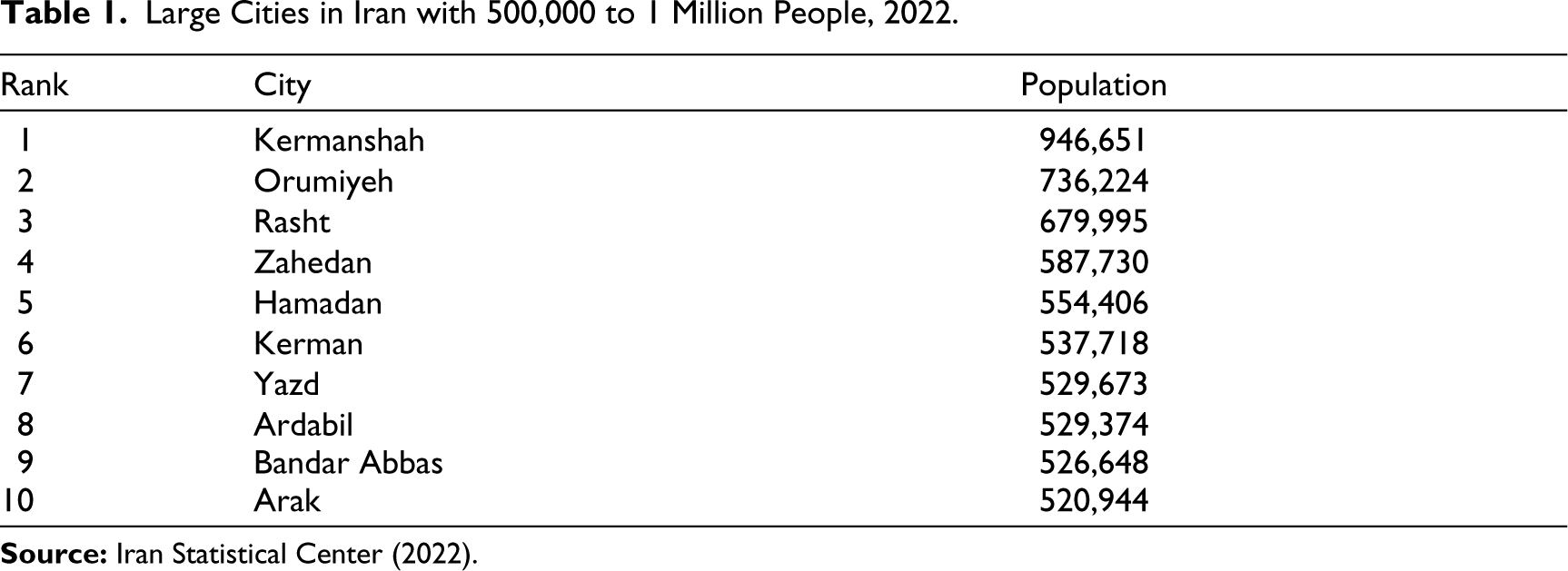
In this research, Iranian cities with 500,000 to 1 million people are classified as large cities. Based on the latest available data provided by the Iranian Statistical Center (2022), 10 cities included in this range are Kermanshah, Urmia, Rasht, Zahedan, Hamadan, Kerman, Yazd, Ardabil, Bandar Abbas and Arak (Table 1).
Large Cities in Iran with 500,000 to 1 Million People, 2022.
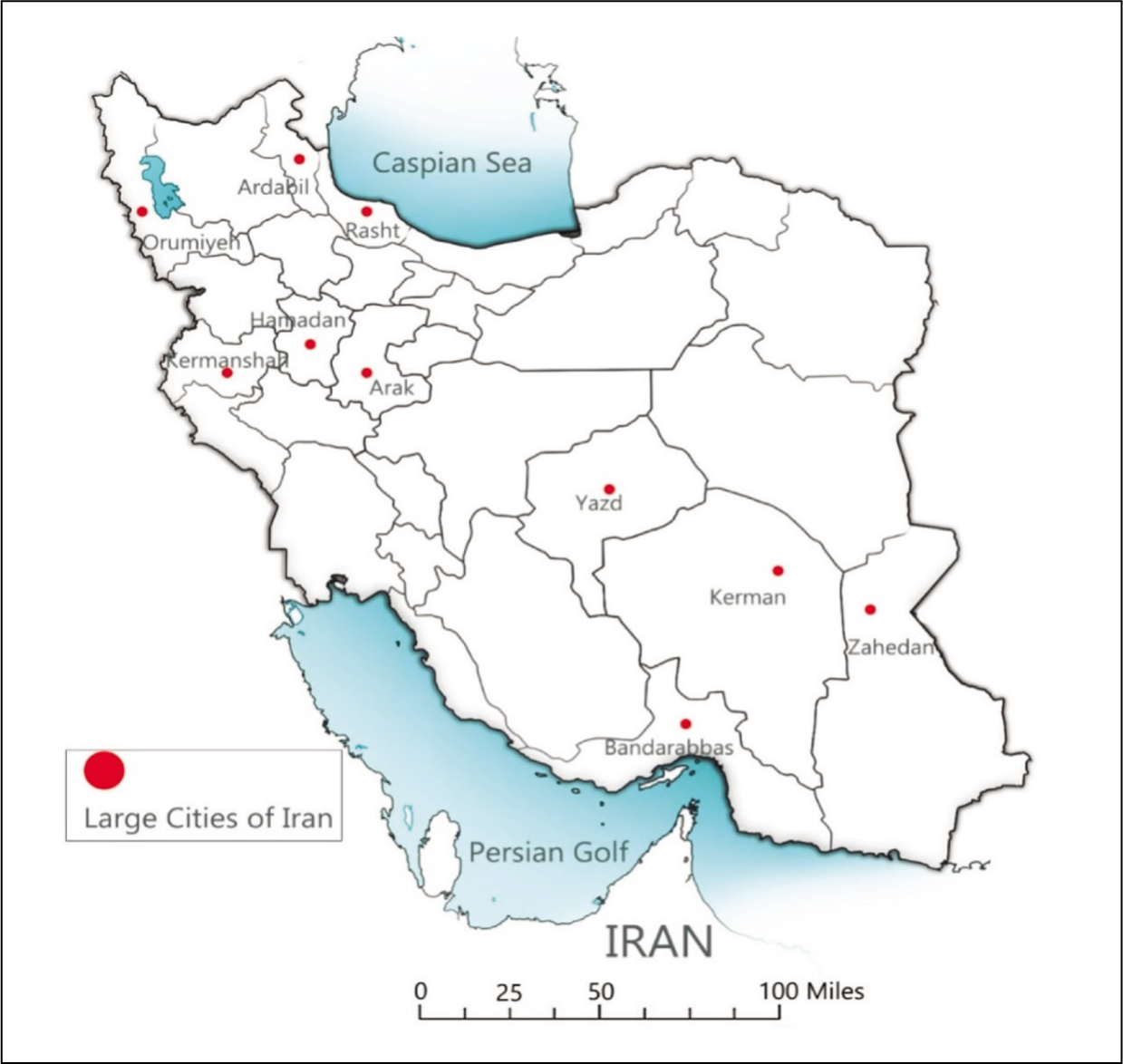
The above-mentioned 10 cities, which are known as large cities based on the existing hierarchy in Iran’s urbanization system, are all provincial centres (Figure 1).
Large Cities of Iran.
Methodology
The purpose of this research is to extract and categorize criteria for city preparedness against hazards. After identifying the set of criteria, this research seeks to determine the priority of the driving forces according to their effectiveness. After reviewing the available study records, a research elite group was formed by 150 academics, managers and experts in disaster management departments, the municipality, Red Crescent and the fire department. Based on this, 10 groups with 15 experts were formed in 10 large cities. The primary output of this expert survey was to indicate effective indicators of a city’s preparedness against disasters.
After identifying the primary indicators, the integrated output of the records and elite group opinions was determined in the 8 criteria and 70 drivers that emerged. The weighting of 8 criteria was done by the analytic hierarchy process (AHP) method and based on the opinion of the elite group in the 10 studied cities. The PROMETHEE technique was used to select the optimal alternative with the decision matrix among the drivers. The reasons for choosing PROMETHEE as an analytical and structural model in this research are reliance on expert opinions, extreme simplicity, no need to normalize or change the decision-making matrix (Durna & Genc, 2020) and the possibility of linking the results to the Geometrical Analysis for Interactive Assistance (GAIA) model.
PROMETHEE (Oubahman & Duleba 2021) is a structural method (Durna et al., 2020) based on the priorities and preferences of decision-makers (Brans & De Smet, 2016). Two Belgians named Jean-Pierre Brans and Bertrand Mareschal in the 1980s presented this as a ranking method (Brans et al., 1986). Comparing pairs of alternatives in each criterion results in the alternative’s rank. The weight of the criteria should be determined in advance because they describe the relative importance of the criteria (Brans & De Smet, 2016). For this purpose, the entropy technique, AHP, best–worst method (BWM) and SWARA method are usually used. Before starting the analysis, the type of each criterion (maximum or minimum) should be determined, indifference (q), preference (p) and the type of preference function. The most important part of the PROMETHEE technique is to realize the function type. It should be noted that the output of the parametric method is completely sensitive to the values of p and q, so they should be chosen with great care and precision. The comparison is measured based on a pre-defined superiority function with a range [0, +1] (Equation (1)).

Step 1: Based on Equation (2), calculate the difference between the criteria. For this, subtraction is to be performed. This difference will be significant for the Max criteria when fj (a) > fj (b). And for the Min criteria, this relationship is the opposite.

Step 2: In the second step, calculate the values of Pj (a, b) according to the given functions.
Step 3: Determine the weighted sum of the superiority of alternatives (Equation (3)). If π (a, b) = 0, all values of Pj (a, b) are equal to zero, which means that a has no superiority over b. If π (a, b) = 1, all Pj (a, b) are equal to one, which means that a is preferable to b.
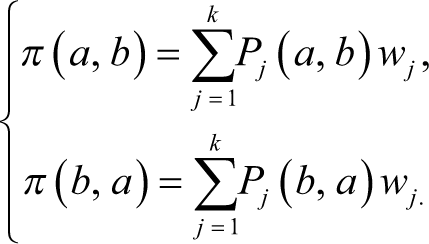
Step 4: The next step is to determine the net flows, positive outranking net flow and negative outranking net flow for each criterion and their final prioritization in the PROMETHEE Academic Edition software.
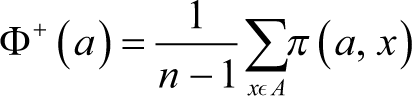
Positive outranking net flow (Phi+) is the strength of an alternative, and an indicator outranks others. The output flow states the superiority of an alternative like a to other alternatives. The higher the +Phi power, the better the alternative a. The higher this value is, the better this option is. Equation (4) expresses the general representation of that.
Negatives outranking net flow (Phi−) indicate the weaknesses of an alternative, an alternative outranked by others, and minimize it. It states how many other options are superior to alternative a. This is the degree of weakness of alternative a. The lower the strength of −Phi, the better the alternative a is. Equation (5) expresses the general representation of that.
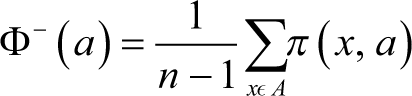
Step 5: The net flow of the rating is now obtained. The net flow score shows the difference between the positive and negative flows. The higher the Phi, the better the alternative. The higher the net flow, the better the alternative. Equation (3) expresses the general representation of that.

The latest PROMETHEE implementation platform is the Visual PROMETHEE software (Anamoradnejad & Shojaian, 2022). One of the capabilities of this software is the use of a large number of alternatives and criteria. It has options such as PROMETHEE Rainbow, GAIA Web and PROMETHEE Diamond (Nasiri et al., 2012). GAIA is a tool for picturing and is complementary to PROMETHEE. The PROMETHEE Diamond is an alternate display that shows both rankings in one two-dimensional representation. The plane is angled 45° so that the vertical dimension corresponds to the Phi net flow.
Results and Analysis
Identification of Alternatives
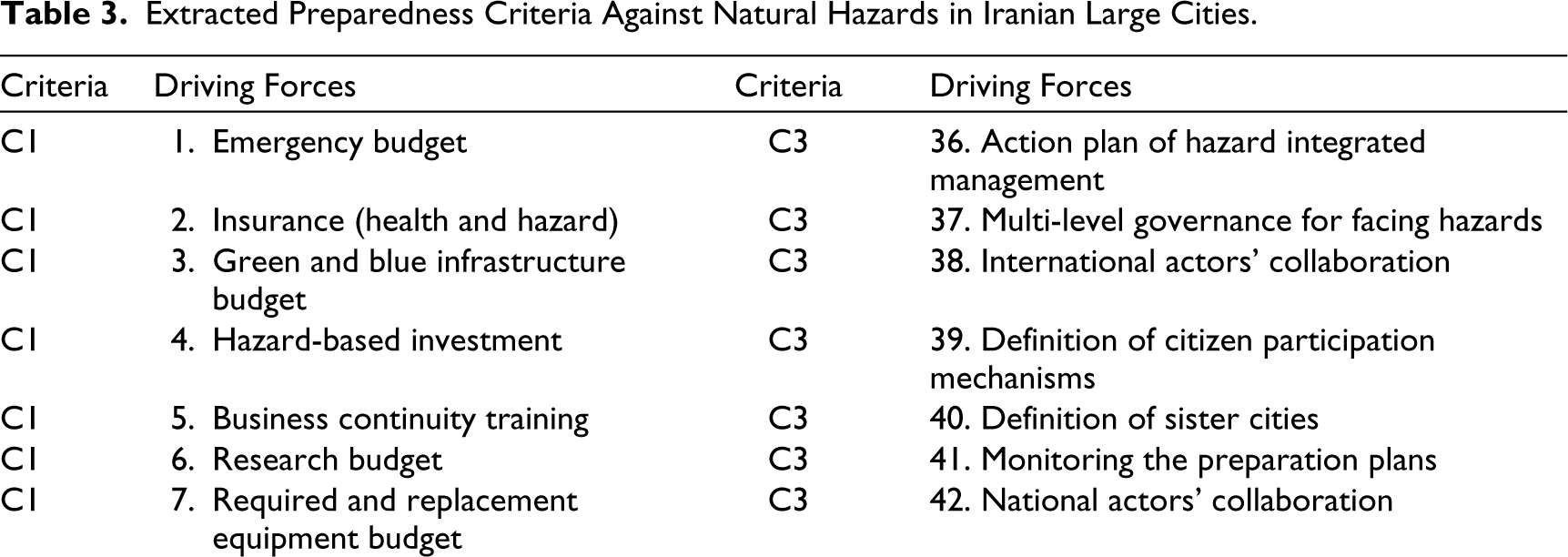
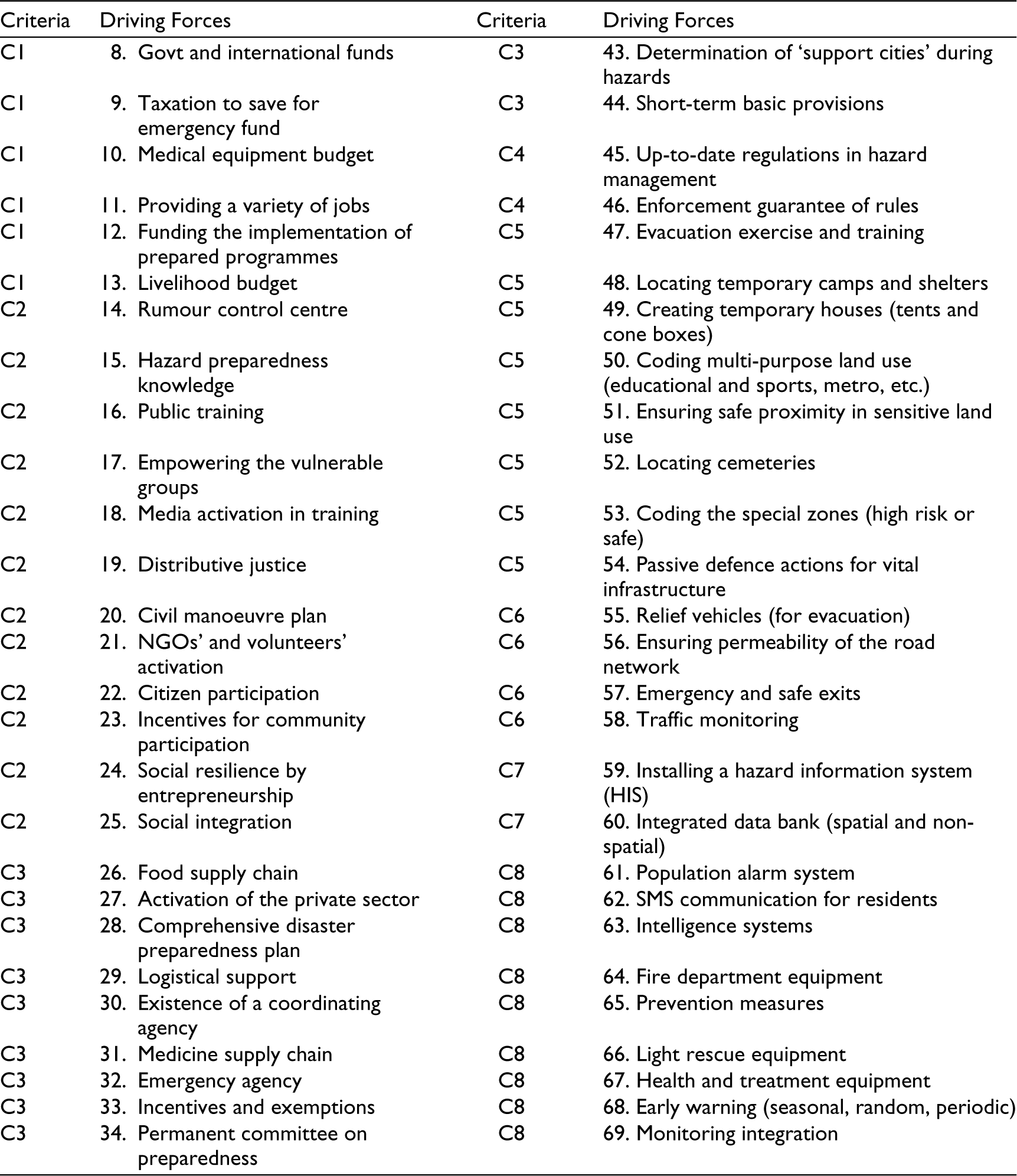
The first phase is to identify the criteria and conditions that would be used and also the classification of criteria to determine the research alternatives. Therefore, based on what was explained in the research method, 70 selected effective drivers in the preparedness of Iranian large cities against natural hazards (Table 3) were divided among eight criteria according to their impact (Table 2).
Classification of Criteria.
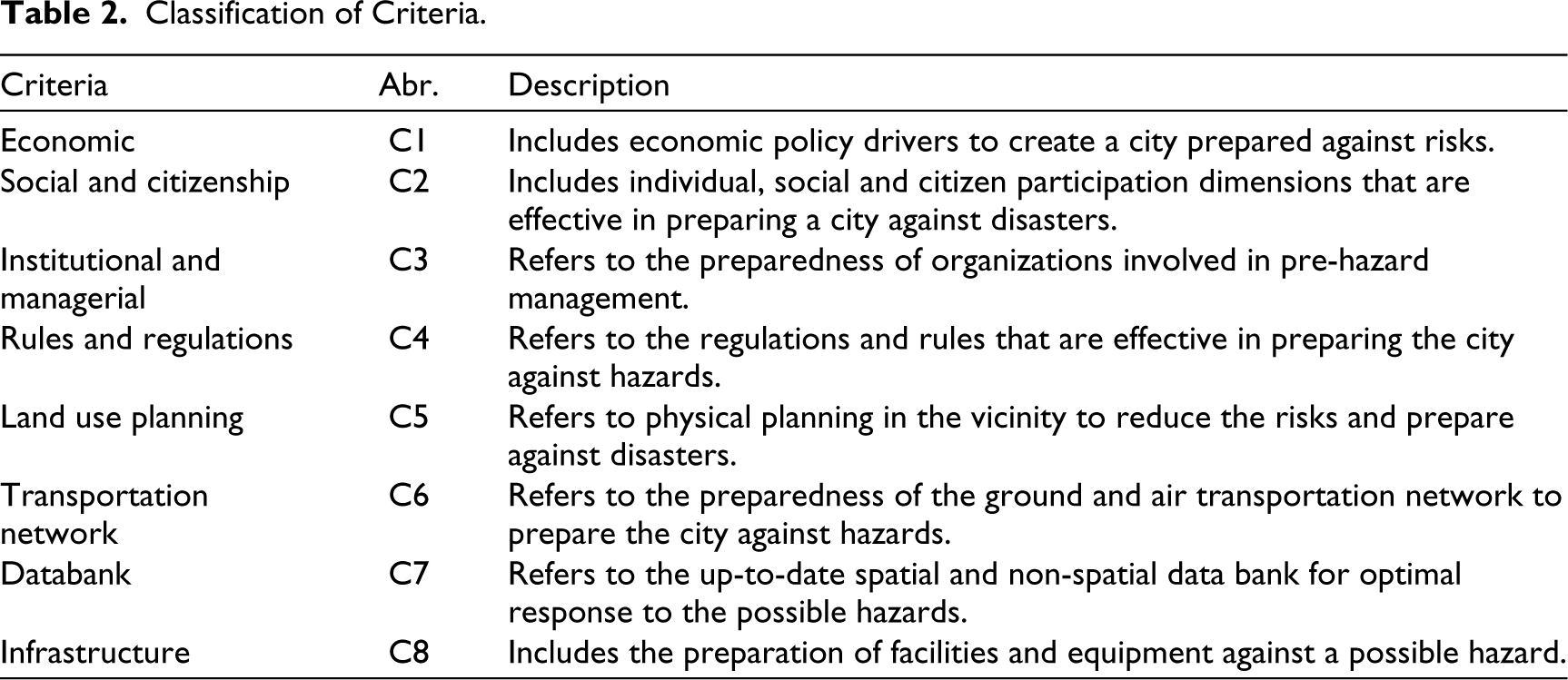
Extracted Preparedness Criteria Against Natural Hazards in Iranian Large Cities.
Weighting Criteria
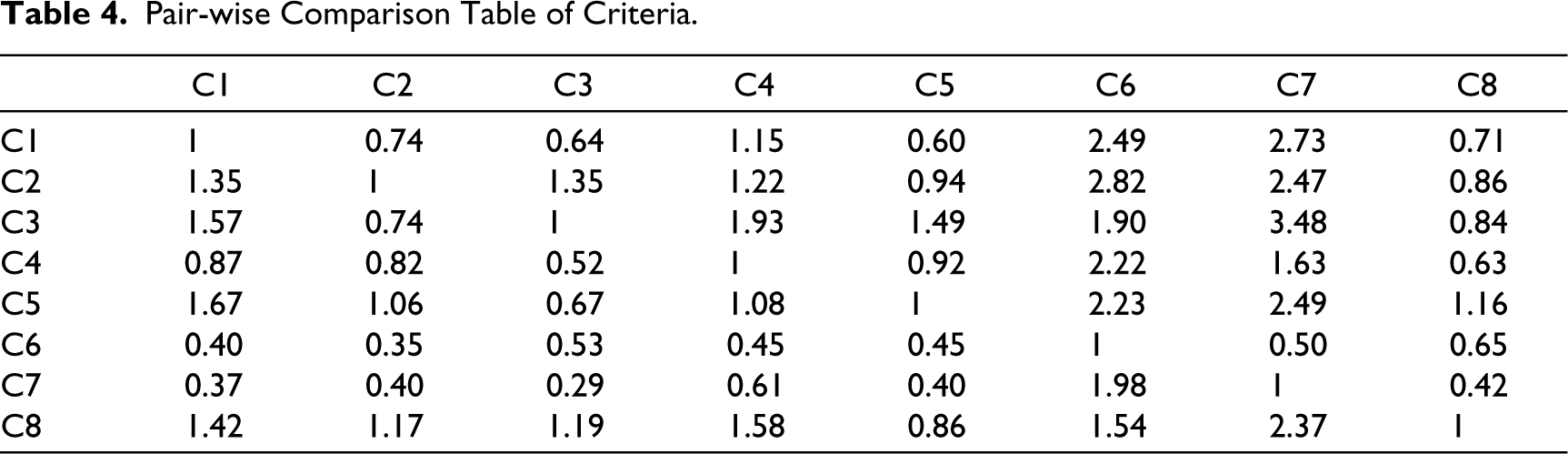
To determine the effectiveness of each criterion in Iranian large cities’ preparedness to deal with hazards, the hierarchical analysis process (AHP) has been used (Table 4). To score options based on criteria, expert opinions or statistics and real values have been used. After determining the list of criteria, experts were asked to compare them in pairs. To calculate the scores for the criteria, the experts were asked to indicate the score of each criterion using a Likert scale from 1 (very little) to 5 (very much). The higher the weight of the criterion, the more significant it is. Super Decisions software was used for accurate weighting considering the real importance of all criteria compared to others, along with the compatibility rate (Figure 2).
Pair-wise Comparison Table of Criteria.
Criteria Weight and Inconsistency in Super Decisions Software.
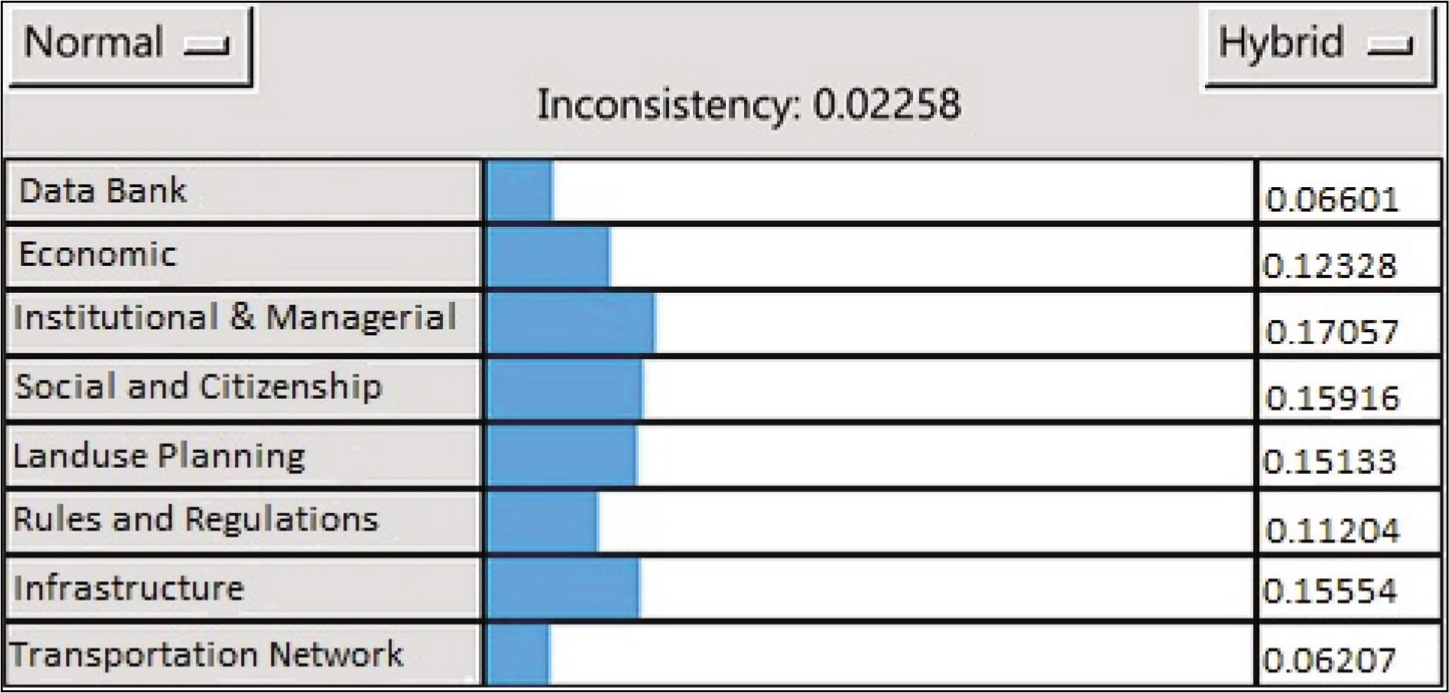
As seen in Figure 2, the average suggested weights by experts for each criterion have been obtained after a pair-wise comparison between every two criteria. The obtained inconsistency rate of the matrix is 0.02258. As the acceptable rate of inconsistency in AHP is less than 0.1, the result is acceptable.
Determine p, q and the Type of Preference Function
To determine the values of indifference (q), using the standard deviation and to define the preference (p) of the criteria, use the mean (Table 5). The selection of the criterion function is generally based on the decision-makers (Maidinsah & Aziz, 2020). Usually, in quantitative criteria, the linear preference function is chosen due to the small value of the quantity (Balali et al., 2014), and for qualitative criteria, the usual preference function is chosen due to the analysis performed using the small-scale value (Turcksin et al., 2011).
Criteria Information for Linking to Visual PROMETHEE.
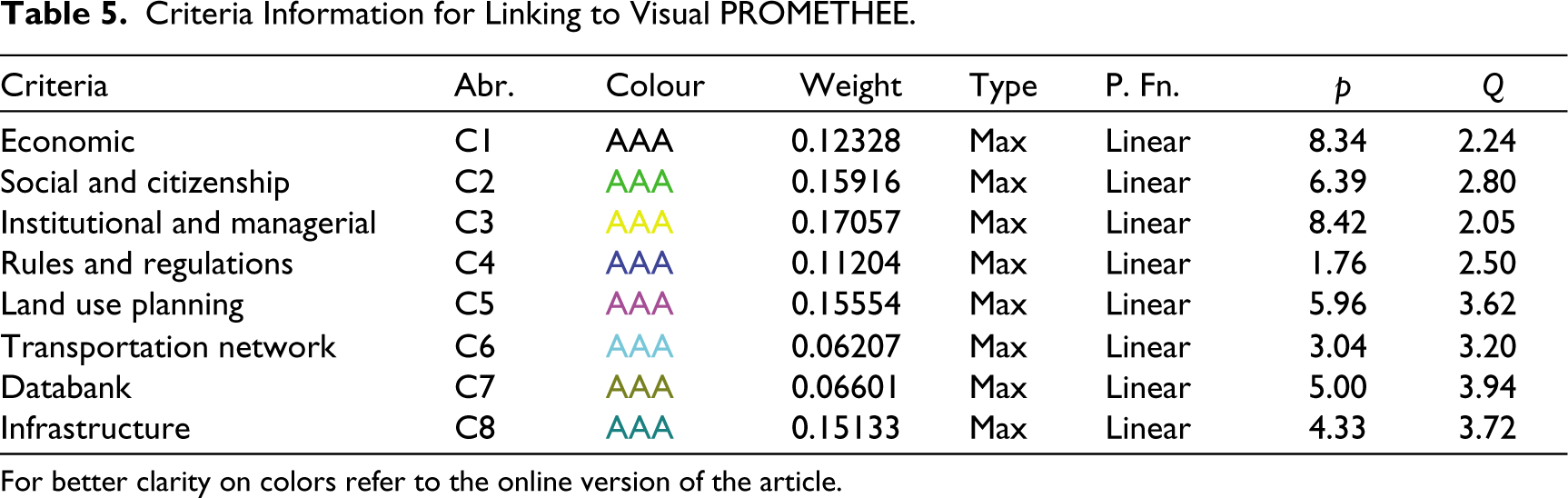
The type of preference function was chosen as linear. This has a strong preference threshold p but with sensitivity threshold q.
Final Ranking of Criteria
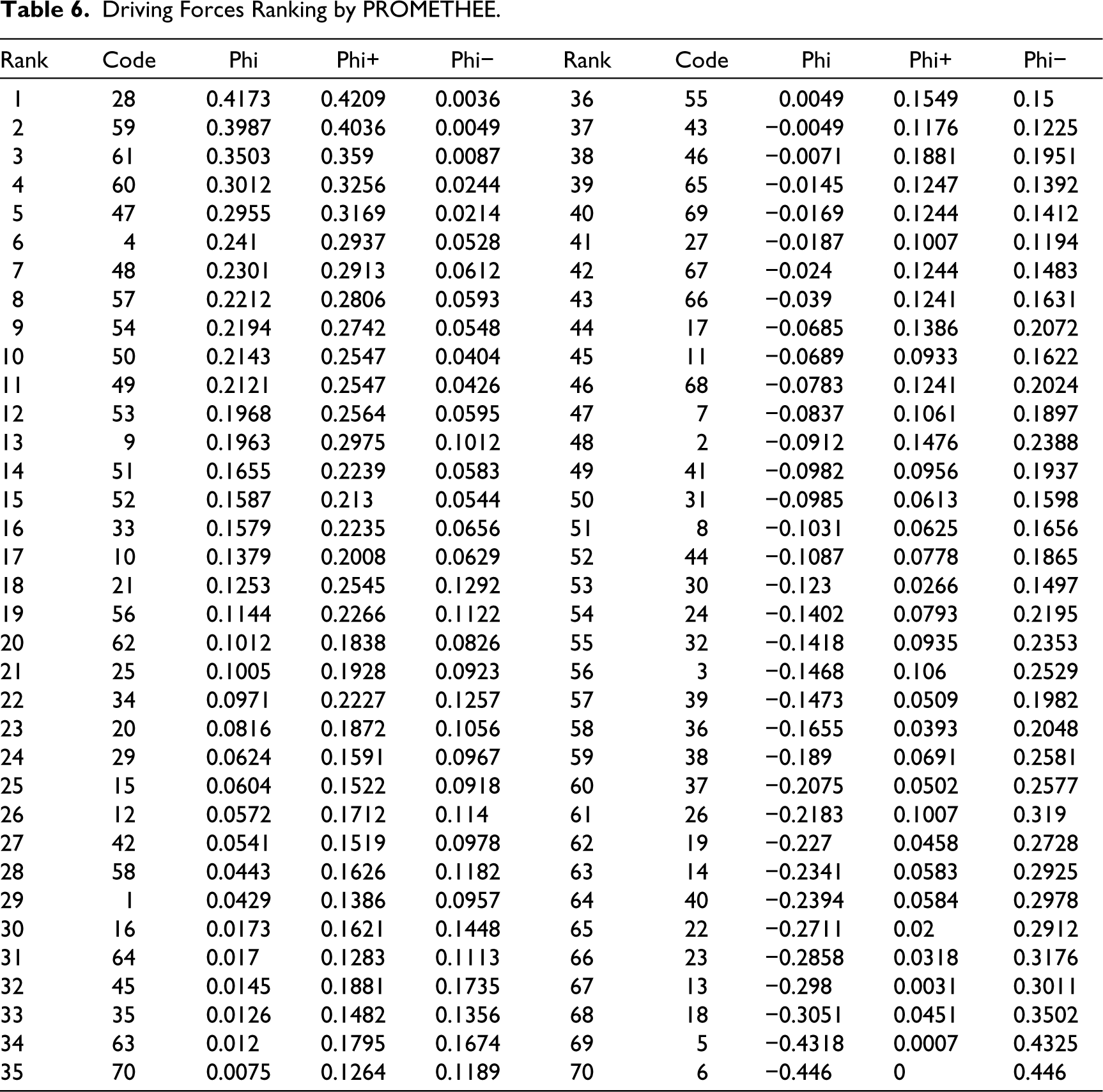
Table 6 shows the results of the partial ranking obtained using PROMETHEE, which represents the positive (Phi+) and negative (Phi−) flows of the 70 effective criteria in preparing Iranian large cities against natural hazards. Any criteria that have the highest score flow (Phi) will have a better rating.
Table 6 reveals that criterion 28 (comprehensive hazards preparedness plan) has the most impact on the preparedness of large cities in Iran, followed by criteria 48 (locating temporary camps and shelters) and 56 (ensuring permeability of the road network). These criteria along with seven others with high scores (Table 6) were introduced as the vital driving forces with the highest effect on the preparedness of Iranian large cities.
Driving Forces Ranking by PROMETHEE.
GAIA Model for Effective Criteria and Drivers
The aim of the GAIA model is the depiction of the main features of the decision markers graphically. The criteria that are in the same direction as the red axis are the superior criteria (Figure 3). When performing PROMETHEE ranking, positive and negative currents are calculated between +1 and −1 for each alternative. Positive currents indicate the superiority of one alternative over others. Negative currents show how much one alternative is suppressed by other alternatives (Durna & Genc, 2020).
GAIA Model for Prepared City Criteria.
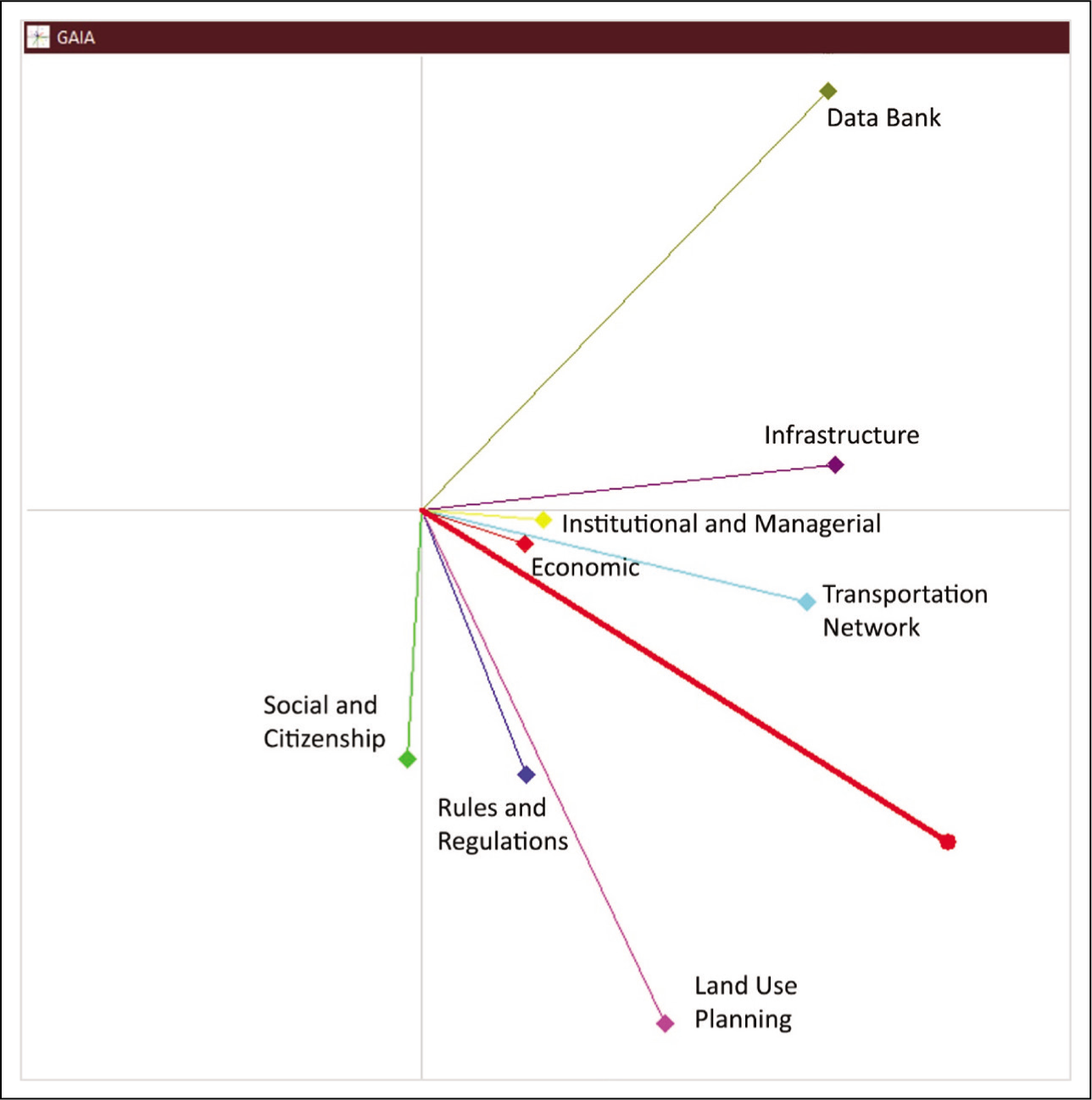
In this export GAIA plane, the decision axis appears to be on the economic + institutional and managerial + transportation network criteria side. Also, at a short distance from the main axis, there are rules and regulations + land use planning criteria. The data bank criterion is located at the farthest distance from the main axis and the social and citizenship criterion appears on the opposite side of the red vector (Figure 3).
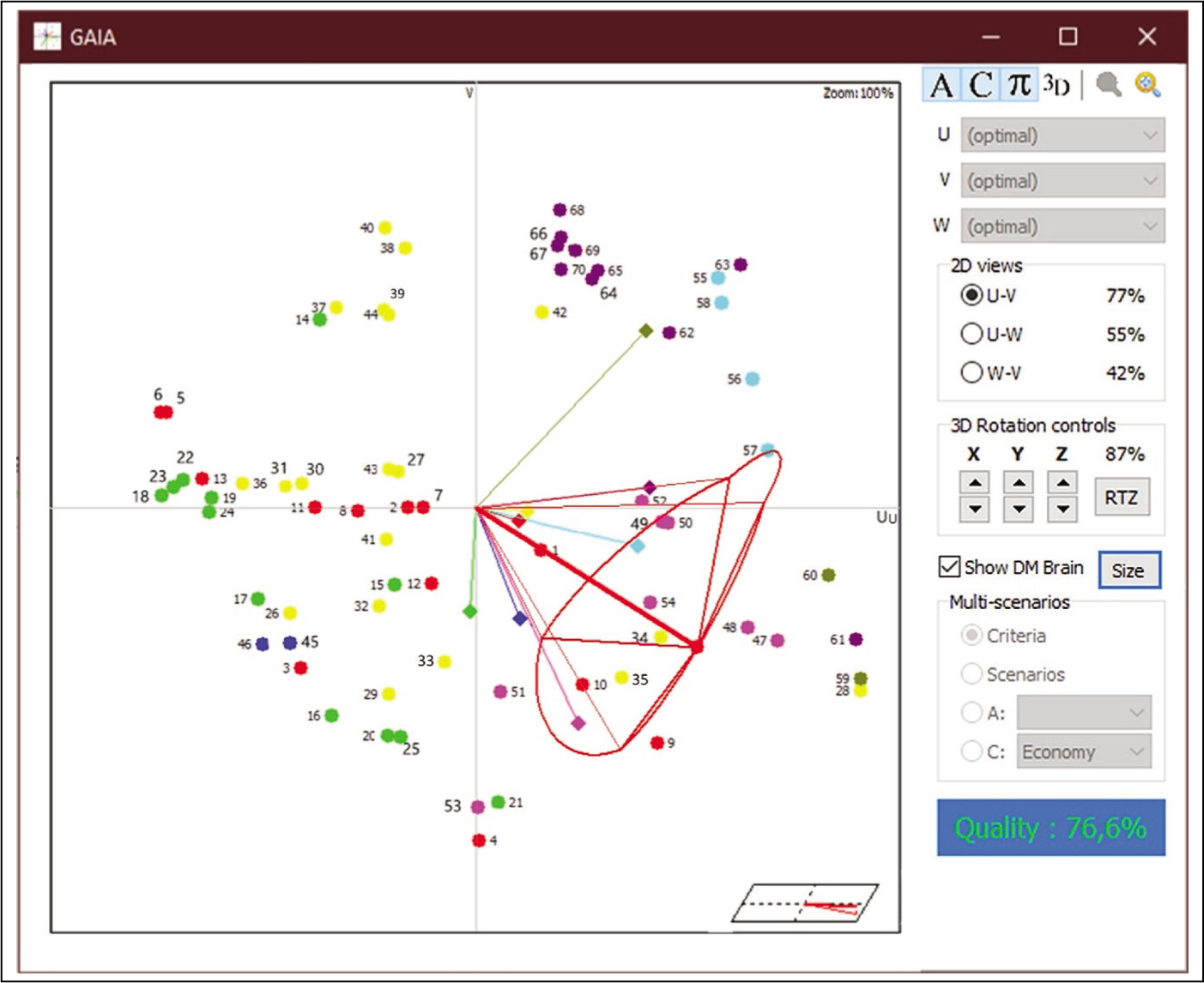
By activating the GAIA brain option, a cone will appear along high-rank driving forces, which are vital for preparedness to face hazards in large cities. The criteria located on the lower right side of the plan are considered valuable driving forces in the order of their distance and proximity (Figure 4). The criteria that are sub-categories of land use planning (magenta colour) were recognized as the most effective driving forces for the preparedness of Iranian large cities against hazards. Also, some criteria are close to each other spatially and should have similar profiles and effects. GAIA lost some information during the projection, and the δ coefficient shows only the percentage of data retained. δ≥70% is good and has a green colour while red corresponds to a very low level. The quality increases with the number of criteria or actions. In the present study, the value of δ is 76.6%.
Discussion
An unprepared urban system has less resilience and more vulnerability against the catastrophic effects of natural hazards. Thus, identifying the preparedness criteria is critical to making safer cities. In this research, with an extensive record review and through the Delphi method and collaborative and consensus-based model among expert groups, 70 criteria in the 8 contexts were extracted. These indicators were selected, classified and weighted regarding the structural characteristics of Iranian large cities dealing with hazards.
According to the findings of PROMETHEE, among the eight indicators, the organizational and managerial criteria had the highest weighted rank. Multi-sectoral and multi-level coordination of the wide range of involved contributors in urban preparedness, and the necessity of having a specific organizational unit with full authority have made this index a key indicator in the preparation of Iranian large cities. The multiplicity of decision-maker organizations in hazard preparedness and prevention in the area of research has resulted in functional interference and inconsistency in implementation. Prior and Roth (2013) believe that collaboration among specialized departments, civil and institutional actors, society and infrastructure and collaboration between international actors is important for making cities more prepared against risks. Also, the results of PROMETHEE modelling have shown that among the 70 investigated indicators, the highest rank driver is the existence of a comprehensive disaster preparedness plan with an organizational context.
It is also noteworthy in the GAIA plan that this index is included in the group of vital drivers effective in preparation (Figure 4). Undoubtedly, the preparation of today’s modern cities is not possible without a road map—an urban disaster preparedness plan and a map of urban risks.
GAIA Plane of Vital Driving Forces.
Since other criteria (institutional, social, infrastructure, data and transportation) depend on this index for their efficiency, this study illustrated that economic criteria and their sub-criteria are the accelerator factors for preparing large cities in Iran against hazards. Juanzon and Oreta (2018) have shown that the budget lines, financing flows and funds distribution are prerequisites of a prepared city against hazards. The challenge of unstable incomes in the municipality of Iranian large cities has caused a reactive approach in the face of hazards and overlooked the preparation and prevention phase. The results of PROMETHEE reveal that the ‘hazard-based investment’ index (code 4) is known as the fourth most effective driver in pre-hazard preparedness. This finding has also been emphasized in KQ1 of the HFA 2005‒2015. Financial reserves to support effective disaster response and early recovery have been proposed as the basic economic principles in the Hyogo Framework (United Nations, 2018).
Based on the findings of PROMETHEE, land use and physical planning are the most vital drivers for Iranian large cities. Among the 10 vital drivers accelerating preparedness, 4 drivers were identified as land use sub-criteria in order of weight, with codes 47, 48, 54 and 50 (Table 5). Evacuation exercise and training, locating temporary camps and shelters, passive defence actions for vital infrastructure and coding the multi-purpose land use (educational and sports, metro) are four vital drivers with physical context. According to PROMETHEE results, the decay of more than 25% of the Iranian large cities’ fabric and the uncontrolled growth of informal quarters have caused land use and physical planning to have the highest effect on preparedness among the eight research factors (Table 4).
Amini et al. (2010) had previously shown that it is impossible to prepare the city against hazards without paying attention to the optimal location and safe proximity of sensitive land uses and the balanced distribution of relief functions. Considerations of observance of passive defence actions and coding multi-purpose land use to prepare the city against risks and reduce vulnerability are in line with the research of Mohammadi Dehcheshmeh and Saeidi (2020).
GAIA outputs have revealed that all sub-criteria of land use are placed in a very important zone of the GAIA plane (the side of the red vector for impacting preparation against hazards). The GAIA model has also shown that out of the 70 investigated criteria, 24 are placed in the very important zone and 10 of these are the final vital drivers (Table 5), with the rest involved as sensitive and effective drivers in creating a prepared large city in Iran (Figure 4).
The output of GAIA, by confirming the results of PROMETHEE, has shown that the existence of an updated hazard information system and integrated data bank (spatial and non-spatial) is known as an effective and vital driver in the preparation of large cities against risks. However, the lack of a critical database (geographic, demographic and infrastructure) for use in emergencies has always increased vulnerability in large cities of Iran during past hazards. This finding has been emphasized in the research on preventing and managing the risks in critical infrastructures by Buffarini et al. (2022).
Finally, it is worth mentioning that attention to Hugo’s framework (2005‒2015) as a binding upstream document, and survey of experts and managers in large cities of Iran, has caused the findings of this research to have an operational significance. These findings can be widely used for policymaking with pre-hazard measures and resilience in the present and future. It is suggested that ‘the role of emerging technologies in urban risk management in large cities of Iran’ be investigated in future research.
Conclusion
Large cities of Iran are vulnerable to various natural and man-made hazards. Also, the existence of decaying urban fabric and informal settlements has greatly reduced the resilience of these cities against hazards. Thus, adopting a preventive and prepared approach is a requirement for hazard management in these cities. Based on this, 8 criteria and 70 drivers were extracted and, according to their dependence and effectiveness, were modelled by PROMETHEE and the GAIA technique. Seventy selected criteria were ranked based on the average score provided by the research elite group using PROMETHEE, and their interaction was presented by GAIA.
The results have shown that different factors are effective in the preparedness of Iranian large cities against hazards. However, this cannot be realized except by the direct influence of other factors. This point refers to the multi-dimensional nature of hazard preparedness. The output of PROMETHEE and GAIA models in 10 large cities of Iran with populations ranging from 500,000 to one million has shown that the preparedness decision axis appears to be on the criteria side of economic, institutional and transportation networks. Also, the results of this study have shown that among 70 indicators with different fields, the existence of the comprehensive hazard preparedness plan, according to the realities of the city, has the most influence in preparing the cities against hazards.
The key analytical results from the PROMETHEE and GAIA models in our study have shown that equipping and making cities smarter to face risks, creating inter-organizational and intra-organizational coordination, continuous action to repair, maintain, and increase the resilience of critical infrastructures, investing in the preparation of communities by developing and equipping vital and sensitive urban infrastructures and investing in learning to prepare communities for citizens and managers to face risks are necessary strategies needed in Iranian large cities.
In this regard, according to the output of the research model, the following executive suggestions have been presented for the preparation of cities in the present study area:
Identify the main measures for the preparation of Iranian cities including hazard assessment, exposure reduction, increasing capacity, experience learning and integrating hazard preparedness with urban development. Equip cities to increase resilience against hazards through technological innovations like the Internet of Things, geographical information systems, artificial intelligence and remote sensing. Integrate urban planning with disaster preparedness measures. Carry out studies on a comprehensive plan of preparation for facing risks in 10 large cities of Iran (the area of the present study) as a model for other cities.
Footnotes
Acknowledgements
This work was supported by the deputy of research and technology of Shahid Chamran University of Ahvaz. The authors are grateful to the anonymous reviewers for their valuable comments to improve the quality of the paper.
Declaration of Conflicting Interests
The authors declared no potential conflicts of interest with respect to the research, authorship and/or publication of this article.
Funding
This paper is an academic research and is extracted from an MA thesis. The authors declare that they did not receive funds, grants, or other support from any organization.