




Abstract
This study examines primary school teachers’ approaches to climate change education (CCE) and the factors that influence this through analysis of data collected in the Irish context. A mixed-methods approach using quantitative and qualitative data gathered through a questionnaire survey and a series of interviews is used. From this, the key barriers and key enablers to teachers’ implementation of CCE are identified. Curriculum, teacher knowledge, pedagogical approaches and content, continuing professional development and influences outside the education system are all identified as enablers/barriers to teachers’ implementation of CCE. These are examined in the context of the international literature in order to ascertain what effects they have on Irish teachers’ approaches to CCE. Findings suggest pathways for curriculum reform and redevelopment in the Irish context, with implications for education regimes internationally.
Introduction
The urgency of the climate crisis is underlined by a succession of IPCC and UNEP reports; Global Warming of 1.5°C (IPCC, 2018), Climate Change and Land (IPCC, 2019), Climate Change 2022 (IPCC, 2022) and the UNEP reports; the Emissions Gap Report (UNEP, 2021) and the Emissions Gap Report of 2022 (UNEP, 2022). The news cycle is increasingly dominated by climate related disruptions. For example, The Guardian newspaper contained a number of reports on climate change in 2022, including ‘Climate endgame: risk of human extinction “dangerously underexplored”’ (Carrington, 2022a), ‘African countries spending billions to cope with climate crisis’ (Harvey, 2022) and ‘Revealed: how climate breakdown is supercharging toll of extreme weather’ (Carrington, 2022b). Developed and less developed countries alike are experiencing the effects of climate change. However, the adverse impacts of climate change are being, and increasingly will be, experienced most acutely by lesser developed countries that have contributed least to it in terms of historical carbon emissions. Scholarship on the crisis has adopted more strident language in recent years, reflecting the growing levels of concern and, it could be said, panic among the scientific community on the scale of the pending catastrophe facing humanity; for example, see statements from Professor Schellnhuber, a leading climate change authority (Readfearn, 2019; Roberts, 2017). Also, see Ripple et al.’s (2021) publication ‘World Scientists’ Warning of a Climate Emergency 2021’, which warns of the ‘catastrophic threat’ of climate change (p. 894). Despite this, education on climate change remains a niche topic, with a nascent body of literature emerging.
This research seeks to ascertain how and what influences primary school teachers’ approach to climate change education (CCE), with a study of the attitudes of primary school teachers in the Irish context. This study aims to identify the key enablers and the key barriers to teachers’ implementation of CCE in the Irish primary education system. It does this by applying a mixed-methods research approach (using quantitative and qualitative data) through questionnaire surveys and interviews with Irish primary school teachers.
This article contributes to knowledge by appraising how teachers implement CCE in Irish primary schools and the level of importance that they place on it. In Ireland, CCE is incorporated within a wider Education for Sustainable Development (ESD) framing (Waldron et al., 2019). Since 1999, the Irish primary school curriculum incorporates education on climate change through environmental awareness and care (Dolan, 2012). Subsequently, Ireland’s Department of Education and Skills published its ‘National Strategy on Education for Sustainable Development in Ireland 2014–2020’ outlining a plan for ESD in the Irish education system (DES, 2014). The second National Strategy on Education for Sustainable Development in Ireland – ESD to 2030 devolops the ESD strategy (Government of Ireland, 2022). ESD is delivered through subjects such as history, geography and science as well as independently (DES, 2014). This article investigates the implementation of CCE by Irish primary school teachers and identifies the key enablers and key barriers to its implementation. Results are interpreted through an international lens via a comprehensive engagement with state-of-the-art peer-reviewed literature on CCE.
Literature Review
Teachers’ Implementation of CCE: Enablers and Barriers in the Education System
In the Irish context, emphasis on literacy and numeracy in the primary school curriculum impacts the inclusion of climate change-related topics in primary schools (Ní Chróinín et al., 2016; O’Breacháin & O’Toole, 2013; Usher, 2020). In 2010, the National Council for Curriculum Assessment (NCCA) stated that ‘the scale and size of the curriculum’ has been reported by teachers to be excessive and has proved detrimental to subject areas deemed to be of lesser importance (NCCA, 2010, p. 5). To ensure that teachers can practically include climate change themes, it is important that they are integrated within other subject areas. In addition to ensuring adequate time for CCE, Watson (2018) maintains that subject integration allows students to attribute real-life meaning to certain subjects. Tani et al. (2013) contend that real-life meaning makes subjects socially and personally relevant to students. This helps promote climate change action among pupils (McNeal & Petcovic, 2019). Usher (2020) asserts that Irish teachers have the freedom to choose their own content, providing them with the opportunity to integrate climate change themes within a wide variety of subject areas. This is similar in Estonia and Finland, where teachers have the freedom to add locally relevant subject matter and decide on assessment principles and learning objectives (Erss, 2018). However, in most developed countries, there is a growing concern that the autonomy of teachers is increasingly becoming restricted (Erss, 2018). For example, in Germany, teachers have increasingly become required to ‘follow a detailed centrally prescribed curriculum’ (Erss, 2018, p. 246).
Integration of CCE within other subjects can improve its inclusion and enhance learning outcomes. However, Gómez and Suárez (2020) contend that teachers should play a supportive role by facilitating and guiding pupil-centred learning rather than solely conveying subject knowledge. Roberts (2017) maintains that issues like climate change present opportunities for learning through discussion and investigation, developing critical thinking skills. Anderson (2012) argues that critical thinking skills are essential for dealing with the uncertainties that climate change presents. Dolan (2020) maintains that critical thinking is best developed through inquiry-based participation that demonstrates the relevance of climate to everyday life. Indeed, McNeal and Petcovic (2019) find that there is widespread agreement among teachers that student examination and observation of the effects of climate change on the local area enhance a student’s drive to understand it.
Wise (2010) maintains that teachers’ climate change knowledge is not always accurate, and there is often uncertainty among teachers about what content should be included. Lombardi and Sinatra (2013) argue that there is a risk of that transference of selective or inaccurate information by teachers and that ‘their misunderstandings could be related to adverse emotions [in students] about the topic’ (p. 172). Stapleton (2019) proposes that climate justice education is an important addition to education on the physical impacts of climate change, as injustices experienced by people are more relatable than effects to the natural world and are, therefore, more likely to promote climate change action. Nevertheless, Waldron et al. (2019) maintain that Irish teachers and student teachers mainly focus on the physical impacts of climate change and tend not to be familiar with the concept of climate justice. To ensure that inaccurate and selective information is not transferred to students and relatable climate change themes are explored, CCE and Continuing Professional Development (CPD) would be beneficial. However, Ennes et al. (2021), in their study of middle-school American teachers, contend that teachers avoid CCE CPD as ‘they are uncomfortable with the subject’ or view it as irrelevant to their curriculum (p. 762). This may also be a factor in the Irish context where the focus on literacy and numeracy (Ní Chróinín et al., 2016; O’Breacháin & O’Toole, 2013; Usher, 2020) may impact teachers’ views on the relevancy of climate change in the curriculum. Walsh (2022) maintains that time is also a factor. She proposes that the amount of time Irish teachers spend with their pupils curtails the amount of time they can spend on CPD. Indeed, Ennes et al. (2021) find that time constraints are the most prominent factor in the lack of teacher interaction with climate change CPD.
Teachers’ Implementation of CCE: Enablers and Barriers Outside the Education System
Wise (2010), in her study of science teachers in Colorado, USA, finds there is a reluctance to educate about climate change when teachers fear that the content may cause controversy. Kunkle and Monroe (2019) maintain that, in America, ‘public disagreement and politicisation of [climate change] present significant risks for teaching misinformation or eliciting backlash’ (p. 644). Waldron et al. (2020) contend that there is also a view among Irish teachers that CCE may cause controversy, generating parental backlash and accusations of politicizing children. Ireland’s long economic dependence on the agricultural industry (Fahy, 2020) and its consequent societal importance may also influence teachers’ approaches to CCE. Indeed, Donnelly (2019), in an article for the Farming Independent, addresses the backlash experienced by teachers from farmers during the attempt to establish an initiative to encourage children to eat less meat in 2019.
Climate change information is often obtained from media sources. Puttick and Talks (2022) contend that mass media is ‘consistently cited as a major source of information about climate change…by teachers’ (p. 13). Bolin and Hamilton (2018) maintain that news media content on climate change is dependent on the editorial emphasis of the individual publication and does not necessarily adhere to the scientific consensus. Fahy (2020) contends that the Irish media has had very few journalists who specialize in environmental issues, and this has resulted in low levels of climate change reporting. Indeed, McGovern and Thorne (2021) contend that ‘over 80 percent of climate articles are written by journalists that are not specialized in climate reporting’ (p. 227). Due to the low level of coverage and the low level of specialist journalists, the news media is not an ideal information source for teachers.
There is a strong emphasis on taking personal responsibility to help mitigate climate change in western society. Thompson (2012) maintains that corporations have successfully moved the responsibility for ethical consumption onto the consumer, minimizing the focus on corporate ethical behaviour and emphasizing individual action instead. Lee et al. (2018) assert that corporations often disseminate inaccurate information on their environmental impacts through selective labelling and advertising. The political influence of such corporations can also affect climate change policy. Indeed, Fahy (2020) maintains that ‘Irish farmers have yielded great political influence’ (p. 138). Soneryd and Uggla (2015) maintain that Western governments more generally promote personal responsibility. It is imperative that the responsibilities of larger entities are explored in schools, as political and corporate entities have the combined ability to hide their enormous contributions to climate change through the promotion of personal responsibility. However, Waldron et al. (2019) contend that teachers, in their study, emphasize individual action and make little reference to the collective action required across society, politics and the economy to enable change. Nevertheless, Mochizuki and Bryan (2015) argue that teaching personal responsibility is important for promoting climate change action and decreasing feelings of helplessness.
Research Method
This research aims to appraise CCE in the Irish context by delivering on the following objectives:
Engage with primary school teachers through a mixed-method approach. Seek views and insights of teachers themselves based on their professional experience. Understand practice of CCE in Irish schools. Place findings in the context of reported experience internationally.
Both quantitative and qualitative research are used in this study. The mixed-method approach can make up for weaknesses in one approach, reduce bias intrinsic in any single method and maximize understanding (Almalki, 2016). The study received ethical approval from the MIC Geography Department Ethics Committee in Spring 2021.
A respondent-administered questionnaire, informed by the literature review, was used for collecting the quantitative data. The questionnaire survey was sent to primary schools in the Mid-West region of Ireland, encompassing the counties of Clare, Limerick and Tipperary. This sample frame consisted of 434 primary schools (Primary Schools in Ireland by County). From this sample frame, a simple random sample of 250 schools was obtained through cluster sampling. This pertains to the grouping of units (teachers in schools) rather than the individual unit (teacher) (Bryman, 2016). Convenience and snowball sampling were also utilized, where teachers personally acquainted with the researchers were contacted and asked to participate and aid in the recruiting of participants for the survey. Additionally, the survey was posted to a social media group used by Irish primary school teachers. A total of 98 Irish primary school teachers, out of a sampling frame of approximately 2000, completed the questionnaire survey. This sample size has a ±10% accuracy at a confidence level of 95%. Additionally, 14 survey respondents also provided additional qualitative data by choosing to comment in the comment box provided on the survey form. In the following sections of this article, individual survey respondents are identified as SR-1, SR-2 and so on, where qualitative data generated through the survey are referenced.
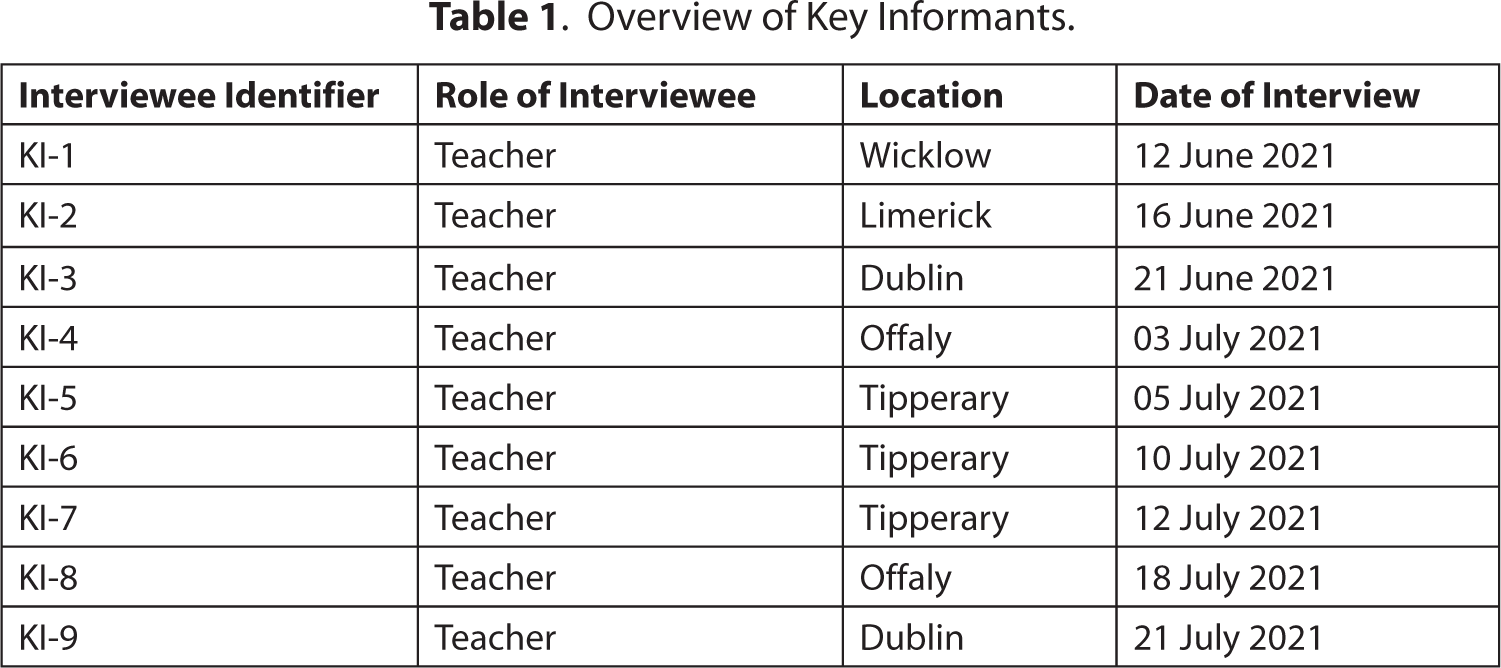
A request in the questionnaire survey asked if the survey respondent was interested in being interviewed. Three interviewees were thereby obtained through this method. An additional group of six interviewees was secured through convenience sampling (comprising nine interviewees in total). Table 1 provides an overview of interviewees. For analysis and presentation of results, the interviewees are identified as key informants, abbreviated to KI. These identifiers range from KI-1 to KI-9. In this way, the anonymity of all survey respondents and interviewees is ensured.
Overview of Key Informants.
Semi-structured interviews were used to collect qualitative data. Semi-structured interviews present the researcher with the opportunity to revisit themes with the interviewee and explore them in depth (Flowerdew & Martin, 2005). The themes discussed were informed by the literature review and the questionnaire data. The interviews took place remotely via Zoom and Microsoft Teams and were recorded, with full participant consent, to enable their later transcription.
The data obtained from the 98 questionnaire survey respondents were downloaded from Google Forms to Microsoft Excel, and the key variables were extracted. These variables were entered into pivot tables, and percentages and bar graphs were generated to provide more meaningful data. Additionally, contingency tables were created to establish if there was a relationship between certain variables. In order to establish relationships, the expected frequencies were derived from these contingency tables and compared with the actual frequencies. Chi square analysis was used to establish if relationships were statistically significant.
The interview transcriptions were thematically coded. Thematic coding allowed for the data to be categorized into broad groups. According to Braun and Clarke (2006), thematic coding is advantageous as it provides flexibility, accessible research results, easily spots differences and similarities in data sets and allows for unforeseen insights. Additionally, thematic coding can produce ‘qualitative analyses suited to informing policy development’ (p. 97). From these groups, commonalities between responses were established. This enabled a broad picture of the interviewees’ viewpoints on the factors influencing their approaches to CCE. Additional notes were also taken and quotes from individual interviewees were extracted to exemplify the qualitative findings.
Findings and Discussion
Teachers’ Implementation of CCE: Enablers and Barriers in the Education System
The majority of survey participants (54%) disagree/strongly disagree that the curriculum provides clear guidance on what CCE should entail (Figure 1). This finding is mirrored in the interview data, where five of the nine key informants believe that the curriculum does not provide clear guidance. This suggests that the current curriculum is inadequately addressing climate change themes, in spite of their inclusion under ‘environmental awareness and care’ (Dolan, 2012; Waldron et al., 2019).
Extent of Agreement that the Curriculum Provides Clear Guidance on What Climate Change Education Should Entail.
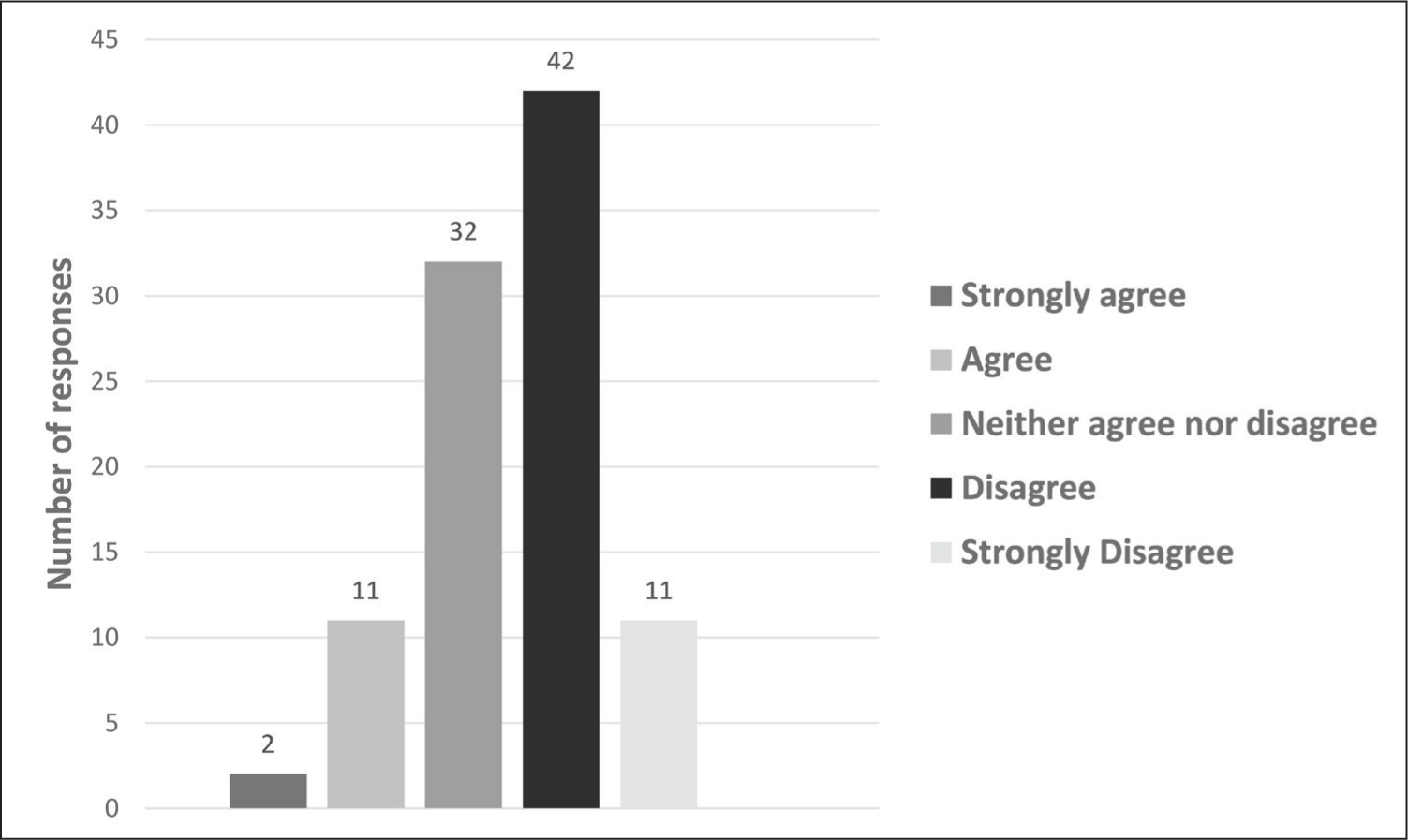
The flexibility of the curriculum may account for survey respondents (33%) and key informants (four of nine) who are unsure or neutral as to whether adequate guidance is provided. Indeed, all of the key informants feel that the curriculum is flexible enough to integrate climate change themes if one wants to do this. This is corroborated by Usher (2019), who asserts that teachers have freedom to choose their own content. KI-3 maintains that ‘if you did want to teach about it, you could definitely link it to the curriculum’. KI-2 asserts that the curriculum is ‘very open to interpretation and the teacher can do as much or as little as they want’. However, five of the key informants’ state that the inclusion of climate change themes is only possible if climate change is integrated with other subjects. This is not always possible due to the sheer density of the curriculum. KI-6 asserts that ‘it’s hard to do everything, like if we were doing [climate change] then we’d have to lose something else’ and as KI-5 put it: ‘You can’t cover every subject unless you integrate the living daylights out of it.’ Corroborating O’Breachain and O’Toole (2013), Usher (2020) and Ní Chróinín et al. (2016), all key informants feel that there is a lot of emphasis on literacy and numeracy. Five key informants feel that CCE is overshadowed by the emphasis placed on literacy and numeracy. KI-8 states that one is ‘explicitly told to prioritise literacy and numeracy’. KI-4 asserts that ‘you’re looking at the quickest way to get your literacy and numeracy in rather than thinking about integrating another subject into that’. Both KI-7 and KI-6 comment that CCE is ignored because there is ‘no standardised test [like there is] in things like English and Maths’ (KI-7), and ‘it’s not something that can be measured…[like a] Sigma-T or Micra-T’ (KI-6).
The majority of survey respondents agree that active pupil participation is effective, with 91% agreeing that projects and observations by pupils are important (Figure 2). This is mirrored in the interviews where eight of the nine key informants cite group projects as the most effective pedagogical approach for investigating climate change themes. Such projects would, according to the key informants, involve children researching and presenting their own findings. KI-3 comments that ‘research is probably the most interesting way, finding out for themselves, like an inquiry-based approach’. KI-7 claims ‘they would probably respond best to group work and project work where there’s a little bit of dialogue between them and there’s a little bit of research involved themselves.’
Support for Teaching/Learning Through Projects and Activities.
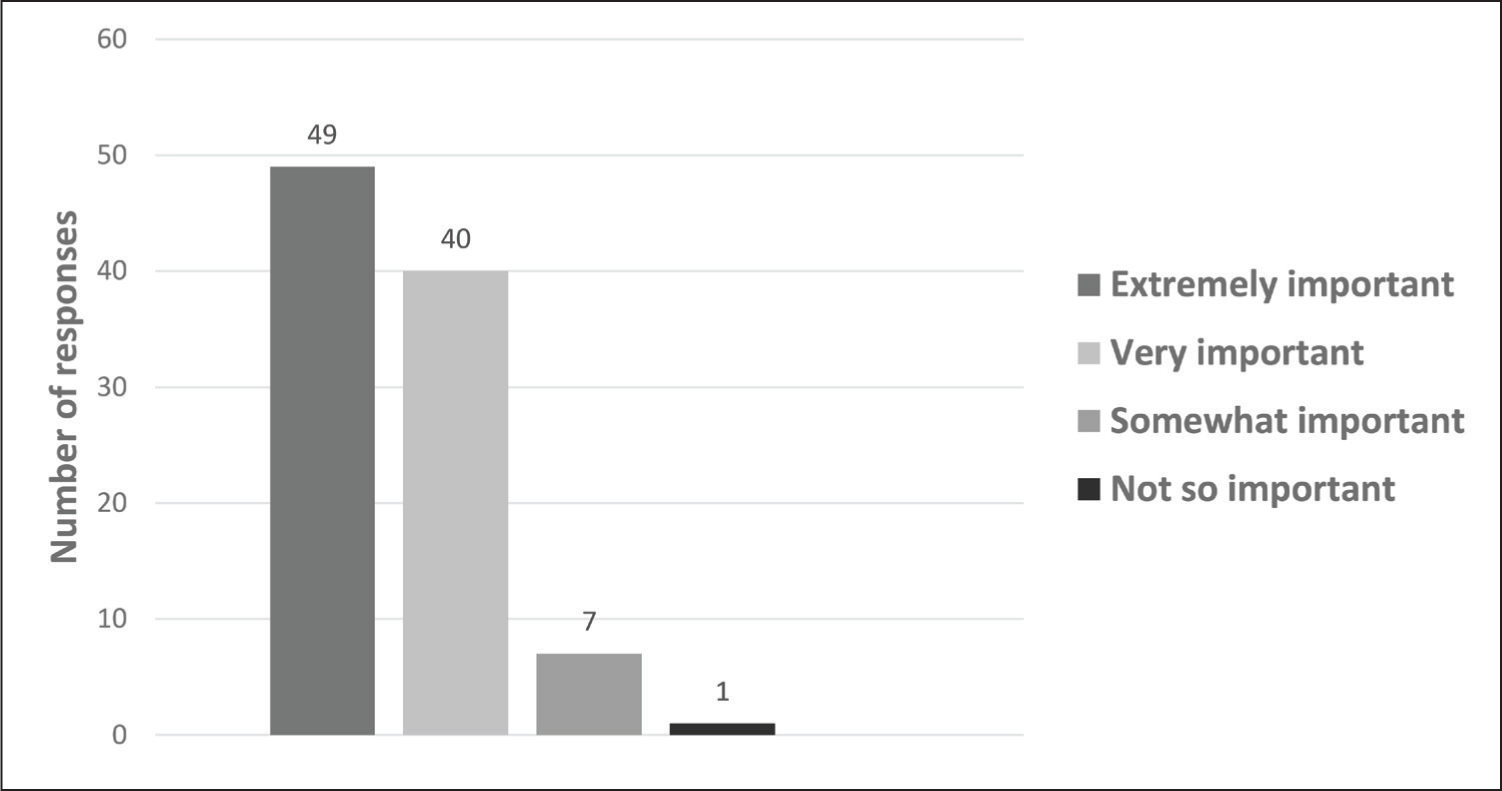
Dolan (2020) also maintains that active participation is essential for developing critical thinking in the child. Anderson (2012) sees critical thinking as essential for dealing with the uncertainties that climate change presents. Ireland’s Green Schools initiative offers numerous opportunities for active pupil participation. While 79% of survey participants sees this initiative as important for teaching about climate change, some of the key informants identify some aspects of the initiative as problematic. KI-6 asserts that ‘it does have a positive effect but often it’s just a box ticking exercise’. KI-4 also feels that ‘it could become a box ticking exercise too easily’, while KI-7 states that the initiative is ‘most ineffective’ as the emphasis is ‘on getting the flag and not really anything got to do with caring for the environment… [it] has turned into a kind of competition of who has a Green School’s flag and who has the most ‘Green School’s’ flags’. Survey respondent, SR-4, also observes that ‘once [the green flag] is obtained, the reasons for achieving this award are easily forgotten about’.
A total of 51% of the survey respondents are somewhat confident in their climate change knowledge. The interview data demonstrate similar results. Here, expressed levels of confidence are predominantly moderate (61%). However, when asked to elaborate, it is found that the knowledge of the majority of key informants is limited. Only two out of nine are accurately able to describe climate justice. Indeed, Waldron et al. (2019) also find that Irish teachers have a limited awareness of climate justice. The majority of key informants tend to focus on the physical aspects of climate change. KI-5 describes ‘floods and heatwaves’, KI-8 speaks of ‘extreme weather [and] hurricanes’ and KI-7, KI-1 and KI-9 all refer to the melting of the polar ice caps. However, as Stapleton (2019) maintains, injustices experienced by people are more relatable than effects to the natural world and are, therefore, more likely to promote climate change action among pupils.
To ensure that inaccurate and selective information is not transferred to students (Lombardi & Sinatra, 2013) and relatable climate change themes (Stapleton, 2019) are explored, CCE CPD would be beneficial. The survey measures how likely teachers would be to take part in CCE CPD. The majority (76%) report that they would be very likely to undertake this type of CPD (Figure 3).
Likelihood of Partaking in CPD to Improve Knowledge and Implementation of Climate.
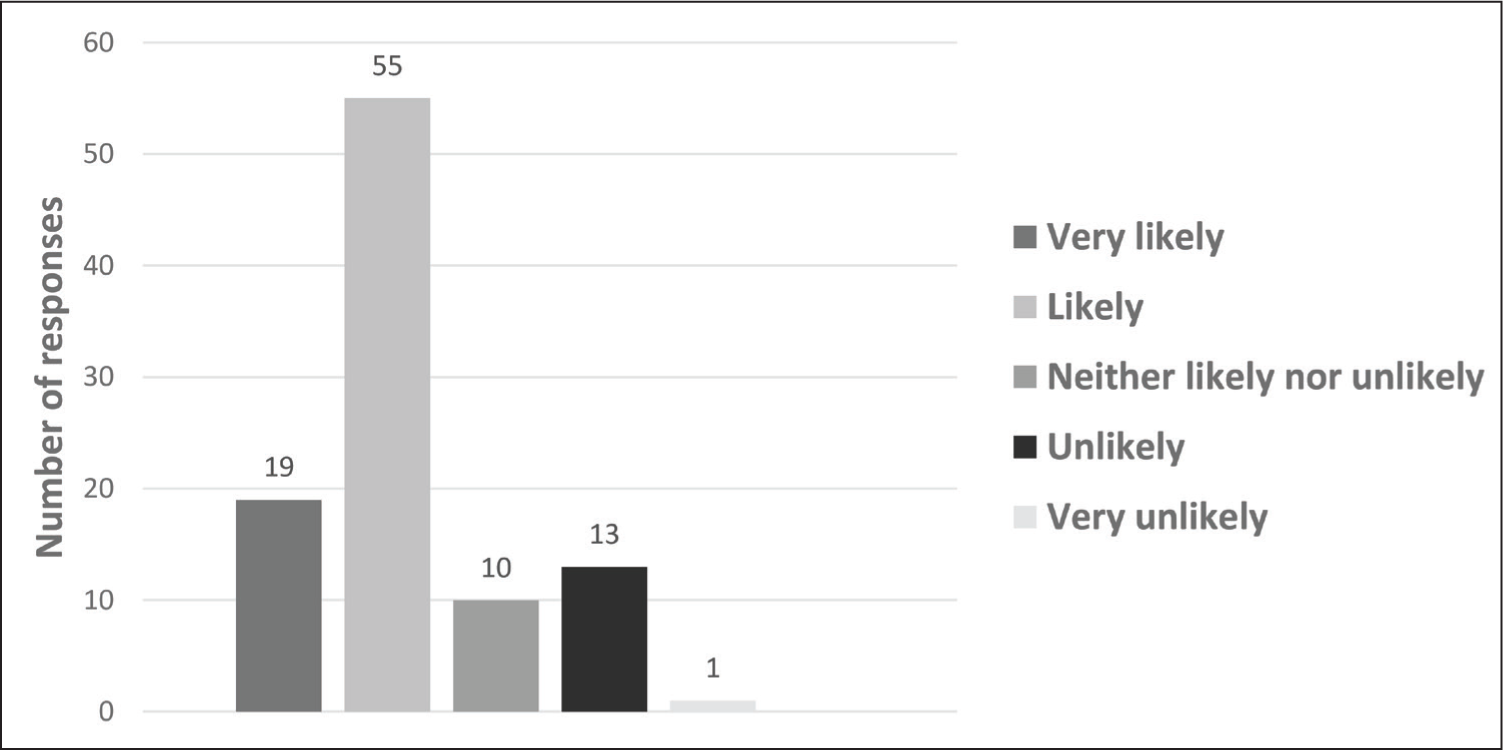
Interestingly, 89% of those interviewed did not attribute any of their knowledge acquisition to Initial Teacher Education (ITE). KI-8 says that ‘in terms of [her] own pre-service training, [on CCE], it lacked somewhat’. Additionally, no participant cites CPD as a source of information. The majority (76%) report that they would be very likely to undertake this type of CPD. These findings are mirrored in the interviews. Eight of the nine key informants say that they would be interested in taking part in CCE CPD. However, these eight express some hesitancy about undertaking this type of CPD due to the lack of importance placed on CCE in the education system. In Ireland, the lack of relevance placed on CCE CPD may be due to the emphasis placed on literacy and numeracy. This is communicated by KI-7 when she states that ‘looking at a list of CPD courses, I’m not sure [CCE] would be one that I would pick as there’s more emphasis put on your literacy and numeracy….if there was more emphasis put on climate change, I would be inclined to go looking for CPD courses on it’. Indeed, there is widespread agreement in the literature that the focus is predominantly on literacy and numeracy in the Irish context (see Ní Chróinín et al., 2016; O’Breacháin & O’Toole, 2013; Usher 2020). However, despite this focus, 3 out of 14 survey respondents who elected to comment feel that teacher education on climate change is essential. SR-59 states that ‘instruction for teachers is crucial as time is of the essence in tackling climate change’. SR-27 feels that ‘teachers really need training on this very important area’. However, although this need is acknowledged by some survey respondents, all nine key informants report that there is no CPD available on climate change. Additionally, all key informants report that they have never engaged in climate change-related CPD.
Teachers’ Implementation of CCE: Enablers and Barriers Outside the Education System
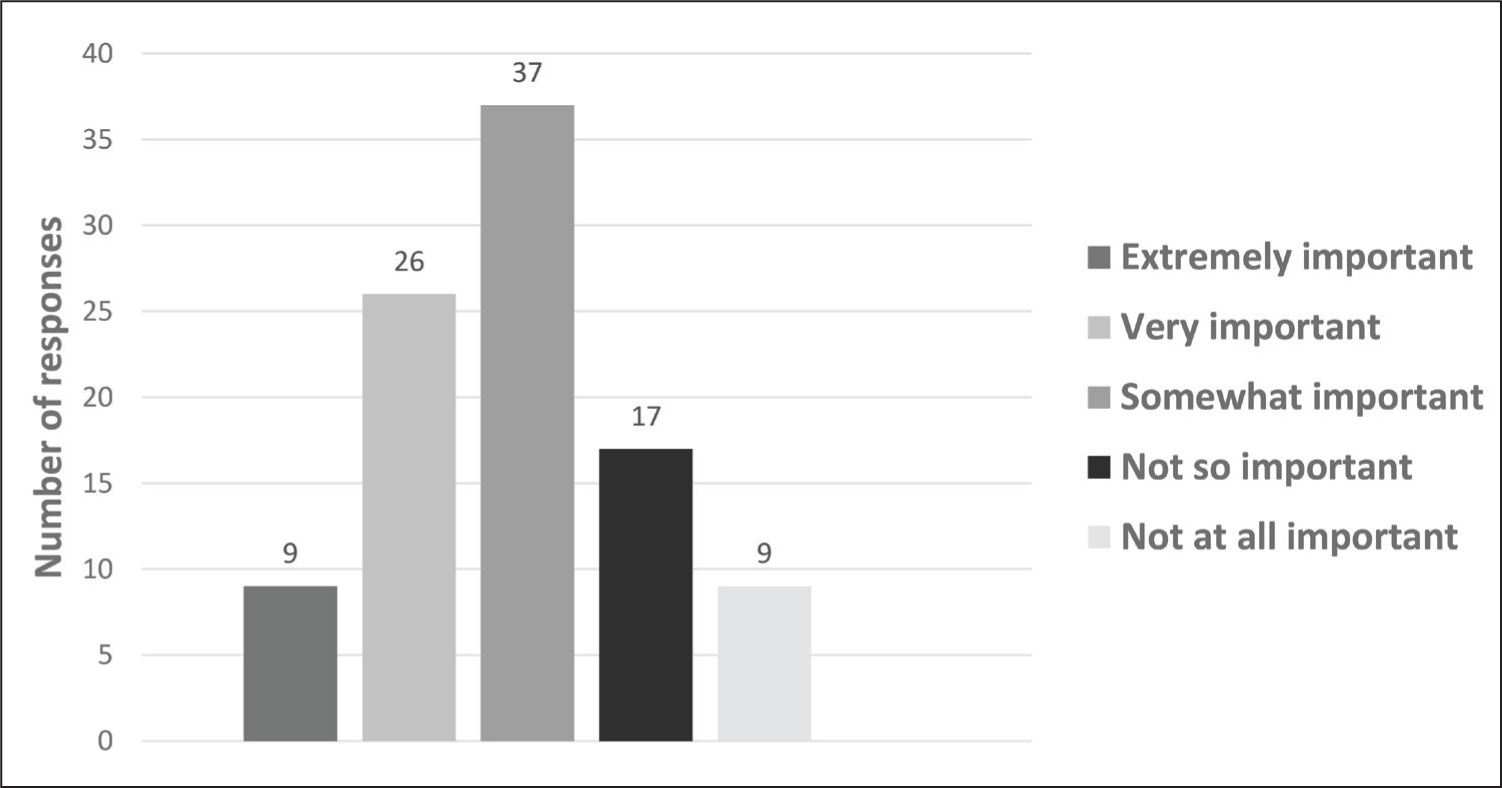
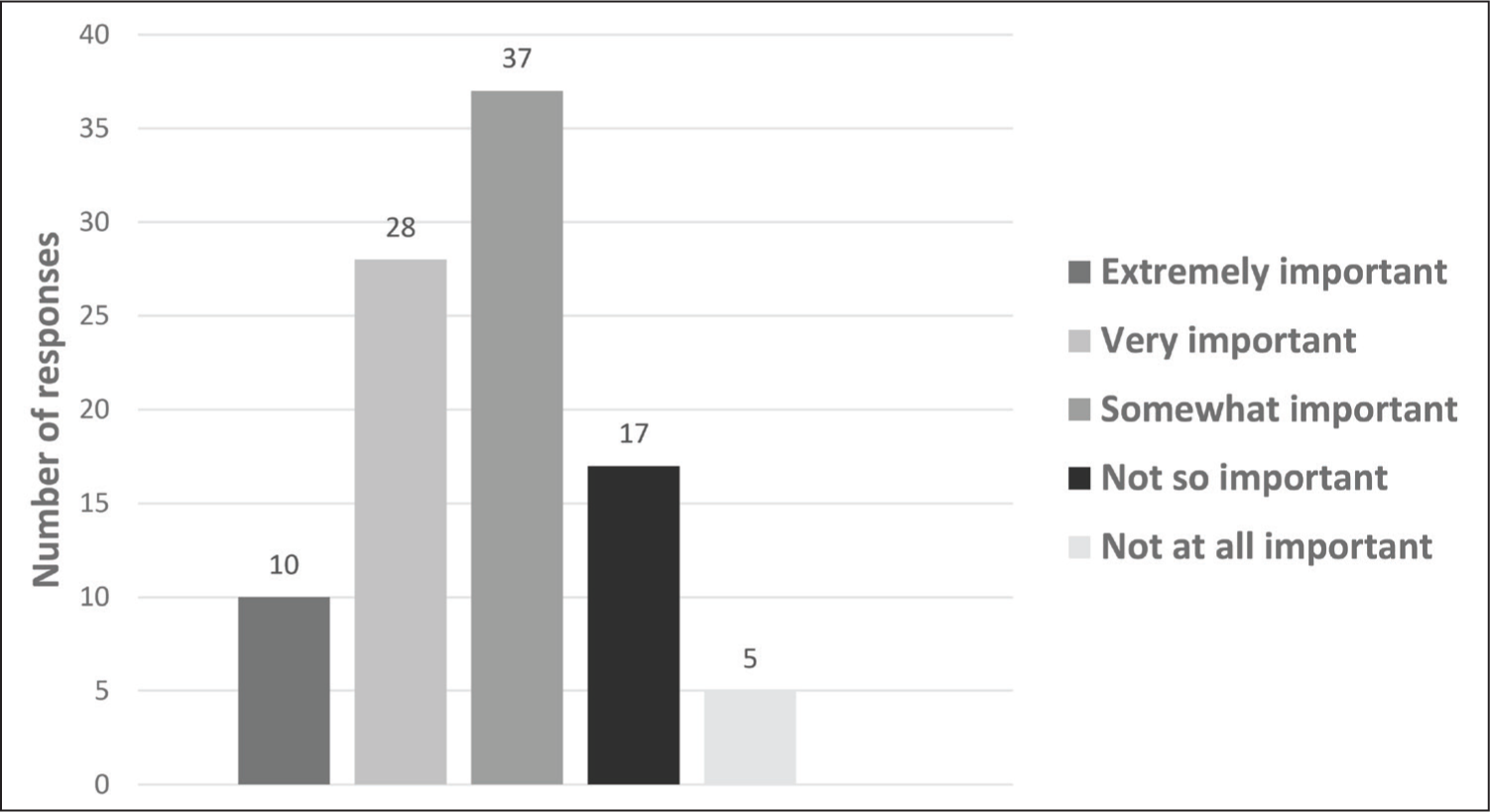
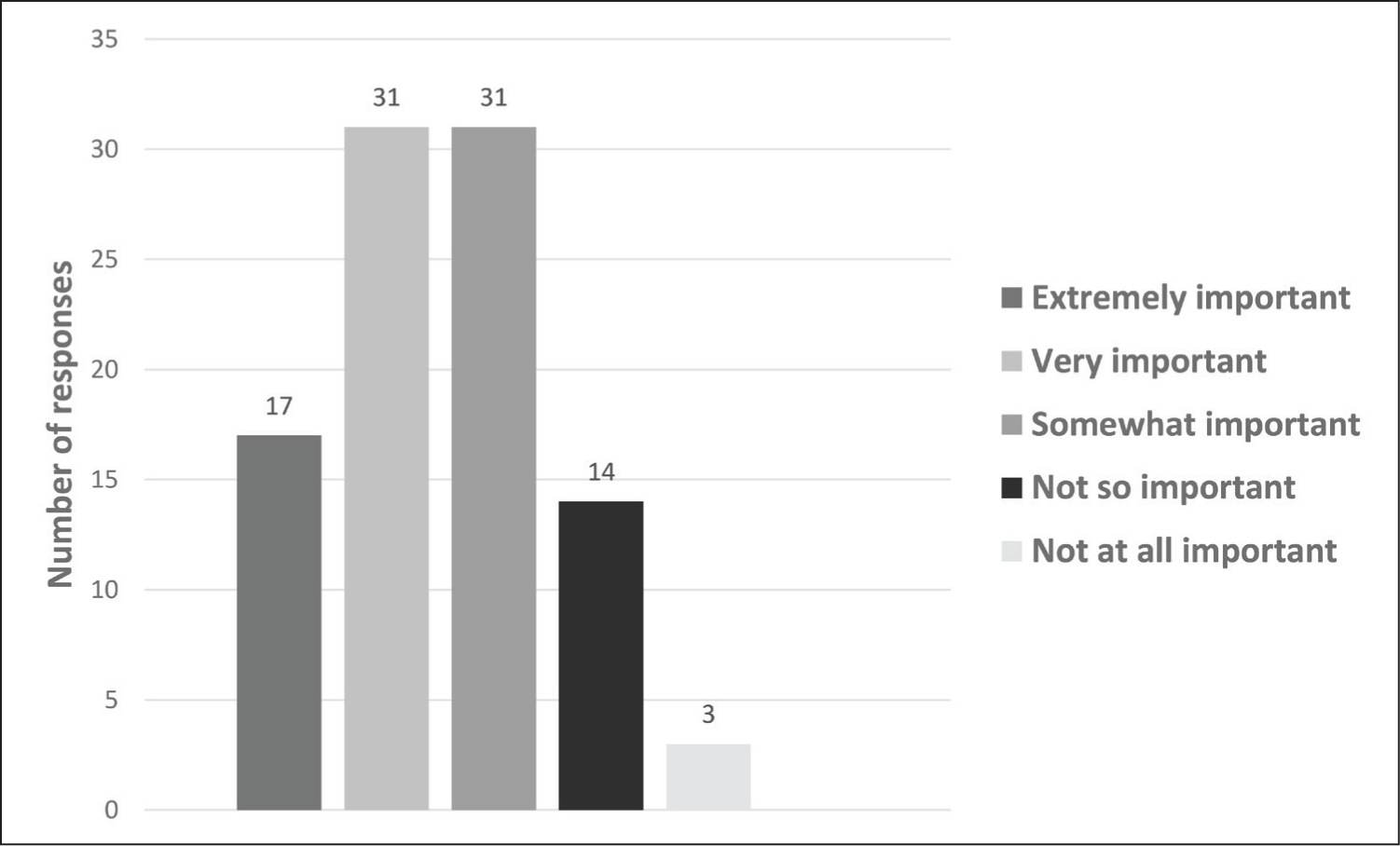
The survey examines if parental, community, colleague/school and societal attitudes to climate change affect how teachers approach CCE. Figures 4–7 show a breakdown of these results.
Influence of Parents’ Attitudes on Teaching Approach to CCE.
Influence of Community Attitudes on Teaching Approach to CCE.
Influence of School Policy and Colleague’s Attitudes on Teaching Approach to CCE.
Influence of Societal Attitudes on Teaching Approach to CCE.
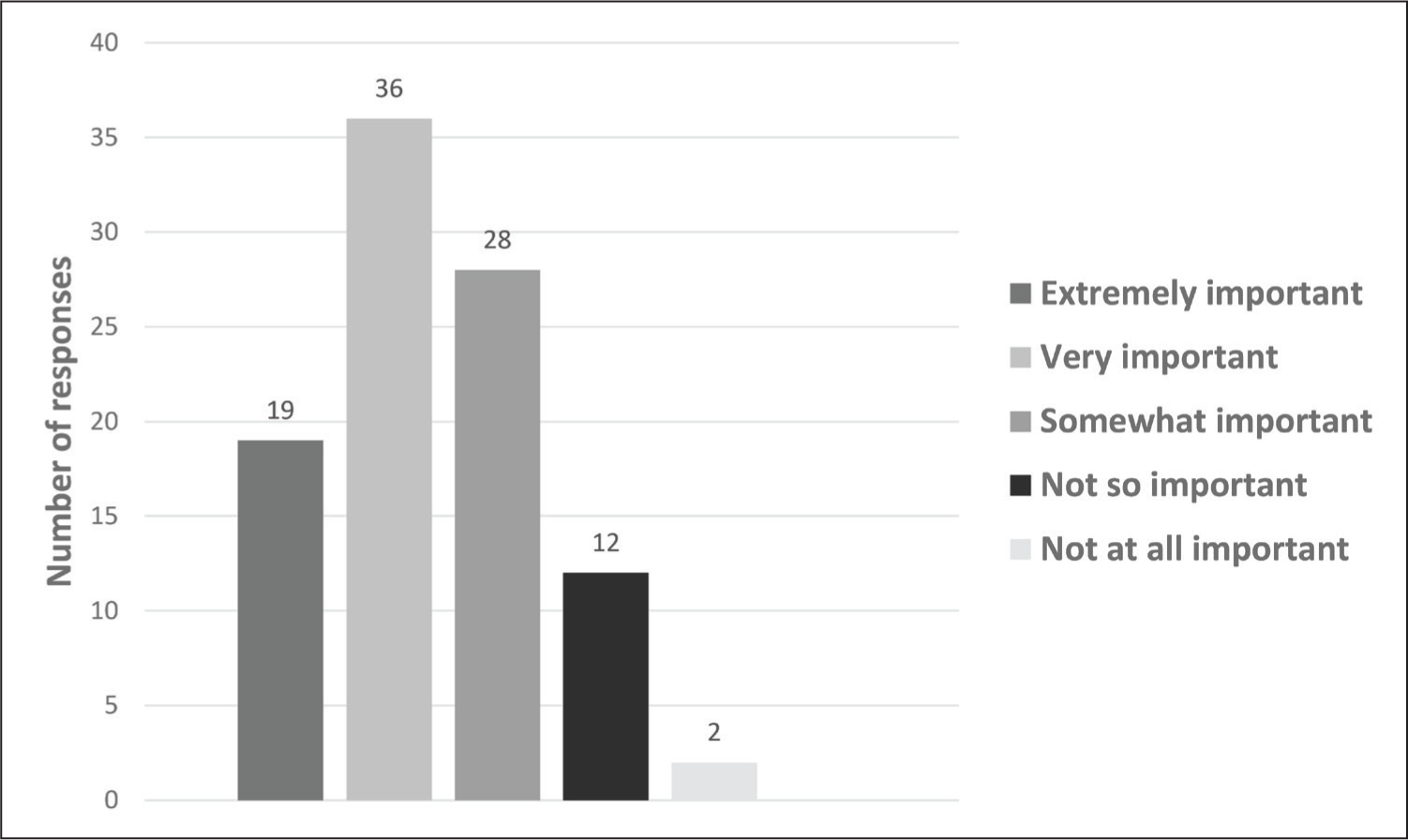
Further discussion on these aspects is undertaken in the interviews. Eight out of nine key informants assert that one or more of these factors has the potential to influence their approaches to CCE. Key informants cite parental and community attitudes as the primary influences on their approaches to CCE.
Waldron et al. (2020) find that there is perception among teachers that CCE can create controversy, leading to parental backlash. However, in contradiction to Waldron et al. (2020), some key informants emphasize that parental attitudes can be positively influential as well as negatively so. KI-4 states that
kids who are interested in climate change come from households who have an interest in it, and then they come to you and you feel, ‘God I haven’t done that yet’, so you visit it then. It’s brought up more in class discussion by these kids as well.
KI-9 feels that parental attitudes would both encourage and deter her in visiting certain themes. KI-6 asserts, ’if parents don’t see the importance of climate change it’s not like I’m not going to teach it’, indicating that parental attitudes are less influential to this KI in framing motivation to address CCE.
Overall, 77% of survey respondents assert that community attitudes are influential on their approaches to CCE to some degree. This is further explored in the interviews where four out of nine KIs state that the community has a positive effect on their approaches to CCE. These four find that the community encourages them to discuss climate change themes as they get the school involved in activities such as litter picking and tidy towns schemes. However, three out of nine KIs comment that they are reluctant to discuss some climate change themes as their communities are involved in agriculture. KI-5 started a dairy farming project with her class but was reluctant to explore how this industry contributed to climate change as she ‘didn’t want to insult [children’s family’s] livelihoods’. KI-1 also asserts that she is reluctant to explore the agricultural industry as ‘there are lots of farmers and that’s their livelihood and you wouldn’t want the children to become too enthusiastic about it’. KI-8 reports that she would only explore the contributions of farming to climate change if she did it in ‘a broad way’. According to Fahy (2020), Ireland has a long history of economic dependence on the agricultural sector, and this may be an influencing factor in the participants’ willingness to explore climate change themes relating to the industry. Moreover, Shanagher and Brereton (2020) maintain that the historical association with agriculture may induce certain outlooks towards it as ‘the “land” still carries an emotive power’ (p. 75). Therefore, it is not surprising that some teachers are reluctant to explore the effects that agriculture is having on climate change, particularly when such discussions may be viewed as negative criticism of the agricultural industry.
The key informants reveal that they acquire their information on climate change from various outside sources, including news media, social media and non-governmental organizations (NGOs). The dominant source of information is the news media (nine out of nine). KI-8 comments that ‘most of my knowledge is coming from the news media’, while KI-2 states that they watch the news a lot and are, therefore, confident that they have enough knowledge to teach about climate change. KI-3 too states that they ‘definitely gets a lot from the news media’ and KI-7 comments that the ‘news media is probably the only thing that influences my knowledge [on climate change]’. However, media sources are not always accurate (Bolin & Hamilton, 2018; Fahy, 2020; McGovern & Thorne, 2021).
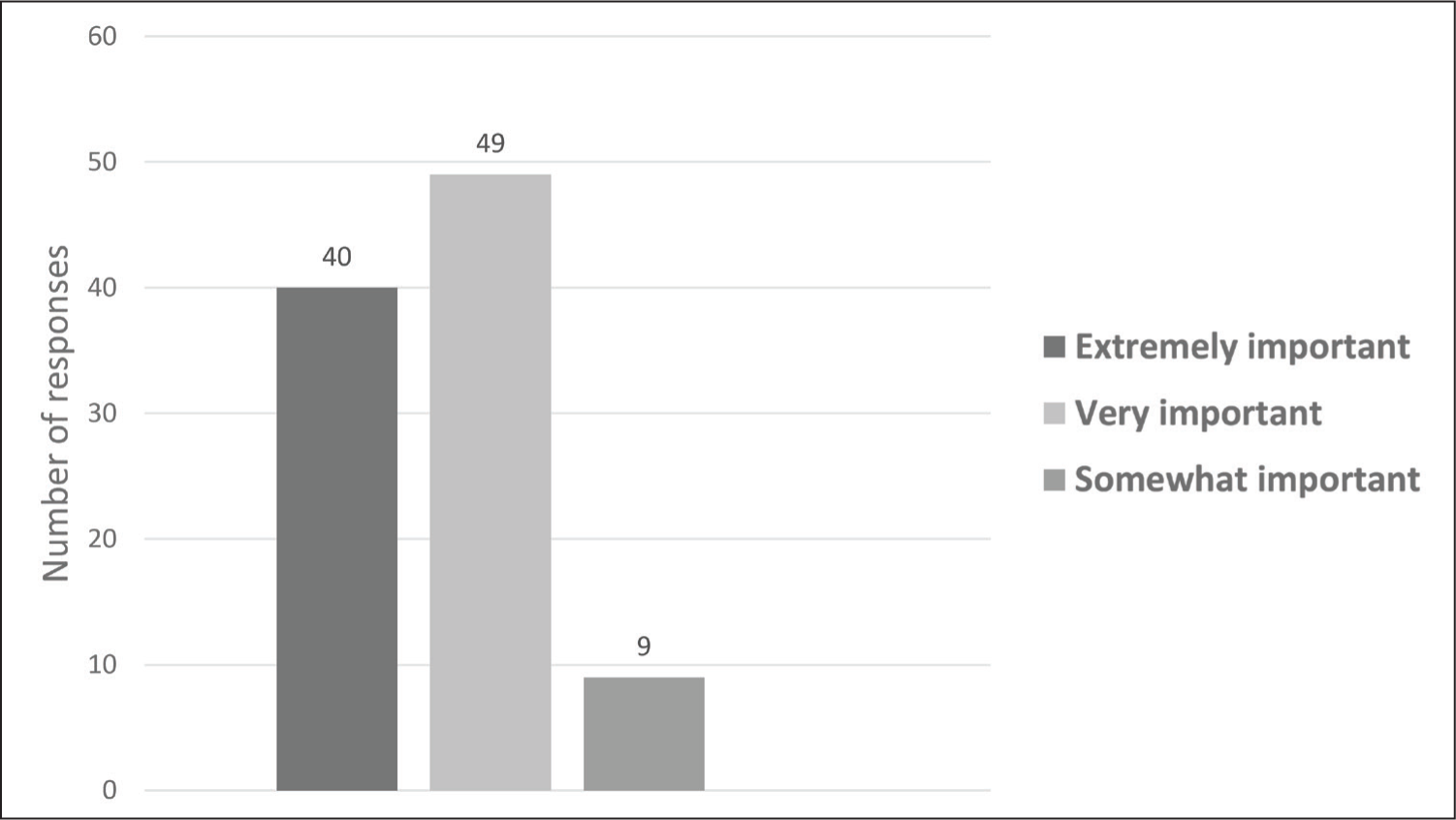
The survey and interview data corroborate Waldron et al.’s (2019) findings that Irish teachers focus more on personal responsibilities than on the responsibilities of larger entities. A total of 91% of survey participants indicate that it is important that children learn to take personal responsibility in order to help mitigate climate change (see Figure 8). All key informants also feel that this is important. KI-6 believes that it is important to instil personal responsibility ‘and the younger they are and the younger it gets into their heads the more it will affect their [climate change] action’. KI-1 sees instilling personal responsibility in children as important for ‘inform[ing] others about how to combat climate change’. Indeed, Mochizuki and Bryan (2015) contend that the promotion of personal responsibility is important for generating climate change action and reducing the helplessness induced by the enormity of climate change.
Importance of Personal Actions as a Component of CCE.
How teachers addressed the responsibilities of larger entities was explored in the interviews. Six out of nine key informants state that the responsibilities of larger entities, in relation to climate change, have arisen in one form or another in their classrooms. Four key informants say that they have explored the negative environmental effects of corporations. The main issues arising in classrooms are the corporate role in plastic packaging, pollution and fast fashion, all contributors to climate change. It is important that teachers explore the contribution of larger entities to climate change, as Thaker (2020) asserts that the majority of fossil fuel emissions can be attributed to corporations. Additionally, corporate power is often entwined with political systems (Fahy, 2020), making it imperative that teachers widen their focus when exploring climate change themes. However, despite the high corporate contribution to climate change and the interconnectedness of political, economic and corporate entities, two key informants report that they have solely explored positive corporate contributions to climate change mitigation. KI-2 states that they ‘learned about Amazon’s 2030 environmental goals’ and KI-3 comments that she only explores the role of such entities ‘if a corporation or politician displays something positive that they are doing about climate change’. However, this information can be inaccurate, as attested by Lee et al. (2018), who assert that corporations often disseminate inaccurate information on their environmental impacts through selective labelling and advertising. Two key informants state that they have explored the negative impacts of the agricultural industry with their pupils. However, as previously examined, there is a reluctance to explore this in any great detail across the KI group more broadly. Three key informants say that the issue of larger entities did not arise as they taught younger children. However, all three state that they would certainly visit this theme if they had older pupils. The six KIs who had already explored the responsibilities of larger entities said they would be likely to explore them again in the future.
Conclusions
The overarching aim of this project is to ascertain the approaches of Irish primary school teachers to CCE and to identify the factors that influence these approaches. The results demonstrate the factors that influence teachers’ approaches to CCE. Many key barriers stem from the education system itself, which teachers believe has an overloaded curriculum, making climate change themes difficult to include. Teachers also report that there is a lack of climate change ITE as well as a lack of CPD. The lack of ITE and CPD may impact pedagogical approaches and climate change content. The lack of available curricular resources for teachers may be a factor in teachers’ reliance on outside sources for information on climate change and, consequently, on the accuracy of the information being relayed to students. However, there emerged one key enabler: the flexibility of the curriculum, which allows teachers to include climate change themes if they wish.
Beyond the education system, emerged additional key enablers and barriers, influencing teachers’ approaches to CCE. Parental, community, school/colleague and societal attitudes to climate change are, on some level, found to influence teachers’ approaches to CCE, whether positively or negatively. Climate change information provided by the media also plays a very important role. Additionally, it is found that there is a tendency among teachers to focus on personal action and responsibility, which acts as a barrier to the exploration of the wider causes of climate change. As Thompson (2012) points out, keeping the focus on personal responsibility is often used by corporations as a deflection from corporate contributions to climate change. So, it may be beneficial if teachers focus less on personal responsibility and more on the contribution that larger entities make to climate change as well as structural drivers of the climate crisis.
Footnotes
Acknowledgements
The authors wish to acknowledge the important contribution and insights provided by all key informants and survey respondents.
Declaration of Conflicting Interests
The authors declared no potential conflicts of interest with respect to the research, authorship and/or publication of this article.
Funding
The authors received no financial support for the research, authorship and/or publication of this article.