




Abstract
Background:
School-aged children experience significant academic, social, and physiological transformations. Acquiring skills and adopting healthy lifestyles during this period is vital for their development and success.
Methods:
This review comprises two phases: A bibliometric analysis to map global trends in school health promotion research, followed by a scoping review focused on India, which explores various research themes and identifies gaps.
Results:
Global interest in school health promotion is rising, as evidenced by the bibliometric analysis. Five principal themes emerged from the content analysis: (a) Mental health and capacity building, (b) substance abuse prevention, (c) lifestyle, hygiene, and preventive education, (d) menstrual health, and (e) oral health.
Conclusion:
There is a pressing need for further research in India, particularly concerning mental health and capacity building in children, as well as oral health management strategies.
Introduction
Health Promoting Schools (HPS) has attracted significant interest from the academic and public health communities as a successful approach to improving the well-being of students, staff, and the wider community. 1 This scoping review aims to explore the progress made in the HPS initiative, which promotes the integration of health education and the establishment of supportive environments in schools. Great progress has been achieved in advancing health in schools, acknowledged through the thorough assessment of educational programs that address students’ mental and social well-being, highlighting the importance of comprehensive and diverse strategies. 2 The bio-psycho-social model has become a crucial framework for developing and evaluating these programs, highlighting the significance of addressing the interrelated aspects of health. 3
The high rate of obesity, substance abuse prevalence, and risky behaviors among children and adolescents underscores the need for health promotion programs, which the World Health Organization (WHO) has addressed through informative fact sheets and resources. 4 Through a partnership with United Nations Educational, Scientific and Cultural Organization (UNESCO), WHO has implemented worldwide guidelines and launched initiatives to turn schools into institutions that promote health. This effort has the potential to make a significant impact on the well-being of 1.9 billion children and adolescents around the world.5,6 The Ottawa Charter inspired the comprehensive strategy known as “HPS,” which aims to include health promotion in school communities. WHO adopted this strategy and has experienced a notable regional expansion in child health promotion initiatives. 7
Studies have also emphasized the crucial importance of school connectedness in fostering students’ mental well-being, providing evidence that backs its potential to mitigate addictions, depression, anxiety, and other mental health issues.8,9 Adolescence is one of the crucial stages of child growth when they reach sexual maturity, engage in social connections, and achieve academic milestones. In addition, initiatives focused on enhancing adolescent sexual and reproductive health have highlighted the significance of promoting social connectedness within the school environment. 10 Schools are essential in promoting children’s health and well-being, impacting their academic success and life skills. They offer a supportive environment to address issues such as malnutrition, build resilience, and promote mental health. By focusing on these areas, schools can help prevent future non-communicable diseases and contribute to a healthier community. 11 This topic is vital to consider, especially in a culturally and socio-economically diverse country such as India, with a substantial number of school-going children.
Iron deficiency anemia, helminth infections, untreated mental illness, and infectious diseases such as diarrhea, which is the world’s largest cause of mortality for children under 14, are among the health problems that school-age children in low- and middle-income nations frequently face. These difficulties affect their learning and development. The WHO developed the health-promoting school paradigm in response to this, with the goal of fostering healthy learning settings that enhance both academic and health outcomes. 12 Raising hygienic activities and health-promoting lifestyles is often largely influenced by schools.
Peer education is beneficial in improving knowledge and attitudes toward adolescent health, as seen by the progress made in health promotion in schools through initiatives such as Girls Health Champions in Mumbai, India. This underscores the need for comprehensive school-based interventions worldwide. 13 To encourage kids to adopt healthy habits, schools are essential. An all-encompassing approach to improving health promotion in educational institutions is provided by the WHO’s HPS framework. Using this framework, educational institutions can establish settings that promote students’ health and well-being. 14 Schoolchildren’s health has improved in rural Coimbatore due to a multi-strategic health screening and educational intervention. This school-based program tackles common health problems such as chronic diseases, infections, and malnutrition by emphasizing personal hygiene and nutrition. Early adoption of good habits improves children’s academic achievement and overall health, especially in rural areas. 15
Education availability has grown, but public education institutions in developing nations such as India, still confront significant obstacles. Inadequate literacy and numeracy abilities among many kids point to deficiencies in the quality of education. School-based health promotion initiatives can be implemented to address these inequities and enhance student learning and health outcomes. Encouraging each person’s chances for social and financial well-being requires implementing these tactics. 16 To optimize community benefits and influence societal decisions, it is imperative to incorporate efficacious health promotion initiatives into schools. Initiatives such as the Stephanie Alexander Kitchen Garden and the early childhood exercise guidelines have the potential to provide significant benefits and cascade effects. Tracking these effects at the population level and ensuring that the evidence is regularly applied to improve health outcomes requires rigorous review. 17
In conclusion, while the WHO’s HPS framework has achieved notable progress in school health promotion, there remains significant work to be accomplished. This scoping and bibliometric review underscores the urgent need to extend these efforts to rural and underserved regions in low- and middle-income countries, particularly to combat hunger, infections, and untreated mental health issues among school-aged children. Integrating health promotion into educational policies and curricula can lead to enhanced outcomes for both students and communities. Success in these initiatives relies heavily on comprehensive evaluation and the effective translation of reliable evidence. Ultimately, schools should continue to serve as essential centers for advancing children’s health, academic success, and future life prospects.
Methodology
Objectives
Bibliometric Analysis: To perform a bibliometric analysis of publications concerning school health promotion in India, focusing on citation analysis to ascertain the most researched domains and themes, as well as tracking publication trends over the past decade.
Scoping Review: To execute a scoping review on school health promotion to explore the primary themes of research within the domain and to identify existing research gaps.
Research Protocol
This investigation employs a two-stage research methodology, beginning with a bibliometric analysis followed by a scoping review.18,19 The Preferred Reporting Items for Systematic Reviews and Meta-Analysis (PRISMA) methodology, together with its variants customized for scoping reviews (PRISMA-scoping reviews [ScR]) were utilized to create the scoping review protocol for this investigation. 20 A summarized outline of the protocol is presented in the subsequent sections.
Eligibility Criteria
For inclusion in the study titled “Global Advancements in Health Promotion within Schools: A Scoping Review and Bibliometric Analysis (2018-2023),” papers must specifically address aspects of health promotion in educational settings.
The research was executed in two distinct phases:
Bibliometric Analysis: The first stage involved a bibliometric examination of articles focusing on health promotion in schools globally, utilizing data from the Web of Science (WoS) Core Collection. Scoping Review: The second stage narrowed the search to health promotion efforts in Indian schools, incorporating primary research articles for detailed content analysis and thematic synthesis.
Information Sources and Search Strategy
For the identification of relevant literature, the WoS Core Collection served as the primary database. The search strategy was structured as follows:
Initial Search Terms: In the first stage, the terms “health promotion among schools,” “school health,” and “student health” were employed to conduct a broad search within the WoS database. Focus on Indian Schools: For the second stage, the search was refined to include “health promotion among schools in India,” “school health in India,” and “student health in India,” narrowing the scope to articles pertinent to India.
For bibliometric analysis and visualization, the R package Biblioshiny (
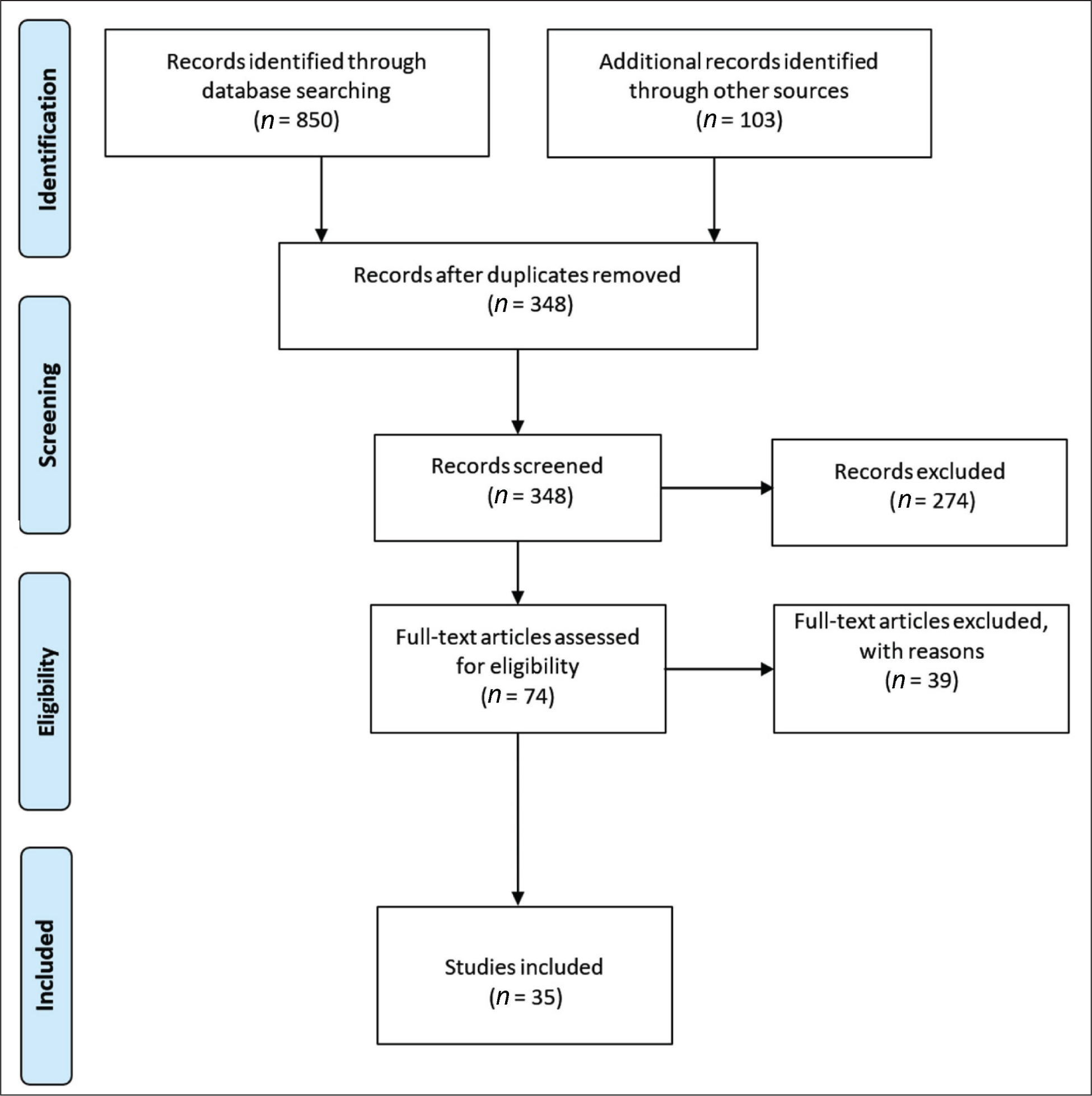
PRISMA Flow Chart for Scoping Review.
Results
Stage I: Bibliometric Analysis
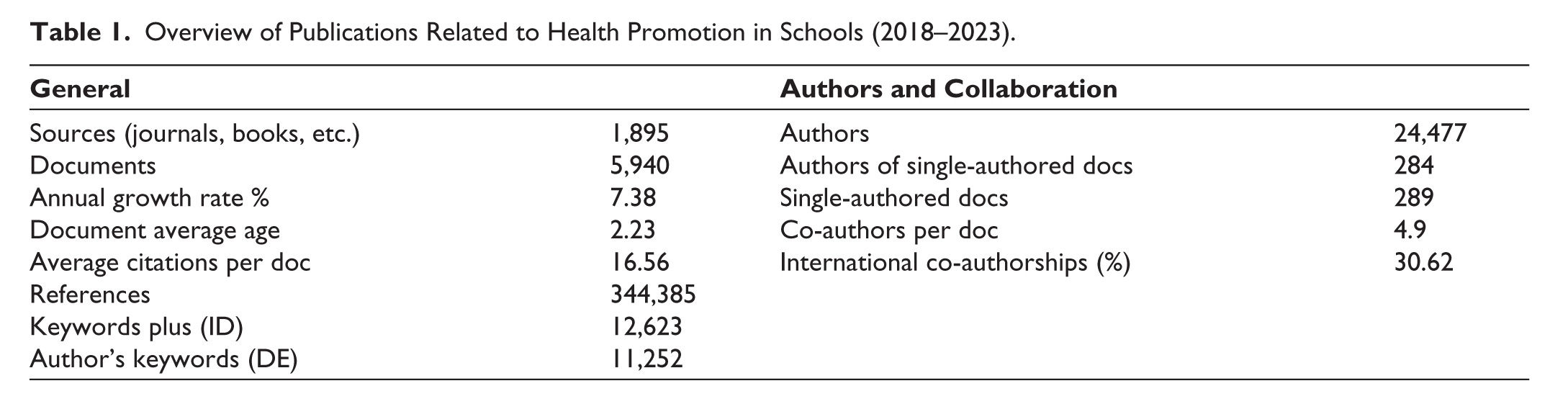
With an annual growth rate of 7.38% it is noticeable that the topic is gaining momentum, and in the last decade, 5940 documents were indexed in the WoS Core Collection. A tremendous number of authors (24,477) were involved in the domain with an average citation of 16.56 per document, which is remarkable and shows the growing interest in the topic (Table 1).
Overview of Publications Related to Health Promotion in Schools (2018–2023).
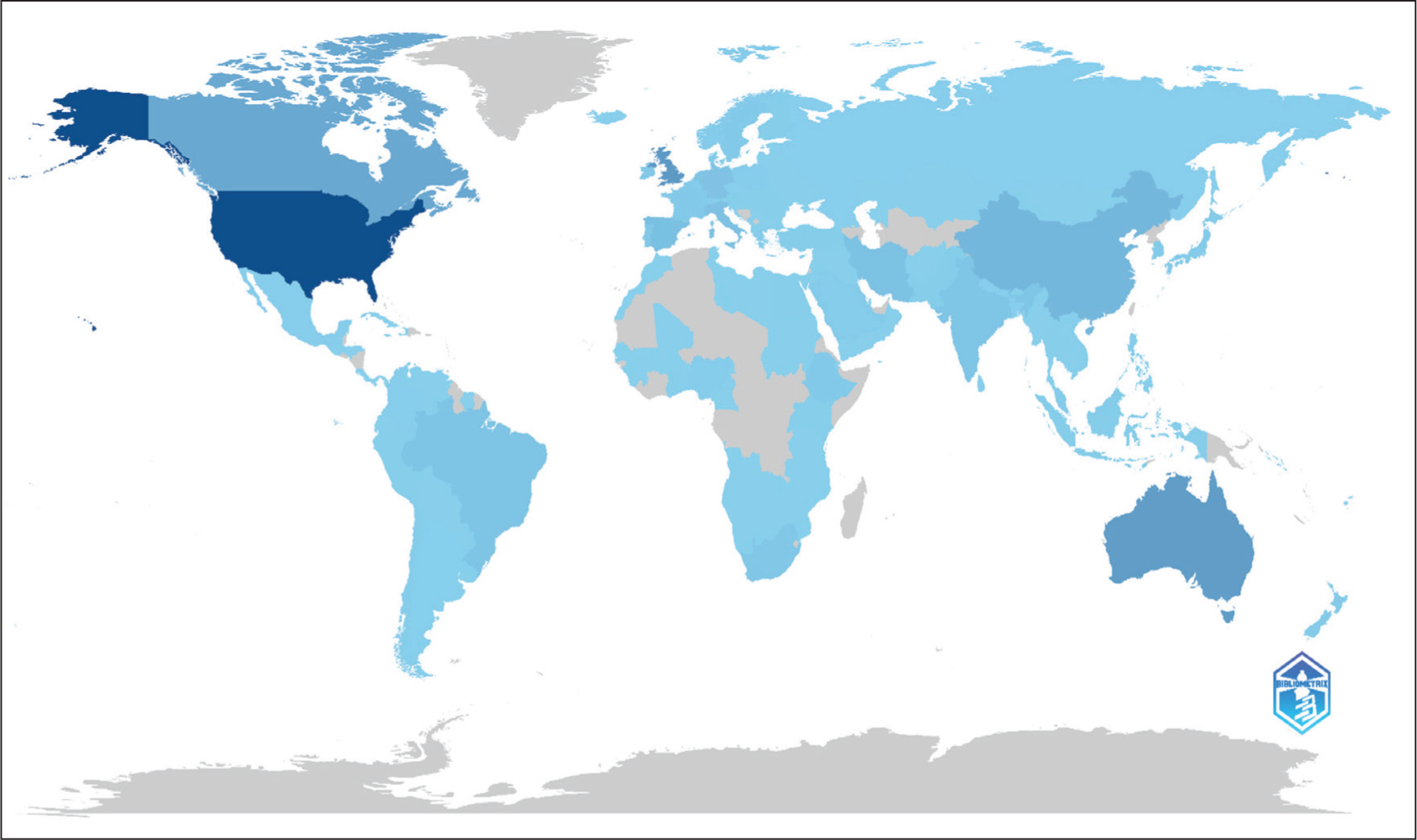
This map represents a five-year study on health-promoting schools, visualized based on the number of scholarly documents and their citations across various countries. The United States is the leading contributor with 27,881 citation documents, followed by the United Kingdom with 13,877 and Australia with 10,462, as indicated in Figure 2. The data and map highlight the necessity for increased research in this field in India, given its large population of school-going children and the challenges presented by its economic conditions and infrastructural limitations.
Geographical Heat Map of Productive Countries.
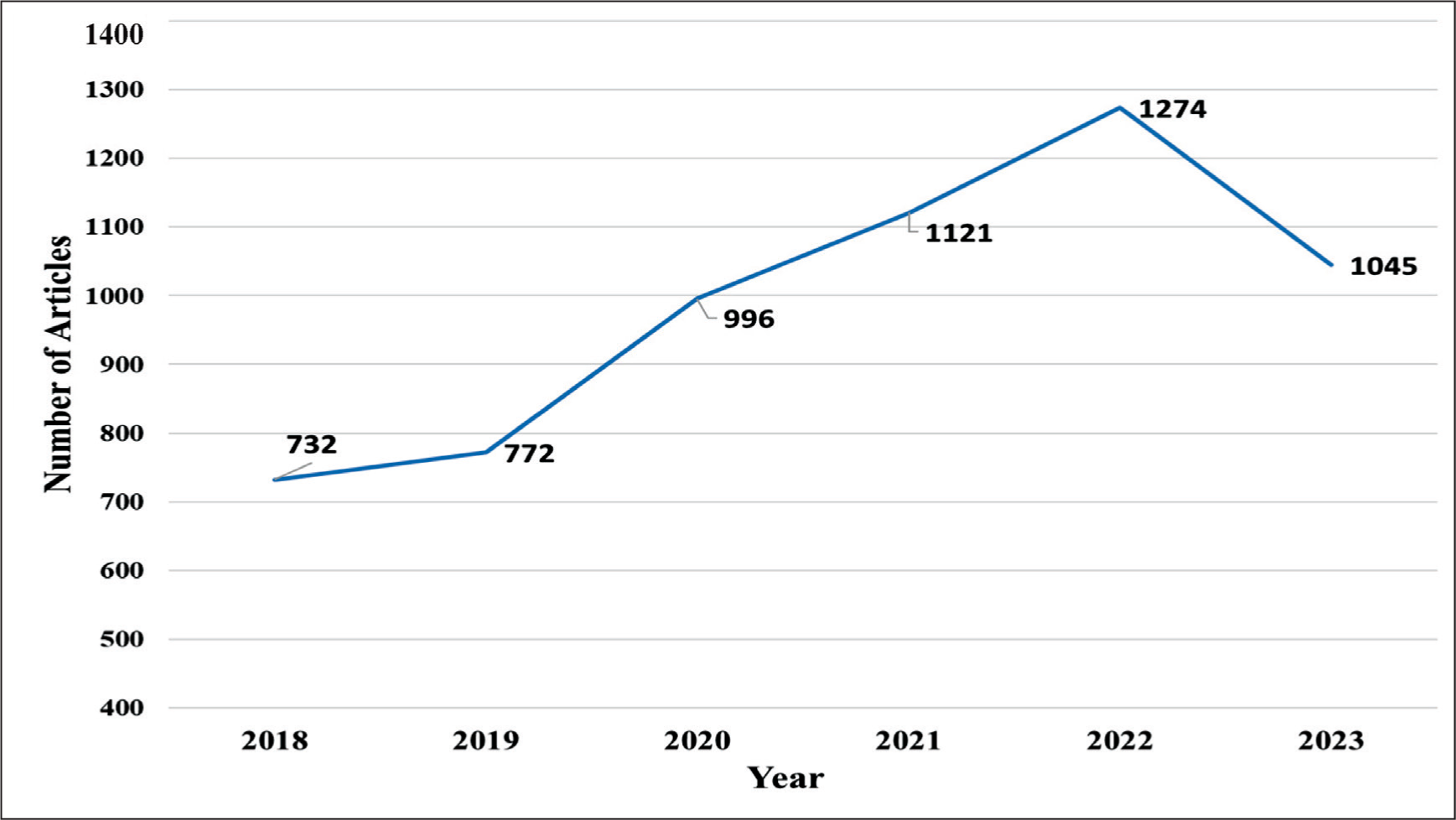
The chart in Figure 3 displays the trend in annual scientific publications over the last five years. It depicts a substantial growth in the number of publications observed between 2018 and 2022. This indicates the increased interest in the domain. This can be related to the raised health consciousness during and after the pandemic, which is visible as the spike that occurred from 2019 to 2020.
Publication Trend in the Last Five Years.
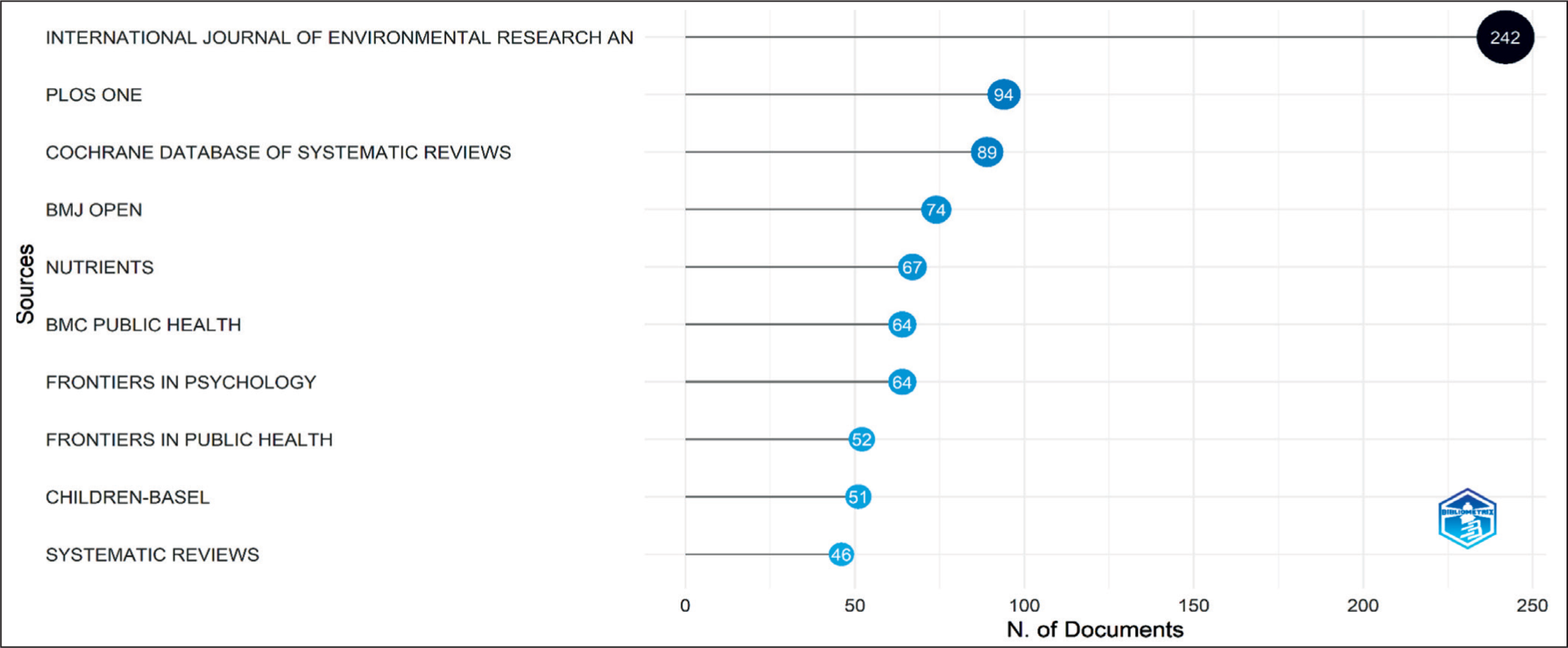
International Journal of Environmental Research and Public Health: Leads with 242 documents, public library of science (PLOS) One: Follows with 94 documents, Cochrane Database of Systematic Reviews: Has published 89 documents, British Medical Journal (BMJ) Open: Accounts for 74 documents, Nutrients: Published 67 documents, BioMed Central (BMC) Public Health: Contributes 64 documents, Frontiers in Psychology: Also, with 64 documents, Frontiers in Public Health: Comes in with 52 documents.
These findings are encapsulated in the provided graph (Figure 4), identifying the most active sources in this research area and potentially guiding publishing and literature search strategies.
Prominent Sources.
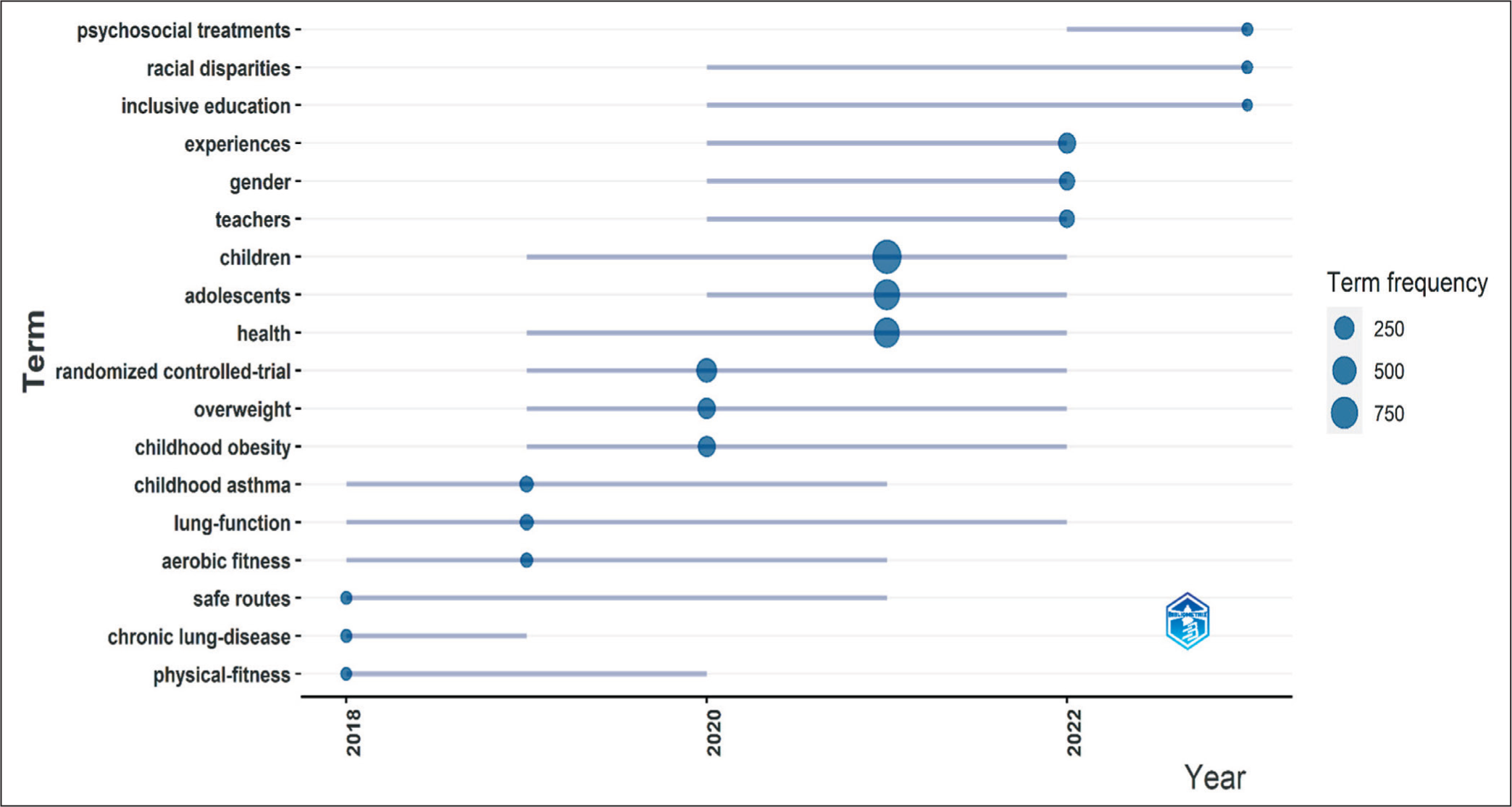
This analysis presents a captivating visual depiction of the term frequency over time, showcasing the current popular topics in the field. The most frequently used terms include children, adolescents, health, prevalence, school, mental health, students, and physical activity. In 2018, the trending topics included physical fitness and chronic lung disease; however, the 2022-2023 trend shows it has been gradually switched to more mental health and well-being-related topics, such as psychosocial aspects, inclusive education, racial disparities, experiences, gender, and many more. This largely signifies the consideration of mental health as a growing interest in school health promotion (Figure 5). Technological advancements, academic competition, the pandemic, family structure, and many other factors have created significant stress and psychological problems among children. The switch to such topics signifies the growing interest in the domain and the need for more research in children’s mental health and well-being.
Trending Topics in the Domain.
This bibliometric analysis, visualized in Figure 6, identifies three significant clusters that frame the scope of school health promotion. Red Cluster: Mental health and age factors emphasize mental health concerns among children and adolescents, illustrating a robust interest in how these issues impact their lives. This cluster signifies the critical importance of mental health during the formative years of childhood and adolescence, which is vital for their overall development and future well-being. Green Cluster: Physical health and fitness focuses on physical aspects such as body mass index, obesity, and physical activity. This cluster addresses concerns about adolescent dietary patterns and their significant effects on health. The ongoing interest in this area highlights the necessity of integrating effective health education and physical fitness programs within school curricula to combat obesity and promote healthier lifestyle choices among students. Blue Cluster: Educational and well-being aspects explores broader educational themes, including student well-being, experiences, care, management, and perceptions. Unlike the red cluster’s focus on mental health, this cluster broadens to encompass overall student well-being and management, touching on vital issues such as social connections, sexual maturity, self-image, and gender realization during adolescence. This period demands robust guidance and support systems in schools to ensure a holistic educational environment that fosters mental health and inclusivity.
Keywords Co-occurrence Network.
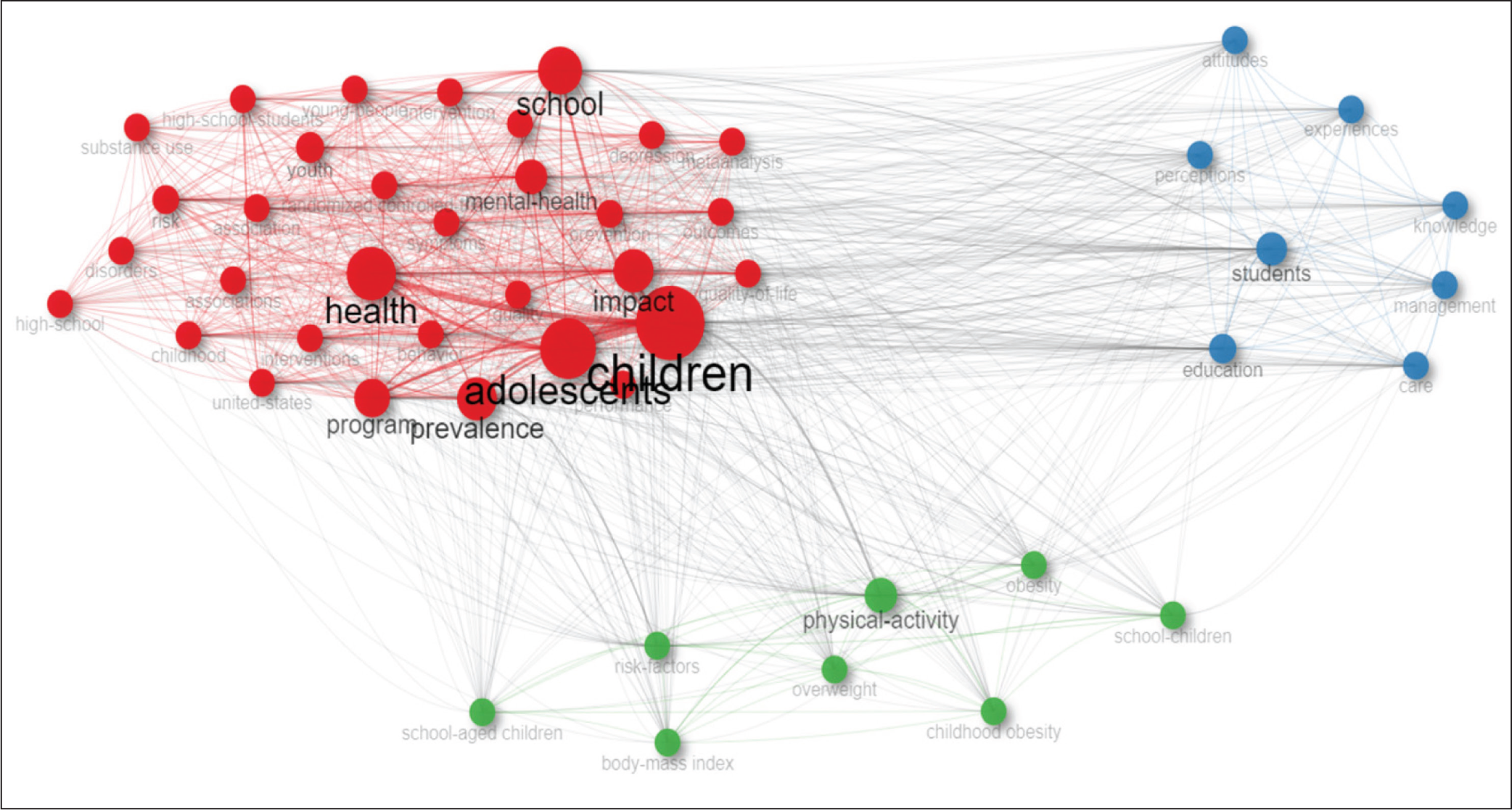
Each cluster, while distinct in focus, collectively underscores the necessity of a comprehensive approach to health promotion in schools. Addressing mental and physical health challenges alongside educational well-being ensures that students are supported comprehensively through their critical developmental stages. The detailed discussion in the scoping review section further enriches our understanding of these interconnected themes.
Stage II: Scoping Review
Five prominent themes emerged from the content analysis: (a) Mental health and capacity building, (b) substance abuse, (c) lifestyle, hygiene, and preventive education, (d) menstrual health, and (e) oral health.
Mental Health and Capacity Building
A study in Coimbatore, India, found significant mental health improvements among teenagers following a mental health program, demonstrating the efficacy of youth mental health initiatives. 21 Life skills education is essential for addressing mental health issues and peer pressure, fostering personality development and resilience. 22 Articles also discuss the importance of resilience-building programs that include psychological skill development and collaboration with community and school personnel. 23 Projects such as Safeguarding Adolescent Mental Health in India highlight the benefits of multicomponent interventions in schools, focusing on community involvement and codesign to enhance adolescent mental health. 24 The effectiveness of the Youth First Program in improving psychological well-being among adolescents in low- and middle-income countries further underscores the need for preventive and promotional mental health programs tailored for school environments. 25
Substance Abuse
Substance abuse is a major concern among adolescents, often leading to risky behaviors influenced by peer pressure, such as drug use and aggression. 26 A recent study emphasizes the high rates of tobacco and e-cigarette use among teenagers in low- and middle-income countries, advocating for educational programs to deter these harmful habits. 27 The LifeFirst initiative significantly reduced tobacco and areca nut use in Mumbai schools, highlighting the effectiveness of school-based interventions. 28 This initiative shows how peer pressure and social bonding can influence substance use behaviors. 29 An evaluation of a school-based tobacco control intervention in India reported positive behavioral changes among students, teachers, and families regarding tobacco use, with social, economic, and cultural factors playing a significant role.30,31
Life Style, Hygiene, and Preventive Education
Community-based health promotion programs are vital for addressing modifiable risk factors for non-communicable diseases in young people, utilizing interventions through self-help groups, schools, and community committees.32,33
Research indicates that multi-component school-based interventions are more effective than education alone in promoting significant behavioral changes, such as regular physical activity and healthy eating. 34 The consumption of sugar-sweetened beverages by adolescents in Delhi was the subject of this article, which also examined the effects of sugar-sweetened beverages (SSBs) on health. The study highlights the necessity of SSB consumption reduction programs for teenagers, parents, and educators to address the growing public health concern about obesity, diabetes, and other health issues. 35
Studies on sugar-sweetened beverage consumption among adolescents highlight the need for reduction programs targeting teenagers, parents, and educators. 36 To prevent diseases such as obesity and metabolic syndrome, this study highlights the importance of teaching teenagers about healthy eating practices while discussing the influence of dietary patterns on health outcomes. To address particular food patterns and enhance general health outcomes, it also emphasizes the significance of customized public health interventions. 37
The value of skill-focused food and nutrition education in improving the health profiles of teenagers by improving their culinary and nutritional knowledge. To instill good eating habits in kids, stakeholders stressed the necessity for curriculum revisions that include practical food skills and current food issues. 38 In one study, the “Health-Promoting School Model” was effectively implemented to avoid vector-borne diseases in kids by altering their behavior. This led to better practices and awareness, as well as a notable decrease in the number of students missing school because of vector-borne illnesses. This model may serve as a useful tool to regulate vectors and promote health. 39 The study on water, sanitation, and hygiene (WASH) facilities in rural Indian primary schools emphasizes how crucial it is to have enough, easily accessible facilities to encourage pupils to wash their hands frequently. The results highlight the necessity of keeping up the focus on enhancing the upkeep and usability of these facilities to improve schoolchildren’s cleanliness and sanitation habits. 40
Menstrual Health
Girl children attain sexual maturity during the school period. It is an essential physiological and psychological period in their life. Early stages of menstruation may be associated with physical discomfort such as pain, tiredness, and anxiety. It is important to note that support from peers, parents, school teachers, and counselors is crucial to normalizing and learning to cope with the situation. 41 Moreover, learning to adapt to the periods and menstrual hygiene is critically important. India is proactive in raising the concerns of women, and studies say most of the girls use sanitary pads during menstruation. 42 However, school authorities play a significant role in health education, counseling, and sensitizing girls and their peers regarding the physical and mental needs of girls during the menstrual cycle.
Oral Health
Oral hygiene is critical in children’s primary education, with dental caries being a common issue that often leads to missed school days. 43 Severe dental problems can cause distress and impact food consumption, leading to psychological and nutritional issues. Studies in India have shown that training programs for school health counselors, teachers, and nurses are effective in managing oral hygiene among schoolchildren, highlighting the importance of focusing on oral hygiene to prevent health problems and ensure early dental treatment.44,45
Discussion
Our bibliometric analysis highlights a growing global interest in school health promotion, with a notable focus on mental health and well-being. School-age represents a pivotal period for students, parents, and teachers, marked by crucial developmental milestones such as sexual and mental maturity, hormonal shifts, and social exploration. These changes are often accompanied by risks, including curiosity-driven behaviors that may lead to danger.
The complexity is intensified by the combination of social exploration, sexual maturity, behavior formation, and critical educational phases. Engaging in risky behaviors such as drug abuse, sexual exploration, unhealthy dietary habits, and hazardous physical activities has been consistently documented. However, studies indicate significant lifestyle and behavioral improvements through targeted interventions. Community-engaged activities and educational focuses on these aspects have led to positive changes among students, encompassing hygiene practices, food habits, mental well-being, capacity building, and resilience. Coping with academic pressure remains a concern, yet active health promotion and lifestyle training have proven effective in managing these issues.
During school years, children often form their self-image and develop gender consciousness along with sexual desires. Counseling and education about physical changes and healthy sexual behaviors are critical. Gender inclusiveness and sensitization about gender variations are highlighted in many studies, leading to focused discussions on menstrual hygiene. Addressing physical discomfort and bodily changes in school health programs, providing infrastructural support, and educating peers about menstruation are vital for creating a supportive environment. Studies from India, for instance, show significant positive shifts in community and school approaches to menstrual health.
Behavioral development is also critical during school years, with hygiene practices and environmental education playing a fundamental role. This is a time when children learn about social structures and relationships, underlining the importance of comprehensive educational programs that foster good citizenship and community support. Dental issues are prevalent among school children, often causing physical and psychological distress and leading to school absences. The age-related neglect of oral hygiene, coupled with diets high in sugar, can lead to dental caries. Various studies emphasize the importance of dental hygiene, proper diet, and early treatment to prevent and address dental issues effectively.
Conclusion
This bibliometric analysis spanning from 2018 to 2023 reveals a marked increase in interest in school health promotion, evidenced by the rising number of publications, contributors, and scholarly articles worldwide. The primary areas of focus and identified gaps for further research include: Strategies for mental health promotion and capacity building, addressing substance abuse with its prevalence, types, effects, and intervention strategies, enhancing students’ awareness of hygiene and disease prevention, supporting menstrual health, and emphasizing the importance of oral hygiene for overall well-being. This indicates a dynamic field with expanding scholarly engagement and a pressing need for continued exploration and intervention in these critical areas.
Footnotes
Declaration of Conflicting Interests
The authors declared no potential conflicts of interest with respect to the research, authorship, and/or publication of this article.
Funding
The authors received no financial support for the research, authorship, and/or publication of this article.
Statement of Informed Consent and Ethical Approval
This study used only secondary data and is a review; hence, ethical approval is not required.