



Abstract
Background:
A recent priority-setting exercise reported that youth are interested in understanding what the early signs and symptoms of generalized anxiety are, and when they should seek help. This environmental scan aimed to understand what information is currently available online for Canadian youth about the signs and symptoms of generalized anxiety disorder, what resources are available for self-assessment, and what are youth’s behaviors, experiences, and information needs around seeking help.
Method:
We conducted an environmental scan of Internet resources and academic literature in August 2020. Information Sources were categorized relating to the research concepts regarding signs and symptoms, self-assessments, information needs, and experiences. We complimented our environmental scan with youth consultations to understand how generalized anxiety resources are perceived by youth, and what if anything could be improved about the information they are receiving. Consultations were conducted over Zoom with three Canadian Youth Advisory Groups (2 local, 1 national) and took a semistructured focus group format.
Results:
Of the 12874 identified Information Sources inclusion criteria were met by 98. The majority of Information Sources on signs and symptoms (n = 62) were webpage-based articles (n = 53, 85%), and 38 (61%) specifically stated that they were targeting youth. Seventy-one percent (n = 12) of the 17 self-assessment resources were provided by private organizations. The resources varied markedly in the post-assessment support provided to youth according to their source (i.e., private, academic, and governmental). The key considerations highlighted by youth across the consultations suggested resources needed to be; youth friendly; align with a credible institute (e.g., University and Health Institution); and provide tangible action items post-online assessment.
Conclusions:
Awareness of the information and resources available to youth, coupled with an understanding of their help-seeking behaviors and information needs regarding generalized anxiety can help support the development and dissemination of appropriate knowledge translation tools targeting youth.
Introduction
Anxiety disorders are the most common type of mental disorder. 1 Reports suggest one in 10 Canadians access health services for anxiety disorders each year and it has been “estimated that 2.4 million Canadians aged 15 years and older reported symptoms compatible with generalized anxiety disorder during their life time.”2,3 Generalized anxiety disorder, herein referred to as anxiety, is characterized by excessive worry that is not specific to one trigger (e.g., social situations, open spaces, etc.). 4 According to the Diagnostic and Statistical Manual of Mental Disorders, 5th Edition (DSM-V), feelings of anxiety and worry are difficult to control and are associated with restlessness, becoming easily fatigued, difficulty concentrating, irritability, muscle tension, and sleep disturbances. 4 The early identification of anxiety is often challenging, as many individuals consult a healthcare provider (HCP) for somatic symptoms such as fatigue, trouble sleeping, headaches, gastrointestinal symptoms or symptoms related to comorbidities, and not for anxiety or worry.5,6
During the COVID-19 pandemic, Canadian youth reported a significant decrease in their perceived mental health. 7 It has been suggested that because of new public health measures and the loss of many activities that provide structure and meaning, the pandemic may be exacerbating youth anxiety. 8 Given that the prevalence of anxiety is expected to increase as a result of the pandemic, supporting youths’ online access to quality mental health information is paramount. 8 Untreated, anxiety in youth often persists into adulthood and has been associated with multiple maladaptive outcomes such as suicidal tendencies, depression, poor educational outcomes, and substance abuse.9,10 Treatment is often indicated when an individual experiences distress resulting from the disorder or additional complications, such as suicidal ideation. 11
There is increasing evidence suggesting that intervention during the early stages of mental health disorders may help reduce the severity and/or the persistence of the initial or primary disorder and prevent secondary disorders. 12 Despite the pre-adult onset of most mental disorders, young people are less likely than any other age group to access mental health services for several reasons, such as stigma, reduced mental health literacy, poor access to appropriate services, and inadequate health system structures. 13 In 2019, a systematic review identified “text-based internet searching” as the most common help-seeking approach used by young people to find mental health information. 14 However, little is known about what online resources are available to youth regarding anxiety, as well as their online information needs. Furthermore, in a recent child health research priority-setting initiative conducted in Alberta, Canada, youth (aged 15–24 years), identified “mental health” as a priority topic. 15 Within that, the most highly ranked question by youth was, “What are the signs and symptoms of anxiety and when should an individual seek help?” As youth search for mental health information online, it is important to identify and categorize what is currently available to youth online, as well as their information needs and preferences for help seeking.
To identify information that addresses this priority topic, we conducted an environmental scan to provide a comprehensive description of what information exists around three key questions:
What information is available online for Canadian youth about the signs and symptoms of anxiety? What self-assessment resources for anxiety are available online for Canadian youth? What are the youth’s experiences and information needs around seeking help for anxiety?
After conducting the environmental scan, we consulted youth collaborators to understand how the resources were perceived by youth, and what could be improved to enhance their use.
Methods
We conducted an environmental scan of Internet-based resources as well as searching the scientific literature. While there is no set definition or guidance for conducting an environmental scan, it is a widely used method for gathering information about current and emerging issues through a systematic search of websites and other sources.16–18 This methodology was chosen as we anticipated needing to scan various sources to answer these diverse questions. For this environmental scan, three main sources were searched: scientific literature, scholarly literature via Google Scholar, and Internet websites via the Google search engine. The term “Information Source” was used to describe any type of scientific literature, Google, and Internet sources retrieved.
Search Methods
Scientific Literature
Utilizing concepts for each of the three key questions, in August 2020 a research librarian carried out searches in Ovid Medline, Ovid Embase, Ovid PsycINFO, CINAHL via EBSCOhost, and Wiley Cochrane Library databases: Cochrane Database of Systematic Reviews, Database of Abstracts of Reviews of Effects, and the Health Technology Assessment Database. These search results were limited to publications in English since 2015 to ensure the most recent literature was included and reflected current internet usage among youth. To ensure a comprehensive coverage of all Information Sources, we scanned the reference lists of relevant studies found through the search strategy.
Google Scholar and Internet Search
Google Scholar and Google were searched, utilizing the following key concepts: youth, anxiety, App (an application downloaded by a user to a mobile device), signs/symptoms, help-seeking, assessment tool, knowledge translation, and information needs. For each search term the links on the first 10 pages retrieved by Google and Google Scholar were assessed. Search results were exported to EndNote X7 (Clarivate Analytics) and duplicates removed before screening in Microsoft Office Excel (v. 2016; Microsoft, Redmond, Washington, USA).
Screening
Inclusion and Exclusion
The following eligibility criteria were applied to all Information Sources (scientific literature, websites, resources etc.): (a) published in English, (b) from a developed country (Prospects, 2014), (c) published or created from 2015 onward, (d) included or applicable to youth between 15 and 24 years of age. 19
There were no restrictions on study design or format of Information Source. For this environmental scan, Information Sources, such as “self-assessment resources” were included if a series of questions was presented relating to the user’s anxiety level, and was intended for self-administration by the youth/general public/non-health professionals. Information Sources for signs and symptoms were included if a listing or description was provided and geared toward youth with anxiety. To be included as a help-seeking Information Source there needed to be information about help-seeking behaviors, suggestions on where to seek help, or information needs expressed by youth.
Information Sources were excluded if reporting on anxiety was as a result of managing chronic illness, substance abuse, previous suicide attempts, eating disorders, bullying/victimization, divorce, trauma, racial discrimination, food/home insecurity during childhood, or other specific anxiety related disorders (e.g., obsessive-compulsive, panic, or post-traumatic stress disorders, social phobia, social anxiety disorder, needle/pain anxiety, etc.).
Based on a priori eligibility criteria one experienced team member screened the titles and abstracts of all Information Sources and classified them as “include/unsure” or “exclude.” A second team member assessed all Information Sources categorized as “exclude” to confirm decisions. For full-text screening the same process was used to assess all excluded sources in duplicate. For the Internet search, websites were excluded if they were clearly not related to anxiety by one team member.
Data Collection
One team member extracted data from each included Information Source into Microsoft Office Excel with another team member verifying a 10% random sample for each key question. The following data were extracted: Information Source type (website, app, and academic article), country of publication/origin, institution type, study design (if applicable), population characteristics (or target audience), such as age, gender, presence of anxiety, and education.
Data Analysis
Descriptive summaries and graphical formats were used to synthesize information regarding Information Source characteristics and where appropriate, conventional content analysis 20 was applied to identify patterns in identifying signs/symptoms, help-seeking behaviors, information needs, and self-assessment resources and App functionality.
Collaborator Engagement
For contextualization of the environmental scan results, we engaged our youth collaborators (one national and two provincial Youth Advisory Groups) who identified several areas that need to be considered when developing resources for youth. Discussions with the groups regarding the readability, usefulness, and youth friendliness of the identified online anxiety resources helped direct considerations put forth for future resource development.
Results
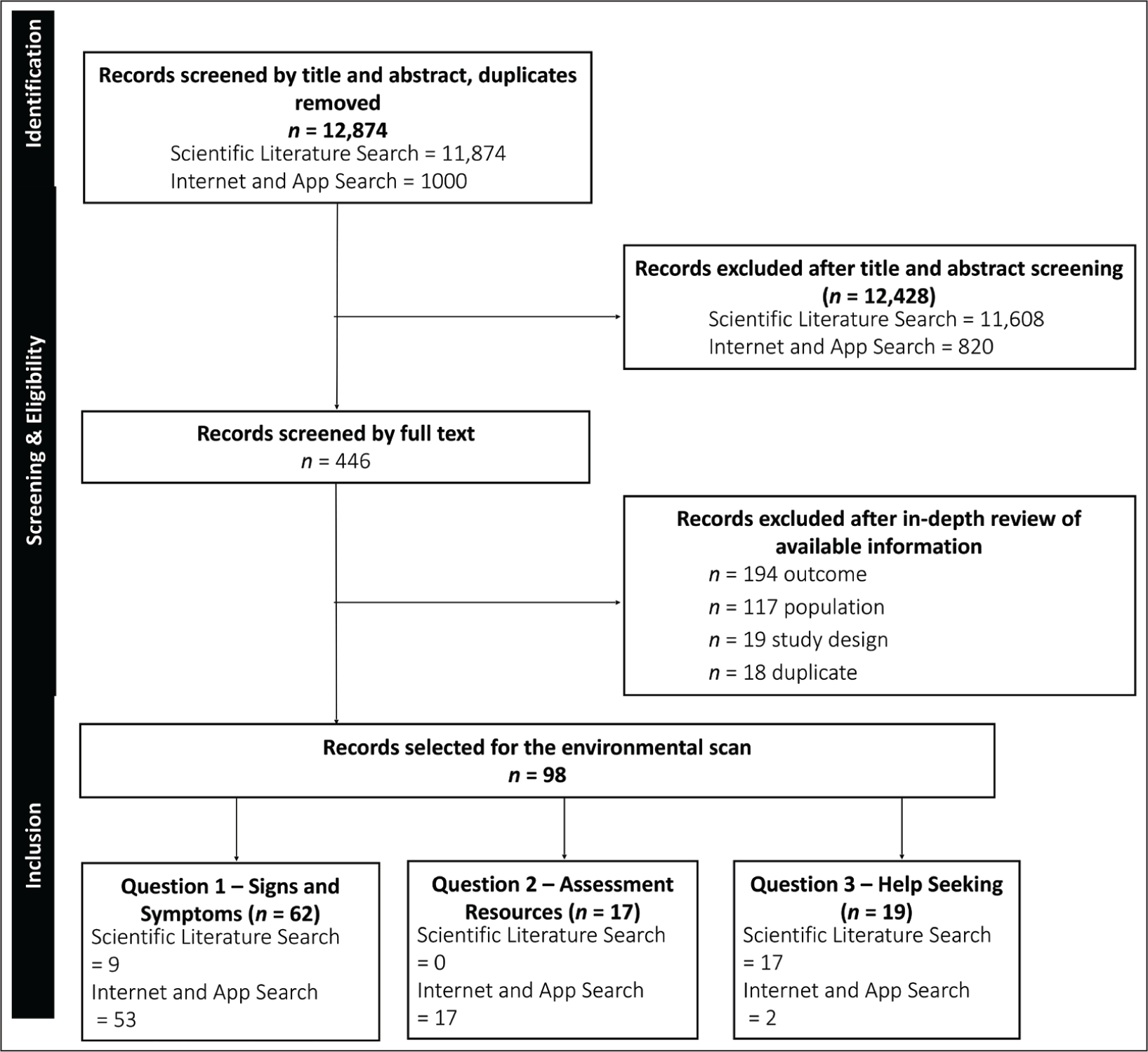
We identified a total of 12874 Information Sources from the scientific literature, Google Scholar and Internet search via Google, combined. After title and abstract screening 446 full-text Information Sources were assessed and a total of 98 Information Sources were included (Figure 1).
Flow Diagram of Search Strategy.
What Information Is Available to Youth About the Signs and Symptoms of Anxiety?
Characterizing Signs and Symptoms
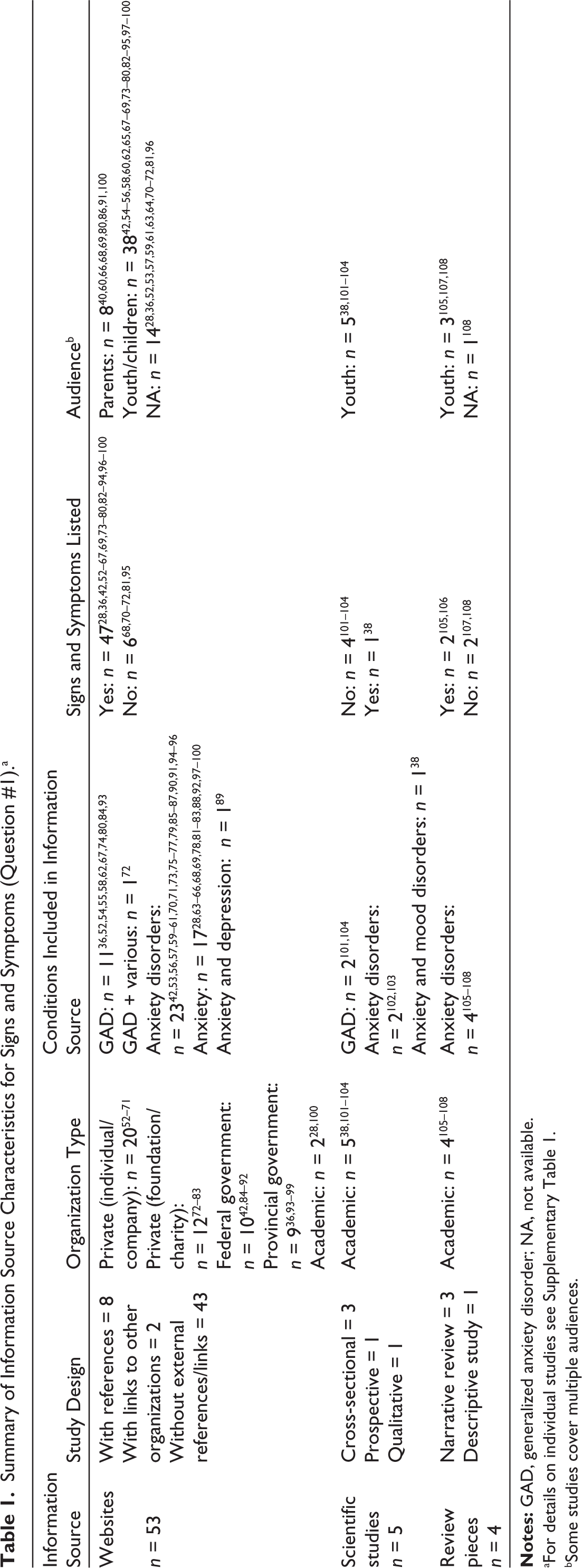
Sixty-two Information Sources addressing the signs and symptoms of anxiety were identified (Table 1). The majority of Information Sources were webpage-based articles (n = 53, 85%). Others included narrative reviews (n = 4, 6%), cross-sectional studies (n = 3, 5%), a single prospective cohort (n = 1, 2%), and a qualitative study (n = 1, 2%). Most Information Sources originated from the United States (n = 25, 40%) and Canada (n = 21, 34%), followed by Australia (n = 6, 10%) and the United Kingdom (n = 5, 8%). Information Sources were developed by private companies/individuals (n = 20, 32%), government agencies (n = 18, 29%), private foundations/charities (n = 12, 23%), and academic institutions (n = 11, 18%). Most Information Sources described anxiety according to its signs and symptomology, provided treatment options, resources for help-seeking, or referral programs and management of anxiety.
Summary of Information Source Characteristics for Signs and Symptoms (Question #1).a
aFor details on individual studies see Supplementary Table 1.
bSome studies cover multiple audiences.
The age ranges were generally grouped into the categories of children/youth and youth/early adulthood. Thirty-six of the included Information Sources specifically stated they addressed youth anxiety (age range 11–29 years). A notable number were tailored for parents of youth with anxiety (n = 8, 22%).
Seventy-six percent (n = 47) of the included Information Sources did not include references for their description of anxiety signs and symptomology. Only 11 Information Sources (18%) included references embedded within the body of the text and four (6%) listed references at the end of their narrative description. Of the few (n = 11) Information Sources that used embedded references, 82% (n = 9) of them were from an academic source. The majority of Information Sources from other organizations (i.e., private individual/company, private foundation/charity, and government) did not have embedded references.
Only two (3%) Information Sources provided a link to an anxiety self-assessment resource, while 74% (n = 46) provided information for additional resources including next steps for managing symptoms, links to external webpages, phone numbers to access therapists and crisis lines, promoted help-seeking, and 26% (n = 16) did not provide any information for additional support.
A small number of the Information Sources (n = 7, 11%) identified as businesses looking to attract clients by providing information on the signs and symptoms of anxiety, followed by a phone number or link to contact one of their paid therapists.
What Anxiety Self-assessment Resources Are Available Online to Youth?
Summary of Resources Available
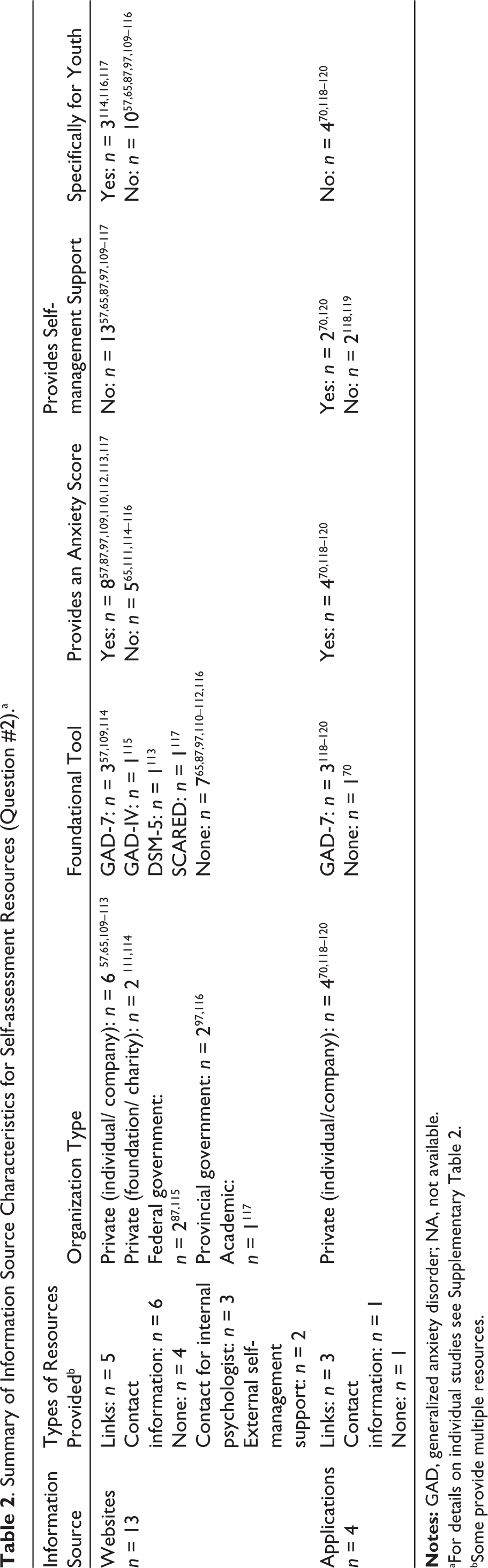
Seventeen self-assessment resources were included from five countries (Table 2). However, the majority of resources came from the United States (n = 9, 53%); with a notable number from Canada (n = 4, 23%), Australia (n = 2, 12%), India (n = 1, 6%), and the United Kingdom (n = 1, 6%). Most self-assessment resources were provided by private institutions (n = 12, 71%), whether that be a company/individual or foundation/charity. Other organizations that provided self-assessment resources were governmental (n = 4, 23%) and academic (n = 1, 6 %).
Summary of Information Source Characteristics for Self-assessment Resources (Question #2).a
aFor details on individual studies see Supplementary Table 2.
bSome provide multiple resources.
The modality of self-assessments was either through a stand-alone website available for a desktop computer (n = 13, 76%) or an App downloadable from an App Store (i.e., Google Play and iTunes) to a mobile device (n = 4, 24%). All resources were available for use by youth, however only three of the 17 available resources explicitly stated being tailored for youth.
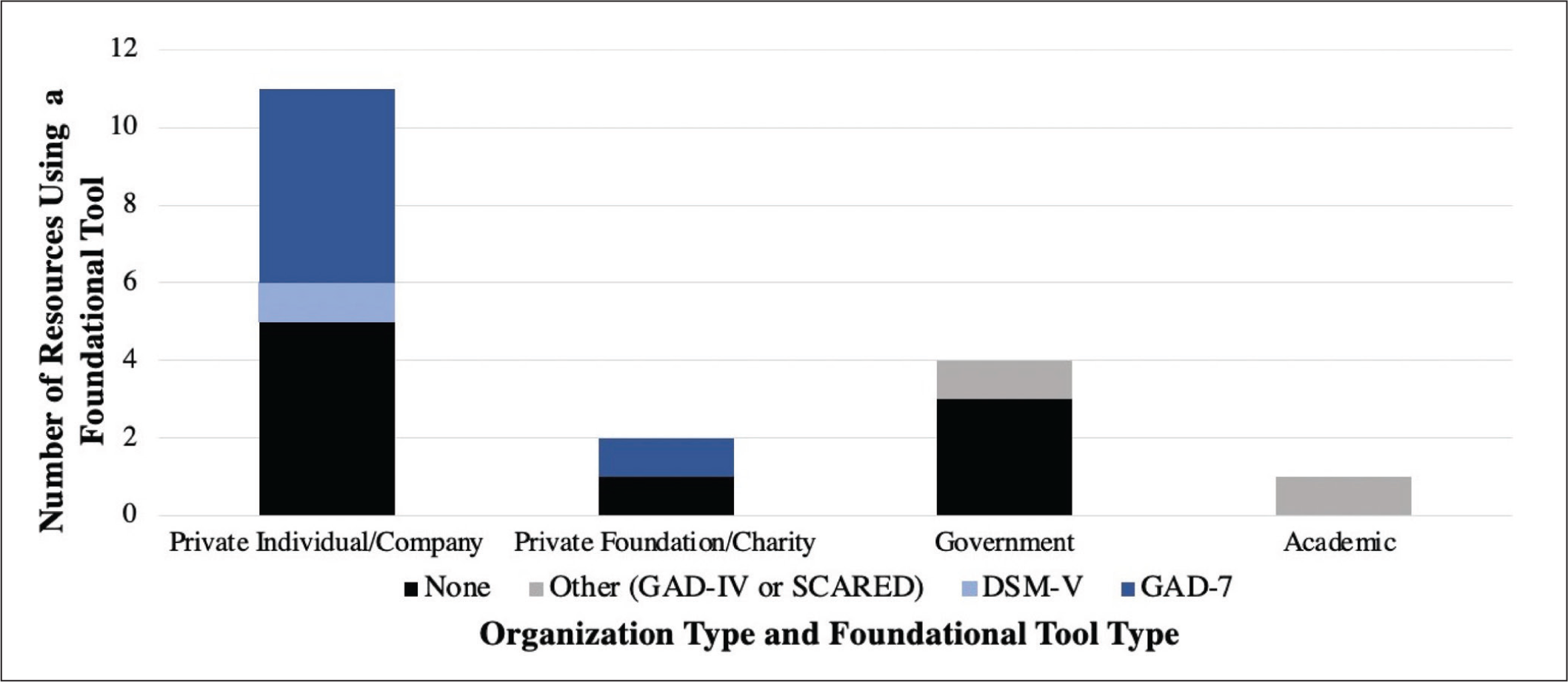
Every self-assessment resource included a questionnaire section in which the user would provide answers to a series of questions on a Likert scale. Nine self-assessment resources (53%) explicitly stated that they used a previously validated anxiety assessment tool as a foundation. The foundational tools/manuals reported were the GAD-7, 21 GAD-5, 22 SCARED, 23 and DSM-V. 24 Nine used a validated tool as the foundation for their self-assessment questionnaire. Figure 2 shows a breakdown of the self-assessment resources (i.e., academic, governmental, or private) and their foundational tools.
Use of Foundational Tools Across Different Self-assessment Resources.
Post-assessment Outputs
The majority of self-assessment resources provided a post-assessment number indicative of the user’s anxiety level (n = 12, 71%). This number changed based on the answers that users provided to a pre-requisite questionnaire. Fifteen (88%) self-assessment resources provided a post-assessment statement specific to the user’s anxiety level. Six of these provided more than one sentence of descriptive text on the user’s anxiety level, with 18% (n = 3) of the resources not changing the output based on the users’ responses (i.e., resources provided identical outputs when users would respond to all questions with high anxiety answers or low anxiety answers).
Post-assessment Support Provided
After completing the self-assessment, many of the resources provided a wide range of supportive messages to the user. All self-assessment resources from a governmental institution (n = 4, 24%) provided post-assessment support. Proportionally, self-assessment resources from private (n = 13, 76%) and academic (n = 1, 6%) institutions provided fewer post-assessment supports. Nearly every governmental (n = 4) self-assessment resource promoted help-seeking, provided links, and contact information (n = 3, 75%). Comparatively, only half of private (n = 12) self-assessment resources promoted help-seeking and provided links post-assessment (n = 7, 54%).
Promoting help-seeking, providing resources, and offering access to self-management support were common messages, with 76% (n = 13) of the self-assessment resources providing at least one of those outputs. A reasonable number provided links and contact information, such as an email or phone number for a distress line or psychologist (n = 8, 47% and n = 11, 65%, respectively).
What Are Youth’s Experiences and Information Needs Around Seeking Help for Anxiety?
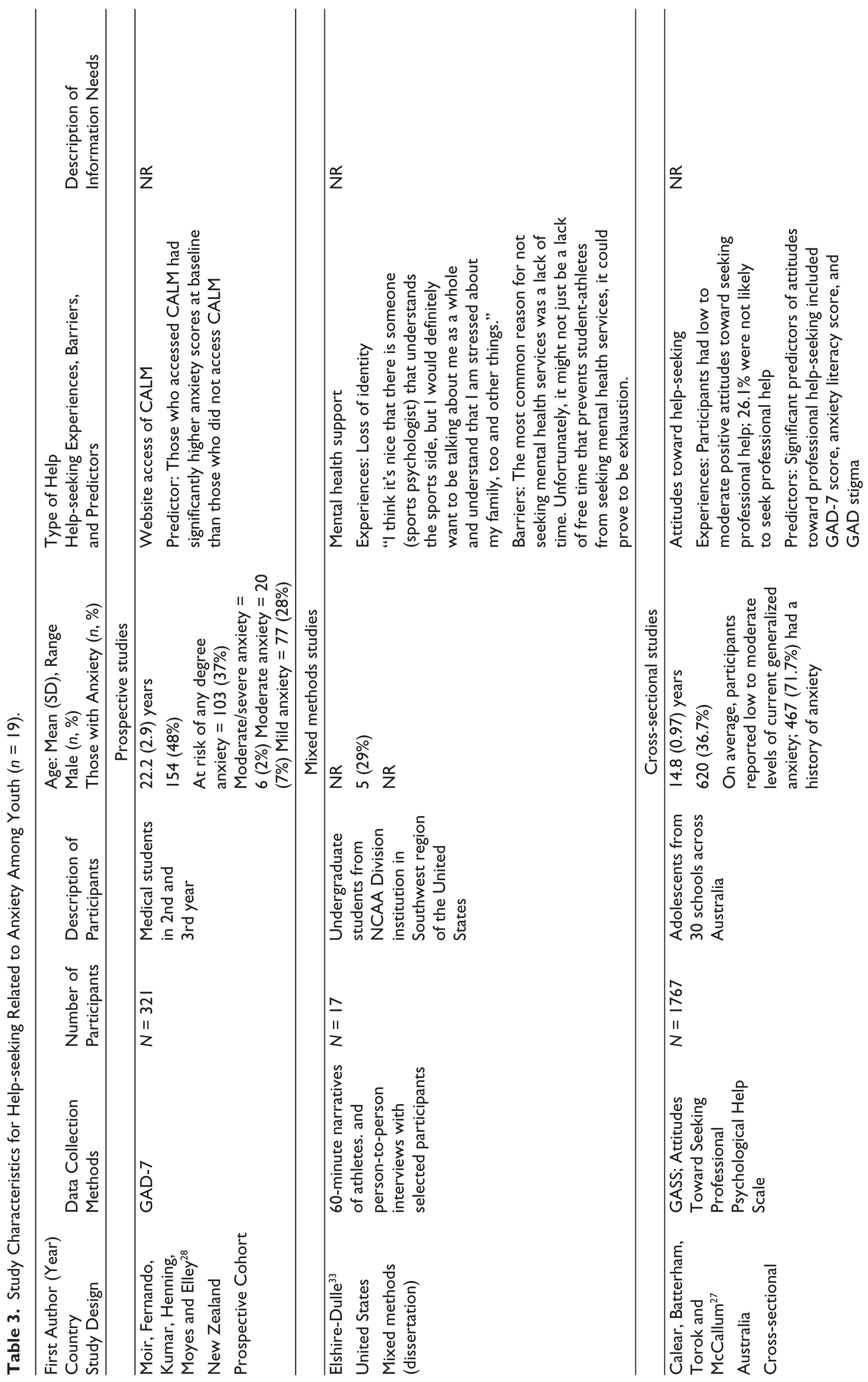
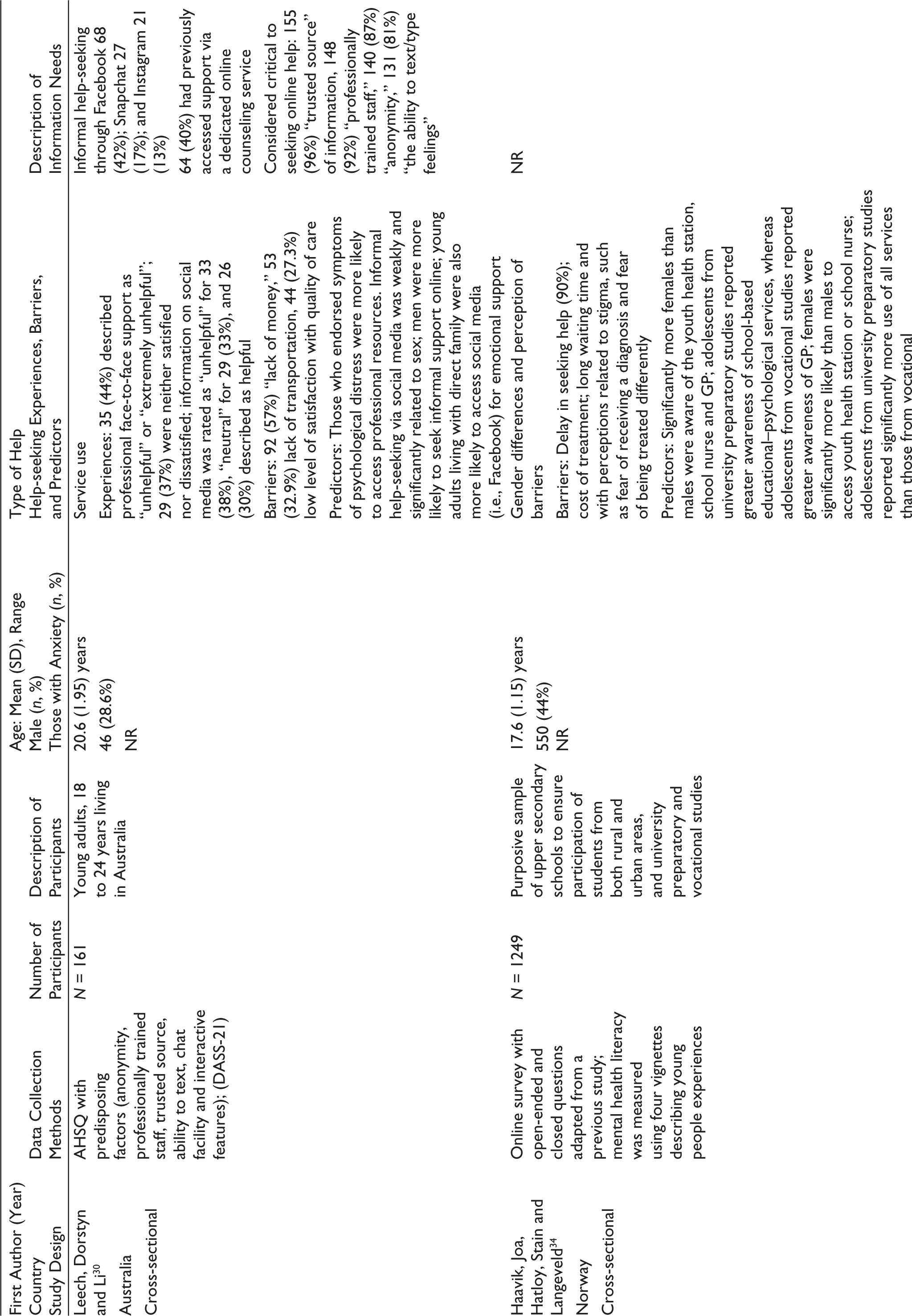
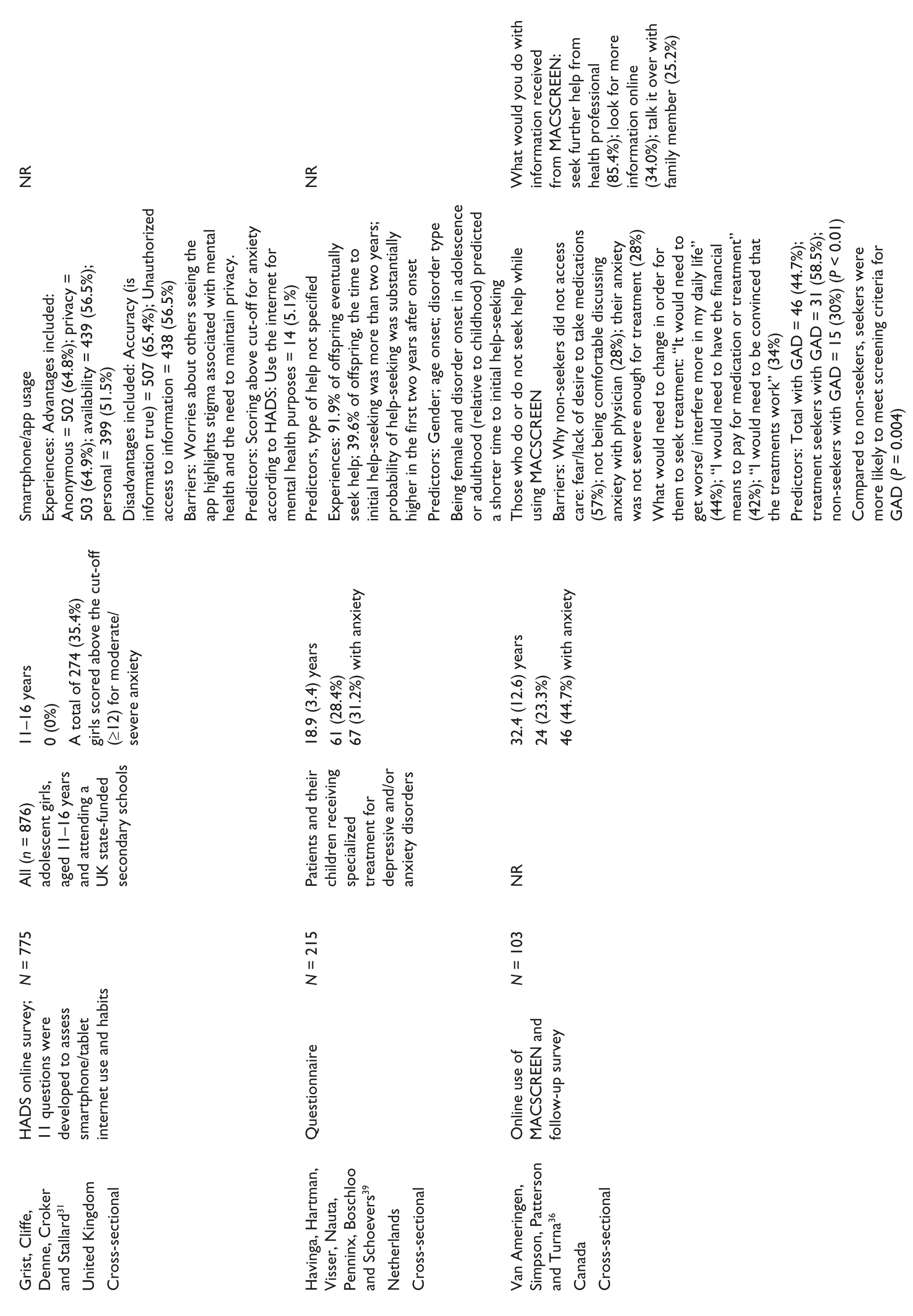
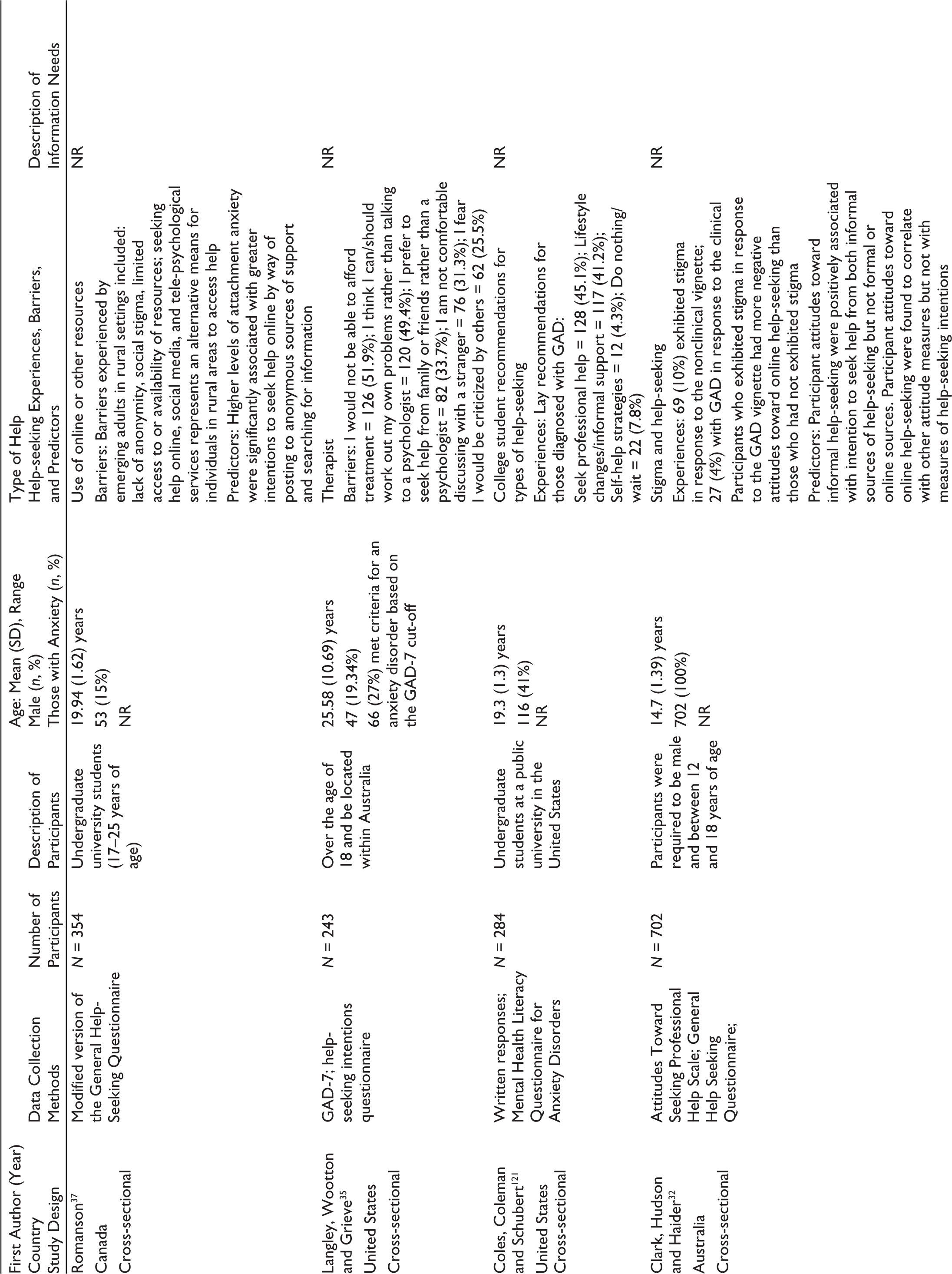
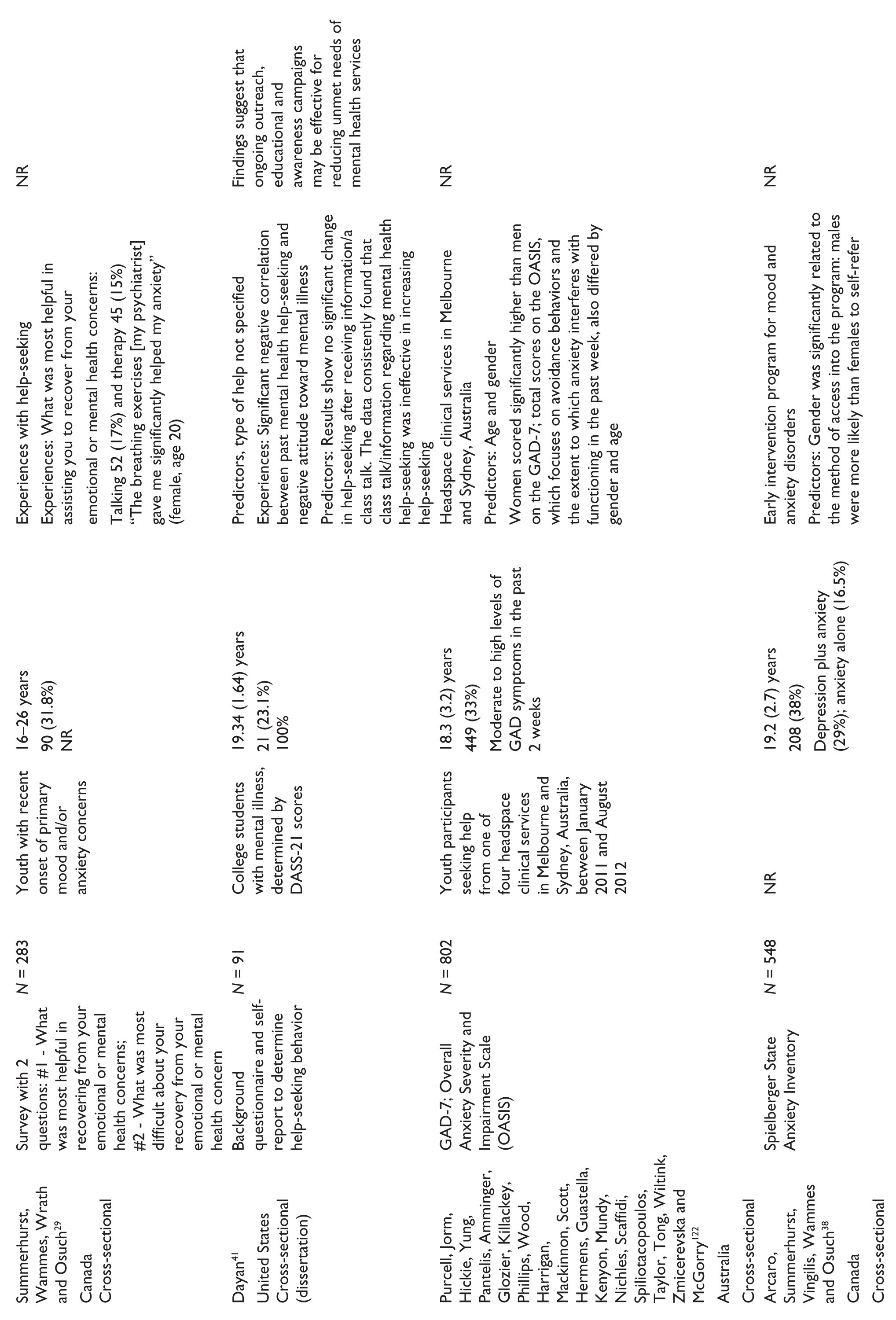
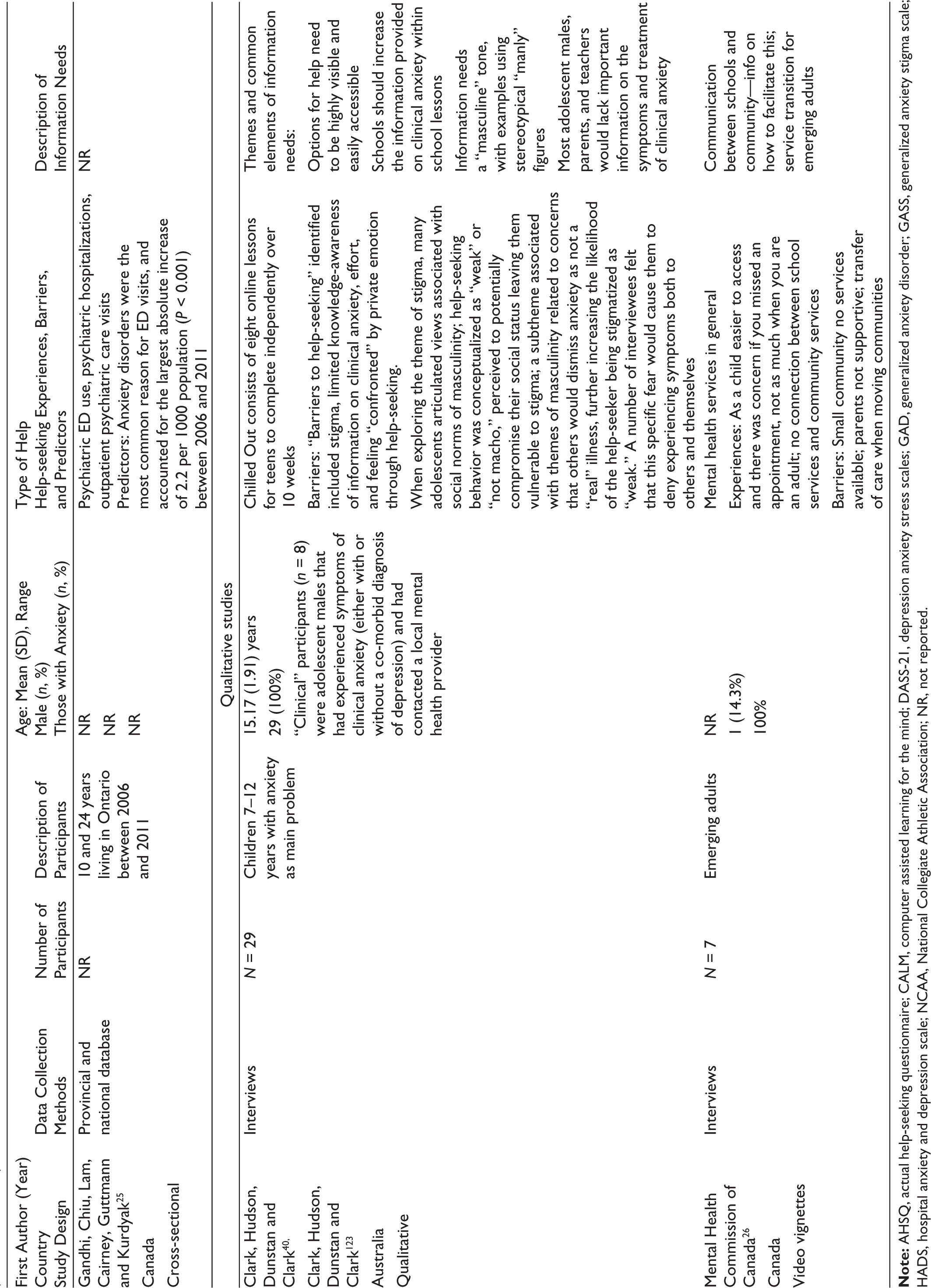
A total of 19 Information Sources relating to youth’s experiences and information needs around seeking help for anxiety were identified, 17 through the scientific literature search, one via Google Scholar, 25 and one through the Internet. 26 Characteristics for each of these Information Sources are presented in Table 3. Participants ranged in age from 10 to 29 years. Information from participants was gathered through validated questionnaires (n = 4, 21%), custom questionnaires (n = 5, 25%), interviews (n = 2, 11%), and a combination of these methods (n = 8, 42%). The populations varied from medical/university students (n = 5, 26%) and secondary students (n = 3, 16%) to those diagnosed with anxiety disorders (n = 4, 21%).
Study Characteristics for Help-seeking Related to Anxiety Among Youth (n = 19).
Barriers and Predictors to Seeking Help for Anxiety
With regards to help-seeking, several categories emerged relating to experiences seeking in-person professional help, online help, and help in general (e.g., stigma associated with seeking help for anxiety disorders). Seeking professional help had mixed results from participants; in two (11%) Information Sources youth stated that they were unlikely to seek in-person professional help if they were experiencing symptoms.27,28 Similarly, in two other Information Sources participants did not find talking 29 or consulting with professionals to be helpful. 30 Specifically, only 16% of youth in one study with recent onset of mood/anxiety concerns found talking was the most helpful for recovery. 29
Several Information Sources explored the use of the internet and social media by youth seeking help for anxiety disorders. A survey of youth in Australia rated information found on social media as unhelpful (38%) or neutral (33%). 30 Youth surveyed in the United Kingdom identified several advantages of using mental health Apps including being anonymous (65%), private (65%), and always being available (57%). 31 Although stigma was commonly referred to as a barrier, youth also described stigma relating to their overall experiences with help-seeking.32,33
The most frequently reported barriers for help-seeking included accessibility to services (i.e., cost, living in smaller community, transition of care, and transportation) and quality or perception of professional care. The cost and time to access services was often identified as a barrier.30,33–36 A series of videos with young adults identified difficulties in transitioning from child-centered to adult services. 26 This was often due to a lack of adequate transition from school-based to adult services, or in smaller communities, adult services were not provided locally.
Low satisfaction and general lack in quality of care was also identified as a barrier for youth accessing mental health services for anxiety.30,36 Some youth were not convinced their anxiety symptoms were severe enough and therefore would not benefit from professional help or that unnecessary medication would be prescribed.35,36
Predictors of service use for anxiety centered around two main themes: gender and awareness of their symptoms or anxiety scores. Across several Information Sources that assessed youth anxiety, those with higher scores were associated with greater intentions to consult professional help.27,28,30,31,36,37 All of these Information Sources with the exception of one used a validated scale to assess anxiety.27,28,30,31,37. The other study used a customized online survey. 36 Four Information Sources found that females were much more likely than males to access professional services, including social media resources and university services.27,34,38,39
Information Needs
Only five Information Sources regarding information needs were identified. When information needs were examined the context was often with regards to seeking help from online sources.30,36 Two Information Sources40,41 discussed needing information in schools being accessible and visible to youth in an effort to narrow the gap of unmet mental health needs. 42
Discussion
As youth are highly vulnerable to sustained stressors, it is not surprising that the COVID-19 pandemic has been associated with a rise in the prevalence of youth anxiety disorders and an increase in accessible mental health supports. 8 Moreover, in Canada adolescents experience higher rates of accessing health services for mood and anxiety disorders than any other age group. 2 By identifying the existing literature and available online sources, this environmental scan provides a comprehensive overview of (a) information available online to Canadian youth about the signs and symptoms of anxiety, (b) resources available online to self-assess anxiety, and (c) youth’s information needs and experiences help-seeking for anxiety. Specifically, 98 Information Sources were included from the Internet and primary literature and contextualized through discussions with youth collaborator groups.
In addressing the three questions of this environmental scan it was highlighted that:
There are not many online anxiety resources developed specifically for Canadian youth, and of the limited information for youth, little is developed with youth perspectives in mind; Much of the information that is available online, where most youth search, is not clearly backed by scientific references; and There is a lack of research on the information needs of youth seeking help for anxiety.
Below, we highlight implications for improvement of online anxiety Information Sources for youth. Results from this study and new lines of research in this area, will be valuable in informing those producing information in this domain.
Improving the Youth-friendliness of Resources
Very few Information Sources addressing the signs and symptoms of anxiety and self-assessment resources were deemed “youth-friendly.” Youth collaborators suggested that youth desire straight-forward, accessible tools that ensure the privacy of their identifying information. Further, straight-forward descriptions in lay language are preferable. Some self-assessment resources required youth to provide personal information before accessing support options. The privacy concerns raised by some youth collaborators mirror the barriers to seeking mental health information and support online which include anonymity and confidentiality. 14 Further, a minority of self-assessment resources appear to be designed with the intention of attracting new clients to for-profit services. For low-income youths, tools designed in this way limit access to anxiety resources and support. The literature and discussions with youth collaborators emphasize the provision of accessible supports as a priority of the online mental health resources and tools youth access. 43 Tools providing paid post-assessment support should consider including links to free and evidence-based anxiety information webpages and emergency supports. Resources for self-assessment and the signs and symptoms of anxiety varied markedly in their provision of additional information post-assessment. Qualitative differences in the accessibility of post-assessment support existed in the tools provided by governmental and private sources: each self-assessment resource from a governmental source provided more forms of post-assessment support (i.e., promoted help-seeking, provided links, or contact information) than those from private sources. Further, youth collaborators highlighted a need for the inclusion of location-specific online supports outlined within these resources to facilitate next steps in seeking support. Youth requested that resources include information on starting conversations about their self-assessment results with others (i.e., parents, peers, and HCPs). Attention to the delivery of accessible, youth-friendly, and location-specific information and support should be a requirement of all resources.
Making Credible and Evidence-based Information a Priority
While the credibility of identified online resources was occasionally substantiated by evidence-based references or a validated foundational tool (i.e., GAD-7), this was not always the case. Less than half of identified self-assessment resources rely on a validated foundational tool, thus drawing into question the credibility and trustworthiness of the outcomes presented to users. Moreover, a handful of resources “assessing anxiety levels” did not change their output depending on the users’ responses to the assessment questions. It seems unlikely that these outputs are evidence-based. This finding is consistent with themes developed from a qualitative study on mental health information-searching: several participants described searches for online mental health information as yielding “superficial” and “vague or inconclusive” information and had concerns about the sources of such information. 44 Those developing self-assessment resources should reference previously validated tools as a foundation for their construction and provide outputs specific to the users’ responses. Discussion with youth collaborators highlighted the cues youth may rely on when assessing the trustworthiness of a resource, such as reported alignment with a credible organization, a professional user interface, and the medium of the information (i.e., webpage and social media). These findings mirror the literature, which outlines that youth trust online health information from websites more than social media sites and rely on heuristics such as institutional logos to assess trustworthiness. 45 Unfortunately, these cues are not always indicative of evidence-based information and were often not evident in the resources identified. Further, only 25% of the resources describing the signs and symptoms of anxiety included scientific references. The disparity in the use and reporting of validated foundational tools and references needs to be addressed, as youth desire credible and accurate online mental health information.43,46
Information Needs of Youth
To develop effective and credible tools for the assessment and management of youth anxiety we need to know what youth seek when it comes to information about their anxiety. Through our search of the primary literature and the Internet there was a paucity of Information Sources on this topic. When youth were asked about information needs they identified several resources that would ease transition from school-based to community-based services. 26 Moreover, youth collaborators provided valuable insights about the type and format of information they are seeking. These earlier interviews and discussions with our youth collaborators demonstrate that, if asked, youth have preferences and opinions about information that they desire. 26 However, this is not reflected in assessment and management resources available to youth about their anxiety needs. Given the effect of the COVID-19 pandemic on youth mental health, responding to this need in a timely manner has become crucial. 8
Youth Engagement in the Development of Future Resources
The importance of patient-oriented research has been recognized as an integral component to capture the lived experiences of those experiencing specific conditions and interactions with the healthcare system.47,48 Patient-oriented research anticipates that partnering patients with researchers will enhance research quality and will “improve healthcare policies and practices across the system, ultimately improving health outcomes.” 49 Patient-oriented research emphasizing youth voices may reveal valuable insights for the development of youth-friendly resources with the potential for greater relevance and impact. 50 Therefore, it is imperative that youth are included in the development of future resources for their anxiety needs and are consulted on their help-seeking preferences.
Strengths and Limitations
By including youth collaborators in the co-creation of the research question and discussion of findings, we expect that the results of this work will guide future efforts that yield outcomes of greater relevance to youth. Additionally, our systematic approach to screening and verification of identified Information Sources ensured a rigorous collation of available Information Sources.
While we set out to provide a comprehensive overview of available Information Sources regarding the signs and symptoms of anxiety, self-assessment resources, help-seeking preferences, and information needs, we may not have captured it all. Although a systematic process was employed, websites may have been missed due to the limited number of key terms, Google indexing, and search location preferences. Additionally, due to the dynamic nature of the internet, relevant websites may have been made accessible after our primary searches were completed. As we tried to mimic the online search behaviors of Canadian youth, the available websites are limited to location caching within Google (i.e., running the same search in the United Kingdom would elicit different webpage results) and thus the generalizability of the results is limited for those outside of Canada. Further, restricting our search to the Google search engine may have been a limitation as novel resources could be accessible through other popular search engines (e.g., Bing and Yahoo), however, Google is the most popular, most widely used search engine. 51
Notably, the focus of this study was generalized anxiety disorder, restricting the generalizability of findings to other anxiety and mood disorders. We recognize that anxiety disorders, starting in adolescence, and continuing into adulthood have a variety of comorbidities with other anxiety disorders. However, collating online resources for all anxiety disorders was beyond the scope of this environmental scan.
Future Work
Identifying gaps in the available resources will help guide primary research as well as knowledge translation efforts to support youth in accessing the information they need for recognizing and subsequently managing anxiety. Key considerations and messages from youth collaborators contextualizing these results, provides informed guidance for the continued development of youth anxiety self-assessment resources.
Conclusion
Currently, the format of online information available to youth about anxiety is primarily website-based. Self-assessment resources vary markedly in the support they provide and their ability to meet youth preferences. Limited information exists around the information needs and anxiety help-seeking preferences of youth. As the size of the body of information in this domain continues to increase, coupled with the impact the current pandemic is having on youth’s mental health, the need to periodically monitor and assess available information is crucial. Collectively, the findings of this study highlight the need for the development of online anxiety resources informed by youth perspectives and preferences. When researchers and healthcare professionals involve young people in the development process, it can lead to the creation of resources that are more relevant and beneficial to them. This, in turn, can enhance their access to healthcare services.
Footnotes
Acknowledgements
The authors would like to extend their sincerest thanks to the youth collaborators (the Alberta Children’s Hospital Child and Youth Advisory Council, the Stollery Children’s Hospital Youth Advisory Council, and the National KidsCan Young Person’s Advisory Group) who supported the project and provided insightful discussions and comments on the results of the environmental scan.
Authors’ Contribution
Conception and design of the work: SAE, LH, SS.
Execution of study: MP, LB, SAE.
Drafting the initial manuscript: MP, LB, SAE.
Revising the manuscript critically for important intellectual content: All authors.
Final approval of the manuscript submitted: All authors.
Agreement to be accountable for the work: All authors.
Declaration of Conflicting Interests
The authors declared no potential conflicts of interest with respect to the research, authorship and/or publication of this article.
Funding
This work was supported in part by a Women and Children’s Health Research Institute Innovation Grant, awarded to SS, LH and SE. SS is supported by a Canada Research Chair for Knowledge Translation in Child Health. LH is supported by a Canada Research Chair in Knowledge Synthesis and Translation. LH and SS are Distinguished Researchers supported by the Stollery Children’s Hospital Foundation. MP is supported by the Alberta SPOR SUPPORT Unit (AbSPORU) Graduate Studentship.