




Abstract
Background
Bioactive compounds from natural sources have been integral to traditional medicine, providing therapeutic benefits for centuries. Their efficacy in treating skin disorders highlights the ongoing relevance of herbal remedies in modern healthcare.
Objectives
Skin aging is a natural biological phenomenon characterized by time-dependent degenerative impairments in metabolic processes and the progressive accumulation of structural, functional, and appearance-related alterations in the skin.
Methodology
This study reviews 210 articles sourced from various databases, including the Cochrane Library, Wiley Online Library, WHO, ScienceDirect, SID, PubMed, and Google Scholar, using an extensive set of MeSH keywords related to traditional medicine, bioactive compounds, and skin diseases. After removing duplicates, 106 relevant articles were selected. Various skin-related disorders such as acne, vitiligo, psoriasis, and scabies are being discussed in this review. Despite the effectiveness of currently practiced treatment options in reducing signs of aging, the treatment of these skin diseases remains limited due to their associated adverse effects.
Results
Recently, medicinal plants have attracted significant research interest due to their potential role in anti-aging and managing skin-related disorders, including their ability to promote stem cell proliferation, which may hold promise for skin regeneration and stem cell therapy while offering reduced side effects. This review highlights the current knowledge of medicinal plants’ therapeutic potential in promoting skin health, reducing the signs of aging, and promoting stem cell proliferation.
Conclusion
These potentials in treating skin aging and alleviating skin-related disorders suggest that plant-derived remedies may present promising avenues for treating various skin conditions.
Introduction
Traditional medicines derived from natural sources have benefited humans (Homo sapiens) since time immemorial; bioactive compounds derived from natural sources offer experimental practices in discovering new drugs and their therapeutic application to treat various diseases. Humans have recognized and used plants as medicine since fossil records traced back to 60,000 years ago (Abdallah et al., 2023; Fabricant & Farnsworth, 2001). According to the World Health Organization (WHO) (2002), traditional medicine is defined as knowledge, practice, and skill based on religious beliefs, theories, and experiences. They are used for the betterment of health, diagnosis, prevention, and treatment of physical and mental illness. Traditional medicine is often described in several ways, such as ethno-medicine, folk medicine, native medicine, indigenous medicine, alternative medicine, phytomedicine, complementary medicine, and non-conventional medicine (Abdullahi, 2011). Traditional medicine is classified into three categories: (a) conventional medicine system, (b) folk medicine, and (c) allied forms of health system (Abdullahi, 2011). The conventional medical system has evolved over 3–4 millennium years ago and is known as great traditions like Siddha, Unani, and Ayurveda in many parts of Asia. The traditional system of healthcare is widely used in the world as an immediate “first aid” for microbial infections, wounds, and oxidative damage. Folk medicine was adapted over centuries by communities and is traditionally passed down through generations; it is easily accessible, more cost-effective than modern medicine, and locally available. They are also known as ethno-medicine, indigenous medicine, and bush medicine. Allied forms of the health system such as yoga, qigong, kalari, and tai chi are adapted as health applications for the well-being of everyone, although they are not pure forms of medical systems (Rizvi et al., 2022). In the context of this changing healthcare environment, it became ascertainable for the need for a policy on traditional medicine. The current global health challenges, soaring healthcare costs, consumers’ need for quality healthcare, and increased research to unravel the medicinal uses of various herbs are a few other factors that have led to a renewed and growing interest and usage of traditional medicines. The World Health Organization (WHO) published a global strategy on traditional medicine to recapitulate information in terms of regulation, policy, education, research, and practice. Skin is an external organ and has many important roles that act as a barrier from pathogens.
Skin disease affects people of all genders and age groups and constitutes about 34% of all ailments. It is a common disease among rural people. Skin ailments like allergy, dermatitis, eczema, psoriasis, and vitiligo are caused by various microorganisms. Although the mortality rate is low for skin ailments, they affect the quality of human life. Medicinal plants have been utilized for centuries in traditional medicine to treat various skin-related disorders, and their significance lies in their bioactive compounds, which offer therapeutic benefits, including anti-inflammatory, antimicrobial, antioxidant, and wound-healing properties. Many medicinal plants contain compounds that help reduce inflammation; for instance, turmeric (Curcuma longa) is rich in curcumin, known for its anti-inflammatory properties, making it effective in treating conditions like psoriasis and eczema. Antioxidants play a crucial role in protecting the skin from oxidative stress, which contributes to aging and skin disorders, with green tea (Camellia sinensis) being a notable example due to its polyphenols that scavenge free radicals and protect skin cells. Several plants exhibit antimicrobial properties, helping to combat skin infections caused by bacteria and fungi; tea tree oil (Melaleuca alternifolia) is well-known for its effectiveness against acne-causing bacteria and other skin pathogens (Binic et al., 2013). Additionally, medicinal plants like aloe vera promote wound healing by enhancing cell proliferation and migration, essential for repairing damaged skin, while its gel is used topically to soothe burns and abrasions. Many plants are also used in anti-aging formulations due to their ability to stimulate collagen production and improve skin elasticity; for example, ginseng (Panax ginseng) has been shown to enhance skin hydration and promote a youthful appearance (Kim et al., 2011). Furthermore, neem (Azadirachta indica) is effective against various skin ailments, including acne and eczema, due to its antibacterial and anti-inflammatory properties, and chamomile (Matricaria chamomilla) is often used to treat skin irritations and conditions like dermatitis due to its soothing effects (Niknam et al., 2021). The integration of medicinal plants into skincare regimens offers a natural and holistic approach to managing skin-related disorders, and with increasing interest in herbal remedies, ongoing research is essential to validate their efficacy and safety, paving the way for their incorporation into modern dermatological practices. By harnessing the healing properties of these plants, we can enhance our understanding of skin health and develop effective treatments for various skin conditions.
Western medicine, developed by pharmaceutical industries, has increasingly adopted high-throughput synthesis for drug development; however, these efforts may not always yield the expected productivity. Pharmaceutical companies face significant challenges in developing new drug candidates. Despite the undeniable benefits of modern medicine, many regions of the world still rely on traditional medicine. Various medicinal plants and phytochemicals, such as turmeric, garlic, and tea tree oil, are commonly used in traditional remedies for skin diseases. Herbal extracts have great potential for tissue regeneration by promoting cell proliferation. Stem cells can differentiate and self-replicate into multiple cell types, serving as cellular support for several degenerative diseases (Banerjee et al., 2015). To stimulate endogenous stem cells for promoting regeneration and rejuvenation, herbal extracts may be used as an alternative to stem cell transplantation (Jothimani et al., 2020). Adult stem cells have demonstrated efficacy in wound healing following burns in clinical applications (Banerjee et al., 2015).
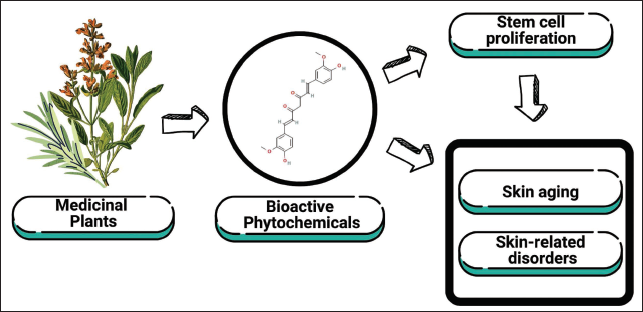
Traditional medicine encompasses numerous therapeutic approaches, including herbal remedies, manual therapies, and spiritual practices. However, this review specifically focuses on herbal plants and their bioactive phytochemicals in the treatment of skin aging, skin-related disorders, and stem cell proliferation, which hold potential applications in addressing aging as depicted in Figure 1.
Illustration of Medicinal Plants and Their Bioactive Phytochemicals Inducing Stem Cell Proliferation, Targeting Skin Aging and Related Disorders.
Method (Data Extraction Process)
For this study, a review was conducted on 210 articles gathered from various databases including the Cochrane Library, Wiley Online Library, WHO, ScienceDirect, Scientific Information Database (SID), PubMed, and Google Scholar search engine. The search was not time-limited and utilized MeSH keywords such as “Traditional Medicine,” “Bioactive Compounds,” “Skin Diseases,” “Herbal Remedies,” “Stem Cell Proliferation,” “Anti-Aging,” “Phytochemicals,” “Natural Sources,” “Therapeutic Applications,” “Healthcare,” “Skin Rejuvenation,” “Ethno-Medicine,” “Anti-Inflammatory,” “Oxidative Stress,” “Skin Aging,” “Microbial Infections,” “Medicinal Plants,” “Wound Healing,” “Collagen Synthesis,” and “Herbal Extracts.” After removing duplicate studies, 106 articles relevant to the study were selected. The review primarily discusses:
Traditional medicine: folk medicine, indigenous medicine, alternative medicine, ethno-medicine. Bioactive compounds: phytochemicals, natural compounds, secondary metabolites. Skin diseases: acne, psoriasis, eczema, dermatitis, vitiligo. Herbal remedies: herbal extracts, medicinal plants, plant-based treatments. Stem cell proliferation: mesenchymal stem cells (MSCs), regenerative medicine, cellular differentiation. Anti-aging: skin rejuvenation, skin aging, cosmetic treatments in various in vitro and in vivo (animal and human) models.
Aging of the Skin and Anti-aging Strategies
Skin aging is a complicated process that is caused by mainly two factors, exogenous and endogenous factors. Sagging of the skin occurs due to a gradual decrease in skin elasticity. Aesthetic dermatology has paved the way for healthy aging, treating many skin diseases with instrumental devices, systematic and local therapy, and invasive procedures (Wong & Chew, 2021). Many anti-aging therapies combine various methods like skin rejuvenation, restoration, and revitalization. As the demand for skin rejuvenation and skin resurfacing has been increased in the past decade, various skin therapies have been developed. Modern therapies for skin rejuvenation include ablative laser, resurfacing, laser and topical drug applications, platelet-rich plasma therapy and lasers, laser radiofrequency resurfacing, ablative radiofrequency, plasma resurfacing, microneedling, and crystal-free microdermabrasion. Studies suggested that more research is needed to improve efficacy and safety (Sriramulu et al., 2020). Endogenous factors include genetic predispositions and hormonal changes, particularly the decline of estrogen during menopause, which contributes to skin dryness and wrinkles. Exogenous factors such as UV radiation, pollution, and lifestyle choices (diet, smoking, stress) exacerbate skin aging through oxidative stress and inflammation. Various medicinal plants, including ginseng, green tea, aloe vera, and turmeric, show promise in combating these effects by providing antioxidant and anti-inflammatory benefits, potentially enhancing stem cell proliferation for skin regeneration (Avci et al., 2014; Banerjee et al., 2015). Recommendations for elaboration include integrating specific examples of medicinal plants, discussing their biochemical mechanisms, and citing clinical evidence to support their efficacy in improving skin health. Traditional therapies for a range of skin diseases can produce improved outcomes, reduce symptoms, and help patients return to normal skin, maybe with fewer adverse effects. These treatments are also often less expensive and have less side effects. Certain extracts from medicinal plants may have the ability to stimulate the synthesis of collagen and scavenge free radicals. The fruit extract of the coffee plant (Coffea arabica) exhibited antioxidant properties, which showed great results for wrinkles and pigmentation. Curcumin, resveratrol, mulberry extract, Glycyrrhiza glabra, Punica granatum, C. sinensis, and Vitis vinifera can protect skin from harmful rays like UV-induced effects by showing anti-inflammatory, anti-mutagen, free radical scavenging properties (Binic et al., 2013). Phytochemicals from plants like ginseng and aloe vera promote stem cell proliferation by modulating key signaling pathways, including cyclin-dependent kinases (CDKs) and Wnt/β-catenin. Additionally, compounds like curcumin and resveratrol influence apoptosis and autophagy through various molecular mechanisms, while ginsenosides regulate the cell cycle, potentially enhancing stem cell function via mTOR and PI3K/AKT pathways. Clinical trials demonstrate the efficacy of these plant extracts in improving skin elasticity and hydration, suggesting a robust role for medicinal plants in anti-aging and skin-related disorders. To strengthen claims, it is advisable to include detailed mechanistic insights and recent clinical findings in your article (El-Domyati et al., 2016; Koul et al., 2006).
Conventional Strategies for Skin Rejuvenation and Resurfacing
Factors causing skin aging include UV radiation, oxidative stress, telomere shortening, genetic predisposition, hormonal changes, and lifestyle factors such as smoking and poor diet. Skin aging includes the clinical aspects of fine lines, wrinkles, scars, loss of elasticity, and uneven pigmentation. There are various modern techniques that help in skin rejuvenation by reducing wrinkles, spots, scars, pigmentation, and others. These techniques provide changes in the structure and function of cellular matrix and dermal cells. Some techniques are invasive, such as facelifts, and others are non-invasive, such as chemical peels, laser, microneedling, and Botox.
Laser Light
Laser light is one of the techniques for the non-invasive treatment of skin that helps clear scars, acne, wrinkles, and others. The photons that are emitted from the light are absorbed by the mitochondria in the skin cells, promoting increased electron transport, blood flow, and reactive oxygen species (ROS). Skin disorders like vitiligo can be treated using this technique. Nevertheless, there are several drawbacks, including pain, redness, hypo- or hyperpigmentation, and the possibility of transient blistering or swelling. Not all skin types respond to laser treatments similarly, and it may take several sessions to get the best results (Avci et al., 2014).
Microneedling
Microneedling is a non-invasive and effective technique used to treat burns, scars, pigmentation, acne, alopecia, hyperhidrosis, drug delivery, stretch marks, and more. This technique employs microneedles to create precise micropunctures in the skin without fully damaging the epidermis (Sakuraba et al., 2023). The micro-injuries result in minor surface bleeding and initiate the release of wound healing factors, such as fibroblast growth factor (FGF), connective tissue activating protein, connective tissue growth factor, platelet-derived growth factor (PDGF), and transforming growth factor-α and β (TGF-α and β), which aid in wound repair (Majid & Sheikh, 2014). Additionally, the needles help dissolve old, rigid scar strands and promote revascularization. The first steps in neovascularization and neocollagenesis (the formation of new collagen from stimulated fibroblasts at the injury site) involve fibroblast migration, proliferation, and intercellular matrix deposition (Singh & Yadav, 2016). The proliferation of fibroblast cells results in reduced fine lines, wrinkles, and pigmentation. Microneedling causes the skin to tighten by rearranging existing collagen fibers and forming new blood vessels, elastin, and collagen. El-Domyati et al. (2015) found that after six microneedling sessions spaced 2 weeks apart, there was a significant increase in the levels of collagen types I, III, and VII, as well as freshly produced collagen and tropoelastin compared to baseline levels. Despite the beneficial effects of microneedling therapy, it also has several limitations, including inflammation, irritation, and the risk of local infections (Singh & Yadav, 2016).
Microdermabrasion
Microdermabrasion is a widely used non-invasive technique effective in treating acne, scars, photoaging, pigmentation, and more. This method rejuvenates aged or damaged skin by utilizing aluminum oxide crystals or other abrasive substances. It facilitates the replacement of damaged cells with new ones, a process known as re-epithelialization. Patients generally find this technique well-tolerated, with only a few documented adverse effects, such as tingling and mild to moderate erythema, which typically lasts for 1–2 days following treatment. Mild discomfort during the procedure is also common. Additionally, it is associated with fewer side effects, including sensitive skin, burning, pain, and photosensitivity (El-Domyati et al., 2016).
Botulinum Toxin
Botulinum toxin is a potent neurotoxin produced by Clostridium botulinum bacteria that reduces wrinkles, acne, dry skin, pigmentation, and others. In this technique, the toxin is introduced into the facial muscles, specifically the neuromuscular junction, that inhibits acetylcholine release, resulting in reduced wrinkles and acne. Bleeding, erythema, swelling, pain, nausea, and malaise are a few side effects of this technique (Satriyasa, 2019). Apart from these side effects, a very rare complication of Botox injections is ecchymosis and purpura, which can be reduced by applying ice to the injection sites both before and following a Botox injection (Satriyasa, 2019).
Chemical Peels
Chemical peels are used to treat wrinkles, acne, scars, and pigmentation. The aim of this technique is to remove the damaged skin and produce a more youthful appearance (Soleymani et al., 2018). The technique uses various chemicals depending on the depth of the peeling. The common chemicals used are resorcinol, glycolic, salicylic, or trichloroacetic acid. However, the side effects of this technique depend on the level of depth of peeling. It includes redness, swelling, burning, and infection.
Limitations of Surgical or Orthodox Procedures in Skin Rejuvenation
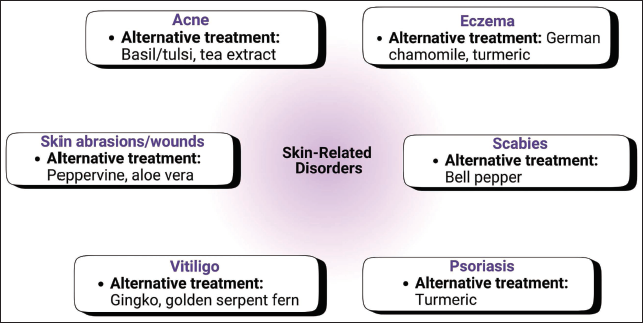
Many countries like India, China, Egypt, and Greece have been using traditional medicine and many scientifically proven modern medicines have been emerging from plant-based medicine. Modern medicine has been creating a great impact in various clinical therapies, treating a vast number of diseases. Allopathic medicine is known to show faster results in treating various symptoms. However, allopathic medicines sometimes result in side effects like pain and allergies, and can sometimes be toxic. On the other hand, traditional medicine is found to have fewer side effects and is also effective in treatment. Traditional medicine as an alternative is produced from the bioactive components of plant parts. These components extracted from specific plant parts are used in various therapeutic treatments. Traditional medicine is affordable compared to allopathic medicine and is less toxic in nature (Alzohairy, 2016). Moreover, as traditional medicine is easily available and is less expensive, many individuals prefer this medicine to modern medicine. Alternative treatment options for different skin-related disorders are depicted in Figure 2.
Alternative Treatment Options for Various Skin-related Disorders.
Traditional Medicine for Skin Rejuvenation
Skin diseases may result from a pathogen, environmental condition, or genetic causes. Many therapeutic approaches have come into practice for treating these disorders. However, traditional medicine has significantly treated skin ailments such as psoriasis, wounds, scars, and eczema. The primary biological properties that help treat skin diseases include antimicrobial, anti-inflammatory, antioxidant, and wound-healing activities (Mahmud et al., 2022). Many common skin diseases like scabies, herpes, psoriasis, and yeast infections are caused by microbial infections in the human body. Many plant extracts from fruits, leaves, seeds, and flowers are effectively used in personal care, medicine, and food. Extracts from plants like garlic (contains allicin) and neem (nimbolide and nimbidin) exhibit antimicrobial properties that help to treat such diseases. Inflammation is known to cause several skin disorders like rashes, edema, pain, swelling, and redness (Pan et al., 2011). Plants like eucalyptus and lemongrass are likely to show anti-inflammatory effects. Commonly used medicinal plants like ginkgo, green tea, and artichoke help in scavenging free radicals.
Bioactive Components of Herbs in Treating Skin Disorders
Bioactive components of medicinal herbs are basically the secondary metabolites of plant products. These substances have a vital role in therapeutic aspects. Naturally available, bioactive secondary metabolites include alkaloids, flavonoids, phenolic acids, saponins, and tannins. Plants with bioactive components provide various paths for drug discovery and other therapeutics (Greff et al., 2023). These are known to show effective results with fewer side effects and low cost. The secondary metabolites of plants are known to have defensive mechanisms over pathogens and predating herbivores (Chaachouay & Zidane, 2024). Phenolic compounds of plants, which are less toxic and natural in origin, can be consumed by diet or skin application and can be beneficial in treating skin disorders by alleviating and inhibiting various skin disorders. Other secondary metabolites like phyto molecules such as aloin and curcumin are known to protect skin from aging properties like wrinkles, providing healthy and glowing skin (Banerjee et al., 2021). Plants like mangosteen contain compounds like xanthones, which possess anti-inflammatory, antiallergic, and antioxidant properties that help in the prevention of skin disorders. Most of the common skin diseases are treated with this alternative using plant bioactive components. Skin diseases like eczema, scabies, and ringworm caused by various bacterial and fungal microorganisms can be treated by using these herbal medicines. The active components of plants like primary and secondary metabolites, like alkaloids, flavonoids, and tannins, have the potential to heal wounds (Marotta et al., 2021).
Reported Herbs for Skin Rejuvenation
Aloe barbadensis Miller (Aloe Vera)
Aloe vera belongs to the family of Asphodilaceae (Liliaceae), a pea-green colored plant with shrubby, succulent, and perennial characteristics. Components of aloe vera contain 98.5% water, while the gel consists of about 99.5% water (Hęś et al. 2019). The remaining 0.5%–1% compounds include water-soluble vitamins and fat-soluble vitamins, minerals, polysaccharides, phenolic compounds, and organic acids. Active components of aloe vera include sugars, amino acids, vitamin A, vitamin B12, folic acid, enzymes, salicylic acid, and saponins. Aloe vera plays a major role in the repair of acne prone skin and skin burns. Aloe vera is involved in the protection of the skin when exposed to radiation that damages the skin and has anti-inflammatory properties. Aloe vera is used to treat skin diseases such as psoriasis, eczema, and herpes virus (Liang et al., 2021). Aloe vera is found to be naturally available and, due to its potential therapeutic role, plays a critical role in skin regeneration and wound repair through various mechanisms, including inducing the rate of migration and proliferation of keratinocytes, modulating the release of various cytokines, neuropeptides, chemokines, and growth factors from wounded skin cells, and increasing angiogenesis and fibroblast activity (Shedoeva et al., 2019). Recently, a rise in the utilization of aloe vera for manufacturing dermatology-related products has been noted. Aloe vera is well-known for its ability to hydrate skin, eliminate dead skin cells, and aid in collagen and elastin fiber synthesis, which make skin supple and lessen wrinkles, thus reversing the effects of aging (West & Zhu, 2003).
C. longa (Turmeric)
C. longa, which is the scientific name of turmeric, belongs to the ginger family Zingiberaceae. Curcuminoids are polynoids that are responsible for the yellow color of turmeric. Curcuminoids are the active components of turmeric, comprising bisdemethoxycurcumin, curcumin, and dimethoxycurcumin, and these are called natural antioxidants (Vaughn et al., 2016). Curcumin is a bioactive component of turmeric with anti-inflammatory and antifungal properties. Turmeric acts as an antifungal, antibacterial, antioxidative, and anti-inflammatory action. Turmeric helps in the prevention of diseases such as arthritis, eczema, and atopic dermatitis (Vollono et al., 2019). Curcumin as a polyphenolic compound plays an important role in preventing skin aging, photoaging, and protecting skin cells from UV irradiation (Zheng et al., 2020). It also accelerates the wound healing process via regulating multiple factors such as tumor necrosis factor-α (TNF-α), matrix metalloprotease 9 (MMP-9), α-smooth muscle actin (α-SMA), and collagen (Yen et al., 2020). Additionally, it accelerates the process of epithelialization and facilitates wound contraction (Bass et al., 2021).
Allium sativum (Garlic)
A. sativum is the scientific name for garlic, which belongs to the Amaryllidaceae family. The components of garlic include allicin, diallyl disulfide, S-allyl cysteine, and diallyl trisulfide, with allicin being the most bioactive. These components contribute to the reduction of blood pressure and heart disease (Shang et al., 2019). Garlic exhibits antiviral, antibacterial, and antifungal properties, which enhance skin health by improving blood circulation and reducing inflammation. Research indicates that oral garlic supplementation enhances epidermal blood circulation, immune function, UVB protection, and cancer treatment outcomes. Additionally, topical application of garlic extract may benefit conditions such as psoriasis, alopecia areata, keloid scars, wound healing, cutaneous corn, viral and fungal infections, leishmaniasis, skin aging, and skin rejuvenation (Alhashim & Lombardo, 2020).
M. alternifolia (Tea Tree Oil)
M. alternifolia is the scientific name of tea tree oil, which is an Australian plant, belonging to the family of Myrtaceae. Components of tea tree oil include gamma-terpinene, terpinen-4-ol, alpha-terpineol, and 1,8-cineole. The properties of tea tree oil include antiviral, antibacterial, and antifungal properties as well. Tea tree oil plays a major role in the treatment of diseases such as eczema, acne, and skin rashes (Carson et al., 2006). An in vitro study on skin cells demonstrated that treatment with a fraction of M. alternifolia (FMA) significantly reduces interleukin (IL)-8 and ROS generation. Further, an ex vivo study supported the findings that FMA elevates the expression of melatonin-associated genes and also improves sleep quality. Reduction in the signs of aging was observed upon treatment with FMA (Duroux et al., 2024).
A. indica (Neem)
A. indica is the scientific name for neem, which belongs to the Meliaceae family. The components of neem include quercetin, gedunin, salannin, nimbolinin, nimbin, and nimbidin. The primary bioactive component of neem is azadirachtin (Alzohairy, 2016). Neem exhibits antiviral, antibacterial, and antifungal properties, which aid in treating conditions such as eczema, psoriasis, and ringworm. Neem oil contains various essential fatty acids beneficial for oily and acne-prone skin, including 14% palmitic acid, 16% stearic acid, 21% linoleic acid, and 40% oleic acid (Koul et al., 2006).
M. chamomilla (Chamomile)
M. chamomilla is the scientific name of chamomile, belonging to the family of Asteraceae. These plants are mostly grown in temperate regions such as India, Australia, and South America. Active components of chamomile include bisabol, chamazulene, and apigenin (El Mihyaoui et al., 2022). Chamomile has antioxidant as well as anti-inflammatory properties. Chamomile treats skin diseases such as UV-irradiated erythema, atopic eczema, radiodermatitis, phlebitis, and rosacea, helps in the process of healing skin burns, scars, and wrinkles, and plays a major role in premature aging (Srivastava et al., 2010). The methanolic extract of chamomile contains a high amount of flavonoids, which have well-known antioxidant and anti-inflammatory effects. It exhibits anti-inflammatory activities by reducing arachindonic acid metabolism, inhibiting cyclooxygenase activity, and suppressing the complement pathway, thereby playing an important role in wound healing mechanisms (Niknam et al., 2021).
Calendula officinalis (Calendula)
C. officinalis is the scientific name of calendula, which is also called marigold, belonging to the family of Asteraceae that are grown annually as perennial plants. Triterpenoids and flavonoids are the active components of calendula. Calendula has antibacterial, antifungal, and anti-inflammatory properties. Calendula or the marigold plant helps in treating skin diseases such as eczema, healing wounds, burns, and scars, and acts as an antiseptic (Kodiyan & Amber, 2015). Marigold extract was used in an 8-week-long single-blind research with a placebo control. This study revealed that the application of this extract demonstrated skin tightness and also promoted skin hydration. Nevertheless, the study also found that there was no noticeable impact on skin elasticity. Although C. officinalis flower extract was used in anti-aging products more frequently between 2011 and 2018, its effectiveness in this area is still uncertain (Ferreira et al., 2021).
Salvia rosmarinus (Rosemary)
S. rosmarinus is the scientific name of rosemary, belonging to the family of mint with bushy, evergreen perennial shrubs that are available all the time. α-Pinene, polyphenols, 1,8-cineole, camphor, and borneol are the active components of rosemary. Rosemary has anti-inflammatory properties and acts as an antioxidant. Rosemary has properties in the reduction of pigmentation, swelling, puffiness, and burns. It helps in the treatment of diseases such as dermatitis, psoriasis, and eczema (Kodiyan & Amber, 2015). An in vitro study on the leaves and flower extracts of Salvia officinalis Linn. (MES) and Rosmarinus officinalis Linn. (MER) demonstrated significant antioxidant activity. Both these extracts exhibited significant anti-aging properties through the inhibition of collagenase, hyaluronidase, and collagenase activities (Gupta et al., 2023).
Beta vulgaris (Beetroot)
B. vulgaris which is commonly called beetroot is found in Western Asia and Southeast Europe. B. vulgaris belongs to the family of Amaranthaceae. It has antioxidant, antiviral, anti-inflammatory, and antimicrobial properties. It contains bioactive pigments called betalains along with biologically active components like steroids, tannins, saponins, and terpenoids. B. vulgaris also plays a key role in the treatment of cardiovascular diseases with the reduction in high blood pressure (Mirmiran et al., 2020; Nikan & Manayi, 2019).
Eucalyptus globulus (Southern Blue Gum)
E. globulus is a type of plant commonly known as southern blue gum or blue gum and belongs to the family of Myrtaceae. Camphor oil is an essential oil extracted from the leaves of E. globulus and acts as a stimulant, anti-inflammatory, and antiseptic. Additionally, it can be used to improve the healing process and reduce body odor. E. globulus is used as a traditional medicine in the treatment of muscle pain, sprains, and rheumatism (Čmiková et al., 2023). Furthermore, it has wide dermatological uses, such as for blisters, boils, burns, athlete’s foot, bacterial dermatitis, bacterial infections, herpes (cold sores), inflammation, insect bites, shingles, sores, ulcers, and wounds; abscesses; antiseptic; congested conditions; cuts; fungal infections; general infections; and chicken pox (Orchard & van Vuuren, 2017). A study showed that the major bioactive compounds, such as 1,8-cineole from the essential oil (EO) and gallic acid, which is the primary phenolic ingredient among the phenolic acids in the hydrodistillation residual water (HRW) of E. globulus leaves, show anti-aging effects. An in vitro study highlighted that non-toxic EO and HRW exhibit anti-aging effects by downregulating senescence markers such as β-galactosidase and activation of matrix metalloproteinases, as well as the upregulation of collagen type I. Further, EO and HRW demonstrated a depigmenting effect by suppressing tyrosinase and melanin production, along with anti-inflammatory properties (Moreira et al., 2022).
Crocus sativus (Saffron)
C. sativus, which is commonly known as saffron, belongs to the family of Iridaceae and is found in eastern Greece and central Asia. It has antioxidant and cancer-fighting properties. Active components of saffron are crocin and crocetin. Studies on saffron showed that the C. sativus contains four major components: crocin, crocetin, picrocrocin, and safranal (Hosseini et al., 2018). One study reported that the methanolic extract C. sativus tepals has antioxidant as well as dermoprotective effects. Methanolic extracts contain major polyphenols, such as anthocyanins and flavonoids, which have a noteworthy ability to protect against oxidative damage, as well as show dermoprotective effects by inhibiting xanthine oxidase, hyaluronidase, and tyrosinase activity (Acero et al., 2024).
Sarco asoca (Ashoka)
S. asoca, which is commonly called Ashoka, belongs to the family of Caesalpiniaceae found in South America and Asia. Ashoka has anticancer and antibacterial activities and is used to treat skin infections and amenorrhea. S. asoca was used to treat skin diseases such as psoriasis, dermatitis, scabies, eczema, and inflammation. It is a popular plant for treating tinea pedis, scabies, and pruritus (Cibin et al., 2012). However, few medicinal herbs with a vast range of healing properties show fewer side effects (Guo & Mei, 2016).
Arctium lappa (Burdock)
A. lappa is a perennial herb that is commonly called burdock. Research studies have indicated that A. lappa exhibits numerous biological properties that include anti-aging, anti-inflammatory, antibacterial, and antidiabetic effects (Li et al., 2021). The root extract of A. lappa plays a major role in the reduction of wrinkles on human skin, greatly enhances dermal extracellular matrix metabolism, and influences glycosaminoglycan turnover. A. lappa helps to regulate gene expression of canine dermal fibroblast, cell adhesion, and the Wnt/β-catenin pathway, as well as plays a critical role in wound healing mechanisms (Pomari et al., 2013). Arctium lappa is majorly found in Asia and Europe to treat skin diseases such as acne and rashes (Miglani & Manchanda, 2014).
Ampelopsis japonica (Pepper Vine)
A. japonica, commonly called pepper vine, is found in Eastern North America and Eastern Asia, and is used as a traditional medicine for ulcers and skin burns. A. japonica has anticancer, antimicrobial, and neuroprotective properties. Ethanol extract from the roots of A. japonica helps to treat scald injuries in rats. Topical application of an ethanolic extract of A. japonica has shown enhanced collagen deposition, improved blood circulation and vessel formation, granulation tissue development, and reepithelization compared to petroleum jelly when treating wounds (Lee et al., 2015).
Angelica sinensis (Dong Quai)
A. sinensis, commonly called dong quai, is found in the inner arid regions of Asia. It has antioxidant, anticancer, and anti-inflammatory properties. Root extracts of A. sinensis help in treating fatigue, hypertension, inflammation, and also headaches. Extracts of A. sinensis help in the activation of the apoptotic pathway and promote cell mobility and cell proliferation in human skin fibroblasts (Pereira & Bártolo, 2016). It has also been observed that an aqueous extract of Angelica sinensis stimulates blood vessel formation by phosphorylating p38 and activating JNK1/2, which increases the expression of vascular endothelial growth factor (VEGF) (Shedoeva et al., 2019).
P. ginseng (Asian Ginseng)
P. ginseng is the most widely used traditional medicine used to treat chronic fatigue syndrome, anxiety, and also depression. The main active component of P. ginseng is ginsenosides. It has antioxidant, anticancer, and anti-inflammatory properties. Root extracts of P. ginseng play an important role in protecting the skin of C57BL mice when exposed to acute UV-B radiation and also enhance the healing process after an injury caused by laser burn and excisional wound (Kim et al., 2011). An in vitro study reported that extract from P. ginseng improves the migration of keratin cells, promotes proliferation, and boosts collagen production in human dermal fibroblasts (Shedoeva et al., 2019). Furthermore, ginsenoside Rb2, one of the main active compounds, increases the expression of fibronectin and its receptor, keratin 5/14 and collagenase I, as well as epidermal growth factor and its receptor, thereby inducing the formation of the epidermis in raft culture (Choi, 2002). All of these proteins are essential for wound healing. A study highlighted the potential anti-inflammatory and anti-aging properties of P. ginseng root extract. Ginsenoside Rf, a compound from the extract, exhibited strong antioxidant properties by significantly reducing intracellular ROS. Furthermore, they countered the detrimental effects of TNF-α and supported skin health by promoting pro-collagen type I production and inhibiting the expression of MMP-1, an enzyme essential to collagen breakdown (Kang et al., 2024).
Hibiscus rosa-sinensis (Rose Mallow)
H. rosa-sinensis, commonly known as rose mallow, belongs to the Malvaceae family and is found in tropical and subtropical regions of Eastern Asia. H. rosa-sinensis has wound healing and antibacterial properties. Extracts of H. rosa-sinensis help in the prevention of greying of hair and promote hair growth. One study reported that in an excisional wounded rat model, this extract has the potential to reduce inflammation, promote collagen deposition and fibroblast proliferation, and increase the production of TGF-β1 and VEGF (Shen et al., 2017; Sivaraman, & Saju, 2021). A study showed the potential anti-aging, sun protection, and anti-collagenase activities of the extracts derived from H. roseus leaves and flowers and their potential application in the cosmetic industry. The study also highlighted the primary phenolic chemicals found in extracts were quercetin and kaempferol flavonoids, as well as derivatives of p-coumaric, chlorogenic, and trans-ferulic acids. Tiliroside, oenin, peonidin-3-O-glucoside, epicatechin, kaempferol-3-O-rutinoside, kaempferol-3-O-glucoside, kaempferol-7-O-glucoside, epicatechin, and catechin were only found in flowers, but phloridzin was only found in leaves, which also had higher concentrations of hydroxycinnamic acid derivatives. Flowers had a higher antioxidant capacity and were higher in flavonoids and total phenolics (dos Santos Nascimento et al., 2021).
Various Skin Disorders and Their Treatment Using Plant-derived Bioactive Compounds
Acne
Acne is more commonly seen in both adults and children. Acne may not cause serious health issues. However, it is associated with enormous psychosocial effects and is scientifically proven (Chutoprapat et al., 2022). It may be inflammatory or non-inflammatory and is attributed to the excess production of oil, dead skin cells, ingrown hairs, hormones, and the colonization of bacteria called Propionibacterium acnes. It is characterized by blackheads, whiteheads, pustules, papules, nodules, and cysts. Acne is the most common skin condition that is caused by multiple factors like genetic factors, stress, and hormonal changes (Ayer & Burrows, 2006; Vasam et al., 2023). There are various traditional and clinical treatments for acne, where neem, a medicinal plant, helps in treating acne and retinoids as a clinical aspect. Ocimum gratissimum at different concentrations (0.5%–5%) was tested. A 2% concentration of essence showed reduced skin lesions without any side effects, and 5% was effective for skin irritation in a 4-week clinical trial (Nasri et al., 2015). Topical application of aloe vera gel (50%) along with tretinoin cream was effective in mild acne in an 8-week randomized double-blind clinical trial tested in about 60 patients (Hajheydari et al., 2014). Another study for acne for about 6 weeks in 20 patients with mild to moderate acne was conducted using green tea (C. sinensis) as a topical lotion (2%), which has been an effective acne treatment (Nasri et al., 2015). Tannins have anti-inflammatory effects, and other flavonoids possessing anti-acne effects were also effective. In a clinical trial for patients with acne treated with steam, distilled volatile oil of Ocimum basilicum leaves has shown effective results for treating those skin conditions. 5% benzoyl peroxide and tea tree oil showed effective results in a 3-month single-blind clinical trial with around 124 patients (Nasri et al., 2015). This study had no placebo group, and patients who used tea tree oil group resulted in some skin complications, and in others, it showed good results but at a slow rate (Nasri et al., 2015).
Vitiligo
Vitiligo is a skin pigmentation disorder where melanocytes stop functioning resulting in white patches due to loss of melanin. It is an autoimmune disorder caused due to genetic or environmental factors and oxidative stress (Manga et al., 2016). Almost 1% of the world population has vitiligo, and it is a common skin disease. It occurs commonly on hands, face, around eyes, mouth, and genitals. It is not contagious and cannot be transmitted to another person. It can be due to severe burns or cuts, exposure to chemicals, and stress. Vitiligo can be treated by reducing melanocyte stress using pseudo-catalase. Ginkgo biloba and Polypodium leucotomos plants help in treating vitiligo (Speeckaert et al., 2023). In a study, phototherapy was performed twice a week for 84 days in vitiligo patients using tetrahydrocurcumide cream with narrowband ultraviolet B (Nb-UVB), which showed better results compared to those only treated with Nb-UVB. Therefore, curcumin is used as an adjuvant therapy and is administered orally in vitiligo patients (Gianfaldoni et al., 2018). Capsaicin is mostly found in chili peppers and belongs to the Capsicum genus. Due to its anti-inflammatory and antioxidant activities, it is widely accepted in vitiligo treatment. In an experimental study, capsaicin stopped the cellular damage by ROS of the keratinocytes in vitiliginous patients with perilesional skin incubated with capsaicin (Becatti et al., 2010).
Psoriasis
Psoriasis is a skin disorder that is caused by genetic predisposition or environmental factors. It is a chronic autoinflammatory disease that affects mostly knees, scalp, and elbows and occurs under the age of 35 years. Psoriasis occurs in about 1%–3% of the world population. Symptoms of psoriasis include scaly red patches on the skin, itchy skin, stiffness or pain, and joint swelling. Psoriasis is treated by using skin ointments like methotrexate, ciclosporin, and oral retinoids (Abdel-Ghaffar et al., 2008; Marko & Pawliczak, 2023). C. longa, Capsicum frutescens, and tar derived from birch (Betula spp.), and juniper (Juniperus spp.) extracts were used as traditional medicine for treating psoriasis (Banerjee et al., 2015). Oral administration of Meriva, a curcumin phytosome, has reduced the cutaneous symptoms and a decrease in serum levels of IL-22, which increased the activity of topical steroids when treated in combination in those patients reported in a double-blind, placebo-controlled clinical trial (Antiga et al., 2015). Regular application of 1% curcumin gel reduced the inflammation induced by imiquimod for the treatment of skin psoriasis by inhibiting potassium channels, which are expressed in T cells, and reducing IL-22, IL-17F, and IL-17A in ear tissues from mice (Antiga et al., 2015). Oral intake of curcumin at a concentration of 40 mg/kg reduced the serum levels of IL-2, IL-12, IL-23, IL-22, interferon (IFN)-gamma, and TNF-alpha, and reduced psoriasis-associated inflammation in psoriatic mice (Vollono et al., 2019). Furthermore, in a double-blind study, we reported that curcumin prepared as nanoparticles showed the potential benefits of acitretin in psoriasis patients, which resulted in controlling serum cholesterol levels. This can be suggested as an adjuvant treatment for mild to severe psoriasis conditions (Bilia et al., 2018).
Scabies
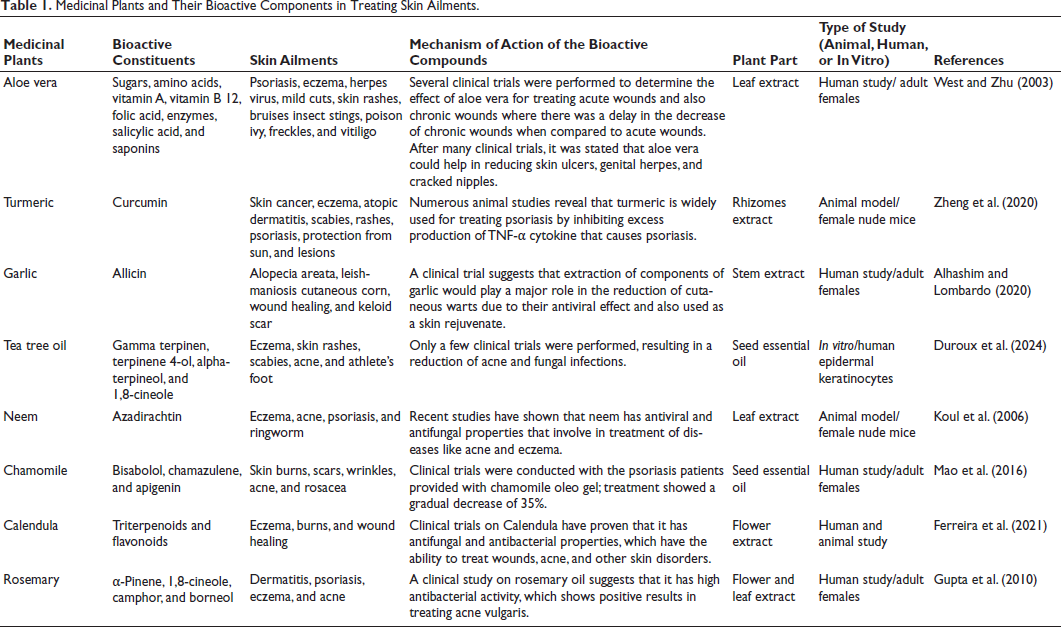
Scabies is a very contagious skin disease caused by Sarcoptes scabiei and can be transmitted through skin contact caused by mites. Symptoms of scabies include itching at night, redness of the skin, scales or blisters, and sores that are caused by scratching. Scabies can be treated only by killing the mites in the area where mites burrow. Scabies results in intense itching in the form of papules, pustules, and nodules. Identification of eggs or mites under a microscope is the diagnostic method for this disease (Lima et al., 2011). The most popular treatment method is the use of allopathic medications, which have the disadvantage of having adverse effects even if they might provide the patient with instant relief. The usage of medicinal herbs, which contain numerous bioactive phytocompounds with little or nonexistent adverse effects and potential for treatment against a variety of ailments, is a safe and economical alternative therapy method. Numerous medicinal herbs have been reported for their potential as possible therapies for scabies. These include M. alternifolia, C. longa, A. indica, R. officinalis, Capsicum annuum, Cinnamomum camphor, Solanum nigrum, and Eupatorium perfoliatum. All these medicinal herbs have various bioactive components and have therapeutic uses against scabies (Akram et al., 2020). Scabies can also be treated by using creams like permethrin or malathion (Vasanwala et al., 2019). In an experimental study performed in infected dogs, an adequate amount water-free neem seed extract shampoo was applied topically to infested areas for about 14 days. Scraping examination of infested dogs was done to check the healing process, and at day 7, four dogs were free of disease and the remaining dogs showed a reduction in mite counts. After the complete treatment (14 days), only a smaller number of mites were identified in two dogs, and the remaining were completely free of mites. No adverse effects were found in dogs throughout the study (Abdel-Ghaffar et al., 2008). An in vitro study performed in patients with scabies using tea tree oil showed a successful result in comparison with standard treatment. A patient with scabies was given ivermectin 100 µg/g for 150 min, permethrin for 120 min, and was compared with 5% tea tree oil, with a median survival time of 60 min (Thomas et al., 2016). Another study performed in 217 patients was patch tested using 10% tea tree oil and gave great results with no irritation (Strong & Johnstone, 2007). In a non-comparative as well as open study performed in Nigeria (2002) where patients were treated with aloe vera crude gel, five patients were free of scabies, and thus the efficacy of that extract was compared with benzoate lotion in about 30 patients, where 14 patients were treated with benzyl benzoate lotion and 16 patients were treated with aloe vera. After two courses of treatment, itching was seen in two patients treated with aloe vera and three patients treated with benzyl benzoate lotion. The lesions gradually disappeared in all patients, and no side effects were noticed in any patients. Thus aloe vera gel is effective against scabies (Tabassum & Hamdani, 2014). Therefore, these medicinal plants with bioactive components benefit in treating various skin ailments as mentioned in Table 1.
Medicinal Plants and Their Bioactive Components in Treating Skin Ailments.
Medicinal Plants for Stem Cell Proliferation and Application in Treating Skin-related Disorders
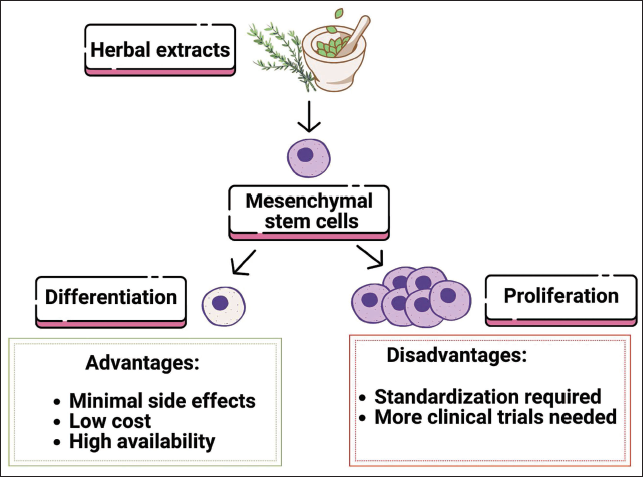
Stem cells come into focus due to their ability to self-replicate, differentiate into many cell types, and act as a support for many diseases. MSCs are one of the important stem cells derived from bone marrow. They were first discovered as a potential source of fibroblasts, which have been found to be involved in wound healing mechanisms. It is reported that stem cells have a profound ability to treat various types of skin diseases via regenerative repair mechanisms (Nourian Dehkordi et al. 2019; Oh et al., 2018; Zahorec et al. 2021). A study demonstrated that many bioactive ingredients have shown promise in the promotion of stem cell renewal, proliferation, and differentiation into specific lineages (Udalamaththa et al., 2016). Herbal extracts with various bioactive compounds, including flavonoids, polyphenols, terpenoids, tannins, and other plant-derived compounds, promote human mesenchymal stem cell (hMSC) proliferation and differentiation, and these compounds synergistically treat various skin diseases (Udalamaththa et al., 2016). For example, the extract from Tithonia diversifolia is used in treating various disease conditions, such as wound healing, hematomas, hepatitis, menstrual pain, diabetes, and malaria (Di Giacomo et al., 2015). As MSCs are multipotent progenitor cells, they have the ability to differentiate into keratinocytes and fibroblasts. In addition to their differentiation capacity, they exhibit distinct paracrine effects to speed wound healing and preserve tissue homeostasis, and due to these properties, they have been considered a potentially viable therapeutic alternative for wounds and ailments (Maeda, 2020). Bioactive compounds from plants stimulate several biological processes, such as MSC migration and homing, which could open new possibilities in the regenerative medicine era (Guillamat-Prats, 2021). The beneficial effects of herbs have shown better results in stem cell proliferation. The use of adult stem cells to promote regeneration and rejuvenation of endogenous stem cells using herbal extracts can be a substitute for stem cell transplantation. Natural extracts from blueberry, green tea, vitamin D3, and carnosine were used for the study to uphold the proliferation of adult stem cells (Bickford et al., 2006). Studies showed that nutrients from plants promote cell proliferation and rejuvenation, and the synergistic effect of those herbal components was used to study stem cell proliferation. As stem cells require an antioxidant mechanism, curcumin has anti-inflammatory, antioxidant properties that can repair cells and make them survive. Herbal extracts stimulate the growth of skin cells and wound healing. Aloe vera and C. longa showed effective results for superficial wounds. Withania somnifera (ashwagandha) is used for skin rejuvenation and anti-aging treatment (Vollono et al., 2019). Different medicinal parts of the plant like stem, root, leaves, and fruit are used for treating various diseases. T. diversifolia is used as a wound-healing medicine (Wang et al., 2020). The effects of herbal extracts in influencing stem cell properties are depicted in Figure 3.
Herbal Plants and Their Advantages and Disadvantages in Stem Cell Proliferation and Differentiation.
Stem Cells in Anti-aging
Aging is a natural process caused by various underlying factors like environment, genetics, and other physiological processes in the body. Numerous methods and therapies have come across to reduce the aging process, and stem cells play a key role in this. Stem cells are notable cells that help in proliferation and differentiate into any type of cells. These acquire the properties to renew cells by replacing apoptotic or necrotic cells in the body. Stem cells also have the ability to exhibit telomerase activity and are thus very beneficial in anti-aging. Stem cells help in restoring the non-functional and aged cells by acting as a repair system to maintain the health and normal functioning of the body (Godic, 2019). There are different types of stem cells, out of which MSCs and induced pluripotent stem cells (iPSCs) outstand in various research fields. However, stem cells also undergo an aging process, resulting in a decrease in their functioning ability. The latest trends revolve around reversing the mechanism of aging by combining stem cells with anti-aging genes like klotho that help in regulating the signaling pathways which base the aging process (Ullah & Sun, 2018). This combination of anti-aging genes with stem cells helps in neutralizing the signaling effects that cause premature aging. The stem cell rejuvenation technique that involves the injection of stem cells into the body intravenously may help in delaying the aging process. This technique is used for various aesthetic purposes for skin and hair. The mesenchymal cells are mostly used in this technique for skin rejuvenation. On the other hand, iPSCs, which are similar to embryonic stem cells (ESCs), are easily accessible and are very much practical in tissue repair and regeneration (Hescheler, 2019). Advanced stem cell technology can help in delaying the process of aging and is also used to treat age-related diseases by replacing old cells (Yu, 2018).
Stem Cells and Traditional Medicine in Clinical Research
Stem cells are a major tool for research in the field of clinical and translational medicine. Stem cells are known for having the capacity of regeneration and proliferation into multiple cell types. Stem cells with multipotent and self-renewal properties help in many complicated medical conditions and thus play a major role in clinical applications. The body’s ability to maintain homeostasis and recover damaged tissues decreases with aging. With the increase in age, the body’s major functions like metabolism, regeneration, differentiation, self-renewal, or quiescent state of stem cells detain. To overcome this, the active ingredients of herbal medicine like salvianolic acid B and vitamin C induce the differentiation and proliferation of stem cells (Ong & Bodeker, 2005). In the current scenario of stem cell research, many synthetic and chemically produced products are used, which are involved in increased toxicity and are very expensive. To overcome these hindrances, alternative medicines like natural extracts from plants are used along with stem cell therapy. A few herbal extracts are also known to benefit tissue regeneration and can be applied in stem cell therapy or other clinical contexts (Dorai, 2012; Działo et al., 2016). MSCs with multipotent properties can be differentiated into keratinocytes and fibroblasts. As keratinocytes are the primary barrier and regulate the reepithelization process via their migration and proliferation at the wound site, the accelerated reepithelization is distinct to restore the skin barrier. So, using bioactive compounds that have the ability to regulate keratinocyte development signaling pathways and limit the initial cells to follow a particular differentiation path is an alternate method for producing transplantable keratinocytes (Chen et al., 2019). In the field of regenerative medicine, bioactive compounds have been used to study and test reprogramming and transdifferentiation. Originally, pluripotency factors (Oct4, Sox2, Klf4, and c-Myc (OSKM)) were overexpressed in fibroblasts by viral vectors, which was the main method used to create iPSCs. Following that, a mixture of bioactive molecules was used to replace the pluripotency factors (Hou et al., 2013). Numerous studies indicate that using bioactive compounds to produce keratinocytes from ESCs and iPSCs holds promise. Furthermore, choosing the right bioactive chemicals to direct the first cell reprogramming into keratinocytes is a crucial step in this process that depends on an understanding of keratinocyte growth and regulatory mechanisms (Chen et al., 2019). Herbal plants with medicinal value are shown to exhibit properties that help stem cells grow as depicted in Figure 3. In addition, fruits like amla, which contain vitamin C, are proven to help in the proliferation of stem cells (Banerjee et al., 2020). Some Chinese herbs, which potentially help in tissue regeneration, are used as therapeutic agents in treating various metabolic defects (Ong & Bodeker, 2005). The bioactive components extracted from plants can influence stem cell differentiation and proliferation.
For example, Dipsacus asper, a Korean plant root extract, has been used to treat bone fractures, where bone marrow stem cells (such as hMSCs), in the presence of this compound, demonstrated osteogenic differentiation (Wong et al., 2012; Yuan et al., 2016). Similarly, herbal medicines from plants like Ferula gummosa and Drynaria fortunei have shown efficacy in promoting stem cell differentiation and can be explored in vitro for various research purposes. Aloe-emodin, found in aloe latex, has demonstrated anti-adipogenic effects on hMSCs by reducing mRNA levels associated with adipogenic pathways, including resistin, adiponectin, lipoprotein lipase, peroxisome proliferator-activated receptor γ (PPARγ), and TNF-α (Subash-Babu & Alshatwi, 2012). Four phytochemicals—naringin, icariin, resveratrol, and genistein—have demonstrated the ability to induce MSCs to differentiate into osteoblasts and osteocytes, potentially through the Wnt signaling pathway by upregulating the expression of RUNX2 and Sirt-1 genes (Kornicka et al., 2017).
Current Understanding of Traditional Medicine Uses and Future Perspectives
Traditional medicine embodies the accumulated therapeutic knowledge and practices of generations of indigenous healthcare practitioners. Many generally acknowledge and utilize traditional medicine to treat a wide range of medical disorders. Further research on humans will aid in substantially applying plant extracts to treat various disorders. However, using these extracts has adverse effects and an ambiguous mechanism of action. Several herbal extracts have been used to treat vitiligo, scabies, dermatitis, acne, and eczema, among other skin problems. An improved understanding of these extracts and the effects of those plants might assist in reducing any adverse effects as well. It is possible to thoroughly research the usage of therapeutic doses of different herbs to determine the effects of those extracts and to manage toxicity. If translational approaches toward appropriate processes for differentiation and proliferation of stem cells of a given lineage are understood, many therapeutic issues can be addressed. Our search results showed that using bioactive plant-derived components could help activate stem cells to promote differentiation and multiplication. Therefore, it is possible to use traditional medicine for stem cell proliferation due to its accessibility and low adverse effects. Professionals of mainstream medicine have rejected several alternative medicines because they have not been proven through clinical research. Because of this, few medicinal plants with therapeutic properties are still used in clinics. It is possible to research how herbal extracts work synergistically to treat skin conditions and improve wound healing abilities. Numerous herbal remedies are used daily in different countries, but the scientific community has not accepted them since insufficient data or research supports them. More double-blind, randomized clinical trials must be conducted to examine the effectiveness and toxicity of various herbal extracts at varying dosage levels. Through this review, an attempt was made to shed light on the efficiency of various medicinal plants in promoting wound healing and stem cell regeneration. However, more extensive clinical trials and research should be conducted in this area to better understand how complementary and alternative medicine might treat wounds and target the promotion of stem cell proliferation.
Conclusion
Herbal therapy has served as a trusted medical treatment since ancient times. Numerous plant extracts are employed in traditional medicine globally and strategically using herbal medicines as stimulants for proliferation and differentiation in stem cell therapy could provide highly accessible, non-toxic, and cost-effective alternatives for therapeutic applications. Well-standardized herbal medicines with consistent quality and therapeutic effects have the potential to transform stem cell therapy. Literature suggests that various plants and their components can help maintain the skin’s physiological homeostasis in humans. Ongoing research is revealing critical insights into the pharmacological properties and chemical compositions of these plants. Additionally, studies have uncovered innovative applications for plant components in topical cosmetics and therapeutic products, confirming their efficacy and complex effects. Plant-derived bioactive compounds, in particular, present a promising natural approach for addressing skin aging and related disorders while promoting stem cell proliferation, which may enhance stem cell therapy for signs of skin aging. Their diverse benefits, ranging from mitigating oxidative stress to preserving collagen, underscore their potential as both preventive and therapeutic agents. This review emphasizes medicinal plants such as aloe vera, turmeric, rosemary, pepper vine, and blue gum, which show promise in maintaining and promoting collagen synthesis and delaying skin aging. Furthermore, it discusses the potential of plants and their phytochemicals in reducing ROS and managing other skin-related disorders. However, further research is necessary to optimize their clinical applications, particularly through advanced delivery systems and clinical trials. Addressing these gaps will enable the development of safer and more effective skincare products based on phytochemicals, opening new avenues for their integration into standard dermatological and skincare products. By merging scientific rigor with innovative methodologies, phytochemicals could revolutionize skincare and offer sustainable solutions for managing skin aging and related disorders. Future interdisciplinary studies are essential to fully realize their potential and meet the increasing demand for natural, effective, and safe skincare remedies.
Footnotes
Abbreviations
CDKs: Cyclin-dependent kinases; FGF: Fibroblast growth factor; MeSH: Medical Subject Headings; MSC: Mesenchymal stem cells; ROS: Reactive oxygen species; TGF: Transforming growth factor; WHO: World Health Organization.
Acknowledgment
The authors acknowledge the respective institute for providing the infrastructural facilities for writing this review article.
Authors’ Contributions
All the authors contributed to the manuscript writing and adopted the review concept.
Declaration of Conflicting Interests
The authors declared no potential conflicts of interest with respect to the research, authorship, and/or publication of this article.
Ethical Approval and Informed Consent
Not Applicable
Funding
The authors disclosed receipt of the following financial support for the research, authorship, and/or publication of this article: Hainan Provincial Natural Science Foundation General Project (822MS087).
