




Abstract
Background
Mental health disorders rank among the most common psychiatric conditions, with lifetime prevalence rates that have a significant effect on the global population. Although CBT is still the most generally recommended psychosocial intervention for mental health problems, a significant number of patients do not fully react to therapy, which results in persistent symptoms. Acceptance and Commitment Therapy (ACT) has gained worldwide attention as a promising intervention with a growing body of empirical support across a variety of mental health conditions.
Summary
A systematic review was conducted to evaluate ACT’s impact on mental health. Comprehensive searches of Scopus, PubMed, Google Scholar, and Shodganga, along with reference and citation checks, yielded 15 studies meeting the inclusion criteria. Four independent reviewers assessed the studies for eligibility, methodological rigor, and data extraction. The findings revealed that ACT consistently reduces symptom severity, improves emotional regulation, enhances life satisfaction, and increases psychological flexibility. However, common methodological limitations include small sample sizes, lack of long-term follow-ups, and limited control group comparisons.
Key Message
ACT demonstrates significant promise as a trans-diagnostic intervention adaptable to various mental health issues. Despite its evident benefits in symptom reduction and psychological well-being, further research addressing methodological constraints is crucial to optimize its clinical applications and establish its long-term efficacy.
Keywords
Introduction
Acceptance and Commitment Therapy (ACT) is a type of behavioural therapy that has received considerable focus in the mental health sector in recent years. The distinctive nature of ACT highlights the significance of psychological flexibility, mindfulness, and actions rooted in personal values. The fundamental principle of ACT is that attaining a fulfilling and meaningful existence depends on the capacity to fully live in the present while also dedicating oneself to behaviours that correspond with one’s core values. ACT seeks to assist individuals in facing life’s difficulties with increased resilience, authenticity, and a sense of direction by promoting psychological flexibility. Through the cultivation of mindfulness and the exploration of personal values, ACT empowers individuals to respond to difficulties with adaptability, self-compassion, and a clear direction, ultimately enhancing their overall well-being and quality of life.
The ACT model is grounded in the principle of psychological flexibility, which is the ability to embrace ideas, feelings, and experiences without passing judgment or moving away from them. 1 This flexibility will help individuals to make choices aligned with their personal values, rather than being controlled by impulses, fears, or immediate desires.
ACT has proven to be beneficial in addressing various mental health issues, such as anxiety, depression, post-traumatic stress disorder, and chronic pain.1–4 The transdiagnostic approach of ACT offers hope as a treatment for those with co-occurring conditions by addressing the fundamental processes that influence various psychological and physical health concerns. 5
The foundation of ACT lies in a deep understanding of human cognition and language, drawing from relational frame theory and extensive research on human suffering and psychological well-being. ACT posits that psychological inflexibility, characterised by experiential avoidance, cognitive fusion, and a disconnect from personal values, is a key driver of human suffering. This psychological inflexibility may appear as an individual’s struggle to adapt to change, a tendency to avoid or suppress negative thoughts and emotions, and a detachment from their core values and meaningful pursuits. ACT aims to address these patterns of psychological inflexibility to help individuals develop greater adaptability, self-awareness, and purpose in their lives.
Method
The aim of this systematic review is to explore how ACT affects mental health problems. This was performed through searches across key electronic databases, such as PubMed, Google Scholar, and Scopus (see Table 1). Research that examines the impact of ACT on Mental Health Issues.
Approach and Formula Used for Different Databases.

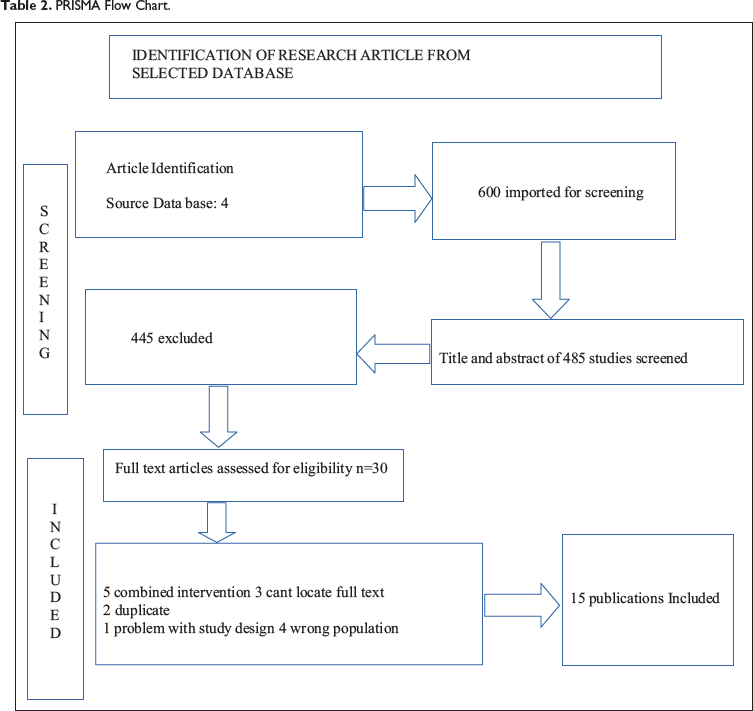
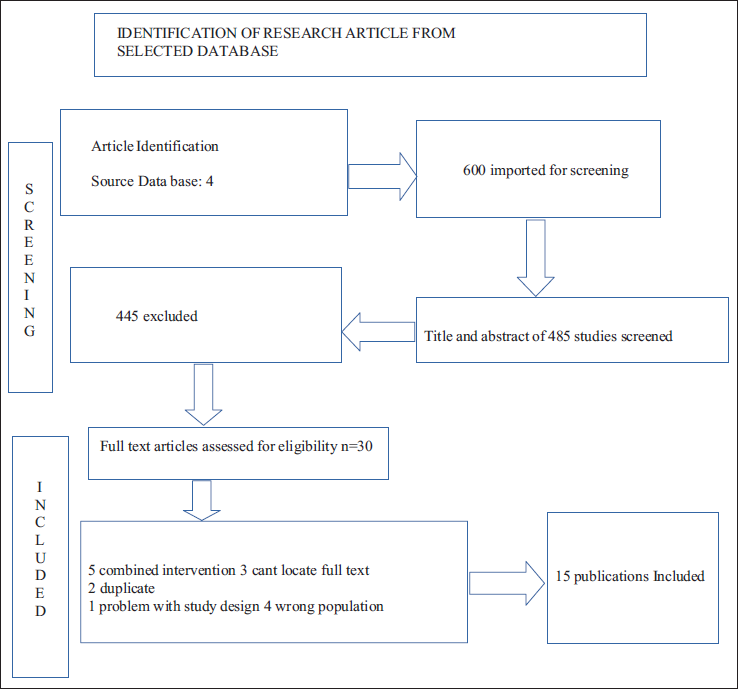
This research was carried out following the guidelines of the Preferred Reporting Items for Systematic Reviews and Meta-analyses (PRISMA) for documenting systematic literature reviews concerning ACT and Mental Health Issues (see Table 2). The 27-item PRISMA checklist was utilised for the planning, execution, organisation, evaluation, analysis, and reporting of the reviewed literature. The collected reviews were examined and organised using various tools, including Google Docs and Excel spreadsheets. Research articles were chosen based on pre-defined criteria. The study was conducted through the different stages outlined in the subsequent sub-section.
PRISMA Flow Chart.
Organising Review
The systematic review guide was developed based on the PRISMA checklist framework, integrating recommendations from Pascoe et al. To effectively address the research topic within the given time frame, a detailed study design was created following the proposed 15-step process. The draft outline included the following information.
Domain for the study: The role of ACT in mental health issues.
Objective of the study: The study focused on exploring the effectiveness of ACT on various mental health issues
Implications: The inquiry into the function of ACT will clarify how ACT interventions relate to psychological well-being, emphasising their impact on mental health symptoms and overall psychological resilience.
The databases PsycINFO, PsycArticles, Scopus, and Web of Science were utilised in the search. Additionally, the Association for Contextual Behavioural Science (ACBS) website was explored, as it serves as a research hub for clinicians and researchers focused on ACT. The searches were restricted to articles published from 2003 onward.
For the evaluation of studies on ACT, the team collaborated to systematically organise and filter the research. Following the proposed research questions, the articles were categorised into two sections: one Excel sheet was dedicated to studies specifically focused on ACT, while the other was used for studies related to mental health outcomes and therapies. Theses, dissertations, and relevant research articles were included in the review. A total of 600 studies were assessed based on their titles and abstracts for relevance (see Table 2). Additionally, abstracts of articles with unavailable full texts were considered. To minimise bias, errors, and duplication, all articles screened for potential inclusion were further validated by the team (see Table 2).
Research Question:
RQ: What is the role of ACT in the treatment of various mental health conditions?
Inclusion Criteria:
Research articles released in recognised and peer-reviewed journals. Articles based on empirical evidence, qualitative inquiries, review articles, and mixed-method approaches. Studies focusing on the application, efficacy, or mechanisms of ACT. Interventions targeting the prevention or intervention of mental health issues. Research including at least one validated measure of mental health issues. Articles published in English. Research involving human subjects.
Exclusion Criteria:
Studies not focusing on ACT. Studies focused on physical health conditions and ACT Non-peer-reviewed articles. Animal studies.
The articles underwent a final screening process that took into account both the inclusion and exclusion criteria. The titles of articles and abstracts were assessed for informational value and substance in order to support their inclusion in the research. supporting their inclusion in the research. The database was cleared of duplicate research.
Results
A total of 485 eligible studies were found using the search method. The results of the research that were evaluated consistently demonstrate the effectiveness of ACT as a psychological intervention for a variety of mental health issues. The core principle of ACT—enhancing psychological flexibility—appears to be a key mechanism through which the therapy achieves its beneficial outcomes. Psychological flexibility facilitates adaptive responses to life’s problems by enabling people to navigate challenging emotions and thoughts without getting entangled in them. By fostering acceptance of distressing experiences and encouraging a commitment to actions aligned with personal values, ACT facilitates a shift away from avoidance and suppression of negative emotions, which are often counterproductive.
The search strategy identified a total of 15 eligible studies (Table 2). It was discovered that ACT provides a distinctive and comprehensive strategy that tackles the behavioural and cognitive aspects of psychological distress by emphasising mindfulness exercises, cognitive defusion, and value-driven behaviour. These elements enable individuals to build a more meaningful life by focusing on what truly matters to them, rather than being controlled by unhelpful mental narratives or transient emotional states. The reviewed studies show that ACT is effective in clinical populations and also in increasing general well-being and resilience.
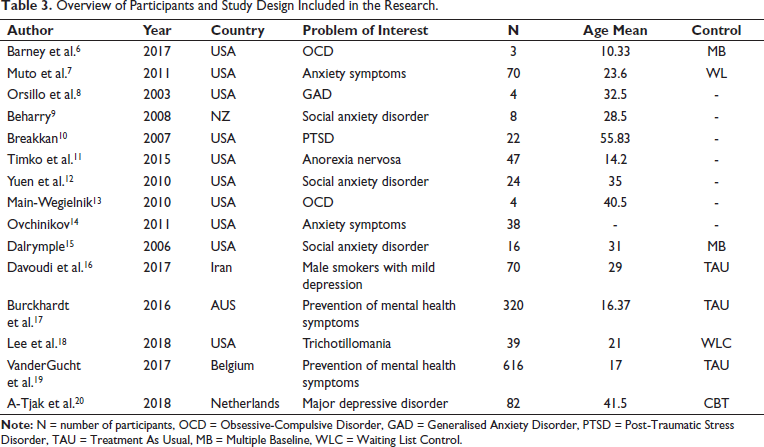
Furthermore, the versatility of ACT is reflected in its adaptability to diverse cultural contexts and its applicability across different age groups, from adolescents to older adults (see Table 3). This adaptability highlights ACT’s broad utility in promoting mental health and well-being globally.
Overview of Participants and Study Design Included in the Research.
Discussion
This systematic review provides evidence that ACT has a significant positive impact on mental health issues. However, while the current evidence base is strong, future research should focus on refining the specific components of ACT that yield the most significant outcomes, as well as, investigating how ACT can be integrated with other therapeutic modalities to enhance its efficacy.
Based on the findings of these studies, ACT has demonstrated broad applicability and effectiveness across a variety of groups and mental health issues. Parental engagement is crucial in promoting positive treatment outcomes for children with obsessive-compulsive disorder through the use of parent-facilitated ACT (see Table 3). 6 Self-help interventions can considerably improve mental health in non-clinical settings by demonstrating the effectiveness of ACT bibliotherapy in enhancing the psychological well-being of Japanese students residing overseas (see Table 3). 7 Furthermore, Investigation into the incorporation of acceptance and mindfulness practices into current cognitive-behavioural treatments for generalised anxiety disorder (GAD) produced encouraging outcomes, indicating ACT’s compatibility with conventional therapeutic modalities. 8
ACT has been used successfully in more specialised settings to treat anxiety related to public speaking 9 and to treat veterans with PTSD (see Table 3). 10 These examples demonstrate how versatile ACT is in treating both common and complicated psychological conditions. More evidence of ACT’s efficacy as a family-based treatment for teenagers suffering from anorexia nervosa highlights the therapy’s versatility in treating severe and long-term diseases (see Table 3). 11 Similarly, ACT’s efficacy in treating intrusive thoughts and its potential for remote therapy is demonstrated by its use in the treatment of social anxiety disorder by videoconferencing (see Table 3) 12 and its good effects on high overestimated OCD ideation (see Table 3). 13
The reviewed literature highlights the potential of ACT to improve emotional regulation, cultivate psychological resilience, and mitigate the severity of symptoms in a variety of contexts, demographics, and conditions. ACT is a strong, transdiagnostic intervention that produces significant gains in mental health, as demonstrated by its applications in the treatment of trichotillomania, 18 school-based mental health programs 17 and smoking cessation (see Table 3). 16 These results make a compelling case for more investigation into and improvement of ACT in order to reach more clinical and non-clinical individuals. Although the main aspect of ACT is to increase psychological flexibility (see Table 3),21, 22 and improvement in mental health symptoms or issues is considered to be an additional or a secondary gain, 23 the review found that some studies actually did not use any measures that are associated with psychological flexibility (see Table 3).24, 25
The examined literature highlights the potential of ACT to improve the regulation of emotions, cultivate psychological resilience, and mitigate the intensity of symptoms in various contexts.
Conclusion
This systematic study emphasises the efficacy and adaptability of ACT across a wide range of mental health disorders and groups. The trials under consideration highlight ACT’s capacity to treat a wide range of clinical and non-clinical conditions, including trichotillomania, public speaking anxiety, paediatric OCD and GAD. Improvements in psychological well-being (see Table 3), emotional regulation, and symptom reduction have been shown as a result of ACT’s integration of values-based behaviours, mindfulness, and cognitive defusion.
Moreover, ACT’s versatility is demonstrated by its use in a variety of settings, such as videoconferencing, bibliotherapy, and parent-facilitated interventions, which offer customisable treatment plans that meet a range of needs, both personal and professional. Further demonstrating ACT’s broad significance are studies like those by Lee et al. 18 and Muto et al., 7 which highlight the therapy’s applicability in both novel delivery modalities and traditional therapeutic settings.
In spite of these encouraging results, the analysis also identifies areas that require further investigation. These include the necessity of long-term follow-up studies, an emphasis on underprivileged communities, and ongoing investigation into the use of ACT in digital and remote formats. The combined data from these studies affirms that ACT is a transdiagnostic, flexible, and successful therapeutic strategy that has made substantial advancements in the field of mental health therapy. The researcher believes that the results of this review will support the need to conduct future research in this area with an increased methodological rigour, to support additional data or evidence on the utility of ACT in treating various mental health issues.
Research Contribution
Continued research: More high-quality and quantity studies are needed in this area, also focused on different cultures.
Comprehensive evaluation of ACT’s effectiveness: This systematic review synthesises evidence from multiple studies to assess the overall effectiveness of ACT in treating various mental health issues, such as anxiety-related issues, depression, well-being, and substance use disorder-related issues. This review provides a broad understanding of the therapy’s impact across diverse populations and settings.
Limitations
The present study explored the extant literature for the research on using ACT as an intervention for mental health issues. The study was conducted on the premises of PRISMA guidelines for systematic literature, keeping in view the intricacies of the procedure. Though a rigorous methodology was adopted there are few limitations that exist for the systematic review conducted. The limitations are mentioned below:
The review was conducted through open-access databases primarily; thus, it limited the domain of other published literature. ACT is widely used in physical health and mental health combined issues. This review was mainly focused on mental health issues and well-being. The studies included in the review were in the English language only. Published literature in other languages could also be included in future research.
Future Research
Future studies could explore ACT specifically aimed at the Indian population, as well as, integrate various approaches.
Footnotes
Abbreviations
ACT: Acceptance and Commitment Therapy, OCD: Obsessive Compulsive Disorder, GAD: Generalised Anxiety Disorder.
Authors’ Contribution
All four authors played a role in developing the study’s conception and design. Tasks such as research conceptualization, data organization, analysis, and verification were carried out. The initial draft of the manuscript was authored by Arya, and all authors provided feedback on earlier drafts. All authors reviewed and endorsed the final version of the manuscript.
Declaration of Conflicting Interests
The authors declared no potential conflicts of interest with respect to the research, authorship and/or publication of this article.
Funding
The authors received no financial support for the research, authorship and/or publication of this article.
ICMJE Statement
All four authors were involved in the conception and design of the study. Research conceptualization, data organization, analysis, and verification processes were carried out. The initial draft of the manuscript was authored by Arya, and all authors provided feedback on earlier versions of the manuscript. Each author reviewed and approved the final version of the manuscript.
Statement of Ethics
Ethical approval was not necessary for this systematic review research article. Inform consent is also not applicable.
