




Abstract
Background:
Diabetes is associated strongly with many neurodegenerative diseases and is also a lifestyle disorder. A good glycemic status depends on diet management and physical activity. There are several studies available on the relationship between diet habits and impact on diabetes.
Purpose:
The objective of this study was to check the association of different dietary factors with glucose levels and lipid values in type 2 diabetes from a part of a large nationwide trial.
Methods:
This was the data fromapan-India multicentered cluster randomized controlled study covering 60 states and 4 union territories; 17,285 individuals were surveyed for dietary factors. Amongst them, data of 12,500 individuals were analyzed.Males were 54% and 60% individuals were from urban areas.
Results:
The analysis of the results showed that consumption (usual/often) of milk(odds ratio, OR = 7.180), meat (OR = 6.81), less fiber (OR = 17.77), and less fruits (OR = 14.71) was strongly and positively associated with fasting blood glucose (P<.001). The postprandial blood glucose (PPBG) in diabetes individuals also had a strong positive association (P<.001) with consumption (usual/often) of meat (OR = 22.82) and milk (OR = 17.19). In prediabetes individuals, milk was significantly (P<.001) associated with fasting blood glucose (OR = 2.74). In nondiabetes individuals also, milk was significantly associated with postprandial blood glucose (OR = 2.56). Consumption of meat was associated with high cholesterol (OR = 1.465).
Consumption of junk food was associated significantly (P <.001)with the status of known diabetes (OR = 1.345) and known hypertension (OR = 1.247).
Conclusion:
Consumption of milk, meat, less vegetables, less fruits, and junk food has a significant effect on the glycemic status and cholesterol levels, and also on the status of known diabetes and hypertension.
Introduction
Diabetes mellitus is a metabolic disorder, and lifestyle behaviors including dietary patterns, physical activity, bad habits, and stress are the known etiological factors. Its increasing prevalence in developing countries such as India is closely associated with the structure of the population, age factors, and urbanized lifestyle.1, 2
The accurate etiology of diabetes mellitus has remained uncertain in spite of the advancement in research and treatment facilities around the globe. Genetics, age, exercise, physical fitness, dietary patterns, medications, obesity, and waist circumference are the high-risk factors contributing to the development of causes of diabetes—reduced insulin absorption and beta-cell destruction. 3
In a review study, 4 it is reported that the quality of the diet was the important factor for reduced insulin absorption rather than the components of the diet. In general, a greater intake of milk products is not associated with reduced absorption of insulin. This is in contrast to the traditional belief that milk products, which are associated with higher levels of cholesterol, saturated fat, and protein, are the risk factors for cardio-vascular diseases (CVD). However, the fact that a more protein intake increases the risk of ischemic heart disease has not been established. 5
But the evidence of the study was not conclusive. The study also suggested that several factors related to components in milk products and constitutional variation, genetic variability in populations may have an impact on insulin absorption. For example, the type of milk products they consume and the amount of fat and mineral may influence the absorption of insulin.
Another study performed in Sweden, observed the relationship between diet habits and risk of metabolic syndrome, including a diet rich in milk fat compared to regular milk and cheese. It revealed that excessive consumption of glucose, bakery products, and alcohol was associated with the risk of metabolic syndrome. However, in women, consumption of excessive milk products was found to be having a guarding effect with respect to type 2 diabetes. Further, a diet with excessive milk fat was associated with a reduced risk of hyperinsulinemia in women, but not in case of men. The authors also noted that there may be a gender difference in how different foods affect the metabolic consequences with respect to diabetes.6
In a prospective analysis of 7,731 men and women over 15 years of follow-up, Brunner et al. 7 found that a “healthy” eating pattern characterized by a diet richin fruits, vegetables, wholemeal bread, and breakfast cereals, low-fat dairy, and little alcohol reduced the risk of diabetes and coronary death or nonfatal myocardial infarction as compared to an “unhealthy” eating pattern (white bread, processed meat, fries, and full-cream milk). Compared with the “unhealthy” pattern, the “healthy pattern” was almost two-fold higher in fruit and vegetable intake and three-fold higher in bakery product and milk product intake.
Numerous studies on milk products have shown negative associations with the risk of type 2 diabetes. 8 This study examined the different facts that (a) milk products were suggested to have an insulinotropic effect in single meals, (b) fatty acids were found to improve insulin sensitivity, and (c) diets rich in protein, calcium, and other minerals were found to reduce blood pressure and body weight/fat and also found to have an effect on blood cholesterol.
An earlier systematic review study which observed outcomes related to glucose homeostasis concluded that less amount of vitamin D and calcium may lead to hyperglycemia, while intakes of a diet containing vitamin D and calcium may regularize glucose metabolism. 9 Various observational studies have been carried out on the relation of the intake of milk products and insulin absorption, and most of them have revealed an opposite relation.10, 11
A prospective study established that excessive consumption of red meat was associated with an increased risk of developing type 2 diabetes in middle-aged and older people. Also it was observed that there were significantly positive associations of cholesterol-, protein-, and iron-rich diet foods, for example red meat, with a risk of developing diabetes.11, 12
A study on personalized diet habits and counseling on exercise hypothesized thatthese result in improving the function of the nervous system and reduction in pain. 13
Globally, various studies are available on single dietary factors (e.g., milk, meat, or fiber diet), but no comprehensive study had been conducted in India including all dietary factors. Hence, the present study has been conducted to check the effect of different diet components on blood sugar and lipid values in type 2 diabetes all over India.
Methodology
Study Design
This study is part of a pan-India multicentred cluster randomized controlled trial covering all populous states and union territories. 14 Details of the methodology have been published earlier.In brief, the study was planned in two phases with the goal of preventing further development of prediabetes into diabetes. In step 1 of phase I, screening was done on Indian Diabetes Risk Score (IDRS) to identify high-diabetes-risk and known diabetes individuals. In step 2 of phase I,detailed data including blood test data were acquired for fasting blood glucose (FBG), postprandial blood glucose (PPBG), and glycated hemoglobin (HbA1c) only in those subjects who had attained high IDRS scores (IDRS >60). Phase II was a two-armed translational randomized controlled trial on yoga-based lifestyle changes. Figure 1 provides the structure of the project.
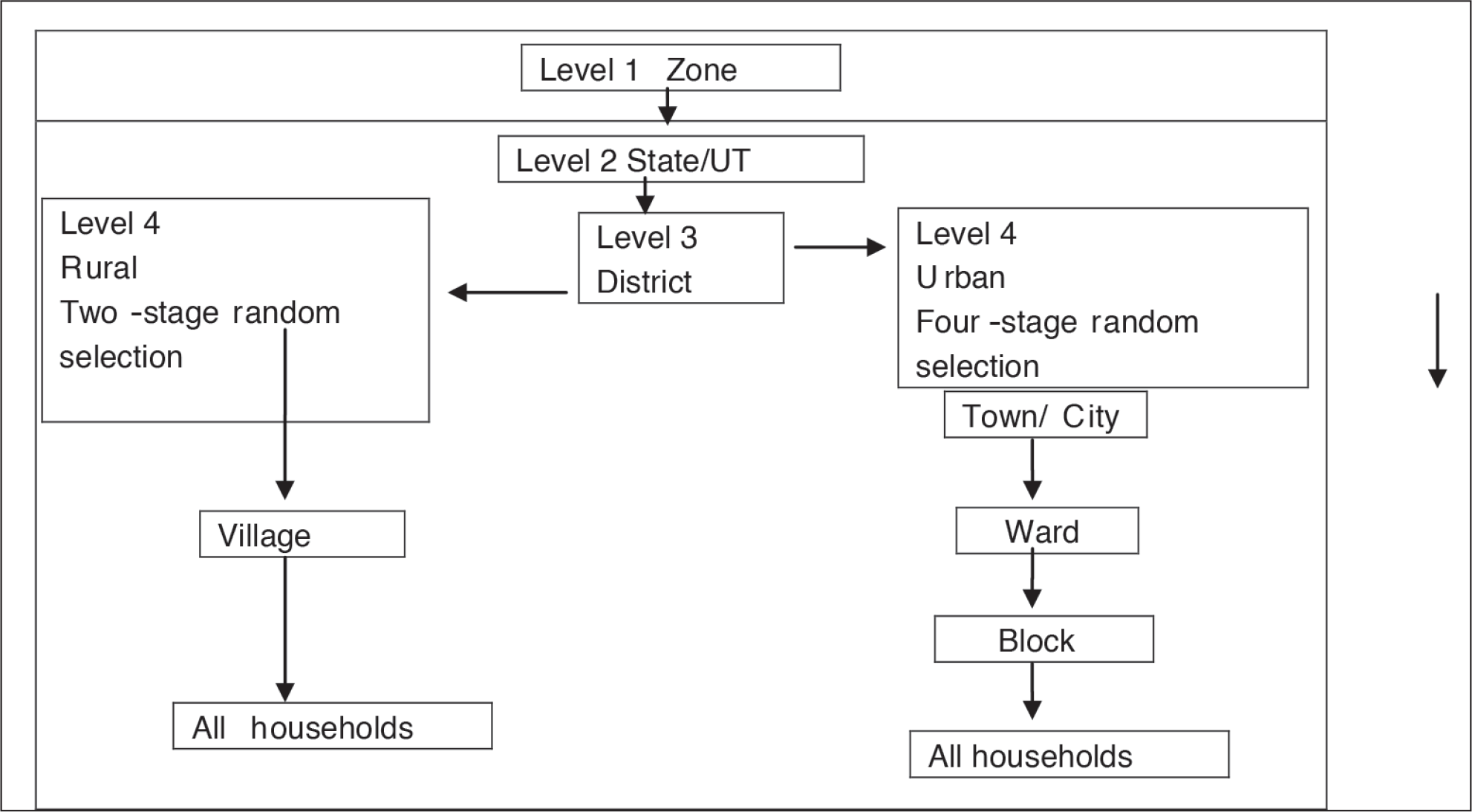
Source: Nagendra et al.16
In step 1, samples from seven geographical zones, i.e., Jammu & Kashmir, Northeast, North, West, Central, East, and South were included. A stratified, multistage cluster sampling design was adopted. In rural areas, a two-stage village–household design, and in urban areas, a four-stage town/city–ward–block–household design wereadopted. Both rural and urban areas were stratified at three levels based on the geographical distribution and population size (Figure 1).15, 16
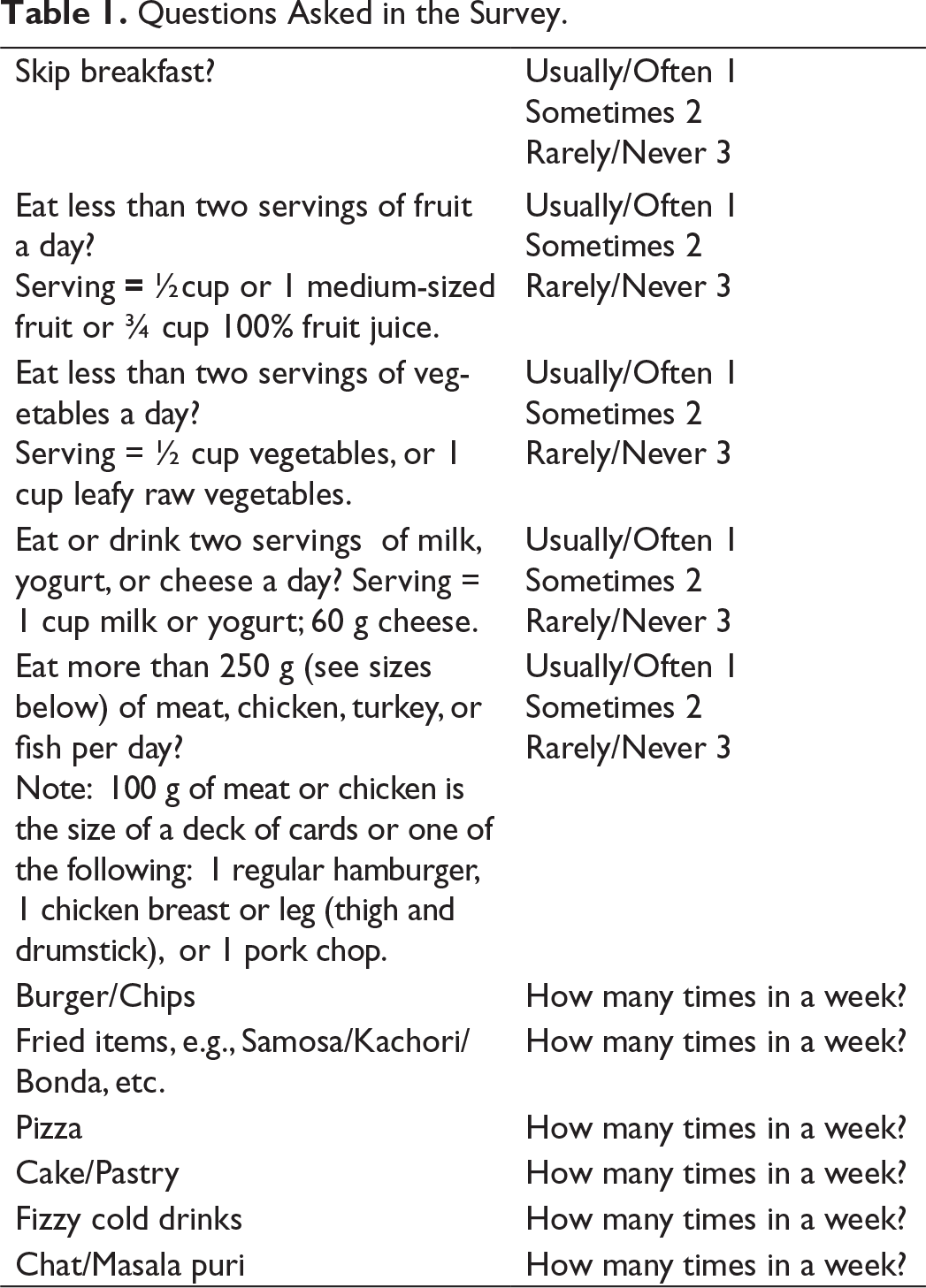
Assessments
Questions Asked in the Survey.
Statistical Analysis
Data were uploaded via mobile apps by trained yoga volunteers for diabetes mellitus (YVDMs) under supervision of senior research fellows. Uploaded data from screening forms (about 4, <0.001 per district), registration forms, and laboratory data (about 50, <0.001) were checked for perfect matching of coding. After cleaning on Excel, the dataset was analyzed using R software for biostatistical analyses. Linear regression and binomial regression were adopted for checking the association between dietary factors and sugar levels and status of diabetes.
Results
The survey was conducted on 17,285 individuals for dietary factors. Sample data of 12,500 individuals were analyzed. In those, males were 54%, and 60% individuals were from urban areas.
Table 2 shows the regression values for the association between different dietary factors and the blood glucose values (FBG and PPBG) in individuals with diabetes, prediabetes, and normoglycemia. As seen from the table, usual/often intake of meat, milk, less fiber, and less fruits was significantly associated with raised PPBG and FBG in the diabetes group. However, among the prediabetes group, these were significantly associated with FBG only, except for the less fruit group which has a significant association with both FBG and PPBG. The normoglycemia group also revealed significant associations of PPBG with usual milk intake and FBG with meat, and less fiber, less fruit intake with raised PPBG and FBG. In the diabetes group, no significant association was noticed for either FBG or PPBG with skipping of breakfast, whereas in the normal group FBG and PPBG showed a significant association with skipping of breakfast. Furthermore, in the prediabetic group, a significant association was observed only for FBG.
Table 3 reveals the odds ratio of the association between various junk foods and self-reported known diabetes. It was found that consumption of cake and fizzy drinks per week was significantly associated with the status of known diabetes mellitus.
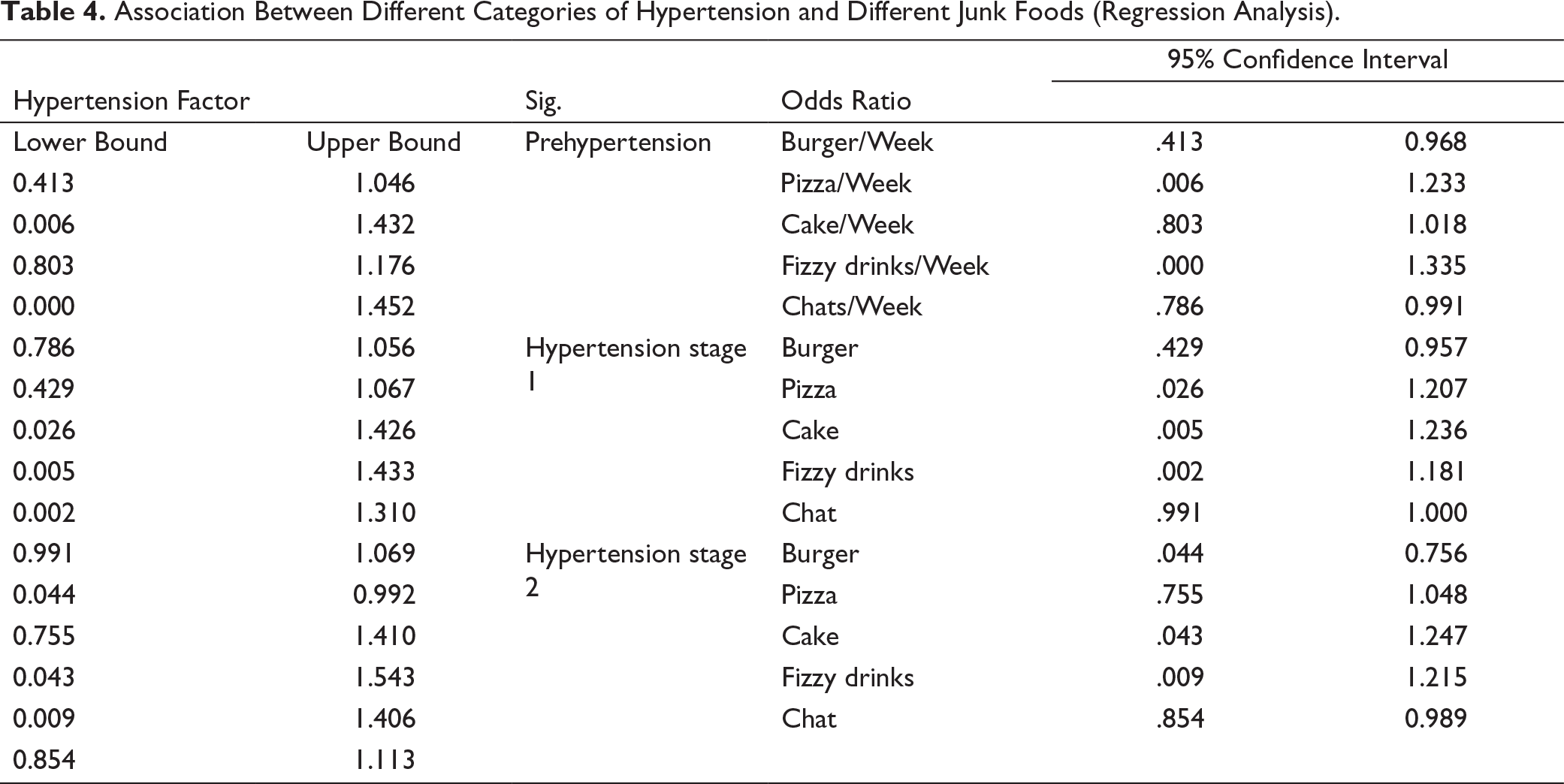
Table 4 depicts the odds ratio of various dietary factors for the incidence of prehypertension, hypertension stage 1, and hypertension stage 2. It was found that an increased consumption of pizza and fizzy per week was associated with prehypertension. Increased consumption of pizza, fizzy, and cake per week was associated with hypertension stage 1. Increased consumption of burger, cake, and fizzy per week was associated with hypertension stage 2.
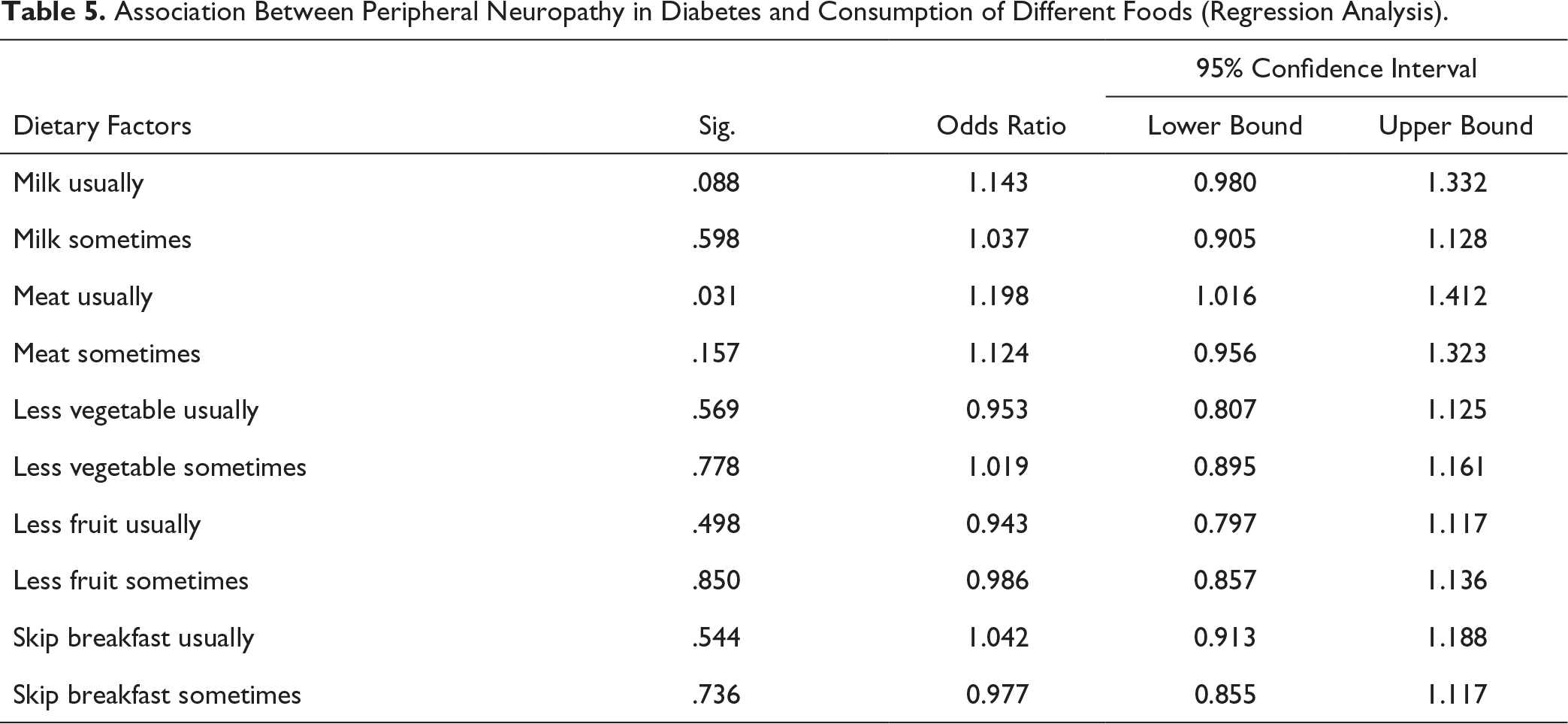
Table 5 reveals the odds ratio of the association between various dietary factors consumed usually and peripheral neuropathy in diabetes individuals. It was found that usual consumption of meat was significantly associated with peripheral neuropathy in diabetes individuals.
Table 6 shows the odds ratio of the association between various dietary factors consumed usually and cholesterol. It was found that usual/often consumption of meat and less vegetables was significantly associated with high cholesterol.
Discussion
The present study has been conducted across seven zones of India. In this study, an association of dietary factors such as milk products, meat, and junk foods with FBG and PPBG was appraised.
The findings of the present study revealed that regular ingestion of excessive milk, meat, and junk foods has a substantiated effect on the blood glucose levels of the individuals, particularly in case of diabetes mellitus. These results establish the role of the frequency and the type of food an individual consumes in healthy and unhealthy conditions. Ayurveda recommends avoiding milk products to control diabetes. 17
Association Between Dietary Factors With Diabetes Categories of Diabetes, Prediabetes, and Normoglycemia (Regression Analysis).
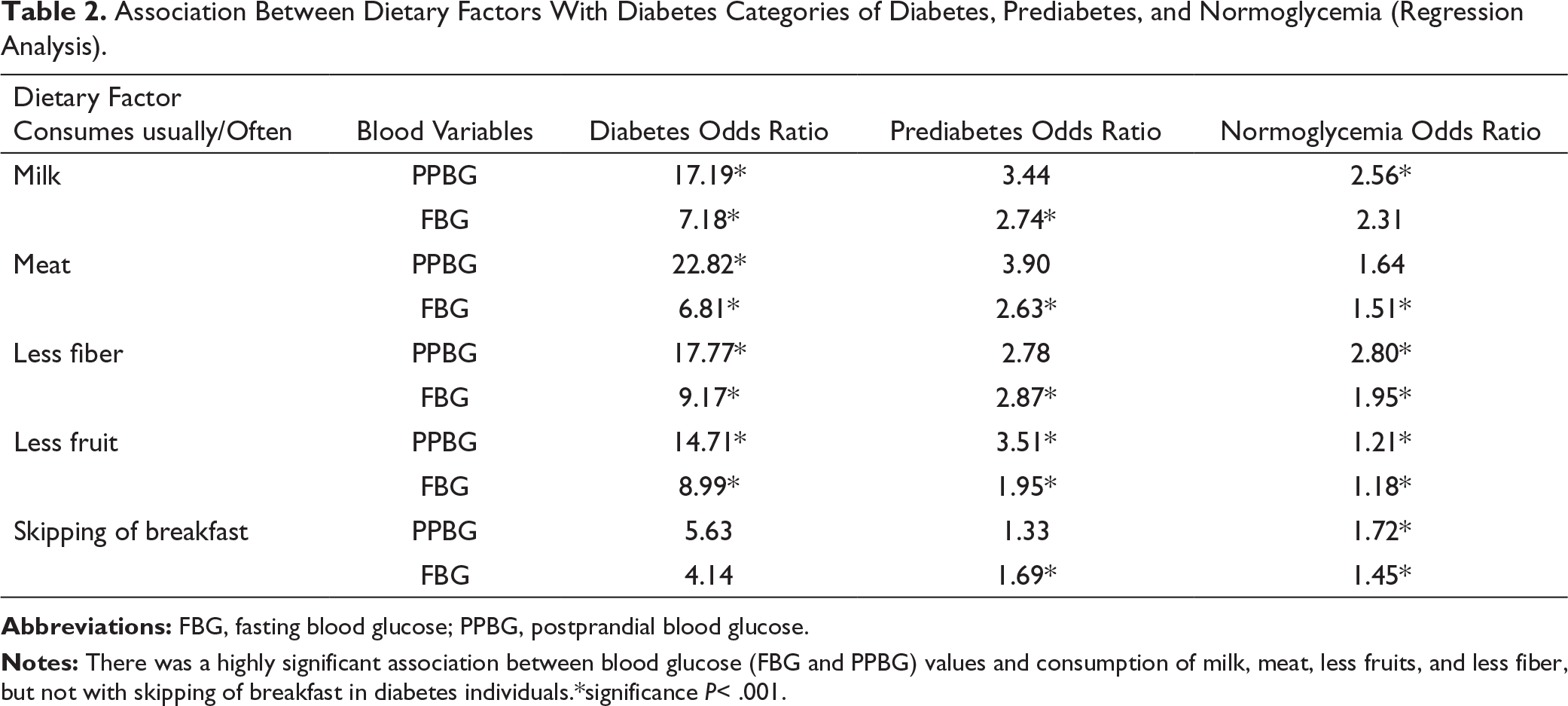
Abbreviations: FBG, fasting blood glucose; PPBG, postprandial blood glucose.
Notes: There was a highly significant association between blood glucose (FBG and PPBG) values and consumption of milk, meat, less fruits, and less fiber, but not with skipping of breakfast in diabetes individuals.*significance P< .001.
Association Between Self-Reported Diabetes and Different Junk Foods (Regression Analysis).
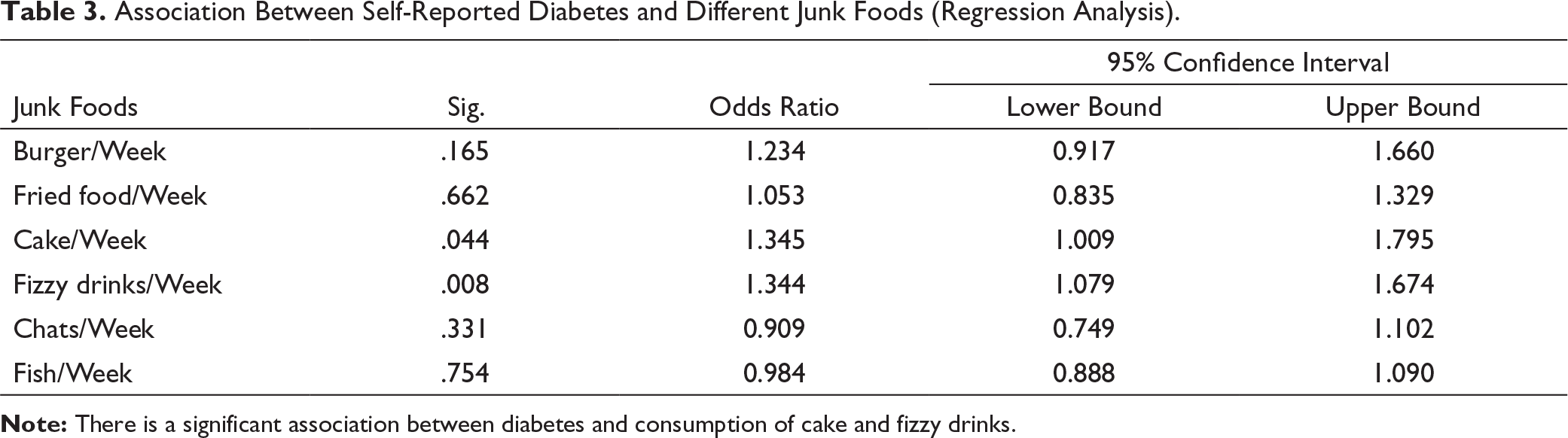
Note: There is a significant association between diabetes and consumption of cake and fizzy drinks.
Association Between Different Categories of Hypertension and Different Junk Foods (Regression Analysis).
Association Between Peripheral Neuropathy in Diabetes and Consumption of Different Foods (Regression Analysis).
Association Between High Cholesterol and Different Dietary Factors (Regression Analysis).
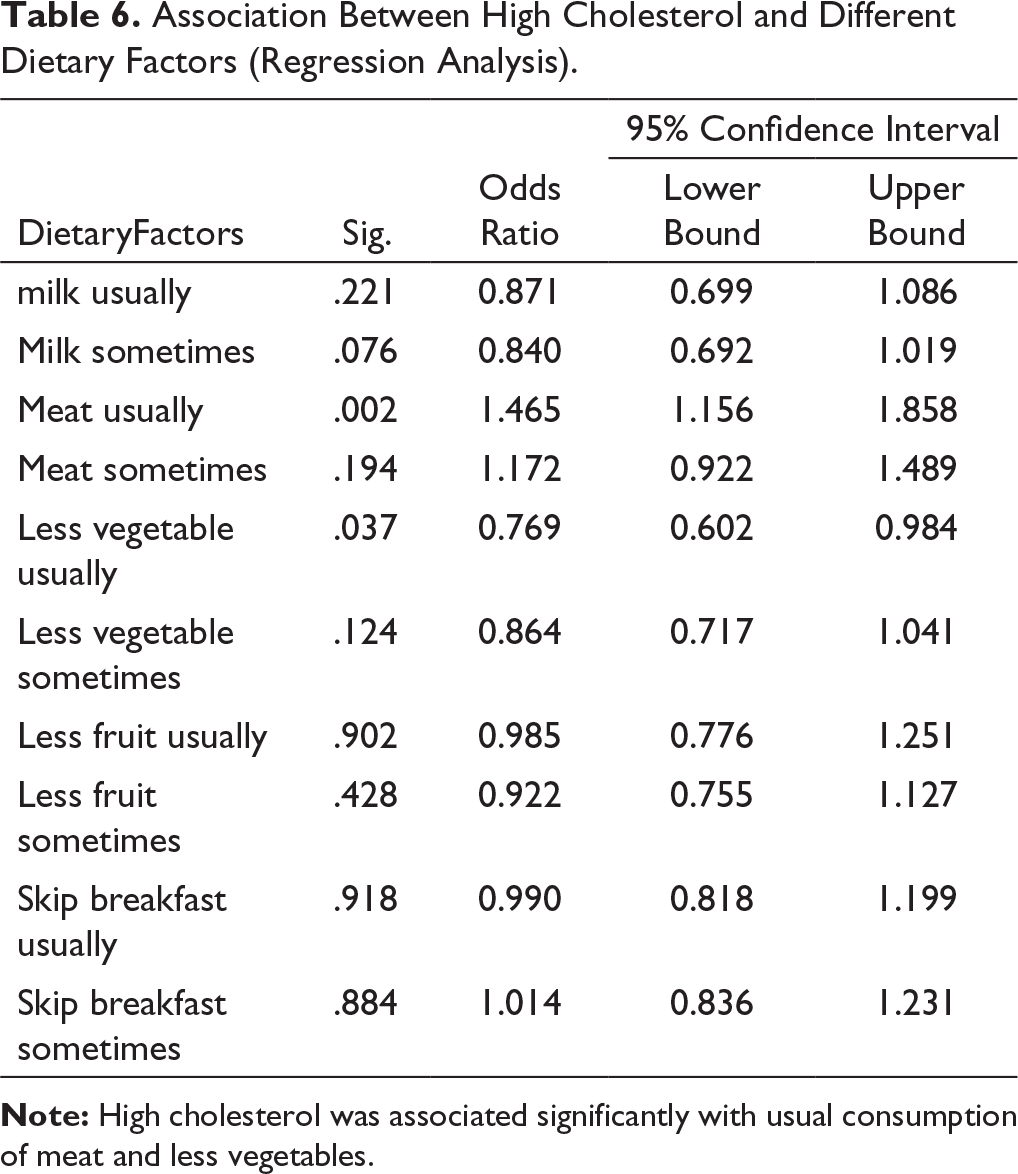
Note: High cholesterol was associated significantly with usual consumption of meat and less vegetables.
Findings of another study also suggested that excessive consumption of milk products reduces the insulin sensitivity as compared to red meat in overweight and obese subjects with glucose intolerance. Another study is also in line with the findings of the present study signifying the positive association between intakes of red meat and poultry with a risk of developing diabetes. 18
Gittelsohn et al. have shown that excessive consumption of junk foods and bakery products was associated with a substantial increase in the risk of developing diabetes and impaired glucose tolerance. These foods tend to be high in simple glucose, low in fiber, and high in fat. The authorsobserved a close relationship between dietary patterns and the incidence of diabetes mellitus. 17
On the contrary, a number of studies have shown the negative association with milk consumption. A lipid and glucose study conducted in Tehran, involving 827 subjects, showed that a number of factors were found to be associated favorably with dairy consumption, including the metabolic syndrome in newly diagnosed diabetes, but significant associations were not found. 19
The CARDIA study, 20 which is a prospective study over 10 years, demonstrated a negative association between milk consumption and the development of the disease. In contrast, the present study has depicted a significant association between milk intake and glucose levels in diabetes.
A prospective study conducted in Finland proposed that the association between processed meat and diabetes was mostly because of sodium. 21 Another study by Alsabieh etal. proposed an affirmative association between packed food products and hypertension. 22
With consumption of usually less fiber and fruits showing a significant association with PPBG and FBG in the diabetes, prediabetes, and normoglycemia groups in the present study, a study suggested the presence of heterogeneity in the associations between the ingestion of fruits and risk of type 2 diabetes. However, consumption of blueberries, grapes, and apples was significantly associated with a lower risk of type 2 diabetes. But excessive consumption of fruit juice was found to be associated with a higher risk of diabetes. 23
Moreover, skipping of breakfast showed a nonsignificant association with PPBG and FBG in the diabetes group,only PPBG in the prediabetes group, and a significant association in the normoglycemia group. A meta-analysis of studies revealed that skipping of breakfast was found to be associated with an increased risk of type 2 diabetes. A regular habit of breakfast eating may help lower the risk of type 2 diabetes. 24 Thus, skipping of breakfast is associated withan increased risk of type 2 diabetes.
In this study, association of dietary factors was also analyzed with peripheral neuropathy, which revealed that subjects who consumed meat usually had a significant association with peripheral neuropathy, with symptoms of pain and numbness from nerve damage in hands and feet, majorly in diabetes individuals.
However, studies reveal that there are treatments in other practices. In general, a healthy lifestyle involving maintaining the body weight, eluding contact with toxins, practicing physician-supervised exercise program, consuming a balanced diet, rectifying vitamin deficiencies, and evading alcohol and smoking can reduce the symptoms of peripheral neuropathy. 25
However, the Foundation for Peripheral Neuropathy endorses increasing omega-3 fatty acids for reducing the risk of diabetes. It also suggests consuming one to two tablespoons of flaxseed oil a day oreating fatty fish, salmon, or three ounces of walnuts a day. 26
The association between nutritional status and optic or peripheral neuropathies is well established with tobacco, ethanol, deficiencies in thiamine, vitamin A, B12, B3, and B6, and protein–energy malnutrition, all being causative. 27 The present study also revealed the association of dietary factors with the cholesterol level that mainly revealed nonsignificant results, whereas only subjects who consumed usually meat and less vegetables showed a significant association with the cholesterol level. After consumption of a meat diet, the plasma cholesterol concentration fell by 8.6% and low-density-lipoprotein cholesterol by 11%. But the present study showed a low significant association between high cholesterol and meat consumption with odds ratio [OR 1.274 (1.018, 1.515)]. 28 Researchers found that consuming excessive amounts of saturated fat and meat protein was associated with an upsurge in blood cholesterol than the meat-free diets.
A meta-analysis of studies postulates that both fresh red meat and processed meat may upsurge the risk of stroke. This is a significant finding because the excessive consumption of red meat and the high morbidity and mortality have been associated with stroke. 29 In this study, we found the association between meat and sugar levels.
The major asset of the study is that it was the first study to analyze the association between different food groups and glucose levels across seven zones of India. Sample size was also good.
A limitation of the study is that the sample was not distributed normally in all zones. Moreover, the data about the exact quantity offoods was not obtained, and alsoit is difficult to cull out the effects of physical activity. Furthermore, data about diet information was retrospectively obtained, and this is not a prospective supervised monitored diet study.
Conclusion
Milk, meat, less vegetables, less fruits, and junk foods have a significant effect on the glycemic status and cholesterol levels and on the status of known diabetes and hypertension as well as peripheral neuropathy.
Footnotes
Acknowledgments
We are thankful to (a) the funding by the Ministry of Health and Family Welfare and Ministry of AYUSH routed through Central Council for Research in Yoga and Naturopathy, Government of India for their timely support for this project; (b) the executive committee of Indian Yoga Association for conducting Niyantrita Madhumeha Bharatha (NMB); (c) Art of Living Institute, Vethathiri Maharishi College of Yoga, Patanjali Yogpeeth, PGIMER Chandigarh, and SVYASA for providing more than 1,200 volunteers; and (d) the members of the research advisory board of NMB for their inputs at all stages of the study.
Authors Contribution
Raghuram Nagarathna is the primary investigator of the study, is the guarantor of this study and as such has full access to all data in the study, and takes responsibility for the integrity of the data and its analysis. Akshay Anand was involved in overall management of study at the local zonal level. Sapna Nanda wrote the manuscript. Suchitra Patil performed the sample analysis. Amit Singh and Rajesh SK were involved in the overall management of the study, data collection, and participant supervision at the study sites. Hongasandra Nagendra conceptualized the study and monitored its execution.
Declaration of Conflicting Interests
Ethical Statement
Ethical clearance was obtained by the Ethics Committee of the Indian Yoga Association. The study was registered on CTRI (Registration Number – Trial REF/2018/02/017724).
This article complies with International Committee of Medical Journal Editors’ (ICMJE) uniform requirements for the manuscript.
Funding
Funding for the study was provided by the Ministry of Health and Family Welfare and Ministry of AYUSH routed through Central Council for Research in Yoga and Naturopathy, Government of India.
