



Abstract
Purpose:
Equity crowdfunding is a growing practice in the expansion of entrepreneurial finance. Young entrepreneurs and investors find it very effective due to the high penetration of the internet and social media in this globalized world. This innovative source of entrepreneurial finance has certainly fostered small businesses and entrepreneurship. The primary objective of this research is to examine in an exhaustive and systematic way the studies of crowdfunding in actions.
Methodology:
This study has employed a Systematic Review of Literature and Bibliometric Analysis has been conducted. This study seeks to comprehend the current development, benefits, and challenges within the domain of equity crowdfunding.
Findings:
In addition to the potential benefits, the study also highlights the opportunities and challenges of fundraising through equity crowdfunding platforms for fundraisers and investors around the world. Crowdfunding and entrepreneurship, equity crowdfunding is often used for sustainability, development, finance, and investment and is mainly studied with reference to the UK region.
Originality:
The research study makes a contribution to the existing literature by highlighting the current developments and the contributions made by scholars around the world with the assistance of content and bibliometric analysis.
Introduction
To be an entrepreneur, one must be self-motivated, self-assured, open to new ideas, comfortable with taking risks, and able to persevere in the face of adversity in order to carry a project through to completion, regardless of the difficulties they may encounter along the way (Johnson, 2001). Financing is the main obstacle and challenges faced by budding entrepreneurs around the world (De Prijcker et al., 2019). There was also an increase in volatility in the supply and demand for capital due to the global financial crisis in 2008. The inefficiencies of financial markets and the asymmetry of information (Venkataraman, 1997) make it even more difficult for entrepreneurs to raise money for their ventures’ financing needs. Businesses and society both benefit from innovation. Modern entrepreneurs place great value on finding innovative ways to fund their businesses, and this is especially true in the financial sector (Pal et al., 2021a). An increasingly popular option for entrepreneurs in search of external money is crowdfunding. Open funding calls on the internet allow entrepreneurs to raise money (Belleflamme et al., 2014). When it comes to eliminating the hurdles experienced by entrepreneurs in traditional finance, a platform known as the ‘crowd’ is an ideal solution.
Crowdfunding can be accomplished in a variety of ways. Debt or equity crowdfunding, reward-based or donation-based crowdfunding are some of the different types of crowdfunding that exist. This is according to Meyskens and Bird (2015). A small percentage of crowdfunding projects are equity-based, making it the least popular form of crowdfunding. Investing in this way allows investors to own a stake in the company and receive dividends in the future. It is becoming increasingly common to use equity crowdfunding as a means of raising capital for small businesses. Using the internet to solicit donations, exchanges of goods, or voting rights in the form of equity is a new method of raising funds. For example, European investors have invested an estimated $11 billion in equity crowdfunding this year, according to industry analysts. Equity crowdfunding currently accounts for approximately 5% of the European market and is growing rapidly. According to European Business Angel Network (2018), with bank finance and venture capitalists being the top two financing preferences in Germany, equity crowdfunding comes in third place (German Startups Association, 2017). Equity crowdfunding is a fast and relatively standardized way to get in front of a large number of potential investors. Social ventures are tough to raise money for since they are so new and large (Aldrich, 1999; Stinchcombe, 1965). Our financial markets’ flaws lead to the underdevelopment of entrepreneurial finance, resulting in underutilized entrepreneurship roles (Denis, 2004; Estrin et al., 2016). It is also become more difficult to attract financial bankers as these businesses increasingly emphasize generating social good (Bauer-Leeb & Lundqvist, 2012; Ridley-Duff, 2009). Second, these endeavors become less appealing when you consider the high cost of knowledge, the uncertainty of outcomes, and the inherent danger they entail, all of which can only be discovered after the fact (Manigart & Wright, 2013). In order to fund their ideas, many small business owners have turned to family, friends, and even angel investors to help them raise money. In 2009, Cosh et al. in light of the foregoing concerns, crowdsourcing has developed as a new method of supporting startups and expansions (Lehner, 2016). Equity crowdfunding, a new method of raising capital for small businesses, has become popular among budding entrepreneurs.
Our study intends to make a contribution to the field of equity crowdfunding. In conducting this study, we drew on existing empirical and theoretical contributions stored in databases. In the past, researchers have looked at the benefits, constraints, and effectiveness of equity crowdfunding in the startup world. Due to the rapid evolution of the financial industry and equity crowdfunding in particular, it is critical to have a comprehensive understanding of these topics. It is also necessary to comprehend and emphasize the importance of equity crowdfunding in the financing of startup companies in the financial sector. The current study evaluates previous studies on equity crowdfunding in finance in great detail. The research will contribute to the creation of a comprehensive framework for analyzing the current situation of equity crowdfunding. The research is organized in the following way: It is important to provide a brief overview of the research paper’s topic in the first section. The second section reflects the wide range of studies on crowdfunding equity. In the third section, the study’s goals and methods are laid forth. In the fourth section, a number of difficulties that equity crowdfunding encounters are discussed in detail in this section. The fifth section focuses on the study’s numerous ramifications. The sixth section focuses on the significant contributions of this study. Finally, the seventh section wraps things up with a summary of the findings.
Objectives and Methodology
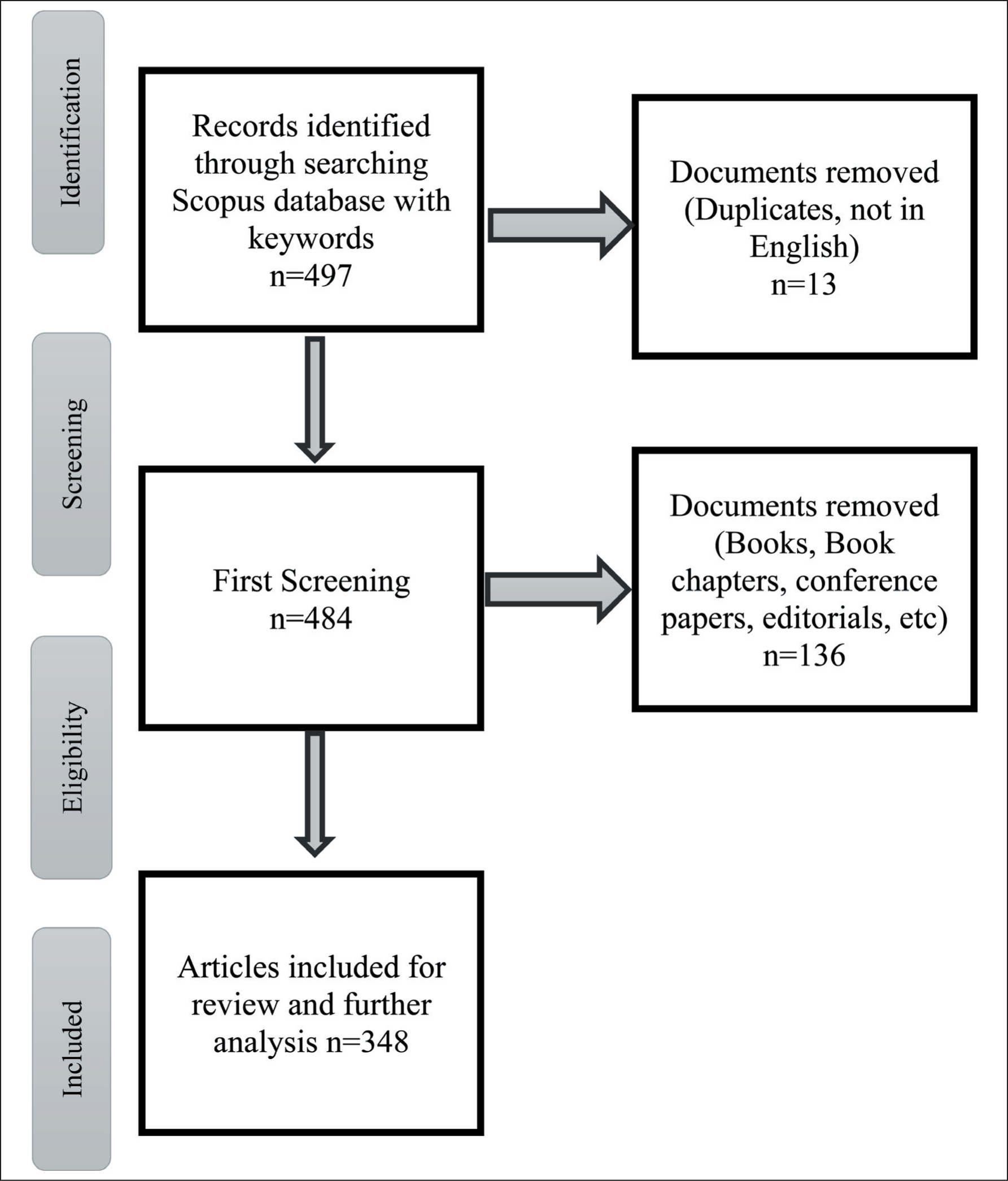
This study’s goal is to conduct an extensive and systematic review of equity crowdfunding studies. The article conducts a bibliometric study of past research works on equity crowdfunding (Bhaskar et al., 2020; Donthu et al., 2021; Pal et al., 2021b) (refer Figure 1).
Based on the following research questions, this study was carried out:
R1: How ‘equity crowdfunding’ is trending in the context of publications? R2: How are publications distributed geographically and in terms of citations, and which journals publish work on this topic? R3: What are the most popular terms associated with equity crowdfunding? R4: What are the advantages and disadvantages of using equity crowdfunding for entrepreneurial finance?
The answers to these questions have been provided in the analysis and discussion sections.
Searching the Database
The University Authors’ Library System was used to filter existing crowdfunding studies from the Scopus and Web of Science databases to answer the study’s research questions first. In order to find similar documents, these two databases were chosen. This study began with keyword searches for the terms ‘equity’ and ‘crowdsourcing’. Furthermore, there were no restrictions on the document’s publishing year or language. There were a total of 434 retrieved materials including articles, book chapters, review articles, conference proceedings, and editorials.
Exclusions and Inclusions
The following stage was to find and eliminate publications that were not relevant to the study’s topic. For the sake of our bibliometric analysis, the following are the inclusion criteria for all papers in our research investigation:
All articles must be in English. If the piece is part of a newspaper or magazine article. It must not have been included in a conference document or proceedings, a book chapter or book, or an editorial. It should include the term ‘equity crowdfunding’ as a source of funding. It should elaborate the concept, application, prospects, and challenges of equity crowdfunding in finance.
If any of the aforementioned conditions were not met, the item was discarded. Finally, 348 articles from peer-reviewed journals fulfilling the inclusion criteria were selected for the period 2011–2022.
Analysis and Results
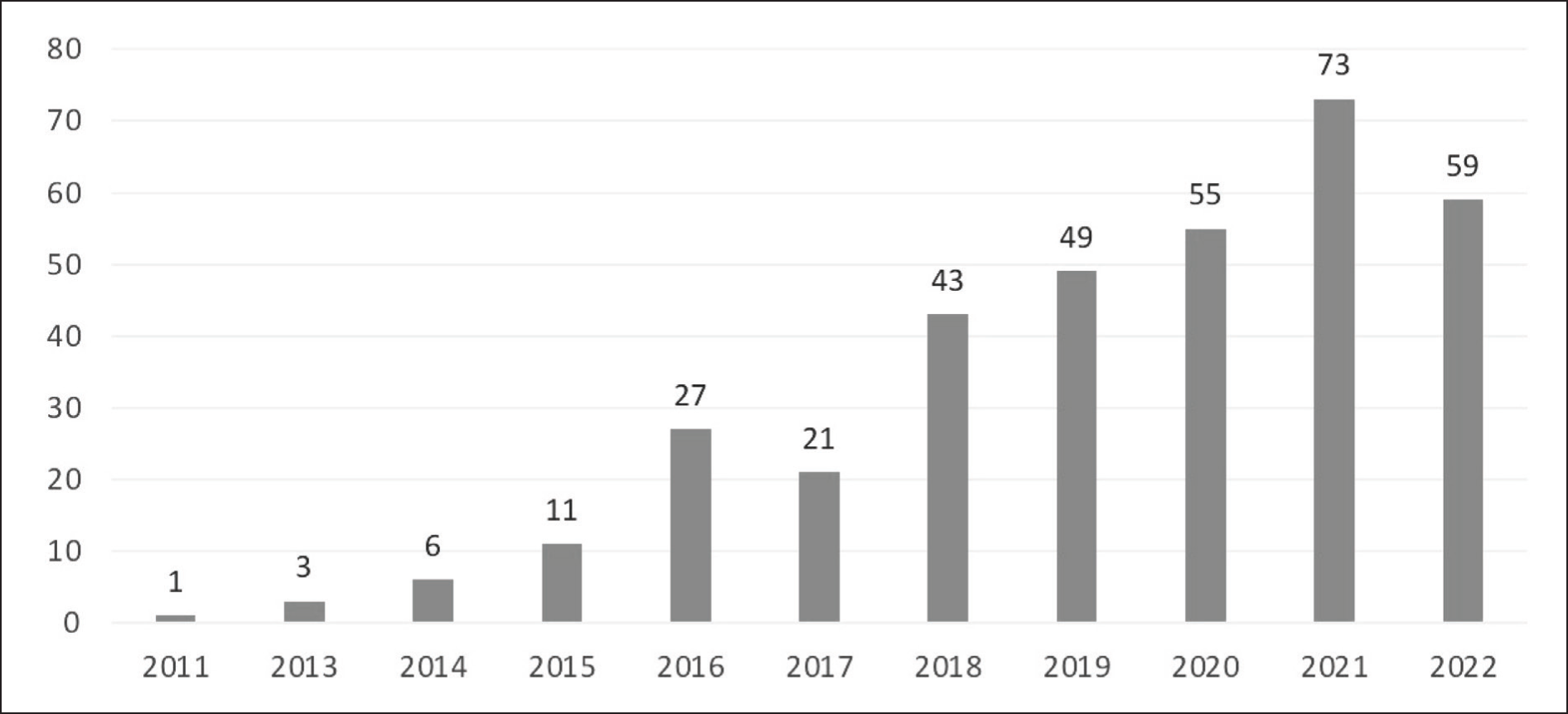
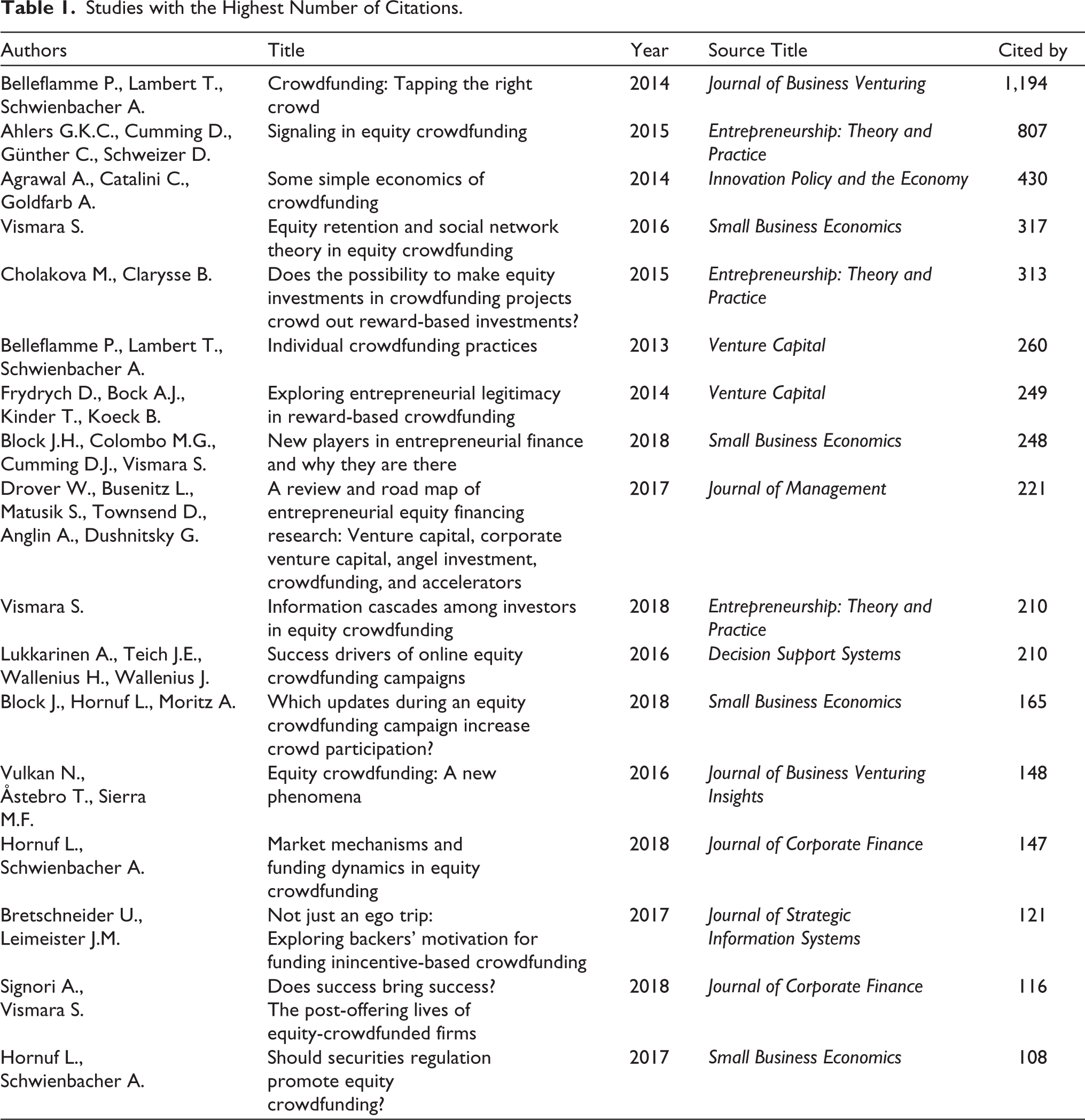
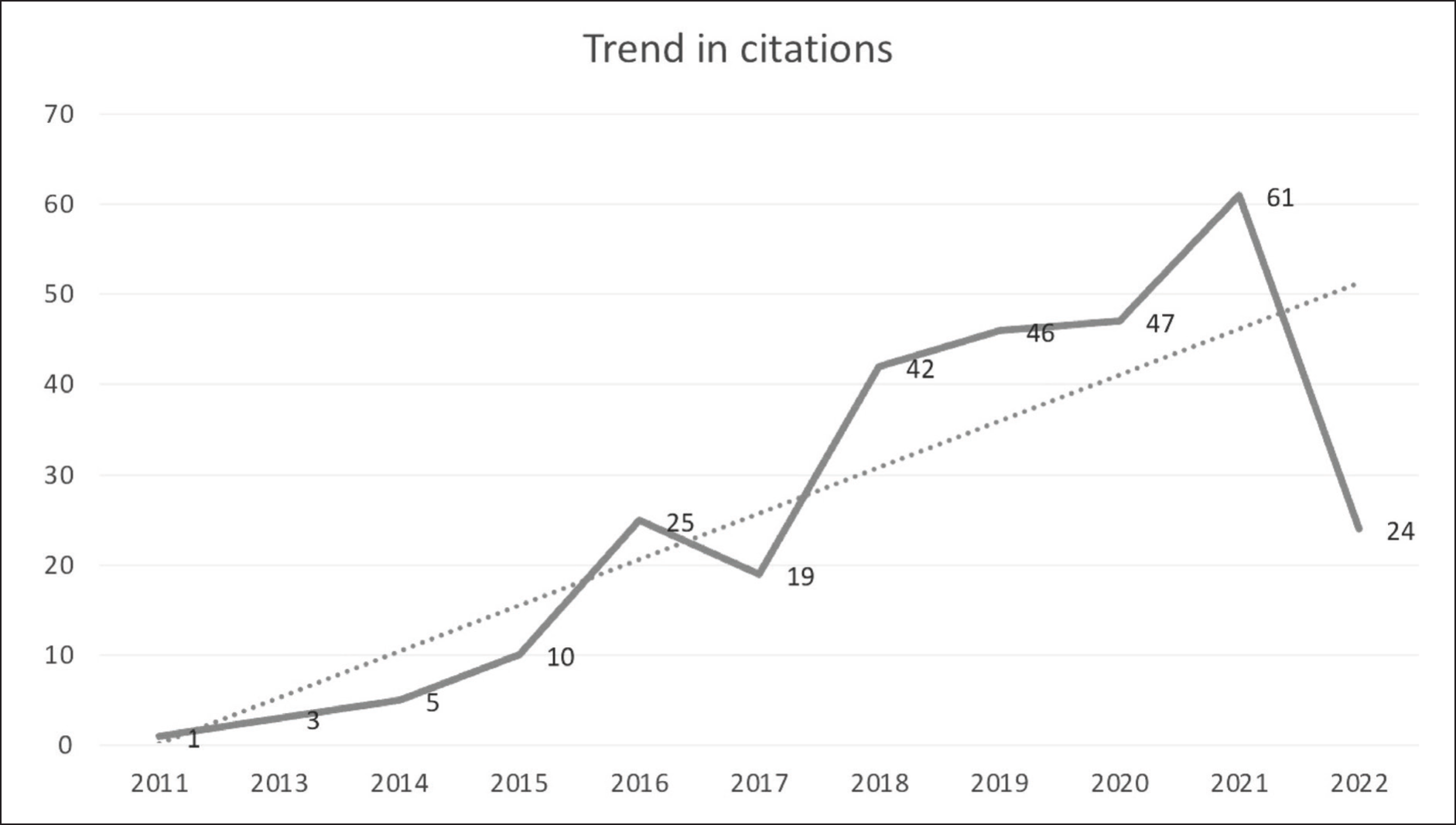
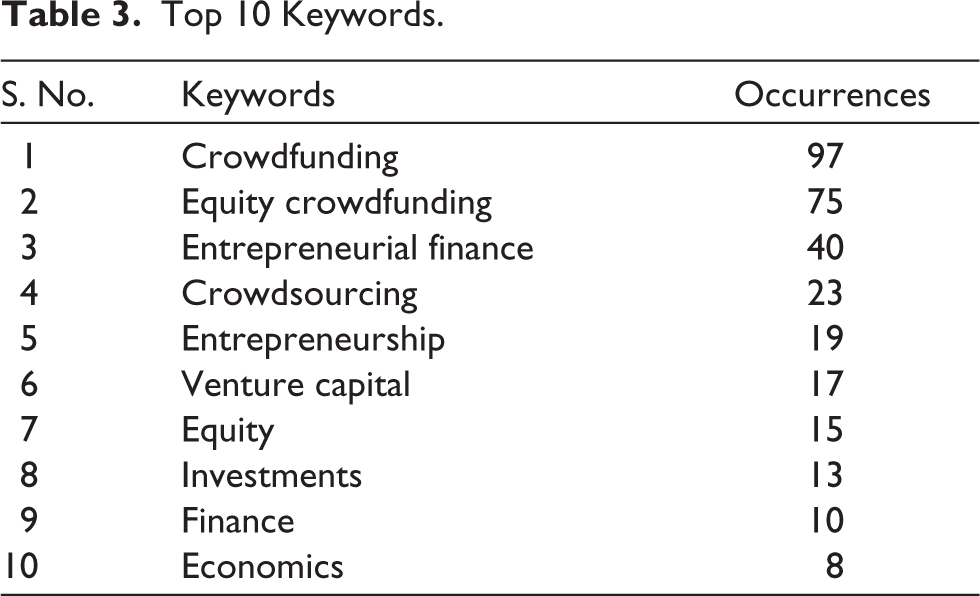
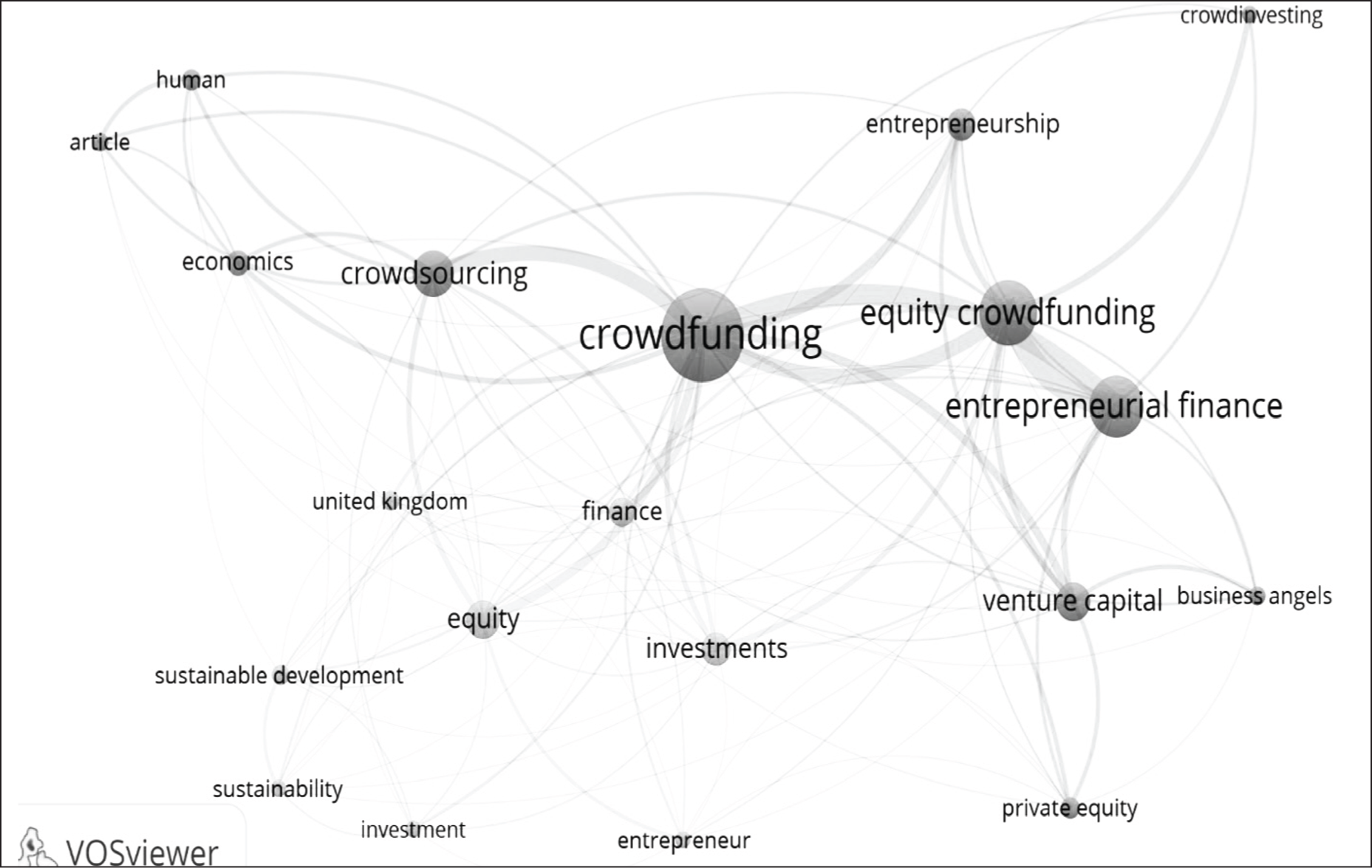
In this section, the bibliometric analysis of the selected studies has been performed. The section presents the analysis and results from the trend analysis (Figure 2), geography-wise distribution of publications (Figure 3), co-authorship analysis (Figure 4), article-wise citation analysis (Table 1), year-wise count of citations (Figure 5), source title analysis (Table 2), and keyword analysis (Table 3 and Figure 6) so as to better understand the current developments on equity crowdfunding. For the purpose of co-authorship analysis between countries and for keyword analysis VOS viewer software developed by Eck and Waltman has been used.
Research Process.
Performance Analysis
Figure 2 shows that equity crowdfunding is receiving significant attention from practitioners and scholars since 2011 and there has been an upward trend. With the first publication in 2011, the number of articles published has increased to 73 by the end of 2021. In the future, the publication seems to show an upward trend too as equity crowdfunding is an innovative fundraising tool due to its immense benefit in entrepreneurial finance and the emergence of blockchain technology in recent times.
Year-Wise Articles Published (Trend).
Geography-Wise Distribution Analysis
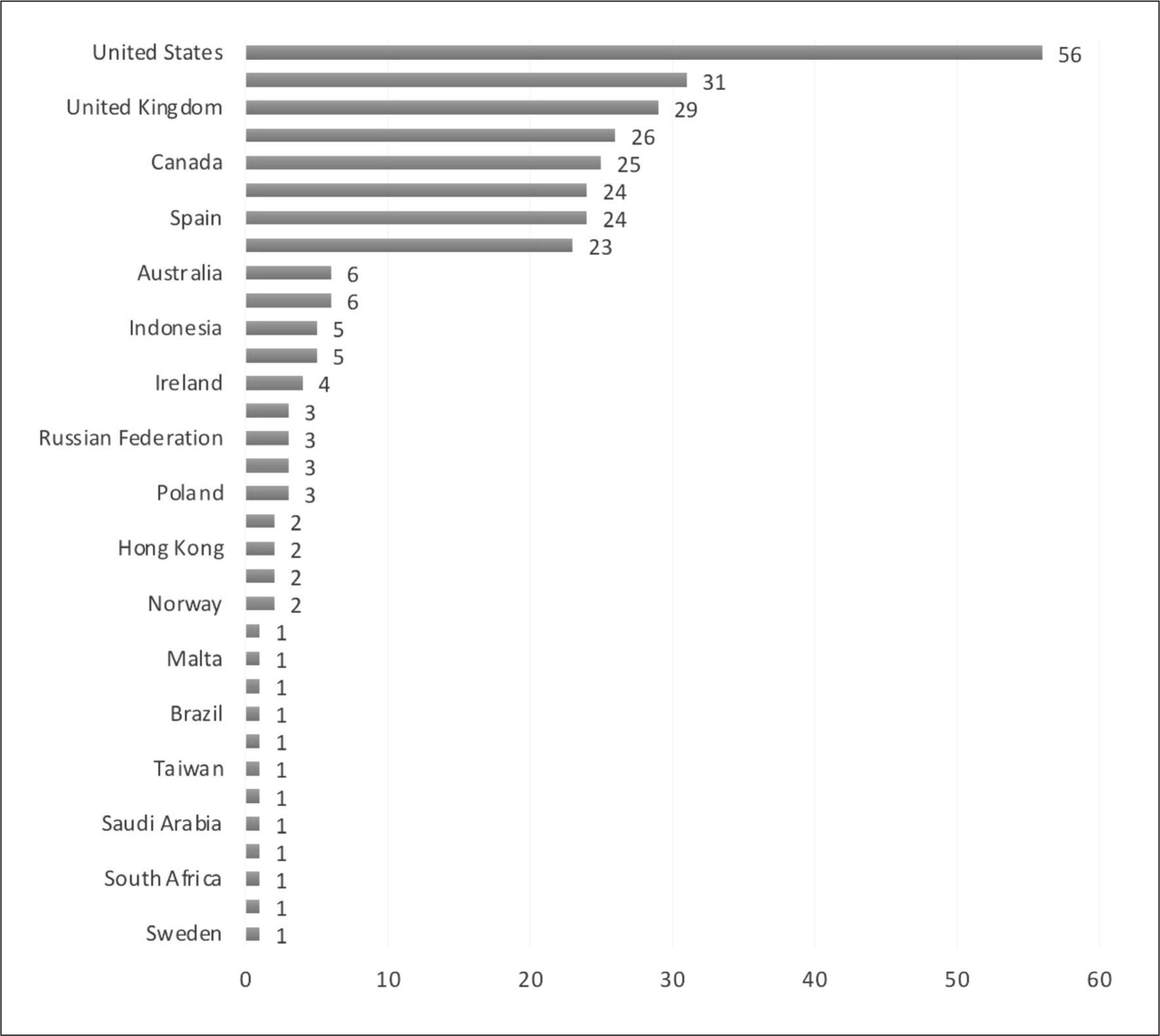
The number of publications by country is shown in Figure 4 to help you better comprehend the contribution of scholars from across the world.
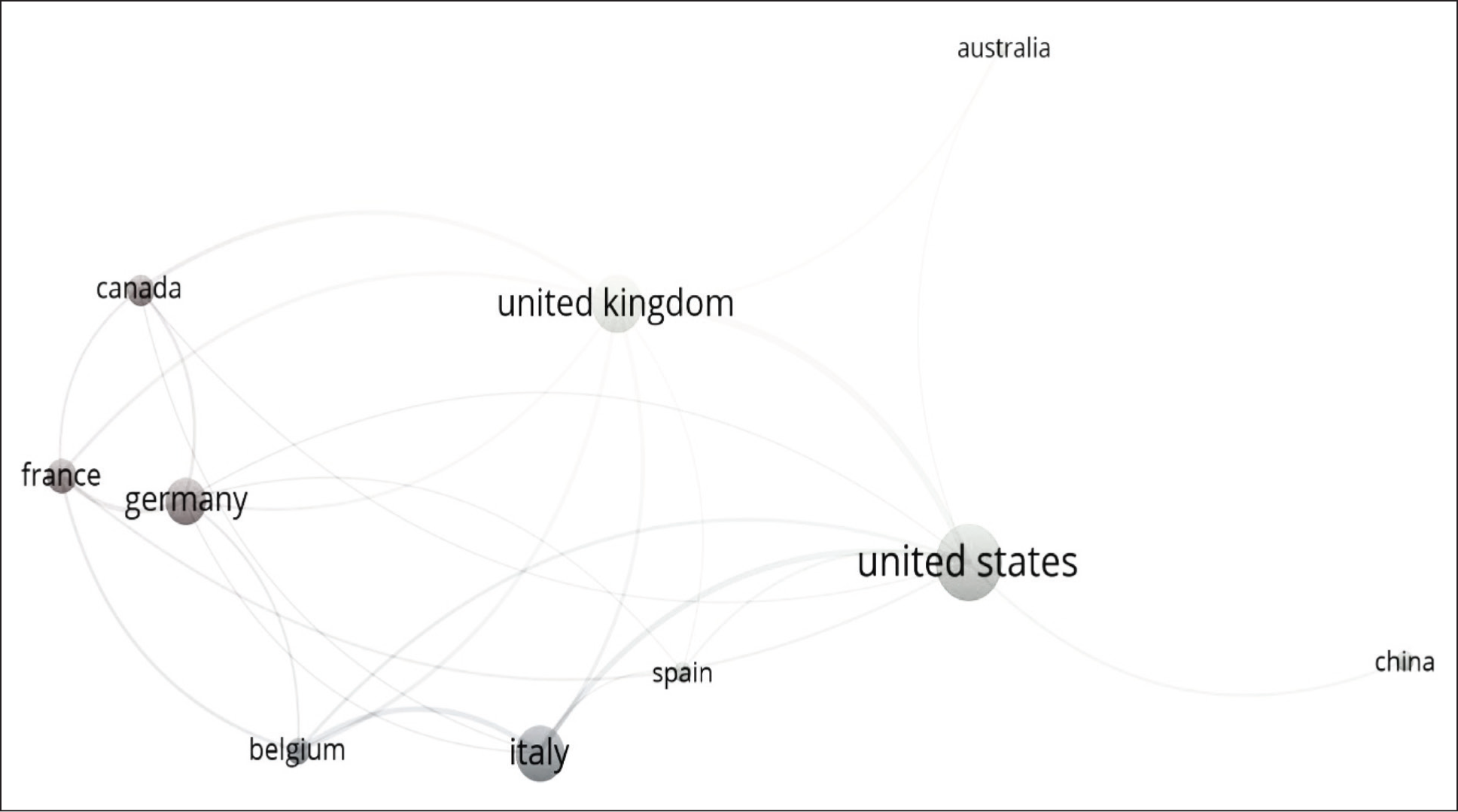
Figure 3 presents country-wise publications in this emerging field of study. It is observed that the scholars from the United States (56) have immense contributions followed by Italy (31), and the United Kingdom (29) The table shows that scholars from the continent like North America, including the United States and Canada, and Europe, including UK, Italy, Germany, and have contributed to more than 50% of the publications in totality across the world. Apart from that, the numbers are not significant from the various parts of the world. Being a relatively new and emerging field, this could be the reason for the same. Thus, there is tremendous scope for policymakers to implement equity crowdfunding and scholars to contribute to the existing state of the literature. This area of research will undoubtedly draw additional contributions from academics throughout the world given its potential advantages for startups and new enterprises. Figure 4 depicts the co-authorship analysis from the different countries of the world. Broadly, with the help of VOS viewer, four clusters have been formed. Co-authorship exists between scholars from the United States, Spain, and China. Authors from the United Kingdom and Australia have collaborated and published papers. Also, authors from Belgium and Italy have worked together on equity crowdfunding. Finally, the fourth cluster suggests the co-authorship between scholars from France, Germany, and Canada on the topic of equity crowdfunding.
Country-Wise Distribution of Publications.
Country-Wise Co-Authorship Analysis.
Citation Analysis
The most frequently mentioned publications are included in Table 1 along with the author, title, year, and journal (source title) for that study. A most prominent study conducted by the study on signaling in equity crowdfunding by Ahlers et al. (2015), which was published in the Journal of Business Venturing, got the second-highest number of citations behind Belleflamme et al.’s (2014) article on crowdfunding: tapping the appropriate audience. A platform for fostering entrepreneurship and small company endeavors is equity crowdfunding. Figure 5 shows the number of citations in this field broken down by year, and from 2011 to September 2021, it was discovered that this number was increasing year over year. The reason for this is the growing interest among academics in this new area of study.
Studies with the Highest Number of Citations.
Citation Counts per Year.
Source Title Analysis
As shown in Table 2, the majority of the papers that have been published have appeared in papers related to business, economics, entrepreneurship, venture capital, finance, management, and law. The published work also discusses social transformation, laws, and corporate governance. This suggests that equity crowdfunding is an interdisciplinary area of study meant to serve the interests of business, economics, and society at large. Further, most of the published work on the topic is in Small Business Economics (46) followed by Venture Capital (33).
Keyword Analysis
Table 3 highlights the top 10 keywords used across studies on equity crowdfunding.
Journals with Minimum of Three Publications.
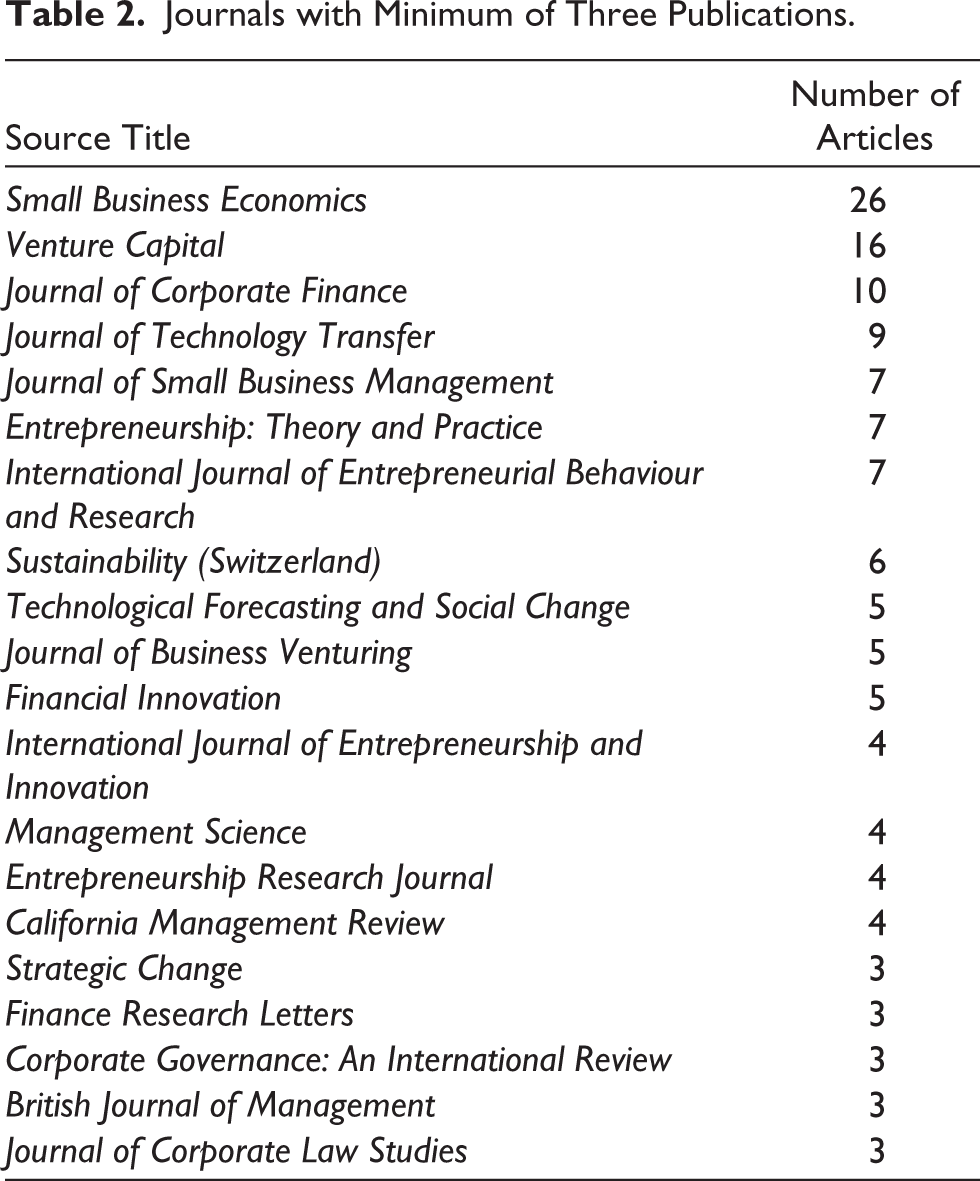
Top 10 Keywords.
Crowdfunding (97) is the most occurred term which is an integral part of equity crowdfunding followed by the keyword ‘equity crowdfunding’ (75). Crowdfunding has become an innovative way to raise finance and promote entrepreneurship, thus, the keyword entrepreneurial finance (53) is another commonly used in studies related to equity crowdfunding.
A keyword analysis is used to explore and seek clarity on the conceptual discussion explored in the studies on equity crowdfunding. It is obvious from Figure 6 that crowdfunding which covers donation-based, reward-based, equity-based is used quite frequently as fundamental to entrepreneurial finance. Along with contemporary tools, conventional sources of financing including venture capital, private equity, and angel investors are used in entrepreneurship. Our keyword analysis suggests that beyond crowdfunding and entrepreneurship, equity crowdfunding is often used for sustainability, development, finance, and investments and is majorly studied with reference to the UK region. Thus, finance and information technology professionals including regulators around the world need to explore this field of study.
Keyword Analysis.
Discussion
In recent years the topic of equity crowdfunding has witnessed increasing attention from academicians and practitioners alike (Cumming et al., 2019; Ralcheva & Roosenboom, 2016; Walthoff-Borm et al., 2018; Wang et al., 2019). Equity crowdfunding platforms have become the cynosure of the digital transformation of the early finance stage of business ventures. These platforms have seen significant growth and attracted the interest of business angels and both professional and nonprofessional investors. However, the growth of equity crowdfunding platforms might be deterred by various issues and concerns. The current section will discuss in detail certain issues that plague the equity crowdfunding platforms.
First, the adoption of equity crowdfunding faces many regulatory bottlenecks with regard to the global economy. Very few developed countries, like the USA and the UK, have given the nod to equity crowdfunding as a model for financing startups or new business ventures (Akerlof & Shiller, 2015). Given that it is still in its nascent stage. Regulators and government bodies worry that the burgeoning market of digital equity crowdfunding might form a fertile ground for financial manipulation and deception as firms might exploit the lack of incentives of the crowd to do detailed due diligence of firms that list on the equity crowdfunding platforms and hence there would be lesser post-investment monitoring by the majority of investors. This necessitates a very detailed and proper due diligence on the firms listed on the equity crowdfunding platforms is carried out (Buerger et al., 2018; Cumming et al., 2019; Hossain & Oparaocha, 2017; Zhao et al., 2019).
Second, the literature on equity crowdfunding has highlighted that very low-quality firms actually seek to be listed on the equity crowdfunding platforms, and the number of times even high-quality firms choose to list themselves on these digital equities crowdfunding platforms for reasons apart from financing (Kleinert et al., 2020; Walthoff-Borm et al., 2018). This also signals that most firms that seek to be listed on these platforms are firms with weak capital structures and constrained debt capacities. A possible reason for the same is that these firms have lesser tangible assets over which debt financing can be secured due to their short existence. Hence, these firms are also riskier for investors (Martínez-Climent et al., 2018; Miglietta et al., 2019; Turan, 2015). This should ensure that the characteristics of the listed firms are thoroughly studied by the regulatory bodies to mitigate any risk that these firms might pose to investors.
Third, since the majority of investors have relatively small investments as compared to venture capitalists and business angels, crowd funders would have lesser incentive and expertise to perform the necessary due diligence and risk assessment of these investments (Wilson & Testoni, 2014). Research in the past has also shown that investments of individual investors in the context of crowdfunding are mostly influenced by social biases and herding (Agrawal et al., 2013), and hence, these investors might free-ride on the investment of others (Agrawal et al., 2011; Kuppuswamy & Bayus, 2018) leading to weaker due-diligence in the whole process, leading to eventual failures of the business ventures funded by the equity crowdfunding platforms. Studies have also highlighted that entrepreneurs and individual investors suffer from severe overconfidence bias while investing in such ventures (Mollick, 2014).These issues highlight the importance of a strong intermediary and a regulatory body between the investors that have well-planned pre-investment criteria and a strong post-investment monitoring process in order to protect the investors from various investment-related risks while investing via the equity crowdfunding platforms. Due to this high information asymmetry in this crowdfunding space, regulators need to ensure that they step in and exercise a high level of vigilance to protect the investors.
Practical Implications
The study can be of vital importance to various policymakers and regulatory bodies that plan to adopt and regulate the digital equity crowdfunding platforms for early-stage finance of business ventures around the world. There is a dire need for these policymakers and regulators to strike a fine balance between protecting the majority of individual investors and providing access to finance to entrepreneurial firms. Since literature has highlighted that a large number of firms use equity crowdfunding as a last resort which makes them risky in terms of investment prospects. Therefore, regulators need to ensure stringent regulation and disclosure standards for entrepreneurs to safeguard investors from various information asymmetries. Smaller investors will also benefit from this study as they should recognize the fact that not only crowdfunding ventures have the potential of generating great financial returns but also have a higher risk of failures. Also, while most crowdfunding investors take into consideration forward-looking variables like future growth of the firms, studies have shown that backward-looking financial variables are also important and should be considered while making such investments (Davidsson et al., 2009).
Main Contribution of the Study
The article contributes to the existing literature by highlighting the current developments and the contributions made by scholars around the world with the help of content and bibliometric analysis. There has been the emergence of innovative sources of financing new ventures post- 2008 financial crisis. The introduction of the JOBS act, 2012, in the United States and Financial Conduct Authority in the UK gave a boost to crowdfunding platforms in these countries. Consequently, in academics, the field of equity crowdfunding is receiving significant attention from practitioners and scholars since 2011, and there has been an upward trend in the number of publications. With reference to geographic distribution, over 50% of published work in the area is from the scholar from the United States have immense contribution followed by Italy and the United Kingdom. However, the contribution from emerging and underdeveloped economies to the literature is not impressive. Further, scholars from majorly developed countries have collaborated and published work together. The analysis suggests that co-authorship exists between scholars from the United States, Spain, and China and also among scholars from the United Kingdom and Australia. Citation analysis in the study brings out the most cited study to be from Belleflamme et al. (2014) on crowdfunding: tapping the right crowd published in the Journal of Business Venturing followed by the study on signaling in equity crowdfunding from Ahlers et al. (2015). The source title analysis suggests that the majority of the published articles on the topic is in journals from the field of business, economics, entrepreneurship, venture capital, finance, management, and law. The published work also covers corporate governance, policy, and social change. This makes equity crowdfunding an interdisciplinary area of study meant to serve the interests of business, economics, and society at large. The keyword analysis from our study marks crowdfunding and equity crowdfunding as the most important keywords used by scholars. This innovative source of entrepreneurial finance has certainly promoted small businesses and entrepreneurship. The study further concludes that beyond crowdfunding and entrepreneurship, equity crowdfunding is often used for sustainability, development, finance, and investments and is majorly studied with reference to the UK region. This necessitates finance and information technology professionals including regulators around the world to explore the area of study considering its potential benefits to investors, startups, and new businesses.
Conclusion and Research Limitations
Equity crowdfunding is a rapidly growing practice of the expansion of entrepreneurial finance. Young entrepreneurs and investors find it highly effective due to the significant penetration of the internet and social media in this globalized world. Despite the low cost, ease, reach, and accessibility for fundraisers and investors, there have been certain challenges implemented by the study for equity crowdfunding. Regulators and government bodies worry that the burgeoning market of digital equity crowdfunding might form a fertile ground for financial manipulation and deception. Also, firms using this source of the financing were found to have weak capital structures and constrained debt capacities. Further, the majority of investors who finance this new source of financing have relatively small investments as compared to venture capitalists and business angels, these crowd funders would have lesser incentive and expertise to perform the necessary due diligence and risk assessment of these investments. Moreover, small investors also suffer from several biases including overconfidence, social biases, and herding. So, in order to protect the interest of investors and interested parties, the regulatory bodies have banned this financing mechanism in emerging economies like India. Thus, all stakeholders including regulators and businesses should outweigh the cost and benefit associated with running and equity crowdfunding campaigns. Finally, being a new and emerging financing alternative, the investor awareness programs can be organized for the participants of the financial market.
The study is qualitative in nature based on bibliometric analysis of the existing literature. The methodology adopted by the authors is not free from several biases, including database search, sample selection bias, and publication bias. The study did not empirically analyze the cost and the resultant benefits of equity crowdfunding with reference to any business or sector. Further studies can be conducted quantitatively measuring in monetary terms the fund raised via equity crowdfunding and its impact on the cost of capital for fundraisers and rate of return for investors.
Future Scope of Study
The steady growth of research studies and academic deliberations on equity crowdfunding highlights its increasing importance in the academic field. Therefore, as the literature on the same grows and evolves, it encourages more questions that need to be answered and many further future areas of research in equity crowdfunding can emerge. One such area of potential research is the analysis of equity crowdfunding in the entrepreneurial space. Another area of future research can be studying the post-funding performance of campaigns that have chosen equity crowdfunding as route to financing and the factors that are responsible for their success or failures. Analysis of the investment amount, investment motives, and the types of investors in the equity crowdfunding process is also an area of future research that can be explored.
Footnotes
Declaration of Conflicting Interests
The authors declared no potential conflicts of interest with respect to the research, authorship, and/or publication of this article.
Funding
The authors received no financial support for the research, authorship, and/or publication of this article.