




Abstract
Sudden deaths are the leading cause of mortality all over the world. Sudden death is defined as “death within 24 hours from the onset of the symptoms” by the World Health Organization (WHO). When sudden death is caused entirely due to disease, it is termed sudden natural death (SND). The pattern of sudden death may vary from country to country, but the outcome is worrying, not only for developing countries but also for developed ones. The present prospective study was designed to study the pattern of SNDs which involves cases subjected to medico-legal autopsy in a tertiary care hospital for a period of 36 months. Detailed history and autopsy findings were entered into a structured proforma, and results were tabulated and analyzed using frequency and percentage. SNDs accounted for 13.3% (700 cases) of the total 5,260 medico-legal autopsies, and the age group most affected ranged from 31 to 50 years. Males accounted for 85.1% of cases, while 65.1% (456) of cases had a history of smoking and 69.8% (489) had alcohol consumption. The majority of the SNDs belonged to the lower middle class (40.8%). Most deaths were associated with diseases of the cardiovascular system, 385 (55%), followed by the respiratory system, 182 (26%). SNDs accounted for 13.3% of total autopsies, and males outnumbered females (M:F ratio of 5.7:1). Most (53.7%) cases belonged to the 31–50 years age group. Most of the SNDs were due to cardiovascular diseases, followed by respiratory diseases. Smoking and alcohol intake showed a strong correlation.
Introduction
Sudden deaths are the leading cause of mortality all over the world; however, there is no single set of criteria to establish sudden death. A commonly cited criterion is the World Health Organization (WHO) definition of sudden death as “death within 24 hours from the onset of the symptoms.” 1 It can also be defined as deaths which are sudden, unexpected, clinically unexplained, or otherwise obscure, even though there needs to be no unnatural element in their causation. 1 One of the earliest descriptions of a sudden death event was reported in Froissart’s Chronicles in the 14th century, with the first autopsy report of a sudden cardiac death ascribed to Leonardo da Vinci in the 15th century. 2 Despite modernization in medicine, the diagnostic tools still lack accuracy in identifying the clinical cause of death when compared to the cause of death through the autopsy. 3 The pattern of the cause of sudden death might vary from country to country, but the outcome is worrying not only for developing countries but also for developed countries. The main aim of the autopsy is to establish the final diagnosis and determine the most likely cause of death. In a country such as India, only a few cases among the sudden natural deaths (SNDs), including suspicious, unexplained, or those brought dead, are subjected to autopsy; therefore, SNDs constitute a small proportion of all medico-legal autopsies.
The crude death rate is the total number of deaths per 1,000 people per year and is one of the critical indices of development in a society. 4 In current times, there are a host of precipitating factors that aggravate the rate of SNDs, such as stress, smoking, alcohol, lack of exercise, and Type A personality (Type A personality defines people who are more competitive, highly organized, ambitious, impatient, highly aware of time management, or aggressive). These types of people are more prone to coronary heart disease. 5
Although many unexpected deaths are sudden, that is, occurring immediately upon collapse, or within minutes, some may have a delay of hours or even days, without a diagnosis being clinically evident. 6 In certain hereditary diseases (malignant mutations, left ventricular hypertrophy, and left ventricular function impairment), the presenting symptoms may, in fact, be causes of SND. Timely and accurate diagnosis may have a significant impact in providing them an opportunity to seek treatment. 7 Medico-legal autopsies are often conducted in cases of unnatural, sudden, and suspicious deaths to determine the cause and manner of death. 8
The present study was designed to compare risk factors, prevalence, most common age group associated with cases of SNDs among autopsies conducted at a tertiary care hospital in India.
Methods
The present prospective study was conducted in two phases in different parts of India. The cases included in the present study those were fulfilling the WHO criteria for sudden death and were subjected to medico-legal autopsy at the Department of Forensic Medicine in a tertiary care hospital for a period of 36 months. The inclusion criteria for the present study were all the cases of SND satisfying the WHO criteria. 1 All the unknown cases and bodies in advanced stages of decomposition were excluded. A detailed history of the cases was collected from the police, relatives, friends, and eyewitnesses regarding the circumstances of death or previous illness or trauma, if any. Autopsied specimens were grossly examined, and findings were noted; standard dissection techniques were followed wherever necessary. The organs are then fixed in 10% formalin and sent for histopathological examination. The tissues were processed and subjected to paraffin sectioning at a four mm thickness each, and then were stained with the routine hematoxylin and eosin staining method. The details of all cases were entered in a structured proforma, and results were tabulated and analyzed. The Modified Kuppuswamy scale 9 was used to distribute the study subjects based on occupation and socio-economic status.
Sample Size
Based on previous autopsy records obtained from the Department of Forensic Medicine of the hospitals, it was found that 13% of the total autopsies conducted annually were SNDs. Expecting a similar proportion in the coming years and considering the absolute precision of 6% and the desired confidence level of 95%, the minimum sample size required for the present study was calculated to be 683 cases. However, all the cases satisfying the criteria during the study period, that is, 700 cases, were studied.
Statistical Analysis
Frequency and percentage were used to analyze most of the study variables. Odds ratio was used to study the association between cause of death and the associated systems (cardiovascular system, respiratory system, central nervous system, and gastrointestinal system). The overall percentage of SNDs among the total autopsies was also calculated.
Ethical Consideration
An ethical clearance certificate was obtained from the Institutional Ethics Committee.
Results
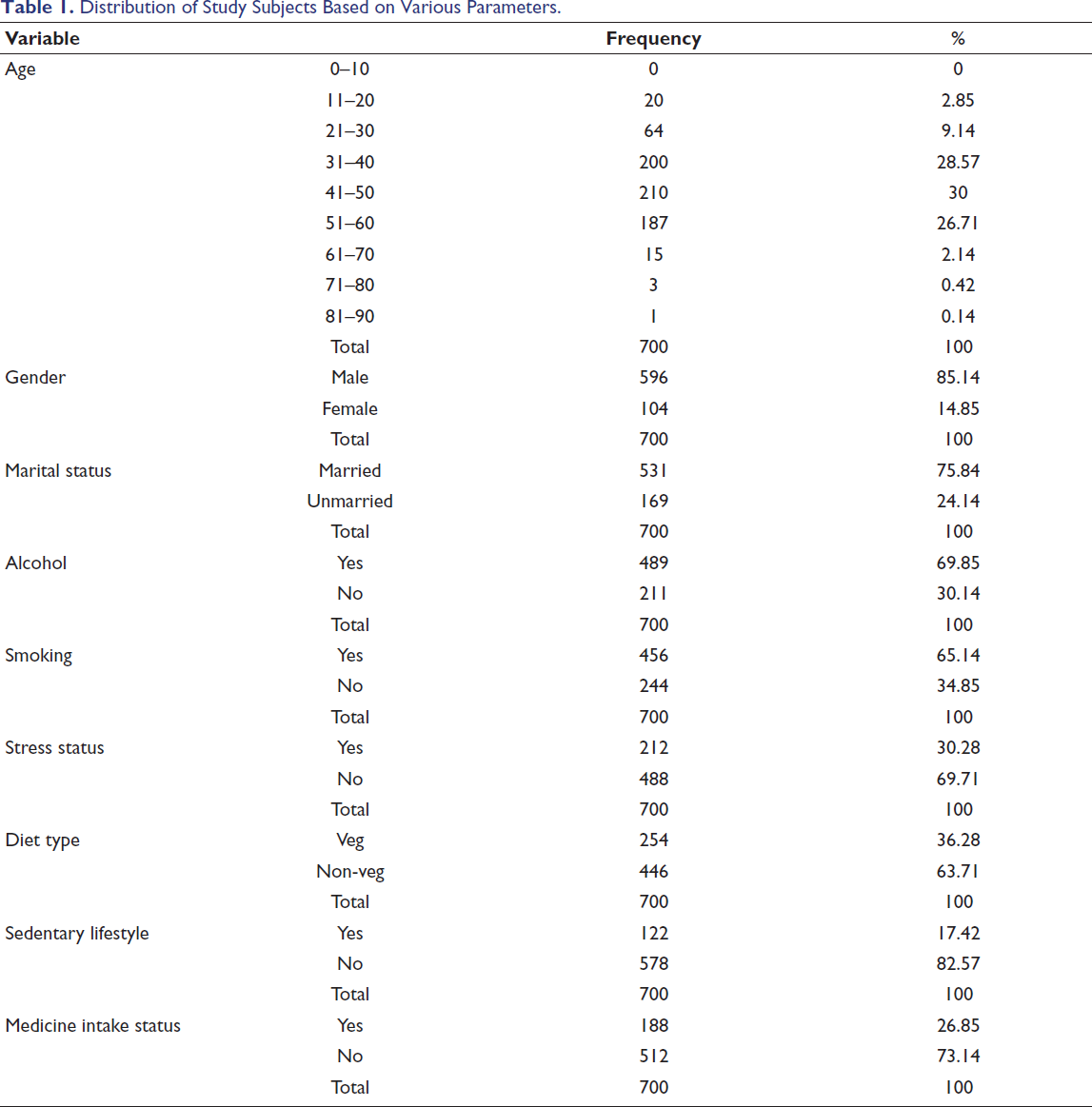
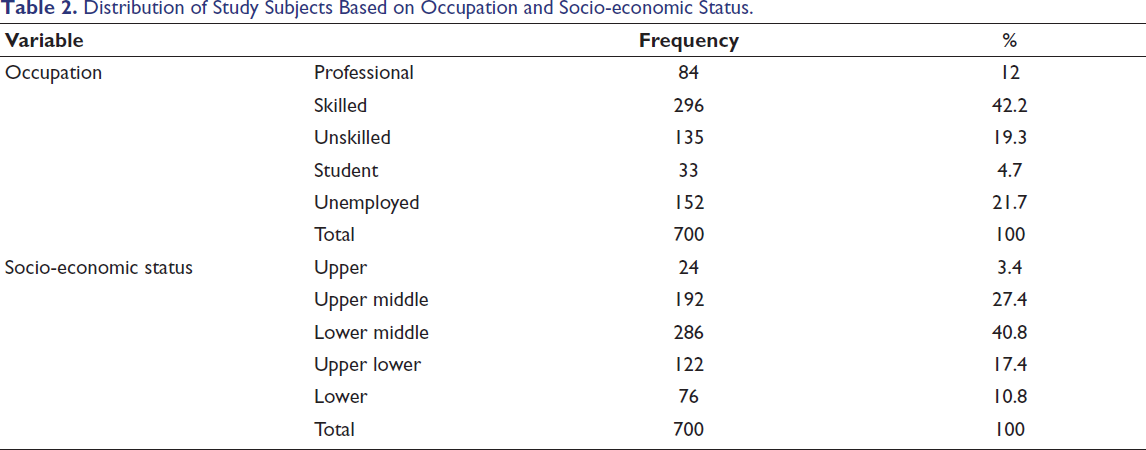
The current study was conducted in two phases in the northern and southern parts of India during the period of 36 months from October 2016 to March 2018 and from January 2022 to June 2023, in the Department of Forensic Medicine at the tertiary care hospitals. During the study period, a total of 5,260 medico-legal autopsies were carried out, of which 700 (13.3%) were due to SND, signifying that SNDs form a part of the routine medico-legal autopsies (shown in Table 1). In Table 1, it was shown that most of the cases, that is 58.57% (410) were in the age group of 31–50 years, 26.71% (187) were in the age group of 51–60 years, 12% (84) were in the age group of 11–30 years and 2.71% (19) were in the age group of 61–90 years. In the present study, males predominated, and accounted for about 85.1% (596) and females about 14.8% (104), with a male: Female ratio of 5.7:1. Many studies showed a direct causation relation with alcohol and smoking with cardiovascular and respiratory diseases; the present study also showed a strong correlation between alcohol and smoking with cardiovascular and respiratory diseases respectively. In 65.1% (456) cases, there was a history of smoking, which is directly related to cardiovascular and respiratory diseases, and 69.8% (489) had a positive history of consumption of alcohol, also directly related to cardiovascular diseases, especially myocardial infarction, and coronary artery disease; however, quantity, quality, and duration of consumption could not be ascertained. The result of the present study showed that 254 (36.2%) were vegetarians and 446 (63.8%) were non-vegetarians, who used to consume red meat, which leads to dyslipidemia, a major contributing factor for coronary artery disease. The results tabulated in Table 2 showed that most deaths (42.2%) were associated with skilled workers (carpenters, painters, drivers, etc.), followed by unemployed persons (21.4%), unskilled persons (19.4%), professionals such as doctors, engineers, teachers, and defense workers (12%), and students (4.7%). SNDs as per socio-economic status, results of the present study showed that the majority of the SNDs belonged to the lower middle class (40.8%), followed by the upper middle class (27.4%), the upper lower class (17.4%), the lower class (10.8%), and the upper class (3.4%).
Distribution of Study Subjects Based on Various Parameters.
Distribution of Study Subjects Based on Occupation and Socio-economic Status.
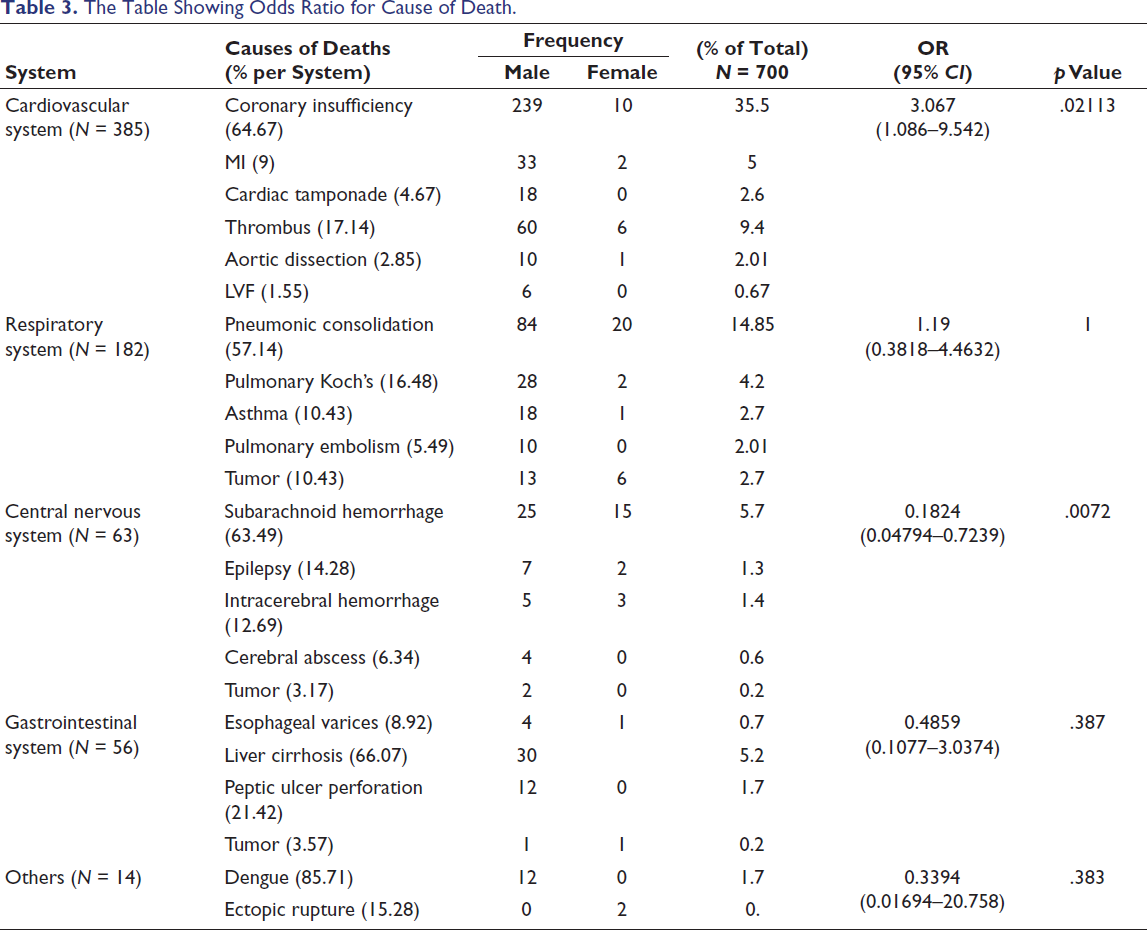
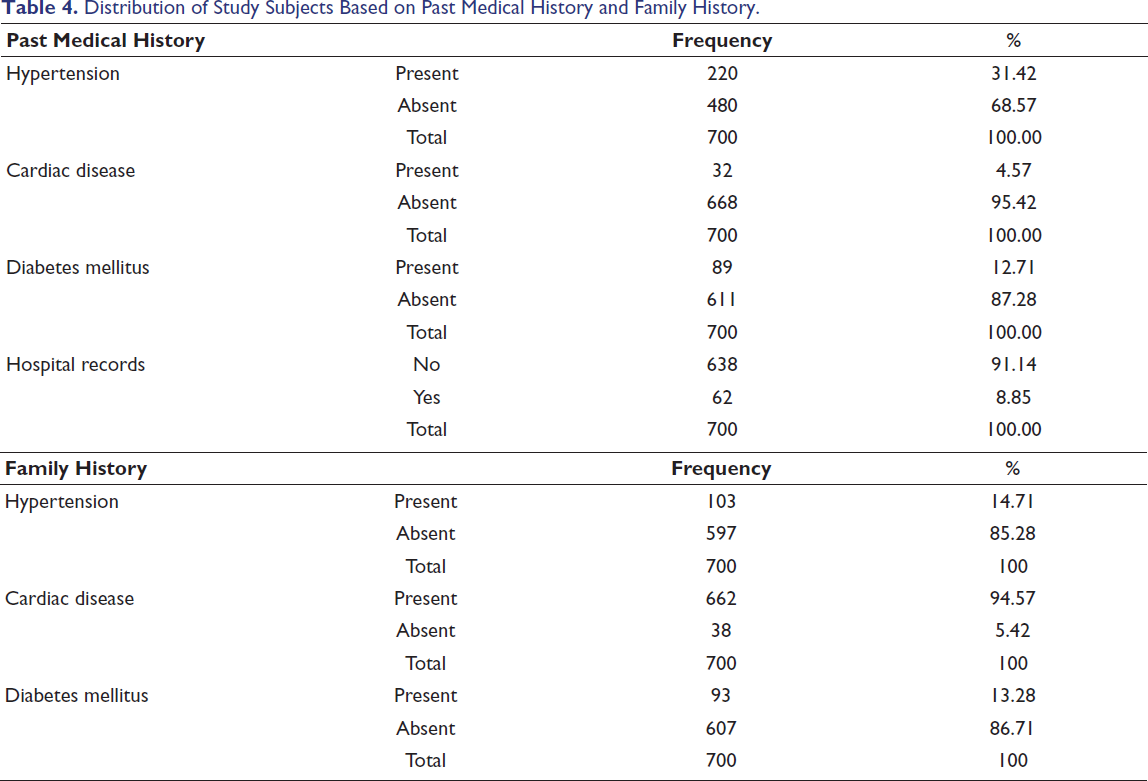
In the present study, it was observed that the majority of deaths were associated with diseases of the cardiovascular system, 55% (385), followed by the respiratory system, 26% (182), the central nervous system, 9% (63), the gastrointestinal system, 8% (56), and miscellaneous 2% (14). In present study, it was observed that, deaths due to cardiovascular system 3.067 times higher (in odds scale) among males than females; while respiratory system as the cause of death was 1.19 times higher (in odds scale) among males than females, In the present study deaths associated due to central nervous system and respiratory system has shown a reverse trend that deaths was 5.48 times higher (in odds scale) among females than males and 2.05 times higher (in odds scale) than males respectively. Deaths due to miscellaneous causes were observed with the same reverse trend in the present study, in which deaths were 2.94 times higher (in odds scale) in females than in males. In our study of the distribution of causes of death in system-wise involvement, it was observed that deaths due to coronary insufficiency (35.57%) and pneumonic consolidation (14.09%) surpassed the other causes (Table 3). The results of deceased were tabulated in Table 4 reflecting the co-relation between deaths and their past medical history and family history, it was observed that those had the past medical history of hypertension (31.54%), cardiac disease (4.7%), diabetes mellitus (12.75%) along with their familial history of hypertension (14.77%), cardiac disease (94.63%), diabetes mellitus (13.42%) were at more risk than others.
The Table Showing Odds Ratio for Cause of Death.
Distribution of Study Subjects Based on Past Medical History and Family History.
Discussion
The deaths due to sudden natural causes are not a regional issue, but a global issue. In the present study, the incidence of SND was 13.3% among the medico-legal autopsies that were conducted during the study period. The finding of the incidence of sudden death in the present study is somewhat consistent with the study by Zanjad et al. 10 (8.92%) and Harish 11 (5.5%), despite being carried out nearly a decade apart. Recent studies by Sarala et al. continue to report a comparable or higher burden, documenting sudden cardiac deaths in 24.8% of medico-legal autopsies in a tertiary care center in Western Maharashtra, highlighting the persistent and rising trend of SNDs in India. 12 It clearly signifies that 13.3% deaths are due to the SNDs from a part of the routine medico-legal autopsies, and is just the tip of the iceberg. Hence, there is a need to emphasize or encourage the researchers for continued epidemiological surveillance and focused strategies aimed at early detection. Additionally, to control the lifestyle-related diseases contributing to sudden death.
In our study, males outnumbered the females with a ratio of 5.7:1, which is also the case in the studies by Guntheti et.al. where 86.48% were males 13 and by Lakshmi et.al. where the males were 89.77%. 14 Similar preponderance has been reported in recent autopsy-based studies from West Bengal, Assam, and Telangana, reinforcing the demographic vulnerability of middle-aged males to SNDs.13, 15, 16 The reasons behind the males may lead to a more stressful life due to the socio-economic burden, with more interaction with the outside world. They are more likely to have vices such as smoking and alcohol consumption, which are precipitating factors for cardiovascular diseases; on the other hand, the females who adopt a much healthier lifestyle. They have more estrogen, which has the cardio-protective property in their reproductive age group. Similar trends and reasons were observed by Nayak et al. 17
In the present study, 456 (65.14%) cases had a history of smoking which is directly related to cardiovascular and respiratory diseases, however the exact number of cigarettes and duration of consumption cannot be calculated in the present study but a study was conducted by Zanjad et al. 10 wherein almost half of the sudden deaths showed a strong correlation with chronic smoking habit showed similar trend of deaths in the present study. Also, there is a recent reinforcement in the association between tobacco use and fatal cardiac events, emphasizing tobacco consumption as a major modifiable risk factor in SNDs. 18
In majority of cases, 69.85% (489), the deceased had history of consumption of alcohol in the past, which is directly related to cardiovascular diseases, especially myocardial infarction, and coronary artery diseases, however quantity, quality, and duration of alcohol consumption could not be ascertained, similar trend was observed by Zanjad et al., 10 wherein almost half of the sudden deaths showed a strong correlation with chronic alcohol consumption. Other studies by Mohan et al. and Rathva et al. also had similar observations, where chronic alcohol use was frequently associated with sudden cardiac deaths, particularly among middle-aged males.15, 19
Cardiovascular disease is now the most common cause of death worldwide. In a study conducted by Kulshrestha et al., 143 (71.5%) cases showed underlying atherosclerotic coronary artery diseases. 20 Although there are numerous causes of SND in the present study, it was observed that 55% of cases were associated with cardiovascular, similar to 69.13% from the study by Lakshmi et al., 14 followed by 26% cases were from the respiratory system, 9% cases were from the central nervous system, 8% cases were from the gastrointestinal system, that are in line with the study conducted by Guntheti et.al. where the associations were 45%, 28%, 20% and 12%, respectively. 13 An additional 2% of the cases were miscellaneous. A similar trend was observed by Bhagora et al. 21 A study by Sarala et al. also reported that cardiovascular causes are the leading contributors to SNDs, accounting for 40%–60% of cases, reaffirming the growing burden of lifestyle-related cardiac diseases in India.12, 13
Deaths due to involvement of the cardiovascular system were due to coronary insufficiency, 249 (64.67%), followed by superimposed thrombus, 66 (17.14%) cases. Among deaths associated with the respiratory system, the main cause was pneumonia consolidation 104 (57.14%) cases, followed by pulmonary Koch’s 30 (16.48%) cases; similar results were observed in the study conducted by Gajanan. 17 In the present study, it was observed that the majority of deaths due to the central nervous system, majority of deaths were due to subarachnoid hemorrhage, 40 (64.29%) cases, followed by deaths due to epilepsy, nine (14.28%) cases. However, the results of the study conducted by Zanjad et al. 10 were contrary in terms of the cause of death, where the most common cause was due to intracerebral hemorrhage. The reason for this is the variation in the geographical location of both studies. Whereas the result of both studies was compared to the deaths associated with involvement of gastrointestinal-related SNDs, in both studies, it was shown that most cases were due to liver cirrhosis, 30 (66.07%) cases. Recent autopsy-based studies have similarly highlighted alcohol-related liver disease as a significant contributor to SNDs in India. 18
In the present study, the majority of deaths due to miscellaneous causes were due to dengue shock syndrome 12 (85.71%) cases, which is the epidemic disease in the major parts of India, followed by deaths due to ectopic rupture two (15.28%) cases. Similar results were observed by Rathi et al. 22 Recent regional studies continue to emphasize the contribution of infectious diseases such as dengue to sudden unexpected deaths, particularly in tropical settings. 23
The result of the present study showed a strong correlation between deaths due to SNDs and pre-existing history of familial or past medical history of hypertension, cardiac disease, and diabetes mellitus; a similar correlation was found in a study conducted by Tan. 24 This is in concordance with recent national and international studies that identify non-communicable diseases as major contributors to sudden mortality, highlighting the need for early screening and cardiology services.
Conclusion
The present study shows a 13.3% incidence of SNDs among the total medico-legal autopsies performed. Most of these SNDs occurred in the age group of 31–50 years (53.7%); however, it was observed that deaths among the young and productive age group are seen more compared to the first phase of the study. Most of the SNDs were due to cardiovascular diseases; however, it was seen that in the present study, deaths due to coronary artery disease were the leading cause of death in the older age group >40 years of age group while in the younger age group, they faced a different subset of pathologies associated with sudden cardiac deaths, including arrhythmias, and cardiomyopathies. Smoking and alcohol intake showed a strong correlation in almost half of the SNDs, irrespective of any age group.
Limitations of the Present Study
One of the limitations of our study is that it mostly involved the urban population and may not reflect the scenario of the rural populace. Although contributing risk factors such as smoking and alcohol were considered, the duration of smoking and the frequency and quantity of alcohol consumption were not considered. The results may not reflect the actual scenario in society, since only cases registered as unnatural deaths and brought for autopsy were studied. In many cases of SNDs, the attending physician would have issued a cause of death certificate.
Recommendation
Forensic autopsy procedure for all SNDs for victims under 45 years of age. Histopathology examination should be mandatory for all natural deaths, and a multidisciplinary approach, including cardio-genetic counseling, should be mandatory for those who have a family history of cardiovascular diseases.
Footnotes
Acknowledgments
I would like to thank Dr Nandakumar B S, Professor, Community Medicine, and Dr Monika V, Research Associate, M S Ramaiah Medical College, for their guidance and valuable inputs in manuscript preparation, formatting, and submission.
Authors’ Contributions
GS: Data collection, data analysis, manuscript writing
BSH: Data analysis, manuscript writing, and final review
SP: Manuscript writing and review
AD: Manuscript writing
Consent to Participate
Not Applicable; Part of the autopsy process.
Consent to Publish
Verbal consent from the patient’s family.
Data Availability
All the data generated in the study are made available in this manuscript.
Declaration of Conflicting Interests
The authors declared no potential conflicts of interest with respect to the research, authorship, and/or publication of this article.
Ethical Consideration
An ethical clearance certificate was obtained from the Institutional Ethics Committee.
Funding
The authors received no financial support for the research, authorship, and/or publication of this article.
