




Abstract
Hybrid renewable energy systems (HRES) provide clean energy, and promote a safe and hygienic environment by reducing greenhouse gas emissions. This paper proposes an HRES configuration that integrates with solar, wind, and tidal energy resources using Lyapunov optimization (LO-HES) with multi-objective parameters. LO-HES is implemented to manage real-time energy distribution with stability analysis. Simulation results indicate that in different environmental conditions and hybrid configurations, the suggested LO-HES achieve the best possible computation, maintaining system stability while optimizing the overall performance of all queues and improving energy utilization efficiency. In addition to that, extreme minimal load time and an optimal battery capacity of 680 kWh in diverse geographic regions, Energy efficiency of 89 % and low convergence time of 0.17 sec and cost reduction of 35 % to 40 %. The proposed system is particularly appropriate for quick application in rapidly changing environmental coastal conditions.
Introduction
The evolution in energy management starts with hybrid renewable energy systems (HRESs) due to the inherent intermittency of a single energy source like solar, wind, or thermal power. The single source of renewable energy depends on environmental conditions, while these extreme variations can create output power instability. Hybrid design is conceded as a viable method to fulfill energy needs without grid connectivity consistently. Higher production and lower intermittency are the primary objectives of the hybrid system.1–3 However, the operational strategy, net value, and environmental externalities hinder their usage among people in underdeveloped countries. The production of energy is at the slogan level, not up to the mark, and lacks enthusiasm in HRES. The development of supportive technologies such as integrated circuits and batteries is integrated into the design of HRES to reduce cost. However, the dynamic behavior of the system should be considered for stability in weird scenarios like the mining environment. Hence, there is an optimization challenge in determining the ideal size for each component and balancing them effectively. The optimized outcome can assist the decision-maker in establishing a preferred balance between various design objectives. Solar PV is used among all new renewable energy technologies since it is easily accessible worldwide. 4
The installation and maintenance are very challenging and designed through rigorous examination because of the different power generation systems. 5 The optimizing HRES including attaining optimal operational conditions, and ensuring that all physical and technical limitations are met for optimal performance and to ensure the efficient and cost-effective utilization of renewable energy sources.6–8 Maximizing power during summer days is crucial for efficiently utilizing HRES such as wind and solar, as their electricity generation is largely influenced by weather conditions. 9 The hybrid system’s techno-economic analysis determines the effective utilization of renewable energy sources.
Many optimization techniques, include demand response strategies, control algorithms such as model predictive control (MPC), intelligence algorithms are required to manage the intermittency of energy systems as the amount of variables and parameters increases. However, few hybrid systems utilize the potential of tidal energy, which offers a predictable and regular source in supply demand. 10 A multi-objective optimization is required for dynamic variables such as swarm intelligence, artificial intelligence, and evolution-based algorithms.11,12 The best mix of component sizes is achieved in a hybrid energy system that is both cost-effective and dependable, effective sizing and optimization methods are needed to prevent both undersizing and oversizing.13–15 The software Hybrid Optimization of Multiple Energy Resources (HOMER) is capable of evaluating HRES for nonlinear issues and convergence. Being able to adjust, recover, and utilize advanced computational intelligence can tackle challenging issues in on-grid systems. Only a small number of studies have explored combining tidal energy with hybrid renewable energy systems. 16 Tidal power is not being fully utilized and offers a remarkable chance to support the increasing worldwide energy demand, especially in coastal regions. Tidal power is stronger than wind and has a high energy density, allowing a small ocean area to generate a lot of power. Energy management is particularly beneficial in areas with powerful tidal movements.
A suggested generation schedule for submarine pipeline scenarios aims to achieve a reliable power supply and balance power generation during intermittence of energy resources.
The primary goal is to reduce reliance on imported energy sources and to enhance energy sovereignty. we propose to configure the HRES system with PV/Wind/Tidal optimization for optimal scaling and design to minimize the unit cost of energy (COE) and the net present cost (NPC) of the submarine oil pipeline.
A comparative study of HES in 11 involves artificial intelligence and machine learning. In, 12 a parameterized approach is proposed for optimizing energy stations. The authors focused on improving the power plants, but did not take into account the system’s size. An HRES must undergo a techno-economic analysis to effectively use renewable sources and provide stable energy to the grid without interruption. Inefficient HRES design leads to systems that are too large and not cost-effective. We surpass mere scaling and provide a practical approach to apply either in on-shore or off-shore application. HOMER 13 helps users model to reduce COE and NPC to decrease the generation system’s CO2 emissions across various scenarios. However, integrating a modern electrical system is not attained for future generations.
A meteorological work proposed in 14 is based on database obtained from NASA surface metrology. The projected results were validated, and energy management was predicted by examining the swarm intelligence models. Nevertheless, the optimal size for the component is not considered. In reference 15, a novel LO was introduced to enhance power output optimization and manage the battery state of charge. Nevertheless, the area that is lagging is the sizing of elements. The researchers in 16 utilized water strider optimization to optimize a mix of solar, wind, and battery in a system; the enhanced NPC and LCOE performance is observed. A significant disadvantage of unpredictable energy storage is intermittent. The issue arises from the fact that renewable energy is very unpredictable. As a result, it necessitates the utilization of a storage component such as battery to effectively capture and improve the use of the harvested energy. Efficient management of energy exchanges between renewable energy sources is essential for preventing battery degradation.
Figure 1 is the representation of global energy demand and sources in 2023. The global demand is known that the proportion of electricity increased from 18% in 2015 to 20% in 2023. Although this is a step forward, the process of electrification must speed up significantly to reach the global decarbonization goals. In the scenario of achieving zero carbon emissions by 2050 as outlined by the International Energy Agency (IEA), which aims to limit global warming to 1.5°C, the proportion of electricity in final energy usage will be close to 30% by 2030.17–20 There are two components in the arrangement. One type of energy conversion is from tidal energy to electric energy, while another type is from solar energy to electric energy. Tidal energy is not harnessed directly from the tides but is instead used to generate air movement speeds significantly higher than their typical speed. The speed of the airflow is crucial in generating electricity through wind turbines. The photovoltaic panel orientation, battery storage, wind turbine pitch control, and speed of blades need to be optimized and integrated as a hybrid renewable energy system. Very few works are based on solar/wind/tidal energy optimization. Figure 2 illustrates a visual depiction of optimization with two edges, energy production and energy demand control. The goal is an optimal design reliability that takes multiple constraints into account. These various limitations dictate the energy inputs that optimize performance while, on the other hand, reducing costs. The incorporation of sensors, actuators, and control algorithms is crucial for optimization. Global Annual Energy distribution. Hybrid Solar,Wind and Tidal Energy system.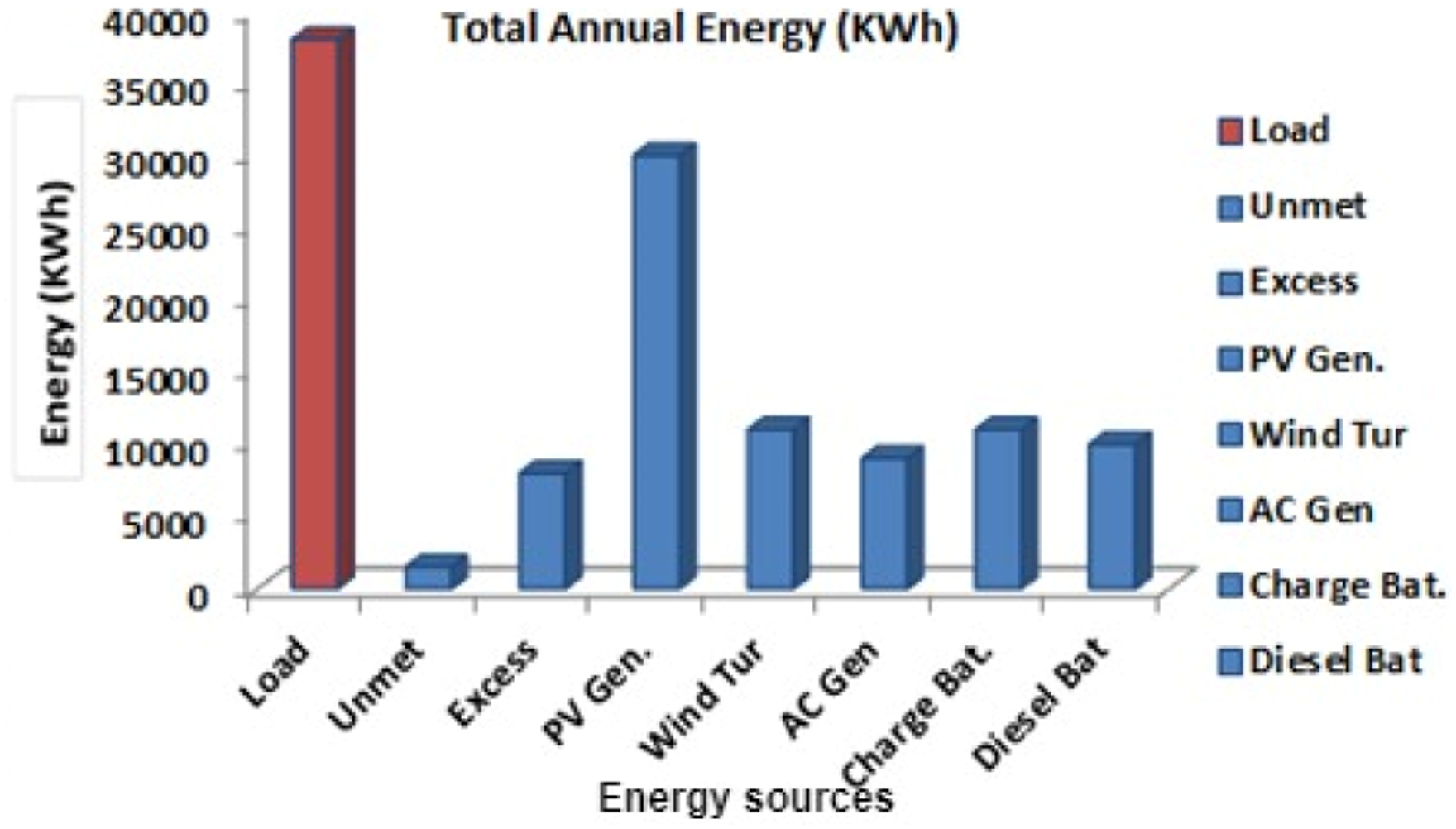
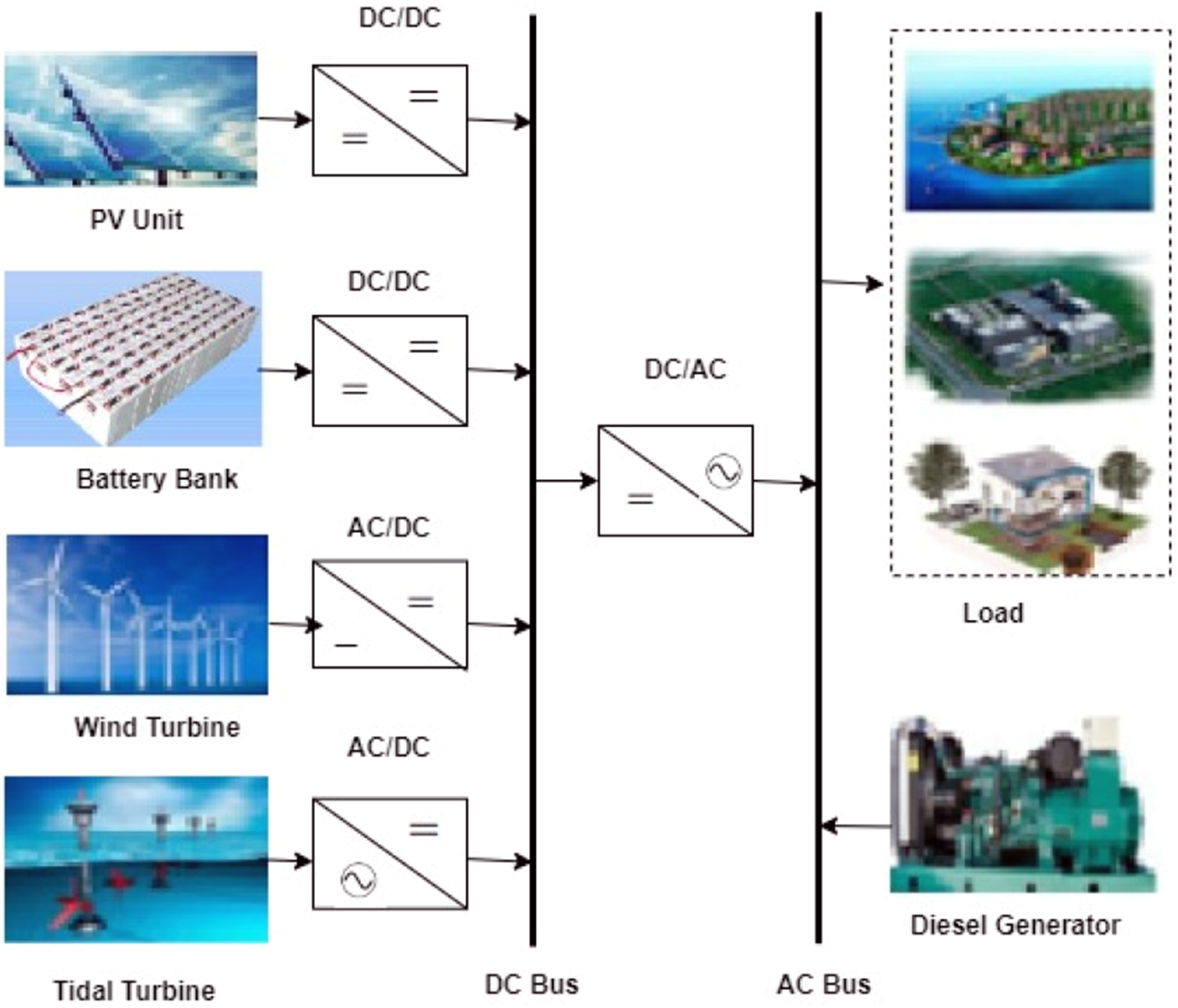
An alternative energy system using solar, wind, and tidal power could be established for mining operations in coastal regions. Moreover, a solar-wind-tidal hybrid system may enhance the effectiveness of renewable energy technologies and the solution for the mitigation of carbon emissions from sources. Opportunities for renewable energy also bring benefits and improved energy security.
The objective parameters are as follows: 1. Study of the hybrid renewable energy resource assessment in Indian coastal areas. 2. Operation and planning hierarchy using multi-network operations using MATLAB software. 3. Cost and energy optimization is optimized using the Lyapunov optimization approach for system stability.
A novel optimization approach Lyapunov optimization is applied due to the temporal fluctuations in green energy configuration. The key novelty of introducing Lyapunov optimization in our proposed HRES is
Dynamic real-time control
There is no requirement of precise training and future knowledge about the energy generation and load demand for Lyapunov optimization; instead, real-time data is used to make decisions, and adapt dynamically to changing conditions.
Minimization of long-term energy backlogs
The long-term energy backlogs or deficits that could accumulate due to mismatches between generation and demand are reduced in LO by introducing a virtual queue system within the optimization algorithm that tracks these mismatches.
Prioritization and stabilization
The Lyapunov framework helps with the prioritization of energy sources based on their availability and cost-effectiveness at any given time. Due to this cost-effective operation, the system remains stable and optimized.
We propose the optimization problem into subproblems such as PV battery storage optimization, WT rotor speed, and energy consumption requirements among the load distribution. We adopt the Lyapunov optimization approach to make energy-efficient control in load distribution, and the trueness is the avoidance of random harvested energy. The on-grid energy consumption and data traffic are studied in advance, so that the optimal sizing of HES is done.21–26 Numerical simulation results show that the proposed scheme outperforms other schemes in optimizing component sizing and energy consumption. The reason behind the solar-wind-tidal system is that the Indian coast has submarine operations including oil and natural gas succession, Because of that, hybrid systems always perform and operate well even if one source of energy is lacking.
Resource assessment in Indian coastal areas
Input parameters.
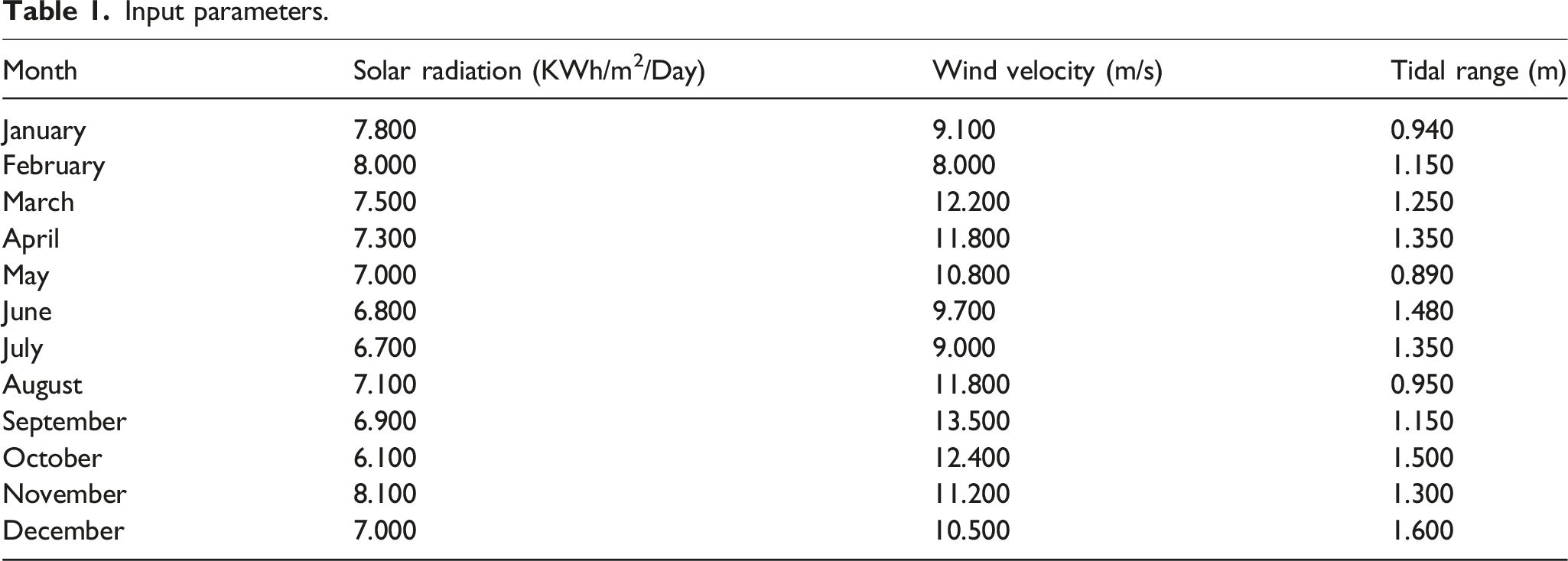
Tidal energy can offer substantial coverage whereas the absence of solar and wind generation. Table 1 reports the input parameters of the Indian coastal region, similar tidal patterns are experienced in the region such as the Bay of Fundy in Canada and the Orkney Islands in the UK, These regions experience high tides and can generate consistent energy to cover the vast coastal area.
The purpose of resource assessment is to provide annual cost estimation for the energy demand, the assessment remains in the expected wind velocities, solar irradiation effects and distance from the navigational data chart according to the climate changes.
HES system model and design
We design and implement the hybrid renewable energy systems with solar PV/WT/Tidal energy optimization. In this section, we formulate the optimization problem of the system model. According to the system model, our target is to optimize on-grid power in the system through balancing battery state of charge and controlling energy consumption.
Hybrid solar, wind and tidal energy system is shown in Figure 2. The factors that influence energy production are the temperature, seasonal variations, and tidal range, 23 this approach is adopted to provide equivalent generated power and the demand curve.
Proposed HES methodology
Solar energy model

WT energy system model

Tidal energy model

Energy storage and demand
Model the energy storage using batteries or other storage technologies.

Tidal range and/or currents at a location can be forecasted by analyzing a limited set of harmonic components specific to that location, with their angular speeds and phases derived from tide tables, navigational charts, and mathematical analysis of measured data.
Electrical energy storage (EES), the level of charge in the EES at time t is
5
:
The variables NEES and EESC stand for the nominal capacity of the EES.
Lyapunov optimization framework
The implementation of LO-HES involves several key steps. The objective is to efficiently manage and balance the energy generation and storage while ensuring system stability and reliability. Here is a structured approach to achieve this:
Queue dynamics
Define a virtual energy queue to represent the difference between energy generation and demand.
Lyapunov function
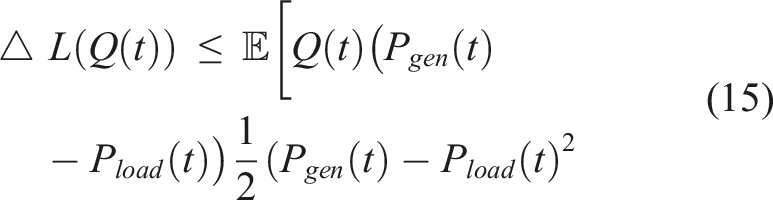
Construct a Lyapunov function ((t))L(Q(t)) to ensure system stability.
Drift-plus-penalty
Minimize the Lyapunov drift plus a penalty function for power consumption and storage.
Optimization algorithm
Optimization problem
We formulate the Lyapunov optimization problem to minimize the drift-plus-penalty function.


The stability of the HES should be ensured during the optimization process. The energy constraints are the total power generated and the EES state of charge.
Solve using Lyapunov optimization
Use techniques such as convex optimization, dynamic programming, or other suitable methods to solve the optimization problem at each time step. We minimize the drift and penalty to optimize the power generation. The operational flowchart is given in Figure 4.


Bounding the Lyapunov drift


Expand square and take expectations Therefore, the one-step drift can be bounded as The drift-plus-penalty framework helps ensure stability by controlling both the drift of the Lyapunov function and the penalty term. By demonstrating that the expected one-step drift-plus-penalty is bounded, we proved that the system is stable. The proposed system work flow is depicted using the flow chart given in Figure 3.

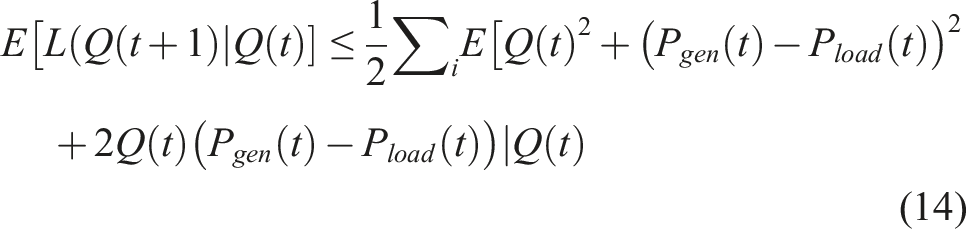


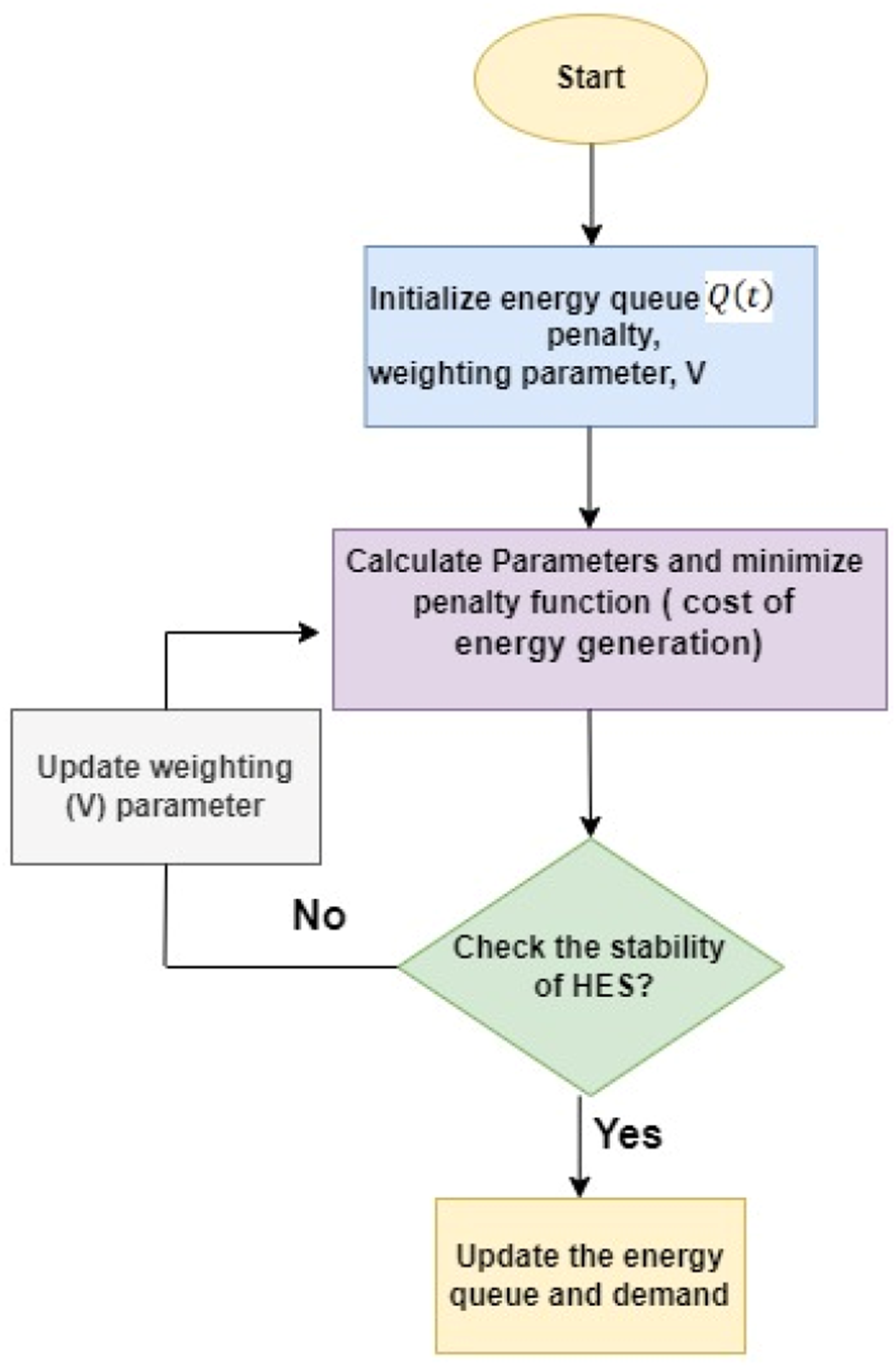
Flowchart of the LO-HES optimization.
Simulation and evaluation
Simulation
The LO_HES is modeled by utilizing actual solar irradiance, wind speed, and tidal current speed data. 25
The simulation tool MATLAB 2020b is used to execute the implementation. Accessing real-world data 26 for the implementation of hybrid system is done through simulation. The Implementation of the Lyapunov optimization algorithm is shown in the flowchart to assess its performance.
Evaluation
The evaluation of the system’s performance is based on metrics such as energy balance, stability, and reliability and to compare the results with other control strategies to validate the effectiveness of the Lyapunov optimization approach.
Implementation
Real-time control
• Develop a real-time control system based on the optimized model. • Integrate sensors and controllers for solar panels, wind turbines, tidal turbines, and storage systems.
Monitoring and Adaptation
• Continuously monitor the system and adapt the control strategy based on changing environmental conditions and energy demand.
In Figure 4, both x1 and x2 denote the system’s state variables, the generated power and the load power. The lines represent constraints, while the curves represent objective function levels and optimal points. The system’s state might be evolving toward or away from certain regions. The stability point being analyzed is typically the equilibrium point at the origin (0, 0). The purple curves show how the state of the system changes over time. These paths demonstrate the system’s progression from various starting points. The Lyapunov function is a single function that decreases along the paths of the system. The violet curves illustrate the behavior of paths near the balance point. If these curves tend to approach the origin, it indicates that the stability of the equilibrium is maintained. Lyapunov stability function.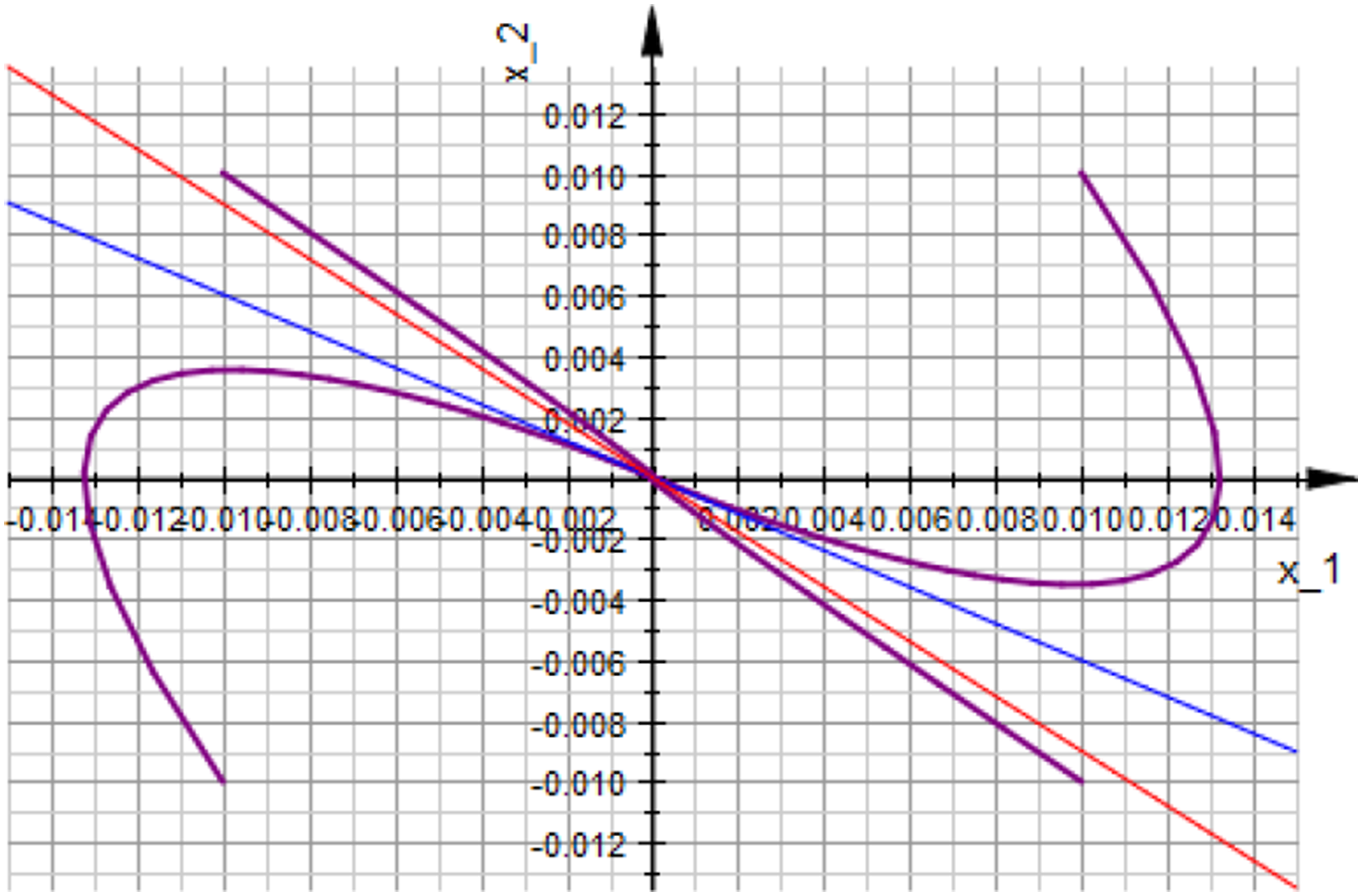
Summary
Implementation of LO-HES system involves modeling the energy sources, storage, and demand, followed by applying a Lyapunov optimization framework to ensure stability and efficiency. The process includes system modeling, defining queue dynamics, constructing a Lyapunov function, implementation of an optimization problem, simulating the system, and implementing a real-time control mechanism.




The research centered on developing a model to find the ideal system parameters for the design of hybrid system. The intention was to meet the load of different applications with our energy system and to minimize cost. In the study of this model, there are good results about the changes in state of charge; hence our model is reliable and accurate. The simulation model will predict the behavior of the PV/WT/Tidal model in uniform and differential insolation.
Experimental results and discussion
Simulation parameters.
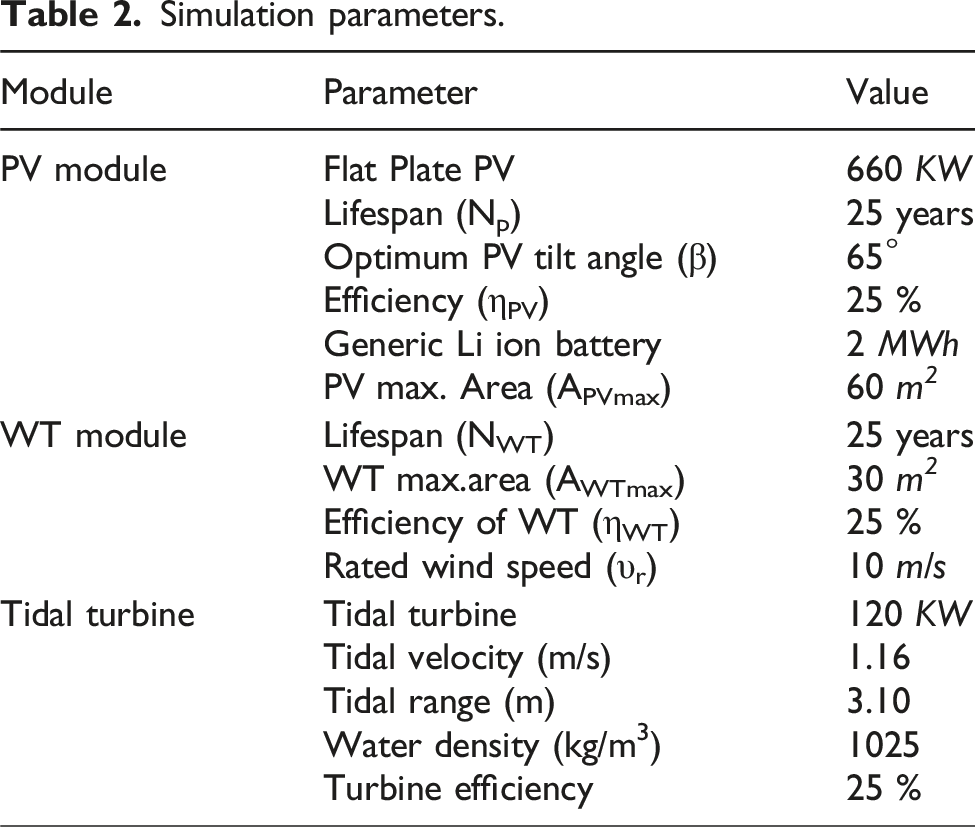
The system model outlines the general features of the tidal turbine device. The features under examination in the experiment are the generated power and load demand.
The power produced at different speeds and the device’s effectiveness. The device’s maximum power output will be achieved by estimating the rated speed at which it operates. The effectiveness of the rotor increases from 35% when it starts spinning to 50% at its maximum speed. The designated speed is 45% of the Vmsp at the hub height, at this point, the typical power train efficiency (η_Tidal) is estimated to be 40%.
The minimum velocity needed for device operation, known as cut-in speed, is believed to remain consistent at 0.5 m/s. This assumption makes the analysis much simpler and does not place strict constraints on accuracy, as tidal currents moving at speeds under 0.5 m/s generally contribute less than 5% of the total energy available. This leverages a major body of existing oceanographic research and field measurements2,14 already completed in support of pilot-scale tidal energy development. The scenarios presented here leveraged the Regional Ocean Modeling System and existing simulation datasets to use as our research domain.
The design, optimization, and analysis of data are connected to the circular economy in several ways. The circular economy is trying to reduce waste and support sustainability. Tidal energy has a negligible impact on the environment’s carbon footprint. Tidal energy also has the benefit of being highly predictable and having a high power output. It offers higher percentage efficiencies than all other dependable wave, wind, and solar power technologies.
The characteristics of the speed pattern and Turbine wakes are emphasized. Figure 5 displays the ambient flow velocity pattern and the turbine wakes. All turbines generate power during the flood tides, and the turbine wakes’ paths are visible from 500 to 1000 m further downstream, we have calculated the total generated power at each time step, and then updated the queue length using the given equation (16). The adjustable V parameter is varied to adjust the generated power or load demand to minimize the drift term. The tracking is fixed when the tip speed ratio is aligned. The rated power is computed as 600 kW when the wind speed is 12 m/s. Power production of Turbine at the Tidal cycle.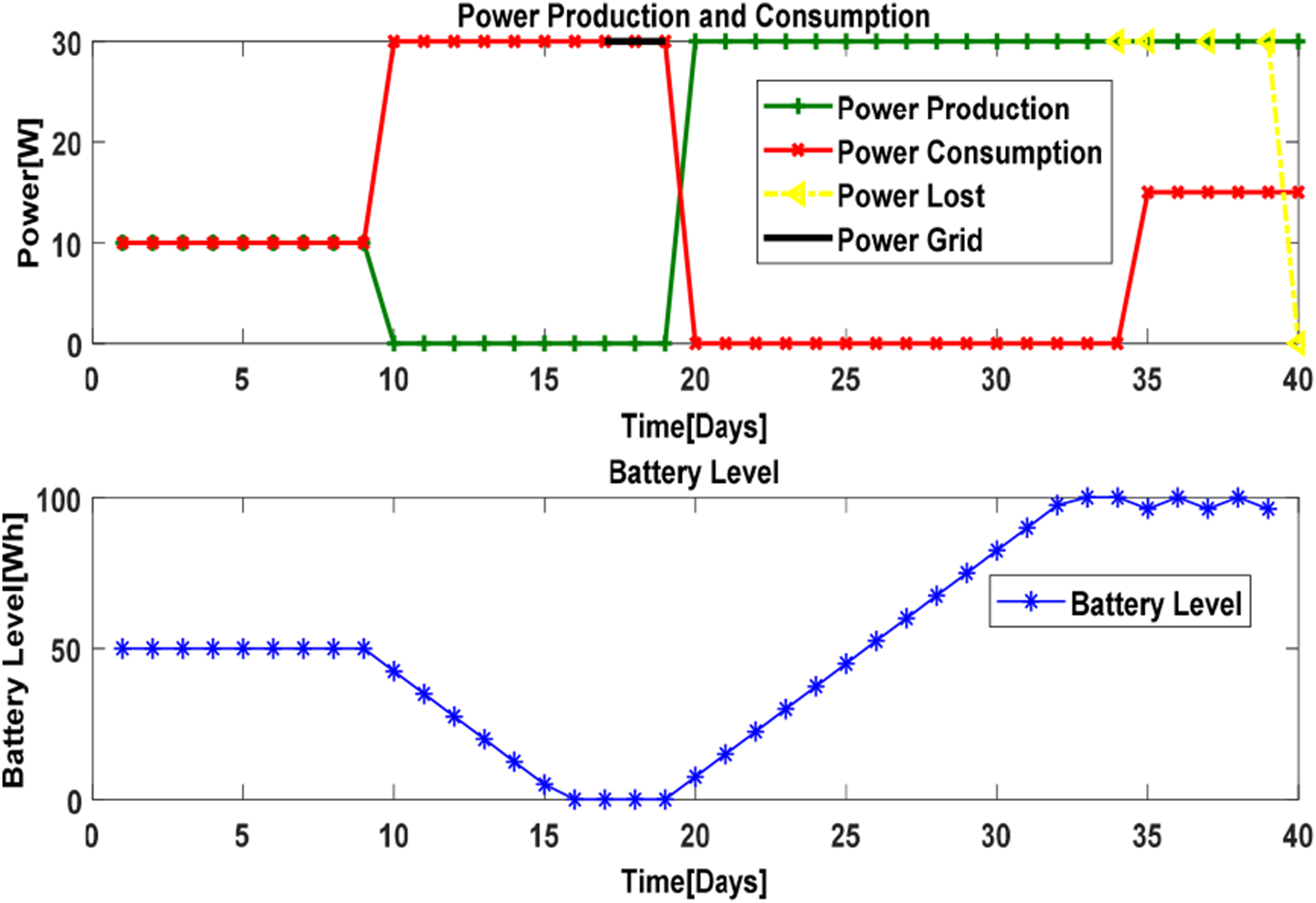
Optimization with queue status over time
Figures 6 and 7 are the energy optimization using the Lyapunov technique. The queue length is initialized by using the generated power Energy optimization using the LO technique. LO-HES energy.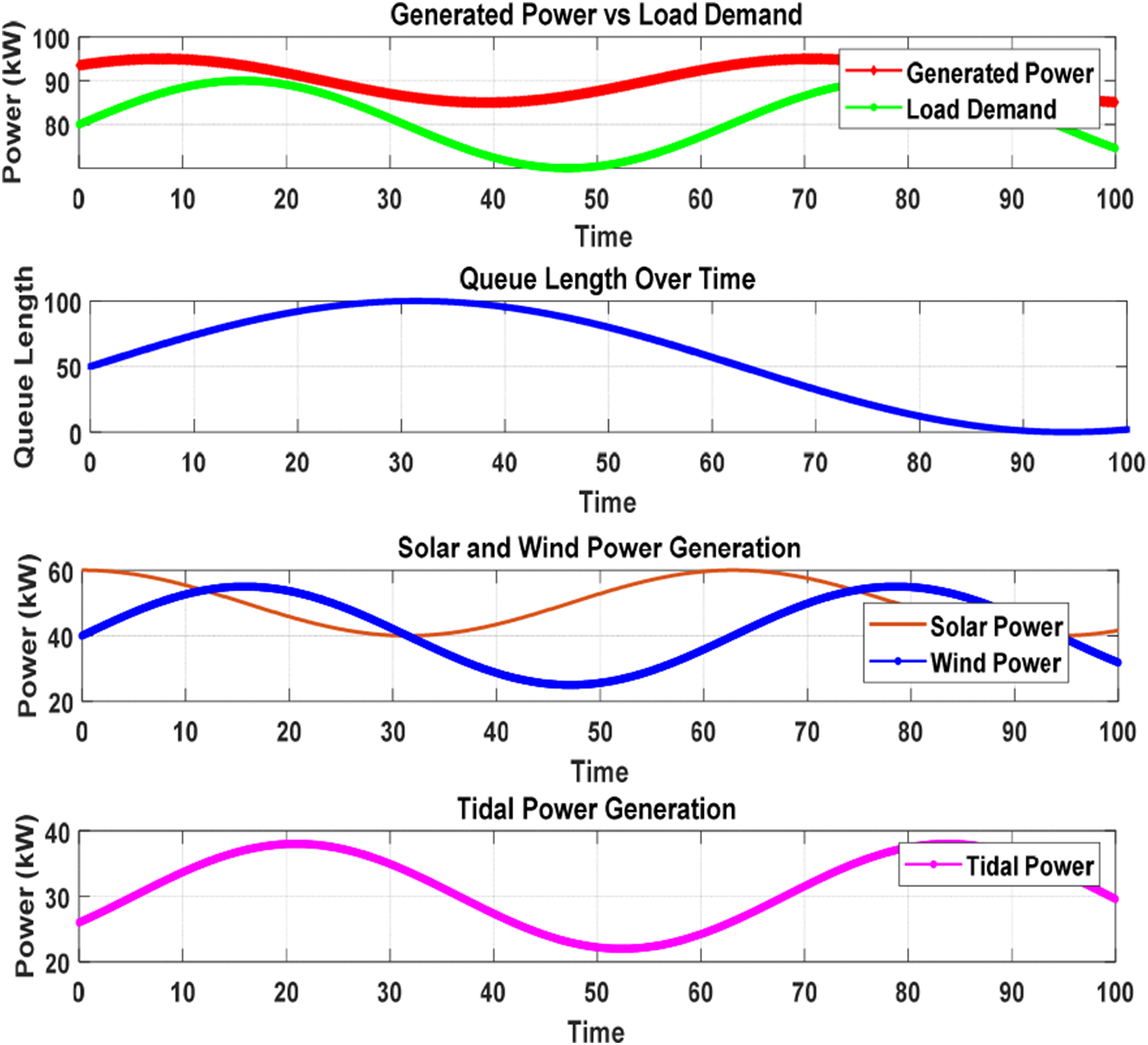
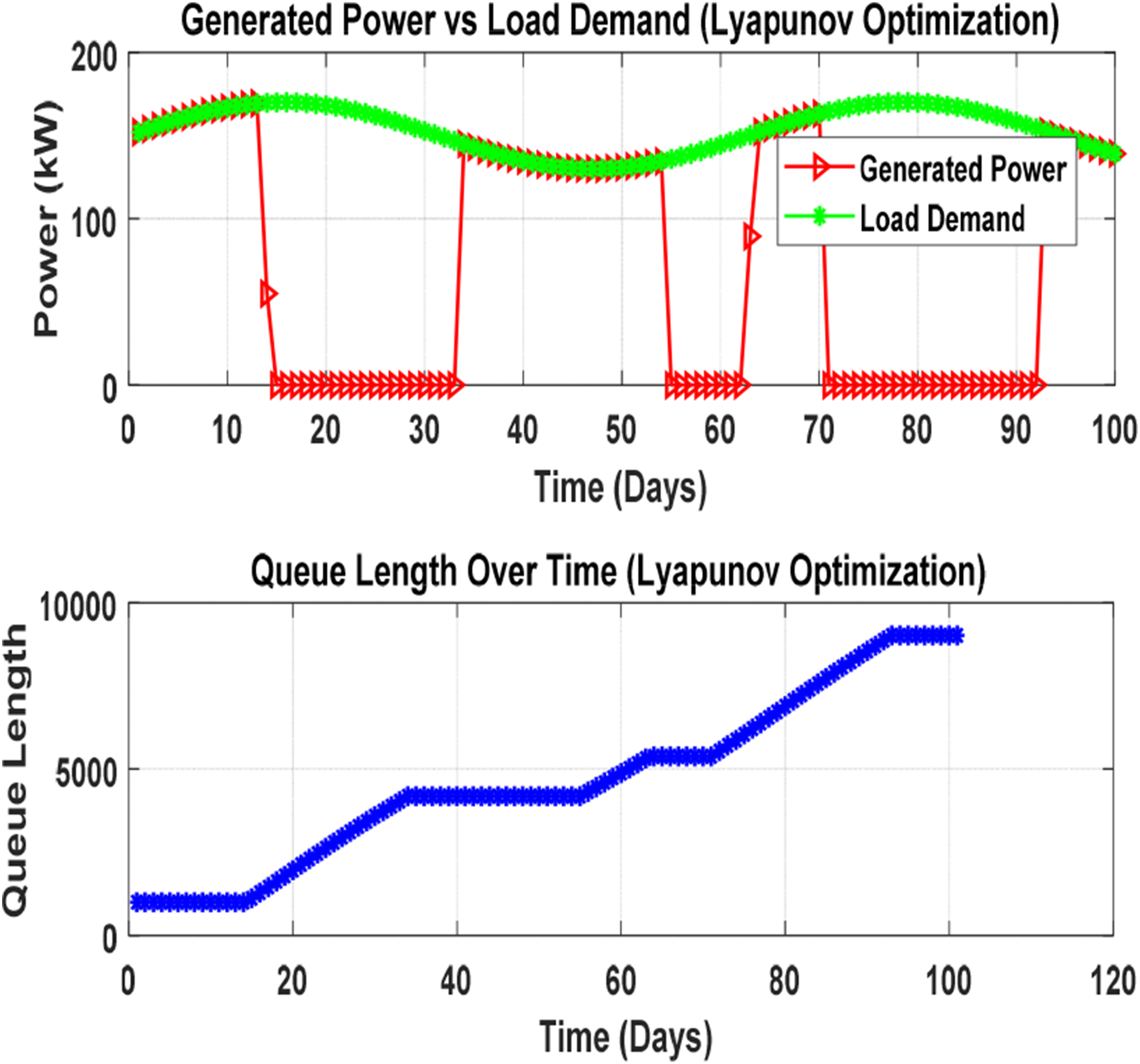
The aftermath of turbines located further up the stream. There is greater asymmetrical loading on the dual at the mid-channel location. The initial measurements on tidal range were done on a minute basis, but the general time step of the calculations done is in daily resolution; thus, the final profile was given with daily resolution in Figure 8. Tidal Range in meters.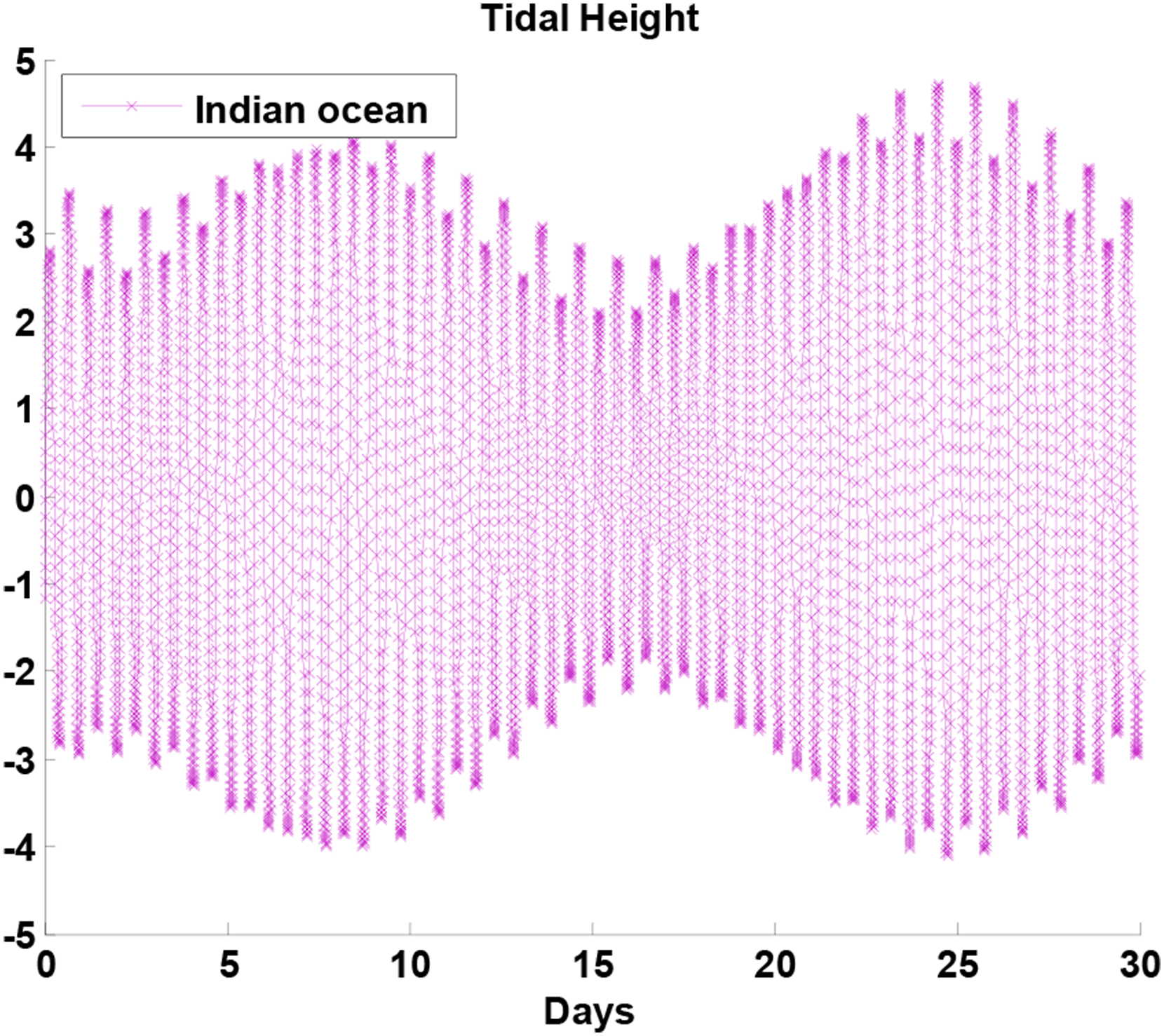
Rotor turbines can experience wake interference when one rotor is operating.
The level of wake interaction differs during successive tidal cycles and following the direction of local currents. The process utilizes standard input data used for estimating energy consumption, but utilizes a bottom-up method with distinct relationships between load profile characteristics to model the synchronicity of the analyzed electrical devices. The total number of battery bank and capacities, WT hub height, and rated power should be taken into account when setting up the turbine. For deep waters exceeding 50 m anchoring to the sea floor is no longer efficient and passing to floating wind turbines starting from 12 m are being studied at present.
HES’s input parameters include a hub height of 12 m for wind turbines and a Li-ion battery bank operated at STC at 25°C. The optimum tilt angle for the PV array panel is 65⸰ when paired with a dual-axis tracking system. To achieve the highest power output, the system features PV panels tilted at the ideal angle, a WT hub is placed at different heights from 12 m to 50 m and variations in the radius index of the turbine.
In Figure 9, State of Charge (SOC) power is shown with overproduction and loss of power is referred to for the time over the year. As defined in,
14
a 25Ah battery can produce a power output of 330 W hours with a constant voltage of around 12 to 14 volts, The utilization of a battery depends on the SoC of a battery. The efficiency to convert energy is considered to cover load demands. SOC power of a battery.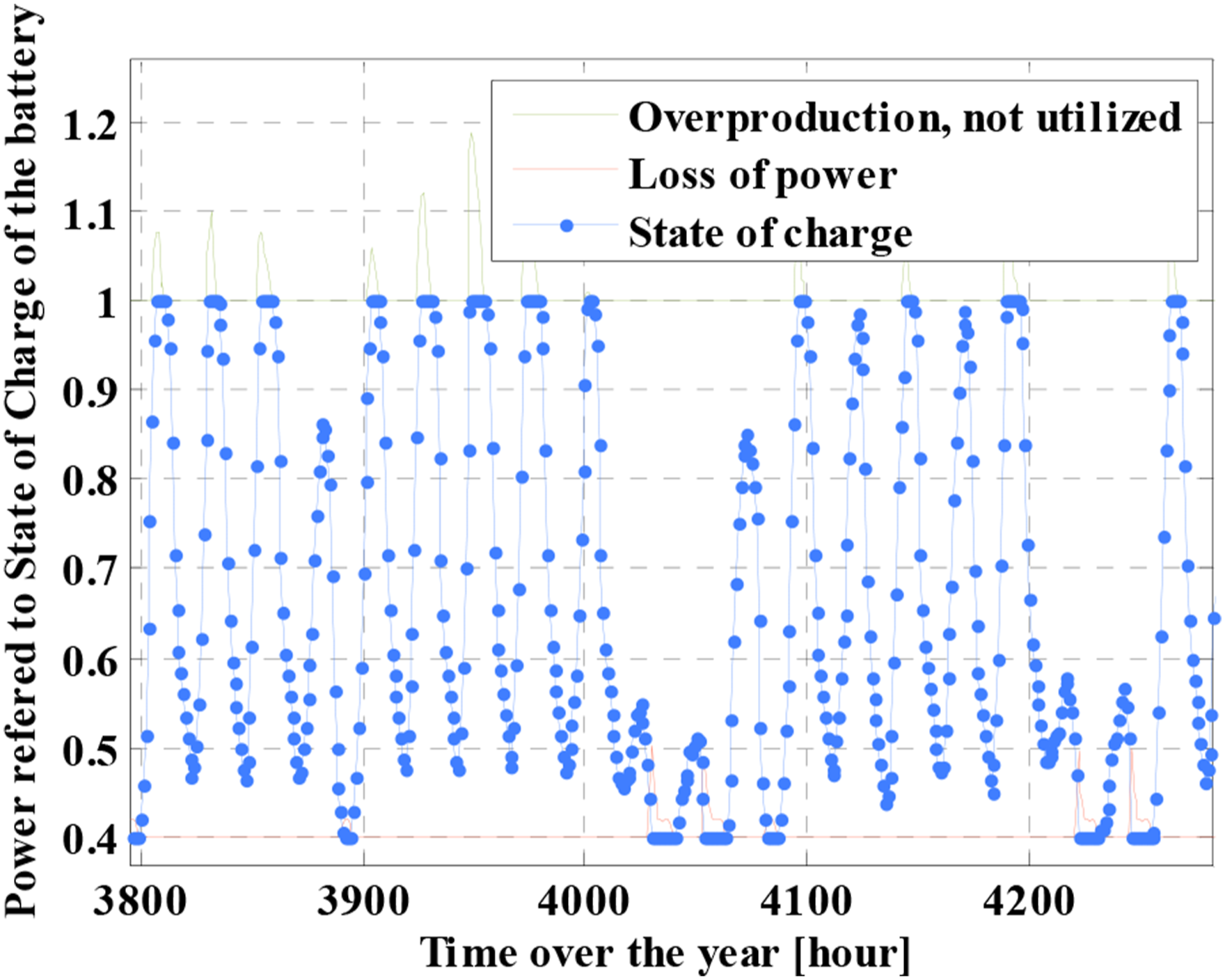
The system functions for a changeable load, while maintaining a consistent voltage at the load requirement as depicted in Figure 10. The ideal battery bank size ensures power balance for consistent power sources, irrespective of low or high load demands. Figures 11 and 12 depict the changes in the SOC as it charges during low load demands and discharges during high load demands. Figures 9, 10, 11, 12 demonstrate the optimal energy production based on peak power (kW) consumption and load profile; this will be effective in growing demand compared to residential needs. Optimal energy production in terms of load profile. Optimal battery bank size. State of charge of the battery.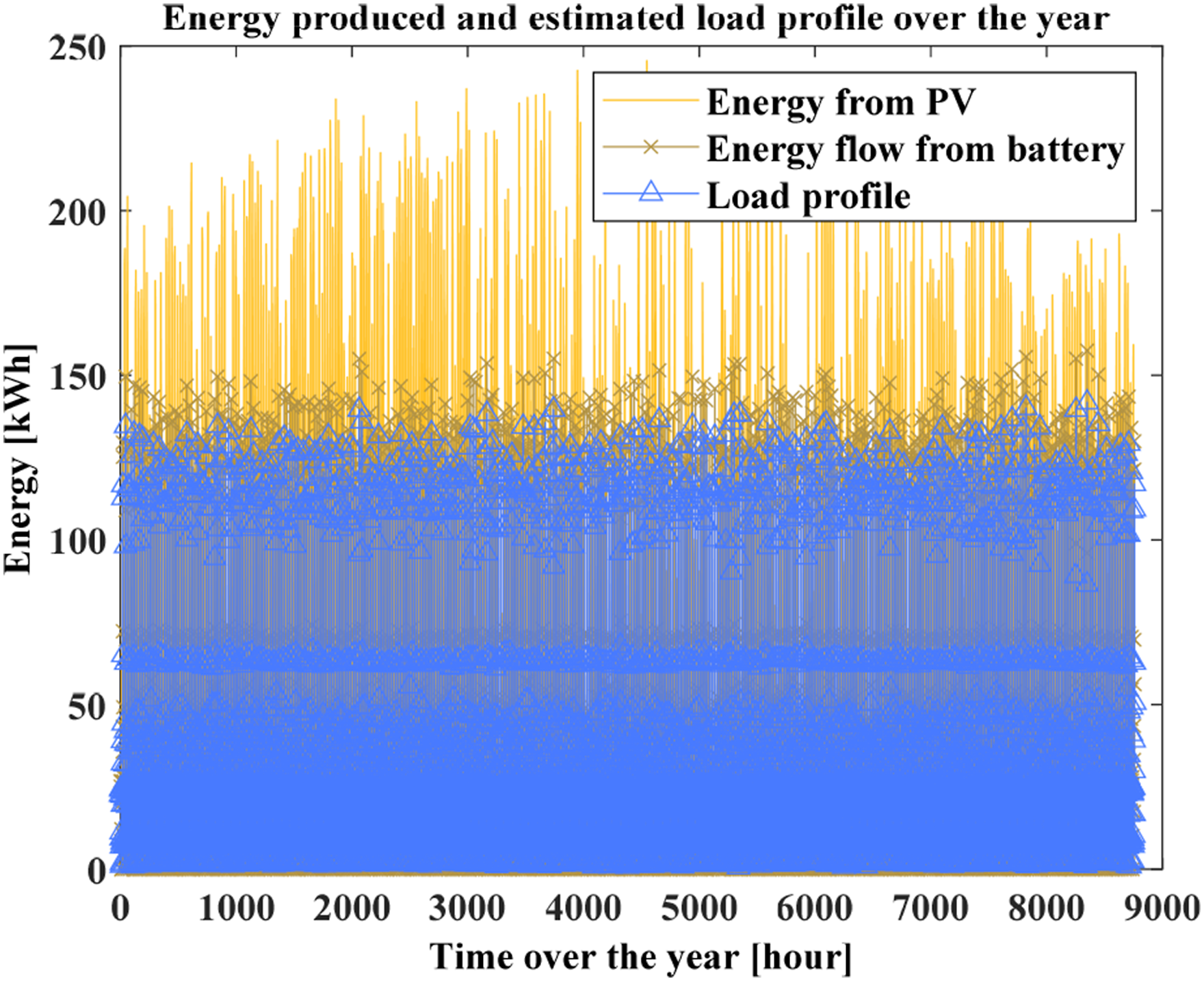
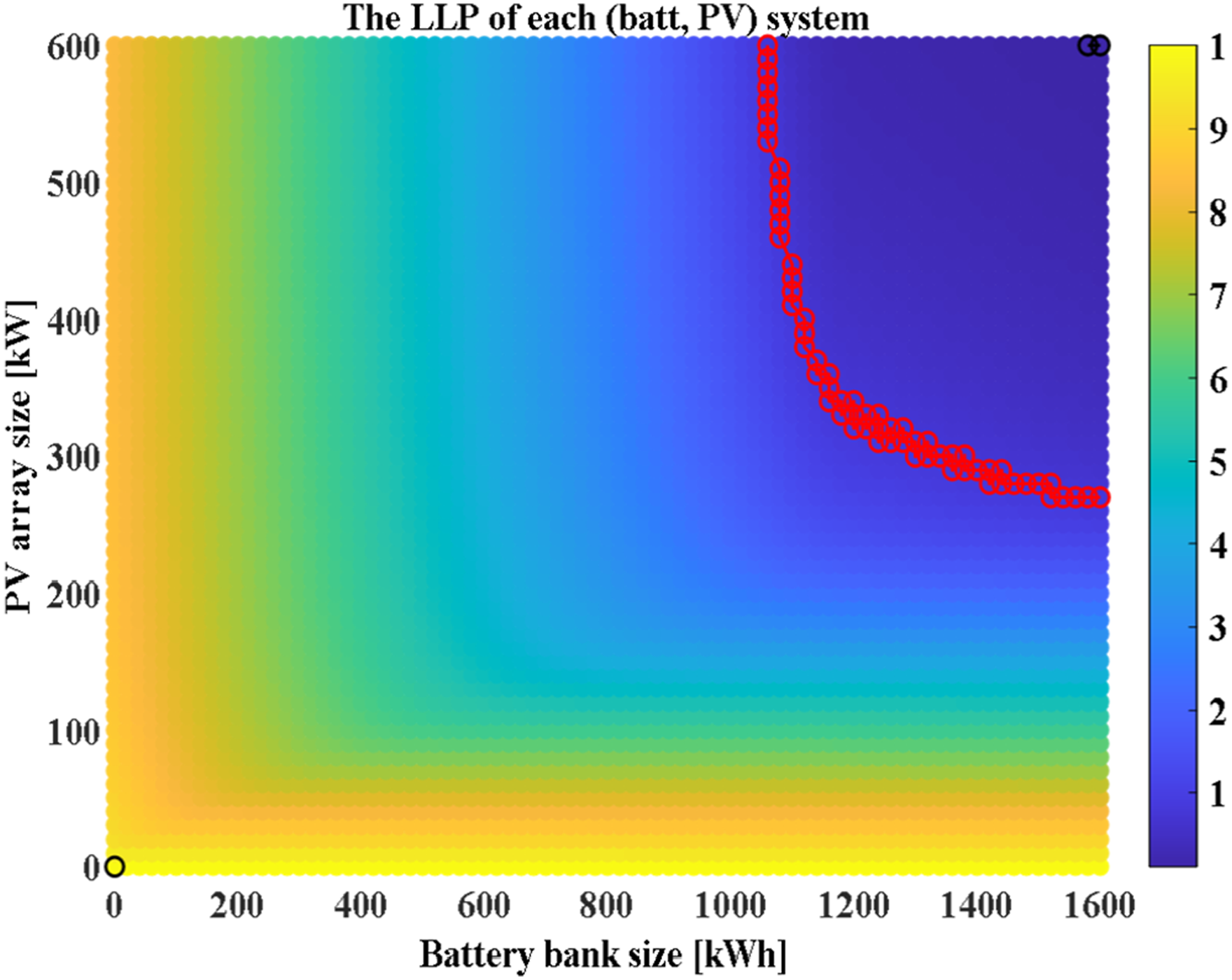
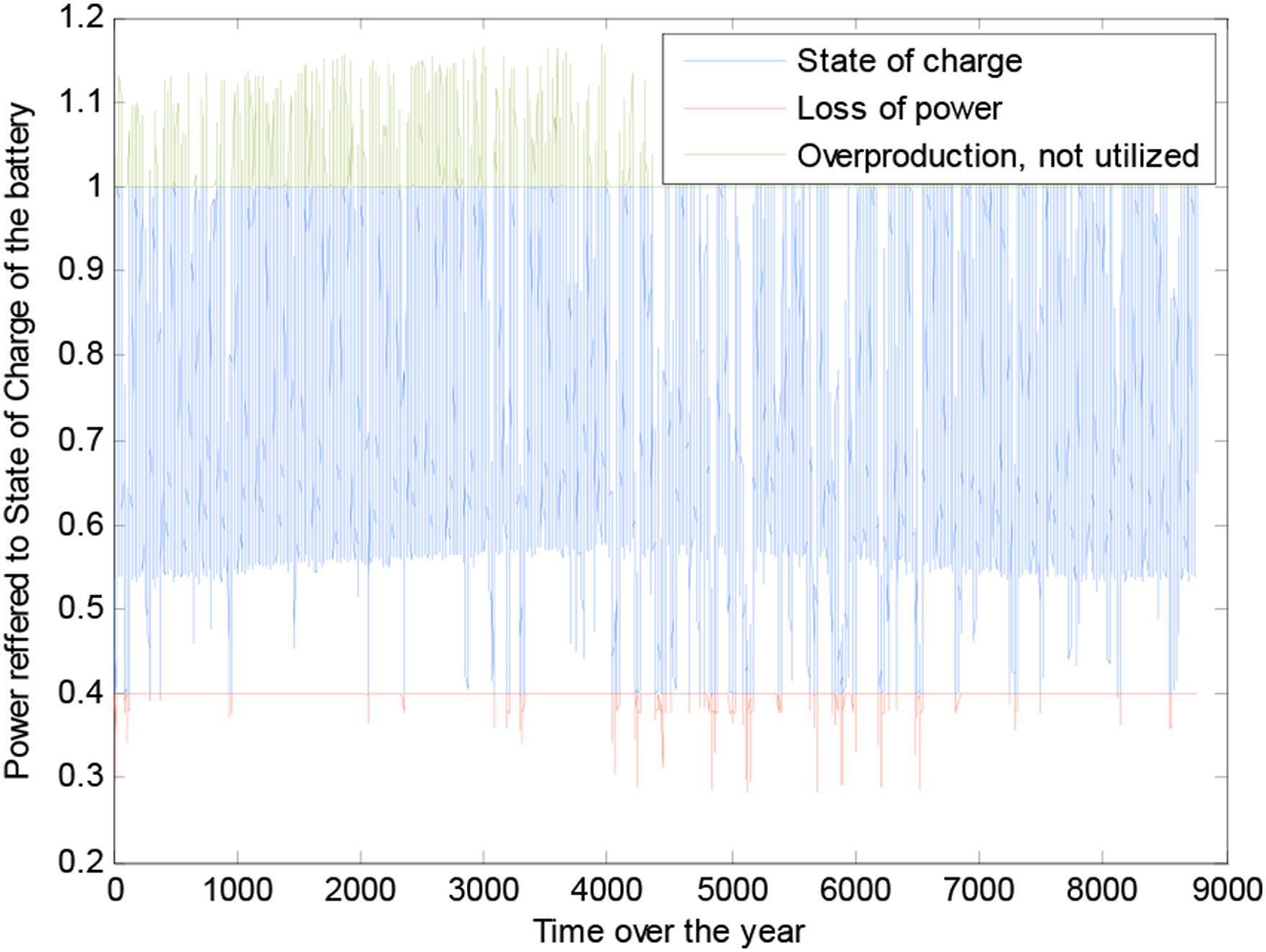
Figure 11 shows the different energy levels at different locations within the system. When the total power from HES exceeds the demand, the battery is charged. Discharging starts after 100 seconds, with the amount of discharge changing depending on the power shortage from renewable sources at various moments. Analysis of wind turbine shows that it only assist in easing power deficits during high levels of solar radiation, while a set of PV panels is mainly responsible for providing solar energy to residential buildings.
The ideal battery charge level and its acceptable range are displayed in Figure 12. It shows the overproduction, SOC and loss of power. The excess production that is not utilized is stored in the battery for the future purposes and system reliability. Increasing the discharge rates can enhance its longevity and overall efficiency. This helps customers select the inverter and controller capable of managing the power output of the solar panels.
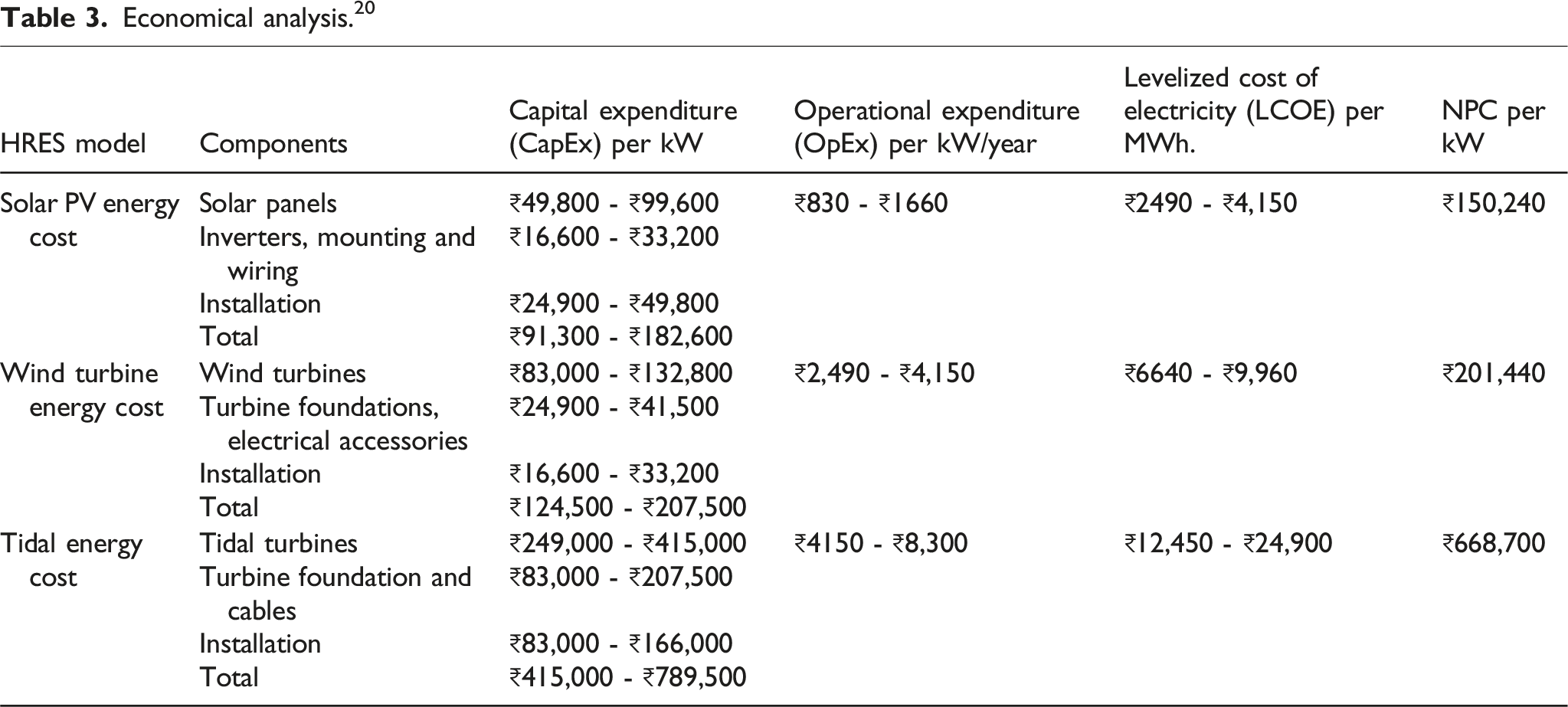
Figures 9, 10, 11, 12 illustrate the best possible layout for a solar battery bank considering their highest power consumption in kW along with the size of array. A typical Li-ion battery rated at 12 volts and 24 ampere-hours is being employed. Several factors, including technology type, project scale, site, and funding options, influence the optimal cost of installation of HES in India.
Economical analysis. 20
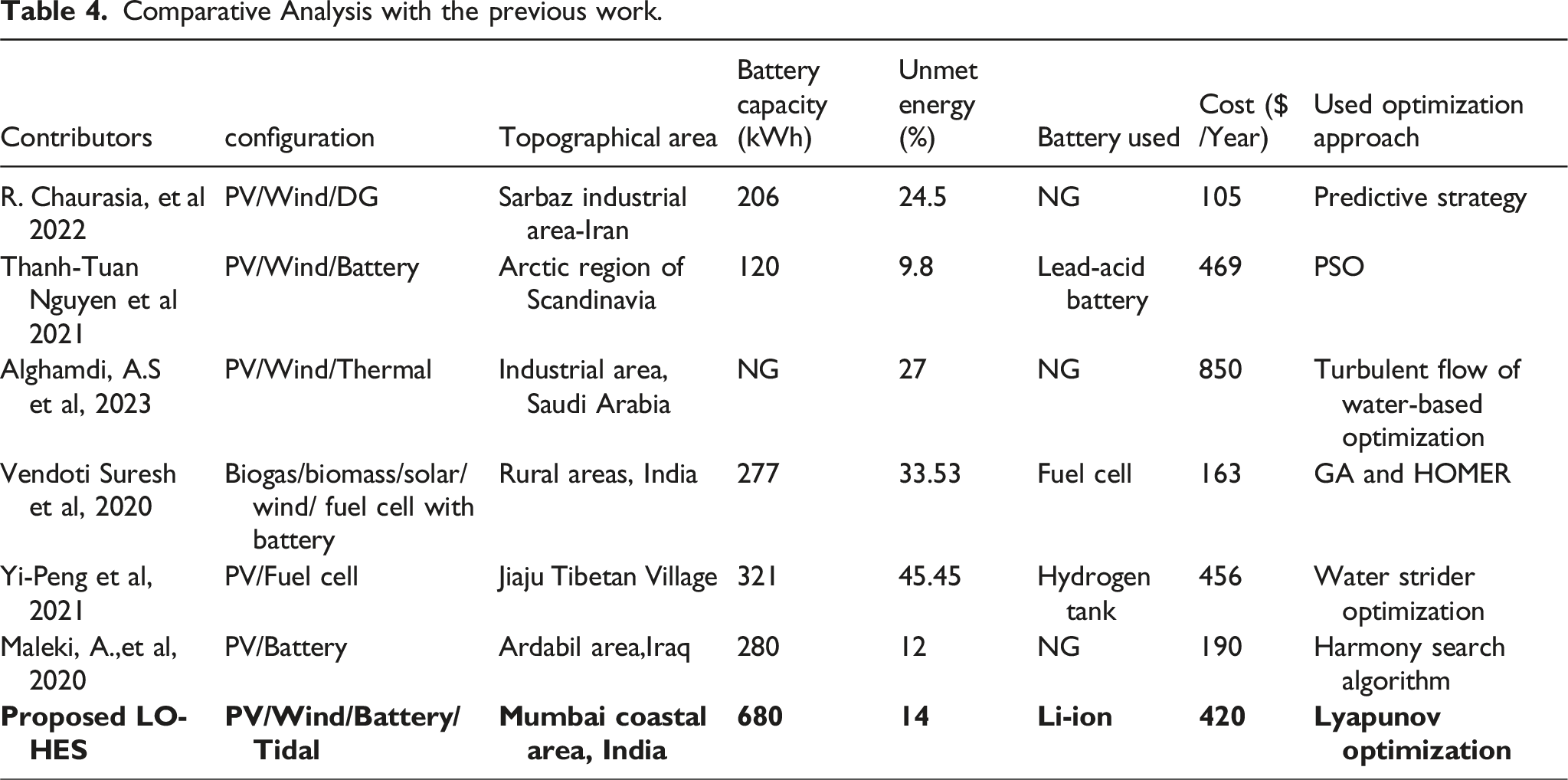
Comparative Analysis with the previous work.
Cost optimization analysis.

Table 5 gives an analysis report of generated power and demand power, the utilization of excess energy is stored in battery, Hence 20% of over production is stored and retained for the future use, which gives an optimal reduction of 35% reduction in cost. Figure 13 shows the cost-sensitive analysis which refers to the evaluation of the trade-offs between cost and performance of the proposed system. It examines how changes in cost affect key performance of the system. The chosen approach remains viable under different performance metrics such as energy efficiency, renewable utilization, cost reduction, and convergence time. Cost sensitivity analysis.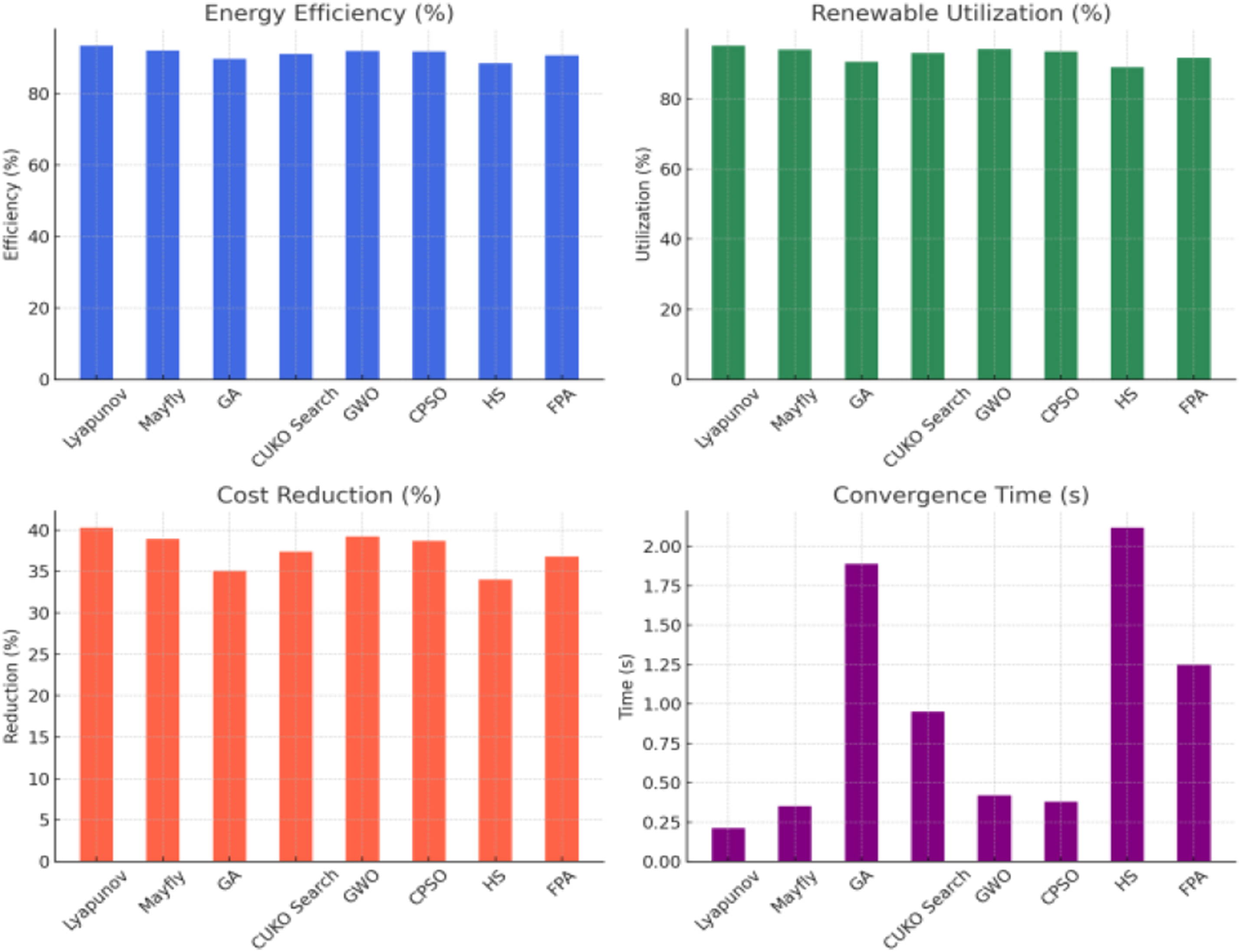
The proposed approach is shown in Figure 13 which is a cost sensitivity analysis with various optimization approaches with genetic algorithm(GA), CUKO Search, Gray Wolf, Particle Swarm Optimization (PSO), Harmony search (HS), Flower Pollination Algorithm (FPA).
Conclusion
The suggested Solar/Wind/Tidal HES system produces consistent performance and efficient energy use despite changing environmental and grid conditions. However, the EEG mainly emphasizes single-source renewables rather than hybrid systems. Current policies are restricted in harnessing the collective advantages of different renewable energy technologies, which can potentially increase efficiency and resilience by a 30%. Therefore, the full potential of HES is not being realized because existing policy frameworks do not support integrated systems. We have created a random power management plan for hybrid energy storage systems in order to boost the integration of large-scale wind energy. The functionality of battery energy storage is assessed in a solar/wind/Tidal energy conversion system, examining its efficiency and capacities. We have studied the best way to operate batteries in a solar/wind/Tidal-storage hybrid power plant. The suggested study examines the dispersal of energy technologies (PV/WT/Tidal) in HES and .providing financial budget and electricity generation opportunity by replacing conventional means.
Footnotes
Declaration of conflicting interests
The author(s) declared no potential conflicts of interest with respect to the research, authorship, and/or publication of this article.
Funding
The author(s) received no financial support for the research, authorship, and/or publication of this article.
