




Abstract
Despite varying conceptions of what co-production entails, there is a growing consensus in research, practice and public policy discourse that co-production is a preferred strategy for leveraging resources to deliver basic infrastructure services in low-income settlements. Using largely qualitative data, this paper explores the adaption of co-production in the low-income settlement of Hanna Nassif in Dar es Salaam, implemented 20 years ago by state actors, international agencies and grassroots actors, with attention to basic infrastructure and local employment. The findings reveal that co-production engendered partnerships and platforms and transformed sociocultural norms and values that made inroads toward urban equality in the settlement, although it failed to address inequalities among the partners, or to be replicated subsequently. The paper argues that meaningful co-production of basic infrastructure services in low-income settlements of the global South requires a focus on the context-specific pro-poor concerns and priorities.
I. Introduction
Although sub-Saharan Africa is the least urbanized region globally, it also has the largest deficit in urban public infrastructure services, including safe water supply, storm water drains and access roads. Over 56 per cent of the region’s urban population live in informal settlements, which face the most severe deficits in these basic services as well as in the quality of housing. Many of these settlements are on marginal land such as flood plains. These conditions and deficits conspire to generate and accentuate wide economic and socio-spatial inequalities.(1) In Tanzania, this backlog is one of the major causes and manifestations of urban poverty and inequalities.(2)
While improvement in basic infrastructure services at settlement level is the responsibility of local government authorities (LGAs) in Tanzania, most LGAs lack the financial, human and other resources to meet the needs of the rapidly growing urban population. The urban dweller’s survey commissioned and coordinated by the Ministry of Lands, Housing and Human Settlements Development in 2015 to inform the Habitat III Country Report for Tanzania revealed the continued deficit of urban infrastructure in Tanzania. Covering five selected urban areas, the report revealed, for instance, that only 13.3 per cent of urban households had closed ditches for drainage channels; 41.5 per cent depended on open ditches; and 45.2 per cent had no access to storm water drains at all.(3) In the context of resource paucity, innovative approaches are required to improve urban services.(4)
Africa is also known for labour market inequalities and the limited ability among marginalized social groups to influence decisions on public matters.(5) Among these inequalities their gender dimension is also striking. By 2019 the mean level of human development among sub-Saharan African women was 5.1 per cent lower than that of men;(6) in Tanzania, the difference between men and women was 2.8 per cent.(7) This is mainly due to discriminatory practices, gender-based violence and the tendency among most households to favour investment in the health and education of male children.(8)
This paper is based on a retrospective study that focuses on some of these pressing concerns and on a particular approach to addressing them – that of co-production. The paper looks specifically at Hanna Nassif, an underserviced informal settlement where community infrastructure services were co-produced over 20 years ago, at a time when most community projects adopting participatory approaches were largely consultative. The project also had livelihood implications which were central to its success. This retrospective view makes it possible to consider one example of the co-production approach from its infancy to maturity. In so doing, it contributes to an understanding of the processes and outcomes that demonstrate the facilitating conditions and the outcomes of co-production. The retrospective analysis used in this paper offers a lens to examine co-production of basic services and their positive and negative outcomes over time. It adds evidence to the effect that co-production does not always change the power inequalities among partners; it also contributes to an understanding of the contextual opportunities that co-production can provide for marginalized groups and the factors that may undermine its institutionalization. Furthermore, when co-production is retrospectively examined long after the completion of the project, the vitality of the key drivers of the process, including political platforms, partnerships and sociocultural transformation, can be examined.
a. Background on the case study area
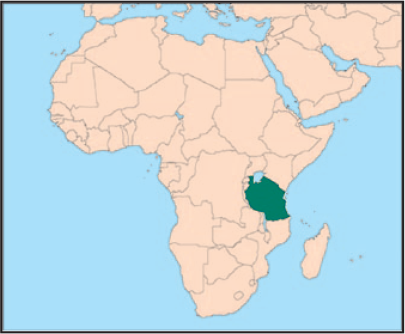
Hanna Nassif, an informal settlement in Dar es Salaam city in Kinondoni Municipality about four kilometres from the city centre, is densely populated with about 12,500 people on 50 hectares in 2021, 52 per cent of whom are female. Owing to its proximity to the city centre and good connections to facilities in the Central Business District and upmarket housing areas, the settlement is well situated for income and employment opportunities. Most residents have remained poor, however, and a majority are largely engaged in informal activities within and outside the settlement, including petty trading, food and vegetable vending, repair workshops and home-based activities, mainly tailoring and hairdressing. Before the improvements about 20 years ago, which are detailed in this study, Hanna Nassif experienced severe basic infrastructure deficits and frequent flooding. It was the first informal settlement in Dar es Salaam where basic infrastructure services were delivered through co-learning, co-planning, co-design and co-implementation. The intervention also included the establishment of a micro-credit facility and a women’s association to manage solid waste in the settlement.
II. The Co-Production Approach To Community Infrastructure Delivery
The upgrading of informal settlements in many cities of the global South was dominated up to the 1990s by two main approaches: the provider and the enabler models, in both of which beneficiary communities played a limited participatory role. Issues of poverty and inequalities associated with lack of income and employment opportunities received little attention in these initiatives.(9) In the 1990s, co-production began to emerge in development debates,(10) and by the early 2000s it had become instrumental as a strategy in the co-delivery of basic services in weak states with limited capacities.(11) The co-production approach to basic infrastructure service provision combines services delivery and a governance strategy that addresses the weaknesses inherent in the top-down and centralized approaches.(12) A review of the literature shows that co-production exists in different forms depending on the context and purpose.(13)(14)(15) It may also differ in terms of the role that the community plays in service delivery, the level of collaboration entailed and the benefits realized.(16)
The co-production approach discussed in this paper borrows attributes of co-production elaborated by Ostrom,(17) Mitlin,(18) Bovaird,(19) as well as Watson,(20) where at the centre of the approach is a resolve to bring together citizens, the state and other non-state actors to work as partners, with community playing the pivotal role. Bovaird sees engagement with users of basic community infrastructure services as an integral part of democratization in decision-making.(21) Watson adds that it is a strategy appropriate where governments are unwilling or unable to deliver basic services.(22)
Co-production ideally acknowledges and anchors the public services delivery process in the social, economic, political and cultural contexts of a community.(23)(24) Citizens are not seen simply as consumers but as co-producers of services(25) and part of the solution to their common problems. Most communities have to be empowered to effectively play this role. Important in this regard is addressing the sociocultural norms and values that tend to exclude marginalized groups such as women from meaningfully participating and accessing income and employment opportunities. In the context of co-production in urban Africa, gender inequalities associated with income and employment opportunities have received limited attention. Literature has largely focused on the factors leading to the more passive participation of women, such as partriarchal values.(26)(27)
Critical also in co-production is partnership in the requisite resource mobilization to address the daunting challenges of urban basic service delivery in deprived informal settlements. Low-income communities can hardly improve or address their basic infrastructure services and needs without this collective engagement with a variety of more powerful actors, including public institutions such as the state, LGAs and utility agencies.(28) Financial and material incentives may be necessary, however scholarly views, both negative and positive, are inconclusive about the topic of incentives, including financial rewards for co-production activities in deprived communities.(29) The position taken in this paper is that incentives are crucial in order to ensure that the time and personal resources invested in co-production activities by poor people do not undermine their basic needs as they actively participate, implement and engage with other stakeholders. Studies(30)(31)(32) further indicate that capacity-building is critical to the process, including the transfer of skills and knowledge, empowering and enabling communities to actively engage and negotiate with non-community actors. Local organization-building is central if multiple actors are to work together, engender productive partnerships(33) and deliver the expected outputs, particularly in situations where states are weak.(34) The complexity of urban inequalities in low-income settlements inevitably requires a multidimensional approach, including multi-sectoral engagements to tackle the diverse environmental, socioeconomic and sociocultural problems. Co-production is not a conflict- or tension-free endeavour; indeed, the literature shows that disagreement may arise because of diverse backgrounds and expectations. Differences in values, procedures and standards held by different actors, their power and the perceived threats to conventional professional practices they are used to can make it difficult to reach a shared vision.(35)(36)(37)
Based on the literature and documentary reviews of the project, three interconnected pathways have been conceptualized to retrospectively analyse co-production in Hanna Nassif: (1) partnerships and platforms;(38) (2) capacity-building of community and their local organizations; and (3) the analysis of sociocultural (gender) norms and values (Figure 1).
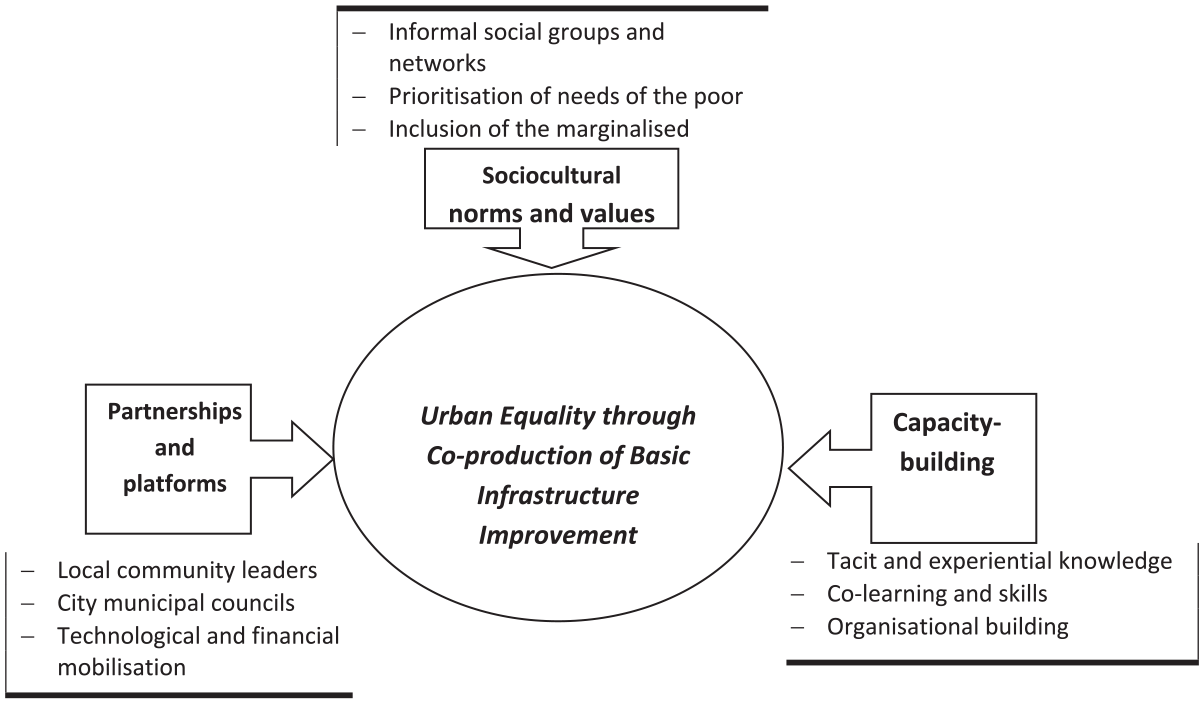
Conceptualizing pathways of co-production of basic infrastructure services in Hanna Nassif
These three pathways worked to address urban inequalities in Hanna Nassif. Partnerships and platforms were needed to facilitate the interactions, negotiations and mobilization necessary to marshal resources – technological, financial and human resources as well as knowledge. In order for the diverse partners to collaborate, co-plan, co-design and co-implement, institution-building and power-sharing were necessary. Capacity-building was necessary to impart and share skills, knowledge and experiences among groups with different norms and values, some of which could influence urban inequality.(39)
III. Methodology
To explore the co-production process and its outcomes in Hanna Nassif, data were collected during different periods between July 2018 and August 2019. Historical information was reviewed from project technical reports, evaluation reports and papers presented in conferences on the project, including UN-Habitat’s Best Practices report.(40) A scoping workshop was conducted to set the scene for the study; this was followed by four focus group discussions with selected men and women to gather recollections of past events from participants involved in the co-production process.
In community groups, men were separated from women to ensure that women were able to express themselves freely about their participation in the project, given that some community actions, such as construction work, were considered to be inappropriate for women. The first group comprised six women who had participated in casual labour, supervision, bookkeeping or leadership. The second group comprised five men who were semi-skilled artisans, casual labourers or members of the local community organization. The other two groups included, first, local leaders and influential persons, and second, members of the project’s Technical Support Team (TST).
A household survey comprising 108 respondents (56 female and 52 male) selected randomly across the study area was carried out on every second house located in the area where infrastructure was improved (Figure 2). Heads of households, including tenants, were targeted, 50 per cent of whom were homeowners who had been living in the settlement before the start of the project. Half of them were over 60 years old at the time of the interview, suggesting that they might be well informed about the settlement and the project.
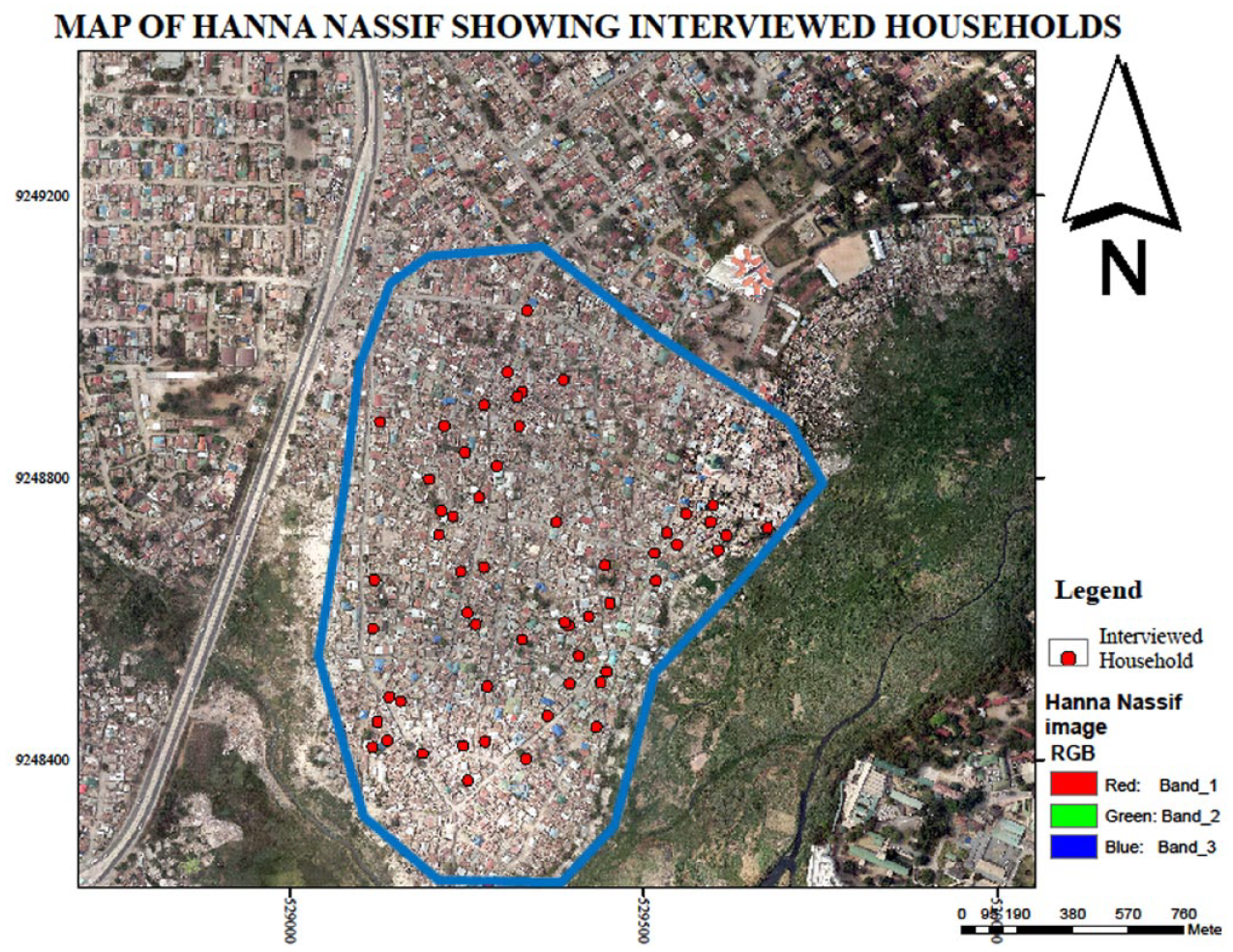
Distribution of heads of households interviewed in Hanna Nassif settlement
The purpose of the survey was to gain retrospective perceptions of the wider socioeconomic, sociocultural and spatial changes that ensued from the co-production of basic infrastructure services.
The data were analysed through content and timeline analyses and, in the case of the quantitative survey data, with a Statistical Package for Social Sciences (SPSS). After initial analysis, data were triangulated and collectively validated through two workshops with selected members from all the focus group discussions. It is admittedly difficult to ensure the reliability of historical recollections. However, the many respondents who were involved in the project at the time and who agreed now on details gives us confidence that these narratives present a true picture of the co-production case.
IV. Findings
Prior to the co-production process, Hanna Nassif settlement had severe deficits in such basic infrastructure as access roads, solid waste collection and water supply. Respondents repeatedly noted that for many years they had appealed unsuccessfully to the Kinondoni Municipality to address the problems. The majority of surveyed residents (93.5 per cent) rated the environmental conditions in the settlement before co-production as poor or very poor.(41) They recalled the squalid living conditions that had driven the community to establish a community development committee (CDC) in order to seek support to address the challenges. Following a meeting held between the CDC and the Kinondoni Municipal Council (KMC), the local authority resolved to seek support from UNDP, the International Labour Organization (ILO), UN-Habitat, the National Income Generation Programme (NIGP) and the then Ministry of Lands, Housing and Urban Development. According to members of the TST and former leaders of the Hanna Nassif Community Development Association (HNCDA), this step marked the beginning of the negotiations and cross-sectoral collaboration that culminated in the mobilization of cash and in-kind support to co-produce services with the local community. A large consortium of partners was mobilized to co-deliver basic services in Hanna Nassif settlement within a period of four years from 1996 to 2000. Figure 3 shows the timeline of the project, highlighting co-produced, non-co-produced activities and partners’ interests.
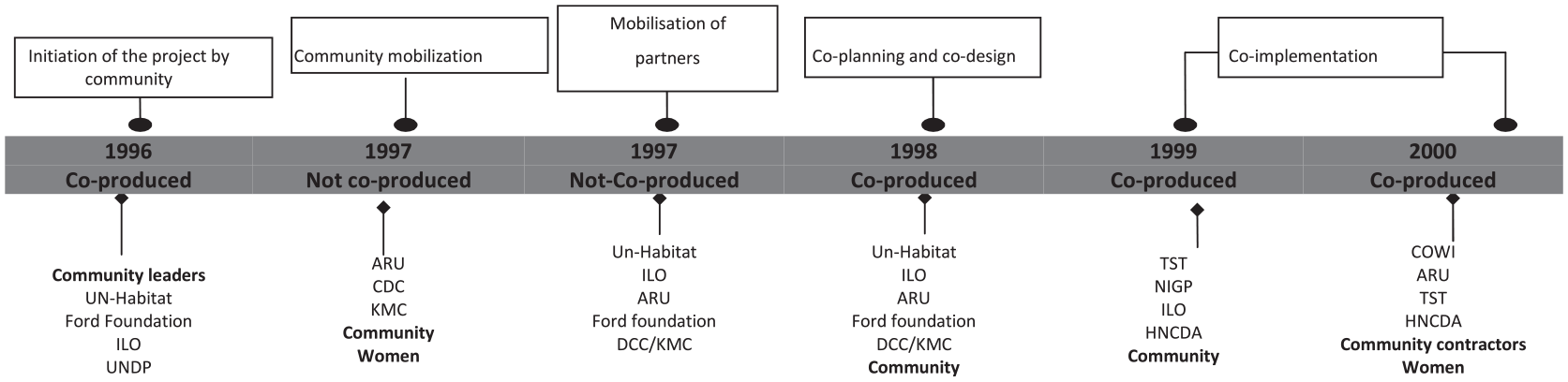
The co-production timeline and interests of partners
a. Partnerships and multilevel platforms
A cross-sectoral partnership was indispensable since neither the community nor local or central governments had the requisite resources to address the multifaceted problems facing the community. A variety of spaces and platforms were created at different levels, where the community, partners and informal social groups could exchange knowledge, share experiences, co-learn and establish expectations with regard to outcomes. These spaces were also used by partners to advance their interests. As an initial outcome of this engagement, the community’s role in the process of basic service delivery became apparent. They would own the project and play a pivotal role in key decision-making. The rich technical experience of the ILO in employment and income-generation activities using labour intensive technology (LIT) in infrastructure development projects elsewhere led to the request to use the same approach in Hanna Nassif.
Informal coalitions such as women’s credit and savings groups were conduits for information and promoted meaningful inclusion in planning and implementation phases. Without information or social networks, marginalized groups can often be left out or passed over when public information is not shared among the community.(42)
In order to cultivate common ground for working and mutual support among community members, informal groups such as teams associated with specific work packages(43) and petty traders were brought together during joint training and community meetings.
Several political platforms, formal and informal, constituted the forums for dialoguing, co-learning and decision-making at the local level. Despite operating at different levels, these were important spaces that facilitated the sharing of experiences and building trust among partners. Unexpectedly, the extended discussions and negotiations with the local community were not well received by the KMC engineers, who complained that these sessions were time-consuming and failed to take into account the traditional responsibility of the LGAs in infrastructure delivery. Over time, LGA engineers lost patience and only infrequently attended meetings. One such engineer recounted that: “the time spent in discussions with the community and other stakeholders was too much and costly. We do not need such engagements in construction works. Our department has been marginalized in the infrastructure constructed in the settlement.” Other technical experts, including engineers, planners, architects from Ardhi University (ARU) and Dar es Salaam City Council (DCC), however, ensured that the capacity of the local partners was built adequately for their effective participation.
The informal forums were established and attended by work package-based teams which emerged and operated as collective groups beyond their construction spaces, often after working hours. Also included among these forums were informal meetings organized and led by a local elite who unsuccessfully lobbied community leaders, encouraging them to reject the co-production approach in favour of a private contractor-led approach. The elite person in question was the proprietor of a local construction firm who expected to win construction contracts if the co-production and LIT were abandoned.
Despite partners’ distinct interests and roles, their contributions were interconnected and interdependent. Local partners, community leaders and members volunteered experiential knowledge on the settlement as well as in-kind and in-cash contributions. The in-kind contributions included unpaid time spent in administrative and leadership work pertaining to the project and the nominal payment of TShs1,200 (US $1.80) per day for work done by casual labourers. Cash contributions consisted of TShs1,000 (US $1.50) per household. In multi-family houses, tenants also contributed to the fixed amount per household, however the amount varied depending on the agreement with the landlords. Business operators contributed between TShs2,500 and 5,000 (US $3.70–$7.40). Some of the tenants who were members of the HNCDA were also employed in the construction actions. LGAs and other government institutions largely provided technical and coordination support. International institutions contributed the bulk of the finances (Table 1).
The main co-produced infrastructure services (1997–2000)
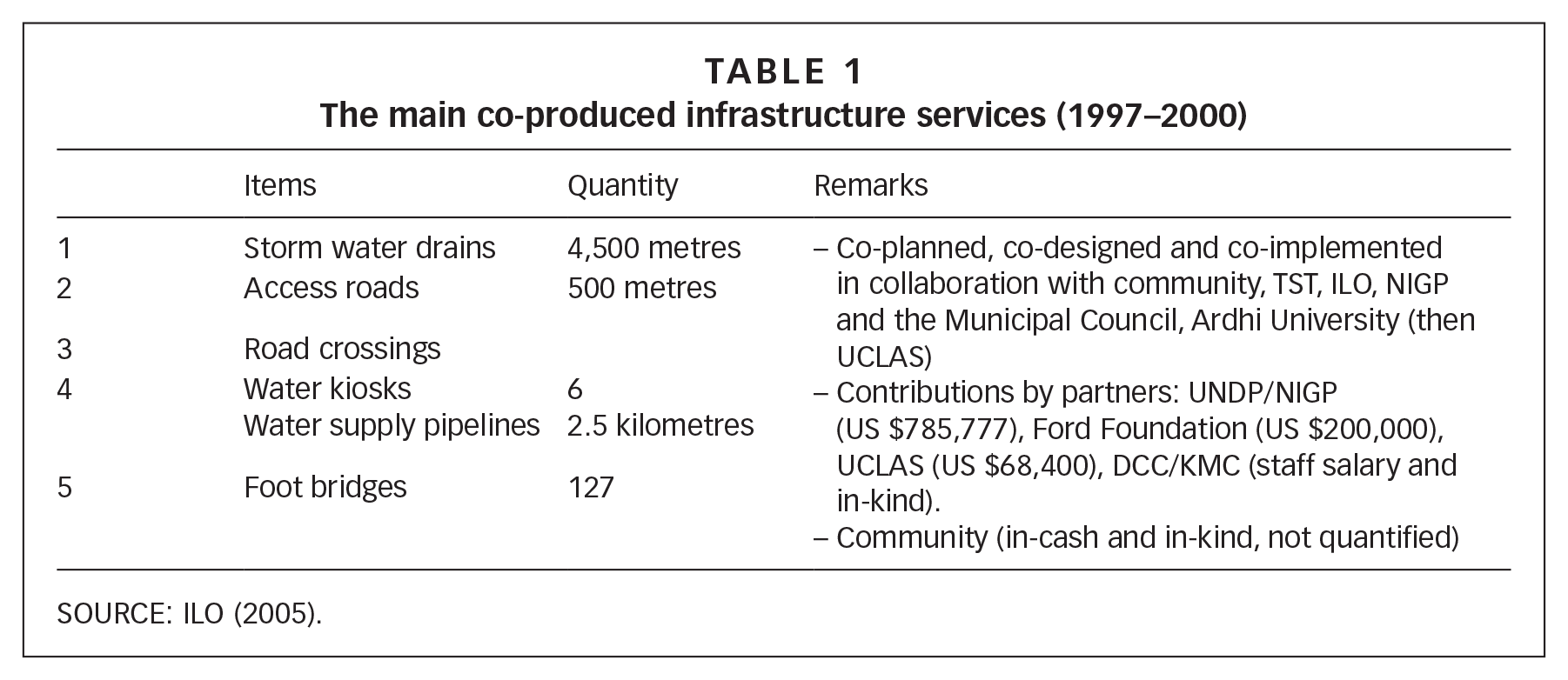
SOURCE: ILO (2005).
There are unresolved questions here about the role of the state. Co-production does not always imply that state and citizens work together.(44) Although cross-sectoral partnership is celebrated as a key pillar of co-production, the power constellations(45) and tensions and conflicts among parties with diverse interests, discussed in literature on co-production,(46) were certainly observed in the delivery of basic services in Hanna Nassif. For example, the community expectations were that they would directly manage the project, including financial resources, and they encountered resistance from the municipal engineers to adopt this approach. These issues were resolved through extended negotiations between partners, community and their leaders.
The political platforms that evolved during the co-production process have changed over time, and mainstreamed into the local leadership. Various statutory committees at Mtaa (sub-ward) level have assumed the roles that these platforms previously played. The initial partners and partnerships have also faded; however, new partners, including the micro-credit providers and Women Advancement Trust – Human Settlements (WAT-HST), which are supporting the community, have emerged.
b. Capacity-building
According to the former project manager and other project staff, as well as past community leaders, organization-building at local community level was one of the most critical features of the co-production project. Previously, only an informal CDC existed in the settlement. Following the decision to co-produce, the CDC had to become a formal, community-wide organization with a constitution and legal status. The idea was also to give this formal group, which was named the Hanna Nassif Community Development Association (HNCDA), the legitimacy to operate as a community institution with the power and mandate to make decisions on behalf of the community. There was extensive capacity-building of the HNCDA and other local leaders by the TST in organizational and negotiation skills, leadership and the conducting of meetings. Other capacity-building activities included training in basic construction skills (for women and youth), basic bookkeeping and reporting procedures. The capacity-building enabled both informal community groups (e.g. women, petty traders) and formal groups to understand their positions in the co-production space.
Capacity-building also applied to technical staff, who learned from the experience of the local community, for instance regarding flow patterns of storm water run-off, especially during floods. The use of community contracting(47) also tapped into the skills of community masons and carpenters. A total of 836 (371 men and 465 women) community members were trained by the partners over the project implementation period in a variety of technical, entrepreneurial and administrative skills, and they became key actors in the construction of infrastructure services (Table 1).
Women, whose contributions have traditionally been marginalized, can receive important support from working in groups to realise shared objectives. In recognition of this, an informal money-rotating group that emerged among the women employed by the project was empowered through training to better manage their cash-lending activities. The group was subsequently promoted to a formal micro-credit initiative which consisted of teams of five women engaged in pooling and rotating their earnings from the co-production construction activities. Apart from checking defaults of repayments of the pooled funds, the teams were enabled to collectively negotiate and work with the formal institutions (the TST and HNCDA).
The holding of power collectively helped to reduce gender-related tensions in the course of the co-production process, for instance around unrealistic expectations relating to work hours for mothers and home-makers and modalities for payment. Undeniably, it enhanced meaningful engagement of the women in the co-production processes. The earnings obtained helped enhance their role as bread earners in their households (often dominated by men), contributing toward altering relationships and common practices.(48)
A distinctive feature of the co-delivery approach in Hanna Nassif was the desire to go beyond the monopolistic private sector approach, or conventional community participation, by engaging a range of stakeholders from the public, private and popular sectors. Some forms of co-production engage communities only in some phases of projects.(49) In Hanna Nassif, however, local people were substantively involved in decision-making in all stages of the project. Co-production was informed by the recognition of citizens’ varying skills, local knowledge and experience.
The need for training emerged out of initial discussions between the partners, the community and its leaders about the requisite competencies for participation in the project. The findings show the difference that co-production made in including and directly benefiting marginalized groups, whose interests tend to be ignored by conventional or contractor-based infrastructure delivery processes,(50) particularly on livelihood-related issues. Respondents noted that infrastructure delivery projects implemented in low-income informal settlements in the city over the last two decades had largely used conventional contractor-led approaches which provided little income and employment for low-income communities.
c. Sociocultural norms and values
In its empowerment of the community to actively collaborate with local and external partners, the project recognized the heterogeneity of gender, ethnicity, sociocultural and economic backgrounds, as part of its important role in including marginalized groups. The empowerment enhanced existing skills, making it possible for people to come forward and tap into the income and employment opportunities presented by the project. Most importantly, sociocultural impediments that restricted women in particular from engaging in the male-dominated employment sectors like those in the construction sector were addressed through:
Training in basic technical skills related to construction, running business undertakings and leadership. According to respondents, most of these activities targeted women who prior to the implementation of the co-production project had been excluded from construction and were limited in entrepreneurship and leadership skills;
Supporting women in formal and informal activities to establish and operate micro-enterprises and to run a micro-credit facility;
Designating and assigning specific work package tasks to women so as to challenge the norms that impeded them from engaging in construction; and
Giving women a voice to assert their position as leaders in the work package teams and in the HNCDA leadership as well as to enhance the social capital of the community.
The respondents asserted that, although Hanna Nassif was (and still is) a socially and economically heterogeneous community, the co-production process helped address the socially constructed gender biases which constrained inclusion in economic engagement. There have been long-term implications, as these respondents note: “I was able to take my three children to school and one of them is now a graduate teacher. The income of TShs7,000 per week [US $10.50] for six days of work was enough to start a pancake [chapatti] selling business which is [still] running.” (Woman participant in focus group discussion, 2018) “… the number of women in the community leadership positions and subcommittees of HNCDA increased following the implementation of the project.” (Former chairperson, HNCDA, September 2020)
The survey results corroborate these reports. About 75 per cent (82 of 108) of the respondents noted that prior to the co-production project, opportunities for employment and income-generation were low. According to the UNDP study report, in the early 1990s only about 50 per cent of the working-age population in Hanna Nassif were gainfully employed; the rest were either unemployed or under-employed. The project offered a valuable opportunity for all community members to participate in the work. In total, 6,578 worker days were generated over the project period and only those who were directly involved in the construction activities were paid. Although there are no figures indicating their trajectories of development, those who acquired skills reported to have benefited. Women benefited greatly, the work and incomes received increasing their self-esteem and bargaining power at home. They became breadwinners, and some took on roles in local leadership and even continued to work in construction activities alongside men. Overall, the economic and sociocultural transformation that was initiated during the implementation of co-production has been sustained, as illustrated below.
Success stories include that of Ms. A, who established a solid waste collection group (KIMWODA) and successfully negotiated with KMC to collect solid waste in the area; and Ms. B, who eventually became a treasurer of the HNCDA. A man who had been a casual labourer progressed to become the HNCDA chairperson and later a councillor in Morogoro Municipality. Mr. B, initially unskilled, acquired skills in road works, drainage and plumbing, later becoming a full-time employee of a private contractor. Ms. C acquired skills in masonry (for drainage and gabion construction) and later won a contract with a private contractor. Ms. D was trained as a forewoman and later gained full-time work with a private contractor.(51)
V. Discussion And Lessons Learned
Addressing the interconnected problems of poor environmental services and limited income and employment opportunities, particularly among marginalized groups, was at the centre of the Hanna Nassif co-production process. The level of exclusion in low-income informal settlements can hardly be addressed through conventional approaches; the co-production principles and practices made a difference to the high unemployment rates that exacerbated poverty and inequalities among women and youth.
Since the improvement of basic infrastructure services, many private business activities have emerged. In fact, over 60 per cent of the houses along the main access and local roads are currently being used for commercial purposes, in many cases along with continued residential use. Following co-production, the improvement in such basic services as potable water supply, access roads and storm water drainage resulted in an increase in land values and the gentrification of the settlement. These developments have led to the unfortunate market eviction of some former landowners and tenants, most of whom have moved to peri-urban or other informal settlements. In situations like this, where there are no collective tenure arrangements, it is difficult to prevent low-income property owners from selling their houses or restrain tenants from moving in or out.
Overall, however, the situation in the settlement reveals the potential of co-production to trigger trajectories towards urban equality. These are manifested at three levels:(52)
At settlement level, there are the significant physical improvements, not only better accessibility and well-functioning storm water drains, but also the subsequent improvement of housing, property values and the related well-being of individual households in the community.
At the group level, some women sought support to establish a solid waste collection association. In response, the leadership in collaboration with the TST sought external support and prepared a solid waste management proposal that included skills acquisition in basic bookkeeping and micro-enterprise administration. This enabled the association to negotiate with the municipality for a six-month tender to collect and transport solid waste and to clean roads and storm water drains within the settlement. The tender covered 300 houses and involved 24 women and six men.
At the household level, as the income of many among those who were involved in the project improved, this led to other improvements. Initially, for example, most households were fetching water from the 18 public water kiosks established by the project. Now only one kiosk remains, as almost all households have a piped water connection.
Although similar outcomes may be achieved in a top-down infrastructure delivery project, the key feature of the co-production approach used in Hanna Nassif was the sharing of responsibilities, skills and knowledge among diverse community and non-community partners. Most important was the placement of the community at the centre of the service delivery processes. Despite the modest nature of the interventions, they nonetheless empowered the beneficiaries and created pathways towards sociocultural transformations and socioeconomic well-being among those who would otherwise be excluded. For example, through the micro-credit support facility and the solid waste management business, women were able to network, share experiences and learn from each other. A few cases of domestic conflict and gender-based harassment still emerged, suggesting that even with investment and empowerment, old norms and values die hard.
The partnerships and platforms established were instrumental spaces for exchanging experiences, mobilizing resources and negotiating. The leading role played by the empowered local community and its leaders at various decision-making stages, from design to implementation, calls into question the common assumption that the planning and execution of infrastructure projects are too technical for lay people or grassroots communities to comprehend and implement.(53)(54) The role of the community in Hanna Nassif went far beyond conventional citizen engagement processes. The high level of participation can hardly be dissociated from the incentives given, including the modest payment to men, women and youth involved in the project. This suggests that in impoverished communities such as Hanna Nassif, addressing livelihood concerns along with infrastructure delivery can be critical in addressing inequality. Low-income men and women engaged in local development activities must be paid some financial incentive to enable them to meet their day-to-day needs, notwithstanding the inconclusive debates on whether financial incentives motivate co-production.(55)
The initial building of the community-level organizational structure (HNCDA) to negotiate with external partners and represent local people was a critical milestone. The HNCDA successfully negotiated with non-community partners (TST and municipality) for payment rates per day – equal for men and women regardless of tasks assigned – and for the type of on-site training the community required. It represented the community in the key decision-making processes, including project steering meetings.
The establishment of multilevel platforms as key collaborative structures in the co-production helped enhance power-sharing between external and local/internal actors and widened the democratic space available for both community and non-community actors. As noted by Mitlin(56) and observed in Hanna Nassif, co-production can enhance the consciousness and potential of a community to play an active role and attract external support, while also ensuring that improvements are responsive to local needs. However, the enormous efforts made did not seem to have significantly changed the overall power relationships among the various partners. Addressing these power issues requires a change in attitude and mindset among all partners.(57) It also implies the need for policy support to address governance deficiencies, including giving priority to voices and needs from below, while putting in place inclusive mechanisms for resource mobilization.
These challenges seem to have led to the rejection of the approach by municipal engineers and a lack of political will within government to replicate the co-production approach in subsequent community infrastructure improvement projects. The engineers had little or no interest in this, because they found the co-production approach incongruent with their professional practice. The municipality, in effect, lacked the professional will and leadership to propel or expand the approach. The fact that the Hanna Nassif project was not fully integrated within the local administrative structure seemed to have discouraged municipal officials from becoming what Mitlin termed instigators of co-production.(58) This omission led, among other things, to the failure to address employment generation in the delivery of subsequent basic infrastructure projects in low-income communities.(59)
That substantial capacity-building efforts and finances were drawn from outside the community raises an additional tricky question concerning power and the sustainability of projects. In Hanna Nassif, the contribution by external institutions (Table 1) somewhat overshadowed the position of the LGAs in the co-production process.
An important observation worth stressing here is that any form of community/stakeholder engagement, including co-production, remains insufficient and unsustainable over the long term without both the technical and political will to sustain it. There must be an interest on the part of gatekeepers to co-learn and adapt context-sensitive interventions to build local capacity and improve the livelihoods of the poor. This highlights the complex political economy involved in addressing urban inequalities where the socioeconomic imperatives of the local communities are not integrated into decision-making processes and where enabling policy frameworks are lacking.
VI. Conclusion
One key approach to improving the well-being of the urban poor in cities of the global South hinges on building multi-sectoral and multilevel partnerships to co-produce basic services, using a two-pronged strategy that combines the delivery of physical infrastructure services with income-/employment-generation. This underlines the need to rethink the current conventional approach to infrastructure delivery in low-income settlements. The co-production of services in the Hanna Nassif project area involved interconnected vertical and horizontal relationships that generated synergies vital for addressing the multidimensional challenges of poor basic services and livelihoods.
While there is no one-size-fits-all form of co-production, any meaningful co-production of basic services in low-income communities in cities of the global South requires particular attention to the context of the process. Without contextualizing co-production, critical structural factors that can perpetuate urban inequalities may fail to be addressed. International development partners have to reflect critically on their intervention strategies with a view to developing a better understanding of the realities of urban poverty and inequalities in low-income informal settlements.
Establishing partnerships and creating spaces or platforms for interaction across a diversity of stakeholders are prerequisites for exchanging experiences, mobilizing resources and co-learning. Furthermore, co-production can hardly achieve transformative changes or successfully address the inequality concerns persisting in cities of the global South unless there are deliberate moves to take into account varying identities across such dimensions as gender, ethnicity and other attributes related to sociocultural norms and values. Capacity-building is also a critical pathway for the requisite change in mindset among interest groups and gatekeepers, including policy-makers and bureaucrats. Despite the enormous investment in capacity-building for community members and co-learning initiatives among stakeholders at the different levels, the power differences among them, especially with regard to project financiers and technical support teams, remain unresolved. This reality seems to challenge the notion that co-production can transform power inequalities.
Footnotes
Acknowledgements
This paper was produced based on research titled ‘Knowledge in Action for Urban Equality’ funded by ESRF under the Global Challenges Research Fund.

2.
See reference 1.
4.
See reference 1.
7.
See reference 6.
11.
See reference 10.
18.
See reference 14.
19.
See reference 15.
21.
See reference 15.
22.
See reference 20.
28.
See reference 17.
34.
See reference 17.
38.
Such platforms included the organizational structures which represented different stakeholders that were involved in negotiation; dialoguing and exchange of experiences and sharing of skills require implementing co-production of public services delivery.
41.
A majority (63 out of 108 respondents) assessed the current environmental and housing condition as having improved.
43.
“Work package” as used in this study refers to a lot of the project or a smaller component comprising construction activities that has to be undertaken by a team within a specified period of time.
45.
See reference 20.
47.
Community contracting was applied to empower and impart skills in situ, to create income and employment and substantively engage the community to co-produce the basic services.
48.
See reference 14.
49.
See reference 44.
50.
See reference 23.
52.
In this study quantitative data and information were not collected on the scale of improvement such as household incomes and material improvements. Nor we could not trace and establish whether or not the living conditions of the households who moved out from Hanna Nassif had improved.
53.
See reference 13.
54.
See reference 14.
55.
See reference 29.
56.
See reference 14.
58.
See reference 14, page 355.
59.
Interviews with community leaders in Ukonga settlement, a CIUP project area in Dar es Salaam, March 2020.