




Abstract
Mumbai, India’s most populous city, faces rising temperatures, flooding, and pollution. Climate change is an urgent concern, yet strong disagreements divide the city’s population on the nature of appropriate responses to climate crisis. We find that urban activists in Mumbai make an explicit connection between social justice and climate justice. This paper studies three social movements working in Mumbai to secure access to housing, water and sanitation for marginalized communities. Building on the work of Nancy Fraser, Iris Marion Young and Henri Lefebvre, we argue that climate injustice in Mumbai has roots in structures of inequality based in class, gender, religion and migration status. Climate adaptation strategies run the risk of exacerbating inequalities when disasters strike. We seek design solutions that centre on inclusive justice rather than technocratic market forces. This paper opens up a conversation about global megacities, climate change and “urban climate justice from below”.
I. Introduction
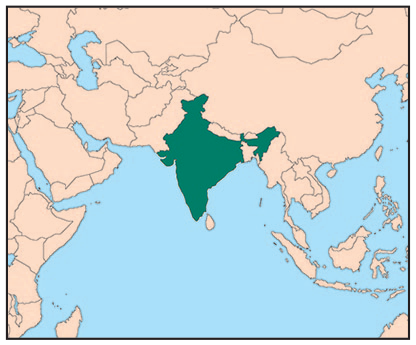
“As extreme weather events unfold across the globe, the climate crisis has reached our doorstep”(1) warned the Chief Minister of Maharashtra in March 2022. He was launching the first Mumbai Climate Action Plan (MCAP), an outcome of the state and city governments’ collaboration with the World Resources Institute (WRI), a global climate think tank. Maharashtra is a coastal Indian state that is home to the megacity Mumbai – the most populous city in India, and the seventh most populous in the world – where towering skyscrapers house global finance hubs, while acres of huts in informal settlements house the majority of the city’s manual labourers.(2) In 2011, almost half of the city’s population, over 6 million people, did not have formal housing,(3) a number which is believed to have risen substantially in the last decade.(4)
There is increasing agreement among policymakers, and a large section of the population, that climate change has arrived in the city of Mumbai.(5) The main climate risks the city faces are pollution, high temperatures and flooding, which will displace, disrupt and, in the long run, destroy the informal settlements disparagingly referred to as slums.(6) Floods, heat and landslides are impacting the city, bringing inconvenience to the wealthy, and life-threatening crises to the precariously-housed and under-resourced.(7)
Flooding caused by extreme precipitation, storm surges, sea level rise and tropical cyclones represents the most immediate climate risk.(8) The frequency and intensity of flooding have increased in recent years, and rising sea levels are projected to flood significant parts of Mumbai by 2050. There has also been a sharp increase in the annual number of days with high temperatures in the city in recent years. However, the city has yet to start serious efforts for decarbonization or adaptation.
Climate hazards are experienced differently by different urban communities, depending on their socioeconomic status and physical location.(9) Marginalized communities in Mumbai are burdened by diverse, acute and intersecting vulnerabilities, depending on the forms of marginalization.(10) These communities – amounting to almost half Mumbai’s citizenry – comprise migrants, informal labourers and other low-income and socially disadvantaged groups living in informal settlements that lack adequate and appropriate access to the basic urban services of housing, water and sanitation.(11) These communities suffer disproportionately high and sometimes devastating losses in the event of extreme events.(12) City inhabitants in informal settlements on sea shores or on creek-sides suffer regularly from inundation by high tides. Communities in informal settlements suffer more from heat stress, because of the density in these settlements and the spatial limitations and structural deficiencies of their dwellings, but also because they cannot afford ceiling fans and air conditioning.(13)
In sum, a large proportion of the marginalized communities living in informal settlements in the city face diverse and intersecting climate and social challenges.(14) The measures adopted by governments and neoliberal think tanks appear inadequate, and even exclusionary by design, in their focus on middle-class homeowners and elite needs.(15) Marginalized, climate-vulnerable communities bear the main brunt of the climate crisis, though their carbon contribution is meagre. The climate-vulnerability of these communities is rooted in their historical lack of reliable access to housing, water and sanitation, a legacy that we trace by reviewing the struggles over “rights to the city”.
Climate change is acknowledged as an urgent concern for Mumbai, yet strong disagreements divide the city’s population on the nature and scope of appropriate responses to the climate crisis. The launch of the MCAP was met with praise from global networks committed to market-led decarbonization, but with critical pushback from social justice researchers.(16)
It is at this juncture – at the intersection of urban activism, city planning and climate justice – that we situate our research and analysis. We foreground imaginations of urban futures that are compatible with climate science but reject the technocratic redesign of cities. The historical legacies of social justice are often ignored when experts plan urban futures. Technocratic urban design appears as the most expedient way to respond to climate science, but a top-down technoscientific approach marginalizes the human struggles that make the city. From the perspective of urban climate justice, climate-vulnerable communities should be a primary focus of efforts to deal with climate change, because they are at the front lines. Our research findings suggest that Global South urban theorists and policymakers should start from their local specificities, rather than from a universalized model of climate mitigation. Incorporating the specificity of Mumbai’s informal lives will strengthen the city’s climate responses, and result in better outcomes for all classes and regions of Maharashtra. Urban social movements in Mumbai, involved in the struggle to secure justice in access to basic urban services, effectively extend and elaborate theoretical and practical responses to urban climate crisis. Building models from the ground up while “staying with the trouble”, as Haraway puts it,(17) is no doubt a much harder task than importing standard models. We find that the voices of community-based movements have already been active in their articulation of ground-level experiences of climate disruption.
We argue that climate-oriented planners must learn from the rich history of the struggles of Mumbai’s informally housed, religiously diverse, creative but embattled working populations. Climate-focused design experts and planners tend to seek technocratic, standardized solutions that are replicable across global megacities, rather than drawing from the experience of urban social justice activists and building local models from the ground up.(18) With the costs on the ground yet to be diligently and realistically counted, and critiques from the most marginalized communities acknowledged, the 2022 MCAP(19) mobilizes a technocratic green design that models urban citizenship on an abstract middle-class consumer.(20) As the Arabian sea rises, temperatures soar and air quality declines, we do not have time for top-down policy efforts with histories of failure.(21)
A palpable sense of the disconnection on the ground between Mumbai’s most precarious inhabitants and the city’s 2022 climate plan led us to re-examine data from the Mumbai fieldwork and interviews carried out in 2019 by this paper’s first author(22) under a University of California, Irvine Institutional Review Board. Sources are given monikers referring to their public position, e.g. “urban water policy researcher”, “senior sanitation activist”, and so on.
Drawing on information from these interviews, this paper sketches collaborative routes to understanding climate change futures through social justice histories. Here we begin a conversation – rather than offer conclusions – on how to translate social justice struggles into climate justice policy.(23)
We offer, here, the beginnings of a critical perspective from below on climate justice in Mumbai. We sketch starting points that might open up new paths for thinking collaboratively about climate justice across the megacities of the Global South. We suggest that analyses of climate and urban policy must proceed by centring voices from below, and by expanding social scientists’ temporal scales to connect past stories of labour, migration and habitation to future scenarios of flooding, heatwaves and sanitation in crisis.
II. The Agenda For Urban Climate Justice
Our understanding of climate change has changed over the twentieth century from primarily one of an environmental crisis that affects nature in remote locations such as the Arctic, to a crisis that is human and immediate, bringing death and destruction to the cities and towns where most of us live. This shift in understanding has led us to acknowledge that, as the causes, effects and impacts of this crisis are so human, the solutions and approaches must accordingly explore something beyond the one-size-fits-all technical and scientific models that we have inherited from mainstream urban policy and planning. The climate crisis is inherently disproportionate in its human impacts and demands that our models acknowledge the historical shaping of stratification and the differential victimization of marginalized populations.(24) Climate justice scholarship has, in the words of Steele and colleagues, called for a sharper focus on the “equity implications of climate change and associated human responses”.(25)
The interdisciplinary climate justice literature accords critical importance to existing inequalities in determining the vulnerabilities of communities and their abilities to respond to climate change. Sociologist Daniel Aldana Cohen suggests that the phrase “climate injustice” simply acknowledges that those who have caused climate change will, in general, suffer the climate crisis the least. Geographer Jon Barnett(26) identifies five key characteristics of climate injustice: the responsibility for climate change is not equal; the climate crisis will affect vulnerable populations more; it will reinforce the processes of disadvantage; it will compound the effects of underdevelopment; and possibly exacerbate existing or future inequalities. Development scholars Newell and colleagues argue that “climate justice needs to focus on the social and institutional relations and inequalities which produce climate change and profoundly shape responses to it”.(27)
Climate justice requires us to take an intersectional approach to the climate crisis. Poverty can force many low-income communities to live in informal settlements, which are often in locations exposed to a high degree of climate risk. Additionally, poverty compounds the effects of historically rooted sources of social marginalization (age, gender, ethnic and racial exclusion or cultural and religious othering), making marginalized communities more vulnerable to climate change impacts.(28) As Tokar explains, our task is in “illuminating the diverse common threads that link environmental abuses to patterns of discrimination by race, class, gender, and other social factors”.(29) Westman and Castán Broto suggest that climate scholars “have a duty to challenge any form of discrimination – whether it is racism, misogyny, ableism, or any other – as an integral part of climate action”.(30) Climate mitigation and adaptation plans need to address issues of structural inequality because design interventions may reproduce the processes and structures underpinning these inequalities.(31)
Climate risks, as well as the adaptive capacities of a social group, depend on a combination of that group’s socio-economic-political composition and the spatial distribution of the climate hazard.(32) Social justice, then, should not remain an add-on to climate action, but should be a central component of any climate adaptation design. As Tokar argues, “policy changes need to be substantively driven by the priorities and agendas that emerge from grassroots campaigns, marginalized communities, organized labour, and other popular efforts, in contrast to elite-oriented proposals shaped by the powerful special interests that typically dominate national politics in much of the world”.(33)
Harriet Bulkeley, Michele Betstill and other urban geographers(34) have emphasized the need to refocus the lens of climate justice at the scale of the city. By moving our attention to urban scales, they argue, we can better identify what role existing structural inequalities play there in climate change impacts, and how to respond to these. Cities, which attract migrants in search of a better life, are home to a large number of people with what Steele and colleagues refer to as “highly stratified profiles of socio-economic disadvantage and vulnerability”.(35) This makes cities critical sites in climate justice discussions. Top-down policy approaches, which have tended to underemphasize informal labourers and the large number of people housed in informal settlements,(36) in effect misunderstand much of the everyday life of cities.(37) Following Tokar’s(38) prompt, we add that informal practices, and their implications for equity and justice, are best understood through grassroots campaigns and social justice movements within the city. Beginning from below would raise a different set of questions for sustainable design. We suggest that recognizing these questions is a first step to redesigning megacities in climate crisis.
Connecting the climate justice literature to political analyses of rights claims to the city in São Paolo, Brazil, Daniel Aldana Cohen posits a simple equivalence: climate justice is the right to the city.(39) While many social justice movements on the ground may not yet use the language of urban climate justice, they are using the language of the right to the city for describing the inequalities they face and articulating their demands on the city. How can climate policy recognize and operationalize these issues? Using Cohen’s claim as our starting point, in this section we discuss how ideas of urban climate justice and right to the city are compatible with each other and, together, provide an agenda for urban climate justice from below. In the next section, we will discuss how social justice movements in Mumbai, while articulating their demands in the language of the right to the city, are giving us valuable insights into what a climate justice agenda could look like for global cities facing multiple intersecting crises.
a. Three dimensions of climate justice
The urban climate justice literature focuses on justice, inequalities, vulnerabilities and the need for localized participation and engagement by affected or vulnerable communities.(40) It also talks about inequitable distribution, lack of recognition and limited participation, which work to produce and deepen inequalities. Thus, the three measures to ensure justice in dealing with climate change would be: ensuring that all relevant people are represented at an appropriate scale; ensuring that all perspectives are recognized and valued; and responding to inequitable distribution of wealth and resources by seeking to remediate economic disparities.(41)
One major conceptualization of justice in the recent scholarship on urban climate justice is along the lines of three pillars of climate justice – distributive, procedural and recognitional.(42) This strikes a chord with the conceptualization of the term “justice” in the works of scholars like Nancy Fraser(43) and Iris Marion Young(44), who look at justice in terms of three dimensions: redistribution, recognition and representation.
The first pillar of distributive justice is based on Rawls’(45) definition of justice in terms of fair distribution of goods and is thus focused on fairness of outcomes. Scholars who adopt this approach highlight the importance of fair distribution of benefits, and the potential disadvantages of adaptation actions across different communities, when factoring in the low levels of adaptive capacities of vulnerable communities in the city as well as their marginalized socioeconomic and political status.(46) Shi et al.(47) add that, as more cities start to plan for climate action, the focus needs to be on enhancing marginalized communities’ access to basic urban services, infrastructure and livelihoods.
The scholars who focus on the pillar of procedural climate justice highlight the need for fair, representative, inclusive and just decision-making processes that take into account different voices, needs, adaptive capacities and values of actors and communities involved. This is the prerequisite for the fair distribution of adaptive resources. To achieve fair distribution, the decision-making processes in the allocation of benefits and disadvantages need to be participatory and deliberative(48) and must ensure the inclusion of multiple stakeholders.(49)
Attending to the pillar of the recognitional justice calls for recognizing the socioeconomic, political and cultural systems that underlie unjust decision-making processes and outcomes. It also requires equal consideration and legitimization of all identities, differences and voices in the decision-making process. To ensure climate justice, recognitional justice calls for identifying and addressing patterns of inequality in a city and historical processes that create and enable these inequalities.(50)
To summarize, scholars from across a range of disciplines, from philosophy to urban studies, concur that climate justice should have three dimensions: distributive justice in terms of fair distribution of benefits and disadvantages; procedural justice in terms of access to decision-making; and recognitional justice in terms of the recognition of existing and historical forms of inequality.(51) This requires the foregrounding, in decision-making processes, of communities that face these inequalities. However, in practice, planning and policy for climate change within cities have not paid enough attention to inclusivity, failing to systematically engage marginalized communities in decision-making.(52)
b. Three ideas of the right to the city
Henri Lefebvre and scholars who extend his work on everyday life under capitalism view “the right to the city” as rooted in two critical ideas.(53) The first is a commitment to resist and overcome stratified exclusions and, thus, to assert the right to be in the city and, similarly, to resist and overcome marginalization and thus assert the right to dwell well, or in a satisfactory manner. This dwelling “well” requires adequate and appropriate access to basic urban services and urban spaces.
The rationale for this idea of claiming the right to the city emerges from acute marginalization and, often, the exclusion of poor communities from access to basic services. The next step, then, is to claim access to basic services and urban spaces as a matter of right and not as a matter of charity or as an emergency lifeline that merely perpetuates the bare survival of communities on the fringe. Thus, the right to dwell well requires, in a sense, that all urban resources be managed and consumed democratically.
The second Lefebvrean idea is that the right to a city is an expression of the norm that every single person should have a voice in the decision-making of the city. Marginalization in terms of denial of access to basic services or urban spaces is seen as a symptom of a deeper process of disenfranchisement in terms of exclusion from participation in decision-making. The claim of a “right to the city” is seen by many as a response to this political process of disenfranchisement.(54) Thus, the right to the city is the right to be, to dwell and to participate,(55) and it calls for the end of control of the city by private capital and for democratic control by all residents of the city who earn their right to the city merely by virtue of their residence therein.(56) In Lefebvrean urban studies, therefore, the right to the city is converted into the right to collective power.(57) The right to the city emerges, in this literature, as having at least two dimensions: the right to access basic services and the right to political participation in decision-making over the city’s affairs.
Grigolo(58) adds another dimension to the right to city literature: the right to difference. In his analysis, “the right to difference may be seen as the right of social groups and communities, defined by one or more differences, to have their differences(s) acknowledged and, in terms of public action, fully considered in the definition and implementation of policy”.(59) Here, the difference could be of class, gender, ethnicity, race, citizenship, disability, religion or caste – all social divisions from a sociological point of view. He adds that social divisions combine and produce inequalities as well as intersectional experiences.
c. Urban climate justice is the right to the city
There is strong compatibility between the three dimensions of climate justice in the urban context, especially in the Global South, and the three Lefebvrean elements of the right to city. The Lefebvrean right to the city literature explicates the right to the city in terms of the right to access basic services (a distributional justice claim), the right to political participation in decision-making (a procedural justice claim), and the right to have differences acknowledged and included in policy regimes (a recognitional justice claim). This compatibility prompts Cohen to assert that urban climate justice is the right to the city, especially in the context of the Global South. We follow Cohen in making this direct equivalence between “climate justice” and “the right to the city”. We articulate an “urban climate justice from below” approach, in which scholars follow social activists to articulate these connections, seeking to alter urban policy by using a Lefebvrean approach to “everyday life”.
In his claim, Cohen(60) diagnoses a “vagueness” around the construct and utility of the right to the city, but suggests that, by asserting this connection, scholars might persuade policymakers to take a “modified” right to the city approach that foregrounds issues of access to basic services and power in decision-making. This approach, he suggests, might be more effective in tackling inequalities that currently make urban climate justice a difficult prospect. We suggest that this “vagueness” may be a feature of the scholarly literature rather than of everyday reality. In practice, we find that urban activists in Mumbai explicitly make this connection in their activities and demands in the form of everyday protests, petitions, lawsuits and press releases.
III. Struggles For Basic Services In Mumbai
In India, with its long tradition of social and political movements, the cause of the informal settlers in cities is championed by a number of social movements that arise from specific inequalities faced by the most marginalized populations in the city. This section – based on the first author’s 2019–2020 fieldwork in Mumbai – introduces three social movements active in the city of Mumbai, which are working to secure the rights of poor, migrant and socially disadvantaged communities residing in informal settlements in the city.
a. Ghar Bachao Ghar Banao Andolan
The Ghar Bachao Ghar Banao Andolan (which means “Save [your] Houses, Build [your] Houses Movement”, henceforth GBGBA) emerged in response to the demolition of informal settlements in the city on a massive scale in the years 2003–2004. Since its inception, GBGBA has been working, using diverse strategies, to protect the right to basic urban services. GBGBA’s activities have been focused particularly on the right to housing, with a demand for access to affordable housing and a specific objective of protecting informal settlements from demolition and eviction. GBGBA has made significant use of the strategy of judicial interventions on many housing and rehabilitation issues. Apart from interventions for defending the rights of poor people, it has also pursued court cases against elite encroachers like high-rise buildings and shopping malls constructed illegally on lands reserved for public purposes.(61) GBGBA activists were involved in a long judicial battle against the developer of the largest township in the city for the alleged illegalities involved in the project.(62)
GBGBA has made effective use of many innovative mobilization tactics, including “close-down agitations” at rationing offices and Gherao (i.e. encircling and holding up) of elected representatives.(63) The movement has also been claiming space in the most physical sense of the term, by rebuilding houses for vulnerable residents.(64) The “Homeless Shelter Support” is one of GBGBA’s activities meant to provide support to social workers and other concerned citizens helping homeless persons in Mumbai to find a shelter.(65)
b. Pani Haq Samiti
The success in collaborative efforts by urban activists in the city of Mumbai to stop the privatization of the city’s water supply system led to formation of Pani Haq Samiti (which means “Water Rights Committee”, henceforth PHS). PHS has been working to ensure the city provides formal water supply to informal settlements in the city, with a particular focus on formal water connections for the occupants of “unprotected” (often termed “illegal”) informal settlements.(66) PHS has been involved in a variety of strategies and activities of different sorts, including political action, judicial intervention and community organization. It is involved in training women from informal settlements to work as para-professionals in the water sector, helping informal settlers deal with complicated formal procedures for obtaining water connections. The judicial intervention made by PHS before the High Court in October 2011 was on the plea of protection of “the human right to water” of “unprotected” (or illegal) informal settlers irrespective of the legality of their dwellings.(67) The court upheld the plea and in December 2014 ordered the municipal government of Mumbai to prepare and implement a policy to give water connections to all the informal settlers in the city. However, the policy prepared by the municipal government puts numerous legal, technical, financial and procedural barriers in the way of obtaining a legal water connection.(68) Having removed legal barriers through judicial intervention, PHS saw the remaining barriers in this policy as being rooted in structural factors, and decided to respond to this policy through long-term, robust strategies of community empowerment and mobilization around the implementation of the same policy.(69) It was through years of engagement with water technologies and laws that PHS came to recognize the critical role of mobilizing, culturally and politically, around the implicit ways in which structural inequality shapes everyday lives.
c. Right to Pee campaign
The Right to Pee campaign (henceforth referred to as the R2P campaign), initiated in 2011, is conducted in a collaborative manner by 33 social movements and civil society organizations in the city of Mumbai. The core objective of R2P is to secure sanitation facilities – more specifically, free, clean and safe public toilet facilities – for women in workplaces and public spaces. Strategically, the campaign works on a dual plank: confronting insensitive public officials and collaborating with different government agencies. On both planks, the main strategies include awareness building, community empowerment and evidence-based policy advocacy and lobbying, targeting local municipal government agencies and the media.
In order to articulate and establish the need for increased public sanitation infrastructure and, thus, for building evidence, the R2P campaign undertakes exercises of toilet mapping. This involves the mapping of public sanitation facilities in some parts of the city and especially in informal settlements through detailed and often participatory surveys and analysis.(70)
The evidence built through this mapping is then used for media advocacy through traditional as well as new modes, including social media. It is also useful for creating awareness and building lobbying pressure on government agencies. The information collected is used to build awareness among communities from informal settlements through diverse and innovative activities such as community wall paintings, petition-signing campaigns, cultural performances and public protests. One of the campaign’s innovative activities is the organization of shok sabhas (“condolence meetings”) for the “dead” toilet blocks in informal settlements.(71)
These brief summaries of three social movements in Mumbai and their role in improving access to basic urban services highlight some common issues that arise in urban climate justice struggles in the Global South.
IV. Articulating The Urban Climate Justice Agenda
In the context of the discussion above on interpretations of the right to city and the three pillars of climate justice, this section presents insights that emerge from, and the understanding that is reflected in, the demands and agendas of the three social movements. The section is divided into three subsections, each discussing these insights as they pertain to one of the three pillars of climate justice and the corresponding right.
a. Redistributive justice: The right to basic services
This subsection discusses the insights and understanding pertaining to (re)distributive justice in terms of the right to three key basic urban services: housing, water and sanitation. The discussion on each basic service begins with descriptions of the inequalities present in the city to which social movements are responding.
Fifty-two per cent of Mumbai’s residents lived in informal tenements in the year 2011 – the largest population living in informal housing in any city in the world.(72) A significant portion of such settlements are “protected” from eviction without a legal notice and have the theoretical assurance of rehabilitation; though in practice, the record of displacement and rehabilitation has been dismal. A huge population – estimated to be about two million(73) – currently living in unprotected informal settlements face the threat of demolition and eviction at any moment.
In this context, the GBGBA has been advocating for the right to housing, which it claims is a part of a right to live, as guaranteed by the Indian constitution. It also believes that the right to live incorporates rights to other basic urban services as well as the right to livelihood. For the fulfilment of the right to housing, GBGBA makes demands for provision of land plots in the city for “self-reliant” housing projects for poor and migrant citizens.(74) GBGBA works with both the homeless population and the communities living in informal settlements that face poor living conditions in the city of Mumbai. In GBGBA’s understanding, the right of homeless people is part of the broader right to housing.(75) The organization has been making demands for an adequate number and capacity of shelters for Mumbai’s homeless people. The squalid living conditions in the informal settlements, which lack adequate access to water and sanitation, contribute to the spread of adverse health conditions on a massive scale. In GBGBA’s understanding, this necessitates access to public health facilities and water, sanitation and hygiene infrastructure as part of the right to health of all informal dwellers.
In the case of water services, the citizens of Mumbai residing in formal structures – i.e. apartment blocks and single-family houses – are entitled to a water supply of 135 litres per capita (person) per day (LPCD). However, the “protected” informal settlements in Mumbai are legally entitled to only 45 LPCD: one-third of the entitlement to citizens in formal buildings. The actual water supply to these formal building occupants, generally middle- and upper-class, is often in the range of 200 to 220 LPCD, and in some wealthy localities up to 300 LPCD.(76) In addition, the informal settlements actually generally receive only about 20 to 25 LPCD of city water,(77) much less than the 45 LPCD they are entitled to.(78) Moreover, the approximately two million people in unprotected informal settlements were effectively denied formal water connections in the year 2020, despite explicit orders from the Mumbai High Court to provide them water access.(79)
In response, PHS has been demanding the elimination of the technical, procedural and financial barriers to formal water entitlements faced by protected informal settlements.(80) PHS has been working at the community level, organizing these settlers, helping them overcome these barriers and resisting the rent-seeking vested interests that deny them water. PHS activists see water access as a matter of the human right to water. Their main focus, however, has been to obtain formal water entitlements for unprotected informal settlers. They also seek parity in water entitlements for all citizens of the city of Mumbai.(81)
Sanitation services are another essential part of the right to the city. Researchers have pointed out that current planning models and practices are not just insensitive but also exclusionary with regard to the personal hygiene needs of women.(82) Sanitation researchers and activists have also emphasized the class and caste dimensions of this issue. The toilet mapping exercises carried out by the R2P campaign brought out into the open the abject lack of appropriate sanitation facilities for women at their workplaces as well as in public places in the city such as train and bus stations, public parks and the offices of government, public and private establishments. It also produced some startling statistics, among them that only one out of every three public toilet seats is available to women, and women are charged more than men for the same level of toilet use.
Responding to this situation, the R2P campaign has been focusing on the elimination of gender discrimination in access to public spaces in general and to public sanitation facilities in particular. The concrete demands of the campaign include the preparation of a comprehensive policy governing the building and maintenance of toilet facilities, available at affordable charges, for women in public places. R2P argues that the maintenance and cleanliness of these facilities – a critical issue for women – should be the responsibility of municipal agencies. The campaign calls on municipal bodies to make explicit budgetary provisions not just for building but also for maintaining these toilets, in collaboration with community organizations.
Thus, all three social movements have been working on the agenda of (re)distributional justice by asserting rights to such basic urban services as housing, water and sanitation.
b. Recognitional justice: the right to be different
For more than a century, people from different regions, castes, religions and language groups have been travelling to Mumbai in search of livelihoods. This is not a one-way migration; many people retain ties to the rural and regional communities they came from, and keep up a flow of money, resources and kin between rural and urban sites. Contrary to the conventional belief that cities erase original village and caste identities, people experience cities through their region, caste and kin networks, so that caste and gender in the city are experienced intersectionally in complex and particular forms in various neighbourhoods. Alongside the complex history of the multicultural influx of people into the city is the equally long history within the city of identity- and gender-based discrimination and even of identity-based violent conflict. This politics of difference plays a crucial role in the city’s electoral politics.
These three social movements have a keen understanding of this politics of identity and the related phenomenon of social othering. An urban water policy researcher explains this phenomenon, the underlying politics and its connection with distributive justice: “When you want to deny someone’s right to water you build a narrative … that’s the power of narrative. I want to think that my problems are because of the other people . . . like ‘bahar ke log’ [people from outside] … such narratives are easy to swallow.”(83) A senior sanitation activist further explains the power dimension of the phenomenon: “In othering, what happens is one section [of a population] creates a lens to look at the other section, which has in-built power relations.”(84)
The vision and agenda of the R2P campaign are primarily focused on addressing gender discrimination in access to sanitation services. But the campaign makes a conscious effort to incorporate the “intersectionality” that complicates gender discrimination – the interconnections with discrimination based on caste, class and religion.
A major identity issue in the city’s politics has been caste discrimination, and violence from upper-caste people in defence of centuries-old privilege in the face of resistant mobilizations. Additionally, right-wing religious fundamentalism has been on the rise in the city, following similar trends in national-level politics, especially since 1992.(85) Religious right-wing politics compounds the victimization of Muslim communities in the city, which experience not just electoral marginalization but also the discriminatory denial of basic services.(86) PHS has been especially outspoken in its analysis of the roles caste and religion play in the denial of water access. PHS argues that the caste and religious character of the municipal technocracy, as well as the dominance of leaders from certain castes and religious parties in the city’s politics, underlie blatant caste-based discrimination in the provisioning of water infrastructure and access to informal settlements populated by oppressed castes and minority religions. In fact, in an interview, a senior activist in PHS compared the denial of water with slavery and untouchability. At the time of the interview, PHS was making plans to project the issue of water denial in the city mainly as an issue of social discrimination based on caste.(87)
Life in the city has been thoroughly permeated with, and dominated by, politics around parochial, language-based identities since the 1960s. The main political plank of Shiv Sena (SS), a Hindu-majority political party that has played a powerful role in the city since the 1990s, is a parochial, “son-of-soil” agenda. As an everyday tactic, SS and its splinter group, Maharashtra Navnirman Sena (MNS), often carry out physical attacks on poor street vendors or migrant labourers from other regions and who speak other languages, causing physical injuries and loss of precious property or goods.(88) GBGBA has been at the forefront of opposition to such attacks and has often raised the issue with concerned bodies such as the State Human Rights Commission (SHRC), which ordered the state government to provide protection to these victims. GBGBA is also contemplating the initiation of judicial proceedings against the government over its failure to adhere to the orders of SHRC.(89)
All three movements described above have made the right to difference, or recognitional justice for communities, the mainstay of their activities. As a senior sanitation activist demands: “Recognise me, celebrate me”.(90) Responding to discrimination along different lines, the three social movements have been actively working to assert the right to be different, and for a form of recognitional justice.
c. Representational justice: the right to participate
Efforts to realize the right to participate in the decision-making and other functions of municipal governance have been on the agenda of all three social movements. These movements are not content with mere legal rights to urban services and infrastructure. They also want robust rights to participate in making decisions about these services and, hence, in the governance of the city. By securing the right to participate, they want to empower poor and marginalized citizens to change the present and shape the future of the city.
As an urban sanitation activist explains:
Right to the city is claiming your citizenship which is possible through participating in all decision-making processes. It is not required that only Tata [a rich industrial family in India] should tell and decide how my city should be, actually, I also have a say in that and … I also think that my city should be like this. So, it is about understanding our needs, listening to voices around our needs, helping us to strengthen those voices, helping us to bring those voices in planning, policymaking, and execution. This means that I have not come to live on your mercy. We should get this right, so let us be together to claim that right.
(91)
GBGBA has been demanding the equitable participation of poor migrants residing in informal settlements in the process of development planning of the city and especially in housing project planning. This is in view of the contribution these poor migrant workers make to the economy of the city, while having no access to affordable housing.(92) Similarly, through its successful advocacy efforts, the R2P campaign has secured a place in committees of the sanitation department of the municipal government in the city. In fact, its members, as representatives of an accredited resource organization, now have opportunities to participate as trainers in the training of municipal officers.(93)
To strengthen the demands for participation in governance and decision-making, these movements are putting a significant emphasis on community empowerment with a focus particularly on the empowerment of community-level women activists. In order to eliminate the interference of different dominant rent-seeking actors in the process of obtaining water connections, PHS has been organizing community-level committees which often spearhead micro-level political mobilization to keep these rent-seeking actors at bay. As mentioned earlier, PHS trains women from informal settlements to become para-technicians to help communities install water connections. Similarly, the R2P campaign has been building local vigilance groups in informal settlements that are led by local women. These vigilance groups work to assess the sanitation needs of the community, follow up with authorities to build new sanitation facilities, and monitor the maintenance of the existing facilities.(94)
Claims to water, housing and sanitation are ways to claim space in the city – not just in the physical and legal sense, but also in the political sense, through insisting on a right to the space of decision-making in the city. Participatory technology and policy design offer a path forward that avoids the pitfalls of technocratic design. Responding to the demands of these social movements should be the first step in a climate action plan. Recognizing and responding to their analyses and demands would serve not only to mitigate some of the most urgent harms that follow in the wake of climate disasters, but it would open up a discussion of how all people, not just elites, might thrive in climate-impacted megacities of the South. Most expansively, such a response would build a conversation about competing views of urban futures and make conceivable green urban design that values a range of practices including marshland preservation, Indigenous fishing practices and minority and migrant rights to land and livelihoods.
V. Conclusion: Voices From Below
We understand the experience of the climate crisis in Mumbai through the voices of its social movements. The displacements associated with the climate crisis are urgent, but they are not radically new. The climate crisis is experienced via the exacerbation of existing challenges to the security of lives and livelihoods. This exacerbation is experienced on the ground not purely as a symptom of nature’s unpredictability. Rather, democratic access to economic, social and cultural rights is increasingly curtailed by a combination of environmental disaster and the accelerating top-down, technocratic redesign of city spaces. In response, resistant demands for climate justice and for the rights to basic resources like water, housing and sanitation are articulated in terms that combine these experiences, drawing on historical legacies while responding to new conditions.
Will the climate crisis serve as an excuse to redesign the future city for the enjoyment of a privileged upper class, or will it prompt the democratic, collaborative reshaping of urban spaces? Building on the work of Nancy Fraser, Iris Marion Young, Henri Lefebvre and diverse new urban geographies of the Global South, we have argued that climate injustice in Mumbai is a problem that has roots in structures of inequality based in class, gender, religion and migration status. Accordingly, we see solutions in terms of inclusive justice rather than technocratic design and market forces. These solutions, we have observed, are already being articulated by Mumbai’s social movements. A conversation about procedural justice has been created, on the ground, by groups that demand political rights to participation in civic decision-making. A demand for distributional justice is articulated via the struggle for universal rights to basic urban services. Recognitional justice demands are articulated in terms of the rights of minorities to be respected, and the need to prioritize considerations of “difference” and “inequality” in climate-oriented planning. These are the robust “climate justice” conversations that run the risk of being marginalized by new technocratic climate plans that deploy conventional middle-class models of citizenship and urban participation. We see climate justice demands as emerging from a longer history of urban justice concerns.
In addition to demanding reparative justice for the victims of climate displacement, urban activism opens up new models for envisioning the future city. Certain articulations of the idea of “the right to the city” have become sites for envisioning alternative models of the city that acknowledge Mumbai’s connections to agrarian hinterlands and ocean fishing communities, its migrant labour force and its gendered spaces, rather than building it up as a fortified megacity for elites, prioritizing secure, high-bandwidth connections to other global finance hubs. Attending to these articulations suggests that technological solutions must be designed in conversation with ground-level demands for justice, rights and access to the city. As Goh(95) suggests, “The right to the city in the context of climate change could simply denote the right of marginalized people confronting climate impacts to maintain claims on space in cities.”(96) Benford and Snow(97) detail how the right to city can enable mobilization around a desired alternative future of the city. Given that the climate crisis and its impact are already visible in various cities around the world, as urban scholars and policymakers we are morally and politically obligated to consider this alternative future.
When COP climate change conferences began in 1995, India could still be thought of as a low-income, struggling nation. Almost 30 years later, after the software revolution, economic liberalization and the explosive growth of an internationally-oriented middle class, India is positioned differently in the global market, and its cities command extensive development budgets. After COP26 in 2021, the explosion of financial investments in decarbonization technologies means that there are enormous profits to be made in the race for a net-zero market, particularly in urban infrastructure development. Historic levels of finance are flowing into markets created by climate change concerns.(98) We know that it is the poor who have suffered, already, from the climate crisis. Who will profit from these financial flows that promise to bridge the historic debt to developing countries? These new financial flows might easily be used to sustain voracious Global North consumption islands within Global South megacities. Mumbai, India’s finance capital, is well placed to receive many of these investments, and it has an elite class that consumes resources at the same levels as in the West. However, if the climate “market” is not shaped around the needs of Mumbai’s most vulnerable citizens, we risk destroying Mumbai’s precarious working populations, and with them the city itself. No global city has the capacity to sustain islands of prosperity amid expanding disenfranchisement. As new, climate-oriented resources flow towards megacities of the South, we suggest that the long struggles articulated through urban voices from below have much to teach us, if we make the time to listen.
Footnotes
Acknowledgements
The authors wish to acknowledge University of California Irvine (UCI) support for Paroma Wagle from 2015 to 2020 and a UCI Institutional Review Board (IRB) ethics approval for interviews and fieldwork carried out in 2019, as well as institutional support from the University of British Columbia (President’s Excellence Chair in Network Cultures) during the writing of this paper. For feedback on early drafts of this project, they gratefully acknowledge comments from Adeem Suhail (Emory University, Atlanta), Poornima Paidipaty (King’s College, London), Stephen Pascoe (The Laureate Centre for History and Population, UNSW, Australia) and Brigitta Bernet (The History from Below project, University of Trier), and the interdisciplinary scholarly audiences they drew together in 2021–22.
5.
6.
See reference 1.
7.
8.
See reference 1, page 93.
9.
MCAP (2022), page 41. Differential “climate risk” here might be productively theorized as a function of power and inequality, following Beck (2012) and  .
.
14.
See reference 10.
15.
See reference 10, page 136.
18.
Our critique of technocratic neoliberalism should not be conflated with a Luddite anti-modernism. Climate change technologies could benefit from the kind of debates that were attempted by the 1970s USA-based “Science for the People” movement; see Schmalzer et al. (2018). Participant observation research is strong in Indian social justice circles, but the climate science movements and urban poverty struggles remain somewhat separate. For Indian voices at the intersection of STS, climate and social justice, see Chakravarty and Ramana (2012) and
20.
21.
22.
This paper relies mainly on Paroma Wagle’s 2019 interviews with researchers and activists working in three urban service sectors – water, housing and sanitation. It draws from a large dissertation project that involved the analysis of formal and informal literature in the fields of environmental planning and urban policy, as well as semi-structured interviews of 64 respondents in Mumbai, including five categories of professionals: municipal officials and engineers, social and political activists, elected representatives and members of political parties, professional experts and academics, and media persons. After completing a UCI dissertation on Mumbai’s water conflicts in May 2020, Wagle returned to Mumbai for 18 months in 2020–2021, a time that included not only the COVID-19 pandemic but also the completion of the first draft of the Maharashtra government’s Mumbai Climate Action Plan (showcased at COP26 in Glasgow in November 2021). Discussing the city’s politics through these turbulent times, we were struck by how provocatively the city’s social justice communities challenged us to rethink the future of climate justice via our combined understandings of the environmental history of Indian cities. This paper results from our conversations about how we might understand climate change via social justice histories, writing as scholars of Urban and Environmental Planning & Policy (Wagle) and Science and Technology Studies (Philip). No interviews were carried out after the MCAP launch, although our future work aims to explore activist responses to MCAP.
23.
26.
Barnett (2006) as synthesized by .
28.
See reference 24.
33.
See reference 29, page 4.
35.
See reference 25, page 121.
38.
See reference 29.
42.
43.
Fraser (1998a, 1998b, ).
49.
51.
53.
54.
59.
See reference 58, page 25.
60.
See reference 39.
61.
Interview of senior housing activist, 2019.
64.
Interview of senior housing activist, 2019.
65.
See reference 63.
66.
Interview of senior water activist, 2019.
67.
68.
This policy is replaced in May 2022 by a new policy called “Water for All”, which is yet to be implemented.
69.
Interview with senior water activist, 2019.
71.
CORO (2018), Interview with sanitation activists, 2019. For more on the toilet shok sabha or “condolence meetings”, see .
72.
See reference 4.
73.
See reference 4.
74.
See reference 39.
75.
Interview with senior housing sector activist, 2019.
76.
Interview with senior municipal water engineer, 2019.
77.
Interview with water activist, 2019.
80.
Interview with water activist, 2019.
81.
Interview with water activist, 2019.
83.
Interview with urban water policy researcher, 2019.
84.
Interview with senior sanitation activist, 2019.
86.
Interview with elected councillor, 2019.
87.
Interview with senior water right activist, 2019.
88.
See reference 85.
89.
Interview with housing right activist, 2019; see also reference 39.
90.
Interview with senior sanitation activist, 2019.
91.
Interview with urban sanitation activist, 2019.
92.
Interview with housing rights activist, 2019.
94.
96.
See reference 95, page 564.