



Abstract
Humanitarian agencies are increasingly forming consortia to improve collaborative efforts to deliver aid to disaster-affected populations. However, there is little evidence on the effectiveness of consortia as a coordination mechanism. This paper describes the consortia efforts, actions and approaches used during the 2012 Assam floods and 2013’s Cyclone Phailin in Odisha. The data were gathered using semi-structured interviews with key informants from agencies involved in Assam and Odisha response programmes. They indicate that the consortium approach was useful as a space for learning, collaboration, and increasing outreach and funding. This paper makes the case for better roles for local NGOs in furthering these partnerships and reflecting dynamic community needs and aspirations during recovery. Consortia approaches can be improved through preparation and collaboration for quick and effective response. Further evidence on agency motivations, mutual interests and organizational capacities is required for advancing consortia as an effective coordination mechanism.
I. Introduction
Better coordination and communication after disasters can make post-disaster action more effective. One approach to achieving this has been the consortium approach. This involves agencies coming together as partners, funded by an international donor, operating within a singular financial and reporting framework, and sharing goals, aims, objectives and sectoral interventions. Recently in India, agencies in consortia implemented large-scale programmes after disasters, but little was documented on the effectiveness of the approach. This paper seeks to address this gap by elaborating on three examples of consortia initiated after disasters in Eastern India.
The paper examines existing literature for an understanding of how this approach differs from other forms of agency partnerships and coordination. It then describes disasters in Assam and Odisha, where agencies in consortia responded to post-disaster needs. The analysis section highlights the potential benefits and drawbacks of the model within the Indian context, and the paper concludes with some suggestions to improve existing consortium approaches to better reflect the aspirations of the disaster-affected communities.
II. Background
This study is situated within wider debates around humanitarian sector reforms. The British government’s humanitarian aid policy underwent revisions with the publication in 2011 of the Humanitarian Emergency Response Review (HERR), which insisted that humanitarian response be placed in the broader aid context to bridge the gap with the “development” aid budget.(1) The current global humanitarian system was described as not “fit for purpose”, requiring radical overhaul.(2) The first step in this direction seems to be acknowledging the need for collaboration between the humanitarian agencies and affected communities as equal partners, aiming for appropriate standards and meaningful leadership within the humanitarian community itself.(3)
Evidence from international humanitarian operations highlights duplication as one of the biggest problems associated with poor coordination. After the 2010 Haiti earthquake, reports demonstrated that the multiplicity of agencies crowding around Port-au-Prince made effective cluster coordination essential. However, the focus on coordinating international actors came at the price of better engagement and ownership by local actors.(4) Post-disaster coordination often emerges as a reactive approach, characterized by chaos resulting from inherent confusion, conceptual vagueness, and the involvement of different actors with varied interests.(5) Recent research highlights coordination as a solution to disorganization and inefficiencies, difference and discord.(6) The consortium model could potentially reduce duplication since participating agencies work under a unified proposal, undertaking sector-specific interventions within agency-specific geographies using similar formats and procedures for joint reporting, needs assessment, data collection, intervention and financial mechanisms.
This paper posits that the consortium model is under-analysed in existing literature, and so a question is: How does the consortium approach differ from the partnership coordination approaches that are more commonly scrutinized in academic analysis? Coordination mechanisms vary according to the type of agencies involved in the coordination fora and the operational framework existing in-country. There is coordination among international non-governmental organizations (INGOs), between donors and national stakeholders, and between government organizations and non-governmental organizations (NGOs), as well as inter-agency coordination (IAC) and the participation of local stakeholders and civil society organizations. There are also technical working groups, international forums, and national and regional networks. Yet a study after the 2005 Kashmir earthquake in India found that inter-agency humanitarian coordination has not generated wide debate.(7) Establishing common interests, goals and plans of action is necessary for “harmonization” of national and international humanitarian aid.(8) Civil society institutions play a necessary role in such mechanisms as they foster cooperation and coordination within a community – which can, in turn, lead to greater trust and respect among its members.(9)
The cluster system was introduced during the Humanitarian Reform Process as a means of rationalizing humanitarian operations and giving them tighter direction, making them more needs-based.(10) This approach addresses gaps and strengthens the effectiveness of humanitarian response by building partnerships, clarifying the division of labour among organizations, and better defining agency roles and responsibilities.(11) International assistance through the cluster system is activated after a disaster only in response to a formal request from the affected government,(12) which first reacts to the scale of disaster, assessing its own capacity and resources to respond to the needs of its people before initiating a “call” for humanitarian assistance.(13) The Government of India does not follow this cluster approach to international assistance in the wake of disasters there, but is moving instead towards managing its own disasters. A recent discussion paper notes India’s emergence as a new donor funding relief efforts in other countries and the withdrawal of international donors from providing humanitarian assistance within the country.(14)
The Indian Disaster Management Act, 2005 provides for IAC between different central and state government agencies. There are also district-level coordination mechanisms, through which responding NGOs coordinate on a regular basis with government departments in the district. After recent disasters, the NGO Sphere India facilitated the activation of a Unified Response Strategy, conducting regular meetings with responding NGOs.(15) Despite these measures to facilitate coordination, numerous studies have found critical gaps. The lack of coordination mechanisms after the 2005 Kashmir earthquake, for instance, resulted in some affected people receiving relief packages thrice while others’ needs remained unaddressed.(16) After the 2004 Indian Ocean Tsunami in Tamil Nadu, the district and state-level coordination structures weakened and died after immediate needs were met.(17)
The consortium model differs from these coordination models in its capacity to reduce duplication: participating agencies submit joint proposals to donors and specify the spatial responsibilities and interventions that will be undertaken. They communicate with each other, thereby reducing duplication of efforts and geographies, and addressing more needs.(18) Humanitarian INGOs are increasingly engaging in consortia efforts that bind these organizations through their mutual interest in improved performance, building coherence between their strategies and institutional practices. Although the adoption of a consortium model as a strategy provides a logic for the development of technical skills and standards of the agencies as a collective, it is inescapably driven by a logic of the market, which fosters competition for expertise, for visibility, and indeed for resources.(19) Agencies that used to compete for donor funding now form a consortium, responding to new demands from the donors to enhance operations and to meet the demands of the communities affected by disasters. This dynamic within humanitarian agencies working in consortia and their interactions with existing institutional mechanisms for coordination are explored with the help of three empirical cases from Eastern India.
a. Disaster context in Assam and Odisha
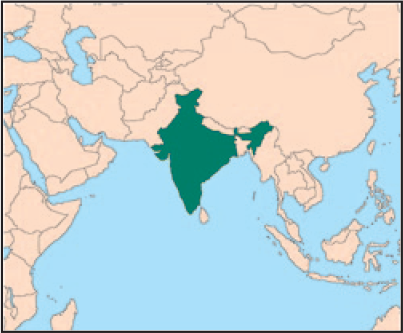
Eastern India has faced a continuous onslaught of floods, cyclones, drought, landslides and erosion recently, and the states of Assam and Odisha have been hard hit.(20) Floods come as no surprise in Assam, in North-Eastern India, where high annual rainfall averages 2,546 millimetres. In 2012, Assam faced consecutive flood waves from June to October due to breaches in embankments, 43 on the Brahmaputra River and 14 on its tributaries. The first wave of floods affected 2.4 million people in 4,540 villages. The floods displaced 543,088 people and caused 126 deaths with 19 reported missing.(21) Floods and erosion recurred in the same areas in 2013, affecting the recovery after the 2012 floods.
In 2013, Cyclone Phailin, categorized as a very severe cyclonic storm by the Indian Meteorological Department (IMD), made landfall in Gopalpur, Ganjam, Odisha on 12 October, affecting 18 out of 30 districts in Odisha and Andhra Pradesh. Over 1 million people were evacuated in the 36 hours preceding the cyclone’s landfall. The cyclone killed 44 people, damaged 256,633 homes and affected 13.2 million people.(22) The situation was compounded, following the cyclone, when heavy rainfall precipitated flash floods in Odisha’s rivers – the Baitarani, Budhabalanga, Rusikulya, Subarnarekha and Jalaka.
Following media coverage of the disasters in Assam and Odisha, humanitarian organizations undertook joint needs assessment in critically hit areas. Some agencies, including Oxfam, launched relief operations immediately. This was possible because they partnered with local NGOs, and participated in coordination meetings with local government bodies. They secured funding from international donors by submitting joint proposals. The European Commission’s Humanitarian Affairs and Civil Protection Department (ECHO) approved €2 million to assist affected people in Assam, mainly to address water and sanitation needs, improve food security through cash transfers, and provide transitional shelter to the worst-affected vulnerable households. In Odisha, the UK Department for International Development (UK AID) provided €2.3 million through the Rapid Response Facility (RRF) for responding to immediate humanitarian needs. Another grant of €2 million was provided for humanitarian and early recovery projects from the European Commission’s Humanitarian Aid and Civil Protection Department (ECHO).(23)
III. Method
This paper draws on qualitative data to describe three cases where humanitarian agencies formed consortia for post-disaster operations funded by international donor agencies. Fourteen in-depth interviews were conducted with staff and consultants working with the consortia member agencies and their partner NGOs in Assam and Odisha. The open-ended interviews were based on a standard set of questions on agencies’ activities, relationships with other consortium members, politics and internal functioning, and the experience of working with the donors, government bodies and local partner NGOs. This information was triangulated with documents, consortia meeting minutes and agency reports.
The research also benefits from extensive field data from areas where Oxfam India implemented its programme in Assam and Odisha. The study relied on household interviews, participatory learning and action tools such as transect walks, focus group discussions, and participatory mapping and change analyses. The author’s work with Oxfam India in Odisha allows also for reflections and observations on working in a consortium. The findings and analyses presented here are the author’s own and are not endorsed by any of these agencies. The aim of the case studies is not to compare the performance of agency members, or to draw comparisons across the cases, but rather to consider consortium approaches in post-disaster response and recovery operations.
IV. Case Studies
a. Case study 1: Consortia funded by ECHO for early recovery from Assam floods
In July 2012, following the Assam floods, ECHO provided support to eight INGOs and other agencies for relief and recovery works in the flood-affected districts in Assam.(24) Three of these organizations, Action Aid, Christian Aid and Oxfam India, decided to form a consortium to ensure a more extensive response through effective collaboration, coordination and mutual support in six of the worst-affected districts.(25) The funding awarded to this consortium was €900,000 for six months, further divided among the members according to their individual programme budget. Action Aid was the lead agency in finalizing and submitting the bid to ECHO with central management from its headquarters (Action Aid UK), the grantholder agency. The agencies worked through local implementing partners in several districts, as specified later.
This grant was for undertaking interventions in water, sanitation, and hygiene (WASH), emergency food security and livelihoods (EFSL), and shelter projects. WASH interventions included installation of hand pumps; construction of flush latrines and bathing cubicles; distribution of chlorine tablets for water purification; provision of hygiene and women’s sanitary kits; waste management by cleaning drainage systems; and health education sessions. EFSL consisted primarily of two types of cash transfers: cash for work projects and unconditional cash transfers to the most vulnerable populations.
Each agency had different sectoral expertise and developed guidelines, facilitated training and organised workshops in each sector: Oxfam had a strong background in WASH and gender mainstreaming; Christian Aid took the lead on shelter, inclusion and advocacy issues; and Action Aid had expertise in livelihoods, nutrition and mainstreaming disaster risk reduction (DRR).(26) Oxfam acted as WASH coordinator, developing a common WASH strategy; teams were deployed in the field to establish strong coordination between these organizational activities.(27) These agencies held regular coordination meetings and workshops to share technical support, advice and lessons learnt. A consortium manager, appointed to coordinate with the members, undertook field visits to project areas, participated in evaluations and donor visits, and facilitated regular reporting by the member agencies to the lead and donor agencies.
The partnerships depended upon the local NGOs’ interests and capacities, as well as their familiarity with the context and prior experience of working after disasters.(28)
Action Aid worked with local NGOs: People’s Action for Development (PAD) in Sonitpur, and Northeast Affected Areas Development Society (NEADS) and Gramya Vikash Mancha (GVM) in Sivsagar and Kamrup
Christian Aid partnered with the Rural Volunteers Centre (RVC), an Assamese NGO based in Dhemaji and Sustainable Environment and Ecological Development Society (SEEDS), based in New Delhi, in Dhemaji and Lakhimpur. SEEDS provided support with shelter implementation.
Oxfam worked with Promotion and Advancement of Justice Harmony and Rights of Adivasis (PAJHRA) in Sonitpur and Morigaon Mahila Mehfil (MMM) in Morigaon.
PAJHRA, a rights-based organization, primarily worked with Adivasis (indigenous groups) of Assam and advocated for the rights of the Scheduled Tribes. Disaster response and recovery did not fall under its organizational mandate, yet PAJHRA partnered with Oxfam in the response programme in Sonitpur on humanitarian grounds.(29)
MMM, on the other hand, was a traditional partner of Oxfam, having worked in DRR programmes in 2006–2007. MMM had a long-standing presence in Morigaon, influencing government policies and participating in district coordination meetings. It has advocated on issues of erosion and impacts on lives and livelihoods of people displaced in Morigaon over the years.
Once the ECHO-funded programme ended in May 2013, Oxfam’s programme operations in Sonitpur ceased and the partnership with PAJHRA ended. When floods and erosion recurred in Sonitpur and Morigaon in 2013, displacing the same households, the consortium agencies, including Oxfam, adopted a non-interventionist approach. MMM provided relief to some of the displaced families in Morigaon and undertook needs assessment, but could not extend continuous support due to lack of external funding support.
The nature of floods and impact of the 2012 floods varied across these districts in Assam. The agencies took different approaches to sector-specific interventions in response to the needs of the local communities. In the upper reaches of the Brahmaputra, flash floods were common. Traditionally, Mishing communities in this region lived in chang ghars, i.e. houses built on stilts to cope with inundation caused by flash floods. Christian Aid and partners in Dhemaji and Lakhimpur constructed chang ghars to suit local practices. In the lower reaches of the Brahmaputra, when floods occurred, houses remained submerged for days at a time. The riverbank also suffered from regular erosion, causing large tracts of land to be engulfed by the river, along with houses and other facilities. In Morigaon, Oxfam consulted with MMM and local communities, finding that households were displaced overnight by floods.(30) Communities were provided with mobile housing units that could be easily dismantled during floods and erosion.
The consortium members collaborated on developing common guidelines on programme design and interventions; they agreed on providing context-specific facilities according to need. Both Action Aid and Oxfam were working in Sonitpur; they shared information with each other and government bodies to avoid duplication and competition, ensuring that activities were undertaken in separate blocks and village councils. They reported to the local authorities in a coordinated manner wherever possible and disseminated similar messages to the community members. Despite these precautions, two neighbouring villages in one block were provided with different facilities. One village received a lower quality of material assistance than the other.(31) The shelter materials, quality and house design were different, as were the structure and design of water facilities. Action Aid ensured continuous access to safe water during floods and installed handpumps on raised concrete platforms, which could be accessed during floods by boats (Photo 1). Oxfam decided against raised platform handpumps since they added to costs for poor households, and were in any case at risk of being washed away by erosion (Photo 2).
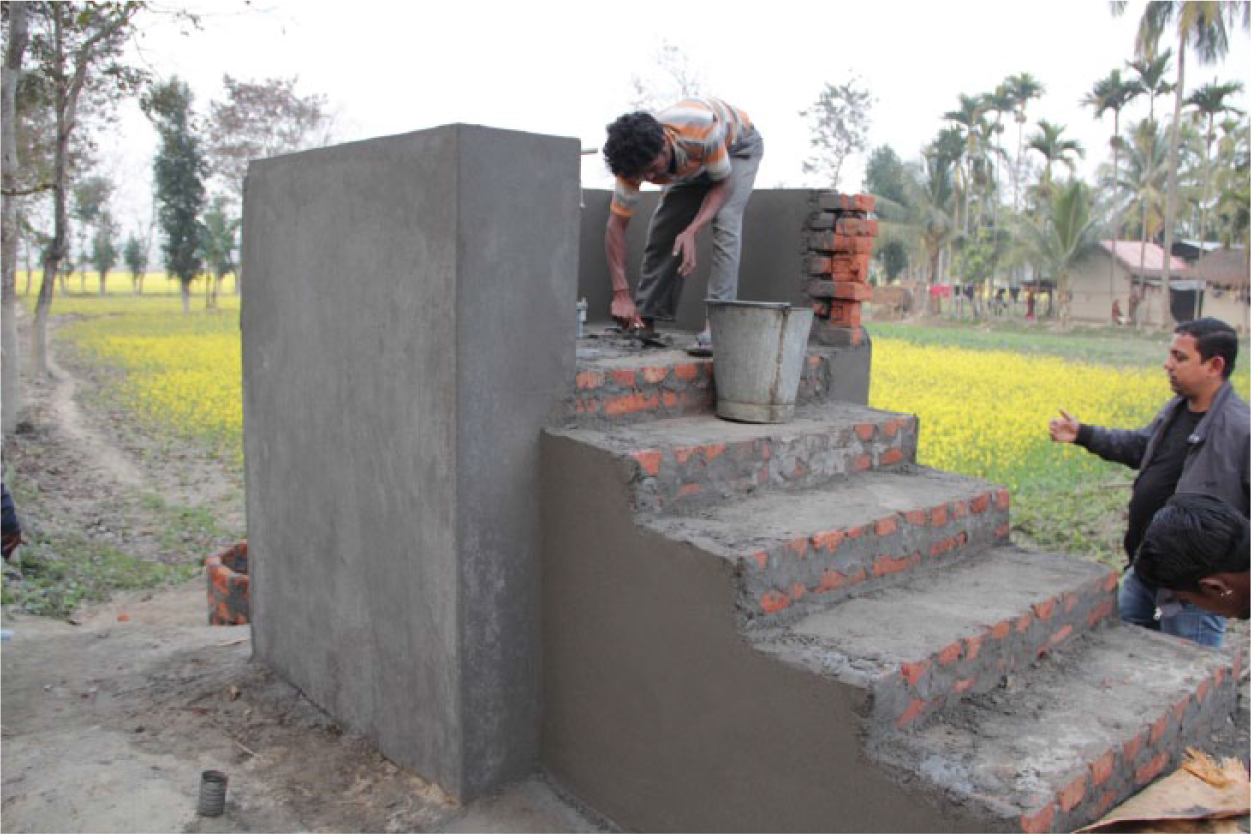
Raised concrete platform with steps for a water source, provided by Action Aid
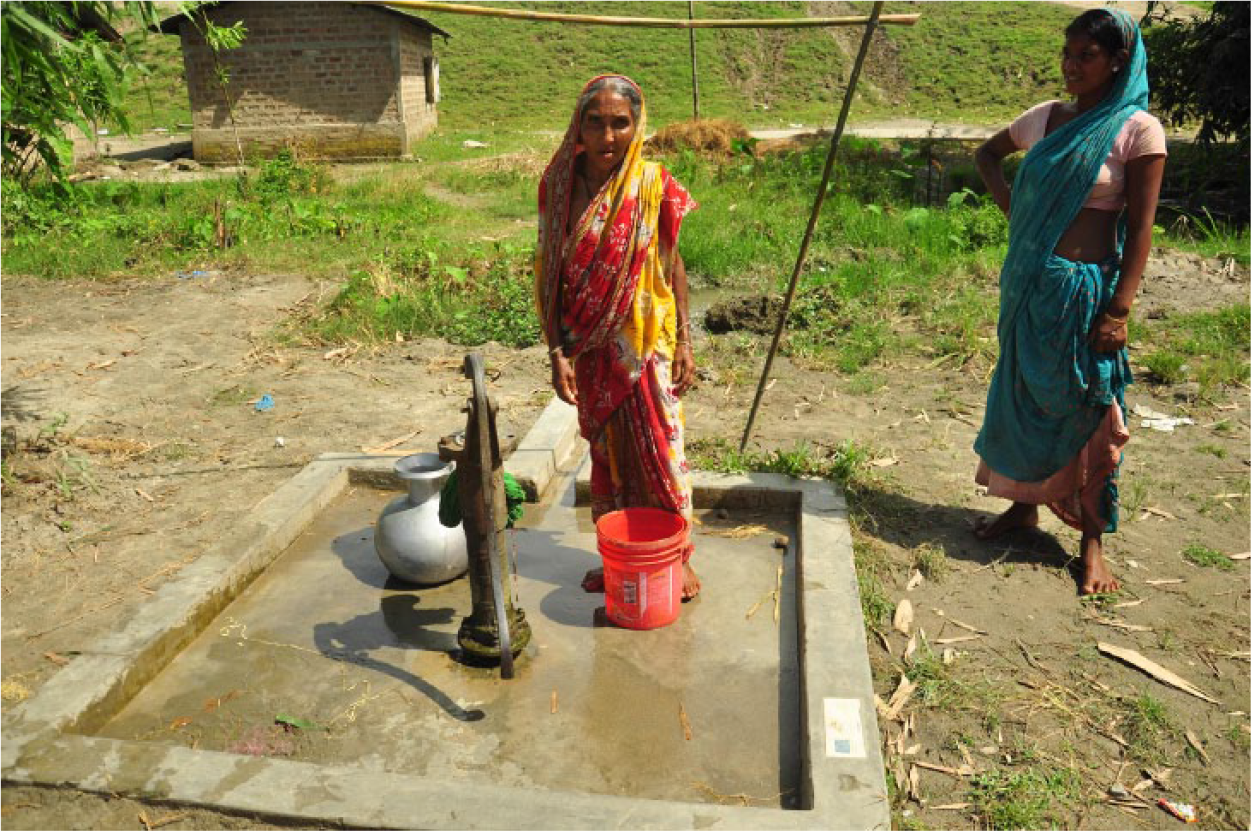
Concrete platform for a handpump, provided by Oxfam
Although the attention to an efficient process was much needed, it was time-consuming and the participating agencies were too focused on streamlining activities to achieve their committed sectoral objectives. They had different interpretations of concepts like resilience, risk reduction, and what was achievable through advocacy and longer-term involvement with local government bodies.
An agency official commented:
“We learn from each other; each organization has their own expertise, mandate, [and] objective. The way agencies do things are also different. In principle it [consortium] contributes [to recovery], but when it comes to policy-level work, it [consortium] is still not coming together, for issues of dam, land, which are larger issues. In addressing humanitarian crises, we are fine, but [addressing] root causes we have not developed [a strategy] within the consortium so far.”(32)
Such issues were taken up at a smaller scale by other actors in Assam outside of the humanitarian partnerships and consortia. There were other NGOs that worked in development programmes and in conflict response programmes in Assam during 2012–2014. There were civil society organizations advocating against dam construction and displacement of communities, and fighting for the civil rights of tribal populations. Other coordination mechanisms existed in the state, such as inter-agency groups (IAGs), and state-level and district management committees, which were activated during the monsoons, but not engaged in longer-term recovery. Staff from INGOs, including those from outside of the consortia, attended inter-agency coordination meetings after the floods to coordinate and agree upon district allocations at these meetings, thereby substantially reducing the risk of overlapping interventions. These meetings occurred in the immediate aftermath and did not continue for recovery operations. There was little evidence of how the consortia members interacted with existing mechanisms for exchanging knowledge across this wider group of actors.
b. Case study 2: Consortia supported by UK AID for humanitarian response to Odisha Cyclone Phailin and floods
Following the success of the consortium approach in Assam, and after the cyclone, UK AID and ECHO each supported two consortia in Odisha, with five INGOs in each consortium. Following floods in Uttarakhand in July 2013 in India, UK AID funded three NGOs to respond (ActionAid, Christian Aid, CARE). Havuing Their successful work together on this response was clear evidence that they could function successfully as a consortium.(33) On 20th October, after Cyclone Phailin and floods, UK AID staff visited the worst-hit village in Puri to assess damages. The Rapid Response Facility (RRF) call for proposals opened on 26th October 2013 and interested agencies had 36 hours to submit a unified proposal to bid for the funding. Senior management staff from the interested agencies rushed to submit a joint proposal that broadly addressed the immediate and future recovery needs of the communities. Some agencies were yet to complete their comprehensive needs assessments in the affected areas.
UK AID decided to grant £2 million through its RRF for responding to the immediate humanitarian needs from 1st November 2013 for 12 weeks. While assessing the ability of the participating members, financial risk and fraud, UK AID noted,
“All partners are members of UK AID’s Rapid Response Facility (RRF), a mechanism that allows funding to be disbursed to pre-qualified partners following a humanitarian emergency within 72 hours of activation. Membership of the RRF is only granted following a thorough assessment of the capabilities and capacities of applications from organisations by a panel of humanitarian advisers, and successful applicants went through a detailed due diligence process. UK AID works with all of the partners being funded on a regular basis across the world, they are well established and trusted humanitarian partners; most recently it funded several of them in India in response to the flooding in Uttarakhand in July 2013.”(34)
Two consortia received this funding, led by Christian Aid and Save the Children. €1.14 million was provided to the Christian Aid-led consortium, consisting also of Action Aid, Oxfam, CARE and Plan; €1.11 million was awarded to the Save the Children-led consortium, with Handicap International, HelpAge and World Vision as members; and €28,674 went to MapAction. Initially it was expected that a total of 30,977 vulnerable households (approximately 154,855 people) would be provided with basic humanitarian assistance, including shelter, clean drinking water, and cooking utensils. UK AID made the case for the arrangement:
“It is expected that funding NGOs to work in consortia should significantly drive value for money, reducing cost by procuring in bulk, driving down prices, and being able to share warehousing, transport and other facilities. It should drive up quality in terms of co-ordination, common needs assessments, avoiding duplication, and driving up quality of goods by ensuring the best and most appropriate supplier choices are available. Although agreeing common minimum specifications and division of work may cause some delays in terms of speed in forming consortia, it is expected that this will be made up due to the other gains, and that overall forming consortia should not affect speed of the intervention.”(35)
This case study focuses on the operations undertaken by Oxfam with its local partners as part of the Christian Aid-led consortium. Christian Aid ensured adherence to timelines, programme quality, and reporting. Oxfam was the logistics lead, responsible for purchasing kit items and maintaining warehouses, transportation and delivery for the five consortium members. Initially the funding was for 14,100 households, but with exchange gains and savings on bulk purchases, the target was increased to 21,672 affected households.(36) The organizational strength and ability were evident in the consortium’s efficient mechanisms for procurement, management and bulk deliveries by vendors.(37) Three warehouses were leased for four months in Bhubhaneshwar, and a logistics manager was hired to oversee the entire process of procurement, transport and distribution for all members. Household relief kit items and communication materials were standardized, with common information, education and communication (IEC) materials in local languages using pictorial representation and common beneficiary cards. Member agencies also agreed on common guidelines for targeting households with inclusion criteria and community participation processes to be followed for household selection.
The local NGOs in Odisha successfully led early evacuation, efficient warehouse management and logistics for immediate relief distribution and community mobilization. Oxfam partnered with the Society for Leprosy Amelioration & Rehabilitation (SOLAR) in Puri, United Artists’ Association (UAA) in Ganjam and UNNAYAN in Balasore. In the past these organizations had partnered with Oxfam under the disaster risk reduction programme. When cyclone warnings were received, their staff undertook immediate measures to evacuate families along the coastline and to provide food rations and drinking water to the families taking refuge in the cyclone and multipurpose shelters. The staff relied on the networks and partnerships developed since the 1999 Super Cyclone. This enabled the NGOs to undertake immediate relief distribution in all three districts with emergency funding support from Oxfam.
In Puri, SOLAR worked with a local youth group called Gopinath Juvak Sangh, which provided information, disseminated warnings to remote coastal communities, and coordinated evacuation efforts. These networks were crucial for spreading the warning messages through mobile phones, loudspeakers and local community networks. UAA and UNNAYAN had stockpiles of hygiene and shelter kit items maintained through their DRR programme with Oxfam. These materials were gathered and distributed immediately along with rescue operations. UNNAYAN deployed its community boats, funded by Oxfam under DRR programme, to rescue local people during the floods in Balasore. It also supported community kitchens run by members of women’s self-help groups, which distributed cooked food to more than 12,000 people in Balasore. The local agencies and network groups relied on each other for information and to obtain resources for the affected families. UAA loaned its pre-positioned stockpiles of food and tarpaulins to SOLAR for immediate distribution to the worst-affected villages in Puri. UAA distributed food packets in Ganjam on 19th October. These partnerships demonstrated that local NGOs are quick to respond if financial systems with the INGOs are in place.
Under the UK AID funding, there were delays in distribution of relief kits across both consortia. The first UK AID distribution was initiated by Oxfam in Puri only on 8th December 2013. The items included in household kits included water filters, buckets, temporary shelter materials, soap, sanitary cloth materials, utensil kits and solar lanterns. Household water filters and kitchen sets (i.e. utensils) were targeted at women-headed households affected during the cyclone. The UK AID programme reached a total of 23,670 people through consortium efforts although the aid was not quick and timely.
Oxfam carried out a post-distribution monitoring survey in Balasore, Ganjam and Puri Districts with 357 selected households from 38 project villages.(38) Some of the survey feedback referred to the quality of the materials and the appropriateness of the items. There were few complaints about the quality of solar lamps, plastic mugs, tarpaulin sheets, sanitary napkins or fleece blankets, but 57 per cent of the respondents wanted mosquito nets to be the part of the relief kit. Some project staff felt that standardization of relief kit items resulted in inappropriate materials being included. Weather varied across the three districts and some needed fleece blankets more than others. Focus group discussions in Puri and Balasore stressed the need for nailcutters and mosquito nets.
Numerous logistical challenges resulted from catering to each agency’s ways of working and response practices. Procurement was delayed for instance in finalizing the kit items. Because agencies had agreed to start distribution in the villages only when all kit items arrived for all the members, there were further delays, as vendors found it difficult to meet the agreed delivery schedules for bulk items.(39) The delays in procurement of the kit items caused delays in response times, unfortunate given the critical need of the affected communities.
Reflecting on these delays, an official remarked on the disadvantages of the consortium approach:
“The complications of working in a consortium are that it is process heavy; transaction costs are high; decision-making in a consortium also takes time. It leads to clashes of ideas, although initially agencies come together, the ways of working of each organization is different. […] The fastest consortium member’s efforts get dragged down by the slowest member agency in terms of delivery”.(40)
Streamlining the procurement of relief kit materials meant some financial gains. Exchange gains and savings from cost negotiations with vendors helped the consortium to increase the number of households. But the process was seriously delayed due to bottlenecks of operating in a large consortium. Agencies were encouraged to include sanitary cloths and napkins, solar lamps, cooking sets and water filters, which they would not have included in their relief kits otherwise.
Consortium members also came together for advocacy through regular joint reporting of achievements and programme outputs, using Facebook pages and blog posts to document and share initiatives.(41) Such initiatives were limited to the programme duration, as the collaboration was donor-specific. However, the experience and networks were instrumental in facilitating easier coordination when Cyclone Hudhud affected Odisha in 2014.(42)
c. Case study 3: Consortia funded by ECHO for early recovery in Odisha
After Cyclone Phailin, the European Commission’s Humanitarian Aid and Civil Protection Department (ECHO) financed €3 million for assistance to cyclone-affected populations during early recovery. Action Aid and Save the Children led two consortia to implement the recovery programme. This case study details the consortium led by Action Aid and operations undertaken by Oxfam with its local partners. The early recovery programme included shelter, WASH and EFSL components. The Action Aid-led consortium included Christian Aid, Oxfam, Plan, and the Adventist Development and Relief Agency (ADRA). They worked in Ganjam, Puri, Balasore and Mayurbhanj Districts, with the objective of providing 10 months of support to over 180,000 people from the worst-affected and most socially disadvantaged communities. The expected results were:
Improved access to food and income-generating opportunities through cash transfers, restoration of livelihoods, and increased access to government entitlements
Shelters rebuilt and restored for the most vulnerable households in the target communities, through material and knowledge support, and incorporating DRR techniques to reduce the future vulnerability
Increased access to safe drinking water and increased awareness of positive hygiene practices
The consortium members held an inception workshop in December 2013 to plan and standardize their activities. There were cross-learning visits, learning and evaluation workshops, and joint capacity building exercises on gender, shelter and WASH. Sphere India and IAG Odisha were involved in coordination between the two consortia for regular updates and joint initiatives and advocacy efforts.
There were many motivations for agencies to participate in the consortia. The funding share and budget was divided amongst the five participating member agencies in each consortium according to their proposed budget and activities. An official commented:
“There is lot of value of working in consortia, I would rate it on a positive side. Obviously there are flip sides. Not each member may have the same enthusiasm and same spirit while working together. In Assam there were three members, now there are five, the speed and interest varies. […] This needs to be further strengthened as a consortia. […] The problem is always speed vs. accuracy, and consensus vs the USP [unique selling point] of each organization.”(43)
Consortia offered a space for learning and exchange of ideas. An official from a member agency said:
“There are pros and cons of working in consortia: It gives you an advantage of bringing up a programme at a large scale, 2–3 big organizations come together to address needs and cover a large area; sharing of skills, competencies […] and leads to cross-fertilization of skills and ideas; attracting donors to work in consortia – in terms of outreach and enhanced coverage and visibility.”(44)
Different member agencies took the lead in staff training and capacity building in different sectors and aspects of programming. Oxfam facilitated training in WASH, gender mainstreaming and EFSL. A joint workshop on “Rapid Assessment of Emergency Food Security and Livelihood by Using 48 Hour Assessment Tool” was held, where all the member agencies participated and undertook assessments led by ECHO. Christian Aid facilitated a shelter “training of trainers” for the participating agencies in Ganjam.
An official commented:
“All agencies did not have similar capacities. Some are experts and have strong core humanitarian principles […], while others are rights-based, and some others are child-centric. Therefore at times when there were delays […] by participating agency, others chipped in and helped them out.”(45)
There were some issues related to interventions in each sector, across different member agencies. Despite the pressing need for shelter in the recovery phase, Oxfam proposed only 25 shelters due to limited funding. Since government was providing permanent housing, Oxfam reasoned that transitional houses were redundant and would delay reconstruction. Under ECHO guidelines, cash disbursements had to be delivered to households within 90 days of the programme’s commencement. This created enormous pressure in rapid identification, verification and disbursement of cash for unconditional grants, and for cash for work projects to plan, design, approve and implement community projects.(46)
Decision-making in consortia was a time-consuming process: during workshops, meetings and joint training events, time was spent on streamlining and initiating new processes and formats, instead of gathering evidence and catering to longer-term community needs. Within the consortium, financial compliance and reporting were complicated, time-consuming and repetitive at times. Donor regulations and mandatory conditions were to be fulfilled with due diligence; any changes in project outputs, budget and activities were to be reported, and approved by the donor. Donors asked for precise documentation for money spent at community level: financial audits by donors required documents and signatures for goods received by recipients and community participants, even for biscuits purchased during community meetings and training events. Donors laid huge emphasis on visibility and transparency; agencies complied by installing visibility boards and banners displaying donor logos in the villages. This did not directly contribute to programme sustainability or effectiveness. The emphasis on outcomes, when gathering gender-disaggregated data for weekly/monthly/quarterly reporting for beneficiaries targeted and reached, was time-consuming. The monitoring teams did not adequately assess the implications of quick decisions on targeting in shorter time periods. For instance, when a few women-headed households in a village received kitchen sets, there were protests from other community members, which could have been resolved with community discussions and decisions.
There was no systematic approach for evaluating the impact of consortium programmes. Individual agencies undertook various kinds of in-house evaluations, sometimes using third parties. As consortium members, they collected quantitative gender-disaggregated data on beneficiaries and outreach to indicate targets were being met. Oxfam undertook real-time evaluations to analyse its own programmes and performance, and the challenges and experiences of working in the consortium. In addition there were end-of-project evaluations undertaken by visiting donors to validate the success and effectiveness of their programmes. More systematic and streamlined evaluation approaches would contribute to high-quality programming, and strengthen technical capability, accountability, organizational capacity, and human resource management to improve consortia approaches in the future.
Six months after the cyclone, reports indicated that there were other affected areas in the state, which were not covered by agencies from either consortium. ECHO froze the livelihood budget line until consortia members could offer an explanation. This forced the member agencies to undertake a joint assessment in February 2014 to reassess the needs of non-priority villages, earlier ignored. Based on the assessment visits, consortia members proposed strategies for meeting the unmet needs of the ignored areas, later supported through Office of US Foreign Disaster Assistance (OFDA) funds. The agencies reported to ECHO that they had limited and time-bound resources within the ECHO programme to meet recovery needs in the operational villages, so to expand to newer areas six months after the disasters was a huge challenge. Some of them, particularly Oxfam, had already undertaken distribution of seeds to farmers under the livelihood component and would have to bear huge financial losses if ECHO did not release the livelihood funds. Eventually ECHO relented and released the funds.
Odisha provided a good example of other coordination mechanisms that kicked in as soon as cyclone warnings were put up. As soon as local agencies received warning and information, they coordinated with district administration. Coordination meetings were held at the district level and state level, as well as with block-level government agencies and NGOs, on 9 October 2013. National agencies participated in the state-level meetings, activated their partner networks, and mobilized community groups for immediate evacuation, exchange of information, and pre-positioning of food stocks, boats and hygiene kits.
There were also successful instances of government–civil society coordination in Puri and Ganjam to facilitate relief distribution, allotment of villages across responding agencies, and information sharing with the district administration and humanitarian agencies. In Puri, SOLAR was the focal point at the district level for government–NGO coordination. It actively engaged in coordinating with the district authorities and other responding groups, such as youth groups, the Red Cross, etc. Within weeks of the cyclone, in Ganjam, local responding NGOs set up the Ganjam Disaster Response Forum to respond to issues after the cyclone and flood, and work efficiently on relief and restoration. This informal forum was formed to coordinate relief and restoration work with the government, INGOs, local NGOs and other stakeholders. This was helpful to avoid duplication. The forum met frequently with the district collector of Ganjam and project directors of government departments to strengthen coordination between governmental and non-governmental organizations. The forum maintained a database (in an Excel sheet) of Ganjam NGOs and community-based organizations and mobilized volunteers for the district pool and local-level interventions. This information on local NGOs’ activities in post-disaster intervention was relayed to the government, donors and different stakeholders through emails and meeting minutes.
These mechanisms were functional only for a few weeks following the cyclone. Moreover, these multiple coordination mechanisms were confusing and did not serve the purpose of reducing duplication; it took time to decide on who would work where.(47) As a learning exercise, the participating members in the Action Aid consortium debated working towards an agreement between like-minded agencies and developing a “consortium kit” that would include baseline–endline forms, needs assessment forms and processes, IEC materials, a pre-agreed standard hygiene kit and a compiled vendor list. It was also suggested that agencies pre-position life-saving materials in disaster-prone areas for faster relief distribution. The following observations were made during the exercise:(48)
Donor-level coordination was effective and helped ensure that agencies cross-verified the targeting/geography.
The consortium was instrumental in undertaking joint training and capacity building in WASH and shelter and included disability as a criterion across the consortium as a common approach towards targeting.
There was good coordination within the consortium and to some extent between consortia (especially for geographical targeting).
Having several parallel coordination mechanisms – IAG (existing), Cyclone Phailin Response Forum, and Sphere India – was challenging. Sphere, for instance, created confusion with an additional mechanism and a lack of “buy-in” from existing coordination mechanisms at state and district levels. Their roles need to be questioned during a crisis situation.
V. Analysis
Between 2012 and 2013 in Assam and in Odisha, the number of players increased in each consortium, as did the number of international donors willing to invest in humanitarian action through consortia. In all three cases, three or more agencies banded together on joint post-disaster needs assessment, common proposals to donors, and implementation of programmes within agency-specified geographical areas. In Odisha, multiple donors funded multiple consortia with different collaborating agencies. There were clear financial advantages to working in a consortium, which attracted more participants in Odisha. With assured funding support, agencies were able to plan, design and implement early recovery programmes and meet their humanitarian objectives. Working in a consortium reduced duplication, given the unified proposal for sector-specific interventions within agency-specific locations. Regular meetings allowed agencies to develop formats and procedures for joint reporting, needs assessment, data collection, intervention and financial mechanisms, and to provide technical support to each other and share lessons with the other members. This enhanced organizational capacities and expertise and expanded outreach, increasing scale and financial gains. The Emergency Capacity Building report on consortium-building lauds the strength in numbers, with participating agencies developing joint advocacy strategies to influence government actions.(49)
Yet, as the number of actors involved in the consortia increased, there was more confusion, delay and dissatisfaction at the community level. In Assam, there was the instance where neighbouring communities received different forms of material support. With increasing numbers of actors using this approach, stronger evidence is required on how relationships between the participating agencies are formed, developed and nurtured to make the consortium effective. Although it was beyond the scope of the study to investigate the motivations of the agencies, it has been argued elsewhere that coordination is a voluntary process, offering the potential of strength through consensus while maintaining the autonomy of individual organizations.(50) However, as noted elsewhere in the literature, “poor performance of just one agency can compromise the effectiveness of all others.”(51) This points to the need to strengthen the abilities of individual organizations before they participate in a consortium, in order to enhance the collective effectiveness.
Consortia are clearly a donor-driven phenomenon. Consortium formation, pushed by international donors, reflects the introduction of results-based management, compelling NGO staff to demonstrate that their activities would “add value”,(52) an orientation that sometimes encumbered just and context-appropriate interventions in Eastern India. This was evident in the ECHO-funded programme in Odisha, where ECHO froze the budget line for livelihood interventions following confusion on populations ignored by the consortia members. This was the result of communication gaps, along with decisions made in haste in the rush to submit donor proposals.
Another area for refinement is the evaluation methods that connect the dots among the member agencies’ efforts, donor requirements and the aspirations of beneficiaries. Agencies work to capture community needs during joint needs assessment; they also monitor progress with the help of common formats for process monitoring surveys, post-distribution surveys, and baseline and endline surveys. A mid-line report and an end-of-programme report are submitted by the lead agency. Meanwhile, consortium members hold inception workshops, regular monthly meetings, and lessons learnt or reflections workshops to develop a unified system to intervene as a consortium. The evidence suggests that agencies can be overburdened and that more streamlined approaches to evaluation could strengthen its value as well as reducing the burden.
The continuity and sustainability of the model remains a challenge for longer-term recovery. In Assam, once the consortium programme ended, local NGOs lacked access to funding for another response programme in 2013 for recurring flooding, or for longer-term development issues. Their limited logistical, financial and human resources were huge limitations in ensuring their active partnerships in the consortium model. Although this is not a consortium-specific challenge, the approach could well incorporate longer-term objectives and roles for local NGOs with appropriate support for accessing funding.
Defining the role of local NGOs to better reflect local aspirations and governance mechanisms is another area where the consortium approach could be strengthened. Although INGOs are the signatories to the donor funds, they could not implement programmes without the help of local NGOs. Yet local NGOs are rarely able to influence programme initiatives. Research has shown they also face a disproportionate financial burden and the bureaucratic hassles of partnering with INGOs and international donors; these local NGOs struggle to access donor funding because they are expected to adopt new bureaucratic measures as a condition for funding.(53)
The role of affected populations also calls for consideration. If this model continues to be deployed in emergencies without further research, there is the danger that it will replicate social power imbalances through organizational hierarchies. A more coherent strategy to encourage participation of affected populations and reflect their aspirations for disaster recovery is critical. These populations can rarely voice concerns on issues that matter to them, or shape strategies within consortia and thereby donor attitudes. The consortium approach should, as noted, include creative ways to evaluate effectiveness and how best they can meet the aspirations and needs of the affected populations.
In the cases described here, the consortium approach, like other approaches – cluster approach, government–NGO coordination mechanisms – focused on project-specific outputs rather than the longer-term outcomes that reflect community needs and aspirations. It is an improvement on other approaches, as discussed in Section II, as it is tailored to the context and has access to better funding and resources. Ensuring a shift in focus from outputs to outcomes within the consortium approach requires the alignment and commitment of various actors to going beyond limited project objectives. Related to this is the question of whether programmes implemented by consortia are flexible enough to accommodate the dynamic changes in the field during recovery. The answer was a resounding no in the case of Assam, where ECHO was not forthcoming with support to the affected and displaced communities when flooding recurred.
There is an interesting overarching question to reflect upon: What purpose does the consortium model serve? From these case studies it emerges that consortia for now seem to be donor-driven, valued as a way to use limited resources more efficiently. However, if saving money takes precedence over other outcomes, it becomes a debatable virtue. If funds are efficiently used, but fail to meet the dynamic and longer-term needs of the affected communities, or if there are delays in providing life-saving relief materials, then the formation of consortia seems both unnecessary and misguided.
INGOs are attracted to the consortium model as it provides access to funding and opportunities to collaboratively implement programmes and maximize coverage. But this can be a superficial logic, and agencies have to give more thought to their objectives and make conscious choices to form and work in consortia. To help agencies make this decision, further research and evidence is required. Meanwhile, agencies can at least aim to be fully aware of both the benefits and the trade-offs of any coordination in responding to humanitarian emergencies.
VI. Conclusions
Consortia operate as a coordination mechanism and provide space for joint learning and exchange of ideas, common standards, programming approaches and advocacy efforts. The cases described here show that the consortium model can contribute positively in humanitarian response in developing countries. The model is gaining traction in India, where such efforts have been able to supplement government programmes in crisis times for short periods. There are clear advantages in terms of financial savings and increased geographical coverage. However, collaboration needs to be strengthened.
There is scope for improving this model and increasing its value. Interested agencies, through preparation, could nurture relationships and put plans in place to operate as consortia during future emergencies, so that community needs can be addressed effectively and quickly.(54) Concerted efforts could be made to better reflect community aspirations by capturing their inputs throughout the programme cycle. Agencies should define roles and responsibilities and offer stronger partnerships with local collaborating NGOs. If these areas are addressed, consortia could provide an equal and just space for organizations to benefit from each other, serve the communities affected by disasters, and support and build local institutions as a longer-term strategy for disaster resilience. Fiori et al. state:
“International humanitarian NGOs have been stymied by their dysfunctional relationships with host governments in South Asia. But in their own focus on technical concerns, and faced with diminishing emergency response capacity, they have continually resorted to the implementation of standardised shortterm projects. The effect of this has been to legitimise the very bureaucratic and self-serving structures that have stymied them. They have then sought to address challenges that fundamentally relate to power and the exercise of authority through coordination.” (55)
The value of working in consortia will only be strengthened if members aim to address these kinds of structural issues and to overcome organizational barriers that hinder their effective and smooth functioning as consortium members.