




Abstract
This paper considers the collective knowledge about housing design and construction that was developed over 30 years by the Indian Alliance of the Society for the Promotion of Area Resource Centres (SPARC), Mahila Milan and the National Slum Dwellers’ Federation (NSDF) in its pursuit of secure shelter for the pavement dwellers in Mumbai, the most vulnerable people in the city. It traces the learning and innovations developed by these women pavement dwellers, mostly illiterate, in this one specific aspect of their much larger joint journey towards a safe, secure home in the city, something that seemed almost inconceivable when they began. The deeply political aspects of this larger journey are only briefly touched on here, allowing space to describe the hands-on learning about planning, design and building that was also essential in this process. The paper is one of an ongoing series tracing the work of this Indian partnership since 1986, examining the critical milestones that have emerged from discussion, reflections and collective exploration.
Keywords
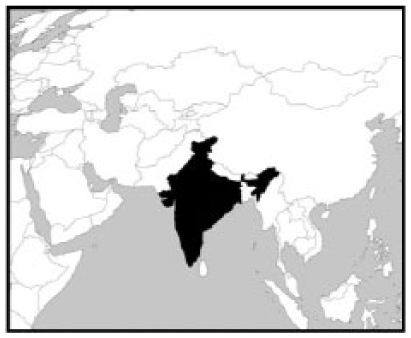
I. Introduction: Exploring the Unimaginable
Most Indian cities developed as centres for trade and industry. The labour pool to support this, created in large part by migrants seeking work, has always been essential to making these cities function successfully. In most instances these people have no official status and their most basic needs have been ignored. They settle for what they can get, and are marginalized despite their significance to city growth. In many cities today as much as two-thirds of the population is made up of squatters living in housing they have built themselves, most often without amenities, services or access to the fundamental rights of citizens. The settlements of some these informal residents are ignored, and others are tolerated; but some households face forceful eviction.
The volume of migration that is expected as the world becomes ever more urban means the shelter crisis will just grow unless the situation is managed very differently. There have been numerous international and national subsidies to deal with the problem of slums(1) and the backlog of adequate housing. But by and large the housing produced has failed to reach most of those in need, and in many instances these state-built houses remain vacant, rejected by the poor for a variety of practical reasons.
Those who lack secure shelter are conspicuously absent in policy design and programme execution. This means the continued expansion of a vicious cycle – the state produces solutions that the poor reject, and the market then redirects these resources, concessions and land sites to other, less needy groups whose demand for shelter absorbs these assets very quickly. To prevent these exclusionary outcomes and to achieve results at scale with the intended absorption of resources, the supply side of this process must connect with the demands, and top-down actions have to link to bottom-up expectations. The economists, architects, planners and engineers who presently dominate this scene cannot generate this new kind of strategy on their own. Social movements of the urban poor have a role to play, creating a common language to bridge the gap between this formal world and the communities presently trapped in informality, and developing new systems to engage these most central stakeholders who are not currently viewed as part of the solution.
This paper describes an example of a system and a language that has evolved and proven highly effective over recent decades – the unique housing process developed initially by women pavement dwellers in Byculla, Mumbai, with support from an Indian partnership. This partnership, sometimes called “the Alliance”, is made up of the National Slum Dwellers’ Federation (NSDF), the Mahila Milan (“women together”) organization and SPARC, the support NGO for these two self-organized grassroots collectives. Together over the last 30 years they have managed to achieve a secure, safe, dignified, durable place to live for over 36,000 households in Mumbai and beyond in India, creating along the way a set of tools, rituals, insights and relationships that have had global ripples. The process has taught patience, generated insights and demonstrated how communities, organized in large numbers, can become a critical mass, producing networks that can persistently engage with the state to produce possibilities for land and housing, and changing policies along the way.
This achievement has been documented in bits and pieces over the years in one publication or another, and a more comprehensive account is in preparation. This particular paper is less on the theoretical or political aspects of this housing process, and more on the nuts and bolts (quite literally) – the hands-on collective learning about site selection, materials, design, construction and financing that has been an essential core of the whole endeavour.
The intent here is not to imply that housing for the poor can ever be context free. There is an ideology in this process and it is deeply political – the practice does not exist separate from the evolving vision or the evolving identity of these women as political beings, enmeshed in a political system. The negotiation of tenure is an especially large missing piece here – but it too will be documented in far more detail in a more comprehensive overview. For now, the nuts and bolts.
II. The Beginnings of an Exploration into Secure Shelter
In 1985, SPARC was formed by a handful of disenchanted NGO professionals, who started exploring more collaborative ways to work with women from pavement settlements in Byculla, in the inner city of Mumbai, India (Photo 1). Their office in Byculla became a place where women came and went at all hours, and where they had events and meetings and discussions. SPARC’s name, in fact – the Society for the Promotion of Area Resource Centres – reflected the priority given to having such a space, an ARC or area resource centre.
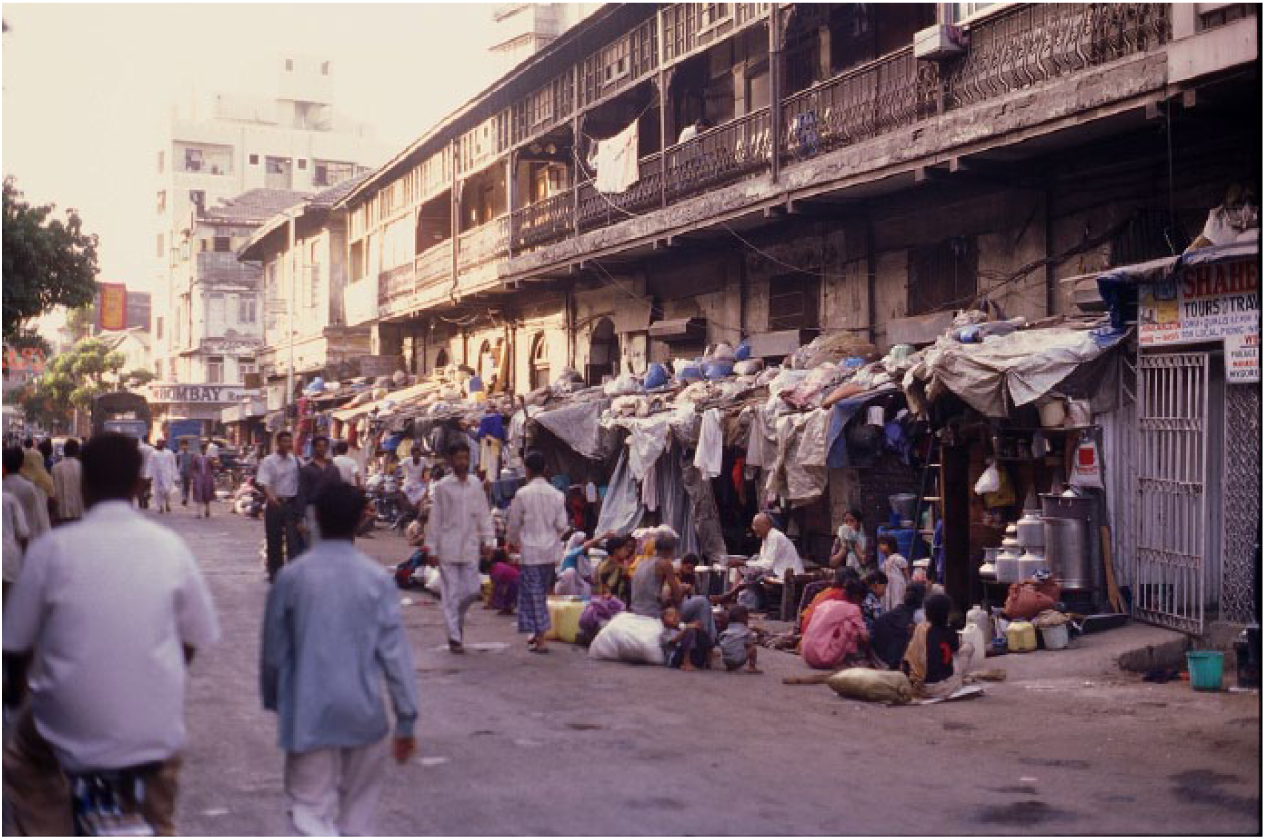
Dimtimkar road, Byculla
The initial focus of the women’s emerging Mahila Milan (“women together”) group was to get ration cards and bank accounts, register births and deaths, and gain access to school for their children. But that same year, in 1985, a serious crisis was brewing. A Supreme Court of India judgement had permitted the municipality in Mumbai to undertake a comprehensive eviction of pavement dwellers, who lived and worked in their thousands along many busy streets, some of the most vulnerable of the city’s precariously housed millions.
Evictions and demolitions were already a routine reality for this marginal group, but they were generally sporadic and locally targeted – not the full-scale clearance that was threatened now. Most pavement dwellers just rebuilt their homes after these events, unable to find any alternatives. But this judgement, everyone believed, would take things to a new level of insecurity. In the chaos and fear that the judgement produced, the SPARC professionals worked with the Mahila Milan women to survey this threatened population, and together they produced We, the Invisible,(2) a groundbreaking document that countered urban myths about pavement dwellers as transient city residents. It demonstrated that many of them had resided on these pavements for years, since migrating to Mumbai for work from some of the poorest districts of India. They lived on the pavements close to their jobs, since their wages were too low to pay for either rent or transport.
After much strategic manoeuvring, the crisis came and went without any further “clearing” of pavements. Following the initial relief, the Mahila Milan women were energized both by the sense of identity and voice their survey gave them and by the part it had played in temporarily stemming the evictions they so routinely experienced. They decided they needed a longer-term solution and asked SPARC to help them explore options for secure shelter. Their experience had not led them to have confidence in the street battles with eviction squads that were championed by many activists and slum settlement leaders; they wanted to tackle this through dialogue with the city.
SPARC’s staff members were seriously challenged by this demand. They were committed to having the women decide on the priorities for their partnership’s activities, but they had never worked on housing issues and none of them was an architect, planner or engineer. In hindsight, it was probably their very lack of training in these fields that allowed things to move forward. Neither they nor the women knew enough to say “it’s just not possible”. The immediate challenge was where to begin.
The emerging relationship with the National Slum Dwellers’ Federation produced a way forward. Jockin, the NSDF’s leader, attended the women’s meeting when they discussed their next steps, and in response he organized an educational process that would have delighted the educator/philosopher Paulo Freiere – months of informal meetings, discussions, excursions and reflections that provided amazing exposure for approximately 600 households. Pavement dwellers from seven settlements participated in this process and emerged exhilarated by the knowledge, political insight and solidarity that they gained. Most of the activities that subsequently developed grew out of questions the pavement dwellers asked and the ways they explored the city to find answers. They wanted to be shown, not just to hear – this was an early expression of the Alliance motto “seeing is believing”.
a. Viewing land
The first of these concrete activities was going to view land. On-site upgrading has many advantages, but Mumbai’s pavements offered little potential for upgrading. It was clear that the goal of permanent housing would have to involve resettlement. “There is no land in the city” has been and continues to be the response whenever any organized group wants to explore alternatives to obtain a secure home. There could simply be no moving ahead without evidence that there was land. Jockin and the NSDF led weekend expeditions around the city to look at vacant land.
Taking whole families along, including children, was a master stroke. These were exciting, festive events. They gave these isolated communities a sense of their city, and with everyone travelling together, getting to know each other, and sharing food and perspectives on the places they visited, they started to build the networks and long-term relationships that later became the basis for the federation of pavement dwellers. In those days, large groups of people heading to morchas (organized marches or rallies) were allowed to travel for free on Mumbai’s local trains and did not need police permission. So banners were made, and off the pavement dwellers went in their hundreds to visit places all over Mumbai and actually see for themselves the vast swathes of empty land in a city that claimed to have no empty land.
These visits felt like picnics, but they also had a serious goal. One objective was to help communities see the mismatch between the city’s development plans (the land use maps that are the legal framework for the city’s development), and what was evident on the ground. What they found was that the city authorities made land available for purposes that suited them. This did not include housing for the poor. Some vacant land was marked for uses other than housing, so it was unavailable. Land actually designated for the poor usually had other structures on it already. This process helped everyone learn to look at maps, locate the area they were visiting and identify its land use. The most valuable insight they derived was that land use was a political process. The poor could not expect that their need alone would ensure that they could get land to relocate to. While they now understood how land was allocated to various uses and how the system managed its misuse, they were still a long way from working out how they would ever access vacant land for themselves. Clearly the struggle would be a tough one. But they moved ahead.
Another objective was to learn how to assess the viability of an area for resettlement. The women soon developed a list of criteria. This grew out of discussions about why they had chosen their present pavement locations, and how they wanted to change their circumstances for the future. The most critical needs, they decided, were proximity to railway stations or bus routes, the suitability of the ground for construction, the availability of local employment, access to schools, clinics and hospitals, and the ownership of the land. Within an amazingly short time, they were very quickly able to determine the suitability of a site.
Inevitably, it was the women who stepped forward to talk to security guards or whoever else they saw in the area. They were unaggressive, curious and friendly, and were responded to in kind. Men on the whole were more cynical about the whole process and less warmly received. This was not lost on Jockin and the mostly male leadership of the NSDF, who had already begun to see women as the appropriate leaders for the larger endeavour. This helped to confirm their view. Men were effective at agitating and demonstrating, but the Mahila Milan women had a better capacity for the long-term investment that would be needed here. They had already figured out ways to get ration cards, bank accounts and other services, and their efforts were acknowledged and appreciated in their communities. The women felt the need for their husbands’ and neighbours’ explicit support, however, and they approached families and communities for “permission” to give their time to this work – a ritual that is now embedded in the federations.
b. The Dindoshi Nagar reality check
What happened next had a significant impact on people’s thinking. In March of 1986, 300 families from the pavements of E Moses Road (not members of Mahila Milan, but part of the We, the Invisible survey) were moved by the Municipal Corporation to the Dindoshi Nagar resettlement colony in Goregaon East. The initial reaction among the larger pavement dweller community was a mixture of envy and hope. Hearsay billed the colony as a dream site – large plots, cool breezes, 24-hour water supplies – but the illusion was shattered when the Mahila Milan women visited the settlers, who were experiencing all the trauma and despair that are common among people who have been forcibly moved. They had more space than on the pavements, but there were boulders and rocky outcrops everywhere, along with snakes, jackals and scorpions. There were no markets nearby, and no streetlights or even electricity, making it unsafe at night. The settlers had no building materials and they had no work. Men had to commute back to their old jobs, adding travel expenses to their seriously stressed budgets. Nor could they work and build new houses at the same time. Given the expense of commuting, women and children had simply abandoned their old occupations.
This direct contact with the experience of resettlement generated a lot of discussion among the women and their communities, and also with SPARC staff. A number of strong convictions emerged and became the framework for the next eight months of work. Although relocation was the only viable way to improve their living situation, the women were clear that they needed to negotiate this themselves. This would require a rigorous process of training and self-education. They needed skills in design and construction and an understanding of costing and finance, sources of credit and pay-back systems. Their knowledge of design would have to extend beyond housing to the entire settlement, to avoid having a new site become just another slum. Drainage, latrines, waste disposal, schools, community centres, playgrounds, work space and cooperative shops would all need to be considered. Residents would want to move as whole communities. And they had to have rules to ensure that houses were not resold on the open market.
The discussions of their housing needs were interspersed with continued visits to Dindoshi, building solidarity through their support. NSDF carried out surveys there, accompanied by the Byculla pavement women. As the Dindoshi challenges were discussed and possible solutions explored, this deepened the women’s own explorations. Trips to municipal offices for public transport and food distribution were undertaken to assist Dindoshi residents, but they also provided hands-on instruction in solving their own future problems. The contact between the two communities produced dialogue and learning, sharpening strategic skills and the commitment to mutual support. Nothing creates respect for possible solutions better than what works on the ground.
These activities had to be carved out of the women’s daily schedules, accommodating family, work hours and other demands. Those who were interested and able to take part on a specific day reported back on what they had done during weekend discussions in the ARC. This in turn produced reporting protocols and ways to share learning.
c. Assessing housing needs
The next phase involved pavement dwellers looking more critically at their present homes and how they organized them – where food was cooked, where water was stored, where people slept, how every inch was used at different times of day and night, and how they managed in the rain. The list went on and on. Women shared stories of their early days in the city: sitting without shelter on pavements, draping their saris like tents for privacy, gradually making use of whatever materials they could find. They took these discussions home and came back with more stories, more insights, more ideas about possibilities and a deeper collective respect for how much they had already achieved.
When the discussion moved to their new homes, almost all initially wanted to recreate the houses where they had worked as maids. They visualized sofas, beds, TVs, indoor toilets and bathing space. Gradually these aspirational visions yielded to the realities they faced, the likely size of allotments, what these kinds of houses would cost, and their complete lack of building skills. They began with the basics. The women began to measure their houses and everything in them, connecting these various measurements to the width of their spread palms, the necklaces they wore, and the width and length of their saris. Almost all of them were illiterate and unfamiliar even with the notion that 12 inches made a foot, so these connections to familiar objects were crucial to becoming comfortable with measurement. As part of the training everyone had a tape measure. It became a game to estimate the size of areas by guesswork, then measure to see who was right. The women’s thinking about design elements remained fluid as the discussion moved on to building materials, construction methods and finances.
d. Understanding materials
The women began to link the size of their hoped-for houses to the cost of materials, the cost of labour and the assumption that, if they obtained land, their plots would probably be the 150 square feet allotted to the Dindoshi residents. Their pavement dwellings were between 35 and 75 square feet, with low ceilings, in various states of repair, constructed of a mix of recycled materials. Almost none was built of bricks or cement.
In these discussions, women began to account for the money they spent every year to maintain and repair their homes. Each year, for instance, the plastic sheets they used to waterproof their houses disintegrated in the summer heat and needed to be replaced. They used secondhand materials wherever they could, but over 15 years or so they estimated that they had spent as much on maintenance as it would have cost to build the same house with bricks. Yet they also agreed that more permanent-looking houses might have attracted municipal attention and encouraged more eviction.
The women began to assess building materials from their new perspective. Looking at their dwellings, they could say how recently they had been built, where different recycled materials came from, how well they worked, what needed constant repair to withstand the monsoon, and which houses had been demolished and rebuilt. Wherever there was an unplastered brick wall, they began to count the bricks and work out how many were needed for a given area. They visited construction material shops to find the prices of bricks, sand and cement. With the help of masons and construction workers in their social networks, they began to make estimates and quickly appreciated how close the relationship was between size and cost. When they estimated the cost of indoor toilets, they realized that this would take up almost 20 per cent of their space and material costs, becoming a major expense along with the reinforced cement concrete (RCC) roofing they wanted to use. They soon decided that shared toilets were the only reasonable approach, but they still needed to work out what to do about their roofs.
e. Creating plans
The concept of a core house of 150 square feet was their benchmark, and soon women, men and children in each pavement settlement were using cardboard boxes to build models of internal layouts, bringing them to meetings, exchanging ideas, and setting the models up in rows. They saw that the shape of the land would determine how the actual rows emerged, that sharing walls would reduce costs, and that while most houses would share three walls, the last house in a row would cost more but would have an opening in the end wall. Their visits to other NSDF slum settlements helped them understand the difference between their pavement homes and those of the slum dwellers, whose homes were often larger, freestanding and with different levels of amenities based on their relationship with the city and their degree of security.
The women’s discussions on light and ventilation were interesting in this regard. They had neither in their pavement homes. Conversations with women in other settlements shaped their understanding of what they needed. Ventilation, for instance, would have to come from grilles higher than normal windows – the pavement dwellers did not want people peeping in or stealing things, and besides, wall space was needed for shelving and storage space. On several occasions, students and teachers from architecture schools came along, and there were arguments that would rarely be resolved, as their design principles clashed with the women’s pragmatism.
The women thought about how their present homes had started out. All of them began by finding a wall to build against. Soft material was attached to that and stretched to the edge of the pavement, where two wooden or bamboo poles held it up. The dimensions were totally pragmatic. If the pavement was three feet wide, that was the width of the house. If the wall behind was seven feet high, that was the height of that side of the roof, while the other side depended on the length of the wooden pole or metal pipe they could get hold of. The availability of materials, and the goal of being easily able to dismantle their homes and save these materials during evictions, produced the norms of the design. Older houses had initially been slightly wider and larger than the later ones, built when space was tight, but gradually the larger houses were subdivided to accommodate married children, and houses ended up more or less the same width.
On more visible streets, where houses were more likely to be demolished, it was especially important to construct them so they could be quickly dismantled to prevent materials being destroyed or hauled away. Houses in quieter side streets often had an upper level for storage, for sleeping space, or to retreat to during flooding. Water was stored in a variety of drums and buckets, and each neighbourhood had different strategies for accessing water. When women worked in nearby buildings, they often bathed there and brought drinking water home. All of these factors began to be reflected in their new designs, as they moved from aspirational imageries to their practical needs.
The major considerations in terms of design were to determine the dimensions and materials for an affordable core home, and then to compare their preferences with the norms and standards that the city had for formally acceptable housing, and to work out the differences. The negotiations were for land and basic amenities, but built into that was also this very carefully considered material design.
f. Looking into jobs
Although this was not a design or construction issue, it shaped all the other discussions. Moving would clearly upset the women’s current arrangements, whether these were paid jobs, vending or trading, and they knew that Dindoshi families with no cash reserves often ended up selling their new homes and moving back to the pavements. Every household needed at least two jobs, and these would need either to be in the new location, or else to generate enough income to pay for transport. Families began to document the skills they had and to think about work they might create. They needed ways to get loans that would allow them to create new businesses, as employment was unlikely just to offer itself there.
g. Organizing finances
Clearly the women had no money, no bank accounts and no evidence that they could raise money. Most of the families were indebted and paid huge interest rates. They would need to borrow money for building housing, for setting up businesses and for surviving over the first few months of transition. When they started visiting banks, even supportive bank officers were sceptical that they would ever qualify for loans. The outcome of this reality check was that Mahila Milan started daily savings, a process that has been well documented elsewhere.(3) Members put aside whatever they could every day, and found innovative ways to keep records. They targeted monthly amounts to put into a bank account as evidence that they could manage repayments on the loans they would need for their homes and the move.
In the midst of these discussions, a Mahila Milan member came to the group with an urgent need for money to post bail for her husband. This was the genesis of a separate loan fund for crises, which would not be deposited in the bank. SPARC located some external funds to supplement the daily savings so that the women could borrow for both crises and economic activities as well as saving for their houses. Indirectly, this made women money managers for their neighbourhoods.
h. Housing as a collective aspiration
Through all of these stages, the women were able to explore collectively what they would never have been able to accomplish individually. The process of obtaining housing, complicated for anyone, is at least feasible for those with education, connections and bank accounts. But these women on their own would have remained marginal and invisible. Without joining together, it would have been difficult even to articulate their aspirations in a practical way. And their aspirations would still have no impact unless they could become a visible critical mass of people with clear and persistent demands. Land, housing and access to basic amenities all fall into the category of needs and entitlements that require negotiated dialogue with the state or the city.
III. The Housing Exhibition
The issue of land remained Mahila Milan’s toughest challenge. Mahila Milan’s members were forming a federation with the help of NSDF, and the plan was to seek the assistance of the state as an organized federation of pavement dwellers, demonstrating all the preparations they had already undertaken. Representing their efforts to the government through a house model exhibition (Photo 2) was seen as a strategic way to initiate this request for recognition as a category of homeless people needing land.
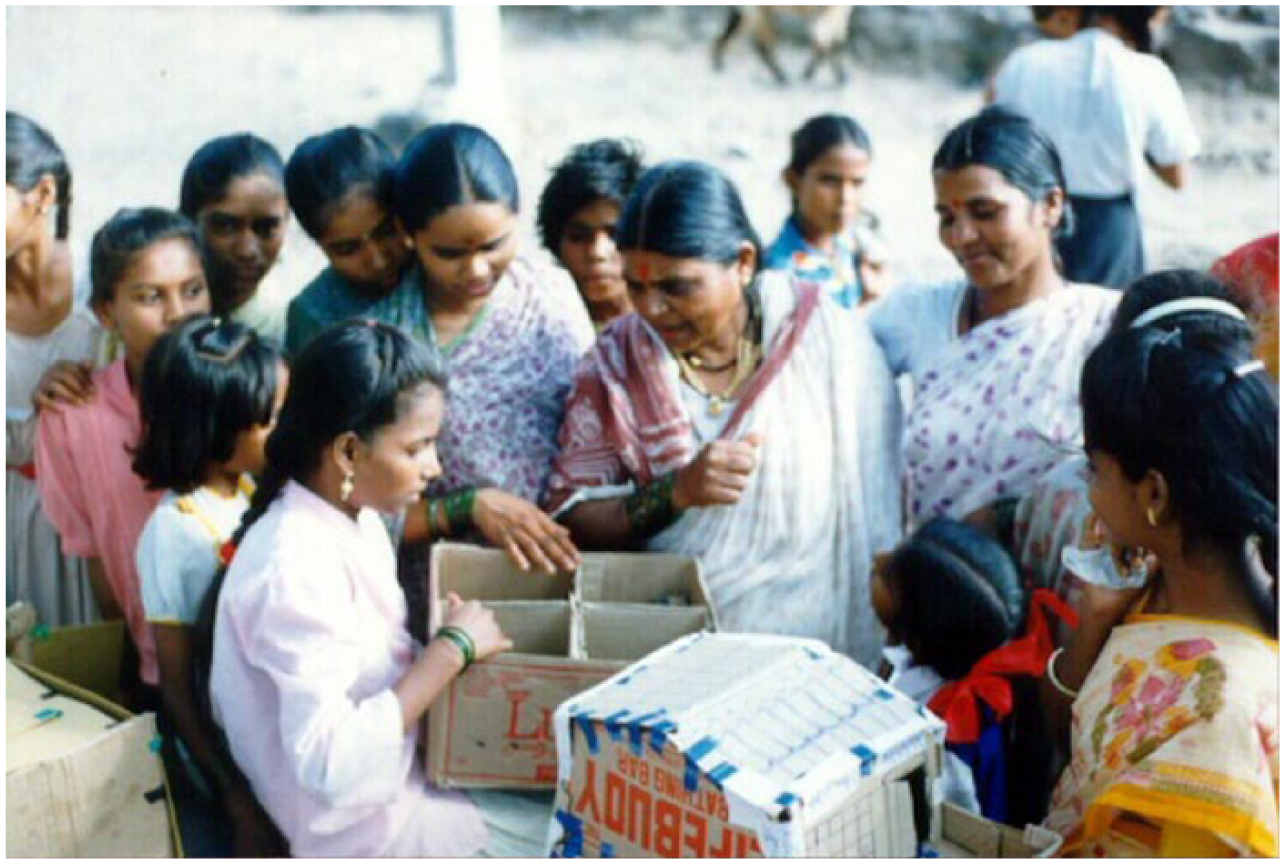
House model exhibition
As different pavement groups began to develop their house models, they moved in some distinct directions, and ultimately four different models were generated, each specifying internal and external features. The designs were all based on the 150 square feet of state allotments, and each was carefully linked to what each community could afford. Costs were worked out in detail, and in 1987 terms they ranged from 10,000 rupees to 16,500 rupees (then approximately US$ 750–1,250). Daily incomes for the great majority of these women were under US$ 1 at 1987 exchange rates; men averaged slightly more. So in households with more than one earner, annual incomes might be somewhere between US$ 500 and 1,500.(4) The houses, in other words, would represent about a year’s income. Fifteen per cent of the cost of their new houses would come from their savings, which would either become a start-up deposit to the bank, or be used to begin construction, with the hope of borrowing the remainder. The loan they hoped to convince banks to give them would be used to purchase materials and hire masons, who they would then work under. Family members who earned a better wage than that paid to unskilled construction workers would continue in their paying jobs; others who had no jobs or who earned very little would work on the houses.
A challenge that every group felt was communicating actual dimensions on the basis of scale models. While everyone in their communities understood the concept behind the small models they had built, this did not translate easily into an understanding of the actual size of the proposed houses. Everyone kept saying, “Yes, but we want bigger houses!” The pavement dwellers started drawing dimensions on the ground, and using saris and chattais (straw mats) to make walls to convey a better sense of what the houses would be like.
It also became clear that their discussions with professionals, administrators and others outside the process did not communicate the richness of the process or the thought that had gone into the designs. They needed the support and understanding of these outsiders as much as that of their own communities and the other pavement dwellers they hoped to involve. This led to the idea of life-sized models.
In March 1987, after a hectic month of planning, four model houses were built. Each group was given a location in the compound of the Byculla ARC, and the resources to buy bamboo and cloth to build the model house. They had to include both internal and external features, with all costs presented on a chart pinned to the external wall. Entire neighbourhoods worked day and night to build these demonstration houses, and even to cook inside them. All the pavement dwellers who had taken part in the We, the Invisible survey were invited to attend, and special invitations were also extended to the housing secretary of Maharashtra, officials in various other city and state departments, bankers, architects, engineers, ward officials, anyone and everyone. And they all came.
The housing exhibition was held for a week. The location of the exhibition was ideal, as most pavement dwellers at that time lived in the island city, and Byculla was quite central and near a railway station. Over 5,000 pavement households and many other slum dwellers from NSDF visited the exhibition. All the pavement dwellers voted for their preferred model, and the design from Water Street was the hands down favourite. This was the most expensive, at 16,500 rupees, but it stood 14 feet high and included a mezzanine level. Many of the professionals who came to see the exhibition noted how timely it was, since 1987 was the International Year of Shelter for the Homeless. The documentation prepared for this exhibition was circulated worldwide, and subsequently invitations to speak about this work poured into SPARC. One of these invitations was for Mahila Milan to participate in an event in Madurai in Tamil Nadu, where developers and state governments were going to build model houses, and the Water Street model was to be the entry from the Alliance.
IV. The Ripple Effects of this Process
After Madurai, the national government offered Mahila Milan a plot of state land for 150 houses as part of the Shelter for the Homeless campaign. There were discussions within the fledgling pavement dwellers’ federation, now emerging under the leadership of the Byculla women, and Mahila Milan decided to turn down the offer. The members wanted the entire group to get land together, since from the beginning of the process they had been clear that they would seek land together. In many ways that definitive answer was a critical milestone in the way forward.
It was 2000, or another 13 years, before the Maharashtra Housing and Area Development Authority (MHADA) provided the original Mahila Milan women a piece of land in Mankurd, one of the places they had long before selected for themselves. One of the women had in fact dug a hole there in 1988, and buried some money and stones in it, to demonstrate her approval of the site. In the end, it was 2005 before the first 88 households moved into a building in Mankurd.
Meanwhile, in 1992, as the relationship between NSDF and Mahila Milan evolved, other communities started building on the methods and the designs the women had developed. Often this happened in situations that were less intransigent than those faced by the women, and that allowed for more rapid results. The processes that evolved on the Byculla pavements spawned a global movement of communities working for homes, before the Byculla women managed to obtain homes for themselves. For these women, it has been both deeply painful and joyous that they were able to spearhead this process, teaching others what they had learned, and participating in the outcomes when others moved on to build houses. It has also refined their own knowledge, advanced their strategy, and given them immense credibility and voice.
a. NSDF-federated settlements in India – a gender revolution
In the late 1980s, NSDF, by then more involved in the Alliance with Mahila Milan and SPARC, began to invite the Mahila Milan women to participate in its meetings. The women’s powerful convictions, their skills and knowledge, and their generosity in sharing what they knew had an impact on the larger group. Initially in Mumbai and later all around India, NSDF-affiliated groups began to visit Byculla. Mahila Milan consisted of just the pavement women to begin with, but NSDF wanted them to encourage the women in their communities to affiliate with Mahila Milan and to explore the survey and housing process. Here are a few early instances.
In 1989, women from various railway settlements began to investigate the housing process. MHADA had commissioned a census of the settlements along the tracks, and soon after that, the Railway Slums Dwellers Federation (RSDF) emerged. Their homes resembled those of the pavement dwellers – minimal shelters side by side, just feet from the tracks. The RSDF women began to explore the process of designing alternative housing, and they moved toward an exhibition of a house design much like the 14-foot model from Water Street. Soon after that that, in 1991, a group of 116 households from one of the railway settlements got land and decided on a house design like the Water Street house. They managed to get a loan from HDFC Bank, the same agency the Byculla women had met with, paving the way for their Janakalyan Nagar Housing Cooperative Society to get its loan.
The Dindoshi residents, relocated from pavement slums, were also exploring the process around the same time. Under the supervision of the Byculla Mahila Milan women and a skilled mason, they actually developed masonry skills and built a community centre. Soon after that the Municipal Corporation of Greater Mumbai (MCGM) agreed to allow households in the H sector in Dindoshi to build their houses, and they too built the 14-foot Water Street model.
The process also evolved in Dharavi. Here residents had been contesting the Prime Ministers’ Grant Project (PMGP) set up in 1985 by Rajeev Gandhi, then prime minister of India. Of the 100 crores (about US$ 12 million at the time) given to Mumbai on his party’s 100th anniversary, 35 crores (about US$ 4.2 million) was for Dharavi. The residents’ association demanded the right to construct their own housing with these funds, and sought NSDF’s support to design a four-storey building (ground plus three) that incorporated the 14-foot-high mezzanine concept. Permission to build this design was granted after they had their own house model exhibition, as part of a workshop to convince the local authority.
Over the next five years, more than 50 such exhibitions were organized in India, and this tradition continues. Men and women in NSDF and Mahila Milan both host visits and make trips to other cities, helping communities explore the housing process. This generally culminates in a housing exhibition, which facilitates dialogue with the government and community. Sometimes, the process begins with the exhibition. In the rituals developed by the Alliance, there is no set approach dictating the sequence of steps. Any activity can lead the process, but all steps have to be undertaken.
b. Beyond India: ACHR and SDI and its affiliates
Between 1988 and 1995, the Asian Coalition for Housing Rights (ACHR), which had strong links with the Alliance, also explored this housing strategy. Slum leaders from Thailand, Cambodia, the Philippines, Sri Lanka, Nepal and many other countries attended exchanges in India, participated in many of these practices and were assisted to undertake similar processes in their own countries.
Starting in 1992, the Indian Alliance began to engage with an emerging network of South African township residents who, after exchanges, began to call themselves the South African Homeless People’s Federation. Late in 1992, leaders from this emerging federation participated in a survey and housing exhibition in Mumbai. This led to a team of NSDF and Mahila Milan leaders visiting Durban, where they conducted the first training for community leaders from five settlements in Piesang River. It started with a survey and ended with a housing exhibition.
The South African Federation and the Indian Alliance, along with federations both mature and emerging from over 30 other countries, are now united under the umbrella organization of Shack/Slum Dwellers International (SDI). Among their many shared practices and objectives, these central hands-on housing design and development processes continue to function as a key feature, exploring as they do in the most immediate way the promise of a secure home in the city.
c. Global advocacy and action: what is its value?
Creating an appreciation of how people who are poor and vulnerable build their homes is a critical piece of advocacy in its own right, a paradigm that the Alliance initially, and now SDI, continue to promote. There have been many occasions over the last three decades when the house model exhibition and the processes that surround it have served an effective educational purpose, often with multiple impacts and outcomes. This has happened at many levels and in all sorts of venues.
One of the very early examples was back in 1989, when Ruth McLeod of Homeless International (now Reall) set up an exercise with the architecture students at the University of Cambridge. In a courtyard there, she asked the students to divide themselves into five groups, choosing how many would constitute each “family”. Each group was to build a house there and live in it for a week. The groups, different in size, were each given £10 for materials, and could use any amount of recycled material. They were extremely competitive, even stealing materials from each other, but they got their homes built. After the students had lived for a week in the houses, the university security police came, evicted the students and demolished their shelters. Almost all of them felt a terrible sense of loss at this destruction.
The process was videotaped and then shown to the Mahila Milan women in Byculla, who observed that the larger families did better than the smaller families, and that those who worked in collaboration produced better homes. Their knots for tying material together and their techniques for building walls were very poor, their roof slopes were all wrong, and often their designs were dysfunctional because of the students’ attachment to some recycled item they had found that they then “had to use”. The women responded with comments and suggestions, and the students were both amazed at their insights and humbled by their generosity.
The extent of the exposure was more dramatic in 2001, when SDI took a 36-member international team to New York. There at the United Nations governing council meetings the SDI team built a full-size house model and a community toilet block in the UN building (Photo 3). SDI was then only four or five years old, just beginning to explore global advocacy, and seeking to create both space and a voice for the leaders of the urban poor to stake their claim in the global habitat-linked discussions. Most members who went to the event were disappointed at how little delegates at this global event seemed to care about what the poor had to say in their formal proceedings. But the exhibition was an outstanding success. Kofi Annan, then the head of the UN, spent over half an hour with the SDI delegation and, before SDI really understood branding and imagery, the house model exhibition in the UN made it known throughout the global community, as delegation after delegation had its pictures taken in front of the SDI house or toilet model.
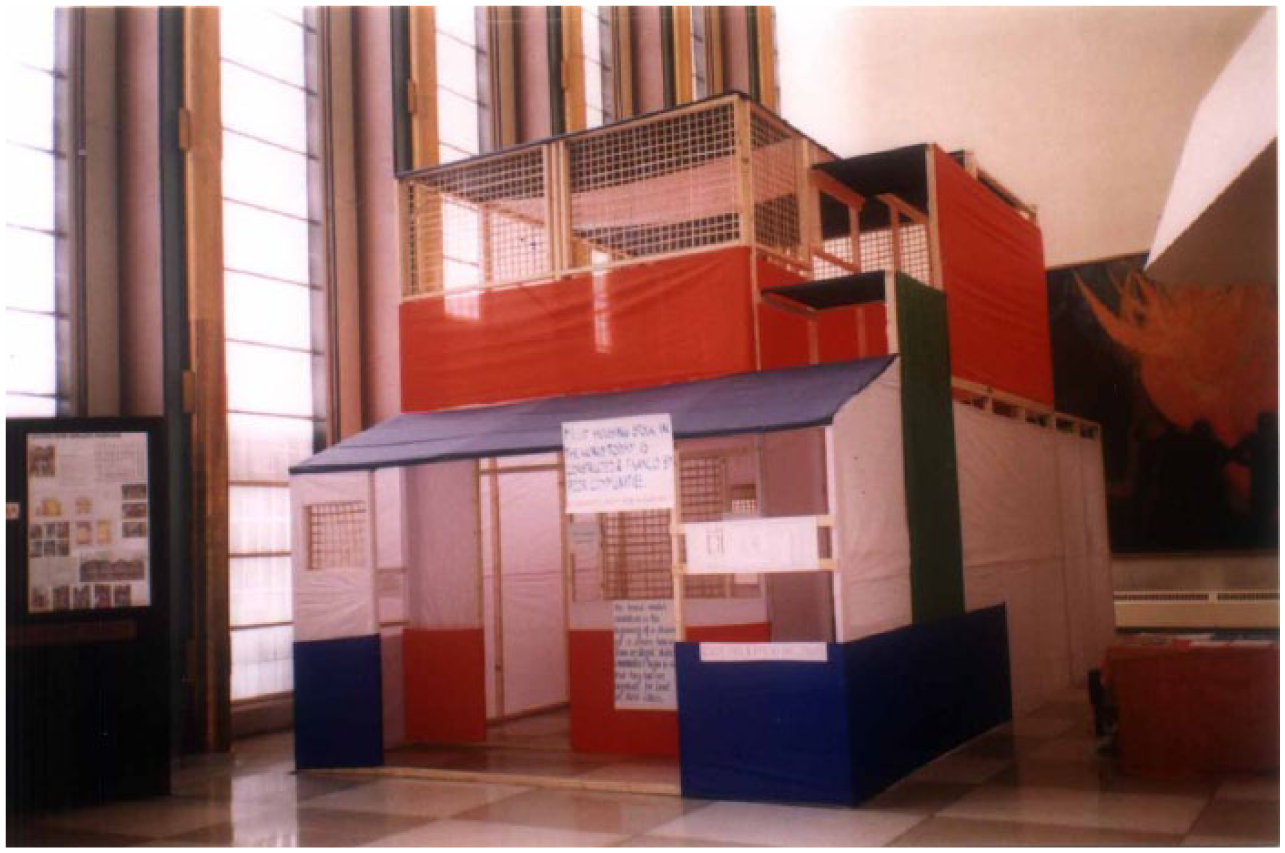
UN house model
The simple act of building these life-size replicas was a statement in and of itself. It reflected the powerful and symbolic quest of the poor for both a safe place to live and a central role in creating it.The exhibitions continue to help the state and its personnel, both local and global, to see the poor as actors and stakeholders, who need to add their voice to the discussion about habitat. The effectiveness of these events legitimates their critical value in the face of an urgent need to develop habitat elements that work for both communities of the urban poor and the state.
V. Conclusions – The Power of the Process
In all the places where it was being explored, the process served many purposes, and its power was its very simplicity. Low-income households, which build their houses over time, start with a very negative image of their home and its conditions. Yet this structure remains their most important asset – a shelter that they provide for themselves with no assistance or support from the state. Encouraging a community and especially its women to become proud of what they have done despite all odds is the starting point. It creates a valuable perspective that allows for a very simple but crucial exploration – critically assessing what they have, retaining what is useful, learning from what is not and linking it to what is possible. Often the process has to deal with imageries and aspirations that cannot be fulfilled, at least initially. The focus of the federations is always a core or starter house that people can afford to save towards and later repay loans for. It is based on the principle that such an investment reduces the household’s recurrent maintenance costs, making it possible to repay initial loans, and then gradually to undertake incremental expansion.
Designing this core house becomes a valuable tangible activity in the midst of all the other preparations of creating data, setting up savings and negotiating with the state. In almost all instances, there is a time lag between the preparation for the process and the actual construction of alternative housing, although no one has waited as long as the Byculla Mahila Milan households.
The housing exhibition is an effective way of addressing a dual challenge – getting the engagement and consensus of the community as well as acceptance by the state. Without this opportunity space and the dialogue it creates, good solutions may fail to engage people who do not adequately understand scaled models as a basis for exploring alternatives. Simply examining printed plans, or even models built to scale, does not have the same power as walking through a space and experiencing it with one’s body.
This lack of appreciation of scaled versions of the plan does not apply simply to uneducated community members – officials also gain a far better sense of a new solution if they are able to experience it in a more immediate way by walking through it. The features that work for the poor often do not conform to building codes and state procurement practices. The collective exploration of different norms and standards, presented concretely through an exhibition, produces a tangible basis for dialogue. It helps policymakers, administrators and community leaders to discuss these solutions practically and concretely rather than conceptually. It also addresses the risks that individual households and settlements face when the city demolishes their homes because they do not fit the norm.
a. Locating this process in the participatory action of the poor
“Participatory”, “empowerment”, “community-driven” and other such terms are now liberally sprinkled throughout the development discourse. Everyone in development, especially professionals and government officials, likes to legitimate their propositions by stating that they have “consulted” with the community in question and ensured their participation. In other instances, making sure that the poor “contribute” to the cost of an initiative is seen as an indication of their participation or empowerment. In still other instances, organizations and agencies demonstrate their commitment to participation by having communities choose such superficial details as tiles and paint colours.
SDI seeks to challenge these types of tokenism. Instead of verbally challenging the way that professionals and policymakers thrust their solutions on the poor, they demonstrate an alternative to these more token versions of participation. The process described here helps women not only to develop solutions that actually work for them, but also to understand and articulate the logic of these solutions to their communities, and to others who also need to agree to these design elements.
Acknowledging the need for communities to lead the way extends not only to the exploration of solutions, but to training and capacity building, as was discovered along the way. Soon after the Byculla house model exhibition, there was a discussion within the Indian Alliance about who should lead the training for members’ capacity building in housing-related matters – the federation leadership or the SPARC professionals. There were advantages to both, so the professionals and the community leaders undertook trainings simultaneously. The outcomes were starkly different – a great surprise at the time, although in hindsight it makes sense. Federation members trained by their own leaders emerged from their capacity building with insights about the politics of what they were engaging in, and with a clear understanding of what their journey would be like. Those who attended the SPARC-led training treated the completion of the process as if it were a graduation, and looked forward to being “given a house” as, in effect, the graduation certificate. SPARC has never conducted trainings since then. It is clear that this very political process and the advocacy that accompanies it only works in practice when it is led by communities themselves.
b. Sharing recipes
There is real power to a strategy that “blows in the wind” this way. It is shared generously with whoever wants to explore it, and this means that it evolves and expands with different uses. It gets refined with additions, deepened by new options and choices, and adapted to different contexts and local conditions, which in turn produce new elements that add value to the process. Its circulation is akin to that of recipes that women share over years. The critical elements of the methods remain, but cooking utensils, spices, ingredients and presentation all keep changing and evolving. The process keeps being refined, adapted and reinvented.
This evolution is integral to the peer-to-peer exchanges facilitated by SDI. Local federation leaders are encouraged to go visit those who have gained land security and produced houses in other places. In effect, all the federation experiences become their own, a broad base of knowledge. The politics of how land is allocated and used (or abused) is more easily understood and articulated within this larger context. Designs for new locations can draw on local experience as well as the experiences of those in another city or half a world away.
Linking these processes and exploring their connections produces a new and unusual legitimacy for a bottom-up process. Many cities and countries now have experienced this; many ministers, mayors and administrators have observed it and involved themselves in it. The rituals that have emerged are not always initially appreciated – it depends on the perspective of the viewer. Many professionals and officials, for instance, fail to see a rationale for this process when there is no available land in sight. They often wonder if it will not just leave people feeling let down.
The way the federations view this process, as a slow, incremental process of learning and sharing, reflects the deep difference in perspectives. National affiliates of SDI, which earlier went through these processes with rigour and patience, are now the champions of the process, assisting others to learn and experience it. As it gets shared with newer networks, it draws on familiar rituals like enumeration or model building in any opportunities for external negotiation. It provides a level of comfort and assurance to be able to explore dialogue externally using these standardized forms that have worked in other countries and cities and helped communities obtain land and build houses. There is a kind of power to this collective ownership of rituals and practices, insights and information. While they may have been produced elsewhere in the network, now they legitimate the choices of the poor in a different location. Local leaders feel confident in demonstrating their needs as well as solutions and seeking acceptance from local government for the designs they have developed.
This refinement and evolution can now be explicitly anticipated as part of the process of developing and designing housing for the poor. As the process continues to evolve, it demonstrates the power of a simple, humble concept to become a transnational practice. It is always finished, and never finished.
Footnotes
Acknowledgements
Thanks to Indu Agarwal and Maria Lobo for their tireless mining of the SPARC archives.
Funding
This research was funded by UK aid from the Department for International Development. Its conclusions do not necessarily reflect the views of the UK Government.
1.
The term “slum” usually has derogatory connotations and can suggest that a settlement needs replacement or can legitimate the eviction of its residents. However, it is a difficult term to avoid for at least three reasons. First, some networks of neighbourhood organizations choose to identify themselves with a positive use of the term, partly to neutralize these negative connotations; one of the most successful is the National Slum Dwellers Federation in India. Second, the only global estimates for housing deficiencies, collected by the United Nations, are for what they term “slums”. And third, in some nations, there are advantages for residents of informal settlements if their settlement is recognized officially as a “slum”; indeed, the residents may lobby to get their settlement classified as a “notified slum”. Where the term is used in this journal, it refers to settlements characterized by at least some of the following features: a lack of formal recognition on the part of local government of the settlement and its residents; the absence of secure tenure for residents; inadequacies in provision for infrastructure and services; overcrowded and sub-standard dwellings; and location on land less than suitable for occupation. For a discussion of more precise ways to classify the range of housing sub-markets through which those with limited incomes buy, rent or build accommodation, see Environment and Urbanization Vol 1, No 2 (1989), available at  .
.
2.
SPARC and Society for Participatory Research in Asia (1985), We, the Invisible, available at .
3.
Patel, Sheela and Celine D’Cruz (1993), “The Mahila Milan crisis credit scheme: from a seed to a tree”, Environment and Urbanization Vol 5, No 1, pages 9–17.
4.
This information comes from the pavement dweller survey, We, the Invisible. See reference 2.