




Abstract
This paper describes how the University of Ibadan has sought to build greater resilience to flooding, through its response to the devastating flood in 2011. This included both structural and non-structural components, as well as measures to address the increased risk levels that climate change is bringing or may bring in the future. The paper also draws out some lessons that have wide relevance for other universities.
Keywords
I. Introduction
The world has been experiencing dramatic environmental and socioeconomic change in recent decades. This includes population growth and rapid urbanization processes in most nations; increasing natural resource depletion, environmental degradation and climate change; and the increase in the number and impacts of natural and human-induced disasters.(1) Throughout history, one of the functions of any settlement was to provide safety and protection to its inhabitants from invaders, pests and pestilence.(2) The concentration of wealth, knowledge and power in cities allowed the scope of measures to protect people and property to be extended to include extreme weather. But in Ibadan, the 2011 flood disaster (including its impact on the University of Ibadan campus) highlighted the limitations of such measures.
Settlements and associated infrastructural needs are never finished, never definitive.(3) But perhaps the most complex challenge in regard to infrastructure provision in urban and rural settlements is how to respond to global environmental change, particularly climate change. While climate change is a global process, most of its impacts are local.(4) It is in this context that settlements have a crucial role in the climate change discourse. Beyond the obvious risks and vulnerabilities that climate change brings or will bring, settlements are also expected to play a pivotal role in mitigation and adaptation.(5) Thus, as risks and vulnerabilities increase, there are also opportunities for strategies and resource allocations to create innovative adaptation, mitigation and resilience responses to climate change.
The focus of this paper is on the lessons drawn from how the University of Ibadan has adapted to conditions of increasing vulnerability to extreme weather and other likely climate change impacts. After this introduction, the paper describes the context of the study and the methodology. It then presents the interpretation of resilience, followed by a discussion of the impact of the 2011 flood disaster on the university community and the structural and non-structural responses. A final section concludes by drawing inferences from the present projects as measures for future sustainable development.
II. The University of Ibadan
The University of Ibadan is Nigeria’s premier university. In 1943, the British government set up the Elliot and Asquith Commissions to advise on the establishment of universities in its West African colonies. The reports from the commissions gave rise to the establishment of university colleges in Nigeria and Ghana. The college in Nigeria was located in Ibadan and later became the first Nigerian university. University College, Ibadan, was founded in 1948, as an external college of the University of London. On 17 November 1948, the Secretary of State for the Colonies cut the first sod at the permanent site of the university, about 8 kilometres from the temporary accommodation it occupied. In 1953, the college moved to its permanent site and in 1962 became a fully-fledged university.
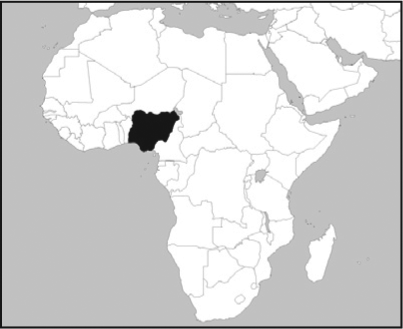
The university is located in the southwestern region of Nigeria about 160 kilometres from the Atlantic Ocean and situated at an altitude of 209 metres above sea level. The annual rainy season occurs from April to October, typically with a break in August, during which rainfall abates. However, in recent years, the break has no longer been constant, leading to an increase in rainfall. Meteorological conditions within the university indicate a mean daily minimum temperature between 22.1 and 24.4ºC, mean daily maximum temperature of 24.9–36.8ºC, total precipitation of 125.2–278.5 millimetres, and mean relative humidity at 10:00 am of 76–88 millimetres.
Out of the university land area of 1,185 hectares, the existing campus occupies 671 hectares. The Ajibode resettlement area covers 106 hectares and the developing extension site for future expansion plans occupies 514 hectares. The present campus, developed under Phase I, is fully built up, so it is difficult to accommodate any new building project. Phase II is located in Ajibode, adjacent to the present site. It is designed for postgraduate programmes and other private sector-driven initiatives.
The university infrastructure developed to complement academic programmes in the Faculties of Arts, Science, Agriculture and Forestry, Social Sciences, Education, Veterinary Medicine, Technology, Law and Pharmacy, as well as the College of Medicine (Faculties of Basic Medical Sciences, Clinical Sciences, Dentistry and Public Health). Other academic wings of the university include the Library; Institutes of African Studies, Education and Child Health; and centres like the African Regional Centre for Information Science, Centre for Peace and Conflict Studies, Centre for Sustainable Development and Centre for Petroleum, Energy Economics and Law.
The university also provides a wide range of support facilities. These include the Computing Centre, University Press, Arts Theatre, Ibarapa Community Health Project, Behavioural Sciences Research Unit, Schlumberger Learning Centre, University Guest Houses, University Staff Quarters, Student Hall of Residence, Staff Club, Student Union Building, Event Centre, Bookshop, Abadina Media Resource Centre, UI Radio Station, Weather Station, Awba Dam, Water Treatment Plant, Fuel Station, Power Station, Research Management Office and International Office, as well as Community Service Units such as Works and Maintenance and University Health Services. Other academic supporting facilities/infrastructures include the Zoological Garden, Botanical Garden, University Teaching and Research Farm, Fish Farm, Greeneries, Landscape, Sporting Facilities, Economic Trees (such as teak, iroko and mahogany) and Religious Centres. It is on this dense campus, with its fully developed faculties, support facilities and infrastructure, that the most serious impacts of the 2011 rain are evident. There was no advance warning of the rain that caused the floods.
III. The Basis for this Paper
This paper draws on discussions with university staff, visits to affected sites with direct observations and an inventory of affected areas with a geographic information system (GIS) that provides the basis for before-and-after analyses of the affected areas in the campus. There were also various notes, reports and comments from different university departments and from visitors. These were supplemented by numerous photographs showing the impact of the incident.
Resilience as applied to extreme weather events may focus on an ability to withstand the event (without damage) or on the capacity to recover. Mark Pelling’s definition of resilience covers both the degree of planned preparation undertaken in light of a potential hazard and the spontaneous or premeditated adjustments made in response to the hazard, including relief and rescue.(6) Pelling’s definition introduces the terms “cope” and “adapt” in his interpretation of resilience, so resilience includes both coping strategies and adaptive strategies. Coping refers to the actions and activities that take place within existing structures, often short-term strategies.
As noted by Beatley,(7) resilience is intimately related to the capacity of communities for timely and effective response and recovery when disasters occur. Such responses depend heavily on local community institutions and social networks. Therefore, resilience could be strengthened by elements such as knowledge of hazards, shared community values, positive social and economic trends, healthy partnerships among social groups and organizations, and strong social communication infrastructures.
Community resilience includes resistance (the ability of a community to absorb perturbation), recovery (the speed and ability to recover from the stressors) and creativity (the ability of a social system to maintain a constant process of creating and recreating as the community not only responds to adversity, but in doing so, reaches a higher level of functioning).(8) In the context of disasters, Berkes argues that community resilience involves a set of adaptive capacities and it can form a strategy for promoting effective disaster preparedness and response and for maintaining community sustainability.(9) However, effective climate change adaptation depends on the capacity of communities to accept change and reorganize and take advantage of events to foster adaptive transformations.(10) This capacity to accommodate change should be reflected in concrete actions directed toward preparedness for unpredictable disaster events or slow-onset changes to which climate change contributes. Here, there is an interest in whether the University of Ibadan can be regarded as a resilient community because of its ability to absorb severe perturbation, rapidly recover from it and proactively put in place structures that would forestall and/or limit future damage.
IV. The 2011 Flood Disaster
Since its inception in 1948, the university has supported a range of measures that contribute to sustainable development. This is evident in the allocations of land to different activities within the Phase I campus premises including the Zoological and Botanical Gardens, the University Teaching and Research Farm and the Fish Farm.
On Friday, 26 August 2011, torrential rainfall with uncommon intensity occurred in the city. 187.6 millimetres of rain fell on that day, the third heaviest daily rainfall recorded. It started at 16:40 and went on until 20:00 but with intermittent drizzle until 23:00. It was accompanied by a wind speed of 65 kilometres/hour. At the end of the rainfall, many parts of the city, including the University of Ibadan, were inundated. A great deal of property and infrastructural facilities and services were either destroyed or severely damaged. The extent of the damage was much higher than in the well-known River Ogunpa flood in 1980. Although the city of Ibadan was assessing its losses, as reported in the national newspaper, the University of Ibadan started assessing its own losses before the rain stopped. The Head of Department of Wildlife and Fisheries Management, whose newly stocked fish ponds were washed away, promptly reported the losses to the Vice-Chancellor (Photo 1).
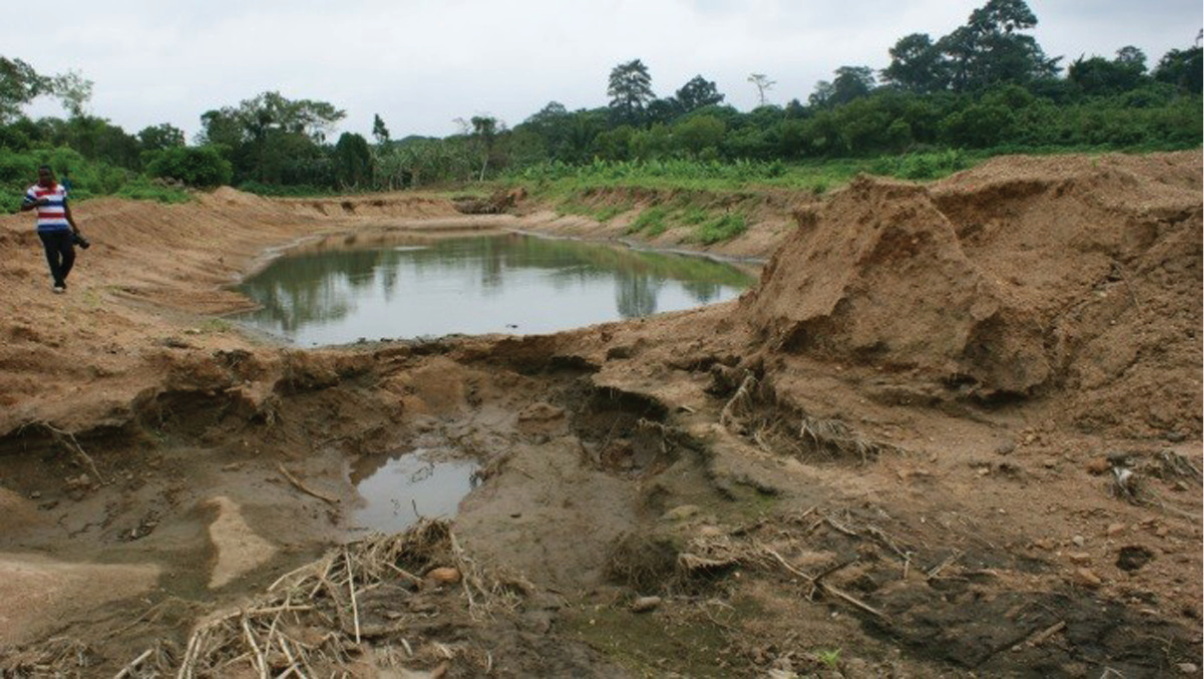
Collapsed fish pond walls
The scale of the losses to the university became apparent with more reports of damage from different departments and units. A tour of the areas reported as damaged by the University Management on Monday, 29 August 2011 showed that 14 areas were visibly and severely affected but with different degrees of impacts. Perhaps the most visible were the collapsed perimeter fences of the university along Oyo and Ajibode Roads, the Abadina Quarters/Teaching and Research Farm and the Abadina Quarters/Department of Forest Resources Management (Photo 2).
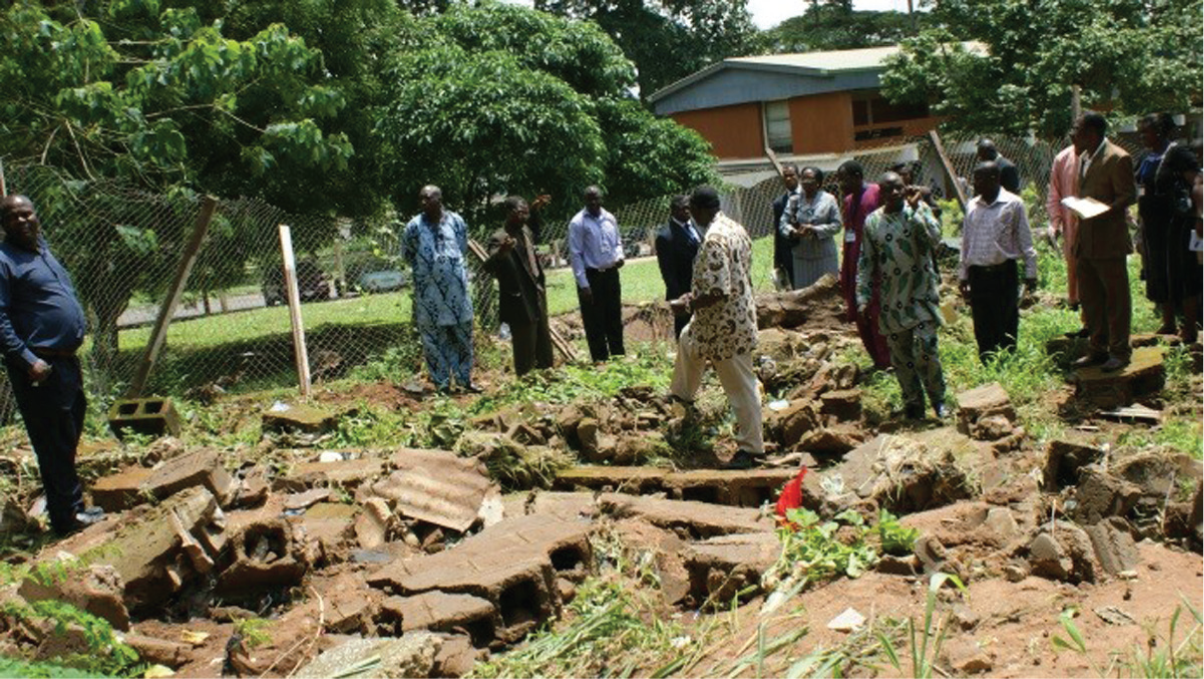
Collapsed fences
The Teaching and Research Farm was severely damaged as four of the poultry pen foundations were washed away. The Samonda Stream, which divides the zoo into two, became unprecedentedly swollen, washing away the walkways over the stream and flooding the animal cages and the children’s playground (Photo 3).
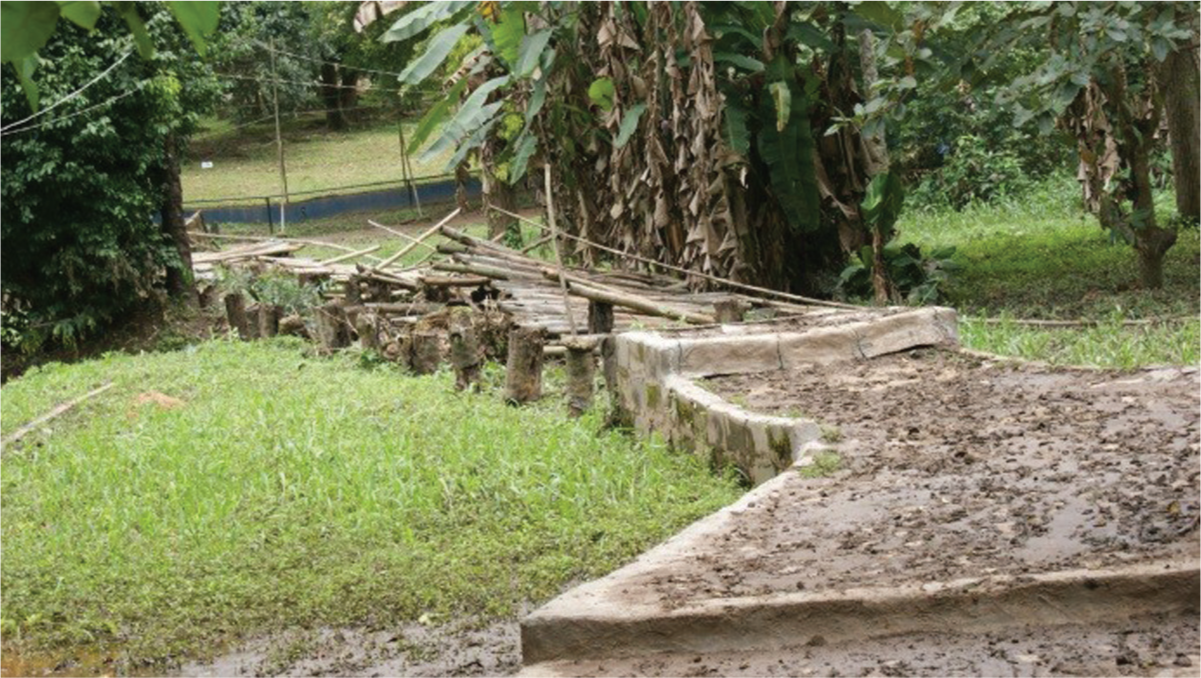
Washed away walkway at the Zoological Garden
Added to these was the severe loss at the Botanical Garden, where a building foundation was washed away and many materials were lost to the flood in the Administrative Building. Some exotic and rare plant species were lost to the flood (Photo 4).
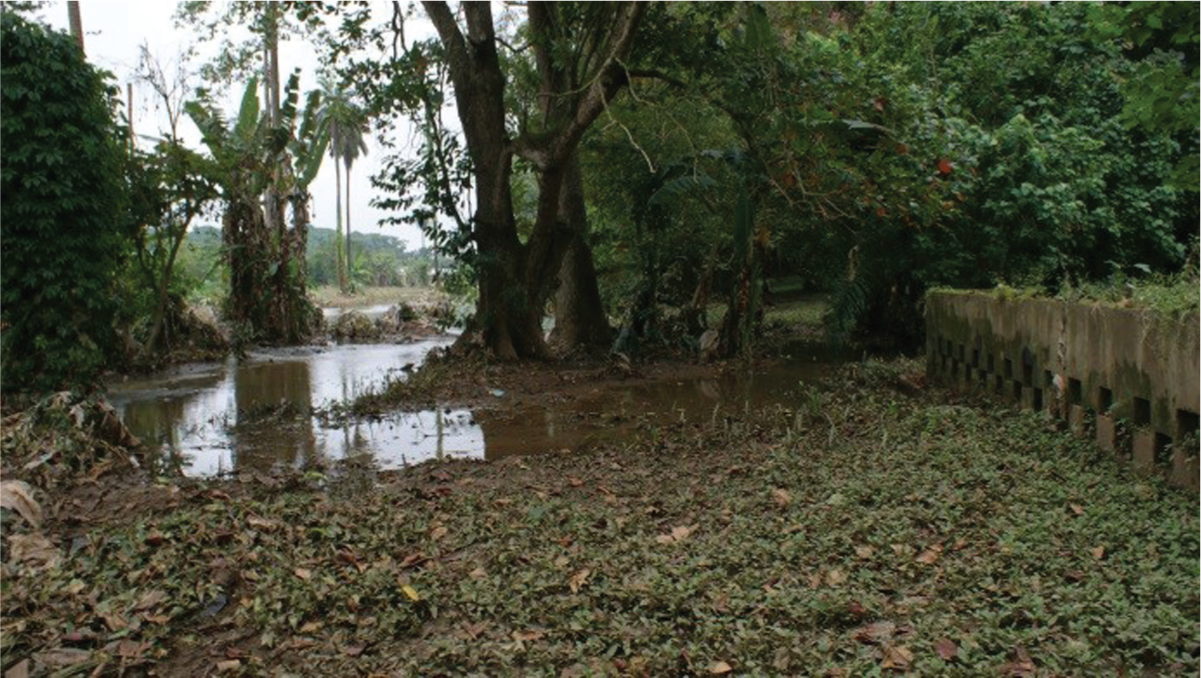
Washed away exotic plant species at the Botanical Garden
The university roads, water supply, sewage system, buildings and other infrastructural facilities were also damaged. For example, the erosion of many roads led to the destruction of the university’s underground electric cables, the collapse of the University of Ibadan – Eleyele raw water mains, the collapse of sewer lines and uprooted trees. The university has a good stock of residential buildings; some of the buildings’ roofs were crushed by fallen trees, leading to leakages, flooding of rooms and damage to property.
The University Bookshop was flooded and books, furniture and other equipment worth millions of naira were damaged. The general impact of the flood in terms of damage to the different infrastructure on which the university relied is as presented in Table 1.
Impact of the August 2011 flood on structures and infrastructure within the university
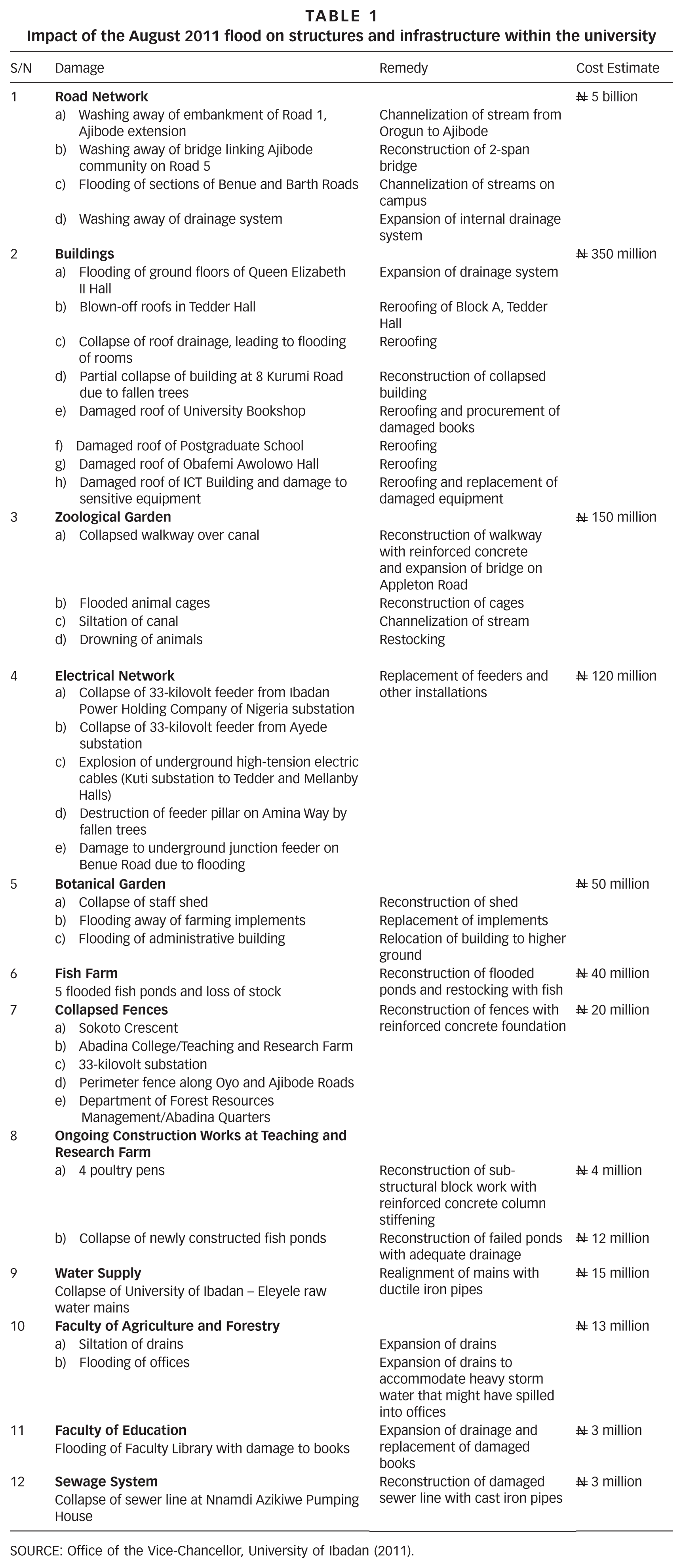
SOURCE: Office of the Vice-Chancellor, University of Ibadan (2011).
Shortly after the Management’s survey of areas affected by the flood, the Vice-Chancellor requested the Works and Maintenance Department to identify and cost the damage caused by the rain. The cost of repairing all the identified damage and remedies to forestall a recurrence was estimated to be 5.782 billion naira (equivalent to some US$ 37 million).
The university received many visitors who came to see the magnitude of the flood devastation including the Governor of Oyo State, the Federal Minister of Education, the Executive Secretary of the National University Commission, and the Pro-Chancellor and Chair of Council of the university. Donations were made to the university’s rehabilitation and recovery fund by the visitors. The university also received donations from benevolent individuals and corporate organizations (Table 2).
Organizational and individual donations to rehabilitate the flood-affected areas
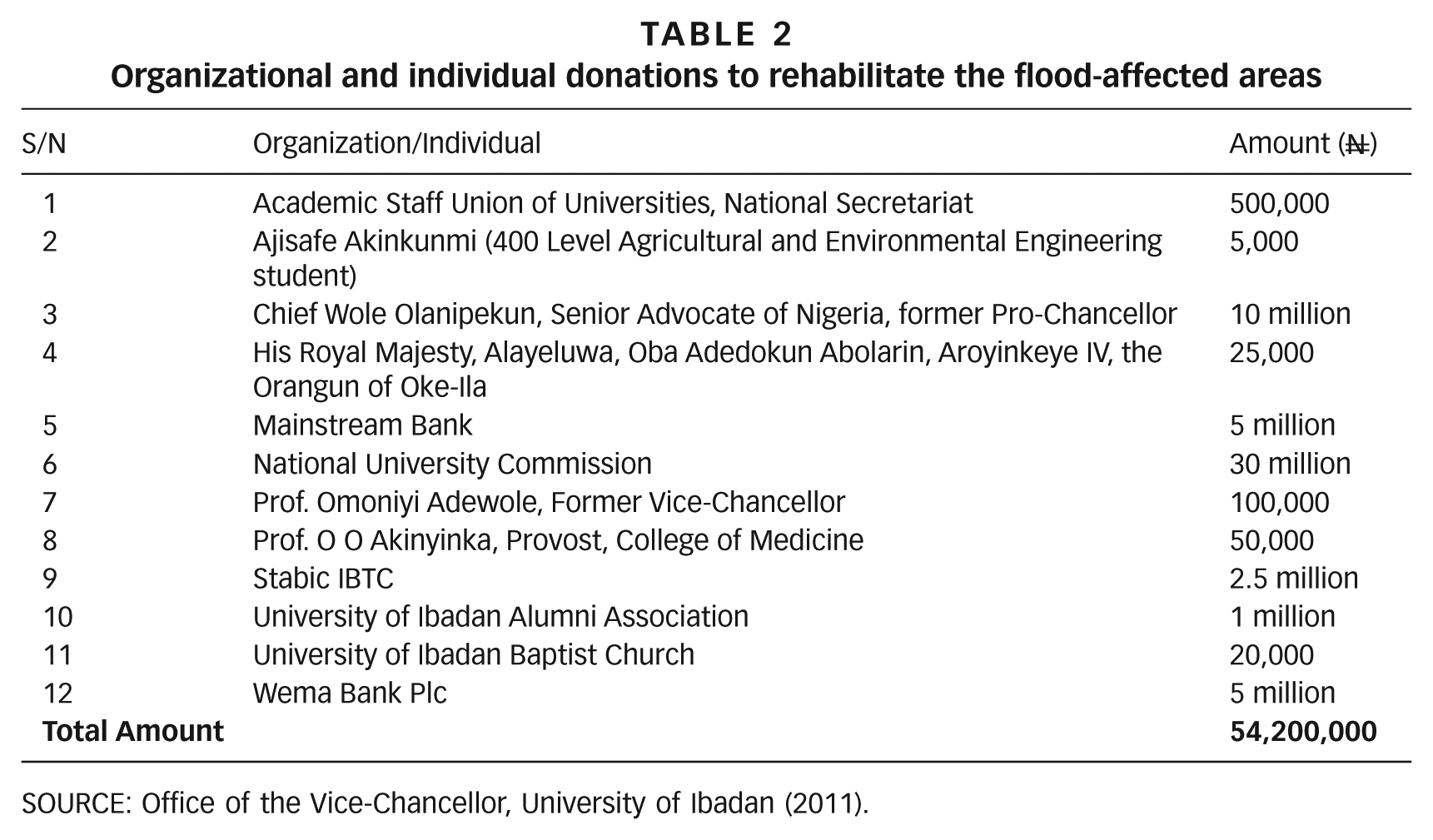
SOURCE: Office of the Vice-Chancellor, University of Ibadan (2011).
V. Building the University’s Resilience for the Future
a. Introduction
The Fifth Assessment of the Intergovernmental Panel on Climate Change (IPCC) summarizes the large body of evidence showing that human interference with the climate system is occurring and that climate change poses risks for human and natural systems.(11) For Africa, mean annual temperature rise is likely to exceed 2°C by the end of this century and land temperatures over Africa are likely to rise faster than the global land average, particularly in the more arid regions. African ecosystems are already being affected by climate change, and future impacts are expected to be substantial. Climate change impacts can act as a multiplier of existing health risks and vulnerabilities as they bring additional constraints to provision of safe water and improved sanitation, food security, and access to health care and education. In many locations, climate change will amplify existing stresses on water availability. It will also interact with non-climate drivers and stressors to exacerbate the vulnerability of agricultural systems, particularly in semi-arid areas. New challenges to food security are emerging as a result of strong urbanization trends on the continent and increasingly globalized food chains. In addition, in much of Africa, greater frequency and severity of extreme weather events are expected. The Nigerian Meteorological Agency (NIMET) 2012 and 2013 Seasonal Rainfall Predictions suggest that Oyo State is one of the states in Nigeria that will experience above normal rainfall amounts.(12) Given the experiences of floods in Ibadan and the associated impacts, due mainly to the drainage patterns and the urbanization processes within the city, the university needs to respond by developing enduring adaptation and resilience strategies.
After the August 2011 rain and in a bid to develop resilience to future heavy rainfall and other extreme weather events, the university started by adopting a combination of structural and non-structural approaches. Structural approaches include engineering interventions such as river channel modifications, embankments through channelization and reservoir design to control the flow of rivers and/or the spread of flooding. The non-structural approaches include the formal flood warning system (including forecasts from the university’s weather station), land use controls on flood-prone areas and building regulation enforcement. However, for the purpose of this study, the structural approaches will be highlighted and the responses are grouped into the following categories: agricultural, tourism, and infrastructural facilities and services that were the most affected in the 2011 flood.
b. Building resilience for agricultural infrastructure
According to the International Food Policy Research Institute, 25 per cent of agricultural activities in sub-Saharan African countries rely heavily on seasonal rainfall.(13) However, the research focus of the university has been on agricultural activities that are year-round, with minimum reliance on rainfall as source of water. This is why the university planners located the Faculty of Agriculture and Forestry and most of the faculty’s activities either on the banks of streams or on Fadama (perennially water-logged) land. This was done to take advantage of high water tables within these environments. But with the evolving impact of climate change and climate variability, there is a compelling need for the university to respond. Consequently, as the flood of August 2011 made real the threat of climate change on agricultural activities, as shown in Table 1, the university responded by building resilience of the affected structures.
Four poultry pens affected at the Teaching and Research Farm were reconstructed. The blockwork substructures washed away by the flood were reconstructed with reinforced concrete column stiffening. The collapsed fish ponds were reconstructed with adequate drainage to aid free flow of excess storm water within the farm premises. It is important to note that construction of the fish ponds needs adequate knowledge of the types of soil, the angle of retention of a particular type of soil, the interaction between water and soil, and the behaviour of soil under permanently wet and submerged conditions. The construction of ponds should also ensure: the least amount of seepage or leakage and loss of water; safeguarding against siltation, side collapse, and predatory and aquatic animals; and protection from flooding or overflowing of water.
The interview with the Fish Farm Manager revealed that all these indices for construction were taken into consideration in the initial construction of the Fish Farm. However, now there is a need to review the accepted norms in fish pond construction to meet the challenges of climatic change, including changing rainfall patterns. The fish ponds have been reconstructed with an emphasis on strengthening and building the pond area’s resilience to flooding. The fish ponds before the 2011 disaster were dug-up ponds. Most of the ponds have been reconstructed using stone and concrete slab to reduce erosion and withstand the impacts of future floods (Photo 5).
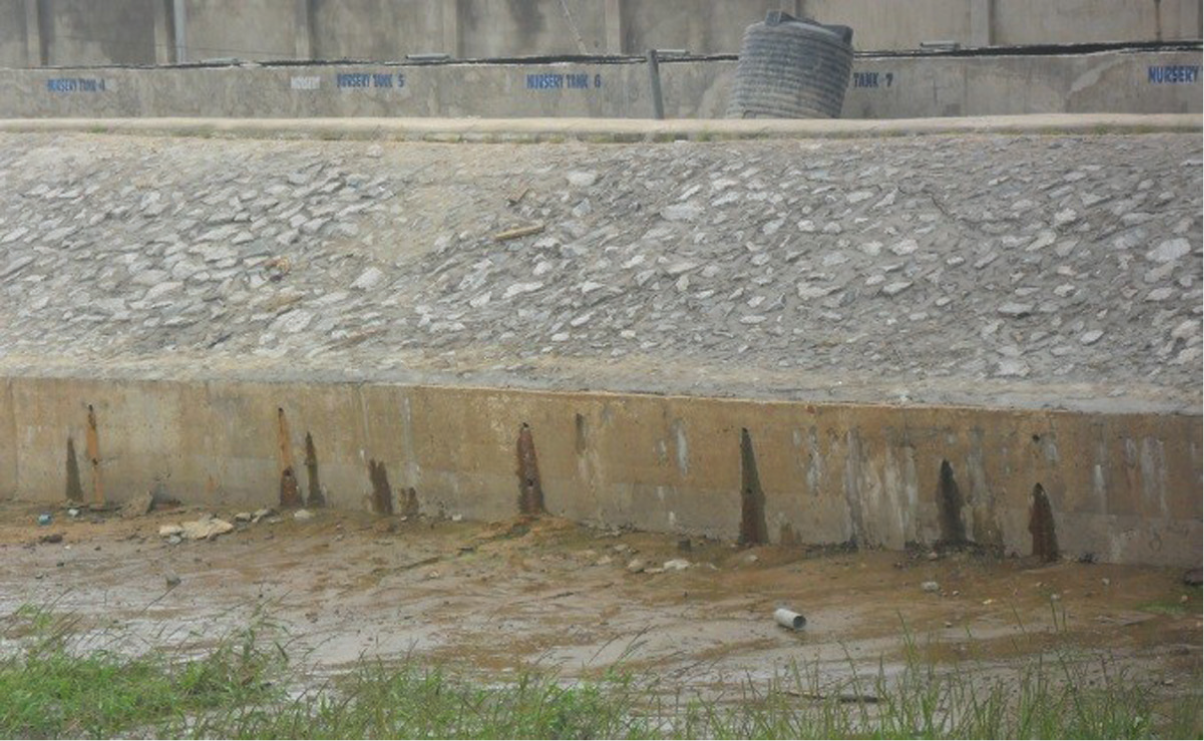
Reconstruction of washed away ponds with stone–concrete slab
The most important component of the fish ponds is the perimeter dyke, which is designed to protect the pond area from floods. Also, the utility and sustainability of the pond system depend on the strength and durability of the perimeter dyke. With this in mind, the newly constructed perimeter dyke was compacted to reduce erosion. In addition, the peak flow of the 2011 flood was taken into consideration, so the perimeter dyke of the fish ponds is about 1 metre higher than the peak flow of the 2011 flood. Also, to reduce everyday wear and tear and general erosion, the wet and dry sides of the dyke were covered with perennial creeping grass. The same procedure was adopted for the remaining dugout ponds within the Fish Farm (Photo 6).
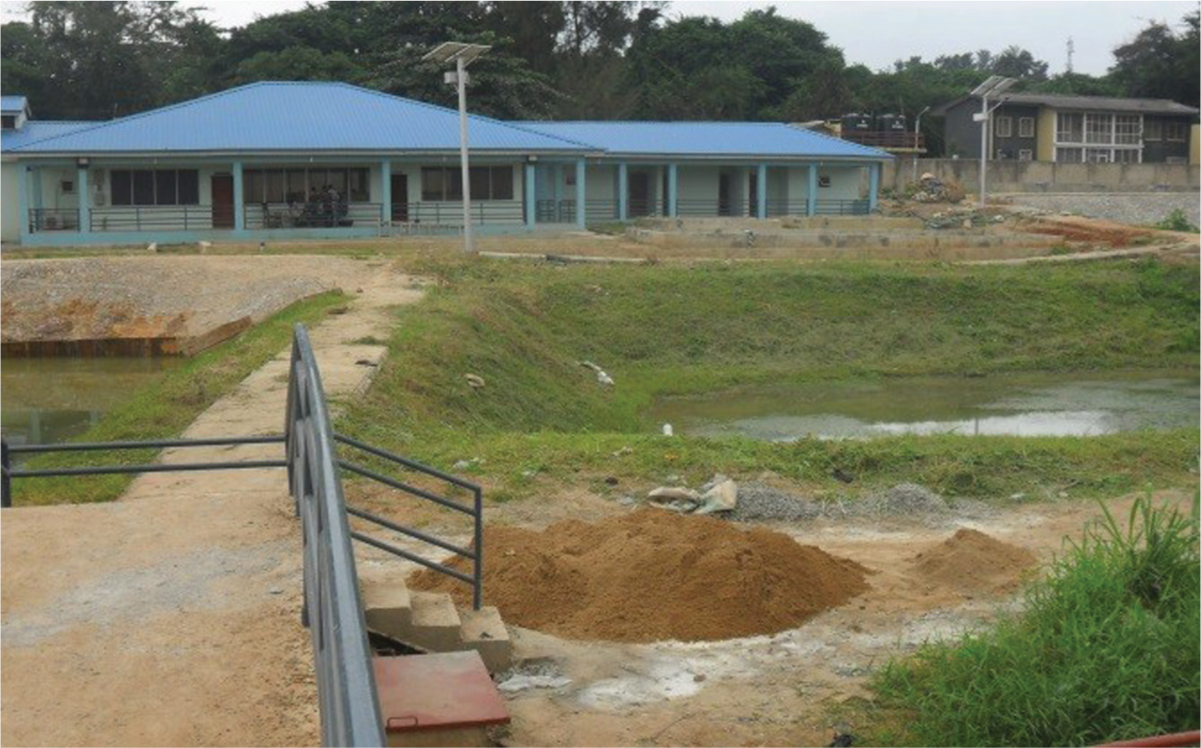
Grassing of the sides of the fish pond dyke
The reconstruction and expansion of the existing Fish Farm after the 2011 flood have greatly increased its productivity. According to the Farm Manager, before the flood, the farm had only five ponds dedicated to research and seasonal commercial activities. The farm has seized the initiative created by the flood by expanding the number of fish ponds to over 30, with an increased stock of fish to meet the university and its environs’ commercial catfish needs in and out of season. To preserve excess harvest from the Fish Farm, the Management has procured a number of locally fabricated industrial ovens to meet various customers’ needs and to enhance the shelf life of the harvested fish. The flood has boosted the internally generated revenue of the Faculty of Agriculture and Forestry and, by extension, the university.
c. Interventions at the Zoological and Botanical Gardens
The Zoological and Botanical Gardens were established in 1948. The Zoological Garden was established as a menagerie to support teaching and research in the Department of Zoology. Over the years, the animal collection grew in number and diversity and the menagerie became a full-fledged zoo in 1974. Today, apart from displaying animals for teaching and research and its status as an important tourist destination in Nigeria, the zoo is primarily intended for the conservation of endangered animal species. The garden is home to a wide array of animals comprising mammals, birds, reptiles and amphibians.
The Botanical Garden undertakes conservation of a wide range of endangered and threatened plants, mainly supporting an in-situ conservation programme. The garden has continued to demonstrate a strong sense of commitment to recreation, education, conservation and the sustainable environmental needs of Nigeria as the country’s foremost botanical garden. The garden is divided into seven components: the nursery, the rose garden, the horticultural section, the children’s section with recreational facilities, the arboretum, the aquatic section and the rock section. The garden has a wide collection of orchid, ferns, economic trees (iroko, mahogany, teak, palms), exotic and indigenous flora, and ornamental plants.
The facilities used for tourism, education and research activities require the presence of a perennial water body. Accordingly, the Zoological and Botanical Gardens were established on the banks of the Samonda Stream and River Ona respectively. The impacts of the August 2011 flood on the gardens are highlighted in Photos 3 and 4. At the Botanical Garden, the Staff Shed and Administrative Building inundated during the rain were relocated to higher and safer ground. The recreational and aquatic sections have been expanded by 30 metres inward into the buffer of the Teaching and Research Farm to create an adequate setback from River Ona and to accommodate more tourists.
The level of destruction at the Zoological Garden (drowning of animals, flooded animal cages, and washed away walkways over Samonda Stream) necessitated the channelization of the stream throughout its course within the university into Awba Dam. The cages damaged during the flood were rebuilt and the washed away walkways were reconstructed using reinforced concrete across the entire Zoological Garden (Photo 7).
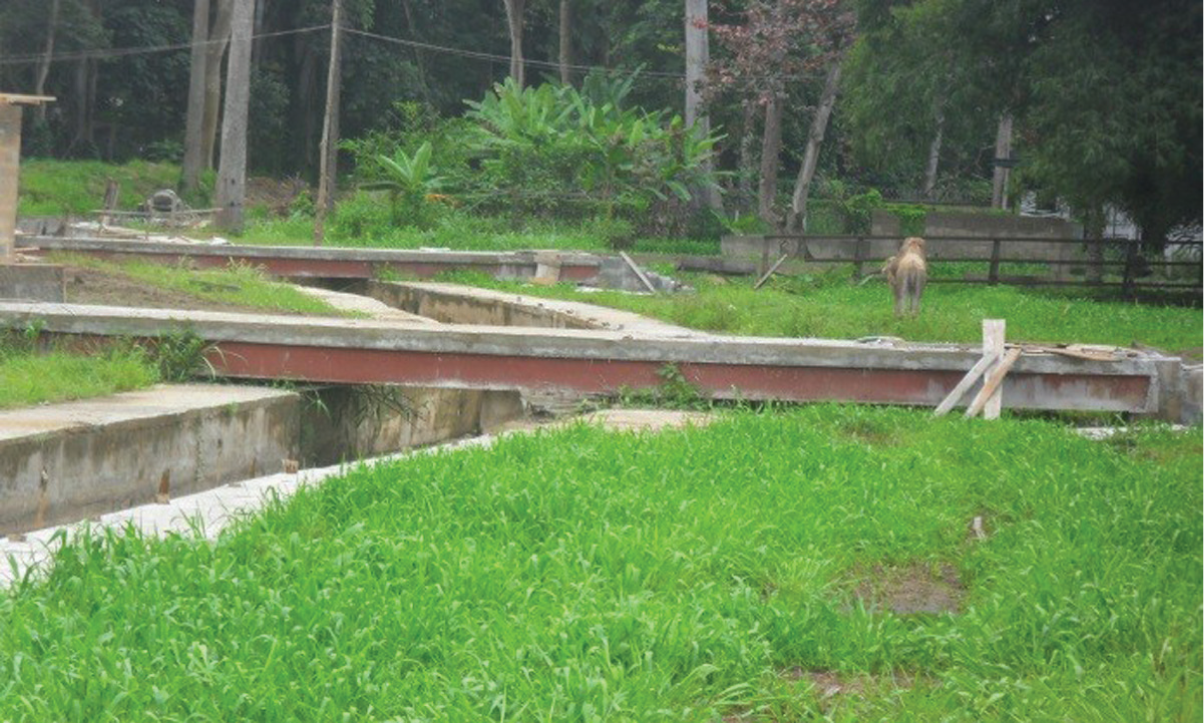
Reconstructed walkway at the zoo
d. Infrastructural facilities and services
Extensive infrastructural facilities and services were damaged by the flood. These include roads, bridges, buildings, electrical power installations, the water supply, the sewage system, and teaching and research supporting facilities such as classrooms, books and furniture. The university has responded to this damage by implementing short, medium and long-term structural and non-structural resilience strategies to combat the immediate and future occurrence of flood disaster within the university environment. However, the most extensive intervention is the rehabilitation of the road networks and rehabilitation and channelization of the Awba Dam drainage system. The drainage system is central to the university’s resilience project because an entire section of the university’s natural habitat for the development of the fish ponds, Zoological Garden and mini-water works project is located within the drainage network.
During the August 2011 flooding, the catchments and the drainage basin of the dam on the university campus were extensively flooded. After the university authorities’ in-depth analysis of short, medium and long-term solutions to the flooding in the dam’s catchment area, it was determined that the most viable option available to the university was to channelize the Samonda Stream and rehabilitate Awba Dam to increase its capacity for storm water retention.
e. The channelization of the Samonda Stream
The channelization project for the Samonda Stream is divided into two segments: the Upper Awba Dam and the Lower Awba Dam channelization. The Upper Awba project starts at the boundary of the university with Emmanuel College and ends by the bridge of Independence Hall Drive beside the university’s Fish Farm ponds, covering a total of 610 metres. The second section, the Lower Awba project, starts from Independence Hall Drive Bridge and extends through the Zoological Garden to Appleton Road Bridge, covering a total of about 1 kilometre (Photo 8).
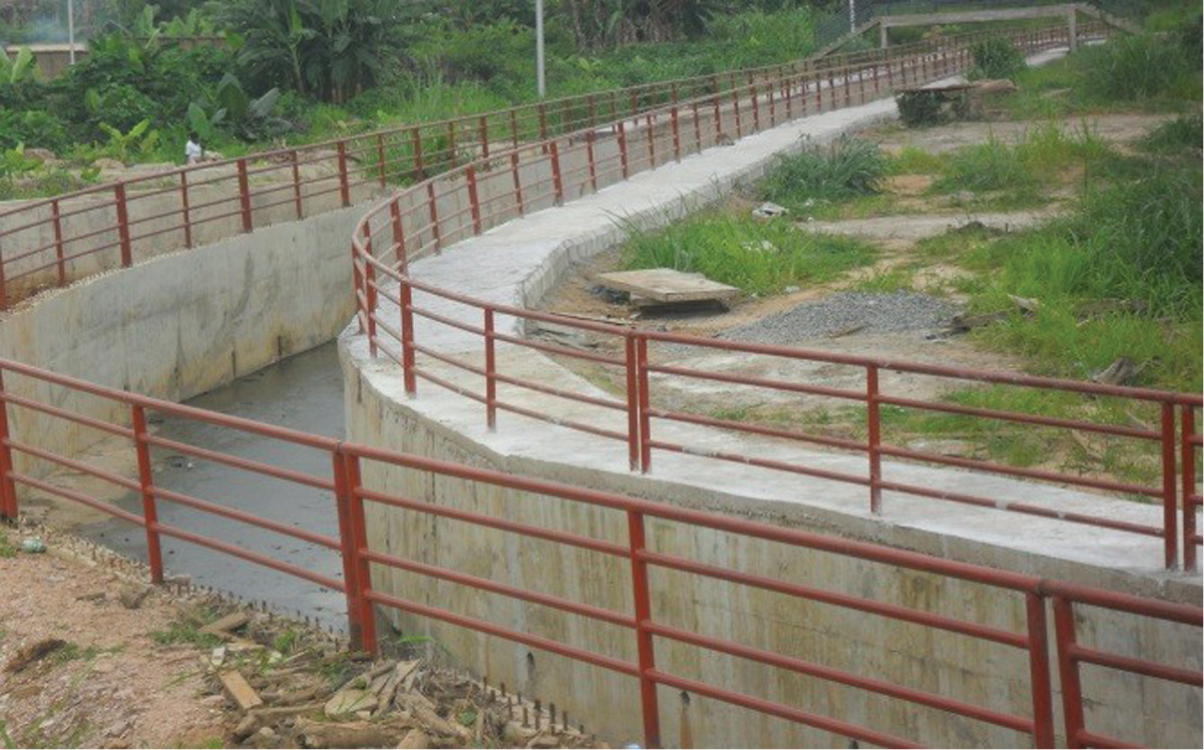
Samonda Stream channelization project
f. Road infrastructure rehabilitation and maintenance
All the road infrastructure affected by the flood, including the bridge linking the Ajibode community with the university, has been rehabilitated to facilitate movement of vehicles and people within and outside the university campus. Also, as part of the channelization efforts, bridges on Appleton and Barth Roads and on Independence Hall Drive will be reconstructed and expanded to accommodate and fit into the present design of the channelization (Photo 9).
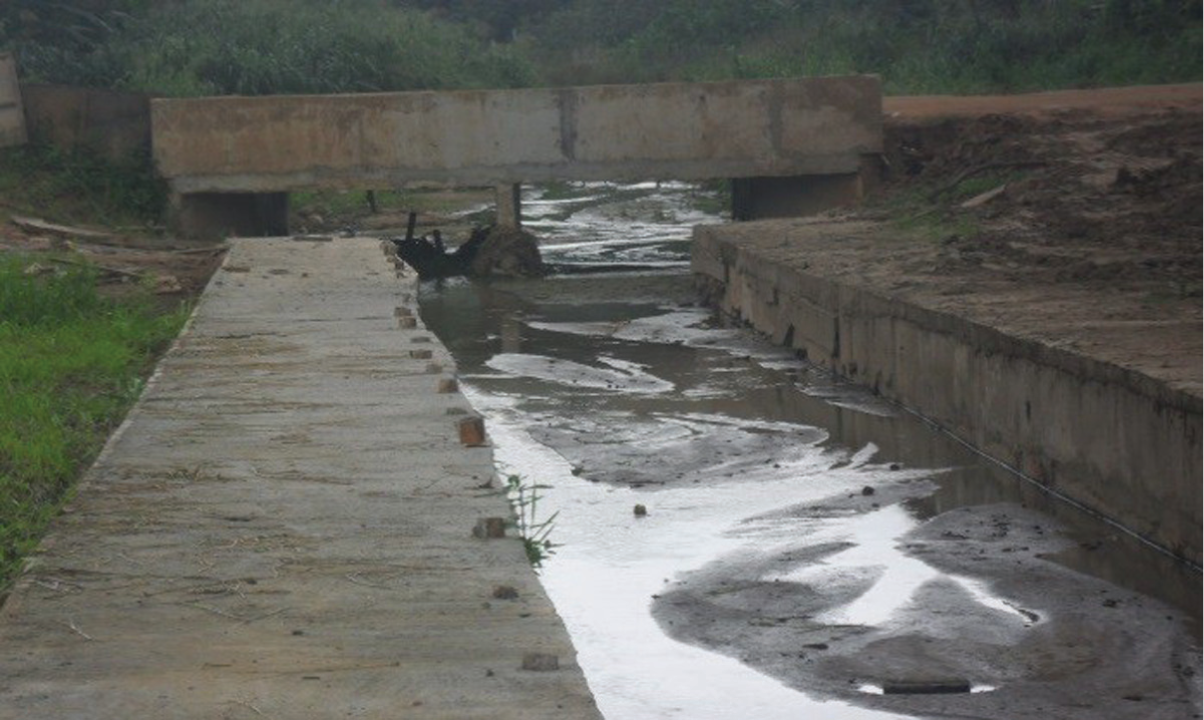
Reconstruction of the bridge on Appleton Road
g. The rehabilitation of Awba Dam
To manage the expected higher discharge of water into Awba Dam Lake and to resuscitate the university’s abandoned water works, there is a need to rehabilitate the dam to meet the university’s rainwater requirements, in addition to providing a natural reservoir for storm water discharge. Awba Dam, a small earthen dam, was constructed in 1964 and later upgraded to its present standard in 1973. Presently, the dam covers an area of about 6 hectares. The dam’s embankment is 110 metres long and 8.5 metres high, with an average width of 12.20 metres. The maximum depth of the reservoir is 5.5 metres and the length of the lake is 700 metres. The reservoir serves the purposes of water supply, fish production and research; it has a capacity of 227 million litres of water, with a treatment rate of about 68,000 litres per day.
Awba Dam has operated for 39 years and it is due for comprehensive rehabilitation. The rehabilitation’s focus needs to include dredging (sediment removal and installation of penstock valves in the spillway to improve the impoundment level of the lake reservoir), perimeter fencing and clearing of water hyacinth on the lake surface. From the analysis of the components and perimeter of the dam, it appears that the reservoir, after 39 years of operation, and in line with general characteristics of rivers and streams, must have lost significant portions of the storage volume to sediments. Today, the dam is uneconomical and unsafe due largely to the accumulation, over the years, of about 57,283 m3 of sediments, which represents 58 per cent of the normal (service) volume of the dam.(14)
It is important to note that, as a surface reservoir, the dam was primarily constructed for two main purposes: to provide raw water for the university’s mini-water works and to serve as a flood mitigation structure. The gradual but significant reduction in the storage volume of the dam implies that the large surface area of the dam would either induce heavy storm water (flood) flow past the spillway structure, leading to dam collapse and extensive flooding of the downstream structure, or induce a backwash flood, leading to extensive flooding of the area upstream of the dam as witnessed during the August 2011 flood.
The present rehabilitation works will also entail total restoration of the perimeter fence for the dam. This is essential to restrict human and animal access to the dam’s reservoir. Also, the upstream and the downstream of the dam have become overgrown with weeds and trees, especially water hyacinth (Photo 10). This weed has covered a substantial part of the dam surface. The rehabilitation work will remove water hyacinth from 9,470 m2 of the dam.(15)
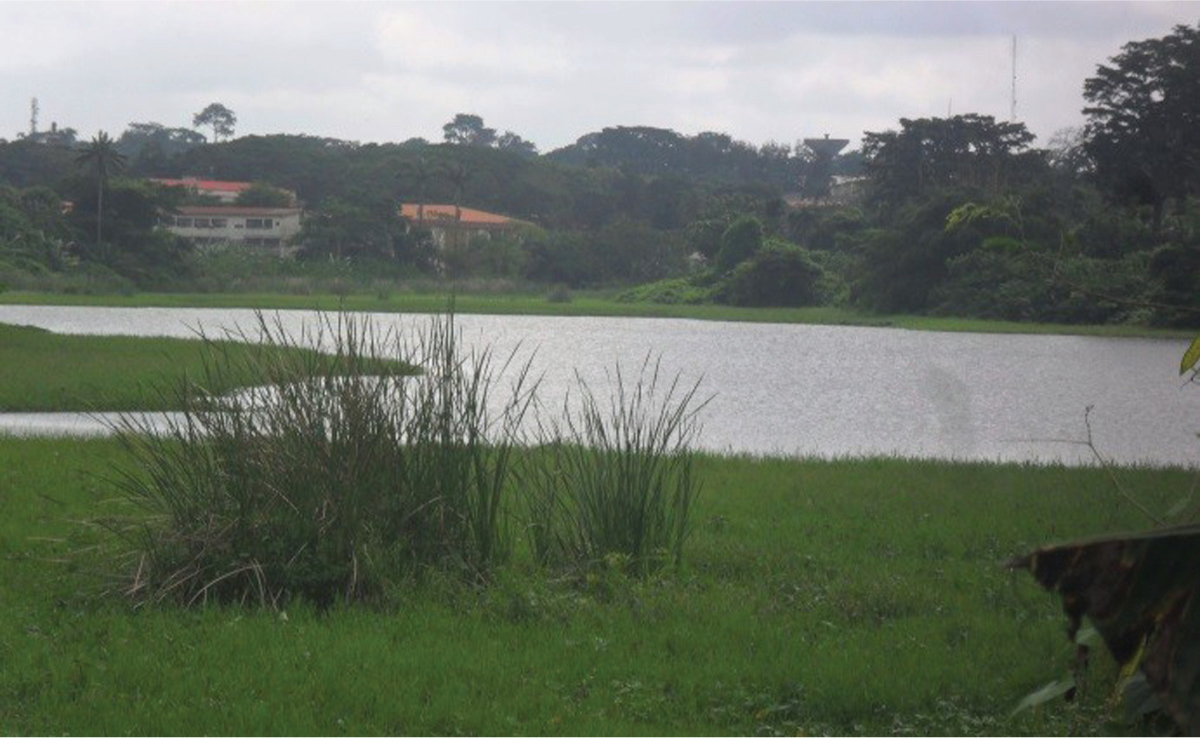
Awba Dam overgrown with weeds and trees
VI. Conclusions
The 2011 floods in Ibadan showed the high levels of risk to flooding and the large vulnerable population. Climate change is likely to increase such risks. As described in this paper, the University of Ibadan has sought to ensure that its responses to the flooding include measures to adapt to climate change. This highlights how knowledge, skills, technologies, institutional arrangements and strategies should be developed as important foundations for adapting to present and future climate change. Mainstreaming adaptation and building the resilience of vulnerable communities can yield broad-based benefits that go beyond reducing climate change impacts to contributing to sustainable development and more resilient environmental systems.
Indeed, the IPCC notes that action on adaptation is as urgent as mitigation.(16) Emerging insights from adaptive and community-based resource management suggest that building resilience into both human and ecological systems is an effective way to cope with environmental change characterized by future surprises or unknowable risks. Given the global importance of climate change and adaptation options, adaptive capacity and other means of reducing risk should be prioritized. Hence, the distinct need to explore how communities can constitute a model of resilience to adapt to climate change should be intensified.(17)
Major disruptions of the dynamics of any system could well result from the impact of climate change and success in dealing with these disturbances depends on the capacity of communities to foster transformations.(18) This capacity should be reflected in concrete actions such as those aimed at building resilience and those intended at developing the capacity to withstand undesirable consequences resulting from global climate change. Similarly, the capacity of an area to accommodate new conditions is dependent on some of the area’s features. In this regard, openness to change and the ability to adapt and to share information and resources in collective action stand out as key elements of resilience.
The university was battered by the flood disaster in 2011. The university responded by building resilience to floods as it rehabilitated or rebuilt damaged buildings and infrastructure. It is anticipated that these resilient measures will stand the test of time.
Footnotes
1.
Makoka, D and M Kaplan (2005), Poverty and Vulnerability, Term paper for Interdisciplinary Course, International Doctoral Studies Programme, Centre for Development Research, University of Bonn, Bonn.
2.
Alioune, B and Agbola Tunde (2009), “Planning Nigerian Cities for Increased Communication and Security”, Keynote paper Presented at the 40th Annual Conference of the Nigerian Institute of Town Planners, Awka, 29–30 October 2009.
3.
4.
Kates, R W and T J Wilbanks (2003), “Making the Global Local: Responding to Climate Concerns from the Bottom Up”, Environment Vol 45 No 3, pages 12–23.
5.
Romero Lankao, P (2008), “Urban Areas and Climate Change: Review of Current Issues and Trends”, Issues paper prepared for Cities and Climate Change: Global Report on Human Settlements 2011, UN-Habitat, Nairobi; also IPCC (2014a), Climate Change 2014: Impacts, Adaptation and Vulnerability. Part A: Global and Sectoral Aspects, Field, C B, V R Barros, D J Dokken, K J Mach, M D Mastrandrea, T E Bilir, M Chatterjee, K L Ebi, Y O Estrada, R C Genova, B Girma, E S Kissel, A N Levy, S MacCracken, P R Mastrandrea and L L White (editors), Contribution of Working Group II to the Fifth Assessment Report of the Intergovernmental Panel on Climate Change, Cambridge University Press, Cambridge, UK and New York, USA; and IPCC (2014b), Climate Change 2014: Mitigation of Climate Change (final draft), Edenhofer, O, R Pichs-Madruga, Y Sokona, E Farahani, S Kadner, K Seyboth, A Adler, I Baum, S Brunner, P Eickemeier, B Kriemann, J Savolainen, S Schlömer, C von Stechow, T Zwickel and J C Minx (editors), Contribution of Working Group III to the Fifth Assessment Report of the Intergovernmental Panel on Climate Change, Cambridge University Press, Cambridge, UK and New York, USA. The complete texts for both of these IPCC reports are available at  .
.
6.
Pelling, M (2003), The Vulnerability of Cities: Natural Disaster and Social Resilience, Earthscan, London.
7.
Beatley, T (2009), Planning for Coastal Resilience: Best Practices for Calamitous Times, Island Press, Washington, DC.
8.
Vella, K, A Dale, A Cottrell and M Gooch (2012), “Assessing Community Resilience to Climate Change”, Proceedings of the 12th International Coral Reef Symposium, Cairns, Australia, 9–13 July 2012, 19A Human Impacts on Coral Reef General Session.
9.
Berkes, F (2007), “Understanding Uncertainty and Reducing Vulnerability: Lessons from Resilience Thinking”, Natural Hazards Vol 41, pages 283–295.
10.
Saavedra, C and W W Budd (2009), “Climate Change and Environmental Planning: Working to Build Community Resilience and Adaptive Capacity in Washington State, USA”, Habitat International Vol 33, No 3, pages 246–252.
14.
Adesina, M (2012), Rehabilitation of Awba Dam: Design Report, University of Ibadan, Ibadan.
15.
See reference 14.
16.
, “Summary for Policymakers”, in Solomon, S, D Qin, M Manning, Z Chen, M Marquis, K B Averyt, M Tignor and H L Miller (editors), Climate Change 2007: The Physical Science Basis, Contribution of Working Group I to the Fourth Assessment Report of the Intergovernmental Panel on Climate Change, Cambridge, UK and New York, USA.
17.
Kelly, P M and W N Adger (2000), “Theory and Practice in Assessing Vulnerability to Climate Change and Facilitating Adaptation”, Climatic Change Vol 47, pages 325–352; also Smit, B, I Burton, R J T Klein and J Wandel (2000), “An Anatomy of Adaptation to Climate Change and Variability”, Climatic Change Vol 45, pages 223–252; and Tompkins, E L and W N Adger (2004), “Does Adaptive Management of Natural Resources Enhance Resilience to Climate Change?”, Ecology and Society Vol 9, No 2, pages 1–14.
18.
Budd, W W, N Lovrich, J C Pierce and B Chamberlain (2008), “Cultural Sources of Variations in US Urban Sustainability Attributes”, Cities Vol 25, No 5, pages 257–267.