




Abstract
This paper aims to capture and analyze emerging experiences, lessons and tensions evident from several years of work underway through the Asian Cities Climate Change Resilience Network, a network of secondary cities in South and Southeast Asia that have engaged in a process to analyze vulnerabilities and plan and implement measures to address them. With the support of the Rockefeller Foundation and numerous partners, these cities have identified more than 59 specific resilience-building measures, of which 23 are being implemented. Through this work we see 10 critical urban climate change resilience action areas that cities must consider in order to strengthen their ability to anticipate, prepare for and respond to the types of sudden and slow onset impacts. These are: climate sensitive land use and urban planning; institutional coordination mechanisms and capacity support; drainage, flood and solid waste management; water demand and conservation systems; emergency management and early warning systems; responsive health systems; resilient housing and transport systems; strengthening of ecosystem services; diversification and protection of climate-affected livelihoods; and education and capacity building of citizens. We present case studies of how these measures are implemented in specific cities and highlight the tensions and challenges that have emerged. Primary tensions arise around the powerful political economy forces that influence decisions in cities; ensuring that the risks and benefits of resilience-building measures are distributed equitably; aligning incentives of various stakeholders in cities; and developing the mandates, coordination and capacities needed to manage a multi-scale and multi-sector issue as complex as urban climate change resilience. This empirical base of practice provides important learning to help guide further the refinement of both theory and practice in the nascent field of urban climate change resilience.
Keywords
I. Introduction
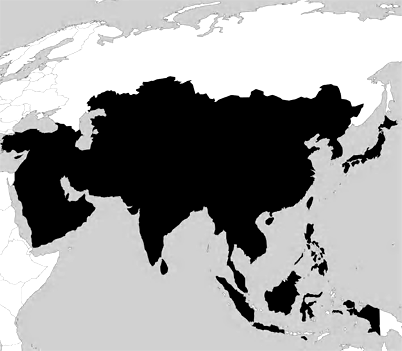
Cities across the world are recognizing increasingly that they will face a growing variety of challenges related to global climate change, and a number of leaders in these cities are starting to implement measures to proactively reduce vulnerability and build resilience.(1) While the popular discourse on climate change tends to conjure images of vulnerability of large centres such as Mumbai or Bangkok, it is second-tier cities that more closely reflect the dominant urban reality across much of the world, especially in Asia. More than 60 per cent of the projected increase in urban population between now and 2050 will take place in Asia, and half of that growth will occur in cities that have fewer than 500,000 inhabitants today.(2) Asia has the greatest population of urban residents in hazard-prone low elevation coastal zones,(3) and the largest urban population facing seasonal and perennial water shortage today, as well as projected water shortage due to climate change by 2050.(4) In Asia and elsewhere, rapidly developing second- and third-tier cities already face a daily struggle to deliver infrastructure and services, given limited institutional capacities and constrained finances. Also, the pressure to understand and incorporate measures to increase resilience to climate change can feel overwhelming, especially since few models exist to offer practical guidance to smaller cities. Yet, it’s these cities that still have major investment, land and planning decisions ahead of them, where the greatest opportunity lies in effectively addressing the interplays between climate change and urban development in a manner that enables better management of current challenges while also accounting for future scenarios.
To derive practical models for second-tier cities in Asia, the Rockefeller Foundation developed and launched the Asian Cities Climate Change Resilience Network (ACCCRN) in late 2007. This marked the first systematic effort to develop both a conceptual approach and a base of practice across a range of urban contexts. ACCCRN seeks to catalyze attention, additional funding and action on building climate change resilience of cities as a whole – and within that ensuring that the resilience of vulnerable and poor communities is also enhanced. The initiative initially prioritized action in 10 cities across four countries: Semarang and Bandar Lampung in Indonesia; Indore, Surat and Gorakhpur in India; Chiang Rai and Hat Yai in Thailand; and Can Tho, Da Nang and Quy Nhon in Vietnam. In addition to investing in these cities, ACCCRN also seeks to influence national policies and international practice to build greater urban climate change resilience. The three specific desired outcomes of ACCCRN are:
This paper aims to capture and analyze emerging experiences, lessons and tensions evident from several years of work underway through ACCCRN to contribute to the emerging field of urban climate change resilience.
II. Defining Urban Climate Change Resilience
A foundational starting point for the work of ACCCRN has been to understand vulnerability in the context of urbanization – which people, sectors and geographies of a city are subject to higher risks and exposures – and how the dynamics of climate change intersect with both (Figure 1).(5)
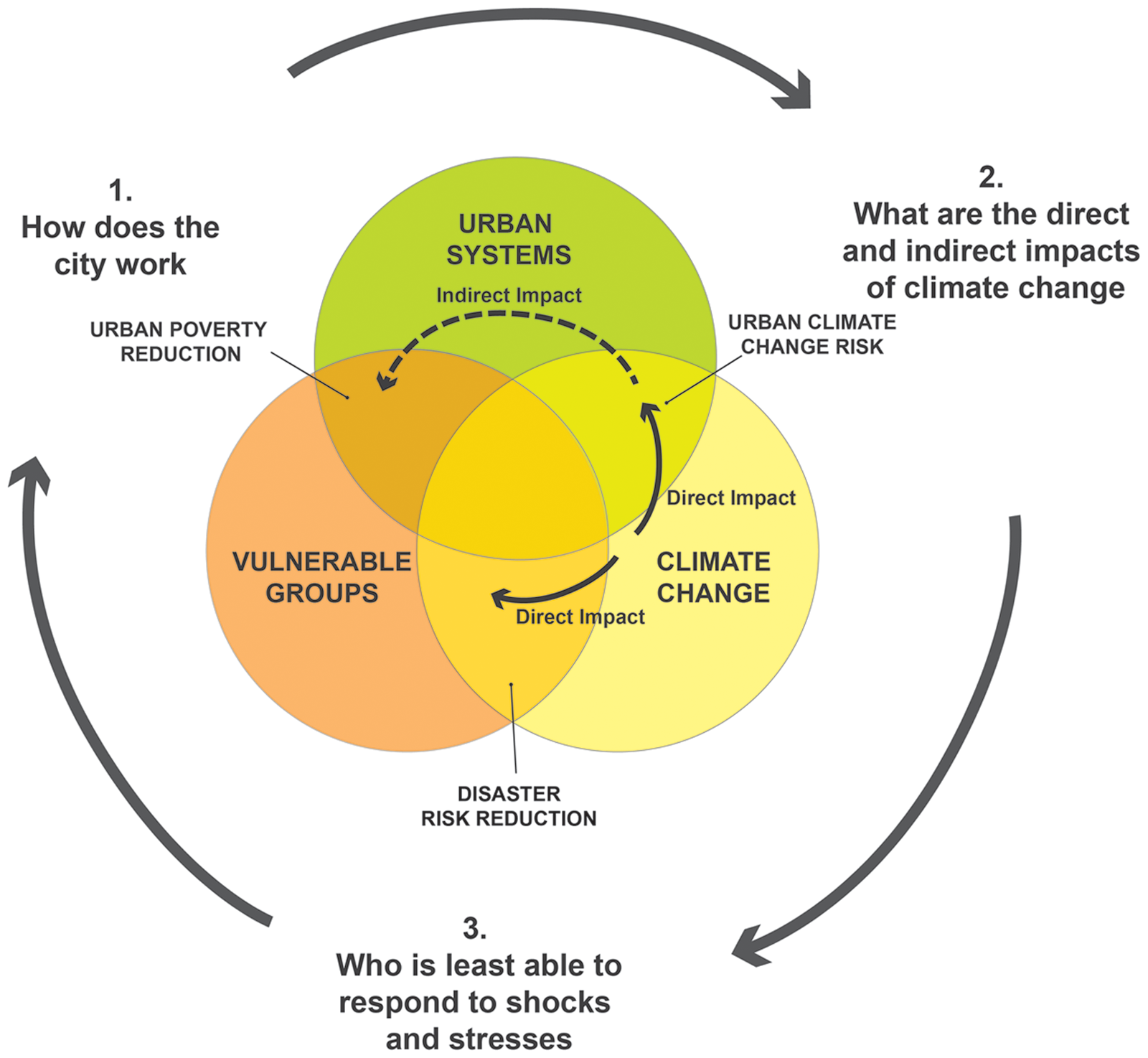
Climate impacts: a compound effect combining direct impacts, indirect impacts and pre-existing vulnerabilities
The conceptual underpinnings of ACCCRN point to the need to investigate and advance action based on the appreciation of interdependencies among a range of actors and systems. This conceptual frame, developed by the Rockefeller Foundation partner organizations – Arup’s International Development team and the Institute for Social and Environmental Transition (ISET) – draws out, for example, the importance of urban governance, engaging diverse stakeholder groups, shared learning, considering processes occurring at different spatial and temporal scales, and the centrality of building capacities to engage with uncertainty in an evolving context. While many of these components are not novel in and of themselves, their application in concert to address long-term climate challenges in a cross sector and collaborative approach is novel. Typically nearer-term challenges, such as urban flooding, would be addressed within a single city department. Bringing in the climate dimension through a multi-stakeholder process enables multiple departments and stakeholders outside of government to take a longer-term view and collaborate to generate viable solutions.
When considering the question of urban climate change resilience, the dynamics of growth and geographic spread are fundamental to understanding the interconnections between land, development, density and emerging profiles of risk and vulnerability. This, in turn, surfaces the importance of timeframes, whereby actions need to be informed not only by the daily realities and pressures of the current urban development context, but also by future projections – of population, economic growth, physical expansion and climate change. This can pose a challenge at first, but can also generate new incentives and innovations to tackle pressing problems. For example, Gorakhpur, a city in India’s Indo-Gangetic plains, faces severe urban flooding and water logging as well as increasingly unpredictable patterns of water and vector-borne diseases. With 33 per cent of the city now residing in slums and squatter settlements, low-income residents in particular are experiencing greater exposure to a range of diseases, including dengue fever, malaria and Japanese encephalitis.(6) Tragically, more than 500 deaths in the city, many of them children, have resulted from Japanese encephalitis outbreaks between 2007 and 2010.(7) At first glance, under these conditions climate change may appear a fairly remote priority to city health officials. However, in several ACCCRN cities interventions are underway that incorporate projections around how disease and health patterns may change due to both urban growth and climate change. These efforts are catalyzing new resources, partnerships and capacities to respond to health challenges more effectively today – while also being positioned to modify protocols and practices as needs change.
In ACCCRN, the concept of resilience has drawn heavily from literature on ecosystems and socio-ecological systems, which typically define resilience as “…the ability to absorb disturbances, to be changed and then to re-organize and still have the same identity (retain the same basic structure and ways of functioning)”.(8) Applied to the context of climate change, resilience is the capacity of an individual, community or institution to dynamically and effectively respond to shifting climate circumstances while continuing to function at an acceptable level. This definition includes the ability to resist or withstand impacts, as well as the ability to recover and re-organize in order to establish the necessary functionality to prevent catastrophic failure at a minimum and the ability to thrive at best. Resilience is thus a spectrum, ranging from avoidance of breakdown to a state where transformational change is possible.(9) As portrayed by ISET in Figure 2, resilience to climate change in an urban context requires key actors to develop and demonstrate a set of core capacities and city systems to exhibit a number of essential characteristics.(10)
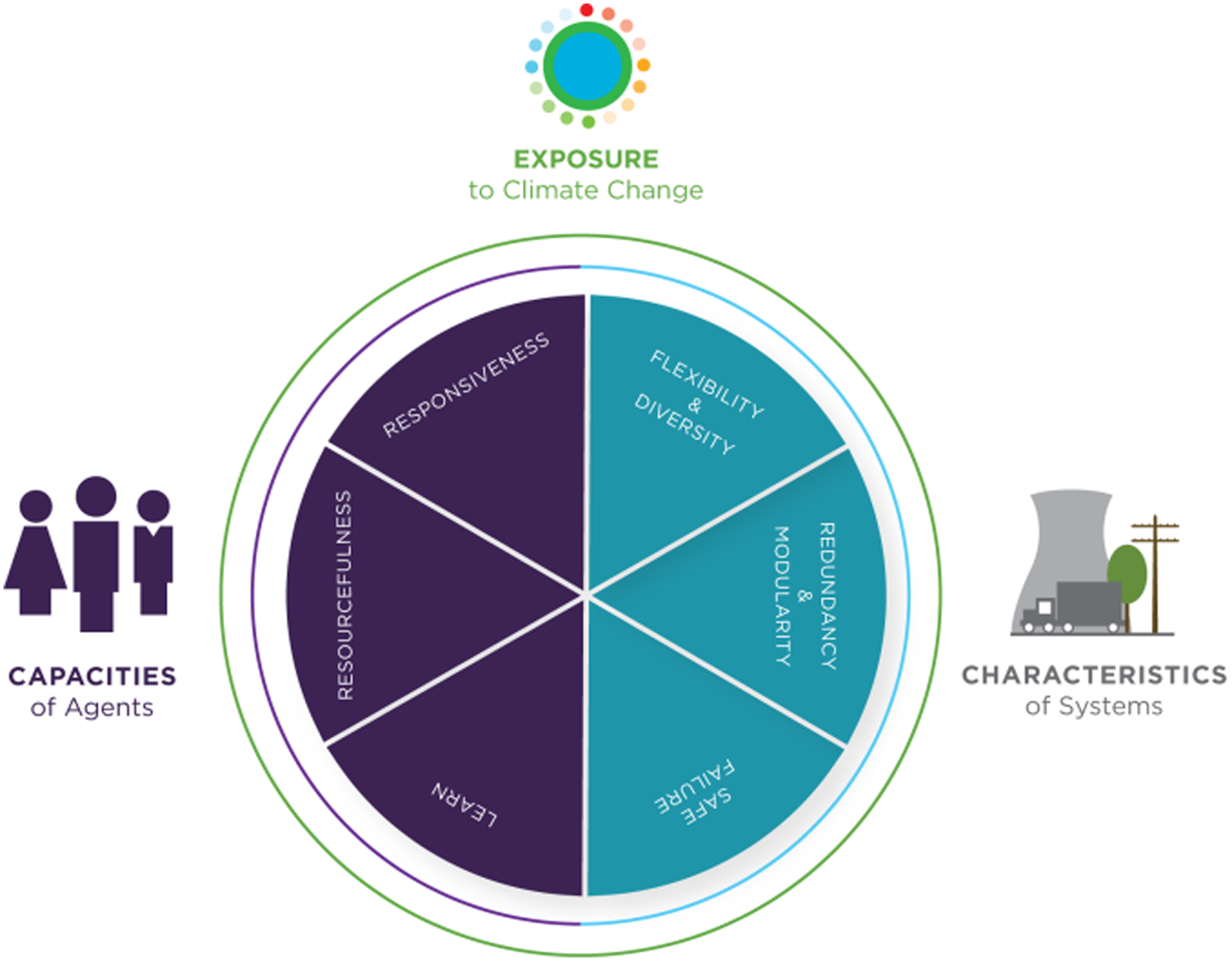
System resilience and agent capacity
The significance of this understanding of resilience is the emphasis on achieving a desired state based on evolving capacities and changing conditions, in contrast to the identification of specific adaptation measures. And a distinctive contribution of the ACCCRN initiative has been to identify pathways to translate this important conceptual framework into practical action on the ground.
III. Critical Urban Climate Change Resilience (UCCR) Action Areas – Lessons from Practice
Each of the ACCCRN cities has undertaken a set of analyses to develop an understanding of the linkages between urbanization, climate change and vulnerability. Urban growth projections, climate impact and vulnerability assessments and a set of sector studies have been compiled to generate a citywide resilience strategy (CRS), which reflects both a synthesis of the findings while also articulating a prioritized set of actions that the city might undertake to increase its resilience to climate change. In each case, the study outputs and the resulting CRS, while important in their own right, encapsulate an important set of interactions among diverse city stakeholders. The range of methods used, most notably a series of shared learning dialogues over a period of two years, has played a pivotal role in building ownership and engagement among actors, enabling this phase to be followed by the generation of tangible collaborative interventions aimed at increasing the resilience profile of the city (Figure 3).
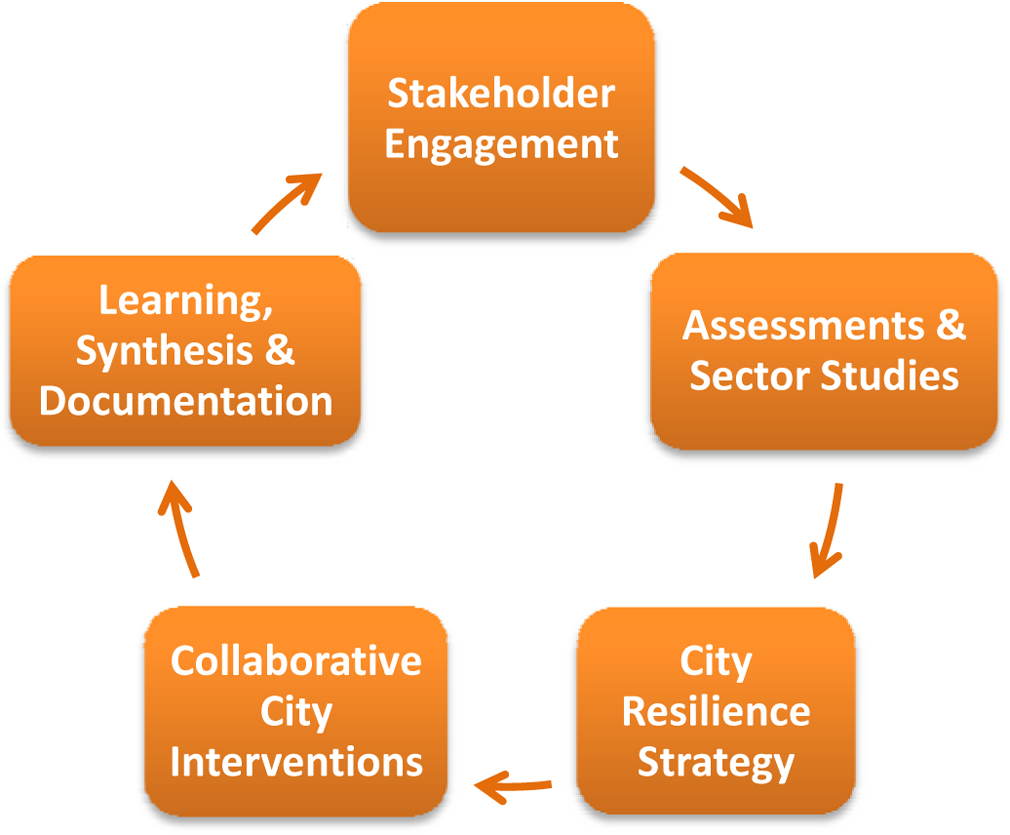
ACCCRN’s urban climate change resilience planning process
By early 2012, fifty-nine specific concept notes for resilience-building interventions had been developed across the 10 ACCCRN cities, each drawing from the analysis and priorities captured in their CRS. Of these, the Rockefeller Foundation has advanced 23 city projects for implementation in sectors ranging from health to land use planning to disaster risk reduction. The projects adopt a range of approaches – some focus on further analysis, modelling and study, others endeavour to achieve direct impact on the lives of poor communities in the city (Table 1).
ACCCRN interventions mapped against critical UCCR action areas

NOTE: The critical UCCR action areas are derived from the base of specific interventions proposed by ACCCRN city and national partners in India, Indonesia, Thailand and Vietnam as well as the 10 city resilience strategies prepared by the multi-stakeholder climate working groups of each ACCCRN city. These documents are available at www.acccrn.org.
SOURCE: Rockefeller Foundation (2012).
To guide the project selection process, the Rockefeller Foundation and Arup’s International Development team developed a set of intervention selection criteria. Gateway criteria that must be met include contribution to UCCR, impact on the lives of poor and vulnerable populations and ability to achieve scale. Additional criteria that are assessed relate to credibility, viability, sustainability, local ownership, integration with other measures in the city, opportunity to leverage further resources, potential for replication and expansion, innovation, ability to contribute to new UCCR knowledge and contribution to a diverse portfolio of ACCCRN city interventions across the 10 cities. The principles of “do no harm” and ecologically sustainable development are also applied to all projects.
Through the range of intervention ideas articulated in the CRS and those developed into approved projects, we have seen emerge 10 major UCCR action areas that cities must consider in order to strengthen their ability to anticipate, prepare for and respond to the types of sudden and slow onset impacts that climate change presents for urban contexts. These are summarized below with relevant examples.
a. Climate sensitive land use and urban planning
How and why urban land is used and developed for different purposes (e.g. commercial, residential, infrastructure etc.), set alongside consideration of urban topography and density and the interaction between the built and natural environments are all intricately connected to and affected by the changing profile of heat, rainfall and hydrology in a city. Given that this is where some of the most influential choices can be made, it is significant to note that eight out of the 23 projects being advanced directly address urban and land use planning issues, while residing in sectors such as water and flood management, strengthening of ecosystems, peri-urban agriculture and institutional coordination. Not surprisingly, this is also the most contentious area given competing political and economic interests, the pressures of urban development, the nature of urban land markets and the lack of sufficiently organized citizen action to force an agenda that advances the public good or the specific priorities of urban poor communities. Although it is encouraging to see projects that address questions of climate sensitive land use planning and decisions being prioritized, it remains to be seen whether this results in sustained positive shifts over the long term.
b. Institutional coordination mechanisms and capacity support
While multi-stakeholder engagement has been a feature of the ACCCRN approach at the planning stage in each city, the emerging project portfolio demonstrates that it is also essential that tangible urban climate change resilience interventions are not designed and undertaken in isolation. The issues of solid waste management, flooding and health, for example, are strongly related in cities that experience challenges with drainage, poor solid waste collection and outbreaks of disease. To address these effectively requires exchange and active coordination across different institutions – in this example, both public and private health service providers, the city public works department and private solid waste contractors might play a role. Five interventions are specifically aimed at generating new incentives, mandates and approaches that enable joint planning, sharing and integration of critical information and undertaking interlinked activities. For example, all three ACCCRN cities in Vietnam have established climate change coordination offices that are structured to enable multiple departments to integrate datasets, jointly prioritize actions and to allow more effective coordination with donors and higher tiers of government. There is growing evidence from the ACCCRN experience that these so-called “softer” measures are instrumental in ensuring that actions are undertaken in a manner that addresses the inter-dependencies among systems, sectors and institutions, thereby enabling a sector-specific project to achieve multiple outcomes in relation to building the resilience of the city. The Surat end-to-end early warning system is another excellent example of why addressing this is so important in building resilience (Box 1).
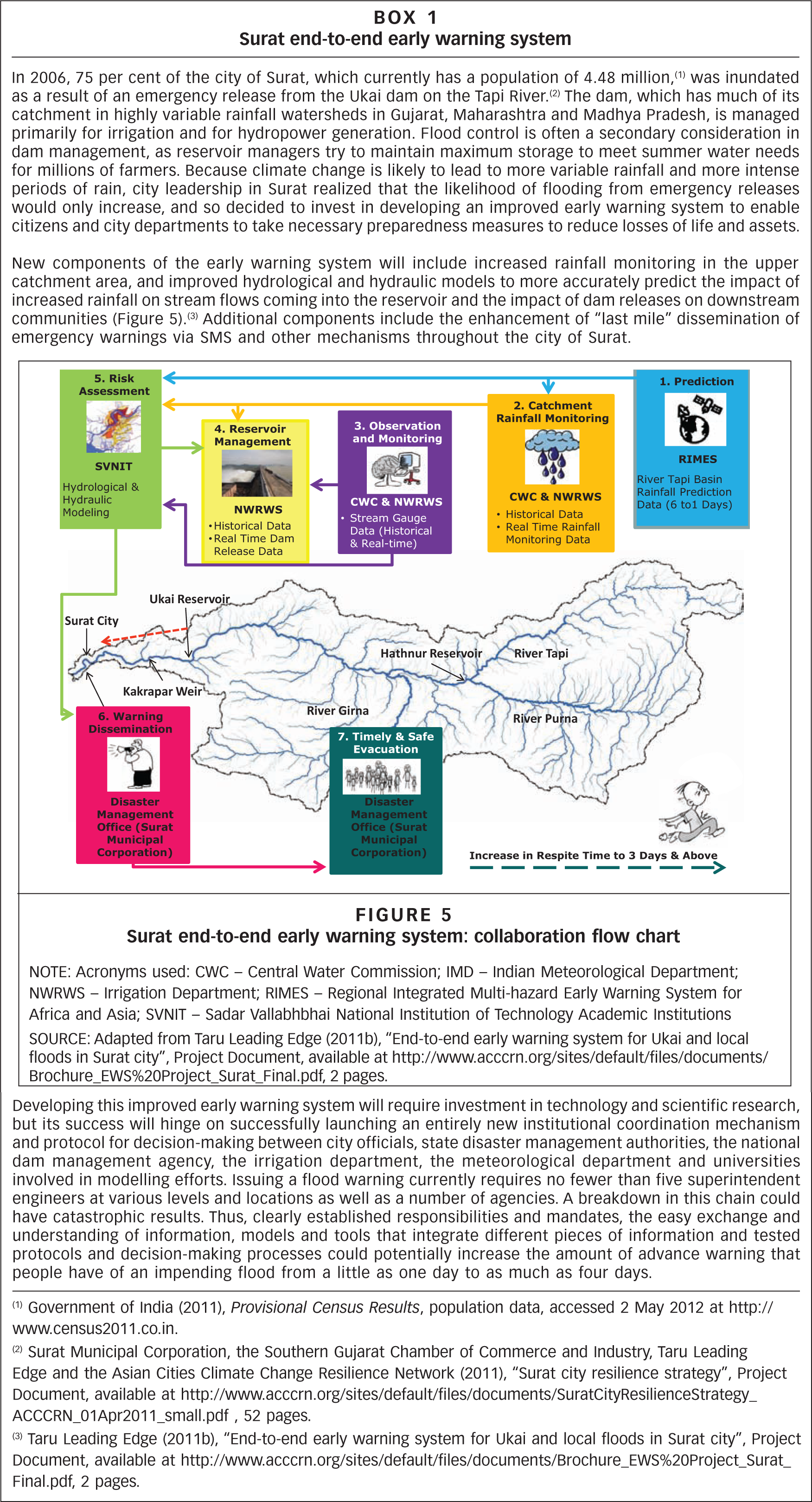
Surat end-to-end early warning system
These first two UCCR action areas underpin and inform efforts across the other eight, which can be perceived as more conventional sectors. However, as described below, many of these measures will only be effective if they are advanced in a genuinely integrated manner (Figure 4).
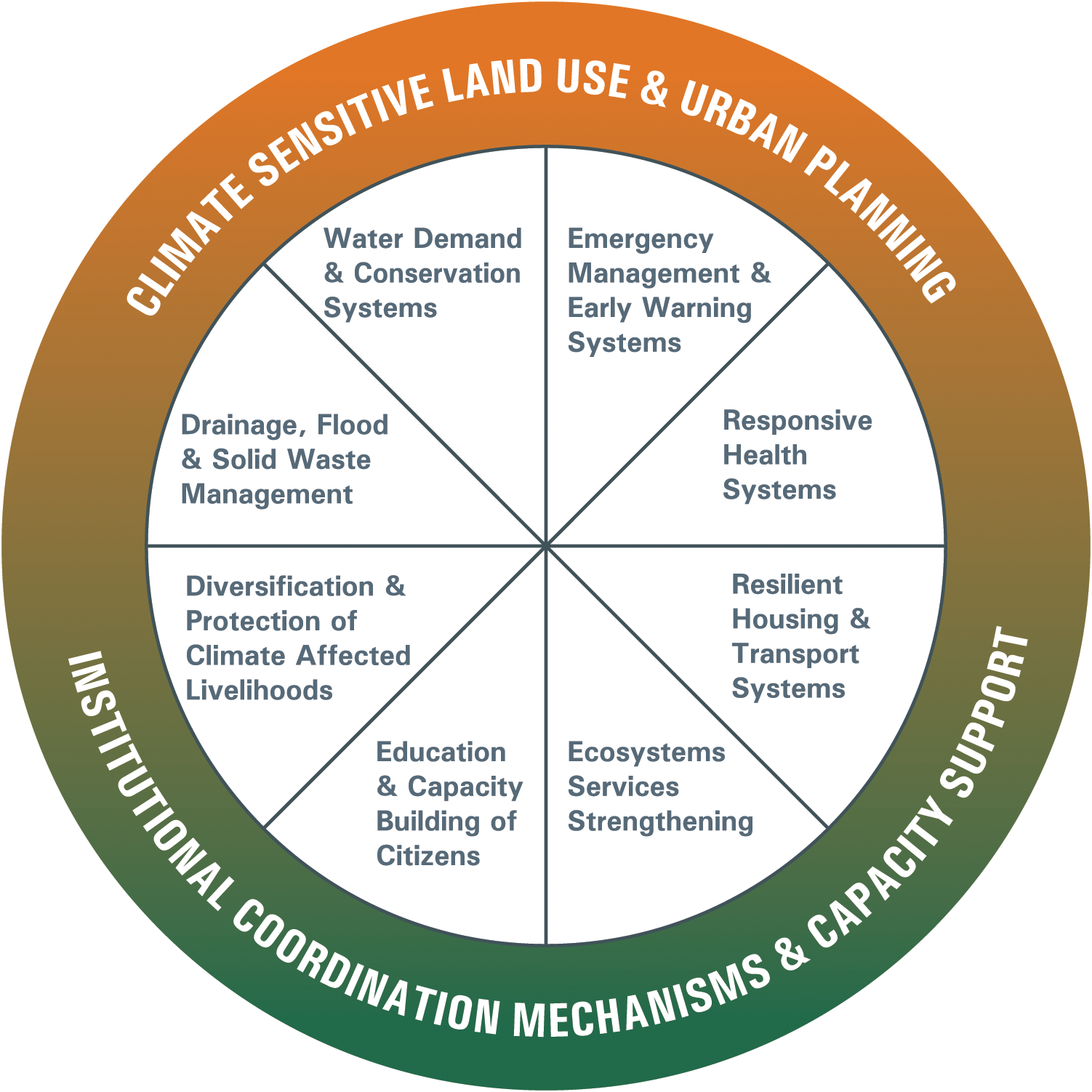
Critical urban climate change resilience action areas
c. Drainage, flood and solid waste management
The ability of a city to manage the growing frequency and intensity of flooding as a result of changing rainfall patterns, urban development and increased waste generation is emerging as a major priority, with 11 of the 23 projects (across eight of the 10 ACCCRN cities) addressing this. The capacity of the drainage system, the efficacy of hard and soft flood mitigation and response measures and the effective management of solid waste determine the severity of flood risk faced by a city and its inhabitants. A weakness in any one of these can trigger a set of severe risks to life, assets and health. The ACCCRN experience demonstrates the need for diverse, contextually relevant responses that relate to several scales and entry points. For example, in Bandar Lampung, Indonesia, one of the critical determinants of flood risk identified in the CRS was the increased intensity of rainfall coupled with the clogging of the city’s drainage system due to the fact that less than 30 per cent of waste is collected.(11) Addressing the city’s solid waste management challenge would not have appeared as a priority flood mitigation measure without the kind of multi-stakeholder engagement and analysis that took place through the ACCCRN process. It is also noteworthy that this cluster of issues often presents a greater opportunity to capture the focus of city officials and other stakeholders because it enables action to address tangibly a problem that is part of the lived experience of citizens, while incorporating longer-term risks associated with climate change and rapid urbanization that will build the overall resilience profile of the city.
d. Water demand and conservation systems
Increasing fluctuation in rainfall patterns, with more intensive wet and dry spells, and changes in heat and evaporation rates will all directly affect the ability of a city to meet growing water demands. With urban development comes a decrease in permeable surfaces, making it more challenging for rain to penetrate the soil and replenish groundwater supplies. Temperature changes also result in changing demands for water – whether for household consumption or for larger-scale installations such as electricity-generating plants. In several ACCCRN cities, measures have been taken to build resilience by increasing the redundancy, flexibility and efficiency of water supply systems, with four projects directly addressing this action area. These range from decentralized approaches to increasing water supply through rainwater harvesting and improved groundwater recharge in Semarang, Indonesia,(12) to a broader city effort to restore urban lakes in Indore, India that can serve as emergency back-up storage during peak shortages. Innovative, new demand-side measures are also being piloted, such as a conjunctive water management project in Indore, which encourages conservation of high quality water by households and re-use of low quality water for other purposes.(13)
e. Emergency management and early warning systems
In many cities, the most visible manifestation of climate change stems from the changing pattern and intensity of natural disasters, where storms, floods, droughts and epidemics are occurring in an increasingly erratic and damaging manner. While cities are often better equipped than rural areas, they frequently lack community level social support systems that can be critical in the face of an emergency. Furthermore, cities are served by complex and interconnected systems (e.g. power, water, transportation, health, etc.) that citizens are wholly dependent upon, with few or no back-up options in the event of a failure. In this context, the development of new social, ecological, institutional and technological capacity to provide greater flexibility, protection, reliable early warning and effective post-disaster coordination to urban citizens is a critical dimension of building UCCR. As such, this features prominently in city priorities, with seven active projects addressing this action area, ranging from coastal protection, flood early warning systems, epidemic management, citizen education and improved coordination. The experience of ACCCRN shows that while the urban disaster risk reduction (DRR) field provides a strong platform, the incorporation of climate-related considerations into the disaster profile of cities also requires new capacities and measures (Box 1). The potentially devastating human and financial impact of disasters makes the value of investment in this dimension more visible and immediate to city stakeholders; incorporating a long-term climate change perspective only serves to make the investment more robust.
f. Responsive health systems
Building the capacity to address what might be considered “slow onset” impacts has been a distinctive contribution of ACCCRN, and one such theme that has emerged strongly is understanding and responding to new health challenges posed by the effects of climate change. At present three ACCCRN projects have a core focus on building more responsive health systems, with at least two more in the pipeline for consideration. These range from responding to increased levels of water-borne diseases due to more flooding and water logging, to strengthening the capacity of health providers to respond to the shifting seasonality of climate sensitive vector-borne diseases, to understanding the health effects of greater salinity in the water supply of coastal cities, and addressing the impact of heat stress on human health and the health systems on which they depend. Persuasive incentives for action exist because strengthening the health system both meets an immediate need in cities where urban services are strained, while also preparing for a changing future health profile. Addressing health issues through a long-term climate change lens also promotes new forms of coordination, for example among epidemiologists and climate scientists in the city of Can Tho, Vietnam, to ensure that disease surveillance and management protocols adopted by health service providers today will be sensitive to future climate trends.
g. Resilient housing and transport systems
Adequate shelter is fundamental to ensuring the safety, well-being and protection of all people, while a reliable transport system provides a backbone enabling access to livelihoods, markets and even evacuation in times of crisis. Both these systems are susceptible to climate change impacts, whether as a result of physical damage or destruction brought about by storm surges or floods, or by harbouring unsafe conditions, for example in the case of housing ill-equipped to cope with extreme heat or cold. Choices in the siting and design of both housing and transport systems can also affect the overall risk, vulnerability or resilience profile of communities and the city as a whole. Elevated roads may, for example, prevent direct flood damage to transport routes, but could also potentially increase the risk of flooding and inundation in adjacent areas by disrupting natural drainage flows or creating barriers that divert water towards specific locations. While there are no transport projects in ACCCRN (although transport location issues are addressed in the land use and urban planning interventions), three projects to strengthen the resilience of housing have been initiated. These are aimed at increasing storm and flood resistance, reducing heat stress and managing water scarcity through measures that include design innovation, enabling financial access to afford upgrades at a household level, and promoting wider scaling up. These efforts aim to both protect the limited assets of low-income households while also increasing physical security and health.
h. Strengthening ecosystem services
Diverse and well-functioning ecosystems provide a range of regulating services that can directly and indirectly reduce vulnerability to climate impacts, including flood control, wave and wind attenuation, stabilization of hill slopes, and temperature reduction to moderate urban heat island effects.(14) This natural infrastructure is often more flexible and cost-effective than built infrastructure, and may be especially relevant to poor or marginalized communities that are not afforded protection by built infrastructure. However, ecosystem-based approaches to building climate change resilience in cities face several constraints. Habitat conservation opportunities in cities may be limited, and remnant vegetated areas may be degraded and require active and potentially costly restoration. Moreover, development pressure, land values, lack of economic incentives, or regulations and enforcement drive development towards vegetated areas in the urban and peri-urban zones, potentially leading to increased vulnerability or maladaptation as a city grows. In that regard, it’s encouraging to see a number of innovative city level interventions in ACCCRN that do aim to strengthen ecosystems as part of a citywide UCCR strategy, with four projects addressing this action area that are related to urban agriculture, urban lake and river restoration, and urban mangrove development (Box 2). While the perceived benefits of ecosystems in moderating the impacts of climate change in urban areas may be lower than for less-developed areas, the prioritization of these projects in ACCCRN shows that the density of people and assets in cities can make the economic value of protecting ecosystems comparatively higher. Urban ecosystem restoration and protection activities can also be a powerful way to mobilize community action and build much-needed social capital in cities, an important additional characteristic of resilience.
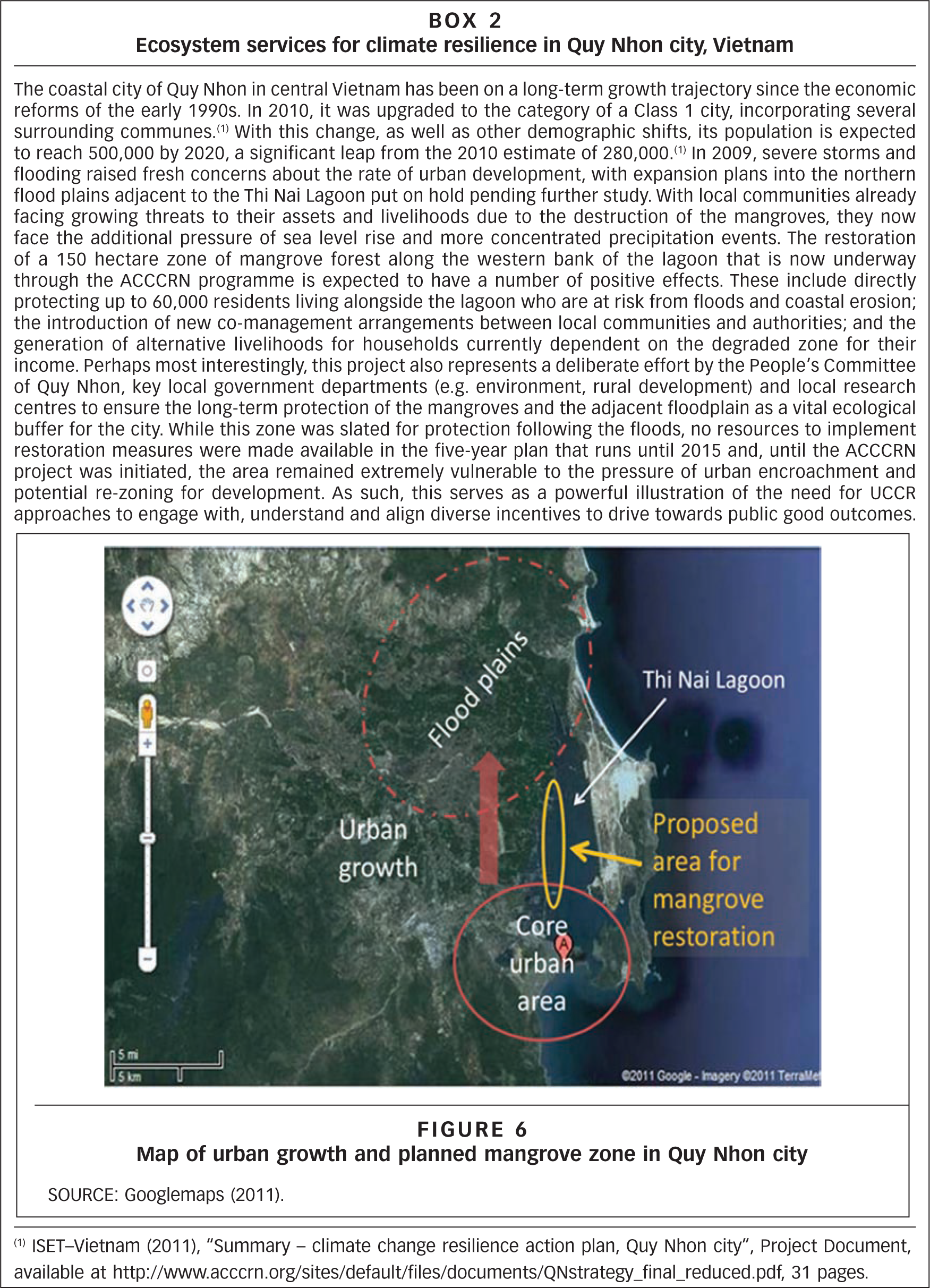
Ecosystem services for climate resilience in Quy Nhon city, Vietnam
i. Diversification and protection of climate-affected livelihoods
An important area for consideration is the way in which the livelihoods of urban poor communities will be affected by climate change, especially in a fast-changing urban economy where having a stable and predictable income is a cornerstone for ensuring household level resilience. In the context of climate change, urban livelihoods can face the possibility of threats to entire economic sectors such as fisheries or tourism due to the direct relationship between climate change impacts and the characteristics of these sectors. However, probably more common in a typical city will be the physical disruptions to employment due to climate-related disasters, the worker health-related disruptions causing absenteeism, and the threats to spatially vulnerable economic clusters. Hence a range of responses might be needed to protect low-income households, such as the introduction of innovative financial protection and insurance measures, diversification away from climate-threatened sectors, and even consideration of relocation of particular economic clusters. Interestingly, while three ACCCRN projects do address livelihoods protection to some extent, these are essentially secondary benefits within projects on mangrove restoration, peri-urban agriculture and salinity monitoring. There have not as yet been any proposals for projects that effectively parse out the multiple factors affecting urban livelihoods in ways that are clearly linked to the projected impacts of climate change. Although efforts to increase the income of poor households and communities could be a meaningful way to directly strengthen resilience, further research, analysis and practice is needed to build greater understanding of how UCCR goals are distinct from conventional development. This relates to the ongoing global debate on additionality and its role in directing the deployment of global adaptation finance.
j. Education and capacity building of citizens
Education and capacity building of citizens has emerged in ACCCRN cities as an important priority, with eight out of the 23 active ACCCRN projects contributing to this action area. Some of these are target-specific issues, such as building the awareness of vulnerable communities about the changing seasonal profile of diseases such as dengue fever, or engaging households in local level flood and solid waste management. Other efforts take a longer-term approach, through projects that engage young people to develop new knowledge and adopt behaviours that will increase the resilience of households and communities to a range of climate change impacts. Projects are also being undertaken through the mainstream education system. For example, in Da Nang, Vietnam, the Department of Education is developing a set of UCCR modules for students of different ages that can integrate with the existing school curriculum, avoiding the creation of a stand-alone new course on the subject. Through this, young people are cultivating the very characteristics of resilience: the ability to learn, resourcefulness and responsiveness. It is striking to note that many prioritization and ranking exercises conducted by ACCCRN city teams point to education and awareness building as some of the most cost-effective areas for intervention in terms of being able to drive transformational and lasting change. However, these categories of action are also the most challenging to track in terms of measurable outcomes in the short term. It is therefore surprising, and certainly reassuring, that despite this, a set of projects that focus on education and citizen capacity building have been prioritized by city stakeholders, even where an obvious short-term gain will not be apparent.
The examples cited above reflect a sub-set of the initial range of actions that ACCCRN cities have prioritized, each of which contributes to one or more of these dimensions of urban climate change resilience. Table 1 provides an overview of all supported city projects to date. Our understanding of the relevant importance of these dimensions will continue to evolve as these and other cities consider the additional measures needed to increase resilience over a longer time horizon and as more research and evaluative work take place.
More than just projects
While the 10 action areas described above paint a picture of what a city could do to build resilience, they are by no means a suggested starting point or a blueprint for action in a specific context. Getting to these action areas has involved an iterative multi-stakeholder analysis, planning and engagement process that has resulted in a locally owned strategy that identifies relevant and appropriate UCCR practices for a given location. It is through the quality of this process that different city actors – decision makers, business leaders, technical specialists, civil society representatives – are able to learn together and develop a unified understanding of the challenges. Through this process, new information and perspectives are introduced, creating opportunities for iterative learning and practical collaboration across different sectors, departments and scales, serving as a bridge between actors that don’t normally have a history of working together. This multi-stakeholder process is critical because it changes the manner in which specific intervention opportunities are conceived and planned, creating room to shape actions that address multiple UCCR objectives even if a project might appear to sit mainly within a single traditional sector. In the city of Gorakhpur, for example, the peri-urban agriculture project underway might previously have been developed quite narrowly to generate income or food security for low-income residents. However, this case has been prioritized, with the aim of influencing citywide land use planning decisions towards the goal of developing greater flood resilience.
IV. Tensions and Challenges
There are a number of tensions and challenges in the ACCCRN initiative that will require more research and experimentation to inform future practice. Many of these relate to how political and economic forces drive choices in cities and, in turn, their distributional implications. These choices reflect differing interests and incentives of actors with uneven capacity and influence. Additionally, in the context of climate change, the trade-offs between investments that yield immediate benefits and those that address longer-term impacts are difficult to negotiate, especially in resource-constrained environments where there can be a perceived conflict between building resilience, such as investing in creating redundancies in a critical system, and the need for maximal efficiency and cost-effectiveness. For example, poor communities have evolved multiple means of accessing water in the face of woeful public service provision, and while this is a characteristic of resilience that could serve them well in a crisis, it comes at a significant per unit cost, which would be hard to justify as an intentional strategy from an equity perspective.
Set against all of these issues, four core tensions and challenges emerge that need close consideration in future efforts in existing and new geographies.
a. Political economy and value in cities
While urban areas account for just over half the global population, they are estimated to generate about 80 per cent of global GDP, all on a tiny percentage of the world’s land.(15) This spatial concentration of wealth makes land values a driver for most choices related to use of urban space. For this reason, cities are magnets for an array of competing, powerful interests where decisions that have public good implications are mediated through myriad private considerations. Given the centrality of land use in many critical action areas for building UCCR, this political economy reality poses enormous challenges for implementing and sustaining action. For instance, in one ACCCRN project in Danang, a coastal city in central Vietnam, a hydrology and land use assessment is being developed to inform future urban development and flood management strategies. This will generate technical analysis and projections that will equip the city government to make more rational, forward-looking decisions about locating urban development infrastructure and other projects, both public and private. However, less clear is whether these findings will carry sufficient weight to compete with the overwhelming shorter-term commercial and fiscal interests that may conflict with longer-term UCCR goals. In this situation, trying to employ cost-benefit analysis to assess resilience-building measures proves especially problematic when no single measure is likely to reveal “public” citywide economic benefits that outweigh the immediate “private” financial and commercial opportunities. It is, therefore, possible that new high value residential developments will continue to be approved in Danang’s urban floodplains, which could increase the exposure and vulnerability of other areas of the city – in particular affecting urban poor populations. This situation highlights an area for further research and action: building a stronger citywide economic case for UCCR investments to promote a more informed public discourse.
b. Bridging equity considerations
The political economy issues inform another tension emerging in UCCR practices – how to ensure that the interests of urban poor populations are prioritized in measures to build city resilience. Ideally, any action undertaken should be assessed against criteria of equity and inclusion – this is in fact a criterion used to assess ACCCRN intervention projects. However, a number of factors can complicate the assessment of equity impacts. For instance, in some ACCCRN cities, there have been proposals to relocate fishing communities to protect them against increased risks of storm surges and coastal erosion. Without a strong mechanism for public dialogue and transparent resettlement policies already in place, the goal of building UCCR could serve as a Trojan horse to advance unfair decisions. In at least one case, on the heels of a relocation proposal, alternative plans revealed the intention to promote high-end tourist resorts. Unlike the fishing community, these projects could absorb the costs of building protective sea defences. A related scenario highlights the dynamics of physical risk transfer. Across ACCCRN cities, the business community is calling increasingly for investments in infrastructure to protect key economic assets such as industrial estates and mainline transport systems. Without an explicit focus on equity, this can easily lead to the adoption of measures that divert risk from wealthier parts of the city towards urban poor communities.
Another equity question concerns who directly benefits from resilience interventions. A critique raised in the 2011 independent ACCCRN mid-term evaluation was that there are very few interventions directly targeting poor and vulnerable communities. While this is an accurate observation, a clear gap is emerging on how to balance UCCR measures implemented at a community level with those aimed at transformations in systems or sectors across the city. One tangible effort underway to bridge this gap is the micro-resilience planning project in Gorakhpur. Here, the Gorakhpur Environmental Action Group (GEAG) is working to develop bottom-up strategies to act on resilience priorities identified in partnership with the community members (e.g. drainage and solid waste management).(16) This experience with urban community-based resilience planning has potential for wider applicability across the city and elsewhere. But even in this case, where the intended beneficiaries are poor and vulnerable households, the project needs to incorporate a citywide perspective from the outset, or improvements in one specific location could transfer risk (in this case flooding) to adjacent, equally poor communities.
c. Governance, capacity and coordination
The reality for most city governments in the developing world is that they lack a sufficient mandate, capacity, financial control or political influence to coordinate and execute on decisions that would allow for core functions and services to be delivered effectively. This, in turn, impedes the ability to actualize UCCR building, given several dynamics. One manifestation of this is that many future decisions about land use and economic development are made in the urban periphery, in zones that may suffer from conflicting or absent governing mandates. Yet it is in these peri-urban areas that a number of high potential entry points for building UCCR exist. For example, the benefits of investing in ecosystem services, such as the protection of lakes and waterways for water supply and flood mitigation, are high, but the absence of strong governance over these areas means that it’s often private and individual stakes that motivate actions, rather than the public interest.
Another challenge stems from the fact that climate change impacts cross multiple scales and sectors, and yet the division of authority and administrative hierarchies across central, provincial and city government on issues such as river management, agriculture, power and disaster management can impede effective coordination and collaborative real-time decision-making. The end-to-end early warning system project in Surat, India offers an example of an effort to bridge this challenge (Box 1). Even for UCCR actions that fall predominantly within the city boundaries and mandates, the traditional organizational culture of municipal bodies can inhibit coordinated actions needed to achieve potential synergies between different projects or approaches. While it is possible to define and budget for a UCCR intervention within a specific city department, its success frequently depends on integration and coordination with other agencies. However, actualizing cross-departmental actions is often a Sisyphean task, and while the early experiences of ACCCRN cities show commitment to this, it remains a challenge as we consider how to scale up UCCR.
Finally, progress toward UCCR goals requires that actors have conceptual understanding and tangible skills to identify opportune areas for intervention, backed by the ability to implement these effectively. Building a durable base of skills and practice will require new frameworks, time, local experimentation and incentives to train and retain key staff. Considering current capacity gaps in the thousands of small and medium size cities in the developing world, this highlights the need to identify creative ways of scaling up capacity building in order to equip city stakeholders to advance UCCR efforts.
d. Aligning incentives and sustaining engagement
In spite of mounting evidence that climate impacts are beginning to exacerbate existing urban challenges, UCCR can still be seen as a distant priority, making it difficult to generate momentum for action today – both at the level of individuals and communities as well as with institutions and governments. Valuing the damage averted due to proactive investment in resilience-building efforts is methodologically fraught, making it politically difficult for decision makers to opt for interventions that may have a higher up-front financial cost with deferred returns. Similarly, at the household level, decisions to invest in medium-term resilience measures that have high immediate opportunity costs are understandably hard to make. To overcome this, a range of institutions need new capacities to assess and communicate the potential benefits of proposed UCCR investments, to align these with both short- and long-term interests.
Given this temporal challenge, we inevitably experience episodic and varying levels of engagement from city stakeholders, especially with changes in election cycles, political contexts and shifting local demands. This creates a significant barrier to progress, given that an essential characteristic of resilience is the ability of actors to learn and modify actions in a dynamic manner. Given the technical nature of UCCR, it is common and, indeed, necessary for the issue and its champions to be contained initially within a small group of stakeholders. However, over the long term, it is unlikely that this alone will sustain the type and scale of actions needed to increase the overall resilience of a city. One of the lessons learned through ACCCRN has been that while government must remain central to UCCR actions, it is important that institutions less subject to political cycles – research institutions, think tanks, civil society organizations from within the city – also feature as UCCR champions, so that the vagaries of political support cannot derail progress. Another value of such non-government engagement is the capacity and more relevant mandate of these types of institutions to house and manage UCCR knowledge, thereby emerging as centres of excellence to inform not just government action but also efforts by a range of stakeholders, including the business community and the general public.
ACCCRN has begun to provide a sample of intensive experiences and evidence in a critical mass of contexts, which has helped derive the lessons presented here. The 10 UCCR action areas for a city to consider in strengthening UCCR have drawn from both the research activities and planning processes conducted by city stakeholders as well as the interventions proposed and underway. However, the overall sample remains limited and there are still gaps and opportunities for learning. For example, within ACCCRN we have not yet seen any projects that focus explicitly on the energy sector, yet clearly the existence of robust and reliable energy supplies is central to a city’s resilience. Similarly, there is growing interest and expectation that innovative forms of risk insurance can emerge as a significant contributor to building UCCR at household, community and city levels. However, more work is needed to assess the real potential for this to scale up on a sustainable basis, especially in the context of low-income communities.
V. Conclusions and Looking Ahead
Through the ACCCRN experience to date, we have for the first time a portfolio of grounded work that provides a tangible picture of the measures a city can take to build its resilience to climate change impacts. This empirical base of practice gives us the ability to look beyond the conceptual development and early engagement processes, which characterized the first three years of the programme, providing a learning loop that will allow us to deepen and refine theoretical frameworks and assumptions. We are seeing a first generation of innovation in both processes and projects, with cities showing that in spite of multiple constraints, there are ways in which work on UCCR can unlock new capacities, collaborations and resources to address core challenges of the city. In so doing, this creates new opportunities to address the underlying governance and management challenges that characterize many small and medium size cities in Asia.
Nevertheless, we are in the early stages of what is a young and emerging field, and it is essential to remain in a learning and experimental mode with sufficient room for reflection, documentation and ongoing refinement of tools and approaches. At the same time, the enormity of the challenges that cities are already facing as a result of climate change means that there is an urgent need for action on a wider scale. Reconciling these two needs will be an important priority for moving the field forward in the years ahead. One of the pathways to do this is to develop strategies to scale up contextually relevant UCCR planning processes prior to identifying large-scale project investments. While the 10 action areas can provide a helpful lens and possible entry points for new cities to engage with UCCR, to be effective the specific measures undertaken need to be generated through similar multi-stakeholder processes that consider the urbanization trends, vulnerabilities and climate impacts of the city in question.
In addition, while this paper has focused on the emerging UCCR practice, the acceleration, adoption and expansion of resilience will require additional catalysts and drivers of change. These include:
expanded international and national policy and financing that draws from early experiences of cities and ensures mechanisms for locally driven action, thereby providing an enabling environment that supports expanding action on UCCR;
increased public awareness, participation in and support for the prioritization of long-term resilience-building measures that will be valued as essential for both current and future improvements in quality of life and standards of living; and
the development of a range of national and local institutions (e.g. research, policy, technical) that have a mission and mandate to strengthen UCCR so that a new generation of professionals, researchers and decision makers are equipped to take this forward.
Returning to the example of Gorakhpur in India, we see that despite serious resource and governance constraints and high mortality rates from Japanese encephalitis, with the leadership of the Gorakhpur Environmental Action Group, new partnerships, knowledge and innovative actions on the ground have started to move the city towards the possibility of a future that is more resilient, especially for the poorest and most vulnerable citizens. If this initial work can be embedded and scaled up with the right level of support, there is every reason to conceive of a future in which the city no longer faces chronic water logging or the perpetual threat of serious disease outbreaks that can kill hundreds of children in a single episode. This is ultimately what building urban climate change resilience needs to be about. In that regard, the experiences of the first 10 ACCCRN cities collectively point to a vital opportunity that exists for thousands of similar urban contexts across the region and globally.
Footnotes
This paper draws on the conceptual work and practice of a large number of institutions and individuals. These include direct partners of the Rockefeller Foundation under the Asian Cities Climate Change Resilience Network (ACCCRN) initiative as well as numerous network and implementing collaborators at the city, national and global levels. Over the course of several years, these champions have been instrumental in shaping the direction of this emerging field, demonstrating intellectual leadership, passion and commitment to achieving positive change in cities. The lessons reflected here are possible only as a result of extensive interaction and the ability to learn together over several years. The authors wish to acknowledge unreservedly the centrality of these actors in informing many ideas in this paper, while taking full responsibility for differences in interpretation and omissions. They would especially like to acknowledge the input of Stefan Nachuk and Fern Uennatornwaranggoon of the Rockefeller Foundation, whose ideas contributed significantly to this paper. To learn more about the organizations involved in shaping this work, please visit  .
.
1.
Carmin, J, N Nadkarni and C Rhie (2012), “Progress and challenges in urban climate adaptation planning: results of a global survey“, accessed 26 May 2012 at DUSP/MIT, , 30 pages.
2.
United Nations (2012), “World urbanization prospects – 2011 revision”, accessed 12 June 2012 at , 33 pages + xiii.
3.
McGranahan, G, D Balk and B Anderson (2007), “The rising tide: assessing the risks of climate change and human settlements in low elevation coastal zones,” Environment and Urbanization Vol 19, No 1, April, available at ; 17-37.DOI: 10.1177/0956247807076960, 21 pages.
4.
McDonald, R L, P Green, D Balk, B Fekete, C Revenga, M Todd and M Montgomery (2011), “Urban growth, climate change and freshwater availability”, Proceedings of the National Academies of Sciences, published ahead of print 28 March 2011, available at ; doi:10.1073/pnas.1011615108.
5.
da Silva, J, S Kernaghan and A Luque (2012 forthcoming), “A systems approach to meeting the challenges of urban climate change”, International Journal of Urban Sustainable Development.
6.
Gorakhpur Environmental Action Group (2011), “Towards a resilient Gorakhpur”, Project Document, available at , 31 pages.
7.
9.
Pelling, M (2011), Adaptation to Climate Change: From Resilience to Transformation, Routledge, London, UK, 224 pages; also Folke, C, S R Carpenter, B Walker, M Scheffer, T Chapin and J Rockström (2010), “Resilience thinking: integrating resilience, adaptability and transformability”, Ecology and Society Vol 15, No 4, available at , 20 pages.
10.
Moench, M, S Tyler et al. (2011), Catalyzing Urban Climate Resilience: Applying Resilience Concepts to Planning Practice in the ACCCRN Programme (2009–2011), ISET–Boulder, Bangkok, available at , 306 pages.
11.
Bandar Lampung ACCCRN City Working Group (2011), “Bandar Lampung city resilience strategy to climate change 2011–2030”, Project Document, available at , 3 pages.
12.
Mercy Corps (2011), “Semarang – building resilience on the ground”, Project Document, available at .
13.
Taru Leading Edge (2011), “Conjunctive water management: Indore”, Project Document, available at , 1 page.
14.
Millennium Ecosystem Assessment (2005), Ecosystems and Human Well-being: Synthesis, Island Press, Washington DC, available at http://www.maweb.org/documents/document.356.aspx.pdf, 137 pages; also Rumbaitis del Rio, Cristina (2011), “The role of ecosystems in building climate change resilience and reducing greenhouse gases”, in J C Ingram, F De Clerck and C Rumbaitis del Rio (editors), Integrating Ecology and Poverty Reduction: Ecological Dimensions, Springer, pages 327–352.
15.
World Bank (2010), “Cities and climate change: an urgent agenda”, Urban Development Series Knowledge Paper No 10, available at .
16.
Gorakhpur Environmental Action Group (2012), “Urban community-based ward level micro resilience planning”, Project Document, available at .